Post Tagged with: "architectural conservation"

Dissolution Traces: Late Perpendicular Masonry and Spolia Reuse at Ramsey Abbey Gatehouse near Cambridge

Dissolution Traces: Late Perpendicular Masonry and Spolia Reuse at Ramsey Abbey Gatehouse near Cambridge In the market town of Ramsey, Huntingdonshire, the surviving eastern lodge of the abbey’s late fifteenth-century gatehouse stands as the most legible trace of one of medieval England’s wealthiest Benedictine communities. Founded in 969 and dissolved […]

Read More
Subterranean Devotion: The Hypogean Geometries of the Crypt of Santa Restituta Ischia

Subterranean Devotion: The Hypogean Geometries of the Crypt of Santa Restituta Beneath the floor of the Basilica of Santa Restituta in Lacco Ameno, Ischia, a paleochristian crypt discovered in 1951 preserves in compressed stratigraphic sequence the passage from Phoenician and Punic burial traditions through Roman hydraulic engineering to early Christian […]

Read More

The Romanesque Geometry of San Martino: Lombardy’s Early Medieval Mud-Brick and River-Pebble Basilic Plan Logics

The Romanesque Geometry of San Martino: Lombardy’s Early Medieval Mud-Brick and River-Pebble Basilic Plan Logics Planted in the alluvial flatlands of the Ticino river basin, the early medieval basilica of San Martino builds its walls from the valley floor itself: river pebbles gathered from glacial terraces along the Ticino, lean […]

Read More

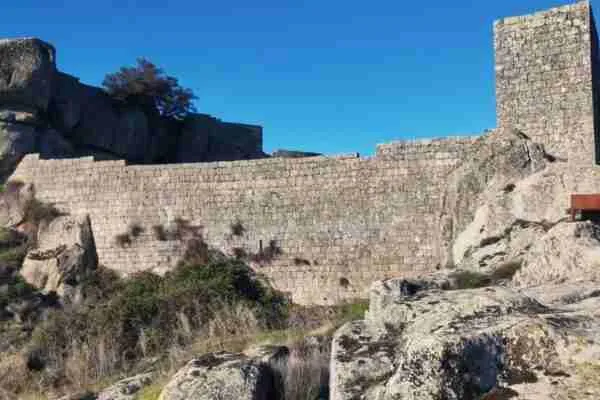
The Built Rock: Discovering the Hidden In-Situ Architecture of Monsanto and Idanha-a-Velha Beiras

The Built Rock: Discovering the Hidden In-Situ Architecture of Monsanto and Idanha-a-Velha In the far eastern reaches of Portugal’s Beira Baixa region, two villages stand as living proof that architecture does not always begin with quarried stone and blank ground. Monsanto and Idanha-a-Velha occupy the same granite upland, separated by […]

Read More

The Stone and the Travertine: Discovering the Gothic and Romanesque Soul of Ascoli Piceno

The Stone and the Travertine: Discovering the Gothic and Romanesque Soul of Ascoli Piceno Nestled between the Sibillini Mountains and the Adriatic coastal plain, Ascoli Piceno stands as Italy’s most architecturally cohesive medieval city, built entirely from honey-colored travertine stone quarried from the surrounding hills. Unlike other Italian art cities […]

Read More

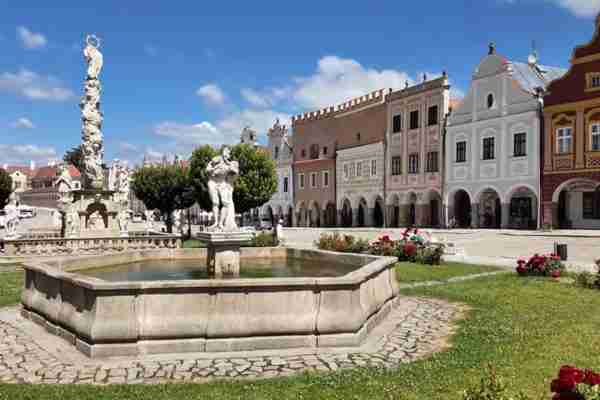
Telč Historic Centre UNESCO Guide: Moravia Renaissance Architecture & Cultural Heritage

Telč Historic Centre UNESCO Guide: Renaissance Architecture & Cultural Heritage Telč represents one of Europe’s most perfectly preserved Renaissance town centers, where Italian-inspired architecture meets Central European heritage in a setting of extraordinary beauty. Inscribed as a UNESCO World Heritage Site in 1992, this small Moravian town offers visitors an […]

Read More

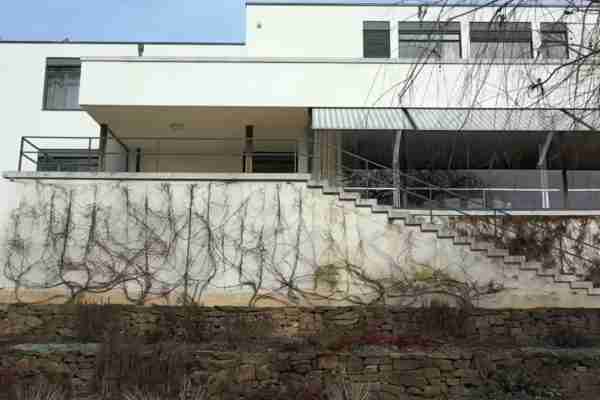
Tugendhat Villa Brno UNESCO Guide: Modernist Architecture Masterpiece

Tugendhat Villa Brno UNESCO Guide: Modernist Architecture Masterpiece Key Takeaways: Villa Tugendhat represents the pinnacle of Mies van der Rohe’s residential architecture and the International Style movement The villa pioneered revolutionary architectural concepts including open floor plans, dissolving boundaries between interior and exterior spaces UNESCO recognition in 2001 acknowledges the […]

Read More

St. Barbara’s Cathedral Kutna Hora Guide: Gothic Masterpiece of Bohemia

St. Barbara’s Cathedral Kutná Hora Guide: Gothic Masterpiece of Bohemia Key Takeaways: St. Barbara’s Cathedral ranks among Central Europe’s finest Gothic structures, featuring unique tent-like roof design and exceptional medieval frescoes spanning five centuries of construction The cathedral was commissioned by silver miners and funded entirely by mining wealth, making […]

Read More

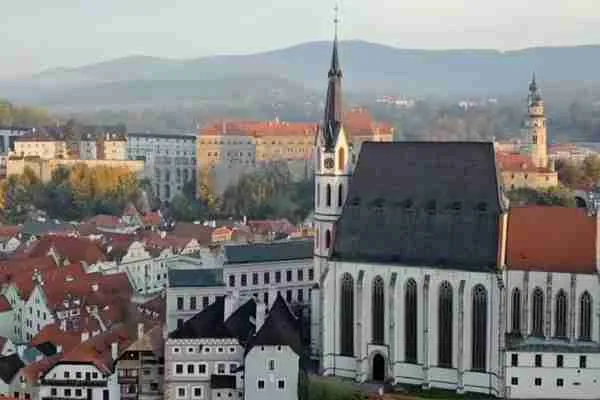
Historic Centre of Cesky Krumlov: UNESCO World Heritage Guide to Medieval Urban Excellence

Historic Centre of Český Krumlov: UNESCO World Heritage Guide to Medieval Urban Excellence Key Takeaways The Historic Centre of Český Krumlov earned UNESCO World Heritage designation in 1992 for outstanding universal value demonstrating exceptional medieval urban planning that survived seven centuries virtually unchanged The medieval town layout follows organic development […]

Read More

Regensburg Old Town: UNESCO Roman Heritage Travel Guide

Regensburg Old Town: UNESCO Roman Heritage Travel Guide Key Takeaways Regensburg preserves exceptional continuity of urban development spanning 2000 years from Roman Castra Regina (179 AD) through medieval prosperity to modern heritage conservation The Stone Bridge (1135-1146) represents medieval engineering genius and served as the architectural model for numerous European […]

Read More

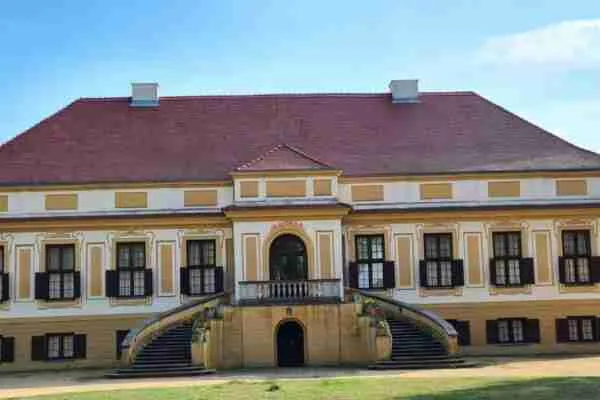
Sanssouci Palace Potsdam Travel Guide: German Rococo Architecture

Sanssouci Palace: Prussia’s Versailles Complete Guide Key Takeaways: Sanssouci Palace represents the pinnacle of German rococo architecture, designed by Georg Wenzeslaus von Knobelsdorff for Frederick the Great as an intimate summer retreat The palace name derives from French “sans souci” meaning “without worries,” reflecting Frederick’s desire for a personal sanctuary […]

Read More

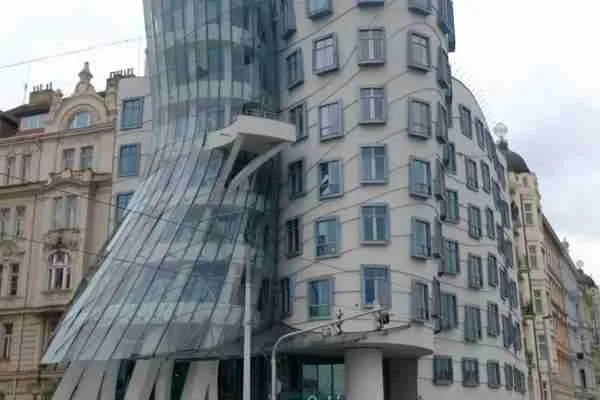
Prague Architecture Guide: Gothic, Baroque & Cubist Masterpieces

Prague Architecture Guide: Gothic, Baroque & Cubist Masterpieces Key Takeaways Architectural Time Machine: Prague preserves 1,000 years of European architectural evolution from Romanesque foundations to unique 20th-century Cubism Gothic Supremacy: St. Vitus Cathedral represents Central European Gothic pinnacle with 124-meter spire and intricate stone tracery spanning five centuries Baroque Capital: 17th-18th century transformation […]

Read More

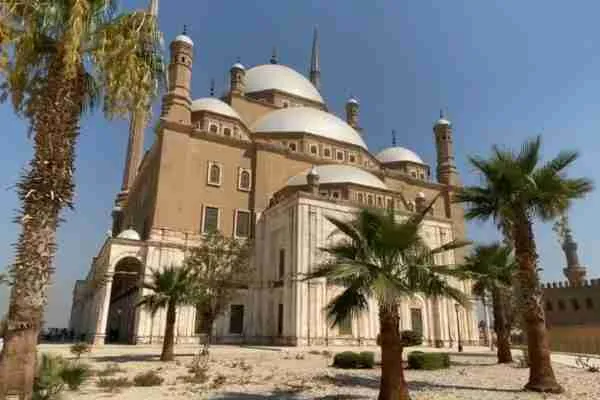
Cairo Architecture Guide: Pharaonic to Islamic Masterpieces

Cairo Architecture Guide: Pharaonic to Islamic Masterpieces Key Takeaways Cairo showcases 5,000 years of architectural evolution from Old Kingdom pyramid complexes through Roman fortifications, Byzantine churches, Fatimid palace-cities, Mamluk mosque-madrasa complexes, and Ottoman imperial structures The Giza Pyramids represent humanity’s earliest monumental stone architecture, demonstrating sophisticated engineering knowledge including precise […]

Read More

Barcelona Architecture Guide: Gaudi, Modernisme & Gothic

Barcelona Architecture Guide: Gaudí, Modernisme & Gothic Masterpieces Key Takeaways Barcelona’s architectural identity stems from three distinct periods: medieval Gothic (13th-15th centuries), 19th-century Eixample urban expansion, and Catalan Modernisme (1888-1930s) with Antoni Gaudí as the movement’s revolutionary figure Gaudí’s architectural innovation eliminated traditional straight lines and flat surfaces, instead employing […]

Read More

Rome Architecture Guide: Ancient to Baroque Masterpieces

Rome Architecture Guide: Ancient to Baroque Masterpieces Key Takeaways Architectural Span: Rome showcases 2,800 years of continuous architectural evolution from 753 BCE to present day Revolutionary Engineering: Ancient Romans invented concrete, perfected the arch, and engineered the dome that influenced global architecture Layered Urbanism: The city demonstrates vertical architectural stratification with medieval churches […]

Read More

Islamic Architecture Guide: Understanding Alhambra’s Masterpieces

Islamic Architecture Guide: Understanding Alhambra’s Artistic Masterpieces Key Takeaways Geometric Perfection: Islamic art avoids figurative representation, creating infinite beauty through mathematical patterns and geometric precision Muqarnas Mastery: Stalactite-style ceiling decorations transform structural elements into celestial representations of divine architecture Calligraphy Integration: Arabic poetry and Quranic verses transform walls into readable […]

Read More