Lima Travel Guide 2026: Ultimate Planning Resource
Key Takeaways
- Lima’s Historic Centre, a UNESCO World Heritage Site since 1988, anchors cultural exploration of Peru’s colonial past
- Budget €80-150 per day for comfortable Lima experiences including accommodation, meals, and attractions in 2026
- Jorge Chávez International Airport connects Lima to all major international destinations with downtown transfers taking 45-75 minutes
- Miraflores and Barranco offer the best visitor bases, combining safety, dining options, and coastal atmosphere
- Lima’s gastronomy scene ranks among the world’s finest, with restaurants ranging from €5 ceviche to €200 tasting menus
- Optimal visiting occurs December-April for weather or June-August for reduced prices and crowds
- Get your FREE tailor-made itinerary! Contact us through the trip planner form and let our travel experts design your perfect journey
Introduction to Lima for 2026 Visitors
Lima stands as South America’s gastronomic capital, Peru’s cultural heart, and a gateway to one of the continent’s most diverse travel destinations. The city of ten million inhabitants sprawls along the Pacific coast where desert meets ocean, creating landscapes unlike any other major metropolis. For 2026 visitors, Lima offers world-class museums, colonial architecture protected by UNESCO, and culinary experiences that have made Peru a global food destination.
The Historic Centre of Lima received UNESCO World Heritage inscription in 1988, with extension in 1991, recognizing the exceptional colonial urban planning and architecture that survived centuries of development. Plaza Mayor, surrounded by the Cathedral, Government Palace, and Archbishop’s Palace, preserves the core of Spanish colonial power in South America. Beyond this famous square, the Historic Centre contains dozens of churches, monasteries, and colonial mansions that reward extensive exploration.
This comprehensive 2026 guide covers everything needed to plan and execute a successful Lima visit. From airport arrival procedures through neighborhood selection, transportation options, dining strategies, and day-by-day itineraries, the following sections provide practical information for transforming Lima from overwhelming metropolis into navigable, enjoyable destination.
People Also Ask About Lima 2026
How many days do you need in Lima in 2026?
Most visitors find 3-4 days sufficient for Lima’s highlights in 2026, covering the Historic Centre, major museums, coastal neighborhoods, and several memorable dining experiences. However, thorough exploration of Lima’s cultural depth, culinary scene, and surrounding archaeological sites rewards 5-7 days. Travelers using Lima as a gateway to other Peru destinations should allocate at least 2 full days to avoid rushing through the capital’s extraordinary offerings.
Is Lima safe for tourists in 2026?
Lima’s tourist areas—Miraflores, San Isidro, and Barranco—maintain safety levels comparable to major European cities. Standard urban precautions apply: secure valuables, avoid displaying expensive items, and remain aware of surroundings. The Historic Centre requires additional vigilance, particularly after dark when some areas empty of pedestrian activity. Taxis from official stands or app-based services provide safe transportation throughout the city.
How much money do you need per day in Lima in 2026?
Budget travelers managing carefully spend €50-70 per day in Lima covering hostel accommodation, local transportation, market meals, and free or low-cost attractions. Mid-range travelers comfortable with 3-star hotels, sit-down restaurants, and guided tours budget €100-150 daily. Luxury visitors accessing top restaurants, boutique hotels, and private experiences spend €250-400 per day. Check current exchange rates as costs fluctuate with currency movements.
What is the best area to stay in Lima in 2026?
Miraflores serves most 2026 visitors best, combining excellent restaurants, safe streets, Pacific Ocean views, and convenient transportation connections. Barranco appeals to those prioritizing artistic atmosphere and nightlife over mainstream tourism. San Isidro offers business-district amenities and quieter surroundings. The Historic Centre places visitors among colonial attractions but presents safety and infrastructure challenges that make it less suitable for first-time Lima visitors.
Extended multi-day tours – 5+ days
Featured Lima Multi-Day Tour Packages
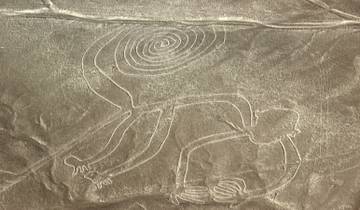
1 days
Overflight To The Mysterious Nazca Lines from Lima
- ✓ Comprehensive Lima tour
- ✓ Expert local guides included
- ✓ All accommodation arranged
- ✓ Transportation provided
2 days
2-Day Lima Experience: Gastronomy, Culture & History
- ✓ Comprehensive Lima tour
- ✓ Expert local guides included
- ✓ All accommodation arranged
- ✓ Transportation provided

3 days
Lima Tourist Package
- ✓ Booking needs min. 2 travelers
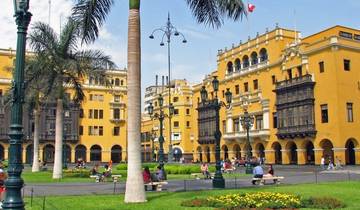
4 days
4-Day Lima Classic Tour
- ✓ Comprehensive Lima tour
- ✓ Expert local guides included
- ✓ All accommodation arranged
- ✓ Transportation provided
Multi-day tour packages powered by TourRadar. Prices and availability subject to change.
Getting to Lima in 2026
International Flights to Lima 2026
Jorge Chávez International Airport (LIM) handles all international flights to Lima, with connections from major cities across the Americas, Europe, and beyond. Direct flights serve Lima from Miami, Houston, Dallas, Los Angeles, Atlanta, and New York in North America; Madrid, Amsterdam, and Paris in Europe; Buenos Aires, São Paulo, Bogotá, and Santiago in South America. Flight duration from New York runs approximately 7 hours, from Madrid around 12 hours, and from Los Angeles about 8.5 hours.
Major carriers serving Lima in 2026 include LATAM (Peru’s flag carrier with the most extensive route network), Avianca, Copa Airlines, American, United, Delta, Iberia, Air France-KLM, and JetSmart. Budget options have expanded with JetSmart and Viva Air providing regional connections at reduced prices. Booking 2-3 months ahead secures optimal pricing for most routes.
Airport modernization continues in preparation for increased 2026 traffic, with expanded terminal facilities and improved passenger processing. Immigration procedures typically take 30-60 minutes depending on arrival time and flight origins, with South American and North American flights generally processing faster than European arrivals due to scheduling concentration.
Airport Transfer Options 2026
The 12-kilometer journey from Jorge Chávez Airport to central Lima neighborhoods takes 45-75 minutes depending on traffic conditions. Rush hour (7-9 AM and 5-8 PM) can extend this to 90 minutes or more. Multiple transfer options serve different budgets and preferences.
Official airport taxi services operate from counters inside the arrivals hall, with fixed rates to major destinations: Miraflores $25-30 USD, San Isidro $22-28 USD, Historic Centre $20-25 USD, Barranco $28-35 USD. These rates, posted prominently, eliminate negotiation and provide reliable service with registered vehicles. Check counters for current 2026 pricing as rates adjust periodically.
App-based services (Uber, Cabify, Beat) serve the airport pickup areas with variable pricing based on demand. Normal rates run 15-25% below official taxis, but surge pricing during peak arrivals can exceed fixed taxi rates. Request pickups from the designated rideshare areas following airport signage.
Airport Express Lima operates shuttle buses to Miraflores with stops at major hotels. Service runs every 30-45 minutes during peak hours, taking 60-90 minutes to complete routes. Tickets cost approximately $8-10 USD per person, making this economical for solo travelers but less advantageous for groups who might share taxi costs. Verify current 2026 schedules at the airport information desk.
Regional Connections to Lima 2026
Domestic flights connect Lima to Cusco (1 hour 20 minutes), Arequipa (1 hour 30 minutes), Trujillo (1 hour 15 minutes), and other Peruvian destinations. LATAM, Avianca Peru, and budget carriers Sky and JetSmart compete on popular routes, with Lima-Cusco fares ranging from $60-180 USD depending on booking timing and carrier.
Bus travel from Lima reaches most Peruvian destinations, with reputable companies like Cruz del Sur, Oltursa, and Movil Tours operating modern coaches with comfortable seating. Lima to Cusco takes approximately 20-22 hours by bus ($40-80 USD depending on service class), while Arequipa requires 15-17 hours ($35-70 USD). Bus terminals concentrate in the Historic Centre area, requiring taxi transfers for most tourists.
Navigating Lima Transportation in 2026
Metropolitano Bus System 2026
Lima’s Metropolitano provides rapid transit along dedicated bus lanes connecting northern and southern districts through the city center. The system operates clean, efficient articulated buses that beat traffic congestion affecting regular vehicles. Fares cost 2.50 soles ($0.65 USD) per journey regardless of distance, paid via rechargeable cards available at stations.
For 2026 visitors, Metropolitano proves most useful for journeys between Miraflores and the Historic Centre. The Angamos station in Miraflores connects to Central station near Plaza Mayor in approximately 25 minutes, far faster than taxis during peak hours. However, the linear route limits usefulness for east-west journeys or accessing neighborhoods not along the corridor.
Operating hours run approximately 5:30 AM to 10:30 PM Monday-Saturday, with reduced Sunday service. Peak hour crowding can be intense—avoid the 7-9 AM and 5-8 PM periods if possible. Stations have security presence and are generally safe, though standard urban awareness applies regarding personal belongings.
Taxi Services in Lima 2026
Taxis remain the most practical transportation for 2026 visitors navigating Lima’s spread-out attractions. Official yellow taxis cruise major streets, while app-based services (Uber, Cabify, Beat, inDrive) provide reliable alternatives with transparent pricing. Both options serve tourists safely when used appropriately.
Street taxi negotiation follows established patterns: agree on price before entering the vehicle, as meters are rare and often manipulated. Typical fares run 8-15 soles ($2-4 USD) for journeys within Miraflores, 15-25 soles ($4-7 USD) for Miraflores to Historic Centre, and 10-18 soles ($2.50-5 USD) for Miraflores to Barranco. Night journeys and routes to/from the airport command premium rates.
App-based services eliminate negotiation stress and provide GPS tracking that enhances safety. Fares display before confirming rides, preventing disputes. During normal demand periods, app-based services often beat negotiated taxi prices. Surge pricing during rush hours or rain can reverse this equation, making street taxis more economical when demand spikes.
Walking and Coastal Paths 2026
Lima’s coastal malecón provides safe, pleasant walking between Miraflores, Barranco, and neighboring districts. The clifftop path stretches several kilometers with Pacific views, parks, and public art installations. Walking from central Miraflores to Barranco takes approximately 45-60 minutes along this scenic route, creating the most enjoyable transportation option for journeys between these neighborhoods.
The Historic Centre rewards walking once you arrive, with major attractions concentrated within reasonable distances. From Plaza Mayor, the San Francisco Monastery lies 5 minutes walk, while the Larco Museum requires taxi transport to Pueblo Libre. Plan walking routes carefully—Lima’s size means distances between neighborhoods often exceed comfortable walking range despite appearing close on maps.
Pedestrian safety varies significantly by neighborhood. Miraflores, San Isidro, and Barranco maintain sidewalks, traffic signals, and police presence that make walking comfortable. The Historic Centre requires more vigilance, with aggressive traffic, uneven surfaces, and areas that empty after business hours. Other districts generally lack tourist-friendly pedestrian infrastructure.
Where to Stay in Lima 2026
Miraflores Accommodation 2026
Miraflores concentrates Lima’s tourist infrastructure with options spanning budget hostels to luxury properties. The neighborhood’s combination of safety, restaurant density, and transportation connections makes it the default choice for first-time Lima visitors in 2026.
Budget options ($40-80 per night) include well-reviewed hostels like Kokopelli, Flying Dog, and Pariwana, offering private rooms and dormitories in central Miraflores locations. These properties provide social atmospheres, tour booking assistance, and breakfast service at prices competitive with any South American capital. Book 2-4 weeks ahead during high season for optimal selection.
Mid-range hotels ($100-180 per night) deliver comfortable rooms, consistent amenities, and professional service throughout Miraflores. Properties like Hotel José Antonio, Sonesta, and Ibis Reducto combine reasonable pricing with business-hotel standards. Location near Parque Kennedy or the malecón commands slight premiums but enhances walking access to restaurants and attractions.
Luxury properties ($200-400 per night) include international brands (JW Marriott, Hilton) and boutique options (Casa República, Hotel B) offering refined experiences in prime locations. The JW Marriott’s position at Larcomar shopping center provides immediate Pacific views and dining access, while boutique properties emphasize design and personalized service. Check booking platforms for current rates as pricing fluctuates with demand.
Barranco Accommodation 2026
Barranco attracts visitors seeking artistic atmosphere, vibrant nightlife, and neighborhood character distinct from Miraflores’s tourist polish. The district’s smaller scale means fewer hotel options but concentrated character that rewards those prioritizing authenticity over convenience.
Mid-range boutique hotels ($80-150 per night) define Barranco’s accommodation character. Properties like Hotel B, Casa República Barranco, and Second Home Peru occupy restored mansions with artistic sensibilities matching the neighborhood’s creative community. These properties often include features—rooftop terraces, curated art, chef-driven restaurants—that add value beyond basic accommodation.
Budget options ($30-60 per night) exist primarily as hostels serving backpacker circuits. Barranco’s Backpackers and similar properties offer dormitory and private room options in renovated houses. Location near the Puente de los Suspiros and main plaza concentrations provides walking access to neighborhood highlights.
Barranco’s location 15-20 minutes from Miraflores requires considering transportation for airport transfers and some attractions. The neighborhood’s nightlife focus means evening noise can affect light sleepers, while daytime tranquility creates peaceful mornings. These characteristics suit visitors prioritizing cultural immersion over typical tourism logistics.
Historic Centre Accommodation 2026
Staying in Lima’s Historic Centre places visitors within walking distance of Plaza Mayor, colonial churches, and UNESCO-protected architecture. However, the neighborhood presents challenges that make it less suitable than Miraflores for most 2026 visitors.
Limited quality options characterize Historic Centre accommodation. The Gran Hotel Bolivar, Lima’s historic grande dame, occupies a stunning beaux-arts building on Plaza San Martín but shows its age in room conditions. Newer properties have emerged, but restaurant and evening activity options remain limited compared to Miraflores or Barranco.
Safety considerations affect Historic Centre stays. While daytime exploration proves completely safe, some streets empty after business hours, and the concentration of poverty surrounding the tourist core requires awareness. Returning to hotels after evening dining in Miraflores means taxi rides through areas that lack Miraflores’s secure pedestrian character.
For visitors committed to colonial immersion, Historic Centre accommodation provides unmatched proximity to morning church services, pre-tourist-crowd photography, and authentic urban atmosphere. Budget approximately $50-120 per night for acceptable properties, with careful research essential to avoiding poorly maintained options.
Lima’s UNESCO Heritage Attractions 2026
Historic Centre Exploration 2026
Lima’s UNESCO-designated Historic Centre concentrates colonial architecture spanning nearly five centuries, from early conquest-era foundations to republican-period refinements. Plaza Mayor anchors the zone with the Cathedral, Government Palace, and Archbishop’s Palace creating an ensemble that represents Spanish colonial urbanism at its most developed.
The Cathedral of Lima, rebuilt multiple times following earthquakes, combines architectural elements from different periods while maintaining colonial character. The tomb of Francisco Pizarro, relocated to the Cathedral in 1891, draws visitors who contemplate the controversial conquistador’s legacy. Entry to the Cathedral costs 10 soles ($2.60 USD), including access to the crypt and small museum. Check for current 2026 pricing at the entrance.
The San Francisco Monastery and its famous catacombs rank among Lima’s most visited sites. The colonial complex includes a remarkable library with 25,000 antique texts, beautiful cloisters with Sevillian tiles, and underground crypts containing the bones of an estimated 25,000 colonial-era Lima residents. Entry costs 15 soles ($4 USD) with guided tours included. Expect 30-60 minute waits during peak season; early morning visits minimize delays.
Walking the Historic Centre beyond Plaza Mayor reveals dozens of colonial churches, each with distinct artistic treasures. Santo Domingo contains the tombs of Santa Rosa de Lima and San Martín de Porres, Peru’s first saints. La Merced features a baroque facade and museum. San Pedro, built by Jesuits, houses colonial paintings including works by Rubens. Most churches allow free entry, with small fees for museums or restricted areas.
Larco Museum and Pre-Columbian Heritage 2026
The Larco Museum in Pueblo Libre houses Peru’s most comprehensive pre-Columbian art collection in a beautifully restored colonial mansion. The museum’s organization—moving chronologically through Peruvian cultures from earliest human presence through Inca empire—provides essential context for understanding the civilizations that preceded Spanish arrival.
Highlights include the gallery of Moche portrait vessels, remarkably individualized ceramic heads that may represent specific historical figures. The gold and silver gallery displays metalwork demonstrating techniques that remain difficult to replicate today. The “erotic gallery” presents sexual imagery from pre-Columbian cultures, providing anthropological context for subjects often censored in other museums.
Entry costs 35 soles ($9 USD) for adults, with student and senior discounts available. Hours run 9 AM to 10 PM daily, making evening visits possible after returning from day trips. The on-site restaurant serves quality Peruvian cuisine in garden surroundings, justifying dinner plans combined with evening museum exploration. Verify current 2026 hours and pricing at the museum website.
Pachacamac Archaeological Complex 2026
Pachacamac, located 30 kilometers south of central Lima, preserves Peru’s most important coastal pilgrimage site spanning over 1,500 years of religious significance. The complex encompasses temples, pyramids, and ceremonial spaces from pre-Inca cultures through the Inca empire’s final expansion.
The Templo del Sol (Temple of the Sun) crowns the site with views across the desert landscape to the Pacific Ocean. Reconstructed portions of the Acllahuasi (House of the Chosen Women) illustrate Inca religious practices. The site museum displays artifacts recovered from excavations, including textiles preserved by the desert climate that reveal sophisticated weaving techniques.
Entry costs 15 soles ($4 USD) plus additional fees for guided tours if desired. The site’s extent requires 2-3 hours minimum for adequate exploration, with longer visits rewarding those interested in archaeological detail. Transportation from Lima costs approximately $30-50 USD round-trip by taxi, with tour packages including transport and guide available for $40-70 USD per person. Bring sun protection, water, and comfortable walking shoes—desert conditions are harsh, and shade is limited.
Lima’s Culinary Scene 2026
World-Class Dining Experiences 2026
Lima’s position among the world’s great food cities means 2026 visitors can access dining experiences ranking with any global destination. Central, led by Virgilio Martínez, explores Peruvian ecosystems through multi-course menus that redefine ingredient-focused cuisine. Maido combines Japanese techniques with Peruvian products under Mitsuharu Tsumura’s direction. Astrid y Gastón, Gastón Acurio’s flagship, showcases evolved traditional cuisine in an elegant mansion setting.
Reservations at these restaurants require booking 2-3 months ahead for 2026 visits, with specific request systems varying by establishment. Central maintains an online reservation system that opens several months in advance. Maido and Astrid y Gastón accept email reservations with confirmation processes. Budget €150-350 per person for full tasting menus with pairings at these celebrated establishments. Check restaurant websites for current pricing and booking procedures.
Beyond the famous names, Lima’s culinary creativity extends through dozens of excellent restaurants serving contemporary Peruvian cuisine. Ámaaz highlights Amazonian ingredients, Isolina elevates criollo comfort food, and Costanera specializes in seafood. These restaurants typically require 1-2 week advance booking for dinner, offering experiences nearly equal to headline establishments at €50-100 per person.
Cevicherías and Traditional Dining 2026
Ceviche anchors Peruvian cuisine, and Lima’s cevicherías range from market stalls to refined restaurants, all serving the nation’s signature dish with regional variations. Traditional ceviche—fresh fish cured in lime juice with onions, cilantro, and chili—provides a gateway to understanding Peruvian flavor profiles.
La Mar, Gastón Acurio’s seafood-focused concept, combines traditional preparations with contemporary techniques in a lively setting. Expect waits without reservations, particularly for weekend lunch. Chez Wong operates by reservation only from a location that changes periodically, serving legendary ceviche to those who navigate the booking process. Pescados Capitales offers creative preparations in Miraflores at accessible prices.
Neighborhood cevicherías provide authentic experiences at local prices. In Miraflores, El Mercado serves excellent ceviche in casual surroundings. Surquillo market stalls offer standing-only ceviche prepared moments before consumption. Budget €8-15 per person for ceviche lunches at neighborhood establishments, €20-40 at recognized restaurants. Cevicherías traditionally close by 5 PM—Peruvian custom holds that the freshest fish deserves lunch, not dinner.
Street Food and Markets 2026
Lima’s street food and markets provide authentic flavors at prices that enable extended culinary exploration. Anticuchos (beef heart skewers), picarones (sweet potato fritters), and various sandwiches fuel local life at corners and carts throughout the city.
Mercado de Surquillo serves as the most accessible market for tourists, with upper-floor food stalls cooking dishes to order for neighborhood workers and curious visitors. The market operates daily with peak activity from 9 AM to 2 PM. Lunch costs €4-8 per person for complete meals including ceviche, rice dishes, or soups.
Street food safety requires reasonable precautions. Choose vendors with visible turnover—popular stalls where food doesn’t sit long present lower risk. The anticucheros who have cooked the same corners for decades generally maintain standards ensuring their continued business. Avoid very cheap ceviche from unknown sources—the premium at established venues reflects quality fish and proper handling.
Sample 2026 Lima Itineraries
3-Day Essential Lima Itinerary 2026
Day 1: Historic Centre Immersion
Begin at Plaza Mayor before crowds arrive, photographing the Cathedral and Government Palace in morning light. Tour the Cathedral (10 soles) including the crypt, then walk to the San Francisco Monastery for the essential catacombs visit (15 soles). Continue through colonial streets to Santo Domingo and San Pedro churches (free entry). Lunch at a Historic Centre restaurant serving traditional criollo cuisine (€12-20). Afternoon visit to the Museo de la Inquisición (free) before taxi transfer to Miraflores. Evening dinner at a contemporary Peruvian restaurant (€40-70). Cathedral €2.60, San Francisco €4, lunch €12-20, dinner €40-70, transportation €8-12. Total day cost: €67-110 per person (excluding accommodation).
Day 2: Museums and Gastronomy
Morning taxi to the Larco Museum (35 soles/$9 USD), allowing 2-3 hours for comprehensive exploration. Lunch at the museum’s garden restaurant (€15-25). Afternoon return to Miraflores for coastal walk along the malecón and Huaca Pucllana visit (15 soles/$4 USD). The illuminated pyramid creates evening atmosphere for dining at the on-site restaurant or nearby options (€35-50). Evening walk through Miraflores’s Parque Kennedy and surrounding streets. Larco €9, lunch €15-25, Huaca Pucllana €4, dinner €35-50, transportation €10-15. Total day cost: €73-103 per person (excluding accommodation).
Day 3: Coastal Culture and Departure Preparation
Morning exploration of Barranco, walking from the main plaza through artistic streets to the Puente de los Suspiros and coastal viewpoints. Visit the Pedro de Osma Museum (20 soles/$5 USD) and MATE (Mario Testino museum, 30 soles/$8 USD). Lunch at a Barranco cevichería (€12-18). Afternoon return to Miraflores for final shopping at Larcomar or Indian Market. Evening farewell dinner at a memorable restaurant (€50-80). Pedro de Osma €5, MATE €8, lunch €12-18, dinner €50-80, transportation €8-12. Total day cost: €83-123 per person (excluding accommodation).
5-Day Comprehensive Lima Itinerary 2026
Days 1-3: Follow the 3-day essential itinerary above.
Day 4: Pachacamac and Southern Excursion
Full-day excursion to Pachacamac archaeological site (15 soles entry). Hire a taxi for the day ($60-80 USD round-trip with wait time) or join a tour group ($40-70 per person including transport and guide). The journey south along the Pan-American Highway provides glimpses of Lima’s urban extent and desert landscape. Allow 3-4 hours at Pachacamac for comprehensive exploration. Return via Chorrillos for seaside lunch and Pantanos de Villa wetlands visit (optional, 10 soles). Evening at leisure in Miraflores. Pachacamac €4, Pantanos de Villa €2.60, lunch €12-18, transportation €55-80. Total day cost: €74-105 per person (excluding accommodation).
Day 5: Pueblo Libre and Neighborhood Exploration
Morning visit to Museo Nacional de Arqueología (entry fees vary) for broader Peruvian historical context. Walk through Pueblo Libre’s colonial streets and traditional plaza. Lunch at a neighborhood restaurant serving home-style criollo cuisine (€8-15). Afternoon exploration of San Isidro’s Huaca Huallamarca (15 soles) and El Olivar park. Final evening in Lima: splurge on a tasting menu at Central, Maido, or similar (€150-250) or enjoy multiple courses at excellent but more accessible restaurants (€60-90). Museum €8-12, Huaca Huallamarca €4, lunch €8-15, dinner €60-250, transportation €12-18. Total day cost: €92-299 per person (excluding accommodation).
7-Day Extended Lima and Surroundings 2026
Days 1-5: Follow the 5-day comprehensive itinerary above.
Day 6: Callao and Maritime Heritage
Morning excursion to Callao for Real Felipe Fortress visit (12 soles), Peru’s largest colonial fortification. Explore La Punta peninsula with its Victorian architecture and waterfront character. Lunch at a traditional Callao seafood restaurant (€12-20). Afternoon in Callao Monumental arts district, exploring street art and emerging galleries. Evening return to Barranco for nightlife exploration—peñas (folk music venues), bars, and live music. Real Felipe €3.20, lunch €12-20, evening dining/drinks €25-40, transportation €12-18. Total day cost: €52-81 per person (excluding accommodation).
Day 7: Flexibility and Final Experiences
Reserve this day for revisiting favorite spots, deeper exploration of particular neighborhoods, or experiences discovered during previous days. Options include cooking classes ($50-100 USD), market tours with chef guides ($60-120 USD), day trips to nearby Caral archaeological site ($80-150 USD), or simply wandering neighborhoods that captured attention. Lunch at a previously discovered favorite (€12-25), afternoon at leisure, final dinner at a restaurant requiring reservations made at trip start (€40-100). Activities €40-120, lunch €12-25, dinner €40-100, transportation €10-15. Total day cost: €102-260 per person (excluding accommodation).
Lima Budget Planning 2026
Budget Traveler Costs 2026
Budget travelers can experience Lima’s highlights on €50-70 per day with careful planning. Accommodation in quality hostels costs €15-25 per night for dorm beds or €30-45 for private rooms. Public transportation via Metropolitano (€0.65 per ride) and occasional taxis (€3-6 per journey) keeps transport costs minimal at €5-10 daily.
Food represents the most flexible budget category. Market meals cost €3-6, ceviche at neighborhood stands €5-8, and bakery breakfast items €2-4. Budget €20-30 daily for food while allowing occasional restaurant splurges. Many Lima attractions offer free or minimal entry fees—churches, parks, and street art cost nothing, while major museums charge €3-10.
Budget breakdown example: Hostel dorm €18, breakfast €3, lunch at market €5, dinner at casual restaurant €12, Metropolitano transport €2.50, one museum entry €6, evening gelato €4. Total: €50.50 per day (excluding splurge activities).
Mid-Range Traveler Costs 2026
Mid-range travelers accessing Lima’s full offerings budget €100-150 daily. Accommodation in 3-4 star hotels costs €80-140 per night, providing private rooms with reliable amenities in excellent Miraflores or Barranco locations. Daily transport combining taxis and occasional Metropolitano runs €15-25.
Food at mid-range restaurants—quality cevicherías, contemporary Peruvian establishments, and neighborhood favorites—costs €40-60 daily including one memorable meal and two casual options. Attraction entry fees, guided tours, and activity costs add €15-30 daily.
Mid-range breakdown example: Hotel €110, breakfast (included), lunch at cevichería €18, dinner at contemporary restaurant €45, taxis €18, Larco Museum €9, evening drinks €12. Total: €122 per day (excluding splurge activities).
Luxury Traveler Costs 2026
Luxury visitors accessing Lima’s finest experiences budget €250-400 daily. Accommodation at top hotels (JW Marriott, Casa República, Hotel B) costs €200-350 per night for rooms with premium amenities and prime locations. Private transportation and tours eliminate public transit considerations at €40-80 daily.
Fine dining represents the primary luxury expenditure. Tasting menus at Central, Maido, or Astrid y Gastón cost €150-300 per person, while excellent secondary restaurants run €60-120. Budget €200-350 daily for food when including one premium meal.
Luxury breakdown example: Boutique hotel €250, breakfast (included), lunch at high-end cevichería €40, dinner tasting menu €200, private guide for afternoon €100, transfers €50, museum entry €15. Total: €405 per day for maximum experience.
Practical Information for 2026 Lima Visits
Money and Banking 2026
Peru uses the sol (PEN), with exchange rates fluctuating around 3.7-3.9 soles per US dollar and 4.0-4.2 per euro. ATMs throughout Lima dispense soles, with tourist areas offering US dollar withdrawal options. Withdraw from bank-affiliated ATMs inside buildings when possible—street ATMs present higher skimming risks.
Credit cards work widely in Miraflores and tourist-oriented establishments but remain less accepted in markets, smaller restaurants, and Historic Centre shops. Carry cash for street food, taxis, and market purchases. Exchange offices (casas de cambio) offer competitive rates; avoid airport exchanges which charge significant premiums.
Tipping follows North American patterns in tourist contexts: 10% at restaurants (when not included), a few soles for hotel porters, and tips for guides appropriate to service quality. Local establishments frequented by Peruvians have minimal tipping expectations.
Communications and Connectivity 2026
Tourist SIM cards from Claro, Movistar, or Entel cost €5-15 at airport shops or electronics stores, providing data and local calling useful for navigation and app-based services. Coverage throughout Lima runs excellent, with 4G available in all tourist areas.
WiFi availability reaches most hotels, restaurants, and cafés, reducing data requirements for those comfortable connecting between stops. Miraflores and Barranco particularly offer abundant free WiFi at commercial establishments.
International calling and data roaming work but at significant cost—local SIM cards prove far more economical for stays exceeding 2-3 days. WhatsApp functions as the primary communication platform for reservations, tour confirmations, and local contacts.
Health and Safety Considerations 2026
Lima presents no unusual health risks for travelers from developed nations. Tap water is not recommended for drinking—bottled water is inexpensive and universally available. Street food from popular vendors with high turnover presents acceptable risk; avoid items sitting at room temperature for extended periods.
Altitude concerns do not apply to Lima at sea level, though visitors continuing to Cusco or other highland destinations should plan acclimatization strategies. Lima’s hospitals and pharmacies meet international standards, with pharmacies stocking most common medications without prescriptions.
Crime awareness follows standard urban patterns. Pickpocketing occurs in crowded areas; secure valuables and remain aware in markets and on public transport. Express kidnapping, where victims are forced to withdraw ATM cash, represents the most serious concern—use official taxis, avoid displaying wealth, and maintain situational awareness, particularly after dark in less-trafficked areas.
Language and Cultural Considerations 2026
Spanish predominates throughout Lima, with English spoken in tourist-focused establishments but limited elsewhere. Basic Spanish phrases significantly enhance experiences outside tourist infrastructure. Google Translate and similar apps help bridge communication gaps in local establishments.
Peruvian culture emphasizes warmth and hospitality, responding positively to visitors who make effort with greetings and basic courtesy phrases. “Buenos días,” “por favor,” and “gracias” go far in establishing positive interactions. Formal address (“usted” rather than “tú”) shows respect in initial encounters.
Photography etiquette requires asking permission before photographing individuals, particularly in markets and traditional settings. Indigenous vendors and performers may request payment for photos. Church photography rules vary—check signage and ask when uncertain about restrictions.

FAQ: Lima 2026 Planning
Is Lima worth visiting in 2026 or should I focus on Machu Picchu?
Lima merits significant time independent of Machu Picchu plans. The city’s culinary scene, colonial heritage, and cultural offerings create experiences unavailable elsewhere in Peru. Most itineraries benefit from treating Lima as a destination rather than merely a gateway, with 3-4 days allowing meaningful exploration before continuing to other regions.
What vaccines do I need for Lima in 2026?
No vaccines are required for Lima specifically. Routine vaccinations (tetanus, hepatitis A) are recommended for any international travel. Yellow fever vaccination is recommended only for travel to Peru’s Amazon regions, not Lima or highland destinations. Consult travel medicine clinics 4-6 weeks before departure for personalized recommendations.
Can I drink tap water in Lima in 2026?
Tap water is not recommended for drinking in Lima. Bottled water costs minimal amounts at any store and is universally available. Ice in tourist-oriented restaurants is generally made from purified water; local establishments may use tap water for ice. Brushing teeth with tap water presents no significant risk for most travelers.
How do I get reservations at Central or Maido in 2026?
Book 2-3 months ahead through official restaurant channels. Central releases reservations through their website on scheduled dates. Maido accepts email reservations with confirmation processes. Flexibility regarding days and times increases booking success. Some hotels maintain relationships that can secure difficult reservations—inquire when booking luxury properties.
Is Lima’s Historic Centre safe to walk around in 2026?
The Historic Centre is safe for walking during daylight hours when streets are active with commerce and pedestrians. Maintain standard urban awareness, secure valuables, and stay on main streets. After dark, some areas empty significantly; return to Miraflores or Barranco for evening activities rather than lingering in the Historic Centre.
What is the best way to get from Lima to Cusco in 2026?
Flights take 1 hour 20 minutes with multiple daily departures on LATAM, Avianca, and budget carriers, costing $60-180 USD depending on timing and class. Bus travel takes 20-22 hours through spectacular Andean scenery at $40-80 USD. Most travelers fly given the time savings, though overnight buses suit budget travelers and those seeking scenic routes.
Do I need to speak Spanish for Lima in 2026?
Tourist infrastructure in Miraflores and Barranco operates with adequate English for basic transactions. Venturing beyond tourist zones, visiting local markets, and accessing authentic experiences benefits significantly from Spanish basics. Translation apps bridge gaps; learning greetings, numbers, and food vocabulary enhances any Lima visit.
What should I pack for Lima in 2026?
Pack layers regardless of season—Lima’s climate surprises visitors expecting tropical heat. Light jacket, water-resistant layer, and comfortable walking shoes serve year-round. Summer requires sun protection; winter needs warmer layers for cool, damp conditions. Bring smart casual clothing for upscale restaurants with dress codes.
How much should I budget for food in Lima 2026?
Budget €20-30 daily for casual eating, €50-80 daily for restaurant meals at quality establishments, or €100-200 daily when including premium dining experiences. Lima offers remarkable range—excellent ceviche costs €10 at neighborhood spots or €80 at celebrated restaurants. Budget according to culinary priorities rather than fixed rules.
Can I use US dollars in Lima in 2026?
US dollars are accepted at tourist-oriented establishments, hotels, and some restaurants, but at unfavorable exchange rates. Paying in soles saves 5-15% compared to dollar pricing. ATMs readily provide soles; exchange remaining dollars at casas de cambio rather than paying dollar prices throughout your visit.