Lima Photography Guide: Mastering Iconic & Hidden Perspectives
Key Takeaways
- Lima’s coastal position creates unique lighting conditions where marine fog diffuses harsh shadows and Pacific sunsets deliver spectacular golden hour opportunities
- Colonial architecture in the Historic Centre rewards wide-angle lenses for courtyards and telephoto compression for ornate wooden balconies
- Pre-Columbian sites like Huaca Pucllana and Pachacamac require early morning visits for optimal lighting and minimal crowds
- Street photography thrives in markets, Historic Centre streets, and neighborhood scenes where daily Peruvian life unfolds
- Night photography opportunities include illuminated archaeological sites, Pacific twilight, and Barranco’s artistic streetscapes
- Weather conditions vary dramatically—winter fog creates atmospheric mood while summer brings clearer skies for landmark shots
- Get your FREE tailor-made itinerary! Contact us through the trip planner form and let our travel experts design your perfect journey
Understanding Lima’s Photographic Character
Lima presents photographers with a visual complexity unmatched by most South American capitals. The city’s coastal desert setting, colonial architectural heritage, pre-Columbian archaeological sites, and vibrant contemporary culture create diverse subjects within a single metropolitan area. Mastering Lima photography requires understanding how light, weather, and urban rhythms interact to create optimal shooting conditions across these varied environments.
The Pacific Ocean’s influence dominates Lima’s visual character. The cold Humboldt Current generates persistent coastal fog during winter months, diffusing light in ways that soften shadows and create ethereal atmosphere. Summer brings clearer conditions but harsher midday light. Understanding these seasonal patterns allows photographers to select appropriate timing for different subjects—atmospheric church interiors during fog season, crisp architectural exteriors when skies clear.
Lima’s UNESCO World Heritage Historic Centre concentrates photographic opportunities spanning nearly five centuries of architecture, from early colonial constructions to republican-period refinements. Meanwhile, pre-Columbian sites scattered throughout the metropolitan area offer completely different aesthetic challenges—adobe structures against desert landscapes that reward patient composition and careful light management. This guide explores both iconic locations and hidden perspectives that distinguish memorable Lima photography.
People Also Ask About Lima Photography
What is the best time of day for photography in Lima?
Golden hour—the hour after sunrise and before sunset—provides Lima’s most dramatic lighting for architectural and landscape photography. Plaza Mayor and the Historic Centre churches glow with warm light during early morning, while the Miraflores malecón achieves spectacular Pacific sunset views. Midday light proves challenging for exterior shots but ideal for interior church photography where windows illuminate dark naves. Night photography opportunities extend through evening hours with illuminated sites remaining accessible.
What camera equipment works best for Lima photography?
A versatile travel kit covers most Lima subjects effectively. Wide-angle lenses (16-35mm equivalent) capture colonial courtyards, church interiors, and sweeping coastal views. Standard zoom ranges (24-70mm) handle street photography, architectural details, and environmental portraits. Telephoto options (70-200mm) compress the Historic Centre’s layered balconies and isolate details at archaeological sites. Tripod usefulness depends on shooting style—essential for night photography and long exposures, optional for handheld daytime work.
Are there photography restrictions at Lima’s attractions?
Most Lima attractions permit photography with restrictions on flash and tripods. The San Francisco Monastery catacombs prohibit photography entirely to protect bone preservation and prevent bottlenecks. Museums vary—the Larco Museum allows photography in galleries but restricts certain special exhibitions. Churches generally permit respectful photography without flash during non-service hours. Archaeological sites impose no significant restrictions. Always verify current policies at entrance points.
Where are the best photography locations for Lima’s sunset?
The Miraflores malecón provides Lima’s most accessible sunset photography positions, with clifftop parks offering unobstructed Pacific views. The Larcomar shopping center’s upper levels add architectural foreground interest. Barranco’s Puente de los Suspiros area captures romantic atmosphere as golden light illuminates the famous bridge. The Chorrillos Morro Solar viewpoint offers elevated perspectives across Lima’s entire coastal arc. Each location rewards scouting to identify optimal compositions before light peaks.
Extended multi-day tours – 5+ days
Featured Lima Multi-Day Tour Packages
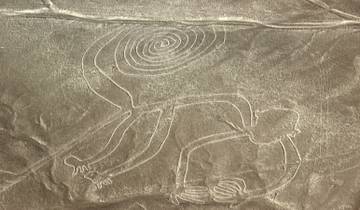
1 days
Overflight To The Mysterious Nazca Lines from Lima
- ✓ Comprehensive Lima tour
- ✓ Expert local guides included
- ✓ All accommodation arranged
- ✓ Transportation provided
2 days
2-Day Lima Experience: Gastronomy, Culture & History
- ✓ Comprehensive Lima tour
- ✓ Expert local guides included
- ✓ All accommodation arranged
- ✓ Transportation provided

3 days
Lima Tourist Package
- ✓ Booking needs min. 2 travelers
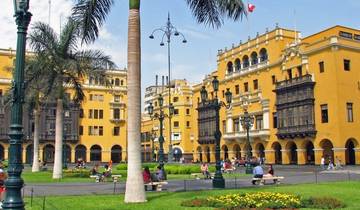
4 days
4-Day Lima Classic Tour
- ✓ Comprehensive Lima tour
- ✓ Expert local guides included
- ✓ All accommodation arranged
- ✓ Transportation provided
Multi-day tour packages powered by TourRadar. Prices and availability subject to change.
Historic Centre Architectural Photography
Plaza Mayor Perspectives
Lima’s Plaza Mayor concentrates iconic subjects within a single frame: the Cathedral’s baroque towers, the Government Palace’s republican grandeur, and the Archbishop’s Palace with its famous wooden balconies. Mastering this space requires understanding how light moves across the different facades throughout the day and positioning to capture the elements that define Lima’s colonial character.
Morning light illuminates the Cathedral’s facade from the northeast, creating warm tones on the stonework while the plaza remains in shadow. Position from the northwest corner for compositions that include the Cathedral with the central fountain and palm trees providing foreground interest. As light strengthens, harsh shadows challenge midday photography; retreating to interior subjects during these hours optimizes time management.
The Archbishop’s Palace balconies—Lima’s most photographed architectural detail—benefit from telephoto compression that emphasizes their layered depth. Late afternoon light rakes across the carved wooden screens, revealing texture invisible in flat illumination. Positions from the plaza’s southern edge allow compositions isolating individual balcony sections against sky backgrounds. Wide-angle inclusion requires managing the street vendor activity that often clutters foreground areas.
Evening transforms Plaza Mayor as artificial lighting illuminates the perimeter buildings. The Cathedral glows against darkening sky during blue hour, creating classic urban night compositions. Tripod use becomes essential for sharp images at lower ISO values, though security presence discourages tripod deployment on busy weekend evenings when crowds fill the plaza.
Colonial Church Interiors
Lima’s colonial churches present technical challenges that reward prepared photographers. The combination of dark stone interiors, gilded baroque altars, and window-source illumination creates extreme contrast ratios exceeding most cameras’ dynamic range. Working within these limitations requires strategic approaches to exposure, positioning, and timing.
The Cathedral of Lima achieves optimal interior photography during midday when clerestory windows throw light beams across the nave. These dramatic shafts illuminating dust motes and incense smoke create atmospheric images impossible at other hours. Position to catch light crossing altars or illuminating specific architectural details rather than attempting uniform exposure of the entire space. Bracketed exposures allow HDR processing that recovers shadow detail while preserving highlight information.
The San Francisco Monastery cloister presents entirely different conditions—open-air galleries surrounding a garden courtyard create soft, even illumination ideal for architectural photography. The Sevillian tile work covering cloister walls photographs beautifully without struggling against extreme contrast. Wide-angle perspectives from corner positions capture the full cloister extent, while detail shots isolate individual tile patterns that reward close examination.
Santo Domingo’s baroque interior features exceptional gilded altarpieces that challenge accurate color reproduction under mixed artificial and natural light. Set custom white balance or shoot raw for post-processing flexibility. The church’s relatively bright interior compared to other Lima churches allows handheld photography at reasonable ISO values, though tripod use still produces sharper results when permitted.
Wooden Balcony Documentation
Lima’s iconic wooden balconies—protected architectural heritage—create unique photographic opportunities unavailable elsewhere. These closed balconies, designed to allow women’s observation of street life while maintaining seclusion, feature carved wooden screens, decorative brackets, and paintwork that varies from pristine restoration to characterful decay.
Jirón de la Unión concentrates the Historic Centre’s finest surviving balconies along its pedestrianized length. Morning light from the east illuminates balconies on the western buildings, revealing carving depth through shadow play. Telephoto lenses allow compression that stacks multiple balcony levels within single frames, emphasizing the density that defines Lima’s colonial streetscape. Late afternoon reverses optimal orientation as western light crosses to eastern facades.
Casa de Aliaga and other aristocratic residences preserve balconies in superior condition, though access requires advance arrangement. Interior photography from within balconies looking outward through wooden screens creates distinctive perspectives impossible from street level. The filtered light passing through carved patterns produces atmospheric effects that photograph dramatically against bright street scenes beyond.
Decay and restoration provide contrasting subjects—some balconies maintain pristine paint and polish while others reveal weathered wood and peeling finishes that many photographers prefer. Document both conditions, recognizing that Lima’s restoration efforts continuously change the balance between preserved and deteriorating examples. The most characterful specimens may not survive indefinitely.
Pre-Columbian Archaeological Photography
Huaca Pucllana Illuminated
Huaca Pucllana’s location within Miraflores creates Lima’s most surreal archaeological photography—an adobe pyramid rising from residential streets, illuminated at night against the city skyline. This site rewards both daytime and evening visits with completely different photographic opportunities.
Daytime photography emphasizes the pyramid’s distinctive construction technique: millions of small adobe bricks arranged like books on shelves, creating patterns that photograph dramatically in raking light. Morning hours provide optimal illumination as sunlight angles across the terraced levels, revealing texture and creating shadows that define architectural form. Position from the site’s eastern boundary for classic compositions with the pyramid’s restored sections prominent.
Evening visits transform Huaca Pucllana into a nighttime landmark. Strategic lighting illuminates the pyramid from below, creating dramatic uplight effects against darkening sky. Blue hour—the thirty minutes after sunset—offers the most balanced exposure between artificial illumination and remaining sky light. Tripod positioning along the site’s restaurant terrace allows extended exposures that capture both the illuminated pyramid and ambient city context.
The adjacent restaurant provides elevated positions for dining-while-photographing experiences. Reservations for terrace tables ensure optimal positioning as light transitions through blue hour. This combination of gastronomy and photography creates uniquely Lima experiences impossible to replicate at other archaeological sites.
Pachacamac Desert Landscapes
Pachacamac’s scale and desert setting require different approaches than urban archaeological photography. The site’s extent—over 600 hectares—means comprehensive documentation requires full-day commitment, while specific subjects benefit from understanding how Pacific light interacts with adobe structures against sandy terrain.
The Templo del Sol crowning the site’s highest point provides commanding positions for landscape photography encompassing both the archaeological complex and Pacific Ocean beyond. Morning light illuminates the temple’s reconstructed sections while casting the surrounding desert into warm tones. The combination of ancient structure, desert landscape, and ocean creates layered compositions unique to this coastal pilgrimage site.
The Acllahuasi reconstructions photograph most dramatically with human figures providing scale. Solo photographers can include other visitors in compositions that emphasize the structures’ size, while self-timer techniques allow personal placement within frames. The geometric regularity of reconstructed walls creates graphic patterns that work well in both color and monochrome treatments.
Desert conditions create challenges—sand infiltration threatens equipment, harsh midday light washes out color and flattens form, and heat shimmer affects telephoto shots during afternoon hours. Protect cameras from blowing sand, shoot early morning or late afternoon when possible, and embrace the golden tones that Pachacamac’s landscape achieves during magic hour.
Urban Archaeological Contrasts
Lima’s pre-Columbian sites surrounded by modern development create compositional opportunities unique to this city. Huaca Huallamarca in San Isidro, framed by residential high-rises, exemplifies these archaeological-urban juxtapositions that define contemporary Lima’s relationship with its ancient past.
Wide-angle approaches at Huaca Huallamarca capture the pyramid with apartment buildings towering behind, creating surreal compositions impossible at isolated archaeological sites. Position from the site’s southern boundary for maximum building inclusion, using the pyramid’s restored stairway as leading line toward the ancient summit. Evening illumination of both pyramid and apartment windows extends shooting opportunities beyond sunset.
Complejo Mateo Salado in Pueblo Libre rises from neighborhood streets where daily life continues around ancient monuments. Including pedestrians, vehicles, and contemporary architecture alongside pre-Columbian structures creates documentary images that express Lima’s unique archaeological urbanism. These compositions require patience—waiting for elements to align within frames rewards those who invest time in observing neighborhood rhythms.
Coastal and Landscape Photography
Malecón Perspectives
Lima’s coastal cliffs create the city’s most dramatic landscape photography opportunities. The malecón stretching from Chorrillos through Miraflores to Barranco offers continuous Pacific views with varied foreground elements including parks, public art, and architectural features that provide compositional anchors.
The Miraflores malecón concentrates iconic views around Parque del Amor, where Victor Delfín’s “El Beso” sculpture creates instantly recognizable foreground for Pacific panoramas. The mosaic-covered walls continuing along the park provide additional color and pattern elements. Wide-angle compositions from the seaward side of the sculpture include both artwork and ocean; telephoto compression from elevated positions beyond the park stacks elements more dramatically.
Sunset photography along the malecón benefits from scouting positions during afternoon hours. Identify compositions where foreground elements align with anticipated sunset position—the sun’s path varies seasonally, moving along the horizon between southern and northern extremes. Cloud formations over the Pacific add drama impossible to predict, making multiple sunset attempts worthwhile for capturing optimal conditions.
The paragliding launch area near Larcomar creates opportunities for action photography as pilots and passengers launch from clifftop platforms. Telephoto lenses track gliders against sky or ocean backgrounds, while wider perspectives include the cliff edge and city context. Late afternoon light illuminates colorful canopies against blue Pacific waters.
Fog and Atmospheric Conditions
Lima’s winter fog, called garúa, transforms the city’s photographic character for months each year. Rather than viewing fog as obstacle, creative photographers embrace these conditions for atmospheric images impossible during clear weather.
Colonial architecture gains mystery when fog softens backgrounds and reduces contrast. The San Francisco Monastery photographed through morning mist achieves romantic atmosphere that bright sunshine cannot create. Position close to primary subjects, allowing fog to progressively soften more distant elements, creating natural depth separation without harsh tonal contrasts.
Coastal fog creates constantly changing conditions along the malecón. Fog banks rolling across Pacific waters photograph dramatically with extended exposure times that blur moving mist while maintaining sharp foreground elements. The transition zone where fog meets clearer air produces the most interesting images—pure fog obscures everything, while completely clear conditions lack atmospheric interest.
Street photography during garúa takes on melancholy character that suits Lima’s contemplative side. Wet pavements reflect neon signs and streetlights, creating colorful accents against gray surroundings. The muted palette simplifies compositions, emphasizing form and gesture over color relationships.
Beach and Wave Photography
Lima’s beaches along the Costa Verde create surf and coastal photography opportunities within the metropolitan area. The combination of Pacific waves, clifftop development, and beach activity produces varied subjects depending on location and conditions.
La Herradura beach in Chorrillos maintains active surf community whose riders create action photography opportunities. Long telephoto lenses—300mm and beyond—isolate individual surfers against wave faces, while moderate telephotos include more context showing beach setting and cliff backgrounds. Early morning light creates warm tones on east-facing waves; late afternoon backlights water spray for dramatic effect.
Wave photography at rocky points along the Costa Verde captures power and motion without surfer subjects. Extended exposures blur water into silky textures, requiring neutral density filters to achieve proper exposure during daylight hours. Faster shutter speeds freeze explosive spray against rock formations, revealing detail invisible to naked eye.
The contrast between beach activity and clifftop development creates unique Lima compositions. Wide-angle perspectives from beach level include both swimmers and the towering cliff edge lined with hotels and apartments. This juxtaposition of natural coastline with urban development distinguishes Lima’s beaches from more pristine locations.
Street Photography Techniques
Market and Commerce Scenes
Lima’s markets provide concentrated street photography opportunities where commerce, cuisine, and culture intersect. Mercado de Surquillo, Mercado Central, and neighborhood markets throughout the city offer accessible subjects that photograph well with appropriate technique and respectful approach.
Interior market photography challenges technical skills through difficult lighting—fluorescent fixtures create color casts, windows blow out against dark interiors, and movement in active commercial spaces requires higher shutter speeds than available light easily supports. Higher ISO values (1600-6400 on capable cameras) enable proper exposure while preserving atmosphere; avoid flash that destroys ambient character and disturbs vendors.
Produce displays create naturally colorful compositions requiring minimal arrangement. The pyramids of fruit, piles of peppers, and arrangements of herbs that vendors construct for commercial purposes photograph beautifully with standard focal lengths. Get low for produce-level perspectives that show abundance within single frames, or shoot from above for overhead patterns where geometry dominates.
Vendor portraits require permission and relationship building. Purchase items before requesting photos; engage with the humanity of market workers rather than treating them as subjects only. The resulting images—when vendors relax after initial interaction—convey authentic character impossible to capture through furtive long-lens shooting.
Historic Centre Street Life
The Historic Centre’s streets present constantly changing theater for street photographers. Commerce, worship, commuting, and tourism intersect around colonial architecture, creating layered compositions where human activity animates historic settings.
Jirón de la Unión pedestrian zone concentrates foot traffic useful for street photography exploration. The controlled commercial environment encourages relaxed pedestrian behavior, creating opportunities for candid captures as people shop, converse, and navigate the colonial streetscape. Positions near cross streets allow photography of subjects entering the frame, while elevated positions from café balconies provide overview perspectives.
Church entrances create natural focal points where devotional activity contrasts with secular surroundings. The transition zones at Santo Domingo, San Francisco, and the Cathedral attract subjects moving between sacred and secular realms, their postures and expressions shifting accordingly. Patience at these thresholds rewards with moments that encapsulate Lima’s religious character.
The movement of street vendors creates rhythm within Historic Centre photography. Cart-pushers, ambulatory sellers, and performers circulate through spaces, appearing and disappearing on unpredictable schedules. Extended time in single locations captures this commercial choreography as vendors work territories, interact with customers, and navigate around each other.
Barranco’s Artistic Atmosphere
Barranco’s transformation from fishing village to artistic neighborhood created a street photography environment distinct from the Historic Centre. Galleries, cafés, street art, and creative community generate subjects that photograph differently than commercial or religious urban activity.
The Puente de los Suspiros and surrounding streets concentrate Barranco’s romantic character. Couples, tourists, and local residents mix in spaces designed for leisurely presence rather than transit. The bridge itself creates classic compositions, but overworked perspectives benefit from alternative viewpoints—shoot from below as people cross, from adjacent streets as the bridge appears in background, or at night when illumination transforms the structure.
Street art murals throughout Barranco provide backdrops and subjects for photography. Large-scale pieces create context for human subjects posed or candid before colorful walls. The art itself merits documentation, though standard mural photography requires attention to distortion correction and even illumination across large surfaces. Smaller works hidden in alleys and passages reward exploration beyond obvious locations.
Café culture creates stationary subjects in pleasant settings. The neighborhood’s many terraces and sidewalk tables put people in accessible positions for environmental portraits and candid observations. Early evening brings the most interesting crowds as artists, musicians, and creative professionals gather in Barranco’s establishments.
Night Photography Opportunities
Illuminated Historic Centre
Lima’s Historic Centre transforms after dark as illumination reveals colonial architecture in dramatic new character. The combination of flood-lit monuments, atmospheric street lighting, and pedestrian activity creates night photography opportunities that extend shooting hours well beyond sunset.
Plaza Mayor achieves its most dramatic appearance during early evening when illumination activates against still-bright sky. Blue hour—approximately thirty minutes after sunset—provides balanced exposure between artificial and natural light. Later in evening, completely dark sky simplifies exposure but loses the color transitions that make blue hour special. Tripod mounting from plaza corners captures sharp images at low ISO values; include fountains for motion blur interest from water movement.
The Circuito Mágico del Agua provides purpose-built night photography subjects through choreographed fountain displays. The illuminated water features create constantly changing compositions as colors cycle and patterns shift. Include silhouetted visitors for scale and human interest; varying shutter speeds produce different water textures from frozen droplets to silky streams.
Street photography after dark requires technique adjustments for low light. Higher ISO capabilities of modern cameras enable handheld capture of street scenes under artificial illumination; stabilized lenses extend possibilities further. Wet pavement after garúa reflects lights and creates doubled compositions that add visual interest. Security considerations suggest earlier evening hours rather than late-night sessions in less-familiar areas.
Coastal Twilight
Pacific twilight creates extended opportunities for coastal photography as residual light persists long after sunset. The progression from golden hour through blue hour to darkness spans ninety minutes of constantly changing conditions, each phase offering distinct possibilities.
Sunset itself photographs classically from malecón positions, with foreground elements silhouetted against orange and pink sky. Wide-angle compositions include more sky area, emphasizing color gradients; telephoto compression enlarges the sun disk against horizon features. Cloud formations determine success—clear sky produces reliable but unspectacular sunsets, while scattered clouds create dramatic light shows impossible to predict.
Blue hour transitions sky color toward deep blue while maintaining sufficient light for handheld photography at high ISO values. City lights activate during this period, creating foreground illumination that balances remaining sky light. The color contrast between warm artificial light and cool twilight sky produces natural visual interest without additional processing.
Full darkness simplifies to artificial illumination sources—street lights, building windows, car headlights—against black sky and ocean. Extended exposures smooth water surfaces and blur moving clouds, creating ethereal seascape images. Position to include coastal highway traffic for light trails that add dynamic elements to otherwise static compositions.
Barranco After Dark
Barranco’s nightlife creates photography opportunities distinct from the Historic Centre’s illuminated monuments. Bars, restaurants, galleries, and music venues generate activity that continues well into evening hours, providing subjects and settings for after-dark street photography.
The main plaza and surrounding streets maintain foot traffic through evening hours, creating accessible street photography conditions. Neon signage, bar lighting, and gallery illumination provide adequate exposure for high-ISO handheld shooting. The artistic community’s tolerance for photography exceeds typical commercial districts, allowing more relaxed shooting without concern for vendor objections.
Live music venues present challenging but rewarding indoor environments. Stage lighting creates high-contrast conditions where performers illuminate against dark backgrounds. Spot metering on faces maintains proper exposure regardless of background darkness. Higher ISO values (3200-12800) enable fast shutter speeds that freeze movement; embrace noise rather than fighting it through excessive smoothing.
The Puente de los Suspiros illuminated at night achieves romantic atmosphere that attracts couples and tourists, creating reliable subjects in a classic setting. Position early evening to photograph bridge with blue hour sky, remaining as darkness brings fully artificial illumination. The changing light creates varied images from single positions over extended shooting periods.
Technical Considerations
Equipment Recommendations
Lima’s diverse subjects reward versatile equipment capable of addressing varied situations. A comprehensive travel kit serves better than specialized gear optimized for single subject types. Consider the following recommendations for different photography priorities.
Core camera requirements include capable high-ISO performance for interior church photography and night work, weather sealing for garúa conditions, and sufficient resolution for cropping architectural details from wider shots. Both full-frame and APS-C sensors serve Lima photography well, though full-frame’s low-light advantages prove valuable in challenging interior conditions.
Lens selection priorities include wide-angle capability (16-24mm equivalent) for colonial courtyards and church interiors; standard zoom (24-70mm or 24-105mm equivalent) for street photography, environmental portraits, and general documentation; and telephoto reach (70-200mm or longer) for architectural details, wildlife at Pantanos de Villa, and surf photography. Prime lenses offer quality advantages but reduce flexibility in Lima’s varied environments.
Tripod decisions depend on shooting priorities. Night photography, blue hour coastal work, and interior architecture benefit enormously from stable platforms. However, tripod transport complicates street photography mobility and creates security considerations in some environments. Compact travel tripods serve most Lima purposes adequately; full-size tripods prove unnecessary for typical tourist photography.
Processing Approaches
Lima’s challenging light conditions often require post-processing to realize potential captured in raw files. Understanding appropriate techniques for different subject types optimizes results without overprocessing into unrealistic appearances.
High dynamic range (HDR) processing serves interior church photography where single exposures cannot capture both window light and shadow detail simultaneously. Bracket exposures spanning the full tonal range—typically three to five frames at two-stop intervals—provide source material for software blending. Restrained processing maintains natural appearance; overcooked HDR produces artificial results that age poorly.
Color correction addresses mixed lighting common in markets and urban interiors. Custom white balance during capture provides foundation, but localized color adjustments often prove necessary where different light sources illuminate different frame areas. Lima’s garúa conditions produce naturally cool color temperature that some photographers warm during processing while others preserve for atmospheric effect.
Contrast and clarity adjustments enhance architectural photography by emphasizing texture and form. The detailed carving on wooden balconies, the texture of colonial stonework, and the patterns of pre-Columbian adobe all benefit from processing that reveals surface detail without creating harsh, over-sharpened appearance. Local adjustments targeting specific frame areas allow optimizing different elements independently.
Workflow and Backup
Extended Lima photography generates substantial file volumes requiring organized workflow and reliable backup strategies. The consequences of losing images to equipment failure or theft justify investment in redundant storage systems.
Daily backup to multiple devices protects against single-point failures. Portable SSDs provide compact, reliable storage for end-of-day transfers; cloud upload where connectivity permits creates off-site redundancy. Maintain memory cards after copying until images confirm transferred successfully—reformatting cards before verification risks permanent loss.
Image organization during travel prevents overwhelm upon return. Brief daily review sessions identify outstanding images for later processing priority, flag technical problems requiring attention, and create basic keyword tags enabling later retrieval. This minimal organization during shooting proves far easier than reconstructing context weeks later when memory fades.
Portfolio editing improves with temporal distance from shooting. Lima’s wealth of subjects produces large volumes requiring ruthless selection for final presentation. Allow days or weeks between shooting and final editing—the emotional attachment to images created through physical effort fades, enabling objective assessment of which images genuinely succeed.
Location-Specific Guidance
Best Shooting Times by Location
Optimizing Lima photography requires understanding how light interacts with specific locations throughout the day. The following timing recommendations maximize image quality while managing crowds and access considerations.
Plaza Mayor photographs best during early morning (7-9 AM) when warm light illuminates the Cathedral facade while the plaza remains relatively uncrowded. Return during evening hours (6-8 PM) for illuminated night shots after tourist coaches depart. Midday visits suit interior Cathedral photography when clerestory light reaches maximum intensity.
The San Francisco Monastery benefits from late morning visits (10 AM – 12 PM) when interior light balances well and crowds haven’t reached peak density. Cloister photography works throughout daylight hours due to even illumination. Avoid Sunday mornings when religious services restrict access to certain areas.
Larco Museum’s garden setting creates pleasant photography conditions throughout the day, with late afternoon (4-6 PM) providing warm light on the colonial mansion exterior. Evening visits enable night photography of the illuminated building, though interior galleries close by 10 PM.
Huaca Pucllana optimizes for evening visits starting around 5 PM to catch sunset light on the adobe structure transitioning through blue hour to full illumination. Night photographs of the pyramid achieve full impact after 7 PM when artificial lighting reaches maximum effect against dark sky.
Miraflores malecón sunset photography requires positioning by 5 PM (summer) or 5:30 PM (winter) to scout compositions before golden hour begins. The sunset-to-darkness transition spans 90 minutes of continuously changing conditions; plan to remain through blue hour for complete coverage.
Access and Permission Considerations
Professional-appearing photography equipment attracts attention that casual tourist cameras avoid. Understanding access policies and permission requirements prevents confrontations and ensures continued access to important locations.
Tripod use in churches varies by institution and changes according to current staff attitudes. Generally, asking permission before deploying tripods produces better results than assuming restriction. Many churches permit tripod use during quiet periods while restricting during services or when crowds impede movement. Monopods often face fewer restrictions than full tripods.
Museum photography policies require verification at each institution. The Larco Museum permits photography throughout permanent galleries; special exhibitions may impose restrictions. The Museo de la Nación and other government institutions have varying policies requiring current confirmation. Flash photography remains restricted universally to protect sensitive artifacts.
Archaeological sites impose minimal restrictions on tourist photography. Pachacamac permits tripods and extended shooting throughout the extensive grounds. Urban sites like Huaca Pucllana and Huaca Huallamarca allow photography including night work during extended evening hours. Drone photography requires formal permits regardless of location.
Street photography in commercial areas generally proceeds without incident, though market vendors occasionally object to being photographed. Purchasing before photographing creates goodwill that prevents confrontations. The Historic Centre’s blend of tourists and commercial activity normalizes camera presence, while residential neighborhoods require more discretion.

FAQ: Lima Photography
What focal length do I need for Lima’s colonial balconies?
Telephoto focal lengths between 100-200mm (equivalent) provide optimal compression for Lima’s layered wooden balconies. Wider lenses include too much context while longer telephotos may struggle with positioning constraints on narrow colonial streets. A 70-200mm zoom offers flexibility for varying distances and compositions.
How do I photograph Lima’s church interiors without flash?
Use high ISO values (1600-6400), steady technique or tripod support, and wide apertures to capture church interiors in available light. Time visits for midday when window illumination reaches maximum intensity. Bracket exposures for HDR processing that recovers detail across extreme tonal ranges. Accept that some shadow detail may remain blocked while preserving highlight information in windows and gilded surfaces.
Is it safe to carry camera equipment in Lima’s Historic Centre?
Standard precautions apply—use inconspicuous bags, remain aware of surroundings, avoid displaying expensive equipment unnecessarily. The Historic Centre during business hours presents acceptable risk for typical tourist photography. Exercise additional caution after dark or in areas away from main tourist routes. Camera straps worn across body prevent snatch theft better than shoulder mounting.
Can I photograph inside the San Francisco catacombs?
Photography is prohibited inside the catacombs themselves—both for bone preservation and crowd management reasons. The monastery’s other areas, including the beautiful cloister and library, permit photography. Guards enforce the catacomb restriction strictly; attempting hidden photography risks confiscation and ejection.
What is the best season for Lima photography?
Summer months (December-March) offer better light for architectural and landscape photography, with clearer skies and more sunshine. Winter months (June-September) provide atmospheric fog conditions that create mood in colonial architecture and street photography. Both seasons produce excellent results with appropriate technique adaptations.
How do I photograph Pachacamac without harsh shadows?
Visit during early morning (before 10 AM) or late afternoon (after 4 PM) when angled light creates texture and modeling without harsh midday shadows. Embrace the desert landscape’s golden character during magic hour rather than fighting neutral midday conditions. Cloud cover, while rare, provides naturally diffused light throughout the day.
What photo editing software works best for Lima images?
Adobe Lightroom provides comprehensive tools for the exposure correction, color adjustment, and batch processing that Lima photography requires. Alternatives like Capture One or free options like Darktable serve similar purposes. Mobile editing using Snapseed or Lightroom Mobile enables basic adjustments during travel before full processing upon return.
Are there photography tours or workshops in Lima?
Several local photographers offer Lima-focused workshops and photo walks. These range from casual walking tours of photogenic neighborhoods to intensive workshops addressing specific techniques. Local tour operators sometimes include photography-focused options in their offerings. Research current options and reviews before booking, as quality varies significantly.
How do I protect camera equipment from Lima’s garúa fog?
Weather-sealed cameras and lenses resist light moisture without additional protection. For non-sealed equipment, carry microfiber cloths for frequent lens front element wiping, use lens hoods to shield from direct moisture contact, and avoid lens changes in active fog. Store equipment with silica packets to prevent long-term humidity damage. The garúa’s fine mist rarely causes immediate equipment problems but can affect focus accuracy if front elements remain wet.
What are the photography opportunities at Lima’s markets?
Markets offer concentrated subjects including colorful produce displays, vendor portraits, food preparation, and commercial activity against characterful settings. Mercado de Surquillo provides accessible introduction; Mercado Central offers more intense atmosphere. Technical challenges include mixed artificial lighting, active commercial environment, and ethical considerations around photographing workers. Purchase products before requesting portraits; engage with vendors as people rather than subjects only.