Journeying to the ancient Inca citadel of Machu Picchu is a dream for countless adventurers. Nestled high in the Andes, this UNESCO World Heritage Site demands thoughtful planning to ensure a seamless trip. Whether you’re a first-time visitor or a seasoned traveler, navigating the route from Cusco to Machu Picchu requires insider knowledge to match your pace, budget, and preferences.
This guide simplifies the process. From direct trains gliding through the Sacred Valley to budget-friendly bus-train combos, every option is tailored to enhance your travel experience. Luxury seekers can indulge in panoramic rail journeys, while thrill-seekers might prefer hiking trails like the Inca Quarry Trail. Each choice reveals unique perspectives of Peru’s breathtaking landscapes.
Our expert insights eliminate guesswork. We’ll explore practical details, including timing, costs, and local tips, ensuring your Cusco Machu Picchu adventure aligns perfectly with your goals. Let’s transform this iconic trip into a stress-free, unforgettable experience.
Key Takeaways
- Proper planning ensures a smooth journey to this bucket-list destination.
- Multiple transportation options exist, including trains, buses, and hikes.
- Choices range from budget-friendly to luxury experiences.
- Routes vary in duration, scenery, and cultural immersion opportunities.
- Seasonal factors and advance bookings impact availability.
- Local expertise enhances safety and enjoyment.
- Contact us by filling out the trip planner form, our expert travel advisors will work closely with you to create your tailor-made itinerary (Free Service)
Overview of the Journey from Cusco to Machu Picchu
The path to Machu Picchu blends modern convenience with ancient wonder. Travelers choose between direct rail routes or multi-stage adventures combining buses and trains. Each journey unveils distinct landscapes, from Andean peaks to lush cloud forests.
Route Options and Travel Time
Direct trains from Poroy Station near Cusco take 3.5 hours, whisking passengers through the Sacred Valley. Budget-conscious explorers often opt for bimodal routes: a 2-hour bus ride to Ollantaytambo followed by a 1.5-hour train segment. These combined trips typically span 6-7 hours, while alternative paths involving hiking segments extend to 14 hours.
Cultural Riches Along the Way
This trip isn’t merely transportation—it’s a living museum. Passengers glimpse Quechua villages where traditional textiles flutter in mountain winds. The Urubamba River snakes below train windows, mirroring routes once walked by Inca messengers.
Morning departures maximize daylight for scenery, with most trains running between 5:00 AM and 9:00 AM. Evening returns let visitors savor golden-hour vistas across the Andes. While travel time varies, every route delivers postcard-worthy moments.
Machu Picchu’s enduring appeal lies in its dual legacy: architectural genius harmonizing with untamed nature. The site’s celestial alignment and terraced slopes showcase Inca innovation, while surrounding biodiversity hosts rare orchids and spectacled bears. This fusion of human achievement and natural splendor justifies its global acclaim.
Exploring Transportation Options
Selecting the right transport method impacts both budget and experience. Visitors can embrace convenience with private taxis or embrace affordability through coordinated bus and train routes. Each option reveals different facets of Peru’s Sacred Valley while balancing speed and cost.
Direct Taxi Versus Coordinated Routes
Private taxis offer door-to-door service from Cusco to Aguas Calientes in 4-5 hours ($150+). This car solution suits travelers prioritizing privacy and flexible departure times. However, road conditions and limited drop-off points near Machu Picchu require careful planning.
Combined bus and rail journeys provide budget-friendly alternatives starting at $50. Buses shuttle passengers to Ollantaytambo Station (2 hours), where train services complete the trip. Established companies like PeruRail and Inca Rail offer multiple tiers:
- Expedition Class: Basic comfort at $70-$100
- Vistadome: Glass-roofed carriages ($120-$180) with cultural performances
- Luxury Services: Hiram Bingham’s gourmet meals ($500+)
Balancing Speed and Savings
| Method | Duration | Cost Range | Best For |
|---|---|---|---|
| Taxi | 4-5 hours | $150+ | Small groups, tight schedules |
| Bus + Train | 6-7 hours | $50-$200 | Solo travelers, scenic immersion |
| Vistadome Train | 3.5 hours | $120-$180 | Panoramic views, cultural insights |
Early tickets booking secures better rates, especially for popular services. While taxis eliminate transfers, rail journeys transform travel into part of the Machu Picchu experience. As one seasoned traveler noted: “The Vistadome’s windows made every curve feel like discovering hidden valleys.”
Ultimately, the choice hinges on personal priorities. Speed-seekers may prefer taxis, while budget-conscious explorers maximize value through multi-modal routes. Both paths lead to the same breathtaking destination.
Detailed Insights into Train Routes and Schedules
Understanding rail logistics transforms your journey into a curated experience. Three primary train stations serve travelers departing toward Machu Picchu, each offering distinct advantages based on location and accessibility.
Strategic Departure Points
Poroy Station, 20 minutes from central Cusco, provides early-morning trains departing around 5:30 AM. This option suits travelers prioritizing direct access but requires navigating winding mountain roads. San Pedro Station in central Cusco offers afternoon departures, ideal for same-day explorers, though limited availability affects planning flexibility.
Ollantaytambo Station, 1.5 hours from Cusco, streamlines routes by bypassing steep Andean switchbacks. Most train rides from this hub take 1.5-2 hours, making it popular for combining Sacred Valley tours with afternoon arrivals at Machu Picchu.
Timing and Visual Splendors
| Station | First Departure | Scenic Features |
|---|---|---|
| Poroy | 5:30 AM | Sunrise over Andean peaks |
| Ollantaytambo | 6:10 AM | Urubamba River gorges |
| San Pedro | 2:30 PM | Golden-hour agricultural terraces |
Morning trains showcase mist-shrouded valleys, while afternoon journeys highlight Incan farming terraces glowing in warm light. The train ride from Ollantaytambo particularly impresses with cliffside tracks tracing the river’s curve – a feat of modern engineering mirroring ancient pathways.
Smart station selection balances convenience and scenery. Early risers gain empty trails at the archaeological site, while late departures allow extended exploration of Cusco’s markets. With multiple daily train stations serving varied schedules, travelers craft itineraries aligning with personal rhythms and photographic priorities.


Spotlight on PeruRail Services
PeruRail elevates the journey to Machu Picchu with tiered services that transform travel into an experience. Their trains bridge modern comfort and Andean heritage, offering options from practical to opulent. Whether seeking affordability or indulgence, each class delivers distinct perspectives of Peru’s landscapes.
Service Tiers: Expedition, Vistadome, and Hiram Bingham
Expedition Class provides essential comfort at $70-$100. Panoramic windows frame mountain vistas, while complimentary snacks keep energy high. Ideal for budget-conscious explorers, this tier balances value with reliable services.
Vistadome ($120-$180) amplifies immersion with glass-ceiling carriages and live cultural shows. Attendants serve regional beverages as the Urubamba River rushes below. One passenger remarked: “The alpaca wool demonstration made me appreciate Andean craftsmanship anew.”
The Hiram Bingham train redefines luxury at $500+. Gourmet meals, an observation car, and onboard musicians evoke 1920s glamour. This Peru Rail flagship includes Machu Picchu entry tickets and guided tours, perfect for milestone celebrations.
Booking Tips and Ticket Pricing Insights
Fares fluctuate based on departure station and season. Poroy routes cost 15% more than Ollantaytambo departures. Secure tickets 3-6 months early, especially for April-October peaks. Last-minute bookings risk limited availability, though some Peru Rail Inca routes release discounted seats 72 hours pre-departure.
Consider round-trip combinations: Vistadome mornings paired with Expedition evenings optimize scenery and savings. Children under 3 ride free, while youth fares apply up to age 17. Always confirm schedules – afternoon train services occasionally adjust for track maintenance.
Spotlight on Inca Rail Services
Travelers seeking alternatives to PeruRail discover refined Inca Rail services blending modern comfort with cultural authenticity. This operator provides three distinct classes, each enhancing the journey to Machu Picchu through curated experiences and Andean hospitality.
Standard, Premium, and Luxury Options
Tourist Class offers essential amenities at $75-$120, featuring wide windows and complimentary snacks. Compared to PeruRail’s Expedition tier, seats include USB ports and fold-out tables – ideal for photographers editing landscape shots en route.
Ejecutivo Class ($140-$210) elevates the experience with panoramic windows, alpaca wool blankets, and gourmet box lunches. Unlike Vistadome’s cultural shows, this tier hosts live Andean music. One passenger noted: “The charango player transformed our carriage into a moving fiesta.”
The Presidential Service ($400+) rivals Hiram Bingham’s luxury with private lounges and champagne receptions. Guests enjoy four-course meals using purple corn and quinoa, celebrating Peru’s culinary heritage. This exclusive option includes priority Machu Picchu access and bilingual guides.
Reservations open 6 months ahead, with dynamic pricing based on departure times. Morning trains cost 20% more but guarantee daylight views of Urubamba Valley cliffs. While Inca Rail operates fewer daily departures than competitors, their attention to detail shines through:
- Onboard workshops demonstrating traditional textile weaving
- Dedicated concierge for last-minute ticket upgrades
- Biodegradable packaging for all meals
Though less frequent, rail Inca Rail journeys deliver unparalleled cultural immersion. Their focus on sustainable practices and local partnerships makes every ride feel like a responsible choice for reaching the iconic ruins.
Navigating Bus Transfers and Bimodal Services
Mastering multimodal transport unlocks efficient access to Peru’s crown jewel. Bimodal journeys blend road and rail travel, offering budget-friendly flexibility without sacrificing comfort. This option proves ideal for travelers seeking structured itineraries with room for spontaneous exploration.
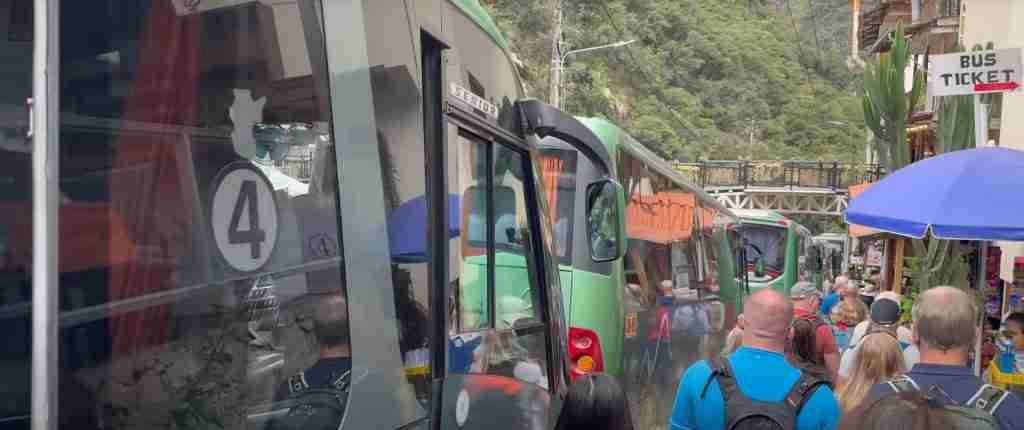
Coordinating Bus Transfers with Train Departures
Most bus services depart Cusco’s Pavitos Street terminal every 30 minutes from 5:00 AM. Shared vans ($8-$12) or private car transfers ($40-$60) reach Ollantaytambo Station in 1.5-2 hours. Operators synchronize arrival times with train ollantaytambo departures, allowing 30-45 minutes for station transfers.
Morning travelers often board 8:00 AM buses to catch 10:30 AM trains. Afternoon routes pair 12:00 PM departures with 2:00 PM rail services. This way minimizes waiting while providing buffer time for traffic delays.
Benefits of the Bimodal Experience
Combining bus and train segments cuts costs by 35% compared to direct rail journeys. Explorers gain bonus hours in Ollantaytambo’s archaeological site or artisan markets. As one traveler shared: “Lunching at a riverside café before boarding the train felt like two trips in one.”
| Transport Option | Duration | Cost | Flexibility |
|---|---|---|---|
| Direct Train | 3.5h | $100+ | Fixed schedule |
| Bus + Train | 5-6h | $50-$80 | Stopovers allowed |
| Private Car | 4h | $150+ | Custom timing |
Bimodal routes particularly shine during peak seasons. When rail tickets sell out, coordinated bus transfers secure last-minute access via alternative stations. This option ensures travelers reach Machu Picchu even when direct routes are fully booked.
Essential Travel Tips for a Smooth Journey
Preparing for the Andean adventure requires smart strategies to navigate logistical challenges. High-altitude conditions and entry restrictions demand meticulous planning. These practical steps ensure visitors maximize their time at the iconic Machu Picchu while maintaining comfort and safety.
Advance Booking and Documentation Essentials
Secure entry tickets months ahead—the site allows only 2,500 daily visitors. Official tour guides sell out fastest; reserve these simultaneously. Digital confirmations simplify check-ins, but always carry physical passports. Rangers scan IDs at multiple checkpoints.
Pack light: backpacks exceeding 15L aren’t permitted inside the citadel. Opt for moisture-wicking layers rather than bulky jackets. A seasoned guide advised: “Bring a refillable water bottle—hydration stations dot the trails.”
Altitude Adaptation and Smart Layering
Acclimate in Cusco for 48 hours before ascending. Coca tea alleviates nausea, while sunscreen protects against intense UV rays. Temperatures swing from 50°F mornings to 75°F afternoons—dress in convertible outfits.
Hiring local guides unlocks hidden details about Inca engineering. As one traveler shared: “Our guide pointed out celestial alignment stones we’d have missed alone.” Their insights transform ruins into living history.
With strategic preparation, Machu Picchu becomes more than a destination—it evolves into a seamless blend of discovery and comfort. Prioritize these steps, and the experience will resonate long after descending the mountain.
Exploring Alternative Routes and Trek Options
Beyond conventional transport lies a world where Machu Picchu reveals itself through ancient footsteps. Trekking routes transform the trip into cultural odysseys, blending physical challenge with historical discovery. These paths appeal to adventurers craving deeper connections with Andean landscapes and traditions.

Footpaths Through History and Wilderness
The Inca Trail remains the crown jewel of Peruvian hikes. This 26-mile route winds through cloud forests and past archaeological sites, culminating at the Sun Gate overlooking Machu Picchu. Permits sell out months ahead, making early booking essential. As one hiker noted: “Walking the original stone paths felt like time-traveling to the Inca Empire.”
Alternative routes offer distinct adventures. The Salkantay Trek challenges with high-altitude passes and views of snow-capped peaks. Meanwhile, the Lares Trek immerses travelers in Quechua village life, where textile traditions thrive. Both options avoid Inca Trail crowds while delivering unforgettable scenery.
| Trek | Duration | Key Feature |
|---|---|---|
| Inca Trail | 4 days | Historic stone pathways |
| Salkantay | 5 days | Mountain vistas |
| Lares | 4 days | Cultural exchanges |
All routes converge at Machu Picchu Pueblo (Aguas Calientes), the gateway town. Unlike train travelers who arrive rested, trekkers enter the citadel with hard-earned perspective. Guided tours enhance the experience, decoding architectural marvels invisible to untrained eyes.
Practical planning ensures success. The Inca Trail requires licensed operators and fixed departure dates. Salkantay and Lares options offer more flexibility but still benefit from professional guides. Whether seeking solitude or community, these journeys make reaching Machu Picchu an achievement rather than just a destination.
How to get from Cusco to Machu Picchu? A Closer Look
Unlocking the wonders of Machu Picchu starts with a carefully mapped-out travel blueprint. This iconic journey blends logistical precision with awe-inspiring moments, demanding attention to timing and route coordination.
Step-by-Step Planning for the Ultimate Trip
Day 1: Secure train tickets 3-4 months ahead through official operators. Most travelers book Ollantaytambo departures for shorter ride durations. Pair this with a morning bus transfer from Cusco – these often leave at 5:30 AM to align with rail schedules.
Day 2: Board the early ride from Ollantaytambo Station. The 90-minute journey reveals Urubamba Valley cliffs through panoramic windows. Arrive in Aguas Calientes by noon, then take the 25-minute shuttle bus to Machu Picchu’s entrance.
- Coordinate return tickets for afternoon departures (3:00-5:00 PM)
- Allocate 2 hours for citadel exploration before crowds peak
- Pack layered clothing – mountain weather shifts rapidly
Seasoned travelers recommend this way get to maximize daylight: “Catching the first shuttle lets you witness sunrise over the terraces – pure magic.” Those seeking extended time at the site often book two-day itineraries with overnight stays in Aguas Calientes.
| Activity | Duration | Pro Tip |
|---|---|---|
| Bus Transfer | 2h | Choose window seats for Sacred Valley views |
| Train Ride | 1.5h | Vistadome cars enhance photo opportunities |
| Shuttle Ascent | 25m | Secure round-trip tickets to avoid queues |
For streamlined planning, leverage local travel hacks like combining Sacred Valley tours with train departures. This approach transforms transit time into cultural immersion, letting visitors explore Pisac Market or Moray ruins en route.
By synchronizing each leg of the ride, travelers craft a seamless Machu Picchu experience. Early birds capture empty photo spots, while afternoon returns showcase golden-hour landscapes. With tickets secured and timing optimized, the journey becomes as memorable as the destination itself.
Conclusion
Reaching the iconic heights of Machu Picchu becomes effortless with informed planning. This guide has illuminated diverse paths – from scenic rail services to adventurous treks – each offering unique ways to experience Peru’s crown jewel. Whether prioritizing luxury tours or budget-friendly routes, every traveler finds options matching their pace.
Early bookings remain crucial. Securing guide-led tours and transport services months ahead guarantees access to the site’s limited daily entries. Remember: choosing between Vistadome trains or multi-day hikes shapes not just your journey, but your connection to Andean culture.
Our expert insights empower confident decisions. We’ve dissected schedules, costs, and hidden gems – transforming logistics into anticipation. Now equipped with knowledge, adventurers can get Machu Picchu on their terms, savoring each moment from Cusco’s cobblestones to the citadel’s sunlit terraces.
The Machu Picchu experience awaits. With this guide as your compass, every step becomes part of the story. Embrace the adventure, knowing you’re prepared to unlock the wonder of this ancient site.
