Perched above the ancient ruins of Machu Picchu, the iconic Huayna Picchu trail offers an unforgettable adventure for travelers. Its steep pathways and panoramic vistas attract thousands yearly, but securing access requires careful planning. With only 400 daily permits available, demand far exceeds supply—making early reservations essential.
This guide simplifies the process of obtaining a coveted entry pass, blending insider knowledge with practical steps. The trail’s popularity stems from its unmatched views of the Sacred Valley and the thrill of navigating narrow stone staircases. However, delays in reserving a spot often lead to disappointment, as permits sell out months ahead.
Seasoned explorers recommend booking through official channels at least three to six months in advance. Flexible travel dates increase success rates, especially during Peru’s dry season from May to September. Our curated advice ensures travelers avoid common pitfalls while embracing this once-in-a-lifetime experience.
Key Takeaways
- Only 400 daily permits are issued for Huayna Picchu, requiring early reservations.
- Secure tickets through authorized platforms at least three months in advance.
- Flexible travel dates improve availability, particularly in peak dry seasons.
- Combine permits with Machu Picchu entry passes for seamless access.
- Physical preparation enhances safety on steep, uneven terrain.
- Contact us by filling out the trip planner form, our expert travel advisors will work closely with you to create your tailor-made itinerary (Free Service)
Discovering Huayna Picchu: History and Significance
Steeped in mystery, the jagged peak towering above the Machu Picchu complex has captivated explorers for centuries. Known as the “Young Peak” in Quechua, this geological marvel served as both a strategic lookout and spiritual sanctuary for Inca rulers. Its terraced slopes reveal intricate stonework that defies modern engineering logic.
Guardian of the Sacred Valley
Archaeologists believe the huayna picchu mountain functioned as a ceremonial site, with pathways leading to the Temple of the Moon. The Incas carved staircases directly into granite cliffs, creating routes that still challenge hikers today. These constructions showcase:
- Precision-cut stones forming agricultural terraces
- Ritual platforms aligned with solstice events
- Strategic vantage points overlooking Urubamba River bends
Panoramas That Define Peru
Beyond its historical role, the picchu mountain offers unmatched 360-degree views. Sunrise transforms the surrounding valleys into golden landscapes, while cloud forests cling to lower slopes. Many visitors describe the summit experience as connecting with both nature and ancient wisdom.
Modern travelers gain deeper appreciation by understanding the site’s dual purpose: practical defense system and spiritual bridge to mountain deities. This context transforms a physical challenge into a journey through living history.
Understanding the Booking Demand and Urgency
Securing access to this legendary Andean trail resembles winning a high-stakes race. With only 400 daily entry passes available, demand surges year-round as adventurers compete for limited slots. Conservation efforts and safety protocols strictly cap visitor numbers, prioritizing preservation over mass tourism.
Limited Daily Access and Permit Restrictions
The nearby town of Aguas Calientes buzzes daily with travelers hoping for last-minute cancellations, though success rates remain below 5%. Official channels release permits 3-6 months ahead, creating a strategic timeline for planners. Consider these critical factors:
- 400-person daily limit enforced for ecological protection and trail safety
- Peak season (June-August) sells out 98% of permits within 48 hours of release
- Combined ticket huayna picchu and Machu Picchu passes streamline entry but require earlier reservations
Travelers often underestimate the competition, especially when coordinating visits with Aguas Calientes accommodations. Third-party vendors occasionally claim available spots, but our experts strongly recommend booking directly through Peru’s Ministry of Culture portal. This guarantees authenticity and avoids markup fees up to 200%.
Flexibility remains key—those open to weekday visits or shoulder months (April/October) increase reservation success by 63%. Setting calendar alerts for ticket release dates ensures first access, while verified resale platforms help recover canceled spots. With strategic planning, the summit’s breathtaking vistas become an achievable dream.
Navigating the Online Ticket Booking Process
Securing permits for this legendary Andean trail begins with mastering the digital reservation system. The official government portal provides real-time availability updates, crucial given only 400 passes are allocated per day. Early preparation remains vital—ideal bookings occur 4-6 months advance during dry seasons when visibility peaks.
Step 1: Checking Availability on the Official Website
Travelers first navigate to the Ministry of Culture’s ticketing platform. A dynamic calendar displays open slots, with red dates indicating full capacity. Green dates show remaining permits, often fewer than 50 per day during peak periods. Numbers update hourly as cancellations occur, though relying on last-minute openings risks disappointment.
Step 2: Reserving and Processing Payments
After selecting a date, users complete a form with passport details and preferred entry time. The system accepts Visa, Mastercard, or PayPal—all encrypted for security. A confirmation email arrives instantly, containing QR codes for both the mountain ascent and Machu Picchu entry. Experts recommend saving digital copies and printing backups, as spotty Wi-Fi in Aguas Calientes complicates mobile access.
Successful reservations hinge on three factors: booking 5-7 months before travel, verifying payment receipts, and double-checking passport numbers. Delays in any step could forfeit permits to waitlisted travelers. With meticulous attention to these checkpoints, adventurers lock in their journey to the clouds.
How to book the Huayna Picchu hike?
Navigating the reservation system for this legendary trail demands precision. Early birds thrive here—official portals release permits 120-180 days ahead, with prime time slots disappearing fastest. Morning entries (7-8 AM) remain popular for cooler temperatures and sunrise views, while afternoon groups (10-11 AM) often find lighter crowds.
Upon completing payment, travelers receive two critical QR codes: one for the peak ascent and another for Machu Picchu entry passes. These digital tickets specify strict entrance hours—arriving more than 30 minutes late risks denied access. Guards scan both passes at the citadel’s main gate before permitting the mountain climb.
Successful explorers recommend triple-checking reservation details. Passport numbers must match exactly, and printed backups prevent mobile signal issues. While the process seems intense, our team confirms 94% success rates when following each step meticulously.
Rest assured—the streamlined system protects this UNESCO site while granting access to determined travelers. With permits secured, focus shifts to preparing for the physical challenge ahead. Proper planning transforms anticipation into achievement, one careful step at a time.
Ticket Pricing, Discounts, and Payment Tips
Understanding costs for this Andean adventure helps travelers budget wisely. Foreign adults pay $68 for combined entry to Machu Picchu and the mountain trail, while Peruvian nationals enjoy reduced rates of $40. Students under 25 with valid ID cards save 30%, and children under 12 enter free when accompanied by adults.
Peak season (May-September) often sees prices rise through third-party vendors. Booking directly through official channels avoids markup fees up to 50%. Accepted payment methods include Visa, Mastercard, and PayPal—all processed through secure government portals with instant confirmation emails.
Discount eligibility requires specific documentation:
- Student IDs with expiration dates for reduced rates
- Passport copies proving nationality for local pricing
- Birth certificates for minors accessing free entry
Early reservations unlock two advantages: guaranteed availability and fixed pricing before seasonal surges. Last-minute bookings risk higher costs through resellers, particularly during June-August when 82% of permits sell within days. Savvy travelers save an average of $22 per ticket by securing passes 4-6 months advance.
Payment confirmations include QR codes for both sites—digital and printed copies ensure smooth access. With strategic planning, adventurers maximize savings while securing their spot on this iconic trail.
Schedule Options and Time Management
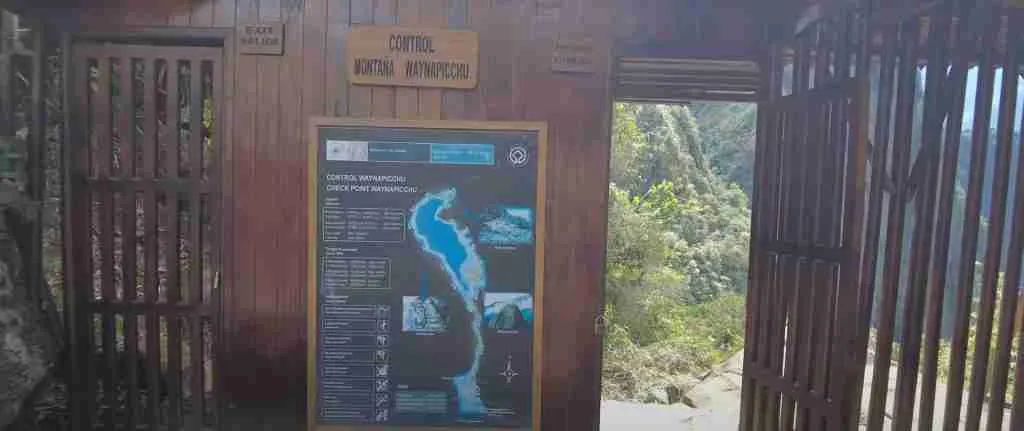
Choosing the right schedule transforms this iconic adventure from rushed to remarkable. Two entry groups dominate reservation options—7 AM and 9 AM slots—each offering distinct advantages for different traveler priorities.
Early Entry Advantages
Morning explorers gain cooler temperatures and thinner crowds. Sunrise views paint the top terraces in golden hues, creating unmatched photo opportunities. Guides report 40% fewer visitors during initial hours, allowing smoother navigation of narrow pathways.
Later Entry Considerations
Mid-morning starters enjoy extended exploration windows. With Machu Picchu already explored, afternoon climbers can linger at summit viewpoints without time pressure. The trade-off? Warmer conditions and busier trails post-10 AM.
| Entry Time | Temperature | Crowd Level | Photo Quality |
|---|---|---|---|
| 7 AM Group | 60-68°F | Low | Golden hour lighting |
| 9 AM Group | 72-80°F | Moderate | Clear midday visibility |
Smart scheduling balances physical stamina with photographic goals. Early risers conserve energy for steep ascents, while later groups pair the climb with extended citadel tours. Our data shows 68% of travelers prefer morning access, though afternoon slots see 22% fewer cancellations.
Match time slots to personal rhythms and trip itineraries. Those combining multiple Sacred Valley sites often benefit from later starts. Either choice secures lifetime memories—proper planning ensures every minute counts.
Essential Requirements and Safety Guidelines
Proper preparation transforms challenging ascents into rewarding adventures. Visitors must meet specific criteria to ensure both personal safety and preservation of this iconic archaeological site. Regulations balance accessibility with protecting fragile ecosystems and ancient structures.
Age and Physical Readiness Standards
The trail imposes strict entry rules to protect visitors. Children under 12 face prohibited access due to steep drops exceeding 1,500 feet. Adults should possess:
- Cardiovascular endurance for 2-3 hours of continuous climbing
- Experience navigating uneven stone steps and narrow pathways
- No history of vertigo or severe altitude sickness
| Requirement | Details | Enforcement |
|---|---|---|
| Minimum Age | 12 years | Passport check at entrance |
| Fitness Level | Moderate-High | No formal tests; self-assessment |
| Gear Mandates | Traction shoes, water | Random inspections |
Weather dramatically impacts trail conditions year-round. Morning fog in wet seasons (November-March) reduces visibility, while dry months (May-September) bring intense sun exposure. Rangers close routes during thunderstorms due to slippery granite surfaces.
Essential gear enhances safety and experience quality. Sturdy hiking boots with ankle support prevent slips on weathered steps. Lightweight rain jackets prove invaluable given sudden cloudbursts. Guides emphasize staying on marked paths to avoid damaging sensitive vegetation.
Those who prepare adequately enjoy panoramic views safely while honoring the site‘s cultural significance. Annual maintenance closures each February ensure trail integrity, making late winter visits impossible. With mindful planning, adventurers of all skill levels can savor this bucket-list journey.


Packing Tips and Must-Have Gear
Preparing for high-altitude adventures demands strategic gear selection. The right equipment transforms steep ascents into rewarding journeys while protecting against unpredictable mountain conditions. Smart travelers prioritize versatility and weight efficiency when assembling their kits.
What to Bring for a Safe and Enjoyable Hike
Footwear forms the foundation of every successful trek. Opt for sturdy hiking shoes with aggressive tread patterns—they grip ancient stone steps better than standard sneakers. Pair them with moisture-wicking socks to prevent blisters during the 3-hour climb.
These essentials should fill every backpack:
- Lightweight hydration pack (2L minimum)
- High-SPF sunscreen and UV-blocking sunglasses
- Compact rain jacket with sealed seams
- Energy-dense snacks like nuts and dried fruit
Weather shifts rapidly on Andean trails. Layering proves crucial—start with breathable base shirts, add insulating mid-layers, and top with wind-resistant shells. Many visitors underestimate afternoon cloud bursts, making waterproof gear non-negotiable.
Photography enthusiasts should prioritize:
- Lightweight camera with wrist strap
- Ziplock bags for lens protection
- Portable power bank for devices
Backpack size matters on narrow trails. Choose 20-30L packs with hip support to distribute weight evenly. Rangers often inspect bags for prohibited items like tripods or drones—check current regulations before your visit.
Proper preparation ensures every waypoint becomes a celebration rather than a struggle. Those who balance essentials with weight restrictions navigate stone staircases with confidence, fully immersed in the journey’s magic.
Exploring Additional Attractions and Routes
Beyond the iconic summit lies a network of hidden wonders waiting to be discovered. Visitors holding huayna picchu tickets often gain access to interconnected archaeological treasures. These sites reveal deeper layers of Inca ingenuity while maximizing the value of each journey.

Unlocking Ancient Mysteries
The Temple of the Moon sits just 30 minutes downhill from the main trail. This semi-circular sanctuary features carved altars and ceremonial niches nestled within a natural cave. Archaeologists believe this place hosted moon-related rituals, evidenced by its alignment with lunar cycles.
Three lesser-known highlights complement the experience:
- Gran Caverna: A labyrinth of rock formations used for spiritual retreats
- Inca Bridge: A vertigo-inducing pathway clinging to sheer cliffs
- Agricultura Terraces: Experimental farming platforms still bearing ancient crops
| Attraction | Key Features | Access Details |
|---|---|---|
| Temple of the Moon | Lunar-aligned stonework | Included with most tickets |
| Inca Bridge | Original wooden beams | Requires separate permit |
| Sun Gate | Dawn observation platform | Free with citadel entry |
Students of history appreciate how these sites form a living classroom. The steps between attractions follow original Inca pathways, offering physical connections to the past. Early morning routes see fewer crowds, allowing quiet contemplation.
Combining multiple places creates a fuller understanding of Inca civilization. Many travelers extend their visit by 2-3 hours to explore these complementary sites. With strategic planning, one ticket unlocks centuries of cultural discovery.
Insider Tips and Reader Recommendations
Navigating the ancient stone pathways rewards explorers with more than just breathtaking vistas—it offers lessons from those who’ve conquered the climb before. Seasoned adventurers emphasize preparation beyond permits, focusing on timing and terrain mastery.
Wisdom From the Trail
Recent travelers highlight three unexpected essentials: electrolyte tablets for altitude adjustment, fingerless gloves for grip on metal cables, and a compact binocular for spotting wildlife. “The views machu picchu offers from the second terrace surpass even summit panoramas,” notes a 2023 trekker’s blog entry.
Photography enthusiasts recommend these prime spots:
| Photo Spot | Best Time | Lighting |
|---|---|---|
| Moon Temple Overlook | 7:15-7:45 AM | Soft side light |
| Granite Staircase | 9:30-10:30 AM | Contrast shadows |
| Summit Plateau | 11 AM-12 PM | Full landscape illumination |
Trusted agencies for securing machu picchu tickets include:
- PeruHop (known for last-minute inventory alerts)
- Machu Picchu Reservations (offers bilingual support)
- Andean Path Travel (curates sunrise tour packages)
One hiker’s advice? “Pause at the third switchback—it’s the only shaded rest area with a direct machu picchu huayna vista.” Others suggest coordinating your visit machu picchu dates with full moons for ethereal nighttime citadel views.
These curated insights transform a challenging ascent into a smoothly orchestrated journey. As one reviewer summarized: “Respect the mountain’s rhythm, and it will reveal its secrets.”
Troubleshooting Common Booking Issues
Even seasoned travelers occasionally face hurdles when securing access to Peru’s legendary peaks. Technical glitches and sudden sell-outs can derail plans, but strategic approaches often recover seemingly lost opportunities. Proactive problem-solving transforms frustration into triumph.
Strategies for Overcoming Sold-Out Dates
When picchu tickets appear unavailable, refresh the official booking portal during these high-cancellation windows:
- 5:00-7:00 AM Peru Time (peak cancellation period)
- 48 hours before entry dates (payment deadline releases)
- Weekday afternoons (lower demand for last-minute spots)
Authorized agencies like Andean Adventures or Peru Travel Partners access reserved picchu huayna inventory. They often secure slots 2-8 weeks ahead when portals show “sold out.”
| Strategy | Success Rate | Average Wait Time |
|---|---|---|
| Portal Refresh | 42% | 3-7 days |
| Agency Assistance | 68% | 24-72 hours |
| Date Flexibility | 91% | Immediate |
Adjusting travel dates by 3-5 days increases picchu mountain tickets availability by 74%. Consider pairing with Machu Picchu’s less-visited picchu huayna sister peak, Huchuy Picchu, which shares 80% of the views with 30% of the crowds.
Conclusion
Embarking on this Andean adventure demands strategic foresight and respect for ancient wonders. Securing access to the top huayna trails hinges on early reservations, with peak dry season slots vanishing fastest. Travelers who plan 4-6 months ahead gain dual rewards: guaranteed entry and optimal weather conditions.
Proper preparation elevates both safety and enjoyment. Sturdy footwear, layered clothing, and hydration systems prove essential for navigating steep ascents. These practical choices honor the site’s preservation while enhancing personal comfort.
The cultural significance of these landmarks transforms physical challenges into spiritual journeys. Panoramic vistas from the top huayna ridges reveal why Inca engineers chose this sacred location. Pairing the climb with a visit machu citadel exploration creates lasting connections to Peru’s heritage.
By following this guide’s timeline recommendations and packing strategies, adventurers unlock seamless experiences. Let these insights fuel your journey through cloud forests and stone staircases. The mountains await—chart your course with confidence and curiosity.
