Travelers looking to visit Machu Picchu in 2025 have a lot to look forward to. This guide is packed with insider tips and practical advice. It’s designed to help you plan an unforgettable trip to this famous Incan site in Peru.
From figuring out ticket options to avoiding crowds, we’ve got you covered. We’ll also share tips on how to handle the high altitude and get around. This article is your roadmap to a great Machu Picchu experience in 2025 and beyond.
Key Takeaways
- Discover the best times to visit Machu Picchu for fewer crowds and optimal weather conditions.
- Understand the various entrance ticket options and how to secure them in advance.
- Learn about transportation options from Cusco to Machu Picchu, including the PeruRail service.
- Prepare for the high-altitude environment with tips on preventing and managing altitude sickness.
- Explore the nearby attractions and cultural experiences beyond the iconic Incan citadel.
- Contact us for a comfortable and personalized itinerary (Free Service)
Why Visit Machu Picchu in 2025?
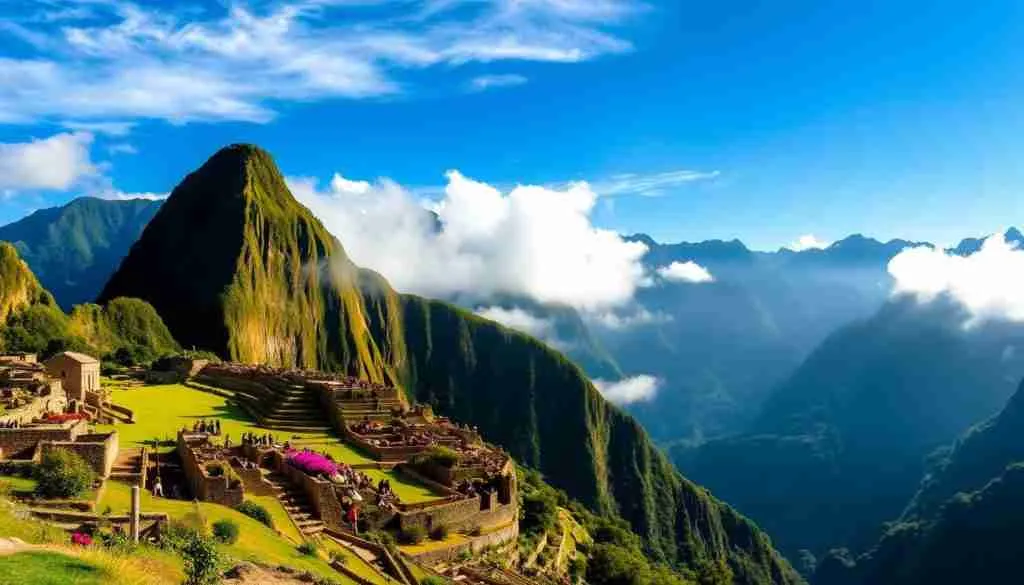
Machu Picchu is a stunning Incan citadel in the Andes. It’s known for its history and natural beauty. In 2025, you can see better preservation and maybe new discoveries that show more about the Inca civilization.
Historical Significance of Machu Picchu
Machu Picchu is a top archaeological site, visited by over 2 million each year. It’s a UNESCO World Heritage Site. It shows the Inca Empire’s smart engineering and culture.
Travelers can dive into Peru’s rich culture. Peru has around 40 native languages, like Quechua and Aymara.
Unique Experiences Awaiting Travelers
Machu Picchu and the Sacred Valley offer many cultural immersion chances. You can hike the Inca Trail or other paths for different views. The food is also amazing, with dishes like ceviche and pollo a la brasa.
There are also hidden gems of Peru beyond Machu Picchu. Places like Manu National Park and Titicaca Lake are great for conservation and cultural experiences.
“Machu Picchu is the most familiar icon of the Inca world, yet it is just one of thousands of archaeological sites scattered across the landscape of the former Inca Empire.” – Johan Reinhard, archaeologist and explorer


Best Time to Visit Machu Picchu
Choosing the right time to see Machu Picchu depends on your weather likes and how many people you want to see. The Peru travel tips for this amazing site change with the seasons.
Optimal Seasons for Fewer Crowds
The dry season, from May to September, is when most people visit Machu Picchu. It’s warm and sunny, perfect for hiking and seeing sights. But, it’s also the busiest time.
For a quieter visit, try the shoulder seasons of April-May or September-October. These months have mild weather and fewer people than the peak season.
Weather Considerations for Tourists
The rainy season, from November to March, is wetter and more humid. It’s harder to explore, but there are fewer people. If you’re okay with getting wet, this season can be a good time to go. You might also find cheaper places to stay and tour prices.
| Season | Months | Weather | Crowds |
|---|---|---|---|
| Dry Season | May to September | Warm, sunny days | High |
| Shoulder Season | April-May, September-October | Mild, occasional rain | Moderate |
| Rainy Season | November to March | Increased precipitation and humidity | Low |
Visiting Machu Picchu early in the morning is a great idea. It’s less crowded and the light is perfect for photos.
Booking Your Trip: Key Considerations
Planning your Machu Picchu trip is exciting. You must decide between a guided tour or going solo. Guided tours provide expert knowledge and easy planning. Solo travel lets you set your own pace and customize your trip.
Choosing Between Guided Tours and Independent Travel
For those on a budget, solo travel can save money. You control your spending and schedule. Yet, guided tours offer local insights and handle the Inca Trail trekking details.
Understanding Entrance Ticket Options
Getting your Machu Picchu tickets early is key, no matter your travel style. The 2024 ticket system has three routes: Panoramic, Classic, and Royal. Each offers a unique view of the site. Buy your tickets from the official site for a smooth visit.
| Ticket Type | Key Features | Pricing |
|---|---|---|
| Panoramic | Access to the main Machu Picchu ruins | Adults: $70, Students: $40, Minors: $20 |
| Classic | Includes access to Huayna Picchu or Machu Picchu Mountain | Adults: $90, Students: $60, Minors: $30 |
| Royal | Provides the most comprehensive experience with access to additional sites | Adults: $120, Students: $90, Minors: $50 |
Whether you go with a guided tour or solo, plan ahead. This ensures a smooth and unforgettable Machu Picchu visit.
How to Get to Machu Picchu
Machu Picchu is a top spot in Peru’s Cusco region. It’s a key part of any South America trip. There are many ways to get from Cusco to this ancient Inca city.
Transportation Options from Cusco to Machu Picchu
The train is the most popular way. It combines bus and train travel. PeruRail and Inca Rail offer daily trips from Cusco to Aguas Calientes, near Machu Picchu. The trip takes about 3 hours and 20 minutes, offering beautiful views of the Andes.
Another choice is the Hidroeléctrica route. It involves a long drive and a hike along the train tracks to Aguas Calientes. This journey can take 2-3 hours, depending on where you start and how fast you hike.
Tips for Using the PeruRail Service
- Book your train tickets early, during busy times, to get the best deals.
- Think about upgrading to first-class or executive for a better ride.
- Get to the train station 30 minutes before your trip to avoid delays.
After reaching Aguas Calientes, you can hike up to Machu Picchu in 2 hours. Or, take a 30-minute bus ride to the entrance.
Knowing your travel options helps make your trip to Machu Picchu smooth and fun. It’s a key part of exploring Cusco.
Essential Packing List for Machu Picchu
Getting ready for Machu Picchu means packing smart. Peru’s weather changes a lot, from warm coasts to cold Andean highlands. You’ll need layers that can adjust to the weather. Start with light, breathable clothes for the sunny spots in Cusco and the Sacred Valley.
Clothing Considerations for Varying Weather
Being close to the equator means lots of sun at Machu Picchu’s high altitudes. Bring a wide-brimmed hat, sunglasses, and high-SPF sunscreen to protect your skin. Also, a lightweight rain jacket or poncho will help against sudden showers. For cooler times, wear thermal leggings, a warm beanie, and a down jacket.
Gear to Enhance Your Experience
- Comfortable walking shoes or hiking boots with good traction
- Reusable water bottle to stay hydrated (tap water in Peru is not safe to drink)
- Camera and portable charger to capture your memories
- Insect repellent to ward off bugs in the lush, tropical areas
- Travel adapter to charge your devices (Peru has outlets for both round and flat pins)
- Small daypack, such as the 13-liter Osprey model, to carry essentials while exploring
Pack reusable items and avoid single-use plastics for a sustainable trip. This helps reduce waste and supports Peru’s sustainable tourism goals.
With a good packing list and Peru travel tips, you’re set for an amazing time at Machu Picchu. Enjoy the beautiful views and cultural experiences.
Health and Safety Tips for Travelers
Many dream of visiting Machu Picchu in Peru. But, it’s important to think about health and safety. Here are some tips to make your trip memorable and safe.
Altitude Sickness: Prevention and Remedies
Altitude sickness is a big worry at Machu Picchu, which is over 7,900 feet high. Spend at least 2 days in Cusco before going higher. Drink lots of water and try coca tea to adjust to the thin air.
If you’re worried about altitude sickness, talk to your doctor. They might suggest taking acetazolamide. Also, drink water, avoid alcohol, and don’t overdo it physically.
Staying Hydrated and Nourished
Staying hydrated and eating right is key at Machu Picchu. Carry a reusable water bottle and drink often. Choose light meals and snacks like nuts and dried fruit to keep your energy up.
| Hydration Tips | Nourishment Tips |
|---|---|
|
|
Follow these tips to make your trip to Machu Picchu safe and enjoyable. Listen to your body, stay ready, and enjoy the magic of Machu Picchu.
Understanding the Inca Trail
The Inca Trail trek in Peru is a journey you won’t forget. It’s a 4-day, 39-kilometer hike through the Andes. It ends at Machu Picchu, the crown jewel of the Inca Empire. To make the most of this adventure, you need to prepare well and know about the trail’s rules.
How to Prepare for the Hike
Getting ready for the Inca Trail means being in shape and getting used to high altitudes. You’ll need strong lungs, endurance, and legs for the tough climbs and descents. The famous Dead Woman’s Pass is at 4,200 meters. Arriving in Cusco a few days early helps your body adjust to the high terrain.
Permits and Reservations Explained
The Inca Trail is only open to a limited number of people each day. There are 500 permits daily, with most going to porters. To get a permit, book at least 6 months before your trip, more so in July and August. You can only get a permit through a licensed tour operator, as solo hiking is banned since 2001.
| Inca Trail Trekking Facts | Details |
|---|---|
| Daily Permit Limit | 500 people (including guides and porters) |
| Tourist Permits Available | 200 per day |
| Tour Prices | $600 to $2,000 (excluding additional fees) |
| Best Trekking Season | May to August, with July-August being the busiest |
If you’re looking for something different, try the Salkantay or Lares treks. They offer unique experiences and might be easier to book. No matter your choice, planning and booking ahead are key for a great Inca Trail adventure in Peru.
Cultural Etiquette for Visitors
As you start your journey to Machu Picchu, it’s key to know and respect local customs. Understanding cultural etiquette makes your trip better and helps you connect with local communities.
Respecting Local Customs and Traditions
When you visit Machu Picchu, dress modestly, even in rural areas. Learning a few Quechua phrases shows respect for their culture.
Remember, Machu Picchu is a sacred site. Follow all rules to protect it. Don’t touch or climb on the ancient buildings to avoid damage.
Interacting with Indigenous Communities
When meeting indigenous communities, be respectful and sensitive. Always ask permission before taking photos in rural areas to avoid upsetting anyone.
Buying local souvenirs supports the community. It helps keep traditional crafts alive and benefits the local economy.
“Embracing the cultural etiquette not only enriches your travel experience but also fosters meaningful connections with the indigenous communities you’ll encounter.”
By following these guidelines, you’ll have a respectful and enriching visit to Machu Picchu. Your efforts in cultural immersion and sustainable tourism will positively impact local communities and help preserve this historical site.
Photography Tips for Capturing Machu Picchu
Visiting Peru’s hidden gems, like Machu Picchu, is a unique experience. To capture stunning photos, follow these essential tips. They will help you make the most of your journey to this off-the-beaten-path wonder.
Best Angles and Times for Stunning Photos
For the best shots, go early in the morning or late in the afternoon. The light is softer and more flattering then. The Sun Gate and the Guard House are classic views, but try different angles too.
Look for close-ups of the Inca stonework and architectural details. They are truly remarkable.
Tips for Avoiding Crowds in Your Shots
To get unique photos, explore less-visited areas of Machu Picchu. Use creative framing, like people in the foreground for scale. Or find hidden spots for different views.
Always follow the site’s photography rules. And don’t use drones, as they are not allowed.

Bring the right gear, like a wide-angle lens and a telephoto lens. DSLR or mirrorless cameras, and even high-quality smartphone cameras, work well for daytime shots. Use the rule of thirds for better composition.
With these tips, you’ll capture Peru’s hidden gems and Machu Picchu’s beauty. Embrace the soft, golden light, explore new spots, and try different techniques. This way, you’ll create unforgettable photos.
Exploring Beyond Machu Picchu
Machu Picchu is a highlight of Peru, but there’s more to see. The area around it is full of hidden gems and cultural experiences. Travelers can find many attractions and activities that show the Sacred Valley’s beauty.
Nearby Attractions Worth Visiting
Ollantaytambo is close to Machu Picchu and shows off Incan skills. Walk its cobblestone streets and see the amazing masonry. Don’t miss the Ollantaytambo ruins.
Chinchero is another site with Incan terraces and a colonial church. It gives a peek into the area’s history.
Cultural Experiences in the Sacred Valley
Try a Pachamama ceremony to honor Mother Earth. Visit workshops to see Andean weaving and make textiles. Pisac market is great for local goods and meeting the Quechua people.
| Nearby Attractions | Cultural Experiences |
|---|---|
| Ollantaytambo Ruins | Pachamama Ceremony |
| Chinchero Archaeological Site | Andean Weaving Workshops |
| Pisac Market | Interaction with Quechua Community |
Peru’s hidden gems and cultural experiences let you see more than Machu Picchu. You can explore history or culture. The area around Machu Picchu is full of wonders.
Eco-Friendly Travel Hacks for Machu Picchu
Sustainable tourism is key to keeping places like Machu Picchu beautiful. As travelers, we must reduce our impact and help protect these areas. By using eco-friendly ways, we can enjoy Machu Picchu while helping the local community and the environment.
Sustainable Practices to Follow
- Stick to the “Leave No Trace” rules by staying on paths to avoid soil erosion.
- Bring a reusable water bottle and avoid plastics to prevent pollution.
- Pick eco-friendly places to stay and tour operators that care about the planet.
- Join community-based tours that help locals and keep traditions alive.
Supporting Local Conservation Efforts
Machu Picchu is a UNESCO World Heritage Site that needs our help. By backing local conservation groups, we aid in its protection. Look for trusted non-profits working on Machu Picchu’s preservation and think about donating or volunteering.
| Organization | Focus | How to Support |
|---|---|---|
| Peruvian Ministry of Culture | Preservation and management of Machu Picchu | Donate or volunteer through their official website |
| Asociación Peruana de Turismo de Aventura y Ecoturismo (APTAE) | Promoting sustainable tourism practices | Participate in their initiatives or sign up for eco-tours |
| Cusco Region Environmental Authority | Protecting the natural resources in the Sacred Valley | Contribute to their conservation programs |
By choosing sustainable tourism and supporting local efforts, we help Machu Picchu’s legacy endure. Let’s travel responsibly and honor the cultural and environmental value of this incredible site.
Final Thoughts and Travel Resources
Planning your Machu Picchu trip in 2025? Check the Peruvian Ministry of Culture for the latest on tickets and rules. Use apps like maps.me for offline maps and Duolingo for Spanish phrases. Lonely Planet and TripAdvisor are great for tips and reviews from other travelers.
Don’t forget to buy travel insurance that covers high-altitude activities. Altitude sickness is a risk, so learn how to prevent and treat it. Be open to surprises and enjoy the journey to this incredible site. With good planning and a sense of adventure, your trip will be unforgettable.
Looking for tips on traveling to Peru or budget-friendly advice? This guide has you covered for your 2025 Machu Picchu adventure. Get ready to dive into the history and beauty of this Inca treasure.
