Nestled in the Andean highlands near Cusco, this ancient archaeological site showcases the Inca Empire’s mastery of engineering and reverence for nature. Tambomachay sits at 12,150 feet above sea level, where crisp mountain air mingles with the gentle rush of natural springs. Its intricate stone channels and terraces still guide water through the ruins today—a testament to a civilization that harmonized architecture with the environment.
Scholars believe the site served dual purposes: a ceremonial center honoring water deities and a retreat for Inca nobility. The precisely carved stones fit together without mortar, defying centuries of earthquakes. Visitors marvel at how liquid still cascades through original aqueducts, creating soothing waterfalls that echo the past.
More than just ruins, Tambomachay offers a window into Andean cosmology. Water wasn’t merely practical here—it held spiritual significance, symbolizing life and purification. This fusion of function and symbolism makes the location a must-see for travelers seeking deeper connections with pre-Columbian cultures.
Key Takeaways
- Ancient engineering marvel combining water management and sacred architecture
- Located near Cusco at 12,150 feet elevation alongside natural springs
- Served as both spiritual site and elite retreat during Inca rule
- Features earthquake-resistant stonework still functional after 500+ years
- Demonstrates the cultural importance of water in Andean traditions
- Contact us by filling out the trip planner form, our expert travel advisors will work closely with you to create your tailor-made itinerary (Free Service)
Historical Context and Inca Legacy
The name Tambomachay whispers secrets of its past through Quechua roots. Scholars decode it as tambo (lodging) and machay (resting place or cave). This dual meaning fuels debates about its primary role—was it a spiritual sanctuary or a strategic outpost?
Origins and Etymology of the Site
Linguistic clues reveal how the Inca blended practicality with reverence. Some experts argue the term refers to ceremonial baths for ritual purification. Others highlight its position along vital routes, suggesting it housed traveling elites or troops.
Ceremonial and Military Roles in Inca Culture
The archaeological complex served two masterstrokes of Inca planning. Water channels doubled as sacred symbols and emergency supplies for soldiers. Nearby Puca Pucara fortress’s red stones still guard the horizon, reinforcing Tambomachay’s defensive potential.
Three key features showcase its layered purpose:
- Precision-cut stones forming earthquake-resistant walls
- Interconnected terraces allowing surveillance of the Sacred Valley
- Ceremonial fountains aligning with solstice sunrises
This construction genius near Cusco city proves how the Inca merged belief systems with urban planning. Their legacy flows through surviving water systems—a living testament to engineering that shaped an empire’s way of life.
Tambomachay: Engineering Marvel and Water Systems
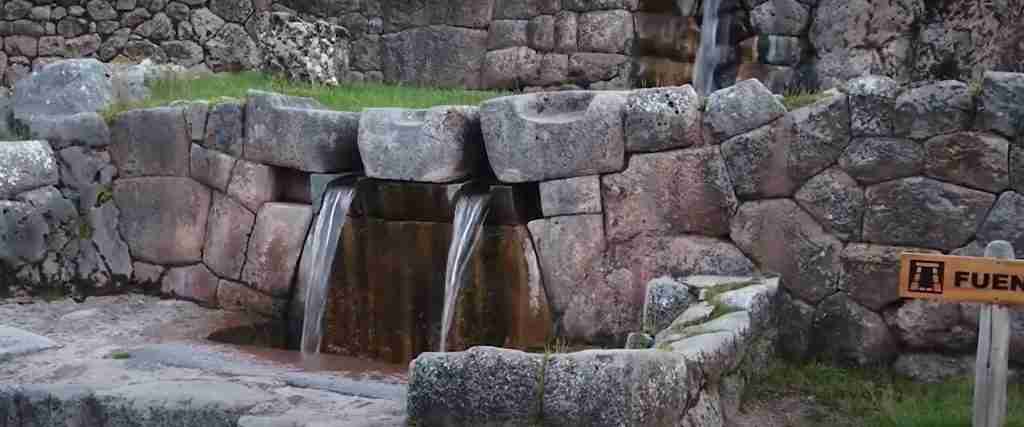
The ancient Incas transformed rugged landscapes into feats of engineering brilliance, as seen in their water systems. At this high-altitude site, gravity-defying aqueducts and carved channels demonstrate a mastery of hydraulics that still baffles modern engineers.
Innovative Hydraulic Engineering and Aqueducts
Inca builders designed a water management system using natural slopes to guide liquid through stone-lined pathways. These channels maintain consistent flow rates even during dry seasons, preventing erosion while supplying ceremonial fountains.
| Feature | Function | Modern Equivalent |
|---|---|---|
| Carved Aqueducts | Directed spring water to terraces | Stormwater drainage systems |
| Interlocking Channels | Prevented leaks without mortar | Modular pipeline networks |
| Gradual Slopes | Maintained controlled water speed | Hydroelectric dam spillways |
Precise Stonework and Architectural Features
Each polygonal stone fits like a puzzle piece, creating walls that withstand earthquakes. The technique allowed water channels to remain perfectly aligned over centuries.
Key elements of Inca construction:
- Angled surfaces diverting rainfall from critical areas
- Trapezoidal niches stabilizing structures against tremors
- Multi-tiered fountains serving ritual cleansing purposes
This blend of hydraulic innovation and architectural precision reveals how the Inca viewed water as both physical resource and sacred force.
Exploring Sacred Water Worship Practices
Flowing through the heart of Inca spirituality, water served as both physical sustenance and divine messenger. At ceremonial sites like this ancient water temple, liquid became a bridge between earthly existence and cosmic forces.
Spiritual Connections and Ritual Cleaning
The site’s carefully engineered fountains reveal sacred geometry in motion. Archaeologists note how cascading streams created rhythmic patterns—believed to mirror celestial cycles—during purification ceremonies. “Water wasn’t just channeled here,” explains one researcher. “It was choreographed.”
Three spiritual design elements stand out:
- Symmetrical stone basins allowing simultaneous ablutions
- Channel angles producing meditative sound frequencies
- Solar-aligned pools reflecting sunlight during solstice rites
This resting place for spiritual renewal shares design principles with other Inca sites. At Tipón’s water gardens, similar hydraulic features supported agricultural rituals. Ollantaytambo’s ceremonial baths further demonstrate how water shaped Andean cosmology.
Modern visitors often describe an instinctive calm near the ancient flows—a testament to enduring sacred energy. As mist rises from the fountain channels, one senses the Inca’s profound dialogue between engineering and eternity.
Visiting the Ancient Site: What to Expect
Planning a visit to this Inca marvel requires practical know-how. Located just 20 minutes from Cusco via Carretera 28G, the site offers smooth access for history enthusiasts. Our guide simplifies the process from ticket purchase to arrival logistics.
Tourist Ticket Information and Entrance Details
Access requires the Cusco Tourist Ticket (Boleto Turístico), available at:
- Cusco’s main ticket office on Avenida El Sol
- Authorized online vendors
- Select hotels through concierge services
| Ticket Type | Included Sites | Price | Validity |
|---|---|---|---|
| General | 16 archaeological locations | 130 PEN | 10 days |
| Partial | 4 sites including Tambomachay | 70 PEN | 1 day |
Getting There: Transportation Options
Three reliable ways to reach the ruins:
- Public buses: Route #M2 from Plaza de Armas (35-minute ride)
- Taxis: 20-minute drive costing 25-35 soles each way
- Guided tours: Includes roundtrip transport from Cusco hotels
Upon arrival, present your tourist ticket at the entrance booth. The site’s eternal water channels create a serene atmosphere—pack a reusable bottle to taste spring water flowing since Inca times.


Understanding the Layout and Structures
The architectural blueprint of this Inca site reveals a masterclass in multi-functional design. Three-tiered terraces cascade down slopes, each level serving distinct purposes. Between precisely fitted walls, trapezoidal niches suggest spaces for ceremonial objects or oil lamps during nighttime rituals.
Terraces, Niches, and Fountains Explained
Stone channels thread through the complex, directing water to ceremonial fountains via gravity. The upper terrace’s niches align with sunrise angles during winter solstice—a celestial calendar in stone. Archaeologists note how sloped surfaces prevent erosion while creating visual harmony.
| Structural Element | Practical Function | Symbolic Purpose |
|---|---|---|
| Terraces | Soil stabilization | Stairway to spiritual realms |
| Niches | Storage/display | Portal for offerings |
| Fountains | Water distribution | Purification site |
Defensive Features and Ceremonial Platforms
Thick retaining walls double as observation points, their strategic placement offering views of approaching threats. “The construction merges beauty with battlefield logic,” observes Andean archaeologist Luisa Mendoza. Elevated platforms likely hosted rituals, their positions allowing sound amplification for chants.
Key dual-purpose features include:
- Reinforced terraces acting as natural fortifications
- Narrow staircases controlling visitor flow
- Hidden channels providing emergency water access
This ingenious place demonstrates how Inca engineers transformed rugged landscapes into spaces where spirituality and survival coexisted seamlessly.
How Tambomachay Connects with Cusco’s Rich Heritage
Just 15 minutes from Cusco’s historic center, this archaeological gem forms part of a living museum of Inca achievements. Its location along the Sacred Valley circuit creates a cultural corridor linking multiple sites. Visitors holding the Cusco Tourist Ticket can explore four nearby wonders in a single day, tracing the empire’s strategic vision.
Proximity to Other Iconic Archaeological Sites
The site’s neighbors tell complementary stories of Inca life. Puca Pucara’s fortress walls stand visible from Tambomachay’s terraces, while Q’enqo’s ritual chambers lie a short drive south. This clustering allowed elites to move between spiritual, military, and leisure spaces effortlessly.
| Nearby Site | Distance | Key Feature |
|---|---|---|
| Puca Pucara | 1.2 miles | Military outpost with panoramic views |
| Q’enqo | 3.7 miles | Underground ceremonial chambers |
| Sacsayhuamán | 4.3 miles | Massive zigzagging stone walls |
Cusco’s integrated ticket system makes exploring these locations simple. The Partial Tourist Pass covers all four sites, encouraging travelers to witness Inca urban planning firsthand. Guides often note how water systems at Tambomachay mirror those found in Tipón and Ollantaytambo—proof of standardized engineering.
To get to Tambomachay, most visitors take a 25-minute taxi ride from the city center. Public buses offer an affordable alternative, departing every 20 minutes from Plaza de Armas. Its accessibility allows culture enthusiasts to pair it with Cusco’s colonial landmarks for a full-day historical immersion.
Language, Name, and Local Legends
Names in the Inca Empire carried layers of meaning, blending geography with spirituality. The site tambomachay derives its name from Quechua words sparking scholarly debate: tambo (resting place) and machay (caves or ceremonial baths). This duality reflects its contested history—was it a royal retreat or sacred water sanctuary?
Quechua Roots and Multiple Interpretations
Local legends whisper of spirits guarding the springs that feed Tambomachay’s fountains. One tale describes a moon goddess gifting water to heal warriors. Another claims the channels align with constellations visible only to priests.
Though less famous than Machu Picchu, this location offers intimate insights. “While grand citadels impress, smaller sites reveal daily rituals,” notes Quechua linguist Marco Flores. Its proximity to Puca Pucara fortress suggests strategic importance—nobles could retreat here after military inspections.
Modern tourist routes connect these legends. A 20-minute taxi ride from Cusco transports visitors through landscapes steeped in lore. As the road climbs, the site tambomachay emerges—a silent storyteller where water still honors ancient promises.
“Every stone here speaks Quechua through its design.”
Like Machu Picchu, this location balances practicality with mystery. But where the lost city awes with scale, Tambomachay’s power lies in whispered dialogues between past and present.
Hydraulic and Cultural Innovations Over Time
Centuries after their construction, the water channels at this Inca site continue their eternal dance—a marvel of hydraulic precision and cultural foresight. Natural springs feed the aqueducts at 3,700 meters above sea level, sustaining flows that mirror their 15th-century patterns.
Continuous Water Flow and Inca Ingenuity
The hydraulic system operates through gravity-fed channels carved into stone. Engineers calculated slopes to maintain a steady 1.5-liter-per-second flow—enough for rituals without erosion. Terraces and niches guide liquid through the complex, while walls with trapezoidal openings regulate pressure.
| Inca Technique | Cultural Purpose | Modern Parallel |
|---|---|---|
| Interlocking channels | Symbolized unity | Modular piping systems |
| Terraced filtration | Purification rites | Water treatment plants |
| Spring-fed aqueducts | Worship of Pachamama | Sustainable irrigation |
Water’s perpetual motion here reflects Inca beliefs about life cycles. The river of time flows through engineering feats still studied by UNESCO. As one researcher notes, “They turned geology into poetry—every drop choreographed.”
Niches along the terraces likely held offerings to water deities. This fusion of function and faith created a living system where liquid became both resource and relic—a duality that continues to inspire modern hydrologists.
Conclusion
Tambomachay stands as a living testament to Inca brilliance, blending advanced water systems with spiritual symbolism. Its earthquake-resistant stonework and ceremonial fountains reveal a culture that revered nature’s power while mastering engineering challenges. For modern explorers, this archaeological site offers more than history—it provides a tangible link to Andean cosmology.
A full day tour combining Tambomachay with nearby wonders like Puca Pucara and Sacsayhuamán maximizes cultural immersion. The Cusco Tourist Ticket simplifies access, covering four key sites in one affordable pass. Reaching the complex takes just 25 minutes by taxi from city Cusco, with public buses offering budget-friendly alternatives.
From the precision of its fountain channels to the strategic resting points for Inca elites, every detail invites reflection. After exploring these ruins, travelers often extend their journey to Machu Picchu—where the empire’s grandeur reaches its peak.
Tambomachay’s whispers of the past endure in flowing waters and polished stones. Let its legacy inspire your next adventure through Peru’s ancient landscapes.
