Nestled in the heart of the Andes, this ancient site blends history and nature into a single breathtaking experience. Carved into rugged stone and shaped by early civilizations, it stands as a testament to South America’s layered past. Visitors today can still feel the spiritual energy that once drew people here for ceremonies and reflection.
Originally crafted by the Killke culture long before the Inca Empire rose, the location later became a sacred space for rituals. Its chambers and altars merge seamlessly with the surrounding cliffs, showcasing how early societies harmonized with their environment. Intricate carvings and ceremonial platforms hint at its role in moon worship and seasonal celebrations.
A short walk from San Blas, one of Cusco’s most charming neighborhoods, the site offers easy access for explorers. Trails wind through terraced hillsides, revealing panoramic views of the city below. Daylight hours provide the best opportunity to study weathered symbols etched into rock walls or imagine ancient gatherings under open skies.
Key Takeaways
- Combines Pre-Inca and Inca architectural influences
- Features natural rock formations enhanced by human artistry
- Located minutes from central Cusco near the San Blas district
- Displays visible remnants of ceremonial practices
- Accessible via scenic walking paths with city vistas
- Best visited during daylight for optimal visibility
- Contact us by filling out the trip planner form, our expert travel advisors will work closely with you to create your tailor-made itinerary (Free Service
Exploring the History and Cultural Significance
Centuries before the Inca Empire, the foundations of this sacred space were laid by the Killke people, whose craftsmanship still whispers through the stone. Their work transformed natural rock outcrops into ceremonial platforms, blending raw geology with human ingenuity. This fusion of earth and artistry became a blueprint for later civilizations.
Pre-Inca Roots and Lunar Foundations
Archaeological evidence reveals the Killke culture prioritized lunar cycles in their designs. Carved channels align with moonlight during solstices, suggesting early rituals honoring celestial patterns. “The stones speak of a people deeply connected to nocturnal rhythms,” notes Andean historian Dr. Elena Marquez. Pathways winding through the site likely served as pilgrimage routes for seasonal celebrations.
Inca Innovations and Celestial Symbolism
When the Inca inherited this spiritual crossroads, they expanded its purpose. They added altars for sacrificial offerings and refined existing structures to amplify acoustic resonance during chants. The moon’s feminine energy became central to ceremonies, with priestesses leading rites under its glow. Natural caves were repurposed as chambers for meditation, merging practical use with cosmic reverence.
Today, visitors can trace this layered history through weathered staircases and moon-aligned carvings. The site stands as a testament to how ancient cultures adapted shared spaces while preserving their unique identities.
Architectural Marvels and Symbolism
Carved into the rugged landscape, this sacred space reveals a dialogue between human artistry and geological wonder. Its walls showcase crescent-shaped niches and staircases mimicking lunar phases, designed to catch moonlight during key celestial events. These features reflect ancient Andean beliefs linking lunar cycles to agricultural fertility and feminine energy.
Stone Carvings and Lunar Imagery
Precision-cut stones display symbols resembling the moon’s waxing and waning stages. Archaeologists note carvings align with solstice sunrises, proving advanced astronomical understanding. “The alignment isn’t accidental—it’s a stone calendar honoring celestial rhythms,” explains Dr. Elena Marquez. Nearby, a ceremonial area features altars shaped like lunar crescents, used for offerings during planting seasons.
Natural Elements and Sacred Caves
Natural caves form the site’s spiritual core, their entrances framed by Inca-built arches. Explorers find ritual chambers where echoes amplify chants—a blend of acoustic engineering and nature’s acoustics. The mountain backdrop isn’t just scenery; its slopes were terraced to create processional paths still visible today.
Three elements define the site’s harmony:
- Water channels directing rainfall to ceremonial baths
- Rock outcrops reshaped into altars without losing natural form
- Trail networks connecting to other archaeological sites
This fusion of crafted and natural spaces creates an immersive journey through time. Hikers along the trail often pause where the mountain terrain opens to reveal Cusco’s valley—a view unchanged for centuries.


Temple of the Moon Cusco Peru: An Overview
While Machu Picchu draws global crowds, this lesser-known marvel offers comparable grandeur with fewer visitors. Its stone pathways and ceremonial platforms predate the Inca Empire by centuries, revealing a layered history etched into Andean rock. Daytime exploration unveils panoramic valley views rivaling those at Peru’s iconic destinations.
Accessible via scenic trails from central Cusco, the site remains free to visit. Unlike Machu Picchu’s timed entries, travelers can wander unrestrained through ancient chambers and terraces. Local guides often note its spiritual ambiance—“You feel the whispers of rituals past in every shadow,” shares María, a Cusco-based historian.
Three features make it essential for cultural tourists:
- Pre-Inca carvings aligned with lunar cycles
- Direct connection to the sprawling Inca trail network
- Unobstructed daylight views of Cusco’s valley
Morning hikes let visitors study intricate symbols before afternoon clouds arrive. The location’s raw authenticity contrasts with Machu Picchu’s polished restoration, offering a purer glimpse into Andean cosmology. Many travelers pair both sites, blending the Inca Empire’s zenith with its foundational influences.
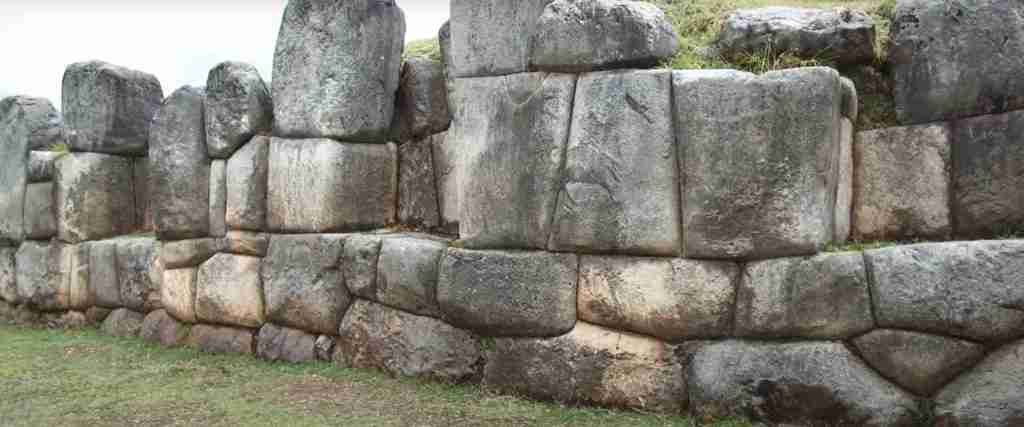
To reach temple moon, follow marked paths from San Blas—a 40-minute walk steeped in wildflowers and hummingbirds. Return by day’s end to witness sunset hues igniting the sacred stones.
How to Reach the Sacred Site
Reaching this historic sanctuary requires minimal planning but rewards visitors with immersive cultural connections. Two primary routes cater to different preferences: a scenic walking path steeped in history or convenient motorized transport. “The journey itself becomes part of the ritual,” shares local guide Javier Quispe.

On Foot: Trails, Roads, and Staircases
From San Blas’ cobblestone plaza, follow Huascar Street northeast toward Avenida Circunvalación. Cross this main road carefully before ascending stone staircases merging with the Qapaq Ñan—the Inca trail network. The 40-minute hike winds past terraced slopes and colonial-era water channels. Sturdy footwear proves essential for navigating original stone pathways worn smooth by centuries of pilgrims.
Public Transportation and Taxi Options
For time-conscious travelers, taxis from Cusco’s historic center cost 15-20 soles ($4-$5) and take 10 minutes. Request drop-off at “la entrada al camino antiguo” (the ancient trail entrance). Public buses departing from Plaza de Armas follow the 4A route, stopping near the Circunvalación crossing. From there, a 15-minute uphill walk completes the journey.
Three tips ensure smooth travels:
- Begin morning excursions before 10 AM to avoid afternoon rains
- Carry small bills for transportation payments
- Use GPS apps with offline maps for trail navigation
Local Mysticism and Spiritual Practices
At dawn, the scent of coca leaves and wildflowers rises from weathered stone altars where modern practitioners honor ancient traditions. This living heritage transforms the archaeological site into a bridge between eras, where whispers of ancestral wisdom meet contemporary reverence.
Offerings to the Moon and Pachamama
Every new moon, locals climb the ceremonial stairs to leave despachos—colorful bundles holding cocoa seeds and silver paper. These offerings thank Pachamama (Earth Mother) and lunar deities for abundance. “The stones remember,” shares guide Rosa Quispe. Construction techniques from pre-Inca times shape the ritual spaces, with staggered platforms focusing energy toward celestial bodies.
Cultural Celebrations and Rituals
During June solstices, hundreds gather at the site’s highest top for all-night ceremonies. Drum rhythms echo off original stonework as participants walk ritual paths clockwise—a practice mirroring ancestral processions. Modern tour groups often join, learning to brew chicha ceremonial beer using ancient methods.
Three elements define these gatherings:
- Fire rituals in moon-aligned niches
- Communal dances on original terraces
- Storytelling sessions near sacred springs
The construction of new offering sites alongside preserved ruins shows how spiritual practices evolve while honoring roots. Visitors report profound connections when tracing the same stairs and walkways used millennia ago—a tactile link to humanity’s enduring search for meaning.
Hiking Adventures Along Ancient Inca Roads
Walking along these ancient pathways connects modern explorers to a network of history etched in stone. The Qapaq Ñan—Inca road system—offers accessible segments where travelers experience engineering marvels firsthand. A single trip reveals original stonework and carvings that guided ancient messengers through the Andes.
Exploring the Qapaq Ñan Network
Portions near the site feature intact roads with walls built using interlocking stone techniques perfected centuries ago. Look for carved markers depicting celestial patterns—navigation aids for Inca travelers. These paths remain remarkably stable, accommodating hikers of varied fitness levels.
Scenic Views from the Trail
After 20 minutes of hiking, the trail opens to panoramic valley vistas framed by snow-capped peaks. Key landmarks include a ceremonial platform with moon-phase carvings and a natural spring where Inca runners once refreshed. Morning light enhances visibility of weathered symbols along the route.
| Trail Segment | Features | Hiking Time |
|---|---|---|
| San Blas Gateway | Original stone stairs | 15 minutes |
| Ridge Overlook | 360° valley views | 25 minutes |
| Moon Marker Junction | Ceremonial carvings | 35 minutes |
Three essentials enhance the journey:
- Start early to avoid crowds and afternoon mist
- Study trail maps for hidden carvings off main paths
- Pack layered clothing for shifting mountain weather
Natural Surroundings and Wildlife Encounters
The journey to this archaeological wonder begins with a sensory shift—crisp eucalyptus fragrances give way to the earthy musk of native queuña trees. This ecological transition mirrors the site’s cultural layers, where human history intertwines with resilient ecosystems. Explorers often pause near the entrance, where sunlight filters through silver-green leaves, creating patterns reminiscent of ancient carvings.
Flora: From Eucalyptus to Native Queuña
Introduced in the 20th century, eucalyptus groves now share space with endangered queuña trees—Andean relatives of the polylepis family. These gnarled native giants host orchids and mosses, forming microhabitats unseen in monoculture forests. Conservationists note their roots stabilize hillsides near ceremonial platforms, protecting the site’s structural integrity.
Birdwatching and Local Fauna
Dawn hours reveal emerald hummingbirds darting between queuña branches, while Andean kestrels patrol cliff edges. The center of this biodiversity hotspot lies along a quiet street leading to lesser-known trails. Local guides recommend late afternoons for spotting vizcachas (Andean rabbits) near rock formations.
Three factors make these surroundings unforgettable:
- Queuña forests filtering sunlight into ethereal green hues
- Rare bird species thriving near ancient water channels
- Trails connecting the entrance to hidden overlooks
Morning hours offer optimal wildlife activity before tourist groups arrive. As shadows shorten, the interplay between stone temples and buzzing ecosystems becomes strikingly clear. This synergy reminds visitors that cultural preservation and environmental stewardship share common roots.
Visitor Tips and Essential Recommendations
Preparing thoughtfully enhances both safety and immersion at this historic location. Early arrivals enjoy quieter trails and sharper visibility for studying ancient details. Our experts recommend balancing practical needs with cultural sensitivity to create lasting memories.
What to Pack for the Journey
Altitude and weather demand strategic packing. Layered clothing adapts to shifting mountain conditions, while sturdy shoes navigate original stone pathways. Consider these essentials:
| Item | Purpose | Notes |
|---|---|---|
| Water bottle | Hydration at 11,200 ft | Refill stations unavailable |
| Sun hat & SPF 50 | UV protection | Thinner atmosphere intensifies rays |
| Local currency | Transportation costs | Small bills for taxis |
| Energy snacks | Sustained energy | Almonds, coca candies |
Safety, Weather, and Local Etiquette
Acclimatize 48 hours before visiting to avoid altitude sickness. Morning hours (8-10 AM) offer stable weather and fewer crowds. Guides emphasize respectful behavior: avoid touching carvings and speak softly near ceremonial spaces.
Taxi costs from central areas average $5-$7—confirm prices before boarding. When photographing locals, always ask permission first. “Honor the building’s legacy by leaving offerings only in designated areas,” advises resident historian Marco Tapia.
- Check weather apps for afternoon rain risks
- Carry passport for discounted student/senior rates
- Learn basic Quechua phrases like “Rimaykullayki” (Hello)
Respect the site’s name and history by staying on marked paths. These practices preserve fragile ecosystems and honor ongoing spiritual traditions.
Conclusion
Standing where ancient rituals met celestial patterns, this Andean sanctuary remains one of the world’s most evocative historical places. Its carved staircases and lunar-aligned chambers reveal how civilizations harmonized artistry with mountain landscapes. Every view across the valley feels like stepping into a living museum, where whispers of ceremony linger in stone.
Travelers seeking authentic cultural spots will find unmatched opportunities here. Guided hikes reveal hidden carvings, while horseback excursions offer fresh perspectives on surrounding trails. Morning visits showcase intricate details best, with sunlight illuminating weathered altars and ceremonial platforms.
To fully appreciate this world heritage treasure, pair exploration with respect for its spiritual legacy. Wear sturdy shoes for original pathways and carry water for high-altitude climbs. Whether arriving via San Blas’ scenic route or joining expert-led tours, the journey rewards with profound connections to ancestral wisdom.
Few places blend history, nature, and mysticism so seamlessly. From solstice celebrations to quiet contemplation at sunset, this spot invites modern explorers to witness living history—a testament to humanity’s enduring dialogue with the cosmos.
