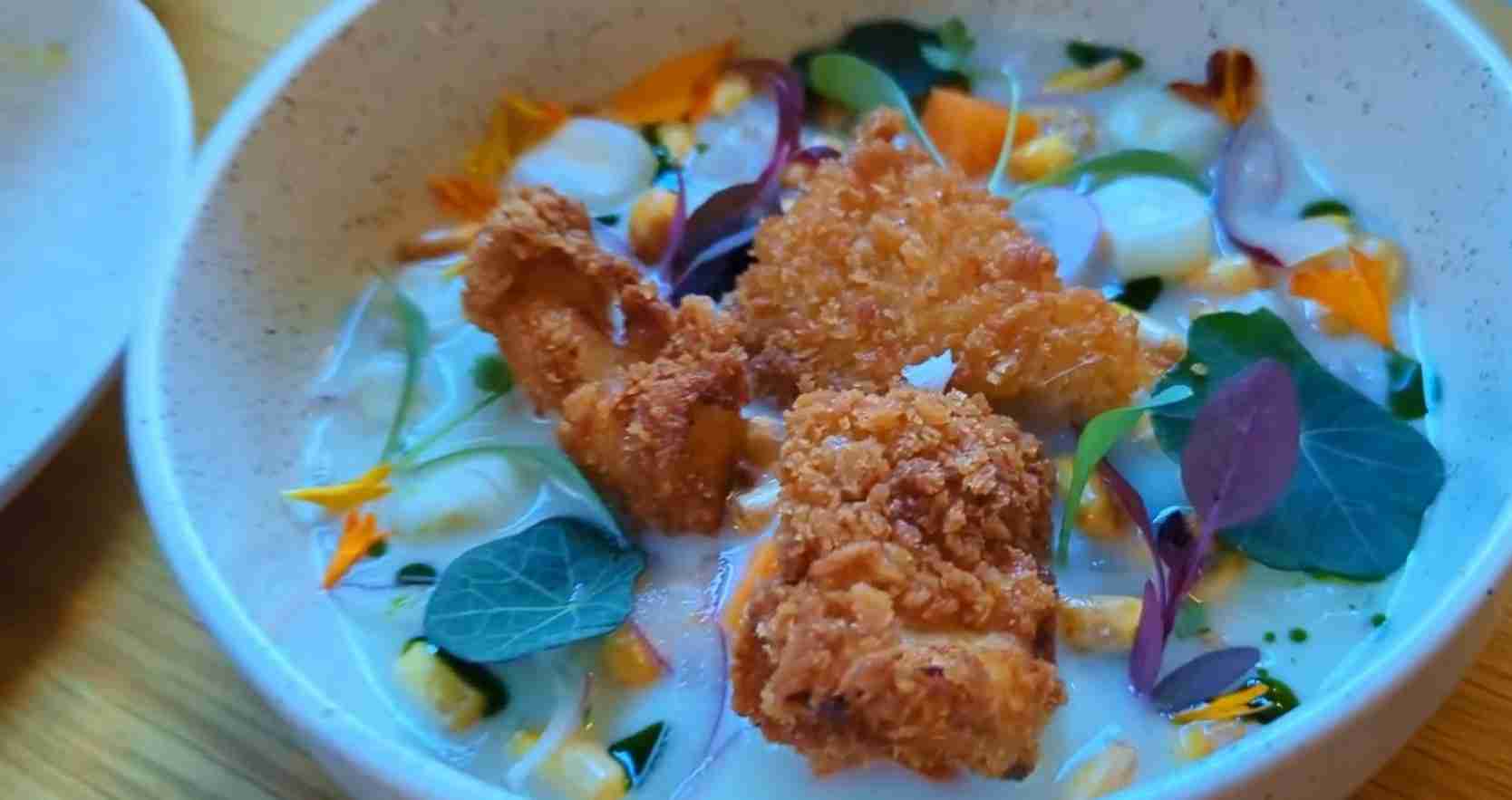
Zurich Food Guide: Best Swiss Food & Restaurants
Zurich presents a culinary landscape where Alpine farming traditions meet contemporary innovation, creating one of Europe’s most distinctive food cultures. The city’s restaurants range from historic guild houses serving centuries-old recipes to modern establishments reimagining Swiss classics with global influences. Visitors discover that Zurich’s food scene extends far beyond fondue, encompassing everything from street-side bratwurst stands to Michelin-starred fine dining, all unified by an unwavering commitment to ingredient quality and culinary craftsmanship.
Key Takeaways: Zurich’s Culinary Scene
- Signature Zurich Dishes: Zürcher Geschnetzeltes (sliced veal in cream sauce with mushrooms) stands as the city’s emblematic dish, traditionally served with crispy Rösti potatoes. Birchermüesli originated in Zurich as a health food invention by Dr. Maximilian Bircher-Benner in the early 1900s and remains a breakfast staple throughout Switzerland.
- Swiss Cheese Traditions: Fondue and raclette represent communal dining experiences central to Swiss culture, with restaurants like Swiss Chuchi and Walliser Keller specializing in these melted cheese preparations. Cheese fondue transforms dining into a social ritual, with diners sharing a pot of melted Gruyère and Vacherin while raclette involves scraping melted cheese over potatoes and accompaniments.
- Chocolate Heritage: Zurich played a pivotal role in Swiss chocolate history when Rudolf Sprüngli-Amman founded the first chocolate factory in German-speaking Switzerland in 1845. Today, confectioneries like Sprüngli, Confiserie Honold, and Teuscher continue multi-generational chocolate-making traditions, while artisanal producers like Max Chocolatier push creative boundaries with innovative flavor combinations.
- Historic Restaurant Culture: Guild houses converted into restaurants, such as Zunfthaus zur Zimmerleuten along the Limmat River, offer dining experiences steeped in centuries of tradition. Kronenhalle stands as a legendary establishment where diners enjoy Swiss classics surrounded by original artworks from Picasso, Chagall, and Rauschenberg, with lighting fixtures designed by Alberto Giacometti.
- Street Food Tradition: Bratwurst culture defines Zurich’s casual dining scene, with Sternen Grill at Bellevue operating since 1963 as the city’s most iconic sausage stand. St. Gallen bratwurst (veal) and cervelat (pork and beef mixture) represent the most popular varieties, traditionally served with crusty bread and spicy mustard.
- International Culinary Influences: Zurich’s position at the crossroads of German, French, and Italian cultures creates a diverse restaurant landscape. The Markthalle in Zurich-West mirrors international food market concepts, while neighborhoods throughout the city offer authentic Italian, Asian, Mediterranean, and global cuisines alongside traditional Swiss establishments.
People Also Ask About Zurich Food & Restaurants
What is the traditional food of Zurich?
Zürcher Geschnetzeltes stands as Zurich’s signature dish, consisting of thinly sliced veal cooked in a creamy white wine and mushroom sauce, typically enriched with onions and finished with cream. This dish first appeared in Swiss cookbooks in 1947 and evolved into one of Switzerland’s most recognized culinary exports. Restaurants serve it traditionally with Rösti (crispy fried potato pancake) or wide egg noodles, creating a rich, comforting meal that embodies Germanic culinary traditions.
Birchermüesli represents Zurich’s contribution to breakfast culture worldwide. Dr. Maximilian Bircher-Benner created this nutritious breakfast at his Zurich hospital around 1900, combining soaked oat flakes with grated apples, lemon juice, and nuts. Modern preparations typically add yogurt or cream, transforming the original health food into a beloved Swiss breakfast staple found in cafés throughout the city. Rösti, while not exclusively Zurich’s creation, appears on nearly every traditional menu as Switzerland’s national potato dish—grated potatoes formed into thick pancakes and fried until crispy on the outside while remaining soft inside. Street food culture revolves around bratwurst, particularly the St. Gallen variety made from veal, served at stands like the legendary Sternen Grill that has operated at Bellevue since 1963.
Where should I eat traditional Swiss food in Zurich?
Kronenhalle on Rämistrasse stands as Zurich’s most legendary restaurant, operating since 1924 and offering authentic Swiss cuisine surrounded by museum-quality artworks. Diners enjoy Zürcher Geschnetzeltes and beef tartare while seated among original paintings by Picasso, Chagall, and Rauschenberg, with lighting fixtures designed by Alberto Giacometti. The old-school service and grand atmosphere make it essential for experiencing Swiss dining tradition at its finest.
Zeughauskeller occupies a 15th-century arsenal building near Paradeplatz, serving generous portions of Swiss classics including Kalbsgeschnetzeltes (veal in creamy sauce) with Rösti in a historic setting with high ceilings and long wooden tables. Swiss Chuchi in Hotel Adler in the Old Town specializes in cheese dishes, particularly their Adler house special fondue with alpine herbs that draws both locals and visitors. For raclette specialists, Walliser Keller brings Valais mountain flavors to central Zurich with rustic chalet-themed décor and wood-paneled walls that create an alpine atmosphere. Raclette Factory on Rindermarkt offers a modern take on this traditional cheese dish with customizable platters and contemporary design. Zunfthaus zur Zimmerleuten, housed in a historic guild building along the Limmat River, provides upscale interpretations of Swiss classics like Swiss beef tenderloin with herb butter and Rösti in an elegant riverside setting perfect for special occasions.
What makes Swiss chocolate from Zurich special?
Zurich’s chocolate legacy began in 1845 when Rudolf Sprüngli-Amman founded the first chocolate factory in German-speaking Switzerland, establishing the city as a pioneering center of Swiss chocolate production. The revolutionary moment came in 1879 when Rodolphe Lindt invented the conching machine in Berne—a mixing, stirring, and aerating process that transformed previously chewy, brittle chocolate into smooth, melt-in-the-mouth fondant chocolate. In 1899, Lindt sold his factory and the conching secret to the Sprüngli family, creating Lindt & Sprüngli and cementing Switzerland’s global chocolate dominance.
Zurich’s chocolate culture combines industrial heritage with artisanal craftsmanship. Historic confectioneries like Sprüngli (founded 1859) continue six-generation family traditions, producing signature Luxemburgerli macarons and truffes du jour made fresh daily. Confiserie Honold, operating since 1905, created the world’s first cherry kirsch baton and specializes in alcohol-infused truffles featuring cognac, champagne, Grand Marnier, and even absinthe. Teuscher gained international fame for champagne truffles made with Dom Pérignon following a closely guarded family recipe. Modern artisanal producers like Max Chocolatier import premium cacao beans from Venezuela, Dominican Republic, Bolivia, and Madagascar to create innovative flavor combinations like pineapple and nougat, balsamic vinegar and blood orange, or dark chocolate with candied rose petals and hazelnuts. Vollenweider near the Opera House names chocolates after famous operas—Cosi Fan Tutte, Der Rosenkavalier, Carmen—and crafts novelty chocolate sculptures including Louis Vuitton handbags and high heels.
What are Luxemburgerli and where can I try them?
Luxemburgerli are delicate, bite-sized macarons that originated at Confiserie Sprüngli in Zurich and became iconic symbols of the city’s confectionery tradition. These airy, cream-filled treats differ from French macarons in their lighter, more delicate texture and smaller size, created using a proprietary recipe developed by the Sprüngli family. The confections come in numerous flavors ranging from classic vanilla, chocolate, and raspberry to seasonal variations and innovative combinations, each featuring two crisp meringue-like shells sandwiching smooth ganache filling.
The flagship Sprüngli store on Bahnhofstrasse in central Zurich serves as the primary destination for experiencing Luxemburgerli, operating since 1859 with gleaming counters displaying these colorful macarons alongside truffles, pralines, and chocolate bars. The store includes an attached café where visitors can enjoy Luxemburgerli with coffee or hot chocolate while watching Bahnhofstrasse street life. Multiple Sprüngli locations throughout Zurich offer these signature treats, including shops at Paradeplatz and in the main train station. The confections remain ultra-fresh, with many varieties sold for just 24 hours, emphasizing the company’s commitment to quality over mass production. Gift boxes containing rainbow assortments of Luxemburgerli have become quintessential Zurich souvenirs, shipped internationally while maintaining their reputation as treats best enjoyed fresh from Sprüngli’s Zurich locations.
Extended multi-day tours – 5+ days
Featured Zurich Multi-Day Tour Packages
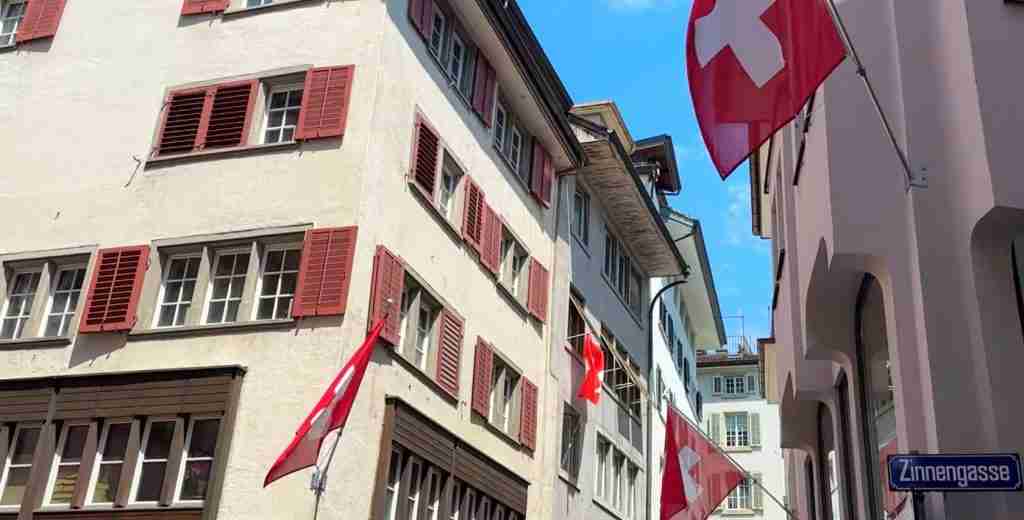
3 days
Zurich 3-Day Discovery Tour
- ✓ Comprehensive Zurich experience
- ✓ Expert local guides included
- ✓ All accommodation included
- ✓ Transportation provided

5 days
Zurich 5-Day Highlights Experience
- ✓ Comprehensive Zurich experience
- ✓ Expert local guides included
- ✓ All accommodation included
- ✓ Transportation provided
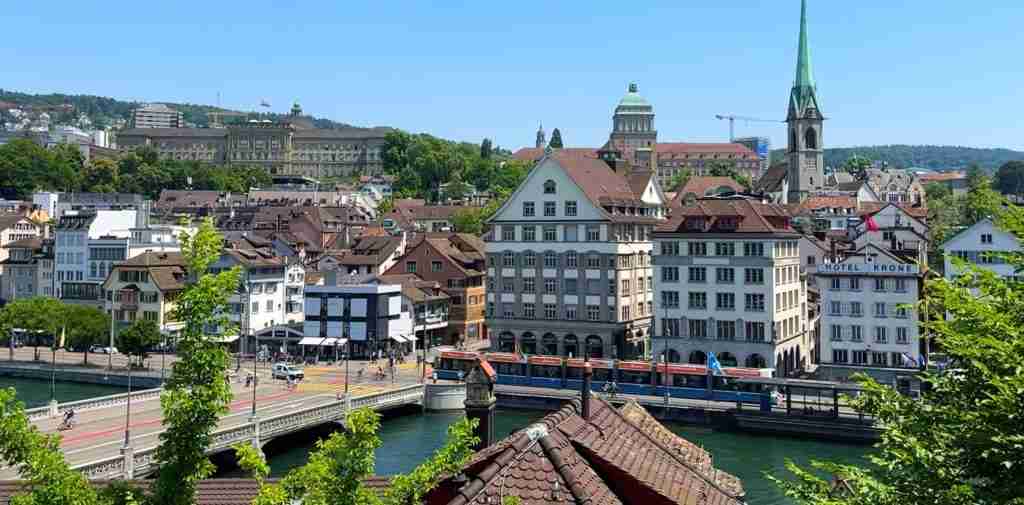
7 days
Zurich 7-Day Cultural Journey
- ✓ Comprehensive Zurich experience
- ✓ Expert local guides included
- ✓ All accommodation included
- ✓ Transportation provided
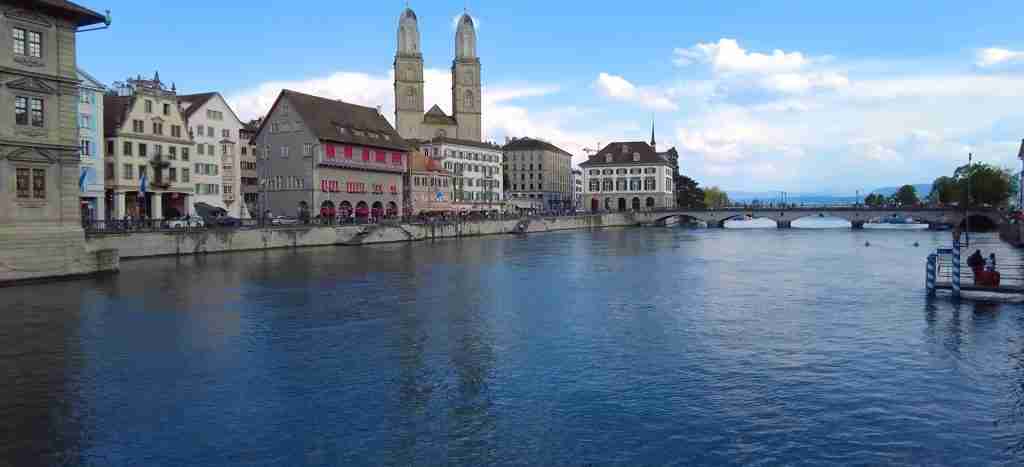
10 days
Zurich 10-Day Complete Adventure
- ✓ Comprehensive Zurich experience
- ✓ Expert local guides included
- ✓ All accommodation included
- ✓ Transportation provided
Multi-day tour packages powered by TourRadar. Prices and availability subject to change.
Introduction: Understanding Zurich’s Culinary Identity
Zurich’s food culture reflects Switzerland’s unique position at the intersection of three major European culinary traditions—German, French, and Italian—while maintaining distinct Swiss Alpine identity rooted in farming and dairy heritage. The city’s restaurant landscape evolved from medieval guild houses where trades gathered for communal meals into a sophisticated dining scene that balances centuries-old traditions with contemporary innovation. Unlike global cities dominated by international cuisine trends, Zurich maintains strong connections to regional Swiss foodways while embracing culinary influences from its multilingual, multicultural population.
The Germanic culinary tradition dominates Zurich’s classic cuisine, evident in hearty meat dishes, sausage culture, and potato-based preparations. Zürcher Geschnetzeltes exemplifies this heritage—thinly sliced veal in cream sauce represents the refined yet substantial cooking style that defines German-speaking Swiss cuisine. Rösti, Switzerland’s national potato dish, appears as the quintessential accompaniment to traditional meals, its crispy exterior and soft interior providing textural contrast to rich sauces. Bratwurst culture thrives as street food, with stands like Sternen Grill drawing everyone from business executives to students for veal sausages and crusty bread at all hours.
Cheese culture forms the foundation of Swiss culinary identity, with Zurich serving as a gateway to experiencing Switzerland’s legendary dairy traditions. Fondue transforms dining into communal ritual, with friends and family gathering around pots of melted Gruyère and Vacherin, dipping bread using long-stemmed forks while maintaining the traditional figure-eight stirring motion. Raclette offers a heartier cheese experience, with wheels of cheese heated until the surface melts, then scraped over boiled potatoes and accompanied by pickled onions, gherkins, and dried Valais meat. These cheese dishes, while not exclusively Zurich inventions, became standardized and promoted as national dishes through Swiss Cheese Union campaigns in the 1930s, later gaining international popularity throughout Europe and North America.
Chocolate production established Zurich as one of Switzerland’s pioneering cities in the industry that would define Swiss export identity. Rudolf Sprüngli-Amman’s 1845 chocolate factory launched commercial chocolate production in German-speaking Switzerland, while the 1899 merger with Rodolphe Lindt’s conching technology created the smooth, melt-in-the-mouth texture that distinguished Swiss chocolate from rougher European competitors. Today, Zurich maintains both industrial chocolate heritage through companies like Lindt & Sprüngli and artisanal tradition through multi-generation family confectioneries and modern bean-to-bar producers experimenting with single-origin cacaos and innovative flavor profiles.
The restaurant scene encompasses everything from historic establishments operating for over a century to contemporary venues reflecting global culinary trends. Guild houses converted into restaurants preserve architectural heritage while serving traditional Swiss fare—Zunfthaus zur Zimmerleuten occupies a 16th-century guild building along the Limmat River, offering refined interpretations of Swiss classics in rooms adorned with period details. Kronenhalle represents old-world elegance, where diners have enjoyed Swiss cuisine surrounded by museum-quality art since 1924. Meanwhile, Zurich-West’s Markthalle demonstrates the city’s embrace of international food market concepts, with vendors offering everything from Thai curries to Italian pasta in converted industrial space beneath railway viaducts.
Seasonal eating patterns shape menu availability throughout the year, with certain dishes associated with specific times. Winter brings vermicelles, a dessert of chestnut purée specific to Switzerland, along with heavier cheese and meat preparations suited to cold weather. Spring and summer emphasize lighter preparations, with lake fish like perch and fera appearing on menus of lakeshore restaurants. Autumn introduces wild game dishes, with venison and other wild meats prepared in traditional Germanic hunting styles. Food markets at Zurich Hauptbahnhof and throughout the city showcase seasonal Swiss produce, artisanal cheeses, cured meats, and specialty breads that reflect the agricultural calendar.
International influences increasingly complement rather than replace traditional Swiss cuisine. Italian restaurants serve authentic regional Italian cooking, with establishments like Italia and Luigia offering genuine Italian dishes using imported ingredients. Asian cuisine ranges from authentic Thai at Te to Japanese ramen at Ooki, while Mediterranean and Middle Eastern restaurants add further diversity. This international presence reflects Zurich’s role as a global financial center with significant expatriate populations, creating demand for diverse culinary options alongside traditional Swiss establishments.
Dining culture in Zurich follows Swiss customs that differ from American or Southern European norms. Service operates more formally, with waiters expecting to be summoned rather than proactively checking on tables frequently. Bill splitting remains uncommon and may be met with reluctance, as Swiss dining culture assumes groups settle accounts collectively. Reservations are essential rather than optional, particularly Thursday through Saturday when restaurants fill completely. Tipping follows European norms, with service charges included in bills, though rounding up or adding modest amounts for exceptional service is appreciated. These customs reflect broader Swiss cultural values of formality, precision, and structured social interaction.
Understanding Zurich’s food culture requires recognizing the tension between tradition and innovation that characterizes Swiss identity. While the city treasures historic recipes, traditional preparations, and multi-generation family businesses, it simultaneously embraces culinary experimentation, international influences, and contemporary dining concepts. Restaurants maintain Zürich Geschnetzeltes on menus alongside globally inspired dishes, chocolate shops preserve century-old truffle recipes while experimenting with exotic flavor pairings, and historic guild houses serve traditional fare while accepting credit cards and online reservations. This balance between preservation and adaptation defines Zurich’s distinctive culinary character.
Traditional Swiss Dishes: Zurich’s Culinary Foundations
Zürcher Geschnetzeltes represents the pinnacle of traditional Zurich cuisine, embodying the city’s approach to meat preparation and sauce work. The dish consists of veal cut into thin strips (geschnetzeltes means “sliced” or “cut into small pieces”), quickly sautéed to maintain tenderness, then finished in a luxurious cream sauce enriched with white wine, onions, and mushrooms. Proper preparation requires high-quality veal, typically from Swiss calves, sliced against the grain to ensure maximum tenderness. The cooking process begins with searing the meat in hot butter or oil, developing caramelized flavors without overcooking. White wine deglazes the pan, capturing the flavorful fond before cream transforms the mixture into a silky sauce. Fresh mushrooms, traditionally champignons, add earthy depth, while finely diced onions provide aromatic foundation.
The dish’s history traces to post-World War II Switzerland, first documented in cookbooks during the late 1940s when cream-based sauces gained popularity in Swiss haute cuisine. While not ancient by culinary standards, Zürcher Geschnetzeltes achieved iconic status through consistent presence on restaurant menus and home dining tables throughout German-speaking Switzerland. Its preparation demonstrates technical skill—the veal must remain tender rather than tough, the cream sauce should coat rather than pool, and seasoning requires careful balance between wine’s acidity, cream’s richness, and mushrooms’ earthiness. Contemporary versions sometimes incorporate additional ingredients like calvados, cognac, or herbs, though traditionalists insist on the classic combination of veal, cream, white wine, mushrooms, and onions.
Rösti serves as Switzerland’s definitive potato dish and the traditional accompaniment to Zürcher Geschnetzeltes, though its popularity extends across the entire country and into neighboring Alpine regions. The preparation involves grating raw or parboiled potatoes, forming them into thick pancake shapes, and frying in generous amounts of butter or fat until deeply golden and crispy on the exterior while maintaining a tender, almost creamy interior. The name derives from the Swiss-German verb “rösten,” meaning “to roast” or “to fry,” reflecting the dish’s essential cooking method. Regional variations exist, with some recipes calling for completely raw grated potatoes while others prefer parboiled potatoes that create different textures when fried.
Historically, Rösti originated as a breakfast dish for farmers in Canton Bern, providing substantial calories for agricultural labor through simple, available ingredients. The dish’s migration throughout Switzerland reflects broader patterns of cultural exchange within the confederation, eventually becoming recognized as a national specialty transcending regional origins. The invisible “Röstigraben” (Rösti ditch) metaphorically describes the cultural and linguistic divide between German-speaking and French-speaking Switzerland, with the dish’s name symbolizing Germanic Swiss identity. Proper Rösti achieves specific textural goals—exterior crispiness should shatter with fork pressure, interior softness should yield with minimal resistance, and the potato flavor should shine through butter richness without heaviness.
Contemporary Rösti variations incorporate additional ingredients like bacon, onions, cheese, or apples, though purists argue these additions obscure the dish’s essential simplicity. Restaurants serve Rösti as a side dish with meats, fish, and eggs, or as a main course topped with fried eggs, cheese, or other proteins. The dish’s versatility explains its endurance—affordable, satisfying, and adaptable to various meal contexts while maintaining clear Swiss identity. Home cooks and restaurant chefs alike master Rösti preparation as a fundamental Swiss cooking skill, with techniques passed through generations and regional traditions maintained despite globalization’s homogenizing effects.
Fondue transforms cheese into communal dining ritual, creating social experiences as important as the food itself. The classic preparation combines Gruyère and Vacherin cheeses in roughly equal proportions (the “moitié-moitié” or half-and-half style), melted with white wine and garlic in a caquelon—a heavy ceramic or cast iron pot designed to maintain even heat. The wine’s acidity prevents the cheese from separating and becoming stringy, while cornstarch or flour provides additional stabilization. Kirsch, a clear cherry brandy, is often added for flavor complexity and traditional authenticity. Diners use long-stemmed forks to spear bread cubes and swirl them through the molten cheese using a figure-eight motion that keeps the mixture homogenous and prevents sticking.
Despite its reputation as ancient Swiss mountain tradition, fondue’s history proves more complex and commercial than commonly believed. While mountain communities certainly melted cheese with wine historically, the standardized fondue served today emerged from Swiss Cheese Union marketing campaigns in the 1930s that promoted melted cheese dishes as national cultural expressions. The campaigns succeeded spectacularly, establishing fondue as Switzerland’s unofficial national dish and creating export markets throughout Europe and North America. Traditional etiquette surrounds fondue consumption—losing bread in the pot supposedly requires buying the next round of drinks, double-dipping is prohibited, and guests should consume moderate amounts of wine or tea rather than cold beverages that could solidify cheese in the stomach.
Raclette offers an alternative approach to melted cheese dining, emphasizing individual rather than communal pot consumption. The traditional preparation involves heating a half-wheel of raclette cheese near an open fire or specialized heating element, then scraping the melted surface onto plates using a knife or specialized scraper. The name derives from the French verb “racler,” meaning “to scrape,” directly describing the serving method. Accompaniments typically include boiled new potatoes in their skins, pickled pearl onions, cornichons (small pickled gherkins), and dried or cured meats such as Bündnerfleisch (air-dried beef from Graubünden) or Valais-style dried sausages. The combination of warm, creamy cheese with acidic pickles and salty meats creates balanced flavor profiles.
Modern raclette consumption often involves specialized electric grills with individual trays where diners melt their own cheese slices over personal heating elements. This adaptation maintains the interactive, social nature of raclette dining while allowing temperature control and eliminating the need for half-wheels of cheese and open flames. Restaurants like Walliser Keller and Raclette Factory specialize in raclette service, offering various cheese selections from mild to pungent and providing traditional accompaniments. The dish particularly thrives during colder months, with Christmas markets throughout Zurich serving raclette from outdoor stands where vendors scrape melted cheese directly onto paper plates for consumption while strolling through winter festivities.
Bratwurst culture defines Zurich’s street food landscape, with sausage stands drawing crowds throughout the day and into late evening. St. Gallen bratwurst, made from finely ground veal seasoned with milk, salt, and mild spices, represents the local favorite—milder and more delicate than German pork bratwursts, reflecting Swiss taste preferences for subtle flavors and quality ingredients. The sausages are grilled or pan-fried until the casings develop crispy exteriors while interiors remain juicy. Cervelat, often called Switzerland’s “national sausage,” combines beef, pork, and bacon in a distinctive red casing, creating saltier, more robust flavors than veal bratwurst. Both varieties appear at sausage stands, with customers choosing based on personal preference.
Sternen Grill at Bellevue stands as Zurich’s most iconic bratwurst destination, operating continuously since 1963 from the same location near the Bellevue tram stop. The stand attracts everyone from bankers and tourists to students and nightlife crowds, with long lines forming throughout the day and especially late at night when bars close. The service style emphasizes efficiency—customers order, receive their grilled sausage and roll, add mustard (usually strong, horseradish-heavy varieties that pack serious heat), and consume while standing at high tables or walking away. This casual, democratic approach to dining reflects Swiss egalitarianism, where social hierarchies dissolve around shared appreciation for quality sausages.
Tirggel cookies represent Zurich’s unique contribution to Swiss Christmas traditions, created specifically for the holiday season. These thin, crispy honey cookies feature intricate relief designs pressed into the dough using carved wooden molds depicting historical scenes, religious imagery, architectural landmarks, or decorative patterns. The dough contains primarily honey and flour with minimal fat, creating cookies that are extremely thin, crisp, and long-lasting—qualities that made them ideal for Christmas tree decorations before electric lights. The cookie tradition dates to medieval Zurich, with guild bakers controlling Tirggel production and distribution. Today, Tirggel appear in December at specialty shops like Globus and traditional bakeries, maintaining their status as authentic Zurich Christmas specialties rather than mass-produced commercial products.
Chocolate and Confections: Zurich’s Sweet Heritage
Confiserie Sprüngli on Bahnhofstrasse represents the pinnacle of Zurich’s chocolate and pastry traditions, operating from its flagship location since 1859 and now managed by the sixth generation of the Sprüngli family. The modern store features gleaming glass showcases displaying an overwhelming array of confections—signature Luxemburgerli macarons in rainbow colors, truffes du jour made fresh daily with 24-hour shelf life, cherry-filled pralines, chocolate bars featuring milk from hay-fed cows (which increases milk fat content), and decorative chocolate pieces. The truffle selection alone contains up to 115 varieties, each crafted using traditional methods and premium ingredients. Gift boxes, elegantly wrapped and ribboned, have become quintessential Zurich souvenirs shipped internationally while maintaining freshest flavors at the source.
The attached café serves full breakfast and lunch menus featuring savory fare—sandwiches, soups, salads, quiches, hot entrées—alongside the famous truffle cake that draws dessert enthusiasts. The hot chocolate, prepared from premium chocolate rather than powder mixes, ranks among Zurich’s finest. The café atmosphere buzzes with conversation in multiple languages as shoppers, business people, and tourists occupy marble-topped tables beneath crystal chandeliers. Paradeplatz location offers similar grandeur with outdoor seating overlooking one of Zurich’s most prestigious addresses, while train station locations provide convenience for travelers seeking last-minute chocolate purchases or quick café stops between connections.
Confiserie Honold has maintained chocolate-making traditions since 1905, operating from its main location in the city center with an additional atelier in Küsnacht where production occurs. The confectionery specializes in alcohol-infused truffles that showcase Swiss precision applied to spirited confections. The cocktail truffle collection includes Caipirinha (rum and lime), Margarita (tequila and lime), champagne, cognac, whisky, Baileys, Grand Marnier, and even absinthe varieties, each capturing authentic cocktail flavors in chocolate form through careful balancing of alcohol content with ganache sweetness. The Caipirinha truffle particularly stands out for its genuine citrus brightness and rum complexity.
The signature creation remains Lotti’s Best, a sophisticated truffle combining crunchy tonka bean-flavored nougat enveloped in Venezuelan criollo chocolate (65% cacao) and milk chocolate, finished with fleur de sel crystals that provide mineral complexity and enhance chocolate’s natural flavors. The confectionery also created the world’s first cherry kirsch baton nearly a century ago, establishing a tradition of incorporating Switzerland’s famous cherry brandy into confections. Like Sprüngli, Honold operates an attached café where customers can enjoy hot chocolate, coffee, and pastries including Straumann Hüppen—crispy chocolate cream-filled wafers popular throughout Zurich. The café’s outdoor tables provide prime people-watching opportunities while sampling confections.
Teuscher distinguishes itself through extravagant floral displays and champagne truffles made following a closely guarded family recipe. The Bahnhofstrasse flagship store features seasonal flower arrangements that transform the shop into a botanical fantasy, with chocolate displays nestled among exotic blooms and elegant décor. The champagne truffles use genuine Dom Pérignon, creating luxurious confections where delicate ganache melts to release subtle champagne notes. The recipe remains family property, passed through generations without external disclosure. Teuscher’s factory in Dübendorf produces all chocolates shipped to Teuscher shops worldwide, maintaining quality control and recipe consistency.
The confections extend beyond truffles to chocolate-covered fruits, pralines, specialty bars, and seasonal items. The family-run business maintains traditional production methods rather than industrial processes, limiting quantities but ensuring each piece meets exacting standards. The Bahnhofstrasse location draws international visitors seeking authentic Swiss chocolate luxury, with elegant gift packaging and premium pricing reflecting the quality and heritage. The shop’s theatrical presentation—flowers, crystal, gold accents—transforms chocolate purchasing into experiential luxury rather than mere transaction.
Max Chocolatier represents contemporary artisanal chocolate-making, founded by Patrik König in 2009 and named for his son Max. The approach combines Swiss chocolate heritage with innovative flavor experimentation, creating confections that respect tradition while pushing creative boundaries. König imports premium cacao beans from Venezuela, Dominican Republic, Bolivia, and Madagascar, working with single-origin chocolates that express terroir characteristics similar to wine. The production occurs in small batches using bean-to-bar methods that control every step from roasted beans to finished bars and confections.
The flavor combinations venture beyond traditional Swiss profiles into avant-garde territory—pineapple and nougat, balsamic vinegar and blood orange, caramel and chestnut, dark chocolate with candied rose petals and hazelnuts. Limited edition releases explore seasonal ingredients and experimental pairings, appealing to adventurous chocolate enthusiasts seeking novel experiences. The Old Town location on a cobblestone side street maintains boutique atmosphere with personal service and opportunities to discuss chocolate origins and production methods with knowledgeable staff. Summer brings artisanal ice cream offerings made in small batches using the same quality principles as chocolates, with flavors like mango lemongrass, opus coffee, and 89% Madagascar chocolate.
Vollenweider occupies a unique position in Zurich’s chocolate scene through its proximity to the Opera House and opera-themed confections. The owner’s passion for opera inspired naming chocolates after famous productions—Così Fan Tutte features hazelnuts, Der Rosenkavalier contains rose water ganache, Romeo and Juliet appears in heart shapes with raspberry, Orpheus showcases hazelnut praline, Fidelio holds caramel ganache, and Carmen offers chocolate mousse. The shop, featuring black marble and crystal accents, displays chocolates in novelty shapes including Louis Vuitton handbags, high heels, and even space shuttles (honoring Swiss astronaut Claude Nicollier who flew with Vollenweider chocolates on NASA missions).
The family business, now in its third generation, maintains the tradition of exceptional craftsmanship across 70 years of chocolate-making. Beyond opera-themed confections, the shop produces full range of pralines, truffles, and bars using traditional techniques and quality ingredients. The location near the opera house creates natural synergy with cultural patrons seeking elegant gifts or pre-performance treats. The theatrical presentation of chocolates—elaborate shapes, artistic arrangements, elegant packaging—mirrors the drama and artistry of opera itself, creating cohesive aesthetic identity.
Läderach brings innovation to Swiss chocolate through unconventional flavor combinations and modern retail concepts. Founded in 1962, the company gained international recognition for creations like raspberry-chili chocolate and coconut milk varieties that balance Swiss quality with bold flavors. The Zurich stores feature sleek, modern design distinct from traditional confectionery aesthetics, with flowing chocolate fountains and open displays encouraging sampling. The FrischSchoggi (fresh chocolate) concept emphasizes recently produced chocolate sold in broken slabs rather than molded bars, allowing customers to see quality ingredients like whole nuts, dried fruits, and cocoa nibs embedded throughout.
The company’s House of Läderach in Bilten offers factory tours including self-guided museum visits and chocolate bar decoration workshops where participants create customized 150-gram bars with selected toppings. The triple-chocolate fountain provides dramatic centerpiece and unlimited sampling opportunities. Modern production facilities visible through viewing windows demonstrate the scale behind artisanal quality claims. The experience combines education about chocolate production with interactive elements that appeal to families, chocolate enthusiasts, and tourists seeking deeper engagement with Swiss chocolate culture beyond retail purchasing.
Lindt Home of Chocolate in Kilchberg, just 20 minutes from central Zurich, opened in September 2020 as an immersive chocolate museum and experience center. The architectural centerpiece is the world’s tallest freestanding chocolate fountain, standing over nine meters tall with approximately 1,500 kilograms of chocolate continuously flowing through its structure. The self-guided tour explores chocolate history from cacao origins through European adoption, Swiss chocolate pioneer innovations, and modern production methods demonstrated in working facilities. Interactive exhibits allow visitors to test their chocolate knowledge, understand conching technology that revolutionized chocolate texture, and observe Lindt Master Chocolatiers at work.
The massive Lindt shop occupies 500 square meters, offering extensive selections of Lindt products including exclusive items unavailable elsewhere. Visitors can design custom praline packaging and have Master Chocolatiers create personalized chocolate bars to specifications. The café serves chocolate-focused menu items including popular waffles enhanced with Lindt chocolate, along with savory meals and beverages. Multiple experience levels are available—self-guided tours with audio guides, guided tours with expert commentary, and hands-on chocolate-making classes where participants work alongside Master Chocolatiers to create their own confections using professional techniques and ingredients.
Chocolate shopping in Zurich extends beyond named confectioneries to include department stores, specialty shops, and artisanal producers. Globus department store stocks chocolate from small Swiss producers alongside international luxury brands, offering curated selection emphasizing quality and variety. Berg und Tal market focuses exclusively on small Swiss producers, carrying chocolates from artisanal makers like Taucherli, La Flor, and Garçoa that emphasize bean-to-bar production and single-origin cacao. These smaller producers often operate workshops and open days where chocolate enthusiasts can observe production methods, participate in tastings, and purchase directly from makers.
The annual “Schoggi Tram” (chocolate tram) operates for approximately ten days each autumn, transforming a historic Zurich tram into mobile chocolate experience. The tram travels regular city routes while offering onboard chocolate tastings, information about Swiss chocolate history, and opportunities to purchase from featured chocolatiers. The event has become tradition among Zurich chocolate enthusiasts, combining transportation, education, and indulgence in uniquely Swiss fashion. Tickets sell out quickly, requiring advance booking through official tourism channels.
Restaurant Categories: From Street Food to Fine Dining
Traditional Swiss restaurants form the core of Zurich’s dining identity, preserving recipes and atmospheres that connect contemporary diners to historical foodways. Kronenhalle stands at the apex of this category, having operated since 1924 on Rämistrasse as one of Switzerland’s most legendary dining establishments. The restaurant’s collection of original artworks by Picasso, Chagall, Miró, Matisse, and Rauschenberg creates museum-like atmosphere, with lighting fixtures designed by Alberto Giacometti. The menu features classic Swiss preparations—Zürcher Geschnetzeltes with Rösti, beef tartare prepared tableside, and substantial meat and fish dishes reflecting Germanic culinary traditions. The bar serves as destination unto itself, drawing sophisticated clientele for cocktails and conversation in wood-paneled surroundings beneath artistic masterpieces.
Service maintains old-school European formality, with experienced waiters providing attentive but unobtrusive attention. The clientele spans generations, from established Zurich families who have dined there for decades to international visitors seeking authentic Swiss dining heritage. Reservations are essential, particularly for dinner service when the restaurant fills with business dinners, special occasions, and cultural tourists. The wine list emphasizes Swiss wines and international selections chosen to complement robust Swiss fare. Prices reflect both quality and heritage, positioning Kronenhalle as special occasion destination rather than casual dining option.
Zeughauskeller occupies a 15th-century arsenal building ten minutes’ walk from Hauptbahnhof, preserving massive architectural scale with high vaulted ceilings, stone walls, and long wooden tables reminiscent of guild hall dining. The restaurant specializes in substantial portions of Swiss meat dishes—house sausages, Kalbsgeschnetzeltes (veal in cream sauce) with Rösti, schnitzel, and braised meats served with traditional accompaniments. The atmosphere buzzes with energy from locals and tourists mixing at communal tables, creating lively, informal ambiance despite historic setting. Service operates efficiently, keeping pace with constant flow of diners throughout lunch and dinner service.
The beer selection features Swiss and German varieties served in traditional steins, while the wine list covers Swiss regions adequately without extensive international offerings. Prices remain moderate relative to Zurich standards, making Zeughauskeller accessible for everyday dining rather than exclusively special occasions. The location near Paradeplatz positions it conveniently for both tourists exploring the Old Town and office workers seeking substantial lunch. The restaurant’s endurance for centuries testifies to successful formula of historic atmosphere, generous portions, reasonable prices, and consistently executed traditional fare without pretension or unnecessary modernization.
Swiss Chuchi in Hotel Adler on Niederdorf specializes in cheese dishes, particularly fondue preparations that draw both locals seeking traditional communal dining and tourists experiencing fondue for the first time. The Adler house special fondue with alpine herbs stands as the signature dish, balancing classic Gruyère-Vacherin combination with herbal complexity that adds dimension without overwhelming cheese flavor. The setting in the Old Town provides convenient access from central tourist areas, while the hotel association ensures consistent quality and professional service. The atmosphere leans traditional with wooden interiors and alpine decorative elements that create expected Swiss ambiance without excessive kitsch.
Beyond fondue, the menu offers raclette, Rösti variations, and other Swiss specialties, allowing diners to sample multiple traditional preparations in single visit. The restaurant serves food until 11 PM, later than many traditional establishments, accommodating tourists arriving after evening activities or locals seeking late dinner. The pricing positions Swiss Chuchi as moderately expensive but not prohibitive, reflecting tourist-area location and quality ingredients. Reservations are recommended, particularly on weekends when fondue demand peaks and the relatively small dining room fills quickly. The restaurant successfully balances authenticity with accessibility, making it appropriate for first-time fondue experiences without compromising preparation quality.
Walliser Keller brings Valais mountain traditions to central Zurich, creating rustic chalet atmosphere with wood-paneled walls, low lighting, and alpine decorative elements including traditional cheese-making equipment. The restaurant specializes in Valais-style raclette, using authentic raclette cheese from the region and serving it with traditional accompaniments including dried Valais meat, potatoes, pickled onions, and gherkins. The smell of melted cheese permeates the space, creating immediate sensory connection to alpine cheese traditions. The setting feels deliberately removed from modern Zurich, transporting diners to mountain villages where raclette originated.
The menu extends beyond raclette to include other Valais specialties—dried meats, Alpine cheeses, fondues, and hearty mountain fare designed to sustain physical labor in harsh conditions. The wine list emphasizes Valais wines, particularly Fendant (Chasselas) white wines and Dôle red blends that pair naturally with cheese-heavy dishes. The location five minutes from Central tram stop provides easy access while maintaining feeling of discovery down side street away from main tourist thoroughfares. The restaurant attracts locals seeking authentic Valais food, Swiss visitors from other cantons, and tourists interested in regional Swiss cuisine beyond generic “Swiss food” concepts. Weekend reservations are essential as the restaurant’s reputation for authentic preparation draws crowds.
Raclette Factory on Rindermarkt in the Old Town modernizes raclette presentation while maintaining traditional essence. The restaurant specializes exclusively in raclette, allowing customers to customize platters with various cheese selections and toppings. The décor combines modern design elements with alpine references, creating contemporary interpretation of mountain dining. The location in the heart of Old Town tourist area positions it for convenient access, while the focused menu ensures consistent quality and efficient service. The approach appeals to younger diners seeking traditional experiences presented in contemporary context, as well as tourists wanting approachable introduction to raclette without overwhelming traditional restaurant formality.
Zunfthaus zur Zimmerleuten occupies a historic guild house along the Limmat River, offering refined interpretations of Swiss classics in elegant surroundings. The guild house dates to the 16th century, with architectural details including wood-paneled rooms, period furnishings, and views over the river creating sophisticated atmosphere appropriate for special occasions. The menu elevates traditional dishes through careful ingredient sourcing and precise execution—Swiss beef tenderloin with herb butter and Rösti, lake fish preparations, seasonal game dishes, and updated versions of Swiss classics that maintain flavor profiles while refining presentations.
The service operates at higher formality level than casual Swiss restaurants, with knowledgeable staff providing wine recommendations and dish descriptions. The wine list emphasizes quality Swiss wines from lesser-known producers alongside international selections, reflecting the restaurant’s commitment to showcasing Swiss viticulture. Prices position Zunfthaus zur Zimmerleuten as special occasion destination, with dinner for two typically representing significant expense even by expensive Zurich standards. Reservations are required days or weeks in advance for prime dining times. The restaurant attracts celebrations—anniversaries, business dinners, milestone events—where memorable setting and refined cuisine justify premium pricing.
Street food culture centers on bratwurst stands that operate throughout Zurich, with Sternen Grill at Bellevue standing as the undisputed icon. The stand operates from a small structure at the Bellevue tram stop, serving grilled sausages and bread continuously from morning through late night. The scene epitomizes democratic Swiss dining, where bankers in suits queue alongside students, construction workers, tourists, and late-night revelers without social hierarchy or pretense. The service emphasizes speed and efficiency—customers order, pay, receive sausage and roll, add mustard from dispensers, and consume at high standing tables or while walking.
The sausage quality justifies the constant crowds, with St. Gallen bratwurst featuring fine-textured veal seasoned subtly and grilled to develop crispy casing while maintaining juicy interior. The bread, crusty rolls from quality bakeries, provides textural contrast and substance. The mustard, dispensed in multiple varieties, tends toward strong horseradish-heavy Swiss styles that clear sinuses and provide assertive counterpoint to rich sausage. The entire experience costs modest amounts even by budget standards, making it accessible for everyone from cost-conscious students to wealthy locals slumming at the sausage stand between more expensive establishments.
The stand’s location at Bellevue, a major tram intersection, ensures constant foot traffic from commuters, shoppers, and tourists. The late-night scene intensifies after bars close, with crowds queuing for post-drinking sustenance in convivial atmosphere of shared inebriation and hunger. The endurance since 1963 from the same location has created institutional status, with multiple generations of Zurich families maintaining traditions of stopping at Sternen Grill for sausages during various life phases—students discovering it during university years, young professionals grabbing lunch, parents bringing children, and elderly locals maintaining decades-long habits.
International cuisine restaurants reflect Zurich’s multicultural population and global connections, offering authentic preparations from various culinary traditions. Italian restaurants predominate among international options, with establishments like Italia and Luigia serving genuine Italian regional cooking. Italia focuses on traditional cuisine without pizzas, emphasizing homemade pasta, quality meats and cheeses imported from Italy, and rustic preparations following family recipes. The approach showcases authentic Italian cooking rather than generic Italian-American adaptations, appealing to Italian expatriates seeking familiar flavors and discerning diners interested in regional Italian foodways.
Luigia operates multiple locations serving popular Italian fare with generous portions and accessible pricing unusual for Zurich. The restaurants fill with locals and tourists seeking reliable Italian cooking without premium prices charged by upscale Italian establishments. Asian cuisine spans Chinese, Thai, Japanese, Vietnamese, Korean, and pan-Asian restaurants, with quality varying significantly based on authenticity and chef backgrounds. Te, a small Thai restaurant, gained reputation for authentic Thai flavors executed properly, drawing crowds despite higher prices than expected for tiny storefront operations. The family behind Te educated Zurich diners on genuine Thai cooking through careful preparation using proper ingredients and traditional techniques.
Japanese options include Ooki for ramen, with proper tonkotsu and shoyu broths developed through long cooking and quality toppings. Mediterranean restaurants cover Greek, Spanish, Turkish, and Lebanese cuisines, with Casa Ferlin operating since the 1970s as Spanish specialist featuring big steaks, seafood, paella, and extensive Rioja selection from the adjoining wine shop. The dark-paneled interior decorated with Spanish provincial coats of arms creates atmospheric dining, while the downstairs tapas bar serves excellent small plates appropriate for lunch or casual dining. The longevity demonstrates successful formula of authentic regional Spanish cooking, extensive wine selection, and consistent quality across decades.
Middle Eastern options include Lebanese restaurants with mezze selections, Turkish kebab specialists, and Persian establishments serving traditional Iranian preparations. These restaurants primarily serve expatriate communities from their respective regions, ensuring authenticity through demanding clientele who recognize proper preparations. Tourists seeking variety beyond Swiss and European options find these establishments, though they operate mostly outside central tourist zones in neighborhood locations. African restaurants remain limited but include Ethiopian establishments serving traditional injera-based meals in communal dining format.
Vegetarian and vegan dining options have expanded significantly, with Hiltl claiming status as world’s oldest vegetarian restaurant, operating since 1898. The restaurant evolved from simple vegetarian café to comprehensive vegetarian and vegan destination with multiple dining areas including buffet service, à la carte restaurant, rooftop terrace, and bar. The buffet presents extensive selections of vegetarian and vegan dishes spanning global cuisines, allowing sampling of diverse preparations in single visit. The pricing operates by plate weight, encouraging customers to take smaller portions of more items rather than loading single plates, though buffet style still permits unlimited returns.
The à la carte restaurant offers more refined vegetarian cuisine with table service and wine pairings, elevating plant-based dining beyond health food stereotypes. The cocktail bar attracts younger crowds seeking sophisticated drinking environment separate from restaurant service. The endurance since 1898 demonstrates that vegetarian dining succeeded in Zurich long before contemporary plant-based diet trends, reflecting Swiss interests in health, wellness, and alternative dietary approaches. Modern vegan restaurants like Marktküche bring contemporary plant-based cooking to Zurich, focusing on creative vegetable preparations, alternative proteins, and presentation aesthetics that compete with meat-based fine dining rather than positioning vegan food as compromise or sacrifice.
Fine dining establishments showcase Swiss ingredients and techniques elevated to haute cuisine standards, often earning Michelin recognition for exceptional quality and innovation. Restaurant Pavillon at Baur au Lac hotel occupies glass-enclosed space resembling indoor garden, with refined menu changing frequently based on seasonal availability and chef creativity. The cooking maintains classical foundation while incorporating modern techniques and international influences, creating dishes that feel rooted in Swiss culinary traditions while demonstrating contemporary excellence. The wine program emphasizes Swiss wines from quality producers, showcasing the country’s viticultural diversity beyond generic Swiss wine concepts.
Ecco Zurich holds two Michelin stars, representing the pinnacle of contemporary Swiss fine dining with Chef Stefan Heilemann’s avant-garde culinary techniques and premium ingredient sourcing. The tasting menus feature multiple courses demonstrating technical mastery and creative vision, with presentations that emphasize visual beauty alongside flavor complexity. The dining experience extends beyond food to encompass service precision, wine pairings, and atmospheric details that create comprehensive luxury experience. Prices reflect Michelin-starred expectations, with tasting menus representing significant investment requiring advance reservation and appropriate attire.
Maison Manesse earned its first Michelin star through innovative approach that balances skillful cooking with unpretentious atmosphere. The restaurant serves both laid-back lunches and elaborate multi-course dinners, maintaining flexibility that appeals to different dining occasions and budgets. The “open for everything” motto reflects willingness to experiment with flavors, techniques, and presentations while maintaining coherent culinary voice. The urban fusion approach incorporates global influences into European cooking foundations, creating dishes that feel simultaneously familiar and novel. The restaurant attracts food enthusiasts seeking cutting-edge cuisine without the stuffiness sometimes associated with fine dining, making it accessible for younger diners and those preferring casual elegance to formal ceremony.
Markets and Food Halls: Zurich’s Culinary Marketplaces
Markthalle in Zurich-West occupies converted railway viaduct arches, transforming industrial infrastructure into vibrant food market concept similar to London’s Borough Market or Manhattan’s Chelsea Market. The market features permanent vendor stalls offering diverse cuisines and products—fresh produce, artisanal cheeses, cured meats, seafood, baked goods, prepared foods, specialty groceries, wines, and craft beverages. The vendors range from traditional Swiss producers to international food specialists, creating marketplace that reflects Zurich’s multicultural population while showcasing local food culture. The architectural setting beneath railway arches creates atmospheric space with brick walls, high ceilings, and industrial details preserved during renovation.
The market operates primarily as food destination rather than grocery shopping venue, with most vendors offering prepared foods for on-site consumption or takeaway. Thai vendors serve curries and noodle dishes, Italian stalls prepare fresh pasta and sandwiches, Swiss producers offer raclette and sausages, seafood counters serve oysters and fish preparations, bakeries sell fresh breads and pastries, and beverage vendors pour craft beers, wines, and coffee. The seating areas fill during lunch and early evening with office workers, residents, and food enthusiasts sampling from multiple vendors, creating social dining atmosphere distinct from traditional restaurant service.
The market functions as community gathering space and culinary destination, drawing locals for regular shopping and visitors seeking authentic food experiences beyond tourist-area restaurants. The prices generally undercut sit-down restaurants while offering higher quality than fast food chains, positioning the market as accessible option for quality food without premium pricing. The setting encourages lingering—communal tables, bar seating, and standing areas facilitate conversation and people-watching while consuming purchases. The market hosts special events including vendor showcases, seasonal celebrations, and food-focused programming that builds community around food culture.
The Zurich-West location places the market in formerly industrial district transformed into creative neighborhood with galleries, studios, boutiques, and entertainment venues. The area attracts younger, arts-oriented crowds alongside established locals, creating demographic mix that supports diverse food vendors and experimental concepts. The market’s success demonstrates Zurich’s embrace of international food market models while maintaining Swiss quality standards and cleanliness expectations that differentiate it from grittier markets in other cities.
Zurich Hauptbahnhof hosts weekly farmers market on Wednesdays in the main hall, bringing producers from throughout Switzerland to sell fresh seasonal products directly to consumers. The market emphasizes Swiss agriculture and artisanal food production, featuring vendors selling specialty breads, farmhouse cheeses, cured meats, fresh fruits and vegetables, honey, preserves, dairy products, and prepared foods. The setting inside the train station’s grand hall creates theatrical marketplace atmosphere, with vendors’ stalls arranged in rows beneath the historic architecture’s soaring ceilings. The timing accommodates commuters and lunch crowds, with morning setup drawing early shoppers and midday service appealing to office workers seeking quality lunch options or ingredients for dinner.
The market vendors represent small-scale Swiss producers maintaining traditional methods—Alpine cheese makers aging wheels in mountain caves, butchers producing sausages following regional recipes, bakers using wood-fired ovens and heritage grain varieties, farmers growing heirloom vegetables without industrial agriculture methods. The direct sales model allows producers to explain their methods, offer samples, and build customer relationships that support traditional food systems against industrial competition. Prices reflect quality and artisanal production methods, appealing to consumers prioritizing flavor, sustainability, and support for small producers over lowest-price alternatives.
The market provides opportunities to purchase specialty Swiss products unavailable in supermarkets or difficult to find outside specific regions. Shoppers discover rare cheese varieties, regional sausage styles, seasonal products like wild mushrooms or game meats, and artisanal items produced in quantities too small for wholesale distribution. The market functions as culinary education venue where vendors share knowledge about products, preparations, and traditional foodways, connecting urban consumers to agricultural heritage and regional diversity often obscured by supermarket standardization.
Neighborhood markets operate in various Zurich districts on different days, serving local populations with fresh produce, flowers, and specialty items. These smaller markets lack the theatrical setting of Hauptbahnhof’s Wednesday market but provide convenient access to quality ingredients for residents cooking at home. The vendors often appear at multiple markets throughout the week, traveling between neighborhoods with trucks and stalls to serve different areas. The market culture maintains importance in Swiss food systems despite supermarket dominance, reflecting preferences for fresh, local, seasonal products and relationships with producers that supermarket chains cannot replicate.
Speciality food shops throughout Zurich cater to specific culinary interests and ingredients unavailable in general grocery stores. Cheese shops like Chäs + Chips specialize in Swiss and international cheese selections, offering expert guidance on varieties, aging, and pairings. The shops function as cheese education venues where staff explain regional differences, production methods, and flavor profiles to help customers discover new varieties and understand cheese appreciation beyond generic supermarket selections. Sampling opportunities allow testing before purchasing, particularly important for expensive aged cheeses where flavor preferences vary significantly.
Wine shops including the extensive cellar adjoining Casa Ferlin restaurant offer curated selections emphasizing Swiss wines alongside international bottles. Swiss wine production remains largely unknown internationally despite quality improvements over recent decades, making specialist wine shops valuable resources for discovering varietals and regions rarely exported. The shops provide guidance on Swiss wine regions, grape varieties, and producers, helping customers navigate options that receive little international press coverage or wine publication attention. The emphasis on Swiss production supports local viticulture while introducing customers to wines challenging preconceptions about Swiss winemaking capabilities.
Italian specialty shops import products directly from Italy, offering regional items unavailable through standard distribution—specific pasta shapes, rare olive oils, artisanal vinegars, preserved vegetables, cured meats, and cheeses following traditional production methods. These shops serve Italian expatriate communities maintaining culinary connections to home regions, while also supplying ingredients for home cooks seeking authentic Italian preparations. Asian grocery stores concentrate in certain neighborhoods, stocking fresh vegetables, sauces, noodles, spices, and specialty items essential for Chinese, Thai, Vietnamese, Korean, and Japanese home cooking. The shops fill gaps in Swiss supermarket offerings where Asian ingredients receive minimal shelf space and selection remains limited to most common items.
Seasonal and Regional Specialties
Seasonal eating patterns shape Swiss culinary traditions, with certain preparations and ingredients appearing only during specific times of year based on agricultural calendars, weather patterns, and cultural celebrations. Winter brings hearty cheese dishes—fondue and raclette consumption peaks during cold months when melted cheese provides comfort and calories suited to harsh conditions. Restaurants emphasize these preparations in winter menus, and Christmas markets throughout Zurich serve raclette from outdoor stands where vendors scrape melted cheese directly onto plates for consumption while shopping in festive atmospheres. The association between winter and cheese dishes runs deep in Swiss food culture, creating seasonal anticipation similar to pumpkin spice in American autumn culture.
Vermicelles appears on autumn and winter menus as classic Swiss dessert featuring chestnut purée pushed through specialized press to create spaghetti-like strands, traditionally served with whipped cream and meringues. The dessert’s specific appearance in colder months reflects chestnut harvest timing and traditional preservation methods. Contemporary restaurants maintain vermicelles traditions while occasionally experimenting with presentations and accompaniments, though purists insist on classic combinations. The dessert remains uniquely Swiss, rarely appearing outside Switzerland despite straightforward preparation, creating surprise for foreign visitors encountering chestnut purée served as vermicelles rather than smooth paste.
Wild game hunting season in autumn brings venison, wild boar, and other game meats to restaurant menus in traditional Germanic preparations. Swiss hunting regulations strictly control seasons and harvests, creating limited availability that elevates game to special occasion status. Restaurants announce game season arrivals, with regular customers anticipating annual opportunities to enjoy wild meats unavailable during remainder of year. The preparations follow traditional methods—rich brown sauces, red wine reductions, spätzle or potato accompaniments, red cabbage, and mushrooms—that showcase game’s distinct flavors while softening the intense, sometimes livery notes through careful cooking and sauce work.
Lake fish including perch and fera appear seasonally on menus of restaurants along Lake Zurich shores, with fishing operations supplying limited catches to local establishments. Swiss lakes provide small fraction of fish consumed nationally, with most seafood imported, making local lake fish special regional products connecting diners to immediate environment. The preparations emphasize fish quality through simple cooking methods—pan-frying with butter, light sauces, lemon—that allow delicate flavors to shine rather than overwhelming with heavy seasonings. Lakeside restaurants featuring local fish provide complete experiences combining water views, regional products, and seasonal cooking that express place-based dining unavailable in central city locations.
Asparagus season in spring creates temporary menu focuses, with white and green asparagus appearing in special preparations. Swiss white asparagus, grown under soil to prevent chlorophyll development, commands premium prices and devoted following among enthusiasts who await spring harvest. Restaurants prepare asparagus simply—steamed or boiled, served with hollandaise sauce or melted butter, accompanied by new potatoes and ham—in preparations emphasizing the vegetable’s delicate flavor. The season’s brevity (approximately six weeks) creates urgency, with restaurants announcing asparagus availability and customers scheduling visits to enjoy the vegetable at peak freshness before season ends.
Strawberry season transforms Swiss markets and restaurants during early summer, with locally grown berries appearing fresh, in desserts, and as accompaniments. Swiss strawberries develop intense flavors from mountain growing conditions and shorter season compared to year-round imported varieties, creating qualitative differences noticeable even to casual consumers. Restaurants feature strawberry desserts, breakfast dishes with fresh berries, and strawberry-based beverages during the season, while markets overflow with vendors selling fresh-picked strawberries. The cultural emphasis on seasonal eating means strawberries outside their natural season face consumer skepticism, with many Swiss preferring to forego strawberries entirely during off-season rather than purchasing imports considered inferior.
Christmas markets throughout Zurich feature seasonal food specialties including Glühwein (mulled wine), roasted chestnuts, raclette, bratwurst, and various sweets. The markets operate from late November through Christmas, transforming public squares into temporary food and craft marketplaces. The food vendors offer warming items appropriate for outdoor winter consumption—hot beverages, grilled meats, melted cheese—alongside Christmas-specific treats like gingerbread, chocolate confections, and Tirggel cookies. The market atmosphere combines commerce with social gathering, as locals and tourists browse stalls while consuming seasonal foods and beverages.
Regional specialties from throughout Switzerland appear in Zurich restaurants representing various canton traditions. Valais region contributions include dried meats like Bündnerfleisch (air-dried beef) and distinctive raclette cheese, with Walliser Keller specializing in Valais cuisine. Graubünden provides capuns (Swiss chard rolls filled with spaetzle dough and meat) and various Alpine cheese styles. Ticino’s Italian-influenced cuisine appears through polenta preparations, risotto dishes, and Mediterranean-style cooking distinct from Germanic Swiss foodways. Bernese specialties include various forms of Emmental cheese and Rösti in its original agricultural context.
The Swiss confederation structure creates strong regional identities and culinary traditions specific to cantons and sub-regions, with Zurich serving as marketplace where these diverse traditions converge. Restaurants specializing in regional cuisines educate diners about Switzerland’s internal diversity, challenging monolithic concepts of “Swiss food” through exposure to varied preparations reflecting different linguistic, cultural, and agricultural contexts. The regional focus extends beyond restaurants to specialty shops, markets, and food festivals that celebrate particular cantons or municipalities, maintaining cultural connections and supporting traditional producers facing pressure from industrial food systems.
Beverages: Wine, Beer, and Traditional Drinks
Swiss wine production remains largely unknown internationally despite significant quality improvements over recent decades and diverse growing regions spanning German, French, and Italian linguistic areas. Zurich region produces wines from vineyards surrounding the city and throughout Canton Zurich, with Pinot Noir and Müller-Thurgau representing primary varieties. The wines exhibit characteristics shaped by relatively cool climate and shorter growing seasons compared to more famous European wine regions, creating elegant rather than powerful profiles that pair naturally with Swiss cuisine’s subtle flavors and cream-based preparations.
Wine consumption in Switzerland follows European patterns, with wine accompanying meals as normal beverage rather than special occasion luxury. Restaurant wine lists emphasize Swiss production, particularly wines from nearby regions and nationally recognized appellations. The pricing reflects Swiss domestic markets, with locally produced wines often costing more than international imports due to limited production quantities and protected domestic markets. Foreign visitors sometimes express surprise at Swiss wine quality, having encountered few Swiss wines internationally due to limited exports—most Swiss wine production is consumed domestically, leaving minimal quantities for export markets.
Specific Swiss wine regions gaining recognition include Valais (Switzerland’s largest wine region), Geneva canton, Vaud (particularly Lavaux terraced vineyards designated UNESCO World Heritage Site), Ticino (producing Italian-influenced wines including Merlot), and various smaller German-speaking regions. The grape varieties span international favorites like Pinot Noir, Chardonnay, and Merlot alongside Swiss specialties including Chasselas (Fendant in Valais), Petite Arvine, Humagne Rouge, and Completer. Wine tourism within Switzerland remains underdeveloped compared to France or Italy, though growing interest among Swiss and international visitors drives expansion of cellar visits, tastings, and wine-focused experiences.
Beer culture in Zurich includes both mass-market Swiss brands and growing craft brewery scene. Traditional Swiss beers follow German and Austrian brewing traditions with lagers, pilsners, and wheat beers dominating production. Major brands like Feldschlösschen, Eichhof, and Cardinal appear ubiquitously in restaurants, bars, and supermarkets, representing mainstream Swiss beer similar to major brands in neighboring countries. The brewing industry consolidated significantly during 20th century, reducing brewery numbers while increasing production scale, though recent craft brewing resurgence reverses this trend toward fewer, larger producers.
Craft breweries throughout Zurich and Switzerland produce diverse beer styles including IPAs, stouts, sour beers, and experimental brews that demonstrate Swiss precision applied to artisanal brewing. The craft scene remains smaller and less developed than American or British craft brewing movements, though growing consumer interest supports steady expansion. Brewpubs combining on-site brewing with restaurant operations allow sampling fresh beers alongside food, creating experiential drinking distinct from standard bar service. Beer gardens operating during warmer months provide outdoor drinking venues along lakes and rivers, creating social spaces where beer consumption combines with recreation and scenic views.
Traditional Swiss alcoholic beverages beyond wine and beer include various fruit brandies and liqueurs produced throughout the country. Kirsch (cherry brandy) from Central Switzerland regions gains particular fame, used both as beverage and cooking ingredient in fondue and desserts. The clear, potent spirit carries intense cherry flavor without sweetness, creating distinctive taste profile that divides drinkers between enthusiasts and those finding it too harsh. Production follows traditional methods with whole cherries including pits fermented and distilled, creating complexity beyond simple fruit flavors. Quality Kirsch commands premium prices reflecting small-batch production and aging processes.
Pflümli (plum brandy) represents another traditional fruit spirit, produced from various plum varieties and aged in barrels or bottles. The spirit carries rich plum character with varying sweetness depending on production methods and fruit types. Williams pear brandy features in desserts and as digestif, with quality examples capturing remarkable pear essence in clear spirit. These traditional spirits maintain cultural importance despite declining consumption among younger generations preferring cocktails and international spirits, creating concerns about preserving traditional production knowledge and maintaining markets for small distillers.
Hot chocolate in Zurich ranges from simple powder-based preparations to elaborate creations made from premium chocolate. Specialist establishments including Sprüngli’s Paradeplatz café prepare hot chocolate from 70% Grand Cru chocolate, creating intensely flavored beverages bearing little resemblance to instant mix versions. The thick, rich texture and pronounced chocolate flavor require sipping slowly, functioning as dessert beverages rather than casual drinks. Some establishments offer alcohol-enhanced versions with rum, Baileys, or other spirits, creating warming cocktails appropriate for cold weather consumption. The quality of hot chocolate served in Zurich’s best chocolate shops and cafés reflects broader Swiss commitment to premium chocolate products, with preparation techniques and chocolate quality elevating simple concept to sophisticated treat.
Coffee culture follows European espresso traditions, with Zurich cafés serving espresso, cappuccino, macchiato, and other Italian-style preparations as standard offerings. Swiss coffee roasters produce quality beans, though the café scene lacks the specialty coffee intensity found in cities like Melbourne, Portland, or London where third-wave coffee movements transformed café culture. The coffee serves more as social lubricant and caffeine delivery mechanism than focus of obsessive quality pursuit, though quality standards remain high by general European norms. Traditional Swiss coffee culture includes extended café sessions with newspapers, conversations, and pastries, creating social institutions rather than quick caffeine transactions.
Rivella represents Switzerland’s unique national soft drink, carbonated beverage made from milk whey as primary ingredient. The pale golden liquid carries subtle sweetness and distinctive flavor that defies easy comparison, creating acquired taste that many foreigners find unusual while Swiss consume it regularly. Multiple varieties include original red label, blue label with artificial sweetener for reduced calories, green label with green tea, and yellow label with soy. The drink appears ubiquitously in Swiss supermarkets and restaurants, though it rarely exports successfully, remaining primarily domestic product that functions as national beverage identity marker. First-time visitors should try Rivella for novelty and cultural experience, though reactions vary dramatically from enjoyment to confusion.
Dining Customs and Restaurant Etiquette
Swiss restaurant service operates more formally than American casual dining norms, with expectations around pace, interaction, and payment that can surprise visitors accustomed to different conventions. Waiters maintain professional demeanor with less artificial friendliness than American service style, focusing on competent, efficient service rather than cultivating personal relationships with diners. The formality reflects broader Swiss cultural values emphasizing privacy, appropriate boundaries, and professional conduct in public interactions. Diners should not interpret reserved service as rudeness but rather as standard Swiss approach to restaurant work.
Service pace proceeds deliberately rather than rushed, with longer gaps between courses and less frequent table checks than American dining. Waiters expect diners to summon them when needing attention rather than proactively visiting tables to inquire about satisfaction or offer additional items. This system requires adjustment for Americans habituated to servers checking tables every few minutes and anticipating needs without explicit requests. The Swiss system assumes diners prefer undisturbed conversation and will signal when requiring service, creating more relaxed atmosphere without feeling monitored or pressured toward quick turnover.
Bill payment follows European norms where requesting the check (“die Rechnung, bitte” in German) becomes diner’s responsibility rather than server bringing check unprompted. Servers will not bring bills until explicitly requested, interpreting unrequested check presentation as rudeness suggesting diners should leave. The payment process often involves server bringing portable card reader to table rather than taking cards away, reflecting Swiss preferences for maintaining possession of payment cards throughout transactions. Tipping practices differ significantly from American conventions, with service charges included in menu prices eliminating obligation for percentage-based tips. Rounding up bills or adding small amounts (5-10%) for exceptional service remains common, but 15-20% American-style tipping is neither expected nor necessary.
Bill splitting presents complications in Swiss restaurants, where convention assumes groups settle collectively rather than requesting separate checks for each diner. Requests to split bills often receive reluctance or outright refusal, particularly in busy restaurants where complex calculations disrupt service flow. Groups should discuss payment arrangements before dining and designate someone to pay full bill, settling individual shares privately afterward. Some modern establishments, particularly those catering to international customers, accommodate split payments more readily, though this remains exception rather than standard practice. The cultural expectation for collective settlement reflects Swiss social norms around group dining as shared experience rather than individual transactions.
Reservations function as essential rather than optional for most restaurants, particularly during peak times Thursday through Saturday. Walk-in diners face frequent disappointment as restaurants fill completely, even establishments appearing casual or informal. The Swiss cultural preference for planning and scheduling extends to dining, with advance reservations demonstrating respect for restaurant operations and ensuring successful dining experiences. Booking several days ahead for popular restaurants and week or more for special occasions prevents disappointment. The reservation culture also means restaurants hold tables for reserved parties rather than seating walk-ins, creating occasional paradox where apparently empty restaurants turn away customers due to reservations arriving later.
Punctuality matters significantly in Swiss culture generally and restaurant reservations specifically. Arriving late without notification risks losing reservations, as restaurants may release tables after 15-minute grace periods when parties fail to appear. Swiss diners reliably arrive on time or slightly early, creating expectations restaurants enforce consistently. The punctuality extends beyond arrival to entire meal pacing, with Swiss diners typically completing meals and departing within reasonable timeframes rather than lingering extensively after finishing. Extended post-meal lingering remains acceptable in cafés and casual establishments where table turnover matters less, but fine dining and busy restaurants expect diners to depart within reasonable periods after completing meals.
Dress codes vary by establishment, with fine dining restaurants expecting business casual or more formal attire while casual restaurants accept ordinary street clothing. The Swiss generally dress more formally than Americans for equivalent activities, making restaurant attire standards slightly higher than visitors might anticipate. Shorts, athletic wear, and excessively casual clothing appear inappropriate for most sit-down restaurants, particularly in evening service. The guideline suggests dressing one level more formally than seems necessary based on restaurant appearance or menu pricing—business casual rather than casual, dress pants or skirts rather than jeans. Upscale establishments may enforce dress codes explicitly, while middle-range restaurants convey expectations through atmosphere and existing patron attire.
Smoking regulations prohibit indoor smoking in Swiss restaurants since 2010, eliminating tobacco smoke from dining environments. Some restaurants maintain designated smoking lounges or outdoor terrace areas where smoking remains permitted, though indoor main dining areas must remain smoke-free. The regulations transformed Swiss restaurant culture from smoke-filled spaces to clear air, significantly improving dining experiences for non-smokers while creating outdoor gathering spots where smokers congregate between courses or after meals. The Swiss adapted quickly to smoke-free regulations despite initial resistance, with current norm firmly established around outdoor-only smoking in restaurant contexts.
Water service differs from American convention where tap water arrives automatically at no charge. Swiss restaurants typically ask whether diners want still or sparkling water, both referring to bottled water appearing on bills. Tap water remains safe to drink throughout Switzerland, but requesting it explicitly (“Leitungswasser” in German) may receive varying responses from compliance to subtle disapproval. Some establishments provide tap water freely, others charge minimal amounts, and some convey preference for bottled water sales. The practice reflects European norms where bottled water represents normal beverage purchase rather than American expectation of complimentary tap water. Budget-conscious diners should explicitly request tap water to avoid bottled water charges, accepting that some servers may consider this slightly gauche.
Meal timing follows Central European patterns, with lunch service typically occurring 12:00-14:00 and dinner service beginning around 18:00-19:00, earlier than Southern European countries but later than American dinner conventions. Restaurants may close between lunch and dinner service, reopening for evening service rather than operating continuously. Kitchen closing times determine last seating, with restaurants typically accepting final orders 30 minutes before posted closing time. The relatively early dinner timing compared to Spain or Italy reflects Germanic influence and Swiss work schedules, with most dining occurring before 21:00 rather than extending into late evening hours.
Food Tours and Culinary Experiences
Organized food tours provide structured introductions to Zurich’s culinary scene, combining tastings at multiple locations with cultural context and local knowledge from experienced guides. Tours typically visit four to six establishments over three to four hours, offering samplings of traditional Swiss dishes, chocolate, cheese, and other specialties while walking through various neighborhoods. The format allows tasting foods from establishments visitors might not discover independently while learning about Swiss food culture, history, and contemporary trends from knowledgeable guides. Tours accommodate various dietary restrictions with advance notice, though selections emphasize traditional Swiss cuisine potentially limiting options for strict vegetarians or vegans.
Chocolate tours focus specifically on Zurich’s chocolate heritage and contemporary producers, visiting multiple chocolate shops and confectioneries while explaining chocolate production history, tasting techniques, and major producers’ contributions to Swiss chocolate development. Tours typically include Sprüngli, other historic confectioneries, and modern artisanal producers, creating comprehensive chocolate experiences for enthusiasts wanting deeper engagement than independent shopping provides. The guides explain flavor evaluation, cacao origins, production methods, and chocolate’s historical development in Switzerland, transforming casual chocolate consumption into educational experience.
Cheese tastings and fondue experiences offer immersive encounters with Swiss dairy traditions, ranging from informal tastings at cheese shops to full fondue dinners with cultural context and etiquette instruction. Specialized cheese shops conduct tastings featuring multiple Swiss cheese varieties representing different regions, aging periods, and production methods, helping participants understand diversity beyond generic “Swiss cheese” concepts. The experts explain cheese-making processes, regional differences, proper storage and serving, and pairing principles with wines and accompaniments. Fondue experiences combine communal cheese pot dining with explanations of fondue history, traditions, and proper consumption techniques, creating social events around traditional preparation.
Cooking classes targeting tourists teach traditional Swiss dishes including fondue preparation, Rösti cooking, and other classics in hands-on formats. The classes typically conclude with participants consuming their prepared dishes, creating memorable souvenirs through acquired skills. Instruction covers ingredient selection, preparation techniques, traditional accompaniments, and cultural context for dishes prepared. Classes accommodate skill levels from beginners to experienced home cooks, with instruction scaled appropriately. The intimate class sizes ensure individual attention and opportunity to ask questions about Swiss cooking traditions, ingredients, and adaptation suggestions for home cooking in other countries.
Market tours guide participants through Zurich’s food markets, explaining vendors’ products, production methods, and selection criteria while purchasing items for tastings or picnic meals. The guides introduce artisanal producers, describe regional specialties, explain seasonal availability, and offer shopping advice for travelers wanting to purchase Swiss food products. The tours often conclude with picnic assemblies featuring purchased items, creating casual dining experiences from market discoveries. The format provides practical shopping knowledge alongside cultural education, benefiting visitors planning independent market visits or seeking Swiss food souvenirs.
Brewery tours and beer tastings explore Zurich’s craft brewing scene, visiting breweries to observe production facilities, learn about brewing processes, and sample various beer styles. The tours explain ingredients, fermentation methods, Swiss brewing traditions, and contemporary craft brewing trends affecting local production. Tastings compare styles while guides explain flavor characteristics, appropriate food pairings, and quality evaluation criteria. The experiences appeal to beer enthusiasts seeking alternatives to Swiss wine culture and visitors curious about craft brewing developments in Switzerland.
Restaurant walking tours throughout neighborhoods like Niederdorf, Kreis 5, and Zurich-West introduce participants to area dining scenes while sampling offerings from multiple establishments. The tours combine cultural neighborhood information with food tastings, creating comprehensive experiences contextualizing cuisine within broader urban development patterns and community identities. Guides explain neighborhood histories, transformation processes, and food establishment evolution reflecting demographic changes and culinary trends. The format suits visitors wanting neighborhood orientation alongside dining experiences, providing geographic knowledge supporting independent future visits.
Wine tastings focusing on Swiss wines educate participants about domestic wine production, grape varieties, regional characteristics, and quality evaluation. The tastings typically occur in wine shops, wine bars, or specialized tasting venues offering curated selections representing various Swiss regions and styles. Instruction covers Swiss wine regions’ geographic and climatic characteristics, grape varieties’ flavor profiles, production methods, and food pairing principles. The experiences address Swiss wine’s relative international obscurity while demonstrating quality levels challenging preconceptions about Swiss winemaking capabilities. Participants gain knowledge supporting future Swiss wine purchases and appreciation of domestic production rarely encountered outside Switzerland.
Private culinary experiences customized to specific interests allow deeper exploration of particular aspects of Zurich’s food culture. These might include private chocolate shop visits with owners, exclusive tastings at cheese aging facilities, meals at private homes with Swiss families, visits to food producers outside the city, or customized itineraries combining specific restaurants and specialty shops. The premium pricing reflects personalized service and exclusive access, appealing to serious food enthusiasts seeking experiences beyond standard tours. The flexibility accommodates dietary restrictions, scheduling constraints, and specific interests more readily than group tours.
Food festivals throughout the year celebrate specific products, culinary traditions, or international cuisines. Events like the Zurich Food Festival bring multiple vendors, restaurants, and producers together for concentrated culinary experiences featuring tastings, demonstrations, workshops, and entertainment. The festivals create opportunities to sample diverse offerings efficiently while enjoying festive atmospheres and often include elements like cooking competitions, chef demonstrations, and live music creating comprehensive entertainment experiences beyond eating. The timing varies across calendar, with major events concentrating during warmer months when outdoor festival formats function optimally.
Zurich Neighborhood Food Scenes
Old Town (Altstadt) contains the highest concentration of traditional Swiss restaurants, chocolate shops, and historic eating establishments, functioning as epicenter for tourists seeking classic Zurich food experiences. The area’s medieval street layout, preserved architecture, and concentration of cultural attractions create natural destination for visitors, with food establishments capitalizing on consistent tourist traffic. The restaurants range from venerable institutions like Kronenhalle and Zeughauskeller to tourist-oriented establishments offering fondue and other Swiss classics in atmospheric settings. The chocolate shops include Sprüngli’s Paradeplatz flagship, Confiserie Honold, and numerous other confectioneries maintaining multi-generation traditions.
Niederdorf district within Old Town functions as entertainment quarter with dense concentration of restaurants, bars, and cafés creating lively atmosphere especially during evenings and weekends. The narrow pedestrian streets fill with diners moving between establishments, street performers providing entertainment, and general bustle contrasting with quieter Old Town areas. Restaurant diversity spans Swiss traditional, Italian, Asian, Middle Eastern, and various international cuisines served in often small, intimate spaces with outdoor seating expanding capacity during warmer months. The area attracts younger crowds alongside tourists, creating mixed demographics and maintaining energy later into evenings than more staid Old Town sections.
Kreis 5 neighborhood underwent transformation from working-class industrial district to trendy creative quarter over past two decades, with food establishments reflecting demographic shifts and artistic sensibilities. The area contains innovative restaurants experimenting with cuisine and concepts, craft breweries, specialty coffee shops, international eateries representing diverse cuisines, and food markets including Markthalle in converted railway viaduct. The neighborhood attracts younger, arts-oriented residents and visitors seeking alternatives to Old Town tourist establishments, creating dining culture emphasizing creativity, casual atmospheres, and international influences over traditional Swiss heritage.
Zurich-West extends industrial-to-creative transformation observed in Kreis 5, with former factory spaces converted to restaurants, bars, galleries, and entertainment venues. The area maintains grittier aesthetic than central city while offering cutting-edge dining concepts, international cuisines, and experimental establishments testing new approaches. The Markthalle food market serves as district anchor, with surrounding streets containing various restaurants, cafés, and bars drawing locals and adventurous tourists. The accessibility via tram connections makes the district increasingly integrated into Zurich’s broader dining landscape despite peripheral location relative to traditional tourist zones.
Enge and Wollishofen neighborhoods along Lake Zurich’s western shore concentrate restaurants emphasizing lake views, outdoor terraces, and seasonal lake fish preparations. The establishments range from casual lakeside cafés to upscale restaurants serving refined cuisine with water views, united by emphasis on scenic settings and outdoor dining during favorable weather. The area attracts locals seeking waterfront dining and tourists willing to travel beyond central districts for distinctive atmospheres. The establishments’ seasonal nature means some operate primarily during warmer months when outdoor seating and lake activities create optimal conditions, while year-round operations adapt menus and service formats for colder periods.
Seefeld neighborhood east of city center contains residential character with local-oriented restaurants, cafés, and specialty food shops serving community needs rather than tourist markets. The establishments emphasize quality and consistency over novelty, creating neighborhood institutions where regular customers maintain ongoing relationships with owners and staff. The area provides glimpse of everyday Zurich dining culture beyond tourist-oriented Old Town, with authentic neighborhood atmospheres and establishments where locals gather regularly. The restaurants span various cuisines reflecting neighborhood demographics, with Swiss, Italian, Asian, and international options coexisting without concentration in particular culinary directions.
Wiedikon and surrounding southern neighborhoods contain working-class character with affordable dining options including ethnic restaurants serving immigrant communities, casual Swiss establishments, pizzerias, Asian eateries, and neighborhood cafés. The area lacks architectural charm of Old Town or creative energy of Kreis 5, but offers authentic multicultural dining at accessible prices reflecting community demographics. The establishments serve primarily local populations rather than destination diners, creating informal atmospheres where cuisine quality and value matter more than design aesthetics or trendy concepts. The area demonstrates Zurich’s demographic diversity beyond wealthy central districts and exclusive neighborhoods.
Frequently Asked Questions
What is the most famous food in Zurich?
Zürcher Geschnetzeltes stands as Zurich’s most famous dish, featuring thinly sliced veal in cream sauce with mushrooms, traditionally served with Rösti. The preparation exemplifies Zurich’s approach to Germanic Swiss cuisine—refined technique applied to quality ingredients producing rich, comforting results. Nearly every traditional Swiss restaurant in Zurich serves their version, making it ubiquitous choice for visitors seeking authentic local specialties. Beyond this signature dish, fondue and raclette represent Swiss cheese traditions, bratwurst embodies street food culture, Birchermüesli offers breakfast specialty invented in Zurich, and Luxemburgerli macarons from Sprüngli function as iconic Zurich confections. These dishes collectively define Zurich’s culinary identity across different meal occasions and dining contexts.
Is Zurich expensive for food and dining?
Zurich ranks among Europe’s most expensive cities for dining, with restaurant meals costing significantly more than equivalent experiences in most other European capitals. Mid-range dinner with wine typically requires substantial budget per person, while fine dining experiences reach premium pricing levels. The high costs reflect Switzerland’s expensive labor markets, premium ingredient sourcing, and general price levels throughout the country rather than specific restaurant price gouging. Street food options like bratwurst from Sternen Grill and market food halls like Markthalle offer relatively affordable alternatives, though even these remain expensive compared to equivalent casual dining in other countries. Grocery shopping and self-catering provide cost savings for budget-conscious travelers, with supermarkets offering Swiss products at more accessible prices than restaurant service.
Do I need reservations for restaurants in Zurich?
Reservations are essential rather than optional for most Zurich restaurants, particularly Thursday through Saturday when establishments fill completely. Walk-in diners face frequent disappointment as restaurants hold tables for reserved parties rather than seating available customers. The Swiss cultural preference for planning and scheduling extends to dining, with advance reservations demonstrating respect for restaurant operations and ensuring successful experiences. Popular restaurants require bookings several days ahead, while sought-after establishments and special occasion dining may need week or more advance notice. Casual establishments, street food stands, cafés, and food markets accommodate walk-ins readily, but any sit-down restaurant with table service warrants reservation attempts. Online reservation systems and phone bookings both work effectively, with English-speaking staff generally available at establishments frequenting tourists.
What is traditional Swiss breakfast in Zurich?
Traditional Swiss breakfast emphasizes Birchermüesli (invented in Zurich), bread and butter with jam, cheese, cured meats, yogurt, and coffee rather than hot cooked preparations common in American or British breakfasts. Birchermüesli combines soaked oat flakes, grated apples, lemon juice, nuts, and typically yogurt or cream, creating nutritious, filling breakfast that fueled its creator’s health food advocacy. Bread service includes various Swiss bread types from crusty rolls to Zopf (braided bread), served with butter, jam, honey, or Nutella alongside sliced cheese and cured meats. Hotels typically offer buffet breakfasts featuring these items plus additional hot options for international guests, while cafés serve more limited selections emphasizing quality over variety. Coffee consumption follows European patterns with espresso-based preparations rather than drip coffee, though filter coffee appears increasingly in specialty coffee shops.
Where can I find vegetarian and vegan food in Zurich?
Hiltl claims status as world’s oldest vegetarian restaurant, operating since 1898 and offering comprehensive vegetarian and vegan options across multiple dining areas including buffet service, à la carte restaurant, rooftop terrace, and bar. The buffet presents extensive selections spanning global cuisines, allowing sampling of diverse preparations in single visit with pricing by plate weight. Contemporary vegan restaurants like Marktküche showcase creative plant-based cooking that competes with omnivorous fine dining rather than positioning vegan food as compromise. Many traditional Swiss restaurants offer limited vegetarian options, typically pasta dishes, salads, and cheese preparations like fondue or raclette, though vegan options remain sparse outside specialized establishments. International restaurants, particularly Asian establishments, often provide more vegetarian and vegan choices than traditional Swiss venues. The growing plant-based dining interest drives expansion of vegetarian and vegan offerings, though Zurich’s vegetarian scene remains less developed than cities like Berlin, London, or Los Angeles where plant-based dining achieved mainstream acceptance.
What souvenirs should I buy from Zurich food shops?
Swiss chocolate represents quintessential Zurich food souvenir, with options ranging from mass-market Lindt bars to artisanal confections from Sprüngli, Confiserie Honold, Teuscher, or Max Chocolatier. Luxemburgerli macarons from Sprüngli travel reasonably well for several days, making them popular gifts for those returning home soon after purchase. Swiss cheese from specialty shops provides authentic souvenir for cheese enthusiasts, though transport restrictions and refrigeration requirements complicate international travel. Packaged Swiss products including muesli, Rivella soft drinks, specialty crackers, honey, preserves, and packaged chocolates available at supermarkets offer affordable, transportable options. The airport duty-free shops stock comprehensive Swiss food product selections, though prices exceed normal retail and selections emphasize mass-market brands over artisanal producers. Specialty food shops in Old Town and department stores like Globus curate Swiss product selections specifically for gifting, with attractive packaging and quality items commanding premium prices.
How do I order food in German at Zurich restaurants?
English functions as common second language throughout Zurich’s restaurant scene, with most establishments accommodating English-speaking customers without difficulty, particularly in central tourist areas. However, learning basic German phrases demonstrates cultural respect and facilitates smoother interactions. Essential phrases include “Guten Tag” (good day/hello), “Die Speisekarte, bitte” (the menu, please), “Ich möchte…” (I would like…), “Die Rechnung, bitte” (the bill, please), and “Danke” (thank you). Menus increasingly include English translations or English versions available upon request, though some traditional establishments maintain German-only menus requiring translation assistance from staff or translation apps. Pronunciation proves less critical than effort—Swiss appreciate attempts to speak German even if imperfect, responding supportively rather than dismissively. Swiss German dialect differs significantly from standard German, though restaurant staff typically switch to standard German when recognizing foreign accents, making learned phrases more comprehensible than local dialect conversations.
What time do restaurants serve dinner in Zurich?
Dinner service typically begins around 18:00-19:00 in Zurich restaurants, earlier than Southern European countries but later than American dinner conventions. Kitchens generally accept last orders 30 minutes before posted closing times, with restaurants closing between 22:00-23:00 depending on establishment type and day of week. The timing reflects Germanic influence and Swiss work schedules, with most dining occurring before 21:00 rather than extending into late evening hours common in Spain or Italy. Some restaurants close between lunch (typically 12:00-14:00) and dinner service, reopening in evening rather than operating continuously throughout afternoon. Weekend dinner service may extend later than weekdays, particularly in entertainment districts like Niederdorf where bars and restaurants maintain later hours. Reservations typically specify arrival times within 15-minute windows, with punctuality expected and tables potentially released if parties arrive significantly late without notification.
Can I drink tap water in Zurich restaurants?
Tap water throughout Zurich and Switzerland meets highest safety standards and is perfectly safe for drinking, sourced from mountain springs and lakes with excellent quality. However, restaurant water service differs from American convention where tap water arrives automatically at no charge. Swiss restaurants typically ask whether diners want still or sparkling water, both referring to bottled water that appears on bills. Requesting tap water explicitly (“Leitungswasser” in German) receives varying responses—some establishments provide it freely, others charge minimal amounts, and some subtly convey preference for bottled water sales. The practice reflects European norms where bottled water represents normal beverage purchase rather than complimentary service. Budget-conscious diners should explicitly request tap water upon arrival to avoid bottled water charges, accepting that servers may consider this slightly unconventional though not inappropriate. The water’s quality makes tap water entirely viable choice beyond cost considerations, offering fresh, clean hydration without purchasing bottles.
What is proper etiquette for Swiss fondue and raclette?
Fondue etiquette includes several traditional rules and customs governing proper consumption. Diners use long-stemmed forks to spear bread cubes, then swirl them through melted cheese using figure-eight motion that keeps mixture homogenous and prevents sticking. The bread should not be dunked straight down but rather swirled through, coating it evenly with cheese. Traditional folklore suggests that losing bread in the pot requires buying the next round of drinks, though this rule varies by region and social group. Double-dipping—biting bread on fork then returning it to communal pot—is strictly prohibited for hygiene reasons. Guests should consume moderate amounts of wine or tea during fondue meals rather than cold beverages, as folklore suggests cold drinks solidify cheese in stomach (though medical evidence doesn’t support this belief). Raclette etiquette is less formalized, though diners should pace consumption to match table companions rather than rapidly depleting shared cheese supplies. The communal nature of both preparations encourages conversation and social interaction, with eating pace deliberately slow to maintain extended meal duration.