Zurich Budget Guide 2026: Complete Travel Cost Breakdown
Zurich stands as Switzerland’s largest city and one of the world’s most expensive destinations, where travelers navigate costs ranging from budget-conscious backpacker rates to luxury experiences rivaling global financial capitals. Understanding Zurich’s pricing structure transforms what appears as financial intimidation into strategic opportunity, with smart choices delivering world-class experiences across every budget tier. This comprehensive guide breaks down accommodation, dining, transportation, and attraction costs for 2026, providing the exact figures and strategies needed to plan your Swiss adventure with confidence.
Key Takeaways: Zurich Budget Essentials 2026
- Budget Travel Reality: Budget travelers spending CHF 107-144 ($115-155) per person daily can experience Zurich through hostel dormitories, supermarket meals supplemented by affordable restaurants, unlimited public transport, and Zurich’s extensive network of free museums and lakefront attractions.
- Mid-Range Comfort Zone: Mid-range travelers investing CHF 234-349 ($255-380) per person daily (two sharing hotel accommodation) access comfortable three-star hotels in excellent locations, full-service restaurant dining across breakfast, lunch, and dinner, comprehensive public transport coverage, and admission to multiple museums and attractions.
- Luxury Experience Spectrum: Luxury visitors spending CHF 555-865 ($605-945) per person daily (two sharing premium accommodation) enjoy five-star hotels with lake or Old Town views, Michelin-caliber dining, private transportation flexibility, and exclusive cultural experiences including guided tours and premium attraction access.
- Weekly Cost Planning: A week in Zurich costs approximately $805-1085 for budget travelers, $1785-2660 for mid-range comfort, and $4235-6615 for luxury experiences, with these ranges reflecting accommodation sharing assumptions and comprehensive daily expenses including all categories.
- Transportation Value Strategy: The ZurichCARD at CHF 29 ($32) for 24 hours provides unlimited public transport plus free entry to most museums, creating immediate savings versus individual transit tickets at CHF 9 ($10) daily plus separate museum admission fees of CHF 13-31 ($14-34) per attraction.
- Seasonal Price Dynamics: Summer peak season from June through August sees hotel rates increase 40-60% above winter baseline prices, with mid-range hotels ranging CHF 300-450 ($325-490) per night in summer versus CHF 180-280 ($195-305) in winter, while restaurant and attraction prices remain stable year-round.
People Also Ask About Zurich Budget 2026
How much does a day in Zurich cost in 2026?
A day in Zurich costs CHF 107-144 ($115-155) per person for budget travel, CHF 234-349 ($255-380) for mid-range comfort assuming two people sharing hotel accommodation, and CHF 555-865 ($605-945) for luxury experiences. Budget travelers stay in hostel dormitories at CHF 45-65 ($50-70) per night, eat primarily from supermarkets and budget restaurants spending CHF 43-57 ($47-63) daily on meals, use public transport day passes at CHF 9 ($10), and visit free museums plus one paid attraction at CHF 10-13 ($11-14). Mid-range travelers occupy three-star hotels at CHF 115-175 ($125-190) per person when sharing rooms, dine at full-service restaurants for CHF 80-115 ($88-126) daily, maintain the same efficient public transport costs, and visit multiple paid museums spending CHF 30-50 ($33-55) on attractions. Luxury visitors book five-star hotels at CHF 300-450 ($325-490) per person sharing, experience fine dining for CHF 175-265 ($193-291) daily, utilize private transfers at CHF 30-50 ($33-55), and access premium cultural experiences at CHF 50-100 ($55-110).
What’s the average hotel price in Zurich in 2026?
Hotel prices in Zurich for 2026 range from CHF 45-65 ($50-70) per night for hostel dormitory beds, CHF 90-140 ($100-150) for budget private rooms, CHF 230-350 ($250-380) per night for mid-range three-star hotels, CHF 400-600 ($435-655) for upscale four-star properties, and CHF 600-900+ ($655-980+) for luxury five-star accommodations. Budget travelers in dormitories or basic private rooms find the most economical options concentrated near Zurich Hauptbahnhof (main station) and in neighborhoods like Oerlikon and Wiedikon slightly outside the Old Town core. Mid-range properties cluster throughout Kreis 1 (Old Town), Seefeld along Lake Zurich, and near the university district, offering modern amenities, breakfast options, and convenient tram access. Luxury hotels occupy prime lakefront positions, historic buildings in Niederdorf, and architectural landmarks like The Dolder Grand on Zurich’s hillside, providing comprehensive services including restaurants, spas, concierge assistance, and spectacular city or lake views. These rates reflect per-room costs requiring division by occupants to calculate per-person daily accommodation expenses.
How expensive are restaurants in Zurich compared to other European cities in 2026?
Restaurant dining in Zurich ranks among Europe’s most expensive, with lunch prix-fixe menus starting at CHF 25-30 ($28-33) and dinner main courses ranging CHF 35-60 ($38-66) at mid-range establishments, compared to roughly 30-50% lower prices in cities like Berlin, Barcelona, or Prague. Budget travelers minimize restaurant costs by patronizing supermarket hot food sections where prepared meals cost CHF 8-12 ($9-13), department store cafeterias like Manor offering lunch deals at CHF 15-20 ($16-22), and kebab shops or Asian takeaway restaurants providing substantial meals for CHF 12-18 ($13-20). Mid-range diners at traditional Swiss restaurants or international bistros spend CHF 25-35 ($28-38) for lunch including soup or salad plus main course, and CHF 40-60 ($44-66) for dinner with appetizer, main course, and one drink. Luxury dining at Zurich’s Michelin-starred restaurants and exclusive establishments requires CHF 100-200+ ($110-220+) per person for tasting menus, with wine pairings adding another CHF 80-150 ($88-165). Service charges are included in all Swiss menu prices, eliminating the tipping pressure common in North American or British restaurants.
Is the ZurichCARD worth buying for a 2026 visit?
The ZurichCARD delivers clear value for visitors planning to use public transport extensively and visit multiple museums, breaking even after just one round-trip airport transfer plus two museum visits. The 24-hour card costs CHF 29 ($32) and the 72-hour version CHF 58 ($63), providing unlimited travel on all ZVV trams, buses, trains, boats, and cable cars within the city plus free admission to over 40 museums including the Swiss National Museum at CHF 13 ($14), Kunsthaus at CHF 24-31 ($26-34), and FIFA Museum. Without the card, a single round-trip airport journey costs CHF 13.20 ($14), two museum entries average CHF 38 ($41), and three days of transit day passes total CHF 25.80 ($28), meaning the card saves approximately CHF 48 ($52) over three days for typical museum-heavy itineraries. Budget travelers visiting primarily free museums and walking extensively may find individual transit tickets more economical, while mid-range and luxury travelers who value convenience and spontaneity alongside museum access universally benefit from card purchase. The card also includes restaurant and shopping discounts throughout the city, though these secondary benefits rarely drive the purchase decision.
Extended multi-day tours – 5+ days
Featured Zurich Multi-Day Tour Packages
3 days
Zurich 3-Day Discovery Tour
- ✓ Comprehensive Zurich experience
- ✓ Expert local guides included
- ✓ All accommodation included
- ✓ Transportation provided

5 days
Zurich 5-Day Highlights Experience
- ✓ Comprehensive Zurich experience
- ✓ Expert local guides included
- ✓ All accommodation included
- ✓ Transportation provided

7 days
Zurich 7-Day Cultural Journey
- ✓ Comprehensive Zurich experience
- ✓ Expert local guides included
- ✓ All accommodation included
- ✓ Transportation provided

10 days
Zurich 10-Day Complete Adventure
- ✓ Comprehensive Zurich experience
- ✓ Expert local guides included
- ✓ All accommodation included
- ✓ Transportation provided
Multi-day tour packages powered by TourRadar. Prices and availability subject to change.
Introduction: Understanding Zurich’s Cost Structure in 2026
Zurich has earned its reputation as one of the world’s most expensive cities through a combination of Switzerland’s high living standards, strong Swiss Franc, exceptional quality of services, and its role as a global financial and business center. Unlike many tourist destinations where budget shortcuts compromise experience quality, Zurich’s well-developed infrastructure and Swiss efficiency mean even budget travelers access clean, safe, punctual services that would qualify as premium offerings in less expensive countries. The city’s compact size and superb public transportation system actually reduce certain costs compared to sprawling European capitals where expensive taxi journeys become necessary to cover large distances.
Understanding Zurich’s unique pricing dynamics transforms budget planning from overwhelming to strategic. Accommodation represents the largest single expense, with hotel rates per room ranging from budget properties under CHF 150 ($165) to luxury lakefront palaces exceeding CHF 1000 ($1090) nightly, but the pattern differs from other expensive cities because budget-conscious options genuinely exist rather than being theoretical concepts. Dining follows Switzerland’s broader pattern where restaurant meals cost substantially more than self-catering options, creating clear financial incentives for travelers willing to shop at excellent Swiss supermarkets like Migros and Coop. Transportation costs remain remarkably affordable thanks to efficient public systems, while attractions span from numerous free museums and parks to premium paid experiences.
The 2026 travel season sees Zurich continuing its post-pandemic recovery with tourism approaching pre-2020 levels, though without the overcrowding that plagues destinations like Venice or Barcelona. Prices reflect moderate inflation following Switzerland’s conservative monetary policy, with accommodation rates up approximately 5-8% from 2024 baselines, restaurant prices increasing 3-5%, and public transport seeing minimal adjustment thanks to government subsidies maintaining accessibility. The Swiss Franc trades at approximately 1.09 to the US Dollar as of early 2026, slightly weaker than 2023-2024 levels but still representing a strong currency that amplifies costs for visitors from most countries.
This guide organizes Zurich’s 2026 costs into actionable categories, beginning with detailed accommodation analysis across all budget tiers and neighborhoods, followed by comprehensive dining strategies from supermarket optimization to restaurant selection, transportation guidance covering when to walk versus ride versus purchase day passes, and attraction cost breakdowns with specific museum admission prices and combination ticket values. Sample itineraries for three, five, and seven-day visits illustrate exactly how daily costs accumulate into trip totals, while neighborhood-specific pricing analysis reveals which areas offer better value without sacrificing convenience or experience quality. Money-saving strategies address everything from optimal booking timing to strategic meal planning to hidden costs like tourist taxes and tipping expectations.
The fundamental insight guiding smart Zurich travel in 2026 is that costs vary dramatically based on choices rather than being uniformly expensive across all options. A traveler staying in Oerlikon rather than Niederdorf, shopping at Migros rather than dining out three times daily, and utilizing the ZurichCARD instead of paying attraction fees separately can reduce daily costs by 40-50% while maintaining excellent comfort and access to the city’s best experiences. Conversely, travelers prioritizing luxury find Zurich delivers world-class quality justifying premium prices, from Michelin-starred dining to lakefront five-star hotels to private yacht tours on Lake Zurich. Both approaches work; the difference lies in understanding exactly which expenses drive your total costs and making intentional choices aligned with your priorities and resources.
Accommodation Costs in Zurich 2026
Accommodation forms the largest single expense for most Zurich visitors, with rates per room rather than per person creating immediate opportunities for budget savings through sharing. The city’s hotel landscape divides into distinct tiers with clear price bands: hostel dormitories and budget accommodations under CHF 150 ($165) per night, mid-range three-star properties CHF 200-400 ($220-435), upscale four-star hotels CHF 400-650 ($435-710), and luxury five-star establishments CHF 650-1200+ ($710-1310+). Location drives significant price variation, with central Old Town properties commanding 25-40% premiums over functionally equivalent hotels in neighborhoods like Oerlikon, Altstetten, or Wiedikon that remain within 15-20 minutes of the city center via excellent tram connections.
Budget Accommodation Options 2026 (CHF 45-150 / $50-165 Per Night)
Hostel dormitories represent Zurich’s most economical sleeping option, with beds in 4-8 person rooms costing CHF 45-65 ($50-70) per night at properties like Oldtown Hostel Otter near Niederdorf, MEININGER Zürich Greencity in the Manegg district, and Zurich Youth Hostel in Wollishofen along the lake. These hostels provide clean facilities, individual lockers, shared bathrooms, communal kitchens enabling significant meal cost savings, and social common areas attracting solo travelers and backpackers. Private rooms at budget hostels range CHF 90-140 ($100-150) for doubles, offering accommodation privacy while maintaining hostel amenities and social atmosphere.
Budget hotels and guesthouses fill the CHF 100-150 ($110-165) per night range, with properties like ibis budget Zurich City West, Hotel Otter, and smaller family-run guesthouses in outer neighborhoods providing private rooms with ensuite bathrooms, basic breakfast options, and limited services. These establishments sacrifice Old Town location convenience but compensate through proximity to tram stops enabling 10-15 minute rides to central attractions. Capsule hotels like Green Marmot Capsule Hotel Zurich offer pod-style sleeping quarters at CHF 60-90 ($65-100) per night, providing privacy beyond dormitories while maintaining hostel-like costs and including high-quality amenities like air conditioning and personal entertainment systems in each capsule.
Budget accommodation booking strategies for 2026 emphasize advance reservations during summer peak season when even hostels approach capacity, with properties offering 10-15% discounts for direct bookings versus aggregator platforms. Staying slightly outside the immediate Old Town saves CHF 30-50 ($33-55) per night while maintaining excellent access, with neighborhoods like Oerlikon near the airport, Altstetten to the west, and Wiedikon to the south offering budget options unavailable in Kreis 1. Midweek stays from Sunday through Thursday typically cost 10-20% less than Friday-Saturday nights, with the differential especially pronounced at properties catering to business travelers who dominate weekday demand.
Mid-Range Accommodation 2026 (CHF 200-400 / $220-435 Per Night)
Mid-range three-star hotels throughout Zurich provide comfortable, well-appointed rooms with modern amenities, ensuite bathrooms with good water pressure and heating, included breakfast buffets, reliable WiFi, and professional service at CHF 230-350 ($250-380) per night for standard double rooms. Properties like Hotel Bristol near the main station, Hotel Kindli in Old Town, Sorell Hotel St Peter, and Ibis Zurich Messe Airport offer strategic locations balancing central access with neighborhood character. These hotels typically occupy buildings ranging from renovated historic structures to purpose-built modern properties, with rooms sized 18-25 square meters providing adequate space for luggage and comfortable movement.
Location significantly impacts mid-range pricing within this tier, with hotels directly in Niederdorf or along Bahnhofstrasse commanding CHF 300-400 ($325-435) versus CHF 230-280 ($250-305) for equivalent quality properties in Seefeld near the lake, the university district around ETH Zurich, or the Sihlcity area southwest of the center. The price difference reflects 5-10 minute shorter walks to attractions rather than substantive quality gaps, making neighborhood properties attractive for budget-conscious travelers comfortable with brief tram rides. Breakfast inclusion matters economically, as good hotel buffets with Swiss cheese, cold cuts, bread, yogurt, fruit, and hot options replace CHF 15-25 ($16-28) restaurant breakfast costs.
Mid-range accommodation features that justify the premium over budget options include larger rooms with better furnishings, superior mattress and bedding quality enabling better sleep after long sightseeing days, afternoon tea or coffee service in hotel lobbies, luggage storage enabling post-checkout exploration before evening departures, and concierge assistance for restaurant reservations or activity bookings. Many mid-range properties occupy charming buildings with architectural character, exposed beams, restored historic details, or Art Deco elements that enhance the stay experience beyond mere functional sleeping space. The CHF 100-200 ($110-220) per night premium versus budget options translates to CHF 50-100 ($55-110) per person when sharing, delivering comfort value most travelers find worthwhile after walking 15-20 kilometers daily exploring the city.
Luxury Accommodation 2026 (CHF 600-1200+ / $655-1310+ Per Night)
Luxury five-star hotels in Zurich occupy architectural landmarks, lakefront positions, and historic buildings, delivering comprehensive services, exceptional design, and memorable settings at rates starting CHF 600 ($655) and extending beyond CHF 1200 ($1310) for suites or peak season stays. The Dolder Grand perched on Zurich’s hillside combines Belle Époque architecture with contemporary additions, offering spectacular city and Alps views, Michelin-starred dining, extensive spa facilities, and personalized service at CHF 700-1100 ($765-1200) per night. Baur au Lac along the lakefront has hosted royalty and celebrities since 1844, providing waterfront gardens, discreet luxury, and Old World elegance at CHF 850-1400 ($930-1530).
Lakefront five-star properties like Park Hyatt Zurich, The Savoy, and Widder Hotel in Old Town deliver contemporary luxury with prime locations, rooftop terraces, in-house fine dining, comprehensive business facilities, and rooms featuring Bang & Olufsen entertainment systems, Nespresso machines, premium bath amenities, and typically 35-50 square meter spaces. Services include 24-hour concierge assistance booking hard-to-access restaurants or arranging private Alps excursions, turndown service, pressing and laundry with same-day return, and often loaner smartphones or tablets for guest use. Many luxury properties feature unique architectural elements like the Widder Hotel’s collection of individually designed rooms, each with distinct character, or the romantic boutique ambiance of smaller luxury hotels in converted historic buildings.
Luxury accommodation justification extends beyond sleeping comfort to encompass location prestige, exceptional in-house dining that removes the need for restaurant searches, spa and fitness facilities eliminating gym day passes, and service quality that transforms logistics like booking tours or securing last-minute reservations from hassles to seamless arrangements. For travelers spending CHF 600-900 ($655-980) per night, the per-person cost when sharing drops to CHF 300-450 ($325-490), representing roughly 50-60% of total daily luxury budget and ensuring accommodation quality matches overall travel expectations. Peak summer season from June through August sees these properties frequently fully booked months in advance, with rates at the higher end of ranges and occasional minimum stay requirements during major events or conferences.
Seasonal and Neighborhood Accommodation Pricing 2026
Zurich’s accommodation pricing follows pronounced seasonal patterns, with summer high season from June through August generating 40-60% rate premiums over winter low season from November through March. A mid-range hotel charging CHF 320 ($350) per night in July drops to CHF 200 ($220) in February, while luxury properties move from CHF 900 ($980) to CHF 600 ($655). Shoulder seasons of April-May and September-October offer intermediate pricing approximately 20-30% below peak, with excellent weather and fewer crowds making these periods ideal for budget-conscious travelers seeking comfortable conditions.
Neighborhood-specific pricing reveals significant savings potential without compromising experience quality. Central Old Town hotels in Niederdorf command CHF 350-500 ($380-545) for mid-range properties during summer, while equivalent quality hotels in Oerlikon near the airport, Altstetten to the west, or Enge between the city and lake cost CHF 230-320 ($250-350). The 15-20 minute tram rides from these neighborhoods to central attractions operate every 5-10 minutes with Swiss punctuality, making location premium hard to justify beyond pride-of-place considerations. Seefeld along the eastern lake shore provides a desirable middle ground, offering lakeside atmosphere, excellent restaurants, and tram connections at prices approximately 15-20% below core Old Town rates.
Booking strategy significantly impacts final accommodation costs, with direct hotel bookings often matching or beating aggregator platform prices while providing better flexibility for modifications or cancellations. Booking 3-6 months in advance for summer travel secures best selection and sometimes early-bird discounts of 10-15%, while last-minute bookings within 2-3 weeks occasionally yield desperate inventory discounts if properties face vacancies. Weekday versus weekend pricing creates 15-25% differentials, with Sunday through Thursday nights costing less than Friday-Saturday stays as business travelers dominate midweek demand in Zurich’s corporate environment. Properties near the convention center see even larger weekday premiums during major trade fairs and conferences when business demand spikes.
Food and Dining Costs in Zurich 2026
Dining represents the second-largest expense category for most Zurich visitors and the area offering greatest budget flexibility through strategic choices between restaurant meals, supermarket shopping, and hybrid approaches. Switzerland’s reputation for expensive restaurant dining reflects reality, with three-course dinner for two at mid-range restaurants easily reaching CHF 100-140 ($110-155) including drinks, but the country’s excellent supermarket infrastructure and take-away food culture provide economical alternatives maintaining high quality standards. Understanding Zurich’s dining landscape enables travelers to allocate food budgets strategically, splurging on memorable restaurant experiences while managing costs through smart supermarket utilization.
Budget Dining Strategies 2026 (CHF 43-57 / $47-63 Per Person Daily)
Budget travelers minimizing dining costs focus primarily on supermarket shopping supplemented by selective affordable restaurant visits, spending CHF 43-57 ($47-63) per person daily on meals. Swiss supermarket chains Migros and Coop throughout Zurich offer excellent prepared food sections where complete hot meals including protein, vegetables, and starch cost CHF 8-12 ($9-13), fresh sandwiches run CHF 5-8 ($5-9), and substantial salads from self-service bars range CHF 6-10 ($7-11). Breakfast from supermarkets assembling yogurt, muesli, fruit, bread, cheese, and coffee totals CHF 8-12 ($9-13) per person, lunch from prepared foods or sandwiches costs CHF 12-18 ($13-20), and dinner combining hot prepared items or ingredients for simple hotel room cooking reaches CHF 20-25 ($22-28).
Budget restaurant options exist throughout Zurich despite the city’s expensive reputation, with German-style wurstel (sausage) stands near the main station serving bratwurst with bread for CHF 8-10 ($9-11), Turkish kebab shops offering döner wraps or plates for CHF 12-16 ($13-18), and Asian restaurants particularly Vietnamese, Thai, and Chinese providing rice or noodle dishes with protein for CHF 15-22 ($16-24). Department store restaurants, particularly Manor on Bahnhofstrasse, operate cafeteria-style dining with lunch specials including main course, side, and beverage for CHF 18-25 ($20-28), providing table service comfort at fast-food prices. Bakery chains like Brezelkönig sell fresh pretzels for CHF 2-4 ($2-4), sandwiches for CHF 5-8 ($5-9), and pastries for CHF 3-6 ($3-7), creating economical breakfast or snack options.
Budget dining requires accepting trade-offs in atmosphere and leisurely service, with most economical options emphasizing speed and efficiency over ambiance. However, quality remains high thanks to Switzerland’s food standards, with even supermarket prepared meals featuring recognizable ingredients, good flavor, and satisfying portions. Many hostels provide communal kitchens where travelers preparing their own dinners from supermarket ingredients spend CHF 12-18 ($13-20) per person for substantial meals featuring fresh Swiss dairy, produce, and bread. The strategy of eating one budget meal daily while splurging on one restaurant experience delivers both financial control and memorable dining, with budgets absorbing occasional CHF 35-50 ($38-55) restaurant meals when offset by CHF 10-15 ($11-16) supermarket meals at other times.
Mid-Range Restaurant Dining 2026 (CHF 80-115 / $88-126 Per Person Daily)
Mid-range travelers enjoying full restaurant dining at breakfast, lunch, and dinner spend CHF 80-115 ($88-126) per person daily, experiencing Zurich’s restaurant culture without approaching luxury price points. Breakfast at hotel buffets or cafes costs CHF 15-25 ($16-28), featuring comprehensive spreads with Swiss specialties like birchermüesli, multiple cheese varieties, cold cuts, fresh bread, eggs prepared to order, and unlimited coffee. Lunch at casual restaurants or bistros ranges CHF 25-35 ($28-38) for daily specials (Tagesmenu or menu du jour) including soup or salad, main course, and often dessert or coffee, with these fixed-price offerings delivering better value than à la carte ordering.
Dinner at mid-range establishments costs CHF 40-60 ($44-66) per person including appetizer or soup, main course, and one beverage, with traditional Swiss restaurants serving fondues for CHF 38-45 ($41-49), raclette for CHF 35-42 ($38-46), and meat dishes like veal Zürichgeschnetzeltes with rösti for CHF 42-55 ($46-60). Italian restaurants throughout Zurich offer reliable value with pasta dishes CHF 22-32 ($24-35), risottos CHF 28-38 ($30-41), and pizza CHF 18-28 ($20-30), often matching or slightly exceeding supermarket meal costs while providing table service and ambiance. Asian restaurants, particularly Thai, Vietnamese, and Indian establishments in neighborhoods like Langstrasse, deliver generous portions at CHF 22-35 ($24-38) for curries, stir-fries, or noodle dishes, creating economical alternatives to pricier Swiss cuisine.
Mid-range dining strategies balance restaurant enjoyment with cost management through timing and selection decisions. Lunch daily specials at the same restaurants charging 40-50% more for dinner enable experiencing quality venues at reduced cost, with establishments using lunch pricing to fill seats during slower periods while maintaining ingredient quality and preparation standards. Water costs factor into Swiss restaurant economics, with tap water often available free upon request but mineral water in bottles costing CHF 6-9 ($7-10), and wine by the glass ranging CHF 8-14 ($9-15) for house selections to CHF 15-25 ($16-28) for premium choices. Coffee culture in Zurich centers on espresso-based drinks at CHF 4.50-6.50 ($5-7), with cafes serving as social spaces where single coffee purchases permit extended sitting without pressure to leave.
Luxury Dining Experiences 2026 (CHF 175-265 / $193-291 Per Person Daily)
Luxury dining in Zurich encompasses Michelin-starred restaurants, exclusive hotel dining rooms, and premium establishments where meals become memorable experiences justifying premium pricing. Breakfast at five-star hotels features extensive buffets with champagne, smoked salmon, premium cheeses, fresh-baked pastries, and eggs Benedict or omelets prepared to order, costing CHF 35-55 ($38-60) per person or included in luxury room rates. High-end brunch at restaurants like Kronenhalle or The Dolder Grand runs CHF 65-95 ($71-104) per person for multi-course spreads with bottomless champagne or premium coffee service.
Michelin-starred dining represents Zurich’s culinary pinnacle, with restaurants like The Restaurant at The Dolder Grand (2 Michelin stars), Pavillon at Baur au Lac, and newcomer establishments delivering tasting menus at CHF 180-350 ($200-385) per person before beverages. Wine pairings add CHF 120-200 ($130-220), bringing complete dining experiences to CHF 300-550 ($330-600) per person for 5-8 course chef’s table journeys showcasing seasonal Swiss ingredients, technical precision, and artistic presentation. These meals extend 3-4 hours, transforming dining from sustenance to evening entertainment where service, ambiance, and culinary innovation justify costs comparable to premium theater or concert tickets.
Luxury casual dining at high-end bistros and refined contemporary restaurants costs CHF 80-120 ($88-130) per person for three courses with wine, with establishments like Kronenhalle famous for its art collection and traditional Swiss-French cuisine, or Clouds in Prime Tower offering modern cuisine with panoramic city views. These restaurants balance exceptional food quality with less formal service than Michelin establishments, creating sophisticated dining experiences without tasting menu time commitments. Luxury travelers often mix Michelin experiences 1-2 times per visit with high-end casual dining for remaining meals, maintaining premium quality across all dining occasions while controlling total food spending to CHF 175-265 ($193-291) daily.
Supermarket Shopping and Self-Catering 2026
Swiss supermarkets deliver exceptional quality at prices dramatically below restaurant equivalents, with Migros and Coop chains operating locations throughout Zurich including downtown branches, neighborhood stores, and large format outlets near residential areas. Fresh bread costs CHF 2.50-5.50 ($3-6) for artisanal loaves, Swiss cheese ranges CHF 3-8 ($3-9) per 200 grams, quality cold cuts run CHF 4-7 ($4-8) per 150 grams, and pre-made sandwiches cost CHF 5-9 ($5-10). Hot prepared food sections offer rotisserie chicken for CHF 11-15 ($12-16), pasta dishes CHF 8-12 ($9-13) per portion, and salad bars at CHF 2-3 ($2-3) per 100 grams enabling customized healthy meals.
Fresh produce pricing reflects Switzerland’s high living costs but maintains quality advantages over budget-destination supermarkets, with seasonal Swiss fruits and vegetables priced competitively against imported alternatives. A kilogram of Swiss apples costs CHF 4-6 ($4-7), tomatoes run CHF 3.50-5.50 ($4-6) per kilo, and lettuce heads cost CHF 2-3 ($2-3). Dairy products showcase Swiss excellence at reasonable prices, with yogurt at CHF 1.50-2.50 ($2-3) for 180-gram containers, milk CHF 1.80-2.50 ($2-3) per liter, and butter CHF 3-4.50 ($3-5) per 200 grams. Eggs cost CHF 5-7 ($5-8) per dozen, pasta runs CHF 1.80-3.50 ($2-4) per 500 grams, and rice costs CHF 2.50-4.50 ($3-5) per kilogram.
Self-catering strategies work best for travelers in accommodations with kitchen access, enabling dinner preparation at CHF 12-20 ($13-22) per person for meals featuring Swiss ingredients like cheese, potatoes, seasonal vegetables, and quality protein sources. Even travelers without cooking facilities benefit from supermarket shopping for breakfast items, lunch sandwiches, and snacks, with an entire day’s food purchases totaling CHF 25-35 ($28-38) per person when avoiding restaurant meals entirely. The hybrid approach of breakfast and lunch from supermarkets combined with restaurant dinners delivers both cost control and cultural dining experiences, with daily food costs settling at CHF 50-70 ($55-77) per person spanning both economies.
Transportation Costs in Zurich 2026
Zurich’s public transportation system operated by ZVV (Zurich Transport Network) provides trams, buses, S-Bahn trains, boats, and cable cars reaching every corner of the city and surrounding canton with Swiss reliability. Transportation costs remain among the most affordable components of Zurich travel thanks to extensive government subsidies maintaining accessibility, with unlimited day passes costing less than two-course restaurant lunch and providing freedom to explore without per-journey cost concerns. Understanding ticket options, pass values, and walking versus transit trade-offs enables optimal transportation budget allocation across all traveler categories.
Public Transport Ticket Options 2026
ZVV operates on a zone-based fare system with central Zurich occupying Zone 110, creating simple pricing where most tourist movements require only single-zone tickets. Single journey tickets valid one hour within Zone 110 cost CHF 4.30 ($5) for adults and CHF 3.10 ($3) at reduced rates for students and seniors, permitting unlimited transfers between trams, buses, and S-Bahn trains within the validity period. Two-zone tickets covering Zone 110 plus one adjacent zone (necessary for airport journeys) cost CHF 6.60 ($7), with validity extended to 90 minutes reflecting longer journey distances. These single-journey tickets work for travelers making only 1-2 transit trips daily while walking most other distances, though most visitors find day passes more economical and convenient.
Day passes provide unlimited 24-hour travel within selected zones, with Zone 110 day passes costing CHF 8.60 ($9) representing better value than two single journeys and delivering complete freedom to ride trams spontaneously without ticket purchase friction. The day pass starts from first validation rather than calendar day, meaning a pass validated at 2:00 PM remains valid until 2:00 PM the following day, creating opportunities to extend value across partial days. The 72-hour pass for Zone 110 at CHF 24 ($26) delivers three full days of unlimited travel at approximately CHF 8 ($9) daily, though most travelers find the ZurichCARD at CHF 58 ($63) for 72 hours provides better overall value by bundling transport with museum admission.
The ZurichCARD represents the most comprehensive option for visitors planning museum-heavy itineraries, costing CHF 29 ($32) for 24 hours or CHF 58 ($63) for 72 hours and including unlimited public transport throughout the ZVV network plus free entry to over 40 museums. The card pays for itself after one round-trip airport journey at CHF 13.20 ($14) plus just two museum visits averaging CHF 15-25 ($16-28) each, with all additional transport and museum entry during the validity period representing pure savings. The card also provides restaurant and shopping discounts at participating establishments, though these secondary benefits rarely influence purchase decisions. Budget travelers visiting primarily free museums may find individual transit tickets or standard day passes more economical, while mid-range and luxury travelers benefit from ZurichCARD convenience and comprehensive coverage.
Airport Transportation 2026
Zurich Airport sits 12 kilometers north of the city center connected by frequent S-Bahn trains, trams, and buses making airport access straightforward and affordable. The S-Bahn from the airport to Zurich Hauptbahnhof (main station) operates every 10-15 minutes from early morning until midnight, completing the journey in 10-12 minutes and costing CHF 6.60 ($7) for standard single journey tickets. This represents one of Europe’s most efficient and economical airport connections, with the trip duration and cost comparing favorably to cities where lengthy metro rides or expensive express trains comprise the only public transport options.
Tram line 10 provides an alternative route from the airport to central areas via different neighborhoods, taking approximately 35 minutes to reach the main station while serving intermediate stops useful for travelers with accommodations in northern districts. The tram uses the same CHF 6.60 ($7) two-zone ticket as the S-Bahn, operating every 7-15 minutes throughout the day. Buses supplement the rail connections for reaching specific areas, with all airport public transport options accessible using standard ZVV tickets or passes. The airport also participates in the ZurichCARD program, making the CHF 29 ($32) 24-hour card an attractive option for arriving visitors who can activate it immediately upon arrival and use it for airport transfer, city exploration, and museum visits during their first day.
Private transfers from the airport to central Zurich via taxi or ride-share cost CHF 60-90 ($65-100) depending on exact destination, traffic conditions, and time of day, with premium services like hotel shuttles or pre-arranged car services running CHF 80-120 ($88-130). These private options make sense for groups of 3-4 travelers splitting costs or luxury travelers prioritizing door-to-door convenience, but represent poor value for solo or couple budget and mid-range travelers given excellent public transport alternatives at roughly one-tenth the cost. The walk from airport terminal to train station takes under 5 minutes following clear signage, with elevators and escalators throughout ensuring accessibility for travelers with luggage.
Inner-City Transportation 2026
Zurich’s compact central area covering the Old Town, lake shore, main shopping districts, and primary museums spans roughly 2-3 kilometers end to end, making walking a viable and pleasant primary transportation mode for energetic travelers. A walk from Zurich Hauptbahnhof to the lake takes 10-15 minutes, while traversing Niederdorf from north to south requires 15-20 minutes, with flat terrain and pedestrian-friendly streets making these distances comfortable. Travelers comfortable with 15,000-20,000 daily steps can explore most central attractions entirely on foot, eliminating transit costs and experiencing street life, architecture, and neighborhoods more intimately than riders whisking past on trams.
The tram network provides exceptional coverage when walking becomes impractical due to distance, weather, fatigue, or time constraints, with 15 tram lines crossing the city every 5-10 minutes during daytime hours and every 15 minutes during evenings and early mornings. Tram stops appear every 300-500 meters throughout central areas, meaning travelers never stand more than 2-3 minutes from the nearest stop. Digital displays at each stop show exact arrival times updated in real-time, eliminating uncertainty about wait duration. Trams feature low floors enabling easy boarding with luggage, designated spaces for wheelchairs and strollers, and announcements in German, English, and often French identifying upcoming stops.
Buses supplement tram coverage in areas where track installation proves impractical, connecting neighborhoods like Höngg, Affoltern, and Schwamendingen to the central network. The S-Bahn urban rail system serves longer-distance movements across the canton, with trains departing Zurich Hauptbahnhof every 15-30 minutes to suburbs, lakeside towns like Thalwil and Zollikon, and regional destinations. Lake boats operated by ZSG (Zurich Lake Navigation Company) provide scenic transportation along Lake Zurich from April through October, with all boat services accepting standard ZVV tickets and passes. A complete lake circuit from Zurich to Rapperswil and return takes approximately 4 hours, creating a leisure activity doubling as transportation for CHF 8.60 ($9) with a day pass.
Alternative Transportation: Taxis, Bikes, and Scooters 2026
Taxis in Zurich operate with metered fares starting approximately CHF 6 ($7) base charge plus CHF 3.80 ($4) per kilometer, making typical cross-city journeys cost CHF 25-40 ($28-44) for distances public transit covers at CHF 4.30 ($5). Ride-sharing services like Uber function similarly with comparable or slightly lower pricing depending on demand surge pricing. These services make sense for late-night returns when public transport operates at reduced frequency, traveling with heavy luggage to hotel from distant locations, or reaching destinations poorly served by trams. Most travelers find taxi costs prohibitively expensive for routine transportation given excellent and affordable public transit alternatives, though luxury travelers often incorporate taxis for convenience without cost sensitivity.
Zurich’s bike-sharing program “Züri rollt” provides free bicycle lending from May through October, requiring only valid photo identification and a CHF 20 ($22) refundable deposit. Bikes can be borrowed for entire days enabling extended tours along the lake shore, through parks, or to neighborhoods like the university district or Zurich West industrial conversion zone. The city features expanding bicycle infrastructure including dedicated lanes along major routes, though cycling in busy Old Town streets requires comfort navigating mixed traffic and pedestrian areas. Winter cycling proves less practical given Swiss weather conditions, with bike-share programs typically suspending operations November through March.
Electric scooter sharing services from providers like Lime and Bird operate throughout Zurich, charging approximately CHF 1 ($1) to unlock plus CHF 0.30-0.40 ($0.30-0.45) per minute, making typical 10-minute rides cost CHF 4-5 ($4-5) comparable to single tram tickets. Scooters provide spontaneous point-to-point transportation for travelers comfortable with the riding experience, though they require smartphone apps, credit cards for payment, and compliance with local regulations prohibiting riding on sidewalks. The novelty and fun factor appeals to some travelers as experiential addition to sightseeing rather than purely practical transportation, with scenic routes along the lake or through parks offering enjoyable scooter experiences beyond mere transit utility.
Attraction and Activity Costs in Zurich 2026
Zurich’s attraction landscape combines world-class museums, historic churches, scenic parks, lake activities, and cultural venues spanning free experiences to premium paid admissions. The city’s 40+ museums include both globally significant collections like the Kunsthaus Zürich with works by Picasso, Monet, and Giacometti, and specialized institutions covering everything from Swiss history to FIFA football heritage. Understanding which attractions require paid admission, which offer free entry, and how to maximize value through combination tickets enables strategic activity budget allocation across all travel styles.
Major Paid Attractions 2026
The Swiss National Museum stands as Zurich’s premier historical institution, occupying a castle-like building near Hauptbahnhof and charging CHF 13 ($14) for adults and CHF 10 ($11) at reduced rates for students and seniors. The museum chronicles Swiss history from prehistoric times through modern eras, with exhibits covering archaeology, medieval artifacts, Renaissance art, traditional crafts, and cultural development. The comprehensive collections require 2-3 hours for thorough exploration, with English audio guides available via smartphone app at no additional charge. Children under 16 enter free, making the museum family-friendly for budget-conscious parents.
Kunsthaus Zürich ranks among Switzerland’s finest art museums, housing exceptional collections spanning medieval religious art through modern and contemporary works with particular depth in Swiss artists, German Expressionism, and modern masters. Admission costs CHF 24 ($26) for the permanent collection and small exhibitions, CHF 31 ($34) for major temporary exhibitions including permanent collection access, and CHF 36 ($39) for an “All in One” ticket when multiple major exhibitions run concurrently. Audio guides cost CHF 4 ($4) when purchasing tickets at the counter but come free with online advance booking, creating a small incentive for planning ahead. The museum spans two buildings connected by underground passage, with the modern Chipperfield extension opened in 2020 dramatically expanding exhibition space and visitor amenities.
FIFA World Football Museum celebrates global soccer history through interactive exhibits, multimedia presentations, memorabilia including every World Cup trophy, and engaging activities for football fans. Admission costs CHF 24 ($26) for adults and CHF 14 ($15) for children aged 7-15, with family packages available at reduced per-person rates for two adults and two children. The museum targets 90-minute to 2-hour visit durations, making it a half-day activity suitable for families and sports enthusiasts. The museum café and shop add to the experience, with the location just south of the main station providing easy access.
Other significant paid museums include the Rietberg Museum focusing on non-European art in Villa Wesendonck parkland at CHF 18 ($20) for adults, the Museum für Gestaltung covering design and visual communication at CHF 12 ($13), and the Uhrenmuseum Beyer chronicling watchmaking history at CHF 8 ($9). Most museums offer reduced admission for students, seniors, and sometimes Swiss travel card holders, while children under 16-17 typically enter free at city-operated institutions. Museum combination tickets rarely exist in Zurich’s independent museum landscape, making the ZurichCARD’s bundled unlimited museum access its primary competitive advantage.
Free Attractions and Experiences 2026
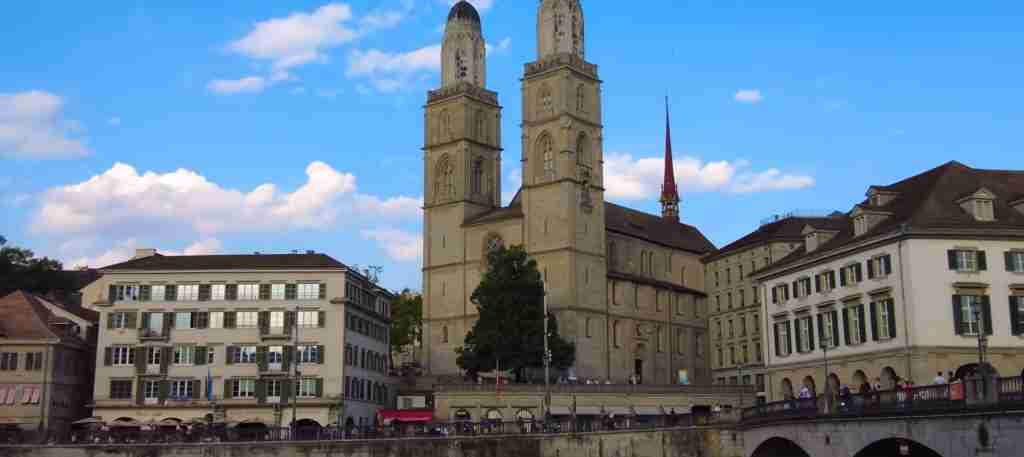
Zurich provides extensive free attractions enabling rich experiences without admission costs, starting with the city’s magnificent medieval churches. Grossmünster, the twin-towered Romanesque church dating to the 12th century, offers free entry to its main sanctuary with optional tower climbs at CHF 5 ($5) providing spectacular city views. Fraumünster across the river features Chagall stained glass windows visible during free nave access, though CHF 5 ($5) admission applies to the cloister and closer stained glass viewing. St. Peter’s Church boasts Europe’s largest clock face and free entry to its baroque interior. These churches deliver architectural, historical, and artistic value rivaling many paid museums while maintaining their religious function.
The Lake Zurich promenade offers miles of free lakeside walking with benches, grass areas, swimming platforms, and stunning views toward the Alps on clear days. The Seebad Utoquai and other public bathing areas provide free lake access during summer months, with optional paid facilities like locker rentals or deck chair leases available but not required. Parks throughout the city including the Chinese Garden (CHF 5 ($5) admission in summer, free in winter), Rieterpark surrounding the Rietberg Museum, and Botanical Garden provide green spaces for picnics, relaxation, and scenic walking. The Lindenhof terrace in the Old Town delivers elevated city views without requiring admission or tower climbs.
Twenty-one museums throughout Zurich offer permanently free admission, including the Ethnographic Museum, Archaeological Collection of the University of Zurich, Sukkulenten-Sammlung botanical garden, and various specialized collections covering subjects from civil defense history to contemporary art at Migros Museum. While these institutions rarely match the scale or fame of major paid museums, they provide cultural depth and niche interest satisfaction at zero cost. Gallery-hopping through commercial art galleries along Rämistrasse and in neighborhoods like Zürich-West enables viewing contemporary art for free, with galleries welcoming browsers during business hours without purchase pressure.
Entertainment and Activities 2026
Opera and classical music performances at Zurich Opera House and Tonhalle concert hall range from CHF 40 ($44) for upper balcony seats to CHF 200+ ($220+) for premium orchestra positions, with world-class productions attracting international artists and delivering memorable evenings justifying costs for culture enthusiasts. Theater performances at Schauspielhaus Zürich and smaller venues typically cost CHF 30-80 ($33-88) depending on production and seating, with many performances in German presenting language barriers for non-German speakers but physical theater and opera transcending language through music and visual spectacle.
Lake Zurich boat tours provide scenic transportation and leisure activity combined, with one-hour cruises costing CHF 9.50 ($10) and longer excursions to lakeside towns ranging CHF 15-40 ($16-44) depending on distance and route. These boats accept ZVV day passes and ZurichCARD, making them effectively free for pass holders and creating excellent leisure activities incorporating transportation utility. Sunset cruises and dinner boat options cost CHF 40-120 ($44-130) per person, transforming lake tours into romantic dining experiences. Swimming in Lake Zurich remains free at public beaches and bathing platforms, with Strandbad Mythenquai and Seebad Enge charging CHF 8-10 ($9-11) admission to enhanced facilities featuring pools, diving boards, restaurants, and manicured grounds.
Day trips from Zurich to Alps destinations like Mount Rigi, Mount Titlis, or Jungfrau region create major activity expenses, with combination train-cable car tickets ranging CHF 80-180 ($88-200) per person for full excursions. These trips deliver spectacular mountain scenery and Swiss Alps experiences but require dedicating significant portions of daily activity budgets. The Uetliberg local mountain accessible via S-Bahn using standard ZVV tickets provides Alps views and forest hiking at minimal cost, creating a budget-friendly alternative to expensive mountain excursions. The train journey takes 25 minutes from Hauptbahnhof, with the summit offering panoramic views across Zurich, the lake, and distant peaks.
Sample Budget Breakdowns by Travel Style 2026
Translating individual cost categories into comprehensive daily and trip budgets requires understanding how accommodation, dining, transportation, and activities combine across realistic scenarios. These sample breakdowns illustrate exactly how different spending levels manifest in actual travel experiences, demonstrating the trade-offs and value propositions inherent in budget, mid-range, and luxury approaches to Zurich exploration.
Budget Traveler 3-Day Weekend Zurich 2026
A budget-conscious traveler spending a long weekend in Zurich during shoulder season demonstrates how careful choices deliver comprehensive experiences at CHF 107-144 ($115-155) per person daily. This sample breakdown assumes hostel accommodation, primarily supermarket dining with selective budget restaurant meals, public transport via day passes, and focus on free attractions supplemented by one major paid museum.
Daily Costs Breakdown: Hostel dormitory bed CHF 50-60 ($55-65) per night, supermarket breakfast with coffee CHF 10 ($11), supermarket sandwich or prepared food lunch CHF 13 ($14), budget restaurant dinner at Asian eatery CHF 20 ($22), ZVV day pass CHF 9 ($10), one paid museum or attraction CHF 13 ($14), coffee or snack CHF 8 ($9). Daily total approximately CHF 123-133 ($135-145) per person.
3-Day Itinerary: Friday evening arrival via budget flight landing 6:00 PM, hostel check-in, supermarket shopping for breakfast supplies, budget dinner at Turkish restaurant in Langstrasse CHF 18 ($20), evening walk along Lake Zurich exploring Seebad and lakeside promenade. Saturday full day covers Swiss National Museum CHF 13 ($14) in morning, picnic lunch from Migros along Limmat River, afternoon exploring Grossmünster and Fraumünster churches free entry with tower climbs CHF 5 ($5) each, dinner at Vietnamese restaurant near university CHF 22 ($24). Sunday visits Kunsthaus Zürich morning CHF 24 ($26), lunch at Manor department store CHF 19 ($21), afternoon browsing free galleries in Zürich-West, dinner from Coop prepared foods CHF 12 ($13), evening departure.
3-Day Total Cost: Accommodation CHF 150 ($165) for three nights, meals CHF 135 ($148), transport including airport transfers CHF 40 ($44), attractions CHF 47 ($51), miscellaneous CHF 15 ($16). Total approximately CHF 387 ($424) for the complete weekend.
Mid-Range Couple 5-Day Zurich Experience 2026
A mid-range couple spending five days exploring Zurich during summer demonstrates comfortable travel at CHF 234-349 ($255-380) per person daily when sharing hotel accommodation. This scenario balances hotel comfort, restaurant dining, comprehensive transportation access, and diverse attraction visits creating well-rounded experiences without budget anxiety.
Daily Costs Breakdown: Mid-range hotel CHF 280 ($305) per night equals CHF 140 ($153) per person sharing, hotel breakfast buffet CHF 20 ($22) per person, restaurant lunch CHF 30 ($33), restaurant dinner CHF 50 ($55), beverages and coffee CHF 15 ($16), 72-hour ZurichCARD prorated daily CHF 19 ($21) including transport and museums, additional attractions beyond card coverage CHF 15 ($16). Daily total approximately CHF 289 ($316) per person.
5-Day Itinerary: Day 1 arrival morning, hotel check-in in Seefeld neighborhood, lunch at lakeside cafe CHF 28 ($30), afternoon Kunsthaus visit using ZurichCARD, dinner at traditional Swiss restaurant trying raclette CHF 45 ($49). Day 2 explores Old Town with Grossmünster, Fraumünster, Lindenhof, Swiss National Museum using card entry, lunch at Niederdorf bistro CHF 32 ($35), evening opera performance CHF 90 ($99) per person. Day 3 takes boat excursion to lakeside town Rapperswil using ZurichCARD transport, picnic lunch brought along, exploring medieval castle and rose gardens, return evening boat, dinner near hotel CHF 48 ($52). Day 4 visits FIFA Museum CHF 24 ($26), lunch at trendy Zürich-West restaurant CHF 35 ($38), afternoon Rietberg Museum in beautiful park CHF 18 ($20), dinner at Italian restaurant CHF 50 ($55). Day 5 morning Uetliberg mountain hike using S-Bahn, late checkout, airport train departure.
5-Day Total Cost: Accommodation CHF 1400 ($1530) for couple five nights equals CHF 700 ($765) per person, meals CHF 525 ($574) per person, transport including ZurichCARD and airport transfers CHF 90 ($99) per person, attractions beyond card coverage CHF 100 ($110) per person, miscellaneous including opera ticket CHF 110 ($120) per person. Total approximately CHF 1525 ($1668) per person.
Luxury Couple 3-Day Refined Zurich Getaway 2026
A luxury-focused couple spending an extended weekend in Zurich demonstrates premium travel at CHF 555-865 ($605-945) per person daily, emphasizing exceptional accommodation, fine dining, comprehensive services, and exclusive experiences. This scenario illustrates how luxury spending manifests in elevated quality, convenience, and memorable moments across all travel components.
Daily Costs Breakdown: Five-star lakefront hotel CHF 800 ($875) per night equals CHF 400 ($437) per person sharing, in-room breakfast or hotel restaurant CHF 35 ($38) per person, sophisticated lunch at refined bistro CHF 70 ($77), Michelin-caliber dinner with wine CHF 200 ($220), taxis and private transfers CHF 50 ($55), premium cultural experiences and private tours CHF 80 ($88), miscellaneous including hotel spa access or premium shopping CHF 40 ($44). Daily total approximately CHF 875 ($957) per person.
3-Day Itinerary: Friday arrival afternoon, private transfer from airport CHF 80 ($88) total for couple, check-in at The Dolder Grand, spa session and pool with city views, dinner at hotel’s Michelin-starred Restaurant CHF 350 ($383) per person with wine pairing. Saturday begins with hotel breakfast overlooking hills, private guided Old Town walking tour CHF 150 ($164) per person covering history and architecture, lunch at Kronenhalle CHF 75 ($82) per person, afternoon art gallery visits and shopping along Bahnhofstrasse, sunset cocktails at rooftop bar CHF 40 ($44) per person, dinner at Pavillon restaurant at Baur au Lac CHF 180 ($197) per person. Sunday features leisurely hotel breakfast, checkout with luggage storage, private boat charter on Lake Zurich CHF 400 ($437) total for couple for two hours, gourmet lunch onboard, return for luggage retrieval, private transfer to airport CHF 90 ($99) total.
3-Day Total Cost: Accommodation CHF 2400 ($2625) for couple three nights equals CHF 1200 ($1312) per person, meals and beverages CHF 1100 ($1203) per person, transportation via private transfers and boat charter CHF 285 ($312) per person, private tours and premium experiences CHF 230 ($252) per person, spa and miscellaneous CHF 120 ($131) per person. Total approximately CHF 2935 ($3210) per person.
Money-Saving Strategies for Zurich 2026
Strategic travelers reduce Zurich costs by 30-50% versus baseline scenarios through timing decisions, smart accommodation choices, dining strategies, and optimization of transportation and attraction spending. These proven techniques deliver maximum value without compromising experience quality, enabling travelers to extend trip durations, upgrade selective categories, or simply spend less while maintaining satisfaction across all travel dimensions.
Timing and Seasonal Strategies
Visiting Zurich during shoulder seasons of April-May or September-October delivers 20-30% accommodation savings versus peak summer rates while maintaining excellent weather with temperatures in comfortable 15-22°C (59-72°F) range and extended daylight hours enabling full sightseeing days. A mid-range hotel charging CHF 320 ($350) nightly in July drops to CHF 240 ($263) in September for identical rooms and service, saving CHF 560 ($613) over seven nights. Shoulder season also reduces tourist crowds at major attractions, shortens queue times, and creates more authentic experiences as the city balances visitor presence with regular local life patterns.
Winter travel from November through March produces the deepest discounts, with accommodation rates 40-60% below summer peaks and occasionally below CHF 150 ($165) nightly at properties typically exceeding CHF 300 ($328). Christmas markets and winter atmosphere partially offset cold weather disadvantages, while world-class museums, indoor attractions, and cozy restaurants maintain Zurich’s appeal regardless of outdoor conditions. Winter also enables budget allocation toward more frequent restaurant dining or upgraded accommodation tiers using savings from reduced room rates, potentially elevating overall travel quality despite seasonal trade-offs.
Booking 3-6 months in advance for summer travel secures better hotel selection and sometimes early-bird discounts of 10-15%, though last-minute bookings within 2-3 weeks occasionally yield desperation inventory sales if properties face vacancy concerns. Flight prices follow similar patterns, with advance booking generally delivering better value for peak season travel. Tuesday through Thursday arrivals and departures avoid weekend price premiums affecting both accommodation and flight costs, with midweek travel saving 15-25% versus Friday-Sunday patterns typical of leisure travelers.
Accommodation Optimization
Selecting neighborhoods just outside immediate Old Town delivers significant accommodation savings while maintaining excellent access through Zurich’s efficient tram network. Properties in Oerlikon near the airport, Altstetten to the west, Wiedikon south of center, or Schwamendingen northeast cost CHF 70-120 ($77-131) less per night than central equivalents, with 15-20 minute tram rides creating negligible inconvenience offset by major cost reduction. A couple saving CHF 100 ($110) nightly over five nights accumulates CHF 500 ($547) freed for enhanced dining, additional activities, or simply reduced total trip costs.
Apartment rentals through platforms like Booking.com or Airbnb sometimes deliver better value than hotels for stays exceeding three nights, particularly for groups of 3-4 travelers who can share two-bedroom units costing CHF 180-280 ($197-306) nightly. Apartments provide full kitchens enabling meal preparation savings potentially reaching CHF 50-80 ($55-88) per person daily versus restaurant dining, with the combination of reduced accommodation costs and dining savings creating substantial budget impact. Apartment rentals work especially well for families or small groups willing to prepare breakfasts and occasional dinners while dining out for special meals.
Hostel private rooms offer the middle ground between dormitories and budget hotels, costing CHF 90-140 ($99-153) nightly for doubles while providing private bathroom facilities and access to communal kitchens enabling meal preparation savings. Many Zurich hostels occupy modern, well-maintained buildings with quality furnishings and social common areas, eliminating the stereotype of dingy backpacker facilities while maintaining economical pricing structures. Couples or friends comfortable with hostel environments can reduce accommodation costs by CHF 80-150 ($88-164) nightly versus budget hotels without sacrificing privacy in sleeping arrangements.
Dining Cost Control
The hybrid dining strategy of supermarket breakfasts and lunches combined with restaurant dinners reduces food costs by 35-45% versus full restaurant dining while maintaining one daily cultural dining experience. Breakfast from Migros or Coop costs CHF 8-12 ($9-13) per person versus CHF 18-25 ($20-28) at cafes, lunch from supermarket prepared foods runs CHF 12-16 ($13-18) versus CHF 25-35 ($28-38) at restaurants, creating daily savings of CHF 30-45 ($33-49) per person that accumulate to CHF 210-315 ($230-345) weekly, potentially funding premium dinner upgrades or multi-day trip extensions.
Lunch daily specials (Tagesmenu/Menu du jour) at quality restaurants deliver the same food and service as dinner at 30-40% reduced prices, with establishments using fixed-price lunch offerings to fill daytime capacity while maintaining ingredient quality and preparation standards. A restaurant charging CHF 50-60 ($55-66) for dinner à la carte typically offers lunch special with soup, main, and coffee for CHF 25-30 ($28-33), creating immediate savings while experiencing identical kitchen quality and ambiance. Strategic diners schedule their primary restaurant experience at lunch, supplementing with lighter supermarket dinner or budget restaurant meal to maintain CHF 50-70 ($55-77) total daily food costs versus CHF 80-115 ($88-126) for full restaurant dining.
Avoiding alcohol dramatically reduces Swiss restaurant costs, with wine by the glass costing CHF 10-18 ($11-20) and bottles ranging CHF 45-95 ($49-104) even at mid-range establishments. Tap water provided free upon request at Swiss restaurants eliminates beverage costs entirely, with many travelers finding this simple adjustment reduces restaurant bills by 20-30% while maintaining food quality and dining experience. Travelers who enjoy wine can purchase bottles at supermarkets for CHF 12-25 ($13-28) and enjoy them at accommodations or lakeside picnics, experiencing Swiss wines at fraction of restaurant pricing.
Transportation and Attraction Value Maximization
The ZurichCARD at CHF 58 ($63) for 72 hours breaks even after one airport round-trip plus three museum visits, with typical museum-focused itineraries easily justifying purchase through included transit and admission value. Travelers visiting five museums over three days using the card save approximately CHF 85 ($93) versus individual museum tickets at CHF 13-31 ($14-34) each plus separate transit costs. The card also eliminates purchase friction, allowing spontaneous museum visits or extra tram journeys without per-transaction cost concerns, creating psychological freedom enhancing overall trip enjoyment beyond pure financial savings.
Walking as primary transportation eliminates transit costs entirely while delivering intimate neighborhood experiences, architectural discovery, and exercise benefits that sedentary tram riders miss. Zurich’s compact central area enables covering major attractions within 3-5 kilometer daily walks, with pleasant pedestrian streets, lakeside promenades, and historic districts making walking enjoyable rather than merely economical. Travelers combining walking with selective tram use during poor weather or for longer distances can reduce daily transport costs to CHF 0-5 ($0-5) versus CHF 9-29 ($10-32) for day passes or ZurichCARD.
Prioritizing Zurich’s 21 free museums over exclusively paid institutions maintains cultural richness while eliminating admission costs, with establishments like the Ethnographic Museum, Archaeological Collection, and various university-affiliated collections delivering quality experiences at zero cost. Even travelers interested in major paid museums can alternate free and paid visits, dedicating CHF 20-30 ($22-33) admission budgets to 2-3 flagship institutions like Swiss National Museum and Kunsthaus while filling remaining cultural programming with free options. Many churches including Grossmünster, Fraumünster, and St. Peter’s provide architectural and artistic value rivaling paid museums while maintaining free nave access, with optional tower climbs at CHF 5 ($5) creating minimal expenses for spectacular city views.
Hidden Costs and Budget Planning Considerations 2026
Comprehensive Zurich budget planning requires accounting for expenses beyond obvious accommodation, dining, transportation, and attraction categories. These hidden costs, while individually small, accumulate to meaningful totals that surprise unprepared travelers and create budget pressure if not anticipated. Understanding these auxiliary expenses enables accurate trip cost projections and prevents end-of-trip financial stress from unexpected charges or underbudgeted categories.
Tourist Taxes and Fees
Zurich hotels, hostels, and rental accommodations charge a city tourist tax of approximately CHF 3-4 ($3-4) per person per night, paid separately from room rates and sometimes appearing as surprise charges during checkout if travelers miss small print during booking. This tax funds tourism promotion and infrastructure maintenance, applying universally across all accommodation types regardless of luxury level. For a couple staying five nights, tourist tax adds CHF 30-40 ($33-44) to total accommodation costs, representing a 3-5% increase over quoted room rates that budget-conscious travelers should incorporate into planning estimates.
Service charges are included in all Swiss restaurant prices by law, eliminating the tipping pressure common in North American dining where 15-20% gratuities substantially increase meal costs beyond menu prices. Swiss diners sometimes round up bills or leave small change for exceptional service, but this practice remains optional rather than expected, with restaurant staff receiving fair wages through included service charges. This system actually reduces total dining costs for American travelers accustomed to mentally adding 20% to restaurant checks, though it doesn’t reduce the high baseline menu prices that make Swiss dining expensive relative to many other countries.
Luggage Storage and Practical Services
Zurich Hauptbahnhof offers lockers and staffed luggage storage facilities charging CHF 7-12 ($8-13) per day depending on locker size or item count, creating convenient solutions for travelers with afternoon departures who want to explore after hotel checkout or morning arrivals before accommodation check-in. Many hotels provide complimentary luggage storage for guests before check-in and after checkout, though not all properties maintain this service. Budget travelers avoiding storage fees by checking out on departure day mornings and heading directly to airports sacrifice several hours of sightseeing that afternoon storage would enable, creating trade-offs between minor costs and extended exploration opportunities.
Public toilets throughout Zurich typically cost CHF 1-2 ($1-2) for access, with payment required via coin slots at most standalone facilities and some department store or shopping center locations. Museums, cafes where beverages are purchased, and hotels provide free facilities, making strategic planning around these locations viable for travelers seeking to minimize small recurring costs. The cumulative expense remains modest at perhaps CHF 8-15 ($9-16) weekly per person, but travelers carrying insufficient small change find themselves occasionally inconvenienced by locked toilet access requiring exact coins.
Communication and Connectivity
WiFi access is universally free at hotels, hostels, cafes, and restaurants, with most accommodations providing good bandwidth sufficient for video calls, streaming, and large file uploads. Public WiFi networks operate in many parks and public spaces, though security considerations make sensitive transactions inadvisable on open networks. Travelers requiring mobile data for navigation, restaurant searches, or communication while traveling can purchase Swiss SIM cards at CHF 20-40 ($22-44) for 7-30 day packages including several gigabytes of high-speed data, or utilize international roaming packages from home carriers that increasingly offer European coverage at reasonable rates.
Some travelers simply rely on accommodation WiFi for all connectivity needs, downloading offline maps via Google Maps or Maps.me before leaving hotel each morning and using these for navigation throughout the day. This strategy works well for independent travelers comfortable navigating without real-time updates, though it prevents spontaneous restaurant research, attraction hour verification, or transit schedule checking that mobile data enables. The CHF 20-30 ($22-33) cost for basic data packages represents minor addition to overall travel budgets while delivering substantial convenience and flexibility.
Shopping and Souvenirs
Swiss chocolate represents the quintessential Zurich souvenir, with Lindt, Läderach, and numerous local chocolatiers offering premium products at prices ranging CHF 8-25 ($9-28) per high-quality box suitable for gifting. Purchasing chocolate at supermarket chains like Migros or Coop provides 30-50% savings versus specialty shops or airport retailers, with excellent Swiss chocolate brands available at CHF 4-8 ($4-9) per 100-gram bar. Travelers allocating CHF 50-100 ($55-110) for chocolate purchases can provide substantial gifts for multiple recipients while sampling premium Swiss confections.
Swiss watches, knives, and technical gear represent higher-value purchases ranging from CHF 80-150 ($88-165) for quality Victorinox knives to hundreds or thousands of francs for timepieces from Tissot, Longines, or luxury brands. These purchases fall outside typical souvenir budgets and appeal to specific interests rather than general travelers, though the quality and Swiss manufacturing heritage create lasting value justifying investment for enthusiasts. Budget-conscious travelers can skip expensive gear purchases entirely, focusing instead on consumable items like chocolate, postcards at CHF 1-2 ($1-2) each, or small decorative items from museum shops at CHF 10-25 ($11-28).
Neighborhood Cost Comparison 2026
Zurich’s various neighborhoods and districts (known as Kreis in German) offer distinct character, pricing, and value propositions, with location selection significantly impacting total travel costs while maintaining access to the city’s attractions through excellent public transportation. Understanding neighborhood pricing dynamics enables strategic accommodation selection balancing cost control with desired proximity to specific attractions or ambiance preferences.
Kreis 1 – Old Town and City Center
The historic Old Town spanning both sides of the Limmat River encompasses Zurich’s most expensive real estate, with hotels here commanding maximum rates at CHF 280-450 ($306-492) for mid-range properties and CHF 700-1200+ ($765-1312+) for luxury establishments. The unbeatable location delivers immediate walking access to Grossmünster, Fraumünster, Bahnhofstrasse shopping, countless restaurants, and lake shores, eliminating transit time while providing maximum sightseeing hours. Travelers prioritizing time efficiency over cost savings find Old Town accommodation worth the 30-50% premium versus outer neighborhoods, particularly during short 2-3 day visits where transportation time savings accumulate meaningfully.
Dining costs in Old Town restaurants trend 15-25% above outer neighborhood equivalents, with tourist-focused establishments along Niederdorf charging CHF 40-65 ($44-71) for main courses versus CHF 30-50 ($33-55) at comparable quality restaurants in residential areas. The premium reflects prime location rents and captive audience dynamics, though excellent restaurants exist alongside tourist traps, with savvy diners researching specific establishments rather than selecting randomly. Some travelers allocate Old Town accommodation savings toward improved dining experiences, staying in Oerlikon while patronizing higher-quality central restaurants affordable through reduced hotel costs.
Seefeld – Lakeside Residential District
Seefeld along the eastern lake shore provides upscale residential character with excellent restaurants, cultural venues, and direct tram connections to the city center in 10-15 minutes. Hotels here cost CHF 240-320 ($263-350) for mid-range properties, approximately 15-20% below Old Town rates while maintaining excellent quality and neighborhood appeal. The area features beautiful lakeside walks, high-end boutiques, and diverse dining options from casual cafes to refined restaurants, attracting travelers who appreciate sophisticated atmosphere without tourist crush intensity of central Niederdorf.
Seefeld exemplifies the sweet spot of slight location compromise delivering meaningful cost savings without sacrificing accessibility or experience quality. Travelers staying here walk to lakeside attractions, take brief trams to Old Town museums and churches, and enjoy evening dining in excellent neighborhood restaurants at CHF 35-55 ($38-60) for main courses. The area appeals particularly to mid-range travelers seeking quality accommodation at fair prices and couples preferring romantic lakeside ambiance over busy city center energy.
Oerlikon – Northern Business District
Oerlikon north of the city center near the airport offers modern business hotels at budget and mid-range price points, with properties costing CHF 150-240 ($165-263) nightly that would command CHF 250-380 ($273-415) in central locations. The 12-15 minute tram ride to Hauptbahnhof and the S-Bahn connection to the airport in 8 minutes create excellent transportation links despite the 4-kilometer distance from Old Town. The neighborhood features shopping centers, international restaurants, and efficient business-oriented infrastructure rather than historic charm or tourist atmosphere, appealing to pragmatic travelers prioritizing cost savings over location prestige.
Budget and mid-range travelers especially benefit from Oerlikon pricing, with the CHF 80-120 ($88-131) nightly savings per room financing additional dining upgrades, extra activity days, or simply reduced total trip costs. The area works best for travelers comfortable viewing Zurich as a base for exploration rather than seeking immersive Old Town character, with efficient tram connections enabling full sightseeing days while returning to more affordable evening accommodations. The neighborhood also hosts numerous budget dining options including Asian restaurants, kebab shops, and supermarkets providing meal options at CHF 12-22 ($13-24) versus CHF 25-40 ($28-44) in tourist-oriented central areas.
Zürich-West – Former Industrial Conversion Zone
The Zürich-West district west of the main station represents contemporary urban renewal, with former industrial buildings converted to art galleries, design shops, trendy restaurants, and nightlife venues creating hip, modern atmosphere distinct from historic Old Town charm. Hotels in this area range CHF 180-280 ($197-306) for mid-range properties, positioned between budget outer neighborhoods and premium central locations. The 10-15 minute tram ride to Hauptbahnhof and excellent connections throughout the network maintain convenient access while providing interesting contemporary Swiss urban culture.
Zürich-West appeals to travelers interested in modern design, contemporary art scenes, and nightlife beyond tourist-oriented Old Town establishments. The area features converted warehouse restaurants serving innovative cuisine at CHF 30-50 ($33-55) for main courses, with lunch specials often providing excellent value. The neighborhood enables experiencing a different side of Zurich beyond historic preservation zones, with some travelers splitting stays between Old Town and Zürich-West to sample both traditional and contemporary Swiss urban character.
Day Trip and Excursion Costs 2026
Zurich’s central Swiss location provides excellent access to Alps mountain excursions, historic towns, and natural attractions within 1-2 hours, with day trips ranging from free lakeside town explorations to expensive mountain railway journeys. Understanding excursion options and costs enables travelers to incorporate memorable experiences beyond city limits while maintaining overall budget control through selective choices matching interests and financial constraints.
Budget-Friendly Day Trips
Lake Zurich boat excursions to towns like Rapperswil, Thalwil, or Zollikon provide scenic transportation and medieval town exploration using standard ZVV tickets or ZurichCARD for essentially free cost beyond the transit pass already owned. A round-trip journey to Rapperswil at the southern lake end takes approximately 4 hours with 90 minutes exploring the rose garden castle town, creating a full morning or afternoon leisure activity. The boats operate April through October with reduced winter schedules, featuring open-air upper decks for sunny weather and enclosed heated areas for cooler days.
Uetliberg local mountain rising 871 meters above Zurich reaches via S-Bahn train from Hauptbahnhof in 25 minutes using standard Zone 110 tickets at CHF 4.30 ($5) each way, creating a CHF 8.60 ($9) round-trip mountain experience. The summit provides panoramic views across Zurich, Lake Zurich, and distant Alps peaks on clear days, with well-marked hiking trails descending through forest to city neighborhoods in 1.5-2 hours. Uetliberg represents the quintessential budget Swiss mountain experience, delivering Alps atmosphere and spectacular views at minimal cost accessible to all fitness levels.
Rhine Falls near Schaffhausen stands as Europe’s largest waterfall, accessible via 45-minute train ride from Zurich at CHF 22 ($24) round-trip for standard tickets or covered by Swiss travel passes. The waterfall viewing platforms charge CHF 5 ($5) entrance fee, with boat rides to the central rock costing additional CHF 10 ($11) but providing intimate perspectives on the 23-meter cascading water. A half-day excursion including train, entrance, and lunch near the falls totals approximately CHF 50-65 ($55-71) per person, creating impressive natural spectacle at moderate cost.
Premium Mountain Excursions
Jungfraujoch Top of Europe stands as Switzerland’s most iconic mountain railway journey, climbing to 3454 meters with spectacular glacier views and the highest railway station in Europe. The round-trip from Zurich including train to Interlaken, connecting mountain railway, and return costs CHF 220-240 ($241-263) per person, creating Zurich’s most expensive single-day excursion. The journey requires departing Zurich by 7:00-8:00 AM to allow sufficient time at the summit before return trains, with the full excursion consuming 10-12 hours. The experience justifies costs for travelers seeking ultimate Swiss Alps immersion, though the substantial expense requires dedicated budget allocation.
Mount Titlis near Lucerne provides another premium Alps experience featuring a rotating cable car, glacier park, cliff walk suspension bridge, and high-altitude hiking at 3020 meters. Combined train from Zurich to Lucerne plus mountain railway and cable cars costs approximately CHF 130-150 ($142-164) round-trip, creating a more accessible Alps experience than Jungfraujoch while maintaining dramatic mountain scenery and memorable experiences. The trip takes 8-10 hours total including travel time from Zurich, with half-day summit visits enabling afternoon returns to the city.
Mount Rigi “Queen of the Mountains” accessible via cogwheel railway from lakeside towns near Lucerne provides more affordable mountain experience at CHF 80-100 ($88-110) round-trip from Zurich including lake boat connections and mountain railway. The gentler elevation reaching 1798 meters maintains spectacular views while reducing altitude challenges for sensitive travelers, with excellent hiking trails, restaurants, and multiple ascent/descent route options using different railway lines and boat connections creating varied journey experiences.
Day Trip Budget Allocation Strategy
Travelers incorporating day trips into Zurich itineraries benefit from selective approach balancing desires for excursions with budget realities and available trip duration. One premium mountain excursion like Jungfraujoch at CHF 220 ($241) plus two budget trips like Uetliberg at CHF 9 ($10) and Rhine Falls at CHF 50 ($55) totals CHF 279 ($305) for three excursion days, creating manageable addition to week-long trip budgets while delivering diverse experiences spanning local mountain, natural wonder, and ultimate Alps journey.
Budget-conscious travelers can enjoy memorable day trips entirely within standard transit costs by focusing on lake boats using ZVV day passes, Uetliberg mountain using single tickets, and exploration of nearby lakeside towns like Zug or Winterthur requiring only standard train fares. This approach enables multiple excursions per week adding perhaps CHF 30-50 ($33-55) total to trip costs while providing variety and countryside experiences beyond pure city exploration. The excursion frequency and cost level ultimately depends on individual priorities between depth of Zurich city immersion versus breadth of regional Swiss experiences.
Family Travel Budget Considerations 2026
Families traveling to Zurich with children encounter both cost amplifications through additional accommodation requirements and unique savings opportunities including free museum admission for minors, family ticket discounts, and children’s meal options. Strategic family budget planning accounts for these dynamics while maintaining travel quality and memorable experiences appropriate for all age groups.
Family Accommodation Economics
Family rooms at hotels accommodating two adults and two children in single units cost CHF 280-420 ($306-459) nightly at mid-range properties, representing approximately 25-35% premiums over standard double rooms but eliminating the need for two separate rooms at CHF 460-700 ($503-765) combined. Apartment rentals through Booking.com or Airbnb frequently provide superior family value, with two-bedroom units at CHF 220-350 ($241-383) nightly offering full kitchens enabling breakfast and occasional dinner preparation yielding significant meal cost savings that offset any accommodation price differences versus hotels.
Hostels rarely offer ideal family accommodation despite private family rooms at some properties, as communal atmosphere, shared bathrooms, and social focus on backpackers don’t align well with family travel needs. Hotels targeting family markets including Mövenpick and Holiday Inn chains provide specific family amenities like children’s pools, play areas, and kids’ activity programs, though these properties typically occupy outer neighborhoods rather than central locations. The trade-off between family-friendly facilities and central location requires evaluation based on children’s ages and family priorities regarding convenience versus child-specific amenities.
Dining with Children
Swiss restaurants commonly offer children’s menus at CHF 12-18 ($13-20) providing smaller portions of pasta, pizza, schnitzel, or other kid-friendly options, representing 40-50% savings versus adult main courses. Supermarket strategies work especially well for families, with breakfast from Migros or Coop easily feeding a family of four for CHF 20-30 ($22-33) versus CHF 60-90 ($66-99) at cafes, creating daily savings of CHF 40-60 ($44-66) that accumulate to CHF 280-420 ($306-459) weekly. Picnic lunches assembled from supermarket ingredients enable eating in parks or along Lake Zurich while children play, combining cost control with outdoor activity and energy release.
Apartment accommodation with full kitchens enables preparing dinners several times weekly at CHF 25-40 ($28-44) for family of four versus CHF 100-160 ($110-175) at restaurants, with children often more comfortable and well-behaved eating in private apartment settings than in restaurants requiring extended sitting and quiet behavior. The flexibility to combine restaurant dining for memorable cultural experiences with apartment cooking for economic efficiency and behavioral ease creates optimal balance for most families, with typical allocations showing 3-4 restaurant meals weekly supplemented by apartment breakfasts and dinners.
Attraction and Activity Value for Families
Most Zurich museums including Swiss National Museum, Kunsthaus, and Rietberg offer free admission for children under 16-17 years old, creating substantial savings for families where adult admission at CHF 13-31 ($14-34) per person represents the full family cost regardless of child count. The FIFA World Football Museum charges children CHF 14 ($15) versus adult CHF 24 ($26), with family packages further reducing per-person costs. These free or reduced child admissions mean two adults with two children visit Swiss National Museum for CHF 26 ($28) total versus CHF 52 ($57) if children paid full rates, with savings accumulating across multiple museum visits.
Lake Zurich activities including free public bathing areas, playgrounds in lakeside parks, and scenic boat rides using ZVV day passes create economical entertainment for families. Uetliberg mountain hiking accessible via standard transit tickets provides adventure and nature exposure at minimal cost, with forest trails, summit views, and physically active exploration appealing to energetic children. Zurich Zoo charges CHF 33 ($36) for adults and CHF 15 ($16) for children aged 6-16, creating a CHF 96 ($105) family of four admission but delivering full-day entertainment value comparable to more expensive activity options.
Solo Traveler Budget Adjustments 2026
Solo travelers in Zurich face accommodation cost disadvantages versus couples or groups who share room expenses, though they benefit from maximum flexibility in dining, activity choices, and schedule adjustments. Understanding solo-specific budget dynamics and cost optimization strategies enables independent travelers to manage Zurich’s expenses while maximizing personal freedom inherent in solo exploration.
Solo Accommodation Challenges and Solutions
Hotel single occupancy rates typically cost 70-85% of double room prices rather than 50%, meaning solo travelers pay CHF 175-238 ($191-260) versus the CHF 115-140 ($126-153) per person couples pay when sharing CHF 230-280 ($251-306) rooms. This “solo supplement” substantially increases solo accommodation costs, with strategies to mitigate impact including hostel dormitory beds at CHF 45-65 ($50-71) accepting shared space trade-offs for cost savings, or hostel private rooms at CHF 90-140 ($99-153) providing privacy at intermediate costs between dormitories and hotel singles.
Apartment rentals sometimes offer better solo value than hotels, particularly studios or compact one-bedrooms priced at CHF 120-180 ($131-197) nightly providing full facilities including kitchen enabling meal preparation savings offsetting higher base accommodation costs versus dormitories. The calculation becomes whether CHF 60-90 ($66-99) daily savings from apartment cooking versus restaurant dining justifies CHF 30-40 ($33-44) higher nightly accommodation versus hostel dormitories, with 5-7 night stays showing clear apartment advantages while 2-3 night visits favor hostel economy.
Solo Dining Economics
Solo restaurant dining faces no inherent cost disadvantages versus couples on per-person basis, though sharing dishes at some establishments provides variety benefits unavailable to solo diners ordering single main courses. The strategic advantage for solo travelers lies in flexibility to mix expensive and budget meals without partner coordination, eating supermarket prepared foods one day and splurging on premium restaurant experiences the next based purely on personal mood and financial status without negotiation or compromise.
Solo travelers comfortable with casual dining situations can seek out bar seating at restaurants, enabling social interaction with bartenders and other patrons while avoiding potential awkwardness of solo table dining in more formal establishments. Lunch remains the optimal time for solo restaurant experiences thanks to casual atmospheres, daily special values, and businesspeople dining alone creating normalized solo presence. Many solo travelers allocate restaurant budgets toward 1-2 memorable dining experiences weekly while managing costs through supermarket meals at other times, creating both financial control and occasional social restaurant experiences.
Activity and Attraction Flexibility
Solo travelers benefit from maximum scheduling flexibility, enabling spontaneous museum visits, activity adjustments based on weather or mood, and freedom to spend desired time at each attraction without considering partner preferences. The ZurichCARD delivers even greater value for solo travelers thanks to this flexibility, with the ability to add extra museum visits or additional tram journeys without consulting others maximizing pass value. Solo travelers also move through museums at personalized paces, spending extended time at favorite exhibits or moving quickly through less interesting sections without coordination demands.
Group tours and activities designed for solo travelers or mixing solo and group participants enable social experiences for those seeking connections, with free walking tours, food tours, and day excursions providing opportunities to meet fellow travelers. These group activities typically cost CHF 30-80 ($33-88) for walking or food tours and CHF 120-180 ($131-197) for day excursions including transportation and guide services, creating optional social dimensions for solo travelers desiring occasional company alongside independent exploration flexibility.
Frequently Asked Questions About Zurich Costs 2026
How much spending money do I need per day in Zurich in 2026?
Daily spending money requirements beyond pre-paid accommodation range CHF 65-95 ($71-104) for budget travelers covering meals, local transport, and modest attraction visits, CHF 120-180 ($131-197) for mid-range comfort including restaurant dining and comprehensive museum access, and CHF 300-450 ($328-492) for luxury experiences with fine dining and premium activities. Budget travelers allocate CHF 45-60 ($49-66) for food combining supermarket meals with occasional budget restaurants, CHF 10-15 ($11-16) for public transport day passes, and CHF 10-20 ($11-22) for paid attractions when not visiting free museums. Mid-range budgets allow CHF 80-115 ($88-126) for full restaurant dining, CHF 15-30 ($16-33) for ZurichCARD or transit passes, and CHF 25-35 ($28-38) for multiple museum entries. Luxury travelers spend CHF 180-250 ($197-273) on exceptional dining including wine, CHF 30-50 ($33-55) on private transfers or taxis, and CHF 50-80 ($55-88) on premium cultural experiences and tours. These daily amounts exclude accommodation costs already paid during booking but represent realistic budgets covering all on-ground expenses including meals, transportation, attractions, and incidental purchases.
Is Zurich more expensive than other major European cities in 2026?
Zurich ranks as one of Europe’s three most expensive cities alongside Geneva and Oslo, with costs approximately 40-60% above major destinations like Paris, Amsterdam, or Barcelona and roughly double Eastern European capitals like Prague or Budapest. Restaurant main courses in Zurich averaging CHF 40-60 ($44-66) compare to €18-30 (approximately $20-33) in Paris and €12-20 ($13-22) in Barcelona for equivalent quality, while hotel accommodation shows similar premiums with Zurich mid-range properties at CHF 230-350 ($251-383) versus €120-180 ($131-197) Paris equivalents. However, Zurich’s excellent public transportation costs only CHF 8.60 ($9) for unlimited day passes versus London’s £15 ($19) Zone 1-2 day ticket, partially offsetting accommodation and dining premiums. The overall expense level reflects Switzerland’s high living standards, strong currency, quality infrastructure, and citizen wages far exceeding European averages, meaning even “expensive” Zurich services deliver exceptional quality and reliability justifying premiums for travelers valuing these attributes. Budget travelers find Zurich manageable through supermarket meals, hostel accommodation, and free attractions, though achieving similar comfort levels requires 35-50% higher daily budgets than comparable European destinations.
What’s the best way to save money on food in Zurich?
The most effective food cost control strategy combines supermarket shopping at Migros or Coop for breakfast and lunch with selective restaurant dinners, reducing daily food spending from CHF 80-115 ($88-126) for full restaurant dining to CHF 50-75 ($55-82) while maintaining one cultural dining experience daily. Supermarket prepared food sections offer complete hot meals at CHF 8-12 ($9-13), fresh sandwiches for CHF 5-8 ($5-9), and excellent salad bars at CHF 2-3 ($2-3) per 100 grams, enabling substantial lunch assemblies under CHF 15 ($16) versus CHF 25-35 ($28-38) at casual restaurants. Budget travelers preparing breakfast from yogurt, muesli, fruit, bread, cheese, and coffee purchased at supermarkets spend CHF 8-12 ($9-13) per person versus CHF 18-25 ($20-28) at cafes, with these savings of CHF 10-13 ($11-14) per meal accumulating to CHF 70-90 ($77-99) weekly when applied to both breakfast and lunch. Additional money-saving dining tactics include patronizing lunch daily specials at quality restaurants offering three-course meals for CHF 25-30 ($28-33) versus CHF 50-70 ($55-77) dinner pricing, avoiding alcohol by requesting free tap water at restaurants, and utilizing hotel breakfast buffets when included in room rates to eliminate separate breakfast purchases. The department store Manor on Bahnhofstrasse operates an affordable cafeteria with main courses CHF 15-22 ($16-24) providing restaurant atmosphere at nearly supermarket prices, creating middle-ground option for travelers wanting table service without premium restaurant costs.
How much does a week in Zurich cost for two people in 2026?
A week in Zurich for two people costs approximately CHF 1610-2170 ($1760-2375) for budget travel staying in hostel private rooms or budget hotels, CHF 3570-5320 ($3905-5820) for mid-range comfort in three-star hotels with full restaurant dining, and CHF 8470-12,390 ($9265-13,555) for luxury experiences at five-star properties with fine dining and premium activities. Budget calculations assume hostel private rooms or budget hotels at CHF 100-140 ($110-153) per night equals CHF 700-980 ($765-1072) for seven nights, meals CHF 90-115 ($99-126) per person daily from supermarkets and budget restaurants totals CHF 630-805 ($689-880) per person over the week, public transport using 7-day pass or multiple day passes costs CHF 60-80 ($66-88) per person, and attractions focusing on free museums with selective paid visits run CHF 60-90 ($66-99) per person weekly. Mid-range budgets use hotels at CHF 230-350 ($251-383) per night for CHF 1610-2450 ($1762-2681) weekly, restaurant dining at CHF 80-115 ($88-126) daily equals CHF 560-805 ($613-880) per person, ZurichCARD or equivalent transport costs CHF 70-100 ($77-110) per person, and comprehensive museum visits total CHF 80-120 ($88-131) per person. Luxury allocations employ five-star hotels at CHF 600-900 ($656-985) nightly reaching CHF 4200-6300 ($4595-6893) weekly, fine dining at CHF 175-265 ($191-290) daily totals CHF 1225-1855 ($1340-2030) per person, private transportation and premium tours cost CHF 300-500 ($328-547) per person, and exclusive experiences add CHF 350-600 ($383-656) per person. These comprehensive ranges cover all travel expenses from accommodation and meals through transportation and activities, providing realistic full-trip budgets for different comfort levels.
Does the ZurichCARD really save money compared to buying individual tickets?
The ZurichCARD delivers clear savings for travelers planning multiple museum visits and extensive public transport use, breaking even after approximately one airport round-trip plus two museum entries and providing additional value for all subsequent transport and attractions during the validity period. The 24-hour card at CHF 29 ($32) includes unlimited ZVV transport worth CHF 8.60 ($9) for city day pass plus CHF 13.20 ($14) for airport transfer equals CHF 21.80 ($24) transport value, meaning just CHF 7.20 ($8) allocated toward museum admission covers the card cost through two free museum visits at Swiss National Museum CHF 13 ($14) and Kunsthaus CHF 24 ($26) totaling CHF 37 ($40) in paid admission. The 72-hour card at CHF 58 ($63) requires approximately three days of transport at CHF 8.60 ($9) daily plus four museum visits averaging CHF 18 ($20) each to achieve break-even of CHF 97.80 ($107) in individual purchase value, with typical museum-focused itineraries easily exceeding this threshold through 5-7 museum visits over three days. Budget travelers visiting primarily free museums and walking extensively find less value in the card, potentially spending only CHF 25-35 ($28-38) on individual transit tickets and CHF 15-30 ($16-33) on selective museum entries over three days versus CHF 58 ($63) card cost. Mid-range and luxury travelers almost universally benefit from ZurichCARD purchase thanks to convenience, comprehensive coverage eliminating per-transaction decisions, and activity patterns naturally including multiple paid museums and frequent tram use maximizing card value. The card also includes restaurant and shopping discounts at participating establishments worth approximately CHF 10-25 ($11-28) over 72 hours for travelers who actively utilize these secondary benefits, though these additions rarely drive purchase decisions compared to core transit and museum value.
What are typical restaurant costs for dinner in Zurich?
Restaurant dinner costs in Zurich span CHF 40-80 ($44-88) per person at mid-range establishments for three-course meals with one beverage, CHF 70-140 ($77-153) at upscale dining rooms serving refined Swiss or international cuisine, and CHF 180-350+ ($197-383+) at Michelin-starred restaurants offering tasting menus with wine pairings. Budget restaurant options including Asian eateries, Turkish grills, and pizzerias deliver main courses for CHF 18-30 ($20-33) enabling dinner spending under CHF 25 ($28) per person when skipping appetizers and limiting beverages. Traditional Swiss restaurants serving specialties like fondue, raclette, or veal Zürichgeschnetzeltes charge CHF 38-55 ($41-60) for main courses, with complete three-course dinners including soup or salad, main, and dessert reaching CHF 60-85 ($66-93) per person before beverages. Wine by the glass adds CHF 10-18 ($11-20) to bills, while bottled selections range CHF 45-120 ($49-131) depending on quality and origin, with house wines typically offering best value at CHF 45-60 ($49-66) per bottle. Italian restaurants throughout Zurich provide reliable mid-range value with pasta dishes CHF 22-32 ($24-35), risottos CHF 28-38 ($31-42), and meat or fish mains CHF 35-52 ($38-57), creating complete dinners around CHF 50-75 ($55-82) per person. Service charges are universally included in Swiss restaurant prices by law, eliminating tipping obligations and ensuring menu prices represent actual total costs unlike American dining where 18-20% gratuities substantially increase bills beyond posted amounts. Strategic diners reduce costs by patronizing lunch daily specials at quality restaurants offering similar food at 30-40% discounts versus dinner pricing, enabling experiences of higher-end establishments within moderate budgets.
How much do taxis cost in Zurich compared to public transport?
Taxis in Zurich cost approximately 8-12 times more than public transport for equivalent journeys, with typical cross-city rides reaching CHF 30-45 ($33-49) versus CHF 4.30 ($5) for single tram tickets or effectively free with ZVV day passes. Taxi fares begin around CHF 6 ($7) base charge plus CHF 3.80 ($4) per kilometer, making a 5-kilometer journey from Hauptbahnhof to Zurich Zoo cost approximately CHF 25-30 ($28-33) versus 12 minutes on tram line 6 using standard ticket. Airport taxis to central hotels run CHF 60-80 ($66-88) compared to CHF 6.60 ($7) for S-Bahn trains completing the journey in 10 minutes, creating starkly different economics where taxis cost nearly 10 times public transport equivalents. Ride-sharing services like Uber operate at similar or marginally lower pricing than traditional taxis, occasionally offering 10-15% savings during non-surge periods but increasing prices substantially during peak demand times when surge multipliers apply. Taxis make economic sense for late-night travel after public transport reduces frequency around midnight, for groups of 3-4 travelers splitting costs making per-person taxi expenses comparable to individual transit fares, for travelers with heavy luggage or mobility limitations making tram transfers challenging, and for luxury travelers prioritizing door-to-door convenience over cost optimization. Most budget and mid-range travelers find Zurich’s excellent public transportation eliminates any practical taxi need, with the comprehensive tram and S-Bahn network reaching all destinations within 10-15 minute walks maximum while operating every 5-10 minutes throughout daytime hours with Swiss punctuality and reliability.
Should I exchange money before arriving in Zurich or use ATMs?
ATM withdrawals in Zurich using debit cards from major international banks provide better exchange rates than pre-travel currency exchange or credit card transactions at most merchants, with typical ATM rates within 1-2% of mid-market exchange rates versus 3-5% markups at currency exchange counters or 2-3% foreign transaction fees on credit cards without international fee waivers. Swiss ATMs dispense CHF 20, CHF 50, CHF 100, and CHF 200 notes with clear English language options, imposing no additional fees beyond whatever charges your home bank applies for international withdrawals. Many travelers find optimal strategy involves withdrawing CHF 300-500 ($328-547) in cash during initial airport ATM visit to cover several days of incidental expenses, supermarket purchases, and establishments preferring cash, while using credit cards without foreign transaction fees for larger purchases like hotel bills, restaurant dinners, and major attraction tickets where cards are universally accepted. Credit cards work at nearly all Zurich hotels, mid-range and upscale restaurants, museums, and chain retailers, though small independent shops, market stalls, and budget eateries sometimes operate cash-only or impose minimum purchase amounts for card acceptance. Carrying CHF 100-200 ($110-220) in cash enables covering any situation while minimizing cash carrying amounts that create loss or theft risk. Travelers should notify their banks about Swiss travel dates to prevent fraud-prevention systems from blocking legitimate transactions, and should verify their debit cards function on Cirrus or Plus networks which Swiss ATMs universally accept. Zurich’s low crime rates and excellent police presence make the city quite safe for carrying moderate cash amounts, though basic precautions like hotel room safes for excess cash and secure pockets or bags for daily carrying amounts remain sensible regardless of destination safety levels.
What’s the typical cost for a three-day Zurich itinerary?
A three-day Zurich visit costs approximately CHF 380-430 ($415-470) per person for budget travel in hostel dormitories with supermarket-focused dining, CHF 870-1045 ($952-1143) per person for mid-range hotel accommodation with restaurant meals, and CHF 1665-2595 ($1821-2839) per person for luxury five-star experiences with fine dining and premium activities. Budget breakdown includes dormitory accommodation CHF 150-180 ($164-197) for three nights, meals combining supermarket shopping and budget restaurants CHF 130-165 ($142-180) over three days, public transport using day passes or individual tickets CHF 25-35 ($28-38), attractions focusing on free museums with selective paid entries CHF 25-40 ($28-44), and miscellaneous expenses for coffee, snacks, or small purchases CHF 15-25 ($16-28). Mid-range calculation assumes hotel accommodation CHF 690-1050 ($755-1148) for three nights equals CHF 345-525 ($377-574) per person sharing, meals at restaurants throughout the day total CHF 240-345 ($263-377) per person, 72-hour ZurichCARD or equivalent transport costs CHF 58-80 ($63-88) per person including comprehensive museum access, additional premium attractions or entertainment CHF 60-90 ($66-99) per person, and incidentals CHF 40-60 ($44-66). Luxury allocations employ five-star hotels at CHF 1800-2700 ($1969-2954) for three nights equals CHF 900-1350 ($985-1477) per person sharing, fine dining with wine reaches CHF 525-795 ($574-870) per person over three days, private transfers and premium transportation services cost CHF 150-300 ($164-328) per person, exclusive cultural experiences and private tours total CHF 200-350 ($219-383) per person, and miscellaneous luxury services including spa treatments or premium shopping reach CHF 150-250 ($164-273). These comprehensive three-day ranges provide realistic full-trip budgets spanning all categories from accommodation through activities, enabling accurate pre-travel cost projection and budget allocation across different comfort levels aligned with traveler preferences and financial resources.
Are there significant price differences between weekday and weekend travel to Zurich?
Weekend travel to Zurich creates 15-30% accommodation price premiums versus weekday stays, with Friday-Saturday nights commanding higher rates than Sunday-Thursday pricing as leisure travelers boost weekend demand while business travelers dominate midweek bookings. A mid-range hotel charging CHF 280 ($306) on Wednesday increases to CHF 320-350 ($350-383) on Saturday for identical rooms, with luxury properties showing even larger differentials reaching 25-30% premiums during peak summer weekends when both business and leisure demand overlap. Budget hostels show smaller weekend effects around 10-15% given their primary leisure traveler orientation that maintains relatively stable demand across all weekdays. Flight prices similarly favor midweek travel with Tuesday-Thursday arrivals and departures typically costing 12-20% less than Friday-Sunday patterns, with the combination of cheaper flights and accommodation potentially saving CHF 150-250 ($164-273) for a couple over a three-night weekend trip versus equivalent midweek visit. Restaurant prices, public transportation costs, and museum admission fees remain constant across all days, eliminating any dining or activity cost differences between weekday and weekend visits. The primary weekend advantage beyond accommodation costs lies in reduced tourist crowds at many attractions during weekdays when fewer leisure travelers visit, with museums and churches noticeably less busy Tuesday-Thursday versus Saturday-Sunday peak periods. Business travelers able to extend work trips into weekends or retirees with flexible schedules benefit most from weekday pricing advantages, while employed individuals constrained to weekend travel simply accept the premium as unavoidable cost of scheduling compatibility with work obligations. Some properties near the convention center show reversed patterns with weekday premiums and weekend discounts when major trade shows or conferences fill business hotels Monday-Thursday, though this pattern affects primarily a limited hotel subset rather than representing citywide trend.
What hidden costs should I budget for in Zurich?
Hidden costs in Zurich beyond obvious accommodation, dining, transportation, and attraction categories include city tourist tax of CHF 3-4 ($3-4) per person per night added to hotel bills, public toilet fees of CHF 1-2 ($1-2) per use at many standalone facilities throughout the city, luggage storage charges of CHF 7-12 ($8-13) daily at Hauptbahnhof when needed before hotel check-in or after checkout, and optional but common expenses like audio guide rentals at museums CHF 4-6 ($4-7) or tower climbs at churches CHF 5 ($5) providing views beyond free nave access. Restaurant service charges are legally included in menu prices eliminating surprise gratuity additions common in North America, though some travelers unfamiliar with Swiss customs round up bills by CHF 2-5 ($2-5) unnecessarily increasing costs through tipping misunderstanding. Mobile phone data for navigation and communication may require Swiss SIM card purchase at CHF 20-40 ($22-44) for week-long packages unless home carrier includes European roaming, with data costs becoming hidden expense for travelers expecting free connectivity everywhere. Currency exchange spreads when using credit cards without international fee waivers add 2-3% to all purchases, creating cumulative hidden costs of CHF 40-80 ($44-88) on CHF 2000 ($2188) total spending that travelers sometimes overlook when comparing posted menu prices to actual charges. Souvenir and gift purchases often exceed pre-travel budgets, with travelers allocating CHF 50 ($55) for chocolate discovering they’ve spent CHF 120 ($131) after visiting multiple shops and expanding gift recipient lists. The cumulative impact of these hidden costs typically adds 8-12% to baseline accommodation-dining-activity budgets, meaning travelers planning CHF 3000 ($3282) trips should budget CHF 3300-3400 ($3610-3720) to accommodate inevitable auxiliary expenses that emerge during actual travel versus theoretical cost projections. The most effective strategy involves maintaining CHF 100-200 ($110-220) daily buffer beyond planned expenses to absorb these costs without budget stress, with any unused buffer becoming pleasant surprise surplus rather than concerning shortfall requiring travel modifications.