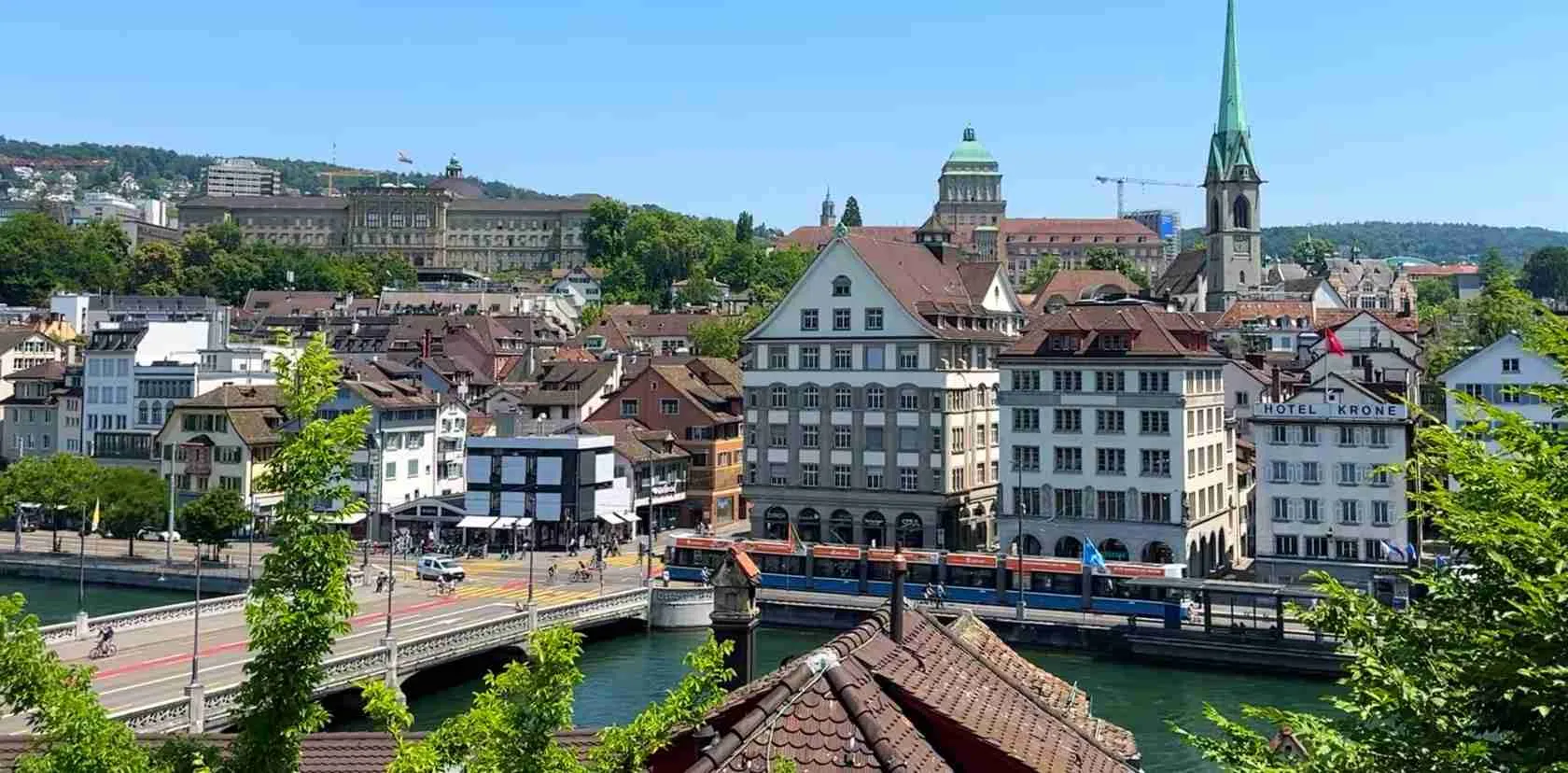
Visiting Zurich: Complete Travel Guide 2026
Switzerland’s largest city combines pristine Alpine beauty with global finance, medieval Old Town charm with cutting-edge contemporary culture, and legendary Swiss efficiency with unexpected creative energy. Zurich straddles the Limmat River where it meets Lake Zurich, creating a remarkable urban landscape where swans glide past banking headquarters and church spires rise against snow-capped mountain backdrops. This guide provides comprehensive planning resources for experiencing Zurich’s museums, lakefront promenades, historic guildhalls, and surrounding Alpine excursions in 2026.
Key Takeaways for Planning Your Zurich Visit 2026
- Daily Budget Planning 2026: Budget travelers need $105-155 per person daily (hostels, takeaway meals, public transport, free attractions), mid-range visitors spend $255-380 per person daily (3-star hotels shared by two, restaurant dining, museums, occasional taxis), while luxury travelers invest $540-840+ per person daily (5-star hotels shared by two, fine dining, private transport, premium experiences). These ranges assume two people sharing hotel accommodation with per-person costs calculated after dividing room rates by two.
- Transportation Excellence 2026: Zurich operates one of the world’s most efficient public transport networks through the ZVV system, with single-zone tickets at $6, 24-hour day passes at $11, and comprehensive Zurich Cards at $34 for 24 hours or $67 for 72 hours providing unlimited transport plus museum entries. The compact city center allows extensive walking, while the integrated tram, bus, S-Bahn train, boat, and funicular network connects every destination within minutes.
- Accommodation Strategy 2026: Hotels in Zurich rank among Europe’s most expensive, ranging from $88-150 nightly for hostel beds and budget hotels, $240-350 for mid-range properties, and $600-900+ for luxury hotels near the lake and Old Town. Booking 3-4 months ahead typically saves $40-70 per night, while shoulder seasons (March-April, October-November) offer 20-30% lower rates than peak summer months.
- Cultural Attractions 2026: The Swiss National Museum offers comprehensive Swiss history for $16, Kunsthaus Zurich presents world-class art collections for $30-39, while over 1,200 public drinking fountains, lakefront promenades, medieval churches, and parks provide exceptional free experiences. Wednesday admission to Kunsthaus’s permanent collection costs nothing, saving the regular $30 entry fee.
- Dining Economics 2026: Restaurant meals cost $25-32 for budget options, $50-75 per person for mid-range three-course dinners, and $100+ for upscale establishments, positioning Zurich among the world’s most expensive dining cities. Savvy travelers utilize supermarket takeaway from Migros or Coop ($12-18 for complete hot meals), bakeries for breakfast ($8-15), and lunch specials ($20-30) rather than dinner to maximize value.
- Best Visit Timing 2026: May through September delivers warm weather ideal for lake activities and mountain excursions, with July-August peak season bringing crowds and highest prices. April-May and September-October provide excellent shoulder-season value with pleasant weather, fewer tourists, cherry blossoms in spring and fall foliage, while December transforms Zurich into a magical Christmas market destination despite cold temperatures.
People Also Ask About Visiting Zurich 2026
How Much Does Zurich Cost Per Day in 2026?
Zurich costs $105-155 per person daily for budget travelers staying in hostels, eating takeaway meals, using public transport, and visiting free attractions. Mid-range travelers spend $255-380 per person daily for 3-star hotel accommodation shared by two, restaurant dining, paid museum entries, and occasional taxis. Luxury visitors invest $540-840+ per person daily for 5-star hotels shared by two, fine dining throughout, private transportation, and premium cultural experiences. All ranges assume two people sharing hotel rooms with accommodation costs divided by two before calculating per-person totals. Weekly stays cost approximately $735-1,085 for budget, $1,785-2,660 for mid-range, and $3,780-5,880 for luxury travelers.
Is the Zurich Card Worth Buying in 2026?
The Zurich Card delivers excellent value for visitors planning multiple museum visits and extensive public transport use, priced at $34 for 24 hours or $67 for 72 hours. The card provides unlimited travel on all trams, buses, trains, boats, and funiculars within the city zone plus free admission to over 40 museums including the Swiss National Museum, reduced rates at Kunsthaus Zurich, and discounts on lake cruises and mountain excursions. Visitors planning three or more museum entries ($16-39 each) plus full-day transport ($11 day pass) recover the card cost within a single day, making it particularly valuable for culture-focused itineraries.
What Language Do People Speak in Zurich in 2026?
Swiss German (Züritüütsch dialect) serves as Zurich’s primary spoken language, though High German remains the formal written standard. English proficiency reaches near-universal levels in tourism, hospitality, business, and younger demographics, with most restaurant menus, museum displays, and transport information available in English alongside German. French and Italian, Switzerland’s other official languages, appear less frequently in Zurich compared to Geneva or Ticino, though many residents speak multiple languages. Visitors communicating in English encounter minimal difficulties navigating the city, booking accommodation, ordering meals, or accessing cultural attractions.
How Many Days Should I Spend in Zurich in 2026?
Three to four days provides ideal time to experience Zurich’s major attractions, neighborhoods, museums, and take one day trip to nearby destinations. One day covers Old Town exploration, Kunsthaus Zurich, and lakefront walks. A second day allows the Swiss National Museum, shopping along Bahnhofstrasse, and Uetliberg mountain ascent for panoramic views. Day three enables Zurich West’s industrial-chic quarter, additional museums, or extended lake activities. A fourth day permits excursions to Rhine Falls, Lucerne, or Alpine destinations easily reached by train. Two-day visits suffice for first-time travelers prioritizing highlights, while five-plus days accommodate slower-paced exploration, multiple day trips, and deeper neighborhood immersion.
Extended multi-day tours – 5+ days
Featured Zurich Multi-Day Tour Packages
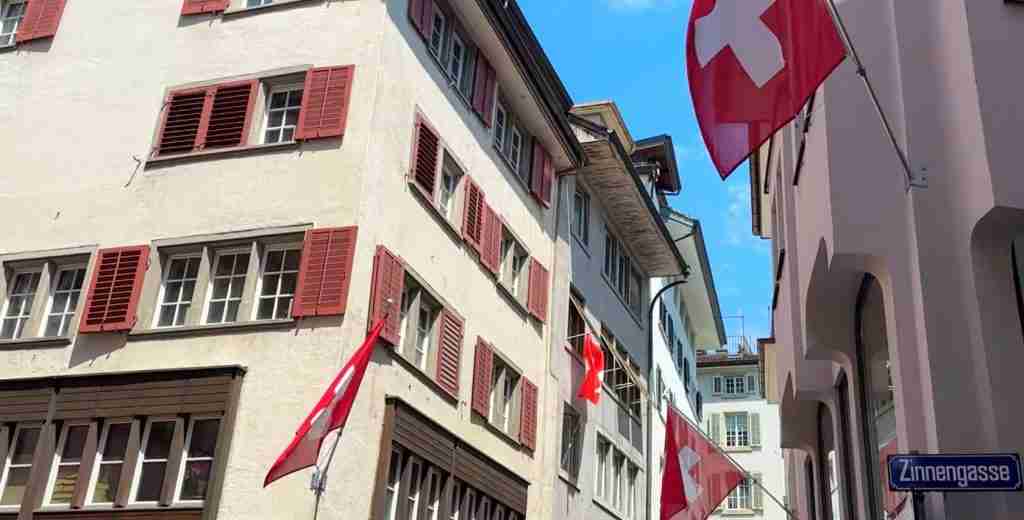
3 days
Zurich 3-Day Discovery Tour
- ✓ Comprehensive Zurich experience
- ✓ Expert local guides included
- ✓ All accommodation included
- ✓ Transportation provided
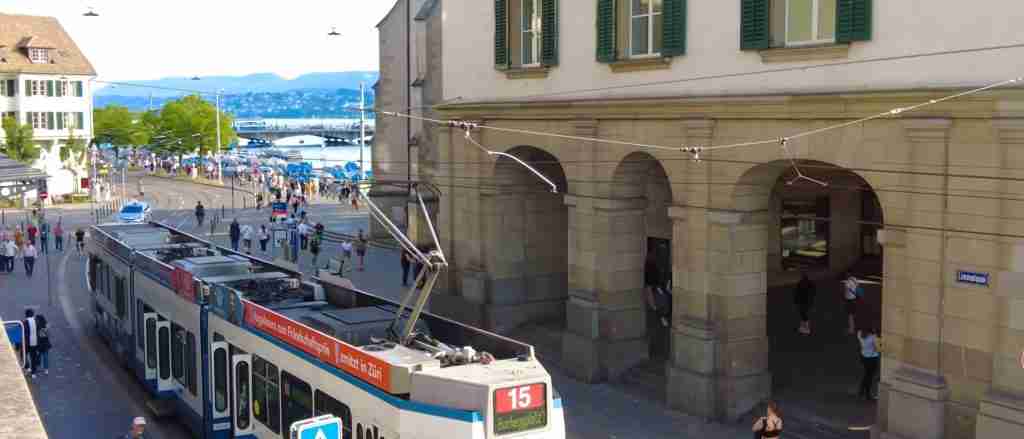
5 days
Zurich 5-Day Highlights Experience
- ✓ Comprehensive Zurich experience
- ✓ Expert local guides included
- ✓ All accommodation included
- ✓ Transportation provided
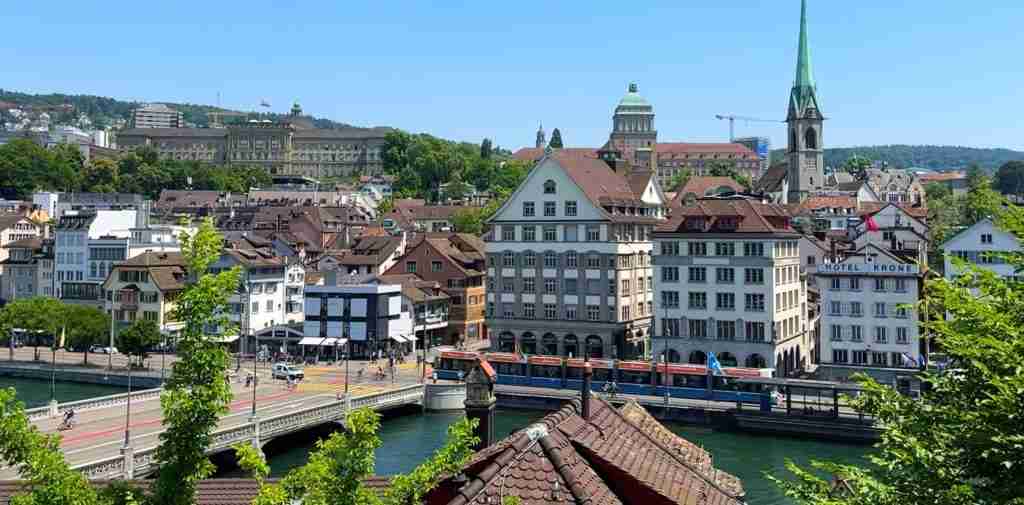
7 days
Zurich 7-Day Cultural Journey
- ✓ Comprehensive Zurich experience
- ✓ Expert local guides included
- ✓ All accommodation included
- ✓ Transportation provided
10 days
Zurich 10-Day Complete Adventure
- ✓ Comprehensive Zurich experience
- ✓ Expert local guides included
- ✓ All accommodation included
- ✓ Transportation provided
Multi-day tour packages powered by TourRadar. Prices and availability subject to change.
Introduction: Switzerland’s Financial Capital Meets Alpine Beauty 2026
Zurich presents a fascinating urban paradox where global banking headquarters coexist with perfectly preserved medieval architecture, where Protestant work ethic meets creative counterculture, and where urban sophistication seamlessly transitions to pristine Alpine wilderness within 30 minutes. The city of 435,000 inhabitants anchors a metropolitan region of 1.9 million people while maintaining an almost village-like intimacy in its historic core, where car-free cobblestone lanes wind between 13th-century guild houses, Romanesque churches, and Renaissance fountains.
The Limmat River flows through Zurich’s heart from Lake Zurich northward, dividing the medieval city into distinct quarters that retain their historical character. The left bank’s Niederdorf district buzzes with restaurants, bars, and nightlife within buildings that witnessed Reformation debates led by Ulrich Zwingli in the 1520s. The right bank’s Lindenhof hill, site of Roman fortress Turicum, offers panoramic views across red rooftops toward the lake and distant Alps. Bahnhofstrasse, one of the world’s most expensive shopping streets, stretches from the main train station to the lakefront, lined with luxury boutiques, private banks, and 19th-century townhouses.
Despite its reputation for expense and formality, Zurich surprises visitors with unexpected accessible pleasures. Over 1,200 public drinking fountains provide free Alpine spring water throughout the city, surpassing any global capital for fountain density. Summer transforms the lake and river into open-air swimming venues where locals plunge into clean waters after work. Industrial Zurich West, once a gritty manufacturing district, has metamorphosed into the city’s hippest quarter, where shipping containers house bars, former factories shelter contemporary art galleries, and graffiti-covered walls contrast sharply with the pristine Old Town aesthetic.
The city’s cultural credentials extend far beyond finance. Kunsthaus Zurich ranks among Europe’s finest art museums, housing the largest Munch collection outside Norway plus masterworks by Giacometti, Chagall, Picasso, and Monet. James Joyce wrote much of “Ulysses” in Zurich and lies buried in Fluntern Cemetery. The Cabaret Voltaire birthplace of Dadaism operates as a museum dedicated to the anarchic art movement. Zurich’s 50+ museums cover subjects from football (FIFA World Football Museum) to medieval weaponry, from contemporary design to ancient Egyptian artifacts.
The surrounding geography provides immediate Alpine access unmatched by any comparable global financial center. Uetliberg mountain rises 871 meters above sea level directly adjacent to the city, offering panoramic vistas encompassing Zurich, the lake, and 300-kilometer Alpine chains including the Säntis, Glärnisch, and Tödi peaks. Lake Zurich stretches 40 kilometers southeast, its shores dotted with historic towns, vineyard terraces, and bathing beaches accessible by vintage paddle steamers. Within 90 minutes by train, travelers reach world-class ski resorts, thundering Rhine Falls, medieval Lucerne, or Italian-speaking Ticino’s palm-lined lakes.
This guide provides comprehensive planning resources for experiencing Zurich in 2026, from budget calculations and accommodation strategies to neighborhood explorations, museum recommendations, dining options, transport logistics, day trip possibilities, and seasonal considerations. Switzerland’s high costs demand careful budgeting, but Zurich rewards prepared visitors with experiences combining urban sophistication, natural beauty, cultural depth, and Swiss efficiency that together create one of Europe’s most distinctive city destinations.
Understanding Zurich Costs and Budgeting for 2026
Zurich consistently ranks as one of the world’s most expensive cities, tying with Singapore for the highest cost of living in the 2025 Economist Intelligence Unit survey. This reputation reflects reality across accommodation, dining, entertainment, and even basic necessities, requiring travelers to budget substantially more than for comparable European capitals. A meal that costs $25 in Barcelona or Berlin reaches $60-75 in Zurich, while hotel rooms double or triple in price compared to similar-quality properties in Rome or Vienna. However, understanding where costs concentrate and employing strategic choices allows visitors to experience Zurich’s remarkable offerings across various budget levels.
The primary expense category centers on accommodation, typically consuming 40-50% of daily budgets. Hotel rooms in central locations cost $240-350 nightly for mid-range properties, $600-900+ for luxury hotels near the lake or Old Town, while even basic budget hotels rarely drop below $140-180. Hostels provide the only genuinely economical option, with dormitory beds at $35-50 per night in properties like Youth Hostel Zurich or Stay2Night City Center. Booking 3-4 months in advance typically saves $40-70 per night across all categories, while shoulder seasons (March-April, October-November) deliver 20-30% discounts compared to peak summer rates.
Restaurant dining constitutes the second major expense, where even modest meals require significant budgets. Budget-conscious travelers should expect $25-32 for simple restaurant dishes like pizza or pasta, $50-75 per person for mid-range three-course dinners, and $100+ for upscale establishments serving traditional Swiss specialties or international cuisine. Fast food offers little savings, with McDonald’s meals at $19-25 compared to $8-12 in neighboring European countries. Coffee averages $6-9 for cappuccinos at cafes, while beer costs $7-10 for half-liter servings.
Transportation represents a manageable expense thanks to Zurich’s excellent public transport infrastructure. The ZVV network operates integrated trams, buses, trains, boats, and funiculars using a zone-based system where the entire city center occupies Zone 110. Single tickets valid one hour cost $6, while 24-hour day passes at $11 permit unlimited travel. The Zurich Card at $34 for 24 hours or $67 for 72 hours includes all public transport plus free admission to most museums, delivering exceptional value for culture-focused visitors. Walking remains viable for Old Town exploration, lakefront promenades, and shopping district navigation, reducing transport expenses further.
Cultural attractions and museums present varied pricing. The Swiss National Museum charges $16 admission, Kunsthaus Zurich costs $30 for permanent collections or $39 including special exhibitions, while many churches, parks, and public spaces offer free access. Wednesday admission to Kunsthaus’s permanent galleries costs nothing, saving the regular $30 entry. Over 1,200 public drinking fountains provide free Alpine spring water superior to bottled versions sold in restaurants for $6-9. Lake swimming beaches and river bathing spots operate without charge during summer months.
Strategic cost management significantly impacts daily budgets. Grocery shopping at Migros or Coop supermarkets allows self-catering at one-third restaurant costs, with prepared takeaway meals at $12-18 versus $50+ for comparable restaurant dining. Lunch specials (Tagesteller) at $20-30 provide better value than identical dinners at $45-60 in the same establishments. Bakeries offer breakfast pastries and coffee for $8-15 total compared to hotel breakfasts at $20-35. Picnic supplies purchased at supermarkets enable lakefront or park dining with substantial savings.
Hidden costs deserve budgeting consideration. City tourist taxes add $4-5 per person nightly to hotel bills. Public toilet facilities at train stations charge $2-3 per use, encouraging strategic planning. Tipping operates differently than American customs, with service included in restaurant prices, though rounding bills up $5-10 for exceptional service remains common practice. Credit cards face widespread acceptance, though some small businesses prefer Swiss Francs cash.
Daily budget breakdowns for different travel styles demonstrate realistic expectations. Budget travelers staying in hostel dormitories and eating predominantly supermarket meals with occasional budget restaurants spend $105-155 per person daily. Mid-range visitors booking 3-star hotels shared by two, dining at restaurants for most meals, visiting paid attractions, and using public transport invest $255-380 per person daily. Luxury travelers selecting 5-star lakefront hotels shared by two, fine dining throughout, private transportation, and premium experiences require $540-840+ per person daily. These ranges assume accommodation costs divided by two for couples sharing rooms, with all other expenses calculated per person.
Weekly costs calculated from daily ranges total approximately $735-1,085 for budget travelers, $1,785-2,660 for mid-range visitors, and $3,780-5,880 for luxury experiences. These figures include accommodation, all meals, local transport, attraction entries, and typical daily expenses excluding international flights. Seasonal variations affect these ranges significantly, with December-February offering 15-25% discounts on hotels (though Christmas markets attract premium pricing), while July-August peak season commands 20-35% premiums above shoulder-season rates.
Zurich’s high costs reflect genuine quality and service standards rather than tourist exploitation. Hotel cleanliness matches legendary Swiss standards. Public transport runs with clockwork precision. Restaurant ingredients meet stringent Swiss regulations. Museum collections rival world-class institutions. Water quality from fountains exceeds bottled brands. The city delivers premium experiences justifying premium prices, though budget-conscious choices allow accessible visits across spending levels.
Accommodation Options and Neighborhoods in Zurich 2026
Zurich’s accommodation landscape divides into distinct neighborhoods offering varied atmospheres, price points, and access to major attractions. The compact city center allows walking to most destinations from any central location, while the exceptional public transport network ensures neighborhoods beyond the core remain easily accessible. Hotel rates rank among Europe’s highest across all categories, demanding advance booking and strategic timing for optimal value.
The Old Town (Altstadt) occupies Zurich’s historic heart, spanning both Limmat River banks with medieval lanes, guild houses, churches, and quintessential Swiss architecture. Properties here command premium rates, with mid-range hotels like Hotel Adler Zurich or Boutique Hotel Kindli at $240-320 nightly, luxury options such as Widder Hotel at $650-850, and rare budget finds like Hotel Limmathof at $150-200. The Old Town location places guests within walking distance of Bahnhofstrasse shopping, Kunsthaus Zurich, Swiss National Museum, lakefront promenades, and countless restaurants and bars. Pedestrian-only zones ensure quietness despite central positioning, though weekend nightlife in Niederdorf quarter generates noise affecting light sleepers.
Seefeld neighborhood stretches along Lake Zurich’s northern shore east of the city center, offering elegant residential character with lakefront parks, bathing beaches, restaurants, and cultural venues. Mid-range hotels like Ameron Zurich Bellerive au Lac ($280-380 nightly) and La Réserve Eden au Lac ($450-600) provide direct lake access and serene atmospheres minutes from downtown via tram lines 2, 4, or 5. Seefeld attracts visitors prioritizing lake activities, waterfront dining, and slightly removed positioning while maintaining easy Old Town access. Summer swimming beaches, pedalo rentals, and lakeside paths create resort-like ambiance within urban context.
Zurich West represents the city’s creative transformation, where former industrial zones now house contemporary hotels alongside art galleries, converted factory restaurants, craft breweries, and vibrant nightlife. Properties like 25hours Hotel Langstrasse ($200-300) and Ruby Mimi ($220-320) deliver design-focused accommodations at slightly lower rates than Old Town equivalents. Tram lines 4 and 13 plus numerous buses connect Zurich West to the city center in 10-15 minutes. This neighborhood suits younger travelers, design enthusiasts, and visitors interested in Zurich’s contemporary culture beyond traditional tourist areas. Former Schiffbau complex houses theaters and restaurants, while graffiti-covered streets contrast sharply with pristine Old Town aesthetics.
Oerlikon district, located 15 minutes north via S-Bahn or tram from the central station, combines business hotel efficiency with significantly lower rates and direct connections to both city center and airport. Hotels like Mövenpick Hotel Zürich Airport ($180-260) and Renaissance Zurich Tower Hotel ($240-320) target business travelers but serve tourists seeking savings, modern amenities, and transportation hub proximity. The MFO Park’s unique vertical garden architecture and Hallenstadion event venue provide local interest, though Oerlikon lacks the atmospheric charm of more central neighborhoods. Budget-conscious travelers willing to accept 15-minute commutes find Oerlikon’s value proposition attractive.
The main train station (Hauptbahnhof) area offers convenience for early departures, late arrivals, or day-trip intensive itineraries, with hotels like Hotel Bristol Zurich ($240-320) and Zurich Marriott Hotel ($320-450) positioned within minutes of platforms. This location maximizes efficiency for Switzerland exploration beyond Zurich, provides direct airport train access (10-12 minutes), and places visitors at the starting point of Bahnhofstrasse shopping and Old Town walking routes. However, the station area generates constant activity and traffic noise, with fewer atmospheric dining or evening entertainment options compared to Old Town or Seefeld neighborhoods.
Budget accommodation concentrates in hostel options rather than cheap hotels, as Swiss hotel standards maintain consistently high baseline costs. Youth Hostel Zurich Wollishofen ($35-50 per bed) occupies a lakeside location requiring 15-minute tram rides to the center but offering swimming access and lake views. Stay2Night City Center Hostel ($40-55 per bed) provides central positioning near the university quarter with basic amenities. Ibis Budget Zurich City West ($90-130 per room) represents the lower boundary of budget hotels, delivering no-frills but clean accommodations in the Zurich West area. Hostel dormitory beds at $35-50 enable solo budget travelers to access Zurich affordably, while budget hotels at $140-180 per night suit couples splitting costs.
Booking strategies significantly impact accommodation costs. Reservations placed 3-4 months before travel typically secure rates $40-70 below last-minute prices across all categories. Weekday rates run 15-25% lower than weekend pricing, particularly for business hotels in Oerlikon. Shoulder seasons (March-April, October-November) deliver 20-30% discounts compared to July-August peak rates, while winter months (December-February excluding Christmas) offer even deeper 30-40% savings with the tradeoff of cold weather. Package deals combining hotels with Swiss Travel Passes or Zurich Cards sometimes provide better overall value than separate bookings.
Accommodation costs dramatically influence total Zurich visit expenses. A couple sharing a mid-range $300 hotel divides the cost to $150 per person, while a $600 luxury property becomes $300 per person. Solo travelers face the full room rate without division, making hostels essential for budget travel or necessitating acceptance of doubled accommodation expenses. The calculation of per-person daily costs throughout this guide always divides hotel room rates by two before summing other expenses, reflecting the financial reality for couples traveling together.
Beyond traditional hotels and hostels, Airbnb rentals and apartment hotels offer alternative accommodation approaches. Furnished apartments in residential neighborhoods sometimes cost less than hotels while providing kitchen facilities enabling grocery-based meal preparation, potentially saving $50-100 daily on dining expenses. However, Switzerland’s strict short-term rental regulations limit availability compared to other European cities, while missing hotel amenities like daily housekeeping and breakfast service affect convenience.
Zurich’s accommodation quality across all price points exceeds most global cities. Even budget hotels maintain spotless cleanliness, functional amenities, and safe environments. Mid-range properties deliver comfort, modern bathrooms, and often included breakfast. Luxury hotels provide exceptional service, historic architectural details, gourmet dining, and sometimes spa facilities. The challenge lies in pricing rather than quality standards, requiring budget realism when planning Zurich visits in 2026.
Getting to and Around Zurich: Transportation Guide 2026
Zurich’s transportation infrastructure combines legendary Swiss efficiency with comprehensive networks connecting the city internally and linking to global destinations. The integrated public transport system operates with precision timing, multiple ticket options streamline travel economics, and the compact city center enables extensive walking between major attractions. Understanding transport logistics optimizes both time and budget during Zurich visits in 2026.
Zurich Airport (ZRH) serves as Switzerland’s largest international gateway, located 10 kilometers north of the city center with direct flights from major European, North American, Middle Eastern, and Asian cities. The airport train station connects directly beneath the terminals, with Swiss Federal Railways (SBB) trains departing every 10 minutes for Zurich Hauptbahnhof (main station), covering the distance in precisely 10-12 minutes. Standard tickets cost $8 for this two-zone journey, included within Zurich Card coverage or accessible via Swiss Travel Pass. The airport station also serves as a starting point for direct trains to Basel, Bern, Lucerne, and other Swiss cities, allowing visitors to bypass Zurich entirely when traveling onward immediately.
Zurich Hauptbahnhof anchors Switzerland’s national rail network as the country’s largest train station, with 470,000 passengers daily and connections to every major Swiss city plus international destinations including Munich, Milan, Paris, and Vienna. The station building itself merits architectural appreciation, with a grand hall housing the ShopVille shopping center (open 365 days yearly), restaurants, and services. Platforms extend underground and above ground across multiple levels, clearly marked with departure boards showing real-time information in German, French, Italian, and English. The station’s central location places visitors at the beginning of Bahnhofstrasse and within 5-10 minutes walking of Old Town attractions.
The ZVV (Zurich Transport Association) network integrates trams, buses, S-Bahn trains, boats, funiculars, and cable cars under unified ticketing valid across all modes. The zone-based system divides the metropolitan region into numbered areas, with Zone 110 encompassing the entire city center. Single tickets valid one hour cost $6, permitting unlimited transfers between vehicles within the purchased zones. Day passes at $11 for 24 hours from first validation provide better value for visitors making 2-3+ journeys daily. Six-journey tickets deliver 10% savings for multiple single trips.
Tram lines form the backbone of Zurich’s urban transport, with 15 routes crisscrossing the city on dedicated tracks ensuring consistent schedules unaffected by car traffic. Trams depart every 6-10 minutes during daytime hours, with less frequent service after 9 PM and special night trams Friday-Saturday operating 1-4 AM. Key routes for tourists include Line 4 (connecting train station, Bahnhofstrasse, lakefront, and Zurich West), Line 6 (serving Zoo Zurich), and Lines 2/5/9 (reaching Kunsthaus, Bellevue, and lakefront areas). Stops announce names audibly and display on electronic boards, while real-time apps show exact arrival times.
Buses supplement tram networks, reaching neighborhoods and suburbs beyond tram coverage. Routes numbered in the 30s, 70s, and 80s serve residential areas, while express buses connect outer districts directly to the city center. Bus stops match tram frequency during peak hours, though some routes reduce to 20-30 minute intervals evenings and weekends. The same ZVV tickets valid on trams work for buses without additional cost, maintaining the integrated system approach.
S-Bahn suburban trains extend the network beyond Zurich’s urban core, with 26 lines radiating from Hauptbahnhof to surrounding towns, the airport, and popular excursion destinations. S10 reaches Uetliberg mountain for panoramic views in 25 minutes. S2 and S8 connect to Rhine Falls via Winterthur. S-Bahn trains depart every 15-30 minutes depending on route, running until midnight with limited night service on weekends. These trains operate under the same ZVV zone system, though destinations outside Zone 110 require multi-zone tickets.
Lake boats operated by ZSG (Zurich Lake Navigation Company) function as public transport during summer months (typically April-October), with regular scheduled services between lakeside towns and Zurich. Small commuter boats depart hourly from Bürkliplatz near the city center, serving Thalwil, Rapperswil, and intermediate stops. Larger paddle steamers offer scenic cruise routes on weekends and holidays. ZVV tickets cover short commuter boat journeys within city zones, while longer lake cruises require separate tickets or benefit from Zurich Card discounts.
The iconic Polybahn funicular railway climbs from Central square to ETH Zurich (Swiss Federal Institute of Technology) campus on a 176-meter route operating continuously since 1889. The small red cars depart every 2-3 minutes, included in ZVV tickets and serving students, visitors accessing ETH’s viewing terrace, or tourists experiencing this charming historic transport mode. Journey time totals one minute, though many visitors walk the adjacent stairs for free.
Zurich Card tourist passes combine unlimited public transport with museum admissions and discounts, available in 24-hour ($34) or 72-hour ($67) versions. The card covers all ZVV zones including airport connections, all trams, buses, trains, standard boat services, and funiculars. Museum benefits include free entry to Swiss National Museum, FIFA World Football Museum, and 40+ other institutions, plus 50% discounts at Kunsthaus Zurich. Visitors planning 2-3+ museums alongside full-day transport usage typically recoup the card cost within one day, making it excellent value for culture-focused itineraries.
Swiss Travel Pass extends coverage nationwide, with 3-day, 4-day, 6-day, 8-day, or 15-day consecutive options ranging from $290-470 depending on duration. The pass provides unlimited travel on Swiss Federal Railways, most private railways, lake boats, and urban transport systems including ZVV in Zurich. Mountain railway discounts of 25-50% apply to popular routes like Jungfraujoch or Gornergrat. Free admission to 500+ Swiss museums nationwide includes all Zurich institutions. Visitors planning extensive Switzerland travel beyond Zurich recover the pass cost through saved individual tickets, though city-specific stays favor Zurich Card instead.
Bicycle rentals offer car-free mobility with Zurich’s free bike scheme Züri rollt, providing road bikes for entire-day use with only a $25 refundable deposit and ID presentation. Stations operate at the main train station year-round plus 15 additional locations spring through fall. The flat Old Town, lakefront paths, and dedicated bike lanes make cycling practical for summer visitors, though winter weather and hilly terrain beyond the core reduce appeal. Bike tickets ($2-3) apply when bringing bicycles on trams or trains.
Taxis represent the most expensive transport option, with base fares around $10 plus $6 per kilometer, making short city center trips cost $20-30 and airport transfers $60-80 compared to $8 by train. Uber operates in Zurich but offers minimal savings versus traditional taxis due to Swiss regulations. The excellent public transport network eliminates taxi necessity for most visitors, though late-night returns or luggage-heavy situations may justify occasional use.
Walking remains viable and often preferable for Old Town exploration, lakefront promenades, Bahnhofstrasse shopping, and distances between major central attractions. The car-free medieval lanes require pedestrian navigation, while compact distances allow 10-15 minute walks covering significant ground. Good walking shoes prove essential given cobblestone surfaces and occasional hills, particularly the climb from Limmat River level to Lindenhof hilltop viewpoint.
Driving in Zurich offers no advantages over public transport for visitors, with limited parking (expensive at $4-6 hourly), congested streets, pedestrian zones prohibiting cars, and excellent transit alternatives. Rental cars make sense only when planning Swiss countryside explorations beyond efficient rail coverage, such as small Alpine villages or remote mountain passes. The train network’s comprehensiveness typically eliminates any driving benefits even for day trips to destinations like Lucerne, Rhine Falls, or Rapperswil.
Transportation costs factor into daily budget calculations as a manageable category. Budget travelers using single tickets or day passes spend $11-15 daily. Mid-range visitors purchasing Zurich Cards invest $34-45 daily including transport and museum entries combined. The efficiency, cleanliness, punctuality, and coverage of Zurich’s public transport consistently ranks among global best practices, making navigation straightforward even for first-time visitors in 2026.
Essential Zurich Attractions and Cultural Sites 2026
Zurich’s cultural landscape encompasses world-class museums, medieval churches, historic guildhalls, contemporary art spaces, and architectural landmarks spanning eight centuries. The compact center concentrates attractions within walking distance, while diverse offerings satisfy art enthusiasts, history scholars, architecture admirers, and casual sightseers. Understanding admission logistics, optimal visiting times, and thematic connections enhances cultural exploration in 2026.
Kunsthaus Zurich ranks among Europe’s finest art museums, housing 4,000+ paintings, sculptures, and installations from the 13th century to contemporary works. The collection encompasses the largest Edvard Munch holdings outside Norway, exceptional Alberto Giacometti sculptures created by Zurich-born artist, major Impressionist works by Monet, Renoir, and Cézanne, Modernist masterpieces by Picasso, Kandinsky, and Miró, plus Swiss artists including Ferdinand Hodler, Alberto Giacometti, and Pipilotti Rist. The 2020-opened Chipperfield Building expansion added 5,000 square meters of exhibition space designed by David Chipperfield Architects, creating striking contemporary architecture housing Old Masters, Impressionists, and rotating special exhibitions. Admission costs $30 for permanent collections or $39 including special exhibitions, with free entry on Wednesdays for permanent galleries saving the regular fee. Audio guides in multiple languages enhance understanding, while the museum shop and café merit visits independently.
Swiss National Museum occupies a fairytale castle-like building constructed in 1898, positioned adjacent to the main train station. The comprehensive collection traces Swiss history from prehistoric pile dwellings through Roman settlements, medieval knights, Reformation conflicts, and 20th-century development. Highlights include the Zurich Collection of archaeological finds, medieval weaponry and armor displays, original Reformation-era rooms from dissolved monasteries, Swiss watches demonstrating centuries of horological innovation, and temporary exhibitions addressing contemporary Swiss society. Admission charges $16 providing access to all permanent and temporary exhibitions plus the interactive family museum. The architectural spaces themselves warrant appreciation, with elaborate historicist halls, towers, courtyards, and painted ceilings reflecting late 19th-century Swiss national identity construction. Located 5 minutes walking from Hauptbahnhof, the museum serves as an ideal rainy-day first stop providing historical context for Switzerland exploration.
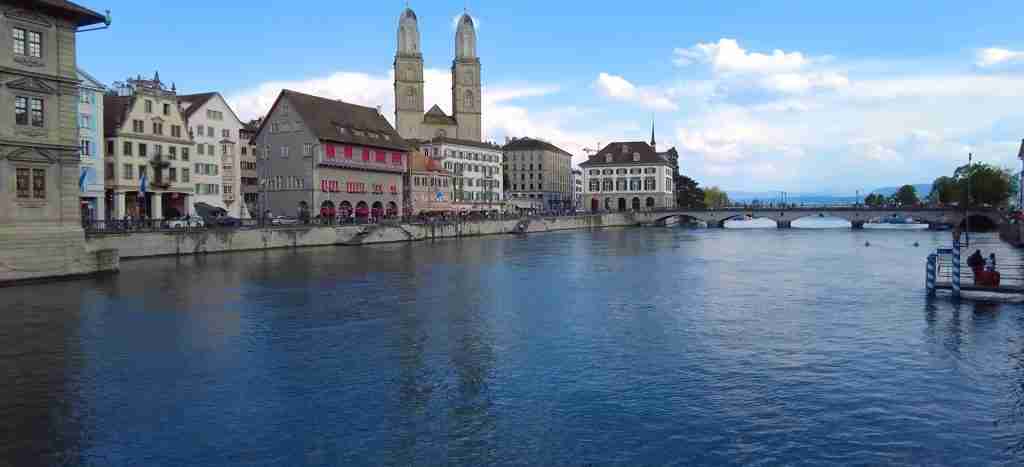
Grossmünster (Great Minster) towers above the Limmat River’s right bank as Zurich’s most distinctive landmark, with twin Romanesque towers defining the city skyline since the 12th century. The Protestant cathedral gained historical significance as the epicenter of Swiss Reformation led by Huldrych Zwingli starting in 1519, transforming Zurich from Catholic center to Protestant stronghold and shaping Swiss religious-political identity. Interior simplicity reflects Reformed theology eliminating Catholic decoration, with plain whitewashed walls, wooden pews, and clear windows (except Marc Chagall’s 1970s stained glass replacing one window). Sigismund Chapel features colorful 15th-century frescoes predating Reformation iconoclasm. Visitors can climb the 187-step Karlsturm tower ($6) for panoramic Old Town, lake, and Alpine views unmatched elsewhere in central Zurich. The Romanesque crypt houses the tomb of Zurich’s patron saints Felix and Regula, whose legendary martyrdom founding myth dates to 3rd-century Roman persecution.
Fraumünster Church directly faces Grossmünster across the Limmat, recognizable by its distinctive blue-green spire and internationally famous for Marc Chagall’s stained-glass windows created 1970. The five choir windows display Chagall’s spiritual artistic vision in brilliant blues, reds, yellows, and greens depicting biblical scenes including Jacob’s ladder, Zion, Crucifixion, Law-giving, and Christ as angels. Augusto Giacometti’s 1930s windows in the north transept complement Chagall’s work, creating rare artistic dialogue across generations. The church originated as a 9th-century abbey founded by Louis the German for his daughter, functioning as an aristocratic women’s convent until Reformation closure. Admission costs $6, a small price for one of Switzerland’s most remarkable artistic treasures. Photography without flash is permitted, allowing visitors to capture these luminous masterworks.
St. Peter’s Church claims the largest clock face in Europe at 8.7 meters diameter, visible from multiple Old Town vantage points. The Romanesque-Gothic structure dates to the 13th century on foundations of earlier churches extending to 9th century or earlier. The simple Protestant interior emphasizes preaching over decoration, with white walls, wooden pews, and baroque organ. Five church bells ring hourly, audible across the Old Town. The church serves an active parish while welcoming tourists throughout daytime hours (free admission). The adjacent Lindenhof hilltop provides one of Old Town’s finest viewpoints, where Roman fortress Turicum once stood and medieval citizens gathered for important assemblies.
Lindenhof raised terrace occupies the site of Roman Turicum fortification, offering sweeping vistas across red-tiled rooftops toward Grossmünster, Limmat River, and University quarter. Shaded by linden trees (giving the square its name), this peaceful green space attracts chess players, tourists, and locals seeking respite from Old Town bustle. Historical significance extends beyond Roman origins through medieval assembly functions and 1292 siege defense when Zurich women disguised as soldiers deterred attackers from this hilltop position. Free access year-round makes Lindenhof ideal for photographs, picnics, or brief relaxation while exploring nearby Bahnhofstrasse and Old Town lanes.
Bahnhofstrasse stretches 1.4 kilometers from Hauptbahnhof to Bürkliplatz lakefront as one of the world’s most expensive shopping streets. Luxury boutiques (Chanel, Louis Vuitton, Prada), Swiss watch manufacturers (Rolex, Patek Philippe, Omega), private banks, department stores Globus and Jelmoli, and jewelry retailers line this pedestrian-only boulevard running over the filled-in Fröschengraben moat. Window shopping costs nothing while providing insights into Swiss luxury goods culture and international wealth concentration. The street remains architecturally diverse, with Belle Époque buildings alongside Modernist structures and underground parking beneath tramlines embedded in stone paving.
FIFA World Football Museum celebrates global football heritage through interactive exhibits, historic artifacts, and multimedia displays. The museum houses every World Cup trophy, jerseys of legendary players including Pelé, Maradona, and Messi, football art installations, interactive games testing visitor skills, and rotating special exhibitions addressing football’s social-cultural significance. Admission costs $25 for adults, with reduced rates for students. Located in Enge quarter 10 minutes south of the city center via tram, the museum attracts football enthusiasts worldwide, particularly during World Cup years or major tournament periods. The on-site 1904 sports bar serves meals and drinks in football-themed atmosphere.
Museum Rietberg occupies Villa Wesendonck and surrounding park buildings, presenting non-European art from Asia, Africa, Americas, and Oceania within one of Switzerland’s rare public parks featuring 19th-century villas. Buddhist sculptures from India, Chinese ceramics, Japanese screens, African masks, pre-Columbian textiles, and temporary exhibitions exploring global artistic traditions distinguish this museum from European-focused institutions dominating Zurich’s cultural scene. Admission costs $18, with combined tickets available when special exhibitions operate simultaneously. The park setting invites post-museum strolls through landscaped gardens overlooking the city. Tram 7 reaches Rietberg Museum stop directly.
Zurich West’s contemporary culture cluster transforms former industrial zones into art galleries, theaters, restaurants, and nightlife venues. Key sites include Schiffbau (former shipbuilding hall housing theaters, restaurants, and bars), Im Viadukt (railway arches converted to boutiques and eateries), Frau Gerolds Garten (container beer garden with urban farming), and street art covering many buildings. This neighborhood lacks formal museums but provides authentic contemporary Zurich culture beyond tourist-focused Old Town, particularly vibrant Thursday-Saturday evenings when locals fill bars, clubs, and entertainment venues. Free street art tours regularly depart from tourist information, offering guided exploration of graffiti and murals.
Free cultural experiences balance Zurich’s expensive reputation. Lakefront promenades extend both sides of Zurich from Bürkliplatz, providing walking paths, swan-watching, and swimming beach access without admission charges. Over 1,200 public fountains dispense free Alpine spring water superior to bottled brands. Churches including Grossmünster exterior, St. Peter’s, and Fraumünster exterior offer architectural appreciation without entrance fees. Lindenhof park provides panoramic views and historical significance at no cost. Chinese Garden (Chinagarten) admission costs $5 in summer or free November-March for small but serene lakeside Asian landscaping. Botanical gardens at University of Zurich welcome visitors without charge to extensive plant collections, greenhouses, and themed gardens.
Optimal visiting strategies maximize cultural experiences while managing costs. Wednesday free admission to Kunsthaus permanent collection allows major art museum visits saving $30. Zurich Card at $34 for 24 hours includes 40+ museum entries, public transport, and discounts, recovering cost through 2-3 museum visits plus full-day transit. Museum combination tickets sometimes offer savings when visiting multiple institutions same-day. Morning arrivals at popular museums avoid afternoon crowds, particularly weekends. Monday closures affect some institutions, requiring schedule checking in advance.
Zurich’s cultural depth extends well beyond this highlights overview, with 50+ museums covering specialized topics from design (Museum für Gestaltung) to football culture, from trams (Tram Museum Zurich) to toys, from watches (Uhrenmuseum Beyer) to ethnography. The city balances prestigious established institutions housing Old Masters and historical artifacts with cutting-edge contemporary spaces supporting experimental art, performance, and cultural discourse. This combination creates cultural offerings rivaling much larger global cities while maintaining Swiss efficiency in visitor services, English-language information, and accessibility features.
Dining and Food Culture in Zurich 2026
Zurich’s dining landscape combines traditional Swiss cuisine with international restaurants reflecting the city’s global population and wealth concentration. However, meal costs consistently rank among the world’s highest, requiring strategic approaches for budget management. Understanding where to eat, what to order, and when to dine dramatically impacts travel expenses while ensuring memorable culinary experiences across spending levels.
Traditional Swiss specialties center on dairy products, potatoes, and preserved meats reflecting Alpine agricultural heritage. Fondue, Switzerland’s iconic cheese dish, requires communal cooking where diners dip bread cubes into melted Gruyère-Emmental blend heated in a pot over flame. Restaurants specializing in fondue charge $35-50 per person for the cheese pot plus bread, with wine and side dishes extra. Raclette involves melted cheese scraped over boiled potatoes, pickles, and cured meats, costing $40-55 per person in restaurants. Rösti, grated pan-fried potatoes served as side dish or meal base, appears on most menus at $15-25. Geschnetzeltes (veal strips in cream sauce) typically accompanies rösti for $45-60. Zürcher Eintopf combines meat, sausages, and vegetables in hearty stew format for $35-48.
Mid-range restaurant dining costs $50-75 per person for three courses excluding wine. Appetizers (salads, soups) run $12-18, main courses (pasta, pizza, meat dishes) cost $25-45, desserts reach $10-15. A pizza and beer combination approaches $40-50, while steak dinners easily exceed $60-75 before beverages. Italian restaurants, numerous given Swiss-Italian cultural exchange and immigrant populations, offer slightly better value than Swiss-specific establishments, with pasta dishes at $22-32 and pizzas $20-30. Asian restaurants provide moderate pricing at $25-40 for main dishes, though authenticity varies significantly.
Budget dining options exist but require seeking. Fast food chains charge $19-25 for meals, offering minimal savings compared to casual restaurants. Street food stands sell Swiss sausages (bratwurst) with bread rolls for $10-15, providing authentic quick meals. Supermarket takeaway sections at Migros Take Away or Coop to Go offer prepared salads, sandwiches, and hot meals for $12-18, delivering best value among ready-to-eat options. Bakeries sell breakfast pastries, sandwiches, and coffee for $8-15 total, substantially below hotel breakfast charges of $20-35.
Lunch specials (Tagesteller or menu du jour) provide midday value, with fixed-price meals including main course and sometimes soup or salad for $20-30 compared to $45-60 for identical dishes at dinner. Many restaurants display daily specials on blackboards outside, allowing price comparison before committing. The Swiss practice of substantial midday meals and lighter dinners reflects this economic reality, encouraging visitors to adopt similar patterns.
Supermarket shopping enables significant savings through self-catering. Migros and Coop, Switzerland’s dominant grocery chains, operate stores throughout Zurich with competitive pricing on bread, cheese, cold cuts, vegetables, and prepared foods. Breakfast supplies (yogurt, muesli, fruit, bread, coffee) cost $8-15 for multiple servings versus $20-35 per hotel breakfast. Picnic lunch components (bread, cheese, salami, tomatoes, apples) total $12-18 serving two people compared to $40-60 for comparable restaurant meals. Evening meal preparation becomes feasible with accommodation kitchen access, reducing daily food costs by $40-80.
Notable budget-conscious eateries include Hiltl, the world’s oldest vegetarian restaurant (opened 1898), where pay-by-weight buffets charge approximately $1.50 per 100 grams, allowing $15-22 complete meals with varied international vegetarian dishes. Swiss Chuchi restaurant offers traditional Swiss specialties including fondue and raclette at reasonable prices by Zurich standards. Zeughauskeller, located in a former armory, serves massive portions of traditional Swiss meat-and-potato dishes in atmospheric vaulted hall for $35-50. Sternen Grill near Bellevue sells excellent street-side sausages for $10-13, beloved by locals and visitors alike.
Mid-range dining recommendations include Restaurant Zunfthaus zur Waag for traditional Swiss cuisine in historic guild house ambiance ($50-75 per person), Bauernschänke for authentic rösti variations ($35-55), and Les Halles for French-style brasserie dining in converted market hall ($45-70). Sprüngli confectionery operates multiple locations offering Swiss chocolate, pastries, and light meals in elegant surroundings, with famous Luxemburgerli (mini-macarons) as signature sweets. The main Paradeplatz location includes upstairs dining room serving lunch and afternoon tea.
Luxury dining options cater to Zurich’s wealthy residents and business travelers, with Michelin-starred restaurants including Restaurant Pavillon (Hotel Baur au Lac, 2 stars) and Mesa (19-Gault Millau points). These establishments charge $150-300+ per person before wine, delivering exceptional culinary experiences with impeccable service, premium ingredients, and artistic presentations. Reservations weeks or months in advance become necessary for famous establishments, particularly during spring-summer high seasons.
Wine and beer prices add substantially to meal costs. Beer (0.5 liter) costs $7-10 in restaurants, while wine by the glass runs $10-18 for decent quality. Carafes (décilitre measures of 1/10 liter) provide economical wine options at $6-10, allowing mixed selections without committing to full bottles. Swiss wines, primarily from Valais and Vaud regions, offer interesting alternatives to more famous French-Italian neighbors, with white Fendant and Chasselas varieties particularly refreshing on warm days.
Coffee culture thrives in Zurich, with cafes serving espresso-based drinks at $5-9 for cappuccinos or lattes. Traditional coffeehouses like Café Schober (opened 1842) provide historic atmosphere for afternoon coffee and pastry breaks. Modern specialty coffee shops in Zurich West and university quarter offer quality brews at similar prices in contemporary settings. Tap water served free in restaurants (request “Hahnenwasser”) eliminates bottled water charges of $6-9.
Tipping operates differently than American customs, with service included in menu prices as standard practice. Swiss law mandates minimum wages eliminating tip dependency, though locals round bills up $5-10 for good service or leave small change. Exceptional experiences might warrant 10% above stated prices, but no social pressure demands tips. Credit cards process full stated amounts without tip lines, requiring cash for any gratuity additions.
Seasonal considerations affect dining experiences. Summer brings lakefront terraces, outdoor beer gardens, and extended evening dining hours, with reservations recommended for popular waterfront locations. December Christmas markets offer mulled wine, raclette, fondue, sausages, and seasonal treats at premium prices in festive settings. Winter generally reduces tourist numbers, making restaurant bookings easier except during Christmas-New Year weeks.
Dietary restrictions receive accommodation in modern Zurich. Vegetarian options appear on most menus beyond Hiltl’s pure vegetarian focus. Vegan dining remains limited but growing, with specialized restaurants in Zurich West and university quarter. Gluten-free awareness increases at establishments catering to international clientele. Halal and kosher options concentrate in specific neighborhoods with relevant religious communities.
Grocery shopping for self-catering merits mention regarding specific chains. Migros operates as a cooperative without alcohol sales (reflecting founder’s temperance beliefs), while Coop stocks beer and wine. Discount chains Aldi and Denner offer 25-40% lower prices than Migros-Coop on many items, though locations concentrate in residential areas rather than city center. Weekly special offers (Aktion) at all chains provide temporary discounts on select products.
Food costs constitute major expense categories in Zurich visits, second only to accommodation. Budget travelers eating predominantly supermarket meals with occasional budget restaurants spend $50-75 daily. Mid-range visitors dining at restaurants for most meals invest $90-130 daily. Luxury travelers selecting fine dining and premium establishments require $150-220+ daily on food alone. These ranges assume three meals plus coffee or snacks, calculated per person. Strategic mixing of supermarket breakfasts, lunch specials, and selective restaurant dinners allows mid-range quality at near-budget costs, demonstrating the value of informed choices in expensive dining environments.
Day Trips and Excursions from Zurich 2026
Zurich’s central Swiss location enables exceptional day trip possibilities encompassing dramatic Alpine scenery, historic cities, natural wonders, and charming lakeside towns within 90-minute train rides. Switzerland’s efficient rail network makes car-free excursions practical and often preferable to driving given parking challenges and environmental regulations. Understanding destination options, transport logistics, and timing allows optimal day trip planning supplementing Zurich urban exploration.
Lucerne ranks as the most popular day trip destination, located 50 kilometers south requiring 45-minute direct train rides departing Zurich Hauptbahnhof every 30 minutes. The medieval city straddles the Reuss River where it exits Lake Lucerne, surrounded by dramatic mountain peaks including Pilatus, Rigi, and Stanserhorn. The covered Chapel Bridge (Kapellbrücke) dates to 14th century as Europe’s oldest covered wooden bridge, adorned with interior triangular paintings depicting Lucerne history. Old Town medieval squares, painted townhouses, and guild halls provide atmospheric wandering. Mount Pilatus ascent via world’s steepest cogwheel railway offers panoramic vistas, though the excursion requires additional tickets beyond Lucerne transport ($75-95 round-trip cogwheel railway plus cable car descent). Swiss Transport Museum appeals to technology enthusiasts with historic trains, aircraft, automobiles, and interactive exhibits. Day trips combining Lucerne city exploration with Mount Pilatus or Rigi mountain excursions require early starts (departing Zurich by 8 AM) and late returns (arriving back 8-9 PM), making these long but rewarding full-day adventures.
Rhine Falls near Schaffhausen represents Europe’s largest waterfall by volume, with 373 cubic meters per second rushing over 23-meter-high ledges creating spectacular cascading displays. Located 50 kilometers north of Zurich, Rhine Falls reaches via 50-minute S-Bahn trains (S9 or S33) to Neuhausen station followed by 10-minute walks to viewing platforms. Both Swiss and German banks offer overlooks, boat tours navigate close to the falls ($10-14), and walkways allow multiple viewing angles free of entrance charges. Small Laufen Castle positioned on Rhine’s edge houses restaurant with falls-view terrace. The excursion suits half-day or full-day itineraries depending on whether visitors combine with Schaffhausen Old Town exploration (15 minutes further by train), known for oriel windows decorating medieval burghers’ houses.
Rapperswil occupies a peninsula on Lake Zurich’s southeast shore 40 kilometers from Zurich, accessible via 50-minute S-Bahn (S5 or S15) or scenic 90-minute boat rides during summer months. Medieval castle walls overlook rose gardens (earning Rapperswil its “town of roses” nickname), Old Town lanes wind between preserved buildings, and the 15th-century wooden pedestrian bridge crosses lakefront marshlands. Circus Museum celebrates Switzerland’s circus heritage with historical posters, costumes, and memorabilia. The excursion combines well with lakeside lunch and leisurely boat return to Zurich, particularly on warm summer days when waterborne approaches maximize scenic appeal.
Stein am Rhein preserves Switzerland’s most intact medieval townscape, located 60 kilometers northeast requiring 90-minute journeys combining trains and buses or summer boat service from Schaffhausen. Half-timbered houses display elaborate facade frescoes depicting historical and allegorical scenes, creating uniquely picturesque main square (Rathausplatz) photographed extensively. Hohenklingen Castle ruins overlook the town from hilltop position reachable via 30-minute uphill walks. Rhine riverside location provides scenic lunching options at outdoor restaurants. The small town requires only 2-3 hours for thorough exploration, allowing combinations with Rhine Falls in single day trips from Zurich.
Appenzell showcases traditional Swiss Alpine village culture 95 kilometers east via 90-minute train journeys. Car-free village center features painted wooden facades typical of Appenzell Canton architecture, while traditional Swiss restaurants serve local specialties including Appenzeller cheese and air-dried beef. The region maintains conservative customs including women’s suffrage voted only in 1991, demonstrating Switzerland’s cantonal autonomy traditions. Nearby Ebenalp cable car ($35 round-trip) reaches mountain heights with Alpine inn (Aescher) dramatically positioned against cliff faces. Day trips combining Appenzell village, Ebenalp excursion, and traditional lunch require full days (departing Zurich 8 AM, returning 7-8 PM).
Uetliberg mountain rises 871 meters above sea level directly adjacent to Zurich, accessible via S10 train in 25 minutes from Hauptbahnhof. Summit walking paths, observation tower, mountain hotels, and restaurants provide panoramic 360-degree vistas encompassing Zurich, Lake Zurich, and Alpine chains extending to Säntis, Glärnisch, and Tödi peaks on clear days. Sunset visits prove particularly spectacular, with city lights beginning to glow against darkening Alps. The excursion suits half-day timelines, with many visitors combining outbound train ascents with downhill hikes (90-120 minutes) returning to city level. Restaurants on Uetliberg summit charge premium prices (mains $35-50) justified by location rather than cuisine quality.
Einsiedeln Benedictine Abbey represents one of Switzerland’s most important religious pilgrimage sites, located 45 kilometers southeast requiring 50-minute train rides. The elaborate baroque abbey church houses the Black Madonna shrine attracting Catholic pilgrims for centuries. Interior decoration overwhelms with stucco work, frescoes, marble, and gold detail contrasting sharply with Zurich’s Reformed Protestant aesthetic. The monastery complex includes library, museum, and shops selling monastery products. Village surroundings provide Swiss village atmosphere with restaurants and regional specialties. Day trips combining abbey visits with nearby Lake Sihl walks or Schwyz (Swiss capital with historical significance) explorations occupy full days.
Lake Zurich boat excursions substitute for distant day trips by exploring the lake’s 40-kilometer extent from Zurich southward to Rapperswil. Regular boat services depart Bürkliplatz operating April-October with reduced winter schedules. Short 90-minute round-trip cruises ($12-18) provide lakefront views without destination commitment. Full-length trips to Rapperswil (2.5 hours one-way, $25-32) allow scenic waterborne approaches combined with train returns. Paddle steamers operate weekends providing nostalgic historic vessel experiences. Lunch served aboard boats ($35-50 per person) enables floating dining with constantly changing Alpine-lake panoramas. ZVV tickets cover short urban lake segments, while Zurich Cards provide discounts on longer cruises. Swiss Travel Pass includes full lake navigation without additional charges.
Swiss Travel Pass benefits extend beyond Zurich day trips, with unlimited train travel nationwide enabling spontaneous destination additions. Bern (Switzerland’s capital, 90 minutes), Basel (art museum hub, 60 minutes), Montreux (Lake Geneva resort, 3 hours), or Italian-speaking Lugano (3 hours) all become accessible without per-journey ticket costs. The pass includes most mountain railways at 50% discounts and museum entries, making it ideal for 3-7 day Switzerland explorations based from Zurich. However, single-city Zurich visits don’t justify Swiss Travel Pass purchases given urban-focused itineraries better served by Zurich Cards or standard ZVV tickets.
Day trip logistics require early departures maximizing destination time, though Swiss train punctuality enables tight scheduling confidence. Most excursions suit May-September weather permitting mountain ascents and boat services, while winter (December-March) limits outdoor activities but offers Christmas market experiences in Lucerne, Basel, or Montreux. Zurich’s central location makes it Switzerland’s most strategic base for exploring diverse regions without hotel changes, though travelers spending 7+ days in Switzerland might consider multiple bases alternating between urban Zurich and mountain resort towns like Interlaken or Zermatt.
Seasonal Weather and Best Times to Visit Zurich 2026
Zurich experiences distinct four-season climate reflecting its northern Alpine position at 408 meters elevation. Understanding seasonal patterns, temperature ranges, precipitation expectations, and activity implications enables optimal visit timing balancing weather preferences, crowd levels, and cost considerations for 2026 travel planning.
Spring (March-May) brings gradually warming temperatures from 8°C March averages to 18°C by May, with increasing daylight hours and awakening nature throughout the city and surrounding regions. Cherry blossoms transform parks and lakefronts into spectacular pink-white displays typically peaking late April, creating one of Zurich’s most photogenic periods. Lake Zurich boat services resume April operations, outdoor cafe terraces reopen, and hiking trails become accessible as mountain snow melts at lower elevations. However, April remains unpredictable with potential cold snaps, rain showers, or rare late snow, requiring layered clothing and weather-flexible planning. Spring shoulder season (April-May excluding Easter weekend) offers 20-30% lower hotel rates than summer peak while delivering pleasant conditions and moderate tourist volumes. Cultural calendar includes Sechseläuten parade (typically third Monday April) celebrating spring with guild processions and burning of Böögg snowman figure, plus Easter weekend church services and chocolate shop displays.
Summer (June-August) provides warmest weather with average temperatures 20-25°C, long daylight extending until 9 PM, and prime conditions for outdoor activities, lake swimming, mountain excursions, and evening terrace dining. Zurich transforms into an outdoor city as locals and visitors alike populate lakefront beaches, river swimming spots (particularly Oberer Letten and Unterer Letten), rooftop bars, and park picnic areas. Lake Zurich water temperatures reach comfortable 20-23°C July-August enabling extended swimming sessions. Mountain railway services operate full schedules, hiking trails at all elevations remain snow-free, and Alpine wildflower displays peak at higher elevations. However, summer brings peak tourist season with maximum hotel rates (30-40% premiums over shoulder seasons), crowded museums and popular restaurants, and occasionally uncomfortable heat waves reaching 30-35°C in July-August. Brief afternoon thunderstorms occur regularly but typically clear within hours. Cultural programming includes Zurich Festival (classical music, theater, art exhibitions spanning multiple weeks), Street Parade (August electronic music celebration attracting 1 million participants), and open-air cinema screenings at various outdoor venues.
Autumn (September-November) delivers arguably Zurich’s finest weather combination with comfortable 15-20°C September temperatures, reduced tourist crowds, fall foliage transforming surrounding forests and parks into golden-red displays peaking mid-October, and continued lake swimming through September for hardy individuals. Museums, restaurants, and attractions operate normal schedules without summer crowds, hotel rates drop 25-35% below peak-season pricing after mid-September, and cultural programming intensifies with fall concert seasons, theater premieres, and art gallery exhibitions. October weather remains pleasant though increasingly unpredictable with rain frequency rising, while November turns definitively cold (5-8°C averages) and gray with frequent drizzle presaging winter arrival. Wine harvest festivals in surrounding regions (particularly September-October) provide excursion opportunities, while autumn cuisine emphasizes game meats, mushrooms, and hearty preparations preparing for winter months.
Winter (December-February) brings cold temperatures averaging 0-5°C, occasional snow transforming Zurich into winter wonderland scenes (though snow rarely accumulates significantly in the city itself), and shortened daylight hours (sunset at 5 PM December). However, winter reveals distinctive appeal through Christmas markets (late November-December) filling squares with mulled wine, raclette, handicrafts, and festive atmosphere, potential for skiing day trips to nearby Alpine resorts operating at peak conditions, and deepest hotel discounts (30-40% below summer rates) outside Christmas-New Year week. Museums, theaters, and concert halls operate full winter programming without outdoor-season diversions. Lake swimming ceases for all but most extreme winter bathers, though heated outdoor pools and wellness centers maintain year-round operation. January-February represent Zurich’s quietest tourist months, with locals outnumbering visitors and restaurants-shops operating normally for resident populations. Fog (Nebel) occasionally settles over the city for days, though Uetliberg mountain excursions allow ascending above gray layers into brilliant sunshine. Carnival (Fasnacht) celebrations in February (particularly in Basel, reachable within 60 minutes by train) provide colorful cultural experiences, though Zurich observes Fasnacht less intensely than Catholic regions.
The “best” visiting time depends on priorities. May-June and September-October deliver optimal weather-cost-crowd balances for general tourism, with comfortable temperatures, manageable tourist numbers, shoulder-season hotel rates, and full attraction operations. July-August suits lake-focused visits, families with school-age children, and visitors prioritizing maximum daylight and outdoor festival programming despite peak costs and crowds. December targets Christmas market enthusiasts and those seeking festive atmosphere accepting cold weather and higher holiday week rates. January-February favors budget-conscious travelers tolerating winter conditions and shortened daylight, or ski enthusiasts combining Zurich city exploration with Alpine resort visits. March and November represent compromise periods with lowest rates and crowds but less predictable weather and reduced daylight (November) or lingering cold (March).
Packing requirements vary dramatically by season. Summer visitors need light clothing, sunscreen, sunglasses, and perhaps swimwear for lake activities, plus light jacket for evening cooling. Spring-autumn travelers require layers allowing adaptation to variable conditions, rain jacket or umbrella for frequent showers, and comfortable walking shoes for cobblestone navigation. Winter demands warm coat, gloves, hat, sturdy waterproof footwear, and thermal layers, though Zurich’s urban environment rarely requires extreme cold-weather gear compared to mountain destinations. All seasons benefit from comfortable walking shoes given cobblestone Old Town surfaces and extensive pedestrian exploration typical of Zurich visits.
Daylight hours significantly impact sightseeing logistics. Summer’s 6 AM-9 PM daylight allows 15-hour activity windows, while December’s 8 AM-5 PM daylight compresses usable tourism time to 9 hours. This affects not only daily exploration but also optimal photography timing, with summer’s extended golden hour periods (roughly 7-9 PM) contrasting sharply against winter’s 4:30 PM sunset rush. Museums, shops, and restaurants adjust operating hours seasonally, with summer extending evening hours while winter sometimes shortening them.
Special events merit calendar consideration beyond weather patterns. Sechseläuten parade (third Monday April), Zurich Festival (multiple weeks June-July), Street Parade (second Saturday August), and Bahnhofstrasse Christmas lighting ceremony (late November) all attract increased visitor numbers and hotel demand. Sports events including Zurich Marathon (April) and various lake swimming competitions (summer) add participant populations. Business trade fairs at Messe Zurich convention center occasionally inflate hotel rates during specific weeks.
Climate change affects traditional seasonal patterns, with warmer summer temperatures, earlier spring arrivals, later autumn extensions, and reduced winter snow frequency compared to historical norms. Visitors should prepare for variability regardless of season, checking specific weather forecasts 7-10 days before arrival rather than relying solely on long-term seasonal averages. Switzerland’s weather apps SRF Meteo and MeteoSwiss provide accurate localized forecasts.
The question “when should I visit Zurich” has no single universal answer, depending instead on individual priorities weighting cost consciousness, weather preferences, crowd tolerance, activity interests, and schedule flexibility. However, the analysis throughout this section provides detailed information enabling informed decisions aligned with specific visitor goals for 2026 travel planning.
Practical Information and Travel Tips for Zurich 2026
Beyond major planning categories of accommodation, transport, and attractions, numerous practical details affect Zurich visit success. Understanding Swiss customs, useful services, communication considerations, and local regulations smooths navigation while avoiding common frustrations or misunderstandings encountered by first-time visitors.
Currency and payment systems operate primarily on Swiss Francs (CHF), though Switzerland exists outside the Eurozone despite central European location. One Swiss Franc divides into 100 Rappen (German) or centimes (French). Exchange rates fluctuate but typically hover near 1 CHF = $1.10-1.15 USD. Credit cards face near-universal acceptance at hotels, restaurants, museums, transport ticket machines, and shops, though some small businesses prefer cash. Visa and Mastercard work everywhere, American Express slightly less universally. Contactless payments via credit card tap or mobile wallet (Apple Pay, Google Pay) function at most point-of-sale terminals. ATMs dispense Swiss Francs widely throughout the city, with reasonable foreign transaction fees depending on home bank policies. While many establishments accept Euro cash given tourist volumes, change returns in Swiss Francs at disadvantageous exchange rates, making Franc usage preferable for cash transactions.
Language dynamics reflect Switzerland’s multilingual nature, though Zurich’s Alemannic Swiss German dialect (Züritüütsch) differs substantially from standard High German taught internationally. However, English proficiency reaches near-universal levels among younger generations and anyone working in tourism, hospitality, retail, or business sectors. Restaurant menus, museum displays, transport information, and official communications typically appear in German, English, and often French-Italian. Visitors speaking only English encounter minimal difficulties navigating Zurich, making language barriers essentially non-issues for practical purposes. Basic German courtesies (Grüezi = hello, Danke = thank you, Auf Wiedersehen = goodbye) receive appreciation though aren’t necessary. Swiss locals seamlessly code-switch to English when detecting foreign accents, facilitating communication without awkward multilingual negotiations.
Electrical systems use Swiss-specific three-prong type J plugs at 230V/50Hz, though the slightly recessed prongs accept European type C plugs commonly used across continental Europe. Visitors from North America (110V systems) require voltage converters for non-dual-voltage devices plus plug adapters. UK visitors need only plug adapters. USB charging via adapters works without voltage concerns. Most hotels provide universal outlets or loan adapters on request.
Internet and mobile connectivity reaches excellent standards throughout Zurich. Free WiFi operates at most hotels, cafes, restaurants, and public spaces including train stations. The Zurich WiFi network provides limited free access at various hotspots citywide. Kunsthaus Zurich offers free “KHZ-Kunsthaus Welcome” WiFi without password requirements. Mobile data roaming charges vary by provider, with European Union residents receiving included Swiss roaming under EU regulations while non-EU visitors should verify rates with carriers. Swiss prepaid SIM cards from Swisscom, Salt, or Sunrise provide data alternatives for extended stays, available at airports, train stations, and mobile shops with passport identification required.
Safety and security in Zurich rank among global best, with Switzerland consistently topping international safety indices. Violent crime remains exceptionally rare. Petty theft targeting tourists (pickpocketing, bag snatching) occurs occasionally in crowded areas like Hauptbahnhof or Bahnhofstrasse but significantly less than comparable European cities. Standard precautions suffice: securing valuables, maintaining awareness in crowds, avoiding leaving bags unattended. Solo travelers including women face minimal safety concerns walking alone day or night, though common sense applies regarding deserted areas after dark. Emergency numbers include 112 (general European emergency), 117 (police), 118 (fire), 144 (ambulance). Police maintain visible presence, speak English, and assist tourists readily.
Health services and pharmacies (Apotheke/pharmacie) operate throughout the city, easily identified by green cross symbols. Swiss pharmacists possess extensive training and dispense many medications requiring prescriptions elsewhere in the world. Travel insurance remains strongly recommended given Switzerland’s high medical costs potentially reaching hundreds or thousands of dollars for emergency services. European Health Insurance Cards cover EU citizens for basic care. Tap water exceeds bottled water quality from all fountains and taps, making water bottle refills safe and environmentally responsible.
Public restrooms (WC, Toilette) appear less frequently than many tourists expect. Train stations, department stores, museums, and some public parks provide facilities, often charging $2-3 entry fees collected via coin turnstiles or attendants. Restaurants and cafes typically restrict restrooms to paying customers. The ZüriWC app maps public facilities including accessibility and current status. Strategic planning around known facility locations prevents desperate searches, though the ubiquitous public fountains addressing hydration needs reduces restroom frequency somewhat.
Shopping hours follow Swiss regulations with stores generally opening 9 AM-6:30 PM weekdays, 9 AM-5 PM Saturdays, closed Sundays except train station shops. The ShopVille mall beneath Hauptbahnhof operates 365 days yearly with extended hours. Grocery stores close Sundays with rare exceptions. Late-night needs require planning around 24-hour gas station convenience stores or train station shops charging premium prices. Sales (Ausverkauf) occur twice yearly (January and July) with substantial discounts.
Tipping culture differs from American norms, with service included in all stated prices and minimum wage laws eliminating tip dependency. Locals round restaurant bills to convenient amounts (paying $52 for $48 bill) or leave small change (approximately 5-10% for exceptional service), though no obligation exists and servers never expect tips. Taxi drivers appreciate rounding fares similarly. Hotel porters might receive $2-5 per bag for carrying luggage, though this isn’t mandatory. Tour guides customarily receive $5-10 per person for satisfactory services. The absence of tip pressure eliminates menu-price calculations and awkward gratuity decisions.
Recycling obsession defines Swiss environmental consciousness, with color-coded separation requirements and social pressure for proper disposal. Public bins separate paper, glass (sorted by color), aluminum, PET plastic, and general waste. Returning PET bottles and aluminum cans to supermarkets recovers small deposits. Littering faces social disapproval and potential fines.
Smoking regulations ban tobacco use in most indoor spaces including restaurants, bars, train stations, and public buildings, with designated outdoor areas or special smoking rooms at some establishments. Vaping falls under similar restrictions. Many Swiss smoke outdoors on streets and terraces, with higher rates than North America though lower than southern European countries.
Sunday quietness reflects Swiss cultural values, with construction work, loud music, and other disturbances prohibited on Sundays and evenings after 10 PM. Laundry machines operate only during daytime weekday hours in residential buildings. This extends to general quiet culture, with loud conversations, music, or phone calls in public spaces facing social disapproval. Public transit passengers speak softly and phone conversations remain brief.
Photography restrictions apply at some museums and religious sites, with clear signage indicating prohibitions. Grossmünster and Fraumünster generally permit photography without flash. Kunsthaus Zurich allows photography in permanent collection areas though special exhibitions sometimes prohibit it. Photographing strangers without permission crosses privacy boundaries, particularly children. Swiss cultural reserve makes candid street photography less acceptable than Mediterranean countries, though public space photography remains legal.
Luggage storage operates at Hauptbahnhof and airport with automated lockers and staffed counters charging $8-15 daily depending on size. This enables day-trip explorations for travelers arriving early or departing late without hotel access. Many hotels accommodate pre-check-in and post-checkout luggage storage for guests.
Tourist information centers operate at Hauptbahnhof main hall (daily 8 AM-8:30 PM) and airport, providing maps, attraction tickets, hotel booking assistance, and general advice in multiple languages. The Visit Zurich website and mobile app offer comprehensive planning resources, downloadable offline maps, and current event listings.
These practical considerations, while individually minor, collectively affect visit quality and smooth navigation of Swiss cultural norms. Prepared visitors avoid common frustrations like Sunday shopping impossibility, WiFi password requests in cafes, or excessive tip obligations, while leveraging local systems like free fountain water and efficient public transport to enhance experiences and reduce costs.
Sample Zurich Itineraries for Different Trip Lengths 2026
Structured itineraries provide frameworks for experiencing Zurich’s major attractions, neighborhoods, and surrounding destinations across various time spans. These suggested routes balance must-see highlights with exploration flexibility, accounting for practical logistics like opening hours, transport connections, and sustainable daily pacing.
One-Day Zurich Itinerary: Essential Highlights
Morning: Begin at Zurich Hauptbahnhof (8 AM), purchasing day pass or Zurich Card for transport and museums. Walk along Bahnhofstrasse window-shopping 15 minutes to Paradeplatz. Continue to Bürkliplatz lakefront, observing morning light on Lake Zurich and Alps. Walk along Limmat River right bank toward Old Town, crossing at Münsterbrücke bridge to Fraumünster Church. Purchase $6 admission to view Marc Chagall windows (15 minutes). Cross back to Grossmünster via Münsterbrücke, climbing Karlsturm tower ($6) for city panorama (30 minutes total). Walk through Niederdorf lanes to St. Peter’s Church, observing Europe’s largest clock face. Climb adjacent Lindenhof for Old Town vista (free, 15 minutes).
Midday: Return to Hauptbahnhof area for Swiss National Museum visit ($16 admission, 90-120 minutes). Quick lunch at museum café or nearby Tibits vegetarian buffet (pay-by-weight, approximately $18).
Afternoon: Take tram 4 or 6 to Kunsthaus Zurich ($30 admission, 90-120 minutes exploring highlights including Munch, Giacometti, and Impressionist collections). Exit via museum shop browsing Swiss design products. Walk to nearby Bellevue square for lakefront views.
Evening: Tram 4 to Zurich West (15 minutes) for aperitivo at Frau Gerolds Garten container bar-garden (drinks $12-18). Walk through Zurich West observing street art and former industrial architecture. Dinner at Zeughauskeller ($40-55 per person) or Hiltl vegetarian restaurant ($18-28). Evening lakefront stroll or early rest at hotel.
Daily costs: Transport day pass $11, museums $52, meals $50-70, drinks-snacks $15-20. Total approximately $130-155 per person excluding accommodation. This compressed itinerary covers major highlights efficiently but lacks depth and optional activities.
Three-Day Zurich Itinerary: Comprehensive City Experience
Day 1 – Old Town and Cultural Core: Follow morning program from one-day itinerary through Fraumünster and Grossmünster. Lunch at Sternen Grill sausage stand ($12). Afternoon Swiss National Museum visit (2 hours). Late afternoon Lindenhof relaxation and Old Town café break. Evening dinner in Niederdorf quarter at traditional restaurant ($50-70 per person). Costs: Transport $11, museums $22, meals $80-100, total approximately $115-135.
Day 2 – Lake Zurich and Museums: Morning Kunsthaus Zurich visit (2-3 hours). Lunch at museum café ($25-35). Afternoon 90-minute Lake Zurich boat cruise from Bürkliplatz ($18, included in Zurich Card). Return via Seefeld neighborhood walk along lakefront promenade. Visit FIFA World Football Museum if interested ($25). Evening Zurich West exploration with dinner at trendy restaurant in converted factory space ($55-75 per person). Costs: Transport $11, museums $43-55, boat $18 (if not using Zurich Card), meals $90-120, total approximately $162-204.
Day 3 – Uetliberg and Shopping: Morning S10 train to Uetliberg summit (included in day pass, 25 minutes). Summit hiking and photography (2 hours), potentially including downhill hike to Triemli station (90 minutes walking). Lunch at Uetliberg mountain restaurant ($40-50) or return to city for lunch. Afternoon Bahnhofstrasse shopping, browsing luxury stores, and visiting Sprüngli confectionery for Luxemburgerli purchase. Relax at lakefront Strandbad Mythenquai beach if summer (free admission). Farewell dinner at mid-range restaurant with lake views ($60-80 per person). Costs: Transport $11, meals $120-150, shopping varies, total approximately $135-165 plus shopping.
Three-day total: $412-504 per person excluding accommodation, averaging $137-168 daily. This provides balanced pacing allowing deeper attraction engagement, neighborhood exploration, and mix of cultural-natural-urban experiences.
Five-Day Zurich Itinerary: In-Depth Exploration with Day Trips
Days 1-2: Follow three-day itinerary Days 1-2 closely for Old Town, museums, and lake introduction.
Day 3 – Lucerne Day Trip: Early train departure to Lucerne (8 AM, 45 minutes, $25 each way). Morning Chapel Bridge, Lion Monument, Old Town exploration. Lunch in Lucerne ($30-50). Afternoon Mount Pilatus excursion via cogwheel railway and cable car ($95 round-trip) or boat cruise on Lake Lucerne ($30-40). Return train arriving Zurich 8-9 PM. Dinner at hotel area ($30-45). Costs: Transport $125-140, meals $80-115, total approximately $205-255.
Day 4 – Rhine Falls and Stein am Rhein: Train to Neuhausen Rhinefalls station (9 AM, 50 minutes, $20 each way). Rhine Falls viewing, boat rides ($12), and photography (2 hours). Train to Stein am Rhein (30 minutes, $15 each way). Lunch in Stein am Rhein medieval square ($35-50). Explore painted facades and castle. Return train arriving Zurich 6 PM. Evening Zurich West nightlife or quiet dinner ($40-60). Costs: Transport $70, attractions $12, meals $90-130, total approximately $172-212.
Day 5 – Zurich West, Shopping, and Relaxation: Leisurely morning at lakefront café breakfast ($18-25). Final museum visits if time permits or shopping along Bahnhofstrasse and side streets. Lunch at Hiltl vegetarian restaurant ($22-32). Afternoon Museum Rietberg visit ($18) or simply relaxing at lakefront parks. Early evening departing for airport or farewell dinner at upscale restaurant ($80-120 per person). Costs: Transport $11, museums $18, meals $140-200, total approximately $169-229.
Five-day total: $1,095-1,465 per person excluding accommodation, averaging $219-293 daily. Day trip days cost significantly more due to transport and attraction expenses, while city-focused days allow budget management through free activities and meal choices.
These itineraries serve as frameworks rather than rigid schedules, with weather, energy levels, and personal interests dictating modifications. Summer enables more outdoor activities and lake swimming, spring showcases cherry blossoms, autumn features fall colors, while winter necessitates more indoor museum time. The beauty of Zurich’s compact geography and efficient transport allows spontaneous adjustments without major logistics complications, encouraging flexible approaches responsive to conditions and preferences.
Frequently Asked Questions About Visiting Zurich 2026
Is Zurich Worth Visiting Despite High Costs?
Zurich merits visiting despite legendary expense, offering exceptional quality across accommodation, dining, cultural attractions, and infrastructure that generally justifies premium pricing. The city delivers pristine Alpine beauty, world-class art museums, impeccable public services, safe environments, and genuine Swiss cultural experiences unavailable elsewhere. Budget-conscious travelers can access Zurich meaningfully through hostels, supermarket meals, free attractions like churches and fountains, and strategic cost management, spending $105-155 daily compared to $255-380 for mid-range comfort. The combination of urban sophistication, natural beauty, cultural depth, and Swiss efficiency creates distinctive appeal, particularly when combining city exploration with Alpine day trips accessible via efficient rail network. Visitors seeking European experiences beyond typical tourist circuits find Zurich’s relative lack of mass tourism refreshing compared to Barcelona, Venice, or Paris overcrowding.
How Many Days Do I Need for Zurich in 2026?
Three to four days provides optimal time experiencing Zurich’s major attractions, neighborhoods, museums, and one Alpine day trip. One day covers Old Town exploration, key churches, and lakefront walks. A second day allows Swiss National Museum, Kunsthaus Zurich, and Bahnhofstrasse shopping. Day three enables Zurich West’s contemporary culture, additional museums, or extended lake activities. A fourth day permits Rhine Falls, Lucerne, or mountain excursions. Two-day visits suffice for first-time travelers prioritizing highlights over depth. Five-plus days accommodate slower pacing, multiple day trips, neighborhood immersion, and weather-contingency flexibility. The compact city size means diminishing returns after four days without day trips, as major sites become exhausted. However, Zurich serves excellently as Swiss exploration base, with efficient train connections enabling day trips throughout the country while maintaining single accommodation base.
What Language Do I Need to Know for Zurich?
English suffices completely for Zurich tourism, with near-universal English proficiency among younger generations and anyone in tourism, hospitality, retail, or business sectors. Restaurant menus, museum displays, transport information, and official communications typically appear in English alongside German. Swiss German (Züritüütsch dialect) serves as local spoken language though differs substantially from standard High German, but locals seamlessly switch to English when detecting foreign accents. Basic German courtesies (Grüezi = hello, Danke = thank you) receive appreciation but aren’t necessary for practical navigation. Language barriers present essentially zero difficulty for English-speaking visitors planning Zurich trips, making it among Europe’s most linguistically accessible cities for non-German speakers.
Is Zurich Safe for Solo Travelers and Women in 2026?
Zurich ranks among the world’s safest cities for all travelers including solo visitors and women traveling alone, with Switzerland consistently topping global safety indices. Violent crime remains exceptionally rare. Petty theft like pickpocketing occurs occasionally in crowded areas (train station, shopping districts) but significantly less than comparable European cities. Women walk alone safely day or night throughout central areas, public transport operates safely at all hours, and hotels-hostels maintain secure environments. Standard precautions suffice: securing valuables, maintaining awareness in crowds, avoiding completely deserted areas late night. Police maintain visible presence, speak English, and assist tourists readily. Swiss cultural reserve means catcalling and harassment virtually nonexistent compared to Mediterranean countries. Solo travelers find making temporary connections with other visitors at hostels straightforward, while the efficient public services enable confident independent navigation.
Can I Drink Zurich Tap Water?
Zurich tap water not only qualifies as safe for drinking but exceeds most bottled water quality through Alpine spring sources and strict Swiss quality controls. Over 1,200 public fountains throughout the city dispense identical Alpine spring water continuously, allowing free bottle refills anywhere. The only exceptions involve rare fountains marked “kein Trinkwasser” (not drinking water) used for decorative purposes or specific technical functions. Restaurant tap water served free on request (ask for “Hahnenwasser” or “Leitungswasser”) eliminates bottled water charges of $6-9 per bottle. The water tastes excellent with pleasant mineral composition, no chlorine treatment needed, and cold temperatures year-round. Environmentally conscious travelers appreciate avoiding bottled water plastic waste while saving money and accessing superior product.
Do I Need Swiss Travel Pass or Zurich Card in 2026?
The decision depends on itinerary scope. Zurich Card ($34 for 24 hours, $67 for 72 hours) delivers excellent value for city-focused visits, providing unlimited local transport plus free admission to 40+ museums including Swiss National Museum and discounts at Kunsthaus Zurich. Visitors planning 2-3+ museums alongside full-day transport recover costs within one day. Swiss Travel Pass ($290-470 for 3-15 consecutive days) suits multi-city Switzerland travel, covering unlimited nationwide trains, boats, and urban transport plus 500+ museums and mountain railway discounts. However, Zurich-only visits don’t justify Swiss Travel Pass given urban concentration. Choose Zurich Card for 2-4 day city stays with museum visits, regular day passes ($11 daily) for transport-only needs with limited museum interest, or Swiss Travel Pass for week-long Switzerland explorations using Zurich as base for extensive regional day trips.
What Should I Pack for Zurich in Different Seasons 2026?
Summer (June-August) requires light clothing, sunscreen, sunglasses, hat, and potentially swimwear for lake activities, plus light jacket for evening cooling. Spring-autumn (March-May, September-November) demands layers allowing adaptation to variable conditions, rain jacket or umbrella for frequent showers, long pants, sweater or fleece, and comfortable walking shoes for cobblestone navigation. Winter (December-February) necessitates warm coat, gloves, hat, scarf, thermal layers, sturdy waterproof boots, though Zurich’s urban environment rarely requires extreme Alpine winter gear. All seasons benefit from comfortable walking shoes given extensive pedestrian exploration and cobblestone Old Town surfaces. Electrical adapters for Swiss Type J outlets prove essential for charging devices. Backpack or daypack carries water bottles (refillable at fountains), purchased food items, and layers shed during temperature fluctuations.
Can I Use Euros in Zurich or Do I Need Swiss Francs?
Swiss Francs (CHF) serve as official currency, though many tourist-oriented establishments accept Euro cash given Switzerland’s central European location surrounded by Eurozone countries. However, accepting Euros doesn’t mean favorable exchange, with change returned in Swiss Francs at disadvantageous rates (typically 1:1 or worse compared to actual 1 EUR = 0.95 CHF rates). Credit cards work universally and provide optimal exchange rates automatically, making plastic payments preferable to currency exchange. ATMs dispense Swiss Francs widely with reasonable foreign transaction fees depending on home bank policies. Visitors paying cash should obtain Swiss Francs rather than relying on Euro acceptance, though small Euro amounts held from other European travels can be spent without major losses on small purchases. Restaurants, museums, and transport accept credit cards eliminating cash necessity for most transactions.
What Are the Best Day Trips from Zurich in 2026?
Lucerne ranks as the most popular day trip destination, located 45 minutes by train with Chapel Bridge, medieval Old Town, lake scenery, and Mount Pilatus-Rigi mountain access providing comprehensive Swiss experiences. Rhine Falls near Schaffhausen showcases Europe’s largest waterfall accessible in 50-minute train rides. Appenzell demonstrates traditional Swiss Alpine village culture 90 minutes east with painted facades and mountain hiking. Uetliberg mountain rises adjacent to Zurich reachable via 25-minute S10 train, offering panoramic Alpine-lake-city vistas. Rapperswil combines medieval castle, lakefront promenades, and rose gardens 50 minutes south by train or scenic boat. Stein am Rhein preserves Switzerland’s most photogenic medieval townscape with facade frescoes 90 minutes northeast. All destinations benefit from Swiss Federal Railways efficiency enabling car-free day trips with tight schedules confidence. Summer lake boats to Rapperswil provide scenic transport alternatives to trains.
How Much Money Do I Need Per Day in Zurich 2026?
Daily budgets range $105-155 per person for budget travelers staying in hostel dormitories ($35-50 per night bed), eating predominantly supermarket meals ($50-75 daily food), using public transport day passes ($11), and visiting free attractions while strategically including 1-2 paid museums. Mid-range travelers spend $255-380 per person daily for 3-star hotels shared by two ($120-175 per person), restaurant dining for most meals ($90-130), museums-attractions ($30-50), and full public transport including occasional taxis ($15-25). Luxury visitors invest $540-840+ per person daily for 5-star hotels shared by two ($300-450 per person), fine dining throughout ($150-220), premium experiences ($50-100), and private transportation ($40-70). These ranges assume accommodation costs divided by two for couples, exclude international flights, and represent per-person daily averages including all meals, local transport, attractions, and typical expenses. Weekly costs total approximately $735-1,085 budget, $1,785-2,660 mid-range, and $3,780-5,880 luxury.