
Zurich Best Tours & Walking Routes 2026: Complete Travel Guide
Zurich offers exceptional touring options from free walking explorations and self-guided audio routes to specialized culinary experiences and full-day Alpine excursions. Switzerland’s largest city pairs historic Old Town charm with efficient public transport integration, making both guided tours and independent walking routes remarkably accessible for 2026 visitors seeking authentic local perspectives alongside iconic sights.
- Free Walking Tours Available Daily 2026: Tip-based tours departing from Paradeplatz at 11 AM cover Old Town highlights, panoramic viewpoints, and Swiss cultural insights in 1 hour 45 minutes with local English-speaking guides. Specialized routes explore Langstrasse nightlife district and newcomer integration topics.
- Guided Tour Pricing Ranges 2026: Walking tours cost $17-95 per person, food and chocolate experiences run $50-100, and full-day Alpine excursions to destinations like Jungfraujoch or Mount Titlis range $50-200 for group tours. Private custom tours start around $1,200 for flexible, personalized itineraries.
- Self-Guided Audio Routes Cost $10: Download smartphone apps providing 1.5-2 hour narrated walks through Old Town from Hauptbahnhof to Lake Zurich, passing Grossmünster, Fraumünster, and medieval guild houses with offline functionality and pause-at-will flexibility.
- Lake Zurich Boat Integration: ZSG Navigation Company operates boats as part of public transport (CHF 4.40-8.80 for standard routes, free with Swiss Travel Pass and Zürich Card). Combine walking routes with 55-minute Limmat River cruises or 90-minute lake loops for water-based Old Town perspectives.
- Specialized Tour Categories: Chocolate factory visits, Swiss banking heritage walks, Chagall window art tours, e-bike explorations, and culinary market tastings provide niche alternatives to standard sightseeing. Multi-day packages combine Zurich with Lucerne, Interlaken, and mountain destinations.
- Peak Season Considerations 2026: Summer months (June-September) offer maximum tour frequency and extended boat schedules operating until 19:50 July-August. Book popular Alpine day trips 2-4 weeks advance during high season to secure preferred dates and avoid sold-out departures.
People Also Ask About Zurich Tours 2026
How much do Zurich walking tours cost in 2026?
Free walking tours operate on a tip-based model where you pay what the experience was worth to you at the end, with most participants tipping $10-20 per person. Paid guided walking tours range $17-45 for 2-hour Old Town explorations, $50-70 for specialized food walking tours combining tastings with neighborhood discovery, and $80-95 for longer combination tours including cable car or boat segments. Private walking tours with dedicated local guides start around $150-250 for half-day experiences serving groups of 2-6 people. Self-guided audio walking tours cost approximately $10 for unlimited-duration app access providing narrated routes you complete at your own pace.
Are free walking tours in Zurich actually free in 2026?
Free walking tours are genuinely free to join with no upfront payment required, operating on a voluntary tip system at the conclusion. The Original Zurich Free Tour departs daily at 11 AM from Paradeplatz, lasting approximately 1 hour 45 minutes through Old Town with extensions for Q&A. Guides work for tips rather than fixed wages, which incentivizes excellent service while keeping tours accessible to budget travelers. Most participants tip $10-20 based on satisfaction, though any amount or no tip is technically accepted. You must book your spot in advance through their calendar system even though joining costs nothing, ensuring guides know expected group size. The tip-based model means you evaluate value after experiencing the tour rather than paying speculatively beforehand.
What are the best day trips from Zurich in 2026?
Jungfraujoch “Top of Europe” ranks as Zurich’s most popular full-day Alpine excursion, with guided tours costing $125-185 including train tickets, guide service, and time at Europe’s highest railway station at 3,454 meters elevation with glacier views and Ice Palace access. Mount Titlis with rotating cable car and cliff walk runs $95-145 including Lucerne city stop and cogwheel train descent. Rhine Falls day trips cost $55-85 combining Europe’s largest waterfall with Stein am Rhein medieval town exploration. Grindelwald-Interlaken-Lauterbrunnen valley tours range $75-125 offering Bernese Oberland village access and 72-waterfall valley views. Lucerne and Mount Pilatus packages run $110-170 with aerial gondola ascent and boat cruise return. Multi-destination tours combining several locations in one day cost $150-250 for 10-12 hour comprehensive experiences.
Is the Zürich Card worth it for tours in 2026?
The Zürich Card provides excellent value for visitors planning multiple museum visits plus public transport use, costing CHF 27 for 24 hours or CHF 53 for 72 hours. Benefits include unlimited tram, bus, train, and boat travel in zones 110-155, free admission to 40+ museums, free Limmat River cruise and mini lake cruises to Thalwil/Erlenbach, 50% discount on Zürich Tourism public walking tours, and various restaurant and attraction discounts. For tour-focused visitors, the card makes sense if you’ll take at least three boat rides (saving CHF 13.20), visit two museums (saving CHF 20-30), and use public transport extensively (saving CHF 15+ daily on zone tickets). The card does NOT cover specialty culinary cruises, private tours, or most paid guided walking tours beyond the 50% discount on official Zürich Tourism offerings. Calculate break-even by adding your planned public transport, boat rides, and museum admission costs—if the total exceeds the card price, purchase makes financial sense.
Extended multi-day tours – 5+ days
Featured Zurich Multi-Day Tour Packages
3 days
Zurich 3-Day Discovery Tour
- ✓ Comprehensive Zurich experience
- ✓ Expert local guides included
- ✓ All accommodation included
- ✓ Transportation provided
5 days
Zurich 5-Day Highlights Experience
- ✓ Comprehensive Zurich experience
- ✓ Expert local guides included
- ✓ All accommodation included
- ✓ Transportation provided

7 days
Zurich 7-Day Cultural Journey
- ✓ Comprehensive Zurich experience
- ✓ Expert local guides included
- ✓ All accommodation included
- ✓ Transportation provided
10 days
Zurich 10-Day Complete Adventure
- ✓ Comprehensive Zurich experience
- ✓ Expert local guides included
- ✓ All accommodation included
- ✓ Transportation provided
Multi-day tour packages powered by TourRadar. Prices and availability subject to change.
Introduction to Zurich Tours and Walking Routes 2026
Zurich’s compact geography and exceptional walkability make it ideal for both guided tours and self-directed exploration in 2026. The city’s historic core clusters around the Limmat River between Hauptbahnhof and Lake Zurich, with major sights concentrated in a 20-minute walking radius. This density allows morning walking tours to efficiently cover Grossmünster cathedral, Fraumünster with Chagall windows, Bahnhofstrasse luxury shopping street, Lindenhof Roman hilltop, and guild houses lining medieval lanes—all before lunch. The integration of boats into Zurich’s public transport system adds unique water-based perspectives unavailable in landlocked cities, with 55-minute Limmat River cruises and 90-minute lake loops departing every 30 minutes during high season.
The city’s tour landscape divides into distinct categories serving different traveler preferences and budgets. Free walking tours provide excellent introductions for budget travelers and first-time visitors, operating on tip-based models with passionate local guides covering historical highlights and Swiss cultural context. Paid guided tours offer specialized focuses unavailable on free walks—chocolate factory visits, food market tastings, banking district heritage, and art-focused explorations. Self-guided audio routes and smartphone apps provide narrative flexibility for independent travelers who prefer setting their own pace and lunch breaks. Day trip tours extend Zurich’s reach to Alpine destinations like Jungfraujoch, Mount Titlis, and the Bernese Oberland, with guided coaches handling complex mountain railway logistics that independent travelers find challenging to coordinate.
Tour operators in Zurich maintain high professional standards, with licensed guides trained through Switzerland’s rigorous certification programs. Around 50 professionally trained guides operate in the city, many multilingual with specializations in history, architecture, art, or culinary culture. Major tour platforms like GetYourGuide, Viator, and Tripadvisor aggregate offerings from multiple local operators, allowing price comparisons and review verification before booking. Direct booking through Swiss operators like Best of Switzerland Tours, Swiss Private Tour, or ToursByLocals often provides equivalent pricing to aggregator platforms while offering more direct communication with guides for custom requests.
Seasonal tour availability shifts dramatically between summer and winter months in Zurich. High season (May-September 2026) brings maximum tour frequency, extended boat schedules operating until 19:50 evenings, and optimal Alpine weather for mountain excursions. Shoulder seasons (April, October) offer good touring conditions with reduced crowds and occasional weather variability requiring flexible backup plans. Winter months (November-March) see contracted schedules for lake boats, weather-dependent mountain tour cancellations, and reduced walking tour frequency, though holiday markets in December create specialized seasonal tour opportunities. Book popular summer Alpine excursions 2-4 weeks advance to secure preferred dates, while off-season and city-based tours typically accept bookings within 48 hours.
Understanding Zurich’s Tour Categories 2026
Zurich’s tour ecosystem segments into seven primary categories, each serving distinct interests and offering different value propositions for 2026 travelers. Understanding these divisions helps visitors select appropriate options matching their available time, budget constraints, physical capabilities, and specific interests. The categories overlap in some areas—culinary tours involve walking, boat tours often combine with city tours—but maintaining categorical clarity aids initial planning decisions.
Free walking tours represent the most accessible entry point to Zurich touring, requiring no advance payment and operating on voluntary tip-based compensation. The Original Zurich Free Tour meets daily at 11 AM at Paradeplatz (Tram 6, 7, 13, 17), lasting approximately 1 hour 45 minutes through Old Town highlights including Grossmünster, Fraumünster, Bahnhofstrasse, Lindenhof, and riverside promenades. Guides work for tips, creating performance incentives while maintaining accessibility for budget travelers. The company operates additional specialized routes including the Langstrasse evening tour exploring Zurich’s nightlife district and the “New in Zurich” tour designed for expats covering Swiss cultural norms, bureaucratic systems, and integration strategies. Free walking tours attract mixed groups typically 10-25 participants, require advance booking through online calendar systems despite being free, and depend on weather-resistant attitudes as tours operate rain or shine.
Paid guided walking tours offer specialization and smaller group sizes unavailable on free tours, costing $17-95 depending on duration, inclusions, and group size limitations. Standard Old Town walking tours from established operators run $25-45 for 2-hour explorations with professional licensed guides, often capping groups at 12-15 participants for better interaction quality. Specialized thematic tours command premium pricing: chocolate walking tours visiting artisan chocolatiers and tasting Swiss specialties cost $50-70, food market tours combining Bürkliplatz or Helvetiaplatz market visits with cheese and pastry tastings run $55-85, and art-focused tours concentrating on Kunsthaus Zurich collections or Chagall’s stained glass reach $40-65. Private paid walking tours for couples or small groups start around $150-250 for half-day experiences, providing flexible pacing and personalized attention impossible in larger group contexts.
Self-guided audio tours and smartphone apps provide narrative freedom for independent travelers who prefer controlling their own schedule, costing approximately $10 for GPS-enabled walking routes with audio commentary. Apps like GPSmyCity offer 8+ pre-designed Zurich routes covering topics from Old Town history to shopping districts and architectural landmarks, working offline after download and allowing unlimited pauses for cafe breaks or extended photo sessions. VoiceMap and similar platforms provide 1.5-2 hour narrative walks from Hauptbahnhof through Old Town to Lake Zurich, with automated GPS triggering at landmark locations so commentary synchronizes with your physical position. Self-guided routes work best for travelers who dislike group dynamics, want flexible departure times outside standard tour schedules, or prefer reading speeds and attention depths that don’t match group pacing.
Boat tours on Lake Zurich and the Limmat River integrate seamlessly with Zurich’s public transport system, offering water-based city perspectives and connections to lakeside towns. The ZSG Navigation Company operates year-round scheduled boats as public transport, with fares of CHF 4.40 for the 55-minute Limmat River loop and CHF 8.80 for the 90-minute mini lake cruise around Zurich’s north shore. Boats depart every 30 minutes during high season (10:30-19:50 July-August, reduced winter frequency), accept standard public transport tickets, and include free travel with Swiss Travel Pass and Zürich Card holders. Specialty culinary cruises operate separately from public transport integration: Sunday brunch cruises, fondue cruises (fall-winter), and dinner cruises require advance reservations and command premium pricing $50-120 per person with multi-course meals included. Private speedboat rentals for 1-6 passengers range CHF 200-500 per hour depending on boat type and water sports equipment inclusion.
Day trip tours from Zurich extend the city’s reach to Alpine destinations, mountain villages, and regional highlights requiring complex railway connections impractical for independent navigation. Jungfraujoch “Top of Europe” tours ($125-185) provide Switzerland’s most iconic mountain experience via Eiger Express gondola and cogwheel train to Europe’s highest railway station at 3,454 meters, including guide service, train tickets, and 4-5 hours at the summit with Ice Palace and panoramic platform access. Mount Titlis trips ($95-145) combine Lucerne city time with rotating cable car ascent, cliff walk, glacier cave, and optional IceFlyer chairlift. Grindelwald-Interlaken-Lauterbrunnen tours ($75-125) explore Bernese Oberland villages and 72-waterfall valley landscapes across 8-10 hour full-day experiences. Rhine Falls excursions ($55-85) visit Europe’s largest waterfall with Laufen Castle viewpoint and medieval Stein am Rhein town exploration. Day trips include coach transport, guide commentary, and major ticket inclusions, saving independent travelers significant research time coordinating complex mountain railway systems and optimizing limited daylight hours.
Specialty tours address niche interests beyond standard sightseeing, commanding premium pricing for unique access or expertise. Lindt Home of Chocolate tours (typically $35-55 when packaged with city tours) visit the interactive chocolate museum in Kilchberg with 9-meter chocolate fountain, production demonstrations, and tasting zones. Swiss banking heritage tours explore Paradeplatz financial district history and Swiss banking culture’s evolution from medieval guild foundations to modern global finance centers. Chagall and art-focused tours provide deep dives into Fraumünster’s stained glass windows and Kunsthaus collections with art historian guides. E-bike tours ($70-95) cover wider geographic ranges than walking tours, reaching hilltop viewpoints and outlying neighborhoods in 3-4 hours with electric-assist cycling reducing fitness requirements. Cheese-making workshops, fondue experiences, and craft brewery tours provide hands-on participation rather than passive observation.
Multi-day tour packages combine Zurich with other Swiss cities and Alpine regions, offering 2-5 day itineraries with hotel accommodations, daily guide service, and comprehensive regional coverage. Two-day packages typically pair Zurich city touring with one Alpine destination (Mount Pilatus or Mount Titlis plus Lucerne), costing $300-500 per person for mid-range accommodations and inclusions. Three-day packages ($550-850) add Interlaken and Jungfraujoch or extend to Bern and Grindelwald. Five-day comprehensive tours ($1,200-2,000) cover Zurich, Lucerne, Interlaken, Bern, and major mountain destinations with full transportation, guide service, and breakfast included. Multi-day packages make sense for first-time Switzerland visitors wanting efficient regional coverage without independent planning burden, though they sacrifice flexibility and often move at rushed paces unsuited to slow travelers or photography enthusiasts.
Free Walking Tours Zurich 2026: Complete Overview
Free walking tours in Zurich operate on a voluntary tip-based model where participants pay nothing to join but tip guides at the conclusion based on perceived value and satisfaction. This system maintains accessibility for budget travelers while incentivizing high-quality guide performance, as compensation directly correlates with service excellence. The Original Zurich Free Tour, established as the city’s longest-running tip-based offering, departs daily at 11 AM from Paradeplatz (UBS building, tram stops 6/7/13/17 direction Enge), lasting approximately 1 hour 45 minutes with variable end times depending on participant questions and group dynamics.
The standard free tour route covers Zurich’s essential Old Town highlights in walking-friendly sequence. Starting at Paradeplatz financial district square, guides introduce Swiss banking heritage and economic foundations before proceeding along Bahnhofstrasse luxury shopping street toward Bürkliplatz lake dock. The route ascends to Lindenhof hilltop Roman fort site offering panoramic views across the Limmat River to university district and eastern neighborhoods. Descent through medieval lanes reaches Weinplatz riverside square, then crosses the river to explore guild houses and approach Grossmünster cathedral with its twin Romanesque towers. Fraumünster Church provides interior access to view Chagall’s stained glass windows when open, though note that tour timing may not allow extended interior exploration. The route continues along Limmatquai promenade past historic buildings toward Bellevue before completing near the original departure point.
Guides on free walking tours typically come from diverse backgrounds but share deep local knowledge and engaging presentation styles. The Original Zurich Free Tour operates with a stable roster of approximately 8-12 regular guides, many long-term Zurich residents or Swiss natives who became guides after careers in other fields. Guides cover historical context from Roman settlement through medieval guild power to modern banking centers, Swiss cultural distinctives including direct democracy and neutrality traditions, practical visitor orientation about tipping customs and restaurant expectations, and contemporary urban development issues facing Zurich. The conversational tour style encourages questions and deviates from strict historical lecture formats, with humor and personal anecdotes balancing factual information.
Booking procedures for free tours require advance online registration despite no payment obligation. Visit the tour company website or GuruWalk platform, select your preferred date from the calendar, and complete the reservation form providing name, email, and participant count. Confirmation arrives via email with meeting point details and guide contact information. This booking system allows guides to anticipate group sizes and adjust routes if necessary, while giving participants confirmation security they have a guaranteed spot. Same-day walk-ups may be accommodated if space permits, but advance booking ensures participation especially during busy summer months when tours regularly reach 20-25 participants.
Tipping etiquette on free tours follows informal customs rather than rigid rules, though understanding typical ranges helps travelers budget appropriately. Most participants tip $10-20 per person based on tour quality, guide knowledge, and personal financial situation. Groups of 2-3 commonly tip $30-50 total. Budget travelers or students might tip $5-10 per person without social pressure, as the tip-based model explicitly accommodates varying ability to pay. Tips are typically cash in Swiss Francs or Euros handed directly to the guide after tour conclusion, allowing discreet personal assessment of value received. Guides generally earn $100-300 per tour depending on group size and participant generosity, making this a viable income source that incentivizes excellent service.
Specialized free tour offerings expand beyond standard Old Town routes to address niche audiences. The “New in Zurich” tour designed for expats and new residents departs Sundays at 11 AM from Paradeplatz, focusing on Swiss cultural integration, bureaucratic navigation, tax systems, recycling rules, and social customs rather than tourist sights. This 90-minute orientation particularly benefits international students, relocated professionals, and accompanying partners seeking practical local knowledge about building Swiss life. The Langstrasse nightlife tour explores Zurich’s alternative district west of Hauptbahnhof, covering the neighborhood’s evolution from red light district to multicultural creative hub with bars, clubs, international restaurants, and street art. Evening departures around 18:00-19:00 suit this nightlife-focused content.
Alternative free tour operators provide options beyond The Original Zurich Free Tour brand. Zurich Greeters connects visitors with local volunteers for free personalized 2-3 hour city explorations customized to individual interests, though this represents one-on-one connections rather than scheduled group tours. GuruWalk platform lists multiple independent guides offering free walking tours with varying schedules, specializations, and language options including German and Spanish alternatives to English-dominant offerings. These alternative operators maintain similar tip-based models and route coverage, with differentiation primarily in guide personality styles and exact meeting points.
Weather contingency planning matters for free walking tours since operations continue rain or shine. Bring waterproof jacket and umbrella during uncertain weather months (April, October, November), as tours rarely cancel for rain. Zurich’s climate brings frequent light rain and variable conditions even in summer, making weather preparedness standard practice for local guides and participants. Winter tours (December-February) proceed in cold temperatures down to -5°C to 5°C, requiring warm layers, gloves, and appropriate footwear for potentially icy medieval cobblestones. The all-weather philosophy reflects Swiss cultural attitudes toward outdoor activity regardless of conditions, distinguishing these tours from Mediterranean-climate operations that cancel during rain.
Paid Guided Walking Tours Zurich 2026: Quality Options
Paid guided walking tours in Zurich range $17-95 per person depending on duration, specialization, group size caps, and inclusion features. Standard 2-hour Old Town walking tours from established operators like Best of Switzerland Tours or Zürich Tourism official guides cost $25-45 per adult with 12-15 participant maximum groups ensuring adequate guide interaction. These professional tours provide structured historical narratives, licensed guide expertise, and quality control absent from volunteer-led free tours, while supporting guides earning viable wages rather than depending on tip variability.
Zürich Tourism operates official city walking tours departing from Tourist Information at Hauptbahnhof, offering 2-hour Old Town explorations covering Grossmünster, Fraumünster, Lindenhof, Bahnhofstrasse, and guild house history. These official tours cost CHF 34 per adult (approximately $37), include professionally licensed guides with standardized historical content, and benefit from 50% discount for Zürich Card holders reducing cost to CHF 17. The official tours maintain consistent quality standards across multiple guides, provide umbrella insurance coverage, and offer scheduled departures at 11:00 and 14:00 daily during high season (May-September), reduced frequency in shoulder seasons, and weekend-only operation November-March.
Small-group premium walking tours limit participants to 6-10 people, commanding higher per-person pricing $60-95 for enhanced intimacy and flexibility. Private Elements offers small-group Old Town tours emphasizing architectural details and urban design evolution, while Context Travel provides scholar-led walks focusing on specific themes like Protestant Reformation history, Swiss banking development, or 19th-century intellectual movements when Zurich attracted figures like James Joyce and Vladimir Lenin. These intellectually-focused tours suit history enthusiasts and educated travelers seeking depth beyond surface-level landmark introductions, with guides often holding advanced degrees in relevant disciplines.
Combination walking tours package pedestrian exploration with additional transport modes or attraction admissions, creating comprehensive half-day or full-day experiences. Popular combinations include walking tour plus Lake Zurich boat cruise ($50-75 for 3.5-4 hours), Old Town walk plus Felsenegg cable car ride for hilltop viewpoints ($65-85), and city walking tour plus Lindt Home of Chocolate visit ($80-110 with chocolate museum admission included). These packaged experiences provide value through coordinated logistics and bundled pricing, eliminating independent travelers’ need to research boat schedules or cable car departures separately.
Photography-focused walking tours cater to photography enthusiasts wanting optimal shooting locations, lighting conditions, and compositional guidance. These specialized tours ($75-120 for 3-4 hours) typically limit groups to 4-6 participants, schedule departures for golden hour morning or evening light, and include stops at lesser-known viewpoints beyond standard tourist attractions. Guides provide specific camera settings recommendations, compositional framing advice, and patience for tripod setup and longer exposure times impossible to accommodate in standard tour pacing. Photography tours work particularly well during blue hour transitional lighting around Limmat River bridges and Old Town architecture.
Architectural walking tours focus exclusively on Zurich’s built environment evolution from Roman foundations through medieval guild power to 19th-century expansion and contemporary projects. ETH Zurich (Swiss Federal Institute of Technology) architectural students and recent graduates often lead these tours ($40-65), providing technical architectural vocabulary and design principle analysis beyond historical anecdote focus of general tours. Routes emphasize prime.tower modernist skyscraper, Fraumünster’s Romanesque origins and later modifications, Grossmünster’s Protestant simplicity contrasting Catholic decoration elsewhere, and nouveau-riche banking district buildings from Switzerland’s early 20th-century financial ascent.
Evening and night walking tours present Zurich’s after-dark atmosphere when most daytime tour operations cease. These 2-hour explorations ($45-70) typically depart 19:00-20:00, covering illuminated Old Town architecture, riverside restaurant and bar districts, and perspectives on Zurich’s reputation as one of Europe’s safest major cities. Summer evening tours benefit from extended daylight lasting until 21:00-21:30 June-July, allowing partial daylight and twilight progression within single tour timeframe. Night tours particularly appeal to business travelers with only evening availability or visitors maximizing limited Zurich time by touring mornings and evenings around midday mountain excursions.
Seasonal specialty walking tours emerge during specific times of year, notably December’s Christmas market tours ($35-55) visiting Hauptbahnhof indoor market, lakefront Sechseläutenplatz outdoor market, and neighborhood markets in Zurich West and Kreis 5. These holiday-focused tours combine market history, Swiss Christmas traditions, artisan vendor profiles, and glühwein (mulled wine) or roasted chestnut tastings. Spring tours (April-May) emphasize Zurich’s gardens, lakeside blossoms, and outdoor cafe culture awakening after winter dormancy. Fall foliage tours (September-October) time routes for hilltop viewpoint color displays and vineyard visit possibilities in nearby Zürichsee wine region.
Booking paid walking tours requires advance online reservation through tour operator websites or aggregator platforms like GetYourGuide, Viator, or Tripadvisor Experiences. Major platforms offer free cancellation up to 24 hours before departure, protecting travelers against itinerary changes or weather concerns. Pay via credit card at booking or occasionally cash directly to guide at tour commencement, though advance card payment increasingly dominates to reduce guide cash-handling burden. Confirmation emails include meeting point details, guide phone contact, and what-to-bring recommendations. Summer peak season (June-August) warrants 1-2 week advance booking for popular time slots, while off-season tours typically accommodate next-day or 2-3 day advance booking.
Self-Guided Walking Routes Zurich 2026: Audio Tours and Apps
Self-guided walking routes with audio narration provide independent exploration alternatives for travelers who prefer controlling their own pace, departure times, and attention depth without group dynamics or guide personalities influencing their experience. GPS-enabled smartphone apps cost approximately $10 for narrated routes ranging 1.5-3 hours, working offline after initial download and allowing unlimited pauses for cafe breaks, shopping diversions, or extended photography sessions impossible to accommodate in guided group contexts.
GPSmyCity ranks as the most comprehensive self-guided walking tour app for Zurich, offering 8+ pre-designed routes covering different themes and neighborhoods. The “Zurich Introduction Walk” provides 2-hour essential highlights from Hauptbahnhof through Old Town to Lake Zurich, passing Grossmünster, Fraumünster, Lindenhof, Bahnhofstrasse, and guild houses with 20+ audio commentary points triggered automatically by GPS location. The “Zurich Shopping Walk” focuses on Bahnhofstrasse luxury boutiques, department stores, and pedestrian shopping lanes with retail history and brand background. The “Architectural Landmarks” route explores building design evolution from medieval guild houses through 19th-century banking palaces to contemporary projects. Routes include detailed maps, background information for each attraction, GPS navigation between points, and photos for landmark identification. The app costs approximately $10 for full Zurich content or operates on freemium model with limited free access.
VoiceMap provides professionally-produced audio walking tours narrated by local characters, historians, or cultural figures, creating more theatrical experiences than standard guidebook-style apps. The “Zurich Hidden Stories” tour combines historical facts with local legends, folk tales, and quirky anecdotes about medieval guild rivalries and Reformation-era religious tensions. VoiceMap’s GPS-triggered audio automatically plays relevant commentary when you reach each location, creating seamless narrative flow without manually starting audio clips. Tours range 1.5-2.5 hours depending on walking pace and optional detours to cafes or shops along routes. Pricing runs approximately $10 per tour with unlimited usage after purchase, allowing repeat listening if you want to revisit certain neighborhoods or didn’t complete the entire route in one outing.
Rick Steves Audio Europe app offers free Zurich walking tour content as part of broader European coverage, providing excellent value for budget travelers already familiar with Rick Steves guidebook style. The Zurich Old Town walk matches routes from his Switzerland guidebook, combining practical logistics advice with historical context and Protestant Reformation emphasis reflecting the city’s religious heritage. While less comprehensive than paid GPSmyCity or VoiceMap offerings, the free Rick Steves content covers essential highlights adequately for first-time visitors wanting basic orientation without payment commitment. The app works entirely offline after downloading relevant content before arriving in Zurich.
Self-guided route design for DIY walking requires mapping tools and attraction research but offers maximum customization to personal interests. Start by identifying priority sights from guidebooks or online resources, then plot efficient walking sequences minimizing backtracking using Google Maps walking directions. Add cafe or restaurant stops at logical midpoints for breaks. Estimate 2-3 hours for comprehensive Old Town exploration covering major highlights, 1 hour for focused single-neighborhood walks, or 4+ hours for ambitious routes combining Old Town with outlying districts like Zurich West or University Quarter. Download offline maps before departing your hotel, as cellular data can be expensive for non-EU visitors and WiFi availability varies. Screenshot key intersections or confusing turns to reference without data connection.
Classic self-guided Old Town walking route: Begin at Hauptbahnhof main entrance facing Bahnhofstrasse. Walk south along Bahnhofstrasse’s west side past Pestalozzi statue toward lake (10 minutes), observing luxury boutiques and Swiss banks. At Paradeplatz, cross to east side and continue toward Bürkliplatz lake dock (5 minutes). From Bürkliplatz, walk northeast along General-Guisan-Quai lakefront promenade to Bellevue (5 minutes). Turn northwest on Limmatquai toward Old Town, crossing Münsterbrücke bridge (3 minutes). Visit Fraumünster Church for Chagall windows (10 minutes inside). Return to bridge, cross back to Grossmünster cathedral on east bank (2 minutes). Explore Grossmünster interior and climb south tower for city views (20 minutes). Exit Grossmünster, walk north along Limmatquai past guild houses to Rathaus (City Hall) with distinctive Renaissance facade (5 minutes). Cross Rathausbrücke to west bank, turn left up lanes toward Lindenhof hilltop (5 minutes uphill). Explore Lindenhof Roman site with panoramic views (10 minutes). Descend southwest toward St. Peter’s Church with Europe’s largest clock face (5 minutes). Return to Bahnhofstrasse via Schoffelgasse and Rennweg lanes (10 minutes). Total walking time: approximately 90 minutes, allow 2.5-3 hours with attraction stops and photo pauses.
Zurich University Quarter self-guided route: Start at Polyterrasse plaza above Hauptbahnhof reached via Polybahn funicular (CHF 1.20, included with Zürich Card). Walk through ETH Zurich campus with views over Old Town and Alps on clear days (15 minutes). Descend via steps or tram to University of Zurich main building with August Bebel-Haus adjacent (10 minutes). Explore Kunsthaus Zurich art museum if open (60-90 minutes), or walk exterior examining neoclassical architecture (5 minutes). Continue to Bellevue via Rämistrasse university district shops and cafes (10 minutes). Cross to Platzspitz park at Limmat/Sihl river confluence, site of notorious 1980s-90s open drug scene now rehabilitated green space housing Swiss National Museum (10 minutes). Enter museum if time permits (60-120 minutes) or explore exterior Gothic Revival architecture and park landscaping (15 minutes). Return to Hauptbahnhof via pedestrian bridge and Bahnhofplatz (5 minutes). Total walking time: approximately 60 minutes without museum stops, 3-4 hours with museum visits.
Zurich West industrial-to-creative district self-guided route: Begin at Hardbrücke S-Bahn station (S3, S5, S6, S7, S9, S12 from Hauptbahnhof, 3-minute ride). Walk west on Viaduktstrasse beneath railway arches converted to shops, restaurants, and Freitag Tower observation structure built from recycled shipping containers (20 minutes). Continue to Schiffbau cultural center housing Schauspielhaus theater and jazz club (5 minutes). Explore Im Viadukt shopping passage under additional railway arches (15 minutes). Walk to Frau Gerolds Garten urban garden cafe and bar (10 minutes). If summer, observe Freitag Tower and climb 17 container levels for district views (10 minutes, CHF 5 entry). Return to Hardbrücke station via alternative parallel streets viewing industrial-loft conversions and street art (20 minutes). Total time: approximately 80 minutes walking, 2 hours with cafe stop at Frau Gerolds Garten.
Self-guided lakeside promenade walk: Start at Bürkliplatz lake dock. Walk southeast along General-Guisan-Quai lakefront past Utoquai toward Zürichhorn park and Chinese Garden (30-40 minutes continuous walk, 3 kilometers). Pause at Zürichhorn for beer garden refreshments and lawn relaxation. Visit Chinese Garden (Chinagarten) if open, CHF 4 entry (20-30 minutes). Option to continue further southeast toward Tiefenbrunnen and Zollikon (additional 20-30 minutes) or return via same route. Return options include lakefront backtrack (30-40 minutes), boat return from Zürichhorn dock to Bürkliplatz (15 minutes on water, CHF 4.40), or tram 2/4 from Fröhlichstrasse stop parallel to lakefront (15 minutes). This route particularly suits afternoon leisure walking with swimming breaks at public bathing areas or Seebad Utoquai lakefront bath facility (CHF 8 entry, May-September only).
Audio tour advantages include flexibility to pause mid-tour for extended lunch breaks, shopping diversions, or photo sessions without holding up other participants or losing group coordination. They cost significantly less than guided tours ($10 versus $40-80) while providing comparable information depth for historical and architectural context. Independent pacing suits travelers who read slowly or need extra time processing information, as well as those who move quickly through less-interesting sections. Disadvantages include missing spontaneous insights or question-answer interactions that live guides provide, no weather contingency advice or real-time local recommendations for current restaurant closures or special events, and technical dependency on smartphone battery life and GPS functionality that can fail at inopportune moments.
Boat Tours and Lake Zurich Cruises 2026
Lake Zurich boat cruises integrate seamlessly into the city’s public transport network, offering water-based perspectives on Old Town architecture, lakefront promenades, and connections to outlying communities. The ZSG Navigation Company (Zürichsee Schifffahrtsgesellschaft) operates year-round scheduled boats as part of ZVV public transport, with standard routes charging CHF 4.40 for Limmat River cruises and CHF 8.80 for mini lake cruises—both included free with Swiss Travel Pass and Zürich Card. High season schedules (April-October 2026) bring maximum departure frequency with boats every 30 minutes, extended evening service until 19:50 July-August, and comprehensive lakeside town connections unavailable during winter contracted operations.
Limmat River cruise represents Zurich’s shortest and most frequently-repeated boat route, offering 55-minute round-trip loops from Landesmuseum dock near Hauptbahnhof along the river through Old Town to Zürichhorn lake park before returning. Boats depart every 30 minutes during high season (10:50-17:20 standard, until 19:50 July-August), providing flexible hop-on/hop-off capability at intermediate stops including Rathaus, Helmhaus, Bürkliplatz, and Zürichhorn. The glass-roofed boats accommodate wheelchairs and provide air conditioning during hot summer periods. Views include Grossmünster and Fraumünster spires from water level, guild house riverside facades, Limmatquai promenade pedestrians, and transition from urban density to lakefront park landscapes. This route particularly suits travelers wanting short relaxation breaks during intensive walking tour days or those connecting Hauptbahnhof arrival to lakefront hotel districts without tram/bus navigation.
Mini lake cruise (Kleine Seerundfahrt) extends the Limmat route into a 90-minute round-trip around Lake Zurich’s northwestern shore from Bürkliplatz to Erlenbach and return. Boats pass upscale lakefront neighborhoods with belle époque villas, yacht clubs, public swimming beaches, and distant Alpine views on clear days. Intermediate stops at Wollishofen, Kilchberg (Lindt Home of Chocolate location), Rüschlikon, Thalwil, and Erlenbach allow strategic hop-off for attractions or lakeside lunch returns via later boat. Cost runs CHF 8.80 per adult round-trip, free with Zürich Card, and included with standard ZVV public transport zone tickets covering these lakefront zones. Departures every 30 minutes during high season (10:30-18:30, until 19:50 July-August) maintain convenient frequency for flexible itinerary planning.
Long lake cruise (Grosse Seerundfahrt) travels the entire 42-kilometer lake length from Zurich to Rapperswil, Switzerland’s “Town of Roses,” requiring 2 hours 10 minutes one-way or 4 hours 20 minutes round-trip. This comprehensive route passes all 17 lakeside communities, offering continual scenic variety from urban shorelines through villa districts to agricultural landscapes and small medieval towns. Rapperswil itself rewards the journey with preserved medieval old town, hilltop castle, wooden bridge to Hurden peninsula, and extensive rose gardens (June-September bloom peak). Many travelers combine boat to Rapperswil with fast train return to Zurich (36 minutes), creating half-day itineraries balancing leisurely water travel with efficient rail return. Cost runs CHF 26 round-trip (or CHF 13 one-way plus separate train return ticket), free with Swiss Travel Pass, 50% discount with Swiss Half Fare Card.
Specialty culinary cruises operate separately from standard public transport integration, requiring advance reservations and commanding premium pricing for multi-course meals aboard. Sunday brunch cruise (Late Riser’s Brunch) departs 11:30, lasting 2 hours 30 minutes with buffet breakfast including sparkling wine, fresh pastries, eggs, cheeses, and fruit for approximately CHF 79 per adult. Fondue cruise (November-March) offers traditional Swiss cheese fondue served at reserved tables during 2-hour evening cruises for CHF 69-89 depending on route length. Dinner cruises feature multi-course meals with wine pairings on 2.5-3 hour evening departures, costing CHF 95-135 per person depending on menu selection and route. These specialty cruises require minimum participant thresholds to operate, with occasional cancellations if insufficient bookings occur—reserve at least 3-5 days advance during shoulder seasons to ensure departure confirmation.
Boat integration with city tours creates comprehensive sightseeing packages eliminating coordination hassles. Popular combinations include 3-hour Zurich city tour plus lake cruise ($50-75), Old Town walking tour plus Limmat boat ride ($60-85), and bus tour plus mini lake cruise plus Lindt Chocolate visit ($80-110). These packages provide coordinated timing ensuring smooth transitions between walking, bus, and boat segments without passengers navigating complex tram connections or boat schedules independently. Bundled pricing typically saves CHF 10-15 versus purchasing each component separately, though convenience and logistics coordination represent the primary value beyond modest price savings.
Private boat rentals offer alternatives to scheduled public boats for small groups wanting flexible itineraries. Private speedboat charters for 2-6 passengers range CHF 200-500 per hour depending on boat type, captain service, and water sports equipment inclusion. One-hour sunset cruises provide romantic couple experiences without other passengers. Four-hour full-lake explorations allow swimming stops at secluded coves, lunch at waterside restaurants accessible only by boat, and wakeboarding or water skiing if athletic inclinations arise. Full-day private charters (8 hours) enable comprehensive lake exploration reaching Obersee upper lake areas beyond Rapperswil that public boats serve infrequently. Book private boats through platforms like GetYourGuide or directly with local operators like Lake Zurich Private Boat Tours, requiring 7-14 day advance reservation during peak July-August demand.
Seasonal boat operations shift dramatically between summer and winter schedules, affecting tour planning strategies. Summer schedule (April-October 2026) brings maximum route frequency, extended evening hours, and comprehensive lakeside community service. High season peak (May-September) operates full schedules with boats every 30 minutes on popular routes and evening departures until 19:50 on longest days. Winter schedule (November-March) contracts to reduced weekend-only service on many routes, eliminates evening departures, and focuses operations on Limmat River cruise and short lake routes serving commuter traffic. Specialty cruises like fondue boats become available November-March, replacing summer-focused brunch and dinner cruises. Plan winter visits expecting limited boat access, or time visits specifically during April-October window for maximum water-transport flexibility.
Boat ticket purchasing occurs via multiple channels ensuring convenience for different traveler preferences. ZSG ticket offices at Bürkliplatz and Landesmuseum docks sell tickets directly, as do boat crews aboard vessels (cash or card accepted). ZVV mobile app allows advance ticket purchase for standard routes with QR code validation before boarding. SBB Swiss Railways ticket machines at train stations sell ZSG boat tickets identical to train tickets, particularly useful for travelers buying Swiss Travel Passes or Half Fare Cards simultaneously with boat plans. Standard public transport tickets valid for appropriate zones work on boats without separate purchase—check zone map ensuring your day pass or multi-ride ticket covers lakeside zones if planning Kilchberg or Erlenbach destinations beyond central Zurich zones.
Specialized Tours Zurich 2026: Food, Chocolate, and Culinary Experiences
Specialized culinary tours in Zurich explore Swiss food culture through market visits, chocolate tastings, cheese experiences, and neighborhood restaurant discoveries, costing $50-100 for 2.5-4 hour walking tours combining education with substantial food consumption. These tours suit food-focused travelers prioritizing authentic local flavors and culinary context over historical landmark accumulation, with tastings often substantial enough to replace lunch or dinner meals.
Chocolate walking tours represent Zurich’s most popular culinary specialty, combining artisan chocolatier visits, Swiss chocolate history, and extensive tastings across 2.5-3 hour explorations costing $65-95 per person. Tours typically visit 4-6 chocolate shops ranging from traditional confiseries to contemporary bean-to-bar makers, sampling dark chocolate, milk chocolate, pralines, truffles, and seasonal specialties while guides explain cacao sourcing, Swiss milk chocolate invention by Daniel Peter and Henri Nestlé, and differences between mass-production Lindt/Sprüngli versus small-batch artisans. Routes concentrate in Old Town around Bahnhofstrasse, Paradeplatz, and Niederdorf, covering approximately 2 kilometers walking with frequent tasting stops reducing actual hiking demands. Advance booking recommended 3-7 days especially during summer peak season.
Lindt Home of Chocolate represents Switzerland’s most immersive chocolate experience, located in Kilchberg 20 minutes from central Zurich via boat, bus, or train. The interactive museum features a 9-meter chocolate fountain, production demonstrations, tasting zones, chocolate-making workshops, and comprehensive exhibits on cacao cultivation and Swiss chocolate heritage. Museum admission costs CHF 15 per adult, often included when purchased as package with city tours ($80-110 total). Self-guided audio tours provide 1.5-2 hour exploration flexibility, allowing extended time in favorite sections or quicker transit for those primarily interested in shopping at the adjacent Lindt boutique offering products unavailable at standard retail locations. Combination city tour plus Lindt visit packages handle boat/transport logistics eliminating independent travelers’ need to research connections.
Food market walking tours explore Zurich’s produce markets, cheese vendors, bakeries, and specialty food shops during 2.5-3 hour tastings costing $70-95 per person. Saturday morning departures optimize for peak market activity at Bürkliplatz lakefront market or Helvetiaplatz neighborhood market, with tastings including Swiss cheeses (Gruyère, Emmental, Appenzeller), charcuterie, fresh breads, seasonal fruits, and occasional Swiss wine samples if routes pass wine merchants. Guides explain Swiss agricultural traditions, Alpine farming’s influence on cheese varieties, seasonal eating patterns, and practical advice for travelers wanting to picnic or purchase portable food gifts. These tours work particularly well for visitors renting apartments with kitchen facilities seeking local shopping orientation beyond tourist-trap restaurants.
Fondue experiences and cheese-focused tours provide Switzerland’s iconic melted cheese dish in atmospheric settings with cultural context. Guided fondue tours ($75-120) typically include 2-hour walking exploration of Old Town cheese history and dairy traditions followed by seated fondue dinner at traditional restaurant, with wine pairings and instruction on proper fondue etiquette including bread-dipping techniques and kirsch digestion custom. Some operators offer fondue-making workshops where participants prepare their own cheese mixture under chef guidance before consuming their creation. Winter months (November-March) see increased fondue tour frequency as this warming dish aligns with cold-weather preferences, while summer operations focus more on cheese-tasting walks without heavy melted cheese emphasis.
Swiss cuisine walking tours provide broader culinary overview beyond chocolate and cheese focus, sampling traditional dishes like Zürcher Geschnetzeltes (sliced veal in cream sauce), Rösti (Swiss potato pancake), raclette cheese, Swiss sausages, and seasonal specialties across 3-4 hour explorations costing $85-115 per person. Routes visit multiple restaurants and food shops, with substantial tastings accumulating to meal-replacement quantities by tour conclusion. Guides discuss Swiss multicultural cuisine influenced by German, French, and Italian traditions, regional differences between Zurich’s German-speaking cuisine and western Romandie French-influenced food, and contemporary Swiss food scene evolution incorporating international influences while preserving traditional foundations.
Craft beer and brewery tours explore Zurich’s emerging craft beer scene despite Switzerland’s wine and spirits historical dominance. Three-hour brewery tours ($70-95) visit 2-3 local breweries like TurbinenBräu (housed in former shipbuilding hall), Brasserie Lacs, or smaller craft operations in Zurich West industrial district, with tastings of pale ales, IPAs, wheat beers, and seasonal specialties. Guides explain Swiss beer history, beer’s secondary cultural status behind wine in French-speaking regions, and recent craft beer movement borrowing inspiration from American and Belgian traditions. These tours particularly appeal to beer enthusiasts and younger travelers seeking alternatives to traditional Swiss wine culture.
Wine tasting experiences focus on nearby Zürichsee wine region, though note that Zurich itself lies in German-speaking Switzerland where beer historically dominated while western Romandie regions like Vaud and Valais concentrate Swiss wine production. Day trips to Zürichsee wine villages combine lakeside boat cruises with vineyard visits and tastings, costing $95-145 for 4-6 hour experiences including transport. Local wine bars in Zurich offer Swiss wine flights and tastings without day-trip commitment, particularly along Niederdorfstrasse and in Zurich West dining districts. Swiss wines rarely export due to small production and high domestic demand, making in-country tasting essential for wine enthusiasts unable to access these bottles internationally.
Cooking classes and hands-on culinary workshops provide active participation beyond passive tasting. Half-day cooking classes (3-4 hours, $120-180) teach traditional Swiss dishes preparation followed by meal consumption of student-prepared food. Cheese-making workshops demonstrate Alpine cheese production techniques in abbreviated urban-adapted formats. Chocolate-making classes at specialty chocolate shops allow praline creation and decorating under chocolatier instruction. These active experiences suit travelers wanting deeper engagement than walking tour formats provide, requiring advance booking 1-2 weeks especially for popular weekend time slots.
Day Trips from Zurich 2026: Alpine and Regional Excursions
Day trip tours from Zurich extend Switzerland’s extraordinary Alpine landscapes and medieval town charms within single-day excursions, handling complex mountain railway logistics and optimizing limited time more efficiently than independent travel. Full-day guided tours cost $50-200 per person depending on destination altitude (higher mountains = higher pricing), transport type (coach, train, cable car combinations), and inclusion features (meals, admission tickets, guide service).
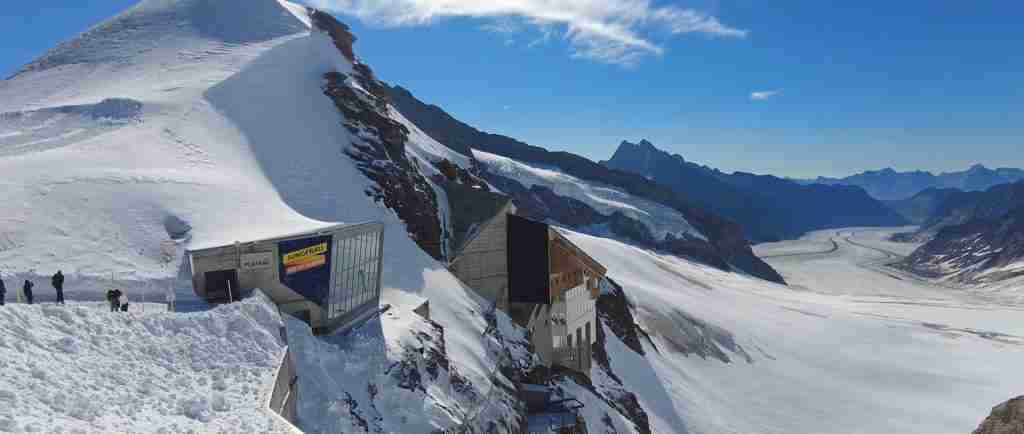
Jungfraujoch “Top of Europe” ranks as Switzerland’s most iconic mountain destination, accessible via 8-10 hour full-day tours from Zurich costing $125-185 per person. Tours depart 7:30-8:30 AM, coach to Interlaken and Grindelwald, then board Eiger Express gondola and cogwheel train ascending to 3,454-meter Jungfraujoch station—Europe’s highest railway point. Summit time allocation runs 3-4 hours for Sphinx Observation Deck panoramas spanning Aletsch Glacier and surrounding 4,000-meter peaks, Ice Palace tunnels carved through glacier ice, Alpine Sensation exhibition, restaurants, and Snow Fun area. Descent via same route or alternative Kleine Scheidegg allows brief village stop before coach return to Zurich by 18:00-19:00. Weather dramatically affects Jungfraujoch experience—clear days provide 360-degree views to Matterhorn and Mont Blanc distances, while fog/clouds reduce visibility to meters and temperature drops to -10°C to -15°C even summer months. Check weather forecasts at jungfrau.ch before departure, as tour operators rarely cancel despite poor conditions.
Mount Titlis day trips combine Lucerne city exploration with rotating cable car ascent to 3,020-meter summit, costing $95-145 for 8-9 hour guided tours. Itineraries typically allow 1-2 hours Lucerne Old Town before proceeding to Engelberg valley base station. The distinctive Rotair rotating cable car completes 360-degree revolution during 5-minute ascent, maximizing photographic perspectives. Summit attractions include Cliff Walk suspension bridge spanning glacier crevasse, Ice Flyer chairlift over glacier surface, glacier cave, multiple restaurants, and observation platforms. Unlike Jungfraujoch’s train-only access, Titlis involves significant cable car time and higher susceptibility to closure during high winds or storms. Tours return to Zurich by 17:00-18:00. Lower altitude and slightly less dramatic scenery than Jungfraujoch come with corresponding lower pricing and fewer crowds.
Grindelwald-Interlaken-Lauterbrunnen valley tours explore Bernese Oberland villages and waterfall landscapes during 8-10 hour excursions costing $75-125. Routes coach from Zurich to Interlaken for orientation stop, continue to Grindelwald mountain resort for 2-3 hours free time with optional First cable car access (additional cost), then conclude at Lauterbrunnen with 72 waterfalls cascading from valley cliffs including 300-meter Staubbach Falls. Some itineraries reverse sequence or substitute different villages. These valley tours suit travelers preferring village atmosphere and moderate altitude over extreme summit experiences, with warmer temperatures and less altitude-sickness risk than 3,000+ meter peaks. Photography enthusiasts particularly appreciate Lauterbrunnen’s waterfall concentration and cliff-face drama impossible to replicate elsewhere in Switzerland.
Rhine Falls day trips visit Europe’s largest waterfall near Schaffhausen, 50 minutes north of Zurich, costing $55-85 for 5-6 hour tours. The falls span 150 meters width dropping 23 meters with 600,000 liters per second summer flow creating dramatic spectacle viewable from Laufen Castle platform, boat approaches to central rock, and multiple shoreline viewpoints. Tours typically combine Rhine Falls with Stein am Rhein, Switzerland’s best-preserved medieval painted-facade town, allowing 1-2 hours wandering car-free lanes and riverside promenade. Lower pricing reflects shorter distance from Zurich and no mountain railway surcharges, making Rhine Falls excellent value for travelers prioritizing waterfall power over Alpine altitude. Best flow occurs May-July following spring snowmelt, while winter months reduce to roughly half summer volume.
Mount Rigi day trips provide “Queen of the Mountains” cogwheel railway access combining Lucerne city time with Alpine summit viewpoint, costing $110-170 for 8-9 hour experiences including boat cruise on Lake Lucerne. Rigi’s 1,798-meter summit offers less extreme altitude than Jungfraujoch/Titlis, accessible to travelers concerned about altitude effects, with year-round cogwheel train operation and winter snow activities. Tours typically boat across Lake Lucerne from Lucerne city to Vitznau, ascend via cogwheel train to Rigi Kulm summit for lunch and viewpoint time, descend to Weggis, then boat return to Lucerne before coach to Zurich. Summer hiking trails traverse Rigi’s multiple peaks for active travelers wanting walking beyond pure sightseeing. Sunset tours time summit arrival for evening light over Alps and Central Switzerland lakes, though require overnight Lucerne accommodation or very late Zurich return.
Mount Pilatus day trips feature the world’s steepest cogwheel railway (48% maximum gradient) ascending from Alpnachstad to 2,132-meter Pilatus Kulm summit, costing $110-170 for full-day experiences combining Lucerne. The circular routing descends via cable car to Kriens opposite the cogwheel ascent, with boat crossing Lake Lucerne and Lucerne city time completing the loop. Pilatus provides more accessible altitude than extreme peaks while maintaining impressive views over Central Switzerland. The cogwheel railway operates May-November only (weather dependent), with winter access via cable car only from Kriens. Dragon legends associated with Pilatus add mythological interest for families with children appreciating storytelling alongside scenery. Tours return to Zurich by 18:00-19:00.
Heidiland and Liechtenstein tours combine literary tourism with micro-nation novelty, visiting Maienfeld (Heidi author Johanna Spyri’s inspiration location) and Vaduz (Liechtenstein capital) during 8-9 hour excursions costing $95-135. Heidi Village tourist attraction recreates Heidi’s grandfather’s Alpine hut with museum exhibits, though note commercialization level may disappoint purists expecting authentic mountain simplicity. Vaduz offers passport stamp opportunities (CHF 5 at tourist office), castle viewpoint (not open to public, princely family residence), and postage stamp museum. These tours suit families with children familiar with Heidi stories and travelers wanting Liechtenstein passport stamp novelty rather than extreme Alpine scenery focus.
Multi-country tours venture into neighboring countries during long 10-14 hour days, typically combining 2-3 countries via efficient routing. Popular combinations include Liechtenstein-Austria-Germany (Lake Constance region), Switzerland-Italy (Lake Como, Milan), or Switzerland-France (Chamonix, Mont Blanc). These ambitious itineraries involve substantial coach time—sometimes 4-6 hours total driving—with abbreviated stops at each destination. They suit travelers wanting passport stamps and multi-country novelty over depth, particularly those on tight Switzerland itineraries using Zurich as base for regional exploration. Pricing runs $145-250 reflecting longer hours, guide service, and complex cross-border logistics.
Booking day trip tours requires balancing advance reservation security against weather flexibility. Alpine destinations like Jungfraujoch and Titlis demand clear weather for worthwhile experiences, creating dilemma: book 2-4 weeks advance to ensure space during summer peak season but risk poor weather, or wait for weather certainty but face sold-out tours? Practical compromise involves booking refundable tours 1-2 weeks advance, monitoring 5-7 day weather forecasts, and canceling/rebooking if extended weather windows predict poor conditions. Most major platforms (GetYourGuide, Viator) offer free cancellation up to 24 hours before departure, protecting against weather disappointments. Shoulder seasons (April, October) provide easier last-minute booking but less reliable Alpine weather than stable June-August summer window.
Practical Tour Planning Strategies Zurich 2026
Zurich tour planning requires strategic coordination balancing weather contingencies, seasonal availability, booking timelines, and budget optimization. The city’s location provides convenient access to dramatic Alpine destinations while maintaining independent appeal through Old Town architecture and lake setting, creating decisions between maximizing Zurich city immersion versus using the location as launchpad for regional touring.
Seasonal timing dramatically affects tour options and pricing in Zurich. Summer peak (June-September 2026) brings maximum tour frequency, longest operational hours for boats and cable cars, optimal Alpine weather clearing above 3,000 meters, and correspondingly highest demand requiring advance booking 1-2 weeks for popular offerings. Shoulder seasons (April-May, September-October) provide moderate weather, reduced crowds compared to July-August, and good last-minute booking availability though increased weather variability threatens mountain excursion quality. Winter months (November-March) contract many tour operations to weekend-only schedules, shift focus to Christmas markets (December) and fondue cruises, and present Alpine weather risks causing frequent day-trip cancellations. Spring timing before May risks snow-closure for high mountain railways, while fall after October sees early season termination for many cable car operations.
Weather contingency planning matters significantly for Alpine day trips where summit conditions determine experience quality. Check mountain webcams at jungfrau.ch, titlis.ch, and rigi.ch showing real-time conditions before committing to bookings or morning departures. Clouds/fog above 2,500 meters reduce visibility to meters, negating panoramic view value despite infrastructure access remaining functional. Temperature drops 0.6°C per 100-meter elevation gain mean -10°C to -20°C summit temperatures even during summer 20°C valley conditions, requiring jacket and layers impossible to predict without checking current mountain reports. Many tour operators proceed despite poor weather conditions since cancellation thresholds require extreme danger rather than mere poor visibility—travelers dissatisfied with cloudy summit experience still paid full price. Book refundable tours when possible, monitor forecasts closely, and accept that Swiss mountain weather changes rapidly with limited advance predictability.
Budget optimization strategies for Zurich touring include Swiss Travel Pass evaluation, Zürich Card cost-benefit analysis, free tour utilization, and strategic booking channel selection. Swiss Travel Pass (CHF 272 for 3 consecutive days, CHF 334 for 4 days, CHF 404 for 8 days) provides unlimited train, bus, tram, and standard boat travel nationwide plus free admission to 500+ museums and 50% discount on most mountain railways. Calculate break-even by adding planned intercity train trips (Zurich-Lucerne CHF 25 one-way, mountain railway surcharges CHF 50-100), daily urban transport (CHF 8-13 daily), and boat cruises (CHF 9-26). Passes make sense for active travelers planning multiple mountain excursions and intercity movement, while city-only visitors spending 3+ days exclusively in Zurich benefit more from multi-day Zürich Card (CHF 53 for 72 hours). Free walking tours provide budget-friendly orientation saving $40-80 versus paid equivalents while delivering comparable information depth, with tip flexibility allowing actual cost adjustment to personal satisfaction and financial situation.
Booking platforms and channels affect pricing, flexibility, and customer service quality. Major aggregators like GetYourGuide, Viator, and Tripadvisor Experiences offer convenient comparison shopping, verified reviews, secure payment processing, and generally good cancellation policies (free cancellation up to 24 hours before departure typical). Direct booking through tour operator websites occasionally provides modest savings 5-10% by avoiding platform commission fees, though losing aggregator consumer protection advantages. Swiss tour operators like Best of Switzerland Tours, Zürich Tourism, and ToursByLocals maintain professional standards with direct booking convenience. Compare pricing across platforms before committing—same tour listed on multiple channels sometimes shows varying prices despite identical content. Read cancellation policies carefully as weather-related cancellations rarely trigger automatic refunds unless operator cancels entirely rather than proceeding in poor conditions.
Time allocation for Zurich tours requires realistic assessment of available hours and personal touring stamina. Full-day Alpine excursions consume 8-12 hours including transit, limiting combination with evening city activities beyond quick dinner before jet-lag-induced early sleep. Half-day city tours (3-4 hours) allow morning sightseeing with afternoon Alpine excursions or vice versa, though marathon days exhausting by third consecutive touring day. Optimal multi-day strategy alternates intensive touring days with lighter recovery days featuring self-paced walking, cafe relaxation, and museum browsing. First-time Switzerland visitors on 3-4 day Zurich itineraries typically choose 1-2 Alpine day trips plus 1-2 city-focused days for balance between mountain majesty and urban culture. Returning visitors or Swiss Alps veterans often skip expensive Alpine repetition, focusing instead on Zurich’s distinctive urban character through specialized culinary tours, art museums, and neighborhood explorations less duplicated elsewhere in Switzerland.
Group dynamics and tour size considerations affect experience quality significantly. Large group tours (20-40 participants) offer lowest per-person pricing and guaranteed departures but involve slower coordination, bathroom break delays, and reduced guide interaction. Small group tours (6-12 participants) cost more but provide better question access, flexible routing when interest consensus emerges, and faster coordination at stops. Private tours maximize flexibility and personalization at premium pricing 2-3x standard group rates, making sense for families with young children needing custom pacing, couples wanting romantic experiences, or groups of friends sharing costs. Solo travelers face surcharges on private tours but benefit from group tour per-person pricing without supplements—free walking tours and standard guided tours provide excellent solo traveler value with built-in social opportunities meeting other travelers.
Physical fitness requirements vary dramatically across tour categories. Walking tours on level Old Town cobblestones suit most mobility levels though involve 2-3 hours continuous standing/slow walking. Alpine day trips to Jungfraujoch and Titlis require no hiking since railways/cable cars provide access, but altitude effects (headache, shortness of breath, mild nausea) impact some visitors above 3,000 meters—ascend slowly, stay hydrated, avoid alcohol night before. Grindelwald valley tours involve optional hiking but provide sedentary alternatives. E-bike tours require basic cycling skills and comfort on two wheels though electric assist reduces cardiovascular demands. Specialized adventure tours including via ferrata, canyoning, or paragliding demand good fitness and absence of fear-of-heights issues. Read tour descriptions carefully for fitness disclaimers and contact operators directly with specific medical concerns (heart conditions, pregnancy, recent surgery) affecting high-altitude travel.
Photography considerations influence tour selection for serious photographers prioritizing image quality. Standard group tours maintain fixed schedules limiting prime golden-hour morning/evening light, though some photography-focused tours specifically time departures for optimal lighting. Tripod use proves challenging on moving group tours with limited pause flexibility. Self-guided routes provide maximum photographic control allowing extended patience for optimal light, pedestrian-free compositions, and technical experimentation. Alpine summits offer extraordinary panoramas but midday harsh light typical of scheduled day trip arrivals, while dawn/dusk magic requires overnight mountain hotel stays impossible on day-trip schedules. Boat cruises provide unique water-level perspectives unavailable from land, particularly during late afternoon cross-lighting on lakefront architecture. Zurich’s compact geography allows dedicated photographers to scout locations independently during morning golden hour (6:00-8:00 AM summer), join midday tours for guide information, then return to photographed locations during evening golden hour (19:00-21:00 summer) for optimal lighting.
Tour Operator Comparison and Booking Recommendations 2026
Zurich’s tour operator landscape includes international aggregator platforms, Swiss tour specialists, independent local guides, and official Zürich Tourism offerings, each providing different value propositions regarding pricing, flexibility, service quality, and specialty focus. Understanding operator categories and booking channel distinctions helps travelers select appropriate providers matching their priorities.
GetYourGuide ranks as the largest international tour booking platform with comprehensive Zurich coverage, 400+ listed experiences including walking tours, Alpine day trips, boat cruises, and specialty activities. The platform aggregates offerings from multiple local operators, allowing price comparison and review verification across 10,000+ customer ratings for popular tours. Free cancellation up to 24 hours before departure applies to most listings, with mobile ticket delivery eliminating paper printing requirements. GetYourGuide’s customer service handles booking issues, refund processing, and dispute resolution, providing consumer protection layer beyond direct operator booking. Commission structure (typically 20-30% platform fee) means some operators offer lower pricing through direct website booking, though convenience and review access justify platform use for many travelers. GetYourGuide’s mobile app provides offline ticket access and GPS-based activity discovery useful for spontaneous tour additions during city exploration.
Viator operates as TripAdvisor’s tour booking division, leveraging TripAdvisor’s massive review database for credibility while maintaining separate booking infrastructure. Zurich coverage includes 250+ experiences with particular strength in day trips to Jungfraujoch, Lucerne, and Rhine Falls. The platform emphasizes verified reviews from actual tour participants, “Reserve Now Pay Later” flexibility on select tours, and “Lowest Price Guarantee” promising refunds if identical tours found cheaper elsewhere. Viator’s package deals sometimes bundle multiple activities at discounted combined pricing—city tour plus boat cruise plus Lindt visit packages save CHF 15-25 versus individual component booking. Customer service quality generally matches GetYourGuide standards with responsive support for booking changes and cancellation processing.
Best of Switzerland Tours operates as Swiss-based tour specialist with 30+ years experience organizing Alpine day trips and city tours from Zurich. The company maintains own coach fleet and full-time guide employees rather than contracting independent operators, ensuring consistent quality control across departures. Tour offerings emphasize value-tier pricing—Jungfraujoch day trips at $125-145 versus $170-200 through premium operators—while maintaining professional standards. Groups typically run 25-35 participants in comfortable coaches with multilingual guide commentary (English, Spanish, Mandarin common). Booking direct through bestswitzerlandtours.ch sometimes provides early-bird discounts or multi-tour packages unavailable through aggregator platforms. The company specializes in Asian market service with Mandarin-speaking guides and Asia-departure logistics, though English-language tours serve general international market well.
Swiss Private Tour focuses on luxury private experiences with Mercedes-Benz vehicle fleet, photographer-guide service including complimentary professional photos, and fully customizable itineraries built around guest preferences rather than fixed routes. Pricing starts around $1,200 per day for 1-6 passengers, making sense for families, honeymoon couples, or travelers wanting maximum flexibility and personal attention. The company’s signature offering combines mountain destinations with hidden gems known to local guides—secluded Alpine meadows, family-run cheese operations, viewpoints missing from standard itineraries. Door-to-door service eliminates public transport navigation, particularly valuable for travelers with mobility limitations or those carrying photography equipment. Weather contingency planning proves more flexible than group tours since private arrangements reschedule more easily than 30-person coach departures with complex logistics.
ToursByLocals connects travelers with independent local guides offering customizable private tours across Zurich and surrounding regions. The platform vets guides through application review and ongoing customer rating monitoring while providing secure payment processing and customer support. Zurich guide roster includes approximately 50+ licensed professionals with specializations ranging from history and architecture to photography, culinary culture, and family-friendly experiences. Pricing runs $150-350 for half-day tours serving 2-6 people, with full-day Alpine excursions reaching $600-800 including guide service though typically excluding attraction admission tickets and meal costs. The customization flexibility allows travelers to request specific interests—Jewish Zurich history, Art Nouveau architecture, Swiss finance sector insights, or sustainable urban development initiatives—impossible to accommodate in fixed group tour formats.
Zürich Tourism operates the city’s official tour offerings through licensed professional guides meeting strict certification requirements. Standard Old Town walking tours depart from Tourist Information at Hauptbahnhof (11:00 and 14:00 high season) costing CHF 34 per adult with 50% Zürich Card discount reducing to CHF 17. Official status ensures quality control and accurate historical information avoiding occasional folklore embellishment found in some free tour contexts. The organization also coordinates private guide bookings for travelers wanting dedicated expertise with official government-affiliated credibility—useful for business groups or educational tours requiring highest professional standards. Booking occurs through zuerich.com website or in-person at Tourist Information offices at Hauptbahnhof and Bürkliplatz.
Free walking tour operators including The Original Zurich Free Tour and independent GuruWalk-listed guides provide tip-based alternatives to paid commercial offerings. Quality depends heavily on individual guide expertise and presentation style, with variation exceeding standardized paid tour consistency. The free model attracts budget travelers, backpackers, and those wanting to evaluate guide quality before committing payment, while tip-based compensation incentivizes excellent service. Guides typically earn $100-300 per tour depending on group size and participant generosity, creating viable income that attracts knowledgeable locals rather than amateur volunteers. Free tours work particularly well for first-day Zurich orientation, providing city layout understanding and practical advice informing subsequent independent exploration decisions.
Booking timeline recommendations vary by season and tour type. Alpine day trips during peak summer (July-August) warrant 2-4 week advance booking to secure preferred dates and avoid sold-out departures, particularly for Jungfraujoch which operates quota systems limiting daily visitors. Shoulder season (April-May, September-October) typically allows 3-7 day advance booking with good availability. City walking tours accommodate shorter notice—often 48-hour or even same-day booking during off-peak periods. Free walking tours require advance reservation despite no payment obligation, with popular time slots (11:00 AM departures) filling 1-2 days ahead during summer. Private tours and specialty experiences (culinary tours, photography workshops) benefit from 1-2 week advance booking allowing operators to arrange components and coordinate guides. Christmas market tours book earliest, often requiring November reservations for December departures due to limited seasonal availability and high demand.
Cancellation and refund policies deserve careful review before booking. Most major platforms (GetYourGuide, Viator, ToursByLocals) offer free cancellation up to 24 hours before departure, protecting travelers against schedule changes or weather concerns. Read fine print distinguishing operator cancellations (full refund automatic) from customer cancellations (free if within policy window, forfeit if beyond deadline). Weather-related cancellations present gray areas—mountain railways rarely close entirely unless extreme danger exists, meaning tours proceed despite fog reducing visibility to meters and destroying view value. Customer dissatisfaction with poor weather experience doesn’t trigger refund unless operator cancels. Swiss Travel Pass partially mitigates this risk since pass holders accessing mountain railways independently forfeit only pass fraction rather than dedicated tour cost, creating flexibility to postpone Alps days if weather proves poor. Travel insurance covering tour cancellations due to illness, injury, or family emergency provides broader protection than standard platform cancellation windows, though policy details vary significantly requiring careful comparison.
Combining Tours and Independent Exploration Zurich 2026
Optimal Zurich visiting strategies combine guided tours for complex logistics and expert context with independent exploration for flexible pacing and personal interest pursuit. This hybrid approach leverages tour guides’ knowledge and efficiency for unfamiliar destinations while maintaining freedom for spontaneous discoveries, extended cafe breaks, and photography patience impossible in group tour formats.
Three-day Zurich itinerary balancing tours and independence: Day 1 begins with free walking tour (11:00 AM departure, approximately 2 hours) providing city orientation and Swiss cultural context. Post-tour lunch in Old Town allows independent restaurant selection based on guide recommendations. Afternoon features self-paced museum visit to Kunsthaus Zurich or Swiss National Museum (2-3 hours) without tour group time constraints. Evening includes independent dinner reservation at traditional Swiss restaurant experiencing local cuisine. Day 2 dedicates full day to Alpine excursion—Jungfraujoch, Mount Titlis, or Grindelwald valley tour departing 8:00 AM and returning 18:00-19:00. This professional guided experience handles complex mountain railway logistics impractical for independent navigation. Day 3 focuses on independent exploration: morning Limmat boat cruise to Zürichhorn (55 minutes) followed by lakeside promenade walk and swimming at public beach if summer (2-3 hours). Afternoon visits Lindt Home of Chocolate via boat to Kilchberg (1.5 hours transit plus 1.5 hours museum), returning via boat for water-transport integration. Evening explores Niederdorf nightlife district independently based on free tour guide’s initial recommendations.
Five-day Zurich itinerary with deeper regional exploration: Day 1 begins with paid specialized walking tour—food tour, chocolate tour, or architecture focus providing expert depth on specific interest (2.5-3 hours). Afternoon independent Old Town wandering allows revisiting locations introduced during tour for photography without group schedule pressure. Day 2 dedicates full day to Jungfraujoch or Mount Titlis Alpine excursion with professional guided tour. Day 3 combines morning self-guided Zurich West exploration via public transport to Hardbrücke, industrial district architecture, and Im Viadukt shopping (3 hours), followed by afternoon boat cruise to Rapperswil (2+ hours each direction) for independent medieval town exploration. Day 4 features Rhine Falls plus Stein am Rhein day trip via guided tour handling logistics, returning with time for evening independent dinner in Niederdorf. Day 5 pursues personal interest focus—art enthusiasts spend extended time at Kunsthaus Zurich and Rietberg Museum, shopping enthusiasts explore Bahnhofstrasse luxury boutiques and Niederdorf vintage shops, or hiking enthusiasts take Uetliberg mountain trail above city (accessible via S10 train, independent self-guided route).
Weekend (48-hour) Zurich intensive itinerary: Saturday morning begins with free walking tour (11:00 departure) providing essential Old Town coverage. Post-tour lunch transitions to afternoon boat cruise (Limmat River or mini lake route, 1-1.5 hours) plus brief Lindt Home of Chocolate visit if time permits. Evening features independent dinner and Niederdorf exploration. Sunday dedicates full day to single Alpine destination—realistic options include Mount Rigi day trip (8 hours), Rhine Falls plus Stein am Rhein (6 hours), or Heidiland-Liechtenstein (8 hours). This compressed schedule prioritizes efficiency over depth, accepting trade-offs necessary when time severely limited.
Tour photography integration strategies for serious photographers: Join walking tour for guide’s historical context and location identification, noting sites meriting photographic return during optimal lighting. Complete tour to benefit from full narrative while resisting temptation to extensively photograph during midday harsh light when groups typically operate. Return independently during morning golden hour (6:00-8:00 AM summer) or evening golden hour (19:00-21:00 summer) when pedestrian traffic diminishes and directional lighting enhances architecture. This two-pass approach maximizes both educational value and photographic quality impossible to achieve simultaneously. For Alpine destinations, accept that scheduled day trip lighting will be suboptimal (midday arrival typical) but tour logistics justify compromise—dedicated photographers pursuing optimal mountain light require overnight mountain hotel stays with dawn/dusk shooting impossible on day-trip schedules.
Public transport mastery enables independent exploration beyond tour group reach. Zurich’s tram, bus, and train integration provides comprehensive coverage on unified ZVV ticket system. Day passes (CHF 8.80 for all-zone unlimited travel) make sense for 3+ rides daily, while Swiss Travel Pass holders access all urban transport automatically. Download ZVV app for route planning and real-time departures. Boats integrate as public transport on standard tickets, creating unique water-based alternatives to tram routes. Key independent access points include: Uetliberg mountain (S10 train to Uetliberg station, 25 minutes from Hauptbahnhof, then 10-minute walk to summit viewpoint), Felsenegg cable car (S4 train to Adliswil, then cable car to hilltop, panoramic views back toward Zurich), Zürichhorn lakeside park (Tram 4 to Fröhlichstrasse or boat from Bürkliplatz), and Zurich West creative district (Tram 4 or S-Bahn to Hardbrücke). These destinations receive minimal tour group coverage despite excellent independent accessibility.
Museum self-guided strategies versus audio tour inclusion: Zurich’s major museums—Kunsthaus, Swiss National Museum, Rietberg, Landesmuseum—offer self-guided audio tours included with admission or available as smartphone apps. These museum-specific audio guides typically exceed general city walking tour audio apps in exhibition depth and curator insight. Allow 2-3 hours minimum for major museums, longer for art enthusiasts or those reading every placard. Museums provide natural rainy-day contingencies since operations continue regardless of weather unlike boat cruises or mountain excursions. Combine morning museum visits with afternoon weather-dependent activities, reserving poor-weather days for extended museum time. Swiss Travel Pass provides free admission to 500+ museums nationwide including Zurich’s major institutions, while Zürich Card covers most local museums with rare exceptions.
Dining decisions around tour schedules require strategic planning since European meal timing differs from North American norms and Swiss restaurants maintain strict schedule adherence. Breakfast typically runs 7:00-10:00 at hotels, lunch service 12:00-14:00, dinner 18:30-22:00 with kitchens closing precisely at stated times—arrive 19:30 or later risks limited seating as restaurants fill. Full-day Alpine tours departing 8:00 AM necessitate early breakfast or packed hotel breakfast. Tours typically provide lunch breaks at mountain summit restaurants (expensive but convenient) or brief valley stops with limited dining time—pack supplemental snacks. Evening return around 18:00-19:00 allows immediate dinner without extended wait, though reservations help especially at popular traditional Swiss restaurants. Independent exploration days permit flexible meal timing around personal preference and appetite rather than group schedule constraints.
Money-Saving Strategies for Zurich Tours 2026
Zurich’s reputation as one of Europe’s most expensive cities extends to tourism pricing, but strategic planning reduces costs significantly without sacrificing experience quality. Free and low-cost alternatives exist alongside premium offerings, while transport passes and timing strategies optimize budget allocation.
Swiss Travel Pass evaluation represents the single most important budget decision for multi-day Switzerland visitors planning extensive touring. The pass costs CHF 272 for 3 consecutive days (approximately $300), CHF 334 for 4 days, CHF 404 for 8 days, and CHF 497 for 15 days in 2026. Benefits include unlimited train, bus, tram, and boat travel nationwide, free admission to 500+ museums, 50% discount on most mountain railways including Jungfraujoch and Titlis, and free urban transport in all Swiss cities. Calculate break-even by adding planned costs: Zurich daily transport CHF 8.80, Limmat River cruise CHF 4.40, one-way train Zurich-Lucerne CHF 25, Jungfraujoch railway CHF 120 round-trip (50% pass discount saves CHF 60), Mount Titlis CHF 95 (pass saves CHF 48), museum admissions CHF 10-15 each. Active travelers visiting 2+ Alpine destinations plus utilizing urban transport daily reach break-even around day 3-4, making 4-day or 8-day passes excellent value for comprehensive Switzerland touring. City-only visitors spending entire time in Zurich benefit more from Zürich Card (CHF 27 for 24 hours, CHF 53 for 72 hours) covering local transport, boats, and museum admission without paying for nationwide coverage unused.
Free walking tours eliminate $40-80 guided tour costs while delivering comparable information quality through tip-based voluntary payment model. Budget travelers can tip $5-10 per person and still receive full tour access, compared to minimum $40-60 for equivalent paid walking tours. The Original Zurich Free Tour operates daily at 11:00 from Paradeplatz, providing comprehensive Old Town coverage sufficient for first-time visitors’ orientation needs. Combining free walking tour for historical context with self-guided exploration for personal interest pursuit creates effective zero-to-minimal-cost touring approach.
Self-guided audio tour apps cost approximately $10 for unlimited usage versus $40-80 for equivalent guided walking tours, saving $30-70 per person while maintaining narrative quality and information depth. GPSmyCity and VoiceMap provide professional productions with local historian narration, GPS-triggered audio at landmark locations, and offline functionality after download. These apps particularly benefit couples or families where cost multiplies—2 people save $60-140, 4-person family saves $120-280 compared to paid guided tours charging per-person pricing.
Public transport integration with ZVV zone system allows boat cruises, funicular rides, and city exploration on unified tickets eliminating separate tour booking costs. Standard boats operate as public transport with CHF 4.40 Limmat River cruise and CHF 8.80 mini lake cruise included in day passes or Zürich Card. Polybahn funicular, Rigiblick cable car, and Dolderbahn rack railway all accept standard public transport tickets. This integration saves CHF 15-30 daily compared to booking each component as separate tourist activity. Uetliberg mountain summit reaches via S10 train (included in standard tickets) provides panoramic views rivaling expensive cable car attractions elsewhere.
Off-season tour pricing drops significantly November-March with shoulder season (April, October) intermediate savings. Alpine day trips to Jungfraujoch fall from $170-200 summer peak to $125-150 shoulder season and $95-125 winter when operated. City walking tour frequency reduces but per-tour pricing often discounts 10-20% during low-demand periods. Hotel savings (30-50% winter versus summer) combined with tour discounts make November-March visits remarkably affordable despite weather compromises and contracted activity schedules. Christmas market specialty (December) represents exception to low-season pattern with premium pricing reflecting holiday demand.
Group booking discounts apply when traveling with 6+ people, with private tour economics shifting favorably. Private tours costing $1,200 for 1-6 passengers average $200 per person when full group splits cost, versus $125-185 per person for standard group tours—modest premium buys exclusive guide attention and flexible itinerary control. Family groups particularly benefit from private tour economics when children under 12 receive limited or no discounts on standard tours but share fixed private tour cost across all ages. Contact tour operators directly requesting group quotes rather than booking through platforms to access best group pricing unavailable through automated online systems.
Early booking discounts reward advance planning with 5-15% savings on select tours, particularly multi-day packages and private experiences. Best of Switzerland Tours and similar operators offer early-bird pricing for bookings made 30+ days advance. Conversely, last-minute deals occasionally appear for undersold departures 24-48 hours before scheduled operation, though these opportunistic savings require flexible schedules and acceptance of limited tour selection. Monitor GetYourGuide and Viator “deals” sections for promotional pricing, typically appearing during shoulder seasons or for newly-launched tours seeking initial customer reviews.
DIY day trip alternatives using public transport save 40-60% versus guided tours while requiring significantly more research and coordination complexity. Example: Independent Jungfraujoch visit costs approximately CHF 120 round-trip railway plus CHF 50 Zurich-Interlaken train (total CHF 170 / $185) versus $125-185 guided tour including coach transport and guide service—minimal savings trade guide expertise and logistics convenience. Swiss Travel Pass holders access mountain railways at 50% discount (CHF 60 Jungfraujoch), substantially improving independent economics. Independent travel makes most sense for confident navigators comfortable with Swiss public transport, German/French language basics, and self-directed exploration without historical commentary.
Combination ticket and package deal evaluation requires careful component pricing comparison. Packaged “City Tour + Boat Cruise + Lindt Visit” at $95 appears compelling until comparison reveals city tour $45, boat cruise CHF 9 (included with Zürich Card anyway), and Lindt admission CHF 15—total value $65-70 maximum, suggesting $20-25 markup for convenience. Some packages genuinely save money through operator volume discounts, while others simply bundle activities at full retail presenting as deal through psychological framing. Calculate component values independently before accepting package pricing claims.
Museum optimization with free admission days and multi-museum passes reduces cultural tourism costs. Some Zurich museums offer free entry first Sunday monthly or specific promotional dates. Zürich Card includes free admission to 40+ museums across 24-72 hour validity periods, making sense when visiting 2+ museums. Art enthusiasts planning extensive museum time should purchase Zürich Card specifically for museum access even if public transport benefits provide secondary value. Swiss Travel Pass covers 500+ museums nationwide but excludes some Zurich institutions like Kunsthaus requiring separate tickets—verify specific museum coverage before assuming pass inclusion.
Frequently Asked Questions: Zurich Tours 2026
Do I need to book Zurich tours in advance or can I arrange them on arrival?
Alpine day trips to Jungfraujoch, Mount Titlis, and similar mountain destinations during summer peak (June-August) require advance booking 1-2 weeks to secure preferred dates and avoid sold-out departures, as quota systems limit daily visitors and popular tours regularly reach capacity. City walking tours offer more flexibility with 2-3 day advance booking typically sufficient, while off-peak periods (November-March) often accommodate same-day or next-day booking. Free walking tours technically accept walk-ups if space permits, but advance online reservation ensures guaranteed spot especially during busy summer months when groups reach 20-25 participants. Private tours benefit from 1-2 week advance booking allowing operators to coordinate guides and customize itineraries. Practical recommendation: book signature Alpine excursion immediately after confirming Zurich dates, then arrange city tours and specialty experiences 3-7 days advance during trip planning phase.
Are Zurich tours suitable for families with young children?
Family suitability varies dramatically across tour categories. Walking tours prove challenging for children under 8 who tire during 2-hour standing/slow-walking Old Town explorations with minimal interactive elements, though some operators offer family-focused versions with treasure hunt activities and reduced duration. Alpine day trips to Jungfraujoch and Mount Titlis fascinate children 6+ with train/cable car excitement, snow activities, and glacier exploration, though 10-12 hour durations test attention spans and altitude above 3,000 meters occasionally causes mild headaches or nausea in sensitive children. Boat cruises provide excellent family activities since kids move freely, bathroom access exists onboard, and 55-90 minute durations match typical attention spans. Specialized family tours explicitly designed for children 4-12 incorporate interactive elements, shorter durations, and age-appropriate pacing unavailable in standard adult-focused offerings. Private tours allow family-specific customization with flexible pacing, frequent breaks, and route adjustments accommodating children’s needs impossible in fixed-schedule group tours. Stroller accessibility varies—Old Town cobblestones challenge traditional strollers though lightweight folding models manage, while boats, trains, and cable cars all accommodate strollers with varying ease.
What should I wear and bring on Zurich tours in 2026?
City walking tours require comfortable closed-toe walking shoes managing cobblestone Old Town streets and occasional stairs, with weather-appropriate layers since May-October temperatures range 15°C-25°C with frequent light rain possibility requiring packable rain jacket. Summer sun protection (hat, sunglasses, sunscreen) matters during exposed lakefront and Lindenhof hilltop portions. Alpine day trips demand significantly more preparation: warm jacket essential as 3,000+ meter summit temperatures reach 0°C to -15°C even during 25°C valley days, with temperature dropping 0.6°C per 100-meter elevation gain. Layering system works best—base layer, fleece mid-layer, windproof outer shell. Sunglasses rated for high-altitude UV protection and sunscreen SPF 30+ prevent painful glacier sunburn from intense reflection at altitude. Closed-toe shoes with traction handle metal walkways and ice surfaces better than sandals or smooth-sole fashion shoes. Water bottle (1 liter minimum) essential for altitude hydration though refill stations exist at summit facilities. Snacks supplement expensive mountain restaurant options. Small backpack carries layers as you strip down during warm coach segments then bundle up for summit cold. Camera equipment considerations include cold weather battery performance degradation (carry spare batteries in warm pocket) and lens condensation when transitioning warm-to-cold environments.
Can I visit Jungfraujoch or Mount Titlis independently without a guided tour from Zurich?
Independent Jungfraujoch and Mount Titlis visits are entirely feasible using Swiss public transport, though require more planning and coordination than guided tour convenience. Jungfraujoch independent route: Take train from Zurich Hauptbahnhof to Interlaken Ost (approximately 2 hours, CHF 25 one-way without pass), transfer to Interlaken-Grindelwald train, then Eiger Express gondola and Jungfrau Railway cogwheel train to summit (total additional CHF 120 round-trip). Allow 3-4 hours minimum at summit, totaling 10-12 hour full day. Mount Titlis independent route: Train Zurich to Lucerne (50 minutes, CHF 25), train Lucerne to Engelberg (45 minutes), then Titlis cable car to summit (CHF 95 round-trip). Swiss Travel Pass provides all train travel free plus 50% mountain railway discount (Jungfraujoch CHF 60 instead of CHF 120, Titlis approximately CHF 48 instead of CHF 95), dramatically improving independent economics. Guided tours ($125-185) include coach transport and guide service, saving minimal money over independent public transport but providing historical commentary and logistics simplification. Independent travel makes most sense for travelers with Swiss Travel Passes enjoying effectively-free train access, German/French language comfort for connection navigation, and preference for self-directed exploration over group tour structure.
Are Zurich boat cruises included with the Swiss Travel Pass?
Standard scheduled boat routes on Lake Zurich and Limmat River integrate fully into public transport and are completely free with Swiss Travel Pass, including 55-minute Limmat River loop (normally CHF 4.40), 90-minute mini lake cruise to Erlenbach (CHF 8.80), and even the 4+ hour long lake cruise to Rapperswil (CHF 26 round-trip). This represents excellent value as boats operate as public transport vessels accepting standard ZVV zone tickets and Swiss Travel Passes without surcharge. However, specialty culinary cruises—Sunday brunch boats, fondue cruises, dinner cruises—operate separately from public transport integration and require separate payment (CHF 69-135) plus advance reservations regardless of pass ownership. The distinction: if it’s a scheduled public boat with regular departure times and normal seating, your Swiss Travel Pass covers it. If it’s a specialty themed cruise with reserved tables and included meals, you pay separately. Private speedboat charters naturally fall outside public transport integration. Swiss Travel Pass boat access extends beyond Zurich to cover lake boats nationwide including Lake Lucerne, Lake Geneva, Lake Thun, and Lake Brienz—exceptional value for multi-destination Switzerland itineraries incorporating lake travel.
What’s the best time of year to take tours in Zurich?
Summer months (June-September 2026) offer optimal conditions for Zurich touring with maximum tour frequency, longest boat schedules operating until 19:50 evenings, reliable Alpine weather for mountain excursions, and warm temperatures 18°C-26°C requiring only light layers. July-August represent absolute peak with highest tourist volumes requiring advance booking 2-4 weeks for popular Alpine day trips but providing guaranteed tour departures and extended operational hours. Shoulder seasons (April-May, September-October) provide excellent compromise balancing good weather probability, moderate tourist crowds, easier last-minute booking, and slightly reduced pricing while accepting increased weather variability and occasional Alpine tour cancellations due to conditions. Spring (April-May) features blooming gardens and awakening outdoor cafe culture though early season mountain closures occur before mid-May when high routes reopen. Fall (September-October) brings beautiful foliage especially on lakeside promenades and Uetliberg forest trails, though October weather turns increasingly gray and rainy. Winter (November-March) contracts tour operations dramatically with weekend-only schedules for many offerings, frequent Alpine tour cancellations due to weather, cold temperatures 0°C-5°C requiring heavy layers, but compensating advantages of Christmas markets (December), lower pricing, and virtually no tourist crowds at major attractions. December specifically offers unique seasonal magic despite cold and short daylight hours.
How much should I budget per day for tours and activities in Zurich?
Daily tour budgets in Zurich 2026 vary enormously based on activity choices and travel style. Budget-conscious travelers utilizing free walking tours (tip $10-15), self-guided exploration with public transport day passes (CHF 8.80), and free/low-cost attractions spend $20-40 daily on organized activities. Mid-range travelers mixing one paid specialized tour ($50-85 for food/chocolate tours), boat cruises included with transport passes, and one museum admission ($10-15) allocate $60-100 daily. Intensive touring days with full Alpine excursion ($125-185) plus city tour ($40-60) reach $165-245, though these ambitious days would not occur daily across multi-day visits. Realistic 5-day Zurich itinerary average: One Alpine day trip $150, one paid city tour day $70, one boat cruise and museum day $30, two independent exploration days $25 each, totaling approximately $300 over five days or $60 daily average. Swiss Travel Pass significantly alters economics—3-day pass (CHF 272 / $300) includes unlimited transport and museums plus 50% mountain railway discounts, essentially prepaying touring costs while adding convenience. Budget travelers without passes spend approximately $40-70 daily, mid-range with selective tours $80-130 daily, while intensive every-day touring reaches $140-200 daily. These activity budgets exclude accommodation, meals, and shopping costs.
Do Zurich tour guides speak English?
English dominates Zurich tourism industry with virtually all major tour operators offering English-language departures as default option, reflecting international tourism predominance in Switzerland’s most globally-connected city. Licensed professional guides working for established operators (Best of Switzerland Tours, Zürich Tourism, GetYourGuide-listed companies) maintain fluent English as certification requirement, often with additional language capabilities in German, French, Spanish, or Mandarin. Free walking tour guides likewise operate primarily in English, with dedicated German and Spanish departure times scheduled weekly to serve those language communities. Specialized tours emphasizing Asian markets (particularly Chinese tourism) provide Mandarin-speaking guides as standard offering. Quality of English varies from native-level fluency to accented but perfectly comprehensible communication—Swiss guides often speak English as second or third language after German/Swiss German and French, but professional standards ensure clear communication. Private tour bookings allow explicit language preference specification, with operators matching appropriate bilingual or multilingual guides. German-language tours exist but typically require specific booking as alternative to English default. French, Italian, Spanish, and Mandarin tours operate with reduced frequency, usually requiring advance arrangement or minimum participant thresholds. Audio tour apps offer language flexibility with downloads available in 10+ languages depending on app and route.
Can I do a tour from Zurich if I only have a few hours between flights or trains?
Zurich’s proximity to airport (12 minutes via direct train from Hauptbahnhof) and compact city layout enable abbreviated touring during multi-hour layovers, though realistic time assessment proves crucial. Four-hour layover allows approximately 2 hours effective touring time after accounting for airport exit (30 minutes), train to city (15 minutes), train return (15 minutes), and airport re-entry security (45-60 minutes minimum buffer). This 2-hour window accommodates Limmat River boat cruise (55 minutes) plus brief Old Town walk, or condensed self-guided route hitting Grossmünster, Fraumünster, Lindenhof, and Bahnhofstrasse highlights (90 minutes rapid walking with minimal stops). Six-hour layover provides 3.5 hours effective city time, suitable for 2-hour free walking tour or paid Old Town tour with lunch afterwards. Eight-hour layover allows comfortable half-day experience with morning walking tour plus afternoon boat cruise and Lindt Chocolate visit. Avoid ambitious Alpine day trips during layovers—even shortest Rhine Falls excursion consumes 6 hours minimum, creating tight margins for flight delays or unexpected schedule changes. Store luggage at Hauptbahnhof baggage lockers (CHF 9-12 depending on locker size) rather than hauling bags through city. Conservative layover touring means calculating from scheduled train/flight times minus recommended buffers, not actual clock hours between arrivals and departures—Swiss trains maintain legendary punctuality but international flights commonly delay, creating cascading impacts on touring windows.
What’s the difference between a guided tour and using the Zurich tourism website’s self-guided routes?
Guided tours provide live expert narration explaining historical context, architectural significance, cultural customs, and local insider knowledge impossible to fully capture in written materials, plus real-time question-answer capability addressing specific traveler interests emerging during walks. Tour guides recommend current restaurants surviving closure risks endemic to guidebook publishing lag, warn about construction detours or temporary attraction closures, and adapt routes around weather or crowd conditions. Group dynamics create social experience for solo travelers and accountability ensuring completion rather than abandoning mid-route when fatigue sets in during independent exploration. Disadvantages include fixed schedules requiring 11:00 AM departure regardless of personal morning preferences, group pacing preventing extended photography or cafe breaks, and cost ($40-95) versus free self-guided options. Self-guided routes from zuerich.com or downloaded apps provide narrative flexibility allowing all-day extended exploration with unlimited pauses, suit travelers preferring solitude over group dynamics, cost nothing or minimal ($10 for premium app versions), and work any departure time matching personal schedule. Disadvantages include missing spontaneous insights and local knowledge guides provide, no weather contingency advice or real-time recommendations, written format sometimes less engaging than charismatic live guides, and greater risk of route abandonment without group commitment mechanism. Hybrid approach—guided tour for initial orientation and context, then self-guided return to favorite locations for extended time—combines both advantages.