
Free Things to Do in Zurich 2026: Complete Free Activities Guide
Zurich rewards budget-conscious travelers with an impressive array of genuinely free experiences, from medieval churches and botanical gardens to lakeside promenades and mountain hiking trails. This guide reveals the Swiss city’s most compelling no-cost activities, proving Switzerland’s most expensive city delivers extraordinary value when you know where to look.
Key Takeaways: Free Zurich Activities 2026
- Historic Churches Accessible 2026: Grossmünster church nave, St. Peter Church, and Wasserkirche offer free entry daily, with Grossmünster’s tower climb available for CHF 5 ($5) for those seeking panoramic Old Town views
- Two Botanical Gardens Completely Free: University of Zurich Botanical Garden features three climate-controlled domes (tropical, subtropical, savanna) plus 53,000 square meters of outdoor displays, while the historic Old Botanical Garden in the financial district provides peaceful medieval herb gardens and a 19th-century palm house
- Lakeside and Mountain Recreation 2026: Lake Zurich’s promenade offers unlimited free access for walking, picnicking, and pedalo boat watching, while Uetliberg Mountain provides free hiking trails with city and Alpine views (train access CHF 9 round-trip/$10, or hike from city center)
- Twenty-One Free Museums Available: Zurich hosts 21 permanently free museums including the Archaeological Collection, Civil Defense Museum, Moulagenmuseum, Paleontological Museum, and Sukkulenten-Sammlung, plus major museums free with Zurich Card or Swiss Travel Pass
- Car-Free Old Town Exploration: The entire Altstadt (Old Town) and Niederdorf district remain pedestrian-friendly with free access to cobblestone streets, medieval architecture, Lindenhof Hill’s Roman ruins and panoramic viewpoints, and Rathausbrücke bridge photo opportunities
- Seasonal Free Events 2026: Free ice skating days in January, Open Space Tanz contemporary dance workshops at the Opera House every Wednesday, cherry blossom viewing in Rieterpark and Belvoir Park during spring, and year-round sunset viewing from Sonnenberg Park
People Also Ask About Free Things in Zurich 2026
What are the best completely free attractions in Zurich in 2026?
The University of Zurich Botanical Garden ranks as Zurich’s premier free attraction, featuring three spectacular climate-controlled domes housing tropical rainforest, subtropical, and savanna ecosystems alongside 7,000 plant species across outdoor displays. The Grossmünster church nave offers free daily entry to Zurich’s most iconic religious landmark with Augusto Giacometti stained glass windows and Romanesque crypt access. Lindenhof Hill provides panoramic views across the Limmat River, Grossmünster towers, Old Town rooftops, and distant Alps from a historic Roman settlement site that remains open 24 hours. Lake Zurich’s promenade stretches for kilometers along both shores with free access to lakeside parks, swimming areas at Arboretum Park, picnic spots, and continuous mountain views. The entire Old Town (Altstadt) and car-free Niederdorf district welcome unlimited exploration of medieval cobblestone streets, guild houses, fountains, and hidden courtyards without entry fees.
Can you visit Zurich’s churches for free in 2026?
Grossmünster’s church nave welcomes visitors free of charge daily, providing access to the main sanctuary, Giacometti choir windows, bronze doors by Otto Münch, Romanesque crypt with Charlemagne statue, and Reformation history exhibits without admission fees—only the Karlsturm tower climb costs CHF 5 ($5). St. Peter Church, featuring Europe’s largest church clock face, offers completely free entry to its baroque interior, daily services, and peaceful contemplation space in the heart of the Old Town. Wasserkirche provides free access to its historic sanctuary and underground archaeological displays showing Felix and Regula execution site ruins. Fraumünster charges CHF 5 ($5) for non-worshippers to view Marc Chagall’s famous stained glass windows and crypt museum, though attending religious services remains free. The combined ticket for Fraumünster entry plus Grossmünster tower costs CHF 8 ($9), saving CHF 2 versus individual purchases.
How can I hike Uetliberg Mountain for free in 2026?
Hiking Uetliberg from Zurich city center to the 871-meter summit requires no fees beyond optional public transport—multiple marked trails ascend from tram stops including Albisgüetli (Tram 13 terminus), with the steepest Fohreneggweg route climbing through forest in approximately 60 minutes. The S10 train from Zurich Hauptbahnhof reaches Uetliberg station for CHF 9 round-trip ($10), placing hikers 10 minutes walk from the Uto Kulm viewpoint, though walking the entire route eliminates this expense. The panoramic Planet Trail along the Albis ridge from Uetliberg to Felsenegg cable car station follows a scale model solar system (one meter equals one million kilometers) entirely free, taking two hours through forest paths with continuous lake and mountain views. Multiple alternative routes connect from Triemli, Leimbach, Binz, and Adliswil, all using well-maintained public hiking trails marked with yellow signs and requiring no permits or fees. The observation tower at Uto Kulm charges CHF 5 ($5) for 360-degree elevated views, but the free ground-level viewpoint provides spectacular panoramas across Zurich, the lake, and Swiss Alps without payment.
Are there free museums in Zurich in 2026?
Twenty-one museums in Zurich offer permanently free admission without passes or special conditions, including the Archaeological Collection showcasing artifacts from Egypt, Mesopotamia, Greece, and Rome; the unique Civil Defense Museum in an underground three-story bunker; the Moulagenmuseum displaying 3D medical disease representations; and the Paleontological Museum with dinosaur fossils and ancient specimens. The Sukkulenten-Sammlung (Succulent Collection) provides free access to botanical gardens, herbarium, and International Organization for Succulent Plant Research facilities. The Old Botanical Garden hosts the Ethnographic Museum of the University of Zurich with free entry showcasing global cultural anthropology collections, though both close Mondays. Major museums like the Swiss National Museum (CHF 10/$10 regular admission) and Kunsthaus Zurich become free with the Zurich Card or Swiss Travel Pass, which also includes unlimited public transport throughout the city. The Migros Museum of Contemporary Art occasionally offers free admission days announced on their website, while many galleries in Zurich West district including Hauser & Wirth maintain year-round free entry to rotating contemporary art exhibitions.
Extended multi-day tours – 5+ days
Featured Zurich Multi-Day Tour Packages
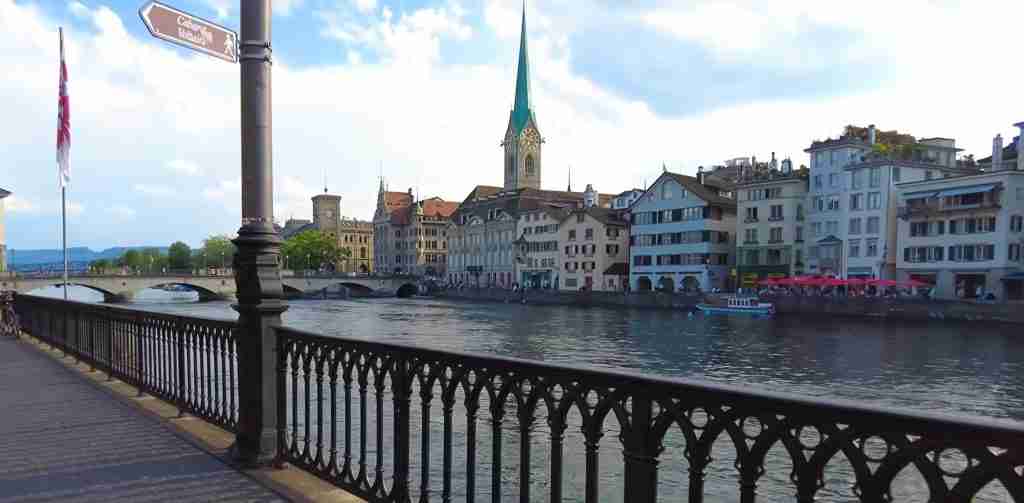
3 days
Zurich 3-Day Discovery Tour
- ✓ Comprehensive Zurich experience
- ✓ Expert local guides included
- ✓ All accommodation included
- ✓ Transportation provided
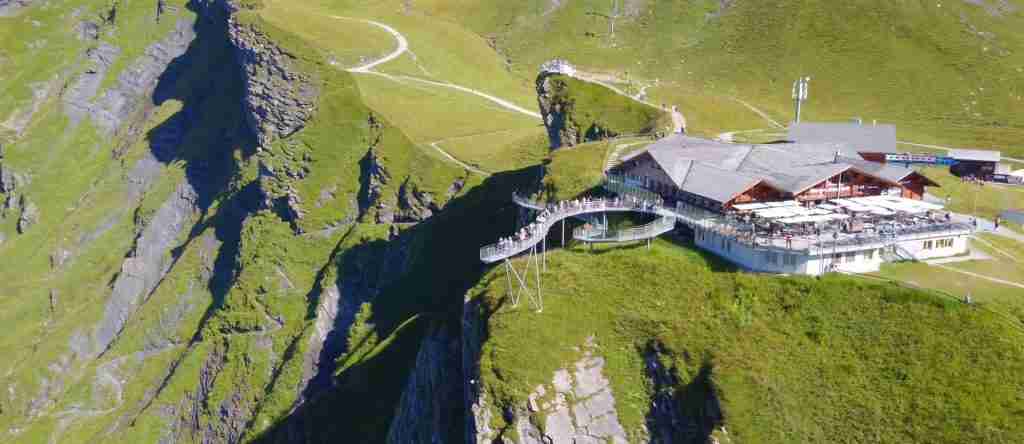
5 days
Zurich 5-Day Highlights Experience
- ✓ Comprehensive Zurich experience
- ✓ Expert local guides included
- ✓ All accommodation included
- ✓ Transportation provided
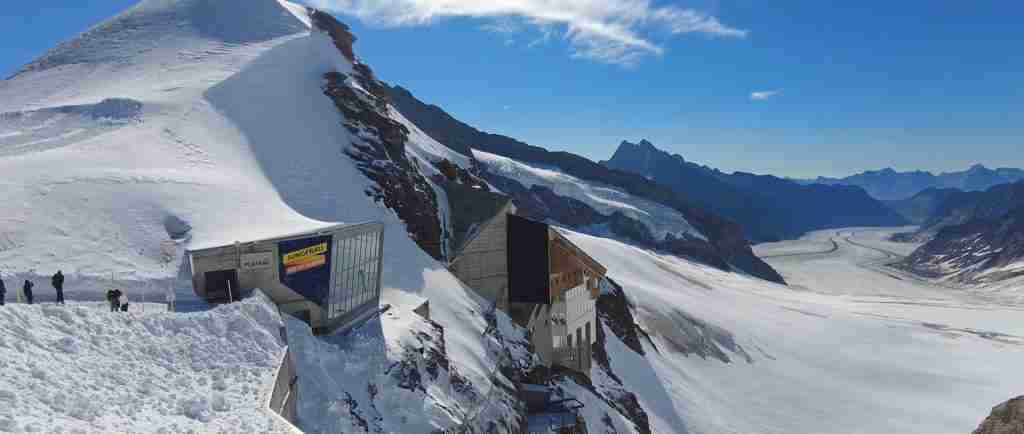
7 days
Zurich 7-Day Cultural Journey
- ✓ Comprehensive Zurich experience
- ✓ Expert local guides included
- ✓ All accommodation included
- ✓ Transportation provided
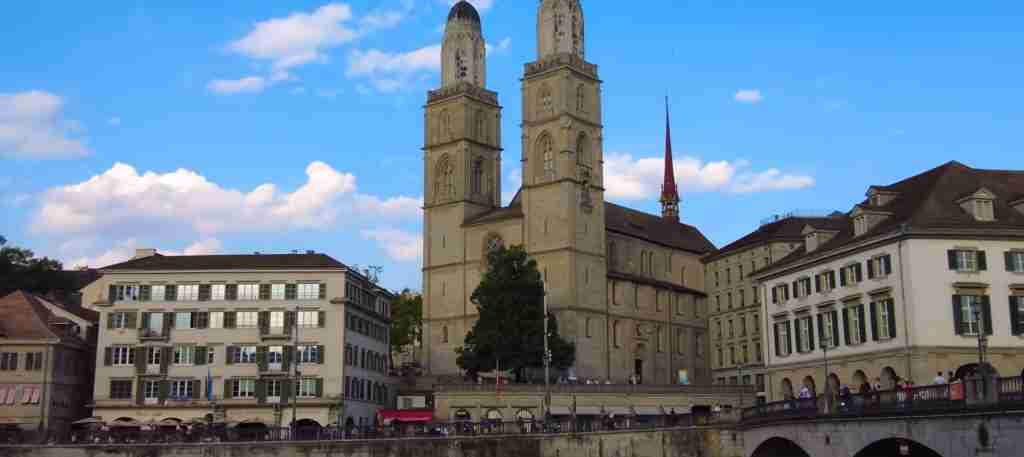
10 days
Zurich 10-Day Complete Adventure
- ✓ Comprehensive Zurich experience
- ✓ Expert local guides included
- ✓ All accommodation included
- ✓ Transportation provided
Multi-day tour packages powered by TourRadar. Prices and availability subject to change.
Introduction: Discovering Free Zurich Experiences in 2026
Zurich’s reputation as Switzerland’s most expensive city obscures a remarkable reality: the metropolis delivers some of Europe’s finest free cultural, natural, and architectural experiences without admission charges, passes, or hidden fees. The 2026 travel year brings continued free access to Zurich’s defining landmarks—the twin towers of Grossmünster rising above medieval rooflines, Lake Zurich’s 40-kilometer shoreline open for unlimited exploration, botanical gardens housing tropical ecosystems under glass domes, and mountain trails ascending to Alpine panoramas from Switzerland’s largest city.
The secret to experiencing Zurich without emptying your wallet lies in distinguishing between the city’s tourist-marketed attractions and its genuinely accessible public spaces. While the Lindt Home of Chocolate charges CHF 15 ($16) and Rhine Falls tours command premium prices, the University of Zurich Botanical Garden opens its three climate zones daily at no cost. The Swiss National Museum costs CHF 10 ($10) for standard entry, yet 21 specialized museums scattered across the canton maintain permanent free admission policies unknown to most visitors who never venture beyond Bahnhofstrasse’s luxury shops.
Zurich’s free-access philosophy extends to its most photogenic locations. Lindenhof Hill, where Roman Turicum once stood, provides the city’s premier panoramic viewpoint at any hour without fees or restrictions. The entire Altstadt and Niederdorf remain pedestrian zones where cobblestone lanes, medieval fountains, guild houses, and hidden courtyards invite exploration limited only by your own walking endurance. Lake Zurich’s promenade never closes and never charges, whether you’re watching sunrise over the Glarus Alps or joining locals for evening lakeside walks that define Zurich summer culture.
Understanding seasonal patterns maximizes free experiences in 2026. Spring brings cherry blossoms to Rieterpark and Belvoir Park, creating Instagram-worthy flower tunnels at no cost beyond tram fare. Summer opens Arboretum Park for free lake swimming and countless festivals in public squares from Sechseläutenplatz to Bürkliplatz. Autumn transforms Uetliberg’s hiking trails into forest color displays best viewed from the free Planet Trail ridge walk. Winter delivers free ice skating days in January at select outdoor rinks, Christmas market window shopping along decorated streets, and Open Space Tanz contemporary dance workshops at the Opera House every Wednesday evening.
This guide maps Zurich’s free-access landscape through ten major categories: historic churches and religious sites, botanical gardens and natural spaces, lake and river access points, hiking trails and mountain viewpoints, permanently free museums, Old Town architectural walks, parks and recreational areas, seasonal events and festivals, viewpoints and photo locations, and cultural experiences requiring zero francs. Each section identifies specific locations, current access conditions for 2026, opening hours where applicable, and practical details like nearest tram stops or walking distances from Hauptbahnhof.
The financial arithmetic proves compelling. A family of four visiting Zurich for three days could easily spend CHF 400-600 ($425-640) on museum admissions, attraction tickets, and entertainment—or they could access the entire free network mapped in this guide, investing those francs in memorable Swiss meals, quality accommodation, or extending their trip by several days. Even affluent travelers appreciate the authenticity of free experiences: the botanical gardens attract local biology students and elderly Zurichers equally, Lindenhof hosts businesspeople on lunch breaks alongside tourists, and Uetliberg’s trails carry weekend hikers who’ve climbed that mountain for decades.
Transportation costs represent the primary expense reaching free attractions. A 24-hour Zurich Card costs CHF 27 ($29) and includes unlimited public transport plus free entry to most museums, potentially saving money even when focusing on free sites if you’re moving across multiple zones. Budget travelers using individual tram tickets (CHF 3 per ride/$3) can minimize costs by clustering free activities in walkable districts: pair Grossmünster with Lindenhof and Lake Zurich promenade in one morning, or combine the Botanical Garden with Belvoir Park and Chinese Garden in an afternoon. Walking from Hauptbahnhof to Uetliberg takes 90 minutes uphill but costs nothing and builds appetite for the free picnic spot at the summit.
Zurich’s free offerings reveal Switzerland’s public-access philosophy at work. The country’s tradition of maintaining cultural institutions through taxation creates world-class facilities available to everyone regardless of economic status. The Botanical Garden could charge CHF 20 and fill its pathways with tourists, yet it remains free because the University of Zurich and city government view public plant science education as a civic good. Churches open their doors because religious tradition and tourism economics both benefit from welcoming visitors without financial barriers. The result rewards travelers willing to research beyond obvious paid attractions, discovering that Zurich’s finest experiences often carry zero-franc price tags.
Historic Churches and Religious Sites Free in Zurich 2026
Zurich’s religious architecture provides the city’s most accessible free attractions, with three major churches maintaining open-door policies for visitors regardless of worship participation. These structures anchor the Old Town skyline while offering artistic treasures, historical significance, and contemplative spaces without admission charges—though certain areas within churches may cost extra.
Grossmünster Church Free Access 2026
The Grossmünster’s Romanesque double-towered profile has defined Zurich’s silhouette since the 12th century, and the church nave welcomes visitors free of charge daily from 10am-6pm March through October, 10am-5pm November through February. Entry through the bronze doors by Otto Münch reveals the sanctuary where Huldrych Zwingli launched the Swiss Reformation in 1523, fundamentally changing European religious history from this exact location.
The free admission includes access to the main nave with its spare Protestant interior emphasizing preaching over decoration, the choir with Augusto Giacometti’s stained glass windows from 1932 creating brilliant color patterns across stone walls, the Romanesque crypt housing a seated Charlemagne statue dating to the Middle Ages, and informational displays explaining Reformation history and the church’s role as Zwingli’s base of operations. Audio guides in German, English, French, Italian, and Romanesco cost nothing when included with tower admission but can be rented separately for CHF 5 ($5) if visiting only the free church areas.
The church undergoes renovation through 2026-2027 with certain areas experiencing limited access, though core spaces including the nave, crypt, and choir remain open. Photography for personal use is permitted without flash or tripods, except during services. Sigmar Polke’s modern stone windows in the transept represent contemporary sacred art alongside Giacometti’s older works, creating dialogue between 20th-century artistic approaches to religious space.
The Karlsturm tower climb costs CHF 5 ($5) and involves ascending 187 steps to the viewing platform, where six large panoramic windows frame views across Old Town rooftops, the Limmat River, Lake Zurich stretching toward Rapperswil, and on clear days the entire Alpine chain from Säntis to the Glarus Alps. Last tower entry occurs one hour before church closing. This paid element is optional—the ground-level church experience itself constitutes a complete free attraction worth 30-45 minutes of exploration time.
The Grossmünster anchors multiple free walking routes through the Old Town. From its riverside location at Grossmünsterplatz, the Münsterbrücke spans the Limmat directly to Fraumünster on the opposite bank. The church sits two minutes walk from Niederdorf’s restaurant district and five minutes from Lindenhof Hill, allowing efficient clustering of free attractions. Tram 4 to Helmhaus or Rathaus stops place you 100 meters from the entrance, while S-Bahn trains to Stadelhofen require a five-minute walk along the river.
St. Peter Church Free Entry and Observation Deck
St. Peter Church operates as Zurich’s oldest parish church with free daily access from 8am-6pm Monday through Friday, 8am-4pm Saturday, and 11am-5pm Sunday. The church’s claim to fame hangs on its tower: the clock face measures 8.7 meters in diameter, making it Europe’s largest church clock and a navigation landmark visible throughout the Old Town’s narrow streets.
The baroque interior dates from the 18th century with ornate white stucco work, gilded details, and a gallery level surrounding the main sanctuary. The church welcomes quiet visitors for contemplation, prayer, or architectural appreciation, maintaining a peaceful atmosphere distinct from tourist-heavy sites. The simplicity of Protestant worship space allows focus on structural elements—the coffered ceiling, the organ case, the delicate plasterwork—without sensory overload.
The location at St. Petersplatz sits midway between Lindenhof Hill and Bahnhofstrasse, making St. Peter a natural stop during Old Town walks. From Paradeplatz tram hub, walk three minutes up Schlüsselgasse to reach the church. The surrounding plaza with outdoor café seating provides views of the clock tower and serves as an impromptu rest stop between explorations.
Wasserkirche and Archaeological Displays
Wasserkirche (Water Church) stands at the confluence of the Limmat River and Lake Zurich, built on the legendary execution site of Zurich’s patron saints Felix and Regula. The church opens free to visitors interested in its underground archaeological windows revealing Roman and medieval foundations, medieval chapel architecture, and the history of Zurich’s founding martyrs.
The crypt level displays excavated ruins visible through protective glass, showing construction layers from different centuries and helping visitors understand how modern Zurich literally sits atop Roman Turicum. The church hosts occasional concerts and cultural events, many free or donation-based, advertised on posted schedules at the entrance.
Fraumünster Entry Costs and Free Alternatives
Fraumünster charges CHF 5 ($5) admission for visitors not attending religious services, making it technically not free but worth mentioning for context. The fee includes access to Marc Chagall’s famous stained glass windows in the choir—five luminous panels depicting biblical themes in Chagall’s distinctive color palette—plus the crypt museum displaying the abbey’s medieval history, architectural fragments, and archaeological finds. Audio guides or printed leaflets in nine languages come included with admission.
Free admission applies to anyone attending worship services, effectively making the church free on Sunday mornings for those comfortable participating in or quietly observing Swiss Reformed services in German. The church also grants free entry to children and young people up to age 16, students with valid ID, KulturLegi holders (Swiss social assistance card), and anyone visiting specifically for peace, reflection, and contemplation—though proving contemplative intent versus touristic curiosity remains subjectively judged.
The combined ticket covering Fraumünster entry plus Grossmünster tower access costs CHF 8 ($9) for adults, CHF 2 ($2) for ages 6-16 or students, saving CHF 2 versus buying separately. This represents Zurich’s most efficient church-viewing value for visitors wanting both the Chagall windows and tower panoramas. Purchase at either church’s entrance.
University of Zurich Botanical Garden Free Access 2026
The University of Zurich Botanical Garden stands as Zurich’s premier free attraction, combining scientific collections, educational displays, and recreational spaces across 53,000 square meters overlooking Lake Zurich. The facility opens year-round without admission charges, offering experiences that would cost CHF 15-20 ($16-21) at comparable botanical attractions in other European capitals.
Three Climate Domes Free Entry Daily
The three hemispherical glass domes dominate the garden’s lower level, each maintaining distinct ecosystems for specialized plant collections. The tropical rainforest dome recreates humid jungle conditions with towering palms, hanging vines, orchids blooming from tree branches, and a cloud forest mist system that envelops visitors in warm vapor. Temperature hovers around 24-28°C (75-82°F) year-round, making this a popular winter refuge when outside temperatures drop below freezing.
The subtropical dome houses Mediterranean and warm temperate species including citrus trees, Australian eucalyptus, South African proteas, and California native plants arranged by geographic origin. The savanna dome simulates African grassland and dry woodland with succulents, acacias, baobabs, and drought-adapted species demonstrating plant survival strategies in water-limited environments.
All three domes open daily 9:30am-4:45pm including weekends and most holidays, closing only for essential maintenance. Entry through the garden’s main gate at Zollikerstrasse 107 provides direct access to the tropical dome entrance, with the subtropical and savanna structures flanking either side. Interactive screens throughout the domes offer detailed plant information, care requirements, and ecological context—though most labels appear only in German, limiting non-German speakers to visual appreciation unless using translation apps.
Outdoor Garden Collections by Climate Zone
The garden’s outdoor plantings organize approximately 7,000 species by geography and ecology, creating distinct zones visitors explore via pathways connecting themed sections. The Alpinum displays high-elevation Swiss flora including edelweiss, gentians, Alpine roses, and cushion plants adapted to short growing seasons and rocky soils. The Mediterranean Garden showcases olive trees, lavender, rosemary, and sun-loving herbs familiar from southern Europe travel.
The Local Forest and Meadow section replicates natural Swiss lowland ecosystems with native deciduous trees, wildflowers, and grasses demonstrating the plant communities that would dominate without human intervention. Specialized gardens focus on medicinal plants historically used in traditional medicine, carnivorous species like sundews and pitcher plants, and water plants thriving in the central pond where ducks and frogs provide wildlife entertainment alongside botanical education.
The large central lawn serves as Zurich’s premier picnic location for university students, local families, and visitors who discover this hidden gem. On warm days, hundreds of people sprawl across the grass with packed lunches, creating an informal community gathering space that costs nothing to join. The pond amphitheater provides shaded seating under mature trees, ideal for reading, sketching, or simply observing garden activity.
Seasonal Highlights and Best Visiting Times
Spring (April-May) brings the garden to maximum color with flowering bulbs, magnolias, cherry trees, and the rhododendron collection creating spectacular displays. This period attracts serious plant photographers and families with young children drawn to nature awakening. Summer (June-August) offers warm greenhouse escapes from heat plus the fullest outdoor growth, though the lawn becomes crowded with picnickers on weekends.
Autumn (September-October) transforms the arboretum section with Japanese maples turning brilliant scarlet, birches going golden, and asters providing late-season purple blooms. Winter (November-March) drives visitors indoors to the heated domes, which maintain constant planting regardless of external weather—particularly valuable during Zurich’s gray, cold January and February when outdoor attractions lose appeal.
Peak visiting hours occur Wednesday through Friday 10am-2pm when school groups and university classes use the garden for botany instruction. Early morning visits (opening to 10am) or late afternoon (3pm to dome closing at 4:45pm) provide quieter experiences with fewer crowds. Weekends see heavy family traffic but the garden’s size allows spreading out.
Cafeteria, Facilities, and Accessibility
The garden cafeteria operates weekdays during university term time, offering inexpensive lunch options primarily targeting students and researchers but open to any visitor. Cash and contactless payment only. The building houses clean restrooms available during garden hours, benches throughout the grounds provide rest stops, and drinking water fountains allow refilling bottles.
Paved pathways accommodate wheelchairs and strollers through main circulation routes, though some narrower garden sections use gravel or wood chips limiting full accessibility. The domes’ ground floors are wheelchair accessible but upper platforms in the tropical dome require stairs. Dogs are prohibited except certified guide dogs—a frustration for some visitors but necessary for protecting plant collections and maintaining peaceful atmosphere.
Information boards in German provide scientific names, common names, geographic origins, and cultural notes for major plantings. The garden shop sells botanical books, seeds, and gardening supplies during limited hours posted at entrance. Free plant identification assistance from staff occurs weekdays 10am-4pm for visitors with questions about specific specimens or general horticulture advice.
Getting to the Botanical Garden from Central Zurich
Tram 11 to Hegibachplatz stop places you 400 meters (five-minute walk) from the garden entrance along Zollikerstrasse. Alternatively, Bus 31 or 33 to Botanischer Garten stop delivers you directly to the entrance gate. From Zurich Hauptbahnhof, take Tram 11 eastbound (direction Rehalp) for approximately 15 minutes, total journey time 20 minutes door-to-door.
Tram 2 or 4 to Höschgasse requires a slightly longer walk (seven minutes) but connects from more central locations. Cycling from Hauptbahnhof via Rämistrasse takes 15-20 minutes with bike parking available at the entrance. Walking from the train station spans 2.5 kilometers requiring 30 minutes but follows attractive residential streets through Riesbach district with lake views.
The garden opens daily: outdoor areas 7am-7pm March through September, 8am-6pm October through February; glass domes 9:30am-4:45pm year-round. Admission remains free every day including holidays. Plan minimum 90 minutes for a thorough visit covering domes and outdoor highlights, two to three hours if picnicking or studying botanical details extensively.
Old Botanical Garden Historical Site 2026
The Old Botanical Garden (Alter Botanischer Garten) occupies a green knoll between Zurich’s financial district and the train station, offering a completely different character from the modern University garden despite both carrying “botanical” in their names. This 19th-century creation served as Zurich’s primary botanical garden from 1837 until 1976, when collections moved to the larger site. Today it functions as a public park with historical botanical elements, free entry, and the Ethnographic Museum.
Historic Palm House and Medieval Herb Garden
The octagonal palm house anchors the garden visually and historically, dating to the original 1837 design. The Victorian-era glass structure maintains tropical temperature (approximately 19°C/66°F) housing palms, ferns, and other warm-climate species in a compact space perfect for winter refuge. The building closes during coldest months but opens spring through autumn during garden hours, providing free access to historical greenhouse architecture increasingly rare in modern European cities.
The Gessner Garden recreates medieval medicinal plant collections with herbs, flowers, and roots used in traditional European medicine before modern pharmaceuticals. Information signs explain historical uses, though most appear only in German limiting international visitor comprehension. The garden arrangement follows historical apothecary traditions rather than modern botanical classifications, showing how pre-scientific societies organized plant knowledge around practical applications.
Temporary sculpture installations rotate through the garden seasonally, adding contemporary art elements to the historical landscape. These free outdoor exhibitions feature Swiss and international artists working in durable materials suitable for weather exposure. No admission charges apply to viewing sculptures—simply walk the pathways and encounter works integrated into the garden design.
Ethnographic Museum Free Admission
The Völkerkundemuseum (Ethnographic Museum) operates within the Old Botanical Garden grounds, offering free entry to social anthropology collections from global cultures. The museum closes Mondays like most Zurich institutions but opens Tuesday through Sunday 1pm-5pm without admission fees. Exhibitions explore knowledge, traditions, and skills of peoples worldwide through objects, textiles, tools, and multimedia presentations encouraging respectful cross-cultural understanding.
Current exhibitions as of 2026 remain announced on the museum website, with typical offerings including African textiles, Pacific Island navigation traditions, South American indigenous crafts, and thematic shows addressing contemporary cultural issues. The free admission makes this an accessible option for budget travelers interested in anthropology, though the small size means visits rarely exceed 45-60 minutes unless deeply engaged with specific exhibits.
Garden Atmosphere and Best Uses
The Old Botanical Garden attracts a different crowd from the larger University site: businesspeople escaping offices for lunch breaks, elderly locals reading newspapers on benches, photography students practicing with the palm house architecture, and occasional tourists who stumble across this green pocket while navigating between train station and financial district landmarks. The intimate scale and central location create an urban oasis feeling rather than destination botanical experience.
Picnicking is permitted and popular, with clean public restrooms available and plenty of bench seating under mature trees. The garden’s elevation provides slight views over surrounding buildings though nothing comparable to Lindenhof or Uetliberg viewpoints. The atmosphere skews quiet and contemplative—perfect for reading, sketching, or simply sitting in nature for 15 minutes between museum visits or shopping excursions.
Current renovation work affects some garden sections through late 2025, with completion expected by early 2026 though exact timing remains subject to construction schedules. Even during renovation, the garden remains open with restricted sections clearly marked. The palm house and majority of pathways maintain access throughout construction.
Location and Access Information
The garden sits at Talstrasse 71, a 10-minute walk from Zurich Hauptbahnhof via Bahnhofquai and a short pedestrian bridge. From Paradeplatz tram hub, walk 500 meters (five minutes) up Talstrasse. S-Bahn S10 (direction Uetliberg) or S4 (direction Langnau-Gattikon) from Hauptbahnhof lower level reaches Selnau station in two minutes, leaving a 300-meter walk to the garden entrance.
Opening hours run daily 7am-7pm March through September, 8am-6pm October through February. Admission costs nothing. No cafe exists on-site, but vending machines near the entrance sell drinks. Dogs are prohibited except guide dogs. Photography is permitted freely. The garden works well as a brief stop during Old Town exploration rather than primary destination, though ethnographic museum fans may spend longer with the included museum access.
Lake Zurich Promenade and Lakeside Parks 2026
Lake Zurich’s 40 kilometers of shoreline provide Zurich’s most extensive free recreational space, with the downtown promenade offering uninterrupted lakeside access from Bürkliplatz to Tiefenbrunnen and beyond. The lake never closes, never charges admission, and serves as Zurich’s primary gathering space for exercise, socializing, events, and nature appreciation within an urban context.
Bürkliplatz to Mythenquai Eastern Promenade
The main lakefront promenade begins at Bürkliplatz where Bahnhofstrasse meets Lake Zurich, marked by the boat landing stages serving lake cruises. Walking east along Utoquai, the pathway hugs the shoreline past Zürichhorn Park, Chinese Garden, FIFA museum, and eventually Tiefenbrunnen’s boat harbor. The entire route spans approximately four kilometers one-way, taking 45-60 minutes without stops or 2-3 hours exploring parks and attractions encountered en route.
Benches line the entire promenade at regular intervals, each offering lake and mountain views that change subtly with position—some frame the Glarus Alps directly ahead, others angle toward Rapperswil 30 kilometers distant where the lake narrows. On clear days, visibility extends to Säntis and the Appenzell Alps rising above the lake’s far shore. Sunset viewing from the promenade ranks among Zurich’s finest free experiences, particularly in summer when the sun sets behind the city creating silhouettes of church spires against orange skies.
The pathway accommodates pedestrians, runners, cyclists, and roller skaters on parallel lanes marked for different speeds. Cyclists must respect pedestrian right-of-way in congested areas during weekends and warm evenings when the promenade becomes Zurich’s social epicenter. Multiple stairs lead directly to lake level where bathers swim from platforms or simply dangle feet in the water.
Zürichhorn Park Free Recreational Area
Zürichhorn Park occupies a prominent peninsula jutting into Lake Zurich, offering expansive lawns, mature trees, lake swimming access, playgrounds, and recreational facilities entirely free. The park hosts major events including the three-year Zürifäscht festival (next occurrence 2026), Street Parade’s techno music gathering, and countless smaller concerts, markets, and cultural programs announced through summer.
The lawns allow sunbathing, picnicking, ball games, and informal gatherings limited only by basic park rules: respect others’ space, remove trash, no open fires outside designated areas, dogs on leash in most sections. Swimming access remains free from the park’s lakefront, though facilities are minimal—no changing rooms, lifeguards, or food service. Bring everything needed for a lake day and pack out all waste.
The Chinese Garden within Zürichhorn opens seasonally with separate admission policies, but the surrounding park including lake views, walking paths, and playground remains free year-round. The Heureka sculpture by Jean Tinguely stands prominently at the park’s south end, providing a mechanical art landmark and free photo opportunity. Henry Moore’s “Sheep Piece” sculpture also resides in the park alongside temporary art installations during summer months.
Arboretum Park Free Lake Swimming
Arboretum Park (sometimes called Strandbad Mythenquai) provides free lake swimming access without fees or restrictions, unlike most Zurich lakeside locations which charge CHF 8 ($9) for badi (public bath) admission. The grass area allows sunbathing and picnicking directly adjacent to the swimming zone where locals gather throughout summer for free aquatic recreation.
No lifeguards, changing facilities, lockers, or services exist—this is genuinely free public lake access where you take responsibility for your own safety and logistics. Towels laid directly on grass, personal belongings watched by friends, and swimming in whatever you brought characterize the informal atmosphere attracting budget-conscious locals who refuse to pay badi fees. The swimming area can become crowded on hot weekends but generally maintains space for newcomers willing to claim a grass spot.
The location sits on the western lakefront approximately 2.5 kilometers from Bürkliplatz, reached via Tram 7 to Brunaustrasse plus five-minute walk. From central Zurich, expect 20-25 minutes travel time. The park opens continuously without gates or hours, though swimming in darkness is inadvisable both for safety and water temperature reasons.
Winter Lakefront Activities and Seasonal Changes
The lake promenade serves year-round but transforms character with seasons. Winter walking (December-February) offers crisp air, minimal crowds, and feeding waterfowl that congregate expecting bread from regular visitors. The promenade never ices over in recent memory due to lake size and urban heat, keeping the pathway accessible for cold-weather exercise including running, Nordic walking, and simple strolling.
Spring (March-May) brings cherry blossom displays at Belvoir Park section of the promenade, creating spectacular pink and white flower tunnels for 2-3 weeks typically peaking late March through early April depending on winter temperatures. These free flower displays rival paid gardens elsewhere in Europe, attracting photographers, couples, and families who time visits to capture peak bloom.
Summer (June-August) sees the promenade at peak activity with evening crowds walking, cycling, swimming, picnicking, and simply watching the lake activity. The social scene rivals that of urban beaches in warmer climates, with people lingering until sunset around 9pm. Food vendors, musicians, and performers appear in high season creating festival atmosphere without festival admission fees.
Autumn (September-November) delivers spectacular color to trees lining the promenade, particularly at Rieterpark where Japanese maples provide vivid reds against lake blues. The season also brings peace after summer crowds depart, allowing contemplative walks enjoying the lake’s moody autumn beauty under changing weather patterns.
Uetliberg Mountain Free Hiking Trails 2026
Uetliberg Mountain rises 871 meters above Zurich’s western edge, serving as the city’s “house mountain” with hiking trails ascending from multiple trailheads for completely free outdoor recreation. While the S10 train offers convenient access for CHF 9 round-trip ($10), hiking the entire route from city center eliminates even this modest cost while providing superior exercise and nature immersion.
Albisgüetli to Uetliberg Summit Trail
The most popular hiking route begins at Albisgüetli tram terminus (Tram 13 from Hauptbahnhof), following marked paths through forest to Uetliberg’s Uto Kulm viewpoint in approximately 60-75 minutes. The trail gains 350 meters elevation via steady climbing on maintained paths with occasional steeper sections using stairs or switch backs. The route follows yellow hiking signs marked “Uetliberg” from the tram stop, entering forest immediately and remaining under tree cover for most of the ascent.
The Fohreneggweg represents the steepest direct route, using a series of hairpin turns to gain elevation rapidly. This path suits fit hikers wanting maximum calorie burn in minimum time. Alternative routes follow parallel trails marked Gänzilooweg or Hocklerstrasse, adding 10-15 minutes but reducing gradient steepness for more comfortable climbing pace. All routes converge at the ridgeline where the forest opens to reveal first views across Zurich and the lake.
The summit area provides the Uto Kulm viewpoint free of charge, with panoramic windows framing views across the city, Lake Zurich, and on clear days the entire Alpine chain from Säntis to Mont Blanc 200 kilometers distant. The observation tower charges CHF 5 ($5) for accessing elevated platform 187 steps above ground, but this is optional—the free ground-level views provide 95 percent of the visual experience without payment.
Uetliberg to Felsenegg Planet Trail Free Route
The Planet Trail (Planetenweg) follows the Albis ridge from Uetliberg to Felsenegg cable car station, spanning approximately six kilometers requiring two hours walking time. This trail operates as a scale model solar system where one meter of walking equals one million kilometers of space, with planets positioned along the route at accurate relative distances. The sun stands at Uetliberg’s starting point with Mercury, Venus, Earth, and Mars appearing within the first kilometer, while outer planets stretch toward Felsenegg where Pluto marks the trail’s end.
The entire route follows well-maintained dirt paths along the ridgeline with continuous views alternating between Zurich and the lake to the east and forested valleys toward Reppischtal in the west. The trail remains relatively flat compared to the ascent routes, making this section family-friendly and suitable for casual hikers of all fitness levels. Benches appear frequently for rest stops with views, and picnic tables equipped with built-in grills allow free barbecuing if you bring supplies (firewood collection from forest is permitted in designated areas).
Restaurant Uto Kulm at Uetliberg and Restaurant Felsenegg at the trail’s end provide food service, though prices reflect mountain tourism economics (CHF 18-25/$19-27 for main courses). Most hikers bring their own food and drinks, using the trail’s picnic facilities for free meal enjoyment with superior views. Drinking water fountains appear at both ends but not mid-trail, so carry adequate hydration for the two-hour walk.
Alternative Uetliberg Hiking Routes from City Center
Multiple trails ascend to Uetliberg from different starting points, allowing variety for repeat visitors or selection based on fitness level and time availability. The Triemli route begins from Tram 14 terminus, climbing through Friesenberg residential area before entering forest and gaining elevation to join the main ridge trail. Total time: 75-90 minutes to Uto Kulm.
The Leimbach approach starts from S4 train station, following gentler grades through Sihlwald forest before ascending the mountain’s southern flank. This route sees less traffic and provides deeper forest immersion, though adding 30 minutes compared to the Albisgüetli direct route. The Binz trail from Tram 7 offers a moderate-difficulty option splitting the difference in both steepness and time.
All trails use Switzerland’s excellent yellow hiking sign system with distance and time estimates posted at major junctions. The trails remain accessible year-round weather permitting, though winter conditions may require appropriate footwear during snow and ice. Spring and autumn provide optimal hiking conditions with comfortable temperatures and fewer crowds than summer weekends when the trails become superhighways of Zurich residents escaping the city.
Descending Uetliberg: Hiking Down or S10 Train
Most hikers ascend Uetliberg but descend via S10 train to save knees and time, though this requires the CHF 9 round-trip fare. The train station sits 10 minutes walk from Uto Kulm viewpoint, with trains departing every 20 minutes on weekends, every 30 minutes weekdays, reaching Hauptbahnhof in 27 minutes. This mixed approach provides hiking workout and mountain views while avoiding the knee-jarring descent that bothers many hikers on steep downhill trails.
True budget hikers and those seeking maximum exercise descend the same trails used for ascent, with downhill time approximately 20-30 minutes faster than uphill. The descent particularly suits afternoon visits when evening lighting enhances city views during the walk down. Trail maintenance ensures safe footing even when descending, though hikers should watch for loose gravel on steeper sections after rain.
The Felsenegg cable car option costs CHF 8 ($9) one-way, more expensive than the train but adding a unique perspective floating down the mountainside in glass-enclosed gondolas. The cable car connects to Adliswil train station at the base, requiring one zone travel back to Zurich. Total cost: approximately CHF 11 ($12) using Felsenegg cable car versus CHF 9 ($10) using Uetliberg S10 train.
Permanently Free Museums in Zurich 2026
Zurich hosts 21 museums maintaining permanent free admission without passes, special days, or conditional access. These specialized institutions focus on niche topics from succulents to medical history, attracting fewer crowds than major museums while offering equally fascinating content for visitors interested in their specific subjects.
Archaeological Collection University of Zurich
The Archaeological Collection houses artifacts from ancient Egypt, Mesopotamia, Asia Minor, Greece, and Italy within the University of Zurich’s Institute of Archaeology. The museum displays pottery, sculpture, jewelry, weapons, household items, and funerary objects spanning several millennia, providing comprehensive views of Mediterranean and Near Eastern ancient civilizations through material culture.
Free admission applies daily during opening hours (check website for current schedule as university museum hours vary by semester and holiday periods). The collection particularly strong in Greek vases and Roman portraits attracts archaeology students, ancient history enthusiasts, and travelers seeking less-crowded museum experiences compared to Kunsthaus or Swiss National Museum. Displays include English explanatory text alongside German labels, improving accessibility for international visitors.
Civil Defense Museum Underground Bunker
The Civil Defense Museum (Zivilschutzmuseum) occupies an authentic three-story underground bunker in the Wipkingen district, representing Europe’s only museum dedicated to civil defense history. This unique facility preserves Switzerland’s Cold War-era nuclear shelter system complete with original equipment, communications gear, decontamination showers, sleeping quarters, and survival supplies.
The museum opens free to visitors on scheduled dates (typically one Sunday per month plus special events announced on their website), offering guided tours explaining Switzerland’s comprehensive civil defense preparations that equipped bunkers for the entire population. The bunker atmosphere creates immersive historical experience impossible to replicate in conventional museums, showing how Swiss neutrality required preparation for nuclear war scenarios throughout the late 20th century.
Moulagenmuseum Medical History Collection
The Moulagenmuseum at University of Zurich displays one of the world’s largest collections of moulages—three-dimensional wax representations of disease patterns created 1918-1948 for medical education before color photography became practical. The collection preserves dermatological conditions, injuries, and pathologies in disturbingly lifelike detail, serving both historical interest and continued medical teaching purposes.
Free admission allows visitors to view approximately 1,800 moulages displayed in climate-controlled cases, though the graphic medical content may disturb squeamish viewers. The museum attracts medical students, history of medicine researchers, and visitors fascinated by this intersection of art, science, and historical medical practice. Opening hours follow university schedule with limited public access (check website before visiting to confirm availability).
Paleontological Museum and Fossil Collections
The Paleontological Museum forms part of the University of Zurich’s Institute and Museum, displaying fossil specimens spanning Earth’s history from ancient marine life through dinosaurs to Ice Age mammals. The collection includes local Swiss fossils alongside examples from worldwide locations, explaining geological time periods, evolutionary processes, and the history of life on Earth through preserved remains.
Free entry welcomes visitors interested in natural history, dinosaurs, ancient ecosystems, and paleontology as scientific discipline. The museum suits families with children fascinated by prehistoric life, though smaller scale and academic focus create a different experience from large natural history museums with Hollywood-style dinosaur displays. Educational text panels explain geological concepts and fossil interpretation for non-specialist audiences.
Sukkulenten-Sammlung Succulent Plant Collection
The Sukkulenten-Sammlung specializes in cacti and succulents from worldwide desert and arid regions, maintaining greenhouses and outdoor displays showcasing plant adaptations to water-scarce environments. The facility serves as botanical garden, research institution, and headquarters for the International Organization for Succulent Plant Research, combining scientific work with public education.
Free admission provides access to greenhouse collections featuring thousands of succulent species arranged taxonomically and geographically, demonstrating incredible diversity within this plant group. The collection appeals to specialized plant enthusiasts, photographers seeking unusual botanical subjects, and general visitors interested in extreme plant adaptations. Despite cactus spines and toxic sap in some species, the facility welcomes families though supervising children around sharp plants remains parents’ responsibility.
Additional Permanently Free Museums
Beyond the five detailed above, Zurich’s free museum network includes the Johann Jacobs Museum exploring coffee’s cultural history, the Old Botanical Garden’s Ethnographic Museum (covered earlier), the Thomas Mann Archive preserving the author’s papers and library, the Johanna Spyri Foundation dedicated to the “Heidi” author, various university collections in zoology and medical history, and multiple small institutions preserving specific aspects of Swiss culture, science, and heritage.
A complete updated list appears on whichmuseum.com filtering for Zurich free museums, as individual institutions occasionally change admission policies or close for renovation. The 21-museum count reflects 2026 status based on recent surveys, though exact number fluctuates as new free institutions open or existing ones implement fees.
Old Town Architectural Walks and Historic Districts 2026
Zurich’s Altstadt (Old Town) and Niederdorf district constitute a living medieval town center where car-free cobblestone streets invite unlimited exploration without admission fees or restricted hours. The architectural heritage spanning Roman foundations through belle époque buildings creates an open-air museum where simply walking qualifies as cultural sightseeing.
Lindenhof Hill Roman Ruins and Panoramic Views
Lindenhof Hill rises above the Limmat River on the site of Roman Turicum, preserving Zurich’s founding location through archaeological remains and modern park space. The elevated plaza provides the city’s premier free panoramic viewpoint, framing Grossmünster’s twin towers, Limmat River bridges, Old Town rooftops, and distant Alps in a single vista that defines countless Zurich postcards and Instagram posts.
The park remains open 24 hours without gates, barriers, or admission charges, operating as genuine public space equally accessible to tourists and locals who use the benches for lunch breaks, chess games at built-in stone tables, or evening gatherings watching sunset over the city. Lime trees (Linden) shade the plaza in summer while winter reveals unobstructed views extending to the horizon on clear days.
Archaeological windows visible in several Old Town locations near Lindenhof provide free glimpses into Roman fortifications, medieval sewers, and construction foundations from different historical periods. Some sites require borrowing keys from the Rathaus (City Hall) for exclusive access—a unique system allowing motivated visitors to unlock historical treasures literally hidden beneath modern streets. Information about key availability and site locations appears on posted signs and the city’s cultural website.
Lindenhof sits midway between Bahnhofstrasse’s shopping district and the Limmat riverside, reached by climbing stone stairs from Pfalzgasse or Lindenhofstrasse. From Paradeplatz, walk three minutes through alleyways ascending the hill. The location works perfectly for pairing with Grossmünster visit (two minutes downhill to the river then across Münsterbrücke), St. Peter Church (five minutes south), or Niederdorf restaurant district (five minutes east).
Niederdorf Car-Free District Exploration
Niederdorf occupies the eastern Old Town riverbank as Zurich’s primary nightlife, restaurant, and entertainment district, with cobblestone streets closed to vehicles creating pedestrian-only atmosphere from morning through late evening. The district’s medieval street pattern preserves narrow lanes, hidden courtyards, guild houses with elaborately painted facades, and architectural details spanning six centuries of construction.
Walking Niederdorf requires no admission or planning—simply wander from Bellevue tram hub through the district toward Central, following whichever alley catches your eye. The district’s compact size (approximately 400 by 300 meters) means you cannot get seriously lost and every street leads eventually back to familiar landmarks. The main artery Niederdorfstrasse carries most tourist traffic while parallel lanes like Münstergasse and Spiegelgasse reveal quieter residential character.
Historical buildings worth noting include Spiegelgasse 14 where Lenin lived during World War I before returning to Russia for the Revolution, the Neumarkt area with preserved guild houses, and countless 15th-17th century structures bearing explanatory plaques detailing historical significance. Architecture enthusiasts can spend hours photographing carved doorways, oriels (bay windows projecting from upper floors), painted facades, and medieval stonework integrated into modern businesses.
The district transforms character by hour: mornings bring quiet streets and opening cafe tables, afternoons see tourist crowds and street performers, evenings fill with dinner crowds spilling onto outdoor seating, and nights pulse with bar and club activity concentrated around Niederdorfstrasse. Budget travelers enjoy free architectural appreciation during daytime while evening entertainment requires spending on meals and drinks.
Rathausbrücke Bridge and Limmat River Views
The Limmat River bridges provide free vantage points for photographing Zurich’s waterfront architecture without crowds or obstructions. Rathausbrücke (City Hall Bridge) frames perfect views upstream toward Grossmünster while Münsterbrücke shows the river flowing toward the lake with historic buildings lining both banks. These bridges function as outdoor photography studios where waiting five minutes guarantees the shot without tour groups or selfie sticks blocking composition.
The riverside paths flanking the Limmat allow walking from Platzspitz (where the Sihl joins the Limmat) downstream past all major landmarks to Bürkliplatz at Lake Zurich, covering approximately 2.5 kilometers in 30-40 minutes. The route passes both sides of the river via multiple bridge crossings, creating natural loop walks exploring different perspectives on the same architectural subjects. Spring and autumn deliver best photography lighting with sun angles enhancing building facades during morning and late afternoon hours.
Bahnhofstrasse Window Shopping Without Spending
Bahnhofstrasse stretches 1.4 kilometers from Hauptbahnhof to Bürkliplatz as one of the world’s most expensive shopping streets, with luxury boutiques, watch shops, jewelry stores, and department stores lining both sides. Window shopping this retail showcase costs nothing while providing insights into Swiss luxury marketing, fashion trends, and the rarefied world where Swiss watches cost more than most cars.
The tram tracks running down Bahnhofstrasse’s center were originally a canal called “Riacho dos Sapos” (Frog Brook in Portuguese, a historical quirk from 16th-century Swiss mercenary service), later drained and converted to the transportation corridor defining modern Zurich’s commercial axis. Historical plaques along the street explain this evolution and identify significant buildings, providing free historical education amid 21st-century retail excess.
The Christmas season (late November through December) transforms Bahnhofstrasse with elaborate storefront displays competing for visual impact, twinkling lights strung across the street, and Lucy installation near Paradeplatz creating free entertainment rivaling paid attractions. Walking Bahnhofstrasse’s entire length costs nothing and provides cultural insight into Swiss materialism and aesthetics even if your budget prohibits actually purchasing anything displayed.
Parks, Viewpoints, and Scenic Locations 2026
Beyond the previously covered major parks, Zurich maintains dozens of public green spaces, viewpoints, and scenic locations offering free access for recreation, relaxation, and nature appreciation within the urban environment.
Rieterpark and Belvoir Park Cherry Blossoms
Rieterpark and adjacent Belvoir Park occupy hillside locations on the western lakefront, featuring mature tree collections, formal gardens, walking paths, and spectacular cherry blossom displays during spring. The parks contain dozens of Japanese cherry trees (sakura) that bloom late March through early April depending on winter weather, creating pink and white flower canopies for 10-14 days at peak bloom.
The cherry blossom period attracts photographers, families, picnickers, and anyone seeking beautiful free nature displays rivaling famous cherry blossom festivals in Japan and Washington DC. The bloom timing varies annually based on temperature patterns—warm early springs advance flowering while cold March weather delays blooms into April. Zurich Tourism and local news typically report bloom status starting mid-March, allowing visitors to time visits for peak flower display.
Beyond cherry blossoms, the parks offer year-round walking paths, lawn areas for relaxation, and partial lake views through tree cover. Rieterpark hosts the Museum Rietberg (Asian, African, and American art) which charges admission, but the park itself remains free. The location sits 2.5 kilometers from city center, reached via Tram 7 to Museum Rietberg stop.
Sonnenberg Park Panoramic City Views
Sonnenberg Park occupies a hillside location south of the city center, providing less-known panoramic views across Zurich, the lake, and vineyards below without Lindenhof’s or Uetliberg’s crowds. The park creates a genuine “so close yet world away” retreat where city residents escape for quiet contemplation, reading, or sunset viewing in peaceful surroundings.
The viewpoint orientation favors evening lighting, making this a premier sunset location particularly in summer when Uetliberg disappears behind the city, lighting the western sky orange while Sonnenberg catches the reflected glow. Benches strategically placed to maximize views accommodate visitors watching day transition to evening with Lake Zurich reflecting the changing sky colors.
Access requires slightly more effort than central locations, with Bus 66 to Sonnenberg stop followed by a five-minute uphill walk, or direct walking from Enge district in 15-20 minutes. The relative inaccessibility keeps crowds minimal even during otherwise busy periods, creating an insider’s viewing spot known primarily to locals.
Chinese Garden Lake Zurich
The Chinese Garden (Chinagarten) at Zürichhorn represents a 1993 gift from Zurich’s Chinese sister city Kunming, featuring authentic southern Chinese garden design with pavilions, water features, moon gate, and traditional plantings. The garden charges seasonal admission (April-October: CHF 4/$4 adults, CHF 2/$2 students, free November-March when partially closed), technically making it not free during prime visiting months.
However, the garden’s exterior waterfront location provides free lake access and views of the Chinese architecture from outside the walls, allowing appreciation of the landmark without paying admission. The garden also opens free during the November-March off-season when certain pavilions close but the core grounds remain accessible—an option for budget travelers willing to visit during colder months when tropical plants move indoors but architectural elements still provide photo opportunities.
Platzspitz Park Urban Green Space
Platzspitz occupies the peninsula where the Sihl River joins the Limmat, creating triangular parkland behind the Swiss National Museum. The park carries complicated history as Zurich’s notorious drug scene hub during the 1980s before cleanup and redesign in the 1990s transformed it into family-friendly green space with playgrounds, walking paths, and river confluence views.
Today Platzspitz functions as safe, accessible public park serving Swiss National Museum visitors needing green space breaks between exhibitions, families with young children using the playground, and anyone seeking free picnic spots within minutes of Hauptbahnhof. The park demonstrates successful urban renewal where historical stigma has been overcome through consistent positive use over decades. The location alongside the National Museum allows combining museum visits (free with certain passes) with park relaxation at no cost.
Seasonal Free Events and Activities in Zurich 2026
Zurich’s event calendar includes numerous free festivals, concerts, markets, and cultural programs throughout the year, with major gatherings at public squares, parks, and lakefront spaces requiring no admission charges.
Winter Free Activities (December-February 2026)
Free ice skating days occur at select outdoor rinks on January 11 and 18, 2026, with other dates potentially added and announced on Zurich Tourism’s website and local media. These special days allow trying outdoor skating without paying typical CHF 8-12 ($9-13) admission fees at Dolder Kunsteisbahn and other facilities. Free skating includes skate rental where facilities offer it, or bring your own skates.
Christmas market browsing costs nothing along Bahnhofstrasse, at the main train station, and in Niederdorf, with elaborately decorated stalls selling crafts, food, and drinks requiring payment but window shopping and atmosphere enjoyment completely free. The Lucy light installation at Paradeplatz creates free winter spectacle visible throughout December and early January, with coordinated lighting displays along Bahnhofstrasse remaining illuminated until Epiphany (January 6).
Open Space Tanz offers free contemporary dance workshops at the Opernhaus Zürich every Wednesday evening throughout January (7th, 14th, 21st, 28th) at 6:30pm, welcoming participants of all skill levels to learn choreography and movement technique from professional instructors. These workshops require advance registration through the Opera House website but charge no participation fees, providing rare access to Zurich’s premier cultural venue without purchasing performance tickets.
Spring Events and Natural Displays 2026
Cherry blossom viewing at Rieterpark and Belvoir Park peaks late March through mid-April depending on winter temperatures, creating spectacular free flower displays rivaling Japan’s sakura festivals. The blooming period lasts 10-14 days at maximum flower coverage before petals begin falling, so monitoring bloom reports on Zurich Tourism’s website or local news helps time visits for peak color.
The Sechseläuten spring festival occurs on the third Monday of April (April 20, 2026), featuring a parade of 25 Zurich guilds in historical costumes marching through the Old Town followed by the burning of the Böögg—a straw-filled snowman symbolizing winter whose pyre explosion time supposedly predicts summer weather. Guild parade viewing is free from any streetside location though crowd density makes early arrival advisable for good vantage points. The Böögg burning at Sechseläutenplatz attracts massive crowds but remains free public spectacle.
Summer Festivals and Outdoor Programs 2026
The Zürifäscht occurs every three years (next scheduled for first weekend of July 2026) as one of Switzerland’s largest folk festivals, attracting millions of visitors to Lake Zurich waterfront for concerts, fireworks, food stalls, cultural programs, and general celebration. While food and drinks require purchase, attending the festival, watching performances, and experiencing the atmosphere costs nothing. The fireworks display over Lake Zurich ranks as the highlight, visible free from anywhere along the lakefront.
Street Parade, the world’s largest techno music festival, transforms Zurich into an open-air dance party every August with dozens of floats carrying massive sound systems parading through the city while hundreds of thousands of attendees dance in the streets. The entire event operates free—no admission, no tickets, no exclusive areas—embodying Zurich’s commitment to accessible public celebration. The 2026 date (typically second Saturday of August) will be announced on Street Parade’s official website in spring.
Open-air concerts and festivals at public squares throughout summer bring free live music to Niederdorf, Münsterhof, Lindenhof, and lakefront locations. Specific events and dates appear on Zurich Tourism’s event calendar starting May, with jazz, classical, world music, and contemporary genres represented across different neighborhood gatherings. These free concerts attract local audiences alongside tourists, creating authentic cultural experiences without commercial tourist packaging.
Autumn Cultural Programs 2026
The Streetfood Festival Zürich spans approximately three weeks in autumn (September-October dates announced in summer) at various city locations, offering global cuisine from pop-up vendors selling at outdoor markets. While food purchases require payment, browsing the festival atmosphere, sampling size, and people-watching costs nothing. The festival rotation through different city neighborhoods (Münsterhof, Bürkliplatz, Helvetiaplatz) creates multiple free entertainment opportunities throughout the three-week period.
Museum Night Zurich (Lange Nacht der Zürcher Museen) typically occurs in late September, offering extended museum hours, special programs, and performances across Zurich’s museum network for a single wristband price covering all venues. While not free (CHF 22/$23 typically), the event provides exceptional value for museum enthusiasts wanting to experience multiple institutions in one evening. Some museums extend free programming to streets and squares outside their buildings, allowing non-paying public to enjoy partial benefits.
Money-Saving Transportation Tips Accessing Free Zurich Attractions 2026
Maximizing free attractions while minimizing transport costs requires strategic use of Zurich’s public transit network, walking routes, and multi-site planning that clusters activities by geographic location.
Walking Routes Connecting Free Attractions
The most economical approach eliminates public transport entirely by walking between free sites within the compact Old Town core. A sample free walking route covering five major attractions takes 2-3 hours: start at Hauptbahnhof, walk five minutes to Lindenhof Hill for panoramic views, descend to St. Peter Church (two minutes), cross Münsterbrücke to Grossmünster (five minutes), explore Niederdorf district (15 minutes), walk down Limmatquai to lakefront (10 minutes), follow promenade to Bürkliplatz (10 minutes). Total walking distance: approximately 3.5 kilometers requiring no tram tickets.
Reaching the Botanical Garden from Hauptbahnhof takes 30 minutes walking via Rämistrasse, saving CHF 3 ($3) tram fare each direction. Walking to Uetliberg base from city center covers 2.5 kilometers in 35 minutes, then hiking up saves the CHF 9 ($10) train cost entirely. These walking approaches suit fit travelers with time flexibility, converting transportation budget into cafe or restaurant spending while experiencing neighborhood character invisible from trams.
Strategic Public Transport Use for Free Sites
When public transport becomes necessary, single zone tickets (CHF 3/$3) cover most Old Town attractions while two-zone tickets (CHF 5/$5) reach the Botanical Garden, Rieterpark, and many outer free sites. Purchasing individual tickets works for minimal travel (1-2 rides) but becomes expensive beyond three rides in a day.
The 24-hour day pass (CHF 14/$15 for Zone 110 covering Zurich city) allows unlimited tram, bus, and local S-Bahn travel from first activation, breaking even after five rides or three round-trips. This option suits travelers planning to visit multiple distant free sites like the Botanical Garden, Uetliberg, lakefront parks, and museums across different city zones in one day. The pass also includes boat trips on Lake Zurich within Zone 110, adding free lake cruising to the transportation package.
Zurich Card Cost-Benefit Analysis for Free Attractions
The Zurich Card costs CHF 27 ($29) for 24 hours or CHF 53 ($57) for 72 hours, including unlimited public transport plus free admission to most museums. For travelers focusing on free attractions, the card’s value depends primarily on transportation needs rather than museum access. Calculate whether your planned free-site visits require enough tram/bus trips to justify CHF 27 versus buying individual tickets.
The Zurich Card proves worthwhile when mixing free attractions with card-covered paid museums: if visiting Swiss National Museum (CHF 10/$10 saved), Kunsthaus (CHF 16/$17 saved), plus taking five tram rides (CHF 15/$16 saved), total value reaches CHF 41 ($44) against CHF 27 card cost. However, visiting only free attractions makes the card harder to justify unless your route requires six-plus public transport rides daily, which seems unlikely when clustering free sites efficiently by neighborhood.
Bicycle Rental as Free-Site Transport Alternative
Zürich’s public bicycle sharing system Züri rollt offers free bike loans during summer months (May-October) from Velostation at the train station and several other locations, requiring only ID deposit and returning bikes by closing time. These free bikes provide excellent transportation for reaching lakefront parks, Old Town areas, and even Uetliberg base (though not recommended for mountain ascent unless experienced mountain bikers with appropriate equipment).
Standard bike rentals from commercial shops cost CHF 25-35 ($27-37) per day but allow multi-hour use and overnight keeping, working better for travelers planning full-day cycling tours connecting multiple free sites. The lakefront promenade, Old Town streets, and dedicated bike lanes throughout Zurich create safe, efficient cycling infrastructure making bikes faster than trams for many routes under five kilometers.
Hidden Gems and Insider Free Attractions Zurich 2026
Beyond the well-publicized free sites, Zurich hides numerous lesser-known no-cost attractions rarely mentioned in tourist literature but valued by locals and discovered travelers willing to explore beyond obvious destinations.
Archaeological Windows in Old Town Streets
Scattered throughout the Old Town, approximately a dozen archaeological windows provide free views into excavated Roman fortifications, medieval foundations, and historical construction layers literally beneath modern Zurich’s streets. These transparent floor sections and wall openings show authentic ruins in situ rather than relocated to museums, creating immediate connection to Zurich’s 2,000-year urban history.
Some windows appear in obvious locations like Lindenhof, while others hide in unlikely spots including private courtyards and building basements accessible only by borrowing keys from the Rathaus (City Hall) during business hours. This unique key-borrowing system allows motivated visitors to access historical treasures unavailable to casual tourists who don’t know the system exists. Information about which sites require keys and key availability hours appears on the city’s archaeological website and posted signs near key-access sites.
University of Zurich Main Building Architecture
The University of Zurich’s main building at Rämistrasse 71 opens to public during weekday business hours, revealing grand 19th-century academic architecture including the impressive main hall (Aula), historical lecture rooms, and the university library’s reading room with painted ceiling and period furnishings. Simply walking into the building as though belonging there provides free access to spaces normally reserved for students and faculty.
The building’s courtyard and surrounding campus spaces display contemporary and historical sculpture, creating an informal outdoor art gallery requiring no admission. The adjacent ETH Zurich (Swiss Federal Institute of Technology) main building offers similar free architectural exploration including the grand stone staircase, historical physics collection, and library viewing areas accessible to public during operating hours.
Polybahn Funicular Viewing Platform
The Polybahn funicular connecting Central square to ETH Zurich campus costs CHF 1.50 ($1.60) to ride, but walking around either station provides free access to elevated viewpoints offering different Old Town perspectives. The upper station platform at ETH campus delivers particularly good views across rooftops toward the lake without requiring funicular ticket—simply walk through the ETH main building (free access) to reach the terrace.
The viewing platform (Polyterrasse) adjacent to ETH serves as popular sunset location for students and savvy visitors, with benches, open lawn, and unobstructed views across Zurich creating free entertainment as the city transitions from daylight to evening illumination. The location sees far fewer tourists than Lindenhof or Uetliberg despite comparable visual quality, making it an insider’s choice for photography and contemplation.
Frau Gerolds Garten Urban Community Space
Frau Gerolds Garten occupies former industrial land in Zurich West district, creating community gathering space with shipping container shops, food vendors, bar seating, and open area for events, markets, and informal socializing. The space operates as commercial venture with restaurants and bars charging for food and drinks, but simply visiting and walking through costs nothing while providing insight into Zurich’s contemporary urban culture beyond historical Old Town tourism.
The garden hosts free events including live music, art installations, and pop-up markets announced on their website and social media. Summer evenings bring crowds of young Zurichers drinking, socializing, and enjoying outdoor atmosphere that feels authentically local rather than tourist-manufactured. The free entrance and no-pressure browsing creates accessible window into contemporary Swiss urban lifestyle even for travelers not spending money at the food/drink vendors.
Josefwiese Park Community Gathering Space
Josefwiese in Zurich West functions as the district’s primary public park and community gathering point, particularly popular with young locals, immigrants, and alternative culture adherents who use the space for impromptu gatherings, barbecues, sports, and socializing. The park provides authentic cross-section of contemporary multicultural Zurich distinct from Old Town’s historical tourism focus.
The park hosts free events including outdoor cinema screenings during summer (movie screenings are free, snacks/drinks for purchase), neighborhood festivals, and cultural programs reflecting Zurich West’s diverse population. Walking through Josefwiese and surrounding streets reveals Zurich’s contemporary reality beyond the polished historical center, showing how actual residents live, socialize, and create community in Switzerland’s largest city.
Family-Friendly Free Activities Zurich 2026
Families traveling with children find numerous free Zurich attractions suitable for young visitors, though Switzerland’s high costs mean truly zero-cost family outings require more planning than adult-focused sightseeing.
Lake Zurich Beach and Water Play
The lakefront provides Zurich’s premier free family activity during warm months (May-September), with countless access points for wading, swimming, throwing stones, watching ducks and swans, and simply playing near water. The shallow areas at Arboretum Park allow young children to splash safely while parents supervise from adjacent grass, creating budget-friendly beach day experiences without badi admission fees.
Older children and teenagers enjoy swimming from deeper access points, though parental supervision remains essential since no lifeguards patrol free swimming areas. Bring water toys, buckets, and entertainment since the free areas lack playgrounds or organized activities found at paid facilities. Picnic supplies from supermarkets create complete free day out combining swimming, eating, and outdoor time without spending beyond initial food purchases.
Botanical Garden Nature Education
The University of Zurich Botanical Garden’s three climate domes fascinate children with tropical plants, unusual species, and the novelty of transitioning between climates in seconds. The savanna dome particularly appeals to kids interested in African animals and plants, while the tropical dome’s cloud forest atmosphere creates adventurous feel. The outdoor pond hosts frogs, fish, and waterfowl providing wildlife observation opportunities.
The garden’s Erlebnisgarten (Experience Garden) offers hands-on learning stations where children explore botanical concepts through interactive displays, sensory experiences, and play-based education. The barefoot trail allows removing shoes to feel different textures while walking through varied plantings. These family-focused features make the Botanical Garden exceptional value given free admission and 2-3 hours of entertainment potential for children interested in nature.
Playground Parks and Recreation Areas
Zurich maintains excellent playground network with modern, safe equipment at numerous parks throughout the city. The Lindenhof playground near the viewpoint provides basic play structures with spectacular views, while Josefwiese in Zurich West offers larger climbing structures, swings, and open space for running. Zürichhorn Park’s lakefront playground combines equipment with beach access, creating comprehensive free entertainment for active children.
The Uetliberg summit area includes playground near the train station, allowing children to burn energy after the train ride up or before hiking down. The Planet Trail also features small playground stops along the route, breaking up the two-hour walk with short play breaks keeping young hikers motivated. These free playgrounds operate on honor system expecting parents to supervise their children and maintain safe play environment without formal staff or paid admission.
Free Museum Admissions for Children
Most Zurich museums including the Swiss National Museum offer free admission for children under 16, making these normally-paid attractions accessible to families with kids. The National Museum particularly appeals to children with armor displays, weapons, historical household items, and interactive elements explaining Swiss history through tangible objects rather than abstract concepts.
The Zoological Museum (University of Zurich) displays taxidermy animals from worldwide habitats, providing free wildlife viewing including large mammals, birds, and ocean creatures presented in naturalistic dioramas. While not as impressive as living zoo animals, the museum costs nothing and educates children about biodiversity, conservation, and zoology through well-curated exhibits. Combined with the Botanical Garden visit, the Zoological Museum creates comprehensive nature education day entirely free for families with children under 16.
Photography Locations and Instagram Spots Free Access 2026
Zurich rewards photographers and Instagram enthusiasts with countless free shooting locations capturing quintessential Swiss imagery without paying venue fees or dealing with access restrictions.
Classic Zurich Photo Compositions
The Münsterbrücke provides the city’s most iconic photo composition: looking upstream toward Grossmünster’s twin towers with the Limmat River in foreground, guild houses lining both banks, and typically clear sky or dramatic clouds behind the church spires. This shot appears on countless postcards, guidebook covers, and Instagram feeds but remains freely accessible 24 hours without restrictions on photography equipment or commercial use for personal portfolios.
Lindenhof’s viewpoint looking across rooftops toward Grossmünster delivers another classic composition, particularly beautiful during evening golden hour when warm light illuminates the stone towers against deepening blue sky. The elevated position eliminates foreground clutter while framing the city’s architectural essence in single image. Dawn photography at Lindenhof brings virtually zero crowds, allowing patient photographers to capture the scene without tourists interrupting compositions.
Lake Zurich Sunrise and Sunset Photography
The lakefront promenade serves serious landscape photographers seeking Alpine reflections, sunrise colors, or evening silhouettes. Sunrise shoots work best at eastern lakefront locations like Zürichhorn where rising sun illuminates the Glarus Alps across the water, creating dramatic light and cloud interactions above the lake’s surface. These sessions require 6am-7am arrival depending on season but deliver spectacular results impossible during normal tourist hours.
Sunset photography favors western lakefront positions including Arboretum Park and Kilchberg areas where the sun sets over the city rather than mountains, creating silhouettes of church spires and buildings against orange-pink sky. Summer sunsets occur around 9pm providing golden hour shooting from 7-9pm when most locations empty of day visitors. All lakefront photography remains free without permits required unless conducting commercial shoots with models, props, and professional production crew.
Uetliberg Mountain Panoramic Photography
The Uetliberg viewpoint delivers Zurich’s ultimate wide-angle panorama, encompassing the city, lake, and Alps in single frame requiring ultra-wide lens or panoramic stitching to capture the 180-degree scene. Clear winter mornings provide best Alpine visibility with snow-covered peaks contrasting against blue sky, while summer haze often obscures distant mountains behind warm-air distortion.
Serious photographers climb Uetliberg for sunrise, reaching the summit via hiking trails with headlamps or flashlights then watching the city awaken below while Alps catch first light. These dawn shoots require significant commitment (4:30am start from city center) but reward dedicated photographers with unique lighting and zero crowds. The entire experience costs nothing if hiking rather than taking the first S10 train up.
Architectural Detail and Street Photography
The Old Town’s narrow lanes, carved doorways, painted facades, and medieval details provide endless street photography subjects without commercial restrictions. The car-free zones allow photographers to work in streets without traffic danger, setting up tripods or working long lens compositions without vehicle interference. Window reflections, cobblestone textures, shop signs in Swiss German, and architectural elements from seven centuries of construction create visual richness rivaling Venice or Prague at fraction of the tourist density.
Respectful street photography of people in public spaces remains legal though subjects’ permission improves social interaction and creates better candid opportunities. The Old Town’s character and cafe culture provide natural contexts for environmental portraits and slice-of-life documentation showing contemporary Swiss urban life.
Frequently Asked Questions About Free Things in Zurich 2026
Can you really explore Zurich without spending money on attractions?
Yes, Zurich’s free-access network covers the city’s most iconic locations including Grossmünster church nave, Lindenhof panoramic views, Lake Zurich promenade, entire Old Town pedestrian districts, University Botanical Garden with climate domes, Uetliberg mountain hiking trails, and 21 specialized museums maintaining permanent free admission. These attractions provide 3-5 full days of sightseeing without paying entry fees, though transportation to distant sites and food/drink expenses remain unavoidable. The quality and diversity of free experiences rivals or exceeds many European capitals where similar attractions charge CHF 15-25 ($16-27) admission.
What are the best free activities in Zurich for rainy days in 2026?
The University Botanical Garden’s three climate domes provide extensive indoor exploration with tropical warmth regardless of outside weather, offering 1-2 hours minimum coverage from rain. The Grossmünster church nave, St. Peter Church, and covered sections of the Old Botanical Garden’s palm house deliver additional indoor free options. The 21 permanently free museums including Archaeological Collection, Moulagenmuseum, and Paleontological Museum provide specialized indoor content requiring minimal transportation between covered locations. The Swiss National Museum (CHF 10/$10 or free with Zurich Card) and Kunsthaus Zurich become worthwhile paid options during persistent rain when outdoor activities lose appeal. Covered shopping arcades at Hauptbahnhof and pedestrian areas in Niederdorf allow walking protected from weather while window shopping and observing urban life.
Is the Uetliberg hike difficult for average fitness levels?
The standard Albisgüetli to Uetliberg summit hike gains 350 meters elevation over 2.5 kilometers, creating steady uphill grade averaging 14 percent with steeper sections reaching 20-25 percent on the Fohreneggweg direct route. Average fitness hikers complete the ascent in 60-75 minutes with short breaks, experiencing moderate cardiovascular challenge but nothing technically difficult requiring scrambling, exposure, or specialized skills. The maintained paths, clear signage, and frequent other hikers create safe, straightforward experience suitable for anyone capable of sustained uphill walking. The Planet Trail along the ridge afterward provides mostly flat two-hour walk requiring minimal fitness, making the challenging part the initial ascent from city level to mountain ridge. Descending by S10 train (CHF 9/$10) saves knee impact during downhill return.
Do Zurich’s free museums match paid museum quality?
The permanently free museums serve specialized audiences with focused collections rather than attempting to compete with major institutions like the Swiss National Museum or Kunsthaus. The Archaeological Collection provides serious scholarly content comparing favorably to university museums worldwide, while the unique Civil Defense Museum delivers experiences unavailable at any price elsewhere. The quality varies by individual interest: paleontology enthusiasts find the free Paleontological Museum excellent while casual visitors may prefer paid museums’ broader appeal. The Botanical Garden (also free) ranks among Europe’s finest university botanical collections with world-class dome architecture and plant diversity exceeding many paid gardens. Overall, Zurich’s free museums provide genuine cultural value rather than token free access to inferior venues, though visitors seeking comprehensive Swiss history or art surveys will eventually need to visit paid institutions for complete coverage.
Can you swim in Lake Zurich for free in 2026?
Yes, Lake Zurich allows unlimited free swimming from public lakefront access points throughout the city, with Arboretum Park providing the most popular free swimming area combining grass lounging space with direct water access. The free swimming comes with no facilities—no changing rooms, lifeguards, lockers, or services—requiring self-sufficiency and personal responsibility for safety. Most Zurich residents prefer paid badis (public baths) costing CHF 8 ($9) daily for women/men-only days, mixed days, and facility access including changing rooms, showers, and supervised swimming areas. Budget travelers and those comfortable with basic conditions choose free lake access, particularly families with young children who primarily play in shallow water rather than swim seriously. Water quality remains excellent throughout summer (June-August) with regular testing ensuring safety for swimming, though spring and autumn bring cold temperatures discouraging all but hardy swimmers.
What free activities work best in winter when it’s cold?
The Botanical Garden’s climate domes provide warm tropical refuge during Zurich’s cold gray winters (December-February), with 24-28°C (75-82°F) temperatures inside creating escape from 0-5°C (32-41°F) outside conditions. Free museums including the Archaeological Collection, Civil Defense Museum, and Moulagenmuseum offer indoor cultural activities independent of weather. The Grossmünster and St. Peter churches maintain free access year-round with historical architecture providing indoor sightseeing unaffected by temperature. Christmas market browsing along Bahnhofstrasse and Niederdorf costs nothing for atmosphere enjoyment even when avoiding food/drink purchases. The free ice skating days (January 11 and 18, 2026) deliver active winter sports without typical fees. Winter hiking to Uetliberg remains possible during dry conditions with appropriate footwear, often ascending above the fog layer covering the valley to find sunny conditions on the mountain.
Are there free cultural events and festivals in Zurich throughout 2026?
Major free festivals include Sechseläuten spring celebration (April 20, 2026) with guild parade and Böögg burning, Zürifäscht mega-festival (first weekend July 2026) with fireworks and lakefront concerts, Street Parade electronic music celebration (second Saturday August 2026) attracting 500,000-plus attendees, and Streetfood Festival autumn gathering (September-October 2026) across multiple neighborhoods. Smaller free events occur continuously at public squares throughout warmer months (May-September) including open-air concerts, neighborhood festivals, and cultural programs announced on Zurich Tourism’s event calendar. The Open Space Tanz contemporary dance workshops at the Opera House run free every Wednesday evening throughout the year, requiring advance registration but charging no participation fees. Churches host free classical music concerts regularly, particularly Grossmünster and Fraumünster, with schedules posted at church entrances and on religious institution websites. These events demonstrate Zurich’s commitment to accessible public culture beyond museum and monument tourism.
How much money do you realistically need for a day of free Zurich activities?
A full day exploring free attractions requires CHF 15-30 ($16-32) minimum covering public transport, basic meals, and incidental expenses even when avoiding paid entertainment. Transportation costs CHF 14 ($15) for 24-hour day pass covering unlimited tram/bus access to botanical garden, lakefront parks, Uetliberg area, and museums across the city, or CHF 6-9 ($6-10) for individual tickets if clustering activities within walking distance. Meals purchased from supermarkets (Migros, Coop) cost CHF 8-12 ($9-13) for sandwich, fruit, drink creating picnic lunch, while budget restaurant meals start CHF 18-25 ($19-27) for simple options. Water fountain access throughout the city allows free hydration refills, and picnicking at parks, gardens, or lakefront eliminates restaurant expenses entirely. Realistically, travelers spending CHF 20-25 ($21-27) daily can thoroughly enjoy Zurich’s free attractions while eating one supermarket meal and one inexpensive restaurant meal, though increasing comfort and reducing picnicking pushes daily costs toward CHF 40-60 ($43-64) even without paying attraction admission fees.
Does the Zurich Card make sense if focusing on free attractions?
The Zurich Card’s CHF 27 ($29) 24-hour cost primarily delivers value through museum admissions (Swiss National Museum CHF 10/$10, Kunsthaus CHF 16/$17 saved) rather than transportation given that strategic free-attraction clustering reduces tram needs. Travelers visiting only free sites should calculate whether their route requires six-plus public transport rides justifying the card versus individual tickets (CHF 3/$3 per ride) or walking between attractions. The card becomes cost-effective when mixing several free attractions with 2-3 card-covered museums and taking multiple tram rides across zones, creating CHF 40-50 ($43-54) total value against CHF 27 purchase price. Budget travelers committed to zero admission spending save money by buying individual transport tickets or the CHF 14 ($15) day pass rather than Zurich Card, though the calculation shifts if planning to visit paid museums during the same days as free attractions. The 72-hour Zurich Card (CHF 53/$57) increases value for multi-day visitors combining free and paid experiences across an extended stay.
What’s the single best free thing to do in Zurich in 2026?
The University of Zurich Botanical Garden ranks as Zurich’s premier single free attraction, combining three climate-controlled domes (tropical, subtropical, savanna), 53,000 square meters of outdoor botanical displays, educational value explaining global plant diversity, recreational picnicking spaces, and 2-4 hours minimum entertainment duration without admission charges. The garden delivers experiences costing CHF 15-20 ($16-21) at comparable botanical facilities elsewhere, features world-class plant collections maintained for university research and teaching, and provides authentic local atmosphere where Zurich residents picnic alongside tourists creating community gathering space rather than tourist-manufactured attraction. The free admission, daily opening, and accessibility via public transport (Tram 11 to Hegibachplatz) eliminate barriers while the combination of scientific content, aesthetic beauty, and practical utility as outdoor space creates unmatched value among Zurich’s free offerings.