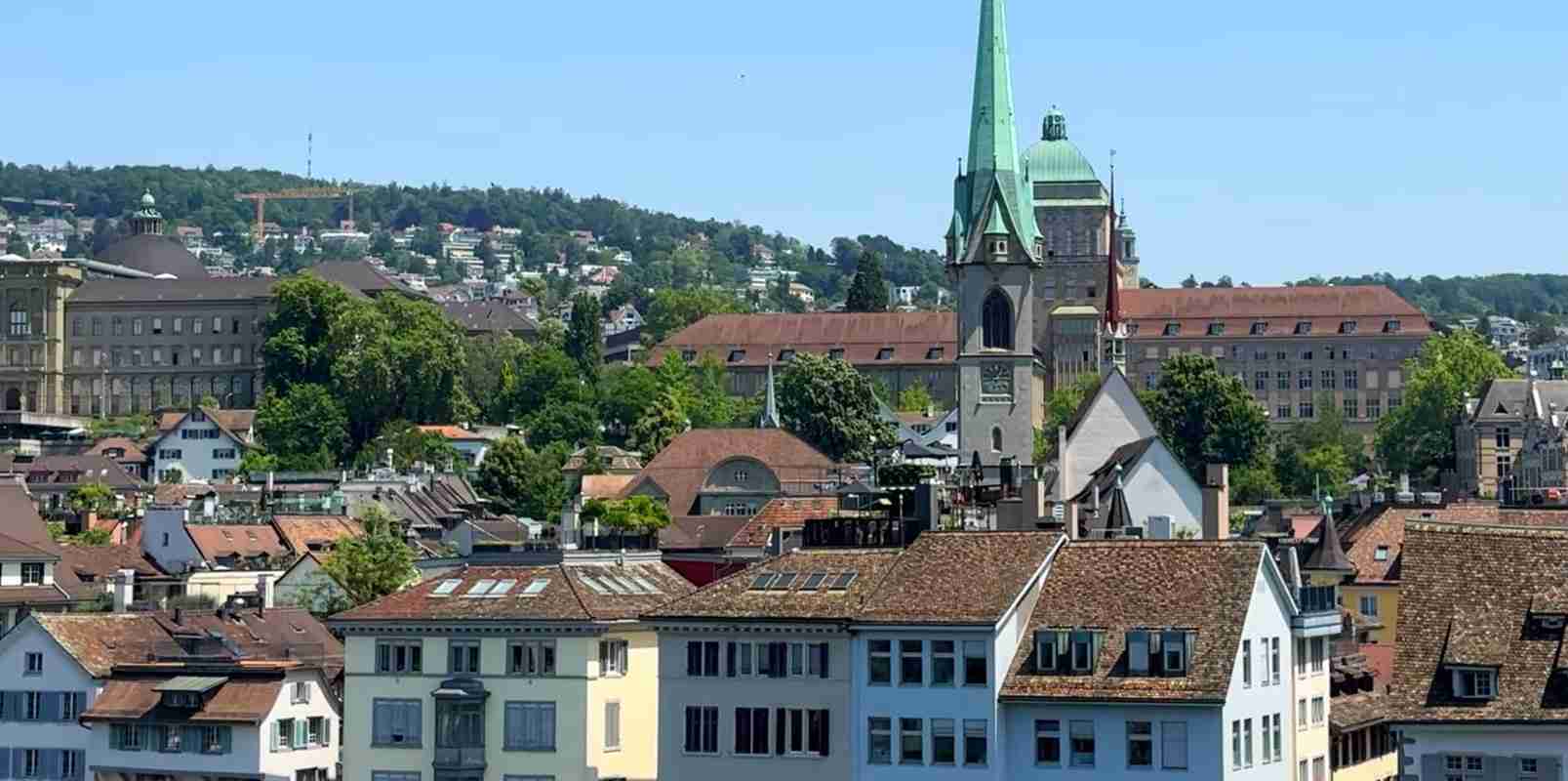
Zurich 3-Day Itinerary 2026: Complete Planning Guide
Switzerland’s largest city combines medieval charm with contemporary sophistication along the shores of Lake Zurich, where efficient trams glide past 12th-century churches and Michelin-starred restaurants share cobblestone streets with traditional guildhalls. This carefully structured three-day itinerary balances Zurich’s world-class museums, historic Old Town architecture, and lakeside beauty with practical budget breakdowns and transportation guidance for travelers planning visits in 2026.
Key Takeaways for Zurich 2026
- Budget Planning 2026: Budget travelers spend $135-185 per person daily (hostel dormitory accommodation, supermarket meals, public transport), mid-range visitors invest $240-335 per person daily (three-star hotel with two sharing, restaurant meals, museum admissions), and luxury travelers allocate $635-970 per person daily (five-star accommodation, fine dining, private experiences)
- Transportation Efficiency 2026: Purchase a 24-hour ZVV pass for CHF 9 ($10) covering trams, buses, trains, and boats within Zone 110, or invest in the Zurich Card at CHF 29 ($32) for 24 hours including museum admissions and Lake Zurich cruises, with the card saving approximately 35% versus individual ticket purchases when visiting three or more attractions
- Accommodation Strategy 2026: Book hotels 2-3 months advance for optimal rates in Niederdorf or Langstrasse districts where mid-range properties cost CHF 200-280 ($215-300) per room nightly, approximately 25% less expensive than Bahnhofstrasse area hotels while maintaining easy tram access to all major attractions
- Seasonal Timing 2026: Visit during shoulder seasons in May-June or September-October when hotel rates drop 20-30% below July-August peaks, daily temperatures average 15-20°C (59-68°F), and Lake Zurich boat schedules maintain full summer service without peak-season crowds at museums and restaurants
- Dining Economics 2026: Target weekday lunch specials (Mittagsmenü) at traditional restaurants for CHF 25-30 ($27-33) three-course meals, utilize Migros and Coop supermarket restaurants offering hot meals at CHF 13-16 ($14-18), and reserve dinner splurges for evenings when restaurant prices increase 40-60% above lunchtime rates
- Museum Access 2026: The Swiss National Museum charges CHF 13 ($14) admission while Kunsthaus ranges CHF 24-31 ($26-34) depending on exhibitions, with free admission Wednesdays at Kunsthaus collection galleries and under-17 travelers entering free at National Museum, making strategic scheduling worthwhile for families and budget-conscious visitors
People Also Ask About Zurich 2026
How Much Does a 3-Day Trip to Zurich Cost in 2026?
A three-day Zurich visit in 2026 requires $405-555 per person for budget travel, $720-1,005 per person for mid-range comfort, or $1,905-2,910 per person for luxury experiences. Budget travelers allocate $135-185 daily covering hostel dormitory beds at CHF 64-80 ($70-85), supermarket and budget restaurant meals totaling CHF 39-60 ($43-65), 24-hour transport passes at CHF 9 ($10), and selective museum admissions averaging CHF 13-24 ($14-26) daily. Mid-range visitors spending $240-335 per person daily (assuming two sharing hotel rooms) enjoy three-star accommodation at CHF 200-280 ($215-300) per room, sit-down restaurant meals averaging CHF 87-123 ($94-134) daily, public transport passes, and comprehensive museum access including Lake Zurich cruises. Luxury travelers investing $635-970 daily per person experience five-star lakefront hotels at CHF 550-850 ($590-910) per room, fine dining at renowned establishments, private transportation, and exclusive guided experiences.
What Is the Best Way to Get Around Zurich in 2026?
Zurich’s integrated ZVV public transport system combining trams, buses, S-Bahn trains, boats, and funiculars provides the most efficient navigation method in 2026, with 24-hour Zone 110 passes costing CHF 9 ($10) covering unlimited travel throughout the city center and airport connections. Trams arrive every 6-7 minutes during daytime hours, trains connect suburbs within 10-15 minutes, and Lake Zurich boats integrate seamlessly into the same ticketing system. The Zurich Card at CHF 29 ($32) for 24 hours or CHF 53 ($57) for 72 hours includes unlimited public transport plus free admission to over 40 museums, making it economically advantageous when visiting three or more paid attractions. Taxis and ride-sharing services cost CHF 8-10 ($9-11) base fare plus CHF 5-6 ($5-7) per kilometer, suitable for late-night returns or heavy luggage but financially impractical for routine transportation given Switzerland’s premium service pricing.
Which Neighborhoods Should I Stay in for a First Zurich Visit in 2026?
Niederdorf in the Old Town’s right bank offers the most convenient first-visit location in 2026, placing travelers within 5-10 minutes walking distance of Grossmünster cathedral, Swiss National Museum, and Bahnhofstrasse shopping while maintaining authentic medieval atmosphere along pedestrian lanes lined with restaurants and boutiques. Mid-range hotels in Niederdorf cost CHF 200-280 ($215-300) nightly for standard doubles, approximately 15-25% less expensive than comparable Bahnhofstrasse properties. Langstrasse district west of the train station provides budget-conscious alternatives with hostels at CHF 64-80 ($70-85) per dormitory bed and three-star hotels at CHF 180-240 ($195-260), connected to city center via tram lines 3, 4, and 13 reaching Paradeplatz within 8-12 minutes. Seefeld neighborhood east of the lake attracts visitors seeking quieter residential character with lakefront promenades, boutique hotels averaging CHF 240-320 ($260-345), and 10-minute tram connections to Old Town attractions.
Are Three Days Enough Time to See Zurich in 2026?
Three days provide sufficient time to experience Zurich’s essential attractions including comprehensive Old Town exploration, major museum visits, Lake Zurich cruising, and Uetliberg mountain views while maintaining comfortable pacing without exhausting daily schedules. A well-planned three-day itinerary covers Swiss National Museum and Kunsthaus art collections, Grossmünster and Fraumünster churches with Chagall windows, Bahnhofstrasse shopping district, 90-minute Lake Zurich boat cruise, and either Uetliberg mountain ascent or Lindt chocolate museum visit. This timeframe allows evening restaurant experiences and flexible scheduling for weather contingencies without rushing between attractions. Travelers interested in day trips to Rhine Falls, Lucerne, or Grindelwald require 4-5 days minimum, while those focusing exclusively on urban cultural experiences find three days optimal for absorbing Zurich’s historic quarters, contemporary art scene, and culinary offerings without superficial monument checking.
Extended multi-day tours – 5+ days
Featured Zurich Multi-Day Tour Packages
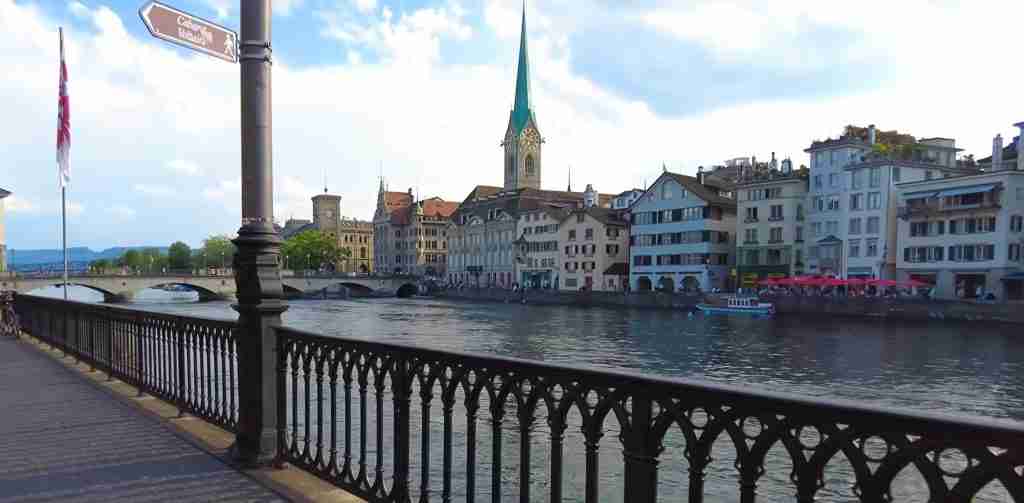
3 days
Zurich 3-Day Discovery Tour
- ✓ Comprehensive Zurich experience
- ✓ Expert local guides included
- ✓ All accommodation included
- ✓ Transportation provided
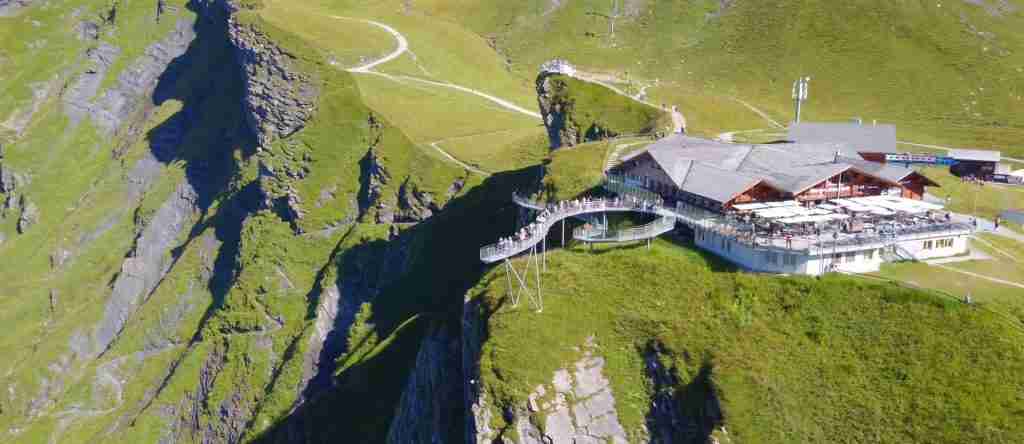
5 days
Zurich 5-Day Highlights Experience
- ✓ Comprehensive Zurich experience
- ✓ Expert local guides included
- ✓ All accommodation included
- ✓ Transportation provided
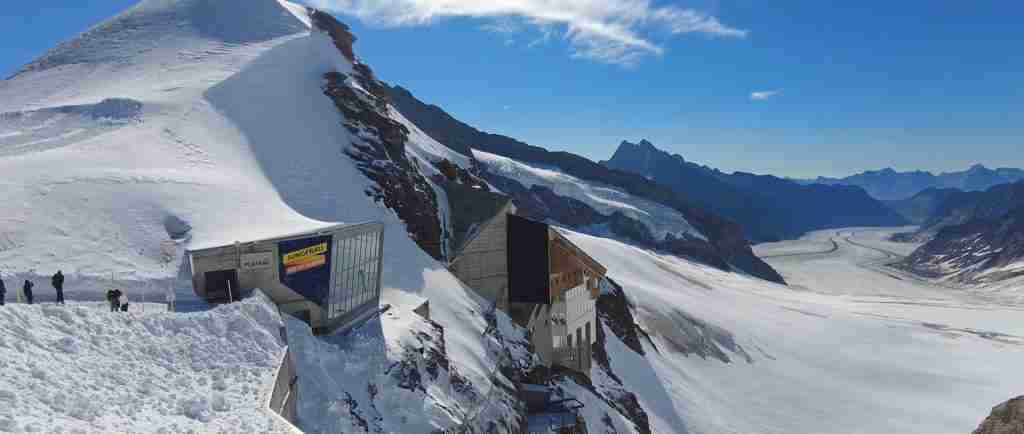
7 days
Zurich 7-Day Cultural Journey
- ✓ Comprehensive Zurich experience
- ✓ Expert local guides included
- ✓ All accommodation included
- ✓ Transportation provided
10 days
Zurich 10-Day Complete Adventure
- ✓ Comprehensive Zurich experience
- ✓ Expert local guides included
- ✓ All accommodation included
- ✓ Transportation provided
Multi-day tour packages powered by TourRadar. Prices and availability subject to change.
Introduction: Planning Your Zurich Experience in 2026
Zurich occupies a unique position among European cities where medieval guild traditions persist alongside international banking headquarters, where 800-year-old church towers overlook contemporary glass architecture, and where efficient public systems transport visitors from airport arrival to Old Town center within 13 minutes. Switzerland’s largest city sprawls across both banks of the Limmat River at the northwestern tip of Lake Zurich, with compact historic quarters concentrated along riverside lanes while modern districts extend into surrounding hills. This geographic concentration rewards three-day itineraries that balance iconic landmarks with neighborhood exploration, cultural institutions with natural scenery, and structured sightseeing with spontaneous discoveries along cobblestone alleys.
The 2026 travel landscape in Zurich reflects post-pandemic stabilization with hotel inventory fully restored, museum programming expanded to pre-2020 levels, and transportation infrastructure enhanced through recent tram line extensions and improved airport connections. Pricing structure mirrors broader Swiss cost trends where accommodation and dining rank among Europe’s most expensive, public transport maintains efficient premium service, and strategic planning significantly impacts daily expenditure ranges. Understanding Zurich’s seasonal patterns, transportation integration, and neighborhood character transforms abstract Switzerland reputation into manageable three-day experiences balancing cultural depth with budget consciousness.
This comprehensive planning guide structures three distinct days addressing different thematic focuses while maintaining geographic efficiency. Day One concentrates on Old Town medieval architecture, guild history, and riverside walking routes. Day Two explores museum collections, lake cruising, and botanical environments. Day Three ascends Uetliberg mountain for Alpine panoramas before concluding with chocolate museum visits or shopping district exploration. Each day includes specific routing guidance, realistic time allocations, and detailed cost breakdowns across budget, mid-range, and luxury spending tiers.
Budget considerations warrant particular attention given Switzerland’s premium pricing structure. Mid-range travelers in 2026 allocate $240-335 per person daily assuming two sharing hotel accommodation, with costs distributed across lodging ($110-150 per person), three restaurant meals ($94-134), public transport passes ($10), and museum admissions plus activities ($26-40). Budget-conscious visitors reduce daily spending to $135-185 through hostel dormitory accommodation ($70-85), supermarket and budget restaurant combinations ($43-65), strategic free attraction selection ($14-26 for one paid museum), and identical efficient transport ($10). Luxury travelers investing $635-970 daily experience five-star lakefront properties ($295-455 per person sharing), Michelin-starred dining ($211-298), private transportation ($43-86), and exclusive guided experiences ($86-130).
Transportation infrastructure defines Zurich’s visitor experience through integrated ZVV network combining trams, buses, trains, boats, funiculars, and cable cars under unified ticketing. The system operates on zone structure where central Zurich (Zone 110) encompasses all major attractions except airport (Zone 121) and Uetliberg mountain (Zone 155). Standard 24-hour Zone 110 passes cost CHF 9 ($10) permitting unlimited travel including Lake Zurich boat cruises within city limits. The Zurich Card premium option at CHF 29 ($32) for 24 hours adds free museum admissions to 40+ institutions plus discounts at restaurants and shops, achieving break-even value when visiting three paid museums or combining two museums with extended boat cruising.
Seasonal timing dramatically affects both costs and experience quality in Zurich. Peak summer months from July through August command hotel rates 30-40% above shoulder season pricing while attracting maximum tourist volumes to major attractions. September through mid-October delivers optimal balance with pleasant 15-20°C (59-68°F) temperatures, reduced accommodation costs, full boat cruise schedules, and autumn foliage enhancing lakeside and mountain scenery. Spring months from May through June offer similar advantages with blooming botanical gardens and extended daylight hours. Winter visitors from November through March access lowest hotel rates (40-50% below summer peaks) but face restricted boat schedules, earlier sunset times limiting evening exploration, and mountain weather requiring appropriate clothing and contingency planning.
Day One: Old Town Heritage and Medieval Architecture 2026
Morning: Swiss National Museum and Hauptbahnhof District
Begin your Zurich exploration at the Swiss National Museum (Landesmuseum) adjacent to Hauptbahnhof train station, opening daily at 10:00 AM except Mondays. This castle-like structure built in 1898 houses Switzerland’s most comprehensive cultural history collection spanning archaeology, medieval art, Renaissance craftsmanship, and modern social history across 45,000 square feet of exhibition space. General admission costs CHF 13 ($14) for adults with free entry for visitors under age 17, check official website for current rates as pricing may vary. The permanent collection occupies the historic wing where Gothic sculptures, carved wooden altarpieces, and illuminated manuscripts trace Swiss artistic development from Roman settlements through Reformation period. Notable highlights include the Carolingian manuscript collection, 16th-century stained glass panels from dissolved monasteries, and comprehensive arms and armor displays documenting Swiss mercenary traditions. Temporary exhibitions in the contemporary 2016 wing address current social topics through historical lens, recent themes examining Swiss immigration patterns, women’s suffrage evolution, and Alpine tourism development.
Budget 90-120 minutes for comprehensive museum exploration, arriving at 10:00 AM opening to avoid mid-morning tour groups. The family exhibition “Magic Carpet Ride Through History” engages younger visitors through interactive environments recreating Arabian palace chambers, vintage railway carriages, and sailing vessels. Download the free Landesmuseum smartphone app providing English audio guide content, room-by-room navigation, and object descriptions supplementing limited physical labeling. The ground-floor café serves coffee and pastries if early breakfast wasn’t included in accommodation, with cappuccino at CHF 5.40 ($6) and croissants CHF 4-5 ($4-5). Museum lockers accommodate bags and coats while exploring galleries.
Exit the museum through the main entrance facing Museumstrasse and walk south 3 minutes to Hauptbahnhof train station’s main hall, Europe’s busiest railway terminal processing 470,000 passengers daily through 26 platforms. The station’s underground ShopVille shopping complex extends 250 meters beneath tracks, containing 180 shops, restaurants, and services operating 365 days annually from 6:00 AM-10:00 PM. Surface-level halls showcase Art Nouveau architecture from 1871 renovation with arched glass ceilings and ornate metalwork. The main hall’s central information desk provides city maps and transit guidance, while ticket machines along platform entrances sell ZVV transport passes and rail tickets throughout Switzerland.
Late Morning: Bahnhofstrasse Shopping Boulevard Walk
Cross the Bahnhof Bridge at the station’s northern exit, entering Bahnhofstrasse shopping street stretching 1.4 kilometers from train station to Lake Zurich. This pedestrian boulevard ranks among the world’s most expensive retail addresses, lined with luxury boutiques, Swiss watch dealers, department stores, and chocolate shops beneath mature plane trees. Window shopping requires zero expenditure while observing Zurich’s commercial character and contemporary architecture mixing Belle Époque buildings with modernist glass facades. Key landmarks include Pestalozzi monument at the midpoint, Paradeplatz square hosting Credit Suisse and UBS headquarters in elegant 19th-century buildings, and frequent tram lines (numbers 2, 6, 7, 9, 11, 13) providing return transport if fatigue strikes during the 18-minute walk to lakefront.
Chocolate enthusiasts detour to Confiserie Sprüngli at Paradeplatz, Zurich’s legendary confectionery established 1836 producing Luxemburgerli macarons and handcrafted truffles. The ground-floor shop sells individual chocolates CHF 2-4 ($2-4) each or boxed assortments CHF 25-60 ($27-65), while the first-floor café serves coffee and pastries in elegant Belle Époque surroundings. A single Luxemburgerli macaron costs CHF 2.20 ($2.40) providing affordable taste of Zurich’s premium chocolate culture without full box commitment. Department store Manor at Bahnhofstrasse’s midpoint operates rooftop restaurant offering lunch specials CHF 18-25 ($20-27) with self-service buffet format, reliable budget-friendly option maintaining quality standards.
Bahnhofstrasse terminates at Bürkliplatz square facing Lake Zurich, where boat departure docks for ZSG Navigation Company connect to comprehensive cruise schedule. The square’s central fountain and lakefront promenade provide scenic resting point before afternoon Old Town exploration. Tram lines radiating from Bürkliplatz connect to all city districts, while the Zürichsee boat pier posts electronic departure boards listing next cruise times to various lake destinations.
Afternoon: Right Bank Old Town Walking Tour
From Bürkliplatz, walk east along Limmatquai riverside street entering Niederdorf district’s historic quarter where medieval guild houses, baroque facades, and contemporary galleries cluster along narrow pedestrian lanes. This right-bank Old Town section preserves Zurich’s pre-industrial character with buildings dating from 1400s-1700s, many displaying ornate painted facades, decorative bay windows, and guild emblems above doorways. Limmatquai street follows the river’s eastern bank passing restaurants with outdoor terraces, antique bookshops, and small museums housed in converted merchants’ residences. The route maintains flat terrain ideal for leisurely exploration without steep climbs encountered on left-bank routes.
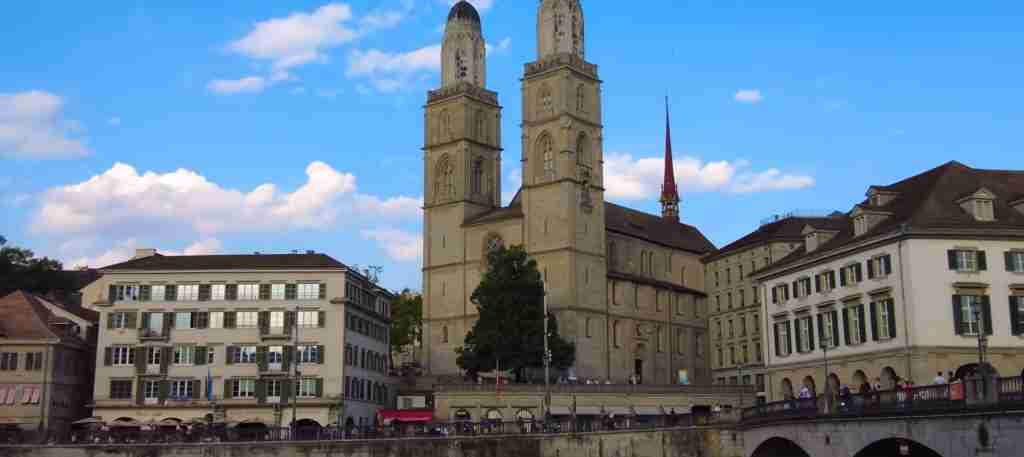
Stop at Grossmünster cathedral, Zurich’s most iconic landmark with twin neo-Gothic towers dominating the riverside skyline since 12th century. Originally constructed as Romanesque monastery church around 1100 AD, the cathedral underwent multiple renovations with current towers added 1487 and neo-Gothic spires completed 1782. General admission to the church interior remains free, with tower climb costing CHF 5 ($5) for 187 steps ascending to observation platform 62 meters above street level. The climb requires moderate fitness navigating narrow spiral staircases, rewarded with panoramic views across red-tiled rooftops toward lake and Alps. Interior highlights include modern stained glass windows created by Augusto Giacometti (1932) and Sigmar Polke (2009), Romanesque crypt with ancient capitals, and minimalist Protestant aesthetic resulting from Reformation-era iconoclasm.
Exit Grossmünster through the main portal and walk 100 meters north on Zwingliplatz to Helmhaus art space, contemporary gallery occupying medieval building adjacent to Wasserkirche (Water Church). Helmhaus mounts rotating exhibitions of Zurich-based artists and international contemporary work, with free admission and small cafe serving coffee CHF 4-5 ($4-5). The adjacent Wasserkirche sits on former island in the Limmat River, connected to mainland via land reclamation in 1839, housing Zurich’s original public library from 1629-1917. Current restoration limits interior access, but exterior Gothic architecture and riverside setting create photogenic composition.
Continue north along Limmatquai to Rathaus (Town Hall), baroque governmental building constructed 1694-1698 featuring elaborate facade decorations, ornate entrance portal, and distinctive rooftop lantern. The building houses Zurich cantonal parliament with limited public access during non-session periods. Cross the river via Rathausbrücke (Town Hall Bridge) for optimal facade photography looking back toward the building’s riverside elevation. The bridge also provides perspective on Limmat River’s swift current, historic water level markers along walls, and remaining guild houses lining both banks.
Late Afternoon: Left Bank Churches and Lindenhof Hill
The left bank’s primary landmark, Fraumünster church, stands 300 meters south along Münsterhof square, recognizable by distinctive green spire and streamlined Gothic architecture. Interior access remains free with donation box accepting voluntary contributions, the church justifying visits primarily for five stained glass windows created by Marc Chagall in 1970. These brilliant blue, red, and yellow compositions depict biblical prophets, crucifixion, and resurrection scenes in Chagall’s dreamlike modernist style, forming Switzerland’s most significant 20th-century ecclesiastical art. Additional windows by Augusto Giacometti (1930) occupy transept chapels. Romanesque crypt beneath choir area displays archaeological fragments from original 853 AD abbey foundation. Photography remains permitted without flash, though respectful quiet behavior expected during worship services and prayer times.
From Fraumünster, walk 200 meters west to Lindenhof hill, elevated park occupying original Roman fort site above the left bank. Climb the gentle ramp or stairs from Pfalzgasse street reaching tree-shaded plateau with gravel walking paths, chess tables where local players gather afternoons, and panoramic vista across Limmat River toward right bank Old Town and Grossmünster towers. This peaceful refuge above commercial streets provides optimal photography perspective during golden hour before sunset, with city skyline silhouetted against lake and distant Alps. The park’s mature linden trees (Tilia) give the location its name, offering shade during summer visits. Stone parapets along the riverside edge display explanatory plaques detailing Roman settlement history and medieval defensive fortifications.
Evening: Niederdorf Dinner and Old Town Atmosphere
Return to right-bank Niederdorf district for dinner and evening atmosphere, where pedestrian lanes from Bellevueplatz to Central square concentrate Zurich’s highest restaurant density. Traditional Swiss establishments serve fondue CHF 28-38 ($30-41) per person, raclette CHF 32-42 ($35-45), and Zürcher Geschnetzeltes (sliced veal in cream sauce) CHF 42-52 ($45-56) including accompaniments. Budget-conscious diners target Rheinfelder Bierhalle at Niederdorfstrasse 76 offering weekday Mittagsmenü (lunch special) extended to 7:00 PM at CHF 25-30 ($27-33) for three courses, or Swiss Chuchi at Rosengasse 10 serving traditional dishes CHF 28-38 ($30-41) in rustic wood-paneled dining rooms.
Mid-range restaurants along Niederdorfstrasse and connecting side streets offer international cuisines at CHF 45-65 ($49-70) per person for main course, salad, and beverage. Italian trattorias dominate with pasta CHF 24-32 ($26-35), risotto CHF 28-36 ($30-39), and meat dishes CHF 38-52 ($41-56). Asian restaurants provide relative value with Thai curries CHF 28-35 ($30-38), Vietnamese pho CHF 22-28 ($24-30), and Japanese ramen CHF 24-32 ($26-35). Vegetarian options appear on most menus given Switzerland’s increasing plant-based dining trends.
Evening ambiance in Niederdorf shifts from tourist-focused dinner service to local bar culture after 9:00 PM, when residents gather at wine bars, craft beer taverns, and cocktail lounges occupying centuries-old cellars and converted guild halls. Cover charges remain rare, with drink prices CHF 8-12 ($9-13) for beer, CHF 12-18 ($13-20) for cocktails, and CHF 8-14 ($9-15) for wine by the glass. This district maintains safe pedestrian environment with frequent police presence and well-lit lanes, though standard urban awareness regarding valuables and surroundings applies during late-night hours.
Day One Cost Summary 2026
Budget travelers completing Day One allocate approximately $125-165 per person covering hostel accommodation CHF 64-80 ($70-85), three economical meals CHF 39-55 ($43-60) utilizing supermarket options and lunch specials, ZVV 24-hour transport pass CHF 9 ($10), Swiss National Museum admission CHF 13 ($14), and Grossmünster tower climb CHF 5 ($5). Mid-range visitors invest $220-315 per person including hotel accommodation CHF 100-140 ($110-150, two sharing room), three restaurant meals CHF 82-118 ($89-128), transport pass CHF 9 ($10), museum admission CHF 13 ($14), and tower access CHF 5 ($5). Luxury travelers allocate $615-945 per person for five-star accommodation CHF 275-425 ($295-455, two sharing), fine dining CHF 185-265 ($200-286), private car service CHF 40-60 ($43-65), museum admission CHF 13 ($14), and tower access CHF 5 ($5). These Day One costs remain slightly below overall daily averages due to predominantly walking-based itinerary with limited paid attraction requirements.
Day Two: Museums, Lake Cruise, and Zürichhorn 2026
Morning: Kunsthaus Art Museum
Dedicate the second morning to Kunsthaus Zürich, Switzerland’s largest art museum by exhibition area housing one of Europe’s most significant collections spanning medieval altarpieces through contemporary installations across 11,000 square meters. Located in Heimplatz square 15 minutes walk or 6-minute tram ride (lines 3, 5, 9 to Kunsthaus stop) from Old Town center, the museum complex combines elegant 1910 Moser Building with striking 2020 Chipperfield Building connected by underground passages. Opening hours maintain Tuesday-Wednesday 10:00 AM-6:00 PM, Thursday 10:00 AM-8:00 PM, Friday-Sunday 10:00 AM-6:00 PM, closed Mondays. Admission for collection plus small exhibitions costs CHF 24 ($26) adults with major exhibition access at CHF 31 ($34), reduced rates CHF 17-22 ($18-24) for students and seniors, check official website for current rates as pricing may vary. The collection enjoys free admission Wednesdays, strategic timing saving CHF 24 when coordinating itinerary.
The permanent collection concentrates exceptional strengths in Swiss art from 18th-21st centuries, European Impressionism and Post-Impressionism, and contemporary photography and video art. Moser Building galleries display Hodler’s monumental Swiss landscapes, Giacometti’s existential sculptures, and comprehensive Munch holdings including multiple versions of “The Scream” series. Impressionist rooms feature major Monet, Cézanne, Van Gogh, and Gauguin canvases rivaling larger Paris museums. Modern art galleries trace development from Cubism through Abstract Expressionism with significant Picasso, Braque, Chagall, and Rothko works. The contemporary Chipperfield Building hosts rotating installations, photography exhibitions, and large-scale contemporary commissions requiring extensive ceiling heights and flexible wall systems.
Budget 2.5-3 hours for comprehensive museum exploration, though focused visits concentrating on specific periods or temporary exhibitions compress to 90 minutes. Free audio guides available through museum app provide room context, artist biographies, and individual artwork commentary in English, German, and French. The museum café in the Chipperflied Building entrance hall serves coffee CHF 4-5 ($4-5), pastries CHF 5-7 ($5-8), and light lunch options CHF 16-22 ($17-24) if mid-morning hunger strikes. Museum shop stocks art books, exhibition catalogs, and design objects at premium but reasonable pricing.
Late Morning: University Quarter and Botanical Garden
Exit Kunsthaus via the Chipperfield Building’s south entrance to Rämistrasse, Zurich’s university quarter where ETH (Swiss Federal Institute of Technology) and University of Zurich occupy neoclassical buildings climbing hillside terraces. Walk 400 meters south on Rämistrasse to the distinctive Polybahn funicular, scarlet cable car ascending 41 meters vertical rise in 90 seconds connecting street level to ETH main building’s viewing terrace. Operation 7:00 AM-9:00 PM daily costs CHF 1.20 ($1.30) single journey or free with ZVV 24-hour pass, saving 10-minute steep stair climb. The upper terrace provides sweeping panorama across city rooftops, lake expanse, and Alpine chain on clear days, prime photography location during morning light without afternoon backlight challenges.
University quarter harbors numerous cafés serving students and faculty at prices moderating Zurich’s expensive dining reputation. Bistro Schöngrün at Schönberggasse 5 offers lunch specials CHF 18-24 ($20-26) including soup, main course, and coffee, while International Students Lunch (Mensa Polyterrasse) provides self-service buffet CHF 12-16 ($13-17) open to public without student ID requirement 11:30 AM-1:30 PM weekdays. These institutions deliver authentic local dining experience removed from tourist-oriented Old Town establishments.
Alternative route continues 600 meters north from Kunsthaus to University of Zurich Botanical Garden, free-admission garden maintaining 9,000 plant species across 5.4 hectares including Mediterranean garden, Alpine rockery, historical medicinal herb collection, and tropical greenhouses. Operating hours vary seasonally, generally 7:00 AM-7:00 PM March-September and 8:00 AM-6:00 PM October-February, closed Sundays. The garden provides peaceful respite from urban density, popular with local residents for lunchtime breaks and afternoon reading. Greenhouses require separate admission CHF 6 ($7) for adults housing tropical rainforest, desert cacti, and orchid collections maintaining climate-controlled environments. This option suits nature-oriented travelers or families seeking free outdoor space with educational components.
Afternoon: Lake Zurich Boat Cruise
Return to lakefront Bürkliplatz via tram from university quarter, boarding Lake Zurich Navigation Company (ZSG) boat for afternoon cruise. The Short Lake Cruise (Kleine Rundfahrt) departing multiple times daily circles the lake’s northern basin during 90-minute journey visiting stops at Zürichhorn, Enge, Wollishofen, and Kilchberg before returning to Bürkliplatz. Standard schedule operates hourly 10:30 AM-6:30 PM April-October with reduced winter frequency, verify current timetable via ZSG website or electronic departure boards at pier. Tickets cost CHF 8.80 ($10) adults for complete round trip, CHF 4.40 ($5) children ages 6-16, or included free with Zurich Card and ZVV passes. The cruise utilizes historic paddle steamers or modern motor vessels depending on daily allocation, both offering interior salons with panoramic windows and open-air upper decks.
Optimal seating strategy selects right-side seats during departure from Bürkliplatz capturing city skyline views as the boat proceeds south along western shore, then switches to left-side seating after Wollishofen turn for return journey eastern shore perspective. Upper deck positions maximize photography opportunities and fresh air but lack weather protection if rain threatens. Interior salons maintain comfortable temperatures with large windows providing similar vistas during colder months. Onboard restaurant serves coffee CHF 4-5 ($4-5), snacks CHF 6-12 ($7-13), and full meals CHF 24-38 ($26-41), though passengers may bring personal food and beverages when not occupying restaurant section tables.
The cruise reveals Zurich’s geographic setting where city development concentrates along northwestern shoreline while southern reaches transition to affluent residential suburbs, vineyard-covered slopes, and forested hills ascending toward Alpine foothills. Notable landmarks include Seebad Enge public bath with floating wooden platforms, elegant belle époque villas along Seestrasse, and Kilchberg’s Lindt chocolate factory with distinctive red-and-white striped smokestack. The boat navigates close to shoreline permitting architectural detail observation and photography impossible from land-based vantage points. Running commentary (German only, English text available on ZSG app) identifies mansions, historical sites, and geographical features during passage.
Late Afternoon: Zürichhorn Lakeside Park
Disembark the boat cruise at Zürichhorn stop, lakefront park occupying 18 hectares along eastern shore featuring manicured lawns, mature trees, lakeside promenades, and recreational facilities. The park’s centerpiece, Chinagarten (Chinese Garden), operates as authentic Ming Dynasty-style garden created by Zurich’s Chinese community with traditional pavilions, moon gate, ponds with koi carp, and decorative rockwork. Admission costs CHF 5 ($5) adults, CHF 3 ($3) children with seasonal hours 10:00 AM-7:00 PM April-October, closed November-March. Interior pavilions display rotating exhibitions of Chinese art, calligraphy, and cultural artifacts while surrounding gardens maintain meticulously pruned vegetation, flowering plants coordinated for seasonal displays, and philosophical design elements representing Taoist principles.
Adjacent to the Chinese Garden, Le Corbusier Pavilion (Centre Le Corbusier) stands as the architect’s final building completed posthumously 1967, small exhibition space housing rotating shows dedicated to Le Corbusier’s artistic and architectural legacy. Admission CHF 10 ($11) adults, CHF 7 ($8) reduced rates, opening hours Wednesday-Sunday 12:00 noon-6:00 PM. The building itself demonstrates Le Corbusier’s modular system principles with colorful enamel steel panels, concrete pillars, and open floor plan creating signature Modernist aesthetic. Architecture enthusiasts spend 30-45 minutes examining exhibition content and building details, while casual visitors appreciate exterior views requiring no admission fee.
The broader Zürichhorn park contains public beach area with lake swimming summer months (water temperature reaches 20-24°C/68-75°F July-August), children’s playground, multiple cafés serving snacks and beverages, and extensive walking paths paralleling shoreline. Seebad Utoquai, historic bathhouse complex built 1890 with Art Nouveau wooden structures extending over water, operates swimming facility CHF 8 ($9) adults including changing rooms, sun decks, and direct lake access. These facilities open mid-May through mid-September weather dependent. The park environment attracts local residents for evening strolls, sunset watching, and informal picnics making it authentic neighborhood experience beyond tourist circuit.
Evening: Seefeld Neighborhood Dinner
Seefeld district surrounding Zürichhorn park offers sophisticated dining atmosphere with lake views and residential tranquility contrasting Old Town tourist density. Mid-range restaurants along Seefeldstrasse and Bellerivestrasse serve Swiss, Italian, Asian, and contemporary fusion cuisines CHF 42-68 ($45-74) per person for main course and beverage. Terrasse at Seefeldstrasse 61 presents modern European menu emphasizing seasonal Swiss ingredients with lake-view terrace, mains CHF 38-52 ($41-56), reservations recommended summer evenings. Portofino at Mythenquai serves Italian specialties CHF 32-48 ($35-52) including homemade pasta, wood-fired pizzas, and seafood dishes in casual trattoria setting.
Budget-conscious alternatives include Vietnamese restaurant Lan Viet at Seefeldstrasse 62 offering pho CHF 22-26 ($24-28), rice dishes CHF 18-24 ($20-26), and spring rolls CHF 8-12 ($9-13) providing filling portions at moderate prices. Supermarket Coop Seefeld at Seefeldstrasse 57 operates deli section with prepared meals, salads, and sandwiches CHF 8-14 ($9-15) suitable for lakeside park picnicking if weather permits and budget demands economy.
Evening return to accommodation via tram line 2 or 4 from Fröhlichstrasse stop requires 12-18 minutes reaching city center hotels, or extend evening with lakeside promenade walk 25-30 minutes following Bellerivestrasse and Quaibrücke bridge back to Bürkliplatz. The waterfront route maintains flat terrain, adequate lighting, and safe pedestrian environment making it pleasant after-dinner activity during longer summer daylight hours.
Day Two Cost Summary 2026
Budget travelers allocate approximately $140-180 per person for Day Two covering hostel accommodation CHF 64-80 ($70-85), meals CHF 39-60 ($43-65) combining supermarket breakfast, lunch special, and economical dinner, transport pass CHF 9 ($10), Kunsthaus admission CHF 24 ($26) or free on Wednesday, lake cruise CHF 8.80 ($10), and Chinese Garden CHF 5 ($5). Mid-range visitors spend $245-340 per person including hotel accommodation CHF 100-140 ($110-150, two sharing), three restaurant meals CHF 87-123 ($94-134), transport CHF 9 ($10), Kunsthaus CHF 24 ($26), boat cruise CHF 8.80 ($10), and Chinese Garden plus pavilion admissions CHF 15 ($16). Luxury travelers invest $640-980 per person for five-star lakefront hotels CHF 275-425 ($295-455, two sharing), fine dining CHF 195-275 ($211-298), private transportation CHF 40-80 ($43-86), Kunsthaus major exhibition CHF 31 ($34), private boat charter alternatives, and exclusive guided museum tours.
Day Three: Uetliberg Mountain and Chocolate Experience 2026
Morning: Uetliberg Mountain Ascent and Alpine Panorama
Dedicate the final morning to Uetliberg mountain, Zurich’s local peak rising 871 meters above sea level providing panoramic perspectives across city, lake, and Alpine chain stretching from Säntis to Mont Blanc on exceptionally clear days. Access via S10 S-Bahn train departing Hauptbahnhof platform 22 every 30 minutes, 25-minute journey ascending forested slopes to Uetliberg station situated 200 meters below summit. Return tickets cost CHF 13.60 ($15) adults or included with ZVV multi-zone passes and Swiss Travel Pass, with departures beginning 6:30 AM enabling sunrise ascents during summer months. The mountain maintains accessibility year-round though winter months require appropriate footwear for potentially icy paths and significantly colder summit temperatures 5-10°C below city levels.
From Uetliberg station, paved pathway climbs 10-15 minutes through forest reaching summit plateau with observation tower, restaurant, and extensive viewing platforms. The observation tower extends additional 30 meters elevation via 180-step spiral staircase, free access providing 360-degree unobstructed panorama. Summit facilities include Uto Kulm restaurant serving breakfast CHF 18-28 ($20-30), lunch specials CHF 24-32 ($26-35), and coffee with pastries CHF 8-12 ($9-13) in modern dining room with floor-to-ceiling windows maximizing views. Outdoor terrace seating operates warm weather months, though mountain winds create cooler conditions requiring jackets even summer days.
The summit environment includes educational plaques identifying visible Alpine peaks, distance markers to various Swiss and international cities, and topographical models explaining regional geology. Clear-day visibility extends 150+ kilometers encompassing Jura mountains westward, Black Forest northward, full Bernese Alps arc southward, and Austrian Alps eastward. Photography opportunities peak during morning hours before afternoon haze reduces Alpine clarity, with optimal timing 9:00-11:00 AM spring through autumn. The summit attracts fitness enthusiasts jogging mountain trails, paragliders launching from designated points, and mountain bikers descending technical single-track routes closed to casual walkers.
Alternative: Zürich West Contemporary District
Travelers preferring urban contemporary culture over mountain scenery allocate the morning to Zürich West, former industrial quarter transformed since 1990s into creative district housing media companies, design studios, galleries, cafés, and unconventional architecture. This area stretches west from Hardbrücke station (8-minute train ride from Hauptbahnhof on multiple S-Bahn lines) encompassing converted factory buildings, new residential towers, and public spaces blending industrial heritage with contemporary urbanism. Prime Museum building, converted shipbuilding hall hosting rotating contemporary art exhibitions, charges CHF 15 ($16) admission with major installations by international artists. Freitag Tower, constructed from 17 stacked shipping containers, provides free rooftop viewing platform reached via external metal stairs and showcases the company’s recycled bag design philosophy.
The district’s Viadukt development occupies 500-meter-long railway arches converted to restaurants, boutiques, craft beer bars, and market hall. This pedestrian-friendly zone maintains active atmosphere throughout the day, with breakfast cafés opening 7:00 AM, lunch crowds 12:00-2:00 PM, and evening dining/drinking extending to midnight. Im Viadukt market hall operates Saturday mornings featuring organic produce, artisanal cheese, fresh bread, and prepared foods creating authentic local shopping environment. Architecture tours organized by Architecture Forum Zurich explore the district’s industrial heritage and contemporary development, CHF 25 ($27) per person for 90-minute guided walks departing Thursdays and Saturdays 2:00 PM from Hardbrücke station.
Late Morning: Lindt Home of Chocolate Museum
Return from Uetliberg or Zürich West for late-morning visit to Lindt Home of Chocolate, comprehensive chocolate museum and visitor center opened 2020 in Kilchberg suburb 8 kilometers south of city center. Access combines tram line 7 to Brunau terminus, then 15-minute walk following lakeside path, or boat cruise to Kilchberg stop during summer schedule, or S8 train to Kilchberg station. Museum admission costs CHF 25 ($27) adults, CHF 20 ($22) students and seniors, CHF 15 ($16) children ages 7-16, under 7 free, check official website for current rates as pricing may vary. Advance online booking recommended especially summer weekends and school vacation periods when entry times fill capacity limits.
The museum occupies distinctive building topped by 9-meter-tall chocolate fountain spouting 1,500 liters molten chocolate as architectural centerpiece. Exhibition floors trace chocolate history from Aztec cultivation through European refinement and Swiss innovation, interactive displays explaining bean harvesting, roasting techniques, conching processes, and tempering methods. Demonstration kitchen conducts hourly praline-making presentations with samples distributed to watching visitors. The research and development section showcases flavor laboratories, texture testing equipment, and packaging design evolution. Self-guided tours require 90-120 minutes comprehensively exploring all exhibition levels, audioguides included in admission price providing detailed commentary in 10 languages including English.
Museum shop occupies massive ground-floor space selling complete Lindt product range including Switzerland-exclusive varieties, bulk chocolate at factory prices, and gift boxes. Prices remain 10-15% below city center retailers making this opportunity for economical Swiss chocolate purchases if luggage space permits. Café serves hot chocolate CHF 6-8 ($7-9), coffee with chocolate accompaniments CHF 8-12 ($9-13), and light lunch options CHF 16-24 ($17-26) through 6:00 PM closing time. Chocolate tasting included in admission ticket provides approximately 8-10 small samples throughout exhibition route.
Afternoon: Shopping and Souvenir Acquisition
Return to city center for final afternoon shopping along Bahnhofstrasse, Niederdorf district boutiques, or department stores depending on souvenir requirements and budget allocation. Swiss-specific purchases include chocolate from manufacturers Lindt, Läderach, Teuscher, and Sprüngli with prices CHF 8-15 ($9-16) per 100-gram bar for premium dark varieties, CHF 25-60 ($27-65) for gift boxes. Swiss watches span massive price spectrum from Swatch fashion timepieces CHF 60-150 ($65-162) to luxury mechanical pieces exceeding CHF 10,000 ($10,800), with mid-range Swiss-made brands Tissot, Longines, and Certina offering reliable movements CHF 600-2,500 ($650-2,700). Swiss army knives by Victorinox and Wenger range CHF 30-120 ($32-130) depending on tool configuration, available at multiple city center retailers including flagship store at Bahnhofstrasse 72.
Heimatwerk at Rudolf-Brun-Brücke 1 specializes in Swiss handicrafts, textiles, ceramics, and traditional items with higher quality and prices versus tourist shop mass production. Manor department store at Bahnhofstrasse 75 concentrates multiple floors of clothing, cosmetics, home goods, and food hall under single roof with comprehensive selection at mainstream prices. The store operates Monday-Saturday 9:00 AM-7:00 PM (Thursday until 9:00 PM), closed Sundays as standard Swiss retail practice.
Budget-conscious souvenir seekers target Migros and Coop supermarket chocolate aisles offering premium Swiss brands at 30-40% below specialty shop pricing, though selection emphasizes mass-market varieties over artisanal creations. Coop City department stores provide middle-ground option with reasonable clothing prices, Swiss-made items section, and rooftop terrace at Europaallee location near Hauptbahnhof. Street markets occasionally operate Bürkliplatz and Münsterhof squares featuring crafts, antiques, and food products, schedule varies by season and weekday versus weekend timing.
Late Afternoon: Final Neighborhood Exploration or Museum Revisit
Remaining afternoon hours permit flexible activities based on personal interests and energy levels. Options include returning to favorite Old Town quarter for leisurely café sitting, revisiting museum exhibitions glimpsed hastily earlier days, exploring Seefeld or Enge neighborhoods on foot, or simply relaxing at lakefront parks watching boat traffic and sunset development. Zurich’s compact geography permits spontaneous wandering without schedule pressure, pedestrian-friendly infrastructure ensuring easy navigation between districts.
Botanical enthusiasts allocate time to Arboretum park along Mythenquai lakefront between Enge and Wollishofen, free-access green space containing diverse tree collection, rose gardens, and waterfront promenade. The Arboretum maintains flat walking paths ideal for afternoon strolls, benches positioned along lake edge for reading or contemplation, and occasional outdoor sculpture installations. Summer months feature outdoor chess tables attracting local players, food trucks operating weekends, and informal picnicking on grass lawns.
Photography-focused travelers return to favorite viewpoints during golden hour, typically 7:00-8:00 PM May-August, 5:00-6:00 PM March-April and September-October, capturing Old Town architecture, lake reflections, and mountain backgrounds with optimal lighting conditions. Grossmünster towers, Lindenhof hill, and Zürichhorn lakefront rank as prime evening photography locations balancing foreground architectural interest with distant Alpine chain.
Evening: Farewell Dinner and Departure Preparation
Select final dinner venue based on budget remaining and culinary preferences developed during three-day exploration. Traditional Swiss farewell dinner emphasizes regional specialties: Zürcher Geschnetzeltes (veal strips in white wine cream sauce with rösti potato pancakes) CHF 42-52 ($45-56) at establishments like Zunfthaus zur Waag at Münsterhof 8 or Zeughauskeller at Bahnhofstrasse 28a. These guild house restaurants maintain historical atmosphere with wood-paneled rooms, costumed servers, and extensive Swiss wine lists complementing hearty regional cooking.
Alternative upscale farewell dinner targets Kronenhalle at Rämistrasse 4, legendary restaurant operating since 1924 hosting notable artists, writers, and politicians beneath walls displaying original Chagall, Miró, and Picasso paintings. Classic preparations include Wiener Schnitzel CHF 52 ($56), sole meunière CHF 62 ($67), and beef Stroganoff CHF 58 ($63), wine list spanning Swiss and French appellations CHF 65-180 ($70-195) per bottle. Reservations essential especially weekends, dress code business casual minimum. Total dinner cost with wine approaches CHF 90-120 ($97-130) per person, justified by atmosphere, service quality, and genuine art viewing included.
Budget-conscious final meals combine Migros or Coop deli selections assembled as farewell picnic at Lindenhof hill or lakefront park, weather permitting, total cost CHF 12-18 ($13-20) per person. This strategy maximizes remaining daylight hours outdoors while minimizing final-day expenditure, appropriate conclusion for travelers maintaining strict budget discipline throughout three-day visit.
Day Three Cost Summary 2026
Budget travelers complete Day Three spending approximately $135-190 per person including hostel accommodation CHF 64-80 ($70-85), three meals CHF 39-60 ($43-65), transport including Uetliberg train CHF 13.60-22 ($15-24) depending on pass coverage, Lindt museum CHF 25 ($27), and modest souvenir purchases CHF 20-40 ($22-43). Mid-range visitors invest $250-345 per person for hotel CHF 100-140 ($110-150, two sharing), restaurant meals CHF 87-123 ($94-134), transport CHF 13.60-22 ($15-24), Lindt museum CHF 25 ($27), and souvenir budget CHF 60-100 ($65-108). Luxury travelers allocate $650-985 per person covering five-star hotel CHF 275-425 ($295-455, two sharing), fine dining CHF 195-275 ($211-298), private car service CHF 40-80 ($43-86), Lindt museum CHF 25 ($27), and premium souvenir purchases CHF 150-250 ($162-270).
Complete 3-Day Budget Breakdown 2026
Budget Travel: Comprehensive Cost Analysis
Budget-conscious travelers completing three-day Zurich itinerary allocate $405-555 total per person maintaining hostel accommodation, strategic meal planning, efficient public transport, and selective paid attraction access. Accommodation forms the largest single expense at CHF 64-80 ($70-85) per dormitory bed nightly in hostels like Youth Hostel Zurich or Green Marmot Capsule Hotel, totaling CHF 192-240 ($210-255) across three nights. Food costs average CHF 39-60 ($43-65) daily combining supermarket breakfast items (yogurt, bread, fruit) CHF 8-12 ($9-13), lunch from supermarket restaurants (Migros, Coop) CHF 13-20 ($14-22), and economical dinner options (Asian restaurants, pizza, lunch specials extended to evening) CHF 18-28 ($20-30). Three-day meal total reaches CHF 117-180 ($127-195).
Transportation utilizes 72-hour Zurich Card at CHF 53 ($57) covering unlimited public transport plus free museum admissions to Swiss National Museum, or standard 24-hour ZVV passes at CHF 9 ($10) daily totaling CHF 27 ($29) for three days if museum visits paid separately. The card achieves value when visiting two or more paid museums plus boat cruise, breaking even at three museums compared to separate admission purchases. Attraction costs for budget strategy include Swiss National Museum CHF 13 ($14), Kunsthaus CHF 24 ($26), Grossmünster tower CHF 5 ($5), Lake Zurich cruise CHF 8.80 ($10), Chinese Garden CHF 5 ($5), Uetliberg train CHF 13.60 ($15) if not covered by pass, and Lindt museum CHF 25 ($27), totaling CHF 94.40 ($102) without card or CHF 38.60 ($42) with card coverage reducing three museum admissions. Adding modest souvenir allocation CHF 40-80 ($43-86) brings complete three-day budget to CHF 375-513 ($405-555) per person.
Mid-Range Travel: Comfortable Planning Details
Mid-range travelers investing $720-1,005 per person across three days balance comfort, convenience, and comprehensive sightseeing while maintaining reasonable expenditure control. Hotel accommodation in three-star properties costs CHF 200-280 ($215-300) per room nightly, divided by two occupants yields CHF 100-140 ($110-150) per person nightly, totaling CHF 300-420 ($325-450) for three-night stay. Neighborhoods like Niederdorf, Langstrasse, or Hochschulen provide optimal location-price balance with easy tram access to all major attractions. Restaurant dining averages CHF 87-123 ($94-134) daily including breakfast at hotel or café CHF 12-18 ($13-20), lunch at traditional restaurant or bistro CHF 25-35 ($27-38), and dinner at mid-range establishment CHF 50-70 ($54-76), totaling CHF 261-369 ($282-402) across three days.
Transportation via Zurich Card 72-hour version at CHF 103 ($111) covers all public transport, major museum admissions, and boat cruises, delivering superior value compared to individual ticket purchases. Paid attractions beyond card coverage include Grossmünster tower CHF 5 ($5), Chinese Garden CHF 5 ($5), and Lindt museum CHF 25 ($27), totaling CHF 35 ($38) supplemental admission costs. Souvenir budget allocation CHF 100-200 ($108-216) permits quality Swiss chocolate boxes, modest watch purchases, or handicrafts without budget strain. Complete three-day mid-range expenditure totals CHF 699-923 ($720-1,005) per person when two travelers share accommodation costs, single travelers face significantly higher per-person costs due to undivided room rates.
Luxury Travel: Premium Experience Investment
Luxury travelers allocating $1,905-2,910 per person for three days access Zurich’s five-star hospitality, Michelin-starred dining, private transportation, and exclusive experiences elevating the visit beyond standard sightseeing. Accommodation at luxury lakefront properties like Baur au Lac, Dolder Grand, or Storchen Zürich commands CHF 550-850 ($590-910) per room nightly, divided by two occupants yields CHF 275-425 ($295-455) per person nightly, totaling CHF 825-1,275 ($892-1,378) for three nights. These properties deliver exceptional service standards, premium amenities including spa facilities, and prime locations worth the significant investment for travelers prioritizing comfort and refinement.
Fine dining allocation averages CHF 195-275 ($211-298) daily including upscale breakfast buffets CHF 25-35 ($27-38), lunch at renowned establishments CHF 70-90 ($76-98), and dinner at Michelin-starred or celebrity chef restaurants CHF 100-150 ($108-162) excluding wine which adds CHF 60-120 ($65-130) per bottle. Three-day meal expenditure reaches CHF 585-825 ($633-891). Private car service or premium taxis average CHF 40-80 ($43-86) daily totaling CHF 120-240 ($130-259) for three days. Museum admissions and attractions match mid-range costs CHF 138 ($149) utilizing Zurich Card plus supplemental tickets, though luxury travelers often engage private museum tours CHF 250-400 ($270-432) per half-day adding exclusive access and expert interpretation. Souvenir allocation permits luxury Swiss watches, designer items, or comprehensive chocolate collections CHF 300-600 ($324-648). Complete three-day luxury budget totals CHF 1,968-2,888 ($2,126-3,119) per person when two share accommodation.
Practical Planning Details 2026
Accommodation Booking Strategy 2026
Zurich accommodation requires advance booking 2-3 months ahead for summer high season (June-September) and major event periods including Sechseläuten festival (April), Street Parade (August), and Christmas markets (December). Mid-range three-star hotels in optimal locations average CHF 200-280 ($215-300) per room nightly with breakfast occasionally included, standard rooms containing 18-22 square meters, private bathrooms, WiFi, and television. Properties in Niederdorf district position guests within 10-minute walk of major Old Town attractions while Langstrasse hotels 15-minute tram ride from center deliver 15-25% lower rates.
Budget hostels including Youth Hostel Zurich, City Backpacker, and Green Marmot Capsule Hotel charge CHF 64-80 ($70-85) per dormitory bed in 4-8 bed rooms with shared bathrooms, common kitchens, and social spaces attracting international backpacker community. Private rooms in these establishments cost CHF 140-180 ($151-195), competitive with budget hotels but offering hostel social atmosphere. Luxury five-star properties demand CHF 550-850 ($590-910) per room with exceptional service standards, spa facilities, lakefront or Old Town locations, and premium breakfast buffets included in rates. Booking platforms including Booking.com, Hotels.com, and property direct websites compete for business, price comparison across multiple sites sometimes revealing 10-15% rate variations for identical rooms and dates.
Transportation Navigation and Passes 2026
Zurich’s ZVV integrated transport network operates on zone-based fare structure where Zone 110 encompasses central city including Old Town, Bahnhofstrasse, university quarter, and Zürichhorn lakefront. Airport sits in Zone 121 requiring two-zone tickets CHF 6.80 ($7) for single journey or included in 24-hour passes. Uetliberg mountain occupies Zone 155 necessitating four-zone coverage. Standard single tickets cost CHF 2.80-4.30 ($3-5) depending on zone quantity with 1-hour validity permitting transfers between trams, buses, trains, and boats within purchased zones. The 24-hour Zone 110 pass at CHF 9 ($10) achieves value after three single journeys, operating calendar day basis from first validation through following day same time.
Zurich Card at CHF 29 ($32) for 24 hours or CHF 53 ($57) for 72 hours includes unlimited public transport plus free admission to 40+ museums and 50% discounts on additional attractions and tours. The card proves economical when planning three or more paid museum visits daily or combining two museums with extensive boat cruising. Purchase at airport arrival, train station tourist offices, or online with mobile app activation. Swiss Travel Pass holders traveling throughout Switzerland access Zurich public transport and Lake Zurich boats free under pass coverage, plus 50% reduction on mountain railways and cable cars.
Ticket machines at every tram stop and train platform accept credit cards, debit cards, and Swiss franc coins, with English language option available. The ZVV mobile app permits ticket purchase via smartphone with contactless activation eliminating machine queues. Validation occurs automatically at purchase time, electronic tickets displaying active status via app screen. Fare inspectors conduct regular random checks imposing CHF 90 ($97) fines for ticketless travel, enforcement maintains high compliance rates across all transport modes.
Weather and Seasonal Considerations 2026
Zurich experiences temperate climate with four distinct seasons affecting travel planning and activity options. Summer months June through August deliver warmest temperatures averaging 22-25°C (72-77°F) with occasional 30°C (86°F) heat waves, minimal rainfall, and extended daylight until 9:00 PM permitting extensive outdoor activities and evening exploration. This peak season commands highest accommodation rates, maximum tourist volumes at major attractions, and full Lake Zurich boat schedules with hourly departures. Autumn September through October provides optimal balance with pleasant 15-20°C (59-68°F) temperatures, reduced hotel rates 20-30% below summer, autumn foliage enhancing lakeside and mountain scenery, and diminished crowds at museums and restaurants.
Winter November through March presents coldest conditions averaging 2-6°C (36-43°F) with frequent below-freezing nights, occasional snow covering city streets and surrounding mountains, and limited daylight ending by 5:00 PM. Lake Zurich boat schedules reduce significantly winter months with hourly service rather than every-30-minute summer frequency, some routes suspended entirely December-February. Accommodation rates drop 40-50% below summer peaks making winter attractive for budget-conscious travelers willing to accept shorter days, colder weather, and potential rain or snow affecting outdoor activities. Christmas market period late November through December 23 creates exception with elevated hotel rates and advance booking requirements. Spring April through May delivers warming temperatures 12-18°C (54-64°F), blooming gardens and trees, increasing daylight hours, and moderate hotel pricing before summer season begins.
Dining Strategies and Money-Saving Tips 2026
Switzerland’s expensive dining reputation warrants strategic meal planning to control costs without sacrificing quality or experience. Weekday lunch specials (Mittagsmenü) at traditional restaurants deliver best value with three-course meals CHF 25-30 ($27-33) including soup or salad, main course, and coffee, identical menu items costing CHF 42-58 ($45-63) at dinner service. Targeting lunch as the primary restaurant experience and selecting lighter evening meals from supermarket delis or budget eateries balances cultural dining immersion with budget consciousness. Department store restaurants at Manor, Coop City, and Globus operate cafeteria-style service with hot meals CHF 16-22 ($17-24), salad bars CHF 12-18 ($13-20) per container, and sandwich counters CHF 8-12 ($9-13), quality exceeding fast-food standards while maintaining affordable pricing.
Migros and Coop supermarkets maintain in-store restaurants (Take-Away sections) serving hot daily specials CHF 13-16 ($14-18) including pasta, rice dishes, soups, and regional preparations with seating areas for on-premises consumption. These venues attract local workers at lunchtime creating authentic dining environment at one-third traditional restaurant costs. Breakfast optimization involves purchasing yogurt, fruit, bread, cheese, and coffee from supermarkets CHF 8-12 ($9-13) total versus hotel breakfast buffets CHF 18-28 ($20-30) or café continental breakfast CHF 12-18 ($13-20), though hotel breakfast included in some accommodation rates justifies evaluation whether booking with or without breakfast delivers better total value.
Evening food trucks and takeaway counters around Langstrasse, university quarter, and Zürich West provide international options including Turkish döner kebab CHF 12-16 ($13-17), Vietnamese bánh mì sandwiches CHF 10-14 ($11-15), falafel wraps CHF 12-16 ($13-17), and Indian curry boxes CHF 14-18 ($15-20) serving substantial portions suitable as complete dinner. Alcohol costs escalate quickly with beer CHF 7-9 ($8-10) per glass, wine CHF 10-16 ($11-17) per glass, and cocktails CHF 16-22 ($17-24) in bars and restaurants, water remains free from taps and public fountains throughout city with Swiss water quality excellent permitting refillable bottles rather than purchasing bottled water CHF 4-6 ($4-7) at stores or CHF 6-9 ($7-10) in restaurants.
Museum and Attraction Access 2026
Museum admission costs concentrate as significant daily budget component with Swiss National Museum CHF 13 ($14), Kunsthaus CHF 24-31 ($26-34) depending on exhibition, and specialized museums CHF 10-18 ($11-20) each. Strategic timing leverages free admission periods including Kunsthaus Wednesdays for permanent collection, Swiss National Museum free entry for under-17 visitors, and various smaller museums offering one monthly free evening. The Zurich Card at CHF 53 ($57) for 72 hours covers admission to major institutions plus public transport, achieving break-even value when visiting three full-price museums across three days (CHF 13 + CHF 24 + CHF 25 = CHF 62 versus CHF 53 card cost). Solo travelers benefit most from card economics while couples sharing transport costs but paying individual museum admissions find marginal rather than dramatic savings.
Church access generally remains free with voluntary donation boxes, exceptions include Grossmünster tower climb CHF 5 ($5) and occasional special exhibitions CHF 3-8 ($3-9). Lake Zurich boat cruises integrate into ZVV ticket system with standard transport passes covering all regularly scheduled routes, premium culinary cruises (fondue, brunch, dinner) require separate advance bookings CHF 55-110 ($59-119) per person including meal. Mountain railways to Uetliberg operate on standard ZVV fares with multi-zone coverage, cable cars and funiculars throughout city likewise accepting transport passes eliminating separate ticket purchases.
Safety, Health, and Local Customs 2026
Zurich maintains exceptionally low crime rates with minimal violent crime and opportunistic theft concentrated around Hauptbahnhof, Langstrasse nightlife district, and crowded tourist areas. Standard urban precautions apply regarding valuables, awareness in crowds, and late-night navigation of unfamiliar areas. Emergency services function efficiently with police (117), ambulance (144), and fire (118) numbers operating 24/7, English-speaking operators available, and response times typically under 10 minutes throughout city center. Public healthcare system delivers world-class medical services at premium prices, travel insurance covering medical emergencies essential for non-Swiss residents as treatment costs reach CHF 200-500 ($216-540) for doctor consultations and CHF 1,000+ ($1,080+) for emergency room visits.
Local customs emphasize punctuality, quiet public behavior, and environmental consciousness. Public transport quiet zones forbid phone conversations and loud music, recycling bins appear everywhere requiring waste sorting, and Sunday shopping closures affect most retailers creating necessity for advance planning. Tipping practices differ from American standards with service charges included in restaurant bills, rounding up totals or adding 5-10% remaining appropriate for exceptional service but not mandatory. Swiss residents speak Swiss German in daily life with High German, English, French, and Italian widely understood in service sectors, learning basic German greetings (Grüezi, Danke, Bitte) appreciated but not required given extensive English proficiency.
Alternative Day Trip Options from Zurich 2026
Rhine Falls Half-Day Excursion
Europe’s largest waterfall lies 45 minutes north of Zurich near Schaffhausen, accessible via direct trains departing Hauptbahnhof hourly reaching Schloss Laufen station adjacent to falls viewing platforms. Round-trip train tickets cost CHF 26 ($28) adults or included with Swiss Travel Pass, journey duration 50 minutes permitting morning departure 9:00-10:00 AM and return by early afternoon. Rhine Falls (Rheinfall) extends 150 meters wide dropping 23 meters with peak water volume reaching 700 cubic meters per second during spring snowmelt. Multiple viewing platforms on both banks provide varied perspectives, boat rides to the central rock outcrop cost CHF 9 ($10) adults departing every 15-30 minutes April-October weather permitting.
Schloss Laufen castle overlooking the falls houses restaurant, museum, and observation deck accessed via steep pathway descending to water level. Combined castle and falls visit requires 2-3 hours, extending to half-day excursion when including Schaffhausen medieval old town exploration 10-minute train ride beyond the falls. This option suits travelers seeking natural scenery day trip without mountain hiking requirements or extended travel duration.
Lucerne and Mount Pilatus Day Trip
Lucerne sits 50 minutes south of Zurich via frequent direct trains departing Hauptbahnhof every 30 minutes, combining medieval covered bridges, lakefront promenades, and mountain access into comprehensive day excursion. Round-trip train tickets cost CHF 52 ($56) adults or included with Swiss Travel Pass. Lucerne’s compact old town permits 2-3 hour exploration visiting Chapel Bridge with tower paintings, medieval city walls with defense towers, and lakefront parks before afternoon mountain ascent. Mount Pilatus cable car ascending from Kriens suburb reaches 2,132-meter summit in 30 minutes, round-trip tickets CHF 76 ($82) adults with Swiss Travel Pass providing 50% discount.
Alternative golden round trip combines Lucerne lake boat cruise to Alpnachstad, world’s steepest cogwheel railway ascending Pilatus, cable car descent to Kriens, and bus return to Lucerne, total cost CHF 120-150 ($130-162) depending on season and pass discounts. This comprehensive day trip requires full 8-10 hours including Zurich travel time, Lucerne exploration, and mountain experience, departing Zurich by 8:00 AM and returning by 6:00-8:00 PM. Mountain weather checking essential before departure as summit fog eliminates panoramic views justifying the significant time and cost investment.
Appenzell Rural Heritage Experience
Appenzell region 90 minutes east of Zurich preserves traditional Swiss village character with painted houses, folk costume traditions, and mountain farming culture rarely visible in urban centers. Direct trains depart Zurich Hauptbahnhof hourly reaching Appenzell town in 2 hours via Gossau connection, round-trip tickets CHF 68 ($74) adults or included with Swiss Travel Pass. Appenzell village permits 2-3 hour exploration visiting pedestrian main street lined with artisan shops selling embroidered textiles, carved wooden items, and Appenzeller cheese, plus small folk museum CHF 8 ($9) admission documenting regional traditions.
Cable car from Appenzell ascends Ebenalp mountain CHF 32 ($35) round-trip reaching dramatic cliff-edge vantage and Wildkirchli cave chapel, hiking trails descend through alpine meadows to Seealpsee lake completing loop back to valley in 3-4 hours moderate difficulty. This day trip suits travelers seeking authentic rural Swiss experience and mountain hiking beyond tourist-center environments, though requires full 9-10 hour commitment including train travel and assumes reasonable fitness for mountain walking routes.
Frequently Asked Questions About Zurich 2026
How Much Money Should I Budget Per Day in Zurich in 2026?
Daily budget requirements in Zurich 2026 span wide range depending on accommodation choices, dining preferences, and activity selections. Budget travelers allocate $135-185 per person daily covering hostel dormitory beds, supermarket and budget restaurant meals, public transport passes, and selective museum admissions. Mid-range visitors spending $240-335 per person daily (assuming two sharing hotel accommodation) enjoy three-star hotels, restaurant meals at traditional Swiss establishments, comprehensive museum access, and Lake Zurich cruises. Luxury travelers investing $635-970 daily per person experience five-star lakefront properties, Michelin-starred dining, private transportation, and exclusive guided experiences. These ranges assume two people sharing accommodation costs for mid-range and luxury tiers, solo travelers face 35-50% higher per-person expenses due to undivided hotel room rates. Switzerland ranks among Europe’s most expensive destinations making budget consciousness essential regardless of spending tier.
Do I Need to Speak German to Visit Zurich in 2026?
English proficiency throughout Zurich’s tourism sector eliminates German language requirements for basic visitor needs including hotel check-in, restaurant ordering, museum visits, and transportation navigation. Major attractions provide English signage, audio guides, and printed materials, while service staff in hotels, restaurants, and shops typically speak conversational-to-fluent English given Switzerland’s international business orientation. Public transport ticket machines offer English language selection, the ZVV mobile app operates in English, and electronic departure boards display Roman alphabet station names. Learning basic German greetings (Grüezi for hello, Danke for thank you, Bitte for please, Entschuldigung for excuse me) demonstrates cultural respect and appreciation from locals, though communication success rarely depends on these phrases. Situations requiring German primarily involve interacting with older residents in residential neighborhoods, reading untranslated historical plaques or museum labels in smaller institutions, or navigating bureaucratic processes beyond typical tourist activities.
What Is the Best Time of Year to Visit Zurich in 2026?
Late spring (May-June) and early autumn (September-October) deliver optimal Zurich visit conditions balancing pleasant weather, moderate crowds, reasonable hotel rates, and full attraction operations. These shoulder seasons provide 15-20°C (59-68°F) temperatures comfortable for walking city streets and mountain hiking, hotel rates 20-30% below peak summer pricing, reduced tourist volumes at major museums and restaurants, and comprehensive boat cruise schedules maintaining summer frequency. May features blooming gardens and trees enhancing botanical gardens and parks, while September-October delivers autumn foliage coloring lakeside forests and mountain slopes. Summer months July-August guarantee warmest weather and longest daylight hours extending exploration time but command premium accommodation rates, maximum crowds, and advance booking requirements for popular hotels. Winter January-February offers lowest costs (40-50% below summer) but faces cold temperatures, limited daylight, restricted boat schedules, and potential snow affecting mountain access. Christmas market period late November through December combines festive atmosphere with elevated hotel rates and advance booking necessity.
Can I Drink Zurich Tap Water in 2026?
Zurich tap water maintains exceptional quality meeting Switzerland’s stringent purity standards, safe for drinking directly from taps, public fountains, and restaurant service. The city operates 1,200+ public drinking fountains throughout Old Town, parks, and squares dispensing free alpine spring water identical to tap supply, eliminating bottled water purchases CHF 4-6 ($4-7) at stores or CHF 6-9 ($7-10) in restaurants. These ornate stone fountains marked with distinctive Swiss cross emblems or cantonal shields serve as historic landmarks and practical hydration sources, locals and tourists alike filling reusable bottles throughout the day. Water temperature maintains cool year-round due to mountain source origins, particularly refreshing during summer heat. Restaurants automatically serve tap water (Hahnenwasser) upon request without charges, standard practice throughout Switzerland contrasting with mandatory bottled water service in some European countries. Bringing refillable water bottle from home saves significant money across multi-day visit while reducing plastic waste aligning with Swiss environmental consciousness.
Is Zurich Safe for Solo Travelers and Families in 2026?
Zurich ranks among Europe’s safest cities with minimal violent crime, low theft rates, and efficient emergency services creating secure environment for solo travelers, families with children, and elderly visitors. The city maintains well-lit streets, reliable public transport operating late hours, and visible police presence in tourist areas and transportation hubs. Standard urban precautions apply including awareness in crowds, securing valuables in busy areas like Hauptbahnhof and Bahnhofstrasse, and avoiding late-night solitary navigation of unfamiliar neighborhoods particularly around Langstrasse nightlife district. Women traveling alone report positive experiences with respectful local interactions and minimal harassment, though Swiss reserve means less casual conversation initiation than Mediterranean or American cultures. Families find child-friendly infrastructure including spacious tram and bus design accommodating strollers, baby changing facilities in department stores and museums, pedestrian zones throughout Old Town eliminating vehicle traffic concerns, and numerous parks with playgrounds providing recreation between cultural visits. Swiss efficiency and rule-following culture creates predictable, orderly environment reducing unexpected situations or complications compared to less-organized destinations.
How Do I Get from Zurich Airport to City Center in 2026?
Zurich Airport connects to city center via frequent trains departing every 10-15 minutes from airport station beneath arrivals level, reaching Hauptbahnhof (main train station) in 10-13 minutes. Ticket machines in arrivals hall and on platforms sell two-zone tickets CHF 6.80 ($7) valid for train, tram, and bus connections within central city. The Zurich Card purchased at airport arrival includes this airport transfer plus unlimited city transport, achieving immediate value for visitors planning comprehensive public transport use. Follow “Bahn/Railway” signs from baggage claim descending escalators to underground station, electronic departure boards display next train times with most services stopping at city center. Tram line 10 provides alternate route requiring 35-40 minutes to Hauptbahnhof at identical ticket cost, preferable only when accommodation locates along tram route avoiding transfer. Taxis from airport cost CHF 60-90 ($65-97) to city center hotels depending on traffic and specific destination, suitable for late arrivals, heavy luggage, or groups of 3-4 splitting fare. Private car services and ride-sharing operate at similar premium pricing without significant advantages over regulated taxi system.
What Should I Pack for a Zurich Trip in 2026?
Zurich packing requirements vary significantly by season with year-round essentials including comfortable walking shoes for cobblestone streets and museum floors, layered clothing accommodating temperature variations between indoor heated spaces and outdoor exploration, universal electrical adapter for Swiss three-prong outlets (Type J), and refillable water bottle for public fountain access. Summer months June-August require light breathable clothing, sun protection including hat and sunscreen, sunglasses, and light rain jacket for occasional summer storms. Evenings cool significantly requiring long sleeves or light sweater even peak summer, Swiss dress codes remain relatively casual with smart-casual appropriate for mid-range restaurants and formal attire rarely necessary outside luxury establishments. Spring and autumn shoulder seasons demand more substantial jacket or fleece, umbrella for frequent rain, and closed-toe walking shoes resisting moisture. Winter visits require warm coat, gloves, hat, scarf, and waterproof boots for snow and ice conditions, buildings maintain warm indoor temperatures but outdoor sightseeing and mountain excursions face genuine cold. Camera equipment benefits from extra batteries as cold weather rapidly drains charge, portable phone charger useful for navigation app and mobile ticket use draining smartphone batteries during extensive daily exploration.
Are Credit Cards Widely Accepted in Zurich in 2026?
Credit cards including Visa, Mastercard, and American Express receive widespread acceptance throughout Zurich at hotels, restaurants, museums, shops, and transportation ticket machines. Contactless payment terminals facilitate quick transactions for amounts under CHF 80 ($86) without PIN entry, higher amounts require PIN or signature authorization. Some smaller establishments, market vendors, and traditional cafés prefer cash or impose minimum amounts CHF 10-20 ($11-22) for card transactions, maintaining Swiss franc cash reserves remains advisable despite comprehensive card acceptance. ATMs throughout city center dispense Swiss francs from international bank cards, typical withdrawal fees range $3-8 per transaction plus 1-3% foreign currency conversion charges depending on home bank policies. Ordering Swiss francs from home bank before departure or exchanging currency at airport often delivers worse exchange rates than ATM withdrawals upon arrival, though carrying CHF 100-200 ($108-216) initial cash prevents immediate withdrawal necessity. Inform credit card issuers of Switzerland travel plans preventing fraud alerts blocking legitimate international transactions, and verify whether cards charge foreign transaction fees (typically 2-3%) increasing effective purchase costs.
Can I Visit Zurich with Limited Mobility or Wheelchair in 2026?
Zurich’s modern infrastructure and Swiss accessibility standards provide good-to-excellent access for travelers with limited mobility or wheelchair users, though medieval Old Town sections present challenges given historic preservation constraints. Public transport maintains high accessibility with low-floor trams and buses featuring level boarding at most stops, dedicated wheelchair spaces near doors, and audio-visual stop announcements. S-Bahn trains and long-distance trains provide wheelchair boarding assistance when staff notified advance via SBB app or station counter. Major museums including Swiss National Museum and Kunsthaus offer wheelchair access via elevators and ramps, accessible restrooms, and loan wheelchairs at information desks. Grossmünster cathedral main floor accessible though tower climb obviously inaccessible, Fraumünster likewise provides ground floor access to Chagall windows. Lake Zurich boats include accessible boarding ramps and dedicated wheelchair areas on lower decks, though older vessels may require staff assistance.
Cobblestone streets throughout Niederdorf and Old Town districts create bumpy conditions for wheelchairs requiring extra attention navigating uneven surfaces, though newer neighborhoods feature smooth pavement. Hotels typically guarantee accessible rooms when booking advance specifying mobility requirements, though historic boutique properties in converted guild houses may lack elevators or accessible features. Restaurant accessibility varies with many traditional establishments utilizing basement dining rooms accessed by stairs, modern restaurants and chains generally comply with accessibility standards including level entry and accessible restrooms. Swiss hospitality culture emphasizes accommodation and assistance, don’t hesitate asking hotel staff, restaurant servers, or public transport operators for specific help as provided willingly.
What Currency and Payment Methods Work in Zurich in 2026?
Switzerland operates Swiss franc (CHF) currency outside the European Union euro zone, requiring currency exchange for visitors arriving from eurozone countries. Exchange rates fluctuate around 1 CHF = $1.08 USD and 1 CHF = €1.02 EUR as of early 2026, verify current rates before departure as these shift daily. Some tourist-oriented businesses near train station and Old Town accept euros but provide unfavorable exchange rates and change in Swiss francs, paying in local currency through Swiss franc cash or credit card delivers better value. Credit cards (Visa, Mastercard, American Express) function extensively throughout Zurich with contactless payment widely implemented, though small establishments may prefer cash or impose card minimums. ATM network provides convenient Swiss franc access from international bank cards, machines located throughout city center especially concentrated around Hauptbahnhof, Bahnhofstrasse, and major tram stops. Mobile payment apps including Apple Pay and Google Pay integrate with contactless terminals enabling smartphone payments, though not universally accepted at smaller merchants. Swiss TWINT app provides domestic mobile payment standard primarily useful for residents rather than short-term tourists, standard international credit cards suffice for visitor needs without requiring TWINT setup.