
Zurich Hidden Gems Guide: Secret Spots & Lesser-Known Treasures
Beyond Zurich’s famous churches and lakefront promenades lies a network of secret courtyards, avant-garde art spaces, and neighborhood corners that most visitors never discover. These hidden gems reveal the city’s authentic character—from Dadaist birthplaces in medieval buildings to industrial districts transformed into creative hubs, from ancient Roman cellars beneath public squares to chocolate makers tucked into residential streets. This guide unlocks Zurich’s lesser-known treasures, offering insider access to spaces where local culture thrives away from tourist crowds.
Key Takeaways: Discovering Zurich’s Secret Spots
- Zurich West Transformation: The former industrial district northwest of the main station has evolved into the city’s most creative neighborhood, featuring the iconic Freitag Tower built from shipping containers, the reimagined Viadukt arches housing independent boutiques and restaurants, and street art installations across repurposed factory buildings that now host design studios and galleries.
- Dada Movement Origins: Cabaret Voltaire at Spiegelgasse 1 remains the birthplace of the Dadaist art movement, founded in 1916 by Hugo Ball and Emmy Hennings. The venue operates as a cultural center with free admission to the historical hall and bar, hosting contemporary exhibitions, performances, and maintaining the Dada Library with archival materials from the movement that revolutionized 20th-century art.
- Lindenhof Historical Layers: This elevated park in the old town sits atop Roman fortifications dating to the 4th century and later medieval palace ruins. The site offers panoramic views across the Limmat River and houses a hidden cellar containing Roman archaeological remains accessible by key from city hall, providing physical connection to Zurich’s 2,000-year history.
- Specialized Museum Collections: The Beyer Clock and Watch Museum beneath Bahnhofstrasse displays 270 timepieces spanning 3,400 years of horological history, from ancient sundials to the first quartz wristwatch prototype. The collection represents one of the world’s most significant private assemblages of timekeeping instruments, accessible for CHF 10 ($11) with iPads providing detailed information in multiple languages.
- Giacometti Police Station Murals: Inside Zurich’s police headquarters, Augusto Giacometti’s 1923 ceiling murals transform institutional corridors into art galleries. The vaulted hall nicknamed “Blüemlihalle” (hall of little flowers) features vibrant botanical and geometric patterns painted to brighten the dark building, accessible to visitors free upon depositing identification.
- Neighborhood Character Diversity: Each district maintains distinct identity—Niederdorf’s medieval lanes transition from boutique shopping to evening entertainment, Wiedikon conceals miniature mouse worlds in unexpected locations, while Koch-Areal’s 2025 opening blends circus history with wild gardens in a unique urban park combining performance space with natural landscape design.
People Also Ask About Zurich Hidden Gems
What makes Zurich West worth visiting for travelers?
Zurich West represents the city’s most dramatic urban transformation, converting former industrial zones into a creative district that locals frequent more than tourists. The Freitag Tower—19 stacked shipping containers holding the world’s largest selection of recycled freeway bags—offers rooftop views across the quarter’s architectural evolution. The Viadukt’s railway arches shelter independent shops, restaurants, and bars within historic infrastructure. Frau Gerolds Garten provides an urban garden space with seasonal gastronomy and community events. The Schiffbau cultural center occupies a former ship factory, hosting theater performances and exhibitions. Street art covers numerous buildings, creating an open-air gallery across the district. This neighborhood concentration of innovation, design, and alternative culture operates outside traditional tourist circuits, providing authentic insight into contemporary Zurich creativity.
How can visitors access the Cabaret Voltaire historical spaces?
Cabaret Voltaire at Spiegelgasse 1 operates as both museum and active cultural venue. The house and Artists’ Bar welcome visitors free of charge during open hours (typically Tuesday through Sunday, 17:00-23:00, with extended weekend hours). The Historical Hall on the upper floor preserves the original space where Hugo Ball, Emmy Hennings, Tristan Tzara, and Hans Arp launched the Dada movement in February 1916. Temporary exhibitions in the Vaulted Cellar cost CHF 8 ($9) for adults, CHF 5 ($5.50) reduced. The Dada Library on the second floor provides research access to Dadaist publications and archival materials during daytime hours. Public guided tours occur monthly, often in English, exploring the venue’s history and the Dada movement’s global impact. The venue continues programming aligned with Dadaist principles—experimental performances, sound poetry, artist talks, and interdisciplinary events that challenge conventional artistic boundaries.
Where can visitors find the best panoramic views without tourist crowds?
Beyond Uetliberg and tourist viewpoints, several elevated locations offer spectacular perspectives with minimal crowds. Lindenhof provides central old town views 24 hours daily with free access, though locals favor early morning or late evening visits when fewer tourists gather. The Freitag Tower rooftop (free after browsing the shop) delivers industrial-quarter panoramas showing Zurich’s architectural contrasts between historic buildings and contemporary towers. Polyterrasse at ETH Zurich’s main building offers sweeping views across the city and lake, accessible via public funicular and relatively unknown to casual visitors. The Uto Kulm hotel terrace on Uetliberg’s summit provides alpine panoramas with lake views, reachable by mountain railway and short walk. Rechberg area in the old town features elevated terraces overlooking the Limmat with benches for quiet observation. Felsenegg cable car station across Lake Zurich delivers spectacular city perspectives from the opposite shore, combining scenic journey with destination views that few international visitors discover.
What are the most interesting specialty museums tourists typically miss?
Beyond major institutions, specialized collections reveal unexpected aspects of Swiss culture and history. The Beyer Clock and Watch Museum displays extraordinary timepieces from 1400 BC forward, including Renaissance automata, navigation instruments, and functioning mechanical movements rarely preserved elsewhere. The Rietberg Museum in a villa park specializes in non-European art—Asian, African, and ancient American collections in peaceful garden settings away from city center crowds. FocusTerra at ETH Zurich explores earth sciences with mineral collections, Alpine formation exhibits, and astronomical displays rarely featured in general science museums. The Strauhof literature museum occupies a historic building in the old town, presenting Swiss and international literary history through changing exhibitions. The Mühlerama flour mill museum allows visitors to grind grain and learn bread-making traditions in a functioning historic mill. The Swiss National Museum’s “Simply Zurich” permanent exhibition provides city history context free of charge. The Zoological Museum at University of Zurich preserves comprehensive natural history collections including mounted specimens and skeletal articulations spanning global biodiversity.
Extended multi-day tours – 5+ days
Featured Zurich Multi-Day Tour Packages
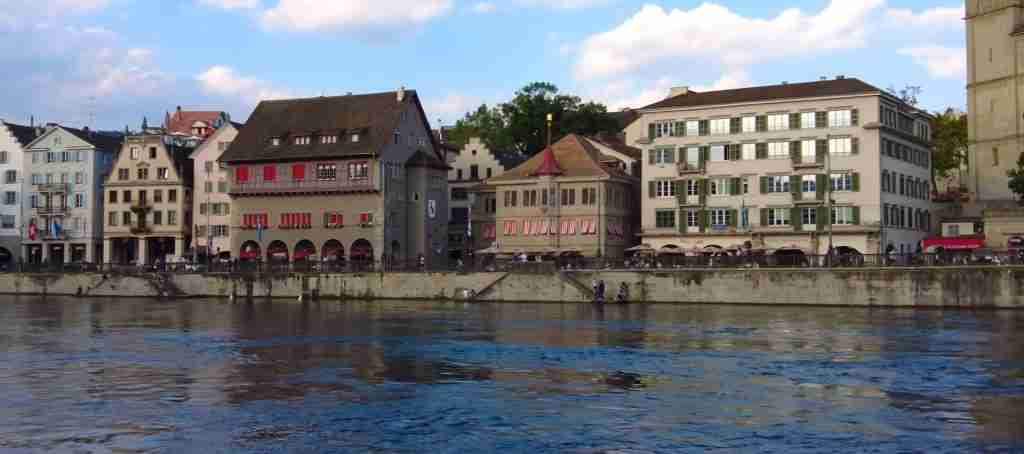
3 days
Zurich 3-Day Discovery Tour
- ✓ Comprehensive Zurich experience
- ✓ Expert local guides included
- ✓ All accommodation included
- ✓ Transportation provided

5 days
Zurich 5-Day Highlights Experience
- ✓ Comprehensive Zurich experience
- ✓ Expert local guides included
- ✓ All accommodation included
- ✓ Transportation provided
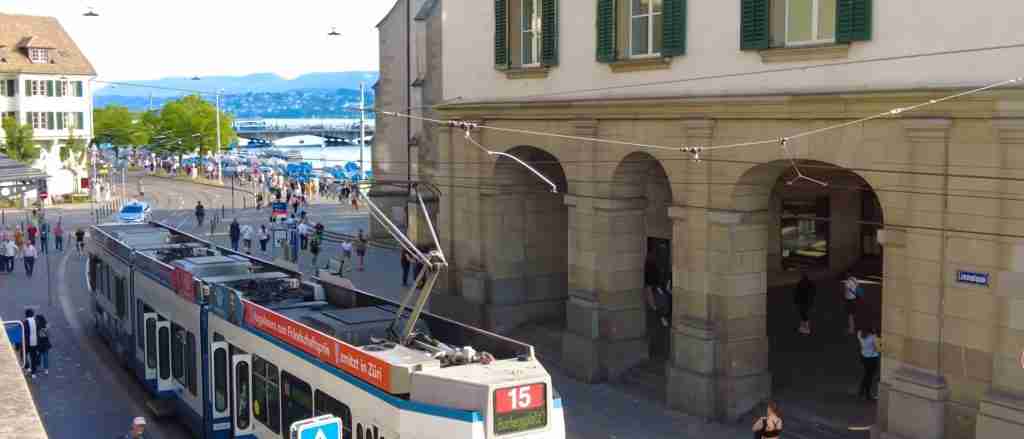
7 days
Zurich 7-Day Cultural Journey
- ✓ Comprehensive Zurich experience
- ✓ Expert local guides included
- ✓ All accommodation included
- ✓ Transportation provided
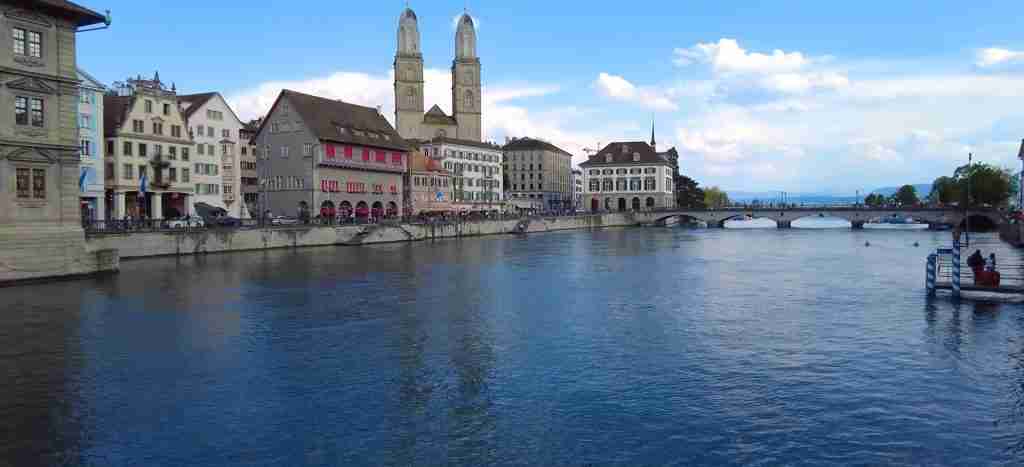
10 days
Zurich 10-Day Complete Adventure
- ✓ Comprehensive Zurich experience
- ✓ Expert local guides included
- ✓ All accommodation included
- ✓ Transportation provided
Multi-day tour packages powered by TourRadar. Prices and availability subject to change.
Introduction: Unveiling Zurich’s Secret Character
Zurich’s hidden treasures exist in plain sight, camouflaged within medieval streetscapes, beneath shopping districts, and across repurposed industrial zones that guidebooks rarely mention. While Lake Zurich and Bahnhofstrasse attract millions, parallel networks of discovery await in backstreet chocolate ateliers, police station art galleries, and riverside neighborhoods where local culture operates undiluted by tourism.
This secret geography spans centuries and districts. Roman fortifications survive beneath public parks where chess players gather under linden trees. World-changing art movements began in cabaret cellars that still host experimental performances. Industrial warehouses evolved into design showrooms built from shipping containers. Residential neighborhoods conceal miniature worlds, thermal bath complexes, and specialist collections that international visitors might never suspect exist.
The distinction between hidden and mainstream in Zurich often hinges on simple knowledge rather than access restrictions. Many gems welcome visitors freely—Lindenhof park, Cabaret Voltaire’s main spaces, Giacometti murals in the police station, Zurich West’s public areas—yet remain unknown because they lack the promotional apparatus supporting major attractions. Others require modest admission fees (CHF 5-10 / $5.50-11) that unlock extraordinary specialized collections seen by relatively few despite their world-class significance.
Geographic dispersion reinforces this hiddenness. Secret spots scatter across districts from medieval Niederdorf to avant-garde Zurich West, from lakeside Enge to hillside Zürichberg. No single tourist route connects them. Discovery demands intentional exploration beyond prescribed paths, willingness to climb staircases into unexpected buildings, and curiosity about doorways that most visitors pass without investigation.
Local insider knowledge forms the final barrier. Zurich residents know which chocolate makers merit the tram journey to outer neighborhoods, which museum basements contain archaeological surprises, which former factories now house the best design studios. They understand seasonal rhythms—when Frau Gerolds Garten flourishes with summer programming, which winter evenings bring jazz performances to hidden cellars, how spring transforms riverside paths into local gathering spaces away from tourist concentrations.
This guide breaks those knowledge barriers systematically. Each section provides specific locations, access details, historical context, and insider perspectives that transform hidden gems from vague possibilities into concrete destinations. The focus prioritizes authenticity—spaces where Zurich’s creative, intellectual, and cultural life genuinely unfolds, not manufactured “local experiences” designed for tourist consumption.
Categories encompass artistic heritage (Dadaist birthplaces, Giacometti murals, contemporary galleries in repurposed spaces), neighborhood discoveries (Zurich West transformation, Niederdorf hidden corners, residential district surprises), specialized collections (horological museums, literary spaces, earth science exhibits), natural retreats (elevated viewpoints, lesser-known parks, riverside paths), and cultural venues (independent theaters, experimental music spaces, artisan workshops).
The hidden gems phenomenon in Zurich reflects the city’s fundamental character—a place where quality and substance matter more than spectacle, where significant cultural contributions occur quietly without demanding attention, where local life continues robust and authentic alongside tourism rather than being reshaped by it. Understanding this secret geography means encountering Zurich as residents experience it: sophisticated, creative, historically layered, intellectually vibrant, and considerably more complex than lakefront promenades and luxury shopping might suggest.
Zurich West: Former Industrial District Transformed Into Creative Hub
The transformation of Zurich West from manufacturing zone to cultural destination represents one of Europe’s most successful urban regeneration projects. Located northwest of Zurich’s main train station across the Hardbrücke bridge, this former industrial quarter now attracts design professionals, artists, and visitors seeking contemporary urban culture away from historic district tourism.
The district’s evolution began in the 1990s as heavy manufacturing declined and factory buildings stood vacant. Rather than demolition, collaborative planning between city authorities and private developers reimagined existing infrastructure. Railway viaducts became shopping arcades. Ship factories transformed into cultural venues. Warehouses evolved into design studios. This adaptive reuse preserved industrial character while enabling new functions, creating spaces that honor manufacturing heritage while serving contemporary creative industries.
The Freitag Tower anchors Zurich West’s identity as Switzerland’s most recognizable example of upcycled architecture. Built in 2006 from 19 stacked shipping containers sourced from Hamburg’s port and transported by train, the 26-meter structure rises near Hardbrücke station as both flagship store and viewing platform. The four lower levels display 1,600 individual Freitag bags made from recycled truck tarps, making this the world’s largest selection of the brand’s distinctive messenger bags and accessories. Climbing to the rooftop provides panoramic perspectives across the industrial quarter’s architectural evolution—factory buildings alongside contemporary towers, historic viaducts next to glass-fronted offices, a visual timeline of urban transformation.
The Viadukt transforms 19th-century railway infrastructure into a vibrant commercial and social space. These brick arches once supported freight trains above the industrial district. Today they shelter independent boutiques, restaurants, wine bars, design shops, and specialty food stores. The covered arcade creates a protected pedestrian environment regardless of weather, with each arch functioning as an individual unit. Weekend markets and evening events activate the space, drawing neighborhood residents for socializing that extends into adjacent streets and squares. The Viadukt demonstrates how historic infrastructure can gain new life through sensitive adaptation that respects original engineering while serving contemporary urban needs.
Frau Gerolds Garten occupies temporary-use land near the Freitag Tower, creating an urban garden and event space that embodies Zurich West’s experimental spirit. Shipping containers converted into bars and food stalls surround garden plots and seating areas. Summer programming includes outdoor cinema, concerts, workshops, and community events. The deliberately informal atmosphere—mismatched furniture, wild plantings, DIY aesthetics—contrasts sharply with Zurich’s reputation for precision and polish, offering a relaxed gathering space where creativity and spontaneity take priority over perfection.
The Prime Tower, completed in 2011, signals Zurich West’s evolution from experimental creative quarter to mainstream commercial success. At 126 meters with 36 floors, this was Switzerland’s tallest building until Basel’s towers surpassed it. The distinctive green-glass form houses offices for major corporations, representing the district’s maturation from artist studios to corporate headquarters. The tower’s presence generates mixed reactions—some celebrate Zurich West’s arrival as a significant business district, while others mourn the displacement of pioneer creatives who catalyzed the transformation but can no longer afford rents.
The Schiffbau cultural complex occupies a former shipbuilding factory, preserving industrial architecture while hosting theater performances, exhibitions, and events. The Schauspielhaus Zurich operates stages here, bringing established cultural institutions into the repurposed spaces. The building’s adaptive reuse maintains factory character—exposed steel, industrial windows, raw materials—while meeting performance venue requirements. Restaurants and bars activate the ground floor, extending cultural programming into social gathering spaces that draw both theater audiences and neighborhood residents.
Street art animates building facades throughout Zurich West, creating an outdoor gallery across the district. Large-scale murals cover former factory walls. Smaller interventions appear on utility boxes, staircases, and transitional spaces. The art reflects diverse styles from photorealistic portraits to abstract compositions to political statements. Unlike sanctioned street art programs in some cities, much of Zurich West’s visual culture emerged organically as artists claimed neglected surfaces, though authorities now increasingly commission and curate new works.
The Koch-Areal park, opened in 2025, adds another dimension to Zurich West’s evolution. This site blends circus history with contemporary landscape design, creating wild gardens where performance spaces meet natural areas. The park’s unconventional programming—combining books, nature, and circus traditions—reflects Zurich West’s continuing experimentation with urban space even as the district matures and commercializes.
Access to Zurich West benefits from excellent public transport connections. Hardbrücke station serves as the district hub, with S-Bahn trains, trams, and buses providing frequent service. Walking from Zurich main station takes 15-20 minutes, passing through transitional areas that show the gradual shift from traditional commercial center to contemporary creative quarter.
Zurich West rewards extended exploration rather than quick visits. The district lacks concentrated tourist attractions; instead, its appeal emerges from cumulative experience—browsing design shops, observing street art, socializing in gardens and viaduct cafes, witnessing how industrial heritage integrates with contemporary creativity. Morning visits find the quarter quiet as businesses open. Afternoons bring shopping and gallery visitors. Evenings activate restaurants, bars, and cultural venues, transforming the district into Zurich’s most vibrant nightlife area.
The neighborhood continues evolving as construction projects add residential towers and commercial buildings. This development pressure raises concerns about gentrification displacing the creative pioneers who made Zurich West desirable. Rising rents force artist studios and independent businesses toward outer neighborhoods. The challenge facing Zurich West mirrors other successful creative districts worldwide—how to preserve the alternative culture and experimental spirit that defined the transformation while accommodating the mainstream success and property values that transformation generated.
Cabaret Voltaire: Dadaist Birthplace and Contemporary Cultural Space
At Spiegelgasse 1 in Zurich’s old town stands the building where the Dada art movement began, fundamentally altering 20th-century cultural expression. Cabaret Voltaire opened in February 1916 as World War I raged across Europe, with Zurich’s neutrality drawing refugees, artists, and intellectuals to Switzerland. Hugo Ball and Emmy Hennings founded the cabaret as a venue for experimental artistic entertainment, attracting a circle that included Tristan Tzara, Hans Arp, Marcel Janco, and Richard Huelsenbeck.
The original Cabaret Voltaire operated briefly but impacted art history profoundly. Performances combined poetry, music, dance, and visual art in deliberately chaotic and provocative presentations. On July 28, 1916, Ball read the first Dada Manifesto, formally launching a movement that challenged conventional definitions of art, beauty, and meaning. The name “Dada” itself—subject to various etymological theories—embodied the movement’s embrace of nonsense and rejection of rational explanation. By 1917, the cabaret closed as artists dispersed to other Zurich locations and eventually Paris and Berlin, but its brief existence seeded an international avant-garde phenomenon.
The building fell into neglect by the late 20th century, facing potential demolition. In winter 2001-2002, neo-Dadaist artists occupied the structure in protest, organizing three months of performances, poetry readings, and events before police eviction in April 2002. This action catalyzed preservation efforts. The city of Zurich ultimately restored the building, reopening Cabaret Voltaire in 2004 as a museum, cultural center, and active venue honoring its historical significance while supporting contemporary experimental art.
Today’s Cabaret Voltaire functions across multiple levels and purposes. The entrance area houses the Artists’ Bar, where one artist occupies the space for a year-long residency, creating installations and interventions that engage visitors entering the building. This rotating artistic presence maintains the cabaret’s tradition of providing platforms for creative experimentation outside mainstream gallery systems.
The Historical Hall upstairs preserves the original performance space where Dada began. This room operates as a bar and event venue, hosting soirées that continue the spirit of experimental artistic presentation. The hall’s preservation allows visitors to stand in the actual room where Ball, Hennings, Tzara, and others revolutionized artistic expression, creating tangible connection to cultural history that few other venues provide. Contemporary events in this space—sound poetry performances, experimental music, artist talks, interdisciplinary collaborations—maintain continuity with Dadaist principles rather than ossifying the hall as static museum exhibit.
The Vaulted Cellar beneath the main building hosts temporary exhibitions exploring contemporary art through Dadaist lenses. Exhibition programming engages current artists whose work resonates with Dada themes—anti-establishment critique, boundary-pushing experimentation, interdisciplinary collaboration, questioning of artistic conventions. Admission to cellar exhibitions costs CHF 8 ($9) for adults, CHF 5 ($5.50) reduced, while the house, bar, and Historical Hall remain free to enter.
The Dada Library on the second floor contains significant archival collections of Dadaist publications, manifestos, posters, and scholarly materials. Researchers can access these resources during open hours, making Cabaret Voltaire not just a venue and museum but an active research facility preserving and sharing movement documentation. The library welcomes serious scholars while maintaining accessibility for interested visitors wanting deeper engagement with Dada history and theory.
Opening hours accommodate both cultural visitors and evening social activity. The venue typically opens Tuesday through Sunday, with afternoon and evening hours that vary seasonally. Friday and Saturday extend into late night (past midnight), reflecting the cabaret’s dual function as cultural institution and active social space. Daytime visits allow focused engagement with exhibitions and library materials. Evening visits provide atmosphere closer to the original cabaret’s spirit—experimental performances, intellectual conversation, artistic community gathering.
Cabaret Voltaire’s location in the old town places it within dense networks of historical and cultural sites. Spiegelgasse itself contains other significant addresses—Lenin lived briefly at number 14 before returning to Russia for the 1917 Revolution. The Grossmünster church stands nearby. Niederdorf’s medieval lanes stretch north. This central positioning makes the cabaret easy to incorporate into old town explorations, though many tourists pass the building without recognizing its significance.
The venue offers guided tours by reservation, often available in English, providing structured introduction to Dada history and the building’s contemporary role. Some tours connect Cabaret Voltaire with other Dada-related sites across Zurich, creating broader context for the movement’s local impact. Public guided tours occur monthly, typically on the first Monday evening.
Cabaret Voltaire sells Dada-related books, publications, and materials at the entrance, supporting independent publishers and scholars while providing visitors access to movement literature beyond what major bookstores stock. This retail function extends the educational mission, enabling visitors to deepen engagement after their visit.
The venue’s programming philosophy balances historical preservation with living cultural practice. Rather than treating Dada as concluded history, Cabaret Voltaire positions the movement as ongoing influence and inspiration for contemporary artists challenging conventions and questioning established norms. This approach maintains relevance while honoring heritage—the building serves as monument and platform simultaneously, commemorating past while creating space for present and future experimental expression.
Visitors to Cabaret Voltaire encounter multiple layers of meaning simultaneously. The physical space connects to specific historical moment when Ball, Hennings, and colleagues launched Dada. The exhibitions and performances demonstrate how those early 20th-century innovations continue influencing 21st-century artistic practice. The bar and social aspects maintain the cabaret’s original function as gathering place for creative community. This multiplicity prevents the venue from becoming dry museum exhibit, instead creating dynamic environment where history remains vital and relevant to ongoing cultural conversations.
Lindenhof: Ancient Hilltop Park With Panoramic Old Town Views
Lindenhof occupies an elevated position in Zurich’s historical center, providing panoramic views across the Limmat River toward Grossmünster church, city hall, and the university. This public park sits atop archaeological layers spanning more than 2,000 years, from Celtic settlements through Roman fortifications to medieval palaces, making it simultaneously a peaceful green space and a site of exceptional historical significance.
The hill’s strategic value shaped Zurich’s founding and growth. Celtic peoples established an oppidum (fortified settlement) here in the 1st century BC, controlling river crossings and trade routes. When Romans integrated the region into their empire, they built a customs station called Turicum on the site, collecting taxes on goods transported along the Limmat. A 2nd-century tombstone discovered in 1747 provides the oldest written attestation of Turicum, Zurich’s Roman-era name. This stone—displayed at the Swiss National Museum with a copy integrated into Lindenhof’s retaining wall—marks the city’s documented beginnings.
Roman military engineers constructed a fort atop Lindenhof during the reign of Emperor Valentinian I (364-375 AD) to defend against Germanic tribal migrations. The fortification covered 4,500 square meters with walls two meters thick and ten defensive towers. These substantial defenses recognized the hill’s importance commanding river traffic and surrounding territory. Portions of Roman walls survive incorporated into later medieval construction, providing physical continuity across centuries of building activity.
After Rome’s collapse, the hill remained strategically valuable. In the 9th century, Louis the German—Charlemagne’s grandson—constructed a Carolingian palace (Kaiserpfalz) on Lindenhof as a royal residence. This palace established Zurich as a significant administrative center in the Carolingian Empire. The building eventually fell into disrepair and was quarried for building stone by the 13th century, though its presence elevated Zurich’s political importance during crucial formative periods.
Medieval Lindenhof functioned as civic gathering space where Zurich’s residents assembled for political deliberations and public events. One legendary episode from 1292 describes women of Zurich donning armor and appearing on Lindenhof’s ramparts to deceive Habsburg Duke Albert I’s besieging forces into believing the city maintained strong defenses, causing the siege to lift. The Hedwig Fountain, built in 1912, commemorates this historical event with a sculpture by Gustav Siber showing a helmeted woman standing guard.
The Reformation period brought religious and political transformations to Zurich, with Lindenhof serving as space for public debates and gatherings where citizens discussed matters of faith and governance under Huldrych Zwingli’s Protestant reforms. In 1798, Zurich’s citizens swore oath to the Helvetic Republic constitution on Lindenhof, marking another pivotal moment in the city’s political evolution. These repeated uses as civic assembly ground demonstrate the hill’s enduring role in Zurich’s public life across very different historical periods.
During the 19th century, Lindenhof transformed from strategic fortification to recreational park as Zurich modernized. Fifty-two linden trees were planted in 1774, giving the hill its current name (Lindenhof means “linden yard”). In 1780, baroque landscaping created a geometrically structured park. Further developments in the 1800s established the contemporary layout—tree-lined paths, stone tables, open lawn areas, and viewing terraces. The park became popular for leisure activities including chess (still played on permanent outdoor boards), promenading, and enjoying views.
The most significant hidden treasure at Lindenhof requires special access. Beneath the public square lies a cellar containing preserved Roman ruins—foundations, walls, and architectural fragments from the ancient fortifications. This archaeological space is not open as regular museum but can be visited by obtaining a key from Zurich city hall, which loans the key for up to three days. This unusual access system allows interested visitors to explore Roman remains few tourists ever see, creating intimate encounter with Zurich’s earliest building layers.
The panoramic views from Lindenhof explain the site’s military value while providing one of central Zurich’s finest vantage points. Looking east across the Limmat, the old town spreads along both riverbanks—medieval buildings with tile roofs, church spires punctuating the skyline, university and ETH Zurich buildings on higher ground beyond. The Grossmünster’s twin towers dominate the view. City hall’s distinctive Renaissance architecture stands beside the river. In clear conditions, the Alps form distant backdrop. These views cost nothing, available 24 hours daily year-round, making Lindenhof one of Zurich’s most accessible attractions despite its hidden historical significance.
The park functions as neighborhood gathering space where local residents significantly outnumber tourists, particularly mornings and evenings. Elderly men play chess at permanent stone tables under the linden trees. Office workers lunch on benches. Parents bring children to the lawn areas. This continuing civic use maintains Lindenhof’s tradition as public gathering place, connecting contemporary social function to medieval and ancient precedents.
Access to Lindenhof requires uphill walking from surrounding streets, as the hill rises approximately 25 meters above the Limmat. Several stairways ascend from the old town—from Pfalzgasse near St. Peter church, from Schipfe riverside district, from Limmatquai embankment. These approaches pass through medieval streetscapes, creating atmospheric passages between contemporary street level and historic hilltop. The effort rewards with views and tranquility that contrast sharply with tourist-crowded Bahnhofstrasse just a few blocks away.
Lindenhof appears in broader Zurich historical tours and walking routes, but many visitors spend only minutes snapping photographs before departing. Extended time reveals subtler qualities—how morning light illuminates the old town differently than afternoon sun, how seasonal changes affect tree canopy and views, how locals use the space throughout the day. The Roman tombstone copy in the retaining wall, the Hedwig Fountain’s historical reference, the linden trees’ age and character—these details emerge through observation rather than quick passes.
The site exemplifies Zurich’s approach to historical preservation—maintaining spaces for public use while protecting significant archaeological remains, enabling free access while preserving heritage, allowing contemporary social function while acknowledging deep historical layers. Lindenhof succeeds as both active park and protected monument, demonstrating that historical significance need not exclude everyday civic use when managed with appropriate care and respect.
Beyer Clock and Watch Museum: World-Class Horological Collection Beneath Bahnhofstrasse
Beneath one of Zurich’s most prestigious shopping addresses lies a museum containing 270 timepieces spanning human history from ancient sundials to precision chronometers, representing one of the world’s most significant private horological collections. The Beyer Clock and Watch Museum occupies the basement level of Beyer Chronometrie at Bahnhofstrasse 31, a luxury watch and jewelry dealer operating since 1760. This location on Zurich’s famous shopping boulevard means most visitors walk directly overhead without suspecting the extraordinary collection below.
The museum opened to the public in 1971, making the Beyer family’s private collection accessible for educational purposes. The family’s involvement in watch and clock trading extends over 250 years, with successive generations acquiring historically significant timepieces and horological instruments. Theodore Beyer ranks among the earliest systematic collectors of chronometric devices, assembling pieces that document humanity’s evolving relationship with time measurement across cultures and centuries.
The collection begins with humanity’s earliest timekeeping methods. Ancient sundials demonstrate how shadow positions marked daily hours in civilizations from Egypt to Rome. Water clocks show sophisticated engineering in cultures lacking mechanical technology—graduated vessels where dripping water measured time passage, some with alarm mechanisms triggered when water reached specific levels. An oil lamp from the Far East measured time by decreasing fuel levels, ingeniously combining lighting function with temporal tracking. Hourglasses display sand-based measurement that served maritime navigation and regulated activities before mechanical alternatives. These ancient instruments reveal universal human need to quantify and coordinate time, expressed through diverse materials and mechanisms according to available technology and cultural practices.
Medieval and Renaissance mechanical clocks represent extraordinary craftsmanship and engineering innovation. Tower clock mechanisms designed for church installation show wrought iron construction and weight-driven power transmission from an era when these devices were rare community resources rather than personal possessions. Monastery table clocks demonstrate miniaturization that brought timekeeping indoors, serving religious communities regulating prayer schedules. Renaissance automata combine timekeeping with theatrical presentation—moving figures, musical mechanisms, and animated scenes showing technical virtuosity alongside functional time display.
The collection contains numerous elaborately decorated pocket watches from the 16th through 19th centuries, many featuring extraordinary enamel artwork, engraving, and jeweling. These pieces functioned as luxury personal items signaling wealth and status before wristwatches became standard. Cases show mythological scenes, portraits, landscapes, and decorative patterns executed with remarkable precision at tiny scales. The internal mechanisms reveal increasing sophistication—balance wheels regulating escapements, jeweled bearings reducing friction, complications adding calendar functions, moon phases, and striking mechanisms announcing hours audibly.
Scientific navigation instruments demonstrate timekeeping’s practical importance beyond personal convenience. Marine chronometers enabled accurate longitude determination at sea, solving one of navigation’s greatest challenges. These precision instruments required extraordinary accuracy to function reliably despite ship motion, temperature variations, and moisture exposure. The collection includes examples showing technological developments that made reliable ocean navigation possible, fundamentally changing global trade and exploration.
The museum preserves significant milestones in wristwatch evolution. Early wristwatches transitioned from pocket watches mounted on wrist straps to purpose-designed wrist formats. The collection includes the prototype of the first quartz wristwatch, representing the technological revolution that transformed watch manufacturing in the late 20th century when electronic regulation replaced mechanical movements for most consumer timepieces. Military watches show design evolution responding to specific battlefield requirements—luminous dials for night operations, shock resistance for combat conditions, water resistance for various environments.
Particularly rare are functioning antique automatic watches visible in operation through display cases. These self-winding mechanisms, often too fragile for regular operation in museum settings, demonstrate mechanical ingenuity through rotor weights and winding trains that capture kinetic energy from wrist motion. Video recordings supplement some displays, showing complex movements operating that would be difficult or impossible to demonstrate in preserved historical pieces.
The museum provides iPads offering detailed information about most exhibited timepieces in German, English, and French. These digital guides allow self-directed exploration at individual pace, providing technical specifications, historical context, and provenance information for pieces that interest particular visitors. This technology enables much deeper engagement than traditional text labels while avoiding visual clutter in display cases.
Admission costs CHF 10 ($11) for adults and CHF 7 ($8) for reduced tickets. Students pay CHF 5 ($5.50). Children under 12 enter free. The Zurich Card provides free admission. These modest fees make the collection highly accessible compared to its world-class significance and the value of pieces displayed.
Opening hours run Monday through Friday, 14:00 to 18:00. The museum closes on weekends and public holidays. Guided tours for private individuals and groups can be arranged by reservation. Public guided tours typically occur on the first Monday of each month, starting at 17:30 and lasting approximately one hour. These tours provide expert interpretation of the collection’s highlights and thematic insights into horological history that self-guided visits might miss.
The museum occupies climate-controlled basement spaces accessed through the Beyer Chronometrie shop. Descending from Bahnhofstrasse’s luxury retail environment into this specialized collection creates dramatic transition from commercial present to historical depths. The display cases, lighting, and architectural treatment create museum-quality exhibition environment despite the commercial building location above.
The collection rewards particular interest in technical evolution, design history, or craftsmanship appreciation. Visitors fascinated by mechanical devices will find extraordinary examples of pre-industrial engineering. Those interested in decorative arts encounter miniature masterpieces of engraving, enameling, and jewelry work. Historians can trace technological development and cultural attitudes toward time across civilizations. The museum functions as specialized rather than general-interest attraction—ideal for those with specific horological curiosity but potentially too focused for visitors seeking broader cultural overviews.
The Beyer Museum exemplifies Zurich’s pattern of hiding world-class specialized collections in unexpected locations. Like the Rietberg Museum’s non-European art in a villa park or the Strauhof’s literary collections in an old town building, this extraordinary horological assembly exists known primarily to enthusiasts and researchers despite its accessibility and significance. This understated approach allows serious collections to operate without mainstream tourist pressures, maintaining scholarly standards and educational focus rather than entertainment imperatives.
Giacometti Police Station Murals: Hidden Art Gallery in Government Building
Inside Zurich’s police headquarters at Bahnhofquai 3 hangs one of the city’s most unexpected art galleries—a vaulted entrance hall where Augusto Giacometti’s 1923 ceiling murals transform institutional corridors into spaces of vibrant color and imaginative design. This hidden treasure requires only depositing identification at the entrance to access, making it free to visit yet largely unknown beyond locals familiar with Zurich’s artistic heritage.
Augusto Giacometti (1877-1947) ranks among Switzerland’s most significant early 20th-century artists, though often overshadowed by his more internationally famous cousin Alberto Giacometti. Augusto specialized in color theory and decorative arts, creating murals, stained glass windows, and architectural integrations across Switzerland. His work demonstrates influence from Art Nouveau, Symbolism, and his own theoretical investigations into color relationships and psychological effects.
The police station commission came in 1923 when the city sought to brighten what were notoriously dark and oppressive corridors. Rather than conventional institutional decoration, Giacometti created exuberant ceiling paintings that cover the entrance hall’s vaulted surfaces with warm tones, floral motifs, geometric patterns, and figurative elements. The hall earned the nickname “Blüemlihalle” (hall of little flowers) for its botanical abundance rendered in reds, yellows, oranges, and earth tones that illuminate the space with painted light.
The murals combine multiple stylistic elements and symbolic layers. Abstract geometric shapes create underlying compositional structure. Stylized flowers and plant forms suggest natural growth and vitality. Small human figures—crafters, scientists, scholars—gaze upward toward stars, representing human aspiration and the pursuit of knowledge. This iconographic program transforms a police station entrance into a meditation on creativity, learning, and human potential, themes deliberately chosen to counteract the building’s institutional function and psychological weight.
Giacometti’s color theory application makes the murals particularly significant for art historical study. He developed complex ideas about color psychology—how different hues affect mood and perception, how color combinations create spatial effects, how tonal relationships can energize or calm environments. The police station murals demonstrate these theories applied to functional architecture, using color scientifically to improve the psychological experience of a space associated with law enforcement and potential distress.
The murals survived the 20th century remarkably intact despite the building’s heavy use and periodic renovation. Their preservation reflects recognition of their artistic significance and Giacometti’s importance to Swiss cultural heritage. The city maintains the paintings as protected artworks while the building continues active police operations, creating unusual situation where government function and art preservation coexist in the same corridors.
Access requires approaching the police station entrance during business hours (typically Monday-Friday, daytime hours) and requesting to see the Giacometti murals. Staff will ask visitors to deposit a form of identification—passport, driver’s license, or identity card—which is returned upon exit. This security protocol allows public access while monitoring who enters the active government building. The process takes only minutes and imposes no fees, making the murals among Zurich’s most accessible significant artworks.
Once inside, visitors can freely photograph the ceilings and appreciate the space at their own pace. The entrance hall sees regular traffic as police personnel and visitors pass through, creating dynamic environment rather than silent museum setting. This continuing use as functional government space adds interest—experiencing how institutional architecture can incorporate artistic ambition, how daily work environments can provide aesthetic enrichment, how public buildings can serve cultural as well as administrative purposes.
The murals join other Giacometti works throughout Zurich. The Kunsthaus Zurich holds significant paintings. The Fraumünster church contains his famous stained glass windows in the north transept, created late in his career and ranking among his most celebrated achievements. The police station murals represent earlier career work showing his evolving style and the range of commissions he accepted across public and religious contexts.
Locating the building requires navigating to Bahnhofquai along the Limmat River, several blocks from the main train station. The police headquarters occupies a substantial structure near the lake, recognizable by its institutional architecture and official signage. Many tourists pass the building without realizing it contains accessible artwork. This hiddenness makes the murals particularly rewarding to discover—a genuine secret within plain sight, protected by simple lack of publicity rather than restricted access.
The Giacometti police station murals exemplify Zurich’s broader pattern of integrating art into civic infrastructure rather than isolating it in museums. Numerous government buildings, schools, and public spaces contain significant artworks by recognized artists, creating accidental galleries throughout the city. This approach reflects Swiss values around public art access and the belief that cultural enrichment should permeate everyday environments rather than requiring special museum visits.
Specialty Museums and Collections Beyond Major Institutions
Zurich’s museum landscape extends far beyond the Kunsthaus and Swiss National Museum to encompass dozens of specialized collections addressing particular subjects with extraordinary depth. These focused institutions reveal specific aspects of Swiss culture, scientific inquiry, and artistic practice that general museums cannot adequately represent.
The Rietberg Museum specializes in non-European art, occupying three historic villas within Rieter Park on Zurich’s western hillside. The permanent collection encompasses Asian, African, ancient American, and Islamic art spanning millennia and continents. Major strengths include Indian sculpture, Chinese ceramics, Japanese painting, and African masks. The museum’s founding reflected Swiss collector Eduard von der Heydt’s global interests and the recognition that Zurich’s major institutions focused almost exclusively on European traditions. The park setting provides peaceful surroundings far removed from city center crowds, with sculpture gardens connecting the villa buildings and offering lakeside views.
FocusTerra, the ETH Zurich earth and science discovery center, presents geological, paleontological, and astronomical collections with particular emphasis on Alpine formation and Swiss mineralogy. Interactive exhibits explain plate tectonics, mountain building, mineral formation, and deep time concepts. The collection includes spectacular mineral specimens, fossil assemblages, and meteorite samples. Located within ETH’s main building complex on the Polyterrasse hillside, the center benefits from university research connections while maintaining public accessibility free of charge.
The Strauhof literature museum occupies a baroque building in the old town, presenting changing exhibitions exploring Swiss and international literary history. Past exhibitions have examined particular authors, literary movements, manuscript collections, and the relationship between literature and other arts. The building itself represents 18th-century urban architecture, creating atmospheric environment for engaging with written culture. Admission varies by exhibition but typically remains under CHF 10 ($11).
The Mühlerama flour mill museum operates within a functioning historic mill building, demonstrating grain milling technology and bread-making traditions. Visitors can grind their own flour using historic millstones and learn about cereal agriculture’s cultural importance. The museum addresses food history, technological evolution, and sustainable agriculture themes while maintaining working equipment that few other mill museums preserve in operational condition. The location in Tiefenbrunnen slightly outside the city center reduces tourist numbers while serving neighborhood residents and school groups.
The Museum für Gestaltung (design museum) presents Swiss and international graphic design, industrial design, applied arts, and architecture. The collection includes poster designs, typography, product design, furniture, and architectural models documenting Switzerland’s significant contributions to 20th-century design culture. Temporary exhibitions address contemporary design issues and historical design movements. Two locations—Ausstellungsstrasse near the university and Toni-Areal in Zurich West—provide different exhibition spaces and contexts.
The Zoological Museum at University of Zurich preserves comprehensive natural history collections including mounted specimens, skeletal preparations, and preserved specimens in alcohol. The systematic collections document global biodiversity with particular strength in Swiss fauna. Large mammals, bird collections, and invertebrate specimens fill exhibition halls showing Victorian-era museum presentation alongside contemporary interpretation. The museum functions as both public attraction and research resource for university scientists studying comparative anatomy, evolution, and biodiversity.
The Tram Museum at Burgwies preserves historic Zurich trams and documents public transportation history. Vintage vehicles span the evolution from horse-drawn streetcars through electric trams to modern articulated vehicles. The collection shows industrial design evolution, urban transportation development, and daily life changes as tram networks expanded across growing Zurich. Opening hours are limited (typically weekend afternoons), making this particularly specialized destination for transport history enthusiasts.
The Medical History Museum at University of Zurich addresses healthcare evolution, medical technology development, and changing understandings of disease and treatment. Collections include historic surgical instruments, medical texts, pharmaceutical equipment, and anatomical models. Exhibitions explore medical ethics, public health history, and medicine’s relationship to broader social changes. The museum occupies space within the university medical complex, creating direct connection between historical study and contemporary medical education and practice.
These specialized museums reward targeted interest more than general cultural tourism. Visitors passionate about particular subjects—earth sciences, non-European art, design history, natural history—will find world-class collections and exhibitions addressing their interests in depth impossible to match at general museums serving broader audiences. Many of these institutions maintain small staffs and modest facilities but preserve extraordinary collections and produce significant scholarship within their specializations.
Access varies considerably across these institutions. Some occupy central locations easily reached by public transport. Others require tram or bus journeys to outer neighborhoods or hillside campuses. Opening hours can be limited, particularly for smaller museums with volunteer or part-time staff. Admission fees typically remain modest (CHF 5-15 / $5.50-16), with many offering free entry on specific days or for students and researchers. The Zurich Museum Pass provides access to multiple participating institutions, creating value for visitors planning extensive museum exploration.
The existence of such specialized institutions reflects Zurich’s intellectual culture and the Swiss approach to institutional diversity. Rather than consolidating all collections into massive encyclopedic museums, the system supports numerous focused institutions serving specific scholarly communities and passionate enthusiasts. This approach preserves depth and expertise while acknowledging that not every visitor wants comprehensive cultural overviews—many prefer concentrated engagement with subjects matching their particular interests.
Neighborhood Discoveries: Beyond Old Town Tourist Routes
Zurich’s neighborhoods beyond the medieval center each maintain distinct character and contain hidden gems that reveal local life away from tourist concentrations. Systematic exploration of these districts uncovers the authentic city where residents actually live, work, and socialize rather than the sanitized historic core designed for visitor consumption.
Niederdorf occupies the old town’s eastern bank, stretching north from Grossmünster along narrow medieval lanes. The district transforms across the day—morning brings quiet streets and opening cafes, afternoon sees boutique shopping and restaurant preparation, evening activates entertainment venues ranging from jazz clubs to contemporary bars. The neighborhood’s architectural density creates intimate streetscapes where buildings lean close overhead, ground-floor shops spill onto sidewalks, and pedestrian-only zones encourage wandering without traffic concerns. Augustinergasse presents the most photographed street with oriel windows (bay windows) projecting from medieval buildings, guild signs identifying historic trades, and architectural details spanning Gothic through Baroque periods. Less famous lanes reveal similar architectural richness without tour groups.
The Schipfe district runs along the Limmat’s western bank below Lindenhof, preserving artisan quarters where craftspeople operated workshops for centuries. This riverside area maintains working-class character despite gentrification pressures. Narrow buildings stack vertically along cobblestone lanes stepping down to the water. Traditional trades—printing, bookbinding, carpentry—continue alongside contemporary galleries and restaurants. The neighborhood demonstrates how Zurich’s historic architecture can house continuing small-scale production and craft rather than converting entirely to retail and tourism. Walking Schipfe’s alleys reveals architectural details, workshop windows displaying craft processes, and river views from unexpected angles that main tourist routes never encounter.
Wiedikon stretches west and south from the city center, encompassing residential blocks, small parks, and neighborhood commercial streets serving local needs rather than tourist desires. One particular hidden gem appears on Gertrudstrasse—a red house concealing a miniature world inhabited by felt mice. This whimsical installation, viewable through windows, presents an entire mouse civilization with tiny buildings, streetscapes, and scenarios changing with seasons and holidays. The installation attracts knowledgeable locals and curious discoverers but remains largely unknown to mainstream tourism. Wiedikon also contains neighborhood restaurants, ethnic grocery stores, and residential streetscapes showing ordinary Zurich life outside tourist and business districts.
Aussersihl, immediately west of the main station, evolved as working-class neighborhood during industrialization. The district maintains multicultural character with immigrant communities establishing businesses, restaurants, and cultural spaces. Langstrasse—Aussersihl’s main artery—combines nightlife venues, ethnic restaurants, independent shops, and residential buildings in dense urban mix. The street’s reputation as red-light district coexists with gentrification bringing galleries, design shops, and upscale bars. Walking Langstrasse reveals Zurich’s diversity and social complexity more accurately than old town preservation zones. Side streets contain architectural gems including Art Nouveau facades, industrial buildings converted to residential lofts, and community spaces serving neighborhood populations.
Enge occupies lakefront areas southwest of the center, combining residential neighborhoods with cultural institutions and waterfront parkland. The Rietberg Museum and park provide the district’s most prominent attraction, but residential streets reveal Art Nouveau and early modernist architecture in villa districts developed around 1900. The Enge peninsula extends into Lake Zurich, creating promenade paths and swimming areas (Lido Enge) used heavily by locals during summer months. This lakeside orientation gives the neighborhood different character from city center density—more spacious, more residential, more focused on outdoor recreation and lake-centered lifestyle.
Zürichberg rises east of the city center as wooded hillside containing residential neighborhoods, hiking trails, and parkland. The Zürich Zoo occupies upper slopes, attracting family visitors, but forest trails throughout the area provide escape from urban density with minimal effort. Several restaurants dot the hillside—Rigiblick, Dolder Grand—offering elevated dining with city and lake views. Walking paths connect through forests and past historic villas, creating green corridors rarely experienced by tourists focused on lakefront and shopping streets. The hillside demonstrates how Zurich balances urban intensity with natural landscape access, allowing residents to hike into forests within 30 minutes of city center.
Seefeld occupies lakefront territory east of the opera house, combining residential neighborhoods with waterfront promenade, swimming areas, and parkland. The Chinagarten—a classical Chinese garden gifted by Zurich’s Chinese sister city Kunming—provides peaceful landscape architecture contrasting Swiss alpine surroundings. The district contains Art Nouveau buildings, neighborhood restaurants, and community spaces serving residents rather than visitors. Seefeld’s lakefront promenade continues the waterfront paths extending miles along both shores, connecting neighborhoods through pedestrian and bicycle routes that locals use for commuting and recreation.
Each neighborhood rewards exploration without predetermined destinations—wandering residential streets, observing architectural details, discovering small parks and playgrounds, noting how different districts serve different populations and functions. This unstructured discovery reveals Zurich’s diversity more effectively than tourist attractions presenting curated impressions. The city contains Turkish grocers and Thai restaurants, modernist apartment blocks and preserved medieval lanes, industrial warehouses converted to design studios and villa districts maintaining upper-class residential character since the 19th century.
Public transport enables easy neighborhood exploration. Tram and bus networks reach every district with frequent service. The city’s compact scale means most neighborhoods lie within 15-20 minutes of the center by public transport or 30-40 minutes walking. This accessibility removes barriers to venturing beyond tourist zones—no advance planning required, no complex navigation, simply selecting a tram line into unfamiliar territory and exploring wherever it delivers.
Hidden Natural Spaces and Elevated Viewpoints
Beyond Uetliberg’s famous mountain railway and Lake Zurich’s crowded shorelines, Zurich conceals numerous natural spaces and viewing platforms offering tranquility and perspective without tourist masses. These spots reveal the city’s relationship to surrounding landscape—how urban density integrates with forests, rivers, and hilltops that shape Zurich’s geography.
The Zürichberg forest east of the city center provides extensive hiking trail networks within 30 minutes’ walk from the old town. Multiple entry points access these wooded hillsides—from Rigiblick, from Zürichberg neighborhood streets, from Witikon on upper slopes. Trails range from easy gravel paths to steeper hiking routes climbing toward Zürichbergstrasse ridge. The forest contains mixed deciduous and coniferous trees, seasonal wildflowers, and occasional meadow clearings offering city views. Trail connections allow circular routes or point-to-point hikes across several hours without retracing paths. These forests see mostly neighborhood residents and dedicated walkers rather than tourists, providing genuine escape from urban intensity.
The Käferberg rises north of the city between Affoltern and Höngg neighborhoods. This forested hill contains nature preserve areas, historical sites including ruins of Käferberg monastery, and viewpoints overlooking the Limmat valley toward Zurich. The relative remoteness—requiring tram to Käferberg Waid then uphill walking—keeps visitor numbers low compared to Uetliberg. The effort rewards with peaceful forests, seasonal bird watching, and panoramic perspectives showing Zurich’s position between lake and mountains.
The Irchelpark in northern Zurich near the university hospital and science campus provides designed landscape architecture combining native plantings, seasonal gardens, and sculpture installations. This modern park opened in the 1980s following campus development, creating green space balancing academic buildings and research facilities. Winding paths, reflecting pools, and varied vegetation create contemplative environment popular with university community but rarely mentioned in tourist guides. The park demonstrates 20th-century landscape design principles while serving practical functions for campus users.
The Limmat River paths extend upstream from Lake Zurich through the city center and continue into suburban reaches beyond. While central sections near Grossmünster and Rathaus attract tourists, upstream paths from Werdinsel island northward see primarily local cyclists and pedestrians commuting or exercising. These routes pass industrial heritage sites, riverside parks, and suburban neighborhoods showing how Zurich developed along the river corridor. The paths connect with regional trail networks extending toward Baden and eventually the Rhine, creating long-distance walking and cycling potential far beyond city limits.
The Sihl River—Zurich’s smaller waterway—flows through southwestern districts before joining the Limmat near the main station. Paths along the Sihl’s forested banks provide green corridors cutting through otherwise urban territory. The Sihlwald forest reserve south of the city represents one of Europe’s oldest protected forest areas, accessible via S-Bahn and containing natural beech and fir forests with minimal management allowing natural processes to dominate. Day hikes explore this reserve’s varied terrain and seasonal changes.
Greifensee and Pfäffikonsee—smaller lakes east of Zurich—offer swimming, boating, and waterside paths without Lake Zurich’s crowds and expense. Greifensee particularly attracts cyclists following the Greifensee Rundweg, a flat circuit around the lake passing through wetland preserves, small villages, and agricultural land. These lakes function as weekend destinations for Zurich residents seeking nature without traveling to distant Alpine regions. Public transport reaches both lakes, making car-free visits straightforward.
The Hönggerberg plateau northwest of the city houses ETH Zurich’s science and engineering campus alongside forested slopes and meadowland. Elevated position provides views across the Limmat valley toward Zurich and distant mountains. The area combines academic buildings, forest preserves, and agricultural zones in a landscape mosaic rarely visited by tourists despite good public transport access via ETH Link bus from Zurich main station. Walking paths connect through varied terrain showing the transition zone between urban development and rural landscape.
Several lesser-known viewing platforms offer perspectives beyond typical tourist vantage points. The Polyterrasse at ETH Zurich’s main building overlooks the city center from elevated position reached by Polybahn funicular. Rechberg in the old town provides intimate terraces above the Limmat with stone benches for quiet observation. The upper station of the Uto Kulm cable car on Uetliberg itself—beyond the main tourist viewpoint—delivers even more expansive Alpine panoramas. Felsenegg across Lake Zurich’s southern shore offers spectacular city views from the opposite direction, reached by cable car from Adliswil and popular primarily with locals for Sunday walks.
These natural spaces and viewpoints require more initiative than famous attractions but reward with solitude, local atmosphere, and authentic engagement with landscape that shapes Zurich’s character. The city’s geographic setting—between lake and mountains, bisected by rivers, surrounded by forested hills—creates constant interplay between urban intensity and natural landscape. Experiencing this relationship means venturing beyond paved promenades and marked viewpoints into forests, riversides, and hilltops that residents know but guidebooks rarely mention.
Independent Cultural Venues and Creative Spaces
Zurich’s cultural landscape extends beyond major institutions like Opera House and Tonhalle to encompass dozens of independent venues supporting experimental performance, contemporary art, underground music, and alternative cultural practices. These spaces operate with smaller budgets and higher risk than established institutions, creating platforms for emerging artists and unconventional programming that larger venues cannot accommodate.
The Moods jazz club in Schiffbau occupies industrial space in Zurich West, presenting jazz, world music, and experimental performances in intimate setting with excellent acoustics. The venue books international touring musicians alongside Swiss performers, creating meeting point for diverse musical traditions. Evening concerts draw serious music listeners rather than casual club-goers, maintaining focus on artistic quality over commercial entertainment. The space demonstrates how former industrial buildings can serve cultural functions while preserving architectural character—exposed concrete, minimal decoration, attention directed toward performance rather than environment.
The Miller’s Studio theater in Seefeld specializes in English-language theatrical productions, serving Zurich’s international community and English-speaking Swiss audiences. The intimate venue seats approximately 60, creating close proximity between performers and audience. Productions range from contemporary plays to classics to original works developed by local writers and directors. This language-specific programming fills niche in predominantly German-language Swiss theater landscape, enabling anglophone artists to work in their native language while reaching audiences who might not access German-language productions.
The Rote Fabrik occupies a former industrial complex on Lake Zurich’s eastern shore, functioning as autonomous cultural center since 1980. The converted factory buildings house concert hall, cinema, bars, restaurants, and creative workspaces operated collectively by artists and cultural workers. Programming emphasizes alternative music (punk, electronic, indie, world music), independent cinema, workshops, and community events. The venue’s independence from city cultural administration allows more radical programming and experimental formats than municipal venues typically present. The lakeside location combines industrial atmosphere with waterfront setting, creating unique environment for performances and gatherings.
The Stall 6 theater in Hürlimann-Areal focuses on contemporary drama, dance, and interdisciplinary performance. The venue occupies repurposed brewery buildings, preserving industrial architecture while creating flexible performance space. Productions often premiere new works by Swiss playwrights and choreographers alongside international contemporary pieces. The intimate scale enables risk-taking productions exploring challenging themes and experimental formats that larger theaters cannot economically justify.
The Mehrspur music club in Industrie-Quartier presents alternative and underground music from punk to metal to electronic genres. The deliberately raw venue aesthetic—exposed brick, minimal decoration, focus on sound quality—attracts audiences valuing musical substance over polished entertainment experience. Local bands share stages with touring international acts, creating connections between Swiss underground music scene and global alternative networks.
The Third Space artist-run gallery operates in Zurich West, presenting emerging and mid-career contemporary artists working across media. The gallery functions as collective rather than commercial operation, with artists involved in exhibition programming, space management, and community building. This model enables more experimental curatorial approaches and support for artists whose work might not serve commercial gallery business requirements. Exhibition openings create social gatherings for artistic community, functioning as much as networking spaces as art viewing events.
The Dynamo youth culture house in Aussersihl provides rehearsal spaces, concert venue, workshops, and community programming aimed at young artists and musicians developing their practice. The facility offers affordable access to equipment and space that most young artists cannot otherwise afford in expensive Zurich. Music genres represented range across punk, hip-hop, electronic, and experimental forms. The venue’s youth focus and accessibility criteria mean programming discovery and development rather than presenting established artists, creating platform for cultural practitioners in early career stages.
These independent venues operate under constant economic pressure in expensive Zurich where property values and rents challenge cultural uses competing with commercial and residential development. Many occupy marginal spaces—former industrial buildings, temporary-use sites, peripheral neighborhoods—where cultural activities can afford rent but face uncertain long-term security. This precarity creates tension between Zurich’s prosperity and its cultural vitality, as rising property values that reflect economic success simultaneously threaten the affordable spaces where cultural experimentation occurs.
Finding and accessing these venues requires initiative beyond tourist information services. Programming information appears on venue websites, social media, and specialist cultural listings rather than mainstream visitor guides. Many spaces operate only evening hours when events occur rather than maintaining regular gallery or museum schedules. Audiences consist primarily of cultural insiders, artists, musicians, and dedicated enthusiasts rather than general public or tourists.
The venues collectively represent Zurich’s living cultural production rather than its cultural heritage. While major institutions preserve and present established artistic traditions, independent spaces support contemporary creation, experimental formats, and emerging voices that eventually may become tomorrow’s established culture. This dynamic function makes independent venues essential to cultural vitality even as their economic vulnerability and lack of mainstream visibility keeps them hidden from most visitors.
Artisan Workshops and Specialty Producers
Zurich contains numerous artisan workshops and specialty producers maintaining traditional crafts and creating distinctive products using high-quality materials and skilled techniques. These businesses operate outside mass-market retail, serving customers seeking craftsmanship, uniqueness, and personal service rather than commercial convenience. Discovering these hidden producers reveals alternative economic models and quality standards that survive despite pressure from chain stores and online retail.
Small-scale chocolate makers scatter across residential neighborhoods, producing artisan chocolates using premium ingredients and traditional techniques. These operations differ fundamentally from Sprüngli, Teuscher, and other famous chocolate shops serving tourist traffic. Examples include Kürzi Kakao in outer districts making bean-to-bar vegan chocolate, The Bridge near Europaallee focusing on Swiss and international single-origin bars, and Schwarzenbach in the old town curating exceptional Swiss chocolate alongside their broader luxury goods selection. Visiting these producers often means residential neighborhood journeys and modest storefronts rather than shopping district grandeur. Quality and knowledge compensate for convenience—these specialists can explain cacao origins, processing methods, and flavor profiles with expertise commercial chocolate shops rarely match.
Independent bakeries maintain traditional Swiss baking while creating contemporary variations. Collective Bakery, Babu’s Bakery, and The Artisan operate beyond industrial production systems, using natural leavening, long fermentation, heritage grain varieties, and seasonal ingredients. These bakeries attract customers willing to pay premium prices for bread and pastries made without industrial shortcuts. Morning visits find lines of regulars purchasing daily bread, while afternoon selections offer pastries and specialty items. The bakeries function as neighborhood institutions where social interaction accompanies food purchasing, contrasting with anonymous supermarket shopping.
Specialty coffee roasters operate roasteries producing beans for their cafes and wholesale customers. These businesses source green coffee directly from farmers, roast in small batches, and maintain quality control throughout the supply chain. Roasting facilities sometimes allow visits by appointment, showing production processes and enabling conversations about sourcing, roasting profiles, and seasonal variations. The emphasis on transparency and traceability represents values-based business models where customers care about coffee origins and production methods beyond simple caffeine delivery.
Traditional bookbinders maintain workshops repairing historic volumes and creating custom bindings using centuries-old techniques. These craftspeople serve libraries, collectors, and individuals wanting quality book repair or custom binding for special volumes. Workshops contain specialized equipment—book presses, gilding tools, leather working instruments—and materials—archival papers, leather, gold leaf—rarely seen in contemporary commercial environments. Visiting these workshops provides glimpses into craft traditions requiring years of training and maintaining standards threatened by digital media and disposable consumer goods.
Custom tailors and dressmakers operate workshops creating bespoke clothing using traditional measuring, cutting, and construction methods. These businesses serve clients seeking perfect fit, quality materials, and clothing designed for their specific bodies and preferences rather than mass-market sizing. Multiple fittings, hand-finishing details, and consultation about fabrics and styles create personalized service contrasting completely with fast fashion retail. Swiss tailoring traditions emphasize precision, quality construction, and longevity—garments designed to last decades rather than seasons.
Watchmakers maintain repair and restoration workshops servicing mechanical timepieces from vintage pieces to contemporary luxury watches. These specialists possess deep technical knowledge of mechanical movement repair, case refinishing, and complete watch restoration. Zurich’s concentration of watchmakers reflects Switzerland’s horological heritage, creating ecosystem where skilled technicians can sustain businesses serving collectors and owners of quality mechanical watches. Workshops contain specialized tools, testing equipment, and replacement parts for movements spanning decades of production. Conversations with master watchmakers reveal passion for mechanical engineering, appreciation for historical craftsmanship, and frustration with disposable consumer electronics replacing repairable mechanical instruments.
These artisan producers share common characteristics—emphasis on quality over quantity, traditional skills maintained through apprenticeship, personal customer relationships, transparency about materials and processes, and business models accepting smaller scale and higher prices rather than competing on convenience and low cost. They represent economic diversity within wealthy Zurich, demonstrating that market niches exist for craftsmanship despite pressure from mass production and multinational retail.
Finding these businesses requires research beyond tourist information—local recommendations, specialist publications, online searches for specific crafts or products. Many operate appointment-only or limited hours when craftspeople focus on production rather than retail. Visiting often means residential neighborhoods, modest storefronts, and environments prioritizing function over display. These visits create opportunities for conversations about craft, observation of production processes, and purchasing products with known provenance and assured quality that anonymous commercial retail cannot provide.
Seasonal Hidden Gems and Temporary Transformations
Zurich’s hidden treasures include seasonal phenomena and temporary transformations that appear only during specific times of year, creating experiences impossible to replicate outside particular seasons. These periodic occurrences reward visitors timing their exploration to coincide with natural cycles, cultural traditions, or temporary installations that enhance the city’s permanent features.
Summer transforms Lake Zurich’s shoreline into extensive public swimming area through the Badi system—public lidos and swimming areas operating seasonally along both shores. These facilities range from simple river access points to elaborate complexes with pools, diving platforms, restaurants, and sunbathing lawns. Unlike privatized waterfront in many cities, Zurich maintains public lake access as democratic amenity. Badi culture represents essential summer social institution where diverse populations mix while swimming, sunbathing, and socializing. Lesser-known Badis in outer neighborhoods like Mythenquai or Tiefenbrunnen offer similar lake access with fewer crowds than central locations like Utoquai.
The Limmat River becomes swimming corridor during summer months as locals and visitors float downstream from Letten to the lake. This activity requires no special facilities—simply entering the water upstream and drifting with current while swimmers navigate around bridge pilings and past riverside terraces. River swimming demonstrates Zurich’s exceptional water quality (the Limmat maintains drinking water standards) and relaxed approach to recreational risk. Observing this quintessentially Zurich summer activity provides insights into local culture valuing direct nature access over regulated safety.
Frau Gerolds Garten reaches peak activity during summer months when the outdoor space enables full programming—concerts, markets, workshops, outdoor cinema, and evening social gatherings. The temporary-use site operates year-round but transforms in warm weather when outdoor living becomes comfortable. This seasonal intensification makes summer visits to Zurich West particularly worthwhile for experiencing the neighborhood’s social and cultural energy at maximum intensity.
Autumn brings grape harvest season to Zurich’s urban vineyards—small plots scattered across hillside neighborhoods and traditional wine-growing areas within city limits. These vineyards represent centuries-old agricultural traditions maintained despite urban development. Harvest festivals in wine-producing neighborhoods like Wipkingen celebrate local viticulture with tastings, traditional foods, and community gatherings. Tours of urban vineyards show how agriculture survives within dense city, preserving landscape character and local food production traditions.
Winter transforms Christmas markets into temporary features across various neighborhoods, though most tourists concentrate at Hauptbahnhof and Niederdorf markets. Lesser-known neighborhood markets in Oerlikon, Altstetten, or suburban villages maintain more local character with less tourist focus. These smaller markets emphasize community gathering over commercial transaction, featuring local crafts, regional foods, and social atmosphere where neighbors meet during dark winter weeks.
The Sechseläutenplatz spring festival celebrates winter’s end with elaborate guild processions, traditional costumes, and burning of the Böögg—snowman effigy whose explosion supposedly predicts summer weather based on timing. This peculiarly Zurich tradition demonstrates how pre-modern seasonal rituals persist in contemporary wealthy city, maintaining cultural continuity across centuries of modernization. The festival transforms the city center for several days with parades, guild gatherings, and street celebrations drawing huge crowds of participants and spectators.
Spring brings wildflower blooms to forested hillsides, river valleys, and preserved meadows throughout greater Zurich. These seasonal displays reward hikers exploring Zürichberg, Käferberg, and other green spaces surrounding the city. Guided botanical walks organized by nature conservation groups reveal seasonal vegetation changes and explain local ecology, providing educational context for landscape appreciation beyond simple aesthetic enjoyment.
Cultural programming follows seasonal rhythms with outdoor summer venues, autumn literary festivals, winter classical music series, and spring contemporary art events. The Zurich Theater Spektakel transforms lakefront areas with temporary performance stages and installations each summer. The Zurich Film Festival brings international cinema to the city each autumn. These periodic intensifications create temporary cultural landscapes that dramatically alter experiences available during festival periods versus ordinary times.
Temporary art installations in public spaces create discoverable surprises—sculptures appear in parks, projections animate building facades, performance interventions occur in unexpected locations. These ephemeral artworks last weeks or months before removal, meaning encounters depend on timing luck and awareness of current installations. Following local art news and checking contemporary art venue announcements reveals upcoming temporary projects worth seeking out.
Understanding these seasonal patterns and temporary transformations enables strategic visit timing. Summer offers maximum outdoor activities, lake swimming, and open-air events but attracts peak tourist numbers. Autumn provides comfortable weather, cultural festivals, and harvest traditions with fewer crowds. Winter brings Christmas markets, cultural programming, and opportunities for day trips to nearby mountain areas for winter sports. Spring celebrates seasonal renewal with festivals, wildflower displays, and opening of seasonal venues after winter closure.
Local Knowledge: Insider Strategies for Discovering Hidden Zurich
Accessing Zurich’s hidden gems requires different approaches than visiting famous attractions. While tourist sites provide clear signage, published hours, and promotional materials designed for visitor convenience, secret spots demand initiative, flexibility, and willingness to navigate ambiguity. Local knowledge strategies accelerate this discovery process, providing frameworks for finding treasures that conventional tourist information systems never mention.
Public transport exploration offers systematic method for neighborhood discovery. Selecting unfamiliar tram or bus lines and riding to terminus stations delivers to outer neighborhoods tourists rarely see. Walking radius around these stations reveals residential areas, neighborhood commerce, local parks, and authentic daily life. This approach requires no advance research—simply choosing unexplored routes and observing what appears. Most discoveries will be mundane (apartment blocks, grocery stores, schools) but occasional surprises emerge—neighborhood restaurants, small parks, architectural gems, local cultural venues. Systematic coverage of tram network gradually builds comprehensive mental map of greater Zurich beyond tourist districts.
Following curiosity about doorways, staircases, and passages penetrating old town blocks reveals hidden courtyards, elevated terraces, and architectural interiors invisible from street level. Many old town buildings feature public-access passages connecting parallel streets through internal courtyards. These semi-public spaces maintain medieval urban fabric while providing pedestrian shortcuts and atmospheric environments distinct from main thoroughfares. Walking with attention toward architectural details—ornate doorways, narrow stairways, promising passages—uncovers these spaces that conventional street navigation misses.
Engaging locals in conversation about favorite spots generates insider recommendations impossible to obtain from published guides. Asking boutique shop owners, cafe staff, gallery personnel, or museum guards about hidden gems produces suggestions filtered by local knowledge and personal preference. Most Zurich residents take pride in their city and enjoy sharing insider information with curious visitors. Language barriers rarely prevent these exchanges—English proficiency is high, and genuine interest in local perspective transcends linguistic limitations. These conversations often reveal seasonal phenomena, temporary events, or very local favorites that written guides cannot adequately capture.
Monitoring “what’s on” websites and event calendars maintained by Time Out Zurich, Zurich Tourism, cultural venue networks, and alternative media uncovers temporary exhibitions, performances, and events beyond permanent attractions. Many hidden gem venues only become visible during specific events—artist studios open for annual tours, private collections offer special viewings, temporary installations activate unexpected locations. Checking these information sources before and during visits reveals timely opportunities matching personal interests.
Following specialized interest networks provides access to communities maintaining deep knowledge about particular domains. Photography forums reveal optimal shooting locations and timing for best light. Food enthusiast groups recommend authentic ethnic restaurants and artisan producers. Architecture fans share information about significant buildings and neighborhood characteristics. Craft communities know artisan workshops and traditional producers. Jazz aficionados track underground venues and visiting musicians. Engaging these specialist networks—through online forums, social media groups, or in-person meetups—connects with passionate experts who possess detailed knowledge about their particular domains of interest.
Hiring private local guides for customized tours creates opportunities to access insider knowledge while benefiting from structured exploration. Unlike bus tours serving mass tourism, private guides can design itineraries around specific interests—architecture, food, design, art, nature, neighborhoods—and provide historical context, local perspective, and access to spaces difficult for independent visitors to navigate. Quality varies considerably, but skilled guides essentially rent their accumulated local knowledge and social networks, enabling visitors to efficiently access hidden gems that might take days or weeks to discover independently.
Learning basic German phrases improves access significantly even though Zurich operates largely in English for commercial and tourist purposes. Many hidden gems require interactions with staff, asking questions, or navigating situations where English may not be assumed. Even basic German—greetings, please/thank you, excuse me, simple questions—demonstrates respect for local language and often encourages more extensive help. Swiss German dialect differs from standard German, but standard German remains understood even if locals among themselves speak dialect.
Timing visits to avoid peak tourist hours increases likelihood of meaningful engagement with hidden spaces. Many venues see maximum crowds mid-morning through late afternoon when tour groups and day visitors concentrate. Early morning visits (8-10 AM) find venues opening, staff less rushed, and spaces relatively empty. Late afternoon and early evening (4-6 PM) provide similar advantages as day tourism declines and local life increases. Evening visits to cultural venues that remain open late enable different atmospheric experience as institutions transition from day to evening operations.
Cultivating patience and non-goal-oriented wandering allows discoveries that structured itineraries prevent. Many hidden gems appear through accidental encounter rather than planned search—interesting doorway noticed while passing, conversation overheard at cafe, poster glimpsed announcing event, architectural detail observed that rewards closer investigation. This serendipitous discovery requires mental space and time flexibility that tight schedules and destination-focused tourism eliminate. Building unstructured exploration time into visit planning creates conditions where hidden gems can actually be found rather than passed unknowingly.
Frequently Asked Questions About Zurich’s Hidden Treasures
How can visitors distinguish genuinely hidden local favorites from manufactured “local experiences” designed for tourists?
Authentic hidden gems typically operate without English promotional materials, lack convenient payment systems (cash-only or requiring local banking), maintain irregular hours reflecting actual use patterns rather than tourist schedules, show wear and patina indicating extended use by local populations, and demonstrate resistance to explaining themselves—assuming visitors already understand context and purpose. Manufactured experiences conversely feature multilingual signage, accept all payment methods including tourist-friendly credit cards, maintain consistent hours matching visitor expectations, show recent renovation or design-conscious presentation, and over-explain themselves through detailed English descriptions assuming ignorance. Genuine local spots also tend toward functional plainness rather than aesthetic curation—the space serves purpose for regulars rather than presenting curated experience for visitors. Conversations with locals provide confirmation—if neighborhood residents recognize and use a space regularly, it qualifies as authentic regardless of whether tourists have discovered it.
What practical challenges do visitors face when accessing Zurich’s hidden gems compared to famous attractions?
Hidden spots often lack published opening hours or maintain irregular schedules, requiring advance research or flexible planning. Many operate cash-only while tourists carry cards, necessitating ATM access. English information may not exist, requiring basic German or willingness to navigate ambiguity. Access might require specific knowledge—which door to enter, which button to press, which staff member to ask—that conventional signage doesn’t provide. Transportation to outer neighborhoods takes longer than reaching central attractions. Some venues require reservations, advance permission, or special access arrangements impossible to make spontaneously. These frictions filter casual tourists, preserving spaces for dedicated visitors willing to invest effort. Practical solutions include carrying cash, learning key German phrases, building extra time into schedules for navigation and unexpected closures, checking websites before visiting, and maintaining flexibility when plans inevitably require adaptation.
Which hidden gems work best for different types of travelers—families, couples, solo visitors, art enthusiasts, nature lovers?
Families benefit from interactive spaces like Mühlerama mill museum where children can grind grain, Zurich Zoo on Zürichberg combining animals with forest hiking, neighborhood parks with playgrounds locals use, and summer Badi swimming areas providing affordable full-day activities. Couples favor romantic settings like Lindenhof at sunset, wine bars in repurposed Viadukt arches, lake cruises to lesser-known shore towns, elevated dining at Rigiblick or Dolder Grand with view terraces. Solo travelers find intellectual engagement at specialized museums like Beyer watch collection or Rietberg non-European art, independent cafes and bookshops in Niederdorf supporting extended reading or working, hiking trails through Zürichberg forests allowing contemplative walking, and smaller cultural venues where single attendees blend naturally into audiences. Art enthusiasts prioritize Cabaret Voltaire Dada history, Giacometti murals in police station, contemporary galleries in Zurich West, artist studio tours during open house events, and specialized exhibitions at Kunsthaus or Rietberg supplementing permanent collections. Nature lovers focus on riverside and lakeside paths beyond tourist concentrations, lesser-known swimming areas like Mythenquai Badi, forest preserves in Zürichberg and Käferberg, botanical collections at University of Zurich gardens, and day trips to Greifensee or Pfäffikonsee for quieter waterside recreation.
How does seasonality affect which hidden gems are accessible or most worthwhile visiting?
Summer dramatically expands outdoor hidden gems—river swimming in the Limmat, lesser-known Badi facilities along Lake Zurich, Frau Gerolds Garten outdoor programming in Zurich West, forest hiking when trails are dry and vegetation lush, lake cruises accessing small shore towns. These summer-specific activities represent essential Zurich experiences impossible during cold months. Autumn brings wine harvest festivals in urban vineyard neighborhoods, reduced tourist crowds at year-round venues, comfortable hiking weather, and cultural festival programming like Zurich Film Festival and Theater Spektakel aftermath. Winter limits outdoor activities but intensifies indoor cultural programming—jazz clubs, independent theaters, specialty museums become more attractive when outdoor options contract. Christmas markets in lesser-known neighborhoods provide seasonal gathering spaces. Spring celebrates renewal through Sechseläutenplatz festival, wildflower blooms on hillside trails, reopening of seasonal venues after winter closure, and pleasant weather before summer tourist peak. Planning around these seasonal patterns maximizes access to time-specific hidden gems while avoiding periods when certain activities become impossible or significantly less appealing.
What are the most significant cultural differences visitors should understand when accessing local spaces versus tourist venues?
Local spaces expect visitors to understand implicit rules and behavioral norms that tourist venues explicitly communicate. Silence or subdued conversation in certain contexts (museums, transit, some restaurants) reflects Swiss cultural preference for not disturbing others. Direct communication without extensive pleasantries sometimes strikes visitors as cold but simply represents efficient social style. Punctuality matters significantly—arriving late to reservations or scheduled access causes genuine inconvenience beyond mere impoliteness. Cash payment remains standard at many local establishments despite Switzerland’s advanced digital payment infrastructure—cards may be accepted but cash is preferred and sometimes required. Sunday closures affect many independent businesses and venues respecting Swiss tradition of rest day, requiring advance planning. Language switching—locals may speak Swiss German among themselves but switch to standard German or English when addressing visitors—should not be interpreted as excluding visitors but rather as accommodating linguistic needs. Tipping remains minimal compared to American expectations—rounding up bills or adding 5-10% suffices where American 15-20% would seem excessive. Understanding these cultural patterns prevents misinterpretations and enables more comfortable engagement with local spaces operating according to Swiss rather than tourist-accommodation norms.
How can travelers balance seeing major attractions with discovering hidden gems within limited visit time?
Strategic integration combines both rather than separating into distinct categories. Morning visits to major attractions (Kunsthaus, Swiss National Museum, Grossmünster) happen when these venues first open, avoiding mid-day crowds while covering essential cultural experiences. Afternoons transition to hidden gem exploration—walking through Niederdorf to find artisan chocolate makers, climbing to Lindenhof, discovering Giacometti murals in the police station—when major attractions become crowded. Evenings activate different hidden gems—experimental performances at Rote Fabrik, jazz at Moods, neighborhood restaurants in Aussersihl. This temporal strategy maximizes both major attractions during optimal hours while reserving less time-sensitive hidden gems for periods when famous sites become less appealing. Geographic combinations also work efficiently—visiting Beyer Museum beneath Bahnhofstrasse while shopping, exploring Zurich West after major station arrival or before departure, combining Lindenhof visit with old town walking that would happen anyway. The key is rejecting binary thinking (famous OR hidden) in favor of integrated exploration recognizing that many hidden gems occupy spaces between or near major attractions, requiring only awareness and modest detours rather than separate expeditions.
What safety considerations apply when exploring lesser-known neighborhoods and venues?
Zurich maintains exceptional safety by global standards, with violent crime extremely rare and property crime modest compared to other European cities. Hidden gems in any Zurich neighborhood pose minimal safety concerns during daylight and evening hours. That said, sensible urban awareness applies—monitoring belongings in crowds, avoiding isolated areas late at night, staying aware of surroundings. Langstrasse in Aussersihl has historical reputation as red-light district but gentrification has transformed the area; contemporary visitors face minimal issues beyond occasional intoxicated behavior near bars and clubs late at night. Drug activity exists in certain zones (notably around main station) but rarely affects tourists and residents moving purposefully through areas. More relevant than criminal danger is navigation confusion—getting lost in outer neighborhoods without German language skills can create anxiety even when physical safety remains assured. Carrying charged phone with maps application, noting tram/bus routes for return to center, and maintaining awareness of current location relative to familiar landmarks prevents navigation stress. Solo women traveling face far lower harassment and danger levels than most international cities. Standard travel insurance and keeping valuables secure suffice for risk management—the challenge in Zurich involves finding hidden gems rather than avoiding danger while exploring.
How do costs compare between hidden gems and major tourist attractions?
Hidden gems often cost considerably less than famous attractions or remain entirely free. Lindenhof park, Giacometti police station murals, Cabaret Voltaire’s main spaces, most neighborhood parks, riverside paths, and old town wandering cost nothing. Modest admission fees at specialized museums (Beyer watches CHF 10 / $11, Strauhof literature varying by exhibition, focusTerra earth sciences free) contrast with higher pricing at major institutions. Independent cultural venues charge CHF 15-30 ($16-33) for performances versus CHF 50-150+ ($55-165+) at Opera House or Tonhalle. Artisan chocolate makers and specialty food producers price premium but at human scale—CHF 5-15 ($5.50-16) purchases meaningful quantity—versus luxury brand pricing on Bahnhofstrasse. Neighborhood restaurants in outer districts serve quality food at CHF 20-35 ($22-38) per person compared to CHF 40-80+ ($44-88+) in tourist zones. The primary cost accessing hidden gems involves transportation (tram/bus day passes CHF 9 / $10) and time rather than admission fees and purchases. This financial accessibility makes hidden gem exploration viable even for budget-conscious travelers unable to afford Zurich’s famous high-cost attractions and luxury shopping. The catch is that hidden gems require research, navigation effort, and often advance planning that convenience-oriented tourism doesn’t demand—you save money but invest time and initiative.
Which hidden gems require advance reservations, special access arrangements, or specific timing to visit?
The Lindenhof Roman cellar requires obtaining key from city hall, available by arrangement and loaned for up to three days. Giacometti murals in police station require depositing identification at entrance during business hours (Monday-Friday daytime). Artisan workshop visits often need appointment—bookbinders, specialty coffee roasters, watchmaker studios operate production-focused rather than retail-welcoming unless arranged in advance. Private collections like certain architecture offices or design studios occasionally offer tours by reservation only. Seasonal venues (Frau Gerolds Garten, summer Badis, wine harvest festivals) operate during specific months or weather conditions—advance research confirms operational status. Cultural performances at independent venues (Moods, Rote Fabrik, Miller’s Studio) require checking schedules and purchasing tickets for specific events rather than assuming constant availability. Artist studio tours typically occur during annual open house events (once or twice yearly) requiring timing visit to coincide. Guided tours of Cabaret Voltaire happen monthly on first Mondays by reservation. Some neighborhood restaurants operate limited hours or close Sundays/Mondays without tourist-friendly 7-day schedules. The general pattern: permanent physical spaces (parks, public buildings, streetscapes) remain freely accessible, while human-dependent experiences (guided tours, workshop visits, cultural performances, operational venues) require coordination, timing, and often advance arrangements that spontaneous tourism doesn’t accommodate.
What role does the Zurich Card play in accessing hidden gems compared to regular tourist attractions?
The Zurich Card provides free public transportation throughout the network (essential for reaching outer neighborhood hidden gems) plus free admission to numerous museums and reduced rates at others. The card benefits hidden gem exploration primarily through unlimited tram/bus/boat travel enabling spontaneous neighborhood wandering without per-trip costs. Free museum admission includes many specialized institutions—focusTerra earth sciences, parts of Swiss National Museum, University Zurich collections, Rietberg non-European art, and dozens of smaller museums rarely visited by mainstream tourists. The transportation value alone justifies purchase for visitors planning extensive exploration—3-day card costs CHF 72 ($79), equivalent to 8 day passes if purchased separately, while enabling unlimited trips across all zones. Free museum access particularly benefits those visiting multiple specialized collections that individually charge CHF 5-15 ($5.50-16). However, many genuine hidden gems cost nothing regardless—Lindenhof, Giacometti murals, Cabaret Voltaire public spaces, neighborhood parks, riverside paths, architectural discoveries—making the card unnecessary for budget travelers focusing exclusively on free attractions. The card essentially subsidizes mobility and cultural venue admission while providing no access advantages to venues that already admit visitors free. Purchase makes sense for active exploration across multiple neighborhoods with several museum visits; skip for itineraries emphasizing free outdoor spaces and minimal travel beyond city center.