
Zaragoza Travel Guide 2026: Ultimate Planning Resource
Zaragoza emerges as Spain’s most underrated cultural destination, perfectly positioned between Madrid and Barcelona yet offering exceptional UNESCO World Heritage architecture, Roman ruins, and authentic Aragonese experiences at costs 30-40% below major Spanish cities. This comprehensive guide delivers everything travelers need to plan an outstanding 2026 visit to this fascinating capital where Christian, Muslim, and Roman heritage converge in spectacular monuments alongside world-class tapas culture and award-winning wine regions.
Key Takeaways for Zaragoza 2026
- UNESCO World Heritage Excellence: Three magnificent Mudéjar monuments (La Seo Cathedral, Aljafería Palace, San Pablo Church) inscribed in 2001 represent Spain’s unique Islamic-Christian architectural fusion, complemented by extraordinarily preserved Roman ruins including forum, theater, and baths from the 1st-2nd centuries.
- Budget Planning 2026: Budget travelers spend €70-105 daily including accommodation €30-45 (hostels and budget hotels), meals €31-47 (market breakfasts €4-6, menú del día lunches €12-16, tapas dinners €15-25), transport €3-5 (public buses and tram), and selective attractions €5-10. Mid-range budgets run €110-160 daily with comfortable hotels €60-90, restaurant meals €35-55, and comprehensive monument access.
- Strategic Location Benefits: Zaragoza Airport serves direct flights from London, Rome, Bucharest, and major Spanish cities with budget carriers Ryanair, Wizz Air, and Volotea. High-speed AVE trains connect Madrid in 75 minutes (€9-45) and Barcelona in 90 minutes (€9-60), making Zaragoza an ideal stopover or base for exploring Aragón’s wine regions, Pyrenees mountains, and medieval villages.
- Best Time Visit 2026: April-May and September-October deliver ideal conditions with temperatures 15-25°C (59-77°F), spring blossoms or autumn harvests, and significantly fewer crowds than peak summer. October 12 hosts Las Fiestas del Pilar, Spain’s largest regional celebration honoring the patron saint with concerts, bullfights, fireworks, and massive street celebrations drawing over one million participants.
- Efficient Walkability: The compact historic center concentrates major monuments within a 1.5-kilometer radius around Plaza del Pilar, allowing visitors to walk between the Basilica, La Seo Cathedral, Aljafería Palace, Roman ruins, and El Tubo tapas district in 15-30 minute strolls, minimizing transportation needs and maximizing sightseeing efficiency.
- Culinary & Wine Excellence: Aragonese cuisine delivers exceptional value with menú del día lunches €12-16 for three courses plus wine, traditional tapas €2.50-5 per portion, and local specialties including ternasco (roast lamb), bacalao ajoarriero (cod with garlic), and migas (fried breadcrumbs). The Cariñena and Somontano wine regions within 60 minutes produce outstanding Garnacha and Tempranillo wines at bodega tastings €8-15.
People Also Ask About Zaragoza 2026
How Many Days Do You Need in Zaragoza in 2026?
Two full days provide comprehensive coverage of Zaragoza’s essential monuments, Roman sites, and culinary experiences in 2026. Day one covers the historic center including Basilica del Pilar, La Seo Cathedral, Plaza del Pilar, Roman Theater Museum, and evening tapas in El Tubo district. Day two explores Aljafería Palace, additional Roman ruins (Forum and Baths museums), Goya Museum, and the Ebro riverfront. Three days allow deeper exploration adding wine tours to Cariñena region, the Cartuja de Aula Dei monastery with Goya frescoes, or day trips to medieval Huesca or the stunning Monasteries of San Juan de la Peña.
Is Zaragoza Worth Visiting in 2026?
Zaragoza absolutely merits dedicated travel in 2026, delivering world-class UNESCO World Heritage architecture, exceptionally preserved Roman ruins, outstanding Aragonese cuisine, and authentic Spanish culture at prices 30-40% below Barcelona or Madrid. The city receives far fewer international tourists than Spain’s major destinations, creating relaxed monument visits, genuine local interactions, and superior value. Three UNESCO Mudéjar monuments showcase architecture impossible to experience elsewhere, while four comprehensive Roman museums reveal daily life in ancient Caesaraugusta through theater, forum, baths, and port remains. Strategic location between Madrid and Barcelona combined with direct flights from major European cities makes Zaragoza highly accessible for 2026 travelers seeking Spain’s authentic heritage beyond overtouristed routes.
What Is Zaragoza Famous For in 2026?
Zaragoza claims international recognition as Spain’s finest example of Mudéjar architecture beyond Andalucía, with three UNESCO World Heritage monuments representing the unique Islamic-Christian fusion developed during centuries of coexistence. The Basilica de Nuestra Señora del Pilar ranks as the first Marian shrine in Christendom and Spain’s second most important pilgrimage site after Santiago de Compostela. The city preserves remarkably complete Roman ruins from Caesaraugusta (founded 15 BCE), including Spain’s best-preserved Roman theater. Francisco Goya, Spain’s greatest painter, created his earliest professional works in Zaragoza including frescoes in the Basilica del Pilar and Cartuja de Aula Dei monastery. Aragonese cuisine earns acclaim for traditional dishes, while Cariñena and Somontano wine regions produce exceptional Garnacha-based reds.
How Much Does a Trip to Zaragoza Cost in 2026?
A 3-day Zaragoza trip costs approximately €165-260 per person for budget travelers, €330-510 for mid-range comfort, and €600-900 for luxury experiences in 2026. Budget breakdown: accommodation €90-135 (€30-45 nightly budget hotels or hostels), meals €45-75 (market breakfasts €4-6, menú del día lunches €12-16, tapas dinners €15-25), transport €9-15 (bus/tram passes and airport transfer), attractions €20-35 (monument entries and museum visits) — calculation: 90+45+9+20 = €164 low end, 135+75+15+35 = €260 high end. Mid-range: accommodation €180-270 (€60-90 nightly comfortable hotels), meals €105-165 (cafés €8-12, restaurants €35-55 daily), transport €15-25 (taxis and tourist bus), attractions €30-50 (comprehensive monument access and guided tours) — calculation: 180+105+15+30 = €330 low end, 270+165+25+50 = €510 high end. These totals exclude international flights but include all in-city expenses for typical 3-day itineraries experiencing Zaragoza’s complete heritage, culinary, and cultural offerings.
Extended multi-day tours – 5+ days
Featured Zaragoza Multi-Day Tour Packages
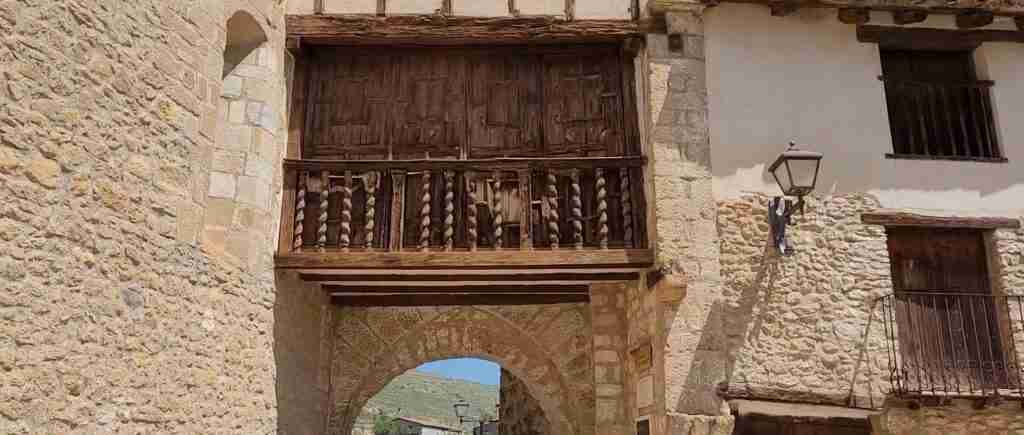
3 days
Zaragoza 3-Day Discovery Tour
- ✓ Comprehensive Zaragoza experience
- ✓ Expert local guides included
- ✓ All accommodation included
- ✓ Transportation provided
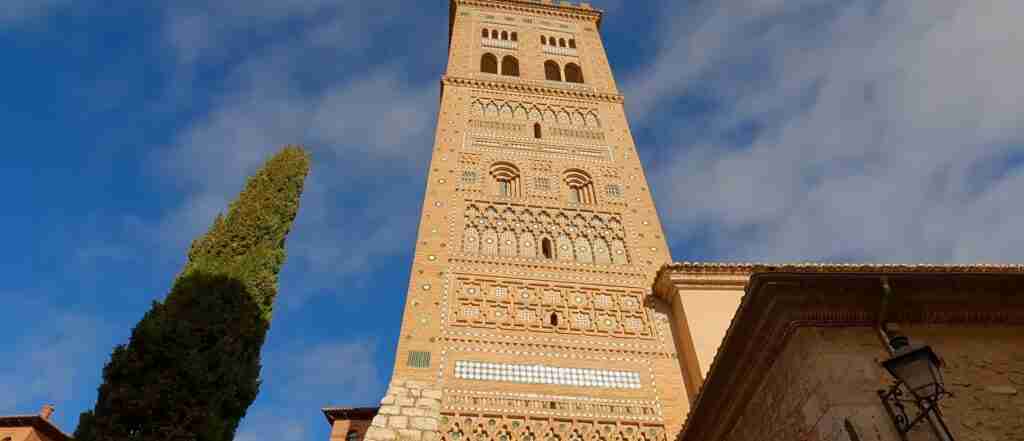
5 days
Zaragoza 5-Day Highlights Experience
- ✓ Comprehensive Zaragoza experience
- ✓ Expert local guides included
- ✓ All accommodation included
- ✓ Transportation provided
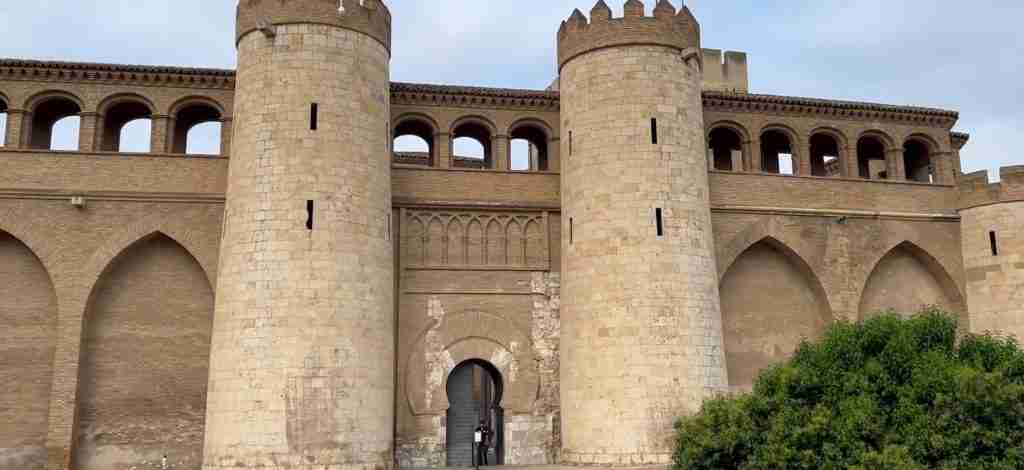
7 days
Zaragoza 7-Day Cultural Journey
- ✓ Comprehensive Zaragoza experience
- ✓ Expert local guides included
- ✓ All accommodation included
- ✓ Transportation provided

10 days
Zaragoza 10-Day Complete Adventure
- ✓ Comprehensive Zaragoza experience
- ✓ Expert local guides included
- ✓ All accommodation included
- ✓ Transportation provided
Multi-day tour packages powered by TourRadar. Prices and availability subject to change.
Introduction to Zaragoza Travel Planning 2026
Zaragoza stands as one of Spain’s most strategically significant yet internationally overlooked destinations, offering travelers exceptional cultural depth, architectural magnificence, and authentic experiences at remarkable value. As the capital of Aragón and Spain’s fifth-largest city with 680,000 residents, Zaragoza occupies a crucial position exactly halfway between Madrid and Barcelona along the Ebro River, Spain’s longest waterway flowing 910 kilometers from the Pyrenees to the Mediterranean.
The city’s extraordinary heritage spans 2,000 years of continuous occupation beginning with its foundation as Colonia Caesaraugusta by Emperor Augustus around 15 BCE. This Roman colony thrived through the 1st-2nd centuries, leaving archaeological treasures including forum, theater, public baths, and river port that rank among Spain’s finest Roman remains. Following the Islamic conquest in 714 CE, Zaragoza became capital of the Taifa of Saraqusta, producing the magnificent Aljafería Palace (11th century), one of the few surviving examples of Spanish Islamic palace architecture outside Andalucía.
Christian reconquest in 1118 initiated Zaragoza’s most distinctive architectural achievement: Mudéjar art, the unique fusion of Islamic techniques and Christian purposes that UNESCO recognized in 2001 by inscribing ten monuments across Aragón including three in Zaragoza (La Seo Cathedral, Aljafería Palace additions, and San Pablo Church). This architectural style, found nowhere else globally, employed brick, ceramics, and geometric patterns to create towers, apses, and decorative elements combining Moorish craftsmanship with Gothic and Renaissance Christian structures.
Francisco Goya, Spain’s greatest painter and a pivotal figure in Western art history, began his professional career in Zaragoza creating frescoes for the Basilica del Pilar (1771-1781) and the Cartuja de Aula Dei monastery (1774). These early works reveal Goya’s developing genius before his later masterpieces in Madrid including The Third of May 1808 and the Black Paintings.
Modern Zaragoza combines this extraordinary heritage with contemporary vitality as a major industrial and logistics hub benefiting from its strategic location. The 2008 International Exposition transformed the riverfront with avant-garde architecture including Zaha Hadid’s Bridge Pavilion, creating dynamic contrasts between medieval churches, Roman ruins, Islamic palaces, and cutting-edge contemporary structures.
For 2026 travelers, Zaragoza presents compelling advantages over Spain’s major tourist centers. Accommodation, dining, and attraction costs run 30-40% below Barcelona equivalents while delivering comparable or superior quality. The compact historic center allows efficient walking between major monuments, minimizing transportation expenses and maximizing sightseeing time. International accessibility continues improving with expanded direct flights from London, Rome, Bucharest, and major Spanish cities on budget carriers, plus high-speed AVE trains reaching Madrid in 75 minutes and Barcelona in 90 minutes at fares as low as €9 when booked early.
This comprehensive 2026 planning guide provides detailed practical information for independent travelers including current transportation options, verified monument hours and prices, strategic accommodation recommendations, budget breakdowns across spending tiers, sample itineraries, dining strategies, and insider knowledge developed through extensive local research. Whether planning a dedicated 2-3 day Zaragoza visit or incorporating the city as a strategic stopover between Madrid and Barcelona, travelers will find complete resources for maximizing this exceptional destination’s extraordinary heritage and authentic experiences.
Understanding Zaragoza’s UNESCO World Heritage Sites 2026
Zaragoza’s three UNESCO World Heritage monuments form part of the “Mudéjar Architecture of Aragon” designation inscribed in 2001, recognizing ten exceptional buildings across Zaragoza and Teruel provinces that represent Spain’s unique architectural phenomenon combining Islamic techniques with Christian purposes during the 12th-16th centuries.
La Seo (San Salvador Cathedral) UNESCO Components
La Seo Cathedral’s UNESCO inscription encompasses three specific Mudéjar elements: the magnificent apse decorated with intricate brick patterns and ceramic tilework, the parroquieta (small chapel built for Archbishop Dalmau de Mur in the 15th century featuring extraordinary Mudéjar plasterwork), and the cimborio (crossing tower) displaying geometric brick designs and glazed tiles in characteristic Aragonese Mudéjar style. The cathedral occupies the site of Zaragoza’s Roman forum temple, Visigothic church, and Islamic Great Mosque, with construction spanning the 12th-17th centuries incorporating Romanesque foundations, Gothic naves, Mudéjar tower and apses, Renaissance choir, and Baroque Capilla del Santo Cristo.
The cathedral’s Tapestry Museum houses one of Europe’s finest collections with 63 Flemish tapestries and 6 heraldic embroideries spanning medieval through Baroque periods, plus significant metalwork and reliquary busts. The exterior northeastern apse wall presents Zaragoza’s finest example of Mudéjar decorative brick and ceramic work, with geometric patterns and glazed tiles creating mesmerizing visual effects through precise mathematical arrangements.
Aljafería Palace UNESCO Features
The Aljafería Palace preserves Spain’s finest Islamic palace architecture outside Andalucía, built in the 11th century as a recreational residence for Zaragoza’s taifa kings under Al-Muqtadir’s rule. The palace’s central Patio de Santa Isabel showcases quintessential Islamic architectural elements including interlaced horseshoe arches, geometric stucco decoration, carved wooden ceilings, and a small octagonal oratory featuring Quranic inscriptions and floral motifs. Following Christian conquest in 1118, the palace became the Aragonese royal residence, with the Catholic Monarchs Ferdinand and Isabel adding their own palace section in the 1490s incorporating Mudéjar-style elements.
UNESCO recognition focuses specifically on the palace’s Mudéjar components representing the architectural fusion following Christian rule, including the wooden carved ceilings, geometric plasterwork, and decorative elements blending Islamic techniques with Christian iconography. The palace currently serves as Aragón’s regional parliament headquarters since 1987, with careful restoration preserving the historic Mudéjar sections while accommodating contemporary governmental functions.
San Pablo Church Tower and Parish
The Church of San Pablo’s UNESCO designation encompasses the spectacular octagonal brick tower rising 42 meters and the parish church itself, both displaying characteristic Mudéjar construction techniques. The tower, built in the 13th-14th centuries, employs intricate brickwork patterns creating geometric designs through varying brick arrangements and ceramic insets. The church interior features a single nave with side chapels, Gothic ribbed vaulting, and a remarkable 16th-century Damián Forment altarpiece considered among Aragón’s finest Renaissance sculptural ensembles.
The tower’s octagonal form and decorative brick patterns directly influenced later Aragonese church tower construction, establishing design templates replicated across the region. Unlike many European church towers employing stone construction, San Pablo demonstrates how Mudéjar architects achieved monumentality and decorative richness using humble brick and ceramic materials, creating distinctive regional identity while economizing construction costs compared to expensive stone carving.
Essential Monuments and Attractions in Zaragoza 2026
Basilica de Nuestra Señora del Pilar
The Basilica del Pilar dominates Zaragoza’s skyline with eleven colorful tiled domes and four soaring towers rising above the Ebro River, creating one of Spain’s most photographed architectural ensembles. Built 1681-1961 in Baroque style, the basilica honors Catholic tradition claiming the Virgin Mary appeared to Saint James the Apostle in 40 CE atop a jasper pillar (pilar in Spanish), making this reputedly the first Marian shrine in Christendom. The basilica ranks as Spain’s second most important pilgrimage site after Santiago de Compostela, drawing millions of devotees annually to venerate the sacred pillar enshrined within the Holy Chapel designed by Ventura Rodríguez.
Interior dimensions measure 130 meters long by 67 meters wide, creating vast spaces decorated with frescoes by Francisco Goya (Regina Martyrum dome, 1771) and Francisco Bayeu, plus elaborate altarpieces and the stunning Holy Chapel featuring silver and bronze decoration. Visitors access the northwest tower via elevator and 109 steps for panoramic city views. The basilica offers free general admission with modest fees for tower access (€3) and museum visits. The Pilarista Museum displays religious art, vestments, and historical objects related to the Virgin del Pilar devotion.
Roman Caesaraugusta Museums
Zaragoza preserves four exceptional Roman museum sites revealing daily life in Caesaraugusta, the prosperous Roman colony founded by Emperor Augustus around 15 BCE. The museums occupy underground archaeological sites directly beneath modern streets, allowing visitors to walk among authentic Roman structures while understanding their original contexts.
The Roman Theater Museum (Museo del Teatro de Caesaraugusta) displays Spain’s best-preserved Roman theater ruins, discovered during construction excavation in 1972. The theater seated 6,000 spectators in a semicircular structure measuring 106 meters diameter, with remaining orchestra, stage foundations, and seating sections demonstrating Roman entertainment architecture. Informative displays explain theatrical performances, actor training, and social hierarchies reflected in seating arrangements.
The Forum Museum (Museo del Foro de Caesaraugusta) occupies the ancient city’s political and commercial center directly beneath Plaza del Pilar. Excavated remains include market stalls, drainage systems, and foundation walls revealing the forum’s 150-meter length. Excellent audiovisual presentations recreate daily forum activities including commerce, legal proceedings, and religious ceremonies.
The Public Baths Museum (Museo de las Termas Públicas) preserves a Roman bathhouse complex showing heating systems (hypocaust), cold and hot bathing pools, and service areas. The baths functioned as social centers where Romans exercised, bathed, conducted business, and socialized following standardized sequences through frigidarium (cold room), tepidarium (warm room), and caldarium (hot room).
The River Port Museum (Museo del Puerto Fluvial) displays Caesaraugusta’s commercial river port infrastructure on the Ebro River, including loading docks, warehouse foundations, and trading areas demonstrating the city’s economic importance connecting Pyrenean resources with Mediterranean markets.
Transportation to Zaragoza 2026
Arriving by Air in 2026
Zaragoza Airport (ZAZ) operates regular scheduled flights serving the city and broader Aragón region. Major carriers for 2026 include Ryanair (London Stansted, Palma de Mallorca seasonal), Wizz Air (Bucharest, Cluj-Napoca, Rome), Volotea (Menorca seasonal), and Binter (Canary Islands). Flight frequencies increase substantially April-October for peak tourism season, with reduced winter schedules November-March.
Airport to city center transportation operates via bus line 505 departing from terminal stop T every 30 minutes, reaching Plaza de España in central Zaragoza in approximately 30 minutes for €4 per person. Tickets purchase directly from the driver (cash accepted) or online in advance. Taxis cost approximately €25-30 for the 10-kilometer journey to the historic center, with journey times 15-20 minutes depending on traffic. The airport offers free parking and easy access, maintaining advantages over Barcelona or Madrid airports for travelers with rental cars.
High-Speed Train Connections 2026
Zaragoza-Delicias station serves as a major hub on Spain’s AVE high-speed rail network, offering exceptional connectivity to Madrid, Barcelona, and beyond. Madrid to Zaragoza operates 75-90 minute journeys with departures every 30-60 minutes throughout the day. Standard fares range €25-45 depending on booking timing and class selection, with promotional fares as low as €9 when booked well in advance through Renfe, Ouigo, or Iryo (Spain’s private operators competing on the Madrid-Barcelona corridor).
Barcelona to Zaragoza runs 90-110 minutes with similar frequency and pricing structures. The competitive market among multiple operators (Renfe, Ouigo, Iryo) creates excellent value opportunities for flexible travelers comparing prices across platforms. Early booking (30-60 days advance) typically secures best fares, while last-minute same-day tickets command premium prices €40-60.
Zaragoza-Delicias station sits approximately 2 kilometers northwest of the historic center, connected via urban buses 34 and 51 (€1.65 single, €0.74 with transport card) or taxi (approximately €10, 10 minutes). The station offers luggage storage, cafés, and tourist information services.
Driving to Zaragoza 2026
Highway access reaches Zaragoza via A-2/AP-2 autopista connecting Madrid (310 kilometers west, 3 hours) and Barcelona (310 kilometers east, 3 hours). Tolls on AP-2 sections total approximately €25 Madrid-Zaragoza or €30 Barcelona-Zaragoza. Alternative toll-free N-II highway parallels the autopista with longer journey times (4-4.5 hours) through smaller towns.
Parking in central Zaragoza utilizes metered street parking (zones requiring payment Monday-Friday 9 AM-2 PM and 4:30-8 PM, Saturday 9 AM-2 PM) at €1.80-2.40 per hour depending on zone. Public parking garages charge €15-25 daily. Many hotels include parking or arrange discounted garage rates. The compact historic center’s pedestrian zones make parking less essential for sightseeing, with most visitors better served leaving vehicles at hotels and walking or using public transport.
Getting Around Zaragoza 2026
Public Transportation Costs and Options 2026
Zaragoza’s integrated public transport system operated by Avanza Zaragoza includes urban buses and one tram line using unified ticketing valid across all services. Single tickets cost €1.65 purchased from bus drivers (cash only, exact change recommended) or tram station machines. Transport cards (Tarjeta Ciudadana or Tarjeta Bus) reduce per-journey costs to €0.55-0.74 depending on government subsidies in effect for 2026, with cards valid for transfers within 60 minutes across different lines.
The Tarjeta Ciudadana reloadable card costs €2 initial purchase plus credit amounts, available at tobacco shops (estancos), news kiosks, and transport office Centro Independencia. Tourist passes offering unlimited travel include 24-hour cards for approximately €5, 48-hour €10, and 72-hour €12, though casual visitors using primarily walking may not achieve value versus pay-per-ride options given the compact historic center’s walkability.
The tram line (Tranvía) connects northern and southwestern districts through the city center with stops near major monuments. Buses operate 5 AM-midnight weekdays, 6 AM-midnight weekends, with night bus (Búhobus) services 11 PM-5:30 AM on weekends. Service frequency runs 5-15 minutes peak hours, 15-30 minutes off-peak. Route maps and real-time arrival information available via Avanza Zaragoza website and mobile apps.
Walking the Historic Center
The compact historic center concentrates essential monuments within easy walking distances: Plaza del Pilar to Aljafería Palace 1.5 kilometers (20 minutes), Plaza del Pilar to Roman Theater Museum 400 meters (5 minutes), Basilica del Pilar to La Seo Cathedral adjacent (1 minute). The flat riverside topography creates effortless walking without significant hills, while excellent pedestrian infrastructure and clear signage facilitate navigation.
The Ebro riverfront promenade (Paseo Echegaray y Caballero) extends 3 kilometers offering scenic walks between Puente de Piedra (Stone Bridge) and the 2008 Expo site, passing modern architecture including the Bridge Pavilion and Water Tower while enjoying river views. The atmospheric El Tubo tapas district occupies narrow medieval streets between Plaza del Pilar and Plaza de España, perfect for evening wandering between bars sampling Aragonese specialties.
Tourist Bus Services 2026
The Zaragoza tourist bus operates hop-on-hop-off service connecting major attractions with multilingual audio guides (Spanish, English, French, Italian, German). Standard tickets cost €10 for adults, €8 for students/disabled, €5 for seniors over 65, with validity 24 hours from first use allowing unlimited boarding. The 90-minute complete circuit departs hourly from Plaza del Pilar, stopping at Basilica del Pilar, La Seo, Aljafería Palace, Roman museums, and Expo 2008 site.
While the tourist bus offers convenient overview orientation, most visitors find walking combined with selective taxi or public bus use more efficient given the historic center’s compact dimensions. The tourist bus proves most valuable for visitors with mobility limitations or those combining city monuments with outlying attractions like Parque Grande park or Expo site.
Accommodation in Zaragoza 2026
Zaragoza accommodation delivers exceptional value compared to Barcelona or Madrid, with quality hotels, boutique properties, and hostels offering comfortable bases at prices 30-40% below equivalent Spain coastal destinations. Strategic location selection balances proximity to monuments, dining options, and transportation access.
Budget Accommodation Zaragoza 2026 (€30-50 Per Night)
Hostel dormitories cost €18-28 per bed in 4-8 person rooms with shared bathrooms, communal kitchens, and social spaces attracting backpackers and young travelers. Properties cluster near Casco Viejo (old town) providing easy access to monuments and nightlife. Private double rooms in hostels run €45-65 offering economical alternatives to budget hotels with similar facilities.
Budget hotels and guesthouses deliver basic but clean double rooms €40-60 including private bathrooms, some breakfast options, and central locations. Properties near the Delicias train station or slightly removed from the historic core offer best value, with excellent public transport connections compensating for 10-15 minute bus rides to Plaza del Pilar. Booking platforms frequently discount these properties 20-30% for advance reservations 30-60 days prior to arrival.
Mid-Range Hotels Zaragoza 2026 (€60-110 Per Night)
Three-star hotels provide comfortable rooms €60-90 featuring air conditioning, WiFi, flat-screen TVs, ensuite bathrooms with toiletries, and often breakfast buffets. Properties within 500 meters of Plaza del Pilar command premium prices €80-110 reflecting prime locations, while equally comfortable hotels 800-1000 meters from monuments cost €60-80 with negligible walking distance differences. Hotel chains (NH, Exe, Catalonia) maintain consistent standards with loyalty program benefits.
Boutique hotels occupy renovated historic buildings offering character accommodations €85-130 with unique architectural details, personalized service, and distinctive design elements. Properties like Hotel Sauce (near Basilica del Pilar) blend historic charm with modern amenities, creating memorable stays justifying modest price premiums over chain hotels.
Luxury and Upscale Hotels 2026 (€120-250 Per Night)
Four and five-star hotels deliver premium experiences €120-180 with spacious rooms, superior amenities, fitness centers, restaurants, and prime locations. Properties like Hotel Palafox and Catalonia El Pilar provide rooftop terraces, concierge services, and refined accommodations appealing to business travelers and affluent tourists. Five-star luxury options €180-250 include Palacio de los Patos and boutique properties offering highest service standards, though Zaragoza’s limited ultra-luxury inventory means most upscale travelers find excellent value in upper four-star category €120-150.
Strategic Neighborhood Selection 2026
The Casco Viejo (historic center) surrounding Plaza del Pilar offers maximum convenience walking to monuments, restaurants, and attractions, with accommodation prices reflecting prime location premiums. The area delivers authentic atmosphere with medieval streets, tapas bars, and pedestrian zones creating vibrant evening ambiance.
The Delicias neighborhood near the train station provides excellent value accommodation €40-70 with modern buildings, local restaurants, and supermarkets frequented by residents rather than tourists. Excellent bus connections (lines 34, 51) reach Plaza del Pilar in 10 minutes, making this area ideal for budget-conscious travelers prioritizing value over location prestige.
The Romareda district west of center attracts business travelers with modern hotels €60-90 near the football stadium and shopping centers. While requiring 15-20 minute bus rides to historic monuments, the area offers quieter stays, easier parking, and abundant dining options at local rather than tourist prices.
Dining and Culinary Experiences Zaragoza 2026
Understanding Aragonese Cuisine and Food Costs 2026
Aragonese cuisine emphasizes lamb, pork, vegetables from the Ebro valley, and hearty mountain preparations reflecting the region’s diverse geography from Pyrenees highlands to Mediterranean-influenced lowlands. Signature dishes include ternasco (roast suckling lamb), bacalao ajoarriero (shredded cod with garlic, peppers, and tomatoes), migas (fried breadcrumbs with chorizo and grapes), and pollo al chilindrón (chicken braised with peppers and tomatoes).
Menú del día lunches represent outstanding value throughout Zaragoza, offering three-course meals with bread, wine or soft drink, and coffee for €12-18 at local restaurants Monday-Friday. These fixed-price menus feature daily-changing selections including starter (salad, soup, or vegetables), main course (meat, fish, or paella), and dessert (flan, fruit, or ice cream). Dining 1:30-4 PM when most Spaniards lunch provides authentic atmosphere and best menu selections, while tourist-schedule eating before 1 PM often finds limited options or inferior quality.
Tapas Culture and El Tubo District 2026
El Tubo neighborhood between Plaza del Pilar and Plaza de España concentrates Zaragoza’s finest tapas bars in atmospheric medieval lanes named after traditional trades (Calle Estébanes, Calle Libertad, Calle Temple). Tapas portions (pequeños or pinchos) cost €2.50-5 each, with most visitors sampling 4-6 items creating €15-25 evening meals. Standard drink accompaniments include cañas (small draft beers) €2-2.50, wine glasses €2.50-3.50, or vermouth €3-4.
Essential tapas experiences include Casa Lac (legendary for croquetas and blood sausage), Bodegas Almau (traditional atmosphere, excellent wines), La Miguería (innovative pintxos), and Casa Pascualillo (historic tavern, classic preparations). The tapeo tradition involves moving between multiple establishments rather than dining entirely at one location, sampling signature dishes at 2-3 different bars creating social, varied culinary experiences.
Restaurant Dining Budget Strategies 2026
Budget dining strategies in Zaragoza 2026 center on maximizing menú del día lunches for primary meals, supplementing with market breakfast pastries €1.50-3 and lighter tapas dinners €15-25. This approach delivers €25-35 total daily food costs while enjoying restaurant-quality preparations and local specialties. Supermarket provisions (Mercadona, Día) reduce costs further with prepared foods, sandwiches, and snacks €5-8 daily.
Mid-range dining allocates €35-55 daily including café breakfasts €6-10 (coffee, pastries, fresh orange juice), menú del día or casual restaurant lunches €18-25, and restaurant dinners €25-35 for two courses plus drink. This budget accesses higher-quality establishments, local wine selections, and flexibility dining at tourist-schedule hours rather than adapting to Spanish lunch timing.
Upscale dining experiences at Zaragoza’s finest restaurants €40-70 per person feature tasting menus, sommelier wine pairings, and innovative Aragonese cuisine reinterpreting traditional dishes with modern techniques. Notable establishments include Tatau Bistro (contemporary Aragonese), La Prensa (seasonal market cuisine), and Cancook (fusion preparations). Reservations essential for weekend dining at popular venues.
Local Specialties to Seek 2026
Ternasco de Aragón (roast suckling lamb) holds Denomination of Origin protection, with the most authentic preparations using milk-fed lambs under 90 days old roasted in wood-fired ovens. Restaurants throughout Zaragoza serve ternasco €18-28 for half portions, with Casa Lac and Méli Mélo earning particular acclaim.
Borrajas (borage greens) represent quintessential Aragonese vegetables, typically prepared sautéed with garlic, olive oil, and potatoes. The slightly bitter greens appear on menú del día offerings September-April when in season. Cardo (cardoon, related to artichokes) receives similar preparation or appears in stews with lamb.
Frutas de Aragón (candied fruits filled with chocolate) originated in Zaragoza confectioners, with highest quality examples using whole candied cherries, oranges, or figs enrobed in dark chocolate. Fantoba (founded 1856) and Tolosana produce traditional preparations perfect for gifts or indulgent souvenirs.
Budget Planning Zaragoza 2026
Daily Budget Breakdown Budget Travelers 2026
Budget travelers planning Zaragoza visits in 2026 should anticipate €70-105 daily costs per person for comfortable experiences accessing major monuments, authentic dining, and quality accommodation. Hostel dormitories or basic double rooms cost €30-45 per person nightly. Market breakfast pastries and coffee run €4-6, menú del día lunches €12-16, and tapas dinners €15-25, totaling €31-47 daily food costs. Public transportation using bus/tram cards costs €3-5 daily for typical monument visits. Monument entry fees average €5-10 daily with selective visits prioritizing free basilica access, one Roman museum, and the Aljafería Palace. Daily calculation: 30+31+3+5 = €69 (rounds to €70), 45+47+5+10 = €107 (rounds to €105).
This budget delivers authentic Zaragoza experiences without significant compromises, accessing UNESCO monuments, eating well at local establishments rather than tourist restaurants, and staying in clean, safe accommodation centrally located or excellently connected via public transport. Flexibility around rigid lunch timing (dining 1:30-4 PM for best menú del día value) and walking rather than taxi use maximizes budget efficiency.
Mid-Range Budget Planning 2026
Mid-range travelers allocate €110-160 daily per person for comfortable three-star hotels €60-90, three restaurant meals daily €40-60, convenient transportation including selective taxi use €8-15, and comprehensive monument access €15-25. This budget provides comfortable rather than merely adequate accommodation with breakfast often included, flexibility dining at preferred times rather than adapting to Spanish schedules, and access to all major museums and monuments without selective economizing.
The mid-range approach balances value and comfort, staying in well-located hotels within easy walking distance of monuments, dining at quality restaurants including some upscale tapas bars and chef-driven establishments, and using taxis when convenient rather than exclusively public transport. Most independent travelers find this range delivers excellent experiences without budget anxiety while still representing outstanding value compared to Barcelona or Madrid equivalents costing €180-240 daily.
Sample 3-Day Budget Calculation 2026
A comprehensive 3-day Zaragoza visit costs approximately €165-260 per person budget tier, €330-510 mid-range, or €600-900 luxury level in 2026. Budget breakdown for mid-range 3-day visit: Accommodation €180-270 (€60-90 per night for 3 nights), meals €105-180 (€35-60 daily for 3 days), transportation €20-35 (airport bus €8 round trip, bus/tram passes €7, selective taxi use €5-20), attractions €35-55 (La Seo/museums combined ticket €12, Aljafería €5, Roman museums €12 combined, tower access €3, miscellaneous €5-15) — calculation: 180+105+20+35 = €340 low end, 270+180+35+55 = €540 high end. Total mid-range costs €340-540 per person for complete 3-day experiences including all accommodation, meals, transport, and comprehensive monument access.
Sample Zaragoza Itineraries 2026
Two-Day Essential Zaragoza Itinerary 2026
Day One begins at Plaza del Pilar exploring the Basilica de Nuestra Señora del Pilar (free entry, allow 45-60 minutes), ascending the northwest tower for city views (€3, 20 minutes), then visiting adjacent La Seo Cathedral and Tapestry Museum (combined ticket €12, 60-75 minutes). Morning costs €15. Walk to the Roman Theater Museum 400 meters distance (€7, allow 60 minutes with audiovisual presentations). Lunch at El Tubo district restaurants using menú del día €12-16. Afternoon visits the Forum Museum beneath Plaza del Pilar (€7, 45 minutes) and Public Baths Museum (€7, 45 minutes), or purchase combined Roman museums ticket €12 covering all four sites with better value for comprehensive visits. Return to El Tubo for evening tapas €20-30. Day one costs: monument entry €26-31, meals €32-46, total approximately €60-75 per person excluding accommodation.
Day Two explores Aljafería Palace (€5, allow 90-120 minutes for comprehensive visit including Islamic palace, Catholic Monarchs additions, and gardens). Mid-morning visit to Goya Museum (€6, 60 minutes) viewing Spain’s finest Goya collection outside Madrid. Lunch in Romareda or Magdalena neighborhoods for local atmosphere, menú del día €12-16. Afternoon options include the River Port Museum (completing Roman quartet if not visited day one), Cartuja de Aula Dei monastery 12 kilometers north featuring remarkable Goya frescoes (advance booking required, Tuesday-Sunday only, €6), or relaxing along Ebro riverfront promenades. Evening return to different El Tubo tapas bars sampling additional specialties €20-30. Day two costs: monument entry €11-17, meals €32-46, total approximately €45-65 per person.
Two-day total costs approximately €105-140 per person for monument access and meals, plus accommodation €60-180 (€30-90 per night for 2 nights depending on budget tier), totaling €165-320 complete 2-day visit expenses per person.
Three-Day Comprehensive Itinerary 2026
Three days allow deeper exploration adding day-trip options or additional urban museums. Day Three options include Cariñena wine region tour visiting family bodegas 45 kilometers south (organized tours €45-65 including tastings and lunch, or independent driving visiting 2-3 wineries), medieval Huesca city 75 kilometers north featuring cathedral, monastery, and provincial museum (AVE train €9-15, 25 minutes), or Monasterio de Piedra natural park 120 kilometers southwest with spectacular waterfalls, caves, and monastery ruins (organized tour €55-75 or independent driving). Alternatively, remain in Zaragoza exploring additional museums including Pablo Gargallo sculpture museum, Pablo Serrano contemporary art museum, or Zaragoza History Center.
Wine Tourism Around Zaragoza 2026
The Cariñena DO wine region 45 kilometers south of Zaragoza produces bold Garnacha-based reds and Cariñena varietal wines from one of Spain’s oldest Denominación de Origen designations (established 1932). The sun-drenched landscape features family-operated bodegas welcoming visitors for tastings €8-15 and cellar tours revealing traditional and modern winemaking techniques. Notable properties include Bodegas San Valero (large cooperative, comprehensive facilities), Bodegas Paniza (organic production), and Grandes Vinos y Viñedos (premium expressions).
The Somontano DO region near Huesca 100 kilometers north cultivates prestigious reds blending international varietals (Cabernet Sauvignon, Merlot) with local Moristel and Parraleta grapes in Pyrenees foothills terrain. Modern wineries like Viñas del Vero, Enate, and Bodegas Laus combine striking contemporary architecture with sophisticated wines earning international recognition. Tastings cost €10-20 with advance reservations recommended. The region’s elevation (400-650 meters) creates fresher styles than warmer Cariñena, appealing to travelers familiar with Bordeaux or Rioja profiles.
Organized wine tours from Zaragoza offer convenient access visiting 2-3 bodegas with transportation, guided tastings, and traditional lunches €65-95 per person full-day. Independent travelers with rental cars enjoy flexibility exploring at individual pace, though advance bodega reservations prove essential as many family operations require appointments for visits.
Day Trips from Zaragoza 2026
Huesca city 75 kilometers north preserves exceptional medieval heritage including the Cathedral of Santa María (Gothic-Mudéjar architecture, remarkable alabaster altarpiece), San Pedro el Viejo monastery (Romanesque cloisters, royal pantheon), and provincial museum displaying archaeological finds and fine arts. AVE trains reach Huesca from Zaragoza in 25 minutes for €9-15 each way, making comfortable half-day or full-day excursions. The compact historic center allows walking between monuments, with menú del día lunches €12-15 at local restaurants. Huesca receives minimal international tourism despite outstanding monuments, creating authentic atmosphere without crowds.
The Monasterio de San Juan de la Peña 70 kilometers northwest preserves one of Aragón’s most spectacular monastery sites, built into a massive rock overhang in the Pyrenees foothills. The lower monastery (10th-17th centuries) features Romanesque cloisters with exceptional carved capitals, royal pantheon containing tombs of Aragonese kings, and church partially formed from natural rock formations. The upper monastery (17th-18th century) occupies a hilltop site with panoramic mountain views. Lack of public transportation requires rental car access or organized tours €45-60 from Zaragoza.
Belchite ruins 45 kilometers southeast preserve haunting Spanish Civil War remnants where Republicans and Nationalists fought devastating 1937 battles destroying the entire medieval village. Shattered buildings, collapsed churches, and bullet-scarred walls remain unrepaired as memorial to war’s horrors. Official guided visits (€6, weekends only, advance booking essential) explain the battle’s strategic significance and humanitarian catastrophe. The site provides powerful, sobering testimony to Spain’s tragic civil conflict, complementing Zaragoza’s celebratory heritage monuments with difficult historical memory.
Practical Travel Tips Zaragoza 2026
Best Times to Visit Zaragoza 2026
April through May delivers ideal conditions with mild temperatures 15-22°C (59-72°F), spring blossoms in parks and riverfront, and manageable tourist numbers allowing comfortable monument visits without crowds. This shoulder season provides excellent accommodation availability with competitive pricing below summer peaks, plus authentic atmosphere as the city functions normally for residents rather than shifting into tourist mode.
September through October extends pleasant weather 18-25°C (64-77°F) with autumn harvest activities in surrounding wine regions creating special bodega visit opportunities during vendimia (grape harvest). October 12 hosts Las Fiestas del Pilar, Zaragoza’s massive week-long celebration honoring the Virgin del Pilar with concerts, bullfights, fireworks, street parades, and Aragonese folk performances drawing over one million participants. This spectacular festival showcases authentic Spanish popular culture, though accommodation books months ahead at premium rates and the city becomes extremely crowded.
Summer June-August brings intense heat with temperatures regularly exceeding 35°C (95°F) and occasional spikes to 40°C (104°F), challenging for outdoor sightseeing during midday hours. Locals adapt by siestas 2-5 PM and evening activities starting after 8 PM when temperatures moderate. Summer represents peak tourism season with highest accommodation rates and crowded monuments, though extended daylight hours until 10 PM allow morning and late afternoon monument visits avoiding midday heat.
Winter November-March delivers cold temperatures 3-12°C (37-54°F), occasional frost, and limited rainfall. While monuments maintain normal hours and the city functions fully, outdoor activities become less appealing and shorter daylight reduces available sightseeing time. Budget travelers find excellent winter deals with hotel rates 30-50% below summer peaks, though December holiday season (Christmas markets, New Year celebrations) sees prices increase substantially around major holidays.
Monument Hours and Strategic Timing 2026
Spanish monument visiting hours typically split morning sessions 10 AM-2 PM and afternoon sessions 4-7 PM or 5-8 PM depending on season, with many sites closing entirely midday coinciding with traditional siesta timing. This pattern affects efficient itinerary planning, requiring strategic monument sequencing to maximize daily sightseeing.
The Basilica del Pilar maintains extended hours 6:45 AM-8:30 PM daily allowing flexible visits, though masses and religious services restrict access to certain sections during worship times. La Seo Cathedral generally operates 10 AM-2 PM and 4-8 PM Tuesday-Friday, 10 AM-12:30 PM and 4-8 PM Saturday, 10 AM-12:30 PM and 4-7 PM Sunday, closed Mondays. The Aljafería Palace requires advance online booking for specific time slots Tuesday-Sunday, with morning visits (10 AM-1 PM) and afternoon sessions (4-7 PM). Roman museums operate split schedules Tuesday-Saturday 10 AM-2 PM and 5-9 PM, Sunday 10 AM-2:30 PM, closed Mondays.
Strategic planning visits afternoon-only monuments (Aljafería Palace) during 4-7 PM slots, morning-only options during 10 AM-2 PM windows, and flexible-hours sites (Basilica) during midday gaps when other monuments close. This maximizes daily monument access while respecting Spanish cultural patterns around midday breaks.
Language Considerations and Communication 2026
Spanish (Castilian) serves as Zaragoza’s primary language, with English proficiency varying significantly by context. Major monuments, museums, and tourist-oriented establishments employ English-speaking staff and provide multilingual signage, audio guides, and printed materials. Hotel reception staff typically handle English competently, particularly at three-star and higher properties.
Restaurant and tapas bar service operates predominantly in Spanish, with limited English outside the most tourist-frequented El Tubo establishments. Basic Spanish phrases prove valuable for ordering, confirming reservations, and navigating menus. Many restaurants display visual menus or provide pictures facilitating communication when language barriers exist. Translation apps overcome most challenges, though gesture-based communication and patience prove surprisingly effective in casual dining contexts.
Public transportation announcements and signage appear primarily in Spanish, though major bus/tram stops include visual route maps and numbers facilitating navigation without language proficiency. Taxi drivers rarely speak English beyond basic destination confirmation, making address cards from hotels helpful for return journeys.
Safety and Health Considerations 2026
Zaragoza ranks as one of Spain’s safest cities, with violent crime rates extremely low and petty theft concentrated in predictable tourist-heavy zones around Plaza del Pilar, Basilica, and crowded tapas bars. Standard urban precautions including attention to belongings in crowded spaces, avoiding conspicuous wealth displays, and awareness of surroundings prove sufficient for safe travels.
Pickpocketing occurs occasionally on crowded buses, in packed tapas bars during peak hours, and around major monuments when tour groups create congestion. Front pockets, cross-body bags with zippers facing forward, and hotel safes for passports and excess cash eliminate most theft risks. The El Tubo tapas district’s narrow atmospheric lanes become very crowded Friday-Saturday evenings 9 PM-midnight, creating environments where distracted diners occasionally lose phones or wallets to opportunistic thieves.
Spain’s public healthcare system delivers excellent emergency services, with Hospital Clínico Universitario Lozano Blesa (Calle San Juan Bosco) providing 24-hour emergency department access. EU citizens with European Health Insurance Cards (EHIC) receive treatment under reciprocal agreements. Non-EU travelers should maintain comprehensive travel insurance covering medical emergencies and evacuation. Pharmacies (farmacias) display green crosses, operate regular business hours Monday-Friday 9:30 AM-2 PM and 5-8:30 PM with rotating weekend and night duty schedules posted on doors.
Summer heat requires precautions including sunscreen, hats, sunglasses, and frequent hydration particularly during midday hours June-August when temperatures exceed 35°C (95°F). Many monuments lack air conditioning, making afternoon visits during extreme heat uncomfortable. Morning monument visits before 11 AM or late afternoon after 5 PM prove more comfortable during summer months.
Money and Payment Methods 2026
The Euro (EUR/€) serves as Spain’s currency, with ATMs widespread throughout Zaragoza dispensing cash with minimal fees for international cards. Major credit cards (Visa, Mastercard) achieve wide acceptance at hotels, restaurants, museums, and shops, though smaller tapas bars and market vendors often prefer cash for transactions under €10-15.
Exchange rates favor advance planning, with airport and tourist-zone exchange bureaus charging significant commissions (3-5% plus poor rates) compared to ATM withdrawals or credit card payments. Notify banks before travel avoiding card blocks from foreign transaction flags. Most Spanish ATMs allow English language selection and charge €2-4 fixed fees for foreign card withdrawals regardless of amount, making larger withdrawal amounts more economical than multiple small transactions.
Tipping customs differ from American practices, with service charges typically included in restaurant bills. Satisfied diners round bills up to convenient amounts or leave 5-10% for exceptional service, though zero tip proves perfectly acceptable for standard service. Taxi drivers appreciate rounding fares to nearest euro but don’t expect percentag-based tips. Hotel porters receive €1-2 per bag, housekeeping €1-2 daily for extended stays.
Shopping and Souvenirs Zaragoza 2026
Zaragoza shopping ranges from traditional crafts and regional foods to modern retail, with the historic center concentrating specialty shops while contemporary malls serve suburban districts. Calle Alfonso I, the main pedestrian street connecting Plaza de España and Plaza del Pilar, features Spanish and international fashion brands, bookshops, and jewelry stores.
Traditional Aragonese products make distinctive souvenirs including frutas de Aragón (chocolate-covered candied fruits) from heritage confectioners Fantoba or Tolosana €8-15 per box, ternasco de Aragón (protected-designation lamb products) though difficult for international transport, and Cariñena or Somontano wines €8-25 per bottle from specialized wine shops. Mudéjar-inspired ceramics, particularly decorative tiles featuring geometric patterns, reflect Zaragoza’s architectural heritage €15-60 depending on size and complexity.
The Mercado Central (Central Market) near Plaza de España operates Monday-Saturday 8 AM-2 PM selling fresh produce, meats, cheeses, olives, and prepared foods creating excellent browsing for food enthusiasts and picnic provisions. The market building itself (1895) showcases remarkable cast-iron architecture worth visiting independently of shopping purposes.
Climate and Seasonal Planning Zaragoza 2026
Zaragoza experiences extreme continental climate characterized by hot, dry summers and cold winters, with minimal rainfall averaging only 318 millimeters annually making it one of Spain’s driest cities. This climate pattern significantly affects travel planning, with seasonal temperature variations exceeding 35°C between winter lows and summer peaks.
Spring (March-May) witnesses gradual warming from 10-15°C March temperatures to 20-25°C by late May, with occasional rainfall supporting green landscapes and flowering parks. This season provides ideal hiking and outdoor activity conditions before summer heat arrives, plus wine region visits during vineyard greening periods. April-May represent optimal travel windows balancing comfortable temperatures, manageable crowds, and reasonable accommodation rates.
Summer (June-August) brings intense heat frequently exceeding 35°C (95°F) with minimal humidity, creating conditions challenging for midday outdoor activities but excellent for evening experiences. The city adapts through siesta culture, with many businesses closing 2-5 PM and social life shifting to cooler evening hours after 8 PM. Summer travelers should plan indoor monument visits during peak heat hours, outdoor walking morning or late afternoon, and embrace Spanish evening dining schedules 9-11 PM when temperatures moderate.
Autumn (September-November) delivers pleasant September temperatures 20-28°C gradually cooling through October 15-22°C to November 8-15°C. September rivals spring as an optimal visit period, with harvest festivals in wine regions, comfortable weather, and moderate tourist numbers. October features Las Fiestas del Pilar celebrations creating extraordinary atmosphere but requiring advance accommodation booking and tolerance for crowds.
Winter (December-February) brings cold conditions 3-10°C with occasional sub-zero nights, though snowfall remains rare. December holiday markets around Plaza del Pilar create festive atmosphere, though most travelers find winter visits less appealing due to cold weather limiting outdoor enjoyment and shorter daylight hours reducing available sightseeing time. Budget travelers willing to brave cold find exceptional winter accommodation deals with rates 40-60% below summer peaks.
Accessibility Considerations Zaragoza 2026
Zaragoza demonstrates progressive accessibility infrastructure compared to many historic Spanish cities, with modern developments incorporating universal design principles though older monuments present inherent accessibility challenges due to historic architecture constraints.
The flat topography creates advantages for wheelchair users and mobility-limited travelers, eliminating steep hills common in many European historic cities. Modern sidewalks in the historic center provide curb cuts and smooth paving facilitating wheelchair navigation, though some medieval lanes in El Tubo maintain original cobblestone surfaces creating bumpy terrain.
Public buses feature low-floor designs with wheelchair ramps and designated spaces, while the modern tram system achieves full accessibility with level boarding at all stations. Tourist bus includes wheelchair lift access. Accessible taxi services requiring advance booking serve travelers with specific mobility equipment needs.
Monument accessibility varies significantly. The Basilica del Pilar provides wheelchair-accessible ground floor entry though tower access requires stair climbing. La Seo Cathedral presents multiple level changes and narrow passages limiting wheelchair access to certain sections. The Aljafería Palace offers partial accessibility with ground floor Islamic palace and courtyard accessible but upper floors requiring stairs. Roman museums built within underground archaeological sites often include elevators and accessible routes, though some sections may prove challenging. Advance research calling monuments directly clarifies specific accessibility capabilities for individual needs.
Hotels increasingly provide accessible rooms with roll-in showers, grab bars, and adequate maneuvering space, particularly at modern three-star and higher properties. Advance booking specifying accessibility requirements proves essential as inventory remains limited at budget properties and historic buildings with architectural constraints.
Frequently Asked Questions About Zaragoza Travel 2026
Is Two Days Enough Time for Zaragoza?
Two full days provides adequate time experiencing Zaragoza’s essential monuments, Roman heritage, and culinary culture, allowing comfortable pace visiting the Basilica del Pilar, La Seo Cathedral, Aljafería Palace, Roman Theater Museum, and sampling tapas in El Tubo district. This duration covers UNESCO World Heritage sites and major attractions without rushing, though omits day-trip options to wine regions or surrounding medieval towns. Travelers with three days enjoy deeper exploration or adding excursions, while overnight stopovers between Madrid and Barcelona allow abbreviated 4-6 hour visits covering highlights only.
Can You Visit Zaragoza as a Day Trip from Barcelona or Madrid in 2026?
High-speed AVE trains make Zaragoza accessible as demanding but feasible day trips from Barcelona (90 minutes) or Madrid (75 minutes), though this rushed approach limits experiences to brief monument visits without experiencing the city’s atmosphere, cuisine, or relaxed exploration. Day-trippers departing Barcelona or Madrid early morning arrive Zaragoza by 10 AM, visit Basilica del Pilar, La Seo, and Aljafería Palace, grab quick tapas lunch, then return by late afternoon trains reaching origin cities by evening. This schedule omits Roman museums, detailed monument exploration, and authentic dining experiences that justify overnight stays. The extremely affordable accommodation (€30-90 nightly) makes overnight stays economically sensible for travelers valuing thorough experiences over rushed day-trip logistics.
What Language Do They Speak in Zaragoza?
Spanish (Castilian Spanish specifically, as distinct from Catalan, Basque, or Galician spoken in other Spanish regions) serves as Zaragoza’s primary language, with virtually all residents speaking Spanish as first or fluent language. Unlike Barcelona where Catalan dominates alongside Spanish, Zaragoza functions entirely in Castilian Spanish. English proficiency remains limited outside tourist-facing businesses, though major monuments, hotels, and restaurants in the historic center employ multilingual staff. Learning basic Spanish phrases significantly enhances experiences, particularly for dining at local establishments and navigating beyond primary tourist zones.
How Do You Get from Zaragoza Airport to the City Center?
Bus line 505 connects Zaragoza Airport to the city center (Plaza de España) operating approximately 30-minute journeys departing every 30-60 minutes throughout the day. Tickets cost €4 purchased from the driver (cash accepted) or online in advance. The bus serves terminal T and stops at major points including the train station (Delicias) and Plaza de España near the historic center. Taxis cost approximately €25-30 for the 10-kilometer journey requiring 15-20 minutes depending on traffic, offering door-to-door convenience worth the price premium for travelers with substantial luggage or groups of 3-4 splitting costs. Rideshare services (Uber, Cabify) operate in Zaragoza with similar pricing to traditional taxis.
What Are the Must-Try Foods in Zaragoza?
Ternasco de Aragón (roast suckling lamb with protected designation) represents Zaragoza’s signature dish, served at restaurants throughout the city with authentic preparations using milk-fed lambs roasted in wood-fired ovens. Bacalao ajoarriero (shredded salt cod with garlic, peppers, tomatoes, and eggs) reflects traditional mountain preparations bringing preserved fish inland before refrigeration. Migas (fried breadcrumbs with chorizo, bacon, and grapes) demonstrates peasant ingenuity transforming stale bread into hearty dishes. Ternasco croquettes, blood sausage with pine nuts, and various lamb preparations appear on tapas menus. Frutas de Aragón (candied fruits filled with chocolate) provide distinctive sweet indulgence and excellent gifts.
Are Zaragoza Museums Closed on Mondays in 2026?
Many Zaragoza museums and monuments maintain Monday closures following standard Spanish cultural institution patterns, requiring strategic weekly planning. The four Roman museums (Theater, Forum, Public Baths, River Port) close Mondays, as do most city museums including the Goya Museum and Pablo Gargallo Museum. The Basilica del Pilar remains open daily including Mondays with extended hours, while the Aljafería Palace closes Mondays except during July-August when it maintains daily schedules. Tuesday-Sunday represents optimal visiting times ensuring full monument access. Travelers arriving Monday should focus on the Basilica, walking tours of the historic center, dining experiences, or day trips to surrounding areas.
What Should I Pack for Zaragoza in Summer 2026?
Summer Zaragoza visits June-August require preparation for intense heat frequently exceeding 35°C (95°F) with strong sun and minimal humidity. Essential items include high-SPF sunscreen, wide-brimmed hat or cap, quality sunglasses with UV protection, lightweight breathable clothing in natural fabrics (linen, cotton), comfortable walking shoes with good ventilation, and refillable water bottle for constant hydration. Light layers accommodate air-conditioned indoor spaces contrasting with outdoor heat. Evening activities require insect repellent for riverfront areas. Many monuments lack air conditioning making afternoon visits uncomfortable during peak heat – plan indoor museum visits during hottest hours 2-5 PM, outdoor walking morning or late afternoon.
Can You Drink Tap Water in Zaragoza?
Zaragoza tap water meets all Spanish and EU safety standards and is completely safe for drinking, cooking, and ice consumption. The water originates from Pyrenees mountain sources and Canal Imperial de Aragón, undergoing comprehensive treatment and testing. Local residents drink tap water routinely without concerns. The water’s mineral content creates slightly harder taste compared to some regions, though this poses no health issues and provides beneficial minerals. Travelers with sensitive digestion or preferring bottled water find it widely available €1-2 for 1.5-liter bottles at supermarkets, though environmental and economic considerations favor reusable bottles filled from taps.
What Are the Best Day Trips from Zaragoza in 2026?
Huesca city 75 kilometers north offers exceptional medieval heritage including Gothic-Mudéjar cathedral and Romanesque San Pedro el Viejo monastery, accessible via 25-minute AVE trains €9-15 each way. The Monasterio de San Juan de la Peña 70 kilometers northwest preserves spectacular monastery built into massive rock overhangs in Pyrenees foothills, requiring rental car or organized tour. Cariñena wine region 45 kilometers south provides bodega visits, tastings, and cellar tours at family wineries producing Garnacha-based reds. The Cinco Villas region northwest features remarkably preserved medieval villages including Sos del Rey Católico (birthplace of King Ferdinand) and Uncastillo with Romanesque churches and castle ruins. Monasterio de Piedra natural park 120 kilometers southwest combines monastery ruins with spectacular waterfalls, caves, and gardens.
Is Zaragoza Good for Families with Children in 2026?
Zaragoza delivers excellent family travel experiences combining educational monument visits, safe walkable streets, quality affordable dining, and specific child-focused attractions. The Acuario de Zaragoza (aquarium) near the Expo site features impressive river-ecosystem displays with 5,000+ aquatic specimens from five continents. The city’s flat topography accommodates strollers easily compared to hillier Spanish cities. Many restaurants welcome families including children, particularly during early dining hours 7-9 PM before adult evening crowds arrive. Public parks including Parque Grande offer playgrounds and green spaces. The tourist bus provides entertaining transportation between monuments breaking up walking segments for tired young legs. Budget considerations improve as children receive discounted or free monument entry and many hotels accommodate families in triple or quad rooms avoiding separate room costs.