
Aragon Best Tours & Walking Routes 2026: Complete Travel Guide
Aragon transforms Spain’s northeastern mountains, valleys, and heritage sites into extraordinary touring and hiking territory offering travelers experiences from UNESCO-inscribed Pyrenees peaks to medieval villages, dramatic canyons, and ancient pilgrimage routes. This autonomous community delivers 20,000 kilometers of marked trails including the legendary GR11 Trans-Pyrenean route, Spain’s first national park Ordesa y Monte Perdido, ten UNESCO Mud éjar Architecture monuments, and adventure sports ranging from canyoning in Sierra de Guara to summit attempts on 3,404-meter Pico de Aneto, creating year-round opportunities for guided cultural tours and independent trekking across landscapes spanning Mediterranean scrubland to glaciated alpine terrain.
Key Takeaways for Aragon Tours and Trails 2026
- Comprehensive Trail Network 2026: Aragon maintains 20,000 kilometers of marked hiking routes including long-distance paths GR11 Trans-Pyrenean (spanning entire Aragon from west to east), GR15 connecting Pyrenees to Mediterranean, Nature Trails following Ebro River and Somontano wine country, and hundreds of short-distance PR and local SL routes offering options from 2-hour family walks to multi-week expeditions.
- Ordesa National Park Access 2026: Spain’s premier mountain park offers FREE entry year-round with shuttle bus access from Torla required during high season (Easter, select May dates, June 19-September 20, select October-November dates) costing €3-5 round-trip, eliminating private vehicle parking challenges while delivering hikers to trailheads for routes ranging from 2-hour valley strolls to demanding 8-hour summit attempts on 3,355-meter Monte Perdido.
- Guided Tour Cost Structure 2026: Day tours from Zaragoza or Huesca to Ordesa National Park, Alqu ézar, or Mud éjar monument circuits cost €50-85 per person including transport and guide, multi-day self-guided walking packages with accommodations and luggage transfer run €200-250 daily, while fully-guided week-long Pyrenees treks with mountain refugio stays average €1,200-1,600 per person covering accommodation, most meals, and certified guide service.
- Optimal Hiking Seasons 2026: June through September delivers reliable Pyrenees conditions with snow-free high passes, operational mountain refugios, and stable weather (though afternoon thunderstorms remain common), while May and October offer quieter trails with spring wildflowers or autumn colors respectively, and November through April limits accessible routes to lower-elevation areas unless equipped for winter mountaineering with ice axes and crampons essential above 2,500 meters.
- Adventure Sports Diversity 2026: Beyond hiking, Aragon specializes in canyoning through Sierra de Guara’s limestone gorges (€40-80 per person for guided descents), rock climbing at Mallos de Riglos or Rodellar (guide services €150-200 daily for 1-2 climbers), via ferrata routes offering protected climbing experiences (€35-60 guided), and winter skiing at Aramón resorts (Formigal-Panticosa, Cerler) with season December-April depending on snowfall.
- Cultural Tour Integration 2026: Aragon’s positioning allows combining mountain adventures with UNESCO Mudéjar Architecture tours in Zaragoza, Teruel, and smaller towns (day tours €60-90), medieval village circuits through Albarracín and Aínsa (€50-75), wine region tastings in Somontano (€65-95), and Camino de Santiago stages following the Aragonese route through Jaca and Huesca providing diversity for travelers seeking both outdoor adventure and cultural immersion.
People Also Ask About Aragon Tours and Walking Routes 2026
What Are the Best Walking Routes in Aragon for Beginners in 2026?
Beginner-friendly Aragon walking routes concentrate in three accessible areas offering stunning scenery without technical mountaineering skills. The Ordesa Valley floor trail from Pradera parking to Cola de Caballo waterfall covers 16 kilometers round-trip (6-7 hours) along well-maintained paths following the Arazas River through beech forests with gradual elevation gain under 400 meters, making it Aragon’s most popular family-friendly hike with continuous water fountains, rest areas, and spectacular canyon views. The Albarracín Pinares trail network includes dozens of short routes (2-6 hours) through pine forests surrounding this medieval village, with clear signage, minimal elevation change, and opportunities to cut routes short if needed—the 4.7-kilometer Río Guadalaviar route from San Blas parking offers riverside walking with handrails on steeper sections, completing in 2-3 hours. Moncayo summit trail from Santuario de Moncayo provides achievable 2,314-meter peak experience via well-marked path ascending 800 meters over 8 kilometers (4-5 hours up), rewarding effort with panoramic views spanning Aragón and Castile with descent on same route doubling total time. For absolute beginners, the Somontano wine country nature trails around Barbastro offer flat vineyard walking combining exercise with winery visits, requiring just 2-3 hours for typical circuits. Key beginner route characteristics include clear waymarking (red-white GR or yellow-white PR paint blazes), populated trailheads with facilities, escape options allowing route shortening, and gentle gradients under 10% sustained incline—avoid routes labeled “via ferrata,” “faja” (ledge trails often with exposure), or those requiring glacier crossing without proper guidance and equipment.
How Much Do Guided Hiking Tours in Aragon Cost in 2026?
Guided hiking tour prices in Aragon for 2026 vary by duration, group size, and service level across distinct pricing tiers. Day tours from gateway cities (Zaragoza, Huesca, Jaca) to Ordesa National Park cost €50-85 per person including round-trip transport and English-speaking guide for 8-10 hour excursions, with lower prices for larger groups (8+ people €50-60) and premium pricing for private tours (2-4 people €75-85) covering Cola de Caballo waterfall hike or Añisclo Canyon access. Multi-day self-guided walking packages featuring pre-arranged accommodations, luggage transfers between lodgings, detailed route notes with GPS tracks, and emergency support run €200-250 per person daily, with 5-day Ordesa circuit packages totaling €1,000-1,250 covering mid-range hotels or rural guesthouses, daily breakfast, and route materials—these costs exclude lunches and dinners adding €30-45 daily. Fully-guided week-long Pyrenees expeditions with certified mountain guides, mountain refugio accommodations, most meals, and technical instruction cost €1,200-1,600 per person for standard groups (6-8 people) or €1,800-2,400 for private departures (2-4 people), including refugio fees, guide service, group safety equipment, and sometimes celebratory dinners. Specialized tours command premium pricing: canyoning in Sierra de Guara costs €40-60 per person for half-day beginner canyons or €70-100 for full-day technical descents requiring rappelling and swimming, while rock climbing guide services charge €150-200 daily for 1-2 climbers covering equipment, instruction, and multi-pitch route access. Budget-conscious travelers booking group departures during shoulder seasons (May, October) access lowest pricing, while solo travelers or July-August peak demand face 30-40% premiums—always verify what’s included versus excluded (refuge fees sometimes charged separately €15-25 nightly, lunches typically self-catered €8-15 daily, guide gratuities customary 10% of tour cost) when comparing package prices.
Is Ordesa y Monte Perdido National Park Suitable for Families in 2026?
Ordesa y Monte Perdido National Park accommodates families with children aged 6+ through valley-floor routes and shorter excursions avoiding technical mountain terrain. The classic Pradera to Gradas de Soaso trail (12 kilometers round-trip, 4-5 hours) follows the valley floor with gradual 200-meter elevation gain, delivering waterfall views, river access for breaks, and turnaround flexibility if children tire—families with kids under 10 typically hike to Cascada de Arripas (6 kilometers round-trip, 2.5 hours) making satisfying half-day outing. The mandatory shuttle bus from Torla during peak season (€3-5 per person round-trip) actually benefits families by eliminating parking stress and providing transportation buffer if hiking takes longer than planned, with buses running every 15-20 minutes peak season and hourly shoulder periods. Park infrastructure includes clean toilets at Pradera de Ordesa trailhead, snack bar selling sandwiches and drinks (€4-8), picnic areas with tables, and water fountains along main trails removing need to carry excessive supplies. Family-specific considerations require planning: children under 12 travel free on shuttle buses but must fit safely in seats (no lap-sitting for 2-hour trail segments), the valley floor trail can become crowded July-August potentially frustrating families seeking solitude, and mountain weather changes rapidly requiring layers even summer visits (morning temperatures 8-12°C warming to 22-28°C by afternoon). The park’s higher routes including Faja de Pelay ledge trail and Monte Perdido summit prove inappropriate for children due to exposure and technical difficulty, but families sticking to valley trails experience Spain’s premier mountain scenery safely. Optimal family timing targets June or September avoiding July-August peak crowds while maintaining reliable weather and full shuttle service. Families with very young children (under 6) or limited hiking experience should consider alternative options like easier trails around nearby Torla village or Bujaruelo Valley accessing comparable scenery with gentler requirements—the park rewards families prepared with proper footwear, sun protection, adequate water (1 liter per person minimum), and realistic distance expectations matching children’s capabilities.
Can You Do the GR11 Trans-Pyrenean Route Through Aragon in 2026?
The GR11 Trans-Pyrenean route traverses Aragon west-to-east covering approximately 450 kilometers from Navarre border to Catalonia boundary over 25-30 stages requiring 4-5 weeks continuous walking. The Aragonese GR11 section ranks as the route’s most dramatic and challenging segment, crossing Ordesa National Park, summiting multiple 2,500+ meter passes, and accessing remote valleys impossible to reach by road, making it Spain’s premier long-distance mountain trek. Completion requires serious preparation: hikers need strong fitness for consecutive 6-8 hour days carrying 8-12 kilogram backpacks, experience with mountain navigation as waymarking quality varies and fog can obscure trails, and June-September timing when snow clears high passes and mountain refugios operate (many close October-May). Accommodation alternates between staffed mountain refugios (€15-25 per person dormitory bed, meals €12-20) requiring advance booking July-August, unstaffed emergency shelters where hikers provide own food and sleeping bags, and valley towns offering hotels (€50-80) every 3-5 days for resupply and rest. The route’s complete self-supported nature demands careful planning: certain sections cross 2-3 days between resupply points requiring carrying adequate food, water sources exist but purification recommended, and some refugios operate reservation-only systems necessitating booking weeks ahead peak season. Alternative approaches modify the challenge—staged GR11 attempts focusing on Ordesa National Park section (stages Candanchú to Pineta, approximately 7-10 days) capture highlights without committing to full traverse, supported trekking with guide services and luggage transfers eliminates navigation stress and weight burden for €200-300 daily including refugio/hotel accommodations and meals, while the popular “Refugio Week” concept (staying single base refugio and day-hiking surrounding peaks) provides GR11 scenery without continuous progression. The GR11 suits experienced mountain hikers comfortable with self-sufficiency, variable weather (afternoon thunderstorms common even summer), and physical demands of consecutive mountain days—those lacking extensive trekking experience should build skills on shorter Pyrenees routes before attempting the full GR11 challenge that rewards prepared hikers with Spain’s most spectacular wilderness traverse.
Extended multi-day tours – 5+ days
Featured Zaragoza Multi-Day Tour Packages

3 days
Zaragoza 3-Day Discovery Tour
- ✓ Comprehensive Zaragoza experience
- ✓ Expert local guides included
- ✓ All accommodation included
- ✓ Transportation provided
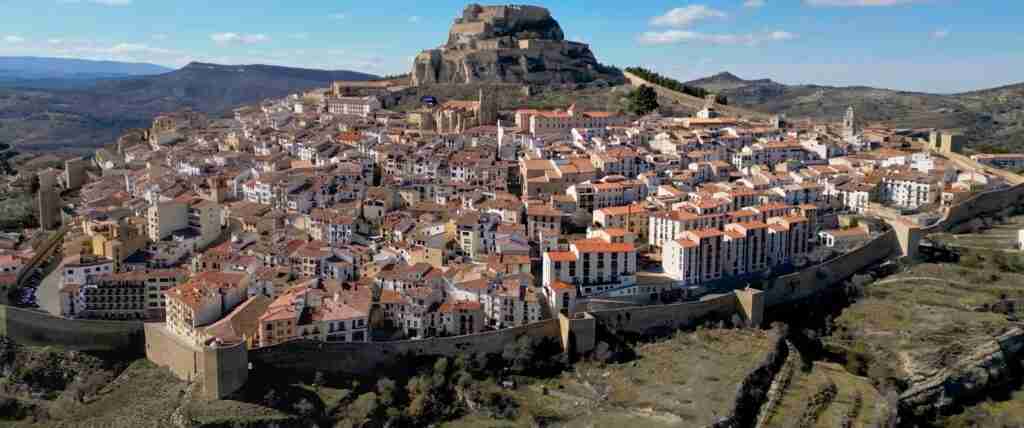
5 days
Zaragoza 5-Day Highlights Experience
- ✓ Comprehensive Zaragoza experience
- ✓ Expert local guides included
- ✓ All accommodation included
- ✓ Transportation provided
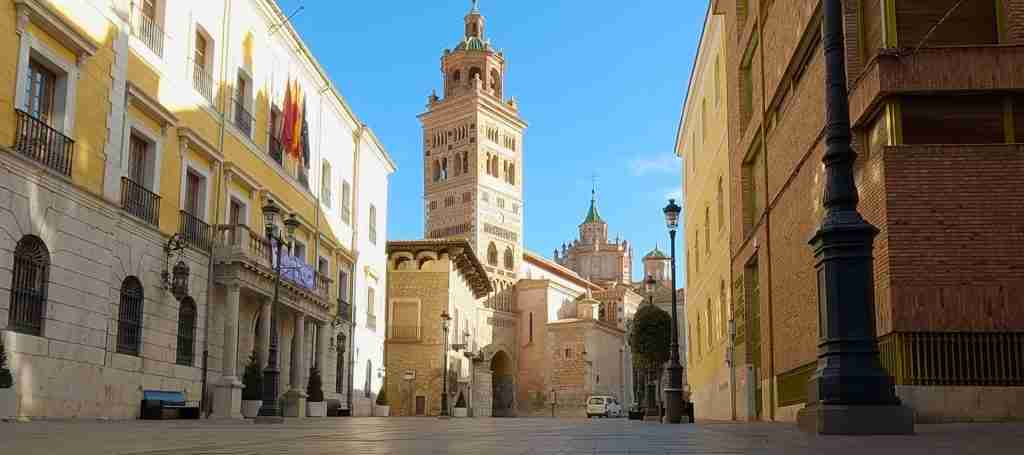
7 days
Zaragoza 7-Day Cultural Journey
- ✓ Comprehensive Zaragoza experience
- ✓ Expert local guides included
- ✓ All accommodation included
- ✓ Transportation provided
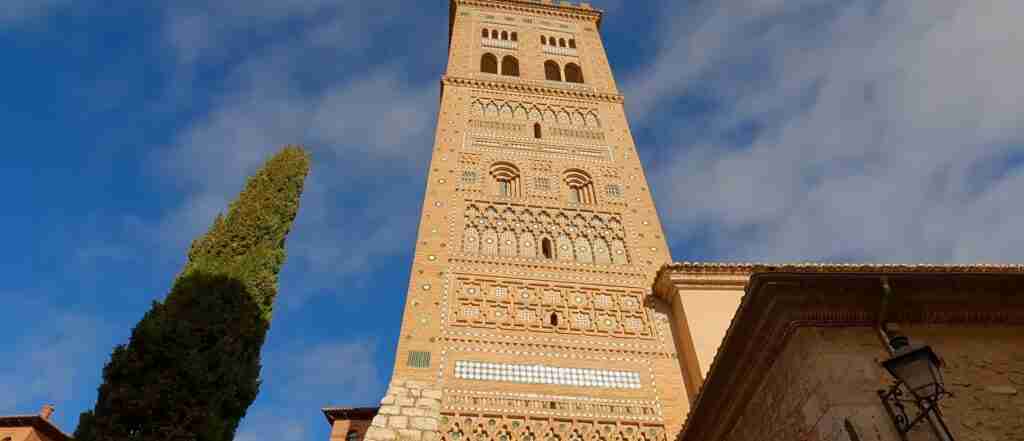
10 days
Zaragoza 10-Day Complete Adventure
- ✓ Comprehensive Zaragoza experience
- ✓ Expert local guides included
- ✓ All accommodation included
- ✓ Transportation provided
Multi-day tour packages powered by TourRadar. Prices and availability subject to change.
Introduction: Discovering Aragon’s Mountain and Heritage Treasures in 2026
Aragon occupies Spain’s northeastern corner sharing Pyrenees borders with France and presenting travelers extraordinary diversity spanning Europe’s highest limestone massif, UNESCO World Heritage cultural sites, medieval villages frozen in time, and outdoor adventure infrastructure rivaling Alps destinations at Mediterranean prices. The autonomous community’s 47,720 square kilometers encompass dramatic elevation variation from Ebro River plains at 200 meters altitude through rolling Somontano wine country and pre-Pyrenean limestone formations to glaciated 3,000+ meter Pyrenees summits, creating microclimates supporting Mediterranean vegetation, Atlantic forests, alpine meadows, and permanent snowfields within hours’ drive. This geographic diversity combined with centuries-layered human settlement history—Iberian tribes, Romans, Visigoths, Islamic caliphates, Christian kingdoms—produces landscape and cultural richness translating to exceptional touring and hiking opportunities integrating natural splendor with architectural treasures, traditional villages, and authentic regional culture increasingly rare in 21st-century Europe.
Aragon’s trail infrastructure developed over decades creates Spain’s most comprehensive marked route network totaling 20,000 kilometers including long-distance GR paths crossing the entire region, thematic nature trails following rivers and cultural heritage, and hundreds of local circular routes serving villages and natural areas. The legendary GR11 Trans-Pyrenean route traverses Aragon’s highest peaks and most dramatic valleys, while GR15 connects Pyrenees to Mediterranean and regional nature trails showcase wine country, river ecosystems, and medieval heritage through accessible walking. This systematic waymarking using international standards (red-white blazes for GR routes, yellow-white for PR paths) combined with refuge network, detailed mapping, and GPS track availability enables everything from afternoon family strolls to month-long expeditions matching any fitness level or interest. The crown jewel, Ordesa y Monte Perdido National Park, established 1918 as Spain’s first protected area and earning UNESCO World Heritage designation 1997, preserves 15,696 hectares of pristine Pyrenees wilderness featuring four glaciated valleys, limestone peaks exceeding 3,000 meters, endemic flora and fauna, and trail networks accessing landscapes rivaling North American icons at fraction of their tourist crowds and costs.
Guided tour operations complement self-guided hiking by offering expert navigation, local knowledge, logistical support, and safety backup particularly valuable for technical routes, first-time Pyrenees visitors, or travelers preferring structured experiences over independent planning. Zaragoza, Huesca, and Jaca function as gateway cities providing tour company bases, equipment rental, and certified guide services for day excursions to Ordesa, Añisclo Canyon, Sierra de Guara canyoning, Mallos de Riglos climbing, and cultural circuits visiting Mudéjar monuments or medieval villages. Multi-day packages ranging from weekend samplers to week-long expeditions deliver complete adventure experiences including accommodations from mountain refugios to heritage hotels, most meals, transport between locations, and specialized guides unlocking terrain impossible to access safely without technical skills. Pricing remains remarkably affordable by European standards—guided day tours €50-85, multi-day self-guided packages €200-250 daily, fully-supported week-long expeditions €1,200-1,600—representing 40-50% savings versus comparable Swiss or Austrian mountain experiences while maintaining professional standards and accessing equally spectacular landscapes.
Planning Aragon tours and trails in 2026 requires understanding seasonal windows, realistic difficulty assessment, and strategic geographic sequencing maximizing limited vacation time. The Pyrenees hiking season concentrates June-September when snow clears high passes, mountain refugios operate, and weather patterns stabilize (though afternoon thunderstorms remain common requiring early starts), while shoulder seasons May and October offer quieter trails trading occasional route closures from lingering or early snow. Lower-elevation areas including Somontano wine country, Sierra de Guara pre-Pyrenean ranges, and Moncayo operate year-round though summer heat (35°C+) makes mid-elevation forests preferable to exposed ridges July-August. Difficulty spans beginner valley floors and forest circuits through intermediate mountain routes requiring fitness and navigation to expert terrain demanding technical skills, proper equipment, and summit experience—honest self-assessment prevents dangerous situations and disappointing outcomes. Geographic diversity enables varied itineraries: 7-day trips can combine 3-4 days Ordesa National Park hiking, 2 days Sierra de Guara canyoning or climbing, 1 day Zaragoza Mudéjar architecture, and travel days; or focus intensively on single areas like Ordesa circuit or GR11 sections for deeper immersion. Aragon rewards both casual walkers seeking beautiful day hikes with village culture and serious mountaineers pursuing challenging peaks, delivering authentic mountain experiences and cultural discovery impossible to achieve at comparable value elsewhere in Western Europe.
Ordesa y Monte Perdido National Park Routes and Access 2026
Ordesa y Monte Perdido National Park stands as Aragon’s hiking crown jewel and Spain’s premier mountain national park, offering 15,696 hectares of protected Pyrenees wilderness centered on 3,355-meter Monte Perdido massif and four spectacular glaciated valleys. FREE park entry year-round removes financial barriers, while mandatory shuttle bus access during high season (Easter, select May dates, June 19-September 20, select October-November weekends) costing €3-5 per person round-trip from Torla-Ordesa actually improves visitor experience by eliminating parking stress and traffic congestion in narrow valleys. The park’s trail network ranges from gentle valley-floor paths suitable for families to exposed ledge routes and technical summit attempts requiring mountaineering skills, with approximately 40 marked routes accessing the four valley systems (Ordesa, Añisclo, Escuaín, Pineta) and surrounding peaks creating hiking options for 2-hour introductions through multi-day circuits.
The Ordesa Valley floor trail represents the park’s classic introduction, accessible from Pradera de Ordesa parking area reached via shuttle bus or private vehicle (when permitted off-season). The Pradera to Cola de Caballo (Horsetail Waterfall) route covers 16.2 kilometers round-trip with 400-meter elevation gain requiring 6-7 hours for typical hikers including photo stops, following well-maintained path along Arazas River through beech and pine forests punctuated by waterfalls and dramatic canyon views. The trail passes notable landmarks: Cascada de Arripas waterfall at 3 kilometers (1-hour walking), Cascada del Estrecho gorge section at 5 kilometers, and Gradas de Soaso stepped cascades before reaching Cola de Caballo at trail’s end beneath towering cirque walls. Families with young children often hike only to Arripas waterfall (6 kilometers round-trip, 2.5 hours) making satisfying half-day excursion with picnic opportunities and river access for breaks. The valley floor trail operates year-round weather permitting, though winter requires microspikes or light crampons if ice forms, and spring run-off (April-June) creates impressive waterfall displays worth extra effort.
The Faja de Pelay ledge trail provides intermediate alternative ascending north valley wall for elevated perspective across Ordesa Valley and cirque. The route starts from Pradera parking, ascends steeply through forest to reach the faja (eroded limestone ledge) at approximately 1,900 meters elevation, then traverses horizontally west offering continuous dramatic views before descending to valley floor near Circo de Soaso. Total distance approximates 18 kilometers with 750-meter elevation gain requiring 7-8 hours, rewarding effort with spectacular positioning above forest canopy viewing waterfalls and canyon from bird’s-eye perspective impossible from valley floor. The faja section features some exposure (steep drops) though trail width (2-3 meters) and lack of technical difficulty make it accessible to confident hikers comfortable with heights—those with vertigo should stick to valley floor. Strong hikers combine Faja de Pelay ascent with valley floor return or reverse routing for varied loop experience maximizing scenery diversity within single day.
Monte Perdido summit (3,355 meters) attracts experienced mountain hikers seeking Pyrenees’ third-highest peak via long challenging route from Refugio de Góriz. The approach requires overnight at Góriz refugio (€22-25 dormitory bed, book months ahead July-August) reached via 3-hour ascent from Pradera parking, then 4-5 hour summit attempt beginning pre-dawn (4:00-5:00 AM start) covering 7 kilometers with 1,050-meter elevation gain over increasingly technical terrain. The upper section from Lago Helado crosses permanent snow and ice requiring crampons and ice axe with competent self-arrest skills, while final “Escupidera” couloir maintains snow into July-August demanding careful footing and potential fixed-rope assistance. Summit rewards with 360-degree Pyrenees panoramas spanning France and Spain, but the route suits only fit, experienced hikers with proper equipment, early start avoiding afternoon thunderstorm risk, and willingness to turn back if conditions deteriorate. Less experienced hikers can enjoy Góriz access and surrounding peaks (Pico Cilindro, Soum de Ramond) without committing to technical summit attempt.
Practical access considerations shape Ordesa planning success. The shuttle bus operates from Torla-Ordesa village to Pradera parking during mandatory periods (check www.ordesa.net for exact 2026 dates) with first departures 6:00-7:00 AM and last returns 20:00-21:00, running every 15-20 minutes peak season (July-August) and hourly shoulder periods—arrive early July-August as buses fill quickly creating waits. The €3-5 fare (exact amount varies annually) pays at bus stops using cash or card, with children under 12 traveling free and dogs permitted in carrier bags paying small supplement. Off-season private vehicle access allows driving to Pradera parking (FREE, no reservation required) but spaces fill early summer weekends arriving by 8:00 AM advisable. The Pradera facilities include clean toilets, snack bar serving coffee/sandwiches €3-8, picnic tables, and water fountains (potable) removing need for excessive supply carrying. Weather variability demands layers—morning temperatures 8-12°C warm to 22-28°C by afternoon, but afternoon thunderstorms common June-September bringing temperature drops, strong winds, and lightning risk requiring descent to forest elevations below exposed peaks. The park visitor center in Torla (open daily 9:00-14:00, 16:00-19:00) provides free trail maps, current conditions, weather forecasts, and refuge reservations creating essential first stop for well-prepared visits maximizing safety and enjoyment.
GR11 Trans-Pyrenean Route Aragon Sections 2026
The GR11 Transpirenaica represents Spain’s most legendary long-distance trail, traversing the entire Pyrenees from Atlantic to Mediterranean across 820 kilometers divided into approximately 45 stages. The Aragonese section spanning roughly 450 kilometers crosses the range’s highest and most dramatic terrain including Ordesa National Park, accessing remote valleys, glaciated peaks, and traditional mountain villages creating the route’s technical and scenic climax. Completion demands 4-5 weeks continuous walking for full Aragon traverse, though most hikers tackle selected stages matching available time, interest, and fitness level rather than committing to complete thru-hike requiring months’ planning and significant mountain experience.
The western Aragon GR11 enters from Navarre at Roncesvalles/Candanchú area, immediately ascending into high Pyrenees through Valle de Hecho and Ansó Valley characterizedby traditional stone villages, beech forests, and 2,000+ meter passes. Key stages include Candanchú to Refugio de Lizara (18 kilometers, 7-8 hours, 1,100-meter ascent) crossing Puerto de Bernera pass at 2,273 meters with panoramic views before descending to remote refugio, and Lizara to Refugio de Respomuso (20 kilometers, 8-9 hours) maintaining high elevation through dramatic limestone scenery. These opening sections establish the GR11’s character: long days requiring strong fitness, self-sufficiency between refugio stops, and high-altitude terrain where weather turns rapidly from sunshine to thunderstorms within hours.
The central Aragonese GR11 traverses Ordesa National Park creating the route’s undisputed highlight through stages Refugio de Góriz to Pineta Valley. The approach to Góriz from west typically routes via Bujaruelo Valley and Puerto de Bujaruelo pass (2,273 meters), while eastbound continuation crosses Collado de Añisclo before descending dramatic Pineta Valley characterized by towering canyon walls and Circo de Pineta glacial amphitheater. This Ordesa section concentrates the GR11’s scenic magnificence: morning views of Monte Perdido massif illuminated by dawn light, ibex and chamois sightings on high pastures, bearded vultures soaring overhead, and continuous mountain vistas rewarding previous days’ exertion. The area’s popularity means refugios book solid July-August requiring reservations 2-3 months advance or flexibility accepting dates around preferred schedule.
The eastern Aragon GR11 continues through Posets-Maladeta Natural Park containing Pyrenees’ highest peak Pico de Aneto (3,404 meters) before exiting to Catalonia near Benasque. Notable stages include Refugio de Estós to Refugio de Viadós (16 kilometers, 7 hours) crossing Puerto de Gistain pass with Posets massif views, and the technical Refugio de la Renclusa to Refugio de Conangles (demanding stage requiring glacier crossing to reach Aneto base). This eastern section increases technical difficulty with glacier travel, potential via ferrata sections, and more exposed terrain demanding proper equipment (crampons, ice axe, helmet) and skills beyond standard hiking, separating casual trekkers from serious mountaineers willing to embrace challenge.
Practical GR11 planning balances ambition with realistic assessment of personal capabilities and available time. Full Aragon traverse requires 25-30 consecutive mountain days, significant expense (€30-50 daily covering refugio accommodation €15-25 and meals €15-25), and excellent physical conditioning maintaining 6-8 hour walking days with 8-12 kilogram pack. Staged approaches prove more realistic for most: classic week-long “Ordesa Circuit” covers highlights from Candanchú to Pineta (approximately 7-9 days) capturing premier scenery without committing to full route, while weekend samplers (3-4 day sections) introduce GR11 character determining interest for future longer attempts. July-August timing guarantees refugio operation and snow-free passes but brings crowds and higher costs; June and September offer quieter trails trading occasional snow patches on high passes and some refugio closures. Essential preparation includes booking refugio beds months ahead peak season (some operate reservation-only systems, others maintain walk-in space creating uncertainty), carrying detailed maps or GPS tracks as waymarking quality varies and weather can obscure trails, and assembling proper equipment including mountain boots, waterproof layers, sun protection, water purification, and appropriate technical gear for glacier stages. The GR11 delivers Spain’s ultimate mountain adventure rewarding preparation with wilderness immersion and summit experiences impossible to achieve elsewhere in the country.
Sierra de Guara Adventure Tours and Canyoning 2026
Sierra de Guara Natural Park positioned in Aragon’s pre-Pyrenean region between Huesca and the high mountains has earned international reputation as canyoning capital providing dozens of limestone gorges with year-round water flows creating Spain’s premier adventure sports destination. The sierra’s unique geology—massive limestone uplift deeply eroded by centuries of water flow—carved spectacular slot canyons featuring rappelling descents, natural water slides, crystal pools for swimming, and technical obstacles demanding rope work creating playground for canyoneers ranging from beginners trying first-time descents to experts seeking the most challenging routes in Europe.
Beginner-friendly canyons concentrate around Alquézar village, Guara’s adventure sports hub offering guide services, equipment rental, and accommodation infrastructure. The Barranc de Barrosa represents the classic introduction: 3-hour guided descent featuring 8-meter maximum rappel, numerous water slides, short swimming sections, and continuous water flow even summer drought, typically costing €40-50 per person including guide, wetsuit, helmet, harness, and canyon-specific equipment. The Peonera canyon provides similar difficulty with more swimming requiring confidence in water, while Formiga canyon’s shorter duration (2 hours) suits families with children 8+ or those testing interest before committing to longer routes. These beginner canyons operate March-October though June-September provides warmest water temperatures (12-18°C in wetsuits remaining comfortable) and most reliable flow conditions.
Intermediate canyons increase commitment through longer descents, higher rappels, and more technical obstacles. The Vero River gorge (Pasarelas del Vero section) combines spectacular scenery with adventure featuring via ferrata-style walkways suspended above river, short rappels, and optional jumps into deep pools, though accessible as hiking trail without water entry appealing to mixed-ability groups. Mascún Superior canyon delivers full-day adventure (6-8 hours) with rappels to 30 meters, demanding route-finding, and continuous water progression through stunning narrow gorge sections requiring solid swimming ability and comfort with height exposure. Guide services for intermediate routes cost €70-100 per person reflecting extended time, higher guide-to-client ratio demands, and specialized technical instruction, with advance booking essential July-August when popular routes fill weeks ahead.
Expert-level canyons attract serious canyoneers seeking extreme experiences matching international standards. The Mascún Inferior represents Guara’s most demanding descent: 8-10 hour commitment featuring rappels exceeding 40 meters, complex anchor systems requiring advanced rope work, sustained swimming in cold water, and sections impassable high-water periods creating objective hazards beyond guide mitigation. Other technical routes including Gorgas Negras and Canyon Oscuros demand similar skills, physical conditioning, and willingness to accept serious mountain environment risks. These expert descents typically require private guide arrangements (€150-250 per person) and proof of prior canyon experience before reputable operators accept bookings, recognizing liability and safety implications of unqualified participants on genuinely dangerous routes.
Practical canyoning considerations extend beyond route selection to include proper equipment and realistic scheduling. Guided services provide all technical gear (wetsuit, neoprene socks, helmet, harness, descender devices) with participants bringing only swimsuit, towel, and secure footwear (old trainers acceptable), though serious enthusiasts investing in personal equipment access better gear and eliminate rental expenses over multiple descents. Physical requirements emphasize swimming confidence and comfort being cold/wet for extended periods over pure strength—modern wetsuits provide thermal protection but extended immersion in 12-18°C water challenges everyone. Most operators require minimum age 8-12 (varying by canyon difficulty) and basic health screening confirming no heart conditions or major injuries preventing safe participation. Booking timing matters: March-May and October-November see fewer crowds and lower prices but potentially cold water and higher rivers from snow melt or autumn rains, June-September guarantees warmest conditions and most operators but brings premium pricing and advance reservation requirements. Alquézar village provides canyon base with hotels €50-80, restaurants, equipment shops, and guide company offices concentrated in compact medieval center, while nearby Rodellar offers rock climbing alternative if weather or preference shifts plans. Sierra de Guara’s canyoning delivers adrenaline-focused adventure tours complementing Aragon’s hiking focus for travelers seeking active experiences beyond standard trekking.
Cultural Heritage Tours in Aragon 2026: Mudéjar and Medieval Routes
Aragon’s cultural heritage touring complements mountain adventures through exceptional concentration of architectural treasures spanning Roman ruins, UNESCO Mudéjar monuments, medieval villages, and Romanesque churches creating itineraries balancing outdoor activity with historical and artistic immersion. The region contains ten of Spain’s Mudéjar Architecture UNESCO World Heritage sites including four monuments in Teruel and six in Zaragoza province, representing Islamic-Christian artistic fusion impossible to experience elsewhere in Europe, while medieval villages like Albarracín, Aínsa, and Alquézar preserve complete historical ensembles earning official heritage designations.
Zaragoza anchors Mudéjar touring as Aragon’s capital containing three UNESCO components: Aljafería Palace (11th-century Islamic palace with later Christian additions), La Seo Cathedral with elaborate brick tower and stunning interior, and San Pablo Church tower exemplifying ornate brick-and-tile decoration characteristic of the style. Day tours from Huesca or Jaca to Zaragoza cost €60-90 per person including round-trip transport and English-speaking guide for 8-10 hour excursions visiting all three monuments plus additional highlights (Basilica del Pilar, Plaza del Pilar, historic Jewish quarter), providing comprehensive introduction to Mudéjar achievement within single day suitable for travelers based in Pyrenees combining mountain and cultural experiences. Independent travelers can self-guide using €15-20 combination tickets covering multiple monuments, though missing expert contextual information enhancing appreciation beyond visual impact alone.
Teruel’s four UNESCO Mudéjar towers concentrated in compact historic center create efficient walking tour: Cathedral of Santa María tower and painted ceiling, Torre del Salvador, Torre de San Martín, and San Pedro tower with attached Mausoleum of the Lovers. Half-day tours from Zaragoza cost €50-70 per person covering 2-hour drive each way plus 3-4 hours Teruel exploration, though serious architecture enthusiasts justify overnight stays (hotels €50-80) enabling leisurely monument visits, evening atmosphere in Plaza del Torico, and optional excursions to nearby Albarracín medieval village. The towers’ exterior decoration rewards multiple viewing perspectives as changing light illuminates intricate tile patterns differently throughout the day, while Cathedral interior’s 13th-century painted ceiling called “Sistine Chapel of Mudéjar art” requires extended contemplation appreciating narrative details depicting medieval life. Teruel’s relative obscurity (compared to mainstream Spanish destinations) maintains authentic local character with restaurants serving regional cuisine rather than tourist menus, creating rewarding cultural immersion beyond monument sightseeing.
Medieval village circuits connect mountain bases with heritage exploration through full-day excursions to Albarracín, Aínsa, or Alquézar. Albarracín located 38 kilometers from Teruel represents Spain’s most photogenic medieval village: rose-colored adobe buildings cascading down hillsides, defensive walls and towers, narrow cobbled lanes, and Cathedral with museum creating remarkably preserved ensemble earning Monumento Nacional status and UNESCO World Heritage candidacy. Tours from Teruel cost €40-50 per person for half-day excursions (adequate for village highlights) or combine with Sierra de Albarracín nature park hiking extending to full day €75-90. Aínsa occupies strategic position guarding Pyrenees valleys with complete fortified core featuring arcaded Plaza Mayor, Romanesque church, castle ruins, and intact defensive walls—its proximity to Ordesa National Park (45 kilometers) enables convenient pairing of morning mountain hiking with afternoon medieval exploration. Alquézar blends cultural heritage with adventure sports hub positioning: medieval village perched on limestone outcrop above canyoning center creates unique combination allowing morning rappelling in Barranc de Barrosa canyon followed by afternoon exploring village’s collegiate church, walkway views, and artisan shops. These village tours operate year-round though March-June and September-October provide optimal photography light and fewer crowds compared to July-August peak season.
Somontano wine country north of Huesca offers cultural touring alternative emphasizing gastronomy over monuments through vineyard landscapes, medieval towns, and bodega visits. Full-day wine tours from Huesca or Barbastro cost €65-95 per person including transportation, English-speaking sommelier guide, 2-3 winery visits with tastings, traditional lunch with wine pairings, and stops at medieval villages (Alquézar often included). The Somontano Denominación de Origen designation covers 4,200 hectares producing quality reds and whites gaining international recognition, with modern wineries offering sophisticated visitor experiences contrasting traditional village settings. Wine tours appeal to travelers seeking relaxed cultural immersion without physical demands of hiking or technical adventure sports, creating balance in varied Aragon itineraries. Combined packages pairing 3 days mountain hiking (Ordesa, Sierra de Guara) with 2 days cultural touring (Mudéjar monuments, wine country) and travel days deliver comprehensive Aragon experiences maximizing diversity within typical week-long vacation timeframe.
Guided Multi-Day Trekking Packages in Aragon 2026
Multi-day trekking packages transform independent trail navigation into professionally-supported experiences through pre-arranged accommodations, luggage transfers, detailed route notes, emergency backup, and optional guide services removing logistical complexity while maintaining hiking independence and natural immersion. Aragon’s tour operators offer packages spanning 3-14 days covering classic routes (Ordesa circuit, GR11 sections) and thematic itineraries (Pyrenees high-route, medieval villages walking tour) matching various fitness levels and cultural interests with pricing structures balancing value against service comprehensiveness.
Self-guided packages provide maximum flexibility delivering route materials, accommodation confirmations, and luggage transfer service while allowing hikers to walk at their own pace without group schedules or mandatory guide presence. The classic 5-day Ordesa circuit package starts/ends Huesca or Jaca, includes 4 nights accommodation (mix of valley hotels and mountain refugios), daily breakfast, detailed route descriptions with GPS tracks, luggage transferred between valley lodgings (mountain refugio nights require carrying own gear), and 24-hour emergency phone support—total cost €1,000-1,250 per person based on double occupancy room sharing. Daily hiking distances average 14-18 kilometers with 600-1,000-meter elevation gains requiring moderate-to-good fitness but no technical mountain skills, accessing highlights including Cola de Caballo waterfall, Añisclo Canyon, and high mountain passes with views across Pyrenees. Similar self-guided formats apply to other regions: 7-day GR11 Candanchú-to-Benasque section €1,400-1,800, 4-day Sierra de Guara canyoning-and-hiking combo €800-1,000, or 6-day Somontano wine-and-culture walk €1,100-1,400 emphasizing gastronomy over mountain challenge.
Fully-guided packages add certified mountain guide accompanying the group throughout providing navigation, safety management, natural history interpretation, technical instruction, and social facilitation creating comprehensive mountain experience. Week-long Pyrenees expeditions with guides cost €1,200-1,600 per person for standard groups (6-8 participants) covering mountain refugio accommodation, most meals (breakfasts and dinners included, lunches typically self-catered from packed provisions), guide service throughout, group safety equipment (first aid, communication devices), and transport from/to gateway cities. The guide presence proves valuable for multiple reasons: expert route-finding even poor weather conditions, wildlife and flora identification enhancing educational value, technical skills instruction for scrambling sections or use of via ferrata equipment, judgment about weather-related decision-making, and group dynamics management creating cohesive social experience among strangers sharing intense week in mountains. Private guided departures (2-6 people) command premium pricing €1,800-2,400 per person reflecting lower economies of scale but delivering customized pacing, route modifications matching group interests, and intimate mountain guide relationship impossible in larger groups.
Specialized trekking packages target specific interests or skill levels creating focused experiences. Gentle walking weeks emphasize cultural sights and scenic beauty over physical challenge through routes averaging 3-4 hours daily with luxury accommodation (heritage paradors, rural boutique hotels), gourmet meals featuring regional specialties, and daily wine tastings or cultural visits—prices €1,600-2,200 per person reflect accommodation and dining upgrades over standard mountain lodging. Conversely, technical mountaineering weeks focus on summit attempts (Monte Perdido, Pico de Aneto, Vignemale) requiring glacier travel, rock scrambling, and alpine start times, with prices €1,800-2,600 reflecting smaller guide ratios (1:2 or 1:3), specialized equipment needs, and expert guide credentials beyond standard trekking certification. Photography-focused treks time daily schedules around optimal light (sunrise/sunset), include smaller groups allowing patient composition work, and feature guides with landscape photography expertise providing technical instruction—premium pricing €2,000-2,800 per person for week-long packages attracts serious photographers willing to pay for enhanced creative opportunities. Family-friendly packages modify standard mountain itineraries with shorter daily distances, refugios accepting children, activity variety (swimming, wildlife watching, village exploration), and flexible schedules accommodating young participants’ needs—pricing €900-1,200 per child (ages 8-16) represents approximately 60-70% of adult cost for same services.
Booking considerations significantly impact package value and satisfaction. Lead-time matters especially peak season (July-August) when most operators release itineraries November-December for following summer with discounts for early reservation (10-15% off if booked by February) and limited departures filling rapidly—waiting until May-June leaves only unpopular dates or sold-out disappointment. Group size affects experience quality with sweet spot 4-6 participants enabling genuine social connection without logistical complications of larger groups or isolation of solo/couple departures. Departure dates determine conditions: late June offers long days and likely snow on high passes adding scenic drama, late July-early August guarantees best weather but brings peak crowds and high prices, late August-early September delivers autumn colors with more variable weather, and June-September overall provides reliable mountain access while October-May limits routes to lower elevations. Single supplement charges for solo travelers occupying private rooms add 30-50% to package cost though some operators waive surcharge for travelers accepting roommate matching. Package inclusions require careful verification: some exclude mountain refugio fees (€15-25 nightly), guide gratuities (customary 10% of package cost), travel insurance (mandatory for mountain activities), or transfer from arrival airports, creating €200-400 additional costs beyond quoted prices when added together.
Day Tours and Excursions from Zaragoza and Huesca 2026
Day tour options from Aragon’s gateway cities enable mountain and cultural experiences without changing accommodations, ideal for travelers preferring single-base comfort over multi-day packing/unpacking or those sampling region before committing to longer visits. Zaragoza and Huesca function as primary tour departure points with established operators, though Jaca provides additional access to western Pyrenees and cross-border French destinations creating varied excursion possibilities matching different interests and fitness levels.
Ordesa National Park day tours from Zaragoza (€70-85 per person) or Huesca (€50-60) represent most popular mountain excursions, departing 7:00-8:00 AM for 2-2.5 hour drive to Torla before shuttle bus to Pradera parking and 6-7 hour guided hike to Cola de Caballo waterfall. The long day (returning 19:00-20:00) rewards with comprehensive Ordesa experience without overnight mountain commitments: English-speaking guide provides natural history interpretation, safe navigation, and group pacing ensuring nobody gets separated or lost, while round-trip transport eliminates rental car costs and driving after exhausting hike. Tours include shuttle bus fees, trail maps, and typically light snacks/water though participants bring own substantial lunch. The physical demand suits moderate fitness levels comfortable with 16-kilometer distance and 400-meter elevation gain over 6-7 hours, with turnaround flexibility if entire group agrees to shorten route. Advanced booking essential July-August when tours fill weeks ahead, while shoulder seasons (June, September) often accommodate walk-up requests and deliver fewer crowds on trails creating superior hiking experience.
Añisclo Canyon day tours offer Ordesa National Park alternative accessing dramatic gorge characterized by 1-kilometer-deep limestone walls and narrow winding valley creating spectacularly different scenery. Tours from Huesca (€60-75) combine scenic drive through pre-Pyrenean landscapes with 4-5 hour canyon hiking following riverside trail, crossing the stream multiple times on wooden bridges, and ascending canyon walls for elevated viewpoints before descending back to valley floor. The route’s moderate difficulty (12 kilometers, 350-meter elevation gain) appeals to families and less-fit hikers intimidated by longer Ordesa commitments while still delivering genuine national park wilderness experience. Añisclo sees markedly fewer visitors than Ordesa Valley creating quieter more contemplative hiking atmosphere, though canyon’s shaded nature means cooler temperatures even summer (beneficial during heat waves, requiring layers during cooler months).
Cultural day tours emphasize architectural and historical sites over natural landscapes through combinations of monuments, villages, and regional specialties. The Mudéjar Triangle tour visits three UNESCO sites (Teruel’s four monuments plus Albarracín medieval village) in ambitious 10-12 hour excursion from Zaragoza (€75-95 per person) combining morning cathedral and tower visits with afternoon Albarracín exploration and traditional lunch featuring jamón de Teruel. Somontano wine day tours from Huesca (€65-85) follow relaxed pace visiting 2-3 wineries for tastings, stopping at Alquézar medieval village, and enjoying wine-paired lunch at rural restaurant, appealing to travelers seeking cultural immersion without physical demands. The Zaragoza city tour (€45-60 from Huesca, half-day) concentrates on capital’s highlights: Aljafería Palace UNESCO site, La Seo Cathedral, Basilica del Pilar, Plaza del Pilar, and optional tapas lunch in historic quarter, suitable for rainy days or travelers prioritizing urban culture over mountains.
Adventure sports day trips cater to adrenaline seekers through canyoning, via ferrata, or rock climbing experiences. Sierra de Guara canyoning day tours from Huesca (€65-85) include round-trip transport to Alquézar, half-day guided canyon descent (typically Barranc de Barrosa or Formiga), all technical equipment, and afternoon visiting Alquézar village creating adventure-culture combination. Via ferrata excursions to routes around Bierge, Vadiello, or Rodellar (€70-95 from Huesca or Zaragoza) provide protected climbing experiences featuring cables, ladders, and suspension bridges fixed to cliff faces with guide instruction and safety supervision ideal for first-time participants. Rock climbing intro days at Mallos de Riglos or Rodellar (€85-110) deliver 6-8 hours including equipment, guide instruction, and transport introducing sport climbing or multi-pitch traditional routes depending on participants’ experience. These adventure days operate March-October with summer high season bringing warmest water (canyoning) or earliest starts avoiding midday heat (climbing), while shoulder seasons offer quieter crags and canyons trading some temperature discomfort.
Practical day tour considerations affect value and satisfaction beyond headline prices. Group size impacts experience with 8-12 participants standard creating social atmosphere but potentially slow pace waiting for stragglers, while private tours (minimum 4-6 people typically) cost 40-60% premium delivering customized attention. Departure times favor early starts (7:00-8:00 AM) maximizing daylight in destinations and avoiding afternoon heat or thunderstorms, with pickup locations concentrated in city centers or major hotels requiring early wake-up for travelers staying farther afield. Cancellation policies vary by operator from flexible full-refund up to 48 hours before departure to strict no-refund inside 7 days, with weather-related cancellations typically offering rescheduling or full refund. Single travelers face 10-30% surcharges on published per-person rates reflecting guides’ base costs whether serving 6 or 8 participants, though some operators waive surcharge for solos joining scheduled group departures. Package versus à la carte value calculations matter: day tour at €75 including transport, guide, park fees, and insurance compares favorably against independent costs (rental car €40-60 daily, fuel €15-20, park shuttle €5, guide book/map €15) totaling similar amounts while eliminating driving stress and providing expert interpretation unavailable solo travelers—conversely, groups of 4+ with rental car access often save money self-guiding while gaining schedule flexibility impossible on group tours.
Seasonal Hiking Conditions and Best Times to Visit Aragon 2026
Aragon’s dramatic elevation range from 200-meter Ebro lowlands to 3,404-meter Aneto summit creates distinct seasonal windows affecting accessible routes, trail conditions, weather patterns, and visitor density. Understanding seasonal characteristics enables strategic timing matching available vacation dates with optimal conditions for intended activities, whether pursuing high Pyrenees mountaineering, lower-elevation cultural walking, or shoulder-season solitude trading some weather reliability for uncrowded trails and reduced costs.
Summer (June-September) dominates Aragon hiking season providing reliable conditions across all elevations from valley floors to alpine summits. June marks Pyrenees awakening as snow clears high passes (typically mid-month), mountain refugios open for season, and wildflowers bloom creating colorful carpets across meadows—early June hiking encounters lingering snowpack on north-facing slopes above 2,500 meters potentially requiring crampons and ice axes for safe passage while July guarantees snow-free conditions except permanent glaciers. July-August peak season delivers warmest temperatures (valley daytime highs 28-35°C, mountains 18-25°C), most reliable weather patterns (though afternoon thunderstorms remain common), operating refugios, and maximum trail activity—the reliability and infrastructure availability attract crowds creating reservations pressure, higher prices (refugios €22-25 vs. €18-20 shoulder season), and trail congestion on popular routes like Ordesa Valley and GR11 sections. September extends quality conditions into early autumn with stable weather (often superior to July-August), spectacular larch color in high forests, fewer hikers as families return to school schedules, and operating refugios through month’s end—late September sees first autumn storms and some refugio closures though many routes remain accessible into early October. Summer advantages for Aragon hiking include longest daylight (June 21 sunrise 6:30 AM, sunset 21:45, providing 15+ hours), warmest temperatures for high-altitude camping, complete infrastructure (guides, shuttles, refugios, equipment rentals), and maximum route options accessing entire trail network. Summer disadvantages center on crowds (popular trails seeing hundreds daily July-August), afternoon thunderstorm risk requiring early starts (summits by 14:00 ideal avoiding peak electrical activity hours), higher costs across accommodations and services, and heat stress in lower elevations (Sierra de Guara canyons prefer shoulder seasons avoiding 35°C+ temperatures).
Spring (April-May) and autumn (October-November) shoulder seasons offer distinct advantages for certain activities while limiting high mountain access. April-May in lower Aragon (Somontano, Moncayo, Sierra de Guara) delivers optimal conditions: comfortable temperatures 15-25°C perfect for day hiking, spring wildflowers carpeting valleys and hillsides, green landscapes from winter moisture before summer drought browns vegetation, and empty trails as few international tourists visit pre-summer. The same period in high Pyrenees proves challenging with snowpack persisting through May on passes above 2,200 meters, many refugios closed until June, and avalanche danger on north-facing slopes—spring Pyrenees hiking concentrates valley floors and lower peaks accessing snow-free terrain while upper routes remain winter conditions. October-early November reverses the pattern: high Pyrenees enter autumn with spectacular larch and beech colors (golden yellows dominating landscape photography October 10-25), crisp clear days following summer’s humid conditions, and reduced but functional refuge/service infrastructure operating through month’s end. Lower elevations October-November can suffer excessive heat carrying over from summer (25-32°C through mid-October) making middle elevations 1,200-1,800 meters preferable to lowland heat or high-altitude cold. Shoulder season advantages include significantly lower prices (30-40% reductions on accommodations, tours), minimal crowds (multiple-fold fewer hikers than July-August), and often superior photography conditions with dramatic cloud formations and golden autumn light. Shoulder disadvantages require accepting weather variability (spring storms bringing unexpected snow, autumn cold fronts dropping temperatures 10-15°C within hours), reduced services (some refugios closed, guides less available, equipment rental shops maintaining limited hours), and route limitations (high passes potentially impassable without winter equipment, some trails officially closed by authorities until summer season).
Winter (December-March) transforms Aragon into specialized territory for winter sports and technical mountaineering while eliminating casual hiking from higher elevations. The Pyrenees ski season concentrates December-April depending on snowfall with major resorts (Formigal-Panticosa, Cerler, Astún-Candanchú) operating December 1-April 15 typical years though climate change creates increasing variability—excellent snow years extend seasons while poor winters see limited terrain through January. Winter mountaineering on Pyrenees peaks attracts serious alpinists equipped with full winter gear (crampons, ice axes, avalanche transceivers, winter camping equipment) attempting routes impossible summer months due to rock fall but creating spectacular ice climbing and mixed routes December-March—these expeditions demand expert skills and experience beyond typical trekking capabilities. Lower elevations including Somontano, Moncayo middle slopes, and Ebro Valley trails remain accessible winter for hardy hikers willing to accept cold temperatures (daytime highs 5-12°C), short daylight hours (sunrise 8:00 AM, sunset 17:30 providing 9 hours), and occasional snow/ice on trails requiring traction devices. Winter advantages for specialized activities include world-class skiing at Aragon resorts (Formigal among Spain’s largest with 137 kilometers of pistes), uncrowded cultural sites and monuments offering private viewing experiences, authentic mountain village atmosphere without tourist overlay, and dramatically reduced costs (mid-elevation hotels €30-50 vs. €60-90 summer). Winter disadvantages extend beyond obvious cold and snow to infrastructure limitations: most mountain refugios closed December-May, shuttle buses not operating, many guides unavailable or only offering ski-touring/winter expeditions, and restaurants/services in mountain towns operating reduced schedules or closing entirely—winter Aragon demands self-sufficiency and realistic expectations about conditions incompatible with casual summer trekking.
Strategic timing recommendations depend on priorities and flexibility. First-time Pyrenees visitors seeking reliable conditions with full infrastructure choose July-August accepting crowds and costs for guaranteed route access and weather probability favoring success. Experienced mountain hikers with flexibility prefer June or September capturing excellent conditions while avoiding July-August peak density and cost premium. Cultural tourists and lower-elevation walkers target May or October enjoying spring flowers or autumn colors with comfortable temperatures and minimal crowds. Budget-conscious travelers book November or April shoulder periods accessing 30-40% accommodation savings though accepting weather risks and reduced services. Serious mountaineers plan technical winter objectives December-March when conditions favor challenging routes impossible summer months. The key involves honest assessment matching personal tolerance for weather variability, crowds, and costs against desire for optimal conditions—Aragon rewards strategic timing delivering exceptional experiences to travelers aligning visits with seasonal characteristics supporting their specific interests and capabilities.
Essential Hiking Equipment and Safety Considerations 2026
Proper equipment and safety preparation separate enjoyable Aragon hiking from potentially dangerous misadventures, with mountain environment’s inherent hazards demanding appropriate gear, realistic capability assessment, and adherence to established safety protocols regardless of fitness or prior experience. The Pyrenees’ elevation, weather variability, and route technicality create genuine risks requiring systematic preparation rather than casual approach appropriate for lowland trail walking.
Footwear forms the foundation of mountain hiking success with quality boots preventing ankle injuries, blisters, and falls on steep terrain. Full leather or synthetic hiking boots with ankle support prove essential for routes exceeding 8 kilometers or 500-meter elevation gain, requiring break-in period (20-30 kilometers local hiking before Aragon trip) preventing painful blisters on actual vacation. Trail running shoes or approach shoes suit experienced light-and-fast hikers on well-maintained paths but increase ankle rolling risk technical terrain, while standard athletic trainers prove completely inadequate for mountain use lacking traction, support, and durability. Gaiters add weather protection keeping rain, snow, and scree debris from entering boots, particularly valuable spring/autumn conditions or scree-heavy descents. The €120-180 investment in quality boots pays dividends through comfort, safety, and multi-year durability versus €50-80 budget options frequently requiring replacement and causing foot problems.
Clothing system following layering principle adapts to Pyrenees’ dramatic temperature fluctuations from morning valley starts (8-12°C) to midday exposed ridges (20-28°C in sun, 12-18°C in wind/shade). Base layer (merino wool or synthetic) manages moisture away from skin preventing chill from sweat accumulation, insulation layer (fleece or lightweight synthetic jacket) provides warmth during breaks or temperature drops, and waterproof shell jacket protects from wind and rain while allowing sweat vapor escape preventing internal condensation soaking other layers. Avoid cotton at all costs—it retains moisture, provides zero insulation when wet, and creates genuine hypothermia risk in mountains. Hiking pants over shorts provide protection from sun, insects, and scraping vegetation while quick-dry fabrics prevent extended discomfort after stream crossings or rain. Sun protection essentials include wide-brim hat (baseball caps inadequately shade neck and ears), UV-blocking sunglasses (critical for snow and high altitude increasing UV exposure), and SPF 30+ sunscreen applied generously 30 minutes before sun exposure then reapplied every 2 hours—Pyrenees’ elevation and reflection from limestone rocks creates severe sunburn potential even moderate summer days.
Navigation and safety equipment prevent getting lost and enable emergency response if accidents occur. Physical maps (1:25,000 or 1:50,000 scale) and compass provide reliable backup when electronics fail, with laminated maps resisting rain damage and lasting multiple trips. GPS devices or smartphone apps (Maps.me, Komoot, Wikiloc) loaded with offline maps and route tracks improve navigation confidence, though battery limitations and signal unreliability in deep valleys demand paper map backup. First aid kit tailored for hiking includes blister treatment (second-skin pads, tape, antiseptic), pain relievers, anti-inflammatory medication, elastic bandages for sprains, and personal medications—knowledge using kit contents matters more than carrying comprehensive supplies without training. Emergency equipment spans headlamp with spare batteries enabling safe descent after unexpected delays, whistle for signaling rescue (three blasts = distress signal), emergency blanket for hypothermia prevention or casualty treatment, and adequate food/water reserves beyond planned consumption accounting for delays or emergencies.
Technical equipment requirements expand for high-route or glacier travel beyond standard hiking. Crampons fitting securely to boots provide traction on snow and ice encountered late-season high passes or glacier approaches, with 10-12 point models suitable for walking while 12-point frontpoints enable steep ice climbing—rental available in mountain towns (€8-12 daily) prevents purchase expense for occasional use. Ice axes ranging from lightweight walking axes for self-arrest practice to technical tools for steep ice demand proper training before attempting routes requiring their use, with guided instruction courses (€150-200 daily) providing skills preventing dangerous misuse. Helmets protect from rockfall common in high-altitude couloirs and mixed climbing terrain, with rental again viable option (€5-8 daily) for travelers not investing in personal equipment. Via ferrata kits (harness, shock-absorbing lanyard, carabiners) enable protected climbing experiences with rental from mountain towns (€10-15 daily) or included in guided tours eliminating purchase necessity for casual participants.
Safety protocols and mountain sense prevent most accidents through conservative decision-making prioritizing return home over summit achievement. Weather monitoring before and during hikes drives safe planning: check forecasts (www.aemet.es for official Spanish meteorology), understand forecast limitations in mountains (conditions vary dramatically by elevation and aspect), and recognize that afternoon thunderstorms develop rapidly June-September demanding early starts completing exposed sections by 14:00. Group dynamics emphasize slowest member’s pace maintaining cohesion, with solo hiking increasing risks though acceptable for experienced navigators on popular routes carrying adequate emergency equipment and informing someone of plans. Turnaround discipline accepts that weather deterioration, unexpected delays, or individual exhaustion justify retreat regardless of investment reaching that point—summit fever and schedule pressure cause most mountain accidents when hikers push beyond safe limits. Emergency protocols include knowing Spanish mountain rescue number (112 connects to emergency services including Guardia Civil mountain rescue), carrying basic medical Spanish vocabulary for accident reporting, and understanding that mountain rescue in Spain operates professionally but slowly compared to Alpine countries with helicopter access often impossible due to weather or terrain.
Budget Planning and Cost Breakdown for Aragon Trips 2026
Understanding realistic costs for Aragon hiking and touring enables effective budget planning matching available funds to desired experiences while identifying optimization opportunities reducing expenses without sacrificing trip quality. Total costs encompass transportation, accommodation, food, activity fees, equipment, and miscellaneous expenses, with wide variation possible depending on travel style choices from budget backpacker to comfortable guided tours.
Transportation to and within Aragon forms the first major expense category. International flights to Madrid-Barajas or Barcelona El Prat cost €200-800 depending on origin, booking timing (advance purchase 2-3 months ahead saves 30-40%), and season (July-August premium versus shoulder season savings), with connections to Zaragoza via bus (€15-25, 3-4 hours from Madrid or Barcelona) or train (€25-40 high-speed AVE from Barcelona 90 minutes, Madrid 90 minutes Zaragoza) completing access. Rental cars from Zaragoza or Huesca cost €35-55 daily for economy vehicles with automatic transmission, adding fuel (€12-20 per 100 kilometers average use) and parking fees (€8-15 daily in cities, €5-10 mountain towns, free many trailheads)—a week’s car rental totals €350-500 including fuel for typical itinerary exploring multiple areas. Car-free travel using buses and shared taxis reduces costs but limits flexibility and accessibility to remote trailheads, working best for travelers focusing on single area (Ordesa accessible from Torla base, Sierra de Guara from Alquézar) rather than multi-destination touring. Calculate transportation costs per person based on group size—solo travelers bear full rental expense while groups of 4 divide costs creating per-person economy.
Accommodation costs vary dramatically by type and season requiring strategic selection balancing budget and comfort. Mountain refugios charge €18-25 per person dormitory bed plus €15-25 for dinner and €8-12 for breakfast, totaling €40-60 daily covering lodging and meals but requiring shared facilities and basic amenities—refugios suit multi-day mountain circuits keeping costs down while enabling remote access. Valley hotels and pensions span budget options (€45-65 double room) through mid-range (€70-100) to upscale heritage hotels (€120-180), with per-person costs halving when sharing doubles versus solo supplements increasing total 40-60%. Rural guesthouses (casas rurales) often provide best value combining character with reasonable pricing (€60-90 double rooms including breakfast) and authentic rural experience versus commercial hotel chains. Camping when permitted (designated campsites €10-15 per person including facilities, wild camping technically prohibited but tolerated certain areas) minimizes accommodation expenses while requiring equipment weight and setup effort. Strategic mixing accommodates budgets: combine 3 nights mountain refugios (€120-180 total) with 2 nights mid-range hotels (€80-120) and 2 nights rural guesthouses (€70-100) across week-long trip totaling €270-400 per person accommodation and mountain meals, supplemented by €120-180 valley restaurant meals and packed lunches.
Daily food costs depend on self-catering versus restaurant dining choices. Budget €12-20 per person for menu del día three-course lunches in valley towns, €4-8 picnic lunches from bakery/market supplies, €6-10 breakfast in cafes, and €25-40 evening restaurant meals creating €45-75 daily food expenses if dining out all meals. Self-catering reduces costs 40-50% buying supermarket supplies: bread/cheese/ham picnic lunches €5-8, simple pasta/rice dinners €8-12, breakfast provisions €3-5, dropping daily totals to €25-35 per person. Mountain refugios include €15-20 dinners (soup, main course, dessert) and €8-10 breakfasts with purchases essentially mandatory as alternatives don’t exist, creating unavoidable €25-30 daily food cost refuge nights. Week-long Aragon trip balancing 3 refuge nights (€75-90 food included), 4 valley nights with half restaurant/half self-catered meals (€140-180), and incidentals totals €215-270 per person food expenses mid-range approach or €150-190 budget approach with more self-catering.
Activity and entrance fees accumulate though many Aragon attractions remain free or inexpensive. Ordesa National Park charges NO entrance fees though shuttle buses cost €3-5 per person round-trip when mandatory. Guided day tours €50-85, multi-day packages €200-250 daily, canyoning €40-80, via ferrata €35-60, and climbing guides €150-200 daily represent significant expenses for travelers booking multiple activities. Monument entrances typically modest: Mudéjar UNESCO sites €5-10 each, Aljafería Palace €5, combination tickets saving 20-30% when visiting multiple monuments. Equipment rental for travelers not bringing own gear: hiking boots €8-12 daily (better bringing own for fit reasons), backpacks €5-8 daily, crampons/ice axe €8-15 daily, via ferrata kits €10-15 daily, canyoning wetsuits included in guided prices—week’s rentals total €50-100 depending on items needed. Budget activities like self-guided hiking on free trails visiting pueblos absorb minimal expenses beyond transport/food/accommodation.
Sample week-long budget breakdown demonstrates cost ranges: Budget tier €600-820 per person (camping/hostels €150-200, self-catered meals €150-190, self-guided free trails, buses/shared transport €100-150, minimal paid activities €80-120, equipment/misc €120-160); Mid-range tier €915-1,330 per person (refugios/pensions mix €270-400, restaurant/self-catered balance €215-270, rental car share €120-180, 1-2 guided activities €100-180, monument fees €30-50, equipment/misc €180-250); Comfortable tier €2,000-2,850 per person (hotels €500-700, restaurants €350-450, rental car €250-350, multiple guided tours €350-550, full activity program €250-400, equipment/misc €300-400). These exclude international flights adding €200-800+ depending on origin. Groups of 3-4 sharing rental cars and double rooms reduce per-person costs 25-35% versus solo travelers bearing full single supplements and undivided transport, making Aragon particularly economical for traveling companions splitting expenses.
Frequently Asked Questions About Aragon Tours and Hiking 2026
Do I Need a Guide for Hiking in Aragon?
Guides prove essential for technical routes requiring mountaineering skills (glacier travel, scrambling, route-finding on unmarked terrain) while remaining optional for well-marked trails within personal capability range. Standard valley routes like Ordesa to Cola de Caballo, Albarracín village circuits, or Somontano nature trails suit self-guided hikers using maps and GPS tracks downloaded from platforms like Wikiloc or Komoot. Intermediate mountain routes including Faja de Pelay, Moncayo summit, or GR11 sections require strong navigation skills, fitness, and mountain experience but not technical guides if these conditions are met. Technical routes including Monte Perdido summit, glacier crossings, via ferrata courses, or expert-level canyons mandate guide services for safety equipment, route knowledge, and emergency response capability justifying the €150-250 daily cost. First-time Pyrenees visitors often benefit from 1-2 guided days learning terrain, navigation, safety protocols before graduating to independent hiking, while solo travelers appreciate guide services for social companionship beyond pure necessity. The decision involves honest capability assessment: if questioning whether guide needed, probably advisable erring toward professional support over risky independence.
What Fitness Level Do I Need for Aragon Hiking?
Fitness requirements span from minimal for valley strolls to excellent for multi-day mountain traverses, with honest self-assessment preventing disappointing or dangerous overcommitment. Beginner fitness (able to walk 3-4 hours, climb 2-3 flights stairs without excessive fatigue) suffices for gentle trails: Ordesa Valley floor to Arripas waterfall, Albarracín village exploration, Somontano vineyard walks covering 6-10 kilometers with minimal elevation gain. Moderate fitness (regular exercise 2-3 times weekly, comfortable 5-8 hour activity days) enables standard mountain routes: full Ordesa Cola de Caballo circuit, Moncayo summit, Faja de Pelay, typical GR11 stages with 12-18 kilometers and 600-1,000-meter elevation gains. Good-to-excellent fitness (4-5 weekly training sessions including cardio and strength, experience with consecutive active days) proves necessary for demanding routes: Monte Perdido summit, multi-day GR11 sections, technical canyons requiring sustained physical effort 6-10 hours daily carrying packs. Training recommendations include 8-12 week pre-trip preparation with progressive hiking distance/elevation gain, stair climbing or incline treadmill work building climbing endurance, and carrying progressively heavier packs (build to 8-12 kilograms) simulating mountain conditions. Remember that consecutive mountain days compound fatigue differently than weekly day hikes with 6-day recovery—multi-day trips demand fitness sustaining effort across sequential active days.
Can Children Hike in the Aragonese Pyrenees?
Children aged 6+ participate successfully in Aragon family hiking with appropriate route selection, realistic distance expectations, and engagement strategies maintaining enthusiasm through inevitable fatigue. Suitable family routes include Ordesa Valley floor (first 3-6 kilometers to Arripas waterfall allowing flexible turnaround), Río Guadalaviar trail near Albarracín (2-3 hour circuits with river access), and nature trails around villages providing short loops (2-4 kilometers) with cultural interest breaking hiking monotony. Children 6-10 typically manage 6-8 kilometers with 200-300 meter elevation gain over 3-4 hours including extended breaks for snacks and play, while 11-14 year olds double these capabilities matching lighter adult routes. Success factors include frequent breaks (every 45-60 minutes versus adults’ 90-120 minutes), engaging features en route (waterfalls, wildlife, stream crossings), snack incentives (trail mix, fruit, treats positioned as rewards reaching waypoints), and flexible pacing accepting that quoted hiking times double when including child-appropriate breaks and slower movement. Avoid routes featuring technical sections (exposure, scrambling, via ferrata elements), excessive length (over 10 kilometers young children, 14 kilometers teens), or high elevation where altitude effects emerge. Family-specific tour packages modify standard mountain itineraries with shorter distances, appropriate accommodations accepting children, and activity variety beyond pure hiking keeping young participants engaged. The Pyrenees reward families willing to adjust expectations and route selection to children’s capabilities delivering nature immersion and adventure memories impossible to create through theme parks or resort vacations.
Is Solo Hiking Safe in Aragon?
Solo hiking in Aragon carries increased risks versus group travel but proves reasonably safe for prepared experienced hikers following established safety protocols. Popular routes like Ordesa Valley, Moncayo, major GR11 stages see substantial traffic June-September meaning encountering other hikers for assistance if needed, while remote trails or off-season travel create genuine isolation with hours between human contact. Safety measures for solo hikers include informing someone of detailed plans (route, expected return time, emergency contacts) with check-in protocols, carrying comprehensive emergency equipment (first aid, extra food/water, emergency shelter), maintaining conservative turnaround discipline (retreat at first weather deterioration or unexpected delays), and avoiding technical routes or navigation challenges beyond personal skill level. Solo benefits include perfect pace matching personal speed without group compromises, flexible scheduling changing plans based on weather or preference, and enhanced wildlife observation versus group disturbance—these appeal to confident experienced mountain travelers comfortable with self-reliance. Solo challenges encompass full equipment weight (no sharing tent, stove, or safety gear), absence of emergency backup if injuries occur, and social isolation during extended trips. Women solo hiking report feeling safe on popular Aragon trails during daylight, though standard precautions (avoiding camping near road access, trusting instincts about situations, maintaining awareness) apply. Solo travel increases costs 30-50% through single accommodation supplements and undivided transport expenses versus sharing, though connecting with other travelers in refugios or trail meetings creates organic group formations reducing isolation while maintaining independence.
How Do Mountain Refugios Work in Aragon?
Mountain refugios (refugios de montaña) provide essential accommodation enabling multi-day routes accessing high Pyrenees terrain beyond day-trip reach from valley towns. Staffed refugios operated by Spanish mountaineering federation or private concessions offer dormitory-style sleeping (12-50 beds depending on size), dinner and breakfast service, running water (though not always hot showers), and guardian (refugio keeper) presence providing weather information and emergency assistance. Fees structure separates bed (€18-25 per person), dinner (€15-20), breakfast (€8-12), and packed lunch (€8-10) allowing travelers carrying own food to purchase only sleeping access. Reservations prove essential July-August when popular refugios fill weeks or months ahead through online systems (www.alberguesdemontana.net, www.montanasegura.com) or phone contact, while shoulder seasons often accommodate walk-ins though advance booking provides certainty. Refugio etiquette includes arriving before dinner time (typically 20:00-20:30), respecting quiet hours (22:00-7:00), bringing sleeping bag liner (mandatory most refugios), and cleaning assigned chores if requested. Unstaffed emergency shelters (cabanas) provide free basic shelter (platforms for sleeping bags, sometimes wood stoves) without services, requiring hikers carry all food/sleeping gear and operate first-come first-served basis—these suit experienced self-sufficient travelers comfortable with primitive conditions. Refugio advantages include remote access to spectacular terrain, weight reduction (no tent, stove, extensive food), social atmosphere meeting other hikers, and safety backup from guardians with radio communication and local knowledge. Disadvantages span cost (€40-60 daily including meals versus €12-18 camping), limited privacy (open dormitories, shared facilities), booking challenges peak season, and operational schedules (most close October-May making winter mountaineering logistics complex).
What Are the Dangers of Hiking in the Pyrenees?
Pyrenees hiking involves genuine hazards demanding respect and preparation, though fatalities remain rare among informed cautious hikers following safety protocols. Weather hazards include afternoon thunderstorms developing rapidly June-September bringing lightning strikes to exposed ridges and peaks (completing high sections by 14:00 minimizes risk), sudden temperature drops from storm fronts (layered clothing essential), and snow conditions year-round above 3,000 meters creating whiteout navigation challenges and hypothermia risk. Terrain hazards span slippery surfaces on wet rock or moss-covered stones causing falls (trekking poles improve stability), loose scree on descents creating ankle rolling or knee stress (proper boots essential), and exposure sections where falls result in serious injury or death (via ferrata cables provide protection, else avoid routes beyond capability). Wildlife presents minimal threat—brown bears exist in limited numbers avoiding humans, snakes (non-venomous generally) flee from vibration, and livestock guardian dogs protecting flocks bark aggressively but rarely attack unless actively threatening sheep. Navigation errors lead hikers onto dangerous terrain or create extended exposure requiring overnight emergency bivouacs (carrying map, GPS, downloading route tracks prevents most incidents). Medical emergencies on remote trails delay rescue responses hours requiring self-sufficiency for initial care (comprehensive first aid kit and training) and ability to signal for help (112 emergency number, though cell service unreliable deep valleys). Objective hazards like rockfall on steep couloirs or avalanche danger spring/winter conditions create risks beyond personal control requiring conservative route selection avoiding hazard zones. The key involves matching route selection to personal capability, monitoring weather, carrying proper equipment, informing someone of plans, and maintaining willingness to retreat before problems compound into emergencies—95%+ of mountain rescues involve either inadequate preparation, poor decision-making, or both rather than genuine bad luck.
Can I Wild Camp in Aragon?
Wild camping regulations in Aragon require nuanced understanding balancing legal restrictions with practical tolerance and ethical camping practice. Technically, wild camping remains prohibited within national parks (Ordesa y Monte Perdido) and most natural parks, with designated campgrounds the only legal camping options. However, high-mountain emergency bivouacking (sleeping rough above 2,300 meters when darkness or weather prevents safe descent to valley accommodations) enjoys practical tolerance from authorities recognizing mountain safety trumps regulatory purity. The practice: hikers pitch small tents after sunset (no earlier than 2 hours before dark), depart shortly after sunrise (within 2 hours of first light), camp out of sight from trails and populated areas, practice leave-no-trace principles (pack out all rubbish, no fires, no vegetation damage), and maintain genuine emergency justification rather than deliberate wild camping as budget accommodation strategy. Authorities rarely enforce camping prohibitions against respectful bivouackers following these guidelines while targeting visible base camps or groups clearly abusing regulations. Alternative approaches minimize conflict: staying in mountain refugios (staffed or emergency cabanas) provides legal accommodation accessing remote terrain, booking designated campgrounds (€8-15 per person) in valleys offers base-camp approach for day hikes, or using valley hotels/pensions with car access enables day-trip approach avoiding overnight issues entirely. The wild camping question divides into practical reality (experienced mountain travelers routinely bivouac on long routes without issues) versus official permission (technically prohibited requiring plausible emergency justification if challenged)—hikers must assess personal comfort with regulatory gray area where enforcement remains sporadic but possible.
What Language Do I Need for Hiking in Aragon?
Spanish language capability significantly enhances Aragon hiking experience though not absolutely essential for basic trail navigation and survival needs. English penetrates Aragon unevenly: major cities (Zaragoza, Huesca), popular tourist areas (Ordesa National Park, Alquézar), and established tour operators maintain English-speaking staff, while small mountain villages, local refugios, and regional bus drivers often speak Spanish exclusively. Essential hiking vocabulary includes trail terms (sendero = trail, refugio = mountain hut, cumbre = summit, fuente = water source), weather words (tormenta = storm, nieve = snow, niebla = fog), and emergency phrases (ayuda = help, socorro = assistance, perdido = lost). Written materials including trail signs, refuge information boards, and maps use Spanish though international symbols and numbers communicate basic information regardless of language. Smartphone translation apps (Google Translate offline mode downloaded pre-trip) bridge communication gaps for complex interactions like refuge bookings or asking locals for directions, though cellular service unreliability in mountains limits dependency. Guided tours offering English-speaking guides (clearly specified in booking descriptions) eliminate language barriers for instruction and interpretation, though group participants may still speak only Spanish creating social language challenges. Realistically, English-only speakers successfully complete popular self-guided routes using maps, GPS tracks, and basic Spanish phrases, though missing cultural depth and finding mountain emergency situations more stressful without communication ability. Learning 50-100 essential Spanish words/phrases before travel (achievable with 10-20 hours basic app-based study) repays effort through richer interactions, successful problem-solving, and demonstrated cultural respect appreciated by locals.
Are There Vegetarian or Vegan Food Options on Mountain Routes?
Vegetarian and vegan hikers face challenges in traditional Spanish mountain culture centered on cured meats, cheese, and hearty meat-based stews, though planning and communication enable successful dietary accommodation. Staffed mountain refugios typically offer limited menu flexibility (dinner = single preset meal) with vegetarian options (tortilla española, vegetable stew, pasta with tomato sauce) available if requested during booking or arrival though vegan options prove rarer requiring advance communication and possibly bringing supplemental food. Valley restaurants increasingly accommodate dietary preferences with salads, grilled vegetables, pasta, and rice dishes available, though meat-free traditional Aragonese cuisine options remain limited compared to coastal Spanish cities. Self-catering provides reliable dietary control through supermarket supplies: bread, hummus, nuts, dried fruit, energy bars, fresh vegetables, Spanish staples like olives and roasted peppers creating balanced packed lunches and simple dinners. Specialist outdoor food retailers stock vegetarian/vegan freeze-dried meals and energy bars though prices exceed regular groceries. Communication challenges emerge when refugio staff or restaurant servers poorly understand “vegetariano” (vegetarian) or “vegano” (vegan) concepts, sometimes serving fish or chicken believing these qualify as non-meat—specific phrases like “sin carne, sin pescado, sin huevos” (no meat, no fish, no eggs) improve results. The solution involves combination strategies: booking refugios confirming vegetarian meals in advance, carrying supplemental foods (protein bars, nuts, ready-meals) for unreliable situations, and targeting villages with multiple restaurants providing choice if first option disappoints. Vegetarian hiking succeeds with planning while vegan hiking demands more effort and backup provisions accepting that rural mountain culture hasn’t embraced plant-based eating trends visible in Spanish cities.
How Do I Get to Aragon’s Hiking Areas from International Airports?
Barcelona and Madrid airports provide primary international access to Aragon with onward connections via high-speed train, bus, or rental car creating 3-5 hour total journey times. From Barcelona El Prat Airport, take Renfe train to Barcelona Sants station (15-20 minutes, €4-5), then AVE high-speed train to Zaragoza (90 minutes, €25-40) or Huesca (60 minutes, €20-35) with hourly departures creating straightforward connection requiring 2.5-3 hours total. Alternative Barcelona bus services operate from airport to Zaragoza (4 hours, €20-30) though train proves faster and more comfortable justifying premium. From Madrid-Barajas Airport, Renfe Cercanías train connects to Madrid Chamartín or Atocha stations (25-40 minutes, €3), then AVE trains reach Zaragoza (90 minutes, €30-50) with frequent departures or Huesca (2 hours, €35-60) creating 3-3.5 hour total journey. Madrid buses to Zaragoza depart from Estación Sur (4 hours, €15-25) requiring metro connection from airport (40 minutes, €5). Rental cars from Barcelona or Madrid airports cost €40-60 daily with 3-4 hour drive to Zaragoza (Barcelona 300 kilometers via A-2 highway, Madrid 310 kilometers same highway) or Huesca (Barcelona 240 kilometers, Madrid 380 kilometers), making sense for groups of 3-4 splitting costs and requiring vehicle flexibility exploring multiple areas rather than single-destination trips. Direct flights to Zaragoza Airport from European cities operate limited frequency (Ryanair from London, Paris, Brussels) potentially saving connection time though flight schedules may not align with travel dates. Upon reaching gateway cities (Zaragoza, Huesca, Jaca), local buses access specific hiking areas: Huesca to Torla-Ordesa (2 hours, €12-18), Zaragoza to Alquézar (2 hours, €10-15), though rental cars provide superior flexibility for multi-area touring justifying €35-55 daily expense shared among travelers. Strategic planning sequences flight arrivals with onward transport: morning international arrivals enable same-day rail/bus connections reaching mountain bases by evening, while afternoon/evening arrivals require overnight in gateway cities before next-day mountain access.