
Zanzibar Travel Guide 2026: Beaches, Spice Tours & Island Escapes
This comprehensive guide navigates every aspect of planning your 2026 Zanzibar journey, from selecting the perfect beach base to experiencing authentic cultural encounters, managing your budget effectively, and timing your visit to coincide with optimal weather conditions. Whether you seek romantic seclusion on a private sandbank, adrenaline-pumping water sports, historical enlightenment in Stone Town’s museums, or simply the meditative pleasure of watching dhow sails silhouetted against an equatorial sunset, Zanzibar delivers experiences that linger long after the journey home.
Key Takeaways
- Zanzibar offers world-class beaches with powder-white sand and turquoise waters on both the east and north coasts, each with distinct characteristics for 2026 travelers
- Stone Town, a UNESCO World Heritage Site, provides authentic Swahili cultural immersion with historic architecture, vibrant markets, and legendary sunset dhow cruises
- Spice tours reveal Zanzibar’s aromatic heritage with hands-on experiences at working plantations where cloves, vanilla, and cinnamon grow
- Budget travelers spend $80-120 per day while mid-range visitors allocate $150-250 daily for comfortable 2026 island experiences
- The dry seasons from June to October and December to February deliver optimal weather conditions for beach activities and island exploration
- Direct flights from Dar es Salaam take 20 minutes while ferries provide scenic 2-hour crossings to this Indian Ocean archipelago
Introduction to Your Zanzibar Adventure in 2026
Rising from the turquoise waters of the Indian Ocean like a jewel off the Tanzanian coast, Zanzibar captivates travelers with its intoxicating blend of pristine beaches, aromatic spice plantations, and centuries-old Swahili culture. This semi-autonomous archipelago, comprising the main islands of Unguja and Pemba along with dozens of smaller islets, has evolved from a historic trading hub connecting Africa, Arabia, India, and Europe into one of East Africa’s most sought-after tropical destinations.
The archipelago’s main island, commonly referred to as Zanzibar Island or Unguja, stretches 85 kilometers from north to south and 30 kilometers at its widest point. Along its coastline, beaches range from the calm, swimming-friendly shores of Nungwi in the north to the dramatic tidal flats of Paje on the east coast, where kitesurfers harness consistent trade winds. Between these coastal paradises lies Stone Town, the historic heart of Zanzibar, where labyrinthine alleyways wind past carved wooden doors, crumbling palaces, and bustling bazaars that have traded goods for over a millennium.
For 2026 travelers, Zanzibar presents an increasingly sophisticated tourism infrastructure while maintaining the authentic character that distinguishes it from more commercialized tropical destinations. International hotel brands have established beachfront properties alongside locally-owned guesthouses, offering options spanning every budget category. Meanwhile, the island’s legendary spice heritage continues through working plantations that welcome visitors to smell, taste, and learn about the cloves, nutmeg, cinnamon, and vanilla that once made Zanzibar the world’s spice capital.
People Also Ask About Zanzibar 2026
How much does a trip to Zanzibar cost in 2026?
A 2026 Zanzibar trip costs vary significantly based on travel style and accommodation choices. Budget travelers staying in guesthouses and local restaurants spend $80-120 per person daily, covering basic beachfront accommodation at $40-60 per night, local meals at $15-25 daily, and essential activities. Mid-range visitors allocating $150-250 daily enjoy boutique hotels at $100-180 per night, quality restaurant dining, and organized excursions. Luxury travelers at premium resorts spend $400-800+ daily for all-inclusive packages at properties like The Residence Zanzibar or Baraza Resort. A typical 7-night mid-range vacation costs $1,200-1,800 per person excluding international flights (check current rates on booking platforms as prices fluctuate seasonally).
What is the best time to visit Zanzibar in 2026?
The best time to visit Zanzibar in 2026 falls during the dry seasons: June through October and December through February. The June-October period offers the driest conditions with minimal rainfall, temperatures averaging 25-28°C, and excellent underwater visibility for snorkeling and diving. December through February brings warmer temperatures of 28-32°C with occasional brief showers that rarely disrupt beach activities. Avoid the long rains from March to May when heavy precipitation affects roads and some beach properties close for maintenance. The short rains in November bring brief afternoon showers that seldom impact travel plans significantly.
Do you need a visa for Zanzibar in 2026?
Most visitors to Zanzibar in 2026 require a Tanzanian visa, obtainable online through the Tanzania Immigration e-Visa portal or on arrival at airports and seaports. The standard tourist visa costs $50 for most nationalities and permits stays up to 90 days. US citizens pay $100 for their visa. The e-visa application takes 3-7 business days for processing, while arrival visas involve queuing at immigration counters for 30-60 minutes. East African Community citizens from Kenya, Uganda, Rwanda, Burundi, and South Sudan enter visa-free. Passports must have at least six months validity beyond your planned departure date with two blank pages for stamps.
Is Zanzibar safe for tourists in 2026?
Zanzibar maintains a strong safety record for tourists in 2026, with the archipelago’s economy heavily dependent on maintaining its reputation as a secure destination. Standard precautions apply: avoid isolated beaches after dark, secure valuables in hotel safes, and use reputable tour operators for excursions. Petty theft occurs in crowded areas like Stone Town markets and beach strips, so keep cameras and phones secured. Female travelers should dress modestly when visiting Stone Town and villages out of respect for the predominantly Muslim population. Political demonstrations, while rare, should be avoided. The tourist police maintain a visible presence in major tourist areas, and hotels can arrange trusted transportation to prevent taxi scams.
Extended multi-day tours – 5+ days
Featured Zanzibar Multi-Day Tour Packages
1 days
Spice Tour of Zanzibar
- ✓ Comprehensive Zanzibar tour
- ✓ Expert local guides included
- ✓ All accommodation arranged
- ✓ Transportation provided

3 days
3 Days Zanzibar Beach Holiday | Stone Town, White Sand Beaches & Indian Ocean Escape
- ✓ Comprehensive Zanzibar tour
- ✓ Expert local guides included
- ✓ All accommodation arranged
- ✓ Transportation provided

2 days
Explore our 1/2 Day Kuza Cave Private Tours & Excursions | The Best Guided Private Kuza Cave Trip in Zanzibar from Kizimkazi
- ✓ Comprehensive Zanzibar tour
- ✓ Expert local guides included
- ✓ All accommodation arranged
- ✓ Transportation provided

1 days
From Zanzibar: Mikumi Safari Day Trip with Flights and Lunch
- ✓ Comprehensive Zanzibar tour
- ✓ Expert local guides included
- ✓ All accommodation arranged
- ✓ Transportation provided
Multi-day tour packages powered by TourRadar. Prices and availability subject to change.
Essential Planning Information for Zanzibar 2026
Entry Requirements and Documentation 2026
Entering Zanzibar in 2026 requires proper documentation through Tanzanian immigration authorities. All visitors need passports valid for six months beyond their intended stay with at least two blank pages for entry stamps. Tourist visas cost $50 for most nationalities, with US citizens paying $100. The Tanzania e-Visa system processes applications within 3-7 business days through the official evisa.immigration.go.tz portal. Arrival visas remain available at Abeid Amani Karume International Airport and the Stone Town ferry terminal, though processing times of 30-60 minutes make pre-arrival applications advisable during peak seasons.
Yellow fever vaccination certificates are mandatory for travelers arriving from endemic countries, including Kenya and most of mainland Africa. Direct arrivals from Europe, North America, or the Middle East do not require yellow fever documentation. However, carrying your certificate prevents potential complications during connections through African hub airports. Proof of accommodation booking and return flight tickets may be requested at immigration, though enforcement varies. Travel insurance covering medical evacuation is strongly recommended given limited local healthcare facilities.
Currency and Money Matters 2026
The Tanzanian Shilling (TZS) serves as official currency throughout Zanzibar, with exchange rates in early 2026 averaging approximately 2,500 TZS to $1 USD. US dollars are widely accepted at hotels, tour operators, and upmarket restaurants, though change typically comes in shillings. Bring crisp, post-2006 US bills as older or damaged notes face rejection. Euros and British pounds convert easily at Stone Town forex bureaus and banks.
ATMs cluster in Stone Town with machines at Barclays, CRDB, and NMB banks dispensing Tanzanian shillings. Daily withdrawal limits average 400,000-800,000 TZS ($160-320). Beach resorts in Nungwi, Kendwa, and Paje have limited ATM access, so withdraw sufficient cash in Stone Town before heading to coastal areas. Credit cards are accepted at major hotels and restaurants but incur 3-5% transaction fees. Mobile money through M-Pesa enables convenient payments once you obtain a local SIM card.
Health and Vaccinations 2026
Malaria exists throughout Zanzibar, requiring prophylaxis medication and mosquito bite prevention. Consult your travel clinic 4-6 weeks before departure to begin antimalarial medication appropriate for the East African region. Malarone, doxycycline, and mefloquine all provide effective protection when taken as prescribed. Use DEET-based repellents, sleep under treated mosquito nets, and wear long sleeves during dawn and dusk hours when mosquitoes are most active.
Recommended vaccinations include hepatitis A and B, typhoid, and ensuring routine immunizations remain current. Rabies pre-exposure vaccination benefits travelers planning extensive rural exploration or wildlife encounters. Tap water is not safe for drinking throughout the archipelago; stick to bottled or filtered water and avoid ice in drinks at local establishments. Zanzibar’s healthcare facilities are basic, with Mnazi Mmoja Hospital in Stone Town handling emergencies. Serious medical issues require evacuation to Dar es Salaam or Nairobi, making comprehensive travel insurance essential.
Best Beaches in Zanzibar 2026
Nungwi Beach: Northern Paradise 2026
Nungwi Beach crowns Zanzibar’s northern tip with the archipelago’s most swimmable waters. Unlike east coast beaches affected by dramatic tidal changes, Nungwi maintains deep water throughout the tidal cycle, allowing beach swimming anytime without long walks across exposed flats. The beach stretches for nearly three kilometers of powder-white sand bordered by traditional dhow-building workshops and increasingly upscale resorts.
Accommodation in Nungwi spans every budget category in 2026. Backpacker lodges near the village center charge $30-50 for basic rooms, while mid-range properties like Smiles Beach Hotel and Nungwi Dreams offer beachfront rooms at $120-200 per night. The Z Hotel, Essque Zalu, and RIU Palace provide luxury all-inclusive experiences at $350-600 nightly. The main beach strip features restaurants, bars, and dive shops clustered conveniently for travelers seeking social atmospheres and easy access to activities.
Sunset viewing reaches legendary status at Nungwi, where the beach’s western exposure creates spectacular evening displays. Beach bars serve cocktails as the sun descends into the Indian Ocean, painting the sky in oranges and purples while dhow silhouettes drift across the horizon. The nightly Kendwa Rocks beach party, a short walk or quick taxi ride south, has operated for decades as East Africa’s most famous beach gathering.
Paje Beach: Kitesurfing Capital 2026
Paje Beach dominates Zanzibar’s east coast as the archipelago’s undisputed kitesurfing headquarters. Consistent trade winds blow from June through September and December through March, creating ideal conditions that attract professional kiters and beginners alike from around the world. The shallow lagoon exposed at low tide provides safe learning environments, while deeper waters offshore challenge advanced riders.
Kitesurfing lessons and equipment rental are available from numerous operators along Paje’s beach strip. Two-day beginner courses cost $350-450 and typically result in independent riding capability. Equipment rental for experienced kiters runs $80-100 per day. Beyond kitesurfing, Paje’s relaxed atmosphere attracts digital nomads and long-term travelers seeking affordable beachfront living with reliable WiFi at numerous cafes.
Accommodation along Paje beach in 2026 ranges from simple bungalows at $40-60 per night to boutique properties charging $150-250. The beach lacks major resort development, preserving a laid-back village atmosphere that contrasts with Nungwi’s more commercialized scene. Restaurants serve excellent fresh seafood with sunset views, and the famous Paje by Night market brings locals and tourists together for grilled fish, Zanzibari pizza, and live music.
Kendwa Beach: Party and Peace 2026
Kendwa Beach sits just south of Nungwi, sharing the northern tip’s tidal advantage while maintaining a distinct character. The beach attracts a younger, more social crowd drawn by the legendary Full Moon parties at Kendwa Rocks that have operated monthly for over two decades. Yet beyond party nights, Kendwa offers some of Zanzibar’s most pristine swimming waters and a more relaxed daytime atmosphere than its northern neighbor.
Full Moon parties draw hundreds of revelers on the Saturday closest to each full moon, with DJs spinning until sunrise and fire dancers performing along the beach. Entry costs approximately $20-30 and includes access to the beach venue. Regular Saturday night parties occur regardless of moon phase, though with smaller crowds. Outside party nights, Kendwa maintains a peaceful atmosphere ideal for swimming, snorkeling, and beachside relaxation.
Matemwe Beach: Secluded Luxury 2026
Matemwe Beach stretches along Zanzibar’s northeast coast, offering a more exclusive and secluded alternative to the busier northern beaches. Dramatic tidal variations expose vast flats at low tide, where local seaweed farmers tend their crops and the walking distance to swimmable water can exceed 500 meters. High tide transforms the scene into an ideal swimming environment with calm, crystal-clear waters.
This tidal rhythm shapes Matemwe’s appeal: couples seeking privacy and photographers chasing dramatic landscapes find the shifting seascape endlessly fascinating. Accommodation tends toward the upscale, with properties like Matemwe Lodge and Sunshine Marine Lodge offering exclusive beachfront experiences at $250-500 per night. The area’s remoteness means fewer restaurants and nightlife options, creating an environment focused on relaxation and natural beauty.
Stone Town Exploration Guide 2026
UNESCO World Heritage Site Discovery 2026
Stone Town earned UNESCO World Heritage status in 2000 as an outstanding example of a Swahili coastal trading town, its architecture and urban structure reflecting centuries of cultural exchange between Africa, Arabia, India, and Europe. The historic core encompasses approximately 1,700 buildings, with 1,100 classified as having significant historical or architectural value. Wandering these narrow alleyways reveals a living museum where daily life continues amid structures dating from the 18th and 19th centuries.
Guided walking tours provide essential context for understanding Stone Town’s layered history. Professional guides charge $25-40 for 2-3 hour explorations covering major landmarks, hidden courtyards, and historical narratives unavailable to independent wanderers. Tours typically include the House of Wonders (now a museum despite recent partial collapse), the Old Fort, the slave market memorial at the Anglican Cathedral, and the birthplace of Freddie Mercury.
The famous carved wooden doors number over 560 throughout Stone Town, each telling stories through their decorative elements. Arab-style doors feature geometric patterns and Quranic inscriptions, while Indian-influenced doors display carved lotus flowers and chain motifs symbolizing prosperity. Brass studs originally deterred elephant attacks in Indian tradition, though Zanzibar never had wild elephants. Door-spotting provides an engaging framework for Stone Town exploration, revealing the multicultural influences that shaped this unique urban environment.
Forodhani Gardens Night Market 2026
Forodhani Gardens transforms nightly into Zanzibar’s most famous food market, with dozens of vendors setting up stalls along the waterfront as the sun sets over the Indian Ocean. The market operates from approximately 6 PM until late evening, though arriving by 7 PM ensures the widest food selection and optimal people-watching opportunities.
Signature dishes include Zanzibari pizza (a stuffed crepe quite different from Italian pizza), urojo soup (a tangy tamarind-based concoction), grilled seafood skewers, and fresh sugarcane juice. A full meal at Forodhani costs $8-15 per person, making it among Zanzibar’s best budget dining options. Vendors compete for customers with elaborate displays and theatrical cooking techniques. Navigate with reasonable caution regarding food hygiene, favoring stalls with high turnover and freshly cooked items.
Dhow Sunset Cruises 2026
Traditional dhow sailboats depart Stone Town’s waterfront each evening for sunset cruises that have become quintessential Zanzibar experiences. These wooden vessels, designed unchanged for centuries, catch the afternoon breeze and glide past Stone Town’s waterfront as the sky transforms through golden hour into spectacular equatorial sunsets.
Standard sunset cruises last 1.5-2 hours and cost $25-40 per person including soft drinks and snacks. Premium options at $50-80 add seafood dinners served aboard while anchored offshore. Booking through hotels or waterfront tour operators ensures legitimate vessels with basic safety equipment. Cruises depart around 4:30-5 PM depending on season, timing the return journey to coincide with peak sunset colors around 6:15-6:30 PM.
Spice Tours and Plantation Experiences 2026
Understanding Zanzibar’s Spice Heritage 2026
Zanzibar’s reputation as the Spice Islands traces to the early 19th century when Sultan Seyyid Said established clove plantations that eventually produced 90% of the world’s supply. While that dominance has faded, the archipelago remains an important producer of cloves, nutmeg, cinnamon, black pepper, vanilla, and cardamom. Spice tours provide immersive experiences in working plantations where these aromatic crops continue cultivation using traditional methods.
Standard spice tours lasting 3-4 hours cost $30-50 per person including transportation from Stone Town and typically lunch prepared with plantation-grown spices. Guides demonstrate plants in various growth stages, encouraging visitors to smell, taste, and guess spice identities. Tours include cultural elements like watching young men climb coconut palms and demonstrations of traditional fruit and spice preparations.
Top Spice Plantation Experiences 2026
Several plantations north and east of Stone Town welcome visitors for spice tours in 2026. The most established operations maintain relationships with tourism operators and provide consistent quality experiences. Independent travelers can arrange tours through Stone Town hotels or hire guides near the market area, though quality varies significantly.
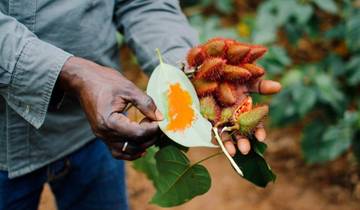
Spice farms showcase clove trees whose dried flower buds provide Zanzibar’s signature export, nutmeg trees with their valuable dual harvest of nuts and mace, cinnamon bark peeled from young trees, vanilla orchids climbing support structures, and cardamom growing in shaded forest conditions. Beyond culinary spices, tours feature medicinal plants, tropical fruits including jackfruit, breadfruit, and durian, and demonstrations of natural products like henna and lipstick trees.
Premium plantation experiences extend beyond standard tours to include cooking classes using freshly harvested spices. These half-day programs at $60-90 per person teach preparation of Zanzibari dishes like pilau rice, octopus curry, and coconut fish stew. The resulting lunch provides perhaps the most authentic local meal available to tourists, prepared with ingredients gathered that morning.
Island Escapes and Day Trips 2026
Prison Island (Changuu) Excursion 2026
Prison Island lies 5.6 kilometers northwest of Stone Town, a 30-minute boat journey to an islet famous for its giant Aldabra tortoises and photogenic historic ruins. Originally established as a quarantine station and later a prison (though never actually used for incarceration), the island now operates as a popular day trip destination combining wildlife encounters with swimming and snorkeling opportunities.
The giant tortoises, some exceeding 100 years old, roam freely in a sanctuary where visitors can hand-feed and photograph these gentle giants. The population numbers approximately 100 tortoises descended from animals gifted by the British governor of Seychelles in the late 19th century. Beyond the tortoise sanctuary, Prison Island offers swimming beaches, snorkeling reefs, and crumbling colonial structures providing atmospheric photography backdrops.
Half-day Prison Island tours from Stone Town cost $35-50 per person including boat transfer and sanctuary entrance fees. Full-day combinations adding snorkeling equipment and beach time at neighboring islands run $60-80. Boat departures leave from the Stone Town waterfront between 9-10 AM, with returns around 1-2 PM for half-day trips.
Mnemba Atoll Snorkeling 2026
Mnemba Atoll represents Zanzibar’s premier marine environment, a small coral island surrounded by protected waters hosting extraordinary biodiversity. The atoll itself is privately owned by the ultra-luxury &Beyond Mnemba Island Lodge, but surrounding waters welcome snorkeling excursions that rank among East Africa’s finest underwater experiences.
Snorkeling trips to Mnemba depart from Matemwe or Nungwi beaches, with the journey taking 20-40 minutes depending on departure point. Full-day excursions including multiple snorkel stops, sandbank visits, and seafood lunch cost $60-90 per person. The coral gardens teem with tropical fish species, while seasonal visitors include dolphins, green sea turtles, and whale sharks (November-February). Marine conditions are clearest from July through October when visibility exceeds 30 meters.
Jozani Forest: Red Colobus Monkeys 2026
Jozani-Chwaka Bay National Park protects Zanzibar’s last significant indigenous forest and provides the only reliable location to observe the endemic Zanzibar red colobus monkey. This critically endangered primate, recognizable by its rusty-red coat and distinctive hair pattern, numbers only approximately 5,000 individuals, all restricted to Zanzibar Island.
The forest entrance lies 35 kilometers southeast of Stone Town, accessible by taxi ($40-50 round trip with waiting time) or organized tours ($45-65 including transportation and guide). Park entry costs $12 for adults. Guided forest walks lasting 45-60 minutes follow boardwalk trails through mangrove and forest habitats where habituated monkey troops allow close observation and photography. Morning visits before 10 AM typically provide best wildlife activity.
Pemba Island Expedition 2026
Pemba Island, Zanzibar’s lesser-visited sister island, lies 50 kilometers north of the main island and offers intrepid travelers pristine diving, untouched forests, and authentic village experiences far from tourist crowds. The island’s diving reputation centers on the Pemba Channel, where deep walls and strong currents attract pelagic species including manta rays, whale sharks, and schooling hammerheads.
Reaching Pemba requires either a 30-minute flight from Zanzibar Airport (approximately $80-120 one way) or a challenging 5-hour ferry journey on the MV Sepideh departing Tuesday, Thursday, and Saturday ($40-50 one way). The island has limited tourist infrastructure, with accommodation concentrated around Chake Chake town and a handful of dive resorts along the western coast. Visitors seeking Zanzibar’s most adventurous experiences find Pemba’s isolation and underwater environments worth the additional effort.
Accommodation Guide for Zanzibar 2026
Budget Accommodation Options 2026
Budget travelers find numerous affordable options throughout Zanzibar in 2026, with basic beachfront accommodation starting from $30-50 per night. Stone Town guesthouses in converted historic buildings offer atmospheric rooms at $40-70, though expect shared bathrooms at lower price points. Nungwi village and Paje beach have the highest concentration of budget properties, with competition keeping prices accessible.
Recommended budget properties include Lost & Found Hostel in Stone Town ($15-25 dorm beds, $45-60 private rooms), Jambo Guest House in Nungwi ($35-55 double rooms), and Teddy’s Place in Paje ($40-65 bungalows). At this level, expect basic amenities including mosquito nets, fans (air conditioning costs extra), and simple breakfast inclusions. WiFi availability varies but has improved significantly across budget properties.
Mid-Range Hotels and Boutiques 2026
Mid-range accommodation between $100-250 per night provides the sweet spot for most travelers, offering comfortable rooms, swimming pools, quality restaurants, and beachfront locations without luxury pricing. This category has expanded significantly as Zanzibar’s tourism infrastructure matures, providing excellent value for money in 2026.
Standout mid-range properties include Zanzibar Serena Hotel in Stone Town ($180-280) for heritage atmosphere, Smiles Beach Hotel in Nungwi ($120-180) for northern beach access, and Paje Beach Resort ($140-220) for east coast kitesurfing proximity. Most mid-range properties include breakfast, airport transfers on request, and can arrange tours and excursions through established local operators.
Luxury Resorts and Premium Properties 2026
Zanzibar’s luxury accommodation has achieved international recognition, with properties competing among Africa’s finest beach resorts. Rates at premium properties range from $400-1,500+ per night, typically including meals, activities, and personalized service that creates complete resort experiences.
Leading luxury properties for 2026 include The Residence Zanzibar ($500-900) for traditional elegance, Baraza Resort & Spa ($600-1,100) for Swahili-inspired design, Zuri Zanzibar ($450-800) for contemporary beach luxury, and the ultra-exclusive &Beyond Mnemba Island ($1,200-2,500) for private island seclusion. All-inclusive packages at these properties simplify budgeting and typically represent good value given included activities and dining quality.
Transportation Guide for Zanzibar 2026
Getting to Zanzibar 2026
International visitors reach Zanzibar through Abeid Amani Karume International Airport (ZNZ) located 7 kilometers south of Stone Town. Direct flights connect from Nairobi (1.5 hours), Dar es Salaam (20 minutes), Doha, Dubai, and seasonal European charters. Flight prices from Nairobi run $150-300 round trip, while Dar es Salaam connections cost $80-150.
The ferry crossing from Dar es Salaam provides a scenic alternative taking approximately 2 hours. High-speed ferries operated by Azam Marine and Kilimanjaro Fast Ferries depart multiple times daily from both directions. Standard tickets cost $35 for economy class and $50-60 for business class with air conditioning and guaranteed seating. Ferry terminals in both cities are centrally located and easily accessed. Seas can be rough, particularly from June through August, making flights preferable for travelers prone to seasickness.
Getting Around Zanzibar 2026
Local transportation on Zanzibar combines taxis, dalla-dalla minibuses, and rental vehicles. Taxis lack meters, making fare negotiation essential before departure. Standard routes include Stone Town to Nungwi ($40-50), Stone Town to Paje ($35-45), and airport transfers ($15-25 to Stone Town). Hotels can arrange trusted drivers at slightly premium rates.
Dalla-dallas (shared minibuses) provide the cheapest transport at $1-3 for any route but offer limited comfort, unpredictable schedules, and crowded conditions. The main terminal in Stone Town serves all beach destinations with frequent departures until early evening. For independent exploration, scooter rentals cost $25-35 per day, while cars with driver rent at $80-120 daily including fuel.
Budget Planning for Your 2026 Zanzibar Trip
Budget Traveler Breakdown 2026
Budget-conscious visitors can experience Zanzibar’s highlights while spending $80-120 per day in 2026. This level requires flexibility on accommodation standards, willingness to eat at local establishments, and self-organized activities where possible.
Daily budget breakdown: Guesthouse accommodation $40-60, local meals and street food $15-25, dalla-dalla transport $3-5, one activity or beach day $15-30. Total daily cost: $73-120 per person (excluding accommodation booked separately). This approach suits independent travelers comfortable navigating local environments and accepting basic amenities.
Mid-Range Traveler Breakdown 2026
Mid-range travelers enjoy comfortable accommodation, quality dining, and organized excursions at $150-250 per day. This level provides air-conditioned rooms, swimming pool access, professional tour guides, and restaurant dining without budget restrictions.
Daily mid-range breakdown: Boutique hotel $100-180 per night, restaurant meals $40-60, taxis and transfers $20-30, organized tour or activity $50-80. Total daily cost: $110-170 per person (excluding accommodation). Sample week cost: Accommodation 7 nights at $140 average = $980, daily expenses 7 days at $140 average = $980. Total week: approximately $1,400-1,800 per person excluding international flights.
Luxury Traveler Breakdown 2026
Luxury travelers seeking premium experiences budget $400-800+ per day, typically through all-inclusive resort packages that simplify planning and eliminate daily spending decisions. This level provides beachfront suites, gourmet dining, private excursions, and spa treatments.
All-inclusive resort packages at leading properties range $500-1,200 per person daily including accommodation, meals, selected activities, and transfers. Additional costs arise from premium excursions, spa treatments, and specialty dining. A week at this level runs $3,500-8,500 per person depending on property selection and extras.
Sample Itineraries for Zanzibar 2026
5-Day Classic Itinerary 2026
Day 1 – Stone Town Arrival: Airport transfer to Stone Town hotel, afternoon orientation walk through historic center, sunset dhow cruise, dinner at Forodhani Gardens night market. Dhow cruise $35, dinner $12-18. Total day cost: $47-53 per person (excluding accommodation $80-150).
Day 2 – Stone Town Exploration: Morning guided walking tour covering UNESCO heritage sites, afternoon visit to slave market memorial and House of Wonders, evening at rooftop restaurant. Walking tour $35, lunch $15-20, dinner $25-35. Total day cost: $75-90 per person (excluding accommodation).
Day 3 – Spice Tour and Prison Island: Morning spice plantation tour with cooking demonstration, afternoon Prison Island excursion for tortoise sanctuary and swimming. Spice tour with lunch $50, Prison Island $40. Total day cost: $90 per person (excluding accommodation).
Day 4 – Beach Transfer and Relaxation: Transfer to Nungwi or Paje beach, afternoon beach activities and swimming, sunset at beach bar. Transfer $40-50, beach activities $20-30, dinner $25-35. Total day cost: $85-115 per person (excluding accommodation $100-200).
Day 5 – Beach Day and Departure: Morning snorkeling or kitesurfing lesson, lunch at beach restaurant, airport transfer for evening flight. Snorkeling trip $45 or kitesurf intro $80, lunch $18-25, transfer $40-50. Total day cost: $103-155 per person (excluding accommodation).
5-Day Total Budget: Activities, meals, and transport approximately $400-500 per person. Mid-range accommodation adds $500-750. Complete 5-day trip: $900-1,250 per person excluding international flights.
7-Day Comprehensive Itinerary 2026
Days 1-2 – Stone Town Immersion: Two full days exploring UNESCO heritage, museums, markets, spice tour, and sunset cruises as detailed above. Two-day cost: $165-195 per person (excluding accommodation).
Days 3-4 – East Coast Adventure: Transfer to Paje for kitesurfing or beach relaxation, Jozani Forest excursion for red colobus monkeys, evening at local restaurants. Transfer $40, Jozani tour $55, kitesurfing lesson or beach day $50-80, meals $70-90. Two-day cost: $215-265 per person (excluding accommodation).
Days 5-6 – Northern Beaches: Transfer to Nungwi for swimming beaches and sunset views, Mnemba Atoll snorkeling day trip, optional Kendwa party night. Transfer $35, Mnemba snorkeling $75, meals and drinks $80-120. Two-day cost: $190-230 per person (excluding accommodation).
Day 7 – Departure: Morning beach time, lunch, airport transfer. Lunch $20, transfer $50. Day cost: $70 per person (excluding accommodation).
7-Day Total Budget: Activities, meals, and transport approximately $640-760 per person. Mid-range accommodation adds $800-1,200. Complete 7-day trip: $1,440-1,960 per person excluding international flights.
Best Time to Visit Zanzibar 2026
Dry Season: June to October 2026
The primary dry season from June through October delivers Zanzibar’s most reliable weather conditions. Rainfall averages less than 30mm monthly, temperatures range from 24-28°C, and humidity levels remain comfortable. These months coincide with European and North American summer holidays, creating peak season demand and higher accommodation prices.
Marine conditions reach optimal clarity during this period, with underwater visibility exceeding 30 meters around Mnemba Atoll and excellent diving conditions throughout the archipelago. Trade winds blow consistently from the southeast, creating ideal kitesurfing conditions on east coast beaches. The primary drawback involves higher prices, with accommodation rates 20-40% above shoulder season and advance booking essential for preferred properties.
Short Dry Season: December to February 2026
The secondary dry season spanning December through February brings warmer temperatures of 28-32°C with generally excellent beach weather interrupted by occasional brief showers. This period sees peak tourist arrivals during Christmas and New Year holidays, with prices reaching annual highs and accommodation availability at its most constrained.
December and January represent the warmest months, ideal for travelers seeking tropical heat for beach activities. February offers slightly lower prices as the holiday rush subsides while maintaining favorable conditions before the March rains begin. Wildlife enthusiasts target this period for whale shark encounters in the Pemba Channel.
Shoulder Seasons: March-May and November 2026
The long rains from March through May bring daily precipitation that can disrupt activities and cause some beach properties to close for maintenance. Budget travelers accepting weather uncertainty find significantly reduced prices, with discounts of 30-50% on accommodation and fewer crowds at attractions. Roads become challenging, and some boat excursions cancel during rough conditions.
November’s short rains typically involve brief afternoon showers that rarely impact beach activities significantly. This month offers excellent value with reduced prices, manageable weather interruptions, and the beginning of whale shark season. Flexible travelers find November an ideal balance of conditions and value.
Practical Tips for Your 2026 Zanzibar Visit
Cultural Etiquette and Dress Code 2026
Zanzibar’s population is approximately 98% Muslim, and respectful dress significantly enhances visitor experiences. In Stone Town and villages, both men and women should cover shoulders and knees. Beach resort areas apply more relaxed standards, but walking through villages in swimwear causes offense. Female travelers experience fewer unwanted interactions when dressed modestly.
Ramadan observances in 2026 fall approximately in late February through March (dates shift annually with the lunar calendar). During Ramadan, many local restaurants close during daylight hours, though tourist-oriented establishments maintain normal service. Avoid eating, drinking, or smoking publicly during fasting hours out of respect. The Eid celebrations at Ramadan’s conclusion create festive atmospheres worth experiencing.
Photography Considerations 2026
Zanzibar presents exceptional photography opportunities but requires cultural sensitivity. Always ask permission before photographing people, particularly women in conservative dress. Some Stone Town residents request small payments for photos, typically $1-2. Avoid photographing port facilities, government buildings, or military installations.
The archipelago’s equatorial position creates challenging midday light with harsh shadows from 10 AM to 3 PM. Dawn and late afternoon provide optimal conditions for landscape and architectural photography. Waterproof camera protection is essential for boat excursions and beach activities.
Communication and Connectivity 2026
Local SIM cards from Vodacom, Airtel, or Tigo cost approximately $5 including data packages of 5-10GB for $10-15. Coverage reaches all major tourist areas, though remote beach locations may have limited signal. SIM registration requires passport presentation at authorized vendors in Stone Town or airport arrivals.
WiFi availability has improved significantly across Zanzibar, with most hotels and restaurants offering free connections. Speed and reliability vary considerably, with Stone Town and major beach resorts providing adequate connectivity for social media and email while video streaming remains challenging outside premium properties.
Frequently Asked Questions About Zanzibar 2026
How many days do you need in Zanzibar?
Most travelers find 5-7 days ideal for experiencing Zanzibar’s highlights, allowing 2 days in Stone Town, 2-3 days at beaches, and time for excursions. Shorter 3-4 day visits work when combined with mainland Tanzania safari itineraries. Extended stays of 10-14 days suit travelers seeking thorough beach relaxation or activities like diving certification.
Is Zanzibar expensive compared to mainland Tanzania?
Zanzibar costs approximately 20-40% more than mainland Tanzania due to island logistics and tourism infrastructure focus. Budget accommodation runs $30-50 versus $15-30 on the mainland, while meals average $15-25 compared to $8-15. However, Zanzibar remains affordable compared to Indian Ocean competitors like Maldives or Seychelles, offering excellent value for beach resort experiences.
Can you drink tap water in Zanzibar?
Tap water in Zanzibar is not safe for drinking without treatment. Stick exclusively to bottled water, which costs $0.50-1 per 1.5-liter bottle throughout the island. Avoid ice in drinks at local establishments and use bottled water for brushing teeth. Hotels and restaurants use filtered water for ice and food preparation, but asking for confirmation is prudent.
What language do they speak in Zanzibar?
Swahili (Kiswahili) is the primary language throughout Zanzibar, with Arabic influences reflecting the island’s trading heritage. English is widely spoken in tourist areas, hotels, and restaurants. Learning basic Swahili greetings like “Jambo” (hello) and “Asante” (thank you) earns warm responses from locals.
Is Zanzibar safe for solo female travelers?
Zanzibar welcomes solo female travelers who exercise standard precautions. Dress modestly in Stone Town and villages, avoid isolated beaches after dark, and use reputable transportation. Unwanted attention occurs but rarely escalates beyond verbal interactions. Connecting with other travelers at hostels and beach properties provides companionship for excursions and evening activities.
Do you need malaria tablets for Zanzibar?
Malaria exists throughout Zanzibar, making prophylaxis medication essential. Consult a travel clinic 4-6 weeks before departure to begin appropriate antimalarial treatment. Malarone, doxycycline, and mefloquine all provide effective protection. Combine medication with bite prevention measures including DEET repellent and sleeping under treated nets.
What is the best beach in Zanzibar for swimming?
Nungwi Beach offers Zanzibar’s best swimming conditions thanks to minimal tidal variation that maintains deep water throughout the day. East coast beaches like Paje and Matemwe expose extensive flats at low tide, requiring walks of 200-500 meters to reach swimmable depths. Kendwa also provides excellent swimming with slightly smaller crowds than neighboring Nungwi.
Can you combine Zanzibar with a mainland safari?
Zanzibar pairs perfectly with mainland Tanzania safaris, creating the quintessential “bush and beach” itinerary. Common combinations include Serengeti and Ngorongoro Crater followed by Zanzibar relaxation. Flights connect Zanzibar directly with Kilimanjaro Airport and northern safari airstrips. Allow minimum 3-4 days for Zanzibar after exhausting safari schedules to decompress fully.
What is the voltage and plug type in Zanzibar?
Zanzibar uses British-style Type G plugs (three rectangular pins) with 230V/50Hz electricity. Universal adapters allow charging of devices from other countries. Power outages occur periodically, though tourist accommodations typically have generator backup. Surge protectors are advisable for sensitive electronics.
Is there Uber or taxi apps in Zanzibar?
Traditional ride-hailing apps like Uber do not operate in Zanzibar. Taxis are negotiated directly with drivers, making fare agreement before departure essential. Hotels can arrange trusted drivers at fair rates. Some local transportation apps exist but adoption remains limited. For airport transfers and intercity trips, hotel-arranged transportation provides the most reliable service.