
Zadar Day Trips 2026: Best Excursions & Planning Guide
Zadar’s strategic Dalmatian coast location provides access to Croatia’s most spectacular natural and cultural destinations including Plitvice Lakes UNESCO World Heritage site, Krka waterfalls, Kornati archipelago, and pristine island beaches, all reachable within 1-3 hours by organized tour, public transport, or ferry. This comprehensive guide covers pricing, schedules, booking strategies, and insider tips for maximizing day trip experiences from Zadar throughout 2026.
Key Takeaways
- Plitvice Lakes Access Simplified: Organized tours from Zadar cost €45 for transport in 2026 plus €10-40 park entrance depending on season, totaling €55-85 for Croatia’s most visited natural attraction with 16 cascading lakes and 90+ waterfalls.
- Krka National Park Value: Located just 90 minutes from Zadar, Krka delivers comparable waterfall spectacle to Plitvice at significantly lower combined costs (€52-88 total including transport and entrance), plus the advantage of designated swimming areas June-September.
- Island Hopping Made Easy: Daily ferries reach Dugi Otok in 1 hour for €3-4, providing gateway to Telašćica Nature Park, Sakarun Beach, and Kornati archipelago boat tours, creating affordable alternatives to mainland national park excursions.
- Seasonal Pricing Extremes: National park entrance fees fluctuate 300% between winter (€7-10) and peak summer (€35-40), making shoulder season day trips (May-June, September-October) deliver identical experiences at 40-50% lower total costs versus July-August.
- Tour vs Independent Trade-offs: Organized tours eliminate transport logistics and time management stress for €45-60, while independent public bus or ferry travel reduces costs 30-40% but requires coordinating schedules, purchasing separate tickets, and navigating route planning without guide assistance.
- Multi-Destination Strategy: Combining two complementary day trips (Plitvice Lakes + Krka, or Dugi Otok + Kornati) across 3-4 day Zadar stays provides comprehensive Dalmatian experience spanning waterfalls, islands, and coastal landscapes without repetitive similar destinations.
People Also Ask About Zadar Day Trips 2026
What Are the Best Day Trips from Zadar in 2026?
The best day trips from Zadar in 2026 are Plitvice Lakes National Park (16 terraced lakes and 90 waterfalls, 2 hours each way, €55-85 total cost), Krka National Park (seven waterfalls including Skradinski buk, 90 minutes each way, €52-88 total), Dugi Otok island (Sakarun Beach and Telašćica Nature Park, 1-hour ferry, €15-25 total), Kornati National Park (archipelago boat tours, €60-90), and Paklenica National Park (dramatic gorges and hiking, 45 minutes drive, €5-8 entrance). Plitvice delivers Croatia’s most photographed natural landscape with UNESCO protection justifying higher costs and longer travel time. Krka provides excellent value with swimming opportunities, easier access from Zadar, and lower combined entrance fees making it ideal for budget travelers or families with children. Island destinations including Dugi Otok and Kornati excel for beach enthusiasts, boat lovers, and those seeking Mediterranean coastal experiences contrasting mainland waterfall focus. Paklenica suits active travelers prioritizing hiking and rock climbing over passive sightseeing. Most visitors combine 2-3 different day trip types during Zadar stays to experience both natural parks and island environments.
How Much Do Zadar Day Trips Cost in 2026?
Zadar day trips in 2026 cost €52-88 per person for full-day national park tours including transport and entrance fees, €15-30 for independent island ferry access, and €60-120 for organized boat excursions to Kornati archipelago. Plitvice Lakes organized tours total €80-85 (€45 transport + €35-40 peak season entrance), reducing to €55 in shoulder seasons when entrance drops to €10. Krka National Park trips range €52-88 depending on season (€45-48 transport + €7-40 entrance), with substantial savings outside July-August peak pricing. Independent travelers using public buses reduce costs 30-40% by paying €10-20 round-trip bus fares versus €45-48 organized tour transport, though sacrificing guide services, guaranteed return transport, and time management assistance. Ferry-based day trips to Dugi Otok cost €6-8 round-trip plus optional €5-8 Telašćica Nature Park entrance, totaling €15-25 for complete island access. Multi-stop Kornati boat tours including lunch, swimming stops, and park entrance range €60-90, while private boat charters escalate to €300-600 for groups seeking customized itineraries. Budget €70-90 per person for single organized day trip, €120-150 for combining two different excursions during 3-4 day Zadar visit.
Can You Visit Plitvice Lakes from Zadar as a Day Trip in 2026?
Yes, Plitvice Lakes functions excellently as day trip from Zadar in 2026 despite 130-kilometer distance and 2-hour drive each direction, with organized tours departing 7:15-8:00 AM and returning 6:00-7:00 PM providing 4-5 hours park exploration time. Morning tours maximize park time before afternoon crowds arrive, while afternoon departures (12:00-1:00 PM) suit travelers preferring later starts and returning around 9:00 PM after dinner. The 8-10 hour total excursion includes transport, guided introduction, suggested hiking routes, and structured schedule ensuring timely return without independent navigation stress. Public bus alternatives depart Zadar 7:00-8:00 AM arriving Plitvice 9:30-10:30 AM, with return buses departing park 3:00-5:00 PM creating similar timeframes at lower cost (€20-25 round-trip versus €45 organized transport). Independent travelers gain flexibility for longer park stays by driving rental cars (2 hours each way, €40-60 daily rate plus €1/hour parking), though organized tours eliminate parking searches, route navigation, and driving fatigue after full hiking day. Plitvice’s extensive trail network (22 kilometers of boardwalks, 36 kilometers total paths) plus electric boat and panoramic train rides justify full-day commitment, making rushed 3-4 hour visits insufficient for meaningful UNESCO site appreciation.
What is the Best Time of Year for Zadar Day Trips in 2026?
The best time for Zadar day trips in 2026 is May-June and September-October shoulder seasons combining excellent weather (20-26°C temperatures), minimal crowds, and significantly lower costs (40-50% savings on peak summer pricing). May delivers spring wildflowers at Plitvice and Krka, green landscapes before summer drought stress, and uncrowded trails allowing peaceful waterfall photography without queue delays. June offers optimal conditions before July-August tourist invasion, though late June sees lavender fields blooming across Dalmatian interior and Croatian school holidays beginning to increase visitor numbers. September excels with warm Adriatic swimming temperatures (22-24°C) persisting from summer heating, stable weather patterns, and harvest season agricultural tourism opportunities at island vineyards and olive groves. October extends pleasant conditions through mid-month before some tour operators reduce schedules and ferry services transition to winter timetables. July-August peak season guarantees maximum tour frequency, longest operating hours, and swimming access at Krka, but inflates national park entrance fees to €35-40 versus €10-23 other periods while creating overcrowded boardwalks diminishing natural experience quality. Winter (November-March) slashes entrance fees to €7-10 but risks trail closures at Plitvice, reduced ferry schedules to islands, and unpredictable weather requiring flexible planning and acceptance of potential cancellations.
Extended multi-day tours – 5+ days
Featured Zadar Multi-Day Tour Packages
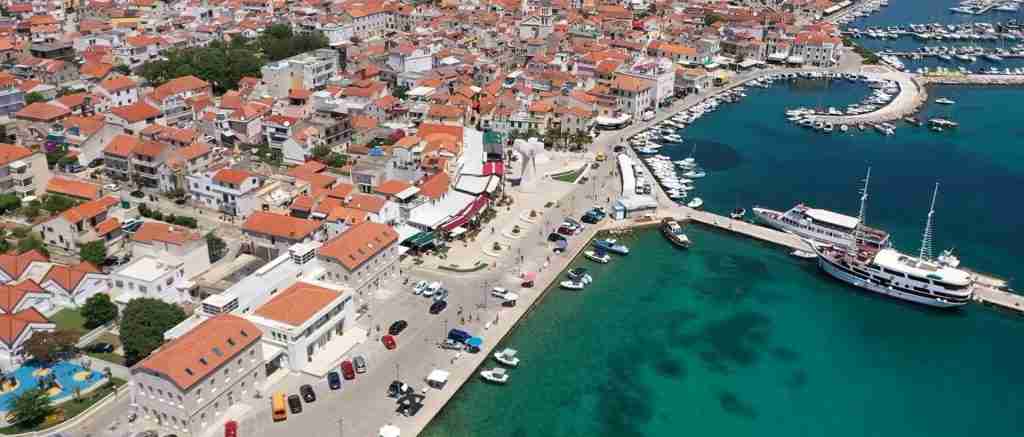
3 days
Zadar 3-Day Discovery Tour
- ✓ Comprehensive Zadar experience
- ✓ Expert local guides included
- ✓ All accommodation included
- ✓ Transportation provided
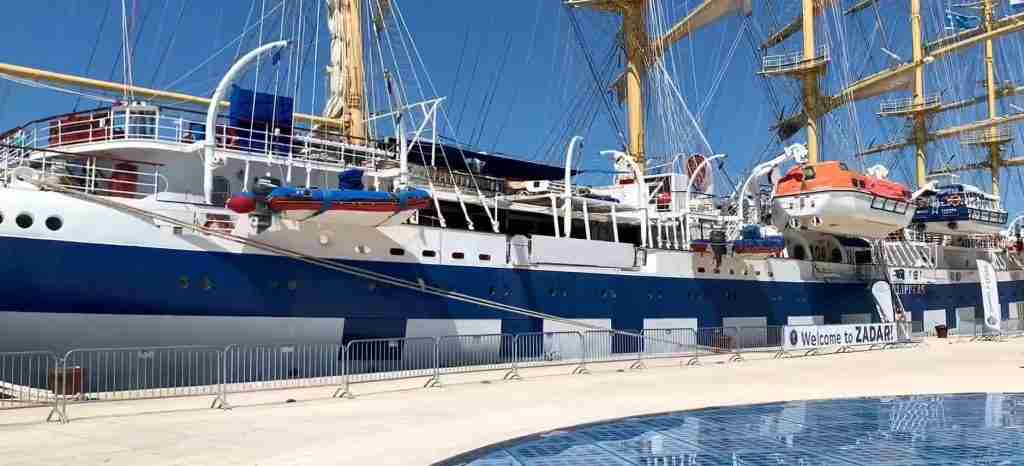
5 days
Zadar 5-Day Highlights Experience
- ✓ Comprehensive Zadar experience
- ✓ Expert local guides included
- ✓ All accommodation included
- ✓ Transportation provided
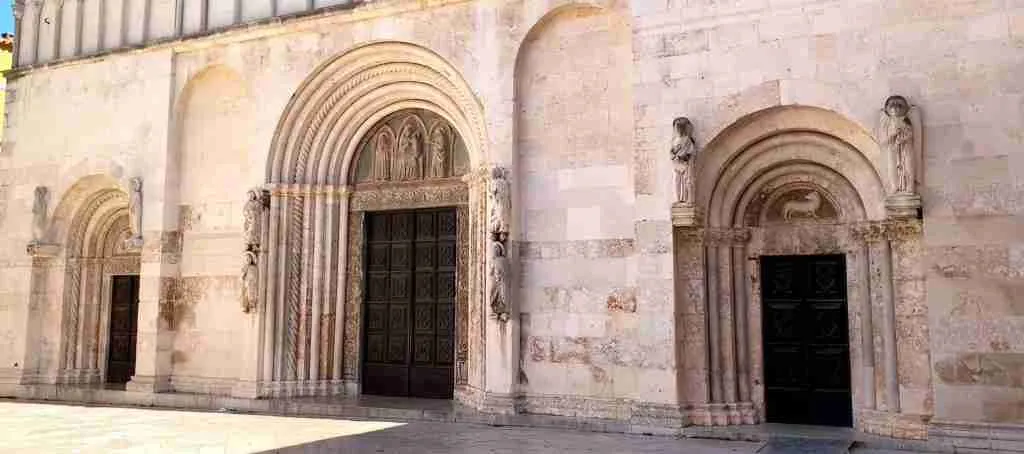
7 days
Zadar 7-Day Cultural Journey
- ✓ Comprehensive Zadar experience
- ✓ Expert local guides included
- ✓ All accommodation included
- ✓ Transportation provided
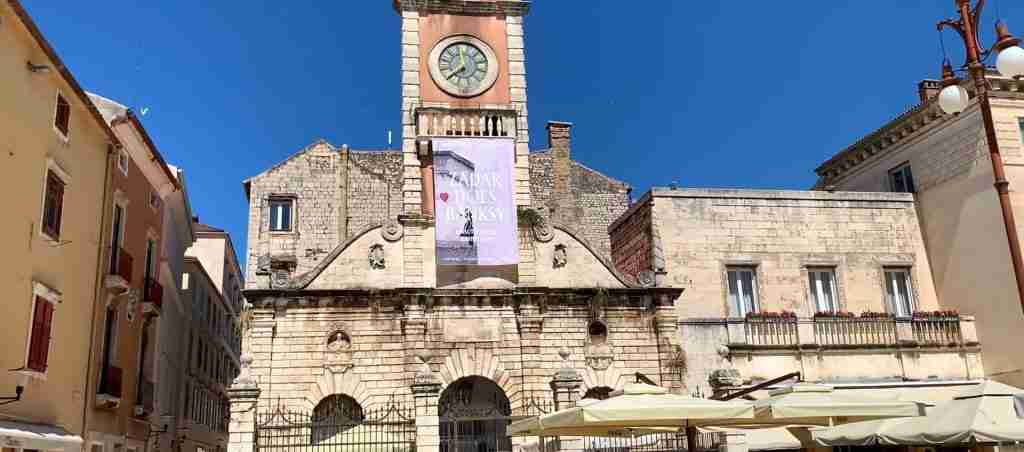
10 days
Zadar 10-Day Complete Adventure
- ✓ Comprehensive Zadar experience
- ✓ Expert local guides included
- ✓ All accommodation included
- ✓ Transportation provided
Multi-day tour packages powered by TourRadar. Prices and availability subject to change.
Introduction: Exploring Beyond Zadar in 2026
Zadar occupies a strategic position on Croatia’s Dalmatian coast where Adriatic islands scatter offshore to the west and dramatic Velebit mountain range rises inland to the east, creating unparalleled day trip diversity within 1-3 hours travel radius. The city serves as northern Dalmatia’s primary gateway, connected by modern highway infrastructure to UNESCO World Heritage sites, national parks, and island archipelagos that collectively define Croatian tourism appeal beyond beach resorts and historic walled towns.
Day trip infrastructure from Zadar evolved significantly over recent decades as Croatian tourism matured from niche Adriatic destination to mainstream European vacation choice. Organized tour operators now provide daily departures to major attractions year-round, public bus networks maintain reliable schedules connecting Zadar to inland parks, and ferry services multiply connections to offshore islands creating accessibility previously limited to private boat owners. This enhanced connectivity transforms Zadar from simple beach destination into comprehensive base for experiencing Croatia’s natural and cultural diversity through radial day trips requiring no accommodation changes or extended touring commitments.
The 2026 travel season brings refined day trip options with expanded tour operator competition driving service improvements and occasionally moderating prices despite overall inflation across Croatian tourism sector. Advance online booking becomes increasingly standard, with operators offering 10-15% early booking discounts for reservations 30+ days ahead and dynamic pricing adjusting rates based on demand patterns. Environmental regulations strengthen at national parks including stricter daily visitor caps at Plitvice requiring advance ticket purchases during peak months, while island destinations benefit from improved waste management, protected beach designations, and sustainable tourism initiatives balancing visitor access with ecosystem preservation.
Understanding seasonal patterns proves essential for optimizing 2026 day trips from Zadar. July-August peak season delivers maximum tour frequency, longest operating hours, and guaranteed swimming conditions at water-based destinations, offset by inflated pricing, overcrowded attractions, and reduced authentic experience quality when sharing boardwalks with thousands of daily visitors. May-June and September-October shoulder seasons provide optimal value proposition with excellent weather, lower costs, manageable crowds, and full operational infrastructure minus peak season intensity. November-March winter period suits budget travelers accepting reduced services, potential weather disruptions, and seasonal closures affecting island ferries and mountain hiking routes.
Zadar’s day trip ecosystem divides into distinct categories serving different traveler priorities: UNESCO natural heritage (Plitvice Lakes), accessible waterfalls with swimming (Krka), pristine island beaches (Dugi Otok), dramatic archipelago scenery (Kornati), and mountain adventure (Paklenica). Most multi-day Zadar visits incorporate 2-3 contrasting day trips creating comprehensive Dalmatian experience rather than repetitive similar destinations, combining for example Plitvice Lakes waterfall grandeur with Dugi Otok beach relaxation or Krka swimming with Kornati boat exploration. This variety sustains interest across 4-7 day itineraries while allowing recovery days for Zadar city exploration, waterfront dining, and beach time at nearby Kolovare or Borik without continuous early departures and full-day excursions.
Plitvice Lakes National Park Day Trips 2026
Plitvice Lakes National Park ranks as Croatia’s most visited natural attraction and oldest national park (established 1949, UNESCO listing 1979), delivering cascading waterfall landscapes across 16 terraced lakes connected by boardwalk trails, electric boats, and panoramic trains within 296 square kilometers of protected forests. The park sits 130 kilometers northeast of Zadar requiring 2-hour drives each direction, making organized tours or dedicated full-day commitments essential for meaningful visits from coastal base.
Plitvice Lakes Entrance Fees and Tour Costs 2026
Plitvice Lakes entrance fees in 2026 range €10-40 for adults depending on season, creating dramatic cost variations across the calendar year. Off-season pricing (January-March, November-December) charges €10 entry representing Croatia’s most affordable national park access during winter months when reduced services and potential trail closures affect experience quality. High season rates (April-May, October) increase to €23 per adult balancing moderate crowds with operational park infrastructure. Peak season fees (June-September) reach €35-40 reflecting maximum demand during European summer vacation period when daily visitor numbers exceed 10,000 requiring advance online ticket purchases to guarantee entry during specific timeframes. Children under 7 enter free year-round, while students and youth ages 7-18 receive discounted tickets at approximately 40% below adult rates when presenting valid identification. Organized day tours from Zadar cost €45 for round-trip transport in air-conditioned coaches departing morning (7:15-8:00 AM) or afternoon (12:00-1:00 PM), plus separate park entrance fees paid at arrival totaling €55-85 all-inclusive depending on season. Tour prices include expert guide orientation, suggested hiking route recommendations, structured schedule preventing late returns, and guaranteed reserved seating versus public bus uncertainties.
Plitvice Lakes Tour Schedules and Options 2026
Morning Plitvice tours depart Zadar 7:15-8:00 AM arriving park entrance around 9:30-10:00 AM, providing 4-5 hours exploration time before return departures 2:30-3:00 PM reaching Zadar 5:00-6:00 PM. Morning schedules maximize trail access before midday crowds overwhelm wooden boardwalks, offer cooler temperatures for uphill hiking segments, and create optimal photography lighting across waterfall mists and lake reflections. Afternoon tours departing Zadar 12:00-1:00 PM suit travelers preferring leisurely breakfast and later starts, arriving park 2:00-3:00 PM for 3-4 hours exploration before sunset returns arriving Zadar 8:00-9:00 PM. Independent public bus alternatives operate daily year-round with morning departures 7:00-8:00 AM reaching Plitvice 9:30-10:30 AM, though return schedules limit park stays to 3:30-5:00 PM departures requiring careful time management for comprehensive route completion. Rental car independence allows flexible timing and longer park stays, though 2-hour drives each direction plus trail hiking totaling 6-8 kilometers can exhaust less active travelers by evening. All visit options require physical fitness for moderate hiking including stairs, boardwalks, and varied terrain unsuitable for very young children or mobility-limited visitors without acceptance of partial route coverage.
Plitvice Lakes Hiking Routes and Highlights 2026
Plitvice offers marked routes (Programs A-K) ranging 2-8 hours covering Upper Lakes, Lower Lakes, or comprehensive circuits combining both zones via electric boat crossings and panoramic train connections. Route C (4-6 hours, 8 kilometers) represents the most popular choice for day-trippers starting Entrance 1, descending through Lower Lakes’ dramatic waterfalls including Croatia’s tallest Veliki Slap (78 meters), taking boat across Kozjak Lake, exploring Upper Lakes’ quieter terraces, and returning via panoramic train. Route K (3-4 hours, 5 kilometers) provides shorter alternative suitable for families or afternoon arrivals, covering Lower Lakes highlights without Upper Lakes extension. All routes incorporate wooden boardwalk sections allowing intimate waterfall proximity impossible at most protected natural sites, creating Instagram-worthy perspectives of cascading water, emerald pools, and dramatic limestone formations. Peak season boardwalk congestion requires patience for photography as continuous tourist streams make isolated compositions challenging, while shoulder season visits deliver peaceful nature immersion with occasional moments of complete solitude on quieter Upper Lakes trails. Water-resistant footwear proves essential as spray from waterfalls and occasional boardwalk leaks soak feet during close approach sections, while layered clothing accommodates 10-15°C temperature differences between coastal Zadar warmth and forested park microclimate at 600-meter elevation.
Plitvice Lakes Independent vs Organized Tour Decision 2026
Organized tours justify €45 transport premium through guaranteed departure/return times, expert orientation reducing navigation confusion, group security for solo travelers, and elimination of parking searches or public bus schedule coordination stress. Tours include brief guided introduction explaining park geology, suggested routes matching available time, and structured schedule preventing missed return buses or extended driving fatigue after full hiking day. Independent travelers save €25-35 per person using public buses (€20-25 round-trip) but accept schedule inflexibility requiring specific departure times, potential cancellations without tour company backup plans, and self-navigation through complex trail network without guide recommendations. Rental car maximum flexibility costs €40-60 daily plus €1/hour parking but demands confident driving on mountain roads, managing post-hike exhaustion during return journey, and researching optimal routes without local expertise. Solo travelers and couples find organized tours provide social atmosphere and safety comfort, while groups of 4+ traveling by rental car achieve per-person costs below tour pricing while maintaining schedule control. The decision hinges on prioritizing convenience and guided expertise (tours) versus independence and potential cost savings (self-organized) balanced against comfort with autonomous Croatian travel logistics.
Krka National Park Excursions from Zadar 2026
Krka National Park protects 142 square kilometers along the Krka River 90 minutes south of Zadar, featuring seven major waterfalls including photogenic Skradinski buk with its 17 cascades across 800-meter distance. The park delivers waterfall spectacle comparable to Plitvice at lower combined costs, shorter travel times from Zadar, and unique swimming opportunities making it preferred choice for families, budget travelers, and those prioritizing water recreation over pure nature photography.
Krka National Park Entrance Fees and Access Costs 2026
Krka National Park entrance fees in 2026 range €7-40 for adults creating 470% price differential between off-season and peak summer access. Winter pricing (January-March, November-December) charges just €7 entry representing exceptional value despite potential weather limitations and reduced operating hours for boat services. Spring and fall seasons (April-June, September-October) increase to €20 balancing manageable crowds with full park operations including all trails, boat access, and educational programs. Peak summer months (July-August) command €40 entrance matching Plitvice’s highest rates, though afternoon entries after 3:00 PM receive 25% discount reducing cost to €30 for visitors accepting truncated exploration windows before sunset closures. Park entrance includes boat transport from Skradin village to Skradinski buk waterfall (20-minute scenic river cruise), shuttle buses between parking areas and trail networks, and access to all public footpaths, viewing platforms, and swimming zones. Children under 7 enter free, while youth 7-18 and students receive discounted rates at €15-28 depending on season. Organized day tours from Zadar cost €45-48 for round-trip coach transport plus separate park entrance, totaling €52-88 all-inclusive depending on visit timing.
Krka Waterfall Highlights and Swimming Areas 2026
Skradinski buk waterfall system dominates Krka visitor experience with 17 distinct cascades across 800-meter length creating dramatic multi-tiered spectacle surrounded by wooden boardwalks, viewing platforms, and lush Mediterranean vegetation. The waterfall zone includes traditional watermills demonstrating historical river power utilization, ethnographic exhibits showing rural Dalmatian life, and riverside paths connecting multiple waterfall perspectives across 2-3 hours moderate hiking. Swimming remains permitted June 1-September 30 at three designated zones: Roški slap, Stinice, and Pisak, where visitors access natural pools fed by river flow in supervised areas protected from strongest currents. Swimming areas require caution for non-swimmers and children as river currents create safety concerns, while facilities provide changing rooms, lifeguards during peak hours, and basic amenities supporting water recreation. The combination of waterfall sightseeing and swimming opportunity distinguishes Krka from Plitvice where environmental protection prohibits all water contact, making Krka superior choice for hot summer days when cooling off enhances rather than conflicts with natural attraction appreciation. Additional park sections including Visovac Island monastery and Roški slap waterfall require separate boat excursions (€10-20 additional fees) extending visits beyond standard 3-4 hour Skradinski buk focus, though day-trippers from Zadar typically lack time for comprehensive multi-site exploration.
Krka Tour Logistics and Timing from Zadar 2026
Krka day tours depart Zadar 8:00-9:00 AM for 90-minute coach rides reaching Skradin village 9:30-10:30 AM, allowing 4-5 hours park exploration before 2:00-3:00 PM return departures arriving Zadar 4:00-5:00 PM. Tours typically include stop at traditional Dalmatian wine cellar for tastings and local product purchases, adding 30-45 minutes and cultural dimension beyond pure natural park focus. Some operators combine Krka with Šibenik old town visits creating dual-destination day trips showcasing both natural waterfalls and UNESCO-listed Renaissance cathedral architecture, though compressed schedules reduce time at each location versus dedicated single-focus excursions. Independent travelers access Krka via public buses from Zadar to Skradin (1.5 hours, €8-12 one-way) with multiple daily departures, though return timing requires verification as service frequency varies seasonally. The Skradin entrance provides most convenient access via included boat rides eliminating parking searches and road navigation to interior park zones, though Lozovac entrance offers free parking for drivers preferring automobile flexibility over boat transport integration. Krka’s shorter distance from Zadar compared to Plitvice creates more relaxed day trip pacing with later departure and earlier return options versus Plitvice’s mandatory dawn starts for adequate park exploration time.
Krka vs Plitvice Decision Guide 2026
Choose Krka National Park when prioritizing lower total costs (€52-88 versus Plitvice’s €55-85), swimming opportunities during summer visits, shorter travel time from Zadar (90 minutes versus 2 hours), family-friendly facilities and easier terrain for young children, or schedule constraints requiring afternoon returns before 6:00 PM. Krka suits budget travelers, families with swimming-age children, those visiting during hot weather when water recreation appeals, and anyone already experienced with major European waterfall parks seeking efficient rather than exhaustive natural attraction. Choose Plitvice Lakes when prioritizing UNESCO World Heritage prestige and global recognition, more extensive trail networks covering 22 kilometers of boardwalks versus Krka’s 5-7 kilometers, greater waterfall quantity and diversity across 16 connected lakes, iconic photography compositions recognized worldwide, and willingness to invest extra time/money for Croatia’s premier natural landmark. Plitvice represents bucket-list destination justifying higher investment, while Krka delivers excellent value and practical advantages for specific traveler profiles. Many visitors with 4+ days in Zadar region complete both parks on separate days experiencing different natural environments rather than choosing exclusively between comparable but distinct waterfall landscapes.
Dugi Otok Island Day Trips 2026
Dugi Otok (Long Island) stretches 45 kilometers parallel to Zadar coast just offshore, combining pristine beaches including renowned Sakarun, dramatic cliffs at Telašćica Nature Park, traditional fishing villages, and gateway access to Kornati archipelago. Daily ferry services reach the island in 1 hour for minimal cost, creating affordable beach and nature alternative to mainland national park excursions.
Ferry Schedules and Costs to Dugi Otok 2026
Jadrolinija operates daily car ferries from Zadar to Dugi Otok (Brbinj port) departing 2-3 times daily depending on season, with crossings taking approximately 1 hour and costing €3-4 per person one-way, totaling €6-8 round-trip for foot passengers. Summer high season (June-September) provides 3 daily departures typically 7:00 AM, 1:00 PM, and 6:00 PM from Zadar, with corresponding return sailings allowing day trip flexibility from early morning through evening returns. Winter and shoulder seasons reduce to 2 daily services requiring more careful schedule coordination to ensure return transport same-day. Additional catamaran routes serve Sali and Bozava ports on Dugi Otok with slightly shorter crossing times (45 minutes) at comparable fares, though car ferries to Brbinj provide most reliable year-round service. Ferry tickets require no advance purchase for foot passengers who simply board and pay aboard or at terminal offices, though vehicle reservations become essential during July-August peak period when car space sells out days ahead. The minimal ferry cost creates exceptional value for full-day island access compared to €45-48 organized tour transport to mainland attractions, though independent island navigation requires rental bicycles, scooters, or taxis for reaching scattered beaches and villages from ferry ports.
Dugi Otok Beaches and Telašćica Nature Park 2026
Sakarun Beach dominates Dugi Otok tourism appeal with white sand rarity (versus Croatia’s typical pebble shores), turquoise shallow water extending 50+ meters from shore, and pine forest shade protecting from midday summer sun. The beach offers basic infrastructure including seasonal café, changing facilities, and lounger rentals (€10-15 daily), though maintains natural character without overdevelopment that mars many Mediterranean coastal destinations. Telašćica Nature Park occupies the island’s southeastern peninsula featuring dramatic limestone cliffs plunging 200 meters into the Adriatic, saltwater Mir Lake (named for exceptional calmness), scattered hiking trails, and protected anchorages popular with sailing yachts. Park entrance costs €5-8 per person covering all trails, viewpoints, and lake swimming access, though reaching the park requires transportation from Brbinj ferry terminal via rental scooter/bicycle (15 kilometers, 30-40 minutes) or taxi service (€25-35 round-trip). The park serves as launching point for Kornati National Park boat excursions departing nearby Sali village, allowing combination day trips integrating island beach relaxation with archipelago exploration. Dugi Otok villages including Sali, Bozava, and Luka maintain authentic fishing community character with traditional konobas serving fresh seafood, small guesthouses for overnight stays, and minimal tourist commercialization preserving Croatian island atmosphere increasingly rare on more developed destinations like Hvar or Korčula.
Dugi Otok Independent Exploration Strategies 2026
Successful Dugi Otok day trips require transportation planning as the island’s 45-kilometer length and sparse public transit make ferry ports inadequate bases for beach/park access. Rental scooters and bicycles (€20-35 daily) provide ideal mobility for solo travelers and couples comfortable with two-wheeled transport, available in Brbinj near ferry arrival and Sali village. Scooters enable full island exploration including Sakarun Beach (20 kilometers north from Brbinj), Telašćica Park (15 kilometers south), and multiple village stops within single day, though require valid driver’s licenses and cautious navigation of occasionally rough coastal roads. Bicycle rentals suit shorter-distance travelers focusing on Sali area or those prioritizing scenic rides over comprehensive island coverage, accepting that distant beaches require substantial cycling effort unsuitable for less fit visitors. Taxi transfers (Taxi Frka and other local operators) charge €25-35 for Brbinj ferry port to Sakarun Beach, €20-30 to Telašćica Nature Park, providing convenient option for families or groups splitting costs without rental vehicle investment or driving stress. Organized island tours from Zadar (€60-80 including ferry, transport, and guide) eliminate independent logistics entirely but reduce beach/swimming time due to structured schedules and group coordination requirements. The DIY approach suits adventurous travelers prioritizing beach time over convenience, while organized tours work for those wanting guaranteed returns and minimal planning responsibility.
Kornati National Park Boat Excursions 2026
Kornati National Park comprises 140+ islands and islets forming the Mediterranean’s densest archipelago across 320 square kilometers of protected marine environment characterized by distinctive karstic “crown” formations, underwater cliffs, and exceptional biodiversity. Boat excursions from Zadar or neighboring islands provide sole access to this uninhabited park where traditional fishing villages disappeared decades ago leaving pristine island wilderness.
Kornati Boat Tour Options and Pricing 2026
Organized Kornati boat tours from Zadar range €60-90 per person for full-day excursions including transport, national park entrance fees, lunch, swimming stops, and snorkeling equipment. Standard itineraries depart Zadar marina 8:00-9:00 AM for 2-hour cruises reaching outer archipelago, visit 3-4 representative islands with guided walks explaining geological formations and marine ecology, provide 2-3 swimming/snorkeling stops at protected coves, serve traditional Dalmatian fish or meat lunch aboard vessel or at island konoba, and return to Zadar 5:00-6:00 PM after 8-10 hours sea time. Premium tours (€100-120) upgrade to smaller boats with 20-30 passengers versus standard 80-100 capacity vessels, include additional stops or longer island exploration time, serve higher-quality meals, and occasionally offer sunset timing for enhanced scenic experience. Private boat charters escalate to €300-600 for groups of 8-12 seeking customized itineraries, flexible schedules, and exclusive experiences without group tour crowds, though require advance booking and per-boat rather than per-person pricing making this option economical only when splitting costs among larger parties. Alternative Kornati access routes depart from Dugi Otok (Sali village) and Murter island at slightly lower costs (€50-70) due to shorter distances, making combination ferry-to-island plus local boat tour potentially more affordable than direct Zadar departures for budget-conscious travelers willing to coordinate separate transportation segments.
Kornati National Park Highlights and Activities 2026
Kornati boat tours showcase distinctive geological formations called “crowns” where vertical limestone cliffs rise 80-100 meters directly from sea level creating dramatic island silhouettes visible across archipelago. Swimming stops typically include protected coves with exceptional water clarity (20-30 meter underwater visibility), scattered sea caves accessible for careful exploration, and designated snorkeling areas where Mediterranean marine life including octopus, grouper, and diverse fish species thrive in protected waters. Most tours include visits to Kornat island’s small Catholic church and traditional fishing cottage demonstrating historical human presence before national park designation in 1980 evacuated permanent residents. Lunch service varies by operator from basic grilled fish and salad aboard ship to more elaborate multi-course meals at island konobas operating seasonal restaurants for tour groups, tourist sailors, and chartered yachts. The archipelago’s uninhabited status creates peaceful natural experience contrasting typical Croatian tourist destinations’ commercial development, though limited onshore infrastructure means bathroom facilities exist only at designated restaurant stops requiring advance planning and communication with tour guides. Photography enthusiasts appreciate Kornati’s distinctive landscapes offering dramatic island compositions impossible at continental mainland destinations, while divers can arrange specialized tours incorporating scuba diving at premium sites though standard day tours accommodate only snorkeling rather than technical diving activities.
Kornati Weather and Sea Condition Considerations 2026
Kornati boat tours operate May through October with peak season June-September guaranteeing daily departures and optimal conditions, while shoulder seasons see reduced frequency and occasional cancellations when sea states exceed safe operating limits. The Adriatic’s notorious afternoon bora and sirocco winds create challenging conditions 1-3 days weekly even during summer months, with tour operators canceling or rescheduling departures when wind forecasts exceed safety thresholds or wave heights threaten passenger comfort. Advance booking proves essential during July-August high season when popular tours sell out 3-7 days ahead, though same-day availability typically exists in May, June, September, and October shoulder periods. Seasickness potential affects 10-20% of passengers during moderate sea conditions, with tour vessels providing motion sickness tablets and operators recommending preventive medication for susceptible individuals before departure. Weather variability requires flexible schedules when planning Kornati excursions, ideally booking 2-3 days ahead after confirming favorable forecasts rather than advance-purchase commitments risking cancellations and rebooking complications. Winter (November-April) sees minimal tour operations as boat operators winterize vessels and focus on maintenance, though occasional chartered trips operate for dedicated sailors and photographers seeking dramatic storm season seascapes and complete archipelago solitude.
Paklenica National Park and Alternative Day Trips 2026
Beyond the major waterfall and island destinations, Zadar provides access to lesser-known but rewarding day trip options including Paklenica National Park for hiking and rock climbing, historic Šibenik and its UNESCO cathedral, and beach destinations along the Dalmatian coast offering variety for extended stays and niche interests.
Paklenica National Park Hiking Day Trips 2026
Paklenica National Park sits 45 minutes northeast of Zadar in the Velebit mountain range, protecting dramatic limestone gorges, 400-meter vertical cliffs popular with rock climbers, and hiking trails ranging from casual nature walks to challenging mountain ascents reaching 1,757-meter Vaganski vrh peak. Park entrance costs €5-8 per person (winter/summer respectively) representing excellent value for full-day mountain recreation access including all marked trails, climbing routes, educational exhibits, and mountain hut facilities. The park attracts active travelers prioritizing hiking and climbing over passive waterfall viewing, with trails suitable for various fitness levels from 2-hour Velika Paklenica gorge walks to 8-hour mountain summit expeditions requiring proper equipment and experience. Day-trippers from Zadar typically focus on Velika Paklenica canyon trail following seasonal stream through narrow gorge with towering walls, reaching Anića kuk hut (4-5 hours round-trip, moderate difficulty) before return descent suitable for reasonably fit hikers wearing proper footwear. Rock climbing infrastructure includes 400+ established routes from beginner to expert grade, with climbing season March-June and September-October offering optimal conditions before summer heat or winter ice. Independent access requires rental car (45-minute drive from Zadar, free parking at park entrance) as public transport proves impractical for mountain excursions, while guided hiking tours from Zadar cost €60-80 including transport, park entrance, mountain guide services, and structured itineraries eliminating route-finding stress for less experienced hikers.
Šibenik and UNESCO Cathedral Day Trips 2026
Šibenik medieval town sits 90 minutes south of Zadar along coastal highway, hosting UNESCO-listed Cathedral of St. James built entirely from stone without mortar or brick over 105 years (1431-1536). The cathedral represents masterpiece of Renaissance architecture with 74 sculpted faces decorating exterior frieze, intricate stone dome construction, and baptistery featuring unique barrel vault design. Cathedral entrance costs €6-8 per person accessing interior, treasury exhibition, and optional bell tower climb for panoramic harbor views. Šibenik’s compact old town surrounds cathedral with narrow stone streets, historic fortresses including St. Michael’s Fortress (€8 entrance with summer cultural programs), and waterfront promenade suitable for 2-3 hours exploration beyond cathedral focus. Combined Krka-Šibenik day trips operate from Zadar integrating natural waterfalls with cultural/architectural heritage in single excursion (€55-75 total cost), though compressed schedules reduce time at each location versus dedicated single-destination visits. Independent travelers reach Šibenik via coastal bus services (€8-12 one-way, 1.5-hour journey, multiple daily departures) allowing flexible timing and potential combination with Krka National Park using Šibenik as intermediate stop between Zadar and waterfall park. The city suits culture enthusiasts, architecture photographers, and those seeking medieval Croatian town atmosphere similar to Dubrovnik or Split without equivalent tourist crowds and inflated pricing characteristic of more famous destinations.
Nin and Zadar Region Beach Destinations 2026
Nin historic town 15 kilometers north of Zadar combines archaeological heritage (former Croatian royal capital), therapeutic mud beaches, shallow lagoon waters ideal for children, and Queen’s Beach (Kraljičina plaža) earning repeated Blue Flag environmental certification. The destination functions as half-day excursion via local bus (€3-4 round-trip, 20-30 minutes) or rental car, suitable for beach days, cultural exploration of 9th-century church (smallest cathedral in world), and salt production observation at traditional saltworks. Nin appeals to families with young children benefiting from warm, shallow waters versus Zadar’s deeper city beaches, history enthusiasts interested in early Croatian kingdom heritage, and those seeking local beach atmosphere without tourist resort commercialization. Other regional beach options include Privlaka (30 minutes north), Biograd na Moru (30 minutes south), and Vir Island (30 minutes northwest) accessed via causeway, all offering sandy/pebble beaches, basic facilities, and day trip convenience from Zadar when weather or preference favors coastal relaxation over intensive natural park hiking. These destinations lack dramatic scenery of national parks or islands but provide rest days interspersing more ambitious excursions during extended Zadar stays, balancing activity intensity and travel fatigue through variety of experience types rather than continuous full-day trips to distant locations.
Organizing Multi-Day Trip Itineraries from Zadar 2026
Successful multi-day trip planning from Zadar requires balancing destination variety, travel intensity, weather flexibility, and budget considerations across typical 3-7 day northern Dalmatian visits combining city exploration with radial day trips to surrounding attractions.
Sample 3-Day Zadar Itinerary 2026
Day 1 focuses on Zadar city exploration including Sea Organ and Sun Salutation waterfront installations (free access), St. Donatus Church (€3 entrance), Roman Forum ruins (free), old town lunch at traditional konoba, and sunset aperitif at waterfront café. Day 2 executes Plitvice Lakes organized tour departing 7:15 AM for Croatia’s premier UNESCO natural heritage experience, totaling €80-85 including transport and entrance. Day 3 alternates intensity with Dugi Otok ferry day trip (€6-8 transport, €5-8 park entrance) providing beach relaxation at Sakarun and Telašćica Nature Park exploration, returning evening ferry for Zadar restaurant dinner. This sequence balances urban culture (Day 1), intensive natural hiking (Day 2), and relaxed island beach time (Day 3) while maintaining budget at €120-135 total for activities and transport beyond accommodation and meals. The itinerary suits first-time visitors wanting comprehensive northern Dalmatian experience spanning Croatia’s signature attractions (Plitvice) with authentic island environment (Dugi Otok) and coastal city atmosphere (Zadar).
Sample 5-Day Zadar Itinerary with Dual National Parks 2026
Day 1-2 dedicate to Zadar city exploration including museums, churches, waterfront promenade, and recovery from international travel. Day 3 tackles Plitvice Lakes organized tour (€80-85) covering UNESCO waterfalls and lake boardwalks. Day 4 provides rest day with Nin beach excursion (€3-4 transport) allowing swimming, relaxation, and reduced activity intensity before next full-day trip. Day 5 visits Krka National Park (€52-88 depending on season) experiencing different waterfall landscape plus swimming opportunities contrasting Plitvice’s no-contact policy. This extended itinerary accommodates both major national parks without repetitive similar attractions, includes adequate rest days preventing travel exhaustion, and totals €135-175 for all activities/transport across 5-day period. The schedule suits active travelers wanting comprehensive natural park coverage, families needing rest day pacing between intensive excursions, and those with flexible Zadar accommodation allowing 5+ night stays rather than rushed 2-3 day visits. Alternative day trip substitutions include replacing Krka (Day 5) with Kornati boat tour for island/marine variety versus second waterfall park, or adding Paklenica hiking (Day 6) for mountain landscape contrasting coastal and waterfall-focused destinations on Days 3-5.
Weather Contingency Planning for Day Trips 2026
Croatian coastal weather reliability varies significantly across seasons requiring flexible day trip planning and backup options when conditions deteriorate. Summer (June-September) delivers 85-95% probability of suitable weather for all day trip types, with rain averaging 2-4 days monthly typically brief afternoon thunderstorms rather than all-day cancellations. Shoulder seasons (May, October) increase rain frequency to 6-8 days monthly requiring 2-3 day weather forecast monitoring before finalizing day trip bookings, with ability to reschedule between alternatives (swap Kornati boat tour for indoor-friendly Šibenik cathedral if rain threatens). Winter (November-March) creates unpredictable conditions where 40-50% of days may involve rain, wind, or cold temperatures making some activities unpleasant though rarely impossible, necessitating acceptance of potential weather-compromised experiences or willingness to cancel without refund when conditions exceed comfort thresholds. Organized tours typically operate rain-or-shine with cancellations only for safety concerns (high seas, severe weather warnings), while independent travelers enjoy flexibility to postpone based on personal weather tolerance. Build 1-2 buffer days into extended Zadar stays allowing trip rescheduling when advance bookings encounter forecast deterioration, prioritizing indoor cultural destinations (Šibenik, Zadar museums) for poor weather days while saving weather-dependent activities (islands, national parks) for confirmed favorable conditions. Tour operators generally offer 24-48 hour cancellation windows for weather-related rebooking, though deposits may require forfeiture for last-minute changes requiring careful reading of cancellation policies before advance purchase commitments.
Independent vs Organized Day Trip Decision Guide 2026
Choosing between organized tours and independent day trip planning involves evaluating trade-offs spanning cost, convenience, flexibility, expertise access, and personal travel preferences that vary significantly across different traveler profiles and specific destinations from Zadar.
Organized Tour Advantages and Optimal Use Cases 2026
Organized tours justify premium pricing (€45-90 versus €20-40 independent costs) through guaranteed departures eliminating schedule uncertainty, expert guide orientation providing historical/cultural context unavailable from solo exploration, structured timing preventing missed return buses or extended waits at ferry terminals, and social atmosphere connecting solo travelers or couples with fellow tourists sharing experiences. Tours work optimally for Plitvice Lakes and Krka where complex trail networks benefit from guide route recommendations, time management ensures sufficient park coverage before return departures, and transport integration (€45 tour cost versus €40+ rental car daily rate plus driving effort) approaches cost parity while eliminating fatigue. Solo travelers particularly benefit from tours providing companion opportunities, shared costs through organized group structure, and safety comfort from guide presence and group visibility versus solitary navigation of unfamiliar environments. First-time Croatia visitors lacking language skills, cultural familiarity, or confidence with autonomous travel logistics achieve dramatically superior experiences through tour structure versus stressful independent attempts requiring constant problem-solving and navigation decisions. Tours also deliver schedule predictability essential for travelers with limited vacation days who cannot afford transportation delays or planning errors consuming precious time, plus provide included services (park entrance coordination, lunch reservations, expert commentary) that independent travelers must arrange separately through advance research and execution.
Independent Travel Benefits and Implementation Strategies 2026
Independent day trips reduce costs 30-50% through direct public transport payment (€10-25 round-trip buses versus €45-90 tours) while providing schedule flexibility for early departures maximizing attraction time before crowds, extended stays at personally paced exploration rather than group coordination, and spontaneous itinerary modifications responding to weather, energy levels, or discovered opportunities. Independence suits experienced travelers comfortable with Croatia navigation, those speaking basic Croatian or confident with translation apps, budget backpackers prioritizing savings over convenience, and adventurous visitors who view logistics challenges as engaging travel components rather than obstacles. Successful independent trips require advance research including bus/ferry schedule verification, ticket purchase location identification, park entrance procedures understanding, and realistic time estimation for transit, activities, and returns before last departures. Public buses from Zadar to Plitvice Lakes (€20-25 round-trip, 2 hours each way) require departure 7:00-8:00 AM for adequate park time before 3:00-5:00 PM return services, with tickets purchased at Zadar bus terminal or occasionally aboard though seat availability risks peak season crowding. Ferry-based island trips (Dugi Otok €6-8 round-trip) provide maximum cost savings and flexibility for beach days where structured tours offer minimal value beyond basic transport, allowing personal schedule control for swimming duration, lunch timing, and exploration pacing impossible under group constraints. Rental cars optimize independence for multiple-destination days combining attractions (Krka + Šibenik, Paklenica + coastal beaches) or travelers preferring total schedule autonomy accepting driving responsibilities and fuel costs (€40-60 daily car rate plus €20-30 fuel).
Hybrid Approach and Selective Tour Investment 2026
Optimal day trip strategies often combine independent and organized approaches based on specific destination requirements and traveler capabilities, maximizing value through selective tour investment where professional guidance adds substantial benefits while maintaining independent travel for straightforward logistics. Book organized tours for Plitvice Lakes where complex trail networks, time management challenges, and premium transport costs relative to total trip expense justify €45-85 tour investment, while handling simple ferry trips to Dugi Otok independently saving €50-70 versus organized island tours providing minimal additional value. Similarly, first-time visitors benefit from guided Krka tours (€52-88) learning park layout and Croatian travel systems, then confidently execute independent beach days or repeat visits applying acquired knowledge without continued guide dependence. The hybrid approach allocates tour budgets to high-complexity destinations (Plitvice, Kornati) while maintaining independence for straightforward activities (island ferries, beach days, Zadar city exploration), creating balanced cost structure averaging €70-100 daily for varied 5-day itineraries versus €120-150 daily all-organized or €50-70 daily all-independent extremes. Travelers with 7+ day Zadar stays particularly benefit from initial guided tours building confidence and knowledge, then transitioning to independent exploration once comfortable with Croatian systems, ferry schedules, and attraction layouts learned through early professional guidance. This progression maximizes both value and experience quality versus rigid all-tour or all-independent approaches that sacrifice either financial efficiency or convenience depending on universal strategy application.
Day Trip Budget Planning for Zadar 2026
Comprehensive day trip budgeting from Zadar requires accounting for transport costs, entrance fees, meals, optional activities, and miscellaneous expenses that accumulate across full-day excursions creating total costs exceeding simple tour or ticket prices visible during initial planning.
Complete Day Trip Cost Breakdown by Destination 2026
Plitvice Lakes organized tour day budget totals €95-115 per person including tour transport and entrance (€55-85), packed lunch or park restaurant meal (€15-25), snacks and water (€5-8), and photo prints or souvenirs (€10-15). Independent Plitvice visit reduces costs to €60-80 through bus transport (€20-25) plus park entrance (€10-40) and self-catered packed lunch (€5-10), though requires advance meal preparation and restaurant option forfeiture. Krka National Park organized tour costs €70-100 per person covering transport and entrance (€52-88), lunch at tour-included restaurant or konoba (€12-18 if not included), and incidentals (€6-10). Independent Krka visit drops to €40-65 using public bus (€8-12), park entrance (€7-40), and packed lunch (€5-8), representing maximum savings opportunity among major destinations. Dugi Otok independent day trip totals just €30-50 including ferry transport (€6-8), Telašćica park entrance (€5-8), lunch at island konoba (€12-20), and scooter rental if needed (€20-35 divided among group), making this the most budget-friendly full-day excursion. Kornati boat tours cost €75-110 including all services (transport, entrance, lunch, activities) with minimal additional expenses beyond optional drinks and tips. Budget travelers combining Plitvice (€60-80), Krka (€40-65), and Dugi Otok (€30-50) across 5-day Zadar stay total €130-195 for all three major day trips plus city exploration days without significant additional costs.
Money-Saving Strategies for Day Trips 2026
Visit national parks during off-season months (January-March, November) when entrance fees drop to €7-10 versus €35-40 peak summer, creating €50-60 savings for couples on single Plitvice or Krka visits though accepting cooler weather and potential trail closures. Book organized tours 30+ days advance through online platforms (GetYourGuide, Viator) capturing 10-15% early-booking discounts versus last-minute walk-up purchases, plus comparison shop across multiple operators as Zadar’s competitive tour market creates price variations of €5-15 for identical destinations. Pack lunch and snacks from Zadar supermarkets (€5-10 total) versus restaurant meals at parks (€15-25 per person), particularly effective for independent travelers with control over meal timing and location, saving €20-30 daily on couple/family trips when restaurant dining compounds across group size. Combine destinations in single days when possible (Krka + Šibenik, Paklenica + beach) using rental car (€40-60 daily) achieving two attraction access for marginally higher cost than single-destination organized tours, though requiring early starts and acceptance of compressed time at each location. Join forces with fellow travelers encountered at Zadar hostels or online forums for rental car cost splitting, transforming €60 solo daily rate into €15-20 per person for groups of 3-4 reaching cost parity with public buses while maintaining schedule flexibility. Prioritize shoulder seasons (May, September) capturing identical national park experiences and island access at 40-50% lower combined costs versus July-August peak pricing, accepting slight weather uncertainty and reduced swimming season for substantial budget savings across multi-day trip investments.
When Premium Tour Investment Justifies Costs 2026
Premium tour spending proves worthwhile for complex destinations where professional guidance dramatically enhances experience quality beyond simple cost considerations, particularly Plitvice Lakes’ extensive trail network where guides prevent common errors like insufficient Lower Lakes time, missed optimal photography spots, and late returns causing stress and reduced enjoyment. First-time visitors to Croatia benefit disproportionately from guided tours establishing baseline understanding of local customs, transportation systems, and attraction layouts, with acquired knowledge enabling confident independent travel during remaining trip days after initial professional orientation. Solo travelers justify tour premiums through included social connections, safety comfort from group presence, and per-person pricing avoiding independent travel’s solo surcharges for accommodation and occasional activity costs structured for couples/groups. Families with children under 10 find organized tours eliminate navigation stress and time management pressures that compound with kid-related complications (bathroom breaks, meltdowns, energy fluctuations), making €30-40 premium per person acceptable cost for maintained sanity and ensured positive experience versus potential independent travel disasters consuming emotional energy and vacation enjoyment. Travelers with extremely limited time (1-2 days in Zadar) cannot afford transportation delays or planning errors that organized tours minimize through professional logistics and contingency planning, justifying 50-100% cost premiums through experience delivery guarantees impossible with rushed independent attempts lacking buffer time for problem resolution.
Seasonal Considerations for Zadar Day Trips 2026
Optimal day trip timing from Zadar varies significantly across calendar year as seasonal weather patterns, tourist crowds, pricing structures, and operational schedules create dramatically different experiences for identical destinations depending on visit months.
Peak Summer Season Day Trips (June-September 2026)
Peak summer delivers guaranteed excellent weather (26-30°C temperatures, minimal rain), maximum tour frequency with daily departures to all destinations, extended operating hours at parks and attractions, and swimming season access at Krka and island beaches from June through September. However, July-August inflates national park entrance fees to €35-40 versus €10-23 other periods, overcrowds Plitvice boardwalks with 10,000+ daily visitors creating queue photography delays and reduced solitude, and drives accommodation costs in Zadar 50-80% above shoulder season rates compounding total trip expenses. June represents optimal peak season timing before mid-July Croatian school holidays intensify domestic tourism, offering 95% of July-August weather reliability at transitional pricing sometimes maintaining April-May rates before full summer tariffs activate. September excels as crowds thin immediately when schools resume while weather remains excellent (24-26°C, warm seas), park entrance fees sometimes drop to shoulder season rates after September 1, and Zadar accommodation availability improves dramatically after August exodus. Peak summer suits travelers with fixed vacation periods (July-August school holidays), those prioritizing swimming access and guaranteed beach weather, and visitors accepting premium pricing for maximum operational infrastructure and activity availability.
Shoulder Season Excellence (April-May, October 2026)
Shoulder seasons deliver 80-90% of peak summer weather reliability (20-26°C temperatures, 6-8 sunny days per 10), dramatically reduced crowds at national parks allowing peaceful boardwalk photography and natural experience quality, and 30-50% lower costs through reduced park entrance fees (€10-23 versus €35-40 peak) plus shoulder season Zadar accommodation rates. May particularly excels with spring wildflowers blooming across Plitvice and Krka, lush green vegetation before summer drought stress, and comfortable hiking temperatures (18-24°C) ideal for active park exploration versus July-August heat exhaustion risks. October extends pleasant conditions through mid-month with warm lingering sea temperatures (20-22°C) supporting continued swimming, autumn colors emerging in forested parks, and harvest season agricultural tourism at wineries and olive groves. Limitations include potential 2-3 rainy days per week requiring flexible scheduling, reduced ferry frequencies to islands (2 daily versus 3 in peak summer), some tour operators ending seasonal operations after mid-October, and cooler evening temperatures (12-16°C) necessitating jacket packing. Shoulder seasons suit budget-conscious travelers prioritizing value, photographers wanting uncrowded compositions, nature enthusiasts valuing peaceful wilderness experiences over infrastructure convenience, and flexible schedulers accepting occasional weather compromises for substantial overall experience improvement compared to overcrowded peak summer alternatives.
Winter and Off-Season Realities (November-March 2026)
Winter slashes day trip costs to absolute minimums with national park entrance fees dropping to €7-10, Zadar accommodation at annual lows (€30-50 versus €80-120 peak summer), and tour operators competing for limited customers through aggressive discounting creating occasional €30-40 all-inclusive deals. However, weather unpredictability brings 8-12 rainy days monthly, temperatures of 8-15°C requiring warm clothing and acceptance of cold-weather hiking, Plitvice Upper Lakes seasonal closures due to ice/snow, and reduced ferry schedules to islands (1-2 daily versus 2-3 shoulder season). Some tour operators cease winter operations November-March forcing reliance on year-round public transport or rental cars for park access, while island destinations lose most appeal without beach swimming temperatures (12-15°C sea versus 22-26°C summer). Winter suits extreme budget travelers, photography enthusiasts wanting dramatic storm season lighting and snow-dusted waterfall compositions, digital nomads or retirees with flexible schedules accepting weather variability, and visitors specifically avoiding tourist crowds willing to trade comfort for near-total solitude at world-famous destinations. Most conventional tourists avoid November-March Zadar visits, concentrating travel in April-October window when weather reliability and operational infrastructure support consistent positive experiences rather than weather-dependent gambles characterizing winter periods.
Essential Practical Tips for Zadar Day Trips 2026
Successful day trip execution requires attention to practical details spanning appropriate clothing, food/water strategy, booking timing, and safety considerations that inexperienced travelers often overlook during planning phases.
What to Pack for National Park Day Trips 2026
Pack layered clothing accommodating 10-15°C temperature differentials between coastal Zadar and inland parks at 400-800 meter elevations, including light jacket or fleece even during summer when morning park temperatures reach 12-16°C before midday warming. Water-resistant footwear proves essential for Plitvice and Krka where waterfall spray soaks wooden boardwalks and stone paths, with proper hiking shoes or trail runners preferred over flip-flops or sandals that blister during 6-8 kilometer trail distances. Bring minimum 1.5 liters water per person as park refreshment facilities charge €3-4 for bottled water versus €1-1.50 Zadar supermarket prices, plus snacks (energy bars, fruit, nuts) supplementing lunch and preventing afternoon energy crashes during extended hiking. Sun protection including 50+ SPF sunscreen, hat, and sunglasses remains critical despite park forest shade as trail sections cross exposed areas receiving intense Mediterranean sun, while reef-safe formulations protect Krka swimming zones from chemical contamination. Pack small backpack or daypack for water bottles, snacks, camera equipment, and clothing layers, avoiding large luggage complicating boardwalk navigation and tour bus storage. Swimming gear including suit, quick-dry towel, and water shoes suits Krka or island trips during June-September period, while Plitvice prohibits swimming making these items unnecessary for waterfall-only excursions. Bring cash (€20-50) for park entrance if independent traveling, restaurant meals, souvenir purchases, and bathroom facilities (€0.50-1 typical fee) as card acceptance remains inconsistent at remote park locations despite improvement in urban areas.
Booking Timing and Advance Purchase Requirements 2026
Book organized tours 7-14 days advance during peak summer (July-August) when popular operators sell out, versus day-before or same-day availability during shoulder seasons and winter allowing spontaneous scheduling based on weather forecasts. Plitvice Lakes requires mandatory online ticket purchase during peak season (June-September) due to daily visitor caps limiting entry to 10,000 people protecting boardwalk infrastructure, with specific time slot selection (morning/afternoon) at booking determining park access windows. Purchase Plitvice tickets minimum 2-3 days advance in July-August to guarantee preferred entry times, though last-minute day-before availability often exists during shoulder seasons when demand falls below capacity limits. Kornati boat tours require 3-7 days advance booking peak summer as vessel capacities of 30-100 passengers fill completely during high season, while off-season allows next-day purchases and occasional departure-day availability. Ferry tickets to islands require no advance purchase for foot passengers who simply board and pay, though vehicle reservations become essential 1-2 weeks ahead during July-August when car space sells out quickly. Organized tours generally offer free cancellation 24-48 hours before departure for weather or schedule changes, while Plitvice advance online tickets enforce stricter policies requiring careful reading of cancellation terms before purchase. Independent travelers benefit from booking flexibility using public buses and ferries without advance commitments, though peak season sell-outs of morning/afternoon Plitvice time slots sometimes force postponement to following days for visitors arriving without tickets during capacity-limited periods.
Safety and Health Considerations for Day Trips 2026
Day trip safety concerns remain minimal across all Zadar destinations given Croatia’s low crime rates, well-maintained park infrastructure, and professional tour operator standards, though specific attention to hiking preparation, sun exposure, and marine conditions prevents common visitor injuries. Plitvice and Krka trails include stairs, uneven boardwalks, and occasional slippery sections where moderate physical fitness and careful footing prevent falls, with basic first-aid facilities at park centers handling minor injuries though serious issues requiring hospital transfer to Zadar or Zagreb for advanced care. Sun exposure during summer months creates primary health risk with 10-12 UV index hours potentially causing severe burns or heat exhaustion for unprotected visitors, requiring diligent sunscreen reapplication every 2 hours plus adequate hydration (2-3 liters daily) preventing dehydration during trail hiking. Kornati boat tours involve open Adriatic exposure where sun intensity compounds with sea reflection intensifying burn risks, while seasickness affects 10-20% of passengers during moderate wave conditions making preventive medication advisable for susceptible individuals. Swimming at Krka or island beaches requires awareness of river currents (Krka) and occasional sea urchins (rocky island shores) though lifeguards supervise designated areas during peak season and serious incidents remain rare. Travel insurance covering medical evacuation, trip cancellation, and lost belongings proves essential for international visitors as European Health Insurance Cards provide EU citizens with basic coverage while non-EU travelers face potential significant out-of-pocket costs for medical care. Store valuables securely at Zadar accommodation rather than carrying during day trips, though opportunistic theft remains uncommon at parks and islands where visitor focus creates minimal crime occurrence compared to urban tourist environments experiencing higher incident rates.
Frequently Asked Questions: Zadar Day Trips 2026
Can You Do Both Plitvice Lakes and Krka in One Day from Zadar in 2026?
Combining Plitvice Lakes and Krka in single day proves theoretically possible but practically inadvisable due to 3+ hours total driving between sites (Zadar to Plitvice 2 hours, Plitvice to Krka 1.5 hours, Krka to Zadar 1 hour) plus minimum 2-3 hours needed at each park creating 9-10 hour minimum commitment with rushed superficial visits lacking adequate appreciation of either destination. Rental car requirement (€40-60 daily) plus driving fatigue after full-day park hiking makes this combination exhausting rather than enjoyable, while attempting public transport proves essentially impossible given incompatible bus schedules between locations. Instead, dedicate separate full days to each park allowing 4-6 hours proper exploration, relaxed pacing without time pressure, and adequate rest between intensive excursions rather than marathon single-day attempts sacrificing experience quality for artificial completeness. Travelers with only 2-3 total days in Zadar region should choose one national park (typically Plitvice for UNESCO significance) rather than unsuccessfully attempting both, or extend stays to 5+ days accommodating separate dedicated visits to each waterfall system plus additional island or cultural day trips creating balanced comprehensive itinerary.
Are Zadar Day Trips Suitable for Young Children and Families in 2026?
Zadar day trips accommodate families with children ages 6+ who handle moderate 5-8 kilometer hiking distances and 4-6 hour structured activities, though destinations vary significantly in family-friendliness requiring careful selection matching child ages and capabilities. Krka National Park excels for families through shorter trails (3-5 kilometers), designated swimming areas entertaining children during hot weather, gentler terrain without Plitvice’s extensive stairs, and overall 6-8 hour day trip duration (versus Plitvice’s 10-12 hours) preventing child exhaustion and meltdowns. Dugi Otok island trips provide ideal family destinations with Sakarun Beach’s shallow warm water, sandy shore suitable for young swimmers, and relaxed pacing allowing flexible schedules around nap times and energy fluctuations. Plitvice challenges families with children under 8 through extensive walking distances (8-12 kilometers standard routes), numerous stairs and boardwalk sections lacking shortcuts, no swimming distraction during hot weather, and 10-12 hour total commitment including transport creating fatigue risks and behavioral issues. Organized tours work better than independent travel for families eliminating navigation stress and time management complications while guides accommodate slower pacing and bathroom break needs, though tour schedules remain inflexible around group coordination sometimes conflicting with child-specific requirements. Pack extensive snacks, entertainment for bus rides (tablets, books, games), sun protection, and change of clothes, while maintaining realistic expectations about hiking distances and accepting potential early exits from trails when children fatigue beyond continuation capacity.
Which Day Trip Provides Best Value for Money in 2026?
Dugi Otok island ferry day trip delivers exceptional value at €30-50 total cost (€6-8 ferry round-trip, €5-8 park entrance, €12-20 lunch, €0-25 optional scooter rental) accessing pristine beaches, nature park, and authentic island villages for 40-60% less than organized national park tours while maintaining full-day activity duration and high-quality natural experiences. The minimal ferry cost creates baseline affordability, while independent exploration eliminates tour markups and allows extended beach time matching personal preferences versus structured group schedules. However, “best value” depends on individual priorities: Krka represents best waterfall value through swimming access and lower total costs (€52-88) than Plitvice (€55-85) while delivering comparable scenery, while Plitvice justifies premium pricing through UNESCO prestige and superior photography compositions for bucket-list travelers. Budget travelers maximize value through independent Krka visits using public buses (€40-65 total) during off-season when €7 entrance fees create extraordinary cost-performance ratios, while convenience-oriented visitors accept organized tour premiums (€70-100) as worthwhile investment for stress-free logistics. Evaluate value through personal priorities balancing cost, convenience, experience uniqueness, and trip goals rather than universal “best” designation that varies across traveler profiles from budget backpackers to luxury comfort seekers.
Do You Need to Speak Croatian for Independent Day Trips in 2026?
Croatian language skills prove helpful but non-essential for independent day trips as English reaches functional levels in tourism industry including ticket offices, tour operators, park information centers, and major restaurants, while translation apps (Google Translate with offline download) handle basic communication gaps. Younger Croatians (under 40) generally speak conversational English, older generations rely more on German or Italian from historical connections, while tourism-focused businesses maintain English-speaking staff specifically for international visitor communication. Critical navigation like bus tickets, ferry schedules, and park entrance requires minimal language as visual signage, online booking systems in English, and numbered route systems reduce verbal communication needs, though basic phrases (“hvala” for thank you, “dobar dan” for good day, “koliko košta” for how much) create positive interactions demonstrating cultural respect. Public transportation proves manageable without Croatian through English route information at major terminals, destination name pronunciation (Plitvice, Krka, Dugi Otok) requiring practice but manageable for English speakers, and conductor/staff familiarity with common tourist routes anticipating destination needs. Challenges emerge in emergency situations, complex problem-solving, or interactions with older rural residents lacking English exposure, where translation apps become essential tools bridging communication gaps. Overall, confident travelers comfortable with occasional communication challenges and technology-assisted problem-solving navigate Croatian day trips successfully without language skills, while those preferring seamless linguistic interactions justify organized tour investments eliminating potential communication stress through professional English-speaking guide presence.
What Happens If Weather Cancels My Booked Day Trip in 2026?
Tour operator cancellation policies vary but typically offer rescheduling to alternative dates or full refunds when tours cancel due to unsafe weather conditions (high seas for Kornati boats, severe storms, extreme temperatures), though “bad weather” without safety concerns rarely triggers operator-initiated cancellations leaving decision to individual travelers. Most operators provide 24-48 hour cancellation windows allowing free rebooking or refunds if customers proactively cancel based on weather forecasts, though last-minute cancellations (inside 24 hours) may forfeit deposits or face partial charges depending on specific operator terms requiring careful reading before purchase. Ferry services to islands cancel for high seas 1-2 days monthly even during summer when bora or sirocco winds exceed safe operating limits, with ticket refunds or alternative sailing rebooking available though travelers lose Zadar accommodation and scheduling flexibility when day trips postpone unexpectedly. National parks remain open during rain or mild weather with entrance fees non-refundable regardless of conditions, though experiences suffer significantly when heavy rain reduces visibility, creates slippery hazardous boardwalks, and prevents enjoyable photography or sightseeing. Build schedule flexibility into Zadar stays allowing 1-2 buffer days for potential weather postponements rather than tight itineraries where single cancellation cascades into missed opportunities, prioritize activities by importance booking guaranteed-weather windows for priority destinations, and maintain backup indoor options (Zadar museums, Šibenik cathedral) substituting when outdoor activities prove inadvisable. Purchase travel insurance with trip cancellation coverage if significant advance bookings create financial exposure to weather-related cancellations, though standard policies may exclude common weather issues requiring specific “cancel for any reason” riders protecting against subjective weather discomfort versus objective safety cancellations covered by basic policies.
Can You Visit Zadar Region Car-Free Using Only Public Transport in 2026?
Zadar region functions well for car-free travelers through combination of organized tours (Plitvice, Krka, Kornati boats) and public buses/ferries reaching major destinations, though flexibility reduces and some attractions become practically inaccessible without private vehicles. Organized tours to Plitvice Lakes (€45 transport), Krka (€45-48), and Kornati boats (€60-90 all-inclusive) eliminate car needs for major highlights while providing structured experiences suitable for visitors prioritizing convenience over independence. Public buses connect Zadar to Plitvice Lakes (€20-25 round-trip, 2-3 daily), Krka/Skradin (€16-24 round-trip, multiple daily), and Šibenik (€16-24 round-trip), creating affordable car-free access to primary destinations though requiring schedule coordination and accepting reduced flexibility. Ferries to Dugi Otok (€6-8 round-trip, 2-3 daily) and other islands operate reliably year-round allowing car-free island access, though onshore mobility requires bicycle rentals, scooters, or taxis for reaching scattered beaches and attractions distant from ferry ports. Secondary destinations including Paklenica National Park, Nin beaches, and combined multi-stop days prove difficult without cars as public transport focuses on major routes leaving smaller destinations poorly served by infrequent buses or no service at all. Car-free strategies succeed for 3-5 day Zadar visits focusing on 2-3 major organized tours plus ferry island trips and Zadar city exploration, while extended 7+ day stays benefit from 1-2 day rental car adding Paklenica, coastal beaches, and flexibility for weather-responsive scheduling beyond fixed public transport/tour limitations. Families and groups of 4+ find rental cars approach cost parity with combined public transport/tour expenses while adding substantial flexibility, while solo travelers and couples achieve meaningful savings through car-free approaches accepting reduced destination access and schedule constraints as acceptable trade-offs for budget economy.
What are the Best Day Trips from Zadar for Photography in 2026?
Plitvice Lakes delivers Croatia’s most iconic photography destination with 90+ waterfalls, 16 terraced turquoise lakes, wooden boardwalks creating foreground interest, and UNESCO World Heritage recognition producing globally recognized compositions worth premium €55-85 investment for serious photographers. Optimal photography timing requires off-season visits (November-March) when €10 entrance fees combine with minimal crowds allowing patient composition work and dramatic winter lighting including occasional snow-dusted waterfalls, though weather unpredictability and trail closures create risks requiring flexible schedules. Kornati archipelago boat tours provide unique seascape photography unavailable from mainland including distinctive limestone “crown” formations, dramatic vertical cliffs rising from sea, uninhabited island wilderness, and exceptional blue-hour/sunset opportunities from vessels positioned specifically for photographic compositions. Early morning or late afternoon tours capture optimal lighting conditions versus midday departures creating harsh shadows and washed-out colors. Telašćica Nature Park on Dugi Otok offers dramatic cliff photography (200-meter sheer drops into Adriatic), salt lake mirror reflections, and pristine beach compositions at Sakarun without tourist crowds overwhelming frames, accessible via independent ferry (€6-8) allowing photographer-friendly flexible timing impossible on structured group tours. Paklenica National Park provides mountain landscape diversity contrasting coastal/waterfall focus through dramatic limestone gorges, vertical climbing routes as subjects, and Velebit wilderness lacking infrastructure visible in frames. Serious photographers benefit from rental car independence allowing golden hour arrival/departure timing (dawn/dusk) impossible with organized tours operating midday schedules optimizing passenger convenience over photographic lighting conditions, plus ability to revisit locations when weather or lighting proves suboptimal during initial attempts.
How Do Zadar Day Trips Compare to Split or Dubrovnik Excursions in 2026?
Zadar day trips access unique northern Dalmatian destinations including Plitvice Lakes (90 minutes closer than Split, 3+ hours closer than Dubrovnik), Paklenica National Park (Zadar exclusive), and uncrowded Dugi Otok/Kornati islands versus Split’s heavily touristed alternatives. Split positions closer to Krka (45 minutes versus Zadar’s 90 minutes) and provides superior island access to Hvar, Brač, and Vis, while Dubrovnik offers Montenegro, Mostar, and southern Dalmatian islands impossible from Zadar’s northern location. Zadar’s advantage lies in Plitvice accessibility and peaceful island options avoiding Split/Dubrovnik’s mass tourism intensity, while limitations include fewer total destination choices and reduced tour operator competition potentially elevating some costs. Travelers prioritizing Plitvice Lakes should absolutely choose Zadar over Split or Dubrovnik as 90-minute shorter each-way travel creates manageable day trip versus Split’s 3-hour each way (6 hours total bus time) or Dubrovnik’s essentially impossible full-day round-trip distance. Those wanting comprehensive Croatian coastal experience might split stays between northern base (Zadar for Plitvice and Paklenica) and southern location (Split or Dubrovnik for different parks and islands) rather than attempting radial trips from single base inadequately accessing attractions at opposite ends of 400-kilometer Dalmatian coastline. Zadar represents optimal choice for Plitvice-focused visitors, active travelers interested in Paklenica hiking, and those seeking quieter alternatives to overcrowded Split/Dubrovnik while accepting smaller total destination portfolio, whereas Split/Dubrovnik excel for island hopping, historic walled town atmosphere, and southern Dalmatian/Mediterranean fusion experiences unavailable from northern Zadar position.
Are Day Trips from Zadar Worth It or Should I Stay in the City in 2026?
Day trips from Zadar prove absolutely worthwhile for visits exceeding 3 days as the city’s attractions (Sea Organ, Sun Salutation, churches, museums) require only 1-2 full days comprehensive exploration leaving extended stays dependent on beach time or day trip variety for meaningful activity programming. Zadar city beaches including Kolovare and Borik provide pleasant swimming but lack dramatic scenery or unique characteristics justifying multi-day exclusive beach focus when superior alternatives exist at nearby islands and national parks. Travelers with 3-4 days should execute minimum one major day trip (Plitvice or Krka) experiencing Croatia’s signature natural landscapes complementing urban coastal atmosphere, while 5-7 day visits accommodate 2-3 varied excursions (waterfalls + islands + mountains) creating comprehensive northern Dalmatian experience impossible from city-only itineraries. Short 1-2 day Zadar visits may skip day trips entirely focusing on city exploration and local beach relaxation, especially if arriving/departing via cruise ship or brief stopover between other Croatian destinations, though Plitvice’s proximity makes organized tour consideration worthwhile even for rushed schedules when bucket-list destination access proves convenient. The “worth it” calculation balances travel interests (nature/culture mix), available time (longer stays justify trips), budget constraints (tours add €50-90 daily expenses), and physical capability (hiking fitness), with most independent travel guides recommending minimum one national park day trip from any Croatian coastal base including Zadar to experience inland natural heritage complementing Adriatic coastal emphasis of urban destinations.