
Dalmatian Archipelago Travel Guide 2026: Complete Island Planning Resource
The Dalmatian Archipelago sprawls across 400 kilometers of Croatian coastline, encompassing over 1,000 islands, islets, and reefs that form the Mediterranean’s second-largest island complex after Greece’s Aegean. This 2026 travel guide navigates the planning complexity of choosing among 79 inhabited islands, mastering the ferry network connecting them, and timing your visit to balance weather reliability against crowd levels that can transform intimate beach coves into bustling tourist hubs during July-August peak season.
Key Takeaways
- The Dalmatian Archipelago contains 1,000+ islands spanning Northern Dalmatia (Zadar area), Central Dalmatia (Split region), and Southern Dalmatia (Dubrovnik vicinity) in 2026, with only 79 islands inhabited year-round
- Ferry costs between major islands range €6-50 per person in 2026 depending on route distance and operator type, with catamarans costing 30-50% more than conventional ferries while reducing journey times by 40-60%
- The optimal island-hopping season runs May-June and September-October 2026 when shoulder season advantages include 20-30% lower accommodation costs, reduced ferry crowds, and operational convenience without July-August’s overwhelming tourist density
- Split serves as the archipelago’s primary ferry hub in 2026 with 15-20 daily departures to major islands during summer, offering better connectivity and more frequent services than alternative bases in Zadar or Dubrovnik
- Three-island minimum itineraries spanning 7-10 days provide sufficient time for meaningful island exploration in 2026, while single-island stays require 3-4 days to justify ferry transit investment and experience beyond superficial beach-hopping
- UNESCO World Heritage sites across the archipelago include Diocletian’s Palace in Split, Dubrovnik Old Town, Stari Grad Plain on Hvar, and the walled city of Trogir, positioning cultural heritage as equally compelling as beach tourism for 2026 visitors
People Also Ask About Dalmatian Archipelago 2026
How many islands are in the Dalmatian Archipelago in 2026?
The Dalmatian Archipelago contains over 1,000 islands, islets, and reefs distributed along Croatia’s Adriatic coastline, with 79 islands supporting permanent year-round populations and approximately 48 islands inhabited across the entire Croatian coast. The archipelago stretches 400 kilometers from the Kvarner Gulf near Rab Island in the north to the Kotor narrows near Montenegro in the south, forming the Mediterranean’s second-largest island complex after Greece’s Aegean archipelago. The most visited islands in 2026 include Hvar (famous for nightlife and lavender), Brač (home to Zlatni Rat beach), Korčula (claiming Marco Polo’s birthplace), Vis (remote with military history), and Mljet (national park island), though dozens of smaller islands like Šolta, Lastovo, and the Elafiti Islands near Dubrovnik offer equally compelling experiences with fewer tourists.
What’s the best way to travel between Dalmatian islands in 2026?
Ferry and catamaran services operated by Jadrolinija, Kapetan Luka, TP Line, and Krilo Shipping Company provide the primary inter-island transportation in 2026, with high-speed catamarans completing routes 40-60% faster than conventional ferries while costing 30-50% more per ticket. Split-to-Hvar catamarans run up to 17 times daily during summer 2026 with 50-55 minute crossings priced €15-25, while conventional car ferries to Stari Grad (Hvar) operate every 2-3 hours with 2-hour crossings allowing vehicle transport. Private boat charters offer complete route flexibility and crowd avoidance at costs of €400-1,200 per day depending on vessel size and luxury level, making them economical for groups of 6-8 passengers when daily rates divide comparably to ferry ticket costs. Water taxis provide point-to-point service between nearby islands at premium prices of €100-300 per journey, suitable for urgent transfers or reaching islands without regular ferry service.
Which Dalmatian islands are best for families with children in 2026?
Brač Island ranks as the most family-friendly Dalmatian destination in 2026 through its proximity to Split (50-minute ferry), shallow-water beaches at Bol’s Zlatni Rat and Lovrečina Bay, and accommodations ranging from budget apartments to family resorts with kids’ clubs and pools. Šolta Island delivers authentic family experiences without tourist crowds through its farm stays offering olive oil and honey production demonstrations, calm swimming coves with minimal wave action, and village restaurants serving traditional Dalmatian cuisine in relaxed settings welcoming children. Korčula Town combines family appeal through its compact medieval center perfect for stroller navigation, shallow beaches at Lumbarda 6 kilometers away, and educational attractions including the alleged Marco Polo birthplace museum and traditional Moreška sword dance performances. Islands to avoid with young children include Hvar Town (nightlife-focused with late-night noise), Vis (limited facilities and long ferry journeys), and smaller islands like Lastovo (minimal tourist infrastructure and infrequent ferry connections).
How much does island hopping in the Dalmatian Archipelago cost in 2026?
A week-long island-hopping itinerary covering three islands costs €800-1,400 per person in 2026 including mid-range accommodations (€60-120 nightly), ferry transportation (€80-150 total), meals (€35-50 daily), and activities (€100-200 weekly for boat tours and entrance fees). Budget travelers reducing costs through hostel dormitories (€25-40 nightly), self-catered meals from local markets (€15-25 daily), and walking-based exploration instead of paid tours achieve €500-700 weekly budgets while maintaining comfortable standards. Luxury island-hopping involving boutique hotels (€150-300 nightly), private boat charters between islands (€400-800 daily), fine dining experiences (€60-100 per meal), and premium activities like private wine tours raises weekly costs to €2,500-4,000 per person. Ferry passes covering unlimited travel within specific zones don’t exist in Croatia’s system, though booking return tickets simultaneously sometimes yields 5-10% discounts versus separate one-way purchases.
Extended multi-day tours – 5+ days
Featured Croatian Islands Multi-Day Tour Packages

3 days
Croatian Islands 3-Day Discovery Tour
- ✓ Comprehensive Croatian Islands experience
- ✓ Expert local guides included
- ✓ All accommodation included
- ✓ Transportation provided
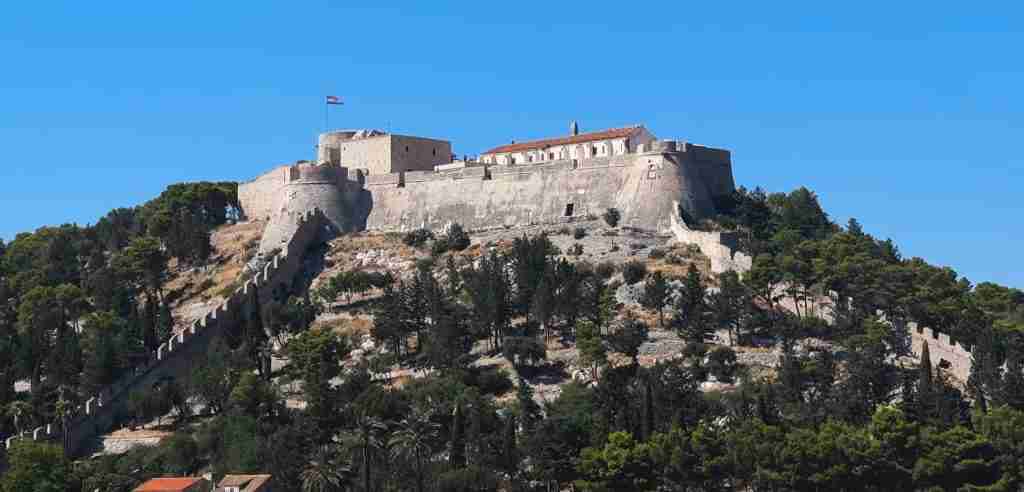
5 days
Croatian Islands 5-Day Highlights Experience
- ✓ Comprehensive Croatian Islands experience
- ✓ Expert local guides included
- ✓ All accommodation included
- ✓ Transportation provided
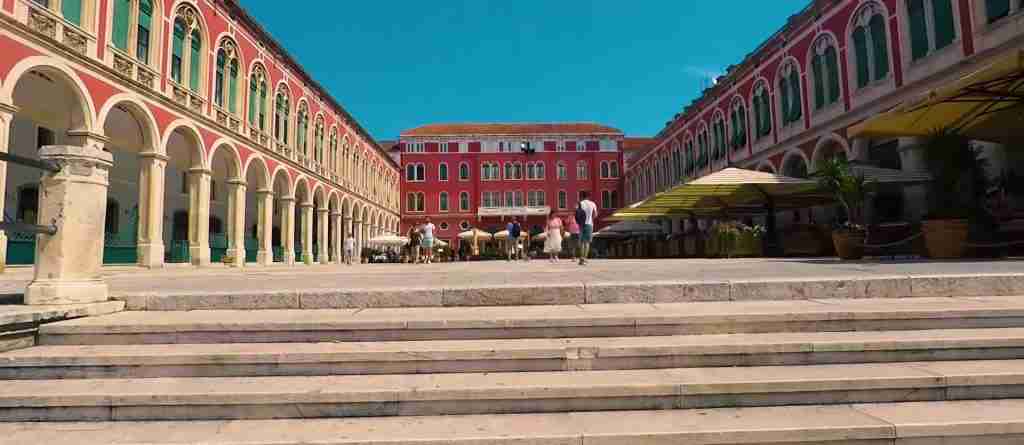
7 days
Croatian Islands 7-Day Cultural Journey
- ✓ Comprehensive Croatian Islands experience
- ✓ Expert local guides included
- ✓ All accommodation included
- ✓ Transportation provided

10 days
Croatian Islands 10-Day Complete Adventure
- ✓ Comprehensive Croatian Islands experience
- ✓ Expert local guides included
- ✓ All accommodation included
- ✓ Transportation provided
Multi-day tour packages powered by TourRadar. Prices and availability subject to change.
Introduction
The Dalmatian Archipelago represents one of Europe’s most geologically distinctive coastal formations, created when rising Adriatic sea levels flooded ancient Dinaric mountain valleys to form parallel island chains running northwest-southeast alongside the mainland coast. This unique “Dalmatian type coast” entered scientific terminology due to its characteristic pattern of elongated islands separated by narrow channels, with islands essentially functioning as submerged mountain peaks whose ridgelines remain above water. The karst limestone geology creating this landscape produces dramatic cliffs dropping 100+ meters to crystalline waters, extensive cave systems including the famous Blue Cave on Biševo Island, and sparse vegetation dominated by Mediterranean maquis shrubland, olive groves, and pine forests.
The archipelago’s human history spans over 2,500 years beginning with Greek colonization establishing settlements like Issa on Vis Island in the 4th century BC, followed by Roman integration transforming islands into wine production centers and strategic naval bases. Venetian rule from the 13th-18th centuries left the most visible architectural legacy through fortified towns, Renaissance palaces, and Catholic churches defining island town centers today. The 20th century brought dramatic population decline as island residents migrated to mainland cities seeking economic opportunities, reducing year-round populations to minimal levels on smaller islands while tourism gradually emerged as the dominant economic activity from the 1960s onward.
Contemporary 2026 Dalmatian island tourism divides sharply between developed destinations like Hvar and Brač offering comprehensive tourist infrastructure including international hotels, restaurants, nightlife, and organized activities versus underdeveloped islands like Lastovo and Vis maintaining minimal facilities where travelers encounter authentic island life with limited dining options, basic accommodations in private apartments, and self-directed exploration replacing packaged tours. This divide creates fundamentally different travel experiences requiring advance research to match island selection with traveler expectations and comfort requirements.
The practical planning challenge confronting 2026 visitors involves navigating the ferry network complexity connecting dozens of islands through seasonal schedules that expand dramatically between April-October summer season versus minimal November-March winter service. Split functions as the archipelago’s undisputed transportation hub with daily ferry connections to 12+ islands, while Dubrovnik and Zadar offer limited service to nearby island clusters without comprehensive network coverage. Understanding ferry types proves essential—conventional car ferries accommodate vehicles and operate year-round on major routes but require 2-3 hour crossing times, while faster catamarans complete journeys in 45-90 minutes but run passenger-only service limited to April-October peak season.
Weather patterns significantly affect island experiences across seasons, with July-August delivering guaranteed sunshine averaging 11-12 hours daily and warm 24-26°C seawater but also maximum crowds, fully-booked accommodations, and ferry reservation requirements. The May-June and September-October shoulder seasons balance reliable weather maintaining 20-23°C water temperatures and 8-10 hours daily sunshine against reduced tourist volumes creating more intimate island atmospheres and easier accommodation availability. Winter (November-March) brings substantial rainfall, ferry schedule reductions, and widespread business closures making island visits impractical except for dedicated off-season travelers accepting severe limitations.
Accommodation costs vary dramatically across islands and seasons, with Hvar Town representing the archipelago’s most expensive destination where July-August hotel rates reach €200-400 nightly for standard rooms while Vis or Lastovo offer equivalent accommodations at €80-150 during the same period. Shoulder season pricing drops 25-35% below peak rates across all islands, while winter (where available) can reduce costs by 50-60% though limited restaurant and activity options diminish the value proposition. Private apartment rentals through platforms like Booking.com or Airbnb typically cost 30-40% less than hotels of comparable quality while providing kitchen facilities enabling significant meal cost savings.
The UNESCO World Heritage sites distributed across the archipelago elevate cultural tourism beyond simple beach holidays, with four inscribed properties including Split’s Diocletian’s Palace (a Roman emperor’s retirement complex now functioning as a living city neighborhood), Dubrovnik’s complete medieval walled city, Trogir’s Venetian old town, and Hvar’s Stari Grad Plain (ancient Greek agricultural landscape). These sites provide rainy-day alternatives to beach activities while enriching island stays with historical context explaining the architectural styles, defensive fortifications, and cultural traditions encountered throughout the islands.
Understanding the Dalmatian Archipelago Geography 2026
The Dalmatian Archipelago divides administratively and geographically into three distinct regions: Northern Dalmatia centered on Zadar with islands including Dugi Otok, Ugljan, Pašman, and the Kornati National Park archipelago; Central Dalmatia based around Split encompassing Brač, Hvar, Vis, Šolta, and numerous smaller islands; and Southern Dalmatia radiating from Dubrovnik including Korčula, Mljet, Lastovo, and the Elafiti Islands (Koločep, Lopud, Šipan). These regional divisions reflect historical political boundaries and contemporary tourism marketing more than natural geography, though they provide useful organizational frameworks for itinerary planning.
Northern Dalmatia’s island character differs markedly from central and southern regions through its inclusion of the Kornati National Park, an archipelago of 150+ uninhabited islands and reefs representing Croatia’s most dramatic seascape and a premier sailing destination. The region’s developed islands like Dugi Otok and Ugljan maintain lower tourist profiles than Hvar or Korčula, attracting visitors seeking authentic island experiences over resort-style holidays. Zadar functions as the regional ferry hub, though service frequency and route diversity pale compared to Split’s comprehensive network.
Central Dalmatia encompasses the archipelago’s most visited islands benefiting from Split’s ferry connectivity and airport access enabling international flights directly into the region. Brač Island lies closest to Split at 9 nautical miles creating 50-minute ferry crossings that support day-trip tourism alongside multi-day stays, while Hvar sits 28 nautical miles requiring 50-minute catamaran or 2-hour conventional ferry journeys. Vis represents the most remote major island at 45 nautical miles from Split, maintaining a distinctive character through its relative isolation and 2.5-hour ferry crossing that deters casual day-trippers.
Southern Dalmatia concentrates around Dubrovnik and the Pelješac Peninsula, with islands generally smaller and less developed than central Dalmatia’s major destinations. Korčula Island balances accessibility through regular ferry connections with authentic character maintaining traditional stone villages and family-run accommodations, while Mljet National Park island offers near-pristine nature protecting two saltwater lakes and extensive forests. The Elafiti Islands (Koločep, Lopud, Šipan) function primarily as Dubrovnik day-trip destinations rather than multi-day bases, though Lopud’s sandy beaches and car-free environment attract some overnight visitors.
Island sizes vary from Krk and Cres (both approximately 400 square kilometers) in the Kvarner region technically outside Dalmatia but often included in broader discussions, to Brač (395 square kilometers) and Hvar (299 square kilometers) as Dalmatia’s largest islands, down to tiny islets of less than 1 square kilometer supporting single settlements or remaining completely uninhabited. The size-to-visitor ratio proves critical for experience quality—Hvar receives disproportionate tourist volumes relative to its size creating summer overcrowding, while larger Brač distributes visitors across multiple towns and beaches maintaining more manageable density.
Transportation infrastructure across islands ranges from Brač’s paved road network connecting all major towns and beaches to Vis’s more limited roads requiring scooter or car rental for comprehensive exploration, to smaller islands like Lopud where complete car bans maintain pedestrian-only environments. This infrastructure variation affects rental car necessity—some islands require vehicles for practical exploration while others prove equally or more enjoyable via walking, cycling, or occasional taxi usage. Ferry schedules account for vehicle transport capacity with conventional ferries accommodating cars, motorcycles, and bicycles while catamarans operate passenger-only service.
Best Islands to Visit in the Dalmatian Archipelago 2026
Hvar Island maintains its position as the Dalmatian Archipelago’s most famous destination in 2026, drawing visitors through its 2,718 annual sunshine hours (Croatia’s highest), sophisticated nightlife centered in Hvar Town, lavender fields creating purple hillsides during June-July bloom season, and comprehensive tourism infrastructure supporting all budget levels from hostels to luxury hotels. The island divides between party-focused Hvar Town (population 4,000 swelling to 20,000+ during summer), historic Stari Grad with its UNESCO-listed ancient Greek agricultural plain, tranquil Jelsa offering family-friendly beaches and traditional atmosphere, and tiny Vrboska nicknamed “Little Venice” for its canal system. A 3-4 day Hvar visit allows experiencing both the nightlife intensity and quieter island villages, though single-night stays common among island-hoppers capture only superficial impressions missing the island’s depth.
Brač Island delivers the Dalmatian Archipelago’s most accessible major island experience through 50-minute ferries from Split arriving hourly during summer 2026, making it suitable for day trips or multi-day exploration bases. Zlatni Rat Beach near Bol represents Croatia’s most photographed beach, a 500-meter gravel spit extending into turquoise waters while shape-shifting with tides and winds, though summer crowds reaching thousands of daily visitors diminish the experience quality compared to shoulder season visits. Beyond Bol, the island offers Supetar (main ferry port town), Pučišća (traditional stone-masonry village), Milna (yachting harbor), and numerous secluded beaches accessible via hiking trails or boat excursions. The island’s limestone quarries supplied stone for Diocletian’s Palace and the White House in Washington DC, with quarry tours available in Pučišća demonstrating traditional extraction and carving techniques.
Vis Island emerged from decades of military isolation (closed to foreign tourists until 1989) maintaining the Dalmatian Archipelago’s most authentic character in 2026 through limited large-scale development, absence of chain hotels or international resorts, and reliance on small family-run guesthouses and apartment rentals. The island’s remoteness—45 nautical miles from Split requiring 2.5-hour ferry crossings—filters visitors to those committed to experiencing rather than casual day-trippers, creating more intimate atmospheres at attractions like the Blue Cave on nearby Biševo Island, Stiniva Bay’s dramatic cliff-enclosed beach, and former Yugoslav military tunnels and bunkers open for exploration. Vis Town and Komiža represent the two main settlements, both preserving traditional fishing village character with waterfront konoba restaurants serving locally-caught seafood and island-produced wine.
Korčula Island claims Marco Polo’s birthplace (disputed by Venice) as its primary historical marketing point while delivering genuine medieval architecture through Korčula Town’s compact walled center, traditional Moreška sword dance performances maintaining 500-year-old cultural traditions, and wine production centered on indigenous Pošip and Grk white grape varieties. The island’s eastern position near the Pelješac Peninsula creates shorter ferry connections from both Split (2.5-3 hours) and Dubrovnik (1.5-2.5 hours), making it a natural stopover on multi-island itineraries connecting the two mainland bases. Beyond Korčula Town, Vela Luka on the western end offers calmer tourism focused on therapeutic mud baths and archaeological sites, while Lumbarda produces Grk wine and maintains sandy beaches rare in the predominantly pebbly Dalmatian coast.
Mljet Island dedicates one-third of its area to Mljet National Park protecting two interconnected saltwater lakes, the 12th-century Benedictine monastery on St. Mary Island within the larger lake, and extensive Mediterranean forest creating Croatia’s greenest island landscape. The park entrance fee costs €20-30 in 2026 depending on season, with national park status limiting development and maintaining low tourist density compared to Hvar or Brač. The island attracts nature-focused visitors prioritizing hiking, cycling, kayaking, and swimming in pristine environments over beach clubs and nightlife, with accommodations concentrated in Pomena and Polače villages offering simple hotels and apartment rentals. Limited ferry connections (1-2 daily from Dubrovnik, seasonal service from other islands) require advance planning and reduce spontaneous itinerary changes.
Šolta Island functions as Split’s nearest island escape at only 9 nautical miles creating 30-45 minute ferry crossings, yet maintains remarkably underdeveloped character attracting visitors seeking authentic Dalmatian island life without tourist infrastructure density. The island’s economy still relies partly on traditional olive oil, honey, and wine production with farm visits and tastings available through direct contact rather than organized tour packages. Small villages like Maslinica, Stomorska, and Rogač offer basic accommodations in private apartments and rooms without hotels or resorts, while restaurants serve simple traditional cuisine emphasizing local ingredients and family recipes. Šolta suits travelers comfortable with limited services and self-directed exploration over those requiring comprehensive tourist amenities.
Lastovo Island and its surrounding archipelago achieved Nature Park status protecting 46 islands covering 143 square kilometers of sea and 53 square kilometers of land, creating Croatia’s second-youngest nature park and one of the Mediterranean’s most biodiverse protected areas with 800+ plant species. The island’s remoteness (4-hour ferry from Dubrovnik, longer from Split) and minimal development (no hotels, only private apartment rentals and one small guesthouse) limit visitors to committed nature enthusiasts and sailors exploring the protected waters. The traditional architecture, 500-year-old carnival traditions, and absence of mass tourism create time-capsule atmospheres where island life continues much as it has for generations, though limited dining options and minimal entertainment beyond nature appreciation require appropriate visitor expectations.
Ferry Transportation and Inter-Island Travel 2026
Jadrolinija operates as Croatia’s primary state-owned ferry company in 2026, maintaining year-round service on major routes like Split-Supetar (Brač), Split-Stari Grad (Hvar), and Split-Vis with conventional car ferries departing every 2-3 hours during summer and 3-5 times daily during winter. The company’s catamaran fleet provides faster passenger-only service on popular routes during April-October season, though conventional ferries remain the only vehicle transport option making them essential for travelers bringing cars, motorcycles, or bicycles to islands. Ticket prices for conventional ferries range €6-12 per passenger on short routes like Split-Brač to €20-35 on longer crossings like Split-Vis, with vehicle transport adding €35-85 depending on car size and route distance.
Private catamaran operators Kapetan Luka, TP Line, and Krilo Shipping Company compete with Jadrolinija on popular routes during summer 2026, offering comparable or slightly faster journey times at prices typically 20-30% higher than state-owned alternatives. These companies emphasize premium service through newer vessels, reserved seating (versus Jadrolinija’s first-come-first-served conventional ferry seating), and flexible ticket change policies, though seasonal operation (generally April-October) and passenger-only service limit year-round applicability. The Split-Hvar route exemplifies this competition with up to 17 daily catamaran departures across all operators during July-August, creating abundant capacity though weekend sailings still fill completely requiring advance booking.
Ferry booking strategy significantly affects travel flexibility and costs in 2026, with advance online reservations through operator websites or platforms like Ferryhopper securing guaranteed spaces and sometimes 5-10% early-booking discounts, though rigid change policies penalize itinerary modifications. Same-day ticket purchases at ferry terminals work reliably during shoulder season (May-June, September-October) and on major routes with frequent departures, though July-August peak season risks fully-booked sailings stranding travelers without reservations. The optimal approach involves booking first and last ferries in multi-island itineraries while maintaining flexibility for middle segments, or securing all ferries for rigid itineraries where schedule certainty justifies reduced spontaneity.
Vehicle transport considerations require understanding that only conventional car ferries (not catamarans) accommodate vehicles, with reservation requirements absolute during July-August when car ferry spaces sell out days or weeks in advance on popular routes. The Split-Stari Grad (Hvar) car ferry costs €35-65 per vehicle (under 5 meters length) plus €8-12 per passenger in 2026 high season (check Jadrolinija website for current rates as pricing may vary), making vehicle transport expensive for solo travelers or couples but economical for groups of 4+ passengers when total costs divide favorably against multiple passenger-only catamaran tickets. Travelers uncertain about island driving needs should consider arriving via catamaran and renting cars/scooters on-island rather than transporting mainland vehicles across ferries.
Inter-island connections bypassing mainland ferry hubs prove limited in 2026, with most island-to-island routes requiring returns to Split, Dubrovnik, or Zadar for transfers. Notable direct island connections include Hvar-Korčula catamarans (1-1.5 hours, €10-25), Brač-Hvar routes (30-50 minutes, €15-25), and summer-only services linking multiple islands in single journeys like the Split-Bol-Hvar-Korčula-Dubrovnik catamaran. These direct connections save time versus mainland routing but operate less frequently (often 1-2 daily versus 5-10+ sailings through Split), requiring schedule coordination and reducing departure time flexibility.
Luggage policies across ferry operators generally allow 20-30 kilograms per passenger without additional fees, with oversized items like bicycles incurring €5-15 supplements and surfboards or kayaks requiring advance notification and special handling fees of €15-30. Passengers should pack wheeled suitcases suitable for ferry terminal ramps and island cobblestone streets rather than large trunks requiring carrying, while valuables remain in personal custody throughout journeys as ferry companies disclaim responsibility for luggage theft or damage. Conventional ferries provide designated luggage storage areas while catamarans typically accommodate bags at passenger seats or small designated spaces.
Weather-related cancellations affect ferry reliability during transitional spring (April-May) and autumn (October-November) when wind systems create rough seas exceeding safe operating limits, with cancellation rates reaching 10-20% of scheduled sailings versus under 5% during stable summer months. Operators issue cancellation notifications via SMS to passengers with reserved tickets, though same-day purchasers may discover closures only upon terminal arrival. Winter (December-March) experiences highest cancellation frequency particularly for smaller island routes, making this season impractical for island-dependent itineraries without substantial flexibility and backup plans.
Island-Hopping Itinerary Planning 2026
Three-island itineraries spanning 7-10 days represent the optimal balance between destination diversity and meaningful island exploration in 2026, allowing 2-3 nights per island avoiding the superficiality of single-night stays while preventing the exhaustion of attempting four or more islands requiring constant ferry travel and accommodation changes. A classic Central Dalmatia route combines Brač (2 nights focusing on Zlatni Rat beach and Pučišća stone-carving), Hvar (3 nights balancing Hvar Town nightlife with Stari Grad or Jelsa tranquility), and Vis (2-3 nights exploring military history and remote beaches), utilizing Split as the arrival and departure hub with straightforward ferry connections.
The Southern Dalmatia alternative centers on Dubrovnik as the base, incorporating Korčula (2-3 nights for medieval town exploration and wine tasting), Mljet (2 nights for national park hiking and swimming), and the Elafiti Islands as day trips rather than overnight destinations given their small size and limited accommodation options. This routing suits travelers prioritizing UNESCO sites and natural parks over beach clubs and nightlife, with Dubrovnik’s airport access enabling direct international arrivals eliminating Split connections. The total ferry costs for this southern route reach €60-90 per person compared to €50-70 for the central Dalmatia routing, reflecting longer crossing distances from Dubrovnik.
Budget-conscious island-hopping in 2026 achieves €70-90 daily costs per person through hostel dormitory accommodations (€25-35 nightly), self-catered breakfasts and lunches from supermarkets (€10-15 daily), single restaurant dinners (€15-25), and walking or cycling-based exploration minimizing paid activities. This budget level requires advance booking for hostel availability, accepting 6-8 bed dormitories over private rooms, and limiting alcohol consumption as drinks significantly inflate meal costs. The strategy works best on larger islands like Brač and Hvar with developed hostel scenes while struggling on smaller islands like Vis or Lastovo lacking dormitory options.
Mid-range island-hopping budgets of €120-180 daily per person accommodate private apartment or guesthouse rooms (€60-90 nightly divided between two people), restaurant meals for both lunch and dinner (€35-50 combined), occasional boat tours or activity fees (€30-50), and comfortable ferry travel via catamarans over slower conventional options. This spending level enables spontaneous itinerary adjustments through looser budget constraints, supports local family-run accommodations and restaurants driving island economies, and provides sufficient flexibility for weather-driven plan changes or attractive unexpected opportunities encountered during travel.
Luxury island-hopping exceeds €300 daily per person through boutique hotels (€150-250 nightly per person in double occupancy), fine dining at upscale restaurants (€60-100 per meal), private boat charters between islands (€400-800 daily divided among passengers), and premium activities like private wine tours or spa treatments. This tier accesses accommodations in restored stone villas and design hotels unavailable to budget travelers, supports culinary experiences at Michelin-starred or locally-celebrated restaurants, and enables itinerary complete control through private transportation eliminating ferry schedule constraints.
Single-island extended stays of 5-7+ days suit travelers prioritizing depth over breadth, allowing comprehensive island exploration including hiking interior trails, visiting multiple beaches and coves, engaging with local culture through cooking classes or cultural performances, and experiencing daily island rhythms beyond tourist highlights. Hvar and Korčula best support extended single-island stays through destination diversity combining beaches, historic sites, villages, nature, dining, and activities sustaining week-long interest, while smaller islands like Šolta or Lastovo prove ideal for complete disconnection and relaxation prioritizing atmosphere over activity variety.
Family itineraries with children require modified pacing allowing recovery days between intensive sightseeing, shorter ferry journeys under 90 minutes avoiding young children’s restlessness on longer crossings, and accommodation selection emphasizing apartments with kitchens enabling flexible meal timing and familiar foods. The Brač-Hvar combination works effectively for families through Brač’s beaches and short ferry connections complemented by Hvar’s historic sites and traditional villages, while avoiding Hvar Town’s late-night noise and party atmosphere that disrupts children’s sleep schedules.
Accommodation Options Across Dalmatian Islands 2026
Private apartments and rooms in local homes dominate accommodation across smaller Dalmatian islands in 2026, with families converting spare bedrooms or entire properties into tourist rentals generating crucial supplemental income on islands with limited employment opportunities. These accommodations cost €40-80 nightly for double rooms or €60-120 for full apartments sleeping 2-4 people during summer, dropping 25-35% during shoulder season and 40-50% during winter where available. Booking platforms like Booking.com, Airbnb, and local Croatian sites like Croatiapoint.com list thousands of properties though quality varies from basic rooms with shared bathrooms to recently-renovated apartments with modern amenities, making photo review and guest ratings essential evaluation tools.
Hotels on major islands span budget (€60-100 nightly), mid-range (€100-180), and luxury (€200-400+) categories in 2026, with properties concentrated in Hvar Town, Bol (Brač), Korčula Town, and other established tourism centers. The hotel premium over private apartments reflects breakfast inclusion, reception services providing local information and booking assistance, daily housekeeping, and typically superior locations near waterfronts or town centers. Chain hotels remain rare across the archipelago with most properties family-owned or small local groups, creating variable service standards where hospitality depends heavily on individual property management commitment rather than brand consistency.
Boutique hotels and design properties have emerged across major islands during the 2010s-2020s, converting historic stone buildings into upscale small hotels (10-30 rooms) emphasizing architectural character, personalized service, and contemporary design aesthetics. Properties like Adriana Hvar Spa Hotel, Palace Elisabeth (Hvar), and Lesic Dimitri Palace (Korčula) represent this category, charging €200-500 nightly for rooms combining original stone walls and wooden beam ceilings with luxury bathrooms, designer furniture, and often rooftop pools or spa facilities. These properties suit travelers prioritizing accommodation experience as integral to island visits rather than simple sleeping venues between activities.
Hostels serve budget travelers on Hvar, Brač, and Vis with dormitory beds costing €25-40 nightly in 2026, though availability remains limited compared to apartment rentals with many islands lacking any hostel options. Hvar supports multiple hostels including party-focused properties near the town center attracting 18-30 year old travelers seeking nightlife over tranquility, while Vis offers smaller, calmer hostels appealing to nature-oriented backpackers. Facilities range from basic bunk rooms with shared bathrooms to upgraded hostels featuring private rooms, air conditioning, guest kitchens, and social spaces, with quality directly correlating to nightly rates.
Camping and glamping options exist on select islands including Brač (multiple campsites near Bol and Supetar), Korčula (Kamp Kalac and others), and mainland coastal areas, though most islands lack developed campgrounds restricting wild camping opportunities. Established campsites charge €10-25 per person nightly including tent space and facilities, while glamping tents or mobile homes command €80-150 nightly for equipped units sleeping 2-4 people. The camping season runs May-September with most sites closing October-April, making this option viable only during warmer months when tent sleeping proves comfortable.
Booking timing significantly affects availability and pricing, with July-August accommodations requiring 2-6 month advance reservations on popular islands securing desirable properties at standard rates, while last-minute bookings (under 30 days) face limited options and sometimes 20-30% premium pricing for remaining inventory. Shoulder season (May-June, September-October) maintains reasonable availability with 2-4 week advance booking sufficient for good selection, while winter accommodation practically guarantees availability except around New Year’s when some properties open briefly for holiday travelers. Cancellation policies vary by property with many requiring full payment 30-60 days before arrival and imposing 50-100% penalties for later cancellations.
Dalmatian Island Dining and Food Costs 2026
Traditional konoba restaurants represent the Dalmatian island dining archetype in 2026, serving fresh seafood (grilled fish, octopus salad, black risotto), meat dishes (peka slow-cooked lamb or veal), and simple vegetable sides in rustic stone-walled settings emphasizing family recipes and local ingredients over modern culinary experimentation. Mains cost €15-28 at authentic konobas, with fresh fish priced by weight (€40-70 per kilogram yielding 1-2 portions) and traditional dishes like pašticada (beef stew) or brudet (fish stew) ranging €18-25. House wine served in carafes costs €8-15 per liter with local island production common on Hvar, Korčula, and Vis, while imported wines command €20-50+ per bottle at table service markups.
Upscale dining has proliferated on Hvar and Korčula as tourism evolved beyond basic sustenance to culinary experiences, with restaurants like Dalmatino and Zori (both Hvar Town) serving contemporary Dalmatian cuisine emphasizing local ingredients in refined presentations. These establishments charge €25-45 for mains and €50-90 for multi-course tasting menus, competing with quality available in Zagreb or international cities while maintaining island ingredients and Mediterranean flavors as foundations. The fine dining scene remains absent or minimal on smaller islands like Vis or Lastovo where restaurants focus on traditional preparation over modern innovation.
Casual dining through pizzerias, burger restaurants, and fast-casual concepts costs €8-18 for mains in 2026, providing budget-friendly alternatives to seafood-focused konobas though quality varies from excellent artisan pizza using local ingredients to mediocre tourist-oriented establishments relying on frozen components and minimal culinary care. Beach bars and informal waterfront spots serve simple grilled fish, sandwiches, and salads at €8-15 per item plus €3-6 for drinks, ideal for lunch during beach days without formal restaurant commitments.
Self-catering through supermarket shopping enables significant cost savings with local markets and small shops on all inhabited islands selling produce, bread, cheese, cured meats, and basic ingredients for simple meal preparation. A day’s groceries for two people costs €15-25 purchasing breakfast items (bread, jam, cheese, coffee), lunch components (bread, prosciutto, cheese, tomatoes, fruit), and dinner ingredients for simple pasta or salad meals. Larger islands like Brač and Hvar maintain better supermarket selection including international brands and specialty items, while smaller islands offer limited choices requiring flexibility and adaptability to available inventory.
Wine costs vary dramatically between retail and restaurant pricing, with local island wines available at shops for €5-12 per bottle while the same bottles command €18-35 in restaurants applying standard 200-300% markups. The Dalmatian islands produce distinctive white wines including Pošip and Grk (Korčula), Bogdanuša (Hvar), and Vugava (Vis), plus red varieties like Plavac Mali cultivated across multiple islands. Wine tasting at family wineries costs €10-25 per person for 4-6 wine samples often including traditional snacks, providing both cultural experiences and retail purchasing opportunities at producer prices.
Daily food budgets range from €15-25 for self-catered meals prepared in apartment kitchens, €35-50 for single restaurant meals plus supermarket breakfast and lunch, to €60-100 for multiple restaurant meals daily including wine and appetizers. These estimates assume mid-range restaurants; upgrading to fine dining or high-end establishments escalates daily food costs to €100-150+ per person. The strategy of combining self-catered breakfasts and lunches with restaurant dinners balances cost control against experiencing local cuisine, achieving €30-40 daily costs while supporting island restaurants.
Activities and Experiences Across Islands 2026
Boat tours and excursions dominate island activities in 2026, with Blue Cave tours from Hvar or Vis costing €80-100 per person including visits to multiple destinations (Blue Cave, Green Cave, Stiniva Bay, Pakleni Islands), beach-hopping tours around individual islands priced €35-65, and sunset cruises offering 2-3 hour evening excursions at €45-75 including drinks. Private boat charters deliver customized itineraries at €400-1,000 daily rates depending on vessel size and luxury level, economical for groups of 6-8 passengers when total costs divide comparably to group tour pricing. The activity concentration on water-based experiences reflects the archipelago’s fundamental character as maritime destinations where beaches, coves, and coastal scenery constitute primary attractions.
Hiking trails cross most islands ranging from coastal paths connecting beaches and villages to interior routes climbing to island high points offering panoramic vistas across surrounding waters. Hvar’s Ager hiking trails traverse the UNESCO-listed ancient Greek agricultural plain, while Mljet National Park maintains marked paths circling the saltwater lakes and connecting to beaches and viewpoints. Trail infrastructure varies from well-maintained marked routes with maps available at tourist offices to informal paths requiring navigation skills and appropriate footwear, with dedicated hiking boots unnecessary for most trails though sturdy walking shoes prove essential on rocky karst terrain.
Cultural experiences include traditional Moreška sword dance performances in Korčula (€15-25 admission for summer evening shows), stone-carving workshops in Pučišća (Brač) demonstrating techniques using the island’s famous white limestone (€30-50 for 2-3 hour sessions), olive oil and wine tasting at family farms across multiple islands (€15-30 per person), and cooking classes teaching traditional Dalmatian cuisine preparation (€60-90 for half-day sessions including meal). These activities provide cultural depth beyond beach tourism while directly supporting small island businesses and preserving traditional skills facing succession challenges as younger generations migrate to mainland opportunities.
Cycling suits island exploration on flatter terrain around Brač, Hvar, and Korčula, with bike rentals costing €8-15 daily for standard bikes or €20-30 for electric bikes simplifying hill climbing. Dedicated cycling routes remain limited with most riders using roads sharing space with vehicles, requiring caution and defensive riding particularly on narrow sections or blind curves. Some islands like Lopud ban cars entirely creating ideal cycling conditions, while others like Hvar’s interior feature steep climbs better suited to electric assistance or experienced cyclists comfortable with sustained elevation gain.
Water sports including kayaking, stand-up paddleboarding, and snorkeling are available on major islands with equipment rentals costing €10-20 per hour or €30-50 daily. Guided kayaking tours explore coastal caves and hidden beaches at €40-70 for half-day excursions, while diving operators on Hvar, Vis, and Brač offer beginner courses (€300-400 for PADI Open Water certification over 3-4 days) and certified diver excursions (€40-60 per dive including equipment and guide). The clear Adriatic waters maintaining 20-30 meter visibility during summer create excellent conditions for underwater exploration, with dive sites featuring underwater caves, ancient amphorae from Roman shipwrecks, and diverse marine life.
Beach activities consume significant vacation time across all islands, with sunbathing, swimming, and casual water play requiring no organized activities or fees beyond beach lounger and umbrella rentals (€10-20 daily for two loungers and umbrella at developed beaches). Most Dalmatian beaches feature pebbles or rocks rather than sand, making water shoes advisable for comfortable entry and exit, though some locations like Lovrečina on Brač maintain sandy sections. Beach clubs on Hvar (Hula Hula, Carpe Diem Beach) charge €15-30 admission during peak afternoon hours, providing DJ music, drinks service, and social atmospheres transforming simple beaches into party venues.
Best Time to Visit Dalmatian Archipelago 2026
May and September represent optimal months for visiting the Dalmatian Archipelago in 2026, balancing shoulder season advantages including 20-30% lower accommodation costs, reduced ferry crowds, and moderate temperatures (20-25°C air, 19-23°C water) against weather reliability maintaining 70-80% probability of sunny days and minimal rainfall. These months avoid July-August’s overwhelming tourist volumes that transform intimate island experiences into crowded resort atmospheres, while escaping April and October’s weather unpredictability bringing 15-25% of days with rain or wind conditions disrupting plans. Ferry schedules during May and September approach summer frequency without requiring advance reservations except for weekend crossings to Hvar or popular Friday departures.
June bridges shoulder and peak seasons in 2026, with early June (through approximately June 15) maintaining May-like crowd levels and shoulder season pricing while late June (after June 20) transitions toward July-August density as school holidays begin across Europe. The month offers excellent weather reliability with 85-90% sunny day probability and warming waters reaching 22-24°C comfortable for extended swimming, making it attractive for travelers flexible on exact dates who can target early June timing. Accommodation availability during June requires 1-3 month advance booking on major islands though last-minute options remain possible unlike July-August’s complete sellouts.
July and August deliver peak season intensity in 2026 with guaranteed weather (95%+ sunny day probability, minimal rainfall), warmest water temperatures (24-26°C), and maximum ferry frequency enabling spontaneous island-hopping, balanced against overwhelming crowds at major attractions, fully-booked accommodations requiring 3-6 month advance reservations, and elevated pricing reaching 30-50% above shoulder season rates. The months suit travelers prioritizing weather certainty and comprehensive tourist infrastructure operation (all restaurants, bars, activities fully functional) over intimate island atmospheres, plus families constrained by school holiday scheduling unable to travel during off-peak periods. Single-night accommodation availability approaches zero on Hvar, Brač, and Korčula during July-August weekends, forcing multi-night minimum bookings.
October presents significant weather variability making it suitable only for flexible travelers who can adjust plans around occasional storm systems bringing 2-4 consecutive days of rain and wind. Early October (through approximately October 15) maintains September-like conditions with 20-22°C air temperatures and 21-23°C water suitable for swimming, while late October deteriorates toward winter with 17-18°C water comfortable only for hardy swimmers and increasing rain frequency. Ferry schedules thin considerably during October with catamaran operators ending seasonal service and conventional ferries reducing to winter frequencies, limiting spontaneous travel flexibility. The trade-offs include bottom-tier pricing 30-40% below peak season and near-empty beaches and attractions providing private-feeling experiences impossible during summer.
November through March constitutes off-season when most island tourist infrastructure closes, ferry services reduce to minimum frequencies serving local populations, and weather brings substantial rainfall and occasional bura winds creating rough seas and uncomfortable conditions. Winter island visits appeal only to dedicated off-season travelers accepting severe limitations including minimal restaurant options (often only 1-2 establishments open in small island towns), accommodation closures forcing reliance on year-round properties, and activity cancellations when weather prevents boat tours or outdoor exploration. The few winter visitors encounter authentic island life stripped of tourism overlay, though the value proposition remains questionable when many experiences justifying island visits prove unavailable.
Seasonal weather patterns follow Mediterranean norms with hot dry summers, mild wet winters, and transitional spring/autumn periods balancing temperature moderation against precipitation variability. Summer (June-August) delivers consistent 28-33°C daytime highs with minimal rainfall averaging under 30mm monthly, while winter (December-February) brings 8-15°C daytime temperatures and 80-120mm monthly precipitation falling across 10-15 rainy days. The bura wind (cold northeasterly) and jugo wind (warm southeasterly) represent the Adriatic’s two primary weather patterns, with bura creating sudden temperature drops and choppy seas while jugo brings humidity and gradually building swell over 24-48 hours.
Sample Itineraries and Daily Costs 2026
A 7-day Central Dalmatia island-hopping itinerary costs €850-1,200 per person covering Brač (2 nights), Hvar (3 nights), and Vis (2 nights) with mid-range accommodations (€70-110 nightly), ferry transportation (€45-65 total for all connections), daily dining (€40-55 including one restaurant meal and self-catered breakfast/lunch), and activities (€80-120 total for one Blue Cave tour and beach equipment rentals). The per-day breakdown reaches €120-170 including all expenses, positioning this itinerary as accessible to travelers with comfortable middle-class budgets seeking quality experiences without luxury indulgence. Budget reductions come from hostel dormitories (saves €30-40 nightly), complete self-catering (saves €20-30 daily), and walking-based exploration eliminating paid activities (saves €15-20 daily), bringing total costs to €550-700 weekly.
A luxury 10-day archipelago exploration spanning Hvar (3 nights), Korčula (3 nights), Mljet (2 nights), and Dubrovnik mainland finale (2 nights) costs €2,800-4,200 per person including boutique hotels (€180-280 nightly), private boat transfers between islands (€150-250 per transfer divided among group), fine dining for most meals (€70-100 daily), premium activities including private wine tours and spa treatments (€200-350 total), and quality wine consumption. This tier accesses accommodations in restored palazzos and design hotels, supports Michelin-quality dining experiences, and enables itinerary control through private transportation eliminating ferry schedule constraints. The daily average of €280-420 reflects genuine luxury standards comparable to high-end European city breaks.
A budget backpacker 10-day circuit visiting Brač (2 nights), Hvar (3 nights), Vis (2 nights), and Korčula (3 nights) costs €520-680 per person through hostel dormitories (€28-38 nightly), conventional ferry transportation (€60-85 total), self-catered meals from markets (€18-25 daily), single paid activity of Blue Cave tour (€85), and walking or cycling-based exploration. Daily costs of €52-68 require accepting 6-8 bed dormitories, preparing most meals in hostel kitchens, and limiting alcohol consumption as drinks inflate budgets rapidly. This spending level proves sustainable for extended travel periods while maintaining reasonable comfort standards and enabling social interactions with fellow hostel travelers.
A family 7-day vacation on Brač (4 nights) and Hvar (3 nights) costs €1,400-1,950 for a family of four including apartment accommodations with kitchens (€90-130 nightly total for 4 people), ferry transportation (€120-160 total), groceries and simple restaurant meals (€80-110 daily for family), and child-friendly activities including beach equipment rentals and one boat tour (€180-250 total). The per-person daily cost of €50-70 remains manageable for middle-class families through apartment cooking savings, activity selection emphasizing free beaches over paid excursions, and ferry travel on slower conventional options versus premium catamarans. Single-island basing eliminates accommodation change hassles and ferry transit time consuming vacation days.
Practical Tips for Dalmatian Archipelago Travel 2026
Cash remains essential across Dalmatian islands in 2026 despite increasing credit card acceptance, with small family restaurants, private accommodation hosts, beach lounger rentals, and local markets often operating cash-only particularly outside major towns. ATMs exist on all inhabited islands though smaller islands may have only one machine creating problems when malfunctions occur or when high demand depletes cash supplies during summer weekends. Carrying €200-400 in mixed denominations (€5, €10, €20, €50) per person provides security against card failures or cash-only situations, while larger €100 and €200 notes often face acceptance resistance at small businesses lacking change.
Croatian language skills prove unnecessary for basic tourism navigation as English proficiency rates exceed 70-80% among hospitality workers on major islands, though learning simple phrases (hvala for thank you, molim for please, dobar dan for good day) generates goodwill and enhances cultural engagement. Older residents outside tourism sectors may speak only Croatian, Italian from historical Venetian influence, or German from Yugoslav-era tourism relationships with Austria and Germany, making Italian or German language skills occasionally useful where English fails. Restaurant menus universally provide English translations on major islands while smaller establishments may offer Croatian-only menus requiring translation apps or host assistance.
Sun protection requires aggressive measures given Adriatic UV intensity amplified by water reflection, with SPF 50+ sunscreen application 30 minutes before sun exposure and reapplication every 90-120 minutes preventing burns that ruin subsequent vacation days. Wide-brimmed hats with chin straps prevent loss during ferry transits and boat excursions, while UV-protection sunglasses reduce eye strain and eliminate squinting causing premature wrinkles. Long-sleeve UV-protection shirts (50+ UPF rated) defend shoulders and arms during extended beach time while remaining cool through moisture-wicking fabrics, superior to constant sunscreen reapplication on frequently-submerged areas.
Water shoes protect feet from rocky beaches and sea urchins present at natural swimming areas lacking sand, with sturdy rubber-soled designs preferable to flimsy neoprene socks tearing on sharp limestone. Most Dalmatian beaches feature pebbles or rocks making barefoot walking painful or impossible, while sea urchins cluster around underwater rocks creating puncture risks for swimmers entering or exiting water. Compact water shoes pack flat in luggage without consuming significant space while proving essential for comfortable beach enjoyment across the archipelago.
Accommodation check-in procedures vary across property types, with hotels providing 24-hour reception service and standard 2:00-3:00 PM check-in times versus private apartments often requiring advance communication to coordinate key handoff with owners working full-time jobs. Apartment hosts commonly meet guests at ferry terminals for direct key exchange and property tours, though some utilize key lockboxes enabling self-check-in when arrival times prove uncertain. Clear communication via WhatsApp or email confirming arrival ferry and rough timing prevents confusion and waiting that strains host schedules and guest patience.
Environmental consciousness requires minimizing single-use plastic consumption through reusable water bottles (tap water is potable across all islands), shopping bags for market purchases, and food containers for picnic preparation. Many islands lack comprehensive recycling infrastructure making waste reduction preferable to recycling attempts that may ultimately reach landfills, while reef-safe sunscreen using mineral-based zinc oxide and titanium dioxide formulations protects marine ecosystems from chemical UV filters containing oxybenzone and octinoxate proven harmful to coral and sea life.
Mobile phone service and internet connectivity reach acceptable standards on major islands through Croatian operators like Hrvatski Telekom and A1, though smaller islands and remote coastal areas experience reduced signal strength or complete dead zones. EU visitors benefit from roaming regulation eliminating additional charges for Croatian usage under home plan allowances, while non-EU travelers should investigate international plans or purchase Croatian SIM cards (€10-20 for tourist packages with 10-20GB data and local calls). WiFi availability at accommodations and restaurants proves standard on major islands though connection speeds and reliability vary significantly.
Frequently Asked Questions About Dalmatian Archipelago 2026
Do I need a car to explore the Dalmatian islands in 2026?
Cars prove unnecessary on smaller islands like Lopud (car-free entirely), Vis (compact with towns within walking distance or short taxi rides), or when basing in single island towns like Hvar Town or Korčula Town where accommodations, beaches, and restaurants cluster within walkable areas. Larger islands including Brač, Hvar, and Korčula benefit from car or scooter rentals enabling exploration of remote beaches, interior villages, and multiple towns impossible via walking or infrequent bus services, with rental costs of €35-70 daily for cars or €20-35 for scooters. The car-free approach saves money through eliminated rental and ferry vehicle transport costs while reducing stress from narrow island roads and parking challenges, though limits destination access requiring acceptance of missing locations beyond main towns. Travelers visiting multiple islands should avoid vehicle transport across ferries in favor of island-specific rentals when needed, as ferry vehicle costs and time waiting in car lanes offset convenience benefits.
Are Dalmatian islands suitable for solo travelers in 2026?
Solo travelers find the Dalmatian Archipelago welcoming and practical in 2026 through abundant hostel accommodation on major islands creating natural social environments, safe conditions with minimal crime beyond occasional pickpocketing in crowded areas, and activity options including group boat tours enabling solo participation without isolation. Costs increase for solo travelers paying full accommodation rates without roommate cost-sharing, though hostels eliminate this disadvantage through per-bed dormitory pricing, while single supplements at hotels and apartments sometimes add 20-40% premiums. Female solo travelers report comfortable experiences across all major islands with standard safety precautions sufficient (avoiding excessive alcohol consumption, staying in populated areas at night, maintaining awareness in crowded ferry terminals), though smaller remote islands with minimal tourist infrastructure prove less solo-friendly through isolation and limited accommodation options requiring advance coordination.
What’s the difference between Jadrolinija and private catamaran operators in 2026?
Jadrolinija operates as Croatia’s state-owned ferry company providing year-round service on major routes with conventional car ferries accommodating vehicles plus seasonal catamaran service April-October, while private operators including Kapetan Luka, TP Line, and Krilo run passenger-only catamarans during tourist season emphasizing speed and premium service. Jadrolinija conventional ferries cost 20-40% less than catamaran alternatives while requiring 40-60% longer journey times, with first-come-first-served seating versus private operators’ reserved seats, though vehicle transport capability makes Jadrolinija essential for travelers bringing cars to islands. Private catamarans offer newer vessels, flexible ticket change policies, and slightly faster journey times at prices typically €3-8 higher than Jadrolinija catamarans on comparable routes, appealing to comfort-focused travelers willing to pay premiums for guaranteed seating and superior amenities. Winter travel (November-March) requires Jadrolinija conventional ferries as private operators suspend operations entirely outside tourist season.
Can I visit multiple islands as day trips from Split in 2026?
Brač Island functions effectively as a Split day trip in 2026 through 50-minute ferry crossings departing hourly during summer, allowing 6-8 hours island exploration including Zlatni Rat beach visits, Bol town wandering, and lunch at waterfront restaurants before evening ferry returns. Hvar proves marginally feasible as a day trip via morning catamaran departure (50-minute crossing) and late afternoon return, providing 5-6 hours for Hvar Town exploration though insufficient time for island interior visits or multiple beach stops. Vis and Korčula require prohibitively long ferry journeys (2.5-3+ hours each way) consuming excessive day trip time and leaving minimal hours for actual island exploration, making overnight stays essential for meaningful visits. The day trip approach suits travelers with limited vacation time or those combining mainland Croatia exploration with brief island exposure, though multi-day island stays enable deeper engagement with island culture, nature, and rhythms beyond superficial tourist highlight consumption.
Are Croatian islands wheelchair accessible in 2026?
Wheelchair accessibility across Dalmatian islands remains limited in 2026 due to historic town centers featuring narrow cobblestone streets, stairs, and uneven surfaces incompatible with wheelchair navigation, though newer hotels and some waterfront promenades provide accessible infrastructure meeting international standards. Major ferry companies accommodate wheelchair users on conventional ferries through vehicle decks and elevators, while catamarans present boarding challenges requiring portable ramps and assistance from crew members, with advance notification essential for appropriate arrangements. Beach access proves particularly challenging as most Dalmatian beaches feature pebbles or rocks lacking the boardwalk infrastructure or beach wheelchairs available at some Northern European destinations, though select beaches near major towns have installed accessible ramps and designated swimming areas. Travelers with mobility limitations should contact accommodations directly before booking to verify accessibility features, research specific beach access conditions, and maintain flexibility accepting that some historic sites and natural attractions remain physically inaccessible regardless of willingness to adapt.
What should I pack for a Dalmatian island trip in 2026?
Essential items for Dalmatian island travel include water shoes for rocky beaches, reef-safe sunscreen (SPF 50+) and sun protection clothing, lightweight quick-dry clothing suitable for 25-33°C summer temperatures, a small daypack for ferry travel and beach excursions, and modest clothing covering shoulders and knees for church visits in historic towns. Additional recommended items include a reusable water bottle reducing plastic waste, power adapters for European outlets (Type C and F), basic Croatian phrasebook or translation app, waterproof phone case or dry bag for boat excursions, and a light sweater for air-conditioned ferry cabins and cooler evening temperatures. Avoid overpacking as luggage transport across islands requires carrying bags on and off ferries, through cobblestone streets, and potentially up stairs to apartment accommodations without elevators, making wheeled luggage in moderate sizes (under 23kg) preferable to large trunks or multiple bags requiring excessive handling.
How crowded do Dalmatian islands get during peak season 2026?
July-August peak season transforms major Dalmatian islands into crowded tourism destinations where Hvar Town experiences population increases from 4,000 year-round residents to 20,000+ daily visitors, Zlatni Rat beach hosts thousands of simultaneous sun-seekers, and popular ferry departures fill to capacity requiring advance reservations. The crowding concentrates in specific locations—Hvar Town, Bol’s beach area, Korčula Town center—while island interiors, smaller villages, and remote beaches maintain relative tranquility even during peak periods. Shoulder season (May-June, September-October) reduces crowds by 50-70% creating more intimate island experiences where beaches accommodate dozens rather than hundreds of visitors and restaurant tables remain available without reservations. Timing proves critical within peak season itself, with weekends experiencing maximum density as regional tourists join international visitors, while weekdays offer marginally better conditions though still substantially busier than shoulder periods. Early morning and late afternoon beach visits avoid midday peak crowds, while exploring lesser-known islands like Šolta or Lastovo eliminates crowding concerns entirely through their minimal tourism development.
Do ferries run on time in Croatia in 2026?
Ferry punctuality across Croatian operators maintains 80-90% on-time performance during calm weather conditions, with delays typically running 10-30 minutes caused by loading inefficiencies, harbor congestion, or minor mechanical issues rather than hours-long disruptions. Weather-related delays and cancellations represent the primary reliability concern, particularly during spring and autumn when wind systems create rough seas exceeding safe operating limits, with cancellation notifications issued via SMS to passengers holding reservations though same-day ticket purchasers may discover closures only upon terminal arrival. Summer (June-August) delivers maximum reliability with under 5% cancellation rates and minimal delays beyond minor variations, while winter (December-March) experiences 15-25% cancellation frequency particularly for smaller island routes with less robust vessels. Building buffer time between ferry connections and onward flights or other fixed commitments prevents missed connections when weather or operational delays occur, with minimum 3-4 hour buffers recommended for critical connections like ferry-to-airport transfers during transitional spring and autumn seasons.
Can I drink tap water on Croatian islands in 2026?
Tap water across all inhabited Dalmatian islands meets Croatian and EU drinking water standards making it safe for consumption without boiling or filtration, though taste variations occur between islands with some featuring slightly salty or mineral flavors reflecting local water sources. Split and major islands source water from mainland aquifers via underwater pipelines maintaining consistent quality, while smaller islands like Lastovo rely on local cisterns or desalination potentially creating more variable taste though safety remains uncompromised. Travelers with sensitive stomachs may prefer bottled water during initial days allowing digestive system adjustment to new mineral contents, while reusable bottles filled from taps reduce plastic waste and costs versus purchasing bottled water at €1-2 per liter from shops and €3-5 in restaurants. Water fountains in town squares and public areas provide free refill access in locations like Korčula Town and Hvar Town, though availability proves inconsistent requiring advance bottle filling at accommodations.
What are the best beaches in the Dalmatian Archipelago in 2026?
Zlatni Rat on Brač ranks as the Dalmatian Archipelago’s most famous beach in 2026, a 500-meter gravel spit extending into turquoise waters while shape-shifting with tides and winds, though July-August crowds reaching thousands diminish experience quality compared to shoulder season visits. Stiniva Bay on Vis delivers dramatic beauty through its 35-meter width compressed between towering 100-meter limestone cliffs with beach access requiring 25-meter swims from anchored boats or challenging cliff descents, maintaining pristine character through access limitations preventing overcrowding. Lovrečina Bay on Brač provides rare sandy beach segments ideal for families with young children, shallow gradually-deepening waters, and pine forest shade offering relief from midday sun. Pakleni Islands near Hvar encompass dozens of beaches ranging from developed Palmižana with restaurants and beach clubs to remote coves accessible only by private boat or hiking, creating options spanning full-service amenities to complete wilderness. Pupnatska Luka on Korčula combines pebble beach swimming with traditional konoba restaurants and calm waters protected from prevailing winds, suitable for extended beach days including lunch and afternoon relaxation.