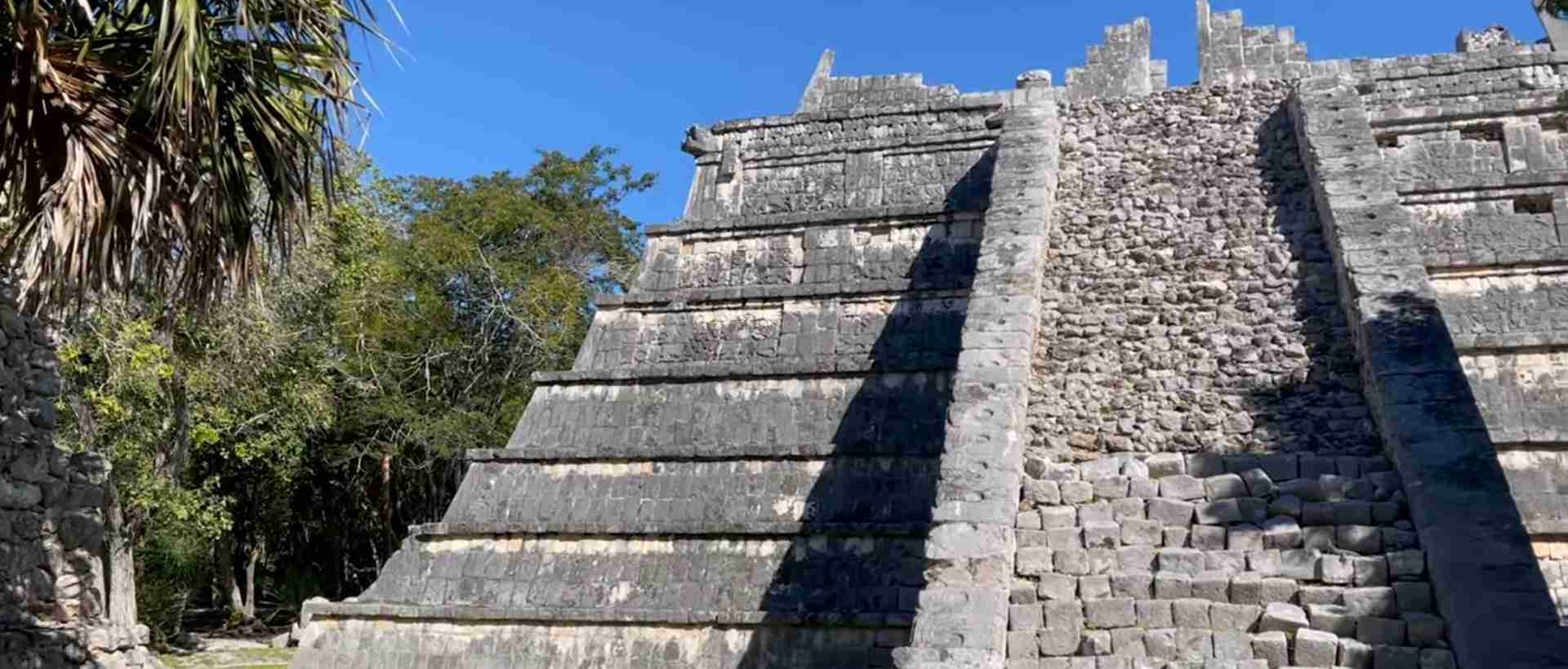
Yucatan on a Budget 2026: Costs, Free Ruins & Money-Saving Secrets
This comprehensive guide breaks down actual 2026 costs across accommodation, transportation, food, activities, and entrance fees while revealing money-saving strategies that budget-conscious travelers use to maximize experiences without sacrificing quality. From free cenotes to $2 street tacos, from $15 hostel beds to $3 colectivo rides, the Yucatan rewards travelers who learn the local systems and venture beyond the resort zones.
- Daily budget ranges $40-65 for budget travelers, $70-110 for mid-range visitors in 2026
- Over a dozen Maya archaeological sites offer free entrance including Ek Balam, X’Cambó, and Dzibilchaltún
- ADO bus network provides comfortable transportation at $8-25 between major destinations
- Booking accommodation 2-3 months ahead saves 25-40% compared to walk-in rates during peak season
- Eating at local markets and cocinas económicas reduces meal costs to $3-6 per meal versus $12-20 at tourist restaurants
- Colectivo shared vans cost 40-60% less than private taxis for inter-city travel across the peninsula
Introduction: Budget Travel in the Yucatan Peninsula 2026
The Yucatan Peninsula combines ancient Maya civilization, Caribbean beaches, colonial cities, and cenote-filled jungles into one of Mexico’s most diverse destinations. Budget travelers discover that exploring this cultural and natural wonderland requires less money than expected, with strategic planning revealing numerous free archaeological sites, affordable local transportation networks, and authentic dining experiences at prices that keep daily costs manageable.
Understanding the peninsula’s budget landscape transforms travel possibilities. Cancún and Playa del Carmen command premium prices in the hotel zones, yet nearby neighborhoods and alternative destinations like Valladolid, Mérida, and Bacalar offer authentic experiences at 50-70% lower costs. The Maya archaeological sites range from completely free community-managed ruins to internationally famous complexes with entrance fees, providing options for every budget level.
People Also Ask About Yucatan Budget Travel 2026
How much money do I need for Yucatan in 2026?
Budget travelers spend $40-65 daily covering hostel accommodation ($12-20), local meals ($15-25), public transportation ($5-10), and select activities ($8-10) in 2026. Mid-range travelers allocate $70-110 daily for private rooms ($35-55), mix of local and tourist restaurants ($25-40), organized tours ($20-35), and entrance fees ($10-20). Luxury travelers budget $150-250+ daily for boutique hotels, fine dining, private guides, and premium experiences. Check current exchange rates as the peso-dollar rate affects purchasing power.
What are the free Maya ruins in Yucatan in 2026?
Over a dozen archaeological sites offer free entrance including Ek Balam community ruins, X’Cambó coastal site, Dzibilchaltún near Mérida, Xcambó salt production center, Mayapán the last great Maya capital, Xlapak and Labná in the Puuc Route, Acanceh pyramid in town center, and numerous smaller community-managed sites across the peninsula in 2026. These free sites provide authentic archaeology experiences without the crowds found at major paid attractions.
Is Yucatan cheaper than Cancún in 2026?
The Yucatan interior and colonial cities cost 50-70% less than Cancún’s hotel zone for accommodation, 40-60% less for meals, and significantly less for activities in 2026. Mérida hotel rooms start at $25-35 versus $80-120 in Cancún hotel zone. Street tacos cost $1-2 in Valladolid versus $5-8 in Cancún tourist areas. Cenote entrance fees run $3-8 in small towns versus $25-45 at commercialized eco-parks. Transportation costs remain similar, but overall daily expenses drop dramatically outside major tourist centers.
What is the cheapest month to visit Yucatan in 2026?
September and October offer lowest accommodation rates with hotel discounts of 30-50% compared to peak season, despite falling within official hurricane season in 2026. May and early June provide shoulder season savings of 20-35% with good weather before summer heat peaks. January post-New Year and late April show moderate savings of 15-25% as spring break crowds depart. Avoid December holidays, Semana Santa (Holy Week), and July-August when prices reach annual peaks and advance booking becomes essential.
Extended multi-day tours – 5+ days
Featured Yucatan Multi-Day Tour Packages

14 days
Viva Mexico
- ✓ Comprehensive Yucatan tour
- ✓ Expert local guides included
- ✓ All accommodation arranged
- ✓ Transportation provided
5 days
Mini Wonders of the Maya with the Maya Train
- ✓ Comprehensive Yucatan tour
- ✓ Expert local guides included
- ✓ All accommodation arranged
- ✓ Transportation provided

8 days
Premium Mexico Yucatan Highlights (from Cancun to Tulum)
- ✓ Comprehensive Yucatan tour
- ✓ Expert local guides included
- ✓ All accommodation arranged
- ✓ Transportation provided
9 days
Mexico City & Merida City (Delight Mexican Cuisine)
- ✓ Comprehensive Yucatan tour
- ✓ Expert local guides included
- ✓ All accommodation arranged
- ✓ Transportation provided
Multi-day tour packages powered by TourRadar. Prices and availability subject to change.
Understanding Yucatan Costs in 2026
The Yucatan’s cost structure varies dramatically by location, season, and traveler choices. Coastal zones along the Caribbean and established tourist circuits command premium pricing reflecting international demand, while inland colonial cities and authentic Maya communities offer substantially lower costs with equally rich cultural experiences. Recognizing these price gradients enables strategic route planning that balances beach time with budget-friendly exploration.
Cost Variations Across the Peninsula 2026
Cancún hotel zone represents the peninsula’s most expensive area, where international resort pricing dominates. Downtown Cancún offers 40-60% savings while maintaining beach access through public transportation. Playa del Carmen Fifth Avenue tourist zone prices similarly high, yet neighborhoods like Colonia Centro provide budget alternatives. Tulum beach zone reaches Cancún-level prices or higher for boutique accommodations, while Tulum town offers more reasonable options 3 kilometers inland.
Colonial cities present the peninsula’s best value proposition. Mérida combines cultural richness with budget-friendly pricing across accommodation, dining, and activities. Hotel rooms start at $25-35 for clean, comfortable options with air conditioning and WiFi. Street food and local markets provide authentic meals at $3-6 per serving. Free museums, evening cultural events, and walkable historic center minimize activity costs while maximizing experiences.
Valladolid serves as an ideal budget base for Chichén Itzá visits, costing 30-50% less than staying near the archaeological site. The colonial town offers hotel rooms from $20-35, excellent local restaurants at $5-10 per meal, and proximity to free cenotes including Zací in the town center. Its central location enables day trips to Chichén Itzá ($35 bus round-trip), Ek Balam (free entrance), and Cobá ruins ($5 entrance) without premium accommodation costs.
Bacalar attracts budget travelers with its stunning seven-color lagoon and significantly lower prices than Caribbean coast destinations. Hotel rooms cost $25-45, lagoon access remains free from public docks, kayak rentals run $8-12 for half day, and local restaurants serve fresh fish meals at $8-15. The town lacks large resort development, maintaining authentic character and budget-friendly pricing structure.
Small towns throughout the interior region like Izamal, Ticul, Oxkutzcab, and Felipe Carrillo Puerto offer rock-bottom prices with genuine local experiences. Hotel rooms start at $15-25, markets sell prepared meals for $3-5, and nearby cenotes and archaeological sites often charge minimal fees or offer free entrance. These destinations reward travelers willing to venture off standard tourist routes with authentic culture and maximum budget efficiency.
Seasonal Price Fluctuations 2026
High season spanning December through March brings premium pricing across accommodation, tours, and some activities. Hotels increase rates 40-80% above low season, advance booking becomes essential 2-3 months ahead, and popular archaeological sites experience peak crowds. This period offers optimal weather with minimal rain and comfortable temperatures, justifying higher costs for many travelers seeking guaranteed sunshine.
Shoulder seasons in April-May and November capture moderate pricing with good weather conditions. Accommodation costs 15-30% less than peak season while maintaining availability without extensive advance booking. Tours operate regular schedules, archaeological sites show manageable crowds, and weather remains favorable despite increasing heat in late spring or occasional rain showers in November transition period.
Low season from June through October delivers maximum savings with accommodation discounts of 30-60% below peak rates, last-minute booking opportunities, and significantly fewer tourists at major attractions. Hurricane season concerns affect coastal areas more than inland destinations, with September-October representing the statistical peak for tropical storm activity. Afternoon rain showers occur predictably but rarely disrupt morning activities, and the peninsula’s jungle landscapes appear most vibrant during rainy months.
Special events and Mexican holidays create localized price spikes and booking challenges. Semana Santa (Holy Week before Easter) brings domestic tourism surges with accommodation prices jumping 50-100% above normal rates and advance reservations essential. Mexican Independence Day (September 15-16), Day of the Dead (November 1-2), and Christmas-New Year period create similar demand patterns in colonial cities and cultural destinations.
Accommodation Budget Strategies 2026
Accommodation represents the largest fixed cost for most Yucatan travelers, yet strategic choices dramatically impact overall budget without sacrificing comfort or safety. The peninsula offers extensive hostel networks, budget hotels, guesthouses, and increasingly popular apartment rentals that provide excellent value across all major destinations.
Hostel Networks and Budget Beds 2026
Hostels throughout the Yucatan provide dormitory beds from $12-20 per night and private rooms from $30-50, offering social atmospheres, common kitchens, and organized activities. Mérida hosts over 20 hostels concentrated around the historic center, with properties like Nomadas, Meridiano, and Candelaria offering quality facilities, good security, and central locations. Air-conditioned dorms cost $15-18 while private rooms with ensuite bathrooms run $35-45.
Playa del Carmen features dozens of hostels ranging from party-focused properties to quiet, relaxed environments. Prices start at $18-25 for dorms and $45-60 for private rooms reflecting the coastal location premium. Properties farther from Fifth Avenue offer better value, with excellent hostels in Colonia Centro providing comparable facilities at 20-30% lower rates than beachfront locations.
Valladolid supports a growing hostel scene with properties like Hostel La Candelaria and Casa Tía Micha offering dorm beds at $12-15 and private rooms at $25-35. The smaller selection means advance booking becomes important during high season, but walk-in availability exists most months. These hostels serve as ideal bases for Chichén Itzá and Ek Balam visits while maintaining budget-friendly pricing.
Tulum town hostels provide alternatives to expensive beach zone accommodations, with dorm beds at $15-22 and private rooms at $40-55. Many properties offer bicycle rentals included in rates, enabling beach access without taxi costs. The 3-kilometer distance from beach keeps prices 40-60% below beachfront options while preserving budget feasibility.
Bacalar’s limited hostel selection includes quality properties offering lakefront locations and relaxed atmospheres. Dorm beds cost $15-18, private rooms $35-45, and most include kayak access or discounted rentals. The small-town setting and lack of mass tourism create comfortable environments for budget travelers seeking peaceful lagoon experiences.
Budget Hotels and Guesthouses 2026
Traditional Mexican hotels and family-run guesthouses deliver excellent value for travelers preferring private accommodations. These properties typically include air conditioning, private bathrooms, WiFi, and sometimes breakfast, with prices comparable to or slightly above hostel private rooms but offering more privacy and local character.
Mérida’s budget hotel scene thrives around the historic center, with clean, comfortable options starting at $25-35 per night for double occupancy. Properties like Hotel Julamis, Hotel del Peregrino, and Hotel Dolores Alba provide colonial-era buildings, central patios, and authentic atmospheres. Room amenities include ceiling fans or air conditioning, ensuite bathrooms, cable TV, and secure storage for valuables.
Valladolid offers exceptional value in budget accommodations, with hotels like Hotel Lily and Hotel María de la Luz providing colonial architecture and central locations at $20-30 per night. Many properties feature swimming pools, rooftop terraces, and included continental breakfast, delivering amenities that cost significantly more in tourist-heavy destinations.
Izamal’s yellow-painted historic center includes charming budget hotels from $22-35 per night, often in restored colonial buildings facing quiet plazas. The town’s authentic character and lack of mass tourism create opportunities for meaningful interactions with owners and genuine local experiences alongside excellent value.
Coastal budget hotels appear more limited but exist outside prime tourist zones. Progreso’s beach hotels offer gulf-view rooms at $35-50 per night, significantly less than Caribbean coast rates. Puerto Morelos and small fishing villages along the coast maintain some budget-friendly properties serving primarily domestic tourists, with prices 30-50% below Cancún and Playa del Carmen equivalents.
Apartment Rentals and Extended Stays 2026
Vacation rental platforms enable longer stays at reduced daily rates, particularly valuable for travelers planning weeks or months in the region. Monthly apartment rentals in Mérida start at $400-700 for furnished studios or one-bedrooms with kitchens, utilities, and WiFi included. This averages $13-23 per night for 30-day stays, providing substantial savings over hotel accommodation while enabling home-cooked meals.
Playa del Carmen apartment rentals range widely by location and season, with properties away from Fifth Avenue and beach areas offering better value. Monthly rates start at $600-1000 for studios, $900-1500 for one-bedrooms, and $1200-2000 for two-bedrooms. Colonia Centro and residential neighborhoods north of the tourist center deliver maximum value with local markets, bus connections, and authentic neighborhood character.
Valladolid and smaller colonial towns occasionally offer apartment or casita rentals through local contacts, with monthly rates from $300-600 for basic but comfortable accommodations. These arrangements work best for Spanish speakers willing to engage with local rental markets, often finding properties not listed on international platforms.
Transportation Budget Planning 2026
Strategic transportation choices significantly impact Yucatan budget travel, with the peninsula offering extensive public bus networks, shared van services, and rental options that provide affordable mobility without sacrificing reliability or comfort.
ADO Bus Network Costs 2026
ADO and affiliated bus companies operate comprehensive first-class and luxury-class services throughout the peninsula at prices that make bus travel the default choice for budget-conscious travelers. The modern fleet includes air conditioning, reclining seats, bathrooms, and luggage storage, delivering comfort that equals or exceeds regional flights at fraction of the cost.
Cancún to Playa del Carmen costs $8-12 for the 45-minute journey with buses departing every 15-30 minutes throughout the day. Cancún to Tulum runs $12-18 for the 2-hour trip, while Cancún to Mérida costs $20-28 for the 4-hour journey. These routes operate frequent schedules enabling flexible travel without advance booking, though reserved seats guarantee specific departure times during busy periods.
Mérida to Valladolid costs $12-16 for the 2.5-hour route, providing essential connectivity between colonial capitals. Mérida to Campeche runs $15-20 for the 2.5-hour journey, while Mérida to Chichén Itzá costs $8-12 one-way. Second-class bus services offer 20-30% savings but operate older vehicles with less comfortable seating and more frequent stops.
Playa del Carmen to Tulum costs $4-6 for the 1-hour journey, making day trips feasible without overnight accommodation costs. Tulum to Bacalar runs $15-20 for the 3-hour trip, connecting Caribbean coast to the interior lagoon destination. Bacalar to Chetumal costs $4-6 for the 30-minute journey, enabling access to Belize border crossings and international connections.
Purchasing tickets directly from bus terminals saves 10-15% compared to online booking platforms that add service fees. Round-trip tickets sometimes offer slight discounts, though open returns provide flexibility worth retaining for most budget travelers. Student discounts exist on select routes with valid international student ID cards, reducing fares by 10-20%.
Colectivo Shared Van Services 2026
Colectivos operate shared van services along major routes at 40-60% lower costs than private taxis while maintaining reasonable comfort and frequency. These white vans with colored stripes depart when full (typically 8-10 passengers) from fixed terminals or designated pickup points, creating efficient networks that locals rely on for daily transportation.
Playa del Carmen to Tulum colectivos cost $3-4 per person compared to $50-70 private taxis, departing every 10-15 minutes from terminal near ADO station. The service drops passengers anywhere along Highway 307, providing access to Akumal, Puerto Aventuras, and other coastal towns without paying full Tulum fares.
Cancún to Puerto Morelos colectivos run $2-3 per person versus $25-35 taxis, with frequent departures from downtown Cancún terminals. Cancún to Playa del Carmen colectivos cost $4-5 compared to $45-60 taxis, offering substantial savings for solo travelers or couples where bus tickets approach similar total costs but colectivos provide greater flexibility for non-standard destinations.
Tulum to Cobá colectivos operate less frequently but cost $3-4 per person versus $40-50 private transport, making them viable for budget-minded travelers willing to coordinate departure timing. Valladolid to Ek Balam and Pisté (Chichén Itzá) colectivos run $2-3 per person, enabling archaeological site visits without tour costs or taxi expenses.
Finding colectivo terminals requires local knowledge or asking locals, as signage remains minimal and pickup locations aren’t always obvious to tourists. Colectivos operate primarily during daylight hours with reduced frequency after 6 PM, requiring planning for return trips. Safety records prove good, though cramped conditions and variable driving styles aren’t for everyone. Luggage space exists but large backpacks may incur small additional charges.
Local Transportation in Cities 2026
Urban transportation within Mérida, Cancún downtown, and other cities relies on municipal buses costing $0.50-1 per ride, providing excellent value for travelers staying multiple days. Mérida’s bus system covers the entire city with routes connecting centro histórico to outliers neighborhoods, bus terminals, and shopping areas. Understanding the route system requires local guidance or Spanish ability, but savings justify the learning curve for extended stays.
Taxis in Mérida use meters with fares starting around $2-3 for short centro trips and $5-8 for longer cross-city journeys. Negotiating fixed prices before departure prevents overcharging, with reasonable rates running $3-5 for centro to bus terminal, $8-12 centro to airport. Ride-hailing apps operate in Mérida but coverage proves spotty compared to major tourist destinations.
Cancún offers municipal buses (“R1” and “R2” routes) connecting hotel zone to downtown for $1 per ride compared to $15-25 taxis. The buses run frequent schedules from early morning through midnight, enabling budget travelers based downtown to access beaches and attractions without taxi expenses. Bus stops appear every 2-3 blocks along Boulevard Kukulcán with clear signage.
Valladolid’s compact centro histórico enables walking for most destinations within tourist areas. Bicycle rentals cost $8-12 per day from hotels and tour agencies, providing pleasant transportation for cenote visits and surrounding attractions within 5-10 kilometers. Mototaxi services charge $2-4 for short trips within town or to nearby cenotes, offering convenient point-to-point transport at budget prices.
Tulum’s increasingly sprawling layout presents transportation challenges, with centro to beach zone costing $8-12 by taxi or colectivo. Bicycle rentals at $6-10 daily enable eco-friendly transportation, though the 3-kilometer distance and midday heat make cycling challenging for some travelers. Understanding the free ADO bus shuttle schedule between town and beach zone saves taxi costs for travelers willing to coordinate timing with fixed departure schedule.
Food and Dining Budget Strategies 2026
Food costs range dramatically based on dining choices, with authentic local options providing delicious meals at fraction of tourist restaurant prices. Learning to navigate markets, street food stalls, and neighborhood cocinas económicas transforms dining from major expense to affordable pleasure.
Market Meals and Street Food 2026
Municipal markets throughout the peninsula offer prepared meal sections where locals eat breakfast and lunch, with complete plates costing $3-6 including meat, rice, beans, tortillas, and often small soup or dessert. Mérida’s Lucas de Gálvez market operates dozens of fondas serving Yucatecan specialties like cochinita pibil, panuchos, and salbutes at authentic prices with generous portions.
Valladolid’s municipal market adjacent to the ADO terminal provides similar quality and pricing, with breakfast plates from $3-4 and lunch/dinner options at $5-7. The market atmosphere enables cultural immersion while maintaining hygiene standards that cause minimal issues for travelers with reasonable stomach adaptation.
Street tacos represent the peninsula’s most iconic budget food, with small stands and corner operations serving tacos at $1-2 each. Three to four tacos create satisfying meals costing $4-8 total. Popular taquería chains like El Fogón in Playa del Carmen and Honorio in Mérida offer quality tacos at reasonable prices with clean preparation and consistent standards.
Tortas (Mexican sandwiches) from local shops cost $3-5 for substantial portions that serve as complete meals. Panaderías (bakeries) provide fresh bread, pastries, and sweet treats at $0.50-1.50 per item, enabling inexpensive breakfasts or snacks. Juice stands blend fresh tropical fruit drinks for $1.50-3, replacing expensive restaurant beverages with natural refreshment.
Cocinas económicas (economic kitchens) scattered through residential neighborhoods serve set lunch menus called comida corrida for $4-7, including soup, main course, rice, beans, tortillas, and agua fresca. These family-run establishments provide authentic home cooking at prices locals pay, requiring minimal Spanish ability and offering genuine cultural experiences.
Grocery Shopping and Self-Catering 2026
Supermarket chains like Chedraui, Soriana, and Mega Comercial Mexicana enable self-catering for travelers with kitchen access, drastically reducing food costs below restaurant dining. Basic grocery costs for breakfast items (bread, fruit, yogurt, coffee) run $15-25 per week per person. Lunch and dinner ingredients (pasta, rice, beans, vegetables, chicken, fish) cost $30-50 per week with home preparation.
Local fruit and vegetable markets offer significantly lower prices than supermarkets with superior freshness. Tropical fruits like papaya, mango, pineapple, watermelon, and bananas cost $0.50-2 per kilogram depending on season and selection. Vegetables for salads or cooking run $1-3 per kilogram, enabling nutritious meals at minimal expense.
Tortillerías sell fresh corn or flour tortillas by weight at $0.50-1 per kilogram (roughly 30-40 tortillas), providing staple carbohydrate at unbeatable prices. Combining tortillas with market-purchased ingredients creates authentic Mexican meals for under $3 per serving with minimal cooking expertise required.
Convenience stores like Oxxo provide limited grocery options at premium prices but remain open 24 hours with locations throughout cities and along highways. Water costs $0.50-1 for 1.5-liter bottles, snacks and basic food items run 20-40% above supermarket prices. Using convenience stores for emergency needs while relying on supermarkets and markets for planned shopping optimizes budget efficiency.
Restaurant Dining Cost Ranges 2026
Tourist restaurant pricing varies by location and ambiance, with budget-conscious travelers finding excellent mid-range options that balance quality with reasonable costs. Local restaurants in residential neighborhoods serve regional specialties at $8-15 per main course compared to $15-25 in tourist zones for comparable dishes.
Breakfast at local cafés costs $5-9 for eggs, beans, toast, coffee or juice compared to $12-20 at hotel restaurants or tourist-area establishments. Lunch menus at traditional restaurants run $8-15 for multi-course meals including appetizer, main dish, and dessert or drink. Dinner at casual restaurants costs $10-18 per person for entree with side dishes, excluding alcohol.
Beach clubs and upscale tourist restaurants charge premium prices with main courses at $18-35, cocktails at $8-15, and minimum consumption requirements of $25-50 per person for beach bed access. These establishments serve primarily tourists and affluent locals, providing quality food and service at international pricing that strains budget travel finances.
Regional specialties deserve trying at authentic sources, with poc chuc in Valladolid costing $8-12 at local restaurants versus $18-25 in Tulum beach zone. Cochinita pibil from market fondas costs $5-7 for substantial portions that tourist restaurants charge $15-22. Seeking authentic venues for regional cuisine delivers superior flavor experiences at 40-60% lower costs than tourist-oriented establishments.
Alcohol significantly increases dining costs, with domestic beers at $2-4 in local restaurants, $5-8 in tourist areas. Margaritas and cocktails range $5-8 at neighborhood cantinas, $10-18 at beach clubs and tourist restaurants. Purchasing beer or spirits from supermarkets costs 50-70% less than restaurant pricing, with six-pack of Corona or Modelo costing $6-8 compared to $20-40 for equivalent consumption at restaurants.
Free and Low-Cost Archaeological Sites 2026
The Yucatan contains hundreds of Maya archaeological sites ranging from world-famous complexes to small community-managed ruins. While major sites like Chichén Itzá, Tulum, and Uxmal charge substantial entrance fees, numerous significant ruins offer free or minimal-cost access, enabling comprehensive Maya culture exploration on minimal budgets.
Free Archaeological Sites 2026
Ek Balam archaeological site near Valladolid offers free entrance through community management system, providing access to impressive acropolis structure, well-preserved stucco decorations, and climable pyramid with panoramic jungle views. The site rivals paid attractions for architectural significance and visitor experience, requiring only transportation costs ($3-4 colectivo from Valladolid) for budget-conscious exploration.
X’Cambó coastal archaeological site north of Progreso remains free to enter, combining Maya ruins with gulf coast location and salt production history. The modest site requires about 1 hour for thorough exploration, offering peaceful atmosphere without crowds and educational information about ancient salt trade networks that made X’Cambó economically important.
Dzibilchaltún just outside Mérida provides free entrance to extensive archaeological zone including Temple of the Seven Dolls famous for equinox solar alignment, sacbe (white road) network, and on-site cenote Xlakah for swimming. The combination of ruins and natural pool creates full-day outing possibility at no cost beyond transportation ($1-2 city bus from Mérida).
Mayapán archaeological site between Mérida and Valladolid charges minimal entrance fee ($5 for foreigners) rather than free access, but budget classification remains appropriate. The site served as last great Maya capital before Spanish conquest, featuring over 4,000 structures including pyramid temple modeled after Chichén Itzá’s Castillo at 10% of that site’s entrance cost.
Acanceh pyramid stands directly in the town center plaza, remaining completely free and accessible to visitors. The site combines Maya architecture with colonial church construction, creating unique juxtaposition of historical periods. Stucco masks on the pyramid structure show excellent preservation, and the informal setting enables closer examination than more developed archaeological parks allow.
Xlapak, Labná, and Sayil archaeological sites along the Puuc Route south of Mérida offer free or minimal-cost entrance ($3-4 per site) with Puuc architectural style showcasing intricate stone mosaics and palace structures. These less-visited ruins provide peaceful exploration without tourist crowds, rewarding travelers willing to venture beyond primary circuits with authentic archaeology experiences.
Numerous small community-managed sites throughout the peninsula remain free or charge nominal voluntary donations ($1-2). These include sites near small towns where local ejidos (communal land organizations) maintain basic trails and information but lack formal infrastructure or entrance systems. Asking locals in towns like Ticul, Oxkutzcab, or Felipe Carrillo Puerto reveals nearby ruins accessible at minimal or no cost.
Budget-Friendly Paid Sites 2026
Cobá archaeological site charges $5 entrance fee plus optional bike rental $3-4 for exploring the 2-kilometer trail network connecting structure groups. The site enables pyramid climbing (Nohoch Mul pyramid reaches 42 meters), providing rare opportunity to scale major Maya structure for minimal cost. Transportation from Tulum costs $3-4 by colectivo, making total visit expense $8-12 excluding food.
Calakmul Biosphere Reserve entrance costs $5 with archaeological site access included, though 60-kilometer access road from Highway 186 requires private vehicle or tour. Budget travelers willing to form groups (4-5 people) can hire collective transportation from Xpujil for $15-20 per person round-trip, making this remote major Maya city accessible at reasonable total cost ($25-30 per person) for those prioritizing less-visited significant sites.
Edzná archaeological site near Campeche charges $6 entrance and features impressive five-story palace structure with well-preserved architectural details. The site sees far fewer visitors than peninsula highlights despite comparable historical importance and architectural merit. Transportation from Campechia costs $5-8 round-trip by local bus, creating complete visit expense under $15.
Uxmal archaeological site represents premium pricing at $30 entrance fee but justifies cost for budget travelers allocating archaeology budget strategically. The site ranks among Mesoamerica’s finest Puuc architectural examples, with Pyramid of the Magician, Governor’s Palace, and expansive plaza complexes showcasing Maya construction mastery. Sound and light show costs additional $10 but daytime exploration provides complete experience without extra expense.
Major Site Cost Management 2026
Chichén Itzá charges $30 entrance fee plus $7 state tax for total $37 admission in 2026, representing substantial budget impact. Check the official website for current rates as pricing may vary. Arriving at 8 AM opening time enables 2-3 hours of exploration before intense heat and bus tour crowds arrive by 10:30 AM. Independent travel from Valladolid by ADO bus costs $8-10 round-trip, making total visit expense $45-47 compared to $70-120 for organized tours including transportation and guide.
Tulum archaeological site costs $15 entrance plus $5 state tax for $20 total access in 2026. The beachfront location justifies premium pricing, though the relatively small site requires only 1-2 hours for thorough exploration. Arriving by colectivo from Playa del Carmen ($3-4) or walking from Tulum town (3 kilometers, 35-45 minutes) eliminates taxi costs. Morning visits before 10 AM capture best lighting for photography and smaller crowds before cruise ship groups arrive.
Palenque archaeological site in neighboring Chiapas state charges $5 entrance and deserves consideration for budget travelers extending routes beyond Yucatan proper. The jungle setting, elaborate palace structures, and exceptional carved stone panels justify detour costs. Overnight bus from Mérida costs $30-40 with hostel beds in Palenque town at $12-18, enabling affordable multi-day exploration for those with flexible schedules.
Cenote and Natural Attraction Budget Planning 2026
The peninsula’s limestone geology creates thousands of cenotes (natural sinkholes) ranging from completely free community-managed swimming holes to commercialized eco-parks charging theme-park prices. Strategic cenote selection enables refreshing swims and unique natural experiences while maintaining budget discipline.
Free and Low-Cost Cenotes 2026
Cenote Zací in downtown Valladolid charges $3 entrance for semi-open cenote with dramatic light beam effects, viewing platforms, and swimming access. The convenient centro location eliminates transportation costs, and the facility provides changing rooms, lockers, and restaurant service at local prices rather than tourist premiums.
Cenote Xlakah at Dzibilchaltún archaeological site outside Mérida remains free for swimming with site entrance, combining archaeology exploration with natural pool refreshment. The open cenote reaches 44 meters depth with clear visibility and comfortable swimming conditions. City bus transportation from Mérida costs $1-2 each way.
Cenote Azul near Playa del Carmen charges $3-5 entrance for open cenote with cliff jumping areas, swimming platforms, and minimal infrastructure. The cenote attracts primarily local families rather than tour groups, maintaining authentic atmosphere and budget pricing. Colectivos along Highway 307 pass the entrance, enabling access without taxi costs.
Community-managed cenotes near small towns throughout the peninsula charge $2-5 entrance with basic facilities (changing areas, sometimes bathrooms) but authentic experiences. Examples include Cenote X’Canche near Ek Balam, Cenote Samula and Cenote Xkeken near Valladolid, and numerous cenotes around Homún south of Mérida. Asking locals in markets or through accommodation hosts reveals these budget-friendly options.
Gran Cenote and Cenote Calavera near Tulum charge $10-15 entrance with improved facilities including equipment rentals (snorkel gear, life jackets) and professional management. These prices remain reasonable compared to commercialized cenotes, offering compromise between budget and convenience for travelers wanting enhanced amenities without theme-park costs.
Avoiding Overpriced Cenote Parks 2026
Commercialized cenote parks like Xenotes, Xel-Há, and Rio Secreto charge $80-150 entrance with all-inclusive packages including buffet meals, equipment rental, and multiple activities. These operations target tour groups and affluent travelers seeking convenient packaged experiences. Budget travelers achieve equivalent swimming and snorkeling experiences at community cenotes for 5-10% of commercialized park costs.
Transportation represents hidden cost for commercialized parks, with private shuttles charging $15-25 per person round-trip from Playa del Carmen or Tulum. Combined with entrance fees, total expenses reach $100-180 per person compared to $5-10 total costs for independent cenote visits using colectivos and community-managed sites.
Cenote parks include extensive marketing through hotel concierges and tour operators who receive commissions on bookings. These partnerships create booking pressure toward expensive options while hiding budget alternatives. Researching independent cenotes and community sites before departure prevents unnecessary spending on commercialized experiences that offer minimal additional value for budget-conscious travelers.
Beach and Coastal Access 2026
Mexican federal law mandates public beach access, yet implementation varies by location with some areas creating practical barriers through limited parking, long walking distances, or unclear access points. Budget travelers benefit from understanding free beach access methods versus paying beach club minimum consumption requirements.
Playa del Carmen public beach access exists at multiple points along the coast, with free entry at Calle 46, Calle 38, and Calle 28. These accesses provide sandy beach and Caribbean swimming without charges, though lacking amenities like chairs, umbrellas, or food service. Bringing towels, water, and snacks from supermarkets enables free beach days.
Tulum beach zone features public access points between hotels and beach clubs, though identifying them requires exploration or local guidance. Walking along the beach from public access points enables experiencing the beach zone without paying beach club minimum consumption. Bringing beach supplies from Tulum town supermarkets costs $5-10 versus $25-50 minimum consumption at clubs.
Progreso beach along the Gulf coast provides extensive public beach access with free entry, palapa shade, and local food vendors at reasonable prices. Weekend crowds of Mexican families create lively atmosphere contrasting with Caribbean coast tourist scenes. Transportation from Mérida costs $3-4 round-trip by bus, enabling affordable beach day trips for travelers based in the colonial capital.
Isla Holbox beaches remain free to access with rustic charm and limited development compared to Riviera Maya. While reaching the island requires ferry costs ($8-10 round-trip from Chiquilá), the car-free environment, white sand beaches, and laid-back atmosphere create worthy destination for budget travelers seeking Caribbean island experiences without resort pricing.
Activities and Experience Budget Management 2026
Beyond archaeological sites and natural attractions, the Yucatan offers cultural experiences, adventure activities, and unique opportunities at budget-friendly prices for travelers willing to seek local operators and independent options rather than resort-booked tours.
Free Cultural Experiences 2026
Mérida offers extensive free cultural programming including Sunday festivities at Mérida en Domingo with street closures for bicycles, live music, dance performances, and craft markets. The weekly event runs from morning through evening, providing entertainment and cultural immersion at no cost. Parque de Santa Lucía hosts trova music performances Thursday evenings with traditional Yucatecan troubadour songs attracting primarily local audiences.
Free museums throughout the peninsula include Gran Museo del Mundo Maya in Mérida (free Sundays for Mexicans and residents, $5 for tourists), city museums in Campeche, and cultural centers in colonial towns. Valladolid’s Ex-Convento San Bernardino de Siena charges minimal entrance ($2-3) for monastery tour including cenote within the complex grounds.
Walking tours of colonial historic centers cost nothing and provide architectural appreciation, historical context, and neighborhood familiarity. Mérida’s Paseo de Montejo boulevard showcases elaborate mansions from henequen boom era with European-influenced architecture. Campeche’s fortified walls and bastions create UNESCO-listed defensive system explorable independently with free access to plaza areas and coastal malecón.
Local festivals and celebrations throughout the year offer authentic cultural experiences without tourist packaging or entrance fees. Asking accommodation hosts or checking local municipal websites reveals upcoming events like saint’s day celebrations, food festivals, or cultural showcases that welcome respectful visitor participation.
Budget Adventure Activities 2026
Snorkeling equipment rental costs $8-15 per day from dive shops and beach vendors, enabling independent reef exploration at Puerto Morelos, Akumal, or other coastal access points without organized tour costs. Puerto Morelos reef lies 400-500 meters offshore, reachable by swimming or hiring local boatmen for $15-20 per person round-trip transportation to reef edge.
Bicycle rentals at $6-12 daily enable exploring Tulum archaeological zone, cenotes, and beach areas at individual pace without taxi dependency. Mérida bike rentals facilitate city exploration and day trips to nearby attractions like Dzibilchaltún or coastal Progreso. Valladolid bike rentals enable cenote visits and cycling to Ek Balam archaeological site (17 kilometers) for cyclists comfortable with distance and heat.
Kayak rentals at Bacalar cost $8-12 for half-day self-guided lagoon exploration, providing water access and scenic views without boat tour expense. The calm, protected lagoon suits beginner and intermediate paddlers, with multiple rental operations competing on price and service quality. Stand-up paddleboard rentals run $10-15 for similar duration and access.
Cenote diving certification courses cost $300-450 for 2-3 day programs including cave diving specialization, significantly less than comparable training in tourist markets like Southeast Asia or Red Sea. Budget travelers with diving interest benefit from Yucatan’s extensive cenote dive site network and competitive pricing from local dive operators in Playa del Carmen, Tulum, and Mérida.
Avoiding Overpriced Tourist Traps 2026
Hotel concierges and resort tour desks receive 30-50% commissions on tour bookings, inflating prices far beyond direct booking with operators. Budget travelers benefit from walking to tour operator offices in town centers and booking directly, typically saving 20-40% on identical tours.
All-inclusive day trips to Chichén Itzá, Tulum, or cenote combinations cost $80-150 per person through resorts and tourist agencies, while equivalent independent visits using public transportation cost $15-30 total. The packaged tours add convenience and guide commentary but rarely justify 5-10 times cost differential for budget-minded travelers comfortable navigating public transport.
Swim with dolphins programs charge $100-180 per person for 30-45 minute experiences in captive facilities. While interactions appeal to some travelers, marine conservation concerns and inflated pricing make these activities poor budget allocation for visitors seeking authentic natural experiences. Observing wild dolphins from Isla Holbox boats costs $25-35 for 2-3 hour wildlife tours with higher likelihood of sea turtle, ray, and bird sightings alongside dolphin encounters.
Temazcal (Maya sweat lodge) ceremonies range from authentic community experiences at $15-25 to luxury spa versions at $80-150. Budget travelers seeking cultural authenticity benefit from researching community-run temazcal programs in small towns and indigenous communities, receiving genuine traditional ceremonies at accessible prices without commercial dilution.
Sample Budget Breakdowns for 2026 Yucatan Trips
Understanding realistic daily and trip-total costs enables accurate budget planning and prevents mid-trip financial stress. The following scenarios demonstrate actual spending patterns for different budget levels and travel styles across various peninsula itineraries.
Ultra-Budget Solo Traveler: 7-Day Interior Route 2026
This itinerary focuses on colonial cities and free archaeological sites, minimizing accommodation and food costs while maximizing cultural experiences:
Days 1-3: Mérida Base
Accommodation: Hostel dorm bed $15 per night, total $45 for three nights. Food: Market breakfast $3-4, street tacos lunch $4-5, market dinner $5-6, snacks and water $3. Total daily food $15-18, three days $45-54. Transportation: City bus to Dzibilchaltún $2 round-trip, cenote swimming free with site entrance. Walking tours of centro histórico free. Visit to Gran Museo del Mundo Maya $5. Total daily activities $2-5, three days $7-15. Three-day Mérida total: €97-114 per person.
Day 4: Transfer to Valladolid
Bus Mérida to Valladolid $12-16, hostel dorm bed $12, market meals $15, Cenote Zací visit $3. Daily total: €42-46 per person (excluding accommodation from daily calculation shows activities €30-34).
Days 5-6: Valladolid Base
Accommodation: Hostel dorm $12 per night, total $24. Food: Daily market meals and street food $15-18, two days $30-36. Activities: Ek Balam colectivo round-trip $4, free site entrance, lunch near site $6. Cenote X’Canche near Ek Balam $3. Day two local cenotes (Samula/Xkeken) $5, bicycle rental $8. Total activities two days $26. Two-day Valladolid total: €80-86 per person.
Day 7: Valladolid, Return to Cancún
Morning walking town center free, market breakfast $3-4, bus Valladolid to Cancún $18-22, hostel dorm in downtown Cancún $18. Daily food $15. Daily total: €51-59 per person (excluding accommodation from daily calculation shows activities €33-41).
7-Day Ultra-Budget Interior Route Total: $290-340 per person (excluding accommodation shows $190-240 for activities and transport)
This calculation demonstrates how focusing on free archaeology sites, budget accommodation, and local food enables comprehensive Yucatan exploration for $40-50 daily average. Adding Chichén Itzá visit ($45-50 including entrance and transport) increases total to $335-390 while maintaining budget traveler classification.
Mid-Range Couple: 10-Day Peninsula Highlights 2026
This itinerary balances budget efficiency with comfort, using private rooms, mix of local and tourist restaurants, and strategic paid site visits:
Days 1-3: Playa del Carmen
Accommodation: Budget hotel Colonia Centro $40-50 per night double occupancy, total $120-150 three nights (per person $60-75). Food: Breakfast café $8-12 each, lunch local restaurant $12-16 each, dinner mix tourist/local $18-25 each, snacks $5-8 each. Total daily food per person $43-61, three days $129-183. Activities: Beach access free, Gran Cenote visit including colectivo transport $15-18 per person, snorkeling equipment rental $12 per person. Total activities three days per person $27-30. Three-day Playa total per person: €216-288 excluding accommodation (accommodation cost shown separately for reference: €60-75 per person for three nights).
Days 4-5: Tulum
Hotel transfer from Playa del Carmen by colectivo $4 per person, accommodation budget hotel Tulum town $45-55 double, two nights total $90-110 (per person $45-55). Food: Daily breakfast $8-12, lunch $15-20, dinner $20-30, snacks $8. Total daily per person $51-70, two days $102-140. Activities: Tulum ruins entrance plus walk from town $20 per person, Cobá entrance plus colectivo $12-15 per person, cenote visit $10-12 per person. Total activities two days per person $42-47. Two-day Tulum total per person: €144-187 excluding accommodation (accommodation reference: €45-55 per person).
Days 6-7: Bacalar
Bus Tulum to Bacalar $15-20 per person, accommodation hotel with lagoon view $50-65 double, two nights $100-130 (per person $50-65). Food: Daily meals $45-60 per person, two days $90-120. Activities: Kayak rental half-day $8-12 per person, lagoon boat tour $25-35 per person, cenote Azul visit $5 per person. Total activities two days per person $38-52. Two-day Bacalar total per person: €128-172 excluding accommodation (accommodation reference: €50-65 per person).
Days 8-10: Mérida
Bus Bacalar to Mérida via Chetumal $25-35 per person, accommodation colonial hotel centro $35-45 double, three nights $105-135 (per person $52.50-67.50). Food: Daily meals mix local and tourist restaurants $45-65 per person, three days $135-195. Activities: Walking tours free, museums $5-8 per person, day trip to Uxmal including bus and entrance $45-50 per person, Dzibilchaltún free (bus $2), local evening entertainment free. Total activities three days per person $52-60. Three-day Mérida total per person: €187-255 excluding accommodation (accommodation reference: €52.50-67.50 per person).
10-Day Mid-Range Peninsula Highlights Total Per Person: $720-950 excluding accommodation
(Total accommodation reference for 10 nights: $260-330 per person)
This mid-range itinerary demonstrates how couples sharing accommodation costs while balancing local and tourist dining achieve comfortable travel at $70-95 daily per person. The budget accommodates major paid archaeological sites, organized activities, and restaurant variety without reaching luxury travel expenses.
Budget Backpacker: 14-Day Complete Peninsula Circuit 2026
Extended itinerary for travelers maximizing experiences while minimizing costs through hostel stays, local food, and strategic site selections:
Days 1-2: Cancún
Accommodation: Downtown hostel dorm $18-20 per night, two nights $36-40. Food: Daily local meals $18-25, two days $36-50. Activities: Beach access via R1 bus $2 round-trip, free beach day. Walking downtown centro, market visits free. Total activities $2-4 two days. Two-day Cancún total: €74-94 per person (excluding accommodation shows €38-54).
Days 3-4: Valladolid
Bus Cancún to Valladolid $12-16, accommodation hostel $12-15 per night, two nights $24-30. Food: Daily market and street meals $15-20, two days $30-40. Activities: Ek Balam colectivo and free site $4, cenotes Samula/Xkeken $5, Cenote Zací $3, walking colonial center free. Total activities $12-15 two days. Two-day Valladolid total: €66-85 per person (excluding accommodation €42-55).
Day 5: Chichén Itzá Day Trip
Staying in Valladolid, hostel $12-15. Bus to Chichén Itzá round-trip $10-12, entrance fee $37, packed lunch from market $5-7, bus back to Valladolid. Daily total: €52-56 per person (excluding accommodation €40-41).
Days 6-7: Mérida
Bus Valladolid to Mérida $12-16, hostel dorm $15-18 per night, two nights $30-36. Food: Daily market and local meals $18-25, two days $36-50. Activities: Free walking tours, free Sunday Mérida en Domingo, Dzibilchaltún bus and free site $2, free museums. Total activities $2-5 two days. Two-day Mérida total: €48-71 per person (excluding accommodation €18-35).
Days 8-9: Campeche
Bus Mérida to Campeche $15-20, hostel $15-18 per night, two nights $30-36. Food: Daily local meals $18-25, two days $36-50. Activities: Walking fortified walls free, museums $3-5, Edzná day trip bus and entrance $12-15. Total activities two days $15-20. Two-day Campeche total: €51-70 per person (excluding accommodation €21-34).
Days 10-11: Bacalar
Bus Campeche to Bacalar (via Chetumal) $25-35, hostel with lagoon access $15-18 per night, two nights $30-36. Food: Daily local meals $18-25, two days $36-50. Activities: Free lagoon swimming from hostel, kayak rental $8-10, cenote Azul $5. Total activities $13-15 two days. Two-day Bacalar total: €74-100 per person (excluding accommodation €44-64).
Days 12-13: Tulum
Bus Bacalar to Tulum $15-20, hostel in town $15-20 per night, two nights $30-40. Food: Daily meals mix local and tourist areas $20-30, two days $40-60. Activities: Tulum ruins $20, bicycle rental and cenote visit $15-18, Gran Cenote entrance $10-12. Total activities two days $45-50. Two-day Tulum total: €85-110 per person (excluding accommodation €55-70).
Day 14: Return to Cancún
Bus Tulum to Cancún $12-18, hostel downtown $18-20, local meals $18-25, beach afternoon via city bus $2, evening in downtown free. Daily total: €50-65 per person (excluding accommodation €32-45).
14-Day Budget Backpacker Circuit Total: $560-750 per person (excluding accommodation shows $370-530)
(Total accommodation reference for 14 nights: $190-220 per person)
The extended backpacker circuit demonstrates how strategic routing, hostel accommodation, and local dining enable comprehensive peninsula exploration including Chichén Itzá at $40-55 daily average. This itinerary proves the Yucatan’s exceptional value for extended budget travel compared to other Caribbean and Central American destinations.
Money-Saving Strategies for 2026 Yucatan Travel
Beyond basic cost categories, strategic approaches and insider knowledge enable substantial savings while improving overall travel experiences through authentic local engagement and avoiding tourist traps.
Advance Booking Benefits 2026
Accommodation booked 2-3 months ahead during high season (December-March) costs 25-40% less than walk-in rates, with hostels and budget hotels often selling out entirely during peak weeks. Online booking platforms like Booking.com and Hostelworld enable rate comparison and cancellation flexibility, with many properties offering free cancellation up to 24-48 hours before arrival.
ADO bus tickets purchased online avoid terminal queues during busy travel days but rarely show significant price differences from terminal purchases. The primary booking benefit comes from guaranteed seats on popular routes during holidays and weekends when buses fill rapidly. Second-class buses rarely require advance booking but offer less comfort for long journeys.
Archaeological site tickets purchased at entrance require no advance booking except Chichén Itzá crown access and select specialized tours. Websites advertising advance ticket sales for standard site entry add service fees without providing access benefits, as entrance lines move efficiently even during busy periods. Tour operator packages requiring advance booking show dramatic price premiums compared to independent travel using public transportation.
Seasonal Timing Optimization 2026
Shoulder season travel in May-June and November captures moderate weather with significant accommodation savings of 20-35% below peak season rates. May offers post-spring break tranquility with temperatures rising but manageable through morning activity scheduling. November brings occasional rain but also pleasant temperatures and dramatically reduced crowds at archaeological sites.
Low season September-October delivers maximum savings (30-60% accommodation discounts) but requires flexibility regarding weather and acknowledgment of hurricane season risks. Many budget travelers accept afternoon rain showers in exchange for nearly empty beach zones, immediate accommodation availability, and authentic experiences with minimal tourist presence. September represents statistical peak for tropical storms, while October shows declining probability.
Avoiding Mexican holiday periods prevents price spikes and booking challenges. Semana Santa (Holy Week before Easter) brings domestic tourism surges with accommodation tripling in colonial cities. December 24-January 2 shows similar patterns. Independence Day weekend (September 15-16) and Day of the Dead (November 1-2) create localized demand in specific destinations, particularly Mérida and colonial towns with major celebrations.
Local Transportation Mastery 2026
Learning municipal bus systems in cities like Mérida and Cancún saves $10-20 daily compared to constant taxi use. Bus routes require minimal Spanish comprehension, with clear directional markers and frequent service. Carrying small bills ($0.50-1 exact change) facilitates smooth boarding, as drivers rarely handle larger denominations.
Colectivo terminals require local knowledge for identification, but asking “Dónde está el colectivo para [destination]?” at markets or central plazas reveals locations. Learning key colectivo routes (Playa del Carmen-Tulum, Cancún-Puerto Morelos, Valladolid-Ek Balam) enables 50-60% transportation savings compared to taxis with minimal inconvenience.
Bicycle rental for multi-day periods often includes discounts of 20-30% compared to daily rates. Negotiating three-day or weekly rentals directly with shops (rather than through accommodation) reveals flexible pricing. Cycling works well in Tulum, Valladolid, and Mérida for travelers comfortable with heat and willing to schedule activities during cooler morning and late afternoon hours.
Food Cost Reduction Tactics 2026
Eating main meal at lunch rather than dinner takes advantage of comida corrida (set lunch menu) specials at cocinas económicas, with complete multi-course meals costing $4-7 versus $10-18 for comparable dinner orders. Lunch specials run from approximately noon to 4 PM at neighborhood restaurants throughout the peninsula.
Supermarket purchases of bottled water, snacks, and fruit reduce convenience store expenses by 30-50%. Carrying refillable water bottle and purchasing 5-10 liter jugs for accommodation refilling costs $2-3 versus $1-2 per day for single bottles. Bringing reusable shopping bag avoids small bag fees and demonstrates environmental consciousness.
Market breakfast and street food lunches combined with accommodation cooking for dinner (when facilities exist) reduces daily food costs to $15-25 from typical $25-40 restaurant-based spending. Basic cooking ingredients from supermarkets enable pasta, rice and beans, eggs, and simple meals requiring minimal culinary expertise.
Avoiding alcohol significantly reduces dining expenses, with meal costs dropping 30-50% when eliminating cocktails and beer. Supermarket beer purchases for consumption at accommodation or beaches cost 60-70% less than restaurant pricing, enabling alcohol enjoyment without devastating budget impact.
Activity and Entrance Fee Optimization 2026
Strategic archaeology site selection prioritizing free and low-cost options (Ek Balam, Dzibilchaltún, Cobá, Mayapán) over premium sites (Chichén Itzá, Uxmal) enables comprehensive Maya culture exposure at 20-30% of costs visitors pay hitting only famous locations. Allocating archaeology budget to 1-2 major sites while exploring multiple free sites balances experience quality with cost consciousness.
Community cenotes cost 5-10% of commercialized cenote park prices while providing equivalent or superior swimming experiences. Asking accommodation hosts or local markets reveals nearby cenotes without extensive infrastructure but authentic natural settings. Transportation costs to these cenotes via local buses or colectivos remain minimal compared to tour packages.
Free cultural events in Mérida (Sunday festivities, Thursday trova concerts), Campeche (evening light shows on fortification walls), and smaller towns provide entertainment and cultural immersion without entrance fees. Municipal calendars at tourist information offices or accommodation hosts reveal weekly and monthly programming schedules.
Forming groups for activities requiring vehicle transportation (Calakmul, remote cenotes, lesser-known archaeological sites) distributes costs across 3-5 travelers rather than paying full private transport as solo travelers or couples. Hostel common areas and online travel forums enable connecting with other budget travelers for shared experiences.
Planning Your 2026 Yucatan Budget Trip
Successful budget travel in the Yucatan combines realistic cost expectations with strategic planning, flexibility, and willingness to engage with local systems rather than packaged tourist infrastructure. The planning process begins with defining budget parameters, prioritizing experiences, and understanding how daily decisions compound into overall trip costs.
Creating Realistic Budget Projections 2026
Calculate base accommodation costs multiplied by number of nights, using average hostel dorm ($15-18), hostel private room ($35-45), or budget hotel ($30-45 double occupancy split between two travelers) depending on preference and travel companions. Add 20% buffer for occasional upgrades or higher-cost destinations like coastal areas.
Estimate daily food costs based on dining strategy: ultra-budget market/street food only ($15-20), budget mix of local and tourist restaurants ($25-35), mid-range balanced dining ($40-55). Multiply by trip days and add 15% buffer for occasional splurges, unexpected meal situations, or alcohol purchases if anticipated.
Transportation costs include inter-city bus travel (total kilometers divided by 50-70 kilometers typical hourly progress, multiplied by $4-6 per hour average ADO costs), plus local transportation in cities ($3-5 daily for buses and occasional taxis). Add major transfer costs like Cancún airport to hotel ($15-25) or return to airport at trip end.
Activity and entrance fees vary dramatically by itinerary but budget $10-20 daily for mix of free attractions with occasional paid archaeological sites, cenote entrances, or activities. Days focused on free activities (beaches, colonial cities, markets) balance days with major paid sites (Chichén Itzá $37, Uxmal $30).
Emergency buffer of 15-20% above total calculated costs provides cushion for unexpected expenses, occasional budget splurges, or opportunities that arise during travel. This buffer prevents financial stress from derailing trip enjoyment when unplanned situations emerge.
Budget Tracking During Travel 2026
Simple spreadsheet or notes app tracking daily expenditures by category (accommodation, food, transportation, activities) reveals spending patterns and enables mid-trip adjustments if costs exceed projections. Recording expenses takes 2-3 minutes daily but provides clear visibility into where money flows.
Weekly budget check-ins comparing actual spending against projections enable proactive adjustments rather than surprise shortfalls near trip end. Overspending in early days can be balanced through more aggressive budget tactics in later portions, or vice versa if starting conservatively.
Carrying cash in multiple locations (day bag, hidden backup, accommodation safe) prevents single theft or loss from eliminating all travel funds. ATM withdrawals of $100-200 at a time minimize foreign transaction fees (typically $3-5 per withdrawal) while avoiding carrying excessive cash amounts.
Credit card usage for larger purchases (accommodation, long bus journeys) provides fraud protection and expense documentation while conserving cash for small daily purchases. Notifying banks of Mexico travel dates prevents card blocks from suspected fraud that create access problems during trips.
Money Exchange and Banking 2026
ATMs provide best exchange rates for peso acquisition, with banks like HSBC, Banamex, and Scotiabank charging international transaction fees of $3-5 per withdrawal plus 1-3% foreign transaction fees from home banks. Withdrawing larger amounts less frequently minimizes fee impact as percentage of total transactions.
Exchange houses (casas de cambio) offer rates 2-4% worse than ATMs but operate longer hours and don’t require bank cards. These services work for emergency situations or when ATMs malfunction but shouldn’t serve as primary exchange method due to inferior rates.
Credit cards accepted at hotels, larger restaurants, and tour operators use interbank exchange rates with typical 2-3% foreign transaction fee from card issuers. Some credit cards waive foreign transaction fees, making them preferable to cash for eligible purchases. Cash remains essential for markets, street food, small shops, colectivos, and any situation involving local vendors.
Checking exchange rates before departure establishes baseline expectations, with recent patterns showing 18-20 pesos per US dollar. The rate affects purchasing power significantly, as 10% rate movement creates equivalent impact on travel costs. Budget projections should account for exchange rate volatility with conservative estimates.
Frequently Asked Questions About Yucatan Budget Travel 2026
Can I visit Yucatan on $50 per day in 2026?
Yes, daily budgets of $45-55 enable comfortable Yucatan travel through strategic choices: hostel dorms ($15-20), market and street food dining ($18-25), public bus transportation ($5-10), and mix of free sites with occasional paid attractions ($5-10). This budget requires avoiding tourist restaurant prices, commercial tours, and premium accommodation but provides authentic cultural experiences with all essential needs covered.
How much cash should I bring to Yucatan in 2026?
Carry $200-300 USD cash as emergency backup, using ATM withdrawals for primary peso acquisition during travel. Daily ATM access exists throughout major destinations, with withdrawal limits typically 6000-10000 pesos ($300-500 at current rates). Small bills (20, 50, 100 peso notes) work best for markets, street food, and local transportation where vendors struggle making change for large denominations.
Are credit cards widely accepted in Yucatan in 2026?
Hotels, upscale restaurants, established tour operators, and larger shops accept credit cards with Visa and Mastercard showing widest acceptance. Markets, street food vendors, small local restaurants, colectivos, and budget accommodation often operate cash-only. Carrying sufficient pesos for daily small purchases remains essential regardless of credit card availability for larger transactions.
What is the cheapest way to get from Cancún airport to destinations in 2026?
ADO bus service connects Cancún airport directly to Playa del Carmen ($10-14), Tulum ($20-25), and other major destinations with comfortable, reliable service. Taking local bus ($1) or colectivo ($3-4) from airport to downtown Cancún, then catching onward ADO bus from downtown terminal saves $5-8 compared to direct airport departures but adds 60-90 minutes travel time and requires navigating with luggage.
How much does food cost in Yucatan in 2026?
Street tacos cost $1-2 each, market meals $3-6, local restaurant main courses $8-15, and tourist restaurant entrees $15-25. Daily food budgets range from $15-20 for dedicated market/street food dining to $40-60 for mix of local and tourist restaurants with occasional splurges. Supermarket self-catering reduces costs to $10-15 daily for travelers with kitchen access.
Is Yucatan safe for budget travelers in 2026?
The Yucatan Peninsula maintains lower crime rates than many Mexican regions, with tourist areas showing minimal violent crime. Standard precautions apply: avoid displaying expensive items, stay in well-traveled areas after dark, secure valuables in accommodation safes, and remain aware of surroundings. Budget accommodations show similar safety profiles to mid-range options, with hostel and budget hotel security adequate for typical traveler needs.
Can I drink tap water in Yucatan in 2026?
Tap water throughout the peninsula requires purification for safe consumption, with all travelers including Mexicans from other regions drinking bottled or purified water. Bottled water costs $0.50-1 per 1.5-liter bottle, with 5-10 liter jugs costing $2-3 for accommodation refilling of reusable bottles. All accommodation provides access to purified water through bottles, dispensers, or filling stations.
What is the best budget base city in Yucatan for 2026?
Mérida offers optimal combination of low costs, cultural attractions, and central location for day trips throughout the peninsula. Accommodation starts at $15 hostel dorms or $25-35 budget hotels, meals cost $15-25 daily eating local food, free cultural events provide entertainment, and bus connections reach all major destinations. Valladolid serves as excellent secondary base for travelers prioritizing archaeology sites over urban cultural experiences.
How many days do I need for Yucatan on a budget in 2026?
Minimum 7-10 days enables meaningful peninsula exploration covering colonial cities, archaeological highlights, and coastal experiences without constant rushing. Two weeks (14 days) allows comprehensive coverage including lesser-known destinations and multiple archaeological sites. Extended stays of 3-4 weeks enable slower-paced travel, deeper cultural engagement, and flexibility to adapt routes based on discoveries and recommendations from other travelers.
Should I rent a car for budget travel in Yucatan in 2026?
Car rental costs $30-50 daily plus gasoline ($50-70 per tank) and parking fees, making it expensive for solo budget travelers or couples compared to excellent public bus networks. Groups of 3-4 travelers find car rental economical for certain routes (Puuc archaeological sites, remote cenotes, Calakmul) where public transportation proves limited. Most budget itineraries accomplish all major destinations efficiently using ADO buses and colectivos without car rental expenses.