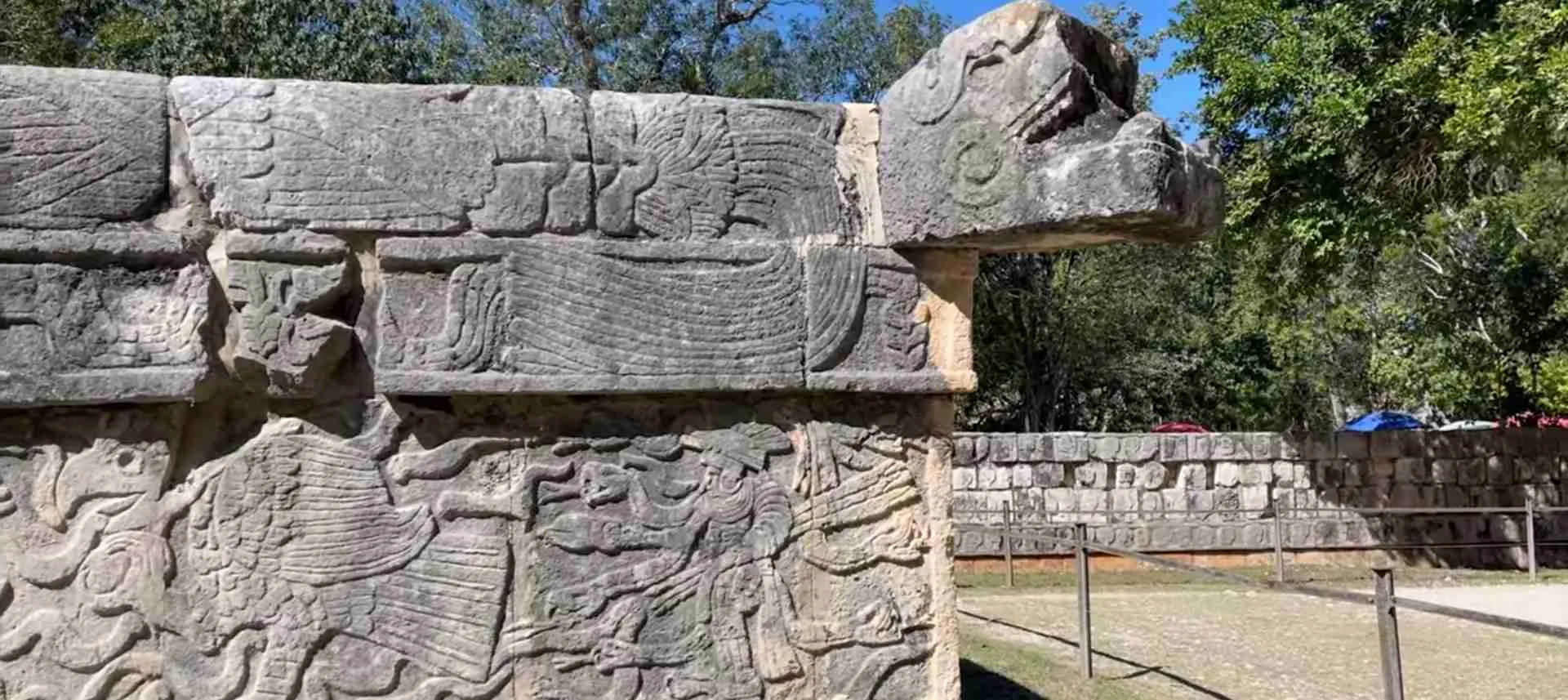
Best Maya Ruins in Yucatan 2026: From Chichen Itza to Hidden Jungle Pyramids
This comprehensive planning resource addresses the practical realities of experiencing Yucatan’s Maya ruins in 2026, from navigating admission systems and transportation logistics to optimizing multi-day circuits and managing budgets across sites of varying scales and accessibility. Whether prioritizing the iconic pyramids of Chichen Itza or seeking authentic encounters at lesser-known complexes, effective planning transforms visits from logistical challenges into seamless cultural explorations that maximize both educational value and travel efficiency throughout the 2026 season.
Key Takeaways
- Yucatan’s Maya ruins range from world-famous Chichen Itza to secluded jungle temples, with 2026 admission prices from $80-580 MXN ($4-29 USD) per site depending on location and UNESCO status
- Peak season (December-April 2026) offers optimal weather but higher costs and crowds, while shoulder months (May, November 2026) provide 30-40% savings with fewer visitors
- Multi-site passes and advance online bookings save 15-25% compared to gate prices, with Chichen Itza requiring reservations 2-3 weeks ahead during 2026 high season
- Strategic base locations in Merida, Valladolid, or Tulum enable efficient multi-day circuits covering 6-8 major sites with daily transportation costs of $200-800 MXN ($10-40 USD)
- Guided tours cost $600-1,800 MXN ($30-90 USD) per person for full-day experiences with transportation, while independent visits offer greater flexibility at lower costs
- Lesser-known sites like Ek Balam, Calakmul, and Mayapan provide authentic experiences with minimal crowds and admission prices 40-60% lower than major attractions
Discovering Yucatan’s Ancient Maya Heritage in 2026
The Yucatan Peninsula preserves one of the world’s most remarkable concentrations of ancient Maya civilization, with over 4,000 documented archaeological sites ranging from monumental pyramid complexes to intimate jungle temples. For travelers planning visits in 2026, the region offers unprecedented access to these historical treasures through improved infrastructure, enhanced visitor facilities, and comprehensive booking systems that make independent exploration more feasible than ever. The diversity of sites spans from UNESCO World Heritage locations drawing millions of annual visitors to remote ruins accessible only by guided expeditions deep into the rainforest.
Understanding the logistical landscape of visiting multiple Maya ruins requires strategic planning around seasonal variations, transportation networks, accommodation positioning, and the significant range in site admission costs and visitor services. Chichen Itza, Uxmal, and Tulum anchor the region’s archaeological tourism with world-class facilities and comprehensive visitor infrastructure, while secondary sites like Ek Balam, Coba, and Mayapan offer equally impressive architecture with fraction of the crowds. The 2026 season brings refined booking procedures, updated pricing structures, and expanded tour options that influence how travelers approach multi-site itineraries across the Yucatan’s vast archaeological landscape.
People Also Ask About Yucatan Maya Ruins 2026
How much does it cost to visit Maya ruins in Yucatan in 2026?
Maya ruins admission in Yucatan ranges from $80-580 MXN ($4-29 USD) per site in 2026, with Chichen Itza at $533 MXN ($27 USD), Uxmal at $461 MXN ($23 USD), and Tulum at $95 MXN ($5 USD). Check official INAH website (inah.gob.mx) for current rates as pricing varies by site status and included services. Federal sites require separate state fees adding $75-95 MXN, while state-managed locations charge single admission. Multi-site passes save 15-25% for visitors planning to explore 4+ ruins during 2026 trips.
Which Maya ruins are best to visit in Yucatan in 2026?
Chichen Itza leads for architectural grandeur and UNESCO significance, Uxmal impresses with Puuc-style sophistication, Ek Balam offers intimate jungle settings with minimal crowds, Coba features climbable pyramids and extensive forest trails, and Tulum combines ruins with Caribbean coastline access. First-time visitors prioritize Chichen Itza and Uxmal, archaeology enthusiasts add Ek Balam and Mayapan, adventure travelers target Coba and Calakmul, while beach-focused trips incorporate Tulum. Optimal 2026 itineraries combine 3-5 sites across 5-7 days for comprehensive coverage without excessive transit.
Do you need advance bookings for Yucatan Maya ruins in 2026?
Chichen Itza requires online reservations 1-3 weeks ahead during December-April 2026 peak season, with same-day tickets unavailable during high-demand periods. Uxmal and Tulum accept walk-up visitors but online booking saves 15-20 minutes at entrance and guarantees access during capacity-limited days. Lesser-known sites like Ek Balam, Coba, and Mayapan operate without reservation systems, accepting gate purchases throughout 2026. Guided tours include guaranteed admission as part of package pricing. Book major sites through official INAH platform or authorized tour operators to ensure legitimate tickets and avoid third-party markup.
What’s the best time to visit Maya ruins in Yucatan in 2026?
December through April 2026 provides optimal weather with minimal rain and temperatures of 22-28°C (72-82°F), though this peak season brings maximum crowds and 30-40% higher accommodation costs. May and November 2026 offer shoulder-season advantages with 40-50% fewer visitors, 25-35% lower hotel rates, and acceptable weather despite occasional afternoon showers. June through October brings rainy season with morning site visits before midday storms, lowest prices, and near-empty archaeological zones. Early morning arrivals (8:00-9:00 AM) at major sites avoid tour group congestion regardless of season, while afternoon visits after 3:00 PM provide sunset photography opportunities with depleted crowds.
Extended multi-day tours – 5+ days
Featured Yucatan Multi-Day Tour Packages

14 days
Viva Mexico
- ✓ Comprehensive Yucatan tour
- ✓ Expert local guides included
- ✓ All accommodation arranged
- ✓ Transportation provided
5 days
Mini Wonders of the Maya with the Maya Train
- ✓ Comprehensive Yucatan tour
- ✓ Expert local guides included
- ✓ All accommodation arranged
- ✓ Transportation provided

8 days
Premium Mexico Yucatan Highlights (from Cancun to Tulum)
- ✓ Comprehensive Yucatan tour
- ✓ Expert local guides included
- ✓ All accommodation arranged
- ✓ Transportation provided
9 days
Mexico City & Merida City (Delight Mexican Cuisine)
- ✓ Comprehensive Yucatan tour
- ✓ Expert local guides included
- ✓ All accommodation arranged
- ✓ Transportation provided
Multi-day tour packages powered by TourRadar. Prices and availability subject to change.
Essential Planning Information for 2026
Understanding Yucatan’s Archaeological Landscape
Yucatan’s Maya ruins distribute across three distinct geographic zones that influence access logistics and visit planning. The northern circuit centers on Merida with Chichen Itza, Uxmal, Mayapan, and Dzibilchaltun within 90-minute drives, offering concentrated archaeological experiences with excellent road networks and abundant accommodation. The eastern corridor extends from Cancun through Valladolid to Tulum, featuring Ek Balam, Coba, and coastal ruins accessible via Federal Highway 180 and Highway 307 with developed tourist infrastructure. The southern frontier encompasses remote sites like Calakmul, Becan, and Chicanna deep in Campeche and Quintana Roo jungles, requiring dedicated expeditions with 4-6 hours driving from major centers and specialized local guides.
Site scales vary dramatically from Chichen Itza’s 740-hectare complex requiring 3-4 hours for comprehensive exploration to compact locations like Mayapan toured thoroughly in 90 minutes. Major UNESCO sites feature paved pathways, visitor centers, restaurants, gift shops, certified guides, and comprehensive signage in Spanish and English, while smaller ruins provide minimal facilities with dirt paths, basic information panels, and occasional local guides. This infrastructure disparity affects planning considerations including required visit duration, physical conditioning expectations, provision requirements, and guide necessity for meaningful educational experiences.
The region’s archaeological tourism operates through dual administration systems that impact costs and booking procedures. Federal sites managed by INAH (Instituto Nacional de Antropología e Historia) charge separate federal and state fees requiring two transactions, while state-controlled locations apply single admission covering all services. This administrative division explains pricing variations between sites of similar scale and accounts for the separate fee components at major attractions like Chichen Itza and Uxmal. Understanding these management structures helps travelers budget accurately and anticipate payment processes at different archaeological zones throughout the 2026 season.
Current Admission Costs and Fee Structures for 2026
Chichen Itza admission costs $533 MXN ($27 USD) in 2026 with separate federal fee of $90 MXN and state fee of $443 MXN paid at sequential entry points. Check chichenitza.inah.gob.mx for current official rates as pricing may vary seasonally. Uxmal charges $461 MXN ($23 USD) total with similar federal-state split, while Tulum’s beachside ruins cost $95 MXN ($5 USD) as state-managed location. Ek Balam admission runs $211 MXN ($11 USD), Coba charges $80 MXN ($4 USD) federal plus $75 MXN state total $155 MXN ($8 USD), and Mayapan costs $55 MXN ($3 USD) for visitors over 13 years.
Additional site services incur separate charges beyond base admission throughout the 2026 season. Certified guide services at Chichen Itza and Uxmal cost $900-1,200 MXN ($45-60 USD) for 2-hour Spanish tours or $1,200-1,500 MXN ($60-75 USD) for English-language groups of 1-8 people. Audio guides where available rent for $100-150 MXN ($5-8 USD) with passport or credit card deposits. Parking fees at major sites run $50-80 MXN ($3-4 USD) per vehicle, while bicycle rentals at Coba cost $50 MXN ($3 USD) for 2-hour access to internal trail networks spanning 6 kilometers between pyramid groups.
Multi-site passes offer significant savings for travelers visiting 4+ ruins during extended Yucatan explorations. The INAH Yucatan Pass costs $650 MXN ($33 USD) providing one-time admission to six federal sites over seven consecutive days, saving approximately $300-400 MXN ($15-20 USD) compared to individual tickets for visitors covering Chichen Itza, Uxmal, Ek Balam, and supplementary locations. State-managed sites require separate admission, preventing single-pass access to the region’s complete archaeological portfolio. Guided tour packages incorporating multiple ruins range $2,400-4,800 MXN ($120-240 USD) per person including transportation, admission, and guide services for full-day experiences visiting 2-3 sites.
Planning Your 2026 Maya Ruins Circuit
Strategic Base Location Selection for 2026
Merida serves as the optimal base for northern circuit exploration with Chichen Itza 120 kilometers east (90 minutes), Uxmal 80 kilometers south (60 minutes), and Mayapan 40 kilometers southeast (35 minutes) via excellent highways. The city offers accommodation ranging from $500-3,000 MXN ($25-150 USD) per night with extensive dining options, car rental agencies, tour operator headquarters, and comprehensive urban amenities supporting multi-day archaeological itineraries. ADO bus service connects Merida to Chichen Itza with 6-8 daily departures costing $178-216 MXN ($9-11 USD) one-way, though rental vehicles provide superior flexibility for visiting multiple sites within compressed timeframes across the 2026 season.
Valladolid positions centrally between Cancun and Chichen Itza with the UNESCO site 40 minutes west and Ek Balam 25 minutes north, creating efficient hub for combined eastern-northern exploration. Colonial town accommodations cost $400-1,800 MXN ($20-90 USD) per night with authentic Yucatecan character and local restaurant scenes. The location enables early morning Chichen Itza arrivals before tour bus waves while maintaining afternoon accessibility to Ek Balam, Coba (45 minutes southeast), and cenote swimming opportunities between archaeological visits. Valladolid’s compact scale and pedestrian-friendly center provide relaxed atmosphere contrasting Cancun’s resort commercialization while maintaining reasonable proximity to airport facilities 160 kilometers east.
Tulum establishes southern base combining beach resort amenities with immediate ruin access and proximity to Coba (45 minutes northwest) and Muyil (25 minutes south). Accommodation spans $800-4,500 MXN ($40-225 USD) per night from budget hostels to luxury eco-resorts, though inflated tourism pricing affects dining and services compared to inland alternatives. The location serves travelers prioritizing coastal experiences with archaeological components rather than dedicated ruins circuits, as distances to major northern sites like Chichen Itza (2.5 hours) and Uxmal (4+ hours) require full-day excursions. Tulum’s developed tourism infrastructure provides abundant English-language services and international restaurant options supporting international visitors throughout 2026.
Transportation Options for Multi-Site Visits in 2026
Rental vehicles offer maximum flexibility for multi-site circuits with costs of $500-900 MXN ($25-45 USD) per day for economy sedans or $900-1,500 MXN ($45-75 USD) for SUVs with insurance included through major agencies in Merida, Cancun, and Playa del Carmen. Highway quality ranges from excellent four-lane toll roads connecting major destinations to adequate two-lane routes accessing secondary sites, with clear signage in Spanish and English at major junctions. Gas stations appear regularly along main corridors though rural routes between lesser-known ruins require tank management. Parking at archaeological sites costs $50-80 MXN ($3-4 USD) with secure facilities at major locations and informal attended parking at smaller ruins.
ADO luxury bus service connects major cities to principal archaeological sites with air-conditioned coaches, onboard restrooms, and WiFi included in $150-350 MXN ($8-18 USD) fares depending on distance. Merida-Chichen Itza routes operate 6-8 daily departures with 2-hour journey time, while Cancun-Tulum buses run every 30-60 minutes throughout 2026 covering 130 kilometers in 90-120 minutes for $220-284 MXN ($11-14 USD). Bus schedules accommodate day-trip visits with morning arrivals and late afternoon returns, though limited departure flexibility restricts spontaneous itinerary adjustments. Advance booking through ADO website or terminal counters recommended during December-April 2026 peak season when popular routes approach capacity.
Colectivo shared vans provide budget transportation on key routes with Valladolid-Chichen Itza service costing $40-50 MXN ($2-3 USD) per person departing when full from central plazas. These informal networks operate without fixed schedules, requiring flexible timing and Spanish communication skills for effective navigation. Private taxi service from Merida to Chichen Itza runs $1,800-2,400 MXN ($90-120 USD) round-trip with 3-4 hour site wait included, while Valladolid-based taxis charge $800-1,200 MXN ($40-60 USD) for similar service. Uber operates in Cancun and Playa del Carmen but lacks coverage in Merida, Valladolid, and rural areas accessing most archaeological sites throughout the 2026 season.
Guided Tour Packages vs Independent Exploration in 2026
Full-day Chichen Itza tours from Cancun and Playa del Carmen cost $1,200-2,400 MXN ($60-120 USD) per person including round-trip transportation, site admission, 2-hour guided visit, and buffet lunch at nearby restaurants. Departures leave hotels 7:00-8:00 AM for 3-hour drives arriving before peak crowds, with return transfers reaching accommodations 6:00-7:00 PM after 10-11 hour total experiences. These packages suit travelers prioritizing convenience over cost efficiency and preferring structured educational experiences with certified guides providing historical and cultural context throughout 2-hour site tours covering major architectural features and Maya civilization background.
Multi-site tour combinations visiting Chichen Itza plus Ek Balam or Chichen Itza with cenote swimming cost $1,800-2,800 MXN ($90-140 USD) per person for full-day experiences incorporating 2-3 destinations with transportation, admissions, guide services, and meals included. Uxmal-Kabah-Sayil southern circuit tours from Merida run $800-1,400 MXN ($40-70 USD) covering three Puuc Route sites with architectural connections and shared cultural contexts. Small-group premium tours limited to 8-12 participants charge 30-50% premiums over standard bus tours but provide enhanced guide interaction, flexible timing, and higher-quality meal stops throughout day-long itineraries across the 2026 season.
Independent site visits enable budget optimization and schedule flexibility with potential savings of 40-60% compared to guided packages for travelers comfortable navigating Spanish signage, hiring local guides at destination, and managing multi-leg transportation logistics. Rental vehicle costs of $600-1,200 MXN ($30-60 USD) daily plus gas of $400-800 MXN ($20-40 USD) support 2-3 site visits, while entrance fees, optional guides, and meals add $800-1,600 MXN ($40-80 USD) per person for total daily budgets of $1,800-3,600 MXN ($90-180 USD) for two travelers. The approach requires advance research on site locations, parking procedures, and guide hiring processes but rewards prepared travelers with authentic experiences and freedom to adjust timing based on interest levels and energy throughout visits.
Major Maya Ruins: Comprehensive 2026 Visitor Guides
Chichen Itza: Planning Your 2026 UNESCO World Heritage Visit
Chichen Itza dominates Yucatan archaeological tourism as Mexico’s most-visited ancient site with 2.6 million annual visitors and UNESCO World Heritage designation recognizing its significance as one of the New Seven Wonders of the World. The 740-hectare complex showcases Classic and Postclassic Maya architecture spanning 600-1200 CE with the 30-meter El Castillo pyramid, Great Ball Court measuring 168 meters long, Temple of Warriors with Thousand Columns group, Sacred Cenote ritual center, and astronomical observatory El Caracol representing Maya mathematical and engineering achievements. Site infrastructure includes visitor center with museum, multiple restaurant options, extensive gift shop areas, restroom facilities throughout grounds, and certified guide services in 15+ languages.
Admission costs $533 MXN ($27 USD) in 2026 paid as $90 MXN federal fee and $443 MXN state fee at separate entrance stations. Check official INAH website for current rates as pricing may vary. Online booking through official platforms opens 45 days ahead with reservation confirmation required during December-April 2026 high season when walk-up tickets become unavailable on peak days. Parking costs $80 MXN ($4 USD) in secure lot 400 meters from entrance, with early morning arrival before 8:30 AM enabling vehicle spaces close to entry points before tour bus waves beginning 9:00-9:30 AM.
Optimal visit timing focuses on 8:00-11:00 AM arrivals enabling 3-4 hour comprehensive exploration before midday heat and maximum crowd density during 10:30 AM-2:00 PM tour group peak. The site operates 8:00 AM-5:00 PM daily with last entry at 4:00 PM, though afternoon visits after 3:00 PM offer dramatically reduced crowds and favorable late-day photography lighting conditions. March equinox light-and-shadow serpent phenomenon on El Castillo draws massive crowds requiring booking 6-8 weeks ahead, while spring equinox (September) provides similar effects with 60% fewer visitors. Certified 2-hour guided tours cost $900-1,200 MXN ($45-60 USD) for Spanish or $1,200-1,500 MXN ($60-75 USD) for English with maximum 8-person groups, though independent visitors navigate well via extensive English signage and downloadable audio guide apps.
Uxmal: Exploring Puuc Architecture in 2026
Uxmal represents the pinnacle of Puuc architectural style with ornate stone mosaics, elaborate facades, and sophisticated urban planning spanning 600-1000 CE across 150-hectare archaeological zone. The Pyramid of the Magician rises 35 meters with unique rounded corners and steep 60-degree incline, while the Quadrangle of the Nuns features 74 rooms surrounding central plaza with intricate geometric patterns and Maya deity representations across 1,200 square meters of decorated surfaces. The Governor’s Palace extends 100 meters long with facade containing 20,000 individually carved stones creating elaborate masks, lattice patterns, and celestial symbolism representing Maya cosmological concepts and political authority.
Admission charges $461 MXN ($23 USD) total in 2026 with federal and state components paid sequentially at entrance. The UNESCO World Heritage site operates 8:00 AM-5:00 PM daily with last entry 4:00 PM, requiring 2.5-3.5 hours for thorough exploration of major structures and museum collection. Visitor facilities include air-conditioned museum with artifacts and architectural exhibits, restaurant serving Yucatecan specialties, gift shops with authentic regional crafts, and shaded rest areas with benches throughout grounds. Certified guide services cost $800-1,000 MXN ($40-50 USD) for 2-hour Spanish tours or $1,000-1,200 MXN ($50-60 USD) for English-language groups covering site history, architectural details, and cultural context.
Evening light-and-sound shows run March-October select dates with 8:00 PM presentations projecting Maya mythology narratives and historical sequences onto pyramid facades accompanied by orchestral music and dramatic lighting effects. Shows cost additional $103 MXN ($5 USD) beyond regular admission and require advance booking during 2026 high season. The 45-minute multimedia experience provides cultural education through entertainment format while showcasing architectural details invisible during daylight visits. Combining day visit with evening show requires 5-6 hour total time investment though separate admission enables show-only attendance for travelers with daytime site constraints.
Ek Balam: Discovering Hidden Jungle Pyramids in 2026
Ek Balam emerges from dense jungle 25 kilometers north of Valladolid as remarkably well-preserved Late Classic Maya city spanning 600-850 CE across 12 square kilometers with approximately 45 structures mapped within core archaeological zone. The Acropolis pyramid towers 32 meters with exceptional stucco facade decorations including winged figures, elaborate masks, and hieroglyphic texts providing rare intact examples of artistic techniques mostly destroyed at other sites. Visitors climb steep stairways to summit platforms offering panoramic forest canopy views extending to Valladolid’s church towers, while interior chambers feature original murals and carved stelae depicting rulers and ceremonial events.
Admission costs $211 MXN ($11 USD) in 2026 with combination federal-state fee structure paid at single entrance booth. The compact site requires 90-120 minutes for comprehensive exploration with minimal crowds throughout most of 2026 season compared to major attractions. Visitor facilities remain basic with small palapa-roofed entrance building, restroom block, limited gift shop selling drinks and snacks, and informal local guides charging $400-600 MXN ($20-30 USD) for 90-minute tours in Spanish with limited English capability. The intimate scale and authentic jungle setting provide contrast to Chichen Itza’s commercial atmosphere while delivering impressive architectural achievements and educational experiences for archaeology enthusiasts.
Cenote X’Canche operates adjacent to archaeological zone entrance with swimming access, zipline circuit, and bicycle or walking trail extending 1.5 kilometers through forest canopy to natural limestone sinkhole with crystal-clear water depths of 6-12 meters. Combined Ek Balam ruins plus cenote visits require 3-4 hours total with cenote admission of $80 MXN ($4 USD) separate from archaeological entrance. The combination suits travelers seeking active jungle experiences beyond passive ruin observation, particularly during afternoon hours when swimming provides refreshing breaks from archaeological exploration and midday tropical heat throughout the 2026 season.
Coba: Climbing Nohoch Mul Pyramid in 2026
Coba preserves extensive Late Classic Maya metropolis spanning 600-900 CE across 70 square kilometers of jungle with estimated 6,500 structures mapped within archaeological zone boundaries. The site distinguishes itself through Nohoch Mul pyramid rising 42 meters as Yucatan’s tallest climbable structure with 120 steps ascending to summit platform providing views extending 40 kilometers across unbroken forest canopy. Internal trail networks connect five major pyramid groups across 6-kilometer circuit accessible via bicycle rental ($50 MXN/$3 USD for 2 hours) or tricycle taxis operated by local families charging $150-200 MXN ($8-10 USD) for guided tours stopping at principal structures.
Admission costs $155 MXN ($8 USD) total in 2026 combining federal and state fees paid at entrance. The expansive site requires 3-4 hours for thorough exploration with physical conditioning necessary for pyramid climbs and extended walking or cycling between structure groups in tropical heat and humidity. Visitor facilities include entrance museum with artifact displays, multiple restroom buildings distributed along trail system, and palapa-roofed rest stops with drink vendors at major pyramid complexes. Unofficial guides approach visitors at entrance offering services for $400-600 MXN ($20-30 USD) with variable English proficiency and archaeological knowledge compared to certified professionals at UNESCO sites.
Strategic visit timing emphasizes 8:00-9:00 AM arrivals enabling Nohoch Mul climbs before temperature peaks and humidity intensifies physical exertion demands. Afternoon thunderstorms between May-October 2026 close pyramid access temporarily due to lightning risk, making morning visits essential during rainy season. The combination of climbable structures, extensive grounds, jungle setting, and relative tourist scarcity compared to Chichen Itza or Tulum creates adventurous atmosphere appealing to active travelers prioritizing authentic archaeological experiences over polished visitor infrastructure throughout the 2026 season.
Tulum: Coastal Maya Ruins for 2026 Visitors
Tulum occupies dramatic Caribbean coastline setting as only major Maya city built directly on sea cliffs with 4-meter limestone bluffs overlooking turquoise waters and white sand beaches spanning archaeological zone’s eastern boundary. The Late Postclassic period site (1200-1521 CE) served as critical maritime trading port with architecture on more modest scale than inland cities but strategically positioned to control coastal commerce routes. El Castillo temple stands as central landmark rising 7.5 meters above plaza level with stairways descending cliff face to beach access, while Temple of the Frescoes preserves original murals depicting Maya deities and cosmological concepts inside multi-level structure with astronomical alignment features.
Admission costs just $95 MXN ($5 USD) in 2026 as state-managed site with single fee structure covering grounds access. The compact archaeological zone requires 60-90 minutes for thorough exploration of major structures and photo opportunities, though beach access and scenic appreciation extend visit duration for travelers combining historical interest with coastal recreation. Entry operates 8:00 AM-5:00 PM daily with last admission 4:00 PM, experiencing peak crowding 10:00 AM-3:00 PM when cruise ship excursions and resort day-trippers converge. Optimal timing emphasizes 8:00-9:00 AM arrivals capturing favorable morning light for photography and minimal visitor density before tour group waves.
Parking costs $250-350 MXN ($13-18 USD) in authorized lots 500-800 meters from entrance connected via paved pedestrian paths with shuttle golf carts charging $50 MXN ($3 USD) optional transport for mobility-limited visitors. Beach access from archaeological zone leads to public Playa Paraiso sections with $150-250 MXN ($8-13 USD) beach club day passes including chair rentals, umbrella use, restroom access, and consumption credit toward food and beverage. The ruins-beach combination creates 3-4 hour experience appealing to travelers seeking archaeological and recreational elements within single destination visit during 2026 Caribbean explorations.
Lesser-Known Maya Ruins Worth Discovering in 2026
Mayapan: Last Great Maya Capital
Mayapan functioned as final major Maya capital from 1220-1441 CE governing Yucatan Peninsula with population reaching 17,000 at its peak before internal conflicts and Spanish conquest led to abandonment. The 4 square kilometer walled city preserves 4,000+ structures including central pyramid modeled after Chichen Itza’s El Castillo though on reduced 15-meter scale, ceremonial platforms, residential complexes, and fortification walls demonstrating Late Postclassic architectural styles and urban organization. Archaeological excavations continue revealing murals, sculptures, and artifact collections providing insights into final centuries of independent Maya civilization before European contact fundamentally altered Mesoamerican societies.
Admission costs only $55 MXN ($3 USD) for visitors over 13 years with children free, representing exceptional value for archaeological exploration during 2026 visits. The site operates daily 8:00 AM-5:00 PM with near-zero tourist density throughout most of year, creating opportunities for solitary exploration and photography without crowd management concerns. Location 40 kilometers southeast of Merida enables easy half-day excursions via rental vehicle or organized tours combining Mayapan with cenote visits or hacienda experiences. Basic visitor facilities include entrance booth, portable restrooms, and informal parking area with no gift shops, restaurants, or certified guide services requiring self-guided exploration via site maps and information panels.
Dzibilchaltun: Colonial History and Maya Heritage
Dzibilchaltun spans 3,000 years of continuous occupation from 500 BCE through Spanish colonial period with archaeological zone preserving Maya structures alongside 16th-century Franciscan chapel built from ancient stones demonstrating cultural transition and conquest impacts. The Temple of the Seven Dolls aligns astronomically with spring and fall equinoxes when sunrise illuminates interior chambers through doorways, creating light phenomena attracting visitors during March and September 2026 equinox dates. Cenote Xlacah occupies site center with swimming access providing refreshing breaks during archaeological visits with depths reaching 44 meters making it among Yucatan’s deepest accessible natural pools.
Location just 15 kilometers north of Merida creates convenient half-day destination accessible via brief drives or organized tours from city accommodations. Admission charges $124 MXN ($6 USD) including archaeological zone access, museum entrance, and cenote swimming privileges. Site hours operate 8:00 AM-5:00 PM Tuesday-Sunday with Monday closures for maintenance, requiring advance planning around weekly schedules. The combination of modest Maya ruins, excellent museum collection showcasing regional artifacts and Spanish colonial history, cenote recreation, and proximity to Merida creates appealing short-excursion destination for travelers with limited time or seeking varied experiences beyond major archaeological attractions during 2026 Yucatan visits.
Calakmul: Remote Jungle Expedition
Calakmul represents ultimate off-beaten-path Maya experience deep in Campeche jungle 30 kilometers from Guatemala border with archaeological zone preserving massive Classic period city spanning 500-900 CE across 70 square kilometers. The site contains over 6,000 structures including twin pyramids rising 45-50 meters with climbable stairways providing panoramic views across unbroken rainforest canopy extending to horizons. UNESCO Biosphere Reserve designation protects 723,000 hectares of tropical forest surrounding ruins with jaguar, puma, ocelot, spider monkey, and howler monkey populations observable during visits along with 350+ bird species including scarlet macaws and toucans.
Access requires 60-kilometer drive from Xpujil town along narrow paved road through jungle with 2+ hour travel time each direction plus 3-4 hours for archaeological zone exploration creating minimum 7-8 hour expedition commitment. Admission costs $150 MXN ($8 USD) for archaeological zone plus $65 MXN ($3 USD) biosphere reserve fee paid at entrance stations. Visitor facilities remain minimal with basic restrooms and small visitor center, requiring provisions of food, water, insect repellent, and sun protection. The remote location and extensive grounds result in near-private exploration with fewer than 50 daily visitors during most of 2026 season compared to Chichen Itza’s thousands, creating authentic jungle archaeological adventure for dedicated travelers willing to invest time and effort reaching this spectacular ancient metropolis.
Budget Planning for 2026 Maya Ruins Circuits
Sample Daily Costs for Independent Travelers
Budget-conscious independent travelers visiting 2-3 Maya ruins daily with rental vehicle and self-guided exploration incur typical costs including car rental $600-900 MXN ($30-45 USD) prorated per day, gasoline $400-600 MXN ($20-30 USD) for 200-300 kilometers driving, site admissions $800-1,500 MXN ($40-75 USD) total for 2-3 locations, parking fees $150-240 MXN ($8-12 USD) across multiple sites, optional local guides $400-800 MXN ($20-40 USD) if hired at smaller ruins, breakfast $150-250 MXN ($8-13 USD) at budget restaurants, lunch $180-300 MXN ($9-15 USD) at site-adjacent eateries, snacks and drinks $100-150 MXN ($5-8 USD) throughout day, and dinner $250-400 MXN ($13-20 USD) at mid-range restaurants. Total daily expenses reach $2,850-4,450 MXN ($143-223 USD) for two travelers or $1,425-2,225 MXN ($71-111 USD) per person, excluding accommodation costs of $600-1,800 MXN ($30-90 USD) per night for mid-range double occupancy hotels in Merida or Valladolid.
Mid-range travelers incorporating organized tours or hiring private guides at major sites while maintaining moderate accommodation and dining standards experience elevated daily budgets. Guided Chichen Itza tour from Cancun $1,800 MXN ($90 USD) per person includes transportation and admission, mid-range hotel $1,200-2,400 MXN ($60-120 USD) per night double occupancy in Valladolid or Playa del Carmen, breakfast included at hotels, quality restaurant lunch $300-450 MXN ($15-23 USD) per person, afternoon cenote visit $150-250 MXN ($8-13 USD) admission plus refreshments, and upscale dinner $500-800 MXN ($25-40 USD) per person with drinks. Total daily costs reach $3,100-5,000 MXN ($155-250 USD) per person incorporating guided major site visit with independent activities, or $2,000-3,200 MXN ($100-160 USD) per person on days without organized tours utilizing rental vehicles for secondary site visits.
Luxury travelers prioritizing private guides, exclusive experiences, and premium accommodations allocate $6,000-12,000 MXN ($300-600 USD) per person daily including boutique hotels $3,000-6,000 MXN ($150-300 USD) per night, private archaeological tours with certified historians $4,000-8,000 MXN ($200-400 USD) for full days including luxury transportation and gourmet meals, upscale restaurant dining $800-1,500 MXN ($40-75 USD) per meal, spa treatments $1,500-3,000 MXN ($75-150 USD) between site visits, and helicopter transfers $12,000-20,000 MXN ($600-1,000 USD) for aerial archaeological zone overviews connecting Chichen Itza with Uxmal or Calakmul remote jungle sites. These premium experiences cater to travelers seeking educational excellence, maximum comfort, and exclusive access minimizing crowds and logistical concerns throughout 2026 Yucatan explorations.
Money-Saving Strategies for 2026 Archaeological Circuits
Strategic timing during May, September, or October 2026 shoulder months reduces accommodation costs 25-40% compared to December-April peak season while maintaining acceptable weather and site access. Advance hotel booking through Booking.com or Expedia captures early-bird discounts of 15-25% off regular rates, while direct hotel contact sometimes negotiates extended-stay rates for 4+ night bookings in Merida or Valladolid base positions. Apartment rentals through Airbnb cost $800-2,000 MXN ($40-100 USD) per night for 2-bedroom units in Merida enabling meal preparation and reducing dining expenses by 40-60% compared to restaurant-exclusive approaches.
ADO bus transportation between cities costs 60-75% less than rental vehicles for point-to-point travel though sacrifices flexibility for multiple rural site visits. The INAH multi-site pass saves $300-400 MXN ($15-20 USD) for itineraries visiting 4+ federal ruins over consecutive days compared to individual admissions. Hiring local guides directly at smaller sites like Ek Balam or Coba negotiates $400-600 MXN ($20-30 USD) rates versus $900-1,500 MXN ($45-75 USD) certified guides at major attractions, though with reduced English proficiency and archaeological expertise. Packed snacks and drinks purchased at supermarkets rather than site vendors saves $100-200 MXN ($5-10 USD) daily on refreshments during extended archaeological explorations.
Early morning arrivals at major sites enable independent exploration before tour groups appear, eliminating perceived need for guides at well-signed locations like Chichen Itza where English panels and smartphone apps provide comprehensive information. Off-season September-November 2026 visits combine minimal crowds with reduced prices across accommodations and tours while accepting occasional rain showers affecting 20-30% of days. Combining archaeological visits with free or low-cost activities like cenote swimming at public access points, colonial town walking tours, and sunset viewpoint photography maximizes cultural experiences while controlling variable entertainment costs throughout multi-day Yucatan circuits during the 2026 season.
Sample 2026 Maya Ruins Itineraries
Classic Three-Day Northern Circuit
Day one focuses on Chichen Itza with 6:00 AM departure from Merida for 7:30 AM site arrival before tour groups. Archaeological zone exploration 7:30-11:30 AM covers El Castillo, Great Ball Court, Temple of Warriors, and Sacred Cenote with self-guided visit via smartphone app and English signage. Late morning Valladolid arrival 12:00 PM includes lunch at Casa Italia or El Atrio del Mayab $250-350 MXN ($13-18 USD) per person, followed by afternoon cenote swimming at Cenote Zaci in town center $30 MXN ($2 USD) admission. Evening check-in at Hotel Casa Quetzal or Casa Tia Micha $800-1,400 MXN ($40-70 USD) per night with rooftop restaurant dinner $300-450 MXN ($15-23 USD) per person. Chichen Itza admission $533 MXN ($27 USD), parking $80 MXN ($4 USD), gas $200 MXN ($10 USD), meals and cenote $330-430 MXN ($17-22 USD) per person. Total day one: $1,143-1,243 MXN ($57-62 USD) per person excluding accommodation.
Day two explores Ek Balam with 8:00 AM departure for 25-minute drive north from Valladolid. Archaeological site visit 8:30-10:30 AM includes Acropolis climb and stucco facade examination followed by adjacent Cenote X’Canche swimming and zipline option 10:30 AM-12:30 PM. Return Valladolid for lunch at Yerbabuena del Sisal or Taberna de los Frailes $280-400 MXN ($14-20 USD) per person, with afternoon Convent of San Bernardino tour (free admission) and artisan market shopping. Evening options include Calzada de los Frailes street food exploration or restaurant dinner at Casa Italia $300-500 MXN ($15-25 USD) per person. Ek Balam admission $211 MXN ($11 USD), Cenote X’Canche $80 MXN ($4 USD), gas $100 MXN ($5 USD), meals $580-900 MXN ($29-45 USD) per person. Total day two: $971-1,291 MXN ($49-65 USD) per person excluding accommodation.
Day three combines Uxmal with Puuc Route sites departing Valladolid 7:00 AM for 2.5-hour drive south via Merida. Uxmal exploration 9:30 AM-12:30 PM covers Pyramid of the Magician, Nuns Quadrangle, and Governor’s Palace with optional certified guide $1,000-1,200 MXN ($50-60 USD) for two people. Lunch at adjacent Hacienda Uxmal restaurant $350-500 MXN ($18-25 USD) per person followed by afternoon visits to Kabah and Sayil ruins (combined admission $124 MXN/$6 USD) along Puuc Route 15-20 kilometers south. Evening return to Merida arriving 6:00-7:00 PM for departure day-four or overnight stay. Uxmal admission $461 MXN ($23 USD), Puuc sites $124 MXN ($6 USD), gas $300 MXN ($15 USD), meals $350-500 MXN ($18-25 USD) per person, optional guide $500-600 MXN ($25-30 USD) per person. Total day three: $1,235-1,485 MXN ($62-74 USD) per person excluding accommodation. Three-day total: $3,349-4,019 MXN ($168-201 USD) per person plus $1,600-2,800 MXN ($80-140 USD) accommodation for two nights.
Five-Day Comprehensive Archaeological Expedition
Days one-two follow the northern circuit itinerary above covering Chichen Itza, Ek Balam, and Valladolid with Cenote X’Canche and local cultural experiences. Day three adds Coba exploration with 7:30 AM departure from Valladolid for 45-minute drive southeast. Archaeological zone visit 8:15-11:45 AM includes bicycle rental $50 MXN ($3 USD) for 6-kilometer circuit connecting major pyramid groups and Nohoch Mul pyramid climb requiring 120 steps to 42-meter summit. Lunch at local restaurant $200-300 MXN ($10-15 USD) per person followed by afternoon Tulum ruins visit 1:30-3:30 PM with beach access at Playa Paraiso. Evening Tulum town accommodation at Hostel Sheck or Hotel Latino $900-1,800 MXN ($45-90 USD) per night with 5th Avenue dinner $350-550 MXN ($18-28 USD) per person. Coba admission $155 MXN ($8 USD), bike rental $50 MXN ($3 USD), Tulum admission $95 MXN ($5 USD), gas $250 MXN ($13 USD), meals and beach $550-850 MXN ($28-43 USD) per person. Total day three: $1,100-1,408 MXN ($55-70 USD) per person excluding accommodation.
Day four explores southern frontier with Calakmul expedition requiring full-day commitment. Departure 5:00 AM from Tulum for 4.5-hour drive west to Xpujil area entering Calakmul access road at 9:30 AM for 2-hour jungle drive to archaeological zone. Site exploration 11:30 AM-3:30 PM covers both major pyramid complexes with wildlife observation opportunities throughout grounds. Return drive reaching Xpujil 6:00 PM for basic hotel accommodation $500-900 MXN ($25-45 USD) per night with local restaurant dinner $200-350 MXN ($10-18 USD) per person. Calakmul admission $215 MXN ($11 USD) combined fees, gas $600 MXN ($30 USD) for 500+ kilometer round-trip, packed lunch and snacks $200-300 MXN ($10-15 USD) per person, dinner $200-350 MXN ($10-18 USD). Total day four: $1,215-1,465 MXN ($61-73 USD) per person excluding accommodation.
Day five completes circuit with Uxmal and Puuc Route sites following similar itinerary to day three above but originating from Xpujil with 6:00 AM departure for 3.5-hour drive north to Uxmal. Archaeological zone visit 9:30 AM-12:30 PM followed by Kabah and Sayil ruins afternoon exploration before evening arrival Merida or Cancun for departure connections. Uxmal admission $461 MXN ($23 USD), Puuc sites $124 MXN ($6 USD), gas $500 MXN ($25 USD) for long-distance return drive, meals $350-500 MXN ($18-25 USD) per person. Total day five: $1,435-1,614 MXN ($72-81 USD) per person. Five-day expedition total: $8,244-10,205 MXN ($412-510 USD) per person plus $4,300-7,300 MXN ($215-365 USD) accommodation for four nights, creating comprehensive archaeological circuit covering Yucatan’s major and secondary ruins with authentic jungle expedition to remote Calakmul representing complete 2026 Maya civilization exploration experience.
Best Time to Visit Yucatan Maya Ruins in 2026
Seasonal Considerations for Archaeological Visits
December through April 2026 constitutes peak dry season with daily temperatures of 22-28°C (72-82°F), minimal rainfall averaging under 60mm monthly, and clear skies facilitating photography and comfortable outdoor exploration. These optimal weather conditions attract maximum tourist volumes increasing accommodation prices 30-40%, requiring advance bookings 4-8 weeks ahead for quality hotels in Merida, Valladolid, and Tulum. Major sites like Chichen Itza and Tulum experience peak crowding with 3,000-5,000+ daily visitors during January-March, necessitating early morning arrivals before 8:30 AM to avoid tour bus congestion and secure parking close to entrances during busiest periods.
May and November 2026 offer transition shoulder months combining acceptable weather with significantly reduced tourism pressure and costs. May brings increasing afternoon thunderstorms but maintains warm temperatures of 26-32°C (79-90°F) with morning site visits before rain patterns intensify. November follows opposite trajectory with decreasing rainfall and moderate temperatures of 24-29°C (75-84°F) as winter season approaches. Both months provide 40-50% fewer visitors at major attractions, 25-35% lower accommodation rates, and excellent availability for last-minute bookings while maintaining generally favorable conditions for archaeological exploration throughout 2026.
June through October 2026 rainy season sees daily afternoon thunderstorms, high humidity levels, and temperatures of 26-33°C (79-91°F) creating challenging outdoor conditions but delivering authentic low-season experiences. Morning site visits before 11:00 AM typically avoid rainfall while capturing optimal photography lighting and near-empty archaeological zones with just 20-40% of peak-season visitor volumes. Accommodation costs drop 40-60% from high-season peaks with negotiable rates and last-minute availability even at premium properties. The combination of minimal crowds, lowest prices, and morning-focused scheduling suits flexible travelers accepting weather unpredictability and afternoon hotel pool relaxation replacing extended outdoor activities during daily rain periods throughout the 2026 summer rainy season.
Special Events and Optimal Timing for 2026
Spring equinox on March 20, 2026 creates light-and-shadow serpent phenomenon descending Chichen Itza’s El Castillo pyramid stairway during late afternoon as sun angle aligns with architectural design creating visual illusion of feathered serpent god Kukulkan moving down structure. The annual event attracts 15,000-20,000 visitors requiring booking 6-8 weeks ahead for site access, with nearby accommodation in Piste and Valladolid fully reserved months prior. Autumn equinox on September 22, 2026 produces identical effect with 60% fewer visitors enabling more manageable crowds and better viewing opportunities, though rainy season weather introduces uncertainty with potential cloud coverage affecting light phenomenon visibility.
Day of the Dead celebrations November 1-2, 2026 throughout Yucatan feature cemetery ceremonies, altar displays, and cultural festivals in Merida, Valladolid, and smaller towns near archaeological sites. While ruins maintain normal operations, surrounding communities host special events combining Maya and Catholic traditions with offerings, processions, and public gatherings creating enhanced cultural context for archaeological visits. Hotel rates remain reasonable compared to winter peak season while weather transitions toward dry season with improving conditions. The timing enables combination of archaeological exploration with authentic cultural festival participation providing comprehensive insights into both ancient Maya civilization and contemporary regional traditions continuing across centuries.
Merida’s Carnival celebrations February 2026 and Valladolid’s patron saint festivals throughout year create festive atmospheres in strategic base cities for archaeological circuits, though events sometimes increase local accommodation demand. Independence Day September 16, 2026 brings national celebrations and potential site closures requiring advance confirmation of operating hours. Christmas-New Year’s period December 24-January 2 sees maximum tourism pressure with accommodation prices at annual peaks and sites experiencing capacity constraints. Strategic planning around these special events and high-demand periods optimizes both cultural experiences and practical logistics including costs and crowd management throughout 2026 archaeological explorations across Yucatan Peninsula.
Accommodation Strategies Near Maya Ruins 2026
Merida Base Accommodations
Merida’s historic center offers accommodation density enabling strategic positioning for northern circuit access with walking distance to restaurants, markets, and cultural attractions. Budget options include Nomadas Hostel and Hostel Zocalo $300-500 MXN ($15-25 USD) per night for dorm beds or $600-900 MXN ($30-45 USD) private rooms with shared facilities, air conditioning, WiFi, and communal kitchens supporting self-catering meal preparation. Mid-range hotels like Casa Azul Monumento Historico and Hotel Julamis cost $1,000-1,800 MXN ($50-90 USD) per night with colonial architecture, courtyards, breakfast included, and central locations within 5-10 blocks of Plaza Grande main square enabling evening paseo strolls and dinner access.
Boutique properties including Hotel Medio Mundo and Casa Lecanda charge $1,800-3,500 MXN ($90-175 USD) per night offering restored colonial mansions with 6-12 rooms, rooftop pools, gourmet breakfast service, and sophisticated design blending historical preservation with contemporary luxury amenities. Budget allocation emphasizes mid-range $1,200-1,800 MXN ($60-90 USD) nightly rates providing comfort without excessive costs for travelers spending limited time at accommodations between full-day archaeological excursions. Strategic booking via Booking.com or direct hotel contact captures early-reservation discounts of 15-25% for 3+ night stays supporting extended northern circuit explorations from stable Merida base throughout 2026 season.
Valladolid Strategic Positioning
Valladolid’s location between Chichen Itza and eastern archaeological sites creates efficient hub requiring less total driving compared to Merida-based circuits while maintaining authentic colonial character and local dining scenes. Budget accommodations like Hostal La Candelaria and Hotel San Clemente cost $400-800 MXN ($20-40 USD) per night with basic rooms, ceiling fans or air conditioning, and shared or private bathrooms near central plaza. Mid-range options including Hotel Casa Quetzal and Casa Tia Micha charge $800-1,400 MXN ($40-70 USD) per night featuring colonial architecture, interior courtyards, rooftop terraces, and included breakfast with walking distance to markets and restaurants.
Upper-mid properties like Zentik Project and Hotel Meson del Marques operate $1,400-2,400 MXN ($70-120 USD) per night offering restored colonial buildings with 10-20 rooms, pools, full-service restaurants, and concierge services arranging tours and transportation. Valladolid’s compact scale enables budget allocation toward mid-range $800-1,400 MXN ($40-70 USD) accommodations providing solid value with authentic atmosphere contrasting resort-commercial environments in Cancun or Playa del Carmen. The town’s strategic positioning minimizes driving time to Chichen Itza (40 minutes), Ek Balam (25 minutes), and Coba (45 minutes) optimizing daily itineraries while maintaining reasonable costs and cultural authenticity throughout 2026 northern-eastern archaeological circuit explorations.
Alternative Base Strategies
Tulum accommodations serve beach-archaeology combination approaches with town center budget hostels $500-1,000 MXN ($25-50 USD) per night, mid-range hotels $1,200-2,400 MXN ($60-120 USD) along Avenida Tulum, and beach zone eco-resorts $2,500-8,000 MXN ($125-400 USD) per night with premium positioning and amenities. The location suits travelers prioritizing coastal recreation with archaeological components rather than dedicated ruins circuits, as distances to northern sites require full-day excursions. Playa del Carmen provides similar beach-heritage balance with broader accommodation options and tour operator density but inflated tourism pricing affecting overall budgets.
Piste village adjacent to Chichen Itza offers immediate site access with basic hotels $600-1,200 MXN ($30-60 USD) per night enabling sunrise arrivals before crowds but limited dining and cultural attractions compared to Merida or Valladolid. The strategy suits single-focus Chichen Itza visits but creates inefficient base for multi-site circuits requiring extended drives to secondary locations. Campeche city serves southern circuit explorations accessing Uxmal, Edzna, and Puuc Route sites with colonial UNESCO historic center accommodations ranging $600-2,400 MXN ($30-120 USD) per night, though positioning adds 2+ hours driving to northern attractions like Chichen Itza and Ek Balam.
Airbnb apartment rentals in Merida and Valladolid cost $1,200-3,000 MXN ($60-150 USD) per night for 2-bedroom units with kitchens, living spaces, and multiple bathrooms supporting groups or families seeking self-catering capabilities and larger accommodations compared to hotel rooms at similar or lower nightly rates. The approach enables meal preparation reducing daily food costs 40-60% while providing home-base comfort for extended archaeological circuit explorations. Strategic accommodation selection balances location efficiency for planned itineraries against nightly costs, available amenities, and personal priorities between budget optimization and comfort preferences throughout multi-day 2026 Maya ruins expeditions across Yucatan Peninsula.
Transportation Logistics for 2026 Archaeological Circuits
Rental Vehicle Considerations and Costs
Economy sedans from major international agencies (Hertz, Avis, Budget) cost $500-700 MXN ($25-35 USD) per day with basic insurance, rising to $700-1,000 MXN ($35-50 USD) including comprehensive collision damage waiver and theft protection recommended for rural archaeological site travel. Compact SUVs charge $900-1,500 MXN ($45-75 USD) daily with full insurance suitable for jungle routes accessing sites like Calakmul or Coba’s unpaved internal roads. Advance online booking through international platforms captures 20-30% discounts compared to arrival counter rates, with 7+ day rentals sometimes negotiating weekly rates offering additional 15-20% savings for extended archaeological circuits throughout 2026.
Mexican insurance requirements mandate domestic liability coverage purchased at rental counter regardless of credit card insurance provisions, adding $200-400 MXN ($10-20 USD) daily to quoted rates. Full-tank fuel policies require return with identical levels, with diesel economy vehicles achieving 15-18 km/liter compared to gasoline models at 12-15 km/liter affecting operational costs across 200-500 kilometer daily drives between multiple archaeological sites. Highway toll roads connecting major routes cost $80-150 MXN ($4-8 USD) per toll plaza with Merida-Cancun libre (free) alternatives adding 45-60 minutes compared to cuota (toll) highways completing same distance in 3.5 hours versus 4.5-5 hours on narrower two-lane routes.
Strategic vehicle rental positioning in Merida or Cancun airports enables immediate circuit commencement upon arrival with return at same locations before departure flights. One-way rentals between different airports incur $1,500-3,000 MXN ($75-150 USD) drop fees though sometimes justifiable for linear itineraries like Cancun pickup, southern circuit through Campeche, and Merida return without backtracking. Urban parking in Merida and Valladolid costs $20-40 MXN ($1-2 USD) per hour at attended lots with hotel parking included at most mid-range and upscale properties. Overall rental vehicle costs including insurance, fuel, tolls, and parking reach $900-1,800 MXN ($45-90 USD) daily for economy sedans or $1,200-2,200 MXN ($60-110 USD) for SUVs supporting independent flexible archaeological exploration throughout 2026 season.
Public Transportation Networks and Limitations
ADO first-class bus service connects major cities with archaeological sites via extensive route network operating from modern terminals with ticketing, restrooms, luggage storage, and waiting areas. Merida-Chichen Itza buses depart 6-8 times daily at 8:15 AM, 9:00 AM, 10:45 AM, 1:00 PM, 3:15 PM, and return trips at 1:30 PM, 4:30 PM, 5:30 PM, 7:00 PM with 2-hour journey time costing $178-216 MXN ($9-11 USD) one-way. Advance booking through ADO website or app recommended during December-April 2026 peak season when popular routes approach capacity, though walk-up tickets usually available at terminals 1-2 hours before departure for shoulder and low-season travel.
Cancun-Tulum route operates every 30-60 minutes throughout day with 90-120 minute journey covering 130 kilometers for $220-284 MXN ($11-14 USD) enabling efficient coastal corridor movement. Playa del Carmen-Tulum buses run even more frequently every 15-30 minutes for $74-96 MXN ($4-5 USD) supporting flexible scheduling between beach destinations. Secondary sites like Ek Balam, Coba, and Mayapan lack direct bus service from major cities, requiring combination of city-to-city buses followed by local colectivos or taxis for final-leg connections adding complexity and time to public transportation approaches.
Practical limitations of public transportation for comprehensive archaeological circuits include restricted flexibility in timing with fixed departure schedules, inability to visit multiple sites daily without elaborate transfer logistics, and lack of service to remote locations like Calakmul or lesser-known ruins requiring dedicated transportation. Budget travelers visiting just 1-2 major sites benefit from ADO cost savings compared to rental vehicles, while independent explorers planning 4+ site visits over 5-7 days find rental cars more cost-effective and time-efficient despite higher absolute costs. Strategic approach combines bus travel for city-to-city connections with rental vehicles for concentrated multi-day archaeological circuits from stable base positions optimizing cost-flexibility balance throughout 2026 Yucatan explorations.
Booking and Reservations for 2026 Season
Official Online Booking Platforms
Chichen Itza advance reservations process through official INAH platform at chichenitza.inah.gob.mx with booking window opening 45 days ahead of visit dates. The system requires selection of specific entry date and time slot during December-April 2026 peak season when capacity management limits daily visitors to prevent overcrowding and preserve site integrity. Online tickets cost identical to gate prices at $533 MXN ($27 USD) but guarantee admission during high-demand periods when same-day tickets become unavailable. Email confirmation serves as entry voucher presented at entrance booth along with photo identification matching reservation name for validation and fee collection.
Secondary federal sites including Uxmal and Ek Balam maintain walk-up admission without reservation requirements throughout 2026 season, though online booking through regional tourism boards or tour operator websites sometimes offers package deals combining admission with transportation or guide services. State-managed locations like Tulum and Coba operate exclusively through gate purchases accepting cash or credit cards during operating hours without advance booking capabilities. The mixed booking landscape requires understanding individual site policies when planning multi-destination itineraries to ensure appropriate reservation timing for capacity-controlled attractions while maintaining flexibility for walk-up accessible locations.
Authorized Tour Operator Selection
Reputable tour companies including Best Day Tours, Cancun Adventures, and Amigo Tours operate comprehensive Chichen Itza packages from Cancun and Playa del Carmen with online booking through company websites displaying secure payment gateways and detailed itinerary information. Verified operators maintain proper licensing, insurance coverage, and certified guide credentials while adhering to site regulations and visitor safety standards. Pricing transparency including clear itemization of included services, admission fees, meals, and transportation creates informed purchasing decisions comparing operator offerings.
Reviews via TripAdvisor, Google, and Viator platforms provide customer feedback highlighting guide quality, punctuality, group sizes, and value perceptions informing operator selection. Small-group premium tours limited to 8-12 participants cost 40-60% more than standard 30-50 person bus tours but deliver enhanced educational experiences with increased guide interaction and flexible timing. Local guides hired directly at archaeological sites through informal arrangements provide cost savings but lack standardized quality controls, insurance protections, and scheduled transportation requiring independent visitors to assess qualifications and negotiate services without third-party oversight or guarantees throughout 2026 season.
Practical Tips for 2026 Maya Ruins Visits
Essential Items and Physical Preparation
Sun protection essentials include broad-spectrum SPF 50+ sunscreen, wide-brimmed hats, UV-protective long-sleeve shirts, and polarized sunglasses against intense tropical sun reflecting off limestone structures and open plazas. Lightweight breathable clothing in moisture-wicking fabrics manages heat and humidity better than cotton, while closed-toe walking shoes with ankle support and traction prevent injuries on uneven surfaces, steep pyramid stairs, and loose gravel paths throughout archaeological zones. Insect repellent containing 30%+ DEET protects against mosquitoes and jungle insects at sites like Coba and Calakmul surrounded by dense vegetation.
Hydration supplies require minimum 2-3 liters water per person for 3-4 hour site visits in tropical heat with refillable bottles reducing plastic waste and purchase costs at site vendors charging inflated prices. Small daypacks carry supplies without encumbering hands needed for photography, pyramid climbing, and balance on irregular pathways. Rain jackets or compact umbrellas protect against afternoon thunderstorms during May-October rainy season, while camera equipment including telephoto lenses captures architectural details and wildlife at jungle sites. Flashlights or headlamps illuminate interior chambers at sites like Ek Balam where original murals occupy dark spaces requiring supplemental light sources.
Physical conditioning for pyramid climbs and extended walking across large archaeological zones benefits cardiovascular fitness and leg strength developed through advance exercise programs. Major pyramids like Chichen Itza’s El Castillo (closed to climbing) and Coba’s Nohoch Mul (climbable) feature steep 45-60 degree inclines with narrow steps, requiring caution and reasonable fitness for safe ascent and descent. Heat acclimatization during first 2-3 days in region reduces exhaustion and dehydration risks, with early morning or late afternoon site visits avoiding midday temperature peaks of 32-35°C (90-95°F) during May-September 2026. Emergency supplies including basic first aid, personal medications, hand sanitizer, and wet wipes address minor injuries, hygiene needs, and comfort during full-day archaeological excursions away from urban facilities.
Photography and Documentation Strategies
Early morning visits between 8:00-10:00 AM provide optimal lighting conditions with low-angle sun illuminating stone facades and creating dimensional shadows that emphasize architectural details and decorative elements. Golden hour timing before sunset offers similar photographic advantages with warm light tones enhancing limestone colors and reducing harsh shadows, though afternoon crowds at major sites complicate composition without visitor interference. Overcast conditions during rainy season paradoxically improve photography through soft even lighting eliminating extreme contrasts and enabling detail capture in deep architectural recesses and shaded plaza areas.
Wide-angle lenses (16-35mm) capture complete pyramid facades and architectural complexes within single frames suitable for establishing shots and scale demonstration, while telephoto lenses (70-200mm) isolate decorative details like carved masks, hieroglyphic texts, and sculptural elements requiring closer examination. Tripods enable long-exposure interior photography and low-light conditions though restricted at some major sites requiring advance confirmation of equipment policies. Drone photography faces strict prohibitions at federal archaeological zones protecting historical integrity and visitor safety, with violations resulting in equipment confiscation and potential legal consequences regardless of commercial or personal intent.
Strategic documentation approaches include photographing information panels, site maps, and architectural diagrams for reference during post-visit research and article writing. GPS coordinates and location tagging enable accurate geographic referencing for complex sites with multiple structure groups separated across extensive grounds. Voice memo recordings or note-taking apps capture observations, guide commentary, and contextual information while touring prevents memory loss of specific details during multi-site visits over consecutive days. Digital backup through cloud storage uploads protects irreplaceable photography and documentation against equipment loss, theft, or damage during travel throughout 2026 Yucatan archaeological expeditions.
Frequently Asked Questions About Yucatan Maya Ruins 2026
Can you still climb Maya pyramids in Yucatan?
Coba’s Nohoch Mul pyramid remains one of few climbable structures in Yucatan with 120 steps ascending 42 meters to summit platform offering panoramic forest views. Chichen Itza’s El Castillo closed to climbing in 2006 following tourist fatality, with current regulations prohibiting pyramid access for preservation and safety concerns. Ek Balam allows limited structure climbing including Acropolis palace complex, while Uxmal restricts all pyramid climbing protecting architectural integrity. Tulum prohibits climbing across all structures due to erosion concerns and visitor volume impacts. Lesser-known sites may permit climbing at official discretion though policies change frequently based on conservation assessments and safety evaluations throughout 2026 season.
How long does it take to visit Chichen Itza?
Comprehensive Chichen Itza exploration requires 3-4 hours covering El Castillo pyramid, Great Ball Court, Temple of Warriors, Sacred Cenote, and museum collection with photography stops and information panel reading. Guided tours typically allocate 2 hours focusing on major structures with abbreviated coverage of secondary areas, suitable for overview visits but insufficient for thorough archaeological appreciation. Independent explorers spending 4-5 hours examine architectural details, inscriptions, and less-visited structure groups while avoiding rushed experiences. Site scale of 740 hectares contains 1,000+ years of construction with extensive grounds requiring substantial walking distances between major complexes influencing visit duration based on physical conditioning and interest depth.
Are Maya ruins safe to visit in 2026?
Major archaeological sites maintain comprehensive security with entrance screening, uniformed guards, surveillance systems, and medical services throughout visitor hours. Tourist-focused areas surrounding Chichen Itza, Uxmal, and Tulum experience minimal crime targeting visitors due to economic importance of archaeological tourism to regional economies. Standard precautions including securing valuables, avoiding isolated areas, and traveling during daylight hours ensure safe experiences throughout 2026. Remote jungle sites like Calakmul require guided visits as much for navigation and emergency access as security concerns, with guides providing wilderness expertise and emergency communication capabilities. Current travel advisories through government sources provide updated security assessments before departure planning.
What’s included in Maya ruins admission prices?
Standard admission covers archaeological zone grounds access including all visible structures, plaza areas, pathways, information panels, and basic restroom facilities. Museums associated with major sites like Chichen Itza and Uxmal include in base admission displaying artifact collections, historical exhibits, and cultural context materials. Guide services, audio guides, parking, and food service require separate payment beyond entrance fees. Some sites charge camera fees for professional equipment though personal cameras and smartphones typically exempt from additional charges. Federal sites split admission between federal and state components requiring two transactions at sequential entry points with combined total representing complete access cost throughout 2026 season.
Do Maya ruins have WiFi and cell service?
Major sites including Chichen Itza and Uxmal offer limited WiFi at visitor centers and restaurant areas though connectivity proves unreliable for consistent internet access. Cell phone service varies by carrier and location with Telcel providing best coverage across archaeological zones while international carriers experience gaps in remote areas. Jungle sites like Calakmul and Coba’s interior sections lack cell towers requiring offline navigation and emergency planning. Advance download of maps, guidebook apps, and relevant information before site visits prevents connectivity dependencies. Portable WiFi hotspots rented at airports or purchased as tourist packages provide backup internet access though coverage remains limited at remote archaeological locations throughout 2026.
Can you bring food and drinks into Maya ruins?
Personal snacks and beverages in backpacks or bags enter most sites without restriction enabling self-provisioning for extended visits and avoiding inflated vendor prices. Large coolers and extensive picnic setups face prohibition protecting site integrity and visitor experience. Restaurants and snack stands operate at major locations like Chichen Itza and Uxmal though with tourist pricing 2-3x local rates. Water fountains and refill stations remain rare requiring sufficient hydration supplies from outside sources. Alcohol prohibition enforces across all federal archaeological sites with consumption violations resulting in removal and potential fines. Strategic provisioning with reusable bottles, energy snacks, and light meals enables comfortable full-day explorations while managing costs and maintaining nutrition throughout 2026 visits.
Are there restrooms at Maya ruins?
Major sites provide modern restroom facilities at entrances and strategic interior locations with regular maintenance and basic amenities. Toilet paper supplies prove inconsistent requiring personal provisions as backup. Hand-washing stations with soap availability varies by site scale and visitor volume. Remote locations like Calakmul and smaller ruins offer basic pit toilets or no facilities requiring preparation and planning for extended visits without services. Strategic restroom timing before entering archaeological zones and at available facility locations prevents discomfort during extended explorations of sites spanning large areas with limited amenities. Wet wipes and hand sanitizer supplementing available washing facilities maintain hygiene standards throughout day-long archaeological circuit visits in 2026.
What payment methods work at Maya ruins?
Major federal sites accept both cash pesos and credit/debit cards for admission purchases though card processing systems occasionally experience outages requiring backup cash reserves. Smaller state-managed locations prefer cash with limited card acceptance infrastructure. On-site vendors, guides, and service providers operate predominantly cash-only with limited digital payment adoption. ATMs appear in nearby towns like Piste (Chichen Itza), Tulum pueblo, and Valladolid though archaeological zones themselves lack banking facilities. US dollars acceptance occurs at some tourist-focused locations but at unfavorable exchange rates 10-20% below official rates. Strategic cash management through advance ATM withdrawals in major cities ensures sufficient pesos for admission, services, and purchases throughout multi-day archaeological circuits during 2026 season.
Do Maya ruins offer senior or student discounts?
Mexican nationals over 60 years and students with valid credentials receive discounted or free admission at federal INAH sites, though international visitors pay full rates regardless of age or student status. Children under 13 years typically enter free at most locations with paying adult supervision. Disabled visitors and companions sometimes receive reduced admission requiring advance inquiry and documentation at entrance. Group discounts apply to organized tours of 15+ participants coordinated through authorized operators with commercial agreements. Multi-site passes offer per-location savings for visitors planning 4+ federal ruins over consecutive days. The most effective cost reduction strategies involve INAH multi-site pass purchase, combination tour packages, and low-season visit timing rather than individual discount eligibility throughout 2026.
What’s the best order to visit Maya ruins?
Geographic efficiency suggests northern circuit starting Chichen Itza, progressing to Ek Balam and Coba, then southern sites including Uxmal and Puuc Route before remote frontier locations like Calakmul. Chronological approach begins with Classic period sites like Coba and Calakmul, continues through Late Classic Uxmal, and concludes with Postclassic Chichen Itza and Tulum tracing architectural evolution and cultural development. Crowd management strategy prioritizes major attractions like Chichen Itza on weekdays with early arrivals, relegates smaller sites to weekends or afternoons when tour groups disperse, and reserves remote expeditions for midweek timing. Personal interest hierarchy places highest-priority locations early in itinerary ensuring energy and weather conditions optimal for featured destinations before fatigue or changing conditions impact experiences at secondary sites throughout 2026 circuits.
Conclusion: Planning Your 2026 Yucatan Archaeological Journey
Yucatan’s extraordinary concentration of Maya archaeological sites provides travelers with unprecedented opportunities to explore ancient civilization through diverse experiences ranging from world-famous UNESCO monuments to intimate jungle temples accessible only by dedicated expeditions. Strategic planning around seasonal variations, accommodation positioning, transportation logistics, and budget management transforms complex multi-site itineraries into seamless cultural explorations that maximize educational value while controlling costs throughout the 2026 season. The region’s improved infrastructure, comprehensive booking systems, and abundant tour options enable both guided convenience and independent flexibility based on individual preferences, capabilities, and priorities.
Understanding the practical realities of visiting Maya ruins—from admission procedures and pricing structures to physical demands and optimal timing—empowers travelers to make informed decisions that align resources with goals. Whether prioritizing architectural grandeur at Chichen Itza and Uxmal, seeking authentic encounters at lesser-known complexes like Ek Balam and Mayapan, or undertaking ambitious expeditions to remote jungle sites like Calakmul, effective preparation addresses logistical challenges while maintaining focus on the remarkable historical and cultural experiences awaiting discovery across Yucatan’s archaeological landscape.
The 2026 season presents optimal conditions for experiencing these ancient wonders through refined visitor services, enhanced access infrastructure, and comprehensive planning resources that support successful archaeological circuits regardless of travel style or budget level. From the iconic pyramids anchoring international tourism to the hidden temples offering solitary contemplation of Maya achievements, Yucatan’s ruins continue revealing insights into one of humanity’s most sophisticated ancient civilizations while providing contemporary travelers with transformative cultural experiences that justify the investment in time, resources, and careful planning required to fully appreciate these extraordinary archaeological treasures.