
Yosemite National Park Hidden Gems Guide
This comprehensive guide reveals the park’s secret places, from quiet trails to secluded viewpoints, creating opportunities for personal connection with wilderness.
Key Takeaways
- Hetch Hetchy offers Yosemite Valley grandeur with a fraction of the crowds, featuring dramatic granite cliffs and powerful waterfalls
- Wapama Falls trail provides intimate waterfall experiences walking behind cascading water during spring peak flows
- Merced Grove contains ancient sequoias accessed via peaceful trail experiencing minimal visitation compared to Mariposa Grove
- May Lake presents accessible high country beauty with granite domes, clear waters, and spectacular mountain views
- Lukens Lake offers family-friendly meadow hiking showcasing wildflowers and serene landscapes away from valley crowds
- Pothole Dome enables close examination of glacial features including polish, striations, and potholes without strenuous hiking
Introduction
Beyond Yosemite’s celebrated landmarks lies a landscape of hidden treasures awaiting discovery by adventurous visitors willing to venture from crowded hotspots. These lesser-known locations offer exceptional beauty, unique geological features, and opportunities for solitude increasingly rare in popular national parks. Understanding where to find these hidden gems and when to visit them provides keys to experiencing Yosemite’s magnificence without competing with throngs at Tunnel View or Half Dome.
Hidden gems exist across Yosemite’s 750,000 acres, with many requiring only modest effort to reach. Some lie just beyond popular areas, overlooked by visitors focused on famous attractions. Others demand longer approaches, rewarding persistence with spectacular scenery and tranquil surroundings. Learning to seek less obvious destinations enriches Yosemite experiences while reducing pressure on overcrowded locations. These places remind us that wonder exists beyond Instagram hotspots, with discovery and exploration providing satisfactions equal to visiting celebrated landmarks.
People Also Ask About Yosemite Hidden Gems
What Is the Least Crowded Part of Yosemite?
Hetch Hetchy, located in Yosemite’s northwestern section, receives minimal visitation compared to Yosemite Valley despite offering similarly dramatic granite cliffs, waterfalls, and scenic beauty. The reservoir filling the valley floor after 1923 dam construction generates controversy among preservationists, yet the area retains remarkable natural character. Wapama Falls and Tueeulala Falls cascade into the reservoir during spring, creating spectacular displays. Trails along the shoreline provide access to remote backcountry, with hikers often experiencing extended solitude. The entrance opens at 7 AM and closes at 7 PM, limiting overnight visitation while protecting the watershed supplying water to San Francisco.
The park’s southeastern high country, accessed via the remote Tioga Pass entrance or long hikes from the valley, sees minimal traffic. Peaks surrounding Tuolumne Meadows including Mount Conness, Mount Dana, and Cathedral Peak require strenuous approaches but reward climbers with solitude and spectacular alpine environments. The High Sierra Camps, accessible only via trail, enable extended backcountry trips without heavy backpacking, though advance reservations become essential due to limited capacity. Winter transforms the entire park into quiet wonderland, with roads closed and crowds vanished, though access requires appropriate equipment and winter camping skills.
Are There Waterfalls Without Crowds in Yosemite?
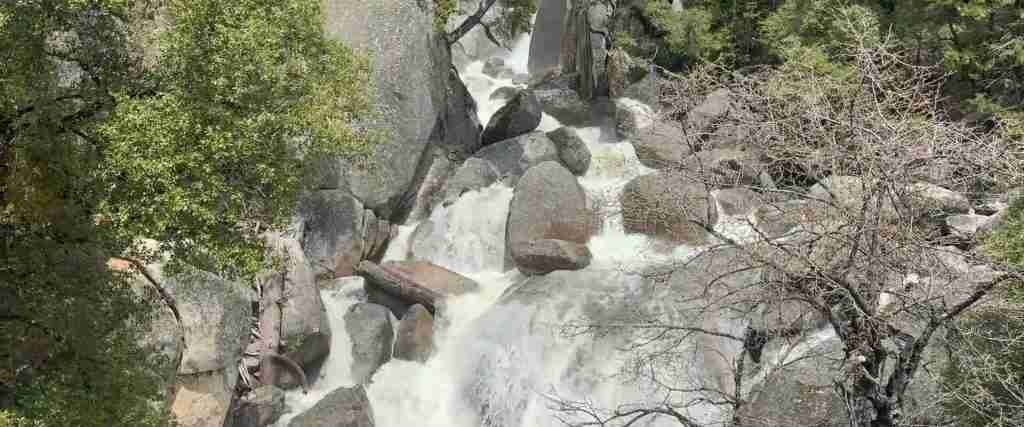
Tueeulala Falls in Hetch Hetchy provides spectacular waterfall experience with minimal crowds. The 1,000-foot cascade drops directly into the reservoir during spring snowmelt, creating powerful displays visible from trail. Wapama Falls, further along the same trail, enables walking behind falling water during peak flow—an intimate experience impossible at more famous waterfalls. Both falls require 5-mile round-trip hikes from the dam, with relatively modest elevation gains enabling access for reasonably fit hikers. The seasonal character means visiting during spring maximizes flow while late summer may see flows reduced to trickles.
Chilnualna Falls near Wawona drops 690 feet in multiple cascades accessed via moderately strenuous trail. The 8-mile round-trip gains 2,400 feet elevation, deterring casual visitors while rewarding hikers with beautiful falls and forest scenery. The trail receives steady use but rarely experiences the crowds plaguing valley waterfalls. Carlon Falls, technically outside park boundaries on adjacent national forest land, requires only 4-mile round-trip hike along the South Fork Tuolumne River. The 35-foot fall provides refreshing swimming during summer, with the location’s accessibility from Highway 120 making it popular but rarely overcrowded.
What Are the Best Secret Viewpoints in Yosemite?
Sentinel Dome’s summit, accessible via 2.2-mile round-trip trail from Glacier Point Road, provides 360-degree views rivaling Glacier Point without the crowds. The moderate hike gains 400 feet elevation, culminating at granite dome summit overlooking Half Dome, Yosemite Valley, and the high country. A dead Jeffrey pine once crowned the summit, becoming one of the world’s most photographed trees before dying in the 1970s. The dome’s smooth granite invites exploration, with careful scrambling revealing varied perspectives. Sunset transforms the scene, with alpenglow lighting Half Dome and surrounding peaks while the valley darkens below.
Taft Point and The Fissures, reached via 2.2-mile round-trip trail from the same Glacier Point Road parking area, offer dramatic views over Yosemite Valley from exposed granite promontory. Deep fissures split the rock, creating chasms hundreds of feet deep where visitors peer into seemingly bottomless cracks. The point itself extends over the valley, with protective railings feeling inadequate given the exposure. Profile Cliff and El Capitan appear across the valley, while the valley floor lies 3,500 feet below. The location provides less comprehensive views than Glacier Point but offers solitude and dramatic perspective on the valley’s scale.
Where Can I Find Quiet Trails Near the Valley?
Valley View Trail, following the Merced River west from Valley View parking area, provides peaceful walking among oaks, boulders, and river access. The relatively flat trail experiences light use compared to valley floor paved paths, offering opportunities for reflection and wildlife observation. Various informal spur trails lead to riverbank locations perfect for contemplation or photography. Spring brings rushing water and lush vegetation, while fall creates colorful oak leaf displays. The trail continues several miles, allowing hikers to choose appropriate distances based on time and energy.
Four Mile Trail connecting Yosemite Valley with Glacier Point ascends 3,200 feet over 4.6 miles, providing excellent workout and changing perspectives on valley landmarks. The trail gains elevation steadily through switchbacks, with different vantage points emerging at each turn. While not secret, the trail’s difficulty limits crowds to serious hikers rather than casual tourists. Reaching Glacier Point via trail rather than road provides satisfaction that viewing from parking area cannot match. Hikers can arrange shuttle pickups at top, descending via road, or return via trail for 9.2-mile round-trip. Winter closures affect trail along with Glacier Point Road, limiting access to warmer months.
Extended multi-day tours – 5+ days
Featured Park Yosemite National Park Multi-Day Tour Packages

3 days
Park Yosemite National Park 3-Day Discovery Tour
- ✓ Comprehensive Park Yosemite National Park experience
- ✓ Expert local guides included
- ✓ All accommodation included
- ✓ Transportation provided
5 days
Park Yosemite National Park 5-Day Highlights Experience
- ✓ Comprehensive Park Yosemite National Park experience
- ✓ Expert local guides included
- ✓ All accommodation included
- ✓ Transportation provided

7 days
Park Yosemite National Park 7-Day Cultural Journey
- ✓ Comprehensive Park Yosemite National Park experience
- ✓ Expert local guides included
- ✓ All accommodation included
- ✓ Transportation provided

10 days
Park Yosemite National Park 10-Day Complete Adventure
- ✓ Comprehensive Park Yosemite National Park experience
- ✓ Expert local guides included
- ✓ All accommodation included
- ✓ Transportation provided
Multi-day tour packages powered by TourRadar. Prices and availability subject to change.
Hetch Hetchy: The Forgotten Valley
Hetch Hetchy Valley once rivaled Yosemite Valley in grandeur, with Indigenous peoples, John Muir, and early visitors praising its beauty. The valley’s flooding for San Francisco’s water supply remains controversial, yet the reservoir-modified landscape retains exceptional character. Wapama Falls thunders with such force during peak spring flow that the trail passes through spray zones requiring waterproof gear. Walking behind falling water creates unforgettable experiences, with the fall’s power making it one of the most dramatic waterfall encounters anywhere. Park rangers sometimes close the trail when flows become dangerous, with crossing the falls’ runoff requiring careful timing and secure footing.
Tueeulala Falls drops 1,000 feet as a delicate ribbon during most of the season, transforming into powerful cascade during peak snowmelt. The Hetch Hetchy Trail provides access to both falls while following the reservoir shoreline through tunnels blasted through granite. The exposed trail crosses open slopes, with sun protection essential during summer. Spring visits offer peak waterfalls and moderate temperatures, while fall presents colorful foliage and reduced water flows. The trail continues beyond the falls into remote backcountry, with Rancheria Falls and Lake Vernon reachable via extended hiking requiring overnight camping.
Kolana Rock and Hetch Hetchy Dome frame the valley with granite formations echoing El Capitan and Half Dome’s grandeur. These massive monoliths demonstrate that Yosemite Valley’s iconic features represent common patterns throughout the Sierra Nevada rather than unique occurrences. The reservoir’s waters change with season and water draw, with levels varying significantly. Late summer often reveals beaches and waterline variations showcasing the artificial nature of the lake. Despite human modification, the valley retains power to inspire, with Muir’s passionate advocacy for its preservation creating moral questions about the proper relationship between human needs and wilderness preservation.
Wildlife thrives in Hetch Hetchy despite its modification. Black bears frequent oak groves seeking acorns, while mountain lions hunt deer attracted to water sources. Peregrine falcons nest on cliff faces, with restrictions occasionally protecting nest sites during breeding season. The area’s relative solitude compared to Yosemite Valley enables wildlife observation without constant human presence. Photographers appreciate opportunities for capturing wildlife, waterfalls, and landscapes without crowds appearing in frames. However, the area’s remoteness requires self-sufficiency, with no services beyond parking and restrooms at the dam.
Secret Groves and Forest Sanctuaries
Merced Grove contains approximately 20 giant sequoias accessed via 3-mile round-trip trail descending 500 feet from trailhead to grove. The trail follows old road grade, creating gentle descent outbound with steady climb returning. The grove’s small size and relative obscurity mean visitors often experience complete solitude among ancient trees. Walking among sequoias without crowds enables contemplation of these remarkable organisms, with personal connections developing more easily in quiet settings than crowded Mariposa Grove. The grove receives minimal management, with fallen trees remaining where they fall and natural processes operating with little intervention.
Tuolumne Grove, larger than Merced Grove with approximately 25 mature sequoias, requires 2.5-mile round-trip hike descending 500 feet to the grove. The trail follows old Big Oak Flat Road grade, with gentle grades suiting families and less experienced hikers. The grove once featured a tunnel tree, carved for automobiles to pass through, though the tree died in 1969 and eventually fell. Dead and fallen sequoias demonstrate the trees’ remarkable decay resistance, with massive logs persisting decades or centuries before fully decomposing. The grove’s location near Crane Flat provides easy access from Tioga Road, though many visitors drive past without stopping, focusing on higher-elevation destinations.
Scattered old-growth forest pockets throughout the park preserve ancient trees never logged due to remoteness or inaccessibility. These forests feature massive sugar pines, ponderosa pines, and incense cedars alongside impressive specimens of other species. Old-growth characteristics including large trees, complex structure with multiple canopy layers, abundant dead wood, and rich understory vegetation create conditions supporting exceptional biodiversity. Finding these forest sanctuaries requires hiking beyond developed areas, with persistence rewarded by encounters with 400-500-year-old trees demonstrating what forests looked like before European settlement. These forests provide baselines for understanding forest ecology and goals for restoration efforts in areas degraded by logging or other disturbances.
High Country Hidden Treasures
May Lake occupies a granite basin at 9,300 feet elevation, accessible via 2.4-mile round-trip trail from Tioga Road. The relatively gentle trail makes high country scenery accessible to hikers uncomfortable with extreme elevation gain. The lake reflects Mount Hoffmann, rising above to 10,850 feet, creating postcard views. May Lake High Sierra Camp provides lodging and meals, though advance reservations become essential. The camp’s existence enables day hikers to purchase lunch, creating civilized experience unusual for high country lakes. Beyond the camp, Mount Hoffmann’s summit reaches via trail, with extraordinary views encompassing much of the park from this central high point.
Lukens Lake, reached via 4.6-mile round-trip trail from Tioga Road or shorter 1.6-mile approach from Lukens Lake Trailhead, presents peaceful subalpine meadow and shallow lake. The location attracts families, with the easy trail and lake’s swimming opportunities creating popular but rarely crowded destination. Wildflowers bloom prolifically in July and August, carpeting meadows in color. The lake’s shallow character means warm water temperatures by late summer, unusual in high-elevation lakes typically remaining frigid year-round. Fishing opportunities exist, though the lake’s small size means limited populations. The trail’s accessibility makes it excellent introduction to high country for visitors unaccustomed to elevation.
Elizabeth Lake, requiring 4.8-mile round-trip hike from Tuolumne Meadows Campground, nestles beneath Unicorn Peak’s distinctive spire. The moderately strenuous trail gains 900 feet, passing through forest before emerging at alpine lake surrounded by granite slabs and peaks. The lake’s name honors Elizabeth Crow Simmons, who owned hotel in Tuolumne Meadows during early tourism era. Unicorn Peak’s summit requires Class 3 scrambling beyond the lake, attracting climbers seeking accessible alpine peaks. The lake provides excellent camping, though permits limit overnight visitors. Day hikers enjoy the destination without overnight gear, though starting early enables completing hike before afternoon thunderstorms build.
Pothole Dome, located immediately adjacent to Tioga Road near Tuolumne Meadows, provides remarkable geological features accessible via 5-minute walk from parking area. The dome’s glacially polished surface displays striations indicating ice flow direction, potholes created by rocks swirling in glacial meltwater, and erratics deposited when glaciers melted. The dome’s gentle slopes enable easy scrambling to summit, where views encompass Tuolumne Meadows, Lembert Dome, and surrounding peaks. Sunset illuminates the dome’s granite while shadows lengthen across meadows below. The location’s extreme accessibility means many visitors overlook it, assuming roadside features cannot compare to backcountry destinations. However, the dome provides textbook examples of glacial features worthy of extended study.
Quiet Corners of Yosemite Valley
Valley View Loop follows old roadbed along the Merced River’s north bank, providing peaceful alternative to crowded valley floor trails. The route passes through oak groves and along river banks, with El Capitan and Cathedral Rocks visible across the valley. Various access points enable customizing distance, with complete loop measuring several miles. The trail receives light use, with locals favoring it over tourist-packed paved paths. Spring brings rushing river and lush vegetation, while fall delivers oak leaf color and comfortable temperatures. The relatively flat terrain suits all fitness levels, though informal character means less trail maintenance than on heavily traveled routes.
Valley floor meadows including Ahwahnee Meadow and Sentinel Meadow provide open spaces with fewer visitors than concentrations at shuttle stops and viewpoints. Walking meadow edges enables wildlife observation, with deer feeding during morning and evening. Meadows showcase seasonal changes dramatically, with spring green giving way to summer gold before fall browns. Historical photographs show valley with more extensive meadow systems, with some areas becoming forested during fire suppression era. Contemporary management works to restore meadow extent, recognizing their ecological importance and contribution to valley character. Respecting closed areas and staying on trails prevents damage to fragile meadow vegetation.
Swinging Bridge crosses the Merced River near Sentinel Beach, providing river access and views of surrounding cliffs. The bridge’s seasonal installation means presence depends on water levels, with high flows requiring bridge removal. Walking across creates gentle swaying motion giving the bridge its name. The location attracts swimmers during summer, with pools providing refreshing relief from valley heat. However, river swimming requires caution regarding swift currents and cold water, with numerous drownings demonstrating real dangers. The bridge area never becomes as crowded as famous waterfalls or viewpoints, offering pleasant river experience without throngs.
Winter Wonderland Locations
Badger Pass, California’s oldest operating ski area, provides family-friendly winter recreation away from valley crowds. The modest terrain suits beginners and intermediates, with gentle slopes perfect for learning. Cross-country skiing on groomed tracks accessing Glacier Point creates popular winter adventure, with skiers staying at Glacier Point Ski Hut requiring reservations. The ski area’s intimate scale and relaxed atmosphere contrast with mega-resorts’ intensity, creating welcoming environment for families and casual skiers. Snow play areas accommodate sledding and snowman building, making winter accessible to visitors without skiing experience.
Valley floor experiences magical transformation under snow, with landmarks assuming different character beneath white blanket. Yosemite Falls often forms massive ice cone at its base, with frozen spray building structures 300+ feet tall during severe cold. Frazil ice forms in the Merced River, creating pancake ice formations floating downstream. Fewer visitors enable capturing photographs of snow-covered scenes without people, though weather sealing becomes essential for protecting cameras. Sunrise illuminates snow-covered cliffs while valley floor remains shadowed, creating dramatic contrasts. Chain requirements and road closures affect access, with tire chains mandatory during storms and some areas remaining closed throughout winter.
Frequently Asked Questions
When is the best time to visit hidden gems?
Shoulder seasons including May-June and September-October provide excellent conditions with fewer crowds than peak summer. Spring delivers peak waterfall flows and emerging wildflowers. Fall brings colorful foliage and comfortable temperatures. Weekdays experience lighter visitation than weekends, with Tuesday-Thursday optimal for avoiding crowds. Early mornings and late afternoons see fewer visitors than midday, with bonus of better light for photography. Winter transforms the park, though road closures limit access to some areas. The optimal time depends on specific locations and interests, with research revealing appropriate timing for different destinations.
Do I need permits for these hidden gem locations?
Day hiking requires no permits for most locations. However, wilderness permits become necessary for overnight backcountry camping beyond developed campgrounds. Half Dome cable route requires advance permits during hiking season. Entrance to the park requires payment of entrance fees unless holding annual pass. Some photography activities require permits if commercial in nature. Drone operation remains prohibited throughout the park. Checking current regulations before visiting ensures compliance with all requirements, as policies evolve addressing new uses and technologies.
Are these locations safe for families with children?
Many hidden gem locations suit families, though assessing trail difficulty and children’s capabilities remains essential. Pothole Dome, Lukens Lake, and portions of Hetch Hetchy Trail accommodate families with moderate fitness. Exposures at Taft Point and some backcountry locations require careful supervision. Swift water near waterfalls and along rivers creates hazards requiring constant vigilance. Wildlife including bears necessitates proper food storage and maintaining safe distances. Sun protection, adequate water, and appropriate clothing enable safe, enjoyable experiences. Starting with shorter, easier destinations builds confidence and skills before attempting more challenging locations.
How can I avoid crowds at Yosemite?
Visiting during off-season reduces crowds dramatically, though weather and road closures affect access. Exploring early mornings or late afternoons avoids midday peaks. Choosing weekdays over weekends decreases visitation. Seeking destinations requiring modest effort eliminates casual visitors unwilling to walk beyond parking areas. Entering through less popular entrances including Big Oak Flat or the Highway 41 entrance from Fresno distributes traffic. Staying overnight enables exploring when day visitors depart. Accepting that some areas will always be crowded and focusing on lesser-known alternatives provides rewarding experiences without frustration.
What makes Hetch Hetchy worth visiting despite the dam?
Hetch Hetchy offers Yosemite-quality scenery with minimal crowds, spectacular waterfalls, and excellent hiking. The reservoir’s presence generates controversy but doesn’t eliminate natural beauty. Walking behind Wapama Falls creates unforgettable experiences impossible at more famous waterfalls. The area provides access to remote backcountry via trails continuing beyond the reservoir. Wildlife viewing opportunities exceed valley locations due to reduced human presence. The drive to Hetch Hetchy passes through foothill oak woodlands showcasing different ecosystems than valley forests. Despite dam’s impact, the area retains power to inspire while demonstrating continuing debates about balancing preservation and use.
Can I swim in Yosemite’s lakes and rivers?
Swimming is allowed in many locations, though cold water and swift currents create serious hazards. Tenaya Lake provides popular swimming, with sandy beaches and relatively warm water by late summer. Merced River offers swimming holes, though numerous drownings demonstrate real dangers from currents and cold water. High-elevation lakes remain frigid even during summer, with cold shock and hypothermia risks. Never swim near waterfalls, as currents can sweep swimmers over falls. Using caution, swimming in designated areas, and understanding risks enables enjoying water activities safely. Children require constant supervision near any water.
Are there giant sequoias accessible without crowds?
Merced Grove and Tuolumne Grove provide giant sequoia experiences with far fewer visitors than Mariposa Grove. Both require moderate hikes descending into groves with return climbs. The smaller groves feature fewer trees but enable intimate experiences among ancient giants. Arriving early or late in day minimizes even the limited crowds these groves receive. Mariposa Grove experiences peak crowding, though early morning visits before shuttle crowds arrive provide relative solitude. The grove’s size means spreading out and seeking less-visited sections creates peaceful experiences even during busy periods. Winter access via snowshoe or cross-country ski eliminates crowds entirely.
What wildlife might I see at hidden gem locations?
Black bears frequent locations with oak groves, berry bushes, and meadows. Mule deer appear throughout the park from valley to high country. Marmots inhabit rocky areas at higher elevations, often sunning on boulders. Pikas live in talus slopes, visible scurrying between rocks or calling with distinctive squeaks. Stellar’s jays and Clark’s nutcrackers are common at all elevations, while great gray owls hunt meadows. Aquatic species including dippers work streams and rivers. Mountain lions exist throughout but remain rarely seen. Maintaining safe distances, never feeding wildlife, and storing food properly ensures positive encounters benefiting both wildlife and visitors.
How do I prepare for high-elevation hidden gems?
Acclimatizing to altitude reduces risk of altitude sickness, with gradual ascent preferred over rapid elevation gain. Drinking extra water combats dehydration common at altitude. Sunscreen and sun-protective clothing prevent burns from intense high-elevation sunlight. Layers accommodate temperature variations, with afternoon thunderstorms bringing cold rain. Starting early enables completing hikes before storms build. Recognizing altitude sickness symptoms including headache, nausea, and fatigue enables timely descent if problems develop. Physical conditioning before arrival helps, though even fit individuals require adjustment to altitude. The rewards of high country scenery justify preparation efforts.
Can I camp near these hidden gem locations?
Developed campgrounds exist at various locations throughout the park, with reservations essential during peak season. Backcountry camping requires wilderness permits, with quotas limiting overnight visitors to specific trailheads. Campground options near valley include North Pines, Upper Pines, and Lower Pines, though these experience heavy use. Crane Flat, Tuolumne Meadows, and White Wolf Campgrounds provide alternatives. Some locations including Hetch Hetchy prohibit overnight parking, requiring day-use only. Campground availability varies seasonally, with some closing during winter. Advanced planning and early reservations secure sites, while flexibility regarding location improves chances of finding availability.