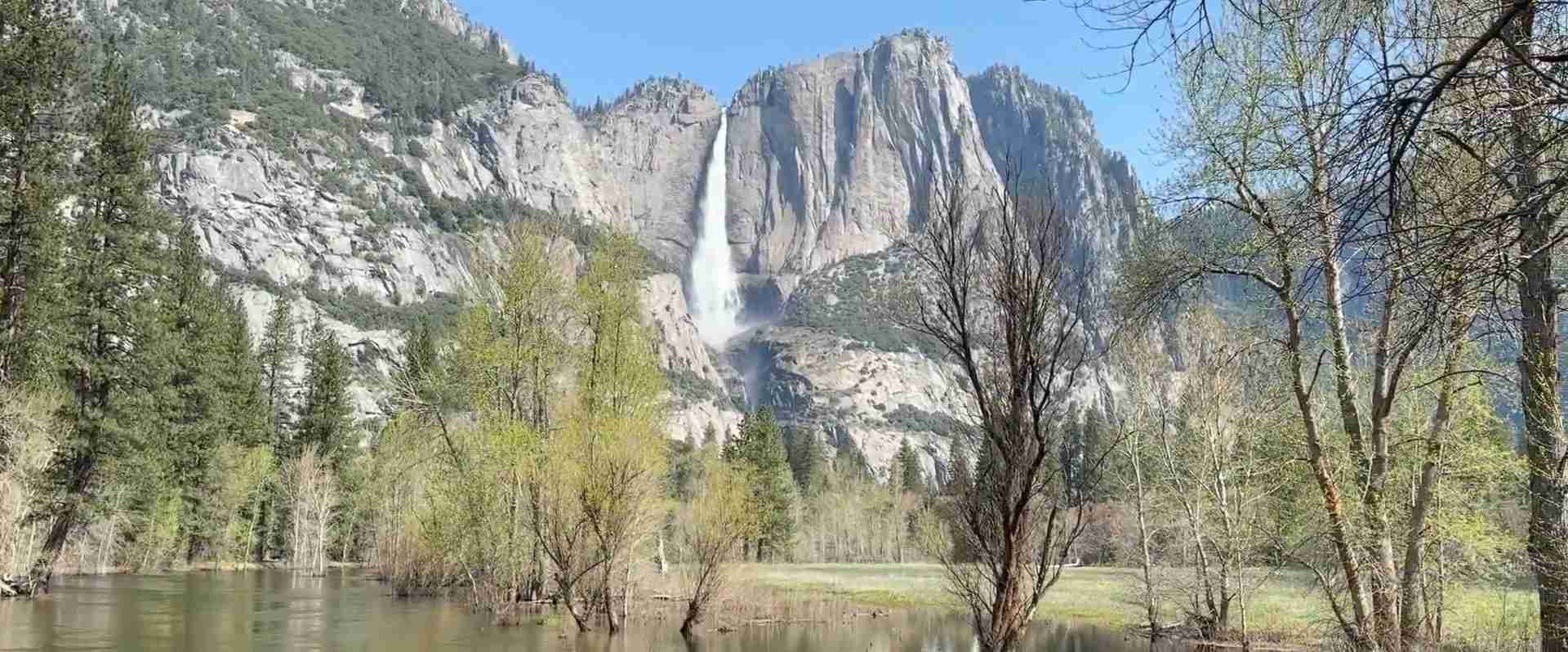
Yosemite National Park Cultural Significance Guide
Yosemite National Park transcends its physical boundaries to occupy a central place in American cultural identity and global environmental consciousness.
Key Takeaways
- Yosemite served as the spiritual and physical homeland of the Ahwahneechee people for over 4,000 years, shaping their culture and identity
- The 1864 Yosemite Grant established the precedent for national parks worldwide, fundamentally changing how societies approach wilderness preservation
- John Muir’s writings transformed Yosemite into a symbol of American wilderness, influencing environmental philosophy globally
- Artists from Albert Bierstadt to Ansel Adams used Yosemite as their canvas, creating works that defined American landscape art
- The park represents democratic ideals of public access to natural beauty, rejecting European models of private estates
- Yosemite influenced the development of outdoor recreation culture, establishing patterns of wilderness engagement that persist today
Introduction
The park’s cultural significance extends far beyond scenic beauty, embodying fundamental values about humanity’s relationship with nature, democratic access to common heritage, and the responsibility to preserve wilderness for future generations. Understanding Yosemite’s cultural dimensions reveals how a single landscape can shape artistic movements, inspire conservation philosophy, and serve as a touchstone for national identity.
From indigenous peoples who called the valley home to modern visitors seeking connection with nature, Yosemite has served as a cultural laboratory where Americans have worked out fundamental questions about civilization, wilderness, and the meaning of conservation. The park’s establishment marked a revolutionary moment when a democratic society chose preservation over exploitation, setting precedents that rippled across the globe. Artists, writers, philosophers, and ordinary citizens have found in Yosemite a space for reflection, inspiration, and renewal, making the park not just a protected area but a cultural institution of international significance.
People Also Ask About Yosemite Cultural Significance
What Role Did Yosemite Play in American Conservation History?
Yosemite fundamentally shaped American conservation philosophy and practice. The 1864 Yosemite Grant created the first government-protected scenic wilderness in world history, establishing the principle that natural wonders constitute public heritage deserving preservation. This revolutionary concept influenced the creation of Yellowstone National Park in 1872, widely considered the first true national park, and inspired the broader national park system. Frederick Law Olmsted’s 1865 report on Yosemite articulated democratic principles of conservation, arguing that scenic beauty should remain accessible to all citizens rather than becoming private property.
John Muir’s decades-long advocacy for Yosemite established patterns of grassroots environmental activism that continue today. His founding of the Sierra Club in 1892 created organizational infrastructure for conservation campaigns, demonstrating that citizens could influence government policy on environmental matters. The Hetch Hetchy controversy, though ending in defeat for preservationists, galvanized public opposition to development in national parks and established that citizens cared deeply about protecting wild places. These Yosemite-centered campaigns created the template for modern environmental movements, influencing conservation efforts worldwide.
How Has Yosemite Influenced American Art and Literature?
Yosemite inspired artistic movements that defined American landscape art. Albert Bierstadt’s massive paintings of the valley, created in the 1860s-1870s, brought Yosemite to eastern audiences through dramatic, romantic imagery. His work established conventions for depicting American wilderness as sublime and awe-inspiring, contrasting with European landscape traditions. Thomas Hill and other Hudson River School painters followed, creating bodies of work that made Yosemite synonymous with American natural grandeur.
Photography found in Yosemite both subject and inspiration. Carleton Watkins’ 1861 mammoth plate photographs demonstrated photography’s potential as fine art while documenting the valley’s features with unprecedented detail. Eadweard Muybridge, William Henry Jackson, and others built on Watkins’ innovations, establishing Yosemite as perhaps the most photographed landscape in 19th century America. Ansel Adams’ 20th century work elevated Yosemite photography to high art, with his images becoming iconic representations of American wilderness. Adams’ technical innovations and compositional mastery, developed largely through photographing Yosemite, influenced generations of photographers.
What Makes Yosemite Culturally Significant to Indigenous Peoples?
The Ahwahneechee people maintained deep spiritual and practical connections to Yosemite for millennia before European contact. The valley provided not just physical sustenance but spiritual meaning, with landscape features incorporated into creation stories and religious practices. Seasonal migrations followed patterns refined over countless generations, with intimate knowledge of plant cycles, animal behavior, and weather patterns essential for survival. The tribe’s basket-weaving traditions reached exceptional artistic levels, with designs incorporating Yosemite’s natural materials and aesthetic influences.
Forced removal in 1851 devastated the Ahwahneechee culturally and demographically, severing connections to ancestral lands and disrupting traditional lifeways. Though some tribal members returned to work in early tourism operations, their relationship with the valley had fundamentally changed. Today, descendants of the Ahwahneechee and other indigenous groups work to maintain cultural connections to Yosemite, participating in park programs, conducting ceremonies, and educating visitors about indigenous history. The park’s collaboration with Native communities acknowledges ongoing cultural significance while recognizing historical injustices.
How Did Yosemite Become a Symbol of American Identity?
Yosemite emerged as a symbol of American identity during the 19th century when the young nation sought distinctive cultural markers separate from European heritage. Unlike Europe’s ancient castles and cathedrals, America possessed vast wilderness and natural wonders. Yosemite’s granite cliffs and waterfalls became monuments equal to human-made structures, representing American character as grand, wild, and magnificent. This symbolic significance intensified as industrialization and urbanization transformed American society, with Yosemite representing values of freedom, authenticity, and connection to nature that Americans feared losing.
The democratic principle embodied in Yosemite’s public ownership distinguished American conservation from European aristocratic estates. Abraham Lincoln’s signing of the Yosemite Grant during the Civil War, when the nation’s existence hung in doubt, demonstrated commitment to preserving common heritage accessible to all citizens regardless of wealth or status. This egalitarian approach to natural wonders reflected broader American democratic ideals, making Yosemite not just a scenic area but a statement about national values and social organization.
Extended multi-day tours – 5+ days
Featured Park Yosemite National Park Multi-Day Tour Packages
3 days
Yosemite Escape Camping – 3 Days
- ✓ Comprehensive Park Yosemite National Park tour
- ✓ Expert local guides included
- ✓ All accommodation arranged
- ✓ Transportation provided
6 days
Hiking in Yosemite National Park
- ✓ Comprehensive Park Yosemite National Park tour
- ✓ Expert local guides included
- ✓ All accommodation arranged
- ✓ Transportation provided

3 days
Yosemite Escape Lodging – 3 Days
- ✓ Comprehensive Park Yosemite National Park tour
- ✓ Expert local guides included
- ✓ All accommodation arranged
- ✓ Transportation provided
8 days
Hiking Sequoia, Kings Canyon, and Yosemite
- ✓ Comprehensive Park Yosemite National Park tour
- ✓ Expert local guides included
- ✓ All accommodation arranged
- ✓ Transportation provided
Multi-day tour packages powered by TourRadar. Prices and availability subject to change.
Indigenous Cultural Heritage
The Ahwahneechee people’s cultural traditions developed over millennia in intimate relationship with Yosemite’s landscape. Creation stories explained the valley’s formation, with legends describing how various animals and supernatural beings shaped prominent features. One story attributes Half Dome’s shape to a marital dispute, with the husband turned to stone as he fled across the mountains. These narratives embedded geographical knowledge within memorable stories, serving educational purposes while expressing spiritual understanding of the landscape.
Seasonal rounds structured Ahwahneechee life, with families moving between elevations following resource availability. Spring brought families to the valley floor for fishing and plant gathering. Summer enabled access to high country resources including game and particular plant species unavailable at lower elevations. Fall focused on acorn harvesting, with black oaks producing staple foods stored for winter consumption. Winter residence in lower elevations provided milder conditions while families lived on stored resources and conducted crafts, ceremonies, and social activities. This seasonal pattern required extensive ecological knowledge and demonstrated sustainable resource management developed over countless generations.
Material culture reflected sophisticated understanding of available resources. Basket weaving reached extraordinary artistic and technical levels, with Ahwahneechee baskets prized throughout California for quality and design. Weavers incorporated geometric patterns with symbolic meanings, using natural dyes from local plants to create contrasting colors. Different basket forms served specific purposes: large conical burden baskets for transportation, flat winnowing baskets for processing acorns, watertight cooking baskets, and elaborately decorated gift baskets. The technical knowledge required for creating these objects represented accumulated wisdom passed through generations.
Ceremonial practices connected the Ahwahneechee to spiritual dimensions of their homeland. Dances celebrated seasonal changes, marked life transitions, and maintained relationships with supernatural forces believed to influence success in hunting, gathering, and social harmony. Shamans served as spiritual leaders and healers, possessing specialized knowledge of medicinal plants and ritual practices. Rock art sites throughout the region, though difficult to date precisely, likely served ceremonial purposes and connected Yosemite’s indigenous peoples to broader cultural networks across California and the Great Basin.
The disruption of indigenous lifeways following European contact represented cultural catastrophe for the Ahwahneechee. Diseases introduced through indirect contact with Spanish missions devastated populations before direct European presence in the valley. The Gold Rush brought miners and settlers into the Sierra foothills, creating conflicts that led to the Mariposa Battalion’s 1851 expedition and forced relocation. Even after some Ahwahneechee returned to the valley, they found their homeland transformed, with Euro-American tourism and resource exploitation replacing indigenous management practices. The loss of traditional ecological knowledge, disruption of ceremonial cycles, and dispersion of community members fragmented cultural continuity.
Contemporary efforts to preserve and revitalize Ahwahneechee cultural heritage include collaboration between the National Park Service and indigenous communities. The Yosemite Valley Indian Cultural Museum presents traditional crafts, implements, and cultural information, providing space for cultural expression and visitor education. Native artisans demonstrate basket weaving and other traditional crafts, maintaining living traditions while educating visitors about indigenous heritage. Annual gatherings bring together descendants of Yosemite’s original inhabitants, strengthening community connections and cultural practice. These initiatives acknowledge that Yosemite’s cultural significance extends beyond its role in American conservation history to include ongoing indigenous connections to ancestral lands.
The Conservation Movement and Yosemite
Yosemite’s protection in 1864 emerged from unusual circumstances combining wartime leadership, California boosterism, and genuine concern for natural preservation. The grant’s passage occurred during the Civil War’s darkest period, when Union victory remained uncertain and Congress focused primarily on military matters. That Abraham Lincoln found time to sign wilderness preservation legislation demonstrates the proposal’s perceived importance. The grant established federal precedent for protecting scenic areas, though its transfer to California management reflected uncertainty about federal authority over such matters.
Frederick Law Olmsted’s philosophical framework for Yosemite management, articulated in his 1865 commission report, established principles that continue influencing conservation thought. Olmsted argued that natural beauty provided psychological and spiritual benefits essential for democratic society’s health. He contended that scenic wonders constituted a form of wealth that should remain public property, accessible to all citizens rather than being monopolized by private interests. Though California’s legislature suppressed Olmsted’s report, apparently concerned about its implications for management costs and state authority, his ideas circulated through conservation networks and influenced later preservation efforts.
John Muir’s transformation from wilderness wanderer to conservation leader occurred through his Yosemite experiences. His explorations produced scientific insights about glacial geology while deepening his spiritual connection to wilderness. Muir’s writing combined rigorous natural observation with passionate advocacy, making him uniquely effective at reaching both scientific and popular audiences. His 1871 article “Yosemite Glaciers” challenged prevailing theories about valley formation, establishing his credibility as a naturalist. Subsequent articles in prominent magazines brought Yosemite to national attention while building support for expanded protection.
The campaign for Yosemite National Park demonstrated how public opinion could influence conservation policy. Robert Underwood Johnson’s 1889 visit to Yosemite with Muir crystallized concerns about overgrazing and logging threatening the valley’s watershed. Muir’s resulting Century Magazine articles presented compelling case for federal protection, while Johnson lobbied Congress directly. The swift passage of legislation creating Yosemite, Sequoia, and General Grant National Parks in September-October 1890 revealed strong political support for preservation, likely influenced by broader concerns about resource depletion and industrialization’s environmental impacts.
The Hetch Hetchy controversy tested conservation principles and revealed divisions within the movement. San Francisco’s proposal to dam Hetch Hetchy Valley for water supply forced preservationists to defend national park inviolability against powerful utilitarian arguments. Muir framed the debate morally, asking whether Americans would preserve their natural heritage or sacrifice it for expedience. Gifford Pinchot’s support for the dam, arguing that conservation meant wise use for maximum public benefit, split the conservation movement between preservationists and utilitarians. Congress’s 1913 authorization of the dam, though devastating for preservationists, generated massive public attention to park protection issues and strengthened resolve to prevent future such losses.
The National Park Service’s 1916 establishment provided institutional framework for implementing conservation principles developed through Yosemite’s history. The agency’s dual mandate to preserve parks “unimpaired” while providing for public enjoyment created productive tension that continues driving management philosophy. Stephen Mather’s directorship emphasized increasing visitation to build political support, leading to extensive infrastructure development. Later directors emphasized preservation over development, removing unnecessary structures and restoring natural conditions. This evolution reflects continuing negotiation of how best to honor both halves of the Park Service mandate, with Yosemite often serving as testing ground for new policies.
Artistic Heritage and Cultural Expression
Thomas Ayres created the first published artistic depictions of Yosemite in 1855, producing sketches during James Hutchings’ promotional expedition. Though Ayres drowned in 1858 before fully capitalizing on his Yosemite work, his images appeared in California newspapers and eastern publications, introducing Yosemite to audiences far from California. His drawings established conventions for depicting the valley’s scale and drama, though later artists found his work less accomplished than the subject deserved.
Albert Bierstadt’s massive oil paintings of Yosemite in the 1860s-1870s created enduring images of American wilderness. His romantic style, influenced by European traditions but adapted to American subjects, presented Yosemite as sublime and awe-inspiring. Paintings like “Looking Down Yosemite Valley, California” (1865) combined accurate topographical detail with theatrical lighting and atmospheric effects, creating works that balanced documentary and imaginative elements. Bierstadt’s paintings sold for unprecedented prices, establishing market value for American landscape art while making Yosemite imagery available to wealthy collectors and museum visitors.
Thomas Hill’s long association with Yosemite produced extensive body of work documenting the valley’s features and seasonal variations. Hill established a studio in Wawona, enabling sustained observation and painting directly from nature. His work ranged from massive exhibition pieces to small studies sold to tourists, democratizing access to Yosemite art. Hill captured the valley across different times of day and year, showing how light, weather, and season transformed the landscape’s appearance. His commercial success demonstrated public appetite for Yosemite imagery and helped establish the valley as America’s archetypal wilderness landscape.
Carleton Watkins’ 1861 photographic expedition to Yosemite marked watershed moment in both photography and conservation history. Using massive glass plate negatives measuring 18×22 inches, Watkins created photographs of unprecedented scale and clarity. His mammoth plates captured detail impossible in smaller formats, allowing viewers to appreciate the valley’s features with remarkable fidelity. Watkins’ photographs influenced Congress’s passage of the Yosemite Grant, with his work apparently viewed by legislators considering the preservation proposal. His commercial distribution of Yosemite photographs established photography as viable fine art medium while demonstrating the camera’s documentary capabilities.
Ansel Adams’ decades-long photographic documentation of Yosemite elevated the art form to new heights. His technical mastery, particularly the Zone System he developed for controlling exposure and development, enabled precise rendering of Yosemite’s challenging contrasts between bright granite and deep shadows. Adams’ compositions emphasized graphic simplicity and dramatic tonal relationships, creating images that balanced documentary accuracy with artistic interpretation. Photographs like “Moon and Half Dome” and “Clearing Winter Storm” became iconic representations of Yosemite and American wilderness more broadly. Adams’ conservation advocacy, continuing the tradition established by Muir, used photography as tool for environmental protection.
Literary responses to Yosemite complemented visual arts in establishing the park’s cultural significance. John Muir’s writing combined scientific observation with spiritual rapture, creating new genre of nature writing that influenced environmental literature. His descriptions of climbing trees during windstorms, riding avalanches, and traveling across glaciers presented wilderness as space for adventure and self-discovery. Later writers including Joseph Grinnell, François Matthes, and David Brower continued building Yosemite’s literary heritage, each generation finding new ways to express the landscape’s significance.
Tourism and the Democratization of Wilderness
Early Yosemite tourism required significant financial resources and physical endurance, limiting visitors to relatively wealthy and adventurous individuals. The journey from San Francisco involved stagecoach travel to the foothills followed by difficult horseback or foot travel along rough trails. Primitive accommodations provided basic shelter, with visitors expecting rustic conditions as part of the wilderness experience. Despite hardships, annual visitation increased steadily through the late 19th century, with Yosemite becoming essential destination for California tours.
Transportation improvements gradually democratized access to Yosemite. The Yosemite Valley Railroad’s 1907 completion enabled middle-class tourists to reach the valley without expensive stagecoach and horseback journeys. Automobile access, beginning in 1913 when restrictions were lifted, further broadened potential visitor demographics. The All-Year Highway’s 1926 completion enabled winter access, extending the tourism season and allowing year-round visitation. These improvements aligned with Progressive Era ideals about public access to natural resources, though they also raised concerns about overuse and environmental impacts.
Concession operations shaped visitor experience and park character. The Ahwahnee Hotel, opened in 1927, represented luxury accommodation designed to compete with European resorts while respecting Yosemite’s natural setting. Its rustic architecture, combining stone, timber, and concrete, established aesthetic principles for park development. Curry Company operations provided various accommodation levels, from basic tent cabins to comfortable lodges, enabling visitors of different economic means to experience Yosemite. Concession development balanced accommodation capacity with preservation concerns, with periodic controversies arising over expansion proposals.
Recreational activities evolved as visitor demographics diversified. Early tourism emphasized sightseeing from viewpoints and horseback excursions to waterfalls and big trees. Rock climbing emerged as distinctive Yosemite activity in the 1930s, with pioneers like Robert Underhill introducing rope techniques developed in Europe. The post-World War II era saw explosion in outdoor recreation, with backpacking, rock climbing, and wilderness camping becoming central to Yosemite experience for many visitors. This shift from passive sightseeing to active engagement with wilderness reflected broader cultural changes in Americans’ relationship with nature.
The Camp Curry Firefall, conducted from 1872 to 1968, exemplified entertainment-oriented tourism that later generations found inappropriate in national parks. Each evening during summer months, burning embers were pushed from Glacier Point, creating glowing cascade down the cliff face. While popular with visitors, the National Park Service eventually discontinued the practice as inconsistent with wilderness preservation values. The Firefall’s elimination demonstrated evolving management philosophy prioritizing natural processes over artificial spectacles, though the practice remains nostalgic symbol of earlier tourism eras.
Yosemite and American Environmental Consciousness
Yosemite’s role in developing American environmental consciousness extends beyond direct conservation campaigns to broader influence on how Americans understand their relationship with nature. The park represents space where urban Americans, increasingly disconnected from rural and wilderness landscapes, could reconnect with natural processes and wild country. This function gained importance as industrialization and urbanization transformed American society, creating psychological need for wilderness experience that Yosemite and other national parks fulfilled.
The concept of wilderness as space for spiritual renewal, prominently articulated by Muir and other Yosemite advocates, challenged utilitarian views of nature as merely resource base for economic activity. This alternative vision positioned wilderness as essential for human psychological health and spiritual development, making preservation arguments based on values beyond economic calculation. The wilderness idea, refined through Yosemite debates and experiences, influenced broader environmental movement and contributed to passage of the 1964 Wilderness Act, which codified legal protection for designated wilderness areas.
Yosemite served as laboratory for working out tensions between preservation and access that continue challenging park management. The Park Service’s dual mandate to preserve parks while providing for public enjoyment creates inherent contradictions, with increased visitation potentially degrading the resources visitors come to experience. Debates about appropriate development levels, recreational activities, and visitor capacity management in Yosemite influenced policies throughout the national park system. These ongoing negotiations reflect broader societal questions about how to balance competing values of preservation, access, and economic development.
Climate change awareness has added new dimension to Yosemite’s cultural significance as symbol of environmental challenges facing all protected areas. Reduced snowpack, glacier retreat, altered fire regimes, and ecosystem changes represent visible manifestations of global environmental change. Yosemite’s transformation demonstrates that even protected areas cannot escape broader environmental impacts, challenging assumptions about parks as inviolate refuges from human influence. This reality reinforces arguments for addressing climate change while highlighting interconnections between local conservation and global environmental issues.
The park’s continuing role in environmental education influences millions of visitors annually. Interpretive programs, exhibits, and publications present natural and cultural history while fostering environmental awareness. Many visitors report that Yosemite experiences influenced their environmental values and behaviors, demonstrating the park’s function as site for environmental learning and attitude formation. This educational role extends Yosemite’s significance beyond its boundaries, influencing how Americans across the country understand environmental issues and their relationship with natural world.
International Influence and World Heritage Status
Yosemite’s international influence began early, with 19th century travelers from Europe and elsewhere visiting the valley and exporting ideas about wilderness preservation to their home countries. The national park concept, pioneered through Yosemite and Yellowstone, spread globally, with countries worldwide establishing protected areas modeled on American examples. Canada created its national park system in 1885, followed by New Zealand, Australia, and eventually nearly every nation. While each country adapted the concept to local conditions and values, the fundamental principle of government-protected natural areas traces directly to American precedents established through Yosemite and Yellowstone.
UNESCO’s 1984 World Heritage designation recognized Yosemite’s universal value transcending national boundaries. The designation cited exceptional natural beauty, significant geological features, and important ecosystems as justification for including Yosemite among the world’s most significant protected areas. World Heritage status created international community with stake in Yosemite’s preservation, though day-to-day management remains with the National Park Service. The designation enhanced Yosemite’s profile internationally while reinforcing domestic commitment to preservation standards.
International scientific collaboration in Yosemite has produced research benefiting protected area management worldwide. Studies of visitor impacts, wildlife management, fire ecology, and climate change adaptation developed in Yosemite inform best practices globally. The park hosts researchers from many countries, facilitating knowledge exchange and international cooperation on conservation challenges. This scientific dimension of international influence complements Yosemite’s symbolic significance as iconic protected area.
Yosemite’s artistic and cultural influence extends globally through reproductions of Adams’ photographs, distribution of Muir’s writings, and the park’s appearance in films, television, and digital media. International visitors comprise significant portion of annual visitation, with Yosemite serving as essential destination for many international tourists to the United States. This global awareness makes Yosemite not just American treasure but internationally recognized symbol of natural heritage preservation.
Contemporary Cultural Significance
Modern Yosemite serves diverse cultural functions for different visitor groups and stakeholders. Rock climbers view the park as world-class climbing destination, with El Capitan and Half Dome representing ultimate test pieces that attract climbers from around the globe. The climbing community has developed its own culture, traditions, and history in Yosemite, with Camp 4 serving as iconic gathering place and routes like The Nose achieving legendary status. Climbing in Yosemite represents not just athletic achievement but participation in cultural tradition extending back decades.
Photographers continue finding inspiration in Yosemite, following in the tradition established by Watkins, Muybridge, and Adams. The valley’s changing light, weather, and seasons provide endless subject matter, while the challenge of creating original images of thoroughly documented subjects attracts photographers seeking to test their vision and skill. Annual photography workshops and tours bring thousands of amateur and professional photographers to the park, maintaining Yosemite’s status as premier photography destination.
Environmental advocates continue referencing Yosemite in debates about wilderness preservation, climate change, and conservation funding. The park serves as symbol of what preservation can achieve and reminder of continuing threats facing protected areas. Yosemite-centered campaigns, from the historical Hetch Hetchy controversy to contemporary issues around commercialization and overcrowding, demonstrate the park’s continuing role in environmental discourse and activism.
For many Americans, Yosemite represents rite of passage and family tradition, with multiple generations visiting together and sharing experiences. The park serves as space for creating memories, celebrating milestones, and connecting with family members through shared outdoor experiences. This function, while less dramatic than grand conservation campaigns or artistic achievements, represents fundamentally important cultural role of making natural beauty accessible for personal and family experiences that shape individual lives and values.
Frequently Asked Questions
How did Yosemite influence the creation of other national parks?
The 1864 Yosemite Grant directly influenced the creation of Yellowstone National Park in 1872, widely considered the first true national park. The Yellowstone legislation explicitly referenced Yosemite’s precedent while improving on its model by maintaining federal rather than state management. The broader national park movement built on these examples, with Yosemite’s success demonstrating that scenic preservation served public interest and enjoyed popular support. The philosophical and legal frameworks developed through Yosemite informed park establishment worldwide.
What happened to indigenous peoples’ cultural practices after Yosemite became a park?
Forced removal in 1851 and subsequent marginalization severely disrupted Ahwahneechee cultural practices. Traditional seasonal rounds became impossible, ceremonies were discontinued or moved to reservations, and transmission of ecological knowledge was interrupted. Some tribal members returned to work in tourism, maintaining presence in their homeland but unable to practice traditional lifeways. Contemporary efforts at cultural revitalization include partnerships between park and indigenous communities, though many practices were irretrievably lost or significantly altered through decades of disruption.
Why is Ansel Adams’ Yosemite photography so culturally significant?
Adams’ photographs transcended mere documentation to create iconic images defining American wilderness. His technical mastery and artistic vision produced photographs that balanced realism and idealism, showing Yosemite as simultaneously real place and symbolic landscape. The photographs’ wide distribution through books, posters, and calendars made them cultural touchstones recognizable globally. Adams’ conservation advocacy combined with his art gave his work additional significance as tools for environmental protection, continuing the tradition Muir established of using art to advance conservation.
How has Yosemite’s cultural meaning changed over time?
Yosemite’s cultural significance evolved from indigenous homeland to tourist curiosity to national symbol to global heritage site. Early Euro-American responses emphasized the valley’s sublime qualities and potential for tourism. Conservation campaigns transformed Yosemite into symbol of preservation values and democratic access to natural beauty. The environmental movement elevated the park to icon of wilderness protection and environmental consciousness. Contemporary understanding incorporates all these layers while adding awareness of indigenous history, climate change impacts, and tensions between preservation and access.
What makes Yosemite a UNESCO World Heritage site?
UNESCO recognized Yosemite for exceptional natural beauty, significant geological features, and important ecosystems. The designation acknowledges that Yosemite’s value transcends national boundaries, representing heritage important to all humanity. World Heritage status creates international awareness and reinforces preservation commitments, placing Yosemite among the world’s most significant protected areas. The designation reflects both natural values and cultural importance, recognizing Yosemite’s role in pioneering protected area concepts and influencing global conservation movements.
How did the Hetch Hetchy controversy affect conservation culture?
The Hetch Hetchy defeat galvanized preservationists and demonstrated that citizens cared deeply about protecting national parks. The controversy established that dam proposals in parks would face fierce opposition, raising political costs of such projects. The debate clarified philosophical differences between preservationists who sought wilderness for its own sake and utilitarians who advocated wise resource use. The controversy’s legacy includes strengthened resolve to prevent similar losses and continuing discussions about balancing development and preservation.
What role does Yosemite play in outdoor recreation culture?
Yosemite helped establish recreational patterns including rock climbing, backpacking, and wilderness camping that became central to American outdoor culture. Camp 4’s climber community influenced climbing culture globally, establishing ethics and practices adopted worldwide. The park serves as destination where outdoor enthusiasts test skills, achieve personal goals, and participate in communities sharing their interests. Yosemite’s influence extends through climbing guidebooks, trip reports, photographs, and stories that circulate through outdoor recreation communities.
How do different cultural groups experience Yosemite differently?
Visitors bring diverse cultural backgrounds, expectations, and values to Yosemite, resulting in varied experiences. Indigenous peoples maintain connections to ancestral homeland while navigating complex history of displacement and ongoing spiritual ties. Climbers view the park through lens of routes, challenges, and community traditions. Photographers seek light, composition, and personal artistic vision. Families create memories and introduce children to nature. International visitors experience American wilderness and conservation values. Each group’s experience reflects their cultural context, personal interests, and reasons for visiting.
Why is Yosemite considered a symbol of American identity?
Yosemite represents American values including democratic access to common heritage, commitment to preservation, and appreciation for wilderness. The park’s establishment during the Civil War demonstrated that national identity included environmental stewardship even during existential crisis. Yosemite’s grandeur provided young nation with natural monuments rivaling Europe’s human-made heritage. The park embodies frontier mythology, transcendentalist philosophy, and environmental consciousness that Americans consider central to national character. This symbolic significance makes Yosemite more than scenic area – it represents who Americans believe themselves to be.
How does Yosemite continue influencing environmental thought today?
Contemporary environmental debates reference Yosemite as example of successful preservation, reminder of continuing challenges, and symbol of values worth defending. Climate change impacts visible in the park demonstrate that even protected areas face global environmental threats, strengthening arguments for addressing climate change. Overcrowding and management challenges illustrate tensions between preservation and access requiring ongoing negotiation. Yosemite continues serving as space where Americans work out fundamental questions about their relationship with nature, making the park relevant to contemporary environmental discourse.