York 3-Day Itinerary 2026: First-Time Visitor Ultimate Guide
York’s medieval walls enclose 2,000 years of British history concentrated within a walkable city center where Viking streets, Gothic architecture, and Roman foundations create England’s finest historical destination. This three-day itinerary balances York’s major landmarks with hidden medieval corners, providing first-time visitors a comprehensive introduction to Northern England’s cultural capital through carefully timed routes that maximize both efficiency and authentic discovery.
Key Takeaways
- Budget Planning 2026: First-time visitors to York spend £70-100 per person daily for budget travel, £140-220 for mid-range comfort, or £285-445 for luxury experiences, with all ranges assuming two people sharing accommodation and including meals, transport, and attraction entries throughout the three-day visit.
- Walkable Medieval Core: York’s entire walled city center measures approximately 1.5 miles across, with all major attractions including York Minster, The Shambles, Jorvik Viking Centre, and medieval city walls accessible within comfortable walking distance, eliminating transportation costs for the majority of sightseeing activities.
- York Pass Value 2026: The official Visit York Pass (£59-70 for 1-day, with 2-day and 3-day options) provides entry to 35+ attractions including York Minster (normally £20), Jorvik Viking Centre (£15-19), York Castle Museum (£18), and Clifford’s Tower (£8), typically saving £40-80 for visitors planning to see multiple paid sites.
- Three-Day Structure: The optimal York itinerary dedicates Day 1 to York Minster and the medieval quarter, Day 2 to Viking heritage and castle history, and Day 3 to museums and city walls, with this sequencing preventing attraction fatigue while maintaining geographical efficiency through clustered routing.
- Seasonal Timing 2026: April through October offers comfortable temperatures (12-22°C / 54-72°F) for wall walks and outdoor exploring, while July-August brings warmest weather but largest crowds; December transforms York into a medieval Christmas market destination with the St. Nicholas Fayre (November-December 21), though winter months (November-March) require warm clothing for outdoor activities.
- Free Major Attractions: The National Railway Museum ranks among Britain’s finest free museums, the complete 2-mile medieval city wall walk costs nothing, Museum Gardens provide historic ruins within landscaped grounds, and York Minster remains free for worship attendees, allowing budget-conscious visitors to experience world-class cultural heritage without admission fees.
People Also Ask About York 3-Day Itinerary 2026
How much does a 3-day trip to York cost in 2026?
A 3-day York trip costs £210-300 per person for budget travelers sharing accommodation, £420-660 for mid-range comfort, or £855-1,335 for luxury experiences. Budget travelers stay in economy hotels (£60-80/night for a double room, £30-40 per person), eat at casual restaurants (£27-41 daily for three meals), use public transport (£4-5 daily), and visit selective paid attractions (£10-15 daily). Mid-range visitors choose comfortable hotels (£120-180/night, £60-90 per person sharing), dine at better restaurants (£53-83 daily), mix walking with occasional taxis (£5-10), and see multiple major attractions (£20-35 daily). Luxury travelers book upscale properties (£250-400/night, £125-200 per person), enjoy fine dining (£105-160 daily), use private transport (£15-25), and access premium experiences (£40-60 daily). All figures assume two people sharing double rooms throughout the visit.
What is the best way to get around York in 2026?
Walking covers the majority of York’s attractions since the walled city center measures only 1.5 miles across with all major sites within 20 minutes’ walk. York’s compact medieval layout makes walking the most efficient transport method for first-time visitors exploring the historic core. Public buses operated by First Bus serve outlying attractions like the National Railway Museum with single fares at £3 and day passes at £4.42. Taxis from York Railway Station to the city center cost approximately £12 and take 10-15 minutes. The PlusBus add-on to rail tickets provides unlimited local bus travel. For visitors staying outside the city walls, the Park & Ride service offers free parking at six sites around York with bus service to the center. York’s pedestrian-friendly streets make rental cars unnecessary and often problematic due to limited parking and pedestrian zones.
Do I need to book York attractions in advance for 2026?
York Minster, Jorvik Viking Centre, and York Castle Museum strongly recommend advance booking for guaranteed entry, especially during peak season (April-October) and school holidays when daily capacity limits fill quickly. The York Minster sells timed-entry tickets to manage crowd flow through the cathedral, with walk-up entry possible but not guaranteed during busy periods. Jorvik Viking Centre operates time-slot bookings due to its ride-through experience format, with same-day tickets rarely available on weekends and holidays. York Castle Museum implements timed entry during peak times to preserve visitor experience quality. The National Railway Museum offers free entry without booking requirements. Ghost walks, chocolate tours, and specialized guided tours should be reserved 1-2 weeks ahead during summer months. York Pass holders still require free timed-entry reservations for certain attractions including York Minster and Jorvik Viking Centre, though the reservation process remains straightforward through individual attraction websites.
What should I pack for a York trip in 2026?
York visitors require comfortable walking shoes with good support since the three-day itinerary involves 6-8 miles of daily walking across cobblestone streets, uneven medieval pavements, and 275 stone steps up York Minster’s central tower. Layered clothing suits York’s changeable British weather regardless of season, with waterproof jacket essential year-round as rain occurs unpredictably even during summer months. April-October visitors pack light layers (temperatures 12-22°C / 54-72°F), while November-March requires warm coat, hat, and gloves for outdoor wall walks and river activities (temperatures 2-10°C / 36-50°F). Small daypack carries water, snacks, and purchased souvenirs while leaving hands free for photography and navigation. York Minster prohibits large bags and wheeled luggage, with left-luggage facilities available at Yorbag near the railway station. Camera or smartphone captures York’s photogenic medieval architecture, stained glass, and city wall panoramas. UK plug adapter (Type G, three-pin) charges electronic devices. Contactless payment card works throughout York for attractions, restaurants, and public transport, though some small independent shops prefer cash.
Extended multi-day tours – 5+ days
Featured York Multi-Day Tour Packages
3 days
York 3-Day Discovery Tour
- ✓ Comprehensive York experience
- ✓ Expert local guides included
- ✓ All accommodation included
- ✓ Transportation provided
5 days
York 5-Day Highlights Experience
- ✓ Comprehensive York experience
- ✓ Expert local guides included
- ✓ All accommodation included
- ✓ Transportation provided

7 days
York 7-Day Cultural Journey
- ✓ Comprehensive York experience
- ✓ Expert local guides included
- ✓ All accommodation included
- ✓ Transportation provided
10 days
York 10-Day Complete Adventure
- ✓ Comprehensive York experience
- ✓ Expert local guides included
- ✓ All accommodation included
- ✓ Transportation provided
Multi-day tour packages powered by TourRadar. Prices and availability subject to change.
Introduction to York 3-Day Itinerary 2026
York stands as Britain’s most completely preserved medieval city, where 2,000 years of continuous history have layered Roman fortifications, Viking settlements, Norman conquest, and Gothic magnificence within walkable defensive walls that survived virtually intact from the 13th century. First-time visitors to this Northern England treasure discover a concentration of historical significance unmatched elsewhere in Britain outside London, yet York’s compact scale allows comprehensive exploration within three well-planned days rather than requiring a week of rushed touring. The city’s unique advantage lies in its geographical efficiency: unlike sprawling capitals where major sites scatter across multiple neighborhoods requiring extensive transportation, York concentrates its premier attractions within a 1.5-mile medieval core where ancient streets and snickelways interconnect walking routes between landmarks.
This three-day itinerary provides first-time visitors a balanced introduction to York’s layered history through a structured progression from Gothic cathedral grandeur through Viking heritage to castle history and museum collections. The routing follows geographical logic rather than chronological history, clustering nearby attractions into single-day circuits that minimize backtracking while maintaining narrative coherence. Day One establishes York’s religious and commercial medieval heart through York Minster and The Shambles, providing essential orientation to the city’s layout and architectural vocabulary. Day Two dives into Viking York at the Jorvik Centre before ascending medieval defensive structures at Clifford’s Tower, connecting York’s Anglo-Saxon past with Norman conquest consequences. Day Three explores Britain’s railway heritage at the National Railway Museum and completes the medieval city wall circuit, offering both specialized interest and comprehensive cityscape perspective.
York’s cultural significance extends beyond architectural preservation into living history, where the Minster functions as an active cathedral hosting daily worship services, medieval pubs serve traditional Yorkshire fare in buildings older than American colonization, and street performers entertain on corners where Roman legionaries once marched. The city attracts approximately 700,000 annual visitors to York Minster alone, yet York’s tourism infrastructure handles crowds without compromising authentic medieval atmosphere or local character. The walled city maintains sufficient restaurant variety to satisfy international palates while preserving distinctly Yorkshire culinary traditions including proper afternoon tea, Sunday roasts with Yorkshire pudding, and local Wensleydale cheese. York’s reputation as England’s most haunted city adds evening ghost walks to the daytime sightseeing menu, with theatrical guides leading tours through dimly lit medieval lanes where historical tragedies occurred centuries ago.
Planning a York visit in 2026 requires understanding seasonal variations that affect both practical logistics and experiential quality. The optimal visiting window spans April through October when temperatures range 12-22°C (54-72°F), comfortable for extended outdoor walking and city wall exploration. July and August deliver warmest weather but attract peak summer crowds that fill attractions, restaurants, and accommodations to capacity; families with school-aged children lack flexibility to avoid these months despite the elevated prices and wait times. December offers York’s famous Christmas markets and St. Nicholas Fayre (typically November 21-December 21), transforming the medieval city into an atmospheric winter wonderland worth enduring 2-10°C (36-50°F) temperatures. Spring (April-May) and autumn (September-October) represent ideal compromise periods, combining pleasant weather with moderate crowd levels and shoulder-season hotel rates approximately 30-40% below summer peaks.
York’s accessibility from major British cities positions it ideally for both dedicated visits and inclusion in broader English itineraries. Direct trains from London King’s Cross reach York in 1 hour 46 minutes with frequent departures throughout the day, while Edinburgh lies 2.5 hours north and Manchester 1.5 hours west via the East Coast Main Line. York Railway Station sits 10 minutes’ walk from the city walls, eliminating additional transportation costs or complications between rail arrival and accommodation. International visitors typically fly into Manchester Airport (2 hours by train), Leeds Bradford Airport (45 minutes by bus), or London Heathrow (3.5 hours via King’s Cross connection), with Manchester offering the most convenient access. York lacks its own commercial airport, reinforcing the city’s medieval character while concentrating tourist arrivals through the centrally located railway station. The station’s convenience allows visitors to arrive mid-morning on Day One and depart late afternoon on Day Three, maximizing actual sightseeing time without wasting half-days on transportation logistics.
This itinerary assumes first-time visitors arrive with basic British travel knowledge including drive-on-left traffic patterns, metric/imperial measurement mixing, and tipping customs (10-12% in restaurants when service charge not included, round up taxi fares, no tipping in pubs). York uses British Pound Sterling (GBP, £) exclusively, with contactless payment widely accepted but some small shops and market stalls preferring cash. ATMs distribute £10 and £20 notes throughout the city center, though American visitors should notify their banks before travel to prevent international transaction blocks. York Minster and several attractions prohibit large bags and wheeled luggage, with left-luggage services available at Yorbag near the railway station for £5-8 per item per day. Mobile phone service operates on GSM networks requiring unlocked phones or UK SIM cards for visitors with locked American devices; free WiFi appears in most hotels, cafes, and many restaurants, though not ubiquitously throughout public spaces.
Day 1 Morning 2026: York Minster and Medieval Quarter
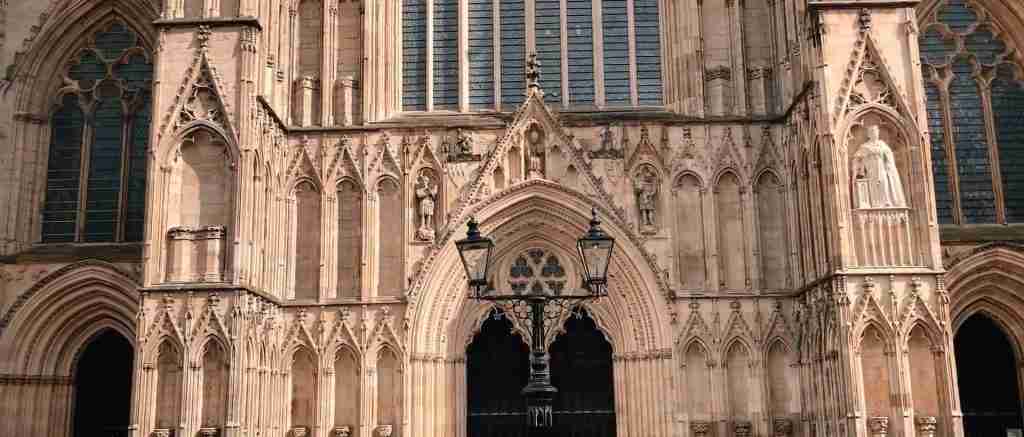
The first day in York begins at York Minster, the largest Gothic cathedral in Northern Europe and the religious heart of York for over 1,000 years. Arrive when the Minster opens for sightseeing at 9:00 AM to experience the cathedral before coach tour groups arrive mid-morning, allowing quiet appreciation of the soaring nave and medieval stained glass without crowd obstruction. Standard admission tickets cost £20 for adults in 2026 (check the official website for current rates as pricing may vary), with this single payment valid for 12 months allowing multiple returns throughout the year; up to four children under 17 enter free with each paying adult, making York Minster particularly economical for families. York residents and York university students enter free with valid identification. The ticket includes access to the main cathedral, the Undercroft Museum beneath the Minster, and free guided tours departing every 30 minutes throughout the day.
York Minster’s architectural magnificence reveals itself gradually as visitors progress from the nave through transepts to the choir and chapter house. The Great West Window, installed in 1338, contains the intricate Heart of Yorkshire tracery visible from the entrance, while the Great East Window at the opposite end spans the entire eastern wall as Britain’s largest expanse of medieval stained glass. The Rose Window in the south transept commemorates the 1486 marriage of Henry VII and Elizabeth of York, uniting the rival houses after the Wars of the Roses. The Chapter House, accessible from the north transept, features elaborate 13th-century stone carvings and England’s earliest timber-supported vault without central column, a revolutionary engineering achievement that influenced cathedral construction throughout Europe. The octagonal Chapter House served as the Minster’s administrative center where clergy met to conduct cathedral business, with stone seating around the perimeter providing evidence of medieval governance structures.
The Undercroft Museum, reached by descending stairs from the main cathedral, displays 2,000 years of York history layered beneath the current Gothic structure. Roman columns from the headquarters of Legio IX Hispana stand where they were discovered during 1960s excavations, demonstrating the Minster’s construction directly atop York’s Roman military fortress. Anglo-Saxon artifacts trace York’s evolution as the capital of the Kingdom of Northumbria, while Norman stonework fragments reveal the earlier Romanesque cathedral destroyed by fire in the 12th century. Interactive displays explain the engineering challenges of constructing a massive Gothic cathedral on Roman and Viking foundations, with foundation stones visible through reinforced glass floors. The museum’s carefully curated progression from Roman military outpost through Viking Jorvik to Norman cathedral construction provides essential historical context for understanding York’s layered past.
The Tower Climb, available as an additional £5 upgrade to standard admission, ascends 275 medieval stone steps to the Central Tower’s top, reaching York’s highest viewpoint at 60 meters above ground. The narrow spiral staircase climbs through centuries of masonry, emerging onto the tower’s roof terrace where 360-degree panoramas encompass the entire walled city, surrounding Yorkshire countryside, and the Pennine hills on clear days. The Tower Climb operates on first-come, first-served basis without advance booking, though visitors must be at least 8 years old and possess reasonable fitness for the steep ascent. Photograph opportunities from the tower capture York’s medieval street pattern, with the distinctive curve of The Shambles clearly visible, the River Ouse winding through the city, and the complete circuit of medieval defensive walls. Plan 2-3 hours total for York Minster including tower climb, museum exploration, and free guided tour participation.
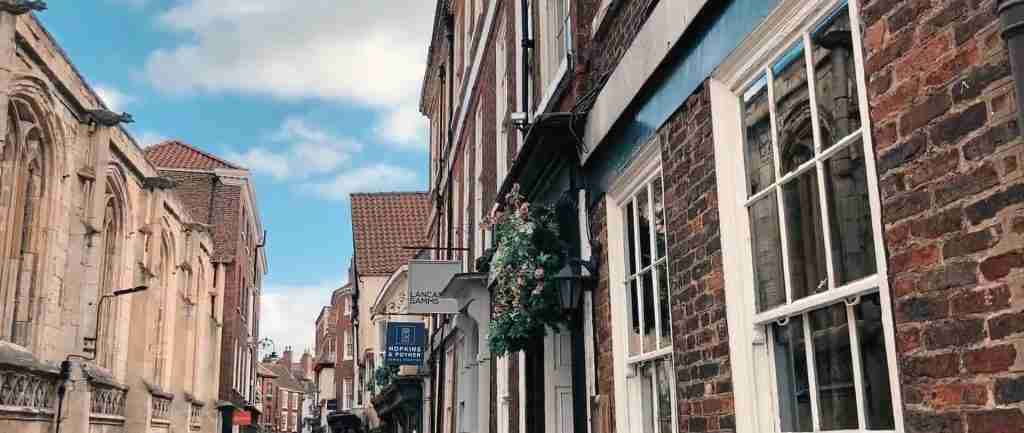
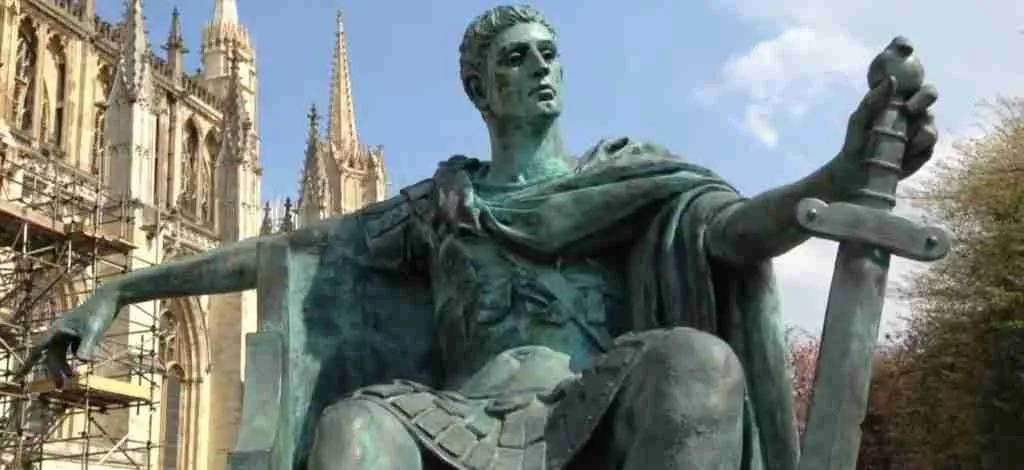
Exit York Minster through the south transept doors into Dean’s Park, a tranquil green space surrounding the cathedral’s eastern end where Roman columns stand as garden ornaments and daffodils bloom each spring. The park provides perspective on the Minster’s exterior Gothic architecture, with flying buttresses and elaborate window tracery best appreciated from the southeastern corner. Cross Dean’s Park toward Minster Gates, pausing at the statue of Constantine the Great near the south entrance; Constantine was proclaimed Roman Emperor in York in 306 AD, beginning his reign that would eventually legalize Christianity throughout the Roman Empire. This historical connection between York and Constantine explains the Minster’s significance as Christianity’s northern English stronghold from the earliest centuries of British Christianity.
Walk south on Stonegate, one of York’s most atmospheric medieval streets, where overhanging timber-framed buildings create narrow passages lined with independent shops, cafes, and galleries. Stonegate follows the route of the Roman Via Praetoria that connected the fortress headquarters with the southwest gate, with some cellars still containing Roman stonework in their foundations. Look for the small red devil carved into the corner of Low Petergate and Stonegate, marking a 16th-century printer’s shop, and the shrine of Our Lady on the Row, a rare survival of medieval street altars. Coffee shops and bakeries along Stonegate provide mid-morning refreshment opportunities, with local Yorkshire tea and traditional pastries available in historic buildings that have served similar purposes for centuries.
Day 1 Late Morning 2026: The Shambles and Medieval Commerce
Turn right from Stonegate onto High Petergate, following signs to The Shambles, York’s most photographed medieval street and one of Europe’s best-preserved commercial thorougharies from the Middle Ages. The Shambles derived its name from the Anglo-Saxon “Shamel” (meaning shelf or bench) referring to the meat display counters that once lined both sides of this street when butchers’ shops dominated the narrow lane. The overhanging upper stories nearly meet above the narrow cobblestone street, creating perpetual shade below while maximizing living space in the upper floors; this architectural feature also allowed medieval merchants to pass items between shops across the street without descending to street level. Approximately 14 butchers’ shops operated in The Shambles during medieval times, with meat hooks still visible on some building exteriors and open shop fronts revealing the original medieval retail layout.
The Shambles stretches approximately 400 meters from King’s Square to St. Crux Parish Room, with every building constructed between the 14th and 16th centuries, though archaeological evidence suggests commercial activity on this site since at least the 11th century. Modern shops occupy the medieval spaces, selling everything from traditional Yorkshire fudge and Wensleydale cheese to Harry Potter merchandise (the street’s atmospheric medieval appearance allegedly inspired Diagon Alley in the films, though J.K. Rowling has never confirmed this connection). Several shops maintain original features including the open shopfront design without display windows, which allows merchandise to extend onto wooden benches projecting into the street. The Shambles’ narrowest point measures barely wide enough for two people to pass sideways, creating an immersive medieval atmosphere impossible to replicate in modern developments.
Explore the narrow snickelways (York’s unique term for medieval alleyways) branching off The Shambles, particularly Coffee Yard and Little Shambles, where even more intimate passages reveal hidden courtyards and connecting routes between parallel streets. Medieval York contained approximately 40 of these snickelways, with many surviving today as official public rights-of-way despite appearing like private passages. These alleys served essential functions in medieval urban planning, providing rear access to properties, drainage channels, and fire breaks between timber buildings. The snickelways also offered shortcuts through the dense medieval street network, creating a three-dimensional maze that confused invading armies while allowing residents quick escape routes.
Visit St. Margaret Clitherow Shrine on The Shambles, marking the birthplace and home of Margaret Clitherow, a Catholic martyr executed in 1586 during Elizabeth I’s persecution of recusant Catholics. The tiny shrine contains a hand’s breadth of floor from Margaret’s house, preserved when the building was demolished, and serves as a pilgrimage site for Catholics visiting York. Margaret Clitherow hid priests in concealed chambers within her Shambles house during the period when Catholic worship faced capital punishment in Protestant England; she was pressed to death by weights for refusing to enter a plea at trial, becoming one of the Forty Martyrs of England and Wales canonized in 1970. The shrine’s presence adds profound historical gravity to The Shambles’ tourist atmosphere, reminding visitors of the religious violence that characterized 16th-century English history.
Exit The Shambles at King’s Square, a small medieval marketplace where a Roman column commemorates the Emperor’s visit, and explore the surrounding Shambles Market, York’s daily outdoor market operating since Viking times. The market offers approximately 100 stalls selling fresh produce, street food, crafts, and antiques Tuesday through Sunday, with Monday serving as market rest day. Food options range from Yorkshire sausage rolls and pork pies to international street food including Thai, Indian, and Mediterranean vendors. The market atmosphere evokes medieval commercial life more authentically than museum recreations, with merchants calling out their wares, customers haggling over prices, and the general bustle of daily commerce exactly as occurred here for a thousand years, merely with different products and modern pricing.
Day 1 Afternoon 2026: Merchant Adventurers’ Hall and Riverside Walk
Walk southeast from King’s Square down Fossgate to Merchant Adventurers’ Hall, one of Europe’s finest surviving medieval guildhalls and a working meeting place for York’s merchant guild for 660 years. The hall, constructed 1357-1361 by the Guild of Our Lord Jesus and the Blessed Virgin Mary (later known as the Company of Merchant Adventurers), provided meeting space, social facilities, and charitable housing for York’s most influential merchants who controlled the city’s wool trade with European markets. Admission costs £9 for adults with tickets valid for 12 months allowing multiple returns (check official website for current rates). The guildhall opens Tuesday-Sunday 10:00 AM-4:00 PM during winter months (November-March) and daily 10:00 AM-5:00 PM in summer (April-October).
The Great Hall upstairs features an impressive timber-framed roof constructed without nails using medieval joinery techniques, with the massive oak beams cut from trees growing when the hall was built still supporting the structure 665 years later. The hall served as the merchant guild’s meeting chamber where members voted on trade regulations, settled commercial disputes, and managed the guild’s extensive properties throughout York and beyond. The Undercroft beneath the hall provided almshouse accommodation for merchant widows and impoverished members, representing medieval corporate social responsibility centuries before modern welfare systems. The Chapel, separated from the Great Hall by a wooden screen, hosted religious services for guild members and demonstrates the integration of commerce and Christianity in medieval merchant culture.
Continue walking southeast along Fossgate to the River Ouse, York’s defining waterway that shaped the city’s development from Roman times through Victorian industrialization. The River Ouse connects York to the North Sea 60 miles downstream, enabling York’s commercial prosperity as goods arrived by ship directly from Continental Europe and coastal England. Viking longships sailed up the Ouse to establish Jorvik in 866 AD, capitalizing on the river’s strategic position at the confluence with the River Foss. Medieval timber and wool left York’s wharves bound for London and Europe, returning with wine, spices, and luxury goods that made York merchants wealthy enough to construct guildhalls and endow religious institutions.
Walk along the riverside path toward Lendal Bridge, enjoying views of medieval riverside buildings reflected in the water and numerous pleasure boats mooring at public landings. The Ouse’s broad channel supports various water activities including river cruises (£12-15 for one-hour narrated tours, departing from King’s Staith several times daily), rowing clubs, and occasional dragon boat races during summer festivals. The riverside walk provides perspective on York’s relationship with water, demonstrating how the Ouse both protected the city as a defensive moat and connected York to broader commercial networks. Spring brings nesting swans and ducks to the riverside, while autumn colors reflect in the water creating picturesque scenes that photographers capture from multiple bridges spanning the river.
Cross Lendal Bridge, a Victorian iron bridge constructed in 1863 to replace a medieval ferry crossing, pausing mid-span for upstream and downstream views encompassing York Minster, medieval churches, and the Museum Gardens stretching along the west bank. The bridge’s Victorian engineering demonstrates 19th-century York’s industrial prosperity, though the decorative cast iron maintains aesthetic harmony with the surrounding medieval architecture. Below the bridge, river cruise boats tie up at landing stages while swans patrol for bread thrown by tourists ignoring signs requesting no feeding. The Ouse’s tidal nature causes water levels to fluctuate approximately 1.5 meters between high and low tide, with the river occasionally flooding dramatically during heavy rain in the Pennine hills where its tributaries originate; flood marks on riverside buildings record historical high water episodes including the devastating 2000 flood that inundated much of low-lying York.
Day 1 Afternoon Continued 2026: Museum Gardens and Medieval Ruins
Enter Museum Gardens from Lendal Bridge, a 10-acre botanical garden containing Roman, medieval, and Victorian ruins within landscaped grounds that provide York’s premier green space. The gardens opened to the public in 1830 following the establishment of the Yorkshire Philosophical Society, which founded the Yorkshire Museum within the grounds. Museum Gardens admission remains free year-round, with the gardens open daily from dawn to dusk. Spring transforms the gardens into a carpet of daffodils blooming beneath mature trees, while summer brings roses and perennial borders maintained to Victorian horticultural standards. The gardens attract both tourists seeking historical ruins and local residents using the space for lunch breaks, casual walks, and children’s play.
The ruins of St. Mary’s Abbey dominate the central gardens, representing one of Northern England’s wealthiest Benedictine monasteries before Henry VIII’s dissolution in the 1530s. The abbey’s west wall stands to its full height, revealing Gothic architectural ambitions that rivaled contemporary cathedrals in scale and decoration. Founded in 1088, St. Mary’s Abbey controlled extensive Yorkshire properties generating enormous revenues from sheep farming and wool production; at its height, the abbey housed 50 monks and generated sufficient income to maintain an illuminated scriptorium, guest accommodations for noble visitors, and extensive agricultural operations. The abbey’s proximity to the River Ouse facilitated transportation of wool to markets while providing fish from managed ponds. Walk through the roofless nave where grass now grows between broken pillars, imagining medieval monks processing through these same spaces singing daily offices.
The Multangular Tower, located in the northwest corner of Museum Gardens, represents the best-preserved section of Roman fortress walls remaining in York. The tower’s lower courses date from approximately 300 AD when Roman engineers strengthened York’s defenses during the period of Saxon raids, with medieval additions raising the structure another four meters in the 13th century. The tower’s distinctive ten-sided design provided broader defensive firing angles than square Roman towers while using less material than circular designs. Original Roman stonework appears in characteristic narrow brick courses at the base, contrasting with larger medieval limestone blocks above. The tower demonstrates York’s continuous urban occupation through multiple historical periods, with Roman foundations supporting medieval military structures that protected the same defensive position across a thousand years.
The Yorkshire Museum building anchors the gardens’ southeastern section, housing archaeological collections from Roman, Viking, and medieval York alongside natural history exhibits. Museum admission costs £10 for adults with tickets valid for 12 months (verify current pricing on official website), opening daily 10:00 AM-5:00 PM. The museum’s Roman collection includes mosaic floors, inscribed stones, and grave goods from York’s four centuries as Roman Eboracum, while the Viking galleries display artifacts from the Coppergate excavations including leather shoes, wooden bowls, and a Viking sword. The medieval collection features illuminated manuscripts from York’s monastic libraries, ecclesiastical metalwork, and the Middleham Jewel, a 15th-century gold and sapphire pendant found in Yorkshire. Plan 1-2 hours for thorough exploration, though visitors pressed for time can skip the museum in favor of spending more time among the outdoor ruins and gardens.
The Hospitium, a stone building near St. Mary’s Abbey ruins, represents the abbey’s medieval guesthouse where traveling nobles and wealthy merchants received accommodation befitting their status. The building’s ground floor provided storage for goods and supplies, while upper chambers offered sleeping quarters for privileged visitors. The Hospitium’s location near the abbey gates allowed guest separation from monastic spaces where strict silence rules governed daily life, maintaining the contemplative atmosphere essential to Benedictine observance while fulfilling the abbey’s obligation to provide Christian hospitality. The building now operates as a reading room during summer months, maintaining its function as a quiet retreat space though serving scholars rather than pilgrims.
Day 1 Evening 2026: City Walls Walk and Dinner
Exit Museum Gardens through the north gate onto Museum Street, turning right to access the city walls at Bootham Bar, one of York’s four principal medieval gateways and the traditional entrance for travelers arriving from the north. Climb the stone steps to the wall-top walkway, beginning the most scenic section of York’s complete 2.5-mile defensive circuit. The walls, standing approximately 13 feet high and constructed primarily in the 13th-14th centuries atop earlier Roman and Viking foundations, encircle the entire historic city center with substantial sections remaining walkable via the public footpath. York’s walls represent Britain’s finest surviving example of medieval urban fortifications, more complete than London’s long-demolished walls or Edinburgh’s partially surviving defenses.
Walk clockwise along the walls from Bootham Bar toward Monk Bar, a distance of approximately 0.5 miles that takes 20-30 minutes including stops for photography and interpretation boards. The wall-top path provides elevated views over gardens backing onto the walls, across the city center toward York Minster’s towers rising above medieval rooftops, and outward over Victorian suburbs where development eventually spilled beyond the medieval boundaries. The walkway width accommodates two people passing comfortably, with low parapets on both sides offering protection while allowing views. Medieval defensive features survive along this section including arrow loops through which archers fired at attackers, stone machicolations from which defenders dropped objects onto enemies below, and crenellations providing cover for guards patrolling the walls.
Monk Bar represents York’s most elaborate medieval gateway, featuring a four-story gatehouse that controlled the road to the coast and housed guard quarters, storage chambers, and a portcullis mechanism. The gateway’s position on the northeast wall faced maximum threat from Scottish raids during the medieval period, explaining its substantial fortification and murder holes from which defenders poured boiling liquids onto attackers breaching the outer gate. Monk Bar’s barbican, the defensive outwork protecting the main gate, was demolished in the Victorian era to accommodate increased road traffic, though archaeology revealed its original extent during 20th-century excavations. The bar currently houses the Richard III Experience museum (separate admission required), exploring the controversial king’s connections to York and investigating the historical debate over his reputation.
Descend from the walls at Monk Bar, returning to the city center via Goodramgate, another medieval street preserving timber-framed architecture and narrow plot layouts inherited from Viking urban planning. Goodramgate’s name derives from the Viking personal name Guthmundr rather than “good,” demonstrating York’s linguistic heritage from Scandinavian settlement. The street contains several independent restaurants, traditional pubs, and cafes suitable for dinner after a full day of medieval sightseeing. Dinner timing in Britain typically begins around 6:00-6:30 PM, with restaurants accepting diners until 9:00 PM; booking proves advisable for popular establishments on weekends, though walk-in options remain plentiful on weekdays outside peak summer months.
Dinner costs in York vary dramatically by restaurant category and location. Pub food in traditional Yorkshire establishments costs £12-18 per main course, offering hearty portions of British classics including fish and chips, steak and ale pie, Sunday roasts (available daily despite the name), and Cumberland sausages with mash. Casual dining restaurants along Goodramgate, Fossgate, and the streets surrounding The Shambles charge £15-25 per main course for international cuisine including Italian pasta, Indian curry, Thai stir-fries, and modern British fusion dishes. Mid-range restaurants in the Stonegate and Minster Quarter area cost £20-35 per course, featuring locally sourced Yorkshire ingredients, creative preparations, and more formal service suitable for special occasions. Budget travelers can dine at Wetherspoons pubs (multiple locations throughout York) for £8-12 including a drink, or purchase takeaway fish and chips (£8-10) from chippies on Bishopgate or Goodramgate.
Day 2 Morning 2026: Jorvik Viking Centre and Viking Heritage
Day Two focuses on Viking York, beginning at the Jorvik Viking Centre on Coppergate, built directly atop the archaeological excavations that uncovered 10th-century Viking York between 1976-1981. Arrive when the center opens at 10:00 AM, as this time-slotted attraction fills rapidly with coach tours and school groups by mid-morning. Admission costs £15-19 for adults depending on season and booking method (verify current rates on official website), with advance online booking recommended to guarantee entry at preferred times. The Jorvik Centre revolutionized British museum presentation when it opened in 1984, pioneering the immersive “dark ride” format that transports visitors through historical scenes while maintaining scholarly accuracy in reconstruction details.
The Jorvik Viking Centre experience begins with a modern exhibition documenting the 1970s Coppergate excavation that uncovered waterlogged Viking-age deposits preserving organic materials typically destroyed by decay. The archaeological discovery revealed leather shoes, wooden bowls, textile fragments, and even Viking-era feces (analyzed for dietary information) that survived intact in oxygen-deprived soil conditions. The excavation demonstrated that York’s Viking heritage extended far beyond the historical records, with everyday objects telling stories about 10th-century life that written sources never recorded. Display cases present actual artifacts recovered from Viking York including combs carved from antler, glass beads imported from Continental Europe, and coins minted in York bearing Viking kings’ names, providing tangible evidence of the sophisticated urban culture thriving in Jorvik between 866 and 954 AD.
The time-capsule ride, the center’s signature attraction, loads passengers into enclosed cars traveling along tracks through full-scale reconstructions of Viking-age Coppergate streets. Animatronic figures represent Viking craftsmen, merchants, and housewives conducting daily activities including woodworking, weaving, and food preparation, speaking Old Norse dialogue (with English translation via headphones) and filling workshops with the sounds of medieval commerce. The reconstructions incorporate smells considered authentic to Viking York including fish, smoke, leather-working chemicals, and less pleasant aromas accurately replicating 10th-century urban sanitation levels. The ride progresses through interior and exterior spaces, demonstrating how Viking buildings utilized timber construction with wattle-and-daub walls, thatched roofs, and central hearths creating both heat and smoke ventilation challenges in windowless structures.
The ride concludes above glass-floored viewing platforms where actual Viking-age archaeology remains preserved in situ below the modern building. Visitors look down through multiple layers of occupation, seeing the exact locations where leather workers’ shops stood, where household refuse accumulated in backyards, and where property boundaries defined by wattle fences divided narrow urban plots. Interpretive displays explain how archaeologists distinguished occupational layers, dated artifacts, and reconstructed Viking York’s urban layout from surviving foundations and post-holes. The preservation of these archaeological layers within the visitor center represents enlightened heritage management, sacrificing potential development profits to maintain York’s Viking past within the modern city fabric.
Exit the Jorvik Viking Centre into Coppergate, where street signs commemorate York’s Scandinavian place-name heritage; “gate” derives from Old Norse “gata” meaning street rather than gateway, with similar Viking linguistic survivals throughout York including Micklegate, Skeldergate, and Petergate. Walk through Coppergate Shopping Centre, a controversial 1980s development that occupies the Viking excavation site’s northern section, to reach Parliament Street and St. Sampson’s Square, modern shopping areas contrasting dramatically with medieval preservation elsewhere in the city. The shopping district demonstrates York’s balancing act between heritage conservation and contemporary economic needs, with medieval preservation coexisting alongside high-street retail chains serving modern consumer demand.
Day 2 Late Morning 2026: Fairfax House and Georgian York
Walk south from Coppergate along Castlegate to Fairfax House, Britain’s finest Georgian townhouse and a remarkable survival of 18th-century aristocratic urban living within York’s predominantly medieval streetscape. Fairfax House opens Monday-Saturday 10:00 AM-4:30 PM and Sunday 11:00 AM-3:30 PM, with admission at £9.50 for adults (verify current pricing on official site). The house, completed in 1762 for Viscount Fairfax of Emley, represents Georgian architectural sophistication at its height, with elaborate rococo plasterwork, period furniture collections, and decorative arts demonstrating the refined tastes of Yorkshire’s 18th-century nobility. The house’s survival proves remarkable considering that Victorian York demolished most Georgian architecture during the 19th century’s Gothic Revival preference for medieval aesthetics.
The interior rooms progress through increasing formality from entrance hall through drawing rooms to the grand saloon, each space decorated with plasterwork ceilings depicting classical mythology, romantic landscapes, and allegorical figures. The furniture collection, assembled by local chocolate magnate Noel Terry in the mid-20th century, includes pieces by Thomas Chippendale (who was born in York), Sheraton, and other celebrated Georgian cabinetmakers. The house functions as a living museum where guides dressed in period costume demonstrate 18th-century social customs, musical instruments, and domestic technologies. Seasonal decorations transform the house at Christmas and Easter, recreating Georgian celebration traditions complete with period recipes prepared in the historic kitchen.
Fairfax House provides essential context for understanding York’s evolution beyond its medieval peak into Georgian prosperity driven by agricultural rents, colonial trade connections, and the Northern social season. During the 18th century, York functioned as Yorkshire’s social capital where county families maintained townhouses for winter season activities including assemblies, races, theater performances, and marriage market socializing. The York Races, established in 1731 on the Knavesmire (site of earlier executions including highwayman Dick Turpin’s hanging in 1739), attracted aristocratic patrons whose presence supported luxury trades and service industries. Georgian York lacked London’s scale or Edinburgh’s New Town grandeur, yet maintained sufficient cultural sophistication to satisfy provincial gentry unwilling to commit to London’s expense during the season.
Continue south along Castlegate to York Castle Museum, housed within former prison buildings adjacent to Clifford’s Tower. The museum focuses on British social history from Victorian times through mid-20th century, with extensive period room reconstructions immersing visitors in changing domestic environments across 150 years of technological and social transformation. Admission costs £18 for adults with tickets valid 12 months (check official website for current pricing). The museum opens Monday-Sunday 9:30 AM-5:00 PM year-round, with last admission at 4:00 PM allowing one hour for touring before closing. Plan 1.5-2 hours for comprehensive exploration, though visitors can focus on specific areas if time constraints require efficiency.
Day 2 Afternoon 2026: York Castle Museum and Victorian York
York Castle Museum’s signature attraction, Kirkgate, reconstructs a complete Victorian street lined with authentic shopfronts salvaged from demolished buildings throughout Yorkshire. Walk through Kirkgate experiencing Victorian commercial life through pharmacist shops displaying colored glass bottles, draper’s establishments offering fabrics and notions, sweet shops presenting traditional confections, and a pub serving no actual beer but perfectly recreating working-class drinking culture. Each shopfront contains genuine Victorian fixtures, merchandise, and advertising displays sourced from actual businesses, making Kirkgate an assemblage of authentic artifacts rather than theatrical set design. The street’s realistic atmosphere, enhanced by recorded ambient sounds including horse hooves, street vendors, and Victorian music, creates powerful immersion in 19th-century urban experience.
The museum’s prison cells occupy original spaces where criminals awaited trial or served sentences in York’s County Prison and Debtors’ Prison, with several cells preserved exactly as they appeared during Victorian imprisonment. Graffiti carved by prisoners remains visible on stone walls, recording names, dates, and desperate prayers that provide moving testimony to imprisonment’s harsh reality. The condemned cell, where prisoners spent their final night before execution at the nearby gallows, maintains an appropriately somber atmosphere that contrasts sharply with the cheerful Victorian shops elsewhere in the museum. The prison collection explores changing attitudes toward crime and punishment, documenting the shift from public executions and transportation to penal reform emphasizing rehabilitation rather than vengeance.
The costume gallery displays Britain’s finest collection of 18th-20th century fashion and textiles outside London, with elaborate Victorian gowns, Edwardian tailoring, 1920s flapper dresses, and wartime utility clothing demonstrating how fashion reflected and reinforced social hierarchies, gender expectations, and economic conditions. Period room reconstructions show typical domestic environments from various social classes including working-class cottages with shared water supplies and earth closets, middle-class parlors displaying respectability through piano ownership and parlor games, and upper-class drawing rooms furnished with luxury goods imported from imperial possessions. The rooms incorporate sounds, smells, and interactive elements that distinguish modern museology from earlier static display approaches.
The 1960s gallery, opened in 2016, recreates Britain’s swinging sixties through room reconstructions including a teenager’s bedroom plastered with pop music posters, a living room centered on the new television technology, and a kitchen displaying electric appliances that revolutionized domestic labor. This gallery holds particular appeal for American baby boomers who experienced similar technological and cultural changes simultaneously across the Atlantic, recognizing Beatles records, Mini Coopers, and Mary Quant fashion as part of their own generational identity. The 1960s material demonstrates that museums now collect and interpret recent history rather than requiring century-long delays before objects achieve museum status, reflecting changing attitudes toward heritage conservation and historical significance.
Day 2 Afternoon Continued 2026: Clifford’s Tower and Castle History
Exit York Castle Museum and walk 100 meters south to Clifford’s Tower, the dominant structure atop the grassy mound overlooking the castle precinct. Clifford’s Tower stands as York Castle’s sole surviving medieval keep, representing the Norman conquest’s military domination following William the Conqueror’s 1069 “Harrying of the North” campaign that devastated Yorkshire to suppress rebellions. The current stone tower dates from 1245-1262, replacing earlier timber keeps destroyed by fire during anti-Jewish riots in 1190. Admission costs £8 for adults (verify current rates on official English Heritage website), with English Heritage members entering free. The tower opens daily 10:00 AM-5:00 PM during summer (April-September) and 10:00 AM-4:00 PM in winter (October-March), with last admission 30 minutes before closing.
The tower’s unusual quatrefoil (four-lobed) design represents sophisticated 13th-century military architecture, combining defensive strength with symbolic geometry expressing royal power through architectural form. Four circular towers project from a central square core, creating complex interior spaces while presenting attackers with minimal flat wall surfaces vulnerable to mining or siege engines. The design originated in French castle construction during the early 13th century, demonstrating York Castle’s incorporation of Continental innovations under Henry III’s patronage. Climb the external staircase to enter the tower at first-floor level, the standard defensive arrangement preventing ground-level breaches, then ascend internal stairs to the tower’s roof platform.
The roof platform provides 360-degree panoramic views across York encompassing the Minster to the north, the railway station and Museum Gardens to the west, Victorian and modern suburbs spreading south and east, and the complete circuit of medieval walls defining the historic core. Interpretation panels identify visible landmarks and explain the tower’s role within York Castle’s broader defensive complex, which once included extensive bailey walls, additional towers, barbicans, and a water-filled moat. The elevated perspective reveals York’s topographical setting within the Vale of York, a low-lying plain where the Rivers Ouse and Foss converge creating the strategic location that attracted Roman, Viking, and Norman settlement. Clear days allow views extending 15-20 miles to the North York Moors’ western edge.
The tower’s interior spaces, though roofless since destruction during the 1644 English Civil War siege, retain architectural details including window embrasures with stone benches, fireplace locations, and staircase turrets accessing upper levels. Ground-floor chapel ruins demonstrate that even fortifications maintained religious spaces for garrison spiritual needs, with a small altar niche surviving in one wall. The chapel’s presence illustrates medieval military culture’s integration of martial and religious functions, where soldiers attended mass before battle and religious observance marked daily military routine. Historical displays within the tower document the 1190 massacre of York’s Jewish community, who sought refuge in the tower during anti-Semitic riots following Richard I’s departure on crusade; when the tower was set afire, 150 Jews died either in flames or by taking their own lives to avoid forced conversion, marking one of medieval England’s worst anti-Jewish atrocities.
Day 2 Evening 2026: Ghost Walk and Evening Entertainment
Return to the city center via Tower Street and Clifford Street, arriving at King’s Square by approximately 5:00 PM with time for early dinner before evening ghost walk activities. York’s reputation as Britain’s most haunted city supports multiple competing ghost walk companies operating nightly year-round, offering theatrical storytelling tours through medieval streets where historical violence, plague, execution, and premature burials created supernatural legends. Ghost walks typically depart from King’s Square or Shambles Market between 7:30-8:00 PM, lasting approximately 75-90 minutes. Tickets cost £7-10 per adult depending on company and booking method, with several walks operating simultaneously allowing choice between theatrical comedy horror and historically serious investigations of authenticated hauntings.
The Original Ghost Walk of York, operating since 1973, claims longest-running status and maintains balance between historical accuracy and entertaining storytelling. The guides wear Victorian-style cloaks and carry lanterns, leading groups of 20-40 people through dimly lit streets while narrating documented ghost sightings, historical deaths, and supernatural phenomena associated with specific locations. Stories incorporate legitimate historical events including medieval executions at Knavesmire gallows, plague pit burials during Black Death outbreaks, and Civil War battle casualties, grounding supernatural elements in verifiable history. The walk visits locations including Holy Trinity Church’s haunted graveyard, the Treasurer’s House cellar where Roman legionaries allegedly march through walls, and various pubs claiming resident ghosts whose activities disturb contemporary landlords.
The Mad Alice Ghost Walk adopts more theatrical approach with guides portraying historically inspired characters rather than modern tour operators, creating immersive dramatic performance blending education and entertainment. The Ghost Hunt of York offers smaller group sizes and investigations of specific haunted buildings including medieval churches and Georgian townhouses, emphasizing documentation of paranormal phenomena through electromagnetic field meters and temperature monitoring. Ghost walks appeal to various audiences: families with older children enjoy the theatrical comedy format, couples appreciate romantic evening atmosphere walking through medieval streets, and paranormal enthusiasts value the documented haunting investigations. The walks operate year-round regardless of weather, with wet conditions arguably enhancing atmospheric medieval mood despite requiring waterproof clothing.
Alternative evening activities include attending Evensong at York Minster (sung by the cathedral choir Tuesday-Sunday at 5:15 PM during term time), though this religious service requires respectful participation rather than treating the cathedral as entertainment venue. Traditional pubs throughout the city center offer live folk music sessions during evenings, particularly the Golden Fleece (Pavement), Ye Olde Starre Inne (Stonegate), and The York Arms (High Petergate). The Grand Opera House and York Theatre Royal present professional theatrical productions including West End touring shows, opera, ballet, and local amateur dramatic productions, with tickets ranging £15-45 depending on show and seating. Cinema options include the Everyman York in Blossom Street for art house and independent films in comfortable boutique setting, or Vue multiplex near the railway station for mainstream Hollywood releases.
Day 3 Morning 2026: National Railway Museum
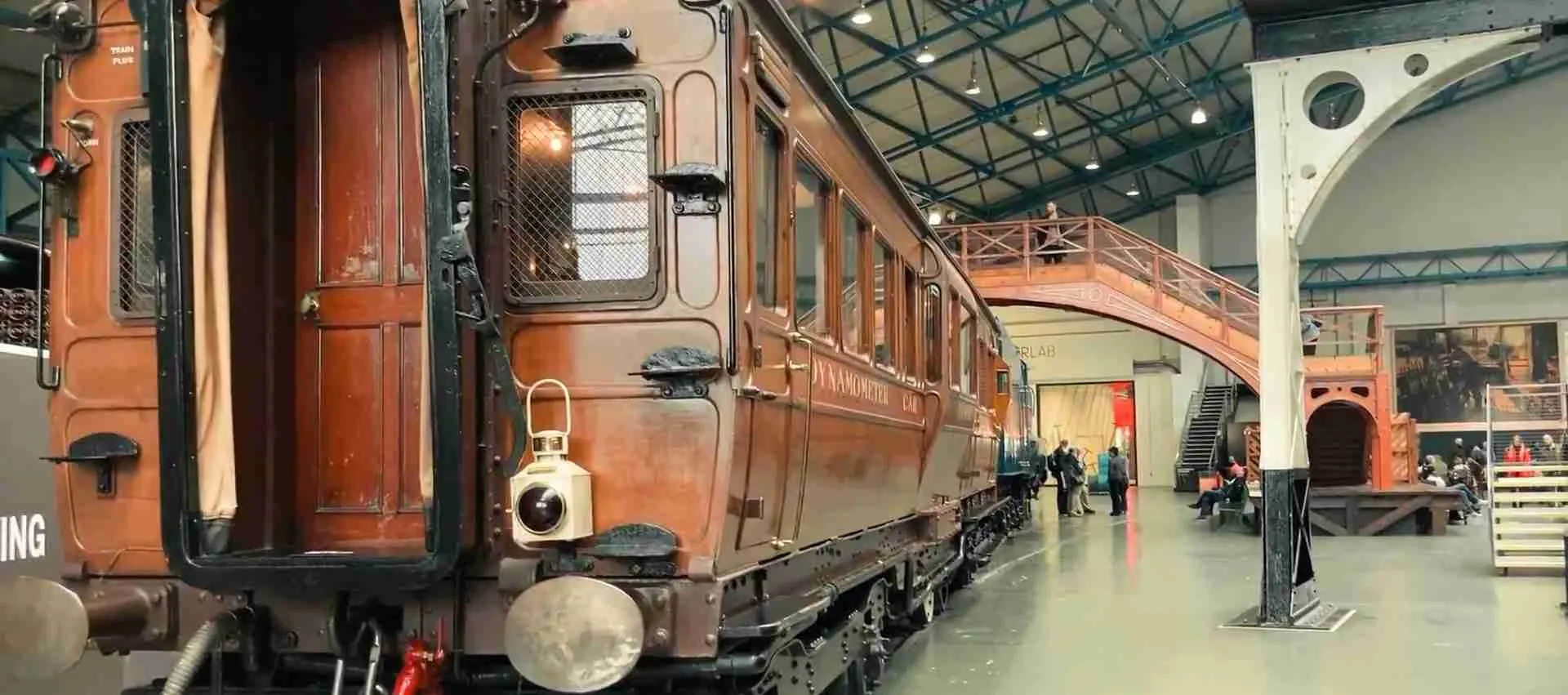
The final day in York begins at the National Railway Museum, Britain’s premier transport heritage collection and one of York’s genuinely world-class museums. The museum offers completely free admission, opening daily 10:00 AM-5:00 PM year-round with extended hours until 6:00 PM during school holidays. Located approximately 10 minutes’ walk from York Railway Station on Leeman Road, the museum occupies former steam locomotive maintenance sheds adapted into climate-controlled display halls housing Britain’s national railway collection. The museum attracts both railway enthusiasts and general visitors interested in industrial history, Victorian engineering, and social transformation through transportation technology. Plan 2-3 hours minimum for comprehensive touring, with genuine railway enthusiasts potentially spending entire days examining the extensive collections.
The Great Hall displays full-size locomotives spanning railway history from 1829 Stephenson’s Rocket replicas through streamlined 1930s express engines to modern electric and diesel traction. The Japanese Shinkansen (bullet train), positioned near the entrance, provides immediate scale comparison between British and international rail technologies, demonstrating how different engineering philosophies addressed high-speed rail challenges. The Mallard, holding the official world speed record for steam locomotives (126 mph achieved in 1938), occupies pride of place as British engineering’s crowning achievement in steam technology. Queen Victoria’s ornate royal saloon carriage reveals how monarchs traveled by rail with mobile palatial accommodation including sleeping chambers, dining facilities, and elegant reception spaces maintaining court protocol while covering hundreds of miles daily.
The Station Hall recreates Victorian railway station atmosphere beneath an authentic glass-roofed train shed rescued from demolished York station structures. Period locomotives and carriages line platforms where interactive displays explain Victorian railway operations including signaling systems, ticket issuing procedures, and locomotive coal and water refueling. Children particularly enjoy the miniature railway operating through the museum grounds (£2 per ride, weather permitting), providing locomotive driving experience on narrowed-gauge tracks circling outdoor exhibits. The Warehouse displays smaller objects including railway signs, uniforms, dining car china, poster art, and technological components explaining how railways functioned as complex systems integrating civil engineering, mechanical engineering, telecommunications, and business management.
The museum’s deeper significance extends beyond locomotive preservation into documenting railways’ revolutionary social impact on 19th-century Britain. Before railways, inland transportation moved at walking or horse speed unchanged since Roman times; by 1850, railways enabled same-day travel across Britain, collapsing distance and time in ways comparable to internet’s late-20th-century impacts. Railways created national fish markets by transporting fresh catches overnight from ports to inland cities, standardized time zones (previously every town kept local solar time), enabled urban working-class seaside holidays transforming resort towns, and physically connected previously isolated communities into national economic and cultural networks. The museum’s exhibits exploring these social dimensions elevate it beyond nostalgic transportation collection into serious examination of industrial revolution’s human consequences.
The museum’s Search Engine interactive center allows visitors to explore railway database collections comprising photographs, documents, drawings, and smaller artifacts numbering hundreds of thousands of items beyond display capacity. Research facilities support scholarly investigation while making accessible to casual visitors the depth of material preserved in national collections. The museum shop stocks railway-themed merchandise ranging from children’s toys and books to serious technical histories and replica promotional posters from the golden age of railway tourism. The café offers typical British museum refreshments (sandwiches £5-7, hot meals £8-12, coffee £3-4) in surroundings overlooking the Great Hall’s locomotives, providing convenient lunch location before continuing to afternoon activities.
Day 3 Afternoon 2026: City Walls Complete Circuit
Return to the city center from the National Railway Museum, entering through Lendal Tower and ascending the city walls for the complete circuit walk. Yesterday’s walls section covered Bootham Bar to Monk Bar; today complete the remaining 2-mile circuit encompassing the eastern, southern, and western walls with multiple access and exit points allowing flexible route modifications based on energy levels and time constraints. The complete circuit takes 2-2.5 hours at leisurely pace including stops for photography and interpretation boards, though the walk divides naturally into sections allowing partial completion if full circuit proves too ambitious. The walls remain free to access year-round from dawn to dusk, though some sections close temporarily during adverse weather when slippery conditions create safety hazards.
Walk clockwise from Lendal Tower along the western walls toward Micklegate Bar, the city’s principal southern gateway and the ceremonial entrance for royalty arriving from London. This section provides excellent views over the River Ouse’s western bank and the railway station’s Victorian train shed, demonstrating how railway development in the 1840s required negotiating with medieval fortifications. Micklegate Bar, York’s grandest medieval gateway, features three-story gatehouse with museum rooms exploring the gate’s role in royal ceremonial entries and its gruesome function as display location for executed traitors’ heads preserved on spikes as warnings against rebellion. The bar’s barbican, demolished in the 1820s, once created elaborate defensive maze forcing attackers through multiple gates under concentrated defensive fire from above.
The southern wall section between Micklegate Bar and Fishergate Tower traversed residential Victorian suburbs developed after medieval defenses lost military relevance, with the wall path eventually reconnecting with the historic circuit at Fishergate Postern. This section, while less scenic than walls overlooking the medieval core, demonstrates how York expanded beyond medieval boundaries while preserving the walls as recreational paths rather than demolishing them for development land. The eastern walls from Fishergate Tower to Monk Bar parallel the River Foss’s medieval course (now largely culverted) where water-filled moats supplemented stone fortifications creating formidable defensive barriers combining natural and artificial obstacles.
The walls’ various access points include Bootham Bar (adjacent to Museum Gardens), Monk Bar (Goodramgate), Walmgate Bar (Walmgate), Fishergate Postern (Tower Street), Micklegate Bar (Micklegate), Victoria Bar (Nunnery Lane), Baile Hill (Baile Hill Terrace), and Lendal Tower (Lendal). These multiple entry/exit options allow completing selected sections rather than committing to the full circuit, accommodating variable fitness levels and afternoon scheduling constraints. The walls provide unique perspective on York’s topography, revealing how medieval builders adapted defensive lines to natural features including the Rivers Ouse and Foss, slight hills providing elevated positions, and marshy ground complicating siege operations.
Descend from the walls at Walmgate Bar, the only surviving medieval gateway retaining its barbican (defensive outwork with additional gates and portcullis), providing the most complete example of how York’s gateways functioned as military chokepoints funneling attackers into killing zones. Walmgate Bar’s barbican survived Victorian demolition due to serving as residence for the gatekeeper’s family who occupied the medieval structure continuously through the 19th century. The bar sustained damage during the 1644 Civil War siege when Parliamentarian artillery targeted the gate during attacks on Royalist-held York, with musket ball damage still visible in the medieval stonework. Walk through the barbican’s enclosed passage experiencing the claustrophobic conditions that made medieval gateways such effective defensive features despite their apparent structural simplicity.
Day 3 Late Afternoon 2026: York Chocolate Story and Shopping
Walk from Walmgate Bar back toward the city center via Fossgate and King’s Square, arriving at York’s Chocolate Story on King’s Square for the afternoon’s final cultural activity. York’s deep connection to chocolate manufacturing dates from the 18th century but peaked during the Victorian and Edwardian eras when Rowntree’s, Terry’s, and Craven’s chocolate factories employed thousands of York workers producing confections distributed throughout the British Empire. The city’s nickname “Chocolate City” reflects this industrial heritage, though both major factories have since closed with Rowntree’s demolished and Terry’s repurposed for housing. York’s Chocolate Story museum preserves and interprets this heritage through guided tours exploring chocolate’s history from Mayan origins through industrial manufacturing to contemporary artisan production.
Admission costs £15 for adults including guided tour, chocolate-making demonstration, and tasting samples (verify current pricing on official website). Tours operate throughout the day departing every 15 minutes from 10:00 AM-5:00 PM daily, lasting approximately 75 minutes including demonstration and tasting session. The museum occupies a beautifully restored building facing the picturesque Shambles Market, with multiple floors of exhibits ascending through chronological progression from ancient Mesoamerican cocoa cultivation through Spanish colonial importation to British industrialization. Interactive displays explain chocolate-making processes including bean fermentation, conching, tempering, and molding, with authentic Victorian machinery demonstrating industrial-scale production methods that transformed chocolate from luxury product to mass-market confection.
The tour concludes with chocolate-making demonstration where participants create personalized chocolate lollipops choosing from various molds and flavor additions, providing hands-on experience with tempering and molding techniques. The tasting session includes premium chocolates from various international origins, helping visitors develop palate discrimination between cacao varieties and processing approaches. The museum shop sells York-made artisan chocolates, vintage-style sweet jars, and chocolate-making supplies for home experimentation, with prices ranging from £3 small chocolate bars to £25 premium selection boxes. The shop also stocks York-themed souvenirs, Victorian-style tin boxes, and historical books about York’s chocolate industry.
Afternoon shopping in York centers on The Shambles and surrounding medieval streets where independent retailers offer distinctly local merchandise contrasting with high-street chains dominating modern commercial areas. The Shambles contains approximately 30 shops selling traditional Yorkshire products including Wensleydale cheese from Hawes creamery, locally produced fudge and toffee, and the famous Yorkshire Tea blend (though actually blended and packaged in Harrogate). Independent bookshops on Fossgate and Colliergate stock local history titles, British railway books, and regional literature unavailable through major book chains. Antique shops concentrated in the Stonegate area specialize in Georgian silver, Victorian jewelry, and British ceramics appealing to collectors seeking authentic period pieces with documented provenance.
Yorkshire craft products available throughout the city center include hand-knitted jumpers using local wool, leather goods from traditional workshops, and artisan pottery produced by York-based ceramicists maintaining craft traditions dating to medieval guild systems. The Shambles Market (operating Tuesday-Sunday) offers vintage clothing, vinyl records, locally produced honey, artisan breads, and street food options for travelers seeking final snacks before departure. Betty’s Tea Room on St. Helen’s Square represents York’s premier establishment for traditional afternoon tea (£45 per person, advance booking essential weeks ahead), though numerous other cafes offer similar Yorkshire tea and cake combinations at more accessible prices (£8-15) and without requiring advance reservations. Many shops offer tax-free shopping for international visitors spending over £30, though Brexit complications have reduced the efficiency of VAT refund procedures for tourists.
Budget Planning 2026: Comprehensive Daily Cost Breakdown
York attracts travelers across the complete budget spectrum from backpackers staying in hostels to luxury visitors booking five-star hotels, with the city’s concentrated attractions and walkable layout allowing cost control regardless of accommodation investment. Daily costs per person assume two people sharing double rooms throughout the three-day visit, with hotel rates divided by two before adding individual expenses including meals, transportation, and attraction entries. All prices reflect 2026 rates in British Pounds Sterling, with ranges capturing seasonal variations, accommodation location differences, and dining venue choices.
Budget Travel 2026: £70-100 Per Person Daily
Budget-conscious travelers to York spend £70-100 per person daily while experiencing the city’s premier attractions and maintaining comfortable standards significantly above hostel backpacker minimums. Accommodation in budget hotels or guesthouses costs £60-80 per night for double rooms (£30-40 per person sharing), with properties including Travelodge, Premier Inn, and independent B&Bs located within 10-15 minutes’ walk of the city walls. These budget options provide clean private rooms with en-suite bathrooms, television, WiFi, and sometimes basic breakfast, representing genuine value compared to shared hostel dormitories at only £5-10 more per person. Location slightly outside the walls reduces rates while maintaining easy walking access to all major attractions, with distances manageable for active travelers comfortable with 20-30 minutes’ walking per day.
Meals for budget travelers cost £27-41 daily per person covering three meals including breakfast (£5-8), lunch (£10-15), and dinner (£12-18). Breakfast options include hotel breakfast if included, or alternatively purchase takeaway coffee and pastries from Greggs or local bakeries for under £5. Lunch possibilities feature pub sandwiches and chips (£8-10), Shambles Market street food (£6-8), or supermarket meal deals from Tesco or Sainsbury’s combining sandwich, crisps, and drink for £3-4. Dinner at Wetherspoons pubs provides substantial meals with drink for £10-12, while casual ethnic restaurants including Indian, Thai, and Chinese charge £12-18 for main courses with rice or noodles. Budget travelers typically eat one pub meal daily for authentic Yorkshire atmosphere while using supermarkets or takeaway for remaining meals, balancing experience with economy.
Transportation costs minimal for budget travelers given York’s walkable scale, with daily transport spending £4-5 covering occasional bus rides if staying outside the center. Most budget travelers walk everywhere within the walled city, requiring only comfortable shoes rather than purchased transport. The First Bus day pass (£4.42) provides unlimited rides if staying in suburbs requiring morning and evening bus commutes, though most budget accommodation locations allow walking. Park & Ride service (£3.45 return) benefits budget travelers arriving by car, offering free parking at outlying sites with buses to the city center every 10-15 minutes. Taxis remain unnecessary given the short distances and frequent buses serving all major hotels and B&Bs.
Attraction costs for budget travelers total £10-15 daily by selecting free and value-focused options while avoiding the most expensive entries. Day One includes York Minster (£20) and free city walls walk; Day Two features Jorvik Viking Centre (£15-19); Day Three visits the National Railway Museum (free) and completes the walls circuit (free). This pattern spreads paid attractions across three days while incorporating substantial free content including all wall walks (approximately 3 hours total), Museum Gardens (free), riverside walks (free), and shopping/browsing through historic streets (free). Budget travelers skip several paid museums including York Castle Museum (£18) and Yorkshire Museum (£10), focusing resources on the two absolute must-see paid attractions while experiencing authentic medieval York through free historic streetscapes and fortifications. The York Pass (£59-70 for one day, with multi-day options) benefits budget travelers only if planning to visit 4+ paid attractions daily, as the math favors pay-per-entry for selective sightseeing patterns typical of budget travel.
Mid-Range Travel 2026: £140-220 Per Person Daily
Mid-range travelers to York experience significantly elevated comfort and dining quality while accessing all major attractions without budget constraints limiting choices. Accommodation costs £120-180 per night for double rooms (£60-90 per person sharing), with options including Hampton by Hilton, Holiday Inn Express, Radisson, and boutique guesthouses within the city walls or immediately adjacent. These mid-range properties provide superior locations within 5-10 minutes’ walk of York Minster, modern amenities including air conditioning (uncommon in budget properties), often included breakfast buffets, and fitness facilities or spas. Several occupy converted historic buildings maintaining period architectural character while offering contemporary comfort standards expected by international business travelers and upscale tourists.
Dining costs £53-83 daily per person across three meals, allowing mid-range restaurants for most meals without requiring budget compromises. Breakfast at the hotel typically includes with room rate, or alternatively enjoy proper English breakfast at independent cafes (£10-15) with eggs, bacon, sausage, black pudding, tomatoes, mushrooms, toast, and unlimited tea. Lunch options expand to include sit-down pub meals (£15-20 including drink), casual dining restaurants (£18-25), or gastropub fare (£16-22) emphasizing local ingredients and contemporary preparations. Dinner at mid-range establishments costs £25-40 per person for main courses, with additional £15-25 for appetizers, desserts, and drinks bringing typical three-course meal with wine to £40-55 per person. Mid-range travelers typically dine at proper restaurants for dinner rather than pubs, reserving pub meals for casual lunches.
Transportation remains minimal given York’s walkable scale, with mid-range travelers spending £5-10 daily on occasional taxis for convenience rather than necessity. Most mid-range hotels locate centrally within easy walking distance of all attractions, requiring taxis only for railway station transfers if arriving with heavy luggage. Taxis from York station to city center hotels cost approximately £10-12, representing reasonable convenience investment versus dragging wheeled luggage across cobblestones. Some mid-range travelers use taxis for returning to hotels after evening ghost walks rather than walking through dark medieval streets, adding £8-10 to daily costs for this comfort upgrade. Day passes and public buses remain largely unnecessary given central accommodation and preference for walking or occasional taxi use.
Attraction entry costs £20-35 daily for mid-range travelers who purchase admission to all major paid sites without budget-driven selectivity. Mid-range travel patterns include York Minster with tower climb (£25 total), Jorvik Viking Centre (£15-19), York Castle Museum (£18), Yorkshire Museum (£10), Merchant Adventurers’ Hall (£9), and York’s Chocolate Story (£15), spreading these entries across three days while incorporating free attractions including the National Railway Museum, city walls, Museum Gardens, and historic street exploration. The York Pass (£59-70 for one-day, with multi-day options available) benefits mid-range travelers visiting 3-4+ paid attractions daily, with break-even analysis suggesting the pass saves approximately £15-25 daily compared to individual entry costs for this touring intensity. Mid-range travelers also access optional premium experiences including York Minster’s special tours (£15-20), ghost walks (£7-10), and river cruises (£12-15), adding experiential depth beyond basic admission touring.
Luxury Travel 2026: £285-445 Per Person Daily
Luxury travelers to York enjoy premier accommodations, fine dining, private transportation, and exclusive experiences while exploring Britain’s finest medieval city in maximum comfort. Accommodation costs £250-400 per night for double rooms (£125-200 per person sharing), with options limited to The Grand York (five-star Edwardian railway headquarters conversion offering spa, fine dining, and whisky bar), Hotel du Vin (boutique luxury in converted Victorian orphanage), and Dean Court Hotel (upscale property directly opposite York Minster with cathedral views from select rooms). These luxury properties provide concierge services, porter assistance with luggage, turndown service, premium toiletries, bathrobes, and exceptional breakfast spreads with made-to-order options, fresh pastries, and extensive hot and cold selections.
Dining costs £105-160 daily per person for luxury standards emphasizing locally sourced Yorkshire ingredients prepared with contemporary techniques in atmospheric historic settings. Breakfast included at luxury hotels typically surpasses separate restaurant options, offering comprehensive buffets with à la carte additions including smoked salmon, eggs Benedict, and freshly squeezed juices. Lunch at upscale gastropubs or bistros costs £20-30 for main courses, while afternoon tea at Betty’s Tea Rooms represents essential York luxury experience at £45 per person including finger sandwiches, scones with clotted cream and jam, pastries, and unlimited specialty teas served in Georgian dining rooms by uniformed waitstaff. Dinner at York’s finest restaurants including The Park, Skosh, or The Rattle Owl costs £50-80 per person for tasting menus or three courses, with additional £30-50 for wine pairings selected from extensive cellars emphasizing English wines alongside French and New World bottles.
Transportation for luxury travelers emphasizes convenience and comfort through private taxis and occasionally hired cars with drivers, spending £15-25 daily on point-to-point transfers eliminating any walking inconvenience despite York’s compact scale. Private taxi from railway station to hotel costs £12-15 versus £10 for standard taxi, with premium services offering executive vehicles and luggage assistance. Evening returns from restaurants or entertainment justify taxi costs of £8-10 per trip rather than navigating dark medieval streets. Some luxury travelers arrange private driver services for full days including York touring and day trips to Castle Howard, Fountains Abbey, or North York Moors, though such arrangements fall outside standard urban sightseeing patterns and inflate daily costs substantially above the stated range.
Attraction costs for luxury travelers total £40-60 daily while accessing all paid sites plus premium upgrades and exclusive experiences unavailable to standard ticket holders. York Minster offers Hidden Minster Tours (£15-20 beyond standard admission) accessing spaces closed to regular visitors including the Chapter House roof, medieval Mason’s Loft, and Crypt passages, providing intimate small-group experiences led by expert cathedral guides. Private guided tours of York (£150-300 for 2-4 people) create personalized itineraries emphasizing specific interests whether medieval architecture, Viking heritage, or Georgian elegance, eliminating self-guided navigation while ensuring priority access and insider knowledge. Evening champagne receptions at luxury hotels, private chocolate-making sessions at York’s Chocolate Story, and exclusive after-hours access to museums represent additional luxury enhancements available through concierge arrangement. Luxury travelers typically purchase York Pass (£59-70 for one-day option) despite its budget-oriented reputation, valuing the convenience of streamlined entry and avoiding ticket queues at multiple attractions throughout the three-day visit.
Accommodation Guide 2026: Where to Stay in York
York’s accommodation concentrates heavily within and immediately outside the medieval walls, providing convenient access to attractions while maintaining the atmospheric historic character that distinguishes York from generic British cities. The walled city’s compact scale means that even “distant” hotels outside the walls typically sit within 15 minutes’ walk of York Minster and The Shambles, eliminating transportation requirements for active travelers comfortable with moderate walking. Seasonal rate variations range 30-50% between peak summer (July-August) and winter months (November-March excluding Christmas markets), with shoulder seasons (April-June, September-October) offering optimal combination of pleasant weather and reasonable rates.
Within the Walls: Premium Locations
Accommodation within York’s medieval walls commands premium rates justified by unbeatable convenience, atmospheric medieval surroundings, and ability to walk back to hotels after evening activities without leaving the historic core. The Grand York (five-star) stands as York’s premier luxury property, occupying the converted Edwardian headquarters of the North Eastern Railway Company with opulent spa, fine dining restaurant, extensive whisky bar, and rooms furnished to Victorian country house standards. Rates typically range £200-400 per night depending on room category and season. Hotel du Vin occupies a converted 19th-century orphanage opposite York Minster, offering boutique luxury in 44 individually designed rooms emphasizing period architectural features including exposed beams, original fireplaces, and views toward the cathedral. Nightly rates £140-250 include breakfast and evening wine hour.
Dean Court Hotel positions directly across from York Minster’s south entrance, with select rooms offering cathedral views from windows where guests wake to bell chimes marking canonical hours. The Victorian townhouse conversion maintains period character while providing modern amenities, with rates £120-200 per night positioning the property at upscale mid-range rather than true luxury. Numerous smaller guesthouses and B&Bs scatter throughout streets near York Minster including Petergate, Bootham, and Gillygate, offering 6-12 rooms in converted Georgian and Victorian properties with rates £80-140 per night including full English breakfast. These smaller properties emphasize personal service and local knowledge from owner-operators, contrasting with chain hotel standardization.
Just Outside the Walls: Balanced Value
Accommodation immediately outside the medieval walls, particularly along Bootham, Gillygate, and Bishopgate streets north of the Minster, provides excellent value while maintaining 5-10 minutes’ walking access to the historic core. Hampton by Hilton locations (two properties near York station and Piccadilly) offer reliable mid-range chain standards including included breakfast buffet, fitness centers, and modern rooms at £90-160 per night depending on season. Holiday Inn Express and Radisson Hotel York provide similar mid-range chain comfort at comparable rates, with location near the railway station offering particular convenience for train travelers arriving with luggage.
The Jorvik Hotel on North Street occupies a converted Victorian telephone exchange within 400 meters of York Minster, combining boutique character with chain-hotel amenities at £110-180 per night. Safestay York Micklegate provides hostel accommodation in converted Georgian townhouse on Micklegate street just outside Micklegate Bar, offering both dormitory beds (£25-35 per person) and private rooms (£70-90 per night) for budget travelers seeking hostel economics without sacrificing private space. The hostel’s grade II-listed building maintains period architectural features including ornate plasterwork and original fireplaces, demonstrating that budget accommodation need not sacrifice atmospheric historic character.
Railway Station Area: Transportation Convenience
Hotels clustering near York Railway Station west of the River Ouse prioritize transportation convenience over medieval atmosphere, sitting 10-15 minutes’ walk from the city walls through Victorian commercial districts lacking historic character. Principal Inn (previously Royal York Hotel) occupies a grand Victorian railway hotel directly opposite the station entrance, offering 134 rooms at £70-130 per night with rates reflecting the property’s dated décor requiring modernization. Moxy York and Hilton York properties near the station provide contemporary chain standards at £85-140 per night, appealing to business travelers and tourists prioritizing modern amenities over historic character. These station-area hotels work particularly well for travelers with early departures or late arrivals when dragging luggage across cobblestones to within-walls properties becomes inconvenient.
Park & Ride Locations: Budget Driving Options
Hotels along major roads outside the city center near Park & Ride sites offer budget rates and free parking, appealing specifically to travelers arriving by car from other British regions. Premier Inn locations in Clifton (north), Blossom Street (south), and Lawrence Street (east) provide standardized chain accommodation at £55-95 per night including parking, with bus connections to the city center every 10-15 minutes during daytime hours. These properties suit family travelers with cars requiring parking that costs £15-25 daily in city center car parks, with the money saved on parking fees partially offsetting slightly lower room rates. The Park & Ride locations require buses or driving to reach attractions, adding transportation time and limiting evening flexibility after bus services reduce frequency, though families with young children often prioritize parking convenience and larger room sizes over location within historic center.
Getting to York 2026: Transportation and Access
York’s position on the East Coast Main Line railway connecting London to Edinburgh provides exceptional rail accessibility from all major British cities, with York Railway Station serving as the principal arrival point for the majority of visitors. The station, a 10-minute walk from the medieval city walls, handles approximately 11 million passengers annually including commuters, leisure travelers, and international tourists arriving from London airports. Direct trains from London King’s Cross reach York in 1 hour 46 minutes with departures every 30 minutes throughout the day operated by LNER, with advance purchase tickets costing £27-110 ($35-140) depending on flexibility and booking timing; travelers purchasing tickets 6-8 weeks ahead secure lowest advance fares, while walk-up anytime tickets cost significantly more but allow unlimited travel flexibility and route changes.
Edinburgh lies 2.5 hours north of York by train, with direct services operated by LNER costing £41-96 ($53-125) advance purchase. Manchester connects to York in 1.5 hours with Trans Pennine Express trains every 30-60 minutes at £15-45 ($19-58) advance rates, while Leeds provides frequent connections in 24 minutes for £7-15 ($9-19). The East Coast Main Line’s frequent service allows day trips from York to London, Cambridge, Durham, and Newcastle, though the three-day York itinerary focuses specifically on the city itself without requiring further train travel. Travelers holding BritRail passes use them for York access without additional ticket purchase, though advance seat reservations remain advisable during peak summer months when trains fill to capacity.
International visitors typically fly into Manchester Airport, located 2 hours from York by train requiring one change at Manchester Piccadilly station. Leeds Bradford Airport sits 45 minutes from York by bus (£22/$28), operating as Yorkshire’s regional airport with limited international connections primarily to European holiday destinations. London Heathrow provides the most comprehensive international gateway, requiring train connection from Heathrow to London King’s Cross then onward to York, totaling 3.5-4 hours city center to city center. The combined Heathrow-London-York rail journey costs £80-140 ($104-182) depending on ticket type and booking timing, with advance purchase saving substantially over walk-up fares.
Driving to York from London covers approximately 200 miles requiring 3.5-4 hours via M1 and A64, though parking within the medieval city proves expensive (£15-25 per day in city center car parks) and largely unnecessary given York’s walkability. The Park & Ride system provides six sites circling the city with free parking and frequent buses to the center (£3.45 return per person), representing the most economical approach for drivers. York’s city center enforces pedestrian zones during daytime hours, making car navigation frustrating and largely impossible within the walls. Visitors arriving by car should park at hotels offering parking (typically £10-15 per night surcharge) or use Park & Ride throughout the stay, never attempting to drive within the historic core where medieval street patterns predate automobiles by 600 years.
National Express coach service connects York to major British cities at budget rates substantially below train fares, though journey times extend considerably. London to York costs £17+ ($22+) requiring approximately 5 hours versus 1 hour 46 minutes by train, appealing to budget-conscious travelers without tight time constraints. The coach station shares facilities with the train station, providing centralized arrival point whether arriving by coach or rail. Megabus operates competitive budget coach services on similar routes, with advance booking sometimes securing £5-10 fares though limited flexibility and lengthy journey times make coaches primarily attractive to extreme budget travelers or those uncomfortable with train travel.
Seasonal Planning 2026: Best Time to Visit York
York operates as year-round destination with distinct seasonal characteristics affecting both practical logistics and experiential quality. The optimal visiting window spans April through October when temperatures range 12-22°C (54-72°F), comfortable for extended outdoor walking, city wall exploration, and riverside activities that constitute major portions of the three-day itinerary. Summer months (July-August) deliver warmest and longest days with sunrise around 4:30 AM and sunset after 9:30 PM, maximizing daylight hours for sightseeing while allowing evening activities in natural light. However, July-August attract peak crowds including British school holiday families, international tour groups, and European visitors, filling attractions, restaurants, and accommodations to capacity while elevating prices 30-50% above shoulder season rates.
Spring (April-June) represents ideal compromise between weather quality and crowd management, with April daffodils carpeting Museum Gardens and May’s pleasant 14-18°C (57-64°F) temperatures perfect for wall walks without summer heat or winter cold. Spring brings occasional rain requiring waterproof jackets, though precipitation typically arrives as passing showers rather than day-long downpours. Spring hotel rates remain 20-30% below summer peaks, with advance booking securing excellent value in mid-range and boutique properties. The York Races’ Dante Festival in May attracts aristocratic patrons and serious horse racing enthusiasts for three days of premier flat racing, inflating hotel rates during race week specifically while leaving other May dates at shoulder season pricing.
Autumn (September-October) offers the year’s finest visiting conditions combining comfortable temperatures (12-16°C / 54-61°F), dramatic autumn colors visible from city walls and Museum Gardens, reduced summer crowds, and shoulder season hotel rates. September maintains sufficient daylight for complete sightseeing programs, with sunset around 7:00 PM allowing evening activities. October introduces earlier darkness (sunset around 6:00 PM) requiring adjustment to afternoon timing, while Halloween transforms York’s ghost walk industry into peak season as visitors seek spooky medieval atmosphere matching the holiday. York Restaurant Week operates twice annually during March and October, offering £5-30 fixed-price menus at 100+ participating restaurants, providing exceptional dining value for budget and mid-range travelers visiting during these specific two-week windows.
Winter (November-March) divides between Christmas market season and post-holiday quiet months. York’s St. Nicholas Fayre, traditionally operating late November through December 21, transforms the city into atmospheric medieval Christmas market destination with 100+ wooden chalets selling crafts, hot wine, and seasonal foods surrounding York Minster. The market attracts enormous crowds creating festive atmosphere that justifies enduring 2-8°C (36-46°F) temperatures requiring warm coats, hats, and gloves. Winter hotel rates drop 30-40% below summer peaks except during Christmas market weeks when prices elevate to summer levels. January-February experience the year’s lowest hotel rates and minimal crowds, appealing to budget-conscious travelers unconcerned with short daylight hours (sunrise 8:00 AM, sunset 4:30 PM) and cold temperatures requiring indoor activities during mornings and late afternoons.
Weather patterns across all seasons reflect York’s position in Northern England’s maritime climate zone, characterized by moderate temperatures year-round, frequent cloud cover, and regular rainfall averaging 600mm annually distributed fairly evenly across months. Summer rainfall occurs as thunderstorms providing dramatic spectacle before clearing, while winter precipitation arrives as persistent light rain occasionally turning to snow during cold snaps. York rarely experiences temperature extremes, with summer highs seldom exceeding 25°C (77°F) and winter lows typically remaining above -5°C (23°F). This moderate maritime climate allows year-round tourism without experiencing Mediterranean summer heat or Continental winter cold, though visitors should pack layered clothing and waterproof outer layers regardless of season.
Practical Information 2026: Essential York Travel Details
York operates on Greenwich Mean Time (GMT) during winter months (late October-late March) and British Summer Time (GMT+1) during summer months (late March-late October), with clock changes occurring on final Sunday of March and October. United States East Coast visitors experience 5-hour time difference during winter and 5-hour during summer (when American and British daylight saving periods align), while West Coast travelers face 8-hour difference. The time difference causes jet lag for transcontinental visitors, with eastbound travel to Britain generally causing more severe adjustment difficulties than westbound returns. First-day York arrivals should remain active during daylight hours rather than napping, helping circadian rhythm adjustment proceed more quickly.
Currency throughout York operates exclusively in British Pound Sterling (£, GBP), subdivided into 100 pence. Banknotes appear in £5, £10, £20, and £50 denominations, with coins in 1p, 2p, 5p, 10p, 20p, 50p, £1, and £2 values. Exchange rates fluctuate daily, with approximate 2026 rate around £1 = $1.30, though Brexit’s ongoing economic impacts create more volatility than historical norms. ATMs throughout York’s city center accept international cards, distributing cash in £10 and £20 notes with minimal fees for most banks. American visitors should notify their banks before travel to prevent fraud-protection blocks on international transactions, particularly important for contactless card usage throughout the trip.
Contactless payment using credit cards, debit cards, or mobile payment apps (Apple Pay, Google Pay) functions universally throughout York at restaurants, shops, attractions, and public transport. Britain’s advanced contactless infrastructure often surprises American visitors accustomed to chip-and-PIN or signature verification, with £100 limit per transaction before PIN entry required. Cash usage continues declining, with many businesses preferring card payment for hygiene and security reasons, though some small independent shops, market stalls, and traditional pubs maintain cash-only policies. Carrying £20-40 cash proves sufficient for contingencies while minimizing theft risk and exchange fee losses from unused currency.
Tipping customs in York follow general British practice, substantially lower than American expectations. Restaurants typically include 10-12% service charge automatically, with additional tipping optional for exceptional service; when service charge not included, leave 10-12% for table service meals. Pubs require no tipping when ordering at bar, though some patrons offer bartenders drink (“and one for yourself”) as courtesy equivalent to American tipping. Taxis expect round-up to nearest convenient amount rather than percentage-based tips, with £8.50 fare rounded to £9-10 depending on service quality and luggage assistance. Hotel porters receive £1-2 per bag, housekeeping £1-2 daily, and concierge services nothing for basic directions or £5-10 for securing difficult restaurant reservations or theater tickets.
Mobile phone service throughout York operates on GSM networks requiring unlocked phones and either international roaming plans or UK SIM cards for visitors with locked American devices. International roaming charges vary dramatically by carrier, with AT&T, Verizon, and T-Mobile offering daily international plans ($10 per day) providing domestic-equivalent data and calling. Purchasing UK SIM card from EE, Vodafone, or Three costs £10-20 for multi-GB data packages lasting 30 days, representing economical option for unlocked phones during extended British visits. Free WiFi appears in most hotels, cafes, restaurants, and many attractions, though not ubiquitously available in public spaces as American visitors expect from urban environments.
Electrical outlets throughout Britain use Type G three-pin sockets operating at 230 volts / 50 Hz, requiring adapters for American devices using Type A/B two-pin plugs. Adapters cost £3-5 at York shops or airport electronics stores, though American travelers should purchase multi-pack adapters before departure given need to charge phones, cameras, laptops, and other devices simultaneously. Most modern electronics including phone chargers, laptop power supplies, and camera batteries operate dual-voltage (100-240V), requiring only plug adapter without voltage converter. Hairdryers, curling irons, and other heating devices typically require both adapter and voltage converter unless specifically designed for international travel, with many travelers choosing to skip these items or purchase British-market equivalents rather than managing converter complexities.
Pharmacy access throughout York provides standard British medications without prescription for minor ailments including headaches, colds, allergies, and upset stomachs. Boots and Lloyds pharmacies appear throughout the city center, operating extended hours including Sunday mornings for emergency medication needs. American visitors should pack sufficient supplies of prescription medications in original labeled containers, as obtaining replacements requires appointments with British doctors and new prescriptions under National Health Service procedures unavailable to tourists without emergency justification. Travel insurance covering medical emergencies remains essential, with policies costing $50-150 for three-day trips providing coverage for emergency treatment, prescription costs, and medical evacuation if necessary.
Day Trips from York 2026: Extending Your Visit
York’s strategic position in Yorkshire provides access to numerous day-trip destinations exploring landscapes, castles, and coastal towns complementing the city’s urban heritage. Castle Howard, Britain’s finest Baroque stately home, lies 15 miles northeast of York, requiring 30 minutes by car or taxi (approximately £40-50 return) since no direct public transport operates. The house, featured in Brideshead Revisited television productions, offers spectacular interiors, extensive grounds with temples and fountains, and the largest private art collection in Northern England. Admission costs £20-25 for house and grounds (verify current rates on official website), with 2-3 hours needed for comprehensive touring. Castle Howard appeals particularly to visitors interested in aristocratic architecture, landscape gardening, and British period drama settings, though the transportation costs and admission fees elevate the day trip’s total expense substantially above York-only sightseeing.
Fountains Abbey, a UNESCO World Heritage Site 27 miles west of York near Ripon, represents Britain’s finest monastic ruin within spectacular water gardens created by 18th-century landscape architect John Aislabie. The Cistercian abbey ruins, abandoned during Henry VIII’s dissolution, achieve sublime picturesque quality enhanced by the adjacent Studley Royal Water Garden’s Georgian landscape design. Buses from York to Ripon operate hourly (1 hour journey, £6-8), with taxi from Ripon to Fountains Abbey adding £10-12, or alternatively book tour coach excursions departing York (£35-50 including admission and transport). The site requires 2-3 hours minimum, with longer stays allowing walks through extensive parkland and deer park. Fountains Abbey particularly suits visitors interested in monastic history, romantic ruin aesthetics, and Georgian landscape gardening representing British heritage beyond medieval urban environments.
Whitby, Yorkshire’s premier coastal town 45 miles northeast of York, combines Gothic atmosphere, Victorian seaside resort history, and connections to Bram Stoker’s Dracula novel. Direct buses operate York-Whitby twice daily requiring 2 hours (Coastliner 840 service, £15 return), though irregular timing limits flexibility. Trains require changes at Middlesbrough adding time and complication. Whitby attractions include the cliff-top abbey ruins overlooking harbor (£10 admission), Captain Cook museum exploring the famous navigator’s Whitby origins, fish and chips consumed on harbor walls (£8-10), and Victorian resort architecture along West Cliff. The coastal scenery, dramatically different from York’s inland river setting, provides environmental contrast though the long travel time (4 hours round-trip) leaves limited Whitby exploration hours unless departing York early morning and returning late evening.
The Yorkshire Dales National Park, 25-40 miles northwest of York depending on specific destination, offers dramatic limestone scenery including gorges, waterfalls, and traditional stone villages representing quintessential English countryside. No direct public transport operates from York into the Dales’ heart, requiring rental car, tour coach excursion (£45-65 from York operators), or taxi (£60-80 one-way to destinations like Malham). The Dales appeal primarily to hiking enthusiasts, landscape photographers, and visitors seeking rural Yorkshire character contrasting with York’s urban heritage. Standard day trips visit Malham Cove (limestone amphitheatre and waterfall), Bolton Abbey (ruined priory in riverside setting), and Grassington (traditional stone village with market square), requiring full day with car or tour coach to access multiple sites spread across the National Park’s extensive area.
Hidden York 2026: Beyond the Major Attractions
Beyond the major attractions filling the three-day itinerary, York contains numerous lesser-known sites offering quieter experiences for visitors extending their stay or returning for repeat visits. Holy Trinity Church, tucked down a narrow snickelway off Goodramgate, represents York’s most atmospheric medieval parish church surviving virtually unchanged since the 15th century. The church maintains period box pews, uneven flagstone floors, and leaning columns creating wondrously crooked spaces that modern restoration would straighten. The churchyard, enclosed by medieval houses, creates a remarkably peaceful urban oasis invisible from surrounding streets where few tourists penetrate. The church opens daily with free admission, offering genuine medieval atmosphere without York Minster’s crowds or Jorvik’s commercialization.
Treasurer’s House, managed by the National Trust immediately behind York Minster, showcases late Victorian/Edwardian interior decoration within a medieval building remodeled by wealthy industrialist Frank Green between 1897-1930. Green created elaborate period room settings including an extraordinary medieval great hall, Georgian dining room, and Victorian drawing room, demonstrating early 20th-century antiquarian taste influencing British country house restoration. The house achieved fame for ghostly Roman legionaries allegedly witnessed marching through the cellar in 1953, becoming Britain’s most documented ghost sighting. Admission costs £10 for adults (National Trust members free), with guided tours departing regularly throughout operating hours revealing architectural details and Green’s collecting philosophy.
Barley Hall on Coffee Yard represents a reconstructed 15th-century townhouse rediscovered during 1980s restoration work when modern shop facades were stripped away revealing medieval timbers beneath. The hall, originally built for Nostell Priory’s York representative, demonstrates how wealthy merchants and clergy lived during York’s medieval commercial peak. The reconstruction incorporates authentic medieval furnishing, decorations, and objects creating immersive environments where visitors handle replica items and experience spaces as they functioned 500 years ago. Admission costs £7 for adults, with the hall opening Tuesday-Sunday allowing drop-in visits without timed slots or advance booking. The site particularly appeals to families with children given the hands-on medieval life interpretation encouraging touching and exploring rather than maintaining hands-off museum atmosphere.
The York Cold War Bunker, located 2 miles from the city center in suburban Acomb, preserves a 1960s semi-subterranean command facility designed to maintain regional government operations following nuclear attack. The bunker, operated by English Heritage, retains original equipment including communications systems, BBC broadcasting studio, and dormitories where civil servants would shelter monitoring fallout and coordinating survival efforts. The site’s Cold War authenticity creates unsettling atmosphere contrasting dramatically with York’s medieval heritage, revealing 20th-century existential threats that shaped British civil defense planning. Admission costs £8 for adults (English Heritage members free), with guided tours required due to the confined spaces and technical equipment requiring expert explanation. The bunker opens limited hours (typically weekends during summer, check schedule before visiting), rewarding Cold War history enthusiasts with unique insights into nuclear preparedness thinking.
Family Travel 2026: York with Children
York functions exceptionally well as family destination combining educational medieval history with interactive museums, outdoor activities, and child-friendly restaurants maintaining interest across multiple ages. The National Railway Museum ranks as Yorkshire’s finest free family attraction, where children experience trains at human scale while interactive displays explain engineering principles through play-based learning. The outdoor miniature railway (£2 per ride) provides locomotive driving experience capturing young imaginations, while the Great Hall’s full-size engines demonstrate industrial power that photographs inadequately convey. Plan 2-3 hours minimum as children rarely leave willingly given the extensive hands-on exhibits and diverse locomotive collection including royal carriages, freight wagons, and diesel locomotives children can board and explore.
York Castle Museum’s Kirkgate Victorian street creates immersive historical experience where children enter shops, examine merchandise, and experience 19th-century urban environment through exploration rather than passive observation. The prison cells, while potentially frightening for very young children, teach historical lessons about crime and punishment through tangible evidence including actual prisoner graffiti and cramped living conditions demonstrating imprisonment’s harsh reality. The 1960s gallery connects with grandparents’ childhood memories, creating intergenerational conversation opportunities as children recognize familiar brand names and products appearing historical despite recent vintage. Family admission tickets (2 adults + 3 children for £52) provide substantial savings versus individual adult tickets (£18 each).
The city walls offer outdoor physical activity between museum visits, with the 2.5-mile complete circuit providing sufficient walking for active children while maintaining engaging views preventing boredom. The wall-top path’s elevation provides child-appealing perspectives over gardens, into windows, and across city rooftops impossible from ground level. Younger children require close supervision given the low parapets and uneven medieval paving, though the genuine physical risks enhance appeal for adventurous children seeking authentic exploration rather than sanitized safety-padded playgrounds. Break the wall walk into sections rather than attempting complete circuit, descending at Monk Bar or Walmgate Bar when children tire.
York’s Chocolate Story provides child-focused educational entertainment combining history lessons with chocolate-making demonstration and unlimited sampling. Children create personalized chocolate lollipops choosing molds and toppings, providing edible souvenirs representing their York visit. The museum’s interactive displays, short video presentations, and enthusiastic guides maintain attention across various ages without requiring adult mediation or reading comprehension. Family tickets (2 adults + 2 children £45) include all demonstrations and samples, representing good value for the 75-minute experience. The museum shop inevitably generates purchase requests, with parents advised to establish spending limits before entering to prevent checkout confrontations.
Family dining in York balances British cuisine introduction against familiar chain restaurants providing fallback options for picky eaters. Pizza Express, Ask Italian, and Wagamama appear throughout the city center offering reliable children’s menus, high chairs, and coloring activities maintaining patience while food arrives. Traditional pub restaurants including the York Arms and Golden Fleece welcome families before 7:00 PM when evening drinking crowds arrive, serving child-friendly fish fingers, burgers, and chicken dishes alongside adult Yorkshire fare. Several restaurants specifically target family trade including Bettys Tea Rooms (afternoon tea appeals to girls enjoying fancy dress-up occasion) and Betty’s Stonegate location featuring dedicated family area with children’s menu simplifying the elaborate regular menu.
Frequently Asked Questions About York 3-Day Itinerary 2026
Is three days enough time to see York?
Three days provides comprehensive introduction to York’s major attractions while allowing leisurely exploration without rushed itinerary pressure typical of one-day visits. The three-day structure permits visiting York Minster, Jorvik Viking Centre, National Railway Museum, York Castle Museum, and completing the city walls circuit while maintaining comfortable daily pacing with breaks for meals, shopping, and spontaneous discoveries. Visitors particularly interested in specialized topics including railway heritage, Viking archaeology, or Georgian architecture could easily spend 4-5 days in York accessing smaller museums, attending concerts or theatrical performances, and taking day trips to surrounding Yorkshire attractions including Castle Howard, Fountains Abbey, or the Yorkshire Dales. However, first-time visitors seeking essential York experiences find three days sufficient for balanced introduction covering religious heritage, Viking history, medieval fortifications, and railway museums without requiring return visits to complete major sightseeing objectives.
Can I use a London Oyster card in York?
London’s Oyster card payment system does not function in York, which maintains separate local bus ticketing operated by First Bus and other regional companies. York’s public transport accepts contactless payment cards (Visa, Mastercard, American Express) for single bus fares, though purchasing day passes (£4.42) through the First Bus mobile app provides better value for multiple trips. The York by Bus smartcard provides local equivalent to Oyster functionality, though tourists visiting for three days typically use contactless bank cards rather than purchasing specialized local transport cards. The confusion regarding Oyster card applicability reflects London’s unique integrated transport system that doesn’t extend to other British cities, each maintaining independent local transport networks with separate ticketing arrangements.
How do I get from York Railway Station to the city center?
York Railway Station sits approximately 800 meters (0.5 miles) west of the city walls, requiring 10-15 minutes walking along Station Road and Lendal Road to reach the historic center. The walking route follows well-marked pedestrian paths with luggage-friendly paving reaching Lendal Bridge where the medieval city begins. Taxis queue immediately outside the station main entrance, charging approximately £10-12 for the 5-minute drive to hotels within the city walls; taxi usage proves worthwhile for travelers with heavy luggage avoiding cobblestone navigation. Several bus routes (numbers 4, 5, 10, and others) connect the station to city center stops including Museum Street and Parliament Street, with single fares at £3 payable via contactless card. The station’s proximity to the historic core makes York unusual among British cities where railway stations typically locate farther from medieval centers, with York’s convenient access eliminating transportation complications between arrival and accommodation.
Does York have good vegetarian and vegan options?
York supports thriving vegetarian and vegan dining scene reflecting broader British dietary trend shifts toward plant-based eating. Specialized vegetarian/vegan restaurants including The Vegan Café (street food style), The Greedy Vegan (burgers and comfort food), and El Piano (Spanish-influenced tapas) provide dedicated meat-free menus catering specifically to plant-based diets. Additionally, most traditional restaurants throughout York offer substantial vegetarian options beyond token salads, with vegetable curries, pasta dishes, and innovative plant-based preparations appearing on standard menus at Indian, Italian, Thai, and contemporary British establishments. Pub menus increasingly feature beyond-meat burgers, vegetarian pies, and substantial vegetable mains rather than treating vegetarianism as dietary restriction requiring accommodation. Supermarkets stock extensive plant-based ready meals, dairy alternatives, and vegan snacks allowing self-catering for budget travelers or those with specific dietary requirements. The combination of dedicated vegan restaurants and mainstream vegetarian options ensures plant-based eaters experience York’s food culture without limitation or compromise.
Is York safe for solo female travelers?
York ranks among Britain’s safest cities for solo female travelers, with low violent crime rates, well-lit medieval streets maintained for tourist access, and substantial police presence throughout the historic core. Solo women walking between attractions during daylight face minimal safety concerns beyond normal urban awareness regarding belongings and valuables. Evening activities including ghost walks operate in groups led by guides, providing safety through numbers while maintaining authentic atmospheric medieval settings. Solo diners find ready welcome at York’s restaurants and pubs, with casual dining establishments particularly accommodating single customers through bar seating and friendly service avoiding assumptions that dining requires companionship. The compact walled city layout ensures solo travelers rarely find themselves isolated in deserted areas, as tourist traffic concentrates within small geographic area creating busy public spaces throughout daytime and early evening hours. Hotels within the walls allow short walking distances reducing late-night street navigation, though York’s generally safe character means solo women walking to accommodations after 10:00 PM face lower risks than comparable situations in larger British cities including London or Manchester.
Can I do a day trip to Edinburgh from York?
Edinburgh lies 2.5 hours north of York by direct train, technically allowing day trips though the required 5 hours total travel time leaves limited Edinburgh exploration hours making the journey inadvisable unless specific events justify the effort. Travelers departing York at 7:00 AM arrive Edinburgh 9:30 AM, allowing approximately 8 hours in Edinburgh before catching 5:30 PM return trains arriving York 8:00 PM. This timing permits visiting Edinburgh Castle, walking the Royal Mile, and experiencing basic central Edinburgh highlights, though the day trip format provides insufficient time for Edinburgh’s National Museums, Holyrood Palace, or exploring neighborhoods beyond the immediate tourist core. The day trip economics compare unfavorably against Edinburgh overnight stays, as train tickets cost £41-96 return ($53-125) while Edinburgh accommodation costs only £60-120 per night, making two-day Edinburgh visits substantially better value while eliminating exhausting travel on both ends of a single day. York’s strategic position encourages multi-city British itineraries including both Yorkshire and Scottish components, though proper Edinburgh appreciation requires minimum overnight stay rather than rushed same-day returns sacrificing both cities’ experiential quality.
What should I do if it rains in York?
Rain represents frequent York occurrence given Britain’s maritime climate averaging 600mm annual precipitation distributed throughout the year, though downpours rarely persist all day allowing outdoor activities between showers. Indoor attraction options covering substantial portions of the three-day itinerary include York Minster (2-3 hours), National Railway Museum (2-3 hours), York Castle Museum (2 hours), Yorkshire Museum (1-2 hours), Merchant Adventurers’ Hall (1 hour), and York’s Chocolate Story (75 minutes), collectively providing 10+ hours of weather-independent sightseeing. Traditional afternoon tea at Betty’s or similar establishments extends indoor activity while experiencing quintessential British custom, combining shelter from rain with cultural authenticity. Shopping along The Shambles and surrounding covered arcades maintains medieval atmosphere while avoiding direct precipitation, with numerous independent shops providing browsing entertainment during rain delays. The Jorvik Viking Centre’s underground format makes it particularly rain-suitable, though the timed entry system requires pre-booking rather than serving as spontaneous rainy-day backup. Waterproof jackets and layered clothing prove essential York packing regardless of season, as sudden showers arrive unpredictably even during otherwise pleasant days; the combination of rain gear and flexible indoor/outdoor activity balance ensures weather variations enhance rather than ruin the York experience.
Are there luggage storage facilities in York?
Yorbag operates dedicated left-luggage service at 40 Piccadilly (5 minutes’ walk from York Railway Station), providing secure storage for £5-8 per bag per day depending on size with extended-hours operation 8:00 AM-8:00 PM daily. The service accepts suitcases, backpacks, and shopping bags, issuing claim tickets for later same-day retrieval. Stasher and similar app-based luggage storage networks connect travelers with local businesses including hotels and shops offering temporary bag storage at £5-6 per bag per day, though locations and availability vary requiring advance booking through mobile apps. Several York hotels accommodate pre-arrival or post-checkout bag storage for guests staying at their properties, allowing visitors with early arrivals or late departures to commence or complete sightseeing without dragging luggage. York Railway Station previously maintained left-luggage facilities though these closed following security concerns, requiring travelers to use independent services rather than station storage. York Minster and several attractions prohibit large bags and wheeled luggage within their facilities, making bag storage essential for travelers with substantial luggage exploring attractions before hotel check-in or after checkout on departure days. Planning itineraries around standard check-in (3:00 PM) and checkout (11:00 AM) times minimizes luggage storage requirements, though the combination of early train arrivals and late departures often necessitates temporary storage arrangements.
Is the York Pass worth buying?
The York Pass (£59-70 for one-day, with 2-day and 3-day options at graduated pricing) provides entry to 35+ attractions including York Minster (£20), Jorvik Viking Centre (£15-19), York Castle Museum (£18), Yorkshire Museum (£10), Clifford’s Tower (£8), and numerous smaller sites. Mathematical break-even requires visiting 4+ paid attractions daily to recover the pass cost, making it economically advantageous for aggressive touring patterns but marginally valuable for relaxed itineraries focusing on 2-3 major sites daily. The three-day itinerary outlined above includes York Minster, Jorvik Viking Centre, and several free attractions (National Railway Museum, city walls, Museum Gardens) totaling £35-39 in admission costs; adding York Castle Museum and Yorkshire Museum reaches £63-67, barely exceeding one-day pass cost. The pass provides best value for visitors planning intensive touring including multiple paid attractions, river cruises, and hop-on-hop-off buses, while selective tourists carefully choosing key attractions save money through individual ticket purchases. Additional pass benefits include skip-the-line entry at some attractions during busy periods, though York rarely experiences crowd levels making queue-jumping significant advantage. Purchasing decisions should calculate specific intended attractions against pass cost rather than assuming passes automatically provide value, as British heritage passes prove economical only when matching pass design assumptions about intensive multi-attraction daily touring patterns.
How much walking is involved in the three-day York itinerary?
The three-day York itinerary involves approximately 6-8 miles (10-13 kilometers) walking daily across cobblestone medieval streets, city walls, and museum galleries, requiring comfortable walking shoes and reasonable fitness levels. Day One accumulates approximately 7 miles including York Minster exploration, The Shambles and medieval quarter navigation, riverside walks, Museum Gardens touring, and partial city walls section from Bootham Bar to Monk Bar. Day Two totals 6 miles covering Jorvik Viking Centre access, Castlegate area museums, Clifford’s Tower ascent, and return routes through city center shopping streets. Day Three reaches 8 miles when completing the remaining city walls circuit (approximately 2 miles wall-top walking) combined with National Railway Museum touring and final afternoon shopping. These distances represent conservative estimates assuming efficient direct routing between attractions; actual distances increase with exploratory wandering, shopping detours, and photography stops extending time spent walking. The walking occurs throughout each day rather than concentrated into single multi-hour sessions, with frequent stops for attraction touring, meals, and rest breaks preventing exhaustion despite substantial cumulative distances. Travelers with mobility limitations can reduce walking substantially by eliminating city walls circuits, using taxis for longer transitions, and focusing on clustered attractions minimizing between-site walking. York’s compact scale means even mobility-restricted visitors experience the medieval core’s essential character through strategic taxi use and selective attraction choices emphasizing quality over comprehensive coverage requiring extensive walking.
Can I visit York Minster for free?
York Minster charges £20 sightseeing admission for tourists exploring the cathedral outside worship times, though attendance at religious services remains free for worshippers participating in liturgical functions rather than treating the cathedral as tourist attraction. Daily services include Morning Prayer, Holy Communion, and Evensong (Tuesday-Sunday 5:15 PM during term time when the cathedral choir sings), with Sunday services at 8:00 AM, 10:00 AM, and 4:00 PM providing multiple free entry opportunities for respectful visitors willing to participate in Anglican worship. York residents and York university students enter free with valid identification proving local status. The cathedral distinguishes clearly between tourism (paid admission supporting building maintenance costing £33,000 daily) and worship (free attendance honoring religious freedom principles), with different entrance protocols ensuring commercial tourist operations don’t disturb religious services. Visitors attending free services must behave respectfully including remaining seated during prayers, standing for hymns, maintaining silence during readings, and avoiding photography, essentially participating as worshippers rather than observing as tourists. The sightseeing ticket’s 12-month validity allows multiple returns including attending Evensong following paid daytime touring, combining commercial admission supporting preservation with free worship participation experiencing the Minster’s continuing religious function beyond architectural monument status.