
York Travel Tips 2026: Essential Planning & Practical Advice
York stands as England’s medieval jewel, where Roman walls encircle Viking streets beneath Gothic cathedral spires, and planning your 2026 visit requires balancing centuries of history with modern travel logistics. This guide provides battle-tested strategies for maximizing your York experience through booking tactics, money-saving approaches, navigation essentials, and insider knowledge that transforms a standard city break into an exceptionally smooth and rewarding journey.
Key Takeaways About Visiting York in 2026
- Book Major Attractions Early: York Minster, JORVIK Viking Centre, and York Castle Museum operate timed entry slots that sell out weeks ahead during summer and school holidays, while online advance booking typically saves £2-5 per ticket compared to walk-up pricing
- Consider the York Pass for Multi-Attraction Visits: One-day passes costing around £55-60 break even after visiting three major paid attractions (York Minster £20 + JORVIK £17 + Castle Museum £18 individually equals £55), and three-day passes maximize savings for comprehensive cultural exploration
- Master the Walkable City Center: York’s compact medieval core spans just 1.5 square miles within the ancient walls, making walking the primary and most efficient transport method, while the complete 3.4-kilometer wall circuit provides free orientation and spectacular photography perspectives
- Budget Strategically Around Free Attractions: National Railway Museum offers world-class collections at zero cost alongside free wall walks and Shambles browsing, allowing budget-conscious travelers to experience York’s highlights while limiting paid attraction spending to 2-3 carefully chosen sites
- Time Your Visit Around Seasonal Patterns: March through May and September through November deliver excellent weather, manageable crowds, and significantly lower accommodation rates (£20-40 less per night) compared to peak July-August pricing
- Download Essential Apps Before Arrival: First Bus app for real-time transport tracking and mobile ticketing, National Rail app for train schedules and advance purchase discounts, and Citymapper or Google Maps for navigation eliminate frustrating waits and missed connections
People Also Ask About York Travel 2026
How Much Money Should I Budget for a Day in York 2026?
Budget travelers spending £55-75 per person daily covers hostel accommodation (£25-35 per bed), self-catered breakfast, pub lunch, one paid attraction, and bus transport. Mid-range visitors allocating £110-150 per person daily funds boutique hotel stays (£55-75 per person sharing double room), restaurant meals, multiple attraction tickets, and occasional taxi rides. Luxury travelers investing £180-250+ per person daily enjoy five-star hotel suites, fine dining at acclaimed restaurants, private tours, and premium attraction experiences without cost constraints.
Is the York Pass Worth Buying in 2026?
The York Pass delivers clear value when visiting three or more major paid attractions within your pass validity period, as individual tickets for York Minster (£20), JORVIK Viking Centre (£17), and York Castle Museum (£18) total £55 while a one-day pass costs approximately £55-60. Three-day passes prove especially economical for culture-focused itineraries including Castle Howard, multiple museums, boat cruises, and hop-on-hop-off buses. Skip the pass if your primary interests center on free attractions like National Railway Museum, city walls, and Shambles street browsing, or if you prefer slow-paced exploration of just one or two paid sites.
What Are the Must-Download Apps for Visiting York 2026?
First Bus app provides live bus tracking, mobile ticket purchases, and service disruption alerts across York’s public transport network. National Rail app delivers train timetables, platform information, and significant advance purchase discounts when booking intercity travel to York from London, Edinburgh, or Manchester. Google Maps or Citymapper offers pedestrian navigation, attraction location mapping, and journey planning combining walking with public transport. York Minster official app enhances cathedral visits with audio guides, historical context, and architectural explanations accessible offline after initial download.
When Should I Book York Hotels and Attractions for 2026?
Book accommodation 8-12 weeks ahead for shoulder season visits (March-May, September-November) and 12-16 weeks ahead for peak summer travel (June-August), as York’s compact hotel market fills rapidly during major events like horse racing at York Racecourse and university graduation ceremonies. Reserve York Minster and JORVIK Viking Centre tickets 2-4 weeks ahead minimum for summer weekends and school holiday periods, or face lengthy queues and potential sold-out time slots. Restaurants requiring bookings include Betty’s Tea Rooms (6-8 weeks ahead for afternoon tea) and popular dinner venues (1-2 weeks ahead for Friday-Saturday evenings).
Extended multi-day tours – 5+ days
Featured York Multi-Day Tour Packages
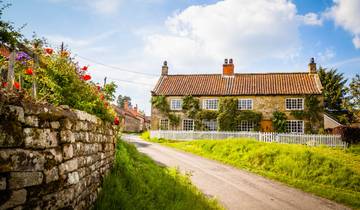
4 days
The Best of York Small-Group Tour – 4 Days
- ✓ Comprehensive York tour
- ✓ Expert local guides included
- ✓ All accommodation arranged
- ✓ Transportation provided
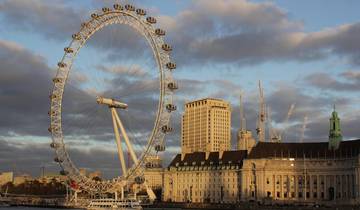
6 days
6 Day London And York By Train
- ✓ Comprehensive York tour
- ✓ Expert local guides included
- ✓ All accommodation arranged
- ✓ Transportation provided

6 days
England in a Week (Classic, Winter)
- ✓ Comprehensive York tour
- ✓ Expert local guides included
- ✓ All accommodation arranged
- ✓ Transportation provided

5 days
From Edinburgh: 5 Day York, the Dales, Lake District & Hadrian's Wall
- ✓ Comprehensive York tour
- ✓ Expert local guides included
- ✓ All accommodation arranged
- ✓ Transportation provided
Multi-day tour packages powered by TourRadar. Prices and availability subject to change.
Introduction: Navigating York Successfully in 2026
York presents a uniquely compact travel experience where medieval city walls define clear boundaries, comprehensive walking routes connect all major attractions, and public transport serves primarily outer neighborhoods rather than tourist core areas. Understanding York’s spatial logic, booking patterns, pricing structures, and seasonal rhythms transforms what could be a frustrating series of sold-out tickets and overpriced last-minute accommodation into a smoothly orchestrated journey through two millennia of history.
York’s tourist infrastructure operates on a booking-ahead model driven by timed entry slots at major attractions, limited accommodation capacity within the historic center, and restaurant reservation systems at popular venues. Spontaneous travelers arriving without advance planning face reduced options and premium walk-up pricing, while those booking 4-12 weeks ahead access better availability, online discounts, and guaranteed entry to headline sites during their preferred time slots.
The city’s transportation network reflects its medieval core design, with buses serving outer residential areas and Park & Ride facilities while the central walled city remains predominantly pedestrian-focused. This car-free environment proves ideal for walking tours but requires understanding which accommodations offer parking, how Park & Ride systems operate, and when occasional taxi rides provide value for luggage transport or rain avoidance.
York’s attraction pricing follows a two-tier structure splitting free world-class museums (National Railway Museum, city walls, Shambles) from paid heritage sites (York Minster, JORVIK Viking Centre, York Castle Museum). Strategic budgeting balances these options through attraction pass economics, targeted splurges on signature experiences, and careful meal planning mixing pub lunches with occasional fine dining. This guide provides the practical intelligence needed to navigate these decisions confidently while avoiding common traveler mistakes that waste both money and precious vacation time.
Booking Strategy: Securing Tickets and Accommodation in 2026
When to Book Major York Attractions
York Minster operates timed entry slots throughout the day that control visitor flow and prevent overcrowding within this active cathedral. Summer months (June-August) and school holiday periods see slots filling 3-4 weeks ahead, particularly for late morning through early afternoon windows preferred by day-trippers. Check official site for current rates as pricing may vary seasonally, and book online to guarantee your preferred time slot rather than joining lengthy walk-up queues.
JORVIK Viking Centre maintains strict capacity controls due to its immersive dark ride experience, with weekend slots regularly selling out 2-3 weeks ahead during peak season. Tickets cost £15-19 for adults and £11-14 for children in 2026, with online advance booking mandatory during school holidays. The complete experience requires approximately 75-90 minutes including queue time, ride, and exhibition areas, so book morning slots if visiting multiple attractions same day.
York Castle Museum accepts walk-up visitors but pre-booking guarantees entry during busy Saturdays and school holiday weeks. Adult tickets cost around £18 with student and senior concessions at £16, while children enter for £11. The museum’s Victorian street reconstruction and extensive collections warrant 2-3 hours minimum, making it excellent value compared to shorter attraction visits at similar pricing.
Clifford’s Tower (English Heritage) operates flexible entry without timed slots but benefits from advance online booking for slight discounts. Adult admission runs £7-9, with English Heritage members entering free. The 360-degree city views from the battlements prove spectacular but require climbing exterior staircases, so visit during clear weather and comfortable footwear.
York Pass Economics: When the Multi-Attraction Ticket Makes Sense
One-day York Pass costing approximately £55-60 for adults breaks even after visiting York Minster (£20), JORVIK Viking Centre (£17), and York Castle Museum (£18), which individually total £55. Add Clifford’s Tower (£8) or a city sightseeing bus tour (£18) and savings accelerate to £20-30 per person. Passes also include queue-skip privileges at some venues and hop-on-hop-off bus access.
Three-day passes prove most economical for comprehensive cultural itineraries incorporating Castle Howard (£21), Yorkshire Museum, Merchant Adventurers’ Hall, and boat cruises alongside core city attractions. Visitors completing 8-10 paid activities over three days typically save £80-120 per adult pass compared to individual ticket purchases. The pass flexibility allows spontaneous attraction additions without budget concerns.
Skip the York Pass if your itinerary prioritizes National Railway Museum (free), walking city walls (free), Shambles street browsing (free), and one or two carefully chosen paid sites. Solo attractions visitors spending quality time at single venues rather than attraction-hopping rarely achieve pass break-even economics. Calculate your specific intended visits against pass cost before purchasing.
Accommodation Booking Windows and Neighborhood Strategy
York hotels within the medieval walls book earliest and command premium rates, with properties like The Grand York (£240-320 per night) and boutique guesthouses (£160-220 per night) filling 12-16 weeks ahead for peak summer weekends. Mid-range chains near the walls (Premier Inn, Holiday Inn) offer better availability at £120-170 per night when booked 8-12 weeks ahead, delivering walking distance convenience without heritage building character.
Clifton and Bootham neighborhoods just north of city center provide excellent value accommodation at £80-120 per night for quality guesthouse doubles, positioned 10-15 minutes walking to York Minster while avoiding tourist zone pricing premiums. These residential areas offer free street parking and local pubs serving dinner at lower prices than city center establishments.
Park & Ride hotels on York’s periphery (Designer Outlet area, A64 corridor) deliver budget-friendly options at £65-90 per night with free parking and frequent bus connections to city center every 12-15 minutes. This strategy suits car-based travelers prioritizing accommodation value over immediate walkability, though evening return transport requires planning around last bus schedules.
Book weekend stays farther ahead than midweek visits, as Friday-Saturday nights command 30-50% premiums over Sunday-Thursday rates. York Racecourse fixture dates (check York Racecourse calendar for 2026 dates) create demand spikes requiring 16-20 week advance booking for any nearby accommodation, with substantial rate increases during major race meetings.
Restaurant Reservations: Where Booking Matters in 2026
Betty’s Tea Rooms afternoon tea service requires bookings 6-8 weeks ahead for weekend slots during summer months, with this iconic Yorkshire institution charging £40-45 per person for traditional three-tier service. Walk-ins occasionally succeed for weekday morning coffee, but signature afternoon tea slots fill rapidly. Consider the less-famous Bettys Stonegate location for slightly better last-minute availability.
Popular dinner restaurants including Skosh, The Star Inn The City, and Pairings Wine Bar accept reservations 7-14 days ahead for Friday-Saturday dining, while midweek tables often book 3-5 days ahead. Most establishments release tables for online booking exactly 30 days ahead at midnight, creating optimal booking windows for strategic diners.
York Restaurant Week (March 9-22 and October dates in 2026) offers set menus at £5-30 across 100+ participating venues but requires advance voucher downloads and restaurant reservations as popular establishments fill rapidly. This biannual event delivers exceptional value for visitors timing trips around these specific two-week periods.
Money-Saving Strategies for York 2026
Maximizing Free Attractions Without Compromising Experience
National Railway Museum delivers world-class railway heritage spanning two centuries at zero admission cost, with collections including royal trains, Japanese Shinkansen bullet trains, and Mallard speed record holder locomotives. Allocate 2-3 hours for comprehensive exploration, more if railway enthusiasts visit interactive exhibits and daily turntable demonstrations. The museum’s south hall houses massive locomotives while north hall displays royal carriages and international collections.
York’s medieval city walls form England’s longest complete defensive circuit at 3.4 kilometers, providing spectacular elevated perspectives across red-tiled rooftops toward York Minster’s Gothic towers. The complete walk requires 90-120 minutes at moderate pace, accessible via multiple entry points at four main gateways (Bootham Bar, Monk Bar, Walmgate Bar, Micklegate Bar). Access remains free daily, typically dawn to dusk, with some sections closing during poor weather for safety reasons.
The Shambles represents Britain’s best-preserved medieval street where overhanging timber-framed buildings nearly meet overhead, creating atmospheric narrow lanes now housing independent shops, chocolate boutiques, and tea rooms. Browsing costs nothing while photography opportunities abound throughout this pedestrianized zone. Early morning visits (8-9am) capture empty street scenes before tourist crowds arrive.
Museum Gardens surrounding Yorkshire Museum ruins offers riverside green space with Roman fortifications, abbey ruins, and seasonal flower displays. Free entry daily provides picnic areas, river views, and historical architecture photo opportunities without admission charges. The gardens host summer events and provide peaceful respite between paid attraction visits.
Strategic Transport Choices Minimizing Daily Costs
Walk wherever possible within York’s compact city center, as most major attractions cluster within 15-20 minute walking radius of each other. York Minster to JORVIK Viking Centre requires just 8 minutes on foot, while Minster to York Castle Museum takes 12 minutes walking. This pedestrian-first approach eliminates per-trip transport costs while providing continuous historical atmosphere immersion.
Park & Ride services (Askham Bar, Grimston Bar, Rawcliffe Bar, Designer Outlet) charge £3-4 per car for all-day parking plus unlimited return bus travel for all vehicle occupants, delivering exceptional value for groups arriving by car. Buses run every 10-15 minutes from early morning through early evening, with final return buses around 7-8pm weekdays and later on weekends. Check current schedules at official sites.
York’s All York day ticket (£4.42 when purchased as a bundle of 20 on smartcard, or around £5-6 for single-day purchase) provides unlimited bus travel across the city for visitors staying in outer neighborhoods or planning multiple bus journeys. Weekly tickets offer further per-day savings for longer stays. Purchase on First Bus mobile app for contactless convenience avoiding cash transactions.
Walking between York Railway Station and city center requires just 10-12 minutes via direct route through city walls, eliminating £8-12 taxi costs charged for this short journey. Station exit leads straight to city wall access points, with Micklegate Bar providing the most direct pedestrian route to Minster and central attractions.
Dining Budget Management in 2026
Shambles Market food stalls deliver authentic Yorkshire pudding wraps (£6-8), international street food, and takeaway lunches at 40-60% below sit-down restaurant pricing. The market operates Monday-Saturday with reduced Sunday hours, positioned between Shambles street and Foss River offering covered seating when weather proves uncooperative.
Historic pubs throughout York serve substantial lunch dishes (£10-15) including traditional Yorkshire fare, Sunday roasts, and daily specials at prices well below evening dinner menus at the same establishments. The Golden Fleece, The York Roast Co, and traditional city center pubs deliver authentic atmosphere with economical midday pricing. Pre-6pm early bird specials at numerous restaurants provide additional 20-30% savings on dinner entrees.
Supermarket meal deals at Tesco, Sainsbury’s, and Co-op locations around city perimeter offer sandwiches, drinks, and snacks for £3-5, creating picnic lunches enjoyed along city walls or in Museum Gardens. Several grocery stores operate within 5-10 minutes walking of central accommodation, stocking fresh bread, cheese, and picnic supplies.
York Restaurant Week (biannual March and October events) provides exceptional dining value with set menus at £5-30 across 100+ participating restaurants. Timing a 2026 visit during March 9-22 or October dates delivers access to restaurants normally charging £40-60 per person for multi-course meals. Download free vouchers at York Restaurant Week website and make reservations well ahead as popular venues book quickly.
Avoiding Common Tourist Money Traps
Decline taxi rides for short city center distances as York’s compact core rarely justifies taxi costs exceeding £8-12 for journeys easily walked in 10-15 minutes. Taxi ranks at railway station actively recruit arriving tourists for unnecessary rides to hotels positioned 800-1200 meters away. Save these costs for luggage-heavy hotel arrivals or poor weather contingencies.
Skip hop-on-hop-off bus tours unless included in York Pass, as York’s small scale and excellent walkability make these £18-22 services unnecessary for mobile travelers. The routes cover sites easily reached on foot, and frequent stops for passenger exchanges consume time better spent actually exploring attractions. Walking tours led by local historians deliver superior value at £8-12 per person when comprehensive city orientation proves necessary.
Avoid buying attraction tickets at accommodation reception desks where commission-based pricing adds £2-4 per ticket compared to direct venue websites or ticket counters. Hotels and guesthouses marking up tickets reduce your attraction budget while providing zero additional benefit beyond purchase convenience. Book online directly or buy at venue ticket offices.
Resist purchasing York Minster audio guides (£5) if smartphone-capable, as the free official app provides equivalent audio content, architectural explanations, and historical context accessible through personal devices. Save guide costs for attractions lacking free app alternatives.
Transportation Mastery: Navigating York Efficiently in 2026
Understanding York’s Pedestrian-First Design
York’s medieval core operates as a predominantly car-free zone where pedestrianized streets, narrow historic lanes, and defensive walls create a walker’s paradise spanning 1.5 square miles of concentrated attractions. City center driving restrictions enforce limited vehicle access between 10:30am-5pm daily, making walking the primary and most efficient transport method for attraction-hopping.
Major routes between attractions follow logical historical patterns: York Minster to Shambles requires 8 minutes via Petergate pedestrian street, Shambles to York Castle Museum takes 10 minutes through Coppergate shopping area, and Castle Museum to National Railway Museum extends 18-20 minutes alongside River Ouse. Google Maps pedestrian navigation works excellently within York’s well-signed historic core.
Four main city wall gateways (Bootham Bar, Monk Bar, Walmgate Bar, Micklegate Bar) serve as natural orientation landmarks when navigating York’s curved medieval street pattern. These distinctive stone gatehouses remain visible from significant distances, providing constant directional references preventing tourist disorientation despite irregular street layouts.
Footwear matters significantly on York’s centuries-old paving stones, cobblestones, and uneven surfaces. Comfortable walking shoes with good traction prove essential for full-day exploration, while fashion footwear causes discomfort on the 3-4 miles typical visitors walk daily between attractions. Pack accordingly or plan shorter walking days.
Bus System Essentials for Outer Neighborhoods and Park & Ride
First Bus operates York’s primary urban bus network with routes numbered 1-20 covering residential neighborhoods, hospital areas, university campus, and peripheral commercial districts. Route maps and real-time tracking available through First Bus mobile app eliminate confusion and reduce wait uncertainty at unfamiliar stops. Most services run every 15-30 minutes weekdays, with reduced weekend frequency.
Park & Ride services (routes 95-98) connect peripheral parking lots to city center with frequent departures every 10-15 minutes during operating hours, typically 7am-7:30pm weekdays and extended evening hours weekends. Return fare includes all-day parking for one vehicle plus unlimited bus travel for all occupants, costing £3-4 total regardless of group size. Final return buses depart city center around 7-8pm, requiring dinner planning for those using Park & Ride accommodation.
Bus payment accepts contactless credit cards, First Bus mobile app purchases, or cash (exact fare only, typically £2.50-3 for single journeys). All York day tickets (unlimited travel) cost £4.42 per day when purchased as multi-day bundles on York by Bus smartcard, or £5-6 for single-day purchase aboard buses or via app. Weekly tickets provide further value for extended stays.
Key bus routes for tourists include number 6 connecting city center to Designer Outlet shopping and hotels, numbers 10/11 serving neighborhoods north of city center, and University routes U1/U1A potentially useful for campus accommodation. Download route maps via First Bus website or request printed maps at visitor information points.
Taxi and Rideshare Realities in York
York operates traditional taxi services without Uber presence, as the ride-sharing platform lacks City of York Council licensing. Station Square taxi rank outside York Railway Station provides reliable vehicle availability, though 5-10 minute waits occur during peak arrival times. Advance booking through established firms (Station Taxis, Streamline) eliminates wait uncertainty for timed airport transfers or late evening transport.
Typical taxi fares within city center rarely exceed £8-12 for cross-town journeys like railway station to Clifton hotels or city center to York Hospital. Evening surcharges add £1-2 to base fares after 11pm. Taxis prove valuable for luggage-heavy hotel arrivals, poor weather situations, or late evening returns from restaurants when walking proves undesirable, but remain unnecessary for standard daytime attraction hopping.
Pre-book airport taxis for Leeds Bradford Airport (45-60 minute journey, £55-70) or Manchester Airport (90-120 minute journey, £110-140) to guarantee vehicle availability and agreed pricing. Direct train connections to both airports (with changes) provide cheaper alternatives at £30-50 per person but require luggage management across multiple services.
Arriving in York: Railway Station to City Center Options
York Railway Station sits 800 meters south of York Minster along Station Road and Lendal Bridge, creating an easy 10-12 minute walk through city walls to central attractions. Exit station toward city center (not Designer Outlet), follow Station Road to Lendal Bridge crossing River Ouse, then proceed through Bar Walls to Minster precinct. This direct route avoids confusion and proves faster than waiting for buses or taxis.
Luggage considerations favor taxis (£8-10) for heavy bag transport from station to accommodation, particularly hotels positioned beyond immediate city center like Clifton neighborhood properties. Request taxi drivers use established routes avoiding traffic restrictions rather than attempting direct lines through pedestrianized zones. Station Square taxi rank provides immediate vehicle availability for most train arrival times.
Left luggage facilities at York Railway Station store bags securely if arriving early before hotel check-in or departing after checkout, costing £8-12 per bag depending on size and storage duration. Alternative left-luggage services operate from York Visitor Information Centre in Museum Street, offering competitive pricing and convenient city center location.
Seasonal Planning: Timing Your 2026 York Visit
Weather Patterns and Clothing Recommendations by Season
March through May delivers variable spring conditions with daytime highs 11-16°C, occasional rain showers, and extended daylight hours ideal for wall walking and outdoor photography. Pack layered clothing including light waterproof jacket, comfortable walking shoes with weather-resistant properties, and warm fleece for cooler mornings. April typically sees lowest rainfall while May brings warmer temperatures and blooming gardens in Museum Gardens and riverside areas.
June through August brings peak summer weather with daytime highs 18-22°C, longest daylight hours (sunset after 9pm in June-July), and warmest temperatures for outdoor dining along River Ouse. Summer also attracts maximum tourist crowds, highest accommodation rates, and fullest attraction time slots requiring 12-16 week advance booking. Pack sun protection, light layers, and accept premium pricing for peak season convenience.
September through November offers excellent autumn visiting conditions with daytime highs 12-18°C in September declining to 8-12°C by November, beautiful fall colors in Museum Gardens and countryside surrounds, and significantly reduced crowds after school terms resume. September represents optimal balance of pleasant weather, manageable tourist numbers, and reasonable accommodation rates. Pack waterproof layers and warm clothing for increasing autumn chill.
December through February brings cold winter weather with daytime highs 5-8°C, limited daylight hours (sunset around 4pm December-January), and atmospheric Christmas markets creating festive city ambience. York’s covered attractions including museums and York Minster suit winter exploration, while outdoor wall walking proves challenging in poor weather. December hotel demand spikes around Christmas markets period requiring early booking. Pack substantial cold-weather gear, waterproof boots, and warm layers for outdoor exploration.
Crowd Management Strategies Through the Year
School holiday periods (Easter week, late July through early September, late October half-term, Christmas through New Year) bring UK family traffic creating attraction queues, fuller accommodation, and elevated pricing across hotels and restaurants. Visit midweek during these periods rather than weekends when day-tripper numbers compound resident tourist loads.
York Racecourse fixture dates throughout 2026 create localized demand spikes when horse racing attendees fill city center hotels and restaurants, particularly during prestigious meetings. Check York Racecourse calendar when booking to either avoid these dates (for quieter city experience) or specifically target them (for racing enthusiasts). Hotel rates increase 40-60% during major race weeks.
Monday through Wednesday consistently deliver quieter attraction experiences, shorter queues, better restaurant availability, and occasionally lower weekday accommodation rates compared to Thursday-Sunday. Plan major attraction visits (York Minster, JORVIK, Castle Museum) for these midweek days while reserving shopping, walking, and free sites for busier weekend days if visit spans multiple days.
Early morning attraction entries (first admission slots 9-10am) provide emptier galleries, better photography opportunities, and more intimate experiences before midday crowds arrive. York Minster opens at 9am weekdays with quietest periods in first hour, while JORVIK and Castle Museum see lightest traffic during first admission slots. Adjust itineraries to prioritize early starts at paid attractions, leaving afternoon hours for free sites and shopping.
Special Events Worth Planning Around in 2026
York Restaurant Week runs March 9-22 and October dates (typically mid-month) offering set-price menus at £5-30 across 100+ venues, delivering exceptional value for food-focused visitors willing to time trips around these specific dates. Free vouchers require advance download, participating restaurants need reservations 1-2 weeks ahead, and savings reach £100+ per couple compared to standard menu pricing.
York Viking Festival typically occurs mid-February annually, bringing costumed reenactors, living history demonstrations, and themed activities celebrating York’s Norse heritage. While 2026 dates require confirmation, past festivals span 6-7 days combining free outdoor activities with JORVIK Viking Centre special programming. Accommodation books early for this popular event.
York Food and Drink Festival (September) showcases regional Yorkshire produce, celebrity chef demonstrations, food vendor stalls, and tasting opportunities across 10 days in Parliament Street and surrounding areas. Free attendance combines with paid tasting tickets, creating excellent opportunity for food enthusiasts exploring Yorkshire cuisine. Check official festival website for 2026 dates.
Christmas Market season (late November through December) transforms city center with wooden chalet stalls, seasonal foods, crafted gifts, and festive atmosphere attracting substantial visitor numbers. Hotels book 16-20 weeks ahead for Christmas market weekends, prices increase significantly, but atmospheric holiday ambience rewards those accepting peak season conditions. St Nicholas Fair in Parliament Street forms the primary market location.
Accommodation Strategy: Choosing Location and Type in 2026
Within the Walls: Premium Price for Maximum Convenience
Hotels positioned within York’s medieval walls deliver unbeatable walking access to all major attractions, placing you 5-10 minutes from York Minster, Shambles, and most museums. The Grand York (£240-320 per night for doubles) represents the city’s only five-star option with spa, fine dining, and Georgian elegance, while boutique properties like No.1 York (£180-240 per night) offer intimate luxury in converted townhouses.
Mid-range chains including Premier Inn City Centre Blossom Street (£120-170 per night) and Holiday Inn York City Centre (£140-190 per night) provide reliable comfort within walls at prices substantially below luxury hotels while maintaining walking distance convenience. These properties book 8-12 weeks ahead for summer weekends, offering best availability when reserved well ahead.
Within-walls accommodation trades parking challenges for location excellence, as most historic properties lack dedicated parking or offer limited spaces at £15-25 daily surcharges. Streets within walls observe resident permit parking restrictions, making car-free visits optimal for these centrally positioned hotels. Consider Park & Ride or railway arrival if staying within walls.
Just Beyond Walls: Value Without Sacrificing Walkability
Clifton and Bootham neighborhoods 10-15 minutes north of York Minster provide excellent guesthouse accommodation at £80-120 per night, delivering period character, full English breakfasts, and residential atmosphere without tourist zone pricing. Properties along Bootham Terrace, Clifton Green, and The Avenue offer convenient walking access while providing free street parking unavailable in city center.
Holgate neighborhood southwest of railway station delivers budget-friendly options at £65-90 per night including chains like Travelodge and independent guesthouses, positioned 15-20 minutes walking to York Minster. This area suits cost-conscious travelers accepting slightly longer walks in exchange for substantial accommodation savings, with regular bus services supplementing walking routes.
These near-center neighborhoods provide local pub dining, Clifton Moor retail park access, and authentic residential York experience beyond tourist bubble. Morning walks through quiet streets to city center attractions establish pleasant daily rhythms, while evening returns to neighborhood pubs offer lower-priced dining options than city center establishments.
Park & Ride Periphery: Car-Friendly Budget Options
Hotels near Park & Ride facilities including Designer Outlet area (Hampton by Hilton £95-130 per night, Holiday Inn York £100-140 per night) combine free parking, frequent bus connections, and substantial savings over city center properties. These locations prove ideal for road-tripping visitors prioritizing accommodation value, though evening return transport requires planning around final bus departures typically 7-8pm.
Askham Bar, Monks Cross, and Clifton Moor retail areas host budget chains including Premier Inn, Travelodge, and Holiday Inn Express at £70-110 per night with parking included. Properties here target car-based leisure travelers and business visitors, offering reliable comfort and familiar chain amenities while sacrificing historic character and immediate walkability to attractions.
Calculate Park & Ride economics carefully: £3-4 daily parking plus bus travel for all vehicle occupants combined with £70-110 nightly accommodation often matches or undercuts £140-180 hotels requiring £20 daily parking within city center. This strategy maximizes accommodation budget for extending trip duration or increasing dining spending power.
Dining Guide: Where and How to Eat Well in York 2026
Budget-Conscious Eating Without Sacrificing Quality
Historic York pubs serve substantial lunch plates at £10-15 including Sunday roasts, fish and chips, steak pies, and Yorkshire pudding dishes in atmospheric centuries-old settings. The Golden Fleece (Pavement), The Old White Swan (Goodramgate), and The Black Swan (Peasholme Green) combine authentic pub character with hearty traditional fare priced well below restaurant equivalents.
Shambles Market food vendors deliver international street food including Thai curries (£6-8), wood-fired pizzas (£8-10), gourmet burgers (£7-9), and Yorkshire pudding wraps (£6-8) with covered seating areas and riverside benches nearby. Market operates Monday-Saturday with reduced Sunday hours, providing excellent value lunch options between museum visits.
Supermarket meal deals at Tesco Piccadilly, Sainsbury’s Foss Islands Road, and multiple Co-op locations offer sandwich-drink-snack combos at £3-5, creating economical picnic lunches enjoyed along city walls or Museum Gardens. Several locations operate within 5-10 minutes of central attractions, stocking fresh bread, local cheeses, and quality prepared foods.
Cafe culture throughout York delivers specialty coffee (£3-4), afternoon tea light options (£8-12), and casual lunch fare at independent establishments including Perky Peacock (medieval bridge tower setting), Dyl’s Cafe (riverside terrace), and Gatehouse Coffee (city wall ramparts location). These venues provide atmospheric breaks between attractions without full restaurant pricing.
Mid-Range Restaurant Recommendations for 2026
The Star Inn The City occupies a stunning riverside location in a renovated 1850s engine house, serving modern British cuisine with Yorkshire sourcing at £40-55 per person for two courses with wine. Advance reservations essential for weekend dinners, with terraces maximizing River Ouse views during warmer months. Pre-6pm early bird menus offer 20-30% savings on standard pricing.
Skosh delivers innovative small-plate dining combining Asian influences with British ingredients at £45-60 per person for 4-5 sharing dishes. This intimate Micklegate restaurant books 7-14 days ahead for weekend tables, offering excellent value through multi-course grazing approach. Wine list emphasizes natural and organic selections at fair markups.
Ambiente Tapas provides Spanish-influenced small plates at £8-15 each with 3-4 plates typically satisfying most appetites at £30-40 per person including drinks. Located on Goodramgate near York Minster, this relaxed venue accepts walk-ins for early dinners while reservations prove wise for 7-9pm peak periods.
Traditional afternoon tea options beyond Betty’s include Grange Hotel (£35-40 per person) with elegant drawing room setting and Gray’s Court (£32-38 per person) positioned in medieval house adjacent to York Minster. Both require advance booking 2-3 weeks ahead for weekend slots while offering more availability than Betty’s iconic but overbooked service.
Special Occasion and Fine Dining in 2026
Le Cochon Aveugle operates as York’s Michelin-starred destination serving seasonal tasting menus at £95-125 per person focusing on French technique applied to Yorkshire ingredients. This intimate 26-seat restaurant books weeks ahead for weekend dinners, offering Wednesday-Saturday evening service only. Wine pairings add £60-80 per person for carefully curated selections.
The Grand York’s Legacy Restaurant holds 3 AA Rosettes serving refined British cuisine at £85-110 per person for multi-course dinners in oak-paneled Georgian dining room. Saturday lunch service provides more accessible £55-70 price point with similar quality execution. Book 2-3 weeks ahead for this special occasion venue.
Skosh and The Star Inn The City mentioned above bridge mid-range and fine dining categories depending on ordering approaches, with full tasting menu experiences reaching £70-90 per person at top end while casual visits stay closer to £45-55. Both restaurants merit special occasion consideration without full luxury pricing.
York Minster Deep Dive: Maximizing Your Cathedral Visit
Ticketing, Timing, and Tour Options
York Minster admission tickets cost £20 for adults in 2026, with concessions available for seniors, students, and disabled visitors at reduced rates (check official site for current rates as pricing may vary). Children under 17 enter free when accompanying paying adults, making family visits economical. Annual tickets provide 12-month return access for those visiting York multiple times or exploring thoroughly over several days.
Purchase tickets online 2-4 weeks ahead for summer weekends and school holidays when timed entry slots fill rapidly, particularly late morning through early afternoon windows. Online booking guarantees entry during preferred time slots and avoids potentially lengthy walk-up queues. First entry slots (9-10am weekdays) offer quietest galleries, best photography lighting, and most intimate experience before midday crowds arrive.
Free guided tours led by volunteer cathedral guides operate multiple times daily, providing 60-75 minute comprehensive introductions covering architectural history, stained glass significance, and cathedral stories spanning eight centuries. Tours depart from welcome desk at scheduled intervals, requiring no advance booking beyond general admission ticket. These knowledgeable volunteers deliver outstanding value through expert insights unavailable via self-guided exploration alone.
Central Tower climb adds £6-8 to admission for access to York’s highest viewpoint at 71 meters elevation. The 275-step spiral staircase challenges fitness levels but rewards climbers with spectacular 360-degree panoramas across red-tiled rooftops, medieval walls, and Yorkshire countryside beyond. Tower tickets sell separately from general admission with limited capacity per time slot. Children must be at least 8 years old for tower access.
Planning Your Minster Visit Duration
Allocate minimum 90 minutes for self-guided Minster exploration covering nave, chapter house, crypt museum, and east end stained glass. This timeframe allows proper appreciation of architectural details, reading interpretive panels, and capturing photographs without rushing. Add 30-45 minutes for undercroft museum displaying Roman and medieval foundations plus treasury artifacts.
Include an additional 60-75 minutes when joining free guided tours, which depart regularly from welcome desk throughout the day. Combining tour participation with personal exploration time typically requires 2.5-3 hours total, though enthusiasts with architectural or religious history interests easily spend 3-4 hours absorbing comprehensive details.
Central Tower climb adds 45-60 minutes including queue time at tower entrance, the 275-step ascent allowing periodic rest stops, photography time at battlements, and descent navigation. Physical fitness requirements and potential vertigo concerns may exclude some visitors from tower experience. Consider tower climb during clear weather for optimal visibility across York and surrounding Yorkshire countryside.
Photography Permissions and Best Lighting Times
Photography remains permitted throughout York Minster for personal use without flash, which damages centuries-old stained glass. Tripods require special permission and typically cannot be used during standard visiting hours. Morning light (9am-12pm) illuminates eastern stained glass including spectacular Great East Window, while afternoon sun (2-5pm) highlights western and southern windows creating vibrant colors.
Overcast days surprisingly deliver excellent Minster photography as diffused light evenly illuminates stained glass without harsh shadows, while bright sunny conditions create challenging contrast between illuminated windows and dark stone interiors. Higher ISO settings and wider lens apertures handle low light conditions inside the cathedral without flash.
Chapter House offers particularly photogenic octagonal architecture with elaborate carved stone and continuous stained glass band around all eight walls. This space sees fewer visitors than main nave areas, providing quieter photography opportunities especially during early morning visits when first admission slots begin.
Smartphone Apps and Digital Tools for 2026 York Visit
Essential Pre-Download Apps
First Bus York app provides real-time bus tracking showing exact vehicle locations and arrival countdown timers, mobile ticket purchasing eliminating cash transactions, route planning between any two York addresses, and service disruption alerts for delayed or cancelled buses. Download before arrival and add payment method for seamless public transport usage throughout York stay.
National Rail app delivers comprehensive UK train information including York Railway Station arrival and departure boards, platform assignments, service delays, and advance purchase ticket options typically 20-40% cheaper than day-of travel tickets. Essential tool for trips to York from London, Edinburgh, Manchester, and planning day trips from York to destinations like Whitby, Scarborough, or Leeds.
Google Maps or Apple Maps provides excellent pedestrian navigation throughout York’s medieval street network, real-time location tracking preventing tourist disorientation in curving lanes, offline map downloading for areas with poor mobile signal, and saved locations marking your hotel, planned restaurants, and attraction entries for quick reference.
Attraction-Specific Apps and Audio Guides
York Minster official app delivers free audio guide content covering architectural features, stained glass histories, and cathedral stories accessible through personal smartphones after initial download. This eliminates £5 audio guide rental charges while providing equivalent information quality. Download while connected to WiFi at accommodation before visiting Minster to avoid using mobile data.
National Railway Museum app offers interactive exhibits, locomotive histories, and enhanced information about displayed trains accessible during museum visit. Free download supplements excellent in-person interpretation without replacing direct observation of these massive historical machines. The app’s search function helps locate specific locomotives within the museum’s vast 100+ vehicle collection.
Weather, Dining, and Practical Information Apps
BBC Weather app provides detailed York-specific forecasts including hour-by-hour precipitation predictions essential for planning outdoor wall walking versus museum days, sunrise and sunset times useful for photography timing, and temperature forecasts guiding appropriate clothing choices. More accurate than general weather apps for UK-specific conditions.
OpenTable and TheFork restaurant booking platforms allow searching available tables, reading verified reviews, and making reservations at numerous York restaurants through single interfaces. Both apps regularly offer dining incentives including points toward future meals or percentage discounts at participating venues. Download and create accounts before arrival for smooth reservation process.
Banking, Payments, and Currency Apps for International Visitors
Revolut, Wise (formerly TransferWise), or similar digital banking apps provide excellent exchange rates on GBP purchases without foreign transaction fees charged by traditional banks, real-time spending notifications, and virtual card numbers for secure online bookings. Load accounts with home currency, then spend in GBP at near-interbank exchange rates saving 3-5% compared to standard credit cards.
Contactless payment acceptance reaches near-universal adoption across York attractions, restaurants, shops, and public transport. Visa, Mastercard, and Apple Pay/Google Pay work seamlessly for purchases from £0.01 to £100 per transaction. Carry minimal cash for rare cash-only situations like some market vendors or traditional pubs in outer neighborhoods, but expect to use cards for 95% of transactions.
Safety, Etiquette, and Practical Essentials
Personal Safety in York 2026
York maintains excellent safety standards with low violent crime rates, well-lit tourist areas, and visible police presence throughout city center especially evenings and weekends. Standard urban precautions apply: watch personal belongings in crowded areas like Shambles and train station, avoid displaying expensive electronics unnecessarily, and remain aware of surroundings particularly late evening in quieter neighborhoods.
York’s city walls present fall hazards with unprotected edges, uneven surfaces, and steep staircases at access points. Exercise appropriate caution when walking the walls, especially in wet conditions when stone surfaces become slippery. Some wall sections close during poor weather for visitor safety. Parents should closely supervise children on walls as protective barriers remain minimal along many stretches.
River Ouse flooding occasionally impacts riverside paths and low-lying areas during heavy rainfall, particularly in winter and spring months. Monitor Environment Agency flood warnings if visiting during wet periods, as some riverside walks and attractions may temporarily close. Flooding rarely affects main tourist areas within city walls but can impact National Railway Museum access and riverside restaurants.
Cultural Etiquette and Local Customs
Queue properly at all times, as British culture takes line formation seriously at bus stops, attraction entries, and ticket counters. Pushing ahead or attempting to skip queues generates immediate negative reactions from both locals and other tourists. Join the end of any visible line and wait your turn patiently.
York Minster remains an active place of worship with regular services, so dress respectfully when visiting the cathedral. While formal attire proves unnecessary, avoid shorts, tank tops, or revealing clothing showing excessive skin. During services, maintain quiet respectful behavior or consider visiting during non-service hours if prioritizing tourist photography over religious observation.
Tipping customs in York follow standard UK practices: restaurants expect 10-12.5% when service charges not already included in bill (check before adding tips), pub bar service requires no tips for standard drink orders, and taxi drivers appreciate rounding up to nearest pound. Coffee shops increasingly display tip jars but gratuities remain optional for counter service.
Accessibility Considerations for Visitors with Mobility Challenges
York Minster main floor, chapter house, and undercroft museum provide step-free access via ramps and lifts, making ground-level cathedral exploration accessible for wheelchair users and those with limited mobility. Central Tower climb remains inaccessible due to narrow spiral staircases, and some minor areas require step navigation. Wheelchair loans available at welcome desk for visitors needing temporary mobility assistance.
York Castle Museum offers lift access to all floors with accessible toilet facilities and wide corridors accommodating wheelchairs throughout exhibitions. Victorian street section includes some uneven cobblestones replicating period authenticity but alternative routes exist. Museum staff provide assistance as needed for mobility-impaired visitors.
City wall walks present significant accessibility challenges with steep staircases at entry points, uneven surfaces along wall top, and lack of continuous accessibility. Visitors unable to navigate walls can still view them from ground level at multiple points and experience wall architecture from street perspective. Museum Gardens provides accessible alternative for elevated city views.
York’s bus fleet includes low-floor vehicles with wheelchair ramps on major routes, though older buses on some services may lack full accessibility features. First Bus app indicates accessible vehicles in real-time fleet tracking. Park & Ride services prioritize accessible buses given tourist usage. Railway station provides step-free access to all platforms via lifts.
Family Travel: York with Children in 2026
Child-Friendly Attractions and Activities
National Railway Museum captivates children with massive locomotives, interactive exhibits, daily turntable demonstrations, and working miniature railway offering short rides. The museum’s completely free admission makes it exceptional value for families, while dedicated children’s play area and hands-on activities keep younger visitors engaged for 2-3 hours. Café facilities and outdoor spaces provide rest breaks for tiring parents.
JORVIK Viking Centre’s dark ride experience through recreated Viking streets fascinates older children (8+) with sights, sounds, and authentic period smells, though very young children may find dim lighting and mannequin figures frightening. Family tickets offer value when visiting with multiple children. The experience lasts approximately 60-75 minutes total, manageable for most children’s attention spans.
York Castle Museum’s Victorian street recreation allows children to explore authentic period shops, see historical toys and games, and understand daily life across different eras. Interactive elements throughout keep children engaged, while Dick Turpin’s prison cell adds dramatic historical intrigue appealing to older children. Allocate 2-3 hours for family visits with rest breaks in museum café.
York city walls provide free outdoor activity ideal for energetic children needing to burn energy between museum visits. The 3.4-kilometer circuit takes 90 minutes at child-friendly pace with multiple entry/exit points allowing shortened sections if younger children tire. Early morning or late afternoon wall walks avoid peak midday crowds and heat. Pack snacks and water for this sustained outdoor activity.
Family-Friendly Dining and Practical Considerations
Traditional pubs throughout York welcome families for lunch service (typically until 3-4pm) with children’s menus at £5-8 offering smaller portions of classic dishes. The Lamb & Lion Inn, The Old White Swan, and The York Roast Co. provide family-friendly atmospheres with high chairs available and tolerant attitudes toward children’s noise levels during daytime hours. Evening pub service tends toward adult-only atmospheres in many establishments.
Shambles Market food stalls accommodate children’s tastes with international options including pizza, burgers, and noodle dishes alongside adventurous choices for curious eaters. Outdoor seating allows children freedom to move around while eating, reducing restaurant behavior stress for parents. Covered market areas provide weather protection during rainy conditions.
Family accommodation considerations favor hotels with connecting rooms, family suites, or apartment-style layouts providing separate sleeping spaces for children versus standard double rooms. Premier Inn locations offer family rooms sleeping up to two adults and two children at rates often competitive with two standard rooms. Consider accommodation with breakfast included when traveling with children, as restaurant breakfast costs accumulate rapidly for families.
Baby changing facilities exist throughout major attractions including York Minster, museums, and shopping centers, with most public facilities providing adequate changing tables and basic amenities. However, quieter attractions and traditional pubs may lack dedicated family facilities, so plan accordingly when visiting smaller sites with babies or toddlers.
Day Trips from York: Expanding Your 2026 Itinerary
Castle Howard: Baroque Splendor 30 Minutes from York
Castle Howard ranks among Britain’s grandest stately homes, positioned 15 miles northeast of York with magnificent 18th-century Baroque architecture, extensive formal gardens, and dramatic landscape grounds. Regular bus services from York (number 180 route) operate April-October on specific days, with journey time around 45 minutes. Entry costs approximately £21 for adults covering house and gardens, with gardens-only tickets at reduced rates. Allocate full day for comprehensive visit including 2-3 hours touring house, 2 hours exploring gardens, and travel time.
The estate gained renewed fame through Bridgehead Revisited television adaptation and various film productions, making it recognizable to many visitors. Architecture enthusiasts appreciate Vanbrugh’s design and period interiors, while garden lovers enjoy woodland walks, temple folly, and seasonal floral displays. Café and restaurant facilities on-site allow full-day visits without returning to York for lunch.
Yorkshire Dales National Park: Natural Beauty Within Reach
Yorkshire Dales National Park begins approximately 40 miles northwest of York, accessible via car in 60-75 minutes to gateway towns like Grassington, Malham, or Hawes. Public transport proves challenging for Dales exploration with limited bus connections and infrequent service, making rental cars or organized tours practical for those without own vehicles. The Dales deliver spectacular limestone landscapes, traditional villages, and excellent walking opportunities.
Malham Cove limestone pavement and Gordale Scar waterfall form popular Dales destinations reached via moderate 4-5 mile circular walking routes from Malham village. Pack appropriate footwear, weather protection, and walking provisions as Dales weather changes rapidly and facilities prove limited beyond villages. Spring through autumn provides optimal conditions while winter brings muddy paths and shortened daylight.
Whitby and North York Moors: Coastal Heritage
Whitby’s historic fishing port sits 50 miles northeast of York, reachable via scenic railway journey through North York Moors in approximately 90 minutes. This Gothic seaside town combines dramatic clifftop abbey ruins, Captain Cook heritage, literary connections (Bram Stoker’s Dracula), and working harbor atmosphere. Direct trains operate multiple times daily, eliminating driving considerations while providing scenic countryside views throughout journey.
Whitby Abbey ruins crowning East Cliff headland require climbing 199 steps from town, with entry fees around £9-11 for adults. The atmospheric ruins reward climb efforts with spectacular coastal views, medieval architecture appreciation, and atmospheric photography opportunities. Fish and chips from one of Whitby’s legendary chippies forms essential culinary experience, with portions substantial enough for lunch and afternoon snack combined.
Frequently Asked Questions About York Travel 2026
Do I Need a Car to Visit York in 2026?
Cars prove unnecessary and often disadvantageous for York city center exploration, as the compact medieval core operates pedestrian-first with excellent walking connectivity between all major attractions. City center driving restrictions, limited parking, and £15-25 daily hotel parking charges compound difficulties. Arrive by train from London, Manchester, or Edinburgh for stress-free access, then explore York entirely on foot with occasional bus supplements for outer neighborhoods.
How Many Days Should I Spend in York 2026?
Two full days allows visiting York Minster, JORVIK Viking Centre, York Castle Museum, National Railway Museum, complete wall circuit, and Shambles exploration at comfortable pace without rushing. Three days enables adding Castle Howard day trip, deeper museum time, leisurely café culture appreciation, and second restaurant dinner sampling York’s dining scene. Single overnight stays prove feasible for those prioritizing headline attractions only, though rushed pacing diminishes experience quality.
Is York Expensive Compared to Other UK Cities in 2026?
York’s costs position mid-range within UK tourism destinations, below London pricing but above Northern England industrial cities. Accommodation averages £120-170 nightly for mid-range doubles, similar to Edinburgh and Bath while exceeding Manchester or Liverpool rates by 20-30%. Attraction pricing proves comparable across UK heritage destinations, with York Minster (£20) matching similar cathedral entry fees. Restaurant costs parallel other tourist-focused cities, though local pubs deliver better value than comparable London establishments.
What’s the Best Way to Get to York from London in 2026?
Direct trains from London King’s Cross to York operate hourly throughout the day via LNER and Hull Trains services, requiring approximately 2 hours journey time. Advance purchase tickets booked 8-12 weeks ahead cost £25-50 for standard class, while walk-up same-day tickets reach £80-140. Book early and travel off-peak (avoiding morning and evening commute hours) for optimal pricing. Driving from London requires 3.5-4.5 hours covering 210 miles, with parking challenges and costs diminishing any schedule flexibility benefits.
Can I Visit York as a Day Trip from London or Edinburgh?
York functions as challenging but feasible day trip from either city, though overnight stays allow proper appreciation without exhausting rail schedules. From London, first morning trains (7-8am departures) reach York by 9:30-10:30am allowing 6-7 hours exploration before return evening trains around 5-6pm. From Edinburgh, similar 2-hour journey time enables comparable day trip pattern. Focus day trips on 2-3 major attractions plus wall walking, accepting inability to experience full York offerings within single-day constraints.
What Happens If It Rains During My York Visit?
York’s comprehensive indoor attraction portfolio makes rainy days entirely manageable through museum-focused programming. York Minster, York Castle Museum, JORVIK Viking Centre, National Railway Museum, Yorkshire Museum, and numerous smaller museums provide full-day shelter while delivering excellent cultural experiences. The Shambles’ overhanging buildings create partial rain protection for shopping, while historic pubs offer atmospheric refuge with hearty lunches during weather breaks. Pack quality waterproof jacket as backup for walking between indoor venues.
Are There Free Walking Tours in York 2026?
Free walking tours operated by various companies meet daily at York Minster precinct, running 90-120 minute circuits covering major historical highlights and architectural features throughout city center. These tip-based tours (guides work for gratuities, typically £10-15 per person) provide excellent city orientation and historical context. Association of Voluntary Guides offers completely free official walks with knowledgeable volunteers, departing from York Museum Gardens exhibiting local pride in heritage interpretation rather than commercial operation.
Where Can I Find the Best View of York in 2026?
York Minster’s Central Tower delivers the city’s highest accessible viewpoint at 71 meters elevation, with 360-degree panoramas across medieval streets, red-tiled rooftops, and countryside beyond. Tower climb costs £6-8 additional to Minster admission. Clifford’s Tower provides excellent 360-degree perspectives from its elevated mound position at lower height, requiring less strenuous climb. City walls offer continuous elevated perspectives throughout 3.4-kilometer circuit at no cost, with particularly photogenic sections near Bootham Bar and Monk Bar viewing York Minster.
What Should I Not Miss in York 2026?
York Minster stands as absolute essential with its Gothic architecture and stained glass mastery justifying the city’s heritage reputation. National Railway Museum delivers world-class collections at zero cost, making it mandatory despite potential disinterest in railways given quality and value combination. Walking at least one section of medieval city walls provides essential York experience and orientation impossible to replicate elsewhere. The Shambles browsing captures medieval street atmosphere in England’s best-preserved historic lane, requiring no admission fee and offering constant photographic interest.
How Do I Avoid Tourist Crowds in York 2026?
Visit Tuesday through Thursday rather than Friday through Sunday when weekend visitors compound resident tourist populations, book first morning entry slots (9-10am) at major attractions before midday crowds arrive, explore city walls during breakfast hours (7-9am) when paths remain empty before tourist day begins, and prioritize shoulder season months (March-May, September-November) over peak July-August period. Restaurant lunches at 12pm rather than 1pm, and dinner reservations before 7pm beat peak dining rushes at popular venues.