
Yokohama Day Trip from Tokyo 2026: Complete Travel Planning Guide
Yokohama, Japan’s second-largest city, sits just 30 kilometers south of Tokyo and offers one of the country’s most rewarding day trips—combining futuristic urban landscapes in Minato Mirai, vibrant cultural experiences in Japan’s largest Chinatown, and serene traditional gardens, all accessible within 30-40 minutes by train. This comprehensive planning guide provides verified 2026 transportation options, current attraction prices, strategic itinerary planning, and money-saving strategies to maximize your single-day exploration of this dynamic port city.
Key Takeaways for Yokohama Day Trip 2026
- Transportation efficiency: Yokohama sits 25-40 minutes from central Tokyo stations with trains departing every few minutes throughout the day, making spontaneous visits feasible
- Budget-friendly exploration: Day costs range ¥4,500-8,000 ($30-55) excluding Tokyo transportation, with many waterfront areas and Chinatown streets offering free exploration
- Geographic concentration: Major attractions cluster in three walkable zones (Minato Mirai, Chinatown/Yamashita Park, Sankeien Garden), allowing strategic single-day coverage
- Strategic timing windows: Arriving before 9:00 AM and departing after 7:00 PM maximizes attraction access while avoiding peak commuter crowds on return trains
- Pass value analysis: Single-day discount passes save ¥400-800 for visitors planning 4+ train/subway rides within Yokohama’s districts
- Seasonal enhancement opportunities: Spring cherry blossoms (late March-early April) and autumn foliage (November) transform gardens and waterfront areas with extended evening hours
People Also Ask About Yokohama Day Trip from Tokyo 2026
How much does a Yokohama day trip from Tokyo cost in 2026?
A Yokohama day trip costs ¥4,500-8,000 ($30-55) per person excluding Tokyo-Yokohama transportation. Budget travelers spend approximately ¥4,500-5,500 using free attractions, mid-range visitors spend ¥6,000-7,000 including museum admissions, and comprehensive experiences including Sankeien Garden and premium activities reach ¥7,500-8,000. Tokyo-Yokohama round-trip train fare adds ¥960-1,140 ($6.40-7.60) on JR lines or ¥560 ($3.70) on private railways from Shibuya. These costs include attraction admissions, meals in Chinatown (¥1,200-2,500), local transport (¥440-880), and miscellaneous expenses like the Yokohama Air Cabin ropeway (¥1,000-1,800).
What’s the fastest way to reach Yokohama from Tokyo in 2026?
The Tokaido Shinkansen provides the fastest Tokyo-Yokohama connection at 18-20 minutes from Tokyo Station to Shin-Yokohama Station, costing ¥2,600 ($17) one-way. However, this represents poor value for day-trippers since regular JR trains reach central Yokohama in 25-30 minutes for ¥480-570 ($3.20-3.80), delivering you directly to Sakuragicho or Yokohama stations near major attractions rather than suburban Shin-Yokohama. The JR Yokosuka Line from Tokyo Station (28 minutes, ¥480) and JR Shonan-Shinjuku Line from Shinjuku Station (32 minutes, ¥570) offer optimal speed-cost balance, departing every 5-10 minutes throughout the day with no reservations required.
Can you see Yokohama’s main attractions in one day during 2026?
Yes, Yokohama’s primary attractions concentrate in three districts that can be covered in 8-10 hours with strategic planning. A well-structured day trip includes Minato Mirai’s waterfront and Cup Noodles Museum (3-4 hours), Chinatown and Yamashita Park area (2-3 hours), plus either Sankeien Garden (2 hours) or extended Minato Mirai exploration. The Minato Mirai Line and 15-minute walks connect these zones efficiently. Most visitors successfully experience 4-6 major attractions by arriving before 9:00 AM and maintaining steady pacing. Skip-worthy for single-day trips: Yokohama Hakkeijima Sea Paradise (requires 4-5 hours) and Shin-Yokohama Ramen Museum (20 minutes from central districts). Prioritize concentrated downtown zones over distant suburban attractions.
Do I need to book Yokohama attractions in advance for 2026 visits?
Most Yokohama attractions operate on walk-up admission without advance booking required in 2026. However, three experiences benefit from advance reservations: Cup Noodles Museum’s “My Cup Noodles Factory” workshop sells out by mid-morning on weekends and holidays (book online starting 10:00 AM one month prior), Chicken Ramen Factory workshop requires advance online booking (maximum 90 days ahead), and Sankeien Garden’s evening cherry blossom illuminations (late March-early April) attract large crowds making early arrival advisable. Standard museum admissions, Landmark Tower Sky Garden, Chinatown restaurants, and waterfront attractions accommodate walk-in visitors throughout the day. Weekend visitors should arrive at Cup Noodles Museum when doors open at 10:00 AM or risk missing workshop availability.
Extended multi-day tours – 5+ days
Featured Tokyo Multi-Day Tour Packages

3 days
Tokyo 3-Day Discovery Tour
- ✓ Comprehensive Tokyo experience
- ✓ Expert local guides included
- ✓ All accommodation included
- ✓ Transportation provided

5 days
Tokyo 5-Day Highlights Experience
- ✓ Comprehensive Tokyo experience
- ✓ Expert local guides included
- ✓ All accommodation included
- ✓ Transportation provided
7 days
Tokyo 7-Day Cultural Journey
- ✓ Comprehensive Tokyo experience
- ✓ Expert local guides included
- ✓ All accommodation included
- ✓ Transportation provided

10 days
Tokyo 10-Day Complete Adventure
- ✓ Comprehensive Tokyo experience
- ✓ Expert local guides included
- ✓ All accommodation included
- ✓ Transportation provided
Multi-day tour packages powered by TourRadar. Prices and availability subject to change.
Transportation Planning Tokyo to Yokohama 2026
Yokohama’s 30-kilometer proximity to Tokyo generates one of Japan’s most frequent inter-city rail services, with trains departing every 3-5 minutes from multiple Tokyo stations throughout the day. Understanding the eight distinct rail routes connecting these cities enables strategic departure point selection, optimal cost management, and efficient arrival positioning near target attractions.
JR East Rail Lines Tokyo to Yokohama 2026
JR East operates four main lines connecting Tokyo with Yokohama, all covered by the Japan Rail Pass and IC card compatible. The JR Tokaido Line from Tokyo Station reaches Yokohama Station in 25 minutes for ¥480 ($3.20), providing the most direct route with departures every 5-10 minutes from 5:00 AM to midnight. This line continues to Sakuragicho Station (3 additional minutes) which sits closer to Minato Mirai attractions than Yokohama Station.
The JR Yokosuka Line from Tokyo Station offers identical pricing (¥480) with 28-minute journey times to Yokohama Station, distinguished by fewer stops and slightly more spacious seating. The JR Shonan-Shinjuku Line from Shinjuku Station costs ¥570 ($3.80) with 32-minute travel time, ideal for visitors staying in western Tokyo. The JR Keihin-Tohoku Line provides the slowest option at 40 minutes from Tokyo Station but costs only ¥480, running local service with stops at every station.
All JR lines deliver passengers to Yokohama Station’s central hub or Sakuragicho Station adjacent to Minato Mirai. The 10-15 minute frequency eliminates schedule checking requirements—simply arrive at the platform and board the next departing train. Morning rush hours (7:30-9:00 AM) and evening commuter peaks (5:00-7:00 PM) create standing-room-only conditions; arriving in Tokyo before 7:30 AM or after 9:00 AM ensures comfortable seating.
Private Railway Options Tokyo to Yokohama 2026
Two private railway companies provide alternative Tokyo-Yokohama connections with competitive pricing. The Tokyu Toyoko Line from Shibuya Station reaches Yokohama Station in 28 minutes for ¥280 ($1.85), representing the most economical option for day-trippers. This line offers direct connections to the Minatomirai Line at Yokohama Station, eliminating transfers for visitors targeting waterfront attractions.
The Keikyu Main Line from Shinagawa Station costs ¥310 ($2.05) with 24-minute travel time to Yokohama Station, operating express services every 10 minutes. Keikyu trains continue beyond Yokohama to Kanagawa’s southern coastal areas, making this line ideal for visitors combining Yokohama with Kamakura or Enoshima.
Private railways accept IC cards (Suica, Pasmo) but are not covered by the Japan Rail Pass. For JR Pass holders, JR East lines provide better value despite slightly longer journey times. Visitors without JR Passes save ¥200-290 per direction using private railways, accumulating meaningful savings for budget-conscious travelers.
Shinkansen Service and Value Analysis 2026
The Tokaido Shinkansen operates between Tokyo Station and Shin-Yokohama Station with 18-20 minute journey times at ¥2,600 ($17) per direction. This premium option makes financial sense only for Japan Rail Pass holders (for whom the fare is covered) or business travelers prioritizing speed over cost. Day-trippers without JR Passes should avoid the Shinkansen—the 8-10 minute time savings over regular trains does not justify the ¥2,120 premium, and Shin-Yokohama Station’s suburban location adds 20 minutes of local train or subway connections to reach central attractions.
The Shinkansen delivers passengers to Shin-Yokohama Station, positioned 4 kilometers north of central Yokohama’s waterfront districts. Reaching Minato Mirai from Shin-Yokohama requires either the Yokohama Municipal Subway Blue Line to Sakuragicho (12 minutes, ¥240) or JR Yokohama Line to Yokohama Station plus Minatomirai Line (15 minutes, ¥380). These connections eliminate the Shinkansen’s speed advantage while adding complexity.
Japan Rail Pass holders can utilize the Shinkansen for morning outbound journeys, then return via regular JR lines in the evening to experience both service types. The Kodama (all-stops) Shinkansen operates 4 times hourly with no reservation requirements for ordinary cars, making spontaneous boarding feasible.
Yokohama Internal Transportation 2026
Within Yokohama, the Minatomirai Line provides the primary tourist transportation, connecting Yokohama Station with Minato Mirai district, Chinatown (Motomachi-Chukagai Station), and Yamashita Park areas. Single rides cost ¥180-260 depending on distance. The JR Negishi Line links Sakuragicho Station with Yamashita Station, offering access to Chinatown and southern residential areas.
The Yokohama Municipal Subway operates two lines (Blue Line and Green Line) serving primarily residential neighborhoods with limited tourist application. The Blue Line connects Shin-Yokohama Station with Sakuragicho Station (¥240), useful only for Shinkansen arrivals. Most day-trippers never utilize Yokohama’s subway system since Minato Mirai and Chinatown are connected by the private Minatomirai Line and walkable distances.
The Akaikutsu (Red Shoe) loop bus circles central Yokohama’s major tourist sites every 20 minutes from 10:00 AM to 7:00 PM, costing ¥220 per ride or ¥500 for unlimited daily access. The bus route connects Sakuragicho Station, Red Brick Warehouse, Chinatown, Yamashita Park, and Minato Mirai, providing comfortable seated transport for visitors with limited walking ability or those managing luggage. However, the 15-20 minute walking distances between these same sites make the bus non-essential for mobile travelers.
Discount Pass Options Yokohama 2026
Three discount passes serve Yokohama day-trippers, each targeting specific travel patterns. The Yokohama-Minatomirai Pass costs ¥520 and provides unlimited rides on JR Negishi Line (Yokohama-Shin-Sugita section) plus the entire Minatomirai Line for one day. This pass breaks even at three rides and delivers value for visitors making 4-6 train trips between Sakuragicho, Minato Mirai, Bashamachi, and Motomachi-Chukagai stations. Purchase at JR East ticket offices in Tokyo or Yokohama.
The Minato Burari Ticket costs ¥500 and offers unlimited rides on Yokohama Municipal Subway and city buses within the Minato Mirai, Chinatown, Yamashita Park, and Sankeien areas, plus discounts at 80+ attractions. This pass suits visitors planning Sankeien Garden trips (requiring city bus access) or making 5+ local transit journeys. The Wide version (¥740) extends coverage to Shin-Yokohama Station via municipal subway.
The Minatomirai One-Day Pass costs ¥920 and includes round-trip travel from most Tokyu Line stations plus unlimited Minatomirai Line usage. This pass benefits only visitors departing from western Tokyo Tokyu Line areas (Shibuya, Meguro, Den-en-chofu) planning multiple Minatomirai Line trips within Yokohama. Visitors arriving via JR lines from Tokyo Station or Shinjuku receive no value from this pass.
Most day-trippers achieve optimal value without purchasing discount passes. A typical visit involves: Tokyo-Yokohama round trip via JR (¥960-1,140), Sakuragicho-Motomachi-Chukagai Minatomirai Line journey (¥200), and extensive walking between adjacent attractions. This ¥1,160-1,340 total undercuts all pass options while providing greater flexibility for spontaneous route adjustments.
IC Card Usage Tokyo to Yokohama 2026
Suica and Pasmo IC cards function seamlessly across all Tokyo-Yokohama rail services including JR lines, private railways, Minatomirai Line, municipal subways, and city buses. Visitors with IC cards simply tap at entry/exit gates without purchasing individual tickets or checking fare tables. These rechargeable cards eliminate queue time at ticket machines during busy morning departures.
IC cards apply small distance-based charges (¥1-2 less than paper tickets on some routes) and provide access to ticket gate express lanes at major stations. Foreign visitors can purchase Welcome Suica cards at airports or major stations with no deposit requirement, though these cards expire 28 days after first use. Standard Suica/Pasmo cards require ¥500 refundable deposits but have no expiration date.
The IC card approach particularly benefits visitors making multiple short journeys within Yokohama—each tap-in/tap-out calculates optimal routing and fare automatically, preventing overpayment when multiple route options exist between stations. During return evening journeys when ticket machines develop queues, IC card holders proceed directly to platforms without delay.
Morning Arrival Strategy Yokohama 2026
Early morning arrival in Yokohama (before 9:00 AM) transforms the day trip experience by providing access to attractions before tourist crowds develop, securing Cup Noodles Museum workshop slots before sellout, and establishing comfortable pacing that prevents afternoon rushing. This strategic timing particularly benefits weekend visitors when attraction popularity peaks.
Optimal Departure Times from Tokyo 2026
Departing Tokyo between 7:30-8:30 AM delivers visitors to Yokohama attractions by 8:30-9:00 AM, coinciding with museum opening times while avoiding peak commuter congestion (7:00-7:30 AM). Trains departing Tokyo at 8:00 AM provide the sweet spot—post-rush-hour seating availability with early Yokohama arrival enabling first-entry positioning at popular attractions.
The 25-40 minute journey allows breakfast completion in Tokyo before departure, eliminating the need to locate morning dining in unfamiliar Yokohama stations. Yokohama’s major attractions open between 9:00-10:00 AM: Sankeien Garden (9:00 AM), most shops and waterfront areas (10:00 AM), Cup Noodles Museum (10:00 AM), and Landmark Tower Sky Garden (10:00 AM). Early arrival enables strategic sequencing starting with the most time-sensitive activities.
Weekend and holiday departures should target the earlier end of this window (7:30-8:00 AM) since popular attractions like Cup Noodles Museum develop entry queues by 10:15 AM. Weekday visitors enjoy more flexibility with 8:15-8:45 AM departures still providing early-bird advantage without sacrificing sleep or rushing hotel departures.
First-Stop Attraction Strategy 2026
The optimal first destination depends on your primary interests and seasonal timing. Summer and autumn visitors (May-November) should prioritize Sankeien Garden as the opening attraction, arriving when gates open at 9:00 AM to experience morning tranquility before tour groups arrive (typically 10:30 AM onward). The garden requires 90-120 minutes for comprehensive exploration, plus 35-40 minutes travel time from Yokohama Station via city bus.
Visitors prioritizing the Cup Noodles Museum should reverse this sequence, arriving at Minatomirai by 9:45 AM to queue for 10:00 AM opening. The museum’s “My Cup Noodles Factory” workshop issues numbered tickets on first-come basis starting when doors open, with weekend sellouts occurring by 11:00 AM. Early entry secures morning workshop slots (10:00-12:00) leaving afternoons free for outdoor attractions without time pressure.
Spring visitors targeting cherry blossom viewing should structure mornings around garden light conditions. Sankeien Garden’s cherry trees photograph best in morning side-lighting (9:00-11:00 AM), while Minato Mirai’s waterfront sakura receives optimal afternoon light (2:00-5:00 PM). This natural sequencing complements attraction opening hours and crowd patterns.
Winter visitors (December-February) gain flexibility since shorter daylight hours and cooler temperatures reduce garden appeal while indoor museums provide comfortable experiences. These months favor Minato Mirai-first routing: Cup Noodles Museum (10:00-11:30 AM), waterfront shopping and lunch (11:30 AM-1:30 PM), Landmark Tower Sky Garden (1:30-2:30 PM), Chinatown evening activities (4:00 PM onward). This sequence maximizes indoor comfort during coldest mid-day hours.
Morning Crowd Pattern Analysis 2026
Yokohama’s tourist crowds follow predictable daily patterns that smart planning exploits for enhanced experiences. Weekday mornings (Tuesday-Friday) between 9:00-10:30 AM represent the city’s quietest tourist period since most overnight visitors from Tokyo haven’t yet arrived and business travelers occupy the train system rather than attractions. Photographs at Red Brick Warehouse, Yamashita Park waterfront, and Minato Mirai plazas capture iconic locations without background crowds only during this window.
The Cup Noodles Museum demonstrates the most dramatic crowd escalation: weekday 10:00 AM entry finds empty exhibits and immediate workshop access, while 11:00 AM arrival encounters moderate crowds and 1-2 hour workshop waits. Weekend and holiday timing compresses further—10:00 AM museum opening generates immediate queues, with workshop tickets distributing within 30-45 minutes. Late morning arrivals (after 10:30 AM) face 2-4 hour workshop wait times on busy days.
Sankeien Garden maintains relative tranquility through mid-morning on all days, with significant crowd arrival beginning around 11:00 AM when tour buses deliver group visitors. The 9:00-10:30 AM window provides contemplative garden atmosphere particularly valuable for photography enthusiasts seeking compositions without people. Solo travelers and couples benefit most from early garden visits; families with children adapt well to later arrival since crowds create social atmosphere kids often prefer.
Chinatown restaurants and shops open progressively between 10:00-11:00 AM, with full operational capacity achieved by 11:30 AM. Morning exploration finds quiet streets ideal for photography but limited shopping and dining access. This district functions optimally from lunch through evening (11:30 AM-8:00 PM) when energy, food aromas, and activity create the intended vibrant atmosphere. Planning Chinatown for afternoon or evening segments rather than morning first-stops aligns with district rhythms.
Minato Mirai District Exploration 2026
Minato Mirai 21, meaning “harbor of the future,” serves as Yokohama’s modern waterfront showcase where futuristic architecture, world-class museums, diverse shopping complexes, and scenic bay views concentrate within a compact, entirely walkable district. This planned urban development transformed former shipyards into a thriving entertainment hub that combines commercial vitality with extensive public spaces, pedestrian promenades, and cultural attractions. Most Yokohama day-trippers allocate 3-5 hours to this district, making it the trip’s anchor component.
Cup Noodles Museum Yokohama 2026
The Cup Noodles Museum (CUPNOODLES MUSEUM YOKOHAMA) documents instant ramen history through interactive exhibits, hands-on workshops, and whimsical displays that appeal equally to food culture enthusiasts and families with children. Located in Minato Mirai’s central district, this museum delivers surprisingly engaging experiences centered on Momofuku Ando’s invention that revolutionized global eating habits. Budget 90-150 minutes for comprehensive museum exploration including one workshop activity.
Museum admission costs ¥500 for adults with free entry for high school students and younger—establishing this as one of Yokohama’s highest-value attractions. The admission ticket grants access to all permanent exhibits including the dramatic Instant Noodles History Cube showcasing every Cup Noodles product ever released, the recreated research shed where Ando developed the first instant ramen, and the My CUPNOODLES Factory observation floor. Operating hours run 10:00 AM-6:00 PM (last entry 5:00 PM) with Tuesday closures (or Wednesday when Tuesday is a national holiday).
The My CUPNOODLES Factory provides the museum’s signature experience: visitors design original cup graphics, select from four soup bases (original, seafood, curry, chili tomato), choose four toppings from twelve options (including standard and premium selections), then watch staff seal and package their custom creation. This activity costs ¥400 per cup with no advance reservation—obtain numbered tickets from the third-floor entrance on first-come basis starting at museum opening. Weekend tickets distribute by 11:00 AM; weekday availability extends through early afternoon. The design and assembly process requires 45-60 minutes per person.
The Chicken Ramen Factory offers more comprehensive noodle-making workshops where participants create instant ramen from flour, knead dough, roll noodles, flash-fry them, and package the final product for home consumption. This 90-minute workshop costs ¥800 for adults and ¥500 for elementary students, requiring advance online reservation up to 90 days before the visit date. The workshop suits food enthusiasts seeking deeper engagement; casual visitors find the My CUPNOODLES Factory sufficient.
The Noodles Bazaar food court recreates Asian night market atmosphere with eight noodle varieties from different countries (¥500 per half-bowl serving), plus desserts (¥400), international beverages (¥200-250), and the museum’s signature soft-serve ice cream. The small portions enable sampling multiple varieties without excessive fullness. However, superior value exists at nearby Chinatown restaurants offering full-size authentic dishes at comparable prices.
Strategic visiting: arrive when doors open (10:00 AM) to secure immediate My CUPNOODLES Factory access before queues develop, complete the workshop first (10:00-11:00 AM), then explore exhibits at leisure without time pressure (11:00 AM-12:30 PM). This sequence prevents the common error of exhibit-browsing first followed by discovery that workshop tickets are sold out or face 2-3 hour waits.
Yokohama Landmark Tower and Sky Garden 2026
Yokohama Landmark Tower rises 296 meters as Japan’s second-tallest building (surpassed only by Osaka’s Abeno Harukas), dominating the Minato Mirai skyline since 1993. The tower’s 69th-floor Sky Garden observation deck provides 360-degree views encompassing Tokyo Bay, Mount Fuji on clear days, the Boso Peninsula, and comprehensive Yokohama city panoramas. This observation deck delivers Japan’s fastest elevator experience—reaching the 69th floor in just 40 seconds.
Sky Garden admission costs ¥1,000 for adults (¥800 for high school students, ¥500 for elementary/junior high students, ¥200 for children 4 and older). Operating hours run 10:00 AM-9:00 PM (last entry 8:30 PM) with extended 10:00 PM closing on Saturdays. The observation deck never closes for regular maintenance, operating year-round including holidays. Purchase tickets at the ground floor, then proceed through dedicated elevator banks.
The 273-meter-high observation deck provides both indoor viewing areas with climate control and limited outdoor “Sky Terrace” sections for unobstructed photography without window reflections. Clear-day visibility exceeds 80 kilometers, revealing Mount Fuji’s distinctive profile 90 kilometers west. Weather determines viewing value: cloudless winter days (December-February) provide spectacular clarity, while summer humidity often obscures distant features despite longer daylight hours.
The observation deck includes two cafés serving beverages, desserts, and light meals at premium prices (¥500-1,200). The Sky Garden Shop sells Yokohama-themed souvenirs, snacks, and exclusive merchandise unavailable elsewhere. Free Wi-Fi throughout the observation deck enables real-time photo sharing and social media posting.
Optimal visiting times balance daylight views with sunset and night illuminations. Afternoon visits (2:00-4:00 PM) maximize Mount Fuji visibility when atmospheric conditions support distant viewing. Sunset arrival (timing varies seasonally: 4:30 PM in winter to 6:30 PM in summer) enables transition from daylight panoramas to evening city lights without departing and re-entering. The night view premium applies only to photography enthusiasts and romantic couples—casual viewers often find daytime clarity more impressive than after-dark illuminations.
Waterfront Walking Routes 2026
Minato Mirai’s extensive waterfront promenades connect major attractions through scenic pedestrian paths that eliminate vehicle interaction while providing continuous bay views. The primary walking route extends 2.5 kilometers from Sakuragicho Station to Red Brick Warehouse, requiring 30-40 minutes at leisurely pace with multiple stopping points for photographs, rest, and exploration.
Starting from Sakuragicho Station, the route passes through Nippon Maru Memorial Park where the preserved 1930 sailing ship Nippon Maru sits permanently docked (¥400 admission to board ship, ¥500 for adjacent Yokohama Port Museum, ¥800 combined ticket). The park’s open plaza provides unobstructed Landmark Tower photography with water reflections. Continue along the waterfront past Cosmo World amusement park’s iconic Ferris wheel (free park entry, individual ride tickets ¥300-900), then through the central Minato Mirai shopping district.
The Yokohama Air Cabin ropeway connects Sakuragicho Station area with Unga Park near World Porters shopping complex and Red Brick Warehouse, covering approximately 600 meters of elevated cable car travel. One-way tickets cost ¥1,000 (¥500 for elementary students), round-trip tickets ¥1,800 (¥900 for elementary students). The 5-minute journey provides unique aerial perspectives but delivers questionable value—walking the same route requires only 15 minutes and costs nothing while offering superior photo opportunities and retail/dining access along the way. The Air Cabin serves primarily mobility-limited visitors who benefit from skipping the 15-minute walk.
The Red Brick Warehouse (Akarenga Soko) comprises two renovated 1911 customs buildings now housing shops, restaurants, and event spaces. The warehouses’ distinctive brick architecture and waterfront location create atmospheric settings for photography, particularly during seasonal illuminations (winter) and special events. Entry is free with individual shop/restaurant patronage determining expenses. The warehouses operate daily 11:00 AM-8:00 PM (restaurants until 10:00-11:00 PM), with seasonal event hall hours varying.
This waterfront walking route provides the structural backbone for Minato Mirai exploration. Starting from Sakuragicho Station, walking to Red Brick Warehouse (40 minutes), then returning through shopping districts creates 2-3 hours of activity combining exercise, sightseeing, and retail therapy. The entirely flat, well-maintained paths accommodate strollers, wheelchairs, and visitors with limited mobility.
Shopping Complexes and Entertainment 2026
Minato Mirai concentrates multiple large-scale shopping facilities offering Japanese retail from mass-market chains to luxury boutiques. MARK IS Minatomirai provides the district’s largest retail complex with over 189 shops across nine floors (five above ground, four below), directly connected to Minatomirai Station for weather-protected access. This complex includes international fashion brands, Japanese specialty stores, a major bookstore, restaurants across multiple cuisines, and a cinema complex. Standard retail hours run 10:00 AM-8:00 PM for shops, 11:00 AM-10:00 PM for restaurants.
Queen’s Square comprises three adjacent towers at Minato Mirai Station containing shops, restaurants, hotels, and the Yokohama Minatomirai Hall concert venue. The complex’s underground levels connect directly to the station, enabling seamless arrival during rainy weather. Landmark Plaza occupies lower floors of Landmark Tower, featuring premium brands and an extensive restaurant floor. These shopping centers blend into an interconnected retail ecosystem—visitors can explore all three complexes through climate-controlled corridors without outdoor exposure.
Cosmo World amusement park provides carnival atmosphere with roller coasters, arcade games, and various rides spread along the waterfront. The park charges no admission fee—visitors purchase per-ride tickets (¥300-900 depending on attraction) or unlimited ride passes (¥2,800 for 4+ hours, ¥2,300 for 3 hours). The signature Cosmo Clock 21 Ferris wheel (¥900, 15-minute revolution) reaches 112.5 meters height with 480-person hourly capacity. The park operates 11:00 AM-9:00 PM on weekdays, 11:00 AM-10:00 PM on weekends, with specific closing times varying by season.
Day-trippers typically treat these facilities as supplementary experiences rather than primary destinations. Shopping appeals most to visitors with specific Japanese brand purchase goals or rainy-day shelter needs. The amusement park attracts families with children seeking carnival entertainment; adults without children generally find greater value at attractions like the Cup Noodles Museum or Sankeien Garden.
Yokohama Chinatown and Yamashita Park 2026
Yokohama Chinatown represents Japan’s largest and oldest Chinese settlement, developed after the port’s 1859 opening to international trade. This 500-meter square district contains over 250 restaurants, 250 shops, temples, and the vibrant street atmosphere that makes it one of Yokohama’s most visited attractions. Adjacent Yamashita Park provides waterfront relaxation and harbor views, together creating a distinct experience zone that pairs with Minato Mirai for comprehensive Yokohama day coverage.
Chinatown District Navigation 2026
Yokohama Chinatown centers on four ornate entrance gates (pailou) marking the district’s cardinal directions: the East Gate (Chosen Gate) facing Yamashita Park, the West Gate (Entsumon Gate) near Motomachi shopping street, the South Gate (Suzakumon Gate) leading to residential areas, and the North Gate (Genbukumon Gate) connecting to JR Kannai Station. The East Gate serves as the primary tourist entrance due to its proximity to Motomachi-Chukagai Station (Minatomirai Line) and Yamashita Park waterfront.
The district’s main thoroughfare, Chukagai Odori (Chinatown Boulevard), runs east-west for 300 meters connecting the East and West Gates. This pedestrian-priority street concentrates restaurants, food stalls, and souvenir shops in continuous rows generating the district’s signature energy. Parallel streets and perpendicular alleys create the maze-like layout that rewards exploration beyond the main boulevard.
Two Chinese temples anchor the district: Kanteibyo Temple (dedicated to Guan Yu, the Chinese god of business and prosperity) features elaborate decorations, frequent incense smoke, and free entry with donation boxes. Ma Zhu Miao Temple honors Mazu, the Chinese sea goddess, with similar ornate architecture and active worship. Both temples welcome respectful visitors—remove hats, photograph discreetly, maintain low conversation volume, and avoid disrupting worshippers.
The district operates on dual schedules: shops and restaurants begin opening around 10:00-10:30 AM, with full operational capacity achieved by 11:00 AM. Activity peaks during lunch (11:30 AM-2:00 PM) and dinner (6:00-8:00 PM) periods when restaurant queues form at popular establishments. Late morning (10:00-11:00 AM) and mid-afternoon (2:30-4:30 PM) provide optimal crowd-free exploration for photography and relaxed shopping. Most establishments remain open until 8:00-9:00 PM, with some restaurants extending to 10:00-11:00 PM on weekends.
Dining Strategy Chinatown 2026
Yokohama Chinatown offers four distinct dining approaches, each delivering different experiences and value propositions. Full-service restaurants provide seated dining with extensive menus featuring Cantonese, Sichuan, Shanghai, and Taiwanese cuisines. Mid-range restaurants charge ¥1,200-2,500 per person for lunch sets, ¥2,500-5,000 for dinner courses. Lunch represents superior value with set meals (¥1,200-1,800) including main dish, rice, soup, and sides—often identical portions to dinner dishes at 40% lower prices.
Street food stalls and take-away counters line the main street selling xiaolongbao (soup dumplings), nikuman (steamed pork buns), roujiamo (Chinese hamburgers), fried gyoza, bubble tea, and various snacks at ¥300-600 per item. This approach enables sampling multiple specialties while walking through the district. Popular items include oversized pork buns at Kouhakuro (¥600), soup-filled xiaolongbao requiring straw-sipping technique (¥500 for 4-6 pieces), and sesame balls from various vendors (¥300-400).
All-you-can-eat buffets operate in several large restaurants, charging fixed rates (¥2,500-3,500 for lunch, ¥3,500-5,000 for dinner) covering unlimited food and soft drinks. These buffets suit large groups or extreme appetites; solo travelers and couples typically find better value and quality in à la carte ordering. Buffet time limits (90-120 minutes) and crowds during peak periods reduce appeal for relaxed dining experiences.
Luxury establishments targeting special occasions and expense account dining charge ¥8,000-15,000 per person for premium ingredients, private dining rooms, and refined presentations. Day-trippers rarely utilize these venues, which serve primarily evening diners and business entertainment. Mid-range restaurants in the ¥2,000-3,000 lunch range deliver optimal quality-price balance for casual exploration.
Queue management varies by establishment. Famous restaurants develop lunch waits of 20-45 minutes on weekends and holidays; arriving before 11:30 AM or after 1:30 PM avoids longest queues. Most restaurants operate ticketed waiting systems—take a number, explore nearby shops, return when your number approaches calling. Lunch peak hours (11:45 AM-1:15 PM) create maximum congestion; strategic diners target 11:15-11:40 AM or 1:30-2:30 PM windows for immediate seating.
Yamashita Park Waterfront 2026
Yamashita Park extends along Yokohama’s waterfront for 700 meters directly adjacent to Chinatown’s eastern edge, providing Japan’s first Western-style public park (established 1930). This manicured green space offers harbor views, rose gardens (peak bloom: May-June and October-November), monuments, and the atmosphere of urban tranquility contrasting with Chinatown’s intensity. The park functions as a natural bridge between Chinatown and Minato Mirai districts for visitors walking the waterfront route.
The permanently docked Hikawa Maru ship serves as a maritime museum (¥300 admission, 10:00 AM-5:00 PM except Mondays), preserving the 1930 luxury ocean liner that once transported passengers between Yokohama and Seattle. The ship’s Art Deco interiors, first-class cabins, dining rooms, and bridge remain accessible for self-guided exploration. Ship enthusiasts and maritime history buffs enjoy this attraction; general visitors often find exterior photography sufficient without boarding.
Yamashita Park generates peak usage during cherry blossom season (late March-early April) when approximately 150 trees bloom along park pathways, creating popular hanami (flower viewing) spots. Autumn months (October-November) bring comfortable temperatures and rose garden displays. Summer afternoons provide bay breezes offering relief from urban heat. Winter visits find fewer crowds and unobstructed photography opportunities but limited floral displays.
The park’s strategic location between attractions makes it an ideal rest stop, lunch spot (for Chinatown take-away consumption), or transitional pause. Benches line the waterfront promenade; grass areas accommodate sitting and relaxation (picnicking permitted). Clean public restrooms at the park’s center provide essential facilities for day-trippers between restaurant visits. The entirely flat, paved pathways accommodate all mobility levels including wheelchairs and strollers.
Motomachi Shopping Street 2026
Motomachi Shopping Street runs parallel to Chinatown one block south, offering upscale boutiques, fashion stores, cafés, and a distinctly different atmosphere from Chinatown’s chaos. This 600-meter pedestrian street developed as Yokohama’s original Western retail district when the port opened, evolving into a fashion-forward shopping area featuring Japanese brands, imported goods, and specialty stores. The street connects Motomachi-Chukagai Station (western end) with JR Ishikawacho Station (eastern end).
Motomachi appeals primarily to fashion-conscious shoppers seeking Japanese contemporary brands, European imports, jewelry, accessories, and lifestyle goods. Prices skew higher than department stores or mall retailers—expect ¥8,000-30,000 for clothing items, ¥3,000-10,000 for accessories. Day-trippers without specific shopping intentions often bypass this street in favor of extended Chinatown or park time. However, the street’s elegant atmosphere and lack of tourist crowds provide pleasant strolling for visitors seeking respite from Chinatown intensity.
Two annual events transform Motomachi: the Charming Sale (February and September) delivers significant discounts across participating stores, attracting serious shoppers; and holiday illuminations (November-January) create evening ambiance with decorated streets and trees. Regular shopping hours run 10:00 AM-7:00 PM with individual store variations.
Sankeien Garden Traditional Experience 2026
Sankeien Garden preserves 175,000 square meters of traditional Japanese landscape design incorporating historic buildings relocated from Kyoto and Kamakura, seasonal flora, ponds, streams, and meticulously maintained grounds that create one of Yokohama’s most authentic cultural experiences. This garden represents a marked contrast to Minato Mirai’s modernity and Chinatown’s vibrancy, offering contemplative atmosphere and architectural heritage that rewards visitors seeking deeper Japanese cultural engagement.
Garden Layout and Historic Buildings 2026
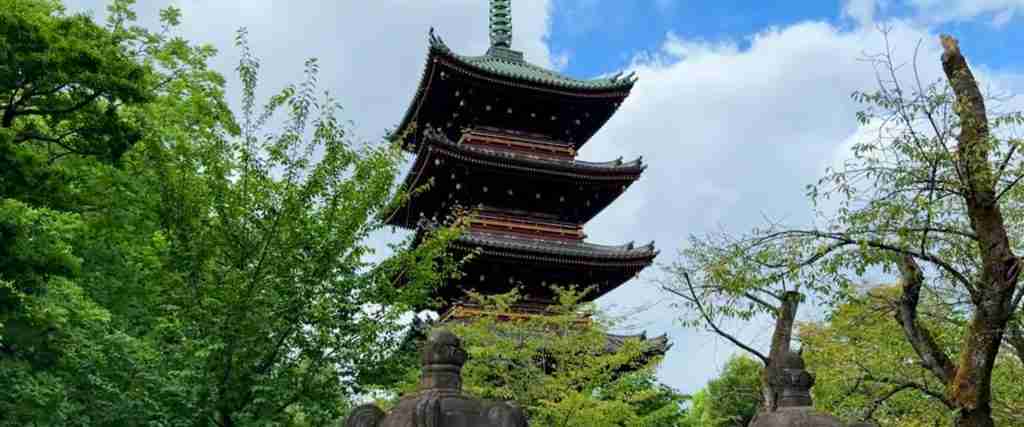
Sankeien divides into two sections: the Outer Garden (accessible without additional fees) and Inner Garden (included in standard admission). The Outer Garden features the three-story pagoda from Tomyoji Temple (constructed 1457, relocated 1914), representing the Kanto region’s oldest surviving pagoda. This dramatic structure sits atop a hill providing the garden’s most photographed view, particularly stunning when cherry blossoms frame the pagoda in spring or maple trees create autumn color contrast.
The Inner Garden contains Rinshunkaku villa (Important Cultural Property), a graceful wooden structure believed built for the Kishu Tokugawa family in the early Edo period. This villa demonstrates traditional aristocratic residential architecture with sliding screen doors, tatami rooms, and views designed to incorporate garden landscapes as living paintings. The Hara family’s Kakushokaku residence (950 square meters) served as a gathering place for artists and cultural figures; limited interior access occurs during special seasonal openings.
Additional historic buildings include Buddhist sanctums, tea houses, farm houses displaying gassho-zukuri architectural style from Shirakawa-go region, and gates salvaged from Kyoto temples. Seventeen buildings total populate the garden, ten designated as Important Cultural Properties by the national government. These structures represent 400-600 years of Japanese architectural evolution transplanted into harmonious garden settings.
The garden requires 90-120 minutes for comprehensive exploration covering both Outer and Inner Garden sections. Visitors with limited time can focus on the Outer Garden alone (60 minutes) which contains the pagoda, primary ponds, and majority of floral displays. The undulating terrain includes hills, stone pathways, wooden bridges over streams, and some steep sections requiring reasonable mobility; visitors with knee issues or using walking aids should inquire about accessibility before visiting.
Admission and Operating Information 2026
Sankeien Garden admission costs ¥900 for adults (high school and older), ¥200 for children (elementary and junior high school students), with free entry for children under elementary school age. These rates represent excellent value considering the garden’s size, cultural property concentration, and meticulous maintenance. The garden operates daily 9:00 AM-5:00 PM (last entry 4:30 PM) with closure during year-end holidays (December 26-31). No reservation required—purchase tickets at the main entrance.
Special extended hours occur during seasonal peak periods: cherry blossom evening illuminations (late March-early April) extend hours to 9:00 PM (last entry 8:30 PM) when the pagoda and key trees receive artistic lighting creating magical evening atmosphere significantly different from daytime visits. Early morning lotus viewing (mid-July to mid-August) allows 6:00 AM entry on select weekends enabling observation of lotus flowers opening at dawn—these flowers close by noon, making early arrival essential for prime viewing.
The entrance provides free lockers (¥300-700 deposit refunded upon return), umbrella rental during rain, and English-language garden maps. An audio guide (available in English, Chinese, Korean) costs ¥500 rental but delivers valuable context about architectural history and garden design philosophy that elevates the visit beyond surface appreciation. Free Wi-Fi throughout the garden enables real-time photo sharing.
Seasonal Highlights and Timing 2026
Sankeien Garden transforms dramatically across seasons, with distinct optimal visiting periods. Spring cherry blossoms (late March-early April) represent the peak tourist season, attracting maximum visitors but delivering spectacular displays. The garden contains approximately 250 cherry trees including Somei Yoshino, Yamazakura, Oshima-zakura, and weeping varieties creating staggered blooming periods. The three-story pagoda surrounded by pink blossoms provides Japan’s most photogenic historic structure-nature compositions.
Plum blossoms precede cherry trees (mid-February to early March), offering quieter atmosphere with 120 trees in white, pink, and red varieties concentrated near the Outer Garden entrance. These early spring flowers coincide with comfortable temperatures before peak tourist season begins. Summer (June-August) brings hydrangeas, lotus flowers in the main pond (peak: July-August requiring early morning visits), and vibrant green foliage—but also heat and humidity that reduce visitor comfort.
Autumn foliage (late November-early December) rivals spring cherry blossoms for visual impact. Maple trees turn brilliant red and orange, creating stunning contrasts with dark pond water and aged wooden architecture. Autumn attracts fewer crowds than spring despite comparable beauty, making it the preferred season for photographers and visitors prioritizing tranquil atmosphere. Evening illuminations occur during peak autumn color periods similar to spring cherry blossom events.
Winter (December-February excluding late December closure) provides the quietest visiting conditions with minimal tourists, allowing contemplative experiences and unrushed photography. Bare branches reveal architectural details obscured by summer foliage, creating stark minimalist compositions appealing to artists. However, limited floral displays and cool temperatures make winter the least popular season despite access advantages.
Transportation Access Sankeien 2026
Sankeien Garden sits in Yokohama’s southern Honmoku district, requiring public bus connections since no train stations serve the immediate area. From Yokohama Station East Exit, city bus routes 8 and 148 travel to Honmoku Sankeien-mae bus stop (35 minutes, ¥220 one way), then 5-minute walk to the garden entrance. Buses depart every 10-15 minutes throughout the day; no advance booking required.
From Sakuragicho Station (adjacent to Minato Mirai), the same bus routes reach the garden in 25 minutes (¥220). From JR Negishi Station, bus routes 58, 99, and 101 connect to Honmoku bus stop (10 minutes, ¥220), then 10-minute walk. The Negishi Station option provides the shortest travel time but requires an additional train journey from central Yokohama stations.
Taxis from Yokohama Station to Sankeien Garden cost approximately ¥2,500-3,000 one-way (15-20 minutes depending on traffic), eliminating bus waits and walk but increasing expense significantly. Taxis make sense for groups of 3-4 people splitting costs or visitors with mobility limitations who benefit from door-to-door service. Return taxis can be called from the garden entrance or flagged on the main road.
Day-trippers face a strategic decision: visit Sankeien Garden as the first morning destination (allowing 9:00 AM arrival when gates open, completing visit by 11:00 AM, returning to central Yokohama for lunch), or schedule it as an afternoon activity (departing central Yokohama around 2:30 PM, spending 2 hours at the garden, returning by 5:30-6:00 PM). Morning visits provide better light conditions for photography and guarantee completion before evening restaurant dining in Chinatown. Afternoon visits create logical separation between Minato Mirai and Chinatown morning activities and the garden’s traditional atmosphere, preventing sensory overload from continuous urban stimulation.
Sample Itineraries Yokohama Day Trip 2026
These strategic itineraries demonstrate how to sequence Yokohama’s major attractions efficiently while managing time, costs, and energy levels. Each itinerary assumes 8-10 hour total time in Yokohama (9:00 AM-5:00 PM or 9:00 AM-7:00 PM), excluding Tokyo-Yokohama round-trip transportation. Adjust timing based on personal pace, interests, and seasonal daylight hours.
Classic Highlights Itinerary 2026
This itinerary covers Minato Mirai and Chinatown, Yokohama’s two primary districts, without requiring distant travel to Sankeien Garden. Ideal for first-time visitors prioritizing iconic experiences and families with children.
9:00 AM – Arrive Yokohama Station
Take Minatomirai Line to Minatomirai Station (3 minutes, ¥200), walk to Cup Noodles Museum (8 minutes).
9:45 AM – Cup Noodles Museum
Queue for 10:00 AM opening, obtain My Cup Noodles Factory ticket immediately, complete workshop (10:00-11:00 AM), explore exhibits (11:00 AM-12:00 PM). Museum admission ¥500, workshop ¥400, total ¥900.
12:00 PM – Minato Mirai Waterfront Walk
Walk from museum to Red Brick Warehouse via waterfront promenade (20 minutes), explore warehouse shops and exterior (30 minutes). Free activity.
1:00 PM – Chinatown Lunch
Walk from Red Brick Warehouse to Chinatown (15 minutes) or take Minatomirai Line from Bashamichi Station to Motomachi-Chukagai Station (2 minutes, ¥180). Lunch at mid-range restaurant, street food snacks. Meal ¥1,500-2,000.
2:30 PM – Chinatown Exploration and Shopping
Visit temples, browse shops, sample street snacks, photography. Snacks and purchases ¥500-1,000.
4:00 PM – Yamashita Park
Walk to adjacent waterfront park (5 minutes), rest on benches, harbor views. Free activity.
5:00 PM – Landmark Tower Sky Garden
Return to Minatomirai via Minatomirai Line from Motomachi-Chukagai to Minatomirai Station (5 minutes, ¥200), walk to Landmark Tower (5 minutes), observation deck visit (60 minutes). Admission ¥1,000.
6:30 PM – Return to Tokyo
Walk to Sakuragicho Station (10 minutes) or Yokohama Station, board JR trains for Tokyo departure.
Daily Cost Summary: Museum ¥900, lunch ¥1,800, Chinatown snacks ¥800, Sky Garden ¥1,000, local trains ¥580. Total approximately ¥5,080 ($34) per person excluding Tokyo transportation.
Cultural Immersion Itinerary 2026
This itinerary prioritizes traditional culture and gardens, incorporating Sankeien Garden’s morning tranquility with selective afternoon urban experiences. Best for solo travelers, couples, and culture enthusiasts seeking deeper engagement.
8:30 AM – Arrive Yokohama Station
Proceed to East Exit bus terminal, board bus route 8 or 148 toward Sankeien Garden.
9:15 AM – Sankeien Garden
Arrive when gates open, explore Outer Garden (pagoda, ponds, seasonal flowers), Inner Garden (historic villas), complete full tour (9:15-11:15 AM). Admission ¥900.
11:30 AM – Return to Central Yokohama
Board return bus to Yokohama Station (35 minutes, ¥220), or to Sakuragicho for direct Minato Mirai access (25 minutes, ¥220).
12:30 PM – Chinatown Lunch
From Sakuragicho, walk or take Minatomirai Line to Motomachi-Chukagai Station, lunch at traditional restaurant focusing on regional Chinese specialties. Meal ¥2,000-2,500.
2:00 PM – Yamashita Park and Hikawa Maru Ship
Walk to waterfront park (5 minutes), optional Hikawa Maru ship museum visit (¥300, 45 minutes). Park free, ship optional ¥300.
3:00 PM – Yokohama Museum of Art or Port Museum
Return to Minato Mirai via Minatomirai Line, visit Yokohama Museum of Art (¥500) for contemporary collections, or Maritime Museum complex (¥800 for Nippon Maru and museum combined). Museum admission ¥500-800.
4:30 PM – Minato Mirai Evening Atmosphere
Waterfront walking, shopping districts, evening illumination development as daylight fades. Free activity.
6:00 PM – Dinner and Departure
Quick dinner near Sakuragicho or Yokohama Station (¥1,200-1,500), return to Tokyo.
Daily Cost Summary: Sankeien admission ¥900, lunch ¥2,200, Hikawa Maru ¥300, museum ¥500, dinner ¥1,300, buses and trains ¥640. Total approximately ¥5,840 ($39) per person excluding Tokyo transportation.
Budget-Conscious Itinerary 2026
This itinerary minimizes costs while maximizing free experiences, concentrating on waterfront areas, Chinatown street atmosphere, and public spaces. Suitable for budget travelers and visitors prioritizing atmosphere over structured attractions.
9:00 AM – Arrive Yokohama Station
Walk to waterfront Minato Mirai district (20 minutes) avoiding train costs, or take single Minatomirai Line ride to Sakuragicho (3 minutes, ¥180).
9:30 AM – Nippon Maru Memorial Park and Waterfront
Photograph sailing ship from free park areas (no ship boarding admission), explore public plazas. Free activity.
10:00 AM – Cosmo World Ferris Wheel Area
Walk around amusement park waterfront (no ride tickets required for exterior exploration), photograph iconic Ferris wheel with bay background. Free activity.
10:45 AM – Red Brick Warehouse
Continue waterfront walk to Red Brick Warehouse (15 minutes), explore free exterior areas, courtyard, and small free exhibitions if available. Window shopping without purchases. Free activity.
11:30 AM – Yamashita Park
Walk to waterfront park (10 minutes), find bench for lunch break, harbor views. Free activity.
12:00 PM – Budget Lunch
Picnic with convenience store purchases (¥500-800) or fast-food options near park. Alternatively, walk to Chinatown for economical xiaolongbao and snacks (¥800-1,000).
1:00 PM – Chinatown Exploration
Walk streets photographing gates and architecture, visit free temples, observe street energy without restaurant dining or extensive purchases. Temple donations optional ¥100-300.
2:30 PM – Motomachi Shopping Street
Walk to adjacent Motomachi (5 minutes), window shop, café coffee break (¥400-600). Coffee ¥500.
3:30 PM – Return to Minato Mirai
Walk or take Minatomirai Line to central area, explore shopping mall interiors (climate-controlled free areas), rest in public seating areas. Free activity or one station train ¥180.
4:30 PM – Landmark Plaza Sunset Views
Ascend to Landmark Plaza’s free-access floors (not Sky Garden) for partial elevated views without admission cost. Free alternative to paid observation deck.
5:30 PM – Departure Preparation and Return
Walk to Sakuragicho or Yokohama Station, return to Tokyo.
Daily Cost Summary: Lunch ¥900, Chinatown snacks ¥600, coffee ¥500, local trains ¥360-540. Total approximately ¥2,360-2,540 ($16-17) per person excluding Tokyo transportation. This budget approach reduces daily costs by 50% compared to full-admission itineraries.
Dining and Food Experiences 2026
Yokohama’s dining landscape reflects its history as Japan’s first major international port, combining Chinese culinary traditions (via Chinatown), Western influences (from foreign settlement), and Japanese innovation into a distinctive food culture that differs markedly from Tokyo’s dining scenes.
Chinatown Restaurant Categories and Pricing 2026
Yokohama Chinatown’s 250+ restaurants divide into recognizable pricing and quality tiers. Tourist-oriented establishments along main thoroughfares feature multilingual picture menus, aggressive street touting, and moderate quality at premium prices (¥2,000-3,500 lunch sets, ¥3,500-6,000 dinner courses). These restaurants deliver consistent if unremarkable experiences suitable for first-time visitors prioritizing convenience over culinary excellence.
Local-favorite restaurants operate on side streets and alleys away from main pedestrian traffic, identifiable by Japanese-language-only menus, lack of street touts, and local customer predominance. These establishments offer superior food quality at comparable or lower prices (¥1,200-2,000 lunch sets) with authentic regional Chinese cooking. However, language barriers and navigation challenges deter many tourists—download translation apps or request hotel staff recommendations for specific restaurant names and locations.
Luxury restaurants in the ¥8,000-15,000 range occupy upper floors of prominent buildings, featuring private dining rooms, premium ingredients (shark fin, abalone, Peking duck), multi-course menus, and business entertainment atmosphere. Day-trippers rarely utilize these venues, which serve primarily evening diners and special occasions. The extreme pricing rarely correlates with proportionally improved food quality compared to mid-range options.
Lunch represents the optimal value proposition across all categories. Many restaurants offer lunch sets (11:30 AM-2:00 PM) at 30-50% below dinner pricing for identical or similar dishes. A ¥1,500 lunch set might include main dish, rice, soup, appetizer, and dessert—the same meal costing ¥3,000-3,500 during dinner hours. Weekend lunch periods develop queues at popular establishments, creating 20-40 minute waits; weekday lunch (Tuesday-Friday) provides immediate seating at most restaurants.
Street Food and Take-Away Strategy 2026
Chinatown’s numerous street food vendors and take-away windows enable budget-friendly sampling of multiple specialties. Xiaolongbao (soup dumplings) vary in quality and price (¥500-800 for 6-8 pieces), with the best versions featuring thin skins, abundant broth, and fresh fillings. Many vendors offer “drink with straw” versions where oversized soup dumplings require puncturing and sipping before eating—a theatrical experience appealing to tourists but not representing traditional preparation.
Nikuman (steamed pork buns) range from standard versions (¥300-400) to premium varieties with specialized fillings like crab, curry, or chocolate dessert versions (¥500-600). Popular vendors maintain constant queues; determine which items justify waiting by observing what local customers order. Generic tourist traps often display elaborate window presentations but deliver mediocre products.
Optimal street food strategy: allocate ¥1,500-2,000 for 3-4 different items from multiple vendors rather than committing to a single sit-down meal. This approach provides variety, enables trying famous specialties without full meal commitment, and allows crowd-free timing by purchasing items throughout afternoon exploration. Many items maintain quality at room temperature, allowing advanced purchase followed by waterfront park consumption with bay views.
Beyond Chinatown Dining Options 2026
Minato Mirai’s shopping complexes house hundreds of restaurants across Japanese, Western, and international cuisines. These food courts and restaurant floors provide climate-controlled alternatives to Chinatown with comparable pricing (¥1,200-2,500 lunch, ¥2,000-4,000 dinner). Popular options include Japanese curry chains, ramen shops, tonkatsu (breaded pork cutlet) restaurants, and Western-style cafés.
The food courts in MARK IS Minatomirai, Landmark Plaza, and Queen’s Square operate standard mall food court models—order at individual stalls, pay, receive number, collect food when ready, then find seating in common areas. These venues suit groups with divergent food preferences since each person can order from different vendors. Quality ranges from chain restaurant reliability to mediocre food court standards; don’t expect culinary excellence but do expect convenience and speed.
Waterfront cafés along the Minato Mirai promenade and inside Red Brick Warehouse offer premium-priced beverages, light meals, and desserts (¥800-1,500) with location-based pricing premiums. A ¥1,000 café latte or ¥1,500 sandwich delivers bay views and relaxation rather than exceptional food value. These establishments function best as rest stops and photo opportunity locations rather than primary dining destinations.
Convenience stores (Family Mart, 7-Eleven, Lawson) throughout Yokohama provide budget meals (¥500-800) with surprising quality for onigiri (rice balls), sandwiches, instant noodles, and seasonal specialties. Strategic budget travelers purchase convenience store breakfast before attraction visits and combine convenience store items with single restaurant splurge for overall ¥2,000-3,000 daily food costs.
Money-Saving Strategies Yokohama 2026
Yokohama day trips can be executed on budgets ranging from ¥2,500 (extreme budget) to ¥8,000+ (comprehensive experiences). These proven cost-reduction strategies maintain quality experiences while minimizing expenses.
Transportation Cost Management 2026
Selecting optimal train routes from Tokyo saves ¥400-2,000 depending on origin point and pass ownership. Visitors without Japan Rail Passes should use private railways: Tokyu Toyoko Line from Shibuya (¥280) or Keikyu Main Line from Shinagawa (¥310) undercut JR fares by ¥200-260 per direction. These savings accumulate to ¥400-520 for round-trip travel.
Within Yokohama, walking eliminates most local transport costs. The Sakuragicho-Minato Mirai-Red Brick Warehouse-Chinatown route requires only 15-25 minute walks between zones, saving ¥180-260 per trip compared to train usage. Allocate 4-5 hours for this walking-based exploration, wearing comfortable shoes and carrying minimal bags to prevent fatigue.
The Yokohama-Minatomirai Pass (¥520) provides value only for visitors making 4+ local train trips within Yokohama. Calculate your planned journeys: if visiting only Minato Mirai and Chinatown with walking between districts, individual tickets (¥200-400 total) beat pass pricing. The pass suits visitors adding Sankeien Garden (requiring bus access) or making multiple district changes throughout the day.
Avoid the expensive Yokohama Air Cabin ropeway (¥1,000 one-way, ¥1,800 round-trip). This 5-minute cable car ride costs 5-9 times the equivalent subway journey while the parallel walking route requires only 15 minutes and provides superior photo opportunities plus retail/dining access. The ropeway serves primarily as a tourist experience rather than practical transportation.
Attraction Admission Optimization 2026
Free experiences constitute 40-50% of quality Yokohama activities: Minato Mirai waterfront promenades, Red Brick Warehouse exterior and courtyard, Yamashita Park, Chinatown streets and temples, Nippon Maru Memorial Park (ship exterior), Cosmo World exterior areas, and shopping district exploration. Budget-conscious visitors can construct entire 8-hour itineraries around free attractions supplemented by single paid admission.
When purchasing admissions, prioritize based on interests: Cup Noodles Museum (¥500) delivers exceptional value for food culture enthusiasts and families, Sankeien Garden (¥900) rewards culture seekers and nature lovers, Landmark Tower Sky Garden (¥1,000) serves primarily view enthusiasts and photography specialists. Most visitors should select 1-2 paid attractions maximum, dedicating remaining time to free experiences.
Combined tickets rarely offer meaningful savings in Yokohama compared to Tokyo attractions. The Nippon Maru + Port Museum combination (¥800 versus ¥900 separate) saves only ¥100. The museum pass programs covering multiple Yokohama attractions require 4+ museum visits to break even—infeasible within single-day timeframes. Purchase individual admissions based on actual interest rather than pursuing marginal savings through forced multiple-visit commitments.
Weekday visits often feature no price differences compared to weekends in Yokohama (unlike theme parks with dynamic pricing). However, weekday experiences deliver superior value through reduced crowds, shorter queue times, and more relaxed atmospheres enabling better photo opportunities and exhibit engagement.
Dining Cost Reduction Without Quality Sacrifice 2026
Lunch timing and strategic meal selection dramatically impact food costs. Chinatown lunch sets (11:30 AM-2:00 PM) deliver identical food quality to dinner at 40-50% lower prices. A ¥1,500 lunch set provides the same value as a ¥3,000 dinner. Prioritize Chinatown lunch over dinner even if requiring schedule adjustments.
Street food and take-away items enable sampling multiple Chinatown specialties at ¥1,500-2,000 total versus ¥2,500-3,500 for a single sit-down meal. This approach provides variety, eliminates table waiting times, and allows flexible eating schedules matching attraction timing. Purchase 2-3 items from different vendors, consume in Yamashita Park with harbor views, achieving superior overall experience at lower cost.
Convenience store meals (¥500-800) for breakfast or dinner dramatically reduce daily food expenses. High-quality onigiri, sandwiches, and instant noodles from Japanese convenience stores exceed Western convenience store quality standards. Strategic travelers eat convenience store breakfast before Tokyo departure, enjoy Chinatown lunch (¥1,500-2,000), purchase convenience store dinner after Yokohama return, achieving total food costs of ¥2,500-3,500 daily.
Avoid drinking establishment charges in Yokohama—tea and soft drinks run ¥400-600 per beverage at cafés, inflating costs without proportional value. Carry refillable water bottle utilizing free water fountains in stations and parks. Purchase vending machine drinks (¥120-150) for occasional refreshment needs rather than committing to café seating.
Seasonal Timing and Crowd Avoidance 2026
Visiting during off-peak seasons (May-June, September-November excluding weekends) reduces accommodation pressure in Yokohama while maintaining pleasant weather. While day-trippers avoid accommodation costs, reduced seasonal demand creates better restaurant availability, shorter attraction queues, and more relaxed exploration pace that increases perceived value.
Weekday visits deliver superior cost-effectiveness through crowd reduction rather than price discounts. The time saved avoiding queues at Cup Noodles Museum (45-90 minutes weekend waits), Chinatown restaurants (30-45 minute lunch waits), and attraction entry lines enables visiting additional sites within the same total hours or earlier return to Tokyo avoiding evening rush hour.
Early arrival strategies (before 9:00 AM) maximize attraction access before tourist crowds develop. The first-entry advantage at Cup Noodles Museum guarantees immediate workshop access worth ¥400, while early Sankeien Garden arrival provides contemplative atmosphere that enhances the ¥900 admission value. These timing optimizations deliver experiences that would cost significantly more during peak hours through queue-jumping services or premium time-slot reservations.
Practical Planning Details Yokohama 2026
These essential logistical considerations ensure smooth day trip execution while preventing common problems that disrupt otherwise well-planned itineraries.
Weather and Seasonal Considerations 2026
Yokohama’s coastal location creates distinct weather patterns requiring strategic planning. Summer months (June-August) bring heat, humidity, and rainy season (June-mid July) with frequent afternoon showers. Carry compact umbrella, use sunscreen, and schedule indoor attractions during mid-day heat peaks (11:00 AM-3:00 PM). The coastal bay breezes provide relief along waterfront areas—plan outdoor walking during morning (before 10:00 AM) and late afternoon (after 4:00 PM) periods.
Autumn (September-November) delivers Yokohama’s optimal weather: comfortable temperatures (15-23°C / 59-73°F), low rainfall probability, and clear skies supporting Mount Fuji views from Landmark Tower. This season justifies extended outdoor time at Sankeien Garden, waterfront walks, and Yamashita Park relaxation. Weekend crowds increase during this pleasant period—weekday visits maintain better value through reduced congestion.
Winter (December-February) brings cold temperatures (5-12°C / 41-54°F) but generally dry conditions and exceptional clarity enabling distant views. Wind along waterfront areas intensifies cold sensation—layer clothing and carry windbreaker. Winter benefits include minimal tourist crowds at major attractions, immediate restaurant seating, and unobstructed photography. Indoor-heavy itineraries (museums, shopping, Chinatown restaurants) suit winter visits better than garden-focused plans.
Spring (March-May) centers on cherry blossom season (late March-early April), creating peak tourist volumes and premium accommodation rates. Visitors must balance desire for spectacular sakura displays against crowded conditions, higher costs, and reduced photograph opportunities without people in frames. May offers post-cherry-blossom relief with pleasant temperatures, blooming roses in Yamashita Park, and reduced crowds.
Luggage Storage and Mobility 2026
Yokohama day trips from Tokyo typically involve minimal luggage since visitors leave accommodation bags secured at Tokyo hotels. However, travelers on multi-city Japan tours may arrive in Yokohama with full backpacks or rolling suitcases requiring temporary storage. Yokohama Station features extensive coin locker facilities (¥300-700 depending on size) in multiple locations throughout the station complex—arrive early (before 10:00 AM) for locker availability as they fill during busy periods.
Sakuragicho Station near Minato Mirai offers additional coin lockers (¥300-600) often less congested than Yokohama Station. For oversized luggage exceeding locker dimensions, temporary baggage storage services operate at both stations (¥500-800 per item per day) providing attended storage with ID verification. Major hotels near stations occasionally offer temporary luggage storage for day visitors (¥500-1,000) even without room reservation—call ahead for availability confirmation.
Wheelchair accessibility varies across attractions. Minato Mirai’s modern waterfront, shopping complexes, and most museums provide excellent wheelchair access with elevators, ramps, and accessible restrooms. Chinatown’s narrow streets and crowded conditions create challenges but remain navigable with assistance. Sankeien Garden’s undulating terrain, gravel paths, and historic building steps present significant accessibility barriers—contact garden staff before visiting to discuss mobility limitations and route alternatives.
Restroom Facilities and Break Locations 2026
Public restrooms concentrate at major stations (Yokohama, Sakuragicho, Motomachi-Chukagai), shopping complexes (MARK IS, Landmark Plaza, Queen’s Square), and parks (Yamashita Park, Nippon Maru Memorial Park). Japanese public restrooms maintain exceptional cleanliness and typically feature Western-style toilets in addition to traditional Japanese squat toilets. Shopping mall restrooms provide the most comfortable facilities with climate control, baby changing tables, and accessibility features.
Chinatown restaurants expect restroom use by dining customers only—non-customers should use Yamashita Park facilities (5-minute walk) or Motomachi-Chukagai Station facilities. Museum and attraction restrooms serve visitors with paid admission. Convenience stores throughout Yokohama allow restroom access though technically designated for customers—purchase small item (¥100-200) if using convenience store facilities extensively.
Plan restroom stops strategically during long walking segments. The Sakuragicho-Red Brick Warehouse-Chinatown waterfront route (45-minute walk) lacks facilities mid-route—use Sakuragicho Station restrooms before departure or divert slightly to shopping complexes along the way. Sankeien Garden provides limited restroom facilities at entrance and mid-garden location—use facilities before entering the Inner Garden section where options decrease.
Communication and Language Considerations 2026
English signage increases throughout Yokohama’s tourist districts but remains limited compared to Tokyo. Major train stations feature English announcements and signage, while smaller stations and buses often provide Japanese-only information. Download Google Maps offline data for Yokohama before arrival ensuring navigation capability without continuous data connection. The Yokohama official tourist app provides English maps, attraction information, and limited navigation assistance.
Restaurant menus in Chinatown main thoroughfares typically include picture menus and basic English, while side-street local establishments may offer Japanese-only menus. Google Translate camera function enables real-time menu translation—point phone camera at text for instant translation overlay. Many restaurants display plastic food models in front windows enabling pointing and ordering without language exchange.
Train and subway staff at major stations often speak basic English sufficient for simple inquiries (directions, fares, times). Complex questions benefit from translation apps or writing English text for staff to translate. IC card usage (Suica/Pasmo) eliminates most language requirements for transportation since tap-in/tap-out gates process automatically without staff interaction or verbal communication.
Emergency services (police, medical) in Yokohama provide Japanese-language service primarily. The Japan Visitor Hotline (toll-free: 050-3816-2787) offers 24-hour English interpretation assistance connecting callers with operators who can translate between English and Japanese for emergency situations or complex communication needs. Store this number in phone contacts before travel.
Evening Activities and Departure Timing 2026
Yokohama’s evening atmosphere transforms significantly from daytime experiences, creating opportunities for visitors extending day trips into evening hours. Understanding optimal departure timing balances evening attraction access against Tokyo return train crowds and next-day schedule requirements.
Evening Illuminations and Night Views 2026
Minato Mirai’s waterfront buildings and landmarks illuminate progressively from 5:00 PM (winter) to 7:00 PM (summer) as daylight fades. The Landmark Tower, Queen’s Towers, Cosmo World Ferris wheel, and bay bridge create spectacular night views reflecting in calm harbor waters. The Red Brick Warehouse and waterfront promenades feature artistic lighting installations year-round with enhanced seasonal displays (November-February winter illuminations, spring cherry blossom lighting).
Landmark Tower Sky Garden delivers dual-phase experiences: visitors arriving in late afternoon witness transition from daylight city panoramas to evening illumination displays without exiting and re-entering. Sunset timing varies seasonally (4:30-6:30 PM depending on month)—arrive 60-90 minutes before sunset for optimal photo sequencing capturing golden hour light, sunset colors, and developing night city lights across single admission.
Chinatown’s evening energy peaks 6:00-8:00 PM when restaurants operate at full capacity, street vendors maintain active displays, and crowds create vibrant atmosphere. Evening dining in Chinatown follows typical dinner-hour pricing (higher than lunch) but delivers authentic neighborhood energy impossible during daytime visits. Weekend evenings (Friday-Saturday) generate maximum activity with street performers, extended shop hours, and festival-like atmosphere.
Yokohama Bay cruise services (departing from nearby Osanbashi Pier) operate evening cruises (¥2,500-4,000, 60-90 minutes) showcasing illuminated waterfront from water perspective. These cruises appeal primarily to romantic couples and photography enthusiasts seeking unique angles—day-trippers rarely incorporate cruises due to time constraints, costs, and limited added value compared to free waterfront viewing from land.
Optimal Departure Windows Tokyo Return 2026
Three distinct departure timing strategies offer different advantages. Early departure (5:00-6:00 PM) returns travelers to Tokyo before evening dinner rush hour (6:30-8:00 PM), enabling Tokyo restaurant reservations or evening activities. This timing requires compressing Yokohama activities into 8-hour window (9:00 AM-5:00 PM) focusing on primary attractions without extended relaxation periods. Suitable for visitors with Tokyo evening commitments or those maximizing multi-city day scheduling.
Standard departure (6:30-7:30 PM) provides comprehensive Yokohama day access (9:00 AM-6:30 PM) incorporating evening illumination viewing without full after-dark experiences. Trains during this window carry moderate evening commuter loads—securing seats requires platform positioning near train car door locations before train arrival. Most day-trippers select this timing range balancing full Yokohama access with reasonable Tokyo return convenience.
Extended departure (8:00-9:00 PM) enables complete Yokohama evening experiences including dinner in Chinatown, full night illumination viewing, and relaxed pacing throughout the day. Return trains after 8:00 PM reduce commuter crowding providing comfortable seating availability. This timing suits visitors without next-morning early commitments and those prioritizing complete experience over rushed schedule adherence. The extended schedule increases daily fatigue particularly after full walking-intensive day.
Last train timing from Yokohama to Tokyo varies by line: JR trains operate until midnight-12:30 AM, private railways maintain similar schedules. However, practical last departure should occur by 10:00 PM ensuring comfortable travel without racing for final trains. The 11:00 PM-midnight window creates unnecessary time pressure that diminishes day-trip enjoyment.
Alternative: Yokohama Overnight Consideration 2026
While this guide focuses on day trips, some visitors discover mid-itinerary that Yokohama warrants overnight extension. Hotels near Yokohama Station and Minato Mirai range from budget business hotels (¥6,000-10,000) to luxury waterfront properties (¥20,000-40,000). Last-minute booking through apps (Booking.com, Agoda, Rakuten Travel) often yields discounted rates for same-night stays.
Overnight stays enable relaxed evening dining in Chinatown, bar and nightlife exploration near Kannai district, sunrise photography at waterfront locations, and next-morning Sankeien Garden visits without rush-hour return trains. The additional accommodation cost (¥6,000-10,000) trades against Tokyo-Yokohama repeat transportation (¥1,900-2,200 round-trip) and extended schedule flexibility potentially justifying the expense for visitors with schedule flexibility.
Day-trippers discovering unexpected Yokohama affinity can pivot to overnight stays until approximately 4:00-5:00 PM when business hotel availability begins declining. Contact Tokyo accommodation to explain itinerary change and negotiate partial refund or credit (success varies by property policies). This flexibility particularly benefits travelers on extended Japan tours without rigid multi-city reservations.
Day Trip Alternatives and Extended Exploration 2026
Yokohama functions as gateway to broader Kanagawa Prefecture attractions accessible through strategic transportation connections. These extensions transform single-day Yokohama visits into comprehensive regional exploration for visitors with flexible schedules or seeking alternatives to pure Yokohama focus.
Kamakura Combination Day Trip 2026
Kamakura sits 25 kilometers south of Yokohama (30-40 minutes by train), offering historic temples, the iconic Great Buddha statue, and coastal scenery that pairs naturally with Yokohama’s modern attractions. Combined Yokohama-Kamakura itineraries require early Tokyo departure (7:30 AM) and extended day (return 7:00-8:00 PM) but deliver diverse experiences spanning contemporary urbanism and traditional culture.
Sample combined routing: depart Tokyo 7:30 AM, arrive Yokohama 8:15 AM, Cup Noodles Museum and Minato Mirai exploration (8:30-11:30 AM), depart for Kamakura 11:45 AM via JR Yokosuka Line (30 minutes, ¥340), Kamakura temples and Great Buddha (12:15-4:00 PM), return to Tokyo via Yokosuka Line direct (60 minutes, ¥940). This aggressive schedule compresses both destinations—visitors seeking relaxed pace should allocate full days to each location separately.
Enoshima Island Extension 2026
Enoshima Island connects to mainland via walking bridge, featuring shrine complexes, caves, observation towers, and coastal views 15 kilometers southwest of Yokohama (35-45 minutes by train). This beach resort island attracts summer crowds but maintains year-round appeal for coastal scenery enthusiasts. Pairing Enoshima with Yokohama creates seaside-urban contrast requiring 9-10 hour total exploration time.
Transportation from Yokohama to Enoshima utilizes either JR Tokaido Line to Fujisawa Station (25 minutes) then Enoden Line to Enoshima Station (10 minutes), or Shonan Monorail from Ofuna to Shonan-Enoshima Station. Total transportation time 45-55 minutes, cost ¥500-660 depending on route. The extension suits beach enthusiasts, photographers seeking coastal compositions, and visitors comfortable with extended walking (island exploration requires 2-3 hours minimum).
Hakone Day Trip Alternative 2026
Hakone’s mountain onsen resorts, Lake Ashi views, and proximity to Mount Fuji offer completely different experiences from Yokohama’s urban character. Visitors choosing between Yokohama and Hakone for single day trips from Tokyo should select based on interests: Yokohama suits urban explorers, food enthusiasts, and culture seekers; Hakone appeals to nature lovers, onsen enthusiasts, and Mount Fuji viewers. Combining both destinations exceeds feasible single-day scope—allocate separate days for each.
Frequently Asked Questions Yokohama Day Trip 2026
Can I use the Japan Rail Pass for Yokohama day trips in 2026?
Yes, the Japan Rail Pass covers all JR trains between Tokyo and Yokohama including the JR Tokaido Line, JR Yokosuka Line, JR Shonan-Shinjuku Line, JR Keihin-Tohoku Line, and the Tokaido Shinkansen. Pass holders can utilize any of these services without additional payment. Within Yokohama, the JR Negishi Line connecting Yokohama Station to Sakuragicho Station is covered. However, the Minatomirai Line (connecting central tourist districts), Yokohama Municipal Subway, and city buses are not covered by the JR Pass. For day-trippers spending most time in Tokyo with occasional regional excursions, activating multi-day JR Pass specifically for a Yokohama day trip rarely represents optimal value—individual ticket costs of ¥960-1,140 round-trip undercut single-day pass activation economics. Use the JR Pass for Yokohama trips only if the pass is already activated for other regional travel like Kyoto, Osaka, or Hakone excursions.
What’s the best area to focus on for a first-time 6-hour Yokohama visit in 2026?
Concentrate exclusively on Minato Mirai and Chinatown districts for compressed 6-hour visits, eliminating distant Sankeien Garden (requiring 2+ hours including round-trip travel). A strategic 6-hour routing: arrive Yokohama/Sakuragicho 9:30 AM, Cup Noodles Museum including workshop (9:45 AM-12:00 PM), waterfront walk to Chinatown (12:00-12:30 PM), Chinatown lunch and exploration (12:30-2:30 PM), Yamashita Park rest (2:30-3:00 PM), Landmark Tower Sky Garden (3:00-4:00 PM), departure by 4:30 PM. This compressed itinerary covers signature experiences without outdoor garden time. Skip Sankeien Garden, maritime museums, and extended shopping—these require full 8-10 hour schedules for proper appreciation. The Minato Mirai-Chinatown combination delivers maximum diversity (modern waterfront, cultural dining, observation deck views) within limited timeframe while maintaining comfortable walking pace between adjacent districts.
Is Yokohama worth visiting if I only have limited time in Tokyo during 2026?
Yokohama justifies day trip allocation for visitors spending 4+ days in Tokyo, as its distinct port city character, Chinatown’s authentic Chinese dining, and waterfront modern development offer experiences unavailable in Tokyo proper. However, visitors with only 2-3 Tokyo days should prioritize central Tokyo exploration (Shibuya, Shinjuku, Asakusa, Akihabara) over Yokohama day trips since Tokyo delivers greater diversity within shorter travel times. The Yokohama decision hinges on interests: food enthusiasts seeking Chinese cuisine, garden lovers attracted to Sankeien, or travelers exhausted by central Tokyo intensity find Yokohama’s relaxed coastal atmosphere refreshing. Visitors prioritizing traditional culture, historic temples, or specific Tokyo neighborhoods should skip Yokohama in favor of Tokyo depth or alternative day trips like Nikko or Kamakura which offer more distinctive cultural experiences. Yokohama functions best as a pleasant day excursion for visitors who have already covered Tokyo essentials rather than a must-see destination competing with Tokyo’s primary attractions.
Do Yokohama attractions require advance booking in 2026?
Most Yokohama attractions operate on walk-up admission without advance booking requirements. Exceptions include: Cup Noodles Museum’s Chicken Ramen Factory workshop (requires online reservation up to 90 days ahead, ¥800 adults), though the popular My Cup Noodles Factory distributes tickets on first-come basis each morning without advance booking. Sankeien Garden, Landmark Tower Sky Garden, museums, and Chinatown restaurants accept walk-in visitors throughout operating hours. Weekend and holiday visitors should arrive early at Cup Noodles Museum (before 10:00 AM opening) to secure same-morning My Cup Noodles Factory workshop slots, as these sell out by 11:00 AM on busy days. Weekday visitors enjoy greater flexibility with workshop availability extending into afternoon. Special seasonal events (Sankeien Garden cherry blossom evening illuminations, summer festivals) may benefit from early arrival but don’t require reservations. The lack of mandatory advance booking provides valuable flexibility for spontaneous day trip decisions—visitors can wake up in Tokyo, check weather, and decide morning-of to visit Yokohama without prior planning.
Can I visit Yokohama comfortably with young children in 2026?
Yokohama accommodates families with young children better than many Japanese cities due to walkable flat terrain, numerous public restrooms with diaper changing facilities, and family-friendly attractions. The Cup Noodles Museum specifically targets family audiences with interactive exhibits and hands-on workshops that engage children ages 4-12. Chinatown offers familiar food options (noodles, dumplings, fried items) that appeal to picky eaters, plus street snack vendors enabling quick feeds without sit-down restaurant commitments. However, Sankeien Garden’s undulating terrain, gravel paths, and 90-120 minute exploration time challenges families with toddlers or children requiring frequent breaks—skip this attraction for very young children (under 4). Stroller accessibility varies: excellent in Minato Mirai shopping districts and waterfront promenades, moderate in Chinatown’s crowded streets, poor at Sankeien Garden’s historic buildings and pathways. Pack lightweight umbrella stroller rather than full-size models for public transportation compatibility. Plan shorter overall itinerary (5-6 hours) compared to adult-only visits, incorporating playground breaks at waterfront parks and flexibility for unexpected needs. The combination of child-specific attractions, food variety, and walkable layout makes Yokohama one of Japan’s more family-friendly day trip destinations from Tokyo.
What should I do if it rains during my Yokohama day trip in 2026?
Rainy weather favors indoor-heavy itinerary emphasis: Cup Noodles Museum (90-120 minutes), Landmark Tower Sky Garden (60 minutes), shopping complex exploration in MARK IS Minatomirai, Landmark Plaza, and Queen’s Square (2-3 hours combined), Yokohama Museum of Art or Port Museum (60-90 minutes), and extended Chinatown restaurant lunch/dinner (eliminating outdoor walking). This indoor-focused routing provides 6-8 hours of quality experiences without significant rain exposure. The Minatomirai Line and shopping complex underground connections enable weather-protected movement between attractions. Chinatown’s covered arcades and awnings protect shoppers during light rain though heavy downpours still create wet conditions on main streets. Sankeien Garden becomes significantly less appealing during rain—the garden’s beauty depends on comfortable outdoor walking and clear views obscured by rain and limited visibility. Most Yokohama attractions operate rain-or-shine including Cup Noodles Museum, observation decks, and museums which maintain identical experiences regardless of weather. Waterfront walking and photography suffer most from rain, but the extensive indoor entertainment, dining, and shopping alternatives ensure productive day trips even during persistent rain. Japanese convenience stores sell compact umbrellas (¥500-800) if you forget to bring one from Tokyo.
How does Yokohama compare to Osaka’s port district for day trips in 2026?
Yokohama and Osaka’s port districts (Osaka Bay area, Tempozan) offer parallel modern waterfront experiences with observation towers, aquariums, and shopping complexes. However, Yokohama provides superior day trip value from Tokyo (30-minute access vs. Osaka’s 2.5-hour Shinkansen), more extensive walkable waterfront zones, and Japan’s largest Chinatown offering superior dining diversity compared to Osaka’s smaller Koreatown. Osaka Bay requires full-day commitment with significant transportation time eating into exploration hours, while Yokohama’s proximity enables relaxed pacing or easy combination with other Kanagawa destinations. Osaka excels in urban intensity, street food culture, and nightlife—but these advantages apply to central Osaka rather than its port district specifically. For visitors based in Tokyo, Yokohama represents the most accessible modern port city experience. For visitors based in Osaka or Kyoto, the Osaka Bay area provides local waterfront access without Yokohama’s 2.5-hour Shinkansen journey. The destinations serve parallel purposes for their respective regional bases—Tokyo visitors should prioritize Yokohama, Kansai-based travelers should explore Osaka Bay, neither destination justifies cross-region travel solely for port district experiences.
What’s the cell phone data situation for foreign visitors in Yokohama 2026?
Foreign visitors with Japanese SIM cards, international roaming plans, or pocket Wi-Fi devices experience seamless data connectivity throughout Yokohama. Major stations (Yokohama, Sakuragicho, Motomachi-Chukagai), shopping complexes, and most attractions provide 4G/5G coverage supporting Google Maps navigation, translation apps, and social media access. Visitors without mobile data can utilize free Wi-Fi hotspots at stations, shopping malls, and many restaurants—though connection setup requires Japanese phone number for SMS verification at some locations. Download offline Google Maps data for Yokohama region before departure from Tokyo ensuring basic navigation capability without continuous data connection. The Yokohama official tourist app provides English maps and attraction information with limited offline functionality. Most Yokohama day-trippers report adequate internet access through station Wi-Fi, café connections, and shopping center networks even without personal mobile data. However, real-time train schedule checking, spontaneous restaurant research, and navigation between attractions improve significantly with continuous mobile data access. Consider short-term rental pocket Wi-Fi devices (¥500-800 daily) or prepaid tourist SIM cards (¥2,000-4,000 for 7-day data) if visiting Japan beyond single Yokohama day trip.
Should I exchange currency before visiting Yokohama from Tokyo in 2026?
No separate currency exchange required—Yokohama uses identical Japanese yen currency as Tokyo. Visitors who have already exchanged currency for Tokyo use those same yen in Yokohama without additional exchange. Tokyo-based travelers should ensure adequate yen cash before departure (¥6,000-10,000 recommended for comfortable day trip budget) since Yokohama provides fewer convenient exchange locations than central Tokyo. Most Yokohama attractions, restaurants, and shops accept IC cards (Suica, Pasmo) for payment, reducing cash requirements. However, some street food vendors, small shops, and temples operate cash-only, making minimum ¥3,000-5,000 cash advisable even for credit card primary users. The exchange rate for hotels, money changers, and ATMs remains identical between Tokyo and Yokohama—no advantage exists for currency exchange in either city. Foreign visitors arriving directly at Narita or Haneda airports should exchange sufficient yen at airport facilities before proceeding to Tokyo or Yokohama. The day trip nature eliminates currency-related concerns beyond standard Japan travel money management—focus exchange activities in Tokyo or airports where facilities concentrate rather than seeking money changers in Yokohama.
What are the best photo opportunities in Yokohama for 2026 social media posts?
Yokohama offers distinct photo compositions combining modern urban architecture, waterfront scenery, and cultural elements. Top photo locations include: Minato Mirai’s three-story pagoda at Sankeien Garden with cherry blossoms (spring) or autumn foliage framing the structure; Landmark Tower and Cosmo Clock Ferris wheel reflected in calm harbor water from Red Brick Warehouse courtyard (sunset golden hour lighting optimal); Chinatown’s ornate gates with crowds of lanterns and shop signs creating vibrant cultural atmosphere (avoid harsh midday sun, shoot during overcast conditions or blue hour); Cup Noodles Museum’s visual noodle history wall displaying hundreds of cup designs creating colorful geometric pattern backdrop; Yamashita Park’s Hikawa Maru ship with modern skyline background demonstrating old-meets-new contrast; Red Brick Warehouse’s distinctive architecture and waterfront positioning particularly dramatic during winter illuminations (November-February evenings); and Landmark Tower Sky Garden’s 360-degree city panoramas best photographed during clear winter days when Mount Fuji visibility peaks. Instagram-worthy moments concentrate in early morning (7:00-9:00 AM) when attractions lack crowds, and during golden hour/blue hour transitions (6:00-7:30 PM depending on season) when natural light creates dramatic effects. Avoid harsh midday sun (11:00 AM-2:00 PM) which creates unflattering shadows and washes out colors. Bring portable phone battery pack for all-day photography sessions draining power.