
Kamakura Day Trip from Tokyo 2026: Travel Planning Guide
Kamakura transforms a simple day trip from Tokyo into an immersive journey through Japan’s samurai heritage, with the iconic Great Buddha, ancient Zen temples, and coastal shrines accessible within an hour from central Tokyo. This former capital of the Kamakura Shogunate (1185-1333) packs eight centuries of history into a compact area that travelers explore efficiently by local trains and on foot, making it the perfect escape from Tokyo’s urban intensity while maintaining exceptional transportation convenience.
Key Takeaways for Your Kamakura Day Trip 2026
- Transportation efficiency: JR trains connect Tokyo Station to Kamakura in 57 minutes for ¥940 one way, with the Enoshima-Kamakura Freepass at ¥1,640 from Shinjuku offering the best value for visitors planning to ride the scenic Enoden line between attractions
- Major attraction costs: Budget ¥300 for the Great Buddha at Kotoku-in (plus ¥50 to enter inside the statue), ¥400 for Hasedera Temple, with Tsurugaoka Hachimangu Shrine offering free entry to its expansive grounds
- Optimal timing strategy: Arrive at Kamakura Station by 9:00 AM to visit the Great Buddha before crowds intensify, allowing 6-7 hours to cover major sites comfortably before returning to Tokyo by evening
- Complete day budget: Expect ¥4,500-7,000 ($30-47) per person including transportation, temple entries, meals, and the charming Enoden train rides that connect coastal attractions
- Weather and seasonal planning: Spring (March-May) brings cherry blossoms to temple grounds, June showcases hydrangeas at Hasedera and Meigetsu-in, while autumn (October-November) offers comfortable temperatures and spectacular fall colors, with each season dramatically transforming the temple landscapes
- Practical logistics: Coin lockers at Kamakura Station (¥300-500) accommodate luggage, making Kamakura ideal as a stopover between destinations, while the compact geography allows walking between many sites or using the atmospheric Enoden line for coastal temples
People Also Ask About Kamakura Day Trip 2026
How much does a day trip from Tokyo to Kamakura cost in 2026?
A Kamakura day trip costs ¥4,500-7,000 ($30-47) per person in 2026. Round-trip JR train fare from Tokyo Station runs ¥1,880, or the Enoshima-Kamakura Freepass costs ¥1,640 from Shinjuku including unlimited Enoden rides. Temple entries total ¥700-900 for major sites (Great Buddha ¥300, Hasedera ¥400, optional additional temples ¥300-500). Meals add ¥1,500-3,000 with lunch averaging ¥1,200-2,000 and dinner ¥800-1,500. Budget travelers using the Freepass, bringing lunch, and visiting fewer temples spend closer to ¥4,500, while comfortable travelers covering all major sites with restaurant meals reach ¥7,000.
Is one day enough to see Kamakura from Tokyo in 2026?
One day provides sufficient time to experience Kamakura’s essential highlights in 2026 when following an efficient route. Departing Tokyo by 8:30 AM arrives at Kamakura by 9:30 AM, allowing visits to the Great Buddha (45 minutes), Hasedera Temple (60 minutes), Tsurugaoka Hachimangu Shrine (60-90 minutes), plus lunch on Komachi-dori shopping street, with return to Tokyo by 5-6 PM. This covers the three most significant sites comfortably. Travelers wanting to add Hokoku-ji bamboo grove, Meigetsu-in hydrangea temple, Enoshima Island, or multiple Zen temples in Kita-Kamakura should consider extending to a full day with earlier departure or an overnight stay to explore at a more relaxed pace without rushing between sites.
What is the best transportation option from Tokyo to Kamakura in 2026?
The JR Yokosuka Line from Tokyo Station provides the fastest and most straightforward route to Kamakura in 2026, taking 57 minutes for ¥940 one way with trains departing every 10-15 minutes. JR Pass holders travel free on this line. For visitors planning to use the Enoden local line between Kamakura’s coastal temples (Great Buddha, Hasedera) and potentially extending to Enoshima, the Enoshima-Kamakura Freepass offers superior value at ¥1,640 from Shinjuku, covering round-trip Odakyu train fare plus unlimited Enoden rides throughout the day. The Freepass route via Odakyu and Enoden takes approximately 90 minutes but includes the scenic coastal Enoden journey as part of the experience rather than an additional expense.
When is the best time to visit Kamakura from Tokyo in 2026?
Late March through May and October through November represent ideal periods for Kamakura day trips in 2026. Spring brings cherry blossoms to Tsurugaoka Hachimangu (late March-early April) and temple gardens, with comfortable temperatures of 12-20°C and moderate crowds. June offers spectacular hydrangea blooming at Hasedera and Meigetsu-in despite humid weather and larger crowds drawn specifically for flower viewing. Autumn delivers stunning fall foliage from late November through early December combined with pleasant temperatures of 10-18°C and comfortable humidity. Weekdays during these seasons provide the best balance of favorable weather and manageable crowds. Summer (July-August) brings heat, humidity, and intense crowds, while winter (December-February) offers the quietest experience with temperatures of 5-12°C but bare trees and occasional cold rain.
Extended multi-day tours – 5+ days
Featured Tokyo Multi-Day Tour Packages
3 days
Tokyo 3-Day Discovery Tour
- ✓ Comprehensive Tokyo experience
- ✓ Expert local guides included
- ✓ All accommodation included
- ✓ Transportation provided

5 days
Tokyo 5-Day Highlights Experience
- ✓ Comprehensive Tokyo experience
- ✓ Expert local guides included
- ✓ All accommodation included
- ✓ Transportation provided
7 days
Tokyo 7-Day Cultural Journey
- ✓ Comprehensive Tokyo experience
- ✓ Expert local guides included
- ✓ All accommodation included
- ✓ Transportation provided
10 days
Tokyo 10-Day Complete Adventure
- ✓ Comprehensive Tokyo experience
- ✓ Expert local guides included
- ✓ All accommodation included
- ✓ Transportation provided
Multi-day tour packages powered by TourRadar. Prices and availability subject to change.
Introduction: Planning Your 2026 Kamakura Day Trip
Kamakura exists as one of Japan’s most historically significant cities, serving as the nation’s political center during the Kamakura Period (1185-1333) when Minamoto Yoritomo established Japan’s first shogunate here rather than in the imperial capital of Kyoto. This coastal city 50 kilometers southwest of Tokyo preserves over 60 Buddhist temples and 19 Shinto shrines within a compact area naturally protected by mountains on three sides and the Pacific Ocean to the south. The same geographic features that made Kamakura defensible as a medieval capital now make it exceptionally convenient for day-trippers from Tokyo, with major attractions concentrated within walking distance or connected by the charming Enoden local railway.
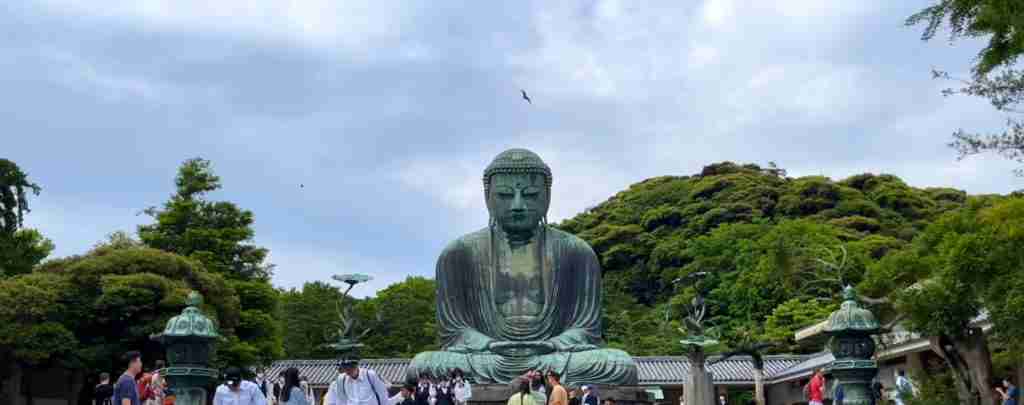
The 13.35-meter bronze Great Buddha at Kotoku-in stands as Kamakura’s most iconic landmark and Japan’s second-largest Buddha statue, having sat in the open air since a 15th-century tsunami destroyed its wooden hall. Beyond this single famous statue, Kamakura offers profound spiritual experiences at ancient Zen temples where monks have practiced meditation for 700 years, spectacular ocean panoramas from Hasedera Temple’s elevated observation platform, and the vibrant energy of Tsurugaoka Hachimangu Shrine where samurai warriors once worshipped their patron deity Hachiman.
Modern transportation infrastructure makes Kamakura remarkably accessible in 2026. Multiple JR train lines connect Tokyo’s major stations with Kamakura in 50-60 minutes, running frequently throughout the day and covered by JR Rail Passes. The Enoden Railway, a nostalgic electric tramway dating to 1902, provides scenic coastal transportation between temples while offering glimpses of local beach life and narrow streets where the train passes mere inches from residential homes. This combination of historical significance, natural beauty, spiritual atmosphere, and convenient access explains why over 20 million visitors explore Kamakura annually.
Planning a successful Kamakura day trip in 2026 requires understanding the geography and optimal routing between attractions. The city divides into four main areas: Kita-Kamakura (northern station area with major Zen temples Engaku-ji and Kencho-ji), Central Kamakura around Kamakura Station (Tsurugaoka Hachimangu Shrine and Komachi-dori shopping street), Hase (coastal area with Great Buddha and Hasedera Temple reached via Enoden line), and Eastern Kamakura (quieter temples including Hokoku-ji bamboo grove). First-time visitors typically focus on Central Kamakura and Hase, covering the three essential sites (Great Buddha, Hasedera, Tsurugaoka Hachimangu) plus lunch and shopping in 6-7 hours. Return visitors or those with specific interests expand into Kita-Kamakura’s Zen temples, Hokoku-ji’s bamboo forest, or extend to nearby Enoshima Island.
Seasonal considerations significantly impact the Kamakura experience. Cherry blossom season (late March-early April) brings spectacular floral displays but also the year’s largest crowds and premium accommodation prices in the Tokyo region. June’s hydrangea season attracts hordes specifically to Hasedera and Meigetsu-in temples, requiring patience and early arrival. Autumn foliage (late November-early December) rivals spring for beauty with fewer crowds and more comfortable weather. Summer heat and humidity can make temple climbing exhausting, while winter offers the quietest experience though some gardens appear bare. Weekday visits throughout the year encounter significantly smaller crowds than weekends, particularly beneficial at the Great Buddha where weekend tourist groups can overwhelm the small temple grounds.
This guide provides comprehensive 2026 planning information for Kamakura day trips from Tokyo, covering all transportation options with current fares and schedules, detailed attraction descriptions with entrance fees and optimal visit timing, practical routing strategies, food recommendations, seasonal considerations, and day-cost breakdowns. Whether arriving via JR train with JR Pass, maximizing value with the Enoshima-Kamakura Freepass, or customizing your route with individual tickets, this resource enables informed planning for a rewarding exploration of Japan’s ancient samurai capital.
Transportation from Tokyo to Kamakura 2026: Complete Guide
Tokyo to Kamakura transportation in 2026 offers multiple efficient options via JR East railway lines and private railways, with the optimal choice depending on your Tokyo starting point, itinerary within Kamakura, and whether you hold a JR Rail Pass. The fundamental decision involves choosing between the fastest direct JR routes covered by JR Pass or the value-oriented Enoshima-Kamakura Freepass that includes unlimited local train rides within the destination area.
JR Yokosuka Line: Fastest Route from Tokyo Station and Shinagawa (2026)
The JR Yokosuka Line provides the most direct connection between Tokyo’s eastern stations and Kamakura in 2026. Trains depart Tokyo Station from deep underground platforms every 10-15 minutes throughout the day, taking 57 minutes to reach Kamakura Station for ¥940 one way. The same line serves Shinagawa Station with 47-minute journey time for ¥730, making Shinagawa the faster and cheaper option for travelers staying in southern Tokyo areas. Yokosuka Line trains continue beyond Kamakura to Zushi and Yokosuka, so verify your train displays “Zushi” or “Yokosuka” as the destination rather than trains terminating at earlier stations.
JR Yokosuka Line trains offer comfortable seating though finding available seats can prove challenging as most trains originate from stations well beyond Tokyo, meaning travelers board mid-route when many seats are already occupied. Upgrading to Green Car (first class) costs approximately ¥1,260 additional and guarantees seating, valuable for travelers with luggage or seeking a more relaxed journey. JR Pass holders travel free on Yokosuka Line trains including Green Car with JR Green Pass. Reserve seats via JR-EAST app or at ticket offices in advance during peak seasons.
Operating hours for Yokosuka Line service span from approximately 7:00 AM first departure to 9:40 PM last departure from Tokyo Station, with return trains from Kamakura running until approximately 11:00 PM. This schedule easily accommodates day trips with morning departures and evening returns, though travelers planning dinner in Kamakura should verify specific return train times as frequency decreases after 8:00 PM.
JR Shonan-Shinjuku Line: Western Tokyo Access (2026)
The JR Shonan-Shinjuku Line serves major stations in western Tokyo including Ikebukuro, Shinjuku, and Shibuya, connecting these hubs directly with Kamakura Station. Fares cost ¥940 from all three stations with journey times varying by starting point: 63 minutes from Ikebukuro, 57 minutes from Shinjuku, 52 minutes from Shibuya. This line operates as a through-service, meaning the same physical trains serve both Shonan-Shinjuku Line and connect with other JR routes.
Critical routing consideration: Only approximately half of Shonan-Shinjuku Line trains travel directly to Kamakura. Trains bound for Zushi, Yokosuka, or Kurihama provide direct service, while trains bound for Kozu or Odawara require a transfer at Ofuna Station to the Yokosuka Line for the final segment to Kamakura. Always verify the train’s displayed destination before boarding. Platform locations: Ikebukuro Platform 2, Shinjuku Platform 4, Shibuya Platform 4.
The Shonan-Shinjuku Line offers the same JR Pass coverage and Green Car upgrade options as the Yokosuka Line. Frequency matches the Yokosuka Line at approximately 4-6 trains per hour during daytime, with reduced service during early morning and late evening. This route works particularly well for travelers staying in Shinjuku, Shibuya, or western Tokyo areas who want to minimize transfers and use JR Pass coverage.
Enoshima-Kamakura Freepass: Best Value for Coastal Exploration (2026)
The Enoshima-Kamakura Freepass at ¥1,640 provides the best value in 2026 for travelers planning to visit multiple sites along the coast and potentially extend to Enoshima Island. This pass issued by Odakyu Railway includes round-trip fare between Shinjuku and Enoshima/Fujisawa via Odakyu Line (normally ¥1,260 round trip) plus unlimited same-day rides on the Enoden Railway between Fujisawa and Kamakura (individual Enoden rides cost ¥200-310 depending on distance).
The journey using this pass takes approximately 90 minutes from Shinjuku: 65 minutes on Odakyu express train to Fujisawa Station, then transfer to Enoden Railway for 25-35 minutes to reach Kamakura Station or 7 minutes to Hase Station (for Great Buddha and Hasedera Temple). While slower than JR direct routes, the pass makes every subsequent Enoden ride free, encouraging exploration along the scenic coastal route without worrying about additional fares. The Enoden line itself provides significant atmospheric value, running past beaches, through narrow residential streets, and offering ocean glimpses throughout the journey.
Purchase the Enoshima-Kamakura Freepass at Odakyu Line ticket machines in Shinjuku Station or other Odakyu stations, at Odakyu Sightseeing Service Centers, or via the Odakyu app for digital ticketing. The pass activates upon first use and remains valid until the last train that day, not for 24 hours, so maximize value by starting early. Travelers planning to visit only Kamakura without Enoshima may find individual JR tickets more economical, but those riding the Enoden between temples or extending to Enoshima benefit significantly from unlimited local transportation.
Alternative Routes: Shonan Monorail and Tokaido Line Options (2026)
The Shonan Monorail offers a unique addition to Kamakura access in 2026, though it functions best as an attraction itself rather than practical transportation. This suspended monorail (train hangs below the track) connects Ofuna Station with Shonan-Enoshima Station in 14 minutes, providing elevated views across residential areas and mountains. Combined with JR Tokaido Line from Tokyo/Shinagawa/Shinjuku to Ofuna (40-50 minutes, ¥810-970), the total journey costs approximately ¥1,200 and takes 60-70 minutes. Consider this route if specifically interested in the monorail experience or staying in areas along the Tokaido Line.
Direct highway bus service from Tokyo to Kamakura exists but offers no advantages over trains. Buses face traffic unpredictability, take longer, cost comparable amounts, and provide less frequent service. Railway transportation remains overwhelmingly superior for Tokyo-Kamakura travel in 2026.
JR Pass Holders: Optimal Strategy (2026)
JR Pass holders travel free on both JR Yokosuka Line and JR Shonan-Shinjuku Line, making these routes dramatically more economical than the Enoshima-Kamakura Freepass. Use JR trains for Tokyo-Kamakura transportation and pay individual Enoden fares (¥220 from Kamakura Station to Hase Station for Great Buddha access) or purchase a single-day Enoden Pass (¥800) if planning multiple coastal stops. The JR Tokyo Wide Pass at ¥15,000 for three consecutive days covers Kamakura access but provides best value when also visiting Nikko, Mt. Fuji areas, or other distant destinations within the pass coverage area.
Return Journey Considerations (2026)
All routes operate bidirectionally with similar frequency and travel times for Tokyo-bound return journeys. Last train timing varies by route: JR Yokosuka Line from Kamakura to Tokyo operates until approximately 11:30 PM, while Enoden to Fujisawa for Odakyu connections runs until approximately 11:45 PM. Travelers planning late dinner in Kamakura or evening photography should verify specific last train times via Hyperdia or Google Maps Japan, as missing the last train necessitates expensive taxi rides to Tokyo (¥15,000-20,000) or emergency accommodation in Kamakura.
Great Buddha of Kamakura (Kotoku-in Temple) 2026: Complete Visitor Guide
The Great Buddha at Kotoku-in Temple stands as Kamakura’s most recognizable landmark and one of Japan’s most photographed monuments. This monumental bronze statue of Amida Buddha measures 13.35 meters tall excluding its base, weighs approximately 121 tons, and was cast in 1252 during the Kamakura Period. Unlike most large Buddha statues in Japan that reside within temple buildings, Kamakura’s Great Buddha sits completely exposed to the elements, having occupied this open-air position since a tsunami destroyed its wooden hall in 1498. This unique outdoor setting creates dramatic photographic opportunities as the bronze surface reflects changing natural light throughout the day and across seasons.
Entrance Fees and Opening Hours 2026
Kotoku-in Temple charges ¥300 entrance for adults and junior/senior high school students (ages 13+), and ¥150 for elementary school students (ages 6-12), with children under 6 admitted free. An additional ¥50 allows entry inside the Great Buddha’s hollow interior, accessible through a small door in the statue’s back. This interior viewing reveals the bronze casting techniques used in the 13th century, with visible welding seams where bronze plates were joined and internal structural supports. Check the official website for information on which visitors qualify for discounted admission.
The temple opens at 8:00 AM year-round, closing at 5:30 PM from April through September and 5:00 PM from October through March. Visitors may enter up to 15 minutes before closing time. Interior access to the Great Buddha operates 8:00 AM to 4:30 PM daily, with last entry 10 minutes before closing. These hours make Kotoku-in ideal as a first or second stop on Kamakura itineraries, particularly beneficial for photographers seeking soft morning light on the bronze statue.
Location and Access from Kamakura Transportation (2026)
Kotoku-in Temple sits in the Hase district of Kamakura, most easily accessed via Enoden Railway to Hase Station (third stop from Kamakura Station, 7 minutes, ¥220). From Hase Station, walk 7-10 minutes through Hase’s charming residential streets following English signage to the temple. The walking route passes local shops, restaurants, and provides glimpses of traditional Kamakura neighborhood life. Alternatively, buses from Kamakura Station serve the area, though the Enoden provides more frequent service and atmospheric local train experience.
Visitors walking from Kamakura Station face approximately 25-30 minutes on foot (1.5 kilometers), a pleasant walk through central Kamakura and Hase neighborhoods but less efficient than the brief Enoden ride. No parking exists at Kotoku-in itself; visitors arriving by car must use nearby commercial parking lots charging ¥500-800 per hour. The temple grounds provide wheelchair-accessible routes, though some pathways feature small rocks that may challenge certain mobility devices. One unisex wheelchair-accessible restroom operates within the grounds.
What to See Beyond the Great Buddha (2026)
The Great Buddha’s serene facial expression and masterful proportions demonstrate the sophisticated Buddhist artistic achievement of medieval Japan. The face alone measures 2.35 meters in length, with eyes 1.0 meter wide and ears 1.90 meters long. The statue depicts Amida Buddha in meditation posture, promising salvation to all believers regardless of their spiritual development. This Pure Land Buddhist philosophy explains why Kotoku-in attracts both serious Buddhist practitioners and casual tourists with equal welcome.
Massive straw sandals displayed within the temple grounds provide dramatic scale comparison, measuring approximately 1.8 meters long and 0.9 meters wide—sized to match the Buddha’s feet. These sandals were first donated in 1951 with the wish that the Great Buddha would travel throughout Japan spreading happiness, with new sandals crafted and donated every three years by local artisans maintaining this tradition.
Niomon Gate guards the temple entrance with two imposing Deva King statues protecting the sacred grounds. Behind the Buddha stands Kangetsudo Hall, originally part of Seoul’s imperial palace in the 15th century before relocation to Tokyo and finally Kamakura, now housing an Edo Period statue of Kannon, the Goddess of Mercy. A jokoro incense altar positioned directly before the Great Buddha allows visitors to purchase incense bundles (¥100) and participate in the purification ritual of incense smoke believed to cleanse spiritual defilements.
Visiting Strategy and Photography Tips (2026)
Plan to spend 30-45 minutes at Kotoku-in for a complete experience including viewing the Buddha from multiple angles, entering the interior, reading informational displays, and exploring the small temple grounds. Photography is freely permitted for personal use throughout the grounds, though commercial photography requires advance permission from the temple office. Drones and selfie sticks are prohibited inside the statue’s interior due to limited space and safety concerns.
Optimal photography occurs during early morning (8:00-9:30 AM) when soft light illuminates the Buddha’s face and crowds remain minimal, or late afternoon when angled sunlight creates dramatic shadows across the bronze surface. The outdoor setting means weather conditions significantly impact the experience and photography—sunny days offer crisp lighting and blue sky backgrounds, while light rain creates atmospheric mist around the statue and enhances the weathered bronze patina’s colors. The Buddha’s serene expression remains equally moving in all conditions.
Weekday mornings provide the quietest experience, particularly valuable for contemplative viewing and photography without constant tourist traffic in every frame. Weekend afternoons, especially during cherry blossom or holiday periods, can see the small temple grounds overwhelmed with tour groups, making peaceful viewing and clear photographs challenging. Students on school trips visit primarily during spring and autumn on weekdays, creating temporary busy periods but generally moving through quickly.
Combining with Nearby Attractions (2026)
Hasedera Temple sits just 5 minutes walk from Kotoku-in, making these two sites natural combinations requiring only 2-3 hours total. The Daibutsu Hiking Trail starts near Kotoku-in, connecting to Genjiyama Park and eventually Kita-Kamakura’s Zen temples for visitors interested in forest hiking mixed with temple visiting. Local Hase neighborhood restaurants and cafes provide lunch options between temple visits, with shirasu (whitebait) rice bowls representing Kamakura’s signature local specialty.
Hasedera Temple 2026: Ocean Views and the Goddess of Mercy
Hasedera Temple ranks among Kamakura’s most beautiful temple complexes, combining spiritual significance, outstanding ocean panoramas, year-round seasonal gardens, and one of Japan’s largest wooden Buddhist statues. Founded in 736 according to temple tradition, Hasedera houses an 11-headed Kannon statue standing 9.18 meters tall, carved from a single camphor tree and covered in gold leaf. This temple attracts both Buddhist pilgrims venerating Kannon, the Goddess of Mercy, and tourists seeking spectacular coastal views from elevated observation platforms that survey Kamakura’s cityscape and Sagami Bay.
Entrance Fees and Opening Hours 2026
Hasedera admission costs ¥400 for adults (ages 12+) and ¥200 for children (ages 6-11), with children under 6 entering free. These fees provide access to all temple buildings, observation platforms, gardens, and grounds. During June’s hydrangea season, the temple implements a separate ¥500 timed-entry ticket for the Hydrangea Trail to manage crowds and prevent overcrowding on the hillside viewing path. Visitors during hydrangea season must purchase both regular admission and the trail ticket.
The temple opens at 8:00 AM year-round, closing at 5:30 PM from April through June and 5:00 PM from July through March. Last entry occurs 30 minutes before closing time. These extended spring/early summer hours accommodate hydrangea viewers during peak bloom period. The temple remains open daily including national holidays, providing reliable access regardless of day of week or Japanese holiday schedules.
Access and Location Details (2026)
Hasedera sits in the same Hase district as the Great Buddha, accessed via Enoden Railway to Hase Station with a 5-minute walk following English signage uphill from the station. The walking route from Kotoku-in (Great Buddha) to Hasedera takes just 5 minutes, making these two temples natural consecutive visits totaling 2-2.5 hours combined. Buses from Kamakura Station also serve Hase, though Enoden provides more frequent service and eliminates parking concerns.
The temple sits on a hillside requiring climbing stone steps to reach upper buildings and observation platforms. While this elevation provides the spectacular views that make Hasedera famous, visitors with mobility limitations should understand the terrain involves moderate climbing. Handrails assist on steeper sections. The temple grounds stretch across multiple elevation levels with rest areas, gardens, and viewing spots interspersed between temple buildings, encouraging gradual rather than rushed exploration.
Main Buildings and Attractions (2026)
The Kannon-do Hall houses Hasedera’s principal image, the massive 11-headed Kannon statue venerated as a guardian of seafarers and those facing childbirth. Temple tradition claims this statue was carved in 721 by a monk who created two identical statues from a single camphor tree, keeping one at Hasedera in Nara and casting the second into the sea with prayers that it would travel to a location needing spiritual protection. The statue allegedly washed ashore near Kamakura in 736, leading to Hasedera’s founding. While historically doubtful, this legend explains the temple’s particular significance for seafaring prayers.
Amida-do Hall on the temple’s upper level houses a gold Amida Buddha statue and provides the launch point for the observation platform extending over the hillside. This viewing platform delivers panoramic vistas encompassing Kamakura’s urban landscape, the Great Buddha in the distance, Yuigahama Beach, and the Pacific Ocean stretching to the horizon. On clear days, both Mt. Fuji and the Izu Peninsula appear visible. Photographers find this vantage point ideal for sunrise shots during summer months or afternoon light year-round.
Thousands of small Jizo statues crowd a dedicated area called Jizo-do, representing Jizo Bosatsu who protects children and travelers. Visitors honor deceased children or pray for healthy births by placing offerings beside Jizo statues, creating a moving display of parental devotion and grief. The sheer number of statues—many dressed in knitted caps and bibs—creates profound visual impact while serving active devotional purposes rather than mere decoration.
Seasonal Gardens and Famous Hydrangea Trail (2026)
Hasedera earned its nickname “Flower Temple” through gardens that bloom year-round with seasonal plantings ensuring color in every visit. Cherry blossoms fill the grounds in late March-early April, followed by peonies and azaleas in May. June brings the famous hydrangea spectacle that draws crowds specifically for this floral display, with over 2,500 hydrangea plants in 40 varieties covering the hillside Hydrangea Trail in shades ranging from deep purple to pink, blue, and white.
The Hydrangea Trail during June requires a separate ¥500 timed-entry ticket limiting visitor numbers on the narrow hillside path to prevent dangerous overcrowding and plant damage. Purchase this ticket in addition to regular admission at the entrance, selecting a specific time slot. Even with timed entry, expect crowds during peak bloom (typically mid-June). Arrive at opening time or visit on weekday mornings for the least crowded hydrangea experience. The temple’s elevated position means hydrangea blooms combine with ocean views for photographically spectacular results.
Autumn transforms Hasedera’s gardens with maple trees blazing red and gold from late November through early December, rivaling June’s hydrangeas for visual splendor while attracting somewhat smaller crowds. The same observation platform providing ocean views in summer frames fall foliage foregrounds against the Pacific beyond. Winter brings camellia blooms and maintains the temple’s evergreen backdrop, offering the quietest visiting experience though with less dramatic floral displays.
Visiting Strategy and Time Planning (2026)
Allocate 60-90 minutes for a complete Hasedera experience including the main Kannon Hall, observation platform time for photography and views, gardens exploration, and Jizo statue area. Visitors during non-hydrangea periods move through more quickly, while June hydrangea season requires patience with crowds and trail entry timing potentially adding 30 minutes to the visit. Combine Hasedera with the Great Buddha as consecutive stops in the Hase area, visiting both within a 2.5-3 hour block before or after lunch.
Early morning visits (8:00-9:30 AM) provide optimal conditions for photography with soft light illuminating the elevated temple buildings and viewing platforms against morning ocean backdrop. The temple faces east, making dawn and morning hours particularly photogenic. Late afternoon visits work well for sunset photography from the observation platform, with Pacific sunsets creating dramatic color displays during clear weather. Weekend and holiday crowds intensify from mid-morning through mid-afternoon, making early or late visits valuable for avoiding peak congestion.
Tsurugaoka Hachimangu Shrine 2026: Kamakura’s Spiritual Center
Tsurugaoka Hachimangu Shrine stands as Kamakura’s most important Shinto sanctuary and the city’s geographic and spiritual centerpiece. Founded in 1063 by Minamoto Yoriyoshi and enlarged by Minamoto Yoritomo in 1180, this expansive shrine complex served as the spiritual headquarters for the Kamakura Shogunate, Japan’s first warrior government. Dedicated to Hachiman, the patron deity of samurai warriors, Tsurugaoka Hachimangu provided divine legitimacy to military rule and remains today a powerful symbol of samurai culture, historical continuity, and traditional Shinto practice.
Entrance and Opening Hours 2026
The main shrine grounds and approach paths offer free entry year-round, making Tsurugaoka Hachimangu accessible to all visitors regardless of budget. The shrine complex remains open 24 hours, though practical visiting occurs from dawn until evening. The Kamakura National Treasure Museum within the shrine grounds charges separate admission (typically ¥200-300, verify current fees on official website) for exhibitions of historical swords, armor, masks, documents, and artistic treasures from the Kamakura Period and later eras.
The main hall (Hongu) located on an elevated terrace operates approximately 6:00 AM to 8:00 PM for worship and prayer, with seasonal festivals, ceremonies, and events occurring throughout the year. The peony garden opens seasonally (typically January-February for winter peonies, April-May for spring peonies) with separate admission around ¥500, while the rest of the extensive grounds remain freely accessible at all times.
Access from Kamakura Station (2026)
Tsurugaoka Hachimangu sits in central Kamakura approximately 10-15 minutes walk from Kamakura Station along one of two atmospheric approach routes. The primary route follows Wakamiya-oji, a wide ceremonial avenue running straight from the waterfront through the city center directly to the shrine, with the central Dankazura pedestrian path lined by several hundred cherry trees creating stunning tunnel effects during spring bloom. This formal approach was designed by Minamoto Yoritomo to provide auspicious and impressive access to his patron shrine.
The alternative route follows Komachi-dori, a narrow shopping street packed with restaurants, souvenir shops, cafes, and traditional craft stores running parallel to Wakamiya-oji. Most visitors walk toward the shrine via Komachi-dori for shopping and lunch, then return to the station via the more serene Wakamiya-oji after shrine visiting. Either route covers approximately 800 meters, taking 10-15 minutes depending on walking pace and stops for shopping or photos.
Architectural Features and Main Buildings (2026)
The shrine grounds sprawl across extensive acreage ascending from street level to the elevated main hall through multiple torii gates, courtyards, and auxiliary shrines. The Maiden Stage, a vermillion performance platform, hosts traditional arts including Noh theater and Bugaku court dance during festivals, while demonstrating traditional Japanese performance architecture rarely visible in such authentic settings. The approach to the main hall climbs a dramatic wide stone stairway (62 steps) creating architectural transition from mundane to sacred space.
The Main Hall (Hongu or Jogu) crowns the shrine complex from an elevated terrace providing commanding views over Kamakura. This building, reconstructed in 1828 after fire destruction, exhibits vibrant red and gold decoration characteristic of Shinto shrine architecture while displaying specific design elements reflecting its status as a warrior shrine rather than purely religious sanctuary. The main hall enshrines the deified spirits of Emperor Ojin (identified with Hachiman), Hime-gami, and Empress Jingu, establishing divine connections between the imperial line and samurai military leadership.
Two large ponds flank the main approach—Genpei Ponds—with lotus flowers blooming during summer (July-August) creating photogenic scenes. The pond names reference the two warrior clans that fought for control during the Genpei War (1180-1185), with the right pond (three islands) representing the victorious Minamoto (Genji) clan and the left pond (four islands) representing the defeated Taira (Heike) clan. This symbolic landscape design demonstrates how Tsurugaoka Hachimangu served propaganda purposes legitimizing Minamoto rule.
Historical Significance and Samurai Culture (2026)
Tsurugaoka Hachimangu’s importance extends beyond religious function to embody the fusion of Shinto spiritual authority with samurai political power that characterized the Kamakura Period. When Minamoto Yoritomo established Japan’s first shogunate in Kamakura rather than the imperial capital Kyoto, he needed divine legitimacy for this unprecedented military government. By enlarging and elevating Hachiman worship—the deity already associated with warfare and the Minamoto clan—Yoritomo created spiritual sanction for samurai rule while maintaining respectful distance from the emperor’s authority.
The shrine hosted numerous significant historical events during the Kamakura Period including ceremonial appointments of shoguns, warrior training and archery competitions, and strategic political gatherings. The famous assassination of Shogun Minamoto Sanetomo in 1219 occurred on these grounds, with the murderer allegedly hiding behind the shrine’s great ginkgo tree before striking. That ancient ginkgo toppled in 2010 during a storm, though new shoots now sprout from the remaining base creating hope for eventual regeneration.
Traditional martial arts demonstrations continue at Tsurugaoka Hachimangu, particularly yabusame (horseback archery) performed twice annually during festivals when costumed archers in traditional garb gallop the shrine’s riding grounds shooting arrows at wooden targets while mounted. These demonstrations preserve samurai military traditions while attracting crowds of photographers and martial arts enthusiasts. Check the shrine’s website for yabusame and other ceremonial event schedules when planning 2026 visits.
Visiting Strategy and Seasonal Highlights (2026)
Allocate 60-90 minutes for thorough Tsurugaoka Hachimangu exploration including the main hall, ponds, grounds walking, possible museum visit, and Komachi-dori shopping on departure. The shrine’s free admission and central location make it ideal for flexible scheduling—visit before lunch with a meal on Komachi-dori afterward, or use it as a final Kamakura stop before returning to Tokyo via the adjacent station.
Cherry blossom season (late March-early April) transforms the shrine approach into one of Kanto’s most spectacular hanami (flower viewing) locations, with hundreds of cherry trees along the Dankazura path creating pink canopy tunnels. Expect massive crowds during peak bloom, particularly weekends. Summer brings lotus blooms in the Genpei Ponds during July-August, though intense heat and humidity make mid-summer visiting less comfortable than spring or autumn. Fall foliage illuminates the grounds from late November through early December, with maples framing the main hall approach in red and gold. Winter offers the quietest experience and special winter peony viewing in the seasonal garden.
Sample Kamakura Day Trip Itinerary 2026
This efficient route covers Kamakura’s three essential attractions while allowing time for lunch and shopping, returning to Tokyo by early evening. Timing assumes using the Enoshima-Kamakura Freepass from Shinjuku or JR trains from Tokyo Station, with minor adjustments depending on specific transportation choices.
Morning Schedule (8:00 AM – 12:00 PM)
8:00-9:30 AM: Depart Shinjuku via Odakyu Line (if using Enoshima-Kamakura Freepass) or Tokyo Station via JR Yokosuka Line, arriving Kamakura or Hase Station by 9:30 AM. Using the Freepass, take Enoden directly to Hase Station. Using JR, arrive at Kamakura Station then transfer to Enoden for Hase Station.
9:30-10:30 AM: Visit the Great Buddha at Kotoku-in (¥300 entrance, additional ¥50 to enter statue interior). Arrive early to photograph the Buddha with optimal morning light and minimal crowds. Spend 40-45 minutes viewing from multiple angles, entering the interior, reading displays, and exploring the small temple grounds.
10:30-12:00 PM: Walk 5 minutes to Hasedera Temple (¥400 entrance). Explore the main Kannon Hall, climb to the observation platform for ocean views and photography, visit the Jizo statue area, and stroll through seasonal gardens. During non-hydrangea periods, 60 minutes suffices; June visitors need 90 minutes due to crowds and timed trail entry.
Midday Break (12:00 PM – 1:30 PM)
12:00-1:30 PM: Return to Kamakura Station via Enoden (7 minutes, ¥220 or free with Freepass). Lunch on Komachi-dori shopping street with options ranging from casual noodle shops (¥800-1,200) to traditional set meals (¥1,500-2,500). Shirasu (whitebait) rice bowls represent Kamakura’s signature local dish. Use lunch time for shopping Komachi-dori’s 250+ stores selling crafts, snacks, souvenirs, and traditional goods.
Afternoon Schedule (1:30 PM – 5:00 PM)
1:30-3:00 PM: Visit Tsurugaoka Hachimangu Shrine (free entry). Walk from Kamakura Station via Komachi-dori (10 minutes) or the more serene Wakamiya-oji approach. Climb to the main hall, explore the Genpei Ponds, visit auxiliary shrines, and potentially tour the National Treasure Museum (separate admission). Allow 60-90 minutes depending on interest level and whether including museum.
3:00-5:00 PM: Return to Tokyo via reverse route. JR Yokosuka Line from Kamakura to Tokyo Station takes 57 minutes, arriving Tokyo around 4:00-4:30 PM. Freepass users take Enoden to Fujisawa (25-30 minutes) then Odakyu express to Shinjuku (65 minutes), arriving 5:00-5:30 PM. Consider departing slightly later (4:00-5:00 PM) if wanting more time at Tsurugaoka Hachimangu or for additional Komachi-dori shopping.
Extended Options for Longer Days (Optional Additions)
Visitors with extra time or early starts can add additional temples or extend to Enoshima Island. Hokoku-ji Temple’s bamboo grove in eastern Kamakura (¥300 entrance, ¥600 with matcha tea service) provides atmospheric zen garden experience but requires 30-minute bus ride from Kamakura Station or 45-minute walk. Meigetsu-in Temple near Kita-Kamakura Station specializes in hydrangeas during June plus year-round garden appeal (¥500 entrance). Enoshima Island via Enoden (15 minutes from Hase Station) offers beach atmosphere, seafood restaurants, shrine complex, and sea caves, requiring 2-3 additional hours. These extensions work best for repeat Kamakura visitors or those planning overnight stays rather than day-tripping.
Kamakura Day Trip Costs and Budget Planning 2026
Understanding the complete cost breakdown for a Kamakura day trip enables accurate budgeting and helps determine which transportation passes offer genuine value versus marketing appeal. All costs below reflect 2026 prices based on current rates and typical inflation adjustments.
Transportation Costs Tokyo to Kamakura 2026
Round-trip train fare via JR Yokosuka Line from Tokyo Station totals ¥1,880 (¥940 each way). Alternative starting points: Shinagawa Station ¥1,460 round-trip (¥730 each way), Shinjuku Station via Shonan-Shinjuku Line ¥1,880 round-trip. JR Pass holders pay ¥0 for these routes, dramatically improving economics for travelers already holding passes for broader Japan travel.
The Enoshima-Kamakura Freepass costs ¥1,640 from Shinjuku, including round-trip Odakyu train fare plus unlimited Enoden local line rides. The value calculation: Odakyu round-trip alone costs approximately ¥1,260, making the Enoden unlimited add-on effectively ¥380 for the day. Since single Enoden rides cost ¥220 Kamakura-Hase, visitors taking two Enoden rides (Kamakura-Hase-Kamakura) break even, with any additional Enoden use providing savings. The Freepass offers clear value for travelers starting from Shinjuku and planning multiple Enoden rides or extending to Enoshima.
Local Enoden tickets between Kamakura and Hase cost ¥220 per ride (¥440 round-trip). Budget travelers using JR trains can minimize local costs by walking between some sites (Kamakura Station to Tsurugaoka Hachimangu 15 minutes walk, Kotoku-in to Hasedera 5 minutes walk) while taking Enoden only for the Kamakura Station to Hase Station connection.
Temple and Shrine Entrance Fees 2026
The three major sites total ¥700 in entrance fees: Great Buddha/Kotoku-in ¥300, Hasedera ¥400, Tsurugaoka Hachimangu free. Adding the optional ¥50 to enter inside the Great Buddha brings the total to ¥750. Visitors adding Hokoku-ji bamboo grove pay an additional ¥300 (¥600 with tea ceremony). Meigetsu-in hydrangea temple costs ¥500. Extended itineraries visiting multiple temples can reach ¥1,500-2,000 in entrance fees.
Budget-conscious travelers can experience significant Kamakura atmosphere for minimal entrance costs by prioritizing Tsurugaoka Hachimangu (free), walking Kamakura’s historic streets, and viewing temples from exterior grounds which often provide considerable visual appeal without interior admission fees. However, the Great Buddha and Hasedera represent such core Kamakura experiences that skipping these for budget reasons sacrifices much of the day trip’s value—the combined ¥700 for both remains modest compared to overall trip costs.
Food and Dining Costs 2026
Lunch in central Kamakura on Komachi-dori or near temples ranges from ¥800-1,200 for casual options (noodles, curry rice, simple rice bowls) to ¥1,500-2,500 for restaurant set meals featuring Kamakura specialties like shirasu bowls, tempura sets, or traditional Japanese cuisine. Budget travelers using convenience stores or bringing lunch from Tokyo spend ¥400-600. Premium restaurant meals reach ¥3,000-5,000.
Snacks and drinks throughout the day add ¥500-1,000 including coffee (¥400-600), soft serve ice cream popular near temples (¥400-500), and traditional sweets (¥300-500). Travelers planning dinner in Kamakura before returning to Tokyo should budget ¥1,000-2,500 for casual restaurants, ¥3,000-6,000 for nicer establishments.
Complete Day Cost Examples 2026
Budget Day Trip: Using JR trains with JR Pass, walking when possible, convenience store lunch, minimal additional spending. JR transport ¥0 (with pass), Enoden rides ¥440, temple entries ¥750, convenience store lunch ¥600, snacks ¥500. Total: ¥2,290 ($15) excluding JR Pass cost already incurred.
Standard Day Trip: Using Enoshima-Kamakura Freepass from Shinjuku, restaurant lunch, moderate spending. Freepass ¥1,640, temple entries ¥750, restaurant lunch ¥1,800, coffee and snacks ¥800. Total: ¥4,990 ($33) per person.
Comfortable Day Trip: Using JR trains without JR Pass, restaurant lunch and dinner, souvenir shopping, extended temples. JR round-trip ¥1,880, Enoden unlimited day pass ¥800, temple entries ¥1,500 (main sites plus additional temples), lunch ¥2,500, dinner ¥2,000, snacks ¥800, souvenirs ¥1,500. Total: ¥10,980 ($73) per person.
Most first-time Kamakura day-trippers spend ¥4,500-7,000 ($30-47) per person covering transportation, essential temple entries, lunch, and modest additional expenses. This positions Kamakura as a remarkably economical day trip from Tokyo compared to alternatives like Nikko (similar costs but requires full day), Hakone (higher transportation and attraction costs), or Mount Fuji area (significantly higher transportation costs).
Best Time to Visit Kamakura from Tokyo 2026
Kamakura’s compact geography and outdoor temple sites make weather and seasonal timing crucial factors in day trip planning. Each season offers distinct advantages and challenges affecting comfort, costs, crowds, and the overall experience quality.
Spring in Kamakura (March-May 2026)
Spring represents one of the two optimal periods for Kamakura day trips. Cherry blossoms bloom from late March through early April (specific timing varies by 7-10 days annually depending on winter temperatures), transforming Tsurugaoka Hachimangu’s Dankazura approach into a spectacular pink tunnel and filling temple gardens with delicate blossoms. The brief bloom period (5-7 days for peak viewing) creates intense crowds during weekends and Japanese holidays, though weekday visits remain manageable. Temperatures range from 10-18°C, comfortable for walking between sites with light jacket sufficient for morning and evening.
Late April through May offers the season’s best overall conditions: cherry blossoms finished so crowds diminish, pleasant temperatures of 14-20°C, moderate humidity, and fresh green foliage creating attractive temple settings without autumn’s visitor intensity. Golden Week (late April-early May, exact dates vary) brings the year’s heaviest crowds rivaling cherry blossom peak—avoid this specific week if possible. Late May sees increasing humidity and temperature foreshadowing summer’s discomfort, but remains superior to mid-summer conditions.
Spring accommodation prices in Tokyo spike 30-50% during cherry blossom weeks, though Kamakura day trips avoid accommodation costs. Train and temple crowding remains the primary spring concern rather than expense.
Summer in Kamakura (June-August 2026)
Summer divides into two distinct periods with dramatically different visitor experiences. June brings rainy season (tsuyu) with frequent rain, overcast skies, and high humidity—but also Kamakura’s second most popular floral spectacle. Hydrangeas bloom spectacularly at Hasedera and Meigetsu-in temples during June, drawing crowds specifically for this flowering. Hasedera’s 2,500+ hydrangea plants in 40 varieties create Instagram-worthy hillside displays, requiring timed-entry tickets and patience with crowds. Visit during June only if specifically targeting hydrangeas and willing to accept rain likelihood. Weekday mornings provide the least crowded hydrangea viewing.
July-August presents Kamakura’s most challenging conditions: temperatures reaching 28-32°C with 70-80% humidity creating oppressive heat, particularly while climbing temple steps and walking between sites with limited shade. Japanese students on summer vacation fill temples and trains. The Yuigahama Beach area near Hase Station bustles with beachgoers creating a different energy than other seasons but adding transportation crowding. Positive factors: lotus blooms in Tsurugaoka Hachimangu’s ponds during July-August, longer daylight hours allowing flexible timing, and occasional spectacular afternoon thunderstorms creating dramatic photography opportunities if carrying weather protection.
Budget travelers appreciate summer’s lowest Tokyo accommodation prices (20-30% below peak), though day-trippers from Tokyo sidestep accommodation costs regardless. Summer day-tripping works for heat-tolerant visitors, those specifically interested in beach atmosphere, or travelers with no other Japan timing options—but spring and autumn objectively provide superior conditions.
Autumn in Kamakura (September-November 2026)
Autumn rivals spring as optimal Kamakura timing, with many experienced travelers preferring autumn for its combination of spectacular foliage, comfortable weather, and somewhat lighter crowds than cherry blossom madness. September maintains summer’s heat and humidity with typhoon risk, making it effectively a summer month. October brings perfect conditions: temperatures 15-22°C, low humidity, clear skies, and the first hints of autumn color change, though peak foliage remains 3-4 weeks away. This “shoulder season” offers Kamakura’s best weather-to-crowd ratio.
Late November through early December delivers the koyo (autumn leaves) spectacle rivaling spring cherry blossoms, with maple trees blazing red and gold throughout temple grounds. Tsurugaoka Hachimangu’s maples framing the approach stairs, Hasedera’s hillside foliage combined with ocean views, and colorful leaves carpeting zen temple grounds create photographic drama. Peak foliage typically occurs November 20-December 5, varying by 5-7 days annually. Crowds intensify during peak autumn colors though remain lighter than cherry blossom season. Temperatures drop to 8-15°C, requiring layers and warm jacket for early morning and evening.
Tokyo accommodation prices remain moderate in autumn (10-20% above summer), and autumn’s reliable weather reduces trip-cancellation concerns that plague rainy season and typhoon periods.
Winter in Kamakura (December-February 2026)
Winter offers Kamakura’s quietest experience with smallest crowds, lowest prices, and easiest temple access—at the cost of bare trees, brown gardens, cold temperatures, and occasional cold rain. Temperatures range 5-12°C, requiring warm jacket, and while snow rarely accumulates at sea level in Kamakura, cold rain occurs frequently. Gardens appear dormant, cherry trees bare, deciduous trees skeletal, reducing the visual appeal that draws photographers during other seasons.
Positive winter factors: dramatic winter light creating stark atmospheric effects excellent for certain photography styles, no waiting for tickets or temple entries, peaceful contemplation at sites that feel overrun during peak seasons, and 30-40% lower Tokyo accommodation prices for travelers combining Kamakura with broader Japan trips. Tsurugaoka Hachimangu’s winter peony garden (January-February) offers colorful blooms when little else flowers, while camellia blossoms provide splashes of color in temple gardens.
Winter suits returning visitors who’ve seen Kamakura during prime seasons and want solitary temple experiences, budget travelers maximizing value, or philosophical visitors who appreciate winter’s stark beauty. First-time visitors generally should prioritize spring or autumn when Kamakura showcases its greatest visual appeal.
Weekday vs. Weekend Visiting Strategy 2026
Weekdays provide dramatically better experiences year-round, with 40-60% fewer visitors than weekends (exact ratios vary by season). The difference proves particularly pronounced at the Great Buddha where weekend tour groups can overwhelm the compact temple grounds, making contemplative viewing and clean photography extremely difficult. Tuesday-Thursday generally offer the quietest weekday conditions. Friday sees some weekend-extending travelers, while Monday attracts Tokyoites using long weekends.
Japanese national holidays create weekend-level or greater crowds regardless of weekday designation. Major holiday periods to avoid if possible: New Year (December 29-January 3), Golden Week (late April-early May), Obon (mid-August), and autumn holiday weekends (September-November). Conversely, these holidays sometimes offer special ceremonies at Tsurugaoka Hachimangu worth experiencing despite crowds for visitors specifically interested in Japanese cultural practices.
Practical Tips and Logistics for Kamakura Day Trips 2026
Luggage Storage and Coin Lockers (2026)
Coin lockers at Kamakura Station accommodate luggage for travelers making Kamakura a stopover between Tokyo and other destinations (Kyoto, Osaka, etc.). Locker sizes range from small (¥300, suitable for day packs) to large (¥500-600, accommodating wheeled suitcases). Limited quantity means lockers fill quickly during peak periods—arrive early or have backup plans. Hase Station offers smaller coin locker facilities (¥300-400) with even more limited availability. Major temples do not provide luggage storage.
Alternative: luggage forwarding services (takkyubin) available at Tokyo hotels ship bags to next destinations, freeing travelers to day-trip Kamakura luggage-free. Yamato Transport and Sagawa Express offer same-day or next-day delivery for ¥2,000-3,000 per bag depending on size and destination distance. Many experienced Japan travelers use this service when changing hotels or cities.
Restroom Facilities (2026)
All major temples and Tsurugaoka Hachimangu provide free clean public restrooms including both Western-style and traditional Japanese-style toilets. Most temple facilities include wheelchair-accessible options. Kamakura and Hase Stations maintain clean public restrooms. Convenience stores throughout Kamakura offer restroom access for customers. Unlike many tourist areas, Kamakura provides adequate restroom facilities eliminating this common travel concern.
English Language Support and Signage (2026)
Major temples provide English signage for basic information, entrance fees, and directional guidance. Kamakura’s popularity with international tourists means English language support exceeds typical Japanese city standards, though remains limited compared to truly bilingual destinations. Temple staff generally speak minimal English but entrance procedures remain straightforward (pay at counter, receive ticket, enter). Google Translate camera function effectively translates information boards and explanatory plaques.
Train station announcements and electronic displays include English. Major directional signage throughout the city provides English. Restaurant menus vary—establishments on Komachi-dori and near temples typically offer picture menus or English translations, while local neighborhood restaurants may have Japanese-only menus requiring translation apps or pointing at appealing-looking dishes nearby diners are eating.
Photography Regulations and Etiquette (2026)
Personal photography is freely permitted throughout temple grounds and at all outdoor locations. Commercial photography requires advance permission from temple offices. Specific restrictions include: no drones anywhere in temple areas (safety and noise concerns), no selfie sticks inside the Great Buddha’s interior (limited space), no tripods blocking pathways during crowded periods, and no photography inside certain temple buildings housing sacred objects. When in doubt, look for prohibition signs or ask permission.
Respect other visitors when photographing popular sites like the Great Buddha—avoid blocking others’ views for extended periods, be aware of photo-bombing others’ pictures, and maintain appropriate decorum at active worship sites. Japanese visitors generally value courtesy and quiet in sacred spaces; matching this behavior enhances everyone’s experience.
Food Restrictions and Dietary Accommodations (2026)
Kamakura restaurants increasingly accommodate vegetarian and some vegan diets, though dedicated vegetarian restaurants remain limited. Shojin ryori (Buddhist vegetarian cuisine) available at some temple restaurants provides authentic meat-free traditional options. Convenience stores stock vegetable-based onigiri (rice balls), salads, fruits, and other vegetarian options. Seafood-heavy local specialties like shirasu bowls don’t suit vegetarian diets, requiring alternative menu selections.
Gluten-free dining proves more challenging—soy sauce, tempura batter, and noodle dishes contain gluten. Communicate restrictions using translation apps or written Japanese dietary restriction cards. Rice-based dishes (without sauce) provide safe options. Travelers with severe allergies should research specific restaurants in advance or bring safe foods from Tokyo.
Safety and Medical Considerations (2026)
Kamakura maintains Japan’s typically excellent safety standards—crime remains rare, visitors safely carry cash and electronics, and harassment is negligible. Primary safety concerns involve physical navigation: uneven stone temple steps can be slippery when wet, hillside paths at Hasedera require careful footing, and summer heat causes occasional dehydration or heat exhaustion. Walk carefully on wet stone surfaces, use handrails, carry water during warm months, and pace yourself when climbing numerous temple steps.
Medical facilities: small clinics throughout Kamakura handle minor issues, while major hospitals operate in adjacent Yokohama (15-20 minutes by train). English-speaking medical care remains limited outside major international hospitals. Travel insurance is strongly recommended for all international visitors. Japanese pharmacies (drugstores) stock basic medications often available without prescription, though asking may require translation assistance.
Mobile Connectivity and WiFi (2026)
Major temples and Kamakura Station offer free public WiFi for basic connectivity. Coverage throughout the city varies—expect intermittent rather than continuous WiFi when walking between sites. Travelers requiring consistent internet access should rent pocket WiFi devices at Tokyo airports (¥500-1,000 per day) or purchase prepaid SIM cards for unlocked phones. Japanese carriers (NTT Docomo, AU, Softbank) provide excellent mobile coverage throughout Kamakura. Google Maps navigation works reliably with mobile data for route planning and real-time train information.
Food and Dining Recommendations Kamakura 2026
Kamakura Local Specialties and Must-Try Dishes
Shirasu (whitebait) represents Kamakura’s most celebrated local specialty, with these tiny translucent fish caught fresh from Sagami Bay and served either raw (nama shirasu) or boiled (kamaage shirasu) over rice in shirasu-don bowls. Peak shirasu season runs March-December, with fishing bans during January-February breeding season. Numerous restaurants along Komachi-dori and near Hase Station specialize in shirasu dishes, with prices ranging ¥1,200-2,000 for quality shirasu-don sets. The delicate fresh flavor differs dramatically from preserved versions available elsewhere in Japan.
Kamakura vegetables (Kamakura yasai) include unique heirloom varieties grown in the city’s remaining agricultural areas, featured prominently in upscale restaurant menus and temple vegetarian cuisine. These heritage vegetables—including Kamakura daikon radishes, special eggplants, and rare greens—showcase Kamakura’s agricultural history before urbanization.
Enoshima specializes in seafood including fresh sashimi, grilled fish, and distinctive shirasu preparations similar to Kamakura. Visitors extending day trips to Enoshima Island should budget time for seaside restaurant meals featuring day-boat catches.
Komachi-dori Shopping Street Dining Options (2026)
Komachi-dori, the narrow pedestrian shopping street connecting Kamakura Station with Tsurugaoka Hachimangu, concentrates over 60 restaurants, cafes, and food stalls within an 800-meter stretch. This makes it ideal for lunch during Kamakura day trips, offering maximum variety within minimal walking distance. Options range from ¥800 casual noodle shops to ¥3,000 traditional set meal restaurants, ensuring suitable choices across all budgets.
Casual lunch options (¥800-1,500) include ramen shops, soba/udon noodle restaurants, curry rice specialists, and simple Japanese set meal places. Many display plastic food models outside showing exact dishes and prices, eliminating language barriers. Typical lunch service runs 11:00 AM-2:30 PM, with some restaurants closing or offering different menus outside lunch hours. Arrive before noon to avoid lunch rush crowding, or after 1:30 PM when local workers return to offices.
Traditional restaurants (¥1,800-3,000) serve shirasu specialties, tempura sets, kaiseki-style small plate collections, and other refined Japanese cuisine in sit-down settings. Some require shoe removal and provide tatami mat seating. These establishments often close between lunch and dinner, operating 11:30 AM-2:00 PM then reopening 5:00-8:00 PM, limiting accessibility for day-trippers aiming to return to Tokyo by evening.
Street food vendors and takeout stalls sell dango (grilled rice dumplings), ningyo-yaki (filled cakes), soft-serve ice cream, croquettes, and other portable snacks for ¥300-500. These provide quick energy between temple visits without sit-down meal time investment.
Temple Area and Hase District Dining (2026)
The Hase area near the Great Buddha and Hasedera Temple offers numerous small restaurants catering to temple visitors. Proximity to attractions creates convenience though prices typically run 10-20% higher than equivalent restaurants in central Kamakura. Quality remains good, with several establishments specializing in shirasu-don and tempura sets. Expect ¥1,500-2,500 for restaurant meals near temples. Small cafes provide lighter options including sandwiches, cakes, and coffee for ¥800-1,500.
Shojin ryori (Buddhist vegetarian cuisine) restaurants operate near some major temples, offering meat- and fish-free traditional Buddhist cooking featuring seasonal vegetables, tofu, and mountain plants prepared with elaborate techniques. These meals provide cultural experience beyond mere eating, though prices reach ¥3,000-5,000 for authentic temple-associated establishments. Budget 90-120 minutes for full shojin ryori experiences including multiple small courses served ceremonially.
Budget Dining Strategies (2026)
Convenience stores (FamilyMart, 7-Eleven, Lawson) throughout Kamakura provide economical ready-made meals, onigiri rice balls, sandwiches, salads, fruits, and drinks for ¥400-800 total meal costs. Quality exceeds Western convenience store standards, with fresh daily production and reliable food safety. Kamakura’s parks and temple approach areas provide pleasant outdoor eating opportunities when weather cooperates. This strategy works particularly well for travelers on tight budgets or those preferring to allocate funds toward temple entries rather than dining.
Yoshinoya, Sukiya, and Matsuya chain restaurants offer fast rice bowl meals (gyudon beef bowls, curry, etc.) for ¥500-700 with guaranteed consistency across locations. These chains operate near Kamakura Station, providing reliable cheap calories though lacking local flavor or atmosphere compared to Kamakura-specific restaurants.
Bring snacks and drinks from Tokyo to minimize food costs during the day, reserving restaurant budgets for one significant meal showcasing Kamakura specialties rather than multiple convenience purchases. A fresh shirasu-don lunch (¥1,500) combined with brought snacks and convenience store breakfast/dinner totals ¥2,500 food spending while ensuring the marquee Kamakura culinary experience.
Combining Kamakura with Enoshima Island 2026
Enoshima Island sits 15 minutes from Hase Station via Enoden Railway, making same-day Kamakura-Enoshima combinations feasible for energetic travelers or those making repeat visits to Kamakura wanting destination variety. This small island (0.4 square kilometers) connected to the mainland by a 600-meter bridge combines Shinto shrines, sea caves, botanical gardens, observation tower, and fresh seafood restaurants into a compact tourist destination distinctly different from Kamakura’s temple atmosphere.
Enoshima Logistics and Time Requirements (2026)
Reaching Enoshima from Kamakura’s major sites requires 20-30 minutes: Enoden from Kamakura or Hase Stations to Enoshima Station (15-20 minutes), then 15-minute walk crossing the bridge and climbing to the island’s upper levels. The Enoshima-Kamakura Freepass covers this transportation, making it the most economical option for combined trips. JR passengers pay ¥310 each way for Enoden rides or ¥800 for an Enoden day pass covering unlimited rides between Kamakura, Hase, and Enoshima.
Enoshima exploration requires minimum 2-3 hours for basic island tour including the shrine approach, escalator rides to upper levels, observation tower, and sea caves. Adding restaurant meals extends time to 3-4 hours. Combined Kamakura-Enoshima day trips therefore require early Tokyo departure (7:30-8:00 AM) and late return (6:00-7:00 PM) to avoid rushing either destination.
Enoshima Attractions and Entrance Fees (2026)
Enoshima Shrine’s three separate sanctuaries spread across the island, free to visit though operating paid escalators (¥360) assist climbing the steep hills for visitors preferring mechanical assistance over stairs. The Sea Candle observation tower (¥500) provides 360-degree panoramas encompassing Mt. Fuji (clear days), Kamakura coastline, and the Izu Peninsula. Samuel Cocking Garden surrounding the tower (included in ¥500 tower ticket) displays seasonal flowers and Mediterranean-inspired plantings.
Iwaya Caves at the island’s far end (¥500) extend through sea cliffs where ancient Buddhist practitioners meditated, now illuminated and accessible via boardwalks. The caves take 20-30 minutes to explore and require basic physical fitness for stairs and uneven surfaces. Combined Enoshima Passport tickets covering escalators, tower, and caves cost ¥1,000, providing minor savings for visitors planning complete island exploration.
Strategic Itinerary Integration (2026)
Kamakura morning followed by Enoshima afternoon creates logical flow: visit Great Buddha and Hasedera 9:30 AM-12:00 PM, lunch in Hase area 12:00-1:00 PM, Enoden to Enoshima 1:00-1:30 PM, explore Enoshima 1:30-4:30 PM, return to Kamakura or direct to Tokyo 4:30-6:00 PM. This avoids backtracking and clusters geographically proximate sites together.
Alternative: dedicated Enoshima day separate from Kamakura temples appeals to travelers making multiple trips to the region or those particularly interested in beach/island atmosphere versus temple focus. Enoshima alone warrants 4-5 hours including relaxed lunch and complete attraction coverage, allowing more leisurely pacing than rushed combination days.
Frequently Asked Questions About Kamakura Day Trips 2026
Can I visit Kamakura as a half-day trip from Tokyo in 2026?
Half-day Kamakura visits (4-5 hours total) succeed with focused itineraries covering only the two most essential sites. Depart Tokyo 9:00 AM, arrive Kamakura 10:00 AM, visit Great Buddha and Hasedera 10:00 AM-12:30 PM, quick lunch 12:30-1:15 PM, return to Tokyo arriving 2:30-3:00 PM. This bare minimum covers iconic attractions but sacrifices Tsurugaoka Hachimangu Shrine, Komachi-dori exploration, and any additional temples. Full-day trips (7-8 hours) provide significantly more rewarding experiences without rushing, better justifying the transportation time and effort from Tokyo. Reserve half-day visits for repeat travelers who’ve previously seen Kamakura comprehensively or those with extremely constrained schedules who still want to see the Great Buddha.
Is the JR Pass worth buying specifically for a Kamakura day trip in 2026?
No—purchasing a 7-day JR Pass at approximately ¥50,000 solely for Kamakura day-trip transportation makes no economic sense. The ¥1,880 Kamakura round-trip fare represents less than 4% of JR Pass cost. JR Pass provides value when covering broader Japan travel including Kyoto, Osaka, Hiroshima, or other distant destinations requiring multiple shinkansen (bullet train) rides. Travelers already holding JR Passes for multi-city Japan travel should absolutely use the pass for free Kamakura access. Those visiting only Tokyo plus single day trips should purchase individual tickets or destination-specific passes rather than nationwide JR Passes.
What’s the difference between Kamakura and Nikko for Tokyo day trips in 2026?
Kamakura and Nikko represent two distinct Tokyo day-trip experiences: Kamakura emphasizes Buddhist temples and samurai history in a coastal setting within one hour of Tokyo, while Nikko focuses on Tokugawa Shogunate shrines and mountain scenery 2 hours north of Tokyo. Kamakura suits travelers interested in Zen Buddhism, feudal military history, and seaside atmosphere, requiring only half the travel time from Tokyo and costing less (¥1,880 vs ¥5,000+ for Nikko). Nikko offers more elaborately decorated shrine architecture, mountain hiking, and waterfall scenery, requiring full-day commitment due to longer transit. First-time visitors generally should prioritize Kamakura for convenience and historical significance unless specifically drawn to mountain scenery or Tokugawa history.
Are Kamakura temples and shrines wheelchair accessible in 2026?
Accessibility varies significantly by site. The Great Buddha at Kotoku-in provides the best wheelchair access among major attractions, with concrete ramps leading to the statue and designated wheelchair-accessible routes marked on temple maps, plus one wheelchair-accessible restroom. However, small rocks lining pathways create challenges for some mobility devices. Tsurugaoka Hachimangu Shrine’s main approach and lower grounds accommodate wheelchairs, though the 62-step stairway to the main hall proves inaccessible without assistance. Hasedera Temple’s hillside location requires climbing numerous steps to reach the observation platform and Kannon Hall, making it challenging for wheelchair users—a detailed accessibility map on their website shows which areas remain accessible. Many smaller temples feature exclusively stairs and uneven stone paths unsuited for wheelchairs. Travelers with mobility limitations should research specific sites in advance, focus on more accessible attractions, and consider hiring helper assistance for challenging areas.
Can I store luggage at Kamakura temples while visiting in 2026?
No—temples do not provide luggage storage or checkroom facilities. Kamakura Station offers coin lockers (¥300-600 depending on size) as the only luggage storage option, though these fill quickly during peak periods. Travelers making Kamakura a stopover between Tokyo and other cities should either arrive early to secure locker space, use hotel luggage forwarding services sending bags directly to the next destination, or adjust itineraries to visit Kamakura luggage-free. Attempting to carry large suitcases while climbing temple steps and riding crowded Enoden trains creates significant inconvenience for yourself and other visitors.
What should I wear when visiting Kamakura temples in 2026?
Comfortable walking shoes with good traction prove essential for navigating stone temple steps, uneven pathways, and significant walking between sites. Avoid wearing high heels, dress shoes, or new shoes likely to cause blisters. Modest clothing showing respect for sacred sites is appreciated though not strictly enforced—avoid extremely revealing clothing (tank tops exposing shoulders, very short shorts), but standard casual tourist attire including t-shirts, jeans, and shorts of reasonable length remain acceptable. Some temples require shoe removal before entering certain buildings, so wear shoes easily removed and clean socks without holes. Layer clothing for temperature adjustments as you move between sunny outdoor areas and shaded temple buildings. Summer requires sun protection including hat and sunscreen. Bring small backpack or bag for water bottles, snacks, purchased souvenirs, and discarded shoe storage when required.
Is it safe to drink tap water in Kamakura in 2026?
Yes—Kamakura tap water meets rigorous Japanese safety standards and is completely safe to drink. Many visitors refill water bottles at temple facilities or public fountains rather than purchasing bottled water repeatedly. However, most Japanese people drink bottled water by preference rather than safety necessity, so free water refill opportunities at restaurants remain limited compared to Western countries. Temples provide water fountains for ritual purification (temizuya) where visitors can refill bottles, though these are technically intended for ceremonial hand-washing rather than drinking. Vending machines throughout Kamakura sell bottled water and tea for ¥110-150, providing convenient hydration options during warm weather when carrying sufficient water from Tokyo becomes impractical.
Can I visit Kamakura during Japanese national holidays in 2026?
Yes, though expect significantly larger crowds comparable to or exceeding weekend levels. Major holidays including New Year (January 1-3), Golden Week (late April-early May), Obon (mid-August), and autumn holiday weekends see particularly intense crowding at Kamakura’s popular sites, with the Great Buddha’s compact temple grounds becoming overwhelmed by visitors. Train service increases frequency during major holidays, mitigating transportation concerns despite more passengers. Some temples host special ceremonies during national holidays, offering cultural experiences unavailable on regular days—check Tsurugaoka Hachimangu’s event calendar for specific holiday celebrations. Budget travelers benefit from avoiding holidays when Tokyo accommodation prices spike 30-50%, though day-trippers already avoid accommodation costs. Optimal strategy: visit Kamakura on normal weekdays when possible, reserving holiday visits for repeat trips specifically targeting special ceremonies or events.
How much cash should I bring for a Kamakura day trip in 2026?
Budget ¥5,000-8,000 cash (approximately $33-53) for standard Kamakura day trips covering temple entries, lunch, snacks, and small souvenir purchases. While increasing numbers of Kamakura restaurants and shops accept credit cards, many small establishments, temple admission counters, and food vendors operate cash-only. All train stations provide ATMs withdrawing from international cards (7-Eleven ATMs in particular accept most foreign cards), allowing cash replenishment if you run short. However, ATM fees (¥110-220 per transaction plus your bank’s foreign transaction charges) make it economical to withdraw sufficient yen in Tokyo before departure rather than using Kamakura ATMs. Coin lockers, vending machines, and many temple admission counters require coins or small bills rather than large ¥10,000 notes—break large bills at convenience stores or train station ticket machines before reaching temples.
Does Kamakura offer any combined tickets or discount passes for multiple attractions in 2026?
No unified Kamakura sightseeing pass exists covering multiple temple entries in 2026. The Enoshima-Kamakura Freepass (¥1,640 from Shinjuku) covers only transportation (Odakyu trains plus Enoden) without including temple admission discounts. Individual temple entry fees must be paid separately at each location. Some temples participate in discount programs for school groups, disability card holders, or senior citizens, but these require documentation and don’t apply to typical international tourists. The absence of multi-site passes means visitors pay full individual admission at each temple—Great Buddha ¥300, Hasedera ¥400, additional temples ¥300-500 each. This differs from some other Japanese tourist areas offering combined attraction tickets, requiring day-trippers to budget for separate entrance fees at each site visited. The modest individual entrance fees make this system reasonable compared to Western tourist attractions, with three major Kamakura sites totaling just ¥700 in admission.