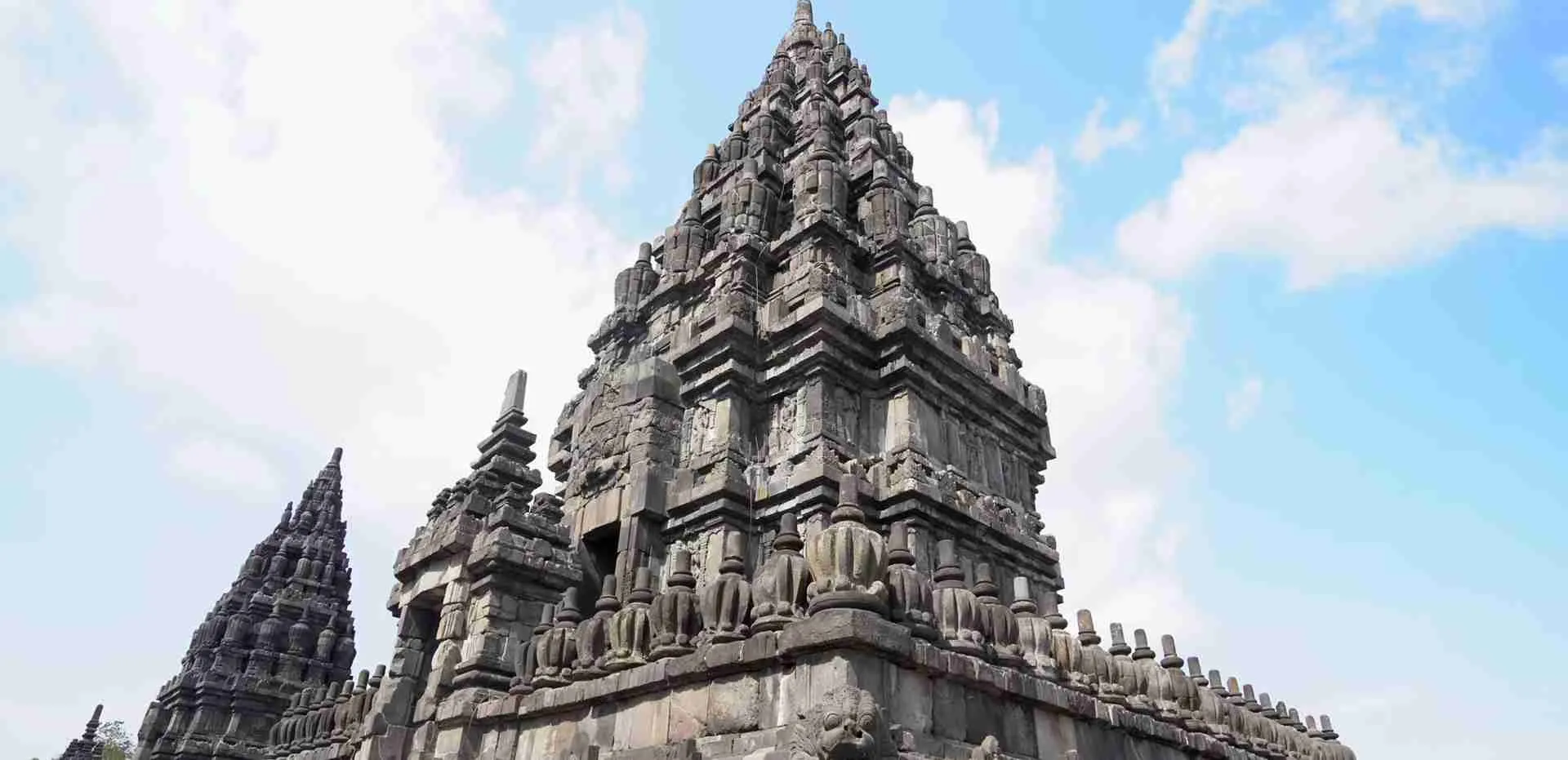
Yogyakarta Travel Guide 2026: Java’s Cultural Capital
Nestled in the heart of Java island, Yogyakarta emerges as Indonesia’s soul—a living museum where ancient royal traditions thrive alongside contemporary creative energy, where UNESCO World Heritage temples stand minutes from vibrant street art districts, and where philosophical Javanese wisdom shapes daily life from becak drivers to university professors. This compact cultural capital offers travelers authentic Indonesian experiences impossible to find elsewhere, combining accessibility with extraordinary depth of heritage that rewards both quick visits and extended exploration.
Key Takeaways About Visiting Yogyakarta in 2026
- Borobudur Temple, the world’s largest Buddhist monument, requires separate tickets for ground-level viewing (IDR 400,000) versus climbing the structure (IDR 455,000 for foreigners), with exclusive sunrise access available for IDR 1,000,000 limited to 100-200 visitors daily and requiring advance booking through official channels
- Trans Jogja, the city’s efficient bus rapid transit system, operates 20 routes connecting major attractions for IDR 2,700-3,600 per ride (approximately $0.20 USD), with routes serving Malioboro Street, Prambanan Temple, the Sultan’s Palace, and neighborhoods throughout Yogyakarta from 5:30 AM to 9:30 PM daily
- Accommodation spans extraordinary range from hostel dormitories at IDR 40,000-100,000 ($3-7) nightly to heritage boutique hotels at IDR 800,000-1,500,000 ($50-90), with the highest concentration of budget options clustered around Prawirotaman and Sosrowijayan neighborhoods within walking distance of Malioboro
- The living sultanate system means Yogyakarta retains special administrative status within Indonesia, with the current Sultan (Hamengkubuwono X) serving simultaneously as cultural monarch and elected governor, maintaining traditions including gamelan performances, batik production, and ceremonial processions visible throughout the city
- Strategic location positions Yogyakarta as base for exploring Borobudur (1.5 hours northwest), Prambanan (30 minutes east), Mount Merapi volcano (1 hour north), and southern coastal beaches (1.5 hours south), allowing comprehensive Central Java exploration from single accommodation base
- Daily food costs range dramatically from IDR 10,000-35,000 ($0.60-2.20) for street food meals at warungs to IDR 120,000-200,000 ($7-12) for sit-down restaurant dining, with the city’s signature gudeg (sweet jackfruit stew) available at legendary vendors for IDR 15,000-25,000 per portion
People Also Ask About Yogyakarta Travel in 2026
How many days should I spend in Yogyakarta in 2026?
Three to four days allows comprehensive Yogyakarta exploration covering the major temples, city cultural sites, and one day trip to surrounding areas. A typical three-day itinerary includes Day 1 for Borobudur Temple at sunrise followed by afternoon Prambanan visit, Day 2 for Sultan’s Palace (Kraton), Taman Sari Water Castle, Malioboro Street shopping and street food exploration, and Day 3 for craft villages like Kasongan pottery or Kotagede silverwork plus sunset at Ratu Boko palace ruins. Four days enables addition of Mount Merapi jeep tours, traditional batik-making workshops, or southern beach excursions. Travelers focusing solely on temples can condense visits into two days, while those interested in traditional arts, culinary deep-dives, or extended temple photography may prefer five to seven days experiencing Yogyakarta’s layered cultural offerings at unhurried pace.
What is the best way to get from Yogyakarta to Borobudur Temple in 2026?
The most economical option costs IDR 40,000-50,000 using DAMRI KSPN shuttle buses departing from KM 0 Yogyakarta (near Bank Indonesia Museum) with limited daily departures requiring advance online booking through the DAMRI app or on-site purchase. Private car hire with driver ranges IDR 400,000-600,000 for full-day service including Borobudur, nearby Pawon and Mendut temples, with flexibility to adjust timing and add stops unavailable on group tours. Organized tours booked through agencies or hotels typically cost IDR 250,000-400,000 per person including transportation, guide, and sometimes Prambanan combination, offering convenient hotel pickup but fixed schedules limiting sunrise access flexibility. Trans Jogja public buses do not directly serve Borobudur, requiring connections and significantly extended travel time making this option impractical for most visitors. The 42-kilometer journey takes approximately 90 minutes by private vehicle, with sunrise tours departing Yogyakarta hotels between 3:30-4:00 AM to reach Borobudur for 4:30 AM sunrise ticket entry.
Is Yogyakarta safe for solo travelers in 2026?
Yogyakarta ranks among Indonesia’s safest cities for solo travelers, with welcoming local culture, well-established tourist infrastructure, and lower crime rates than Jakarta or Surabaya creating comfortable environment for independent exploration. Female solo travelers report positive experiences navigating the city independently, though standard precautions apply including avoiding isolated areas after dark, using registered transportation (official taxis, Grab, Gojek) rather than unlicensed vehicles, and monitoring belongings in crowded markets and tourist sites. The large student population (five major universities) creates youthful, progressive atmosphere more accepting of diverse travel styles than conservative rural Java. Common sense safety measures include keeping valuables secured in accommodations rather than carrying unnecessary jewelry or electronics, researching transportation options before late-night returns, and maintaining awareness in crowded spaces like Malioboro Street where pickpocketing occasionally occurs. Solo travelers benefit from Yogyakarta’s extensive hostel network facilitating connections with other travelers, while local hospitality culture means asking directions or assistance typically meets friendly, helpful responses from shopkeepers, becak drivers, and passersby.
What should I wear when visiting temples in Yogyakarta 2026?
Both Borobudur and Prambanan require modest dress covering shoulders and knees, with sarongs provided free at temple entrances for visitors in shorts, sleeveless tops, or other revealing clothing to wrap around waist providing coverage. Comfortable closed-toe walking shoes prove essential for climbing steep, uneven stone steps at temple structures, with temple-provided sandals (upanat) required when ascending Borobudur’s upper terraces to protect ancient stones from modern shoe damage. Lightweight, breathable fabrics in light colors minimize heat absorption while providing sun protection during extended temple exploration under tropical sun, with wide-brimmed hats and sunglasses recommended though requiring secure carrying when not worn to prevent loss during climbing or being grabbed by monkeys at Prambanan. The Sultan’s Palace maintains similar modesty requirements, while general Yogyakarta city exploration allows comfortable casual clothing with locals dressed modestly but without strict coverage requirements. Practical considerations include bringing small backpack or bag for storing removed shoes at temple entrances, carrying water bottle for hydration during temple visits averaging 2-3 hours, and layering for air-conditioned museum interiors contrasting with outdoor temple heat.
Extended multi-day tours – 5+ days
Featured Yogyakarta Multi-Day Tour Packages
3 days
Best Yogyakarta Tours 3 days
- ✓ Booking needs min. 2 travelers
7 days
7 Days 6 Nights Best of Java
- ✓ Booking needs min. 2 travelers
6 days
Yogyakarta: Unesco Temple, Culture and Local Experience Premium Class
- ✓ Booking needs min. 2 travelers
6 days
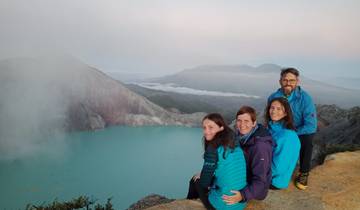
From Yogyakarta : Borobudur Climb to The Top, Mount Bromo and Ijen Vulcano
- ✓ Comprehensive Yogyakarta tour
- ✓ Expert local guides included
- ✓ All accommodation arranged
- ✓ Transportation provided
Multi-day tour packages powered by TourRadar. Prices and availability subject to change.
Introduction to Yogyakarta: Java’s Cultural Heart in 2026
Among Indonesia’s 38 provinces, Yogyakarta occupies unique position—both geographically as compact special administrative region in south-central Java and culturally as undisputed guardian of classical Javanese civilization. Unlike other Indonesian cities racing toward modernization, Yogyakarta deliberately maintains equilibrium between preservation and progress, where centuries-old sultanate protocols coexist with contemporary art galleries, where gamelan rehearsals echo from palace pavilions while indie rock bands perform in Prawirotaman cafes blocks away.
This cultural primacy stems from historical accident that became intentional identity. When Indonesia declared independence in 1945, Sultan Hamengkubuwono IX made the revolutionary decision to support the republic, lending his palace and resources to the nationalist cause. His loyalty earned Yogyakarta special administrative status (Daerah Istimewa Yogyakarta), allowing the sultanate to continue hereditary governance while functioning within Indonesia’s democratic framework—the only Indonesian region where traditional monarchy exercises governmental authority. Today’s Sultan, Hamengkubuwono X, serves simultaneously as cultural sovereign maintaining court traditions and elected governor managing modern administration, embodying the city’s synthesis of ancient and contemporary.
The physical city reveals this duality everywhere. Central Yogyakarta follows precise cosmic symbolism established when Sultan Hamengkubuwono I founded his kraton (palace) in 1755, creating philosophical axis (sumbu filosofis) running perfectly straight from Mount Merapi volcano northward through the palace and south to the Indian Ocean. This sacred alignment reflects Javanese cosmology positioning humanity between divine mountain and primal sea, with the sultan as cosmic mediator maintaining universal balance. Modern development respects this axis—major streets align with the philosophy, building heights remain regulated near the palace, and annual ceremonies enact symbolic journeys along the sacred line.
Beyond cosmological planning, Yogyakarta’s appeal for 2026 travelers combines accessibility with authentic depth. The compact city center allows walking between major attractions—palace complex, Taman Sari Water Castle, Malioboro shopping street—within 30-minute strolls, while efficient Trans Jogja buses connect outer neighborhoods and the new international airport. Unlike sprawling Jakarta requiring hours navigating traffic between sites, Yogyakarta’s manageable scale enables spontaneous exploration, where becak rides to hidden batik workshops or sudden detours through kampung alleyways lead to unexpected cultural encounters.
The surrounding region positions Yogyakarta as perfect base for Central Java’s greatest monuments. Borobudur, the world’s largest Buddhist temple, lies 42 kilometers northwest requiring 90-minute drive through rice paddies and volcanic landscapes. Prambanan’s soaring Hindu temples rise 18 kilometers east, visible from the city on clear days. Mount Merapi, Java’s most active volcano, dominates northern horizons with its smoking cone, offering adventurous travelers sunrise treks and lava-field jeep tours. These extraordinary sites remain independently accessible as day trips while maintaining Yogyakarta accommodations, allowing travelers to experience Java’s cultural core without constant hotel changes.
University culture profoundly shapes modern Yogyakarta character. Five major universities including prestigious Gadjah Mada University bring 400,000+ students into the city, creating Indonesia’s highest student-to-population ratio. This youth influx generates progressive atmosphere unusual in traditionally conservative Java, manifesting in thriving cafe culture, independent art spaces, second-hand bookshops, and alternative music venues that attract creative-class Indonesians from across the archipelago. Travelers benefit from this student economy through abundant budget accommodations, international food options, and cultural events from poetry readings to experimental dance rarely found in comparable-sized Indonesian cities.
Perhaps most remarkably, Yogyakarta remains genuinely livable for both residents and visitors. Unlike tourist-dominated cities where authentic local life retreats behind commerce, Yogyakarta’s cultural confidence means traditional practices continue for their own sake rather than tourist performance. Morning offerings appear at house shrines whether foreigners watch or not. Gamelan rehearsals occur because community members value the practice. Batik craftspeople perfect their work driven by centuries of artistic standards, not visitor spending. Travelers fortunate enough to witness or participate in these authentic cultural expressions experience Indonesia at its most genuine, where tradition lives naturally rather than as preserved museum display.
This guide provides comprehensive practical information for maximizing your 2026 Yogyakarta experience, from navigating temple ticketing systems through finding the perfect gudeg vendor, while maintaining focus on the cultural depth that distinguishes Yogyakarta from Indonesia’s many beautiful but less historically significant destinations. Whether you arrive for Borobudur sunrise and Prambanan temples alone or use those monuments as gateway to deeper engagement with Javanese culture, Yogyakarta rewards attention with layers of meaning and beauty that only reveal themselves to thoughtful, unhurried exploration.
Major Temple Attractions and Entrance Fees 2026
Yogyakarta’s greatest treasures exist not within the city but in the extraordinary temple complexes dotting the surrounding volcanic plains, each representing pinnacle achievements of 8th-10th century Buddhist and Hindu Javanese kingdoms that once ruled from these fertile landscapes.
Borobudur Temple Entrance Fees and Access Options 2026
Borobudur Temple entrance requires understanding the two-tier ticket system implemented to preserve the fragile 9th-century structure while allowing visitor access. Standard ground-level tickets cost IDR 400,000 for international adults (approximately $25 USD) and IDR 225,000 for children ages 3-10, granting access to the surrounding archaeological park and ground-level walkways with views of the temple but prohibiting climbing onto the structure itself (check official Borobudur Park website for current rates as pricing adjusts with exchange rates). This option suits visitors prioritizing photography from various angles, families with young children unable to manage steep steps, or travelers on tight budgets accepting observation-only experience.
Temple structure climbing tickets cost IDR 455,000 for international adults ($30 USD) and IDR 350,000 for children ages 3-10, including guided tour with English-speaking guide, special temple sandals (upanat) worn to protect ancient stones, and access to climb all nine terraced platforms to the uppermost stupa providing 360-degree panoramic views. These tickets sell in timed slots departing hourly from 8:30 AM through 3:30 PM, with maximum 150 visitors per hour (1,200 daily total) creating manageable crowd levels impossible during pre-restriction periods when thousands climbed simultaneously causing structural stress. Advance online booking through official channels strongly recommended during peak seasons (June-September, December-January) when slots fill days ahead, though on-site same-day tickets sometimes available during slower periods if capacity remains.
Sunrise access tickets represent Borobudur’s most coveted experience, costing IDR 1,000,000 for international visitors (approximately $65 USD) with extremely limited availability restricted to 100 visitors daily. This premium ticket purchases exclusive 4:30 AM entry allowing witnessing sunrise from the upper temple terraces, with atmospheric morning mist often shrouding lower plains creating ethereal views impossible during daytime hours. The sunrise ticket includes light breakfast, souvenir, and extended access until regular opening at 6:00 AM when standard ticket holders arrive. Critical considerations include sunrise tickets requiring booking through official Borobudur Park website or authorized agents weeks in advance during peak seasons, with occasional availability for walk-up purchase during low season if quota unfilled. Sunrise viewers should arrange reliable private transportation departing Yogyakarta hotels between 3:30-4:00 AM for the 90-minute drive, as public transport and shared tours rarely accommodate such early departure.
Combined tickets pairing Borobudur with Prambanan cost IDR 750,000 for adults ($45-50 USD) valid for two consecutive days, though these combination tickets restrict Borobudur access to ground level only—climbing requires purchasing the separate IDR 455,000 structure ticket. Travelers planning to climb Borobudur should calculate whether combination convenience justifies the cost versus purchasing separate single-site tickets totaling less if only ground-level Prambanan access suffices.
Prambanan Temple Complex Entrance Fees 2026
Prambanan Temple entrance costs IDR 375,000-400,000 for international adults (approximately $23-25 USD depending on exchange rates) and IDR 225,000-250,000 for children ages 3-10, granting access to the main temple compound featuring the soaring trimurti temples dedicated to Shiva, Vishnu, and Brahma plus numerous smaller shrines scattered across the archaeological park. The ticket includes complimentary sarong if needed for modesty requirements, bottled water, and basic informational brochure, with audio guides available for additional rental fee IDR 30,000-50,000 providing detailed explanations of the intricate relief carvings depicting Ramayana epic scenes.
Opening hours run 6:30 AM ticket counter opening through 5:30 PM last entry, with optimal visiting times during early morning (7:00-9:00 AM) avoiding midday heat and afternoon crowds, or late afternoon (3:00-5:00 PM) when golden light dramatically illuminates the volcanic stone temples and cooler temperatures make climbing the steep steps less exhausting. Combined tickets with Prambanan and Ratu Boko palace ruins cost IDR 450,000 for foreigners including free shuttle service between the two sites located 3 kilometers apart, representing moderate savings versus separate ticket purchases and eliminating transportation complications.
Ratu Boko Palace Ruins Entrance Fees and Sunset Viewing 2026
Ratu Boko entrance fees cost IDR 150,000-200,000 for international visitors as standalone tickets, though the aforementioned Prambanan combination ticket at IDR 450,000 provides better value for travelers visiting both sites. Ratu Boko’s hilltop location 200 meters above surrounding plains creates spectacular sunset viewing platform overlooking Prambanan temples and distant Mount Merapi volcano, making late afternoon arrival (4:00-5:00 PM) strategically optimal for experiencing the site’s atmospheric palace ruins followed by sunset photography. The site closes at 6:00 PM (slightly later than Prambanan to accommodate sunset viewers), with shuttle services from Prambanan running until shortly before closing for combination ticket holders.
Transportation Within Yogyakarta 2026
Yogyakarta’s transportation ecosystem balances traditional options like becak rickshaws with modern systems including Trans Jogja buses and ride-hailing apps, creating accessible mobility for travelers at every budget level.
Trans Jogja Bus System Routes and Fares 2026
Trans Jogja operates 20 color-coded routes covering Yogyakarta city proper plus extended service to surrounding Sleman and Bantul regencies, with clearly marked halte (shelters) located every 500-1,000 meters along major corridors. Standard fares cost IDR 2,700 per trip for cash/e-money payments (approximately $0.20 USD), with student cards reducing costs to IDR 500 per trip and senior/disabled rates at IDR 2,000 per trip, all requiring tap-in at electronic validators upon boarding. Buses operate 5:30 AM to 9:30 PM daily with 10-20 minute intervals during peak hours (6:00-9:00 AM, 4:00-7:00 PM) extending to 20-30 minutes during midday and evening periods.
Key tourist routes include Route 1A connecting Prambanan Temple to Malioboro Street via the airport and eastern city attractions, Route 3A/3B serving the northern areas including university districts and access points for Mount Merapi tours, and Route 2A linking major hotels and the Sultan’s Palace with Gembira Loka Zoo and southern neighborhoods. Route maps available at major halte, the Trans Jogja official website, and Google Maps integration allows real-time route planning, though asking bus staff or fellow passengers for assistance typically yields friendlier, more reliable guidance than solely relying on digital navigation in Yogyakarta’s maze-like streets.
Payment accepts e-money cards from Indonesian banks (e-Money, Flazz, TapCash, BRIZZI), Trans Jogja-specific reloadable cards purchased at major shelters, or QRIS mobile payments through Indonesian banking apps, with cash payments discouraged but sometimes accepted at driver discretion for exact change only. Tourists planning extensive Trans Jogja use benefit from purchasing e-money cards at airport convenience stores or central Yogyakarta banks, loading IDR 50,000-100,000 providing week-long unlimited urban transport without daily ticket-buying complications.
Ride-Hailing Apps: Grab and Gojek Pricing 2026
Grab and Gojek dominate Yogyakarta’s ride-hailing market offering both motorcycle (cheaper, faster in traffic) and car options bookable through smartphone apps with transparent upfront pricing eliminating negotiation stress common with traditional taxis. Typical fares for short inner-city trips (Malioboro to Sultan’s Palace, hotel to restaurants) range IDR 10,000-15,000 for motorcycles and IDR 15,000-25,000 for cars, with longer journeys like Yogyakarta city center to airport costing IDR 80,000-120,000 depending on traffic and vehicle type.
Both apps require Indonesian phone numbers for registration, though international visitors can usually complete sign-up using hotel Wi-Fi and foreign numbers with some persistence, or request hotel staff assistance creating accounts. Payment accepts cash (handed directly to driver) or credit cards registered in-app for Indonesian users, with foreigners typically defaulting to cash payments. Motorcycle rides (GrabBike, GoRide) accommodate solo travelers with minimal luggage only, while car services (GrabCar, GoCar) suit small groups or travelers with larger bags, offering air-conditioned comfort significantly more pleasant than cramped Trans Jogja buses during midday heat.
Traditional Becak Rickshaws and Andong Horse Carts
Becak rickshaws operate throughout central Yogyakarta offering uniquely Javanese short-distance transport, with pedal-powered vehicles seating two passengers providing leisurely 5-10 kilometer-per-hour travel perfect for neighborhood exploration and atmospheric kampung (village neighborhood) tours impossible in cars. Becak drivers cluster at major tourist sites including Malioboro Street, Sultan’s Palace entrances, and hotel districts, with fares requiring negotiation before boarding—typical short trips (1-2 kilometers) cost IDR 15,000-30,000 while longer excursions or multi-stop tours range IDR 50,000-100,000 depending on distance, time, and passenger bargaining skills.
Andong horse-drawn carriages serve similar tourists-transportation-as-cultural-experience function, operating primarily along Malioboro Street and palace areas during cooler morning/evening hours, with higher pricing than becak reflecting animal care costs and more elaborate presentation—expect IDR 50,000-100,000 for short rides with negotiation essential. Both becak and andong represent traditional economic sectors protected by Yogyakarta’s special administrative status, with modern transportation regulations ensuring these historic vehicles maintain operational licenses despite inefficiency compared to motorcycles and cars.
Accommodation Options and Pricing Across Yogyakarta 2026
Accommodation costs in Yogyakarta range from Southeast Asia’s most affordable hostel beds through heritage boutique hotels offering royal Javanese ambiance at moderate prices impossible in Jakarta or Bali.
Budget Accommodations: Hostels and Guesthouses 2026
Hostel dormitory beds throughout Yogyakarta cost IDR 40,000-100,000 per night ($3-7 USD), with highest concentrations in two backpacker neighborhoods: Prawirotaman in the southern city offers quiet tree-lined streets dotted with family-run guesthouses, international restaurants, and craft shops creating bohemian retreat atmosphere, while Sosrowijayan (also called Sos) near Malioboro Street provides immediate access to central shopping and nightlife despite noisier, more congested environment. Popular hostel chains including OYO, RedDoorz, and Zostel maintain properties in both areas offering air-conditioned dorms, communal spaces facilitating traveler interaction, and basic amenities (Wi-Fi, simple breakfast, lockers) at the lower end of the price spectrum.
Private budget rooms with shared bathrooms start around IDR 80,000-150,000 nightly ($5-10 USD), while rooms with private ensuite bathrooms range IDR 150,000-300,000 ($10-20 USD), typically including air-conditioning, hot water shower, and Wi-Fi though breakfast may cost extra at smaller family establishments. These budget options cluster within 1-2 kilometers of Malioboro Street allowing convenient walking or quick becak rides to major cultural sites, with Trans Jogja bus shelters nearby providing connections to temples and outer neighborhoods.
Mid-Range Hotels: Comfort and Location 2026
Mid-range accommodation spanning IDR 300,000-700,000 nightly ($20-45 USD) includes Indonesian chain hotels (Amaris, Favehotel, POP!), international brands (Ibis, Novotel), and numerous independent properties offering swimming pools, restaurants, room service, and tour desk assistance. Hotels like The Phoenix Hotel Yogyakarta (colonial-era boutique property near palace), Royal Malioboro by ASTON (convenient Malioboro Street location), and The Manohara Hotel (comfortable facilities with rooftop pool) exemplify this category’s balance between amenities and affordability, with breakfast included, English-speaking staff, and facilities meeting international traveler expectations without luxury pricing.
Location significantly impacts mid-range value—properties along Jalan Prawirotaman often cost 20-30% less than equivalent hotels on Malioboro Street despite similar quality and only 2-3 kilometers distance, rewarding travelers willing to sacrifice immediate shopping access for quieter surroundings and budget savings. Areas near Gadjah Mada University provide another mid-range cluster benefiting from student-driven demand for clean, functional rooms with excellent restaurants nearby, though requiring Trans Jogja or ride-hailing apps for reaching major tourist sites.
Upscale and Heritage Hotels 2026
Upscale accommodation from IDR 800,000-1,500,000 nightly ($50-90 USD) includes Yogyakarta Marriott Hotel (modern full-service property with extensive facilities), Hyatt Regency Yogyakarta (golf-resort setting north of city), and heritage properties like Garrya Bianti Yogyakarta (contemporary luxury incorporating Javanese design elements). These hotels provide international-standard service, multiple dining venues, spa facilities, and organized tours, targeting business travelers and tourists seeking reliable comfort after long sightseeing days.
Boutique heritage hotels offer distinctively Yogyakarta experiences at moderate upscale pricing, with properties occupying restored Javanese aristocratic homes featuring traditional joglo pavilions, courtyards with water features, and antique furnishings creating atmosphere impossible to replicate elsewhere. Hotels like Lafayette Boutique Hotel and Rumah Mertua Heritage demonstrate this category’s appeal, charging IDR 500,000-800,000 for rooms ($35-50 USD) while providing cultural immersion through architecture, staff engagement explaining local customs, and curated breakfasts featuring traditional Javanese specialties served in garden pavilions.
Food and Dining Costs Yogyakarta 2026
Yogyakarta’s food scene spans humble warungs serving meals for pennies through contemporary restaurants reimagining Javanese cuisine with modern techniques, with the city’s culinary identity deeply rooted in sweet-savory flavor profiles distinguishing Central Javanese cooking from other Indonesian regional traditions.
Street Food and Warung Meals: Daily Budget Dining 2026
Street food stalls (kaki lima) and simple warung eateries throughout Yogyakarta serve complete meals for IDR 10,000-35,000 ($0.60-2.20 USD), with nasi goreng (fried rice), mie goreng (fried noodles), and nasi campur (rice with mixed side dishes) available at these prices from morning through late evening. The city’s signature dish gudeg—sweet jackfruit stew slow-cooked with coconut milk, palm sugar, and spices served with rice, chicken, egg, and crispy buffalo hide—costs IDR 15,000-25,000 at legendary specialist vendors including Yu Djum (operating continuously since 1950s), Gudeg Pawon, and the night market stalls around Wijilan street where locals queue for dawn gudeg servings after evening activities.
Breakfast street vendors selling bubur ayam (rice porridge with chicken, herbs, crackers) charge IDR 8,000-15,000 per bowl, while bakso (meatball soup) carts serving hearty meals during lunch and dinner cost IDR 12,000-20,000 depending on meat quality and portion size. These prices remain remarkably stable throughout Yogyakarta regardless of location, with tourist-area vendors along Malioboro Street charging only marginally more than residential neighborhood stalls, maintaining affordability even for extended-stay budget travelers eating local cuisine exclusively.
Evening food markets (pasar malam) including Alun-Alun Kidul’s southern town square create atmospheric dining combining entertainment (street performers, illuminated toy vendors) with diverse food options, where families spend IDR 40,000-60,000 total purchasing multiple dishes to share, plus drinks and snacks for children, demonstrating how Indonesian middle-class families enjoy affordable dining experiences. Travelers replicating these local patterns can eat spectacularly well for under $2 USD per meal while experiencing Yogyakarta’s social life rather than isolated tourist-restaurant dining.
Mid-Range Restaurants and Cafes 2026
Sit-down restaurants serving Indonesian specialties in comfortable settings with menus, table service, and air-conditioning cost IDR 30,000-60,000 per person ($2-4 USD) for single dishes, while meals for two including multiple courses, rice, drinks, and service charge total IDR 120,000-200,000 ($7-12 USD). Popular local restaurants like House of Raminten (theatrical Javanese atmosphere), Bale Raos (royal palace cuisine), and The Tree Restaurant Prambanan (dining with temple views) exemplify this category’s blend of quality cooking, cultural ambiance, and affordability surpassing equivalent Western-city restaurant experiences at fraction of the cost.
Yogyakarta’s extensive cafe culture driven by student population creates excellent coffee culture with independent cafes serving specialty Indonesian beans from Sumatra, Sulawesi, and Java’s volcanic highlands, with espresso drinks costing IDR 20,000-35,000, meals/snacks IDR 30,000-60,000, and all-day working spaces with reliable Wi-Fi attracting digital nomads and remote workers. Neighborhoods like Prawirotaman and areas surrounding Gadjah Mada University host highest cafe concentrations, with new openings constantly expanding options for travelers seeking Western breakfast items, vegetarian/vegan meals (increasingly available as university-area demand grows), or comfortable spaces for trip planning and photo uploading between sightseeing expeditions.
Western and International Dining Options 2026
Western fast food chains including McDonald’s, KFC, and Pizza Hut operate throughout Yogyakarta charging IDR 45,000-60,000 ($3-4 USD) for combo meals, while sit-down international restaurants (Italian, Japanese, Korean increasingly popular with local youth) cost IDR 60,000-120,000 per person for main courses. These options provide familiarity for travelers experiencing Indonesian cuisine fatigue after weeks of nasi goreng, though represent less attractive value compared to local restaurants where equivalent spending purchases higher-quality, more interesting dining experiences showcasing regional specialties impossible to find outside Central Java.
Sample Daily Budget Breakdowns Yogyakarta 2026
Understanding realistic daily costs across different travel styles helps 2026 visitors plan appropriate budgets and select spending priorities matching their comfort requirements and trip duration.
Ultra-Budget Traveler (Hostel, Street Food, Public Transport) 2026
Accommodation: IDR 50,000-80,000 hostel dormitory bed. Food: IDR 30,000 breakfast (street vendor porridge and coffee), IDR 25,000 lunch (warung nasi campur), IDR 30,000 dinner (gudeg specialist), IDR 5,000 snacks/drinks. Transportation: IDR 11,000 four Trans Jogja trips, IDR 20,000 one Grab/Gojek ride. Total daily cost: IDR 171,000-201,000 per person ($10-13 USD) excluding accommodation.
This ultra-budget approach sustains extended Yogyakarta stays for backpackers, long-term travelers, and digital nomads prioritizing duration over comfort, though requiring acceptance of dormitory living, exclusively local dining, and minimal attraction entrance fees beyond temples. Budget increases significantly when adding temple visits—Borobudur alone (IDR 455,000 climbing ticket) equals nearly three days’ other spending at this level, demonstrating how attraction costs dominate ultra-budget travel calculations.
Mid-Range Budget (Private Room, Restaurant Mix, Flexible Transport) 2026
Accommodation: IDR 300,000-500,000 mid-range hotel. Food: IDR 30,000 cafe breakfast, IDR 50,000 restaurant lunch, IDR 80,000 sit-down dinner, IDR 25,000 coffee/snacks. Transportation: IDR 80,000 Grab/Gojek rides, IDR 50,000 becak/other. Attraction: IDR 100,000 average (covering temples some days, free cultural sites other days). Total daily cost: IDR 415,000-485,000 per person ($26-30 USD) excluding accommodation.
This mid-range budget enables comfortable exploration with air-conditioned rooms, mix of local and tourist restaurants, convenient transportation avoiding Trans Jogja crowds, and budget flexibility for spontaneous tour bookings or shopping. Most international tourists visiting Yogyakarta 3-5 days operate approximately this spending level, balancing experience quality against cost consciousness.
Comfortable Budget (Upscale Hotel, Full Restaurant Dining, Private Transport) 2026
Accommodation: IDR 800,000-1,200,000 upscale hotel. Food: IDR 60,000 hotel breakfast (often included), IDR 100,000 restaurant lunch, IDR 150,000 upscale dinner, IDR 40,000 cafes/drinks. Transportation: IDR 150,000 private car/driver day rate contribution, IDR 50,000 additional rides. Tours/Attractions: IDR 200,000 average including guides. Shopping/Extras: IDR 100,000. Total daily cost: IDR 700,000-840,000 per person ($45-55 USD) excluding accommodation.
Comfortable-budget travelers enjoy full-service hotel amenities, air-conditioned private transport eliminating public bus considerations, English-speaking guide services explaining cultural context, and discretionary spending freedom for batik purchases, traditional performances, or upscale dining experiments. This level suits short-stay visitors prioritizing efficient, hassle-free experiences over budget minimization, particularly appropriate for families with children or travelers with limited Indonesia experience seeking maximum comfort and guidance.
Frequently Asked Questions About Yogyakarta Travel 2026
What is the best time of year to visit Yogyakarta in 2026?
Dry season from May through October provides optimal Yogyakarta visiting conditions with minimal rainfall, lower humidity, and clear skies enhancing temple photography and outdoor activities, though these months coincide with peak tourism periods (especially July-August school holidays) creating larger crowds and moderately higher accommodation prices. The wet season from November through April brings afternoon thunderstorms typically lasting 1-3 hours but clearing for evening activities, with mornings often sunny allowing temple visits before rain begins, plus advantages of fewer tourists, discounted hotel rates, and lush green landscapes. Shoulder months April and October offer compromise between favorable weather and manageable crowds, while cultural events including Sultan’s birthday celebrations (specific dates vary annually) and Sekaten week (commemorating Prophet Muhammad’s birth) create special visiting opportunities regardless of weather patterns. Temperature remains consistently tropical year-round averaging 26-30°C (79-86°F), making seasonal variation minimal compared to weather factors.
Can I visit Borobudur and Prambanan temples in one day from Yogyakarta?
Yes, visiting both temples in single day proves entirely feasible through efficient planning, with most tour operators offering combination packages departing Yogyakarta hotels 4:00 AM for Borobudur sunrise, allowing 2-3 hours exploring the Buddhist temple before 10:00 AM departure to Prambanan arriving late morning for 2-3 hours at the Hindu complex, returning to Yogyakarta mid-afternoon around 2:00-3:00 PM. Independent travelers using private car hire can customize timing further, potentially adding Ratu Boko sunset between Prambanan and return to Yogyakarta for complete temple experience spanning dawn through dusk. The critical consideration involves realistic time allocation—attempting comprehensive exploration of both sites plus additional stops strains single-day itineraries, with temple fatigue (steep steps, tropical heat, information overload) reducing enjoyment compared to spreading visits across two separate morning expeditions when energy and attention span peak. Travelers prioritizing photography, detailed relief study, or avoiding rushed schedules benefit from dedicating separate days to each temple, staying overnight near Borobudur for sunrise access followed by leisurely morning exploration before afternoon return to Yogyakarta base.
Is it necessary to hire a guide for temple visits in Yogyakarta 2026?
Guides significantly enhance temple understanding by explaining Hindu/Buddhist iconography, relief narratives, and historical context that remains opaque without expert interpretation, with licensed guides available at temple entrances for IDR 150,000-250,000 providing 1.5-2 hour tours covering main highlights and answering questions. Borobudur’s climbing ticket includes mandatory guide explaining the monument’s cosmological symbolism, stupa meanings, and the temple’s Buddhist pilgrimage journey from base-level worldly desires through upper-terrace enlightenment, making guide inclusion beneficial rather than optional add-on cost. Prambanan allows self-guided exploration, though the Ramayana relief panels circling the main temples remain largely indecipherable without knowing the epic’s storyline—travelers familiar with Hindu mythology or carrying guidebooks explaining the narrative gain substantial value from independent visits, while those approaching Prambanan without background knowledge benefit enormously from guide services contextualizing the 9th-century sculptures. Budget alternatives include downloading audio tour apps, purchasing illustrated guidebooks at temple entrances, or joining free walking tours organized by Yogyakarta hostels that include temple visits with knowledgeable student guides.
What cultural etiquette should I observe in Yogyakarta?
Yogyakarta maintains conservative Javanese etiquette traditions requiring visitors to dress modestly (covered shoulders and knees) at temples and palace grounds, remove shoes before entering homes and certain sacred spaces, and use right hand for giving/receiving items or eating (left hand considered unclean in Indonesian Islamic culture). Avoid touching people’s heads or pointing feet toward others, with sitting cross-legged or tucking feet sideways preferred over extended legs pointing soles toward people during floor seating. Photography requires permission when photographing locals, particularly in kampung neighborhoods or during ceremonies, with polite requests “Boleh foto?” (May I photograph?) typically meeting friendly agreement though respecting refusals maintains cultural sensitivity. Batik fabric markets and art shops expect gentle bargaining with friendly banter rather than aggressive price demands, using phrase “Boleh kurang?” (Can you reduce the price?) to initiate negotiation that preserves dignity for both parties. During Ramadan fasting month, avoid eating or drinking publicly during daylight hours out of respect for Muslim neighbors, though restaurants and hotels continue serving tourists with discretion. These courtesies reflect Javanese cultural emphasis on harmony, respect, and subtle communication that values maintaining social comfort over directness.
Where can I learn traditional batik making in Yogyakarta?
Batik workshops throughout Yogyakarta offer half-day and full-day classes teaching traditional wax-resist dyeing techniques, with reputable options including Rumah Batik Komar Kotagede (located in historic silverworking district, IDR 150,000-300,000 per person for 3-4 hour sessions), Batik Plentong (family workshop in Bantul regency south of city, very affordable prices around IDR 100,000), and Via Via Cultural Center (combined batik class with broader cultural activities, similar pricing). Classes typically begin with batik history and symbolism explanations, proceed to designing patterns on cotton fabric, demonstrate proper canting (wax-application tool) technique for detailed line work, guide through multiple dye baths creating layered colors, and conclude with wax removal revealing finished fabric participants take home as souvenir. Advanced multi-day courses allow creating complex traditional patterns (parang, kawung, truntum) requiring experienced guidance, with full-day intensive workshops sometimes incorporating visits to natural dye gardens explaining vegetable-based color sources. Most batik villages (Kotagede, Imogiri, Wukirsari) welcome drop-in visitors observing craftspeople at work even without formal class registration, offering photo opportunities and direct-from-artist batik purchases at prices substantially lower than gallery retailers.
How do I get from the airport to Yogyakarta city center in 2026?
Yogyakarta International Airport (YIA), which opened in 2020 replacing the older Adisucipto Airport, is located 45 kilometers northwest of the city requiring 60-90 minutes depending on traffic, with several transportation options serving the route. DAMRI airport shuttle buses operate regular departures to Yogyakarta city center (Malioboro area) for IDR 35,000-50,000 with scheduled runs roughly every hour though subject to delays, making this cheapest option for solo budget travelers accepting slower speed and fixed drop-off location requiring onward local transport to specific hotels. Airport taxi services charge fixed rates based on destination zones, with city center trips costing IDR 150,000-200,000, though pre-booking through hotel concierge or online platforms sometimes yields better rates than curbside taxi counters. Grab and Gojek ride-hailing apps typically quote IDR 120,000-180,000 for private car airport transfers, offering most convenient door-to-door service though requiring functional Indonesian phone number for app registration. Private car/driver services arranged through hotels cost IDR 300,000-400,000 but include meet-and-greet at arrivals, luggage assistance, and flexibility for brief stops between airport and accommodation, justifying premium for families, groups, or travelers arriving after long international flights. The airport railway linking YIA to Yogyakarta Tugu Station operates trains departing every 30-60 minutes for IDR 15,000-30,000, though this involves onward transport from the station to final accommodation making total journey potentially less convenient than direct options despite cost savings.
What souvenirs should I buy in Yogyakarta?
Batik fabric and ready-made clothing represent Yogyakarta’s signature souvenirs, with quality and prices varying enormously from tourist-market stamped batik at IDR 50,000-100,000 per sarong through gallery batik tulis (hand-drawn wax technique) commanding IDR 500,000-several million for museum-quality pieces requiring weeks of skilled labor. Beringharjo Market near Malioboro Street offers overwhelming batik selection at all price points with bargaining expected, while reputable galleries including Batik Danar Hadi and art shops along Jalan Tirtodipuran provide fixed-price purchases eliminating negotiation stress at moderate premiums over market rates. Silver jewelry from Kotagede silversmiths ranges IDR 200,000-1,000,000+ depending on design complexity and silver weight, with opportunity to watch craftsmen at work and commission custom pieces using traditional Javanese motifs. Wayang kulit (shadow puppets) serve as distinctive cultural souvenirs available from simple tourist versions (IDR 50,000-150,000) through authentic performance-quality puppets (IDR 500,000-2,000,000+) requiring expert painting and leather work. Food souvenirs include instant gudeg packets (IDR 15,000-25,000) allowing recreating Yogyakarta’s signature dish at home, though requiring explanation to customs officials about meat/fruit content, and bakpia pathok (sweet bean-paste pastries, IDR 30,000-50,000 per box) representing edible gifts requiring no special handling.
Is Yogyakarta suitable for families traveling with children in 2026?
Yogyakarta accommodates family travel effectively through child-friendly attractions, safe environment, affordable family accommodations, and Indonesian cultural warmth toward children creating welcoming atmosphere even during inevitable public meltdowns or restaurant disruptions. Attractions including Gembira Loka Zoo, Taman Pintar interactive science museum (IDR 25,000 children, IDR 35,000 adults), Kids Fun water park, and Alun-Alun Kidul’s evening activities provide child-focused entertainment complementing temple visits that may not sustain young attention spans through entire days. Temple climbing (Borobudur, Prambanan) requires supervising children on steep, uneven steps without safety railings, with ages 6-12 typically managing independently while younger children need constant hand-holding or carrier use complicating photography and enjoyment. Family hotel rooms with extra beds or connecting rooms cost minimally more than standard doubles at Indonesian properties, while swimming pools at mid-range hotels above IDR 300,000 nightly provide crucial afternoon cool-down for heat-exhausted children. Street food hygiene varies significantly, with families potentially preferring restaurant dining to minimize illness risk despite higher costs, though local families eating street food demonstrates safety for adventurous eaters willing to accept occasional minor digestive issues. The compact city geography allows returning to hotels during midday heat for swimming/resting before evening activities, avoiding all-day sightseeing endurance tests better suited to adult-only travel.
What should I know about money and ATMs in Yogyakarta 2026?
Indonesian Rupiah (IDR) serves as exclusive currency with nominal rates approximately IDR 16,000 per US Dollar creating large numerical amounts even for modest transactions—100,000 Rupiah notes common for restaurant bills, with 1,000 and 2,000 notes near-worthless requiring pockets filled with small denominations for street food and Trans Jogja fares. ATMs throughout Yogyakarta accept international cards (Visa, Mastercard, Cirrus, Plus) with typical withdrawal limits IDR 2,000,000-3,000,000 per transaction (approximately $125-200 USD) subject to foreign transaction fees from both Indonesian banks (IDR 25,000-50,000) and home-country card issuers (percentage of withdrawal plus flat fees). Major banks including BCA, Mandiri, BNI, and BRI maintain extensive ATM networks around Malioboro Street, near hotels, and in shopping malls, with 24-hour access though withdrawing from well-lit, secure locations inside bank lobbies or guarded compounds reduces skimming/robbery risks versus isolated street ATMs. Credit cards see limited acceptance outside major hotels, upscale restaurants, and established tour operators, with street vendors, Trans Jogja, temples, and most local businesses operating cash-only requiring travelers to maintain adequate Rupiah supplies. Mobile payment apps (GoPay, OVO, Dana) dominate Indonesian digital transactions but require Indonesian phone numbers and bank accounts limiting accessibility for short-term tourists who remain dependent on cash throughout Yogyakarta visits.
Can I drink the tap water in Yogyakarta?
Tap water throughout Indonesia including Yogyakarta contains bacteria and parasites to which local digestive systems have adapted but which cause illness in international visitors, requiring exclusive use of bottled water for drinking, tooth brushing, and ice cube consumption to avoid traveler’s diarrhea ruining vacation days. Bottled water (air mineral) costs IDR 3,000-5,000 for 600ml bottles at convenience stores with larger 1.5-liter bottles around IDR 5,000-8,000 representing minimal daily expense worth maintaining health, while restaurants and hotels typically provide complimentary bottled or boiled water recognizing tourist needs. Hotels above mid-range category supply electric kettles allowing boiling tap water for hot beverages, creating safe drinking water through heat sterilization, with some upscale properties installing room filtration systems producing potable tap water though asking staff confirms safety before drinking. Street food ice cubes present particular risk as preparation processes may include contaminated water frozen into apparently safe form, with conservative travelers ordering drinks without ice (tanpa es) to eliminate this variable despite heat tempting cold beverage consumption. Brush teeth using bottled water rather than tap water, keep mouth closed during showers preventing accidental ingestion, and avoid uncooked vegetables or fruits washed in tap water at suspect establishments to maintain digestive health throughout Yogyakarta stays.