
Best Yogyakarta Tours 2026: Complete Temple & Cultural Experiences Guide
Yogyakarta, Java’s cultural capital, offers unparalleled access to Indonesia’s most magnificent ancient temples, living traditional arts, and authentic Javanese culture through organized tours and private experiences. This comprehensive 2026 planning guide covers everything from Borobudur sunrise tours and Prambanan temple visits to Ramayana ballet performances and private driver options, helping you navigate pricing, logistics, and booking strategies for an enriching cultural journey.
Key Takeaways for Yogyakarta Tours 2026
- Borobudur temple entrance costs IDR 455,000 ($30 USD) for regular access or IDR 1,000,000 ($65 USD) for exclusive sunrise viewing with early 4:30 AM entry limited to 100 people daily
- Full-day private tours combining Borobudur and Prambanan temples cost IDR 650,000-1,000,000 ($42-65 USD) per vehicle including driver, fuel, and parking with entrance fees additional
- Combined Borobudur-Prambanan entrance tickets cost IDR 750,000 ($48 USD) for adults saving IDR 155,000 compared to purchasing separately
- Ramayana ballet performances at Prambanan run Tuesday, Thursday, and Saturday evenings with tickets ranging IDR 150,000-385,000 ($10-25 USD) depending on seating class
- Budget travelers allocate IDR 1,200,000-1,500,000 ($77-97 USD) per person daily for temple tours including transport, entrances, meals, while premium experiences reach IDR 2,500,000-3,500,000 ($160-225 USD)
- Book Borobudur sunrise tickets minimum 2-4 weeks advance during peak season (June-August, December) as the strict 100-person daily quota sells out rapidly
People Also Ask About Yogyakarta Tours 2026
What is the best tour package for first-time visitors to Yogyakarta in 2026?
The classic one-day Borobudur-Prambanan combination tour serves first-time visitors perfectly, covering Java’s two most significant UNESCO World Heritage temples with 8-10 hours of guided exploration. This foundational tour typically includes hotel pickup around 6:00-7:00 AM, morning visit to Borobudur allowing 2-3 hours at the world’s largest Buddhist monument, lunch at a local restaurant, afternoon exploration of Prambanan’s towering Hindu temple complex, and return to Yogyakarta around 5:00-6:00 PM. Private tour packages cost IDR 900,000-1,200,000 per vehicle (split among passengers) including English-speaking driver-guide, air-conditioned transport, fuel, parking, and toll fees, with temple entrance tickets additional at IDR 750,000 combined. This itinerary provides comprehensive exposure to Java’s Buddhist and Hindu architectural heritage while maintaining comfortable pacing suitable for all fitness levels.
How much do Borobudur sunrise tours cost in 2026 and how do I book them?
Borobudur sunrise tours cost IDR 1,000,000 ($65 USD) per person for the exclusive sunrise entrance ticket allowing 4:30 AM temple access, representing 120% premium over regular IDR 455,000 daytime entry. The sunrise ticket strictly limits daily attendance to 100 visitors maintaining intimate atmosphere and conservation goals, selling out 2-4 weeks advance during peak season (June-August, December-January). Direct booking through authorized travel agencies proves necessary as official ticket counters do not sell sunrise access independently—reputable Yogyakarta tour operators like Dion Jogja Driver and Java Tourism coordinate reservations including pre-dawn hotel pickup (typically 3:30-4:00 AM), fast-track entry procedures, guided temple tour during golden hour lighting, and return transport. Complete sunrise packages including private vehicle, driver-guide, breakfast, and entrance ticket range IDR 1,500,000-2,000,000 per person depending on group size and additional services.
Can I visit both Borobudur and Prambanan temples in one day independently without a tour?
Yes, independent travelers using public buses or private vehicles can visit both temples in one day though logistics require careful planning and extended travel time. Borobudur sits 42 kilometers northwest of Yogyakarta requiring 60-90 minutes driving while Prambanan lies 17 kilometers northeast requiring 30-45 minutes, with 90-120 minutes driving between temples through Yogyakarta city traffic. The economical Sinar Jaya shuttle bus connects Yogyakarta to Borobudur (IDR 20,000 one-way, departing hourly 5:00 AM-3:00 PM) though return scheduling limitations and lack of direct Borobudur-Prambanan service force most independents to hire private transport for at least one segment. Private driver hire (IDR 650,000-800,000 full day) delivers superior value compared to combining public transport, ride-hailing apps (unavailable for long distances), and lost sightseeing time through simplified logistics, direct temple-to-temple routing, flexible timing, and local knowledge providing cultural context. Most successful independent visits involve departing Yogyakarta at 6:00 AM for Borobudur arrival before crowds, exploring until 11:00 AM, traveling to Prambanan for afternoon visit avoiding peak heat, and returning to Yogyakarta by 6:00 PM.
Is the Ramayana ballet worth attending and how do I get tickets for 2026?
The Ramayana ballet at Prambanan represents Java’s premier cultural performance absolutely worth experiencing, bringing the ancient Sanskrit epic to life through 200+ dancers and musicians performing against Prambanan temple’s illuminated backdrop during outdoor shows (May-October dry season) or in covered Trimurti theater during rainy season (November-April). Performances run Tuesday, Thursday, and Saturday evenings 7:30-9:30 PM with ticket categories ranging IDR 150,000 for standard indoor seating to IDR 385,000 for premium outdoor special class positioning. The outdoor experience dramatically surpasses indoor presentations through atmospheric temple setting, superior lighting creating magical ambiance, and connection to the Ramayana reliefs carved on Prambanan’s walls depicting the same epic visualized through dance. Advance booking through official channels (ticket.borobudurpark.com), Traveloka, Klook, or direct tour operator arrangement proves essential during peak season when shows sell out days ahead, particularly for premium seating categories. Tour packages combining late afternoon Prambanan temple visit with evening ballet performance cost IDR 400,000-600,000 per person including transport, temple entry, and ballet ticket.
Extended multi-day tours – 5+ days
Featured Yogyakarta Multi-Day Tour Packages
3 days
Yogyakarta 3-Day Discovery Tour
- ✓ Comprehensive Yogyakarta experience
- ✓ Expert local guides included
- ✓ All accommodation included
- ✓ Transportation provided

5 days
Yogyakarta 5-Day Highlights Experience
- ✓ Comprehensive Yogyakarta experience
- ✓ Expert local guides included
- ✓ All accommodation included
- ✓ Transportation provided

7 days
Yogyakarta 7-Day Cultural Journey
- ✓ Comprehensive Yogyakarta experience
- ✓ Expert local guides included
- ✓ All accommodation included
- ✓ Transportation provided

10 days
Yogyakarta 10-Day Complete Adventure
- ✓ Comprehensive Yogyakarta experience
- ✓ Expert local guides included
- ✓ All accommodation included
- ✓ Transportation provided
Multi-day tour packages powered by TourRadar. Prices and availability subject to change.
Introduction to Yogyakarta Temple and Cultural Tours in 2026
Yogyakarta emerged as Indonesia’s cultural and intellectual heartland through centuries of continuous royal patronage, classical arts development, and spiritual devotion manifested in Java’s greatest architectural achievements. Located in Central Java 560 kilometers southeast of Jakarta, this Special Administrative Region governed by a hereditary sultan preserves living Javanese traditions alongside UNESCO-recognized monuments drawing two million annual visitors seeking authentic cultural immersion unavailable in Bali’s commercialized beach resort environment.
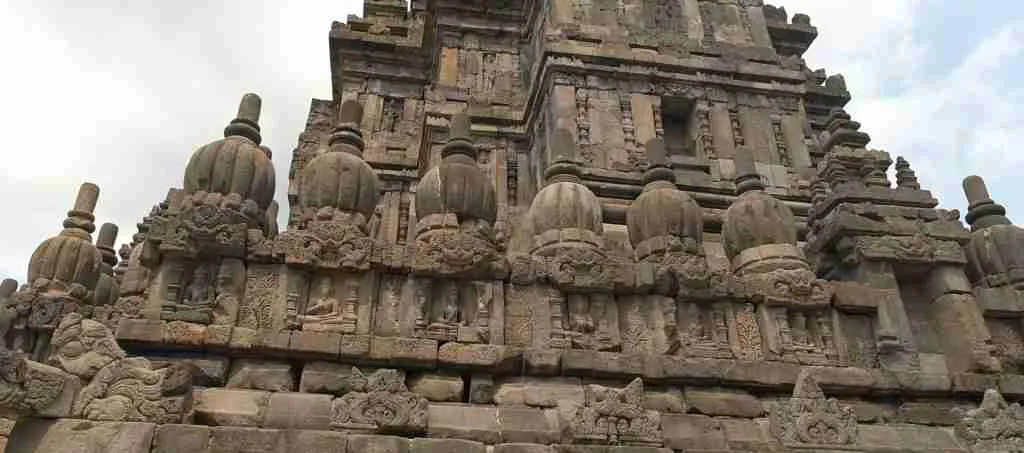
The city’s tourist appeal centers on three interconnected elements forming Java’s cultural triangle. Borobudur Temple 42 kilometers northwest stands as the world’s largest Buddhist monument—a 9th-century architectural and spiritual masterpiece featuring 2,672 relief panels narrating Buddhist cosmology across nine stacked platforms crowned by 72 perforated stupas, each containing a Buddha statue visible through geometric openwork. Prambanan Temple 17 kilometers northeast represents Southeast Asia’s largest Hindu temple complex with 240 original structures including the iconic 47-meter-tall Shiva temple surrounded by smaller shrines dedicated to Vishnu, Brahma, and their animal mounts, all decorated with intricate reliefs depicting the Ramayana epic. The Sultan’s Palace (Kraton) at Yogyakarta’s city center functions simultaneously as a living museum, royal residence, and cultural institution preserving classical Javanese court traditions including gamelan music, batik production, and traditional dance.
Tourism infrastructure matured significantly since Indonesia’s post-pandemic reopening with standardized pricing, professional tour operators, improved road access to major temples, and streamlined booking procedures replacing the chaotic arrangements that frustrated earlier visitors. Multiple fast lanes now serve different visitor categories at Borobudur including regular grounds access, special structure climbing permits with mandatory guides, and exclusive sunrise entry managing conservation needs. Prambanan adopted similar tiered systems with designated viewing areas, photography restrictions near vulnerable reliefs, and crowd management protocols preventing the overwhelming congestion that previously degraded visitor experience during peak midday hours.
Understanding Yogyakarta’s tourism landscape requires recognizing the fundamental distinction between organized tour packages and independent exploration. Private tours employing dedicated driver-guides cost IDR 650,000-1,000,000 daily providing air-conditioned comfort, flexible itineraries, English-language cultural interpretation, and photography assistance while eliminating navigation stress and parking hassles at crowded temple complexes. Independent travelers using public buses, ride-hailing services, or rental scooters can reduce transport costs to IDR 50,000-200,000 daily while accepting longer travel times, limited flexibility, and self-guided temple experiences lacking historical context that transforms impressive architecture into meaningful cultural understanding.
The optimal tour strategy balances cost efficiency against experience quality based on individual priorities. Budget backpackers allocate 2-3 days minimum for thorough temple exploration via public transport and basic accommodations totaling IDR 400,000-600,000 daily. Mid-range travelers invest 2-4 days with private drivers, mid-tier hotels, and selective cultural experiences reaching IDR 1,500,000-2,500,000 daily per person. Premium visitors dedicate 3-5 days for comprehensive tours including sunrise Borobudur, Ramayana ballet, traditional arts workshops, countryside excursions, and upscale dining approaching IDR 3,000,000-5,000,000 daily per person. Most first-timers find the mid-range approach delivers optimal value through comfortable logistics supporting quality sightseeing without unnecessary luxury premiums.
This guide provides comprehensive 2026 planning information verified through current pricing research, covering temple entrance procedures and costs, sunrise tour logistics, private driver hiring strategies, cultural performance schedules, complete tour package breakdowns, detailed budget planning across spending levels, and essential practical tips for maximizing your Yogyakarta cultural immersion. Whether you’re a backpacker planning independent temple visits or a culture enthusiast booking premium guided experiences, understanding Yogyakarta’s specific offerings and requirements ensures successful exploration of Java’s unparalleled heritage.
Borobudur Temple Tour Details 2026
Borobudur Temple’s overwhelming scale and complexity demand multiple hours for meaningful exploration, with entry procedures, pricing, and access options varying significantly based on visitor preferences and conservation policies implemented through 2025-2026 management updates.
Regular Borobudur Entrance Fees and Access 2026
Standard Borobudur entrance for foreign tourists costs IDR 455,000 ($30 USD) per adult providing access to temple grounds and designated viewing areas from 6:00 AM to 5:00 PM daily, with last entry at 4:30 PM. This regular ticket allows walking through the temple complex gardens, photographing the monument from multiple angles at ground level, visiting associated museums (Karmawibhangga Museum, Archaeological Museum), and exploring the parkland surrounding the main structure. Children aged 3-10 pay IDR 305,000 ($20 USD) while children under 3 enter free.
Critical policy changes for 2026 maintain that regular ground-level tickets do not permit climbing the temple structure itself or accessing the upper terraces where the iconic perforated stupas and Buddha statues create Borobudur’s signature silhouette. Visitors wanting to climb Borobudur must purchase the separate Temple Structure Ticket (discussed below) representing the most significant shift in Borobudur access procedures since pandemic closures.
The regular entrance ticket provides valuable experience for visitors satisfied with ground-level exploration and those physically unable to manage steep stairs and extended uphill climbing in tropical heat. The expansive gardens, museum exhibitions detailing restoration history, and relief panels visible at lower levels deliver substantial cultural content without requiring the fitness and time commitment of full temple climbing. Morning arrival between 6:00-8:00 AM captures the best lighting and smallest crowds before tour groups arrive mid-morning.
Temple Structure Climbing Permits and Procedures 2026
Climbing Borobudur’s nine platforms to the circular upper terraces housing the bell-shaped stupas requires purchasing the Temple Structure Ticket at IDR 455,000 ($30 USD) beyond the regular ground entry, effectively creating a total cost of IDR 910,000 ($59 USD) for foreign tourists wanting the complete climbing experience. This specialized ticket includes mandatory guided tour, special protective sandals (called “Upanat” to protect ancient stonework), and designated time slots limiting visitor numbers for conservation purposes.
Structure ticket procedures involve advance online reservation through the official Borobudur ticketing website (ticket.borobudurpark.com) or authorized platforms like Klook and GetYourGuide, as walk-up availability is extremely limited. Climbers select from eight 90-minute time slots running 8:30 AM through 3:30 PM, with only 150 persons permitted per slot maintaining a daily maximum of 1,200 temple climbers. Peak season (June-August, December-January) requires booking 1-2 weeks advance to secure preferred morning time slots avoiding afternoon heat.
The climbing experience begins at designated assembly areas where staff distribute the special sandals and brief participants on appropriate behavior including no touching of ancient reliefs, staying within marked pathways, and following guide instructions during the 45-60 minute ascent through the monument’s ascending levels. The expert guides provide architectural interpretation, Buddhist cosmology explanations, and historical context transforming what could be simple stairway climbing into meaningful cultural education. Most visitors spend 90-120 minutes total for the climb, photography, and descent, making this the highlight of Borobudur visits for those able to manage the moderate physical demands.
Borobudur Sunrise Tours: Premium Early Access 2026
The exclusive Borobudur sunrise experience represents the temple’s most coveted access option, costing IDR 1,000,000 ($65 USD) per person for special entry beginning 4:30 AM—a full 90 minutes before regular opening allowing sunrise viewing from the upper terraces in near-complete solitude. This premium ticket strictly limits attendance to 100 visitors daily, creating an intimate atmosphere impossible during regular hours when thousands pass through temple grounds.
Sunrise access requires advance booking exclusively through authorized travel agencies rather than individual purchase through official ticket counters, as Borobudur management uses this restricted distribution system to maintain quality control and conservation objectives. Reputable Yogyakarta tour operators like Dion Jogja Driver, Java Tourism Yogyakarta, and Borobudur Sunrise Tour maintain allocation agreements allowing guaranteed reservations for their clients, though availability during peak season requires booking 2-4 weeks ahead as the 100-person daily quota fills rapidly.
Complete sunrise tour packages bundle the entrance ticket with essential logistics including hotel pickup 3:30-4:00 AM, private vehicle transport to the temple, coordination with sunrise entry procedures, guided temple tour during golden hour, and basic Indonesian breakfast at temple facilities or nearby restaurants. These comprehensive packages cost IDR 1,500,000-2,000,000 ($97-130 USD) per person depending on group size, vehicle category, and included meal options—representing significant investment justified by the extraordinary experience of witnessing dawn illuminate the ancient stupas while standing atop Java’s greatest monument.
Weather dependence remains the primary sunrise experience wildcard. The IDR 1,000,000 ticket purchases early access and privileged positioning rather than guaranteed clear sunrise visibility, as Java’s tropical climate produces morning mist, low clouds, and rainy conditions particularly during November-March wet season. Tour operators cannot refund tickets for weather conditions, making dry season months (May-October) the optimal booking window when sunrise clarity rates exceed 80%. The experience maintains value even during overcast conditions through exclusive access, minimal crowds, and the ethereal quality of temple silhouettes emerging from morning mist.
Prambanan Temple Tour Options 2026
Prambanan Temple complex demands 2-3 hours for thorough exploration encompassing the main Shiva, Vishnu, and Brahma temples, smaller surrounding shrines, museum exhibitions, and the expansive archaeological park showcasing Hindu artistic achievement unmatched in Southeast Asian architecture.
Prambanan Entrance Fees and Operating Hours 2026
Prambanan entrance for foreign tourists costs IDR 375,000 ($24 USD) per adult providing access to the entire temple compound including the iconic central temples, outer shrines, archaeological park, and on-site museums from 6:30 AM to 5:30 PM daily. Children aged 3-10 pay IDR 225,000 ($15 USD) while children under 3 enter free. This standalone ticket delivers excellent value for visitors exploring Prambanan independently or through afternoon visits following morning Borobudur tours.
The Prambanan complex’s layout facilitates self-guided exploration more readily than Borobudur’s vertical monument structure. Well-marked pathways connect the main temple platform housing the three tallest shrines with outer rings of smaller temples, stone foundations indicating original structure locations, and green park areas offering rest between sections. Museum facilities near the entrance present archaeological discoveries, restoration documentation, and cultural context enriching temple viewing for visitors investing time in background learning before entering the compound proper.
Peak visiting hours 10:00 AM through 2:00 PM concentrate tour groups and school excursions creating crowded conditions around the central temples where photograph opportunities become limited by constant human traffic. Early morning arrival 6:30-8:00 AM or late afternoon visits 3:30-5:00 PM provide superior experiences with smaller crowds, softer lighting accentuating relief details, and temperatures 5-8 degrees Celsius cooler than midday heat. The late afternoon timing particularly suits photographers capturing the temples’ honey-colored volcanic stone glowing in golden hour light with dark storm clouds often building dramatically in the eastern sky.
Combined Borobudur-Prambanan Tickets: Cost Savings 2026
Visitors planning to explore both major temples within their Yogyakarta stay should purchase the combined Borobudur-Prambanan ticket costing IDR 750,000 ($48 USD) for adults saving IDR 80,000 compared to individual tickets purchased separately. This combination pass covers regular ground-level entry to both temples valid for single visits to each location within a 2-day period from first use, allowing flexible scheduling across multiple days rather than forcing same-day visits to both sites.
The combined ticket does not include Borobudur structure climbing permits (requiring additional IDR 455,000 Temple Structure Ticket) or sunrise access, covering only regular grounds admission at both locations. Purchase through official channels at either temple ticket counter, the Borobudur ticketing website, or authorized online platforms including Klook and Traveloka. The ticket physically exists as a printed voucher rather than electronic QR code, requiring travelers to maintain the physical document across both temple visits as entry staff scan or stamp the same ticket at each location.
Strategic visitors maximize this combination ticket’s value by pairing morning Borobudur structure climbing (requiring separate purchase) with afternoon Prambanan ground exploration, or dedicating separate days to each temple for unhurried cultural immersion without the exhaustion common when attempting both sites in a single packed day. The 2-day validity window accommodates this relaxed pacing while the cost savings justify itself for any traveler visiting both temples regardless of whether visits occur on the same day or span multiple days.
Ramayana Ballet at Prambanan 2026
The Ramayana ballet performed against Prambanan temple’s illuminated backdrop stands as Yogyakarta’s premier cultural performance, bringing the ancient Sanskrit epic to life through classical Javanese dance requiring no dialogue as 200+ performers convey the complete narrative through precise movement, elaborate costumes, and gamelan orchestra accompaniment.
Performance Schedule and Venue Options 2026
Ramayana ballet performances run Tuesday, Thursday, and Saturday evenings throughout the year with venue selection depending on seasonal weather patterns. During dry season (May-October), shows occur on the outdoor Ramayana Theater stage positioned directly in front of Prambanan’s central temples creating dramatic backdrop integration where the ancient reliefs depicting the same Ramayana epic become living context for the dance performance unfolding before them. Rainy season (November-April) moves performances indoors to the covered Trimurti Theater or Amphitheatre preserving show continuity despite Java’s tropical afternoon thunderstorms and evening precipitation.
Show time begins 7:30 PM concluding approximately 9:30 PM across four acts narrating Prince Rama’s quest to rescue Princess Sita from demon king Ravana through battles, trials, and eventual triumph. The outdoor performances dramatically surpass indoor presentations through atmospheric lighting transforming Prambanan’s towering spires into ethereal silhouettes, natural sound acoustics, and the connection between carved stone reliefs and living dance bringing the same ancient narratives to simultaneous visual expression. Temperature drops to comfortable levels 24-26 degrees Celsius by evening showtime making the outdoor experience pleasant despite Indonesia’s equatorial location.
Ticket sales open 5:00 PM at the Ramayana Ballet entrance on the western side of Prambanan compound, though advance purchase through online platforms or tour operators proves strongly recommended as shows sell out regularly during peak tourist season (July-August, December-January) and Indonesian school holiday periods. Walk-up ticket availability remains uncertain making advance booking essential for travelers with fixed schedules unable to attend alternative performance dates.
Ramayana Ballet Ticket Categories and Prices 2026
Ramayana ballet tickets segment into multiple categories based on seating location and venue type with prices ranging IDR 150,000 to IDR 385,000 ($10-25 USD) per person for 2026 performances. Outdoor show tickets during dry season offer three classes: Special Class (IDR 385,000) provides front-center positioning with optimal viewing angles and photo opportunities, First Class (IDR 220,000) delivers solid mid-distance viewing with full stage visibility, and Second Class (IDR 165,000) places viewers in rear sections where performers appear smaller but remain clearly visible with unobstructed sightlines.
Indoor performances at Trimurti Theater during rainy season use different pricing structure with Premium seating IDR 350,000, Standard IDR 200,000, and Economy IDR 150,000 reflecting the more intimate theater environment versus outdoor amphitheater scale. The indoor venue provides air-conditioned comfort and guaranteed performance regardless of weather conditions, though lacking the magical temple backdrop and atmospheric outdoor ambiance that makes Prambanan’s Ramayana ballet truly distinctive.
Important ticketing policies note that children over 5 years require full adult-priced tickets with no child discounts available, while children under 5 may sit on parent laps without requiring separate seats or tickets. Indonesian students with valid student cards qualify for reduced rates approximately 30-40% below foreign tourist pricing, though international student cards do not qualify for these domestic-focused discounts. Photography is permitted during performances allowing visitors to capture the elaborate costumes, dramatic poses, and temple backdrop integration, though flash photography is prohibited to avoid disturbing performers.
Private Driver Services and Costs 2026
Hiring private drivers with vehicles represents the most popular Yogyakarta transportation solution delivering comfort, flexibility, and cultural interpretation while eliminating public transport logistics and navigation uncertainties facing independent travelers unfamiliar with Java’s road systems and traffic patterns.
Standard Private Driver Rates and Vehicle Options 2026
Full-day private driver hire for Yogyakarta area tours costs IDR 650,000-800,000 ($42-52 USD) for 8-10 hours covering destinations within 100 kilometers of the city including Borobudur, Prambanan, Ratu Boko, Mount Merapi areas, and countryside locations. This rate includes driver services, air-conditioned vehicle (typically Toyota Avanza or similar 7-seat MPV accommodating 4-6 passengers comfortably with luggage), all fuel, parking fees, toll charges, and driver meals, while excluding passenger entrance tickets, personal meals, and tips.
Specialized routes requiring longer distances or extremely early departures adjust pricing accordingly. Borobudur sunrise tours with 3:30-4:00 AM hotel pickup cost IDR 450,000-550,000 ($29-35 USD) reflecting shorter total duration despite inconvenient timing. Multi-day excursions reaching Mount Bromo (10-12 hours driving), Dieng Plateau (6-8 hours), or overland transfers to Bali across 3-4 days command IDR 1,000,000-2,000,000 daily depending on route complexity and overnight driver accommodation requirements.
Larger groups requiring bigger vehicles access options including 10-seat Isuzu Elf (IDR 900,000-1,200,000 daily), 15-seat Toyota Hiace (IDR 1,200,000-1,500,000 daily), or full coaches for groups 20-50 persons (IDR 2,500,000-4,000,000 daily). These larger vehicle categories benefit tour groups, extended families, or friend clusters wanting cost-efficient shared transport where per-person expenses drop dramatically when spreading daily vehicle costs across 8-15 travelers.
Selecting Reputable Drivers and Tour Operators 2026
Quality driver selection dramatically affects Yogyakarta tour success through impacts on safety, schedule reliability, cultural knowledge, and overall experience value. Established tour operators with strong online reputations including Dion Jogja Driver, Java Tourism Yogyakarta, Borobudur Sunrise Tour, and Yogya Driver Tour maintain professional standards through vetted driver recruitment, regular vehicle maintenance, insurance coverage, and customer service accountability missing from informal street touts and unlicensed operators approaching tourists at hotels and temples.
Direct advance booking through operator websites or WhatsApp (+62-813-2821-1563 for Dion Jogja Driver, +62-811-278-1115 for Borobudur Sunrise Tour) allows itinerary customization, price negotiation for multi-day bookings, and guaranteed vehicle availability particularly during peak season when quality drivers book solid weeks ahead. Transparent pricing quotes specifying exact inclusions and exclusions prevent common disputes over “unexpected” parking fees, fuel surcharges, or mandatory lunch stop commissions that unscrupulous operators use to inflate initially attractive quotes.
Driver English proficiency varies significantly affecting cultural interpretation quality during temple visits. Premium operators employing university-educated driver-guides fluent in English, Mandarin, or European languages charge IDR 800,000-1,000,000 daily reflecting superior service value for international tourists wanting detailed historical explanations, photography assistance, and dining recommendations beyond basic transportation. Budget-focused travelers accepting limited communication save IDR 150,000-250,000 daily through basic drivers who navigate routes competently without extensive cultural commentary.
Complete Tour Package Options 2026
Pre-arranged tour packages bundling transport, entrance tickets, meals, and guide services eliminate planning stress for travelers prioritizing convenience over budget optimization, with offerings spanning half-day express tours through multi-day comprehensive explorations.
One-Day Borobudur and Prambanan Combination Tours 2026
The classic one-day temple combination represents Yogyakarta’s most popular tour format, typically operating 7:00 AM to 6:00 PM covering both UNESCO sites with structured itineraries balancing thorough exploration against time efficiency. Standard packages cost IDR 900,000-1,200,000 ($58-77 USD) per vehicle (split among passengers) including private air-conditioned transport, English-speaking driver-guide, all fuel and parking, and flexible timing at each location adjusted to group preferences.
Typical itinerary structures begin with 7:00 AM hotel pickup, 8:30-11:00 AM Borobudur temple exploration allowing 2.5 hours for structure climbing and grounds viewing, 12:00-1:00 PM lunch at recommended local restaurants (meal costs additional IDR 50,000-100,000 per person), 2:00-4:30 PM Prambanan temple visit with comprehensive compound exploration, and 6:00 PM return to Yogyakarta hotels. This pacing provides adequate time at both temples without feeling rushed while acknowledging that attempting both sites in one day creates fatigue particularly when combined with tropical heat and extensive walking at each location.
Enhanced package variations incorporate additional elements including Ratu Boko sunset viewpoint visits (adding 90 minutes and IDR 75,000 entrance fee), batik workshop demonstrations, traditional lunch at rural restaurants with rice paddy views, or morning stops at Punthuk Setumbu sunrise viewpoint before Borobudur. These additions increase package costs to IDR 1,500,000-2,000,000 while creating more comprehensive cultural immersion beyond pure temple sightseeing.
Specialized Cultural and Adventure Tour Packages 2026
Beyond standard temple circuits, specialized tours address diverse interests including Mount Merapi volcano exploration, Jomblang Cave adventures, traditional village experiences, and performing arts immersion. Mount Merapi lava tours using rugged 4WD jeeps cost IDR 350,000-500,000 per person for 3-4 hour expeditions visiting volcanic landscapes, viewing lava flow remnants from 2010 eruptions, and meeting affected communities relocated after the disaster. These tours operate morning (7:00-11:00 AM) or afternoon (1:00-5:00 PM) with sunrise departures available for premium fees.
Jomblang Cave vertical caving experiences represent Yogyakarta’s adventure tourism highlight, descending 60 meters into collapsed sinkholes revealing subterranean forests illuminated by dramatic “heaven’s light” beams penetrating jungle canopy gaps above. Full-day packages cost IDR 450,000-650,000 per person including safety equipment, expert guides, cave entry permits, and lunch, with tours limited to physically fit participants able to manage rappelling equipment and slippery cave floors. The 8:00 AM-4:00 PM schedule allows morning cave descent when lighting conditions produce the famous light beam effects before afternoon rainstorms increase flooding risks.
Traditional village and cultural immersion tours visiting batik workshops, silver-smithing villages, pottery communities, and rural homestays cost IDR 600,000-900,000 per person for full-day experiences including hands-on craft participation, traditional meals, and cultural exchange opportunities providing authentic Javanese lifestyle exposure beyond tourist-focused temple circuits. These experiences suit travelers wanting deeper cultural understanding though requiring realistic expectations about rural facilities, basic bathrooms, and simple accommodations if overnight stays are included.
Sample Tour Budgets Across Spending Levels 2026
Understanding complete daily costs across different travel styles helps allocate appropriate budgets ensuring financial comfort while maximizing cultural experiences within spending constraints.
Budget Backpacker: Independent Temple Exploration
Public bus to Borobudur IDR 40,000 round-trip, Borobudur regular entrance IDR 455,000, lunch at local warung IDR 40,000, afternoon Trans Jogja bus to Prambanan IDR 7,000, Prambanan entrance IDR 375,000, dinner at street stalls IDR 35,000, shared hostel dormitory IDR 100,000, bottled water and snacks IDR 25,000. Total daily cost: IDR 1,077,000 per person (approximately $70 USD).
This budget assumes purchasing individual temple tickets rather than combined passes (actually increasing costs slightly but providing flexibility), using only public transportation accepting extended travel times and heat exposure, choosing the most economical dining options, and sharing dormitory accommodations. Solo travelers cannot reduce costs further without eliminating temple climbing or skipping major sites entirely. Budget-conscious pairs or groups see minimal additional savings as temple entrances, public transport, and meals maintain per-person pricing without volume discounts.
Mid-Range Comfort: Private Driver with Quality Dining
Combined Borobudur-Prambanan entrance tickets IDR 750,000, Borobudur structure climbing permit IDR 455,000, private driver full day IDR 800,000 split among 2 passengers equals IDR 400,000 per person, lunch at tourist restaurant IDR 100,000, dinner at mid-range Indonesian restaurant IDR 120,000, mid-range hotel private room IDR 400,000 per room split between 2 equals IDR 200,000 per person, bottled water and snacks IDR 30,000, Ramayana ballet ticket IDR 220,000. Total daily cost: IDR 2,275,000 per person (approximately $147 USD).
Mid-range budgets prioritize comfort and comprehensive experiences through private transport eliminating public bus inconvenience, quality restaurants serving varied menus in air-conditioned environments, private hotel rooms with modern bathrooms, and cultural performance attendance enriching temple visits with living artistic traditions. Couples splitting private driver and accommodation costs achieve strong value, while solo travelers face higher per-person transport expenses approaching IDR 2,675,000 daily unless joining small group tours reducing vehicle cost sharing.
Premium Experience: Luxury Tours with Exclusive Access
Borobudur sunrise exclusive entrance IDR 1,000,000, private sunrise tour package including pickup and breakfast IDR 500,000 additional, Prambanan entrance IDR 375,000, private driver full day IDR 1,000,000 for single traveler, lunch at upscale restaurant with rice terrace views IDR 200,000, Ramayana ballet special class seating IDR 385,000, dinner at fine dining establishment IDR 300,000, luxury hotel IDR 1,500,000, bottled water and refreshments IDR 50,000. Total daily cost: IDR 5,310,000 per person (approximately $343 USD).
Premium budgets eliminate all compromises through sunrise temple access avoiding crowds, luxury vehicle transport with expert English-speaking guides, upscale dining showcasing refined Indonesian cuisine, front-row cultural performance seating, and high-end accommodation providing resort amenities. Solo luxury travelers accept full vehicle costs and single-occupancy room supplements, while couples reduce per-person costs to approximately IDR 3,400,000 by splitting transport and accommodation expenses. These experiences suit travelers for whom time constraints and comfort preferences justify 5x cost premiums versus budget approaches.
Booking Strategies and Advance Planning 2026
Strategic booking timing significantly affects both cost and experience quality through impacts on availability, pricing, and alternatives when preferred options sell out during peak demand periods.
Temple entrance tickets for regular daytime access require no advance purchase as walk-up availability remains consistent except during major Indonesian holidays (Eid, Christmas, New Year) when domestic tourism surges. However, Borobudur structure climbing permits benefit from 3-7 day advance online booking to secure preferred morning time slots avoiding afternoon heat and securing weekend availability during peak season. Sunrise tickets demand maximum advance booking 2-4 weeks ahead as the strict 100-person daily quota sells completely during June-August and December-January when Indonesian school holidays and international summer vacations concentrate visitor arrivals.
Private driver arrangements work effectively through advance contact 3-5 days before travel dates during normal tourist seasons, though peak periods require 1-2 week advance booking to secure quality operators with new vehicles and experienced English-speaking guides. Last-minute driver requests (24-48 hours before needed) often succeed but force acceptance of whoever remains available rather than selecting preferred operators, potentially resulting in older vehicles, limited English communication, or less knowledgeable guides unable to provide cultural interpretation enhancing temple visits.
Ramayana ballet tickets sell through official online channels 7-30 days before performances depending on season, with weekend shows and dry season outdoor performances (May-October) selling fastest. Peak season weekend performances require 1-2 week advance booking for preferred seating categories, while weekday shows and rainy season indoor performances maintain availability 2-3 days ahead. The combination of limited performance schedule (only Tuesday, Thursday, Saturday) and single-use 500-600 seat capacity creates genuine scarcity unlike temple entrances which accommodate thousands daily.
Best Time to Visit Yogyakarta for Temple Tours 2026
Seasonal weather patterns, cultural events, and tourist demand fluctuations create distinct advantages and disadvantages across Yogyakarta’s year-round temple touring accessibility.
The dry season spanning May through October provides optimal touring conditions with minimal rainfall, clear skies for sunrise viewing, and manageable heat levels 28-32 degrees Celsius during daytime hours. July and August represent absolute peak season when European summer holidays, Indonesian school vacations, and Chinese tourist groups combine creating maximum crowding at Borobudur and Prambanan though also activating outdoor Ramayana ballet performances against Prambanan’s illuminated temples. May, June, September, and October deliver dry season weather benefits with 30-40% fewer tourists allowing more intimate temple experiences and better photography opportunities without constant human traffic interrupting compositions.
The wet season from November through April brings afternoon thunderstorms and morning drizzle creating challenges including Ramayana ballet relocation to indoor venues losing dramatic temple backdrop effects, muddy temple grounds, and reduced sunrise visibility though temperatures drop 2-4 degrees Celsius providing more comfortable exploration during breaks between rain showers. Significant advantages include 40-50% fewer tourists creating nearly private experiences at major temples during weekday mornings, hotel rates dropping 30-50%, and superior availability for sunrise slots and premium Ramayana seating as international visitor numbers decline substantially. Flexible travelers willing to accept occasional rain delays benefit enormously from wet season visits through dramatic cost savings and crowd avoidance offsetting weather unpredictability.
Within any given day regardless of season, arrive at Borobudur between 6:00-8:00 AM for optimal experience combining manageable crowds, softer lighting revealing relief details, and temperatures 5-8 degrees cooler than midday heat. Prambanan suits late afternoon visits 3:30-5:00 PM when tour groups depart, golden hour lighting enhances the honey-colored volcanic stone, and sunset timing allows seamless transition to evening Ramayana ballet performances eliminating the need for separate afternoon and evening temple trips. This scheduling pattern creates natural energy distribution avoiding the exhaustion common when attempting both temples during single morning-to-afternoon marathons in tropical heat.
Essential Practical Information for Temple Tours 2026
Temple touring success requires understanding specific regulations, cultural expectations, and logistical details affecting visitor comfort and experience quality beyond simple entrance ticket purchase.
Dress codes mandate modest clothing covering shoulders and knees when entering active temple areas and shrine vicinities out of respect for sites maintaining religious significance despite UNESCO tourist destination status. Borobudur structure climbing provides sarongs for visitors wearing shorts though comfort levels improve wearing lightweight long pants or maxi skirts from the start. Tank tops, swimwear, and revealing clothing prove inappropriate despite Indonesia’s tropical heat, with staff enforcing dress codes through sarong rental requirements or entry denial at sensitive temple sections.
Physical fitness requirements vary significantly between temples with Borobudur structure climbing demanding moderate capability to ascend and descend hundreds of steep stone steps totaling 35-40 meter vertical elevation across the monument’s nine platforms. Visitors with heart conditions, severe joint problems, mobility limitations, or obesity should honestly assess capabilities before purchasing structure climbing permits, as descending proves more challenging than ascending with tropical heat and exhaustion affecting most climbers. Prambanan’s predominantly ground-level layout proves more accessible though still requiring extended walking across the 39-hectare complex.
Cash remains essential as most temple-area vendors, local restaurants, and small shops accept only Indonesian Rupiah without credit card facilities. Bring sufficient currency from Yogyakarta ATMs for entrance fees, meals, drinks, souvenirs, and driver tips as on-site ATMs may malfunction or run out of cash during peak periods. Small bills (20,000 and 50,000 IDR denominations) facilitate transactions at warungs and drink vendors where large 100,000 IDR notes create change-making difficulties.
Water and sun protection prove critical given Java’s equatorial location creating intense UV exposure and rapid dehydration during extended outdoor temple exploration. Bring minimum 2 liters water per person for full-day tours, reef-safe sunscreen (SPF 50+ applied every 90 minutes), wide-brimmed hats or caps, and sunglasses protecting eyes from glare off pale volcanic stone temple surfaces. Umbrellas serve dual purposes providing sun shade during dry season and rain protection during wet season afternoon showers, making them valuable all-season accessories for temple touring.
Frequently Asked Questions About Yogyakarta Tours 2026
How many days do I need for Yogyakarta temple tours?
Two days minimum allows visits to both Borobudur and Prambanan temples without excessive rushing, dedicating one full day to each site enabling thorough exploration including structure climbing, museum visits, and surrounding areas. Three days provides comfortable pacing adding cultural experiences like Ramayana ballet, Sultan’s Palace, traditional batik workshops, or Mount Merapi volcano tours. Four-five days supports comprehensive exploration including smaller temples (Ratu Boko, Plaosan, Sewu), countryside excursions, traditional villages, and adventure activities like Jomblang Cave. Most first-time visitors find 2-3 days sufficient for core temple experiences while culture enthusiasts benefit from 4-5 day stays allowing deeper Javanese immersion.
Should I book tours in advance or arrange on arrival in Yogyakarta?
Book Borobudur sunrise tours 2-4 weeks advance during peak season (June-August, December-January) as the strict 100-person daily quota sells completely, while regular daytime temple entries require no advance booking beyond optional online purchase for convenience. Private drivers benefit from 3-7 day advance contact securing preferred operators with quality vehicles and English-speaking guides, though last-minute arrangements within 24-48 hours often succeed accepting whoever remains available. Ramayana ballet tickets warrant 1-2 week advance purchase for weekend performances and premium seating though weekday shows maintain availability several days ahead. Budget travelers using public transport need minimal advance planning beyond confirming bus schedules.
Can I combine Yogyakarta temple tours with Mount Bromo and Ijen Crater?
Yes, overland tours connecting Yogyakarta temples with East Java volcanoes create popular 4-5 day itineraries though requiring realistic expectations about extensive driving distances and basic mountain accommodations. The route typically flows Yogyakarta temples (2 days) to Mount Bromo sunrise (requiring overnight near Bromo, 10-12 hours driving from Yogyakarta) to Ijen Crater blue fire viewing (overnight near Ijen, 6-8 hours driving from Bromo) before continuing to Bali (8-10 hours driving from Ijen) or returning to Yogyakarta. Private driver packages cost IDR 8,000,000-12,000,000 ($520-780 USD) for 4-5 day complete overland journeys including all transport, driver accommodation, and fuel while excluding passenger hotels, meals, and attraction entries.
What is the best way to avoid crowds at Borobudur and Prambanan?
Arrive at Borobudur between 6:00-7:30 AM when gates open before tour groups arrive mid-morning, or book sunrise access (4:30 AM entry) providing 90 minutes with near-zero crowds before regular opening. Visit Prambanan late afternoon 3:30-5:00 PM after tour groups depart and temperatures drop from midday peaks, or during wet season (November-April) weekdays when international tourist numbers decline 40-50% creating nearly private experiences. Avoid peak season weekends and Indonesian school holidays (late June-mid July, late December-early January) when domestic tourism surges dramatically. Mid-week visits Tuesday-Thursday consistently show 30% fewer visitors than weekend crowds regardless of season.
Are Yogyakarta temple tours suitable for families with young children?
Yes with appropriate expectations and activity selection. Ground-level temple exploration at both Borobudur and Prambanan suits children able to walk extended distances (2-3 kilometers) with frequent breaks, though Borobudur structure climbing’s steep stairs and height exposure prove challenging for children under 8-10 years requiring close parent supervision. Private driver transport eliminates public bus inconvenience with air-conditioned comfort and flexible scheduling accommodating children’s shorter attention spans and nap requirements. Break temple visits across multiple days rather than marathon same-day Borobudur-Prambanan combinations preventing child exhaustion. Ramayana ballet’s visual storytelling engages children 6+ years though the 2-hour evening duration challenges younger children lacking cultural performance experience or ability to sit still extended periods.
What vaccinations or health precautions do I need for Yogyakarta?
No vaccinations are mandatory for Yogyakarta though hepatitis A, typhoid, and tetanus are recommended for travelers eating at local warungs and street stalls. Dengue fever transmitted by daytime-active mosquitoes presents the primary health risk requiring diligent mosquito repellent use particularly during wet season (November-April) when mosquito populations surge. Malaria is not present in Yogyakarta city or temple areas eliminating antimalarial medication requirements. Drink only bottled or filtered water avoiding tap water and ice in drinks unless confident of purified water sources. Travel insurance covering medical treatment and evacuation is strongly recommended as Indonesia’s healthcare system requires cash payment before treatment at private hospitals providing international standard care.
Can I hire guides separately from drivers for better cultural interpretation?
Yes, independent professional guides fluent in English, Mandarin, Japanese, or European languages cost IDR 350,000-500,000 for full-day temple tours providing expert historical and cultural interpretation surpassing typical driver-guides whose primary expertise centers on navigation and logistics rather than archaeology or religious studies. Licensed guides through Yogyakarta Guide Association maintain professional standards though requiring separate driver hire (IDR 650,000-800,000 daily) creating combined costs IDR 1,000,000-1,300,000 compared to driver-guide packages at IDR 800,000-1,000,000. The premium proves worthwhile for serious culture enthusiasts wanting doctoral-level temple interpretation though representing unnecessary expense for casual tourists satisfied with general historical background.
What should I do if it rains during my temple visit?
Wet season afternoon thunderstorms typically last 30-90 minutes allowing temple exploration to resume after passing showers. Seek shelter in covered temple pavilions, museum buildings, or nearby restaurants rather than attempting to continue tours during heavy rain when slippery stone surfaces create genuine fall risks on steep temple stairs. Prambanan’s covered central platform provides reasonable rain protection for viewing the main temples while waiting for storms to pass. Borobudur’s completely exposed hilltop location offers limited rain shelter making wet season visits challenging without umbrella protection and acceptance of muddy grounds. Most tour operators include small schedule flexibility allowing delayed departures from temples waiting for rain to clear rather than forcing tours through downpours, though multi-location itineraries eventually must move on to maintain overall scheduling.
Are there any cultural performances besides Ramayana ballet worth attending?
Yes, the Sultan’s Palace (Kraton) hosts daily classical Javanese dance and gamelan music performances 10:00 AM-12:00 PM included with palace entrance fee (IDR 15,000 for foreigners) though quality and authenticity vary significantly based on performer schedules. Purawisata cultural complex presents alternative Ramayana performances and traditional Javanese theatrical forms including wayang kulit (shadow puppetry) with English translation though production quality generally falls below Prambanan’s premier Ramayana ballet. Village homestay programs in areas like Candirejo and Pentingsari include evening cultural performances, traditional cooking demonstrations, and craft workshops providing authentic community interaction though requiring overnight stays and basic facility acceptance. These alternatives suit travelers wanting broader cultural exposure beyond major temple-focused tourist performances.
How do I get from Yogyakarta airport to the city and hotels?
Yogyakarta International Airport (YIA) opened in 2020 located 50 kilometers southeast of Yogyakarta city requiring 60-90 minutes transfer time to central hotel areas. Official airport taxis cost IDR 300,000-400,000 for fixed-rate transfers to Yogyakarta with ticket purchase at airport taxi counters immediately after customs exit preventing meter scams and overcharging. Pre-arranged hotel pickups or tour operator airport transfers cost IDR 350,000-450,000 delivering superior convenience through name-sign greeting, assistance with luggage, and direct hotel routing without taxi queue waiting. Ride-hailing apps (Grab) operate from YIA though requiring walking to designated pickup areas rather than curbside collection and offering minimal cost advantage over official taxis while creating potential communication difficulties for non-Indonesian speakers.