
Yellowstone Local Culture Guide
The communities surrounding Yellowstone National Park have developed distinctive cultures shaped by proximity to America’s first national park, harsh climate, geographic isolation, and western heritage. These gateway towns—Gardiner, West Yellowstone, Cody, Jackson, and others—serve as transition zones between wilderness and civilization, their identities forged through generations of adapting to life at the edge of one of Earth’s great wild places. Understanding local culture enriches park visits by revealing how human communities coexist with and depend upon protected wilderness.
Key Takeaways
- Gateway communities including Gardiner, West Yellowstone, and Cody developed distinct identities shaped by proximity to Yellowstone and western heritage
- Rodeo culture represents living western traditions with competitions showcasing ranching skills passed through generations
- Local museums preserve regional history including Native American heritage, frontier settlement, and park development
- Western hospitality and small-town character define gateway community culture, contrasting with urban anonymity
- Seasonal tourism creates unique economic and cultural patterns with communities transforming between summer peaks and quiet winters
- Conservation ethos deeply influences local culture as communities balance economic dependence on tourism with environmental stewardship
Introduction: Living at the Edge of Wilderness
Gateway community culture reflects complex relationships with Yellowstone encompassing economic dependence, environmental values, and sometimes ambivalence about tourism’s impacts. Local economies rely heavily on park visitation, with businesses catering to millions of annual visitors. However, residents also value the wilderness character and wildlife that attract tourists, creating invested stewardship. The seasonal nature of tourism—compressed largely into summer months—shapes annual rhythms with busy summers followed by quiet winters when communities return to themselves.
Western heritage permeates local culture through rodeos, ranching traditions, and frontier mythology celebrating self-reliance and connection to land. Many families have lived in the region for generations, maintaining ranching operations or businesses serving park visitors. This continuity preserves traditions and local knowledge while adapting to changing economic realities. The culture balances preservation of western ways with pragmatic recognition that tourism provides economic vitality that ranching and resource extraction alone cannot sustain.
People Also Ask About Yellowstone Local Culture
What are the main gateway towns to Yellowstone?
Gardiner, Montana sits at Yellowstone’s north entrance, serving as the original and only year-round entrance accessible by automobile. The town developed alongside the park, with its economy tied intimately to tourism since the 1880s. Gardiner’s location at the northern boundary places it at the transition between the harsh high-altitude park interior and the relatively mild Paradise Valley extending north. The Roosevelt Arch, dedicated by Theodore Roosevelt in 1903, marks the entrance symbolically, welcoming visitors to the world’s first national park.
West Yellowstone, Montana occupies the park’s west entrance, transforming from sleepy railroad town into bustling tourist hub. The Union Pacific Railroad reached West Yellowstone in 1908, establishing it as major gateway for visitors arriving by rail. Today the town serves as popular base for both summer and winter park visits, with snowmobile and snow coach operations dominating winter economy. West Yellowstone’s elevation at 6,666 feet creates harsh winters with deep snow lasting well into spring, shaping local character and seasonal patterns.
Cody, Wyoming lies 52 miles east of Yellowstone’s east entrance, founded deliberately by Buffalo Bill Cody in 1896 to capitalize on anticipated park tourism. Cody cultivated his town’s western character, establishing traditions including the nightly rodeo running continuously from June through August. The Buffalo Bill Center of the West preserves extensive collections documenting western history, firearms, Native American cultures, and natural history. Cody’s distance from the park entrance allows it to maintain identity beyond pure gateway function while still drawing substantial tourism.
What is rodeo culture and why is it important locally?
Rodeo represents competitive events derived from ranching skills including bronc riding, bull riding, calf roping, steer wrestling, and barrel racing. The sport evolved from informal competitions between working cowboys testing their abilities, formalizing into organized events with standardized rules and professional circuits. Rodeo preserves practical skills necessary for managing livestock on horseback, transforming working techniques into athletic competitions judged on style, speed, and control.
In Yellowstone gateway communities, rodeo functions as living connection to regional heritage and authentic western culture. Cody’s nightly Cody Stampede Rodeo runs every evening from June through August, drawing both tourists and locals. Gardiner hosts annual rodeo events celebrating local ranching traditions. These events connect residents to cultural heritage while entertaining visitors seeking authentic western experiences. Unlike staged tourist shows, local rodeos involve genuine competition between skilled riders maintaining traditions passed through generations.
Rodeo culture extends beyond arena events into broader lifestyle and values including horsemanship, ranching knowledge, and connection to land. Young people learn riding and livestock handling from parents and grandparents, preserving skills and knowledge spanning generations. The culture celebrates toughness, skill, and respect for animals—values reflecting harsh realities of working livestock in challenging environments. This cultural continuity maintains connections to past while adapting to present economic and social realities.
How do gateway communities balance tourism and local life?
Seasonal tourism creates distinctive annual rhythms in gateway communities. Summer brings intense activity with businesses operating extended hours, streets crowded with tourists, and local residents working long days serving visitors. This compressed season generates substantial income supporting communities through quieter periods. However, the intensity creates stress with crowded conditions, increased traffic, and communities temporarily transformed by visitor presence overwhelming local population.
Winter offers respite for year-round residents as tourism declines dramatically except for winter sports enthusiasts visiting for snowmobiling and skiing. Communities return to themselves with locals reclaiming streets, restaurants, and shops. Businesses close or reduce hours, and residents catch up on deferred projects and rest after exhausting summer seasons. This quiet period allows communities to maintain identity and social cohesion that summer’s chaos threatens to overwhelm.
Economic dependence on tourism creates vulnerability to factors beyond local control including park policy changes, national economic conditions, fuel prices, and natural disasters like fires or flooding affecting park access. Communities work to diversify economies while recognizing tourism’s dominance. Some residents commute to regional centers for employment less dependent on seasonal tourism. However, geographic isolation limits diversification options, making tourism economy both blessing and constraint that communities navigate with varying degrees of success and satisfaction.
What museums and cultural sites preserve regional history?
The Buffalo Bill Center of the West in Cody represents the premier museum complex in the Yellowstone region, comprising five museums documenting Buffalo Bill’s life, firearms development, western art, Native American cultures of the Plains, and natural history. The museums preserve extensive collections including Frederic Remington and Charles Russell artworks, comprehensive firearms evolution, and significant Native American artifacts. The complex functions as research institution and educational facility while drawing visitors interested in understanding regional history and western cultural development.
The Museum of the Rockies in Bozeman, Montana specializes in northern Rocky Mountain history, paleontology, and regional cultures. The museum houses the world’s largest collection of dinosaur remains from North America, displaying spectacular specimens from Montana’s rich fossil deposits. Exhibits document Native American cultures, frontier settlement, and regional natural history. The museum serves both tourist and educational missions, providing school programs and research facilities alongside public exhibits.
The Yellowstone Heritage and Research Center in Gardiner preserves park-specific collections including historical photographs, documents, artwork, and artifacts documenting park history from pre-establishment through present. While primarily a research facility rather than public museum, the center opens by appointment for researchers and serious students. The collections provide irreplaceable documentation of park evolution, management decisions, and changing relationship between park and surrounding communities over 150 years.
Extended multi-day tours – 5+ days
Featured Park Yellowstone National Park Multi-Day Tour Packages
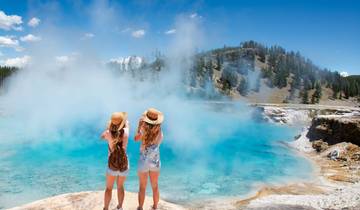
4 days
Yellowstone & Grand Teton 4 Day / 3 Night Wildlife Adventure
- ✓ Comprehensive Park Yellowstone National Park tour
- ✓ Expert local guides included
- ✓ All accommodation arranged
- ✓ Transportation provided
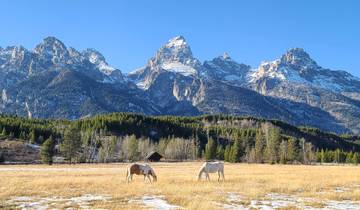
5 days
5 Day- Yellowstone and Grand Teton National Park in Depth- Hotel Based
- ✓ Comprehensive Park Yellowstone National Park tour
- ✓ Expert local guides included
- ✓ All accommodation arranged
- ✓ Transportation provided
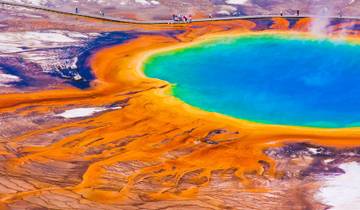
4 days
4 day Yellowstone and Tetons in depth tour from Salt Lake City Small Groups Tour
- ✓ Comprehensive Park Yellowstone National Park tour
- ✓ Expert local guides included
- ✓ All accommodation arranged
- ✓ Transportation provided
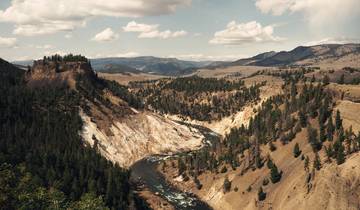
6 days
Yellowstone Camping Explorer
- ✓ Comprehensive Park Yellowstone National Park tour
- ✓ Expert local guides included
- ✓ All accommodation arranged
- ✓ Transportation provided
Multi-day tour packages powered by TourRadar. Prices and availability subject to change.
Gardiner: Historic Gateway Community
Gardiner’s history intertwines completely with Yellowstone National Park, its founding and development driven by the park’s establishment and evolution. Before the park, the area hosted minimal permanent settlement with most activity centering on hunting and trapping. The park’s creation in 1872 and subsequent designation as tourist destination created economic opportunities that spurred permanent settlement. When the Northern Pacific Railroad reached Gardiner in 1883, the town became the primary gateway for visitors arriving from eastern states, establishing its role that continues today.
The Roosevelt Arch, completed in 1903 and dedicated by President Theodore Roosevelt, symbolizes Gardiner’s relationship with Yellowstone. The inscription “For the Benefit and Enjoyment of the People” quotes the park’s founding legislation, declaring the democratic ideal that spectacular natural areas belong to all citizens. The arch represents not just physical entrance but philosophical gateway to revolutionary conservation concept. Visitors photograph themselves beneath the arch, creating personal connections to place and principle it represents.
Gardiner’s economy depends almost entirely on park-related tourism with hotels, restaurants, outfitters, and shops catering to visitors. This economic specialization creates both stability—park visitation remains strong across decades—and vulnerability to factors affecting visitation. The town’s population of roughly 900 year-round residents swells seasonally as seasonal workers arrive for summer employment. This demographic fluctuation creates distinct summer and winter cultures with different social dynamics and community character.
The town’s architecture reflects its frontier heritage with false-front buildings, western-style saloons, and minimal pretension. Gardiner maintains authentic character rather than creating artificial western theme park atmosphere. Buildings show their age and wear, businesses cater to diverse budgets, and the town functions as working community rather than pristine tourist destination. This authenticity appeals to visitors seeking genuine western experience beyond sanitized resort atmospheres, though it also means Gardiner lacks some amenities and polish that other gateway towns provide.
Gardiner residents develop complex relationships with wildlife that wanders through town from nearby park. Elk commonly winter in and around Gardiner, feeding on landscaping and blocking streets. Deer, bighorn sheep, and occasionally bears appear regularly. The proximity to wildlife creates both attraction—residents live intimately with animals many Americans only see in zoos—and challenges including property damage, traffic hazards, and occasional dangerous encounters. This daily wildlife contact shapes perspectives, creating sophisticated understanding of coexistence challenges that casual park visitors rarely experience.
West Yellowstone: Snowmobiling Capital
West Yellowstone’s identity centers on winter recreation, particularly snowmobiling, distinguishing it from other gateway communities. The town serves as hub for winter Yellowstone access with snowmobile and snow coach operations providing the primary means for reaching the park’s interior after winter road closures. This winter specialization began in the 1960s as snowmobile technology developed and winter park access became feasible, transforming what had been essentially closed season into economic opportunity extending tourism beyond summer months.
The snowmobiling culture creates intense debates about appropriate wilderness use, environmental impacts, and economic survival. Snowmobile proponents argue that winter access allows year-round appreciation of park resources while supporting communities economically during otherwise slow season. Environmental advocates counter that snowmobile noise and emissions disrupt wildlife, pollute air, and compromise wilderness character. Snowmobile regulations have evolved through decades of controversy, with current rules limiting numbers, requiring cleaner four-stroke engines, and mandating commercial guide services for most visitors.
West Yellowstone’s character reflects its railroad origins, harsh climate, and tourist-dependent economy. The town’s downtown features numerous hotels, restaurants, and shops selling western souvenirs, outdoor gear, and wildlife-themed merchandise. The architecture mixes historic railroad-era buildings with modern tourism infrastructure. The town functions primarily as tourist accommodation and services hub rather than residential community, with many buildings serving commercial rather than residential purposes. This commercial character creates efficient tourist servicing while potentially lacking some residential community cohesion.
The Grizzly & Wolf Discovery Center provides wildlife viewing opportunities in controlled setting, housing bears and wolves that cannot survive in wild due to human habituation or other issues. The facility serves educational mission teaching visitors about predator ecology, conservation challenges, and coexistence strategies. While some criticize captive wildlife display, the center provides close encounters impossible safely in wild while supporting conservation messaging and research. The facility demonstrates how gateway communities balance tourism entertainment with educational and conservation purposes.
West Yellowstone’s extreme climate shapes local culture and challenges. Winter temperatures frequently drop below zero Fahrenheit, snow accumulates to several feet, and harsh conditions persist from November through April. This climate requires substantial heating costs, weather-appropriate housing construction, and cultural adaptation to prolonged winter. Summer provides brief respite with mild temperatures and extended daylight, creating compressed seasonal window when residents accomplish outdoor projects impossible during winter months. The climate builds resilience and appreciation for brief summer season impossible in more moderate environments.
Cody: Buffalo Bill’s Town
Cody’s founding by William F. “Buffalo Bill” Cody in 1896 created planned tourist destination deliberately positioned to capitalize on Yellowstone visitation. Buffalo Bill envisioned developing town and region through irrigation projects making arid land agriculturally productive while establishing tourism serving park visitors traveling from eastern states. His vision succeeded, with Cody developing into prosperous regional center balancing tourism, ranching, and small-scale industry while maintaining distinctive western character its founder cultivated.
The Cody Stampede Rodeo running nightly from June through August represents authentic western tradition serving both entertainment and cultural preservation purposes. Unlike sporadic rodeo events, Cody’s nightly schedule creates consistent opportunity for visitors to experience rodeo regardless of visit timing. The rodeo maintains connection to working ranching culture, with competitors often being working cowboys supplementing income through prize money. The Cody Stampede in early July draws top professional riders competing for substantial purses, elevating the event to major rodeo circuit status.
Cody’s downtown architecture preserves historic character through preserved or reconstructed buildings maintaining western aesthetic. The Irma Hotel, built by Buffalo Bill and named for his daughter, continues operating as hotel and restaurant featuring ornate cherrywood bar reportedly gifted by Queen Victoria. False-front buildings line main street creating archetypal western town appearance that feels genuine rather than artificial because it reflects actual historical development rather than recent themed construction. This authentic atmosphere attracts visitors seeking real western experience beyond theme park simulations.
The town’s distance—52 miles—from Yellowstone’s east entrance allows Cody to maintain identity independent of pure gateway function. The town serves as regional center for surrounding ranching country, providing services and amenities for agricultural hinterland beyond tourism services. This diversification creates more stable year-round economy less dependent on seasonal tourism patterns that dominate closer gateway towns. However, Yellowstone access remains important economic factor, with many businesses catering specifically to park visitors.
Cody’s development of cultural attractions beyond park proximity demonstrates strategic approach to tourism development. The Buffalo Bill Center of the West functions as destination in itself, drawing visitors interested in western history independent of Yellowstone visits. Old Trail Town preserves relocated historic cabins and buildings from frontier era, providing outdoor museum experience. These attractions extend visitor stays beyond simple overnight stops en route to park, increasing economic impact while diversifying Cody’s appeal. This cultural development represents sophisticated approach to tourism economy that other gateway communities have studied and sometimes emulated.
Ranching Heritage and Contemporary Reality
Ranching represents foundational element of regional culture, shaping values, lifestyle, and economic patterns since frontier settlement. The practice of raising cattle and sheep on vast open ranges embodies western identity, celebrated in rodeo, western art, and cultural mythology. However, contemporary ranching faces economic challenges making traditional operations increasingly difficult to sustain. Many historic ranches have sold to wealthy individuals seeking recreational properties, subdivided for residential development, or transitioned to tourist ranching operations offering dude ranch experiences. This transformation threatens cultural continuity while reflecting economic realities making traditional ranching challenging.
Working ranches remaining in operation adapt to economic pressures through diversification including hunting leases, agritourism, direct meat sales, and conservation easements providing income while maintaining land in agricultural use. Some ranchers partner with conservation organizations to protect habitat for wildlife including grizzly bears and wolves, receiving compensation for coexisting with predators that occasionally kill livestock. These adaptations demonstrate resilience and pragmatic flexibility while maintaining commitment to ranching lifestyle and land stewardship that characterizes the culture at its best.
The ranching culture’s values emphasizing self-reliance, hard work, connection to land, and skepticism toward government regulation shape regional political culture and attitudes toward environmental issues. Many ranchers supported Yellowstone’s establishment as federal reserve protecting lands otherwise available for settlement and development. However, predator reintroduction, grazing regulations, and land use restrictions generate resentment toward government intervention. This complex relationship acknowledging conservation value while resisting perceived overreach creates political dynamics distinctive to western public land states.
Young people increasingly leave ranching communities for educational and economic opportunities elsewhere, threatening cultural continuity through generational discontinuity. The physical demands, economic uncertainty, and geographic isolation that characterize ranching life appeal less to younger generations with broader options than their ancestors possessed. Some families maintain ranches through external income earned by family members working in towns or industries while continuing ranching part-time. This hybrid approach preserves land in family ownership and maintains connection to ranching heritage while acknowledging economic reality making full-time ranching difficult for all but the largest or most specialized operations.
Native American Communities and Contemporary Relations
Native American tribes including Eastern Shoshone, Northern Arapaho, Crow, Northern Cheyenne, and others maintain reservations near the Greater Yellowstone Ecosystem, though tribal members’ exclusion from Yellowstone itself represents ongoing injustice. The Wind River Reservation southwest of the park houses Eastern Shoshone and Northern Arapaho tribes, while the Crow Reservation lies northeast of Yellowstone. These contemporary tribal communities maintain cultural traditions, govern tribal lands, and work to preserve languages and customs despite historical trauma of dispossession and forced assimilation policies.
Recent decades have brought gradually improving though still inadequate relationships between park management and affiliated tribes. The National Park Service increased consultation with tribes on management decisions affecting cultural resources and traditional use sites. Some tribes conduct occasional ceremonies at culturally significant locations within park boundaries. Educational programs increasingly incorporate Native American perspectives and history into park interpretation. However, meaningful restoration of tribal access rights and co-management arrangements remain largely unrealized despite growing recognition of historical injustices.
Tribal communities face economic challenges common to many rural Native American populations including high unemployment, limited economic opportunities, and inadequate infrastructure. Some reservations develop tourism operations including museums, cultural centers, and guided tours sharing tribal history and culture. The Buffalo Bill Center of the West maintains strong relationships with Plains tribes, involving tribal members in exhibit development and programming. These cultural tourism initiatives provide economic opportunities while allowing tribes to share their histories and perspectives on their own terms rather than through non-Native interpretation.
Contemporary Native artists including painters, sculptors, jewelers, and traditional craftspeople continue creating works reflecting cultural heritage while engaging with modern artistic movements. Galleries in Cody, Jackson, and other regional centers display and sell Native American art, providing economic opportunities for artists and cultural education for buyers. Powwows held on reservations welcome visitors respectfully attending to observe traditional dances, hear drum groups, and experience living Native American culture. These cultural expressions demonstrate continuing vitality of Native American traditions despite historical attempts at cultural destruction.
Seasonal Rhythms and Community Character
Gateway communities experience dramatic seasonal transformations as tourism ebbs and flows. Summer brings intense activity with hotels fully booked, restaurants serving long lines, and streets crowded with out-of-state license plates. Local residents work exhausting schedules taking advantage of compressed earning season that finances the entire year. The town populations swell with seasonal workers staffing hotels, restaurants, and tour operations. Community character transforms from intimate small-town familiarity to hectic service industry dynamic where locals navigate crowds while providing hospitality to visitors.
Autumn’s arrival brings visible relief as visitation declines, seasonal businesses close, and temporary workers depart for winter destinations or homes elsewhere. The exodus of tourists and seasonal employees returns communities to year-round residents, creating palpable shift in atmosphere and pace. Locals reclaim restaurants and shops, streets empty, and communities catch up on deferred socializing and projects impossible during summer’s chaos. Fall represents transition season before winter’s isolation and severity arrive, allowing communities to rest and prepare for upcoming cold months.
Winter divides communities between those embracing snow-based recreation and those simply enduring the season. West Yellowstone thrives on winter sports tourism, with snowmobile culture keeping businesses operational and community active through months when other gateway towns essentially hibernate. Gardiner’s year-round park access maintains modest winter activity, though far below summer levels. Jackson transforms into ski resort town with different tourist demographic than summer park visitors. These varying winter identities create different seasonal cultural patterns across gateway communities.
Spring brings gradual awakening as days lengthen, snow melts, and communities prepare for upcoming summer season. Businesses conduct maintenance deferred during operational seasons, hiring for summer positions begins, and residents prepare psychologically for intense months ahead. The spring transition includes anticipation—of income renewal and seasonal community members returning—mixed with some apprehension about surrendering peaceful winter calm for summer’s intensity. This seasonal cycle creates distinctive annual rhythm unknown in communities lacking such dramatic tourism fluctuations.
Conservation Ethos and Environmental Values
Gateway communities develop sophisticated environmental consciousness through daily proximity to Yellowstone’s wild landscapes and wildlife. Living adjacent to one of Earth’s premier protected areas creates intimate understanding of conservation issues, ecological relationships, and management challenges that casual visitors rarely develop. This knowledge produces environmental values influencing community character, though perspectives vary considerably across individuals with different economic stakes and philosophical orientations toward conservation.
Many residents moved to gateway communities specifically for proximity to wilderness and wildlife, accepting economic limitations and harsh climate because location provides lifestyle values they prioritize. These conservation-minded residents often work in tourism, conservation organizations, or park service, their professional and personal lives built around preserved landscapes. They advocate for strong environmental protections, support wildlife conservation including predator reintroduction, and view Yellowstone’s wilderness as priceless heritage deserving protection even at economic cost.
Others maintain more utilitarian perspectives viewing wildlife and wilderness as resources requiring management for human benefit. Traditional ranchers often hold views shaped by generations managing livestock in predator-affected landscapes where wildlife represents both value and challenge. Business owners dependent on tourism recognize Yellowstone’s economic importance while sometimes resenting regulations limiting commercial activities. These varied perspectives create internal community debates about appropriate conservation priorities, acceptable economic tradeoffs, and proper balance between preservation and use.
The communities’ environmental consciousness generally exceeds that of urban populations despite—or perhaps because of—economic dependence on resource extraction and tourism. Living in close contact with wilderness and wildlife builds understanding of ecological relationships and conservation challenges that remain abstract for urban residents. Experiencing seasonal wildlife migrations, witnessing predator-prey interactions, and observing climate change effects on snowpack and seasonal patterns creates direct knowledge informing environmental values and policy preferences. This experiential understanding represents unique aspect of gateway community culture distinguishing it from both urban and rural communities lacking proximity to major protected areas.
Frequently Asked Questions
What are the main gateway towns to Yellowstone?
The primary gateway communities include Gardiner, Montana at the north entrance, West Yellowstone, Montana at the west entrance, and Cody, Wyoming 52 miles from the east entrance. Jackson, Wyoming serves the south entrance. Each town developed distinctive character shaped by proximity to the park, with Gardiner functioning as historic original gateway, West Yellowstone specializing in winter access, and Cody maintaining broader regional identity beyond pure gateway function.
What is rodeo culture?
Rodeo represents competitive events derived from ranching skills including bronc riding, bull riding, calf roping, and steer wrestling. The sport preserves working cowboy traditions through athletic competition. Cody’s nightly Cody Stampede Rodeo runs from June through August, drawing both tourists and local competitors. Rodeo culture maintains connection to western heritage while entertaining visitors seeking authentic experiences rather than staged tourist shows.
How do gateway communities depend on Yellowstone tourism?
Gateway community economies rely heavily on park-related tourism with hotels, restaurants, outfitters, and shops catering to park visitors. Seasonal tourism creates intense summer activity when businesses generate income supporting year-round operations. This economic specialization provides stability through consistent park visitation while creating vulnerability to factors affecting visitation including park policies, natural disasters, or economic downturns influencing travel spending.
What museums preserve regional history?
The Buffalo Bill Center of the West in Cody comprises five museums documenting Buffalo Bill’s life, firearms, western art, Native American cultures, and natural history. The Museum of the Rockies in Bozeman specializes in paleontology and northern Rocky Mountain history. The Yellowstone Heritage and Research Center preserves park-specific collections. These institutions provide education and research facilities while preserving irreplaceable historical documentation.
How do locals view wildlife in gateway communities?
Gateway residents develop complex wildlife relationships through daily proximity to animals including elk, deer, bison, and occasionally bears wandering through towns. This contact creates sophisticated understanding of coexistence challenges including property damage, traffic hazards, and safety concerns. Residents balance appreciation for wildlife access with practical frustrations, developing nuanced perspectives that casual visitors rarely experience despite brief park encounters.
What is winter like in gateway communities?
Winter brings extreme cold, heavy snow, and reduced tourism except for winter sports enthusiasts. West Yellowstone specializes in snowmobile access maintaining winter activity. Gardiner’s year-round park access supports modest winter tourism. Other communities essentially hibernate with many businesses closing until spring. Winter’s isolation and severity build community resilience and appreciation for brief summer season impossible in more moderate climates.
How authentic is the western culture in gateway towns?
Gateway communities maintain genuine western heritage through working ranches, rodeo traditions, and generational continuity rather than artificial theme park atmosphere. Cody’s nightly rodeo features actual competitors, often working cowboys. Ranching operations surround communities, influencing culture and values. While tourism influences community character, the western heritage reflects actual historical development and continuing lifestyle rather than recent themed construction.
What role do Native American tribes play in regional culture?
Native American tribes including Eastern Shoshone, Northern Arapaho, and Crow maintain reservations near Yellowstone, though tribal members were excluded from the park following its establishment. Contemporary relationships improve gradually with increased consultation on cultural resources and occasional ceremonial access. Tribes preserve languages and traditions while developing cultural tourism including museums and powwows welcoming respectful visitors seeking to learn about Native American heritage.
How do seasonal workers affect gateway communities?
Seasonal workers staffing summer tourism businesses temporarily swell gateway town populations, transforming community character during peak season. These workers provide essential services while creating housing challenges and social dynamics different from year-round resident communities. Their autumn departure returns towns to permanent residents, creating noticeable shift in atmosphere and pace as communities reclaim intimate character temporarily overwhelmed by summer visitors and workers.
What conservation values characterize gateway communities?
Gateway residents develop sophisticated environmental consciousness through daily proximity to wilderness and wildlife. Living adjacent to Yellowstone creates intimate understanding of conservation challenges and ecological relationships. While perspectives vary based on economic stakes and philosophical orientations, communities generally demonstrate environmental awareness exceeding urban populations. This experiential knowledge shapes values and policy preferences, creating distinctive conservation consciousness characteristic of communities bordering major protected areas.