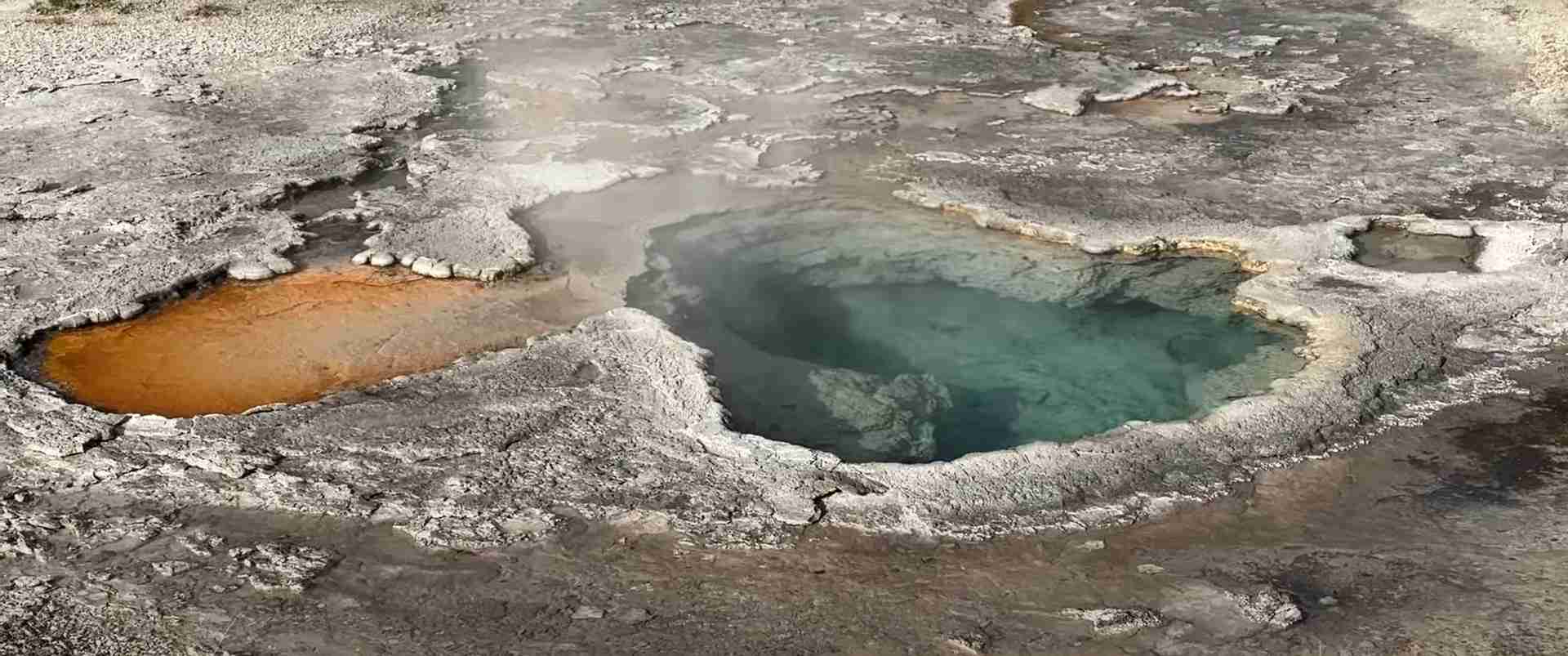
Yellowstone Complete Guide 2026: Ultimate Planning Resource for Your National Park Visit
Yellowstone National Park spans 2.2 million acres across Wyoming, Montana, and Idaho, containing Earth’s largest concentration of geothermal features and one of the planet’s most intact large-scale ecosystems. Planning a successful visit requires understanding the park’s geography, seasonal operations, accommodation options, transportation logistics, and activity reservations. This complete guide provides essential information for crafting 2026 itineraries matching your interests, budget, and time constraints, whether planning a quick weekend getaway or an extended wilderness adventure.
Key Takeaways
- Yellowstone entrance fees cost $35 per vehicle for a 7-day pass in 2026, with annual America the Beautiful Pass at $80 providing year-round access to all national parks
- Book accommodation 6-12 months ahead for summer visits, with in-park lodges ranging $180-550 per night and gateway town hotels offering $120-450 depending on season and location
- The park operates May through October with full services, while winter access November through April limits entry to northern sections and requires specialized transportation or guided snowcoach tours
- Plan 3-5 days minimum to experience major attractions across Yellowstone’s five distinct regions: Mammoth, Roosevelt, Canyon, Lake, and Old Faithful areas
- Reserve guided tours and popular experiences like Old Faithful Inn dining 60-90 days ahead during peak season (June-September) when crowds reach maximum levels
- Budget $200-400 per person daily including accommodation, meals, activities, and transportation for mid-range travel, with luxury and budget options available at both ends
Introduction: Planning Your 2026 Yellowstone Adventure
The park’s size and diversity mean no single visit captures everything Yellowstone offers. Most visitors focus on highlights accessible via the Grand Loop Road connecting major developed areas: Old Faithful and Upper Geyser Basin, Grand Canyon of the Yellowstone, Mammoth Hot Springs, Norris Geyser Basin, and Yellowstone Lake. Wildlife viewing concentrations in Lamar Valley and Hayden Valley attract visitors seeking bears, wolves, bison, and elk. Backcountry trails accessing remote geothermal areas, pristine waterfalls, and wilderness zones provide experiences for adventurous travelers willing to hike beyond developed areas.
Successful Yellowstone trips balance realistic expectations with thorough preparation. Summer visitation exceeds 1 million visitors monthly during July and August, creating crowded conditions at popular attractions, parking challenges, and wait times for facilities. Spring and fall shoulder seasons offer fewer crowds, active wildlife, and pleasant weather despite some road and facility closures. Winter transforms the park into a snow-covered wonderland accessible primarily via snowcoach and snowmobile, providing unique experiences for those equipped for cold-weather travel. This guide addresses all seasons, helping you select optimal timing and plan accordingly for conditions you’ll encounter.
People Also Ask About Visiting Yellowstone 2026
How much does it cost to visit Yellowstone in 2026?
Yellowstone entrance fees cost $35 per vehicle for a 7-day pass, $30 per motorcycle, or $20 per individual entering by foot, bicycle, or ski. Check nps.gov/yell for current official rates as pricing may vary. The America the Beautiful Pass costs $80 annually and provides unlimited entry to all national parks and federal recreation areas, offering savings for visitors planning multiple park visits or return trips to Yellowstone. Senior passes (age 62+) cost $20 annually or $80 for lifetime access. Military members and their dependents receive free annual passes. Access passes for permanent disabilities provide free lifetime entry.
Daily costs beyond entrance fees vary significantly based on accommodation choices, dining preferences, and activities. Budget travelers staying in gateway towns, preparing own meals, and limiting paid activities spend $100-150 per person daily. Mid-range visitors using in-park lodges, eating at park restaurants, and booking guided tours spend $200-400 daily. Luxury travelers staying at premium accommodations, dining at upscale restaurants, and booking private tours or specialty experiences exceed $500-800 daily. These estimates include lodging, meals, fuel, entrance fees, and activities but exclude travel to/from the park.
When is the best time to visit Yellowstone in 2026?
Late September through early October provides optimal conditions combining beautiful fall colors, active wildlife, minimal crowds, and pleasant daytime temperatures in the 50s-60s°F. Elk rutting season peaks in late September when bull elk bugle throughout the park, creating spectacular wildlife viewing and photography opportunities. Aspen trees turn brilliant yellow and gold, contrasting against evergreen forests and creating stunning landscapes. Most facilities remain open through early October before winter closures begin. This season offers the best balance of weather, wildlife, scenery, and crowd levels.
June offers another excellent window with spring wildflowers, baby animals including elk calves and bison calves, and fewer crowds than July-August peak season. Roads typically open by late May after winter snow removal, though higher elevations retain snow into June. Wildlife viewing excels as animals concentrate in valleys after emerging from winter ranges. Water levels in rivers and waterfalls reach maximum flows from snowmelt. Temperatures range from 40s-60s°F with afternoon thunderstorms common. Book accommodation well ahead as June attracts significant visitation despite preceding peak season.
Do you need reservations for Yellowstone in 2026?
Yellowstone does not require reservations for day visits or park entry, allowing spontaneous visits throughout operating seasons. However, advance reservations are essential for in-park accommodation, campgrounds, and many activities. Lodge rooms inside the park require booking 6-12 months ahead for summer visits, with reservations opening 13 months before arrival dates. Campground reservations open 6 months ahead, booking within hours for popular summer dates. Backcountry camping permits become available in early April for the upcoming season, with competitive sites filling quickly.
Guided tours, Old Faithful Inn dining room tables, and boat rentals on Yellowstone Lake require advance reservations during peak season. Popular wildlife tours in Lamar Valley, photography workshops, and fishing guide services book months ahead. However, many park experiences including viewing geothermal features, wildlife watching from pullouts, and hiking trails require no reservations. The flexibility allows adjusting plans based on weather, wildlife sightings, and personal interests while exploring the park.
How many days do you need to visit Yellowstone?
Three days provides minimum time to visit major highlights across the park’s five distinct regions. This allows one day for Old Faithful and Upper Geyser Basin plus Midway and Lower Geyser Basins, one day for Grand Canyon of the Yellowstone and Hayden Valley wildlife viewing, and one day for Mammoth Hot Springs and Lamar Valley. This pace requires early starts, focuses on iconic attractions, and limits time at each location. Four to five days allows more thorough exploration including Norris Geyser Basin, Yellowstone Lake, Tower Fall, and several short hiking trails while reducing daily driving distances.
Week-long visits enable comprehensive park exploration including backcountry day hikes, multiple sunrise/sunset wildlife viewing sessions, photography opportunities at various locations, and flexibility to revisit favorite areas or explore less-visited sections. Extended stays of 10+ days incorporate overnight backpacking trips, thorough wildlife photography sessions, fly fishing on multiple rivers, and in-depth exploration of individual regions. Your available time determines whether to focus on greatest hits or explore comprehensively at leisurely pace.
Extended multi-day tours – 5+ days
Featured Park Yellowstone National Park Multi-Day Tour Packages
4 days
Yellowstone & Grand Teton 4 Day / 3 Night Wildlife Adventure
- ✓ Comprehensive Park Yellowstone National Park tour
- ✓ Expert local guides included
- ✓ All accommodation arranged
- ✓ Transportation provided
5 days
5 Day- Yellowstone and Grand Teton National Park in Depth- Hotel Based
- ✓ Comprehensive Park Yellowstone National Park tour
- ✓ Expert local guides included
- ✓ All accommodation arranged
- ✓ Transportation provided
4 days
4 day Yellowstone and Tetons in depth tour from Salt Lake City Small Groups Tour
- ✓ Comprehensive Park Yellowstone National Park tour
- ✓ Expert local guides included
- ✓ All accommodation arranged
- ✓ Transportation provided
6 days
Yellowstone Camping Explorer
- ✓ Comprehensive Park Yellowstone National Park tour
- ✓ Expert local guides included
- ✓ All accommodation arranged
- ✓ Transportation provided
Multi-day tour packages powered by TourRadar. Prices and availability subject to change.
Essential Planning Information 2026
Entrance Fees and Park Passes
Standard entrance fees cost $35 per private vehicle, valid for seven consecutive days from purchase date. Motorcycles pay $30 for seven-day passes, while individuals entering by foot, bicycle, or ski pay $20. Check nps.gov/yell for current official rates as pricing may vary. Purchase entrance passes at any park entrance station year-round, with credit cards, cash, and checks accepted. Passes purchased online through recreation.gov arrive by mail approximately 2-3 weeks after ordering.
The America the Beautiful Pass costs $80 and provides unlimited entry to all national parks, national monuments, national wildlife refuges, and other federal recreation sites for 12 months from purchase date. The pass admits the pass holder plus all passengers in a personal vehicle at per-vehicle fee areas, or the pass holder plus three adults at per-person fee areas. Children under age 16 enter free. The pass pays for itself with three or more national park visits annually, offering significant savings for active park visitors. Purchase passes at park entrance stations, visitor centers, or online through usgs.gov/pass.
Senior passes for United States citizens or permanent residents age 62+ cost $20 annually or $80 for lifetime access to all federal recreation sites. The lifetime pass proves economical for anyone expecting regular park visits throughout retirement years. Military passes provide free annual access for current military members and dependents showing valid identification. Access passes offer free lifetime entry for United States citizens or permanent residents with permanent disabilities, available at no cost with documentation. Volunteer passes reward those contributing 250 hours of service at federal sites with free annual entry.
Current Costs and Pricing Breakdown
In-park lodge accommodation ranges from $180 per night for basic rooms at Roosevelt Lodge Cabins to $550+ for suites at Old Faithful Inn and Lake Yellowstone Hotel in summer 2026. Check yellowstonenationalparklodges.com for current official rates and availability as pricing varies by season and location. Standard rooms at Canyon Lodge and Village, Old Faithful area lodges, and Lake Hotel fall in the $220-380 range during peak season. Shoulder season rates (May-early June, September-October) run 20-30% lower than peak summer prices. Winter rates (December-March) for accommodations accessible during snow season range $200-350 per night.
Gateway town accommodation provides alternatives at various price points. West Yellowstone hotels range $120-280 per night for standard rooms in summer, with luxury properties reaching $350-450. Gardiner hotels cost $130-300 depending on property amenities and room types. Cody accommodation spans $110-320 for hotels and motels, while Jackson Hole properties command premium rates of $200-600 per night reflecting that destination’s resort character. These rates apply to peak summer season, with spring and fall offering discounts of 25-40%.
Dining costs inside the park average $15-25 for breakfast, $18-30 for lunch, and $25-45 for dinner at full-service restaurants. Quick-service locations including Old Faithful Inn cafeteria, Canyon General Store grill, and other snack bars charge $12-20 for meals. Grocery stores at major developed areas stock basic supplies and snacks at prices 20-30% above typical retail. Gateway towns offer more dining variety at competitive prices, with budget meals at $10-18 and upscale dinners reaching $35-60 per person before drinks and gratuities.
Guided tour costs range significantly based on length and specialization. Full-day bus tours exploring park highlights cost $125-180 per person including park entrance but not meals. Half-day wildlife viewing tours in Lamar or Hayden Valley charge $85-120 per person. Private guided tours cost $450-750 for full days accommodating 2-6 people. Specialized tours including photography workshops, fishing guide services, and backcountry hiking with naturalists range $250-450 per person for full-day experiences. Winter snowcoach tours accessing Old Faithful from northern entrances cost $180-250 per person round-trip.
Best Time to Visit 2026
Peak Summer Season (July-August)
July and August bring warmest temperatures, complete facility operations, and maximum crowds to Yellowstone. Daytime highs reach 70s-80s°F in valleys, perfect for hiking and extended outdoor activities. All park roads remain open, campgrounds operate at full capacity, and every restaurant, visitor center, and lodging facility functions on full schedules. Wildlife remains active throughout the day, with bears foraging in meadows, bison herds grazing valleys, and elk groups visible near roads and developed areas.
Crowd management becomes essential during peak season when parking lots at Old Faithful, Grand Canyon, and other major attractions fill by mid-morning. Arriving before 9 AM or after 5 PM avoids worst congestion. Wildlife viewing in Lamar and Hayden Valleys draws dozens to hundreds of vehicles during popular sightings, creating traffic slowdowns and parking challenges. Booking all services including lodging, dining reservations, and tours requires 3-6 months advance planning. Despite crowds, peak season offers reliability in weather, operations, and access that other seasons cannot guarantee.
Fall Shoulder Season (September-October)
September and early October deliver exceptional conditions combining active wildlife, fall colors, moderate temperatures, and reduced crowds compared to summer peak. Elk rutting season creates spectacular viewing and photography opportunities as bull elk bugle challenges to competitors and gather harems. Bison herds remain visible throughout valleys, while bears feed intensively before hibernation, often visible in meadows and along roads. Aspen groves turn brilliant yellow throughout the park, contrasting with evergreen forests and creating stunning photographic compositions.
Daytime temperatures range 50s-60s°F with cool mornings in the 30s-40s°F requiring layered clothing. Most facilities operate through September, with some services and roads closing in early October. Campgrounds begin closing by mid-September, with remaining sites operating first-come, first-served without reservations. Accommodation availability improves compared to summer, though popular dates around autumn equinox and peak fall color (late September) require advance booking. Weather becomes less predictable with increased chance of snow at higher elevations, requiring flexibility in planning.
Spring Season (May-June)
Late May through June offers spring wildflowers, baby animals, maximum waterfall flows from snowmelt, and growing day lengths extending activity hours. Newborn elk calves, bison calves, and other young animals create charming wildlife viewing, though maintaining safe distances remains crucial as mothers aggressively protect offspring. Grizzly bears emerge from dens and feed actively in valleys, often visible from roads. Waterfalls including Lewis Falls, Gibbon Falls, and Kepler Cascades achieve peak flow volumes creating impressive displays.
Road openings occur progressively through May as snow clearing proceeds, with most routes accessible by Memorial Day weekend. Higher elevation roads including Dunraven Pass may remain closed into June depending on snowpack. Some facilities open on limited schedules in May, expanding to full operations by mid-June. Temperatures range 40s-60s°F with afternoon thunderstorms common. Snow remains possible at higher elevations through June. Mosquitoes and biting flies emerge in June, requiring insect repellent for comfortable outdoor activities. Accommodation booking competes with summer visitors, requiring 3-6 months advance planning for June dates.
Winter Season (December-March)
Winter transforms Yellowstone into a pristine snow-covered landscape accessible primarily via snowcoach or snowmobile from northern entrances. The park’s interior becomes a winter wonderland where steam from geothermal features creates dramatic displays against snow and ice. Wildlife including bison, elk, bighorn sheep, and occasional wolves remain visible near roads and thermal areas where warmer conditions concentrate animals. Cross-country skiing and snowshoeing provide self-powered access to trails and features near northern entrance areas.
Temperatures range from daytime highs in the 20s-30s°F to nighttime lows below 0°F. Old Faithful Snow Lodge and Mammoth Hot Springs Hotel provide the only in-park accommodation during winter, requiring snowcoach transportation to reach Snow Lodge from northern entrances. Guided snowcoach tours from West Yellowstone, Gardiner, and Mammoth access Old Faithful area, costing $180-250 per person round-trip. Private vehicle access extends only from northern entrance at Gardiner to Mammoth Hot Springs and northeast entrance to Cooke City. Winter visits require appropriate cold-weather gear, realistic expectations about limited access, and appreciation for unique conditions this season offers.
Accommodation Strategies 2026
In-Park Lodge Options
Yellowstone National Park Lodges operates nine properties inside the park providing 2,000+ rooms spanning rustic cabins to historic hotels. Old Faithful Inn ranks as the park’s flagship property and most requested accommodation, featuring a massive log structure built in 1904 with rooms overlooking Old Faithful Geyser. Rooms range $220-550 per night depending on location (Old House versus newer wings) and amenities. The inn’s dining room requires reservations during peak season, with tables booking weeks ahead. The property operates late April through mid-October.
Lake Yellowstone Hotel on Yellowstone Lake’s north shore combines colonial revival architecture with lakefront setting. Rooms cost $240-420 per night, with suites reaching $550+. The hotel operates mid-May through early October, offering fine dining, lakeside deck viewing, and proximity to fishing, boating, and Bridge Bay areas. Canyon Lodge and Village contains 500+ rooms in multiple buildings, providing the park’s largest accommodation concentration. Standard rooms cost $220-320 per night with full-service and quick-service dining options. The property sits within walking distance of Grand Canyon of the Yellowstone, operating late May through late September.
Roosevelt Lodge Cabins offers rustic experience in the park’s northeast corner, featuring basic frontier-style cabins at $180-240 per night. The property operates early June through early September, providing family-style dining and proximity to Lamar Valley wildlife viewing. Mammoth Hot Springs Hotel and Cabins operates year-round, providing winter access with rooms at $200-350. Grant Village on Yellowstone Lake’s west shore offers modern motel-style rooms at $220-280, operating late May through late September. Book all in-park lodging through yellowstonenationalparklodges.com with reservations opening 13 months ahead.
Campground Options Inside Yellowstone
Yellowstone operates 12 campgrounds providing 2,000+ sites ranging from developed facilities with amenities to basic backcountry-style sites. Bridge Bay Campground near Yellowstone Lake contains 432 sites operating late May through September, accepting reservations through recreation.gov. Sites cost $35-40 per night for standard sites, booking quickly for summer dates. Madison Campground with 278 sites operates late April through mid-October, offering reservations and proximity to Old Faithful, West Yellowstone entrance, and Norris Geyser Basin. Canyon Campground’s 272 sites operate late May through September with reservations accepted.
Fishing Bridge RV Park accommodates only hard-sided RVs (no tents) due to bear activity, offering 310 sites with full hookups at $90-100 per night. The facility operates mid-May through late September with advance reservations essential. Grant Village Campground provides 400 sites near Yellowstone Lake operating late June through early October on reservation system. Seven smaller campgrounds including Norris, Indian Creek, Lewis Lake, and others operate first-come, first-served without reservations at $20-25 per night. These campgrounds fill early during peak season, requiring arrival before noon for securing sites.
Gateway Town Accommodation
West Yellowstone at the park’s west entrance offers the largest concentration of lodging outside park boundaries with 50+ hotels, motels, and cabin properties. Summer rates range $120-280 for standard rooms at mid-range properties, with luxury hotels reaching $350-450. Budget motels along US-20 charge $95-140 during peak season. The town provides extensive dining, shopping, and tour operator options while sitting 10-15 minutes from Madison Junction and 30-35 minutes from Old Faithful via park roads. Winter snowcoach tours depart from West Yellowstone accessing Old Faithful area.
Gardiner at the north entrance provides year-round access through the park’s only entrance remaining open to vehicles throughout winter. Hotel rates range $130-300 per night in summer, with rustic cabins and budget motels at $110-160. The town’s smaller size compared to West Yellowstone means fewer lodging options requiring earlier booking. The location provides quickest access to Mammoth Hot Springs (5 minutes) and reasonable drives to Tower-Roosevelt, Lamar Valley, and eventually Old Faithful (90 minutes). The drive from Gardiner to popular park destinations involves mountain roads with curves requiring cautious driving.
Cody, Wyoming, 52 miles east of the park’s east entrance, offers accommodation ranging $110-320 per night with Old West character, museums, and attractions filling any non-park time. The drive to Canyon or Lake areas requires 90 minutes via Sylvan Pass weather permitting. Jackson Hole south of the park provides upscale resort atmosphere with accommodation costs of $200-600 reflecting premium destination status. The drive to Yellowstone’s south entrance requires 60 minutes, with additional driving time to major attractions. Cooke City and Silver Gate near the northeast entrance offer limited accommodation serving primarily as base for Lamar Valley wildlife viewing and Beartooth Highway access.
Transportation Guide 2026
Getting to Yellowstone
Most visitors arrive by personal vehicle, with the park accessible via five entrance stations. The north entrance at Gardiner, Montana operates year-round, while the other four entrances close November through April for winter. Interstate 90 provides east-west access through Montana, connecting with US-89 south to Gardiner (north entrance). US-191 from Bozeman reaches West Yellowstone (west entrance) via beautiful mountain scenery. US-14/16/20 from Cody accesses the east entrance through stunning Shoshone National Forest and over Sylvan Pass. US-89/191/287 from Jackson reaches the south entrance through Grand Teton National Park. The northeast entrance via US-212 (Beartooth Highway) from Red Lodge or Cooke City provides dramatic alpine scenery but closes October-May due to extreme elevation and snowfall.
Commercial airports serving Yellowstone include Bozeman Yellowstone International Airport 90 miles north of the park, receiving direct flights from major hubs including Denver, Minneapolis, Salt Lake City, Seattle, and others. Rental cars cost $50-90 daily depending on vehicle size and season. Jackson Hole Airport 60 miles south of the park receives direct flights from numerous cities, with rental cars at similar rates. Smaller airports in Cody (52 miles) and Idaho Falls (110 miles) offer limited service and rental options. Summer flight demand requires booking 2-4 months ahead for best rates and selection.
Driving Within the Park
The Grand Loop Road forms a figure-eight covering 142 miles, connecting all major developed areas and attractions. The route requires 4-6 hours driving without stops, though allocating full days for sections allows stopping at viewpoints, short walks, and wildlife watching. Roads limit speeds to 45 mph maximum with many sections at 35 mph or less due to curves, wildlife crossings, and congestion. Wildlife jams create unpredictable delays when bears, wolves, or large bison herds appear near roads, adding 15 minutes to hours depending on animal activity and crowd response.
Fuel availability exists at six locations inside the park: Mammoth, Tower-Roosevelt, Canyon, Fishing Bridge, Grant Village, and Old Faithful. Prices run 30-50 cents per gallon above typical rates due to remote location and limited competition. Filling up before entering the park saves money, though ensuring sufficient fuel capacity for daily drives requires monitoring levels and planning fill-ups. Many park roads lack shoulders or pullouts for extended distances, making mechanical breakdowns or running out of fuel inconvenient and potentially dangerous situations.
Parking challenges emerge at popular attractions during peak season, with Old Faithful, Grand Canyon, and Artist Point lots filling by 9-10 AM on busy days. Arriving before 9 AM or after 5 PM avoids worst congestion. Overflow parking requires walking additional distances to attractions. Visitor centers, lodges, and restaurants also experience parking limitations during midday peaks. Planning itineraries around crowd patterns improves experience significantly.
Commercial Tours and Transportation Services
Xanterra Parks and Resorts operates bus tours departing from in-park lodges covering major attractions. Full-day tours exploring Old Faithful, Grand Canyon, Hayden Valley, and other highlights cost $125-160 per person. Half-day tours focusing on specific regions charge $75-95. Sunrise and sunset wildlife tours in Lamar Valley run $85-110. Book tours through yellowstonenationalparklodges.com or at lodge tour desks with advance reservations recommended during peak season.
Private tour operators based in gateway communities offer customized experiences in smaller groups. Full-day private tours accommodating 2-6 people cost $450-750 including park entrance, guide expertise, and transportation in comfortable vehicles. Specialized photography tours, wildlife tracking expeditions, and fly fishing guide services range $250-450 per person for full days. Winter snowcoach tours from West Yellowstone to Old Faithful cost $180-250 per person round-trip including park entrance and guide services. These tours operate December through March, providing access to park interior when personal vehicle entry is prohibited.
Sample Itineraries 2026
Three-Day Yellowstone Highlights
Day One focuses on Old Faithful and Upper Geyser Basin, with arrival at Old Faithful Visitor Education Center by 9 AM to check eruption predictions and explore exhibits. Walk the paved boardwalk loop viewing Beehive Geyser, Castle Geyser, Grand Geyser, and dozens of other features in the world’s densest concentration of geysers. Time Old Faithful viewing for predicted eruption, allowing exploration of the visitor center and Old Faithful Inn’s magnificent lobby. Afternoon visits Midway Geyser Basin for Grand Prismatic Spring, the park’s largest hot spring displaying vivid rainbow colors. Complete the day at Fountain Paint Pot viewing mud pots, hot springs, geysers, and fumaroles in compact area. Total daily costs including fuel, lunch, and dinner approximate $80-120 per person with budget dining choices.
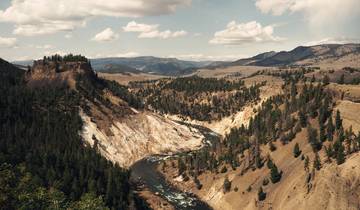
Day Two explores Grand Canyon of the Yellowstone and Hayden Valley. Begin at Artist Point viewing Lower Falls and the canyon’s colorful walls, then walk to Uncle Tom’s Trail descending 328 steps to Lower Falls viewing platform. Drive to North Rim for additional canyon viewpoints including Lookout Point and Grand View. Hayden Valley provides afternoon wildlife viewing with roadside pullouts overlooking vast meadows where bison herds graze and grizzly bears sometimes appear. Visit Fishing Bridge and Yellowstone Lake shore before returning to lodging. Budget $75-110 per person for meals and fuel.
Day Three covers Mammoth Hot Springs and Lamar Valley. Explore Mammoth’s terraces via boardwalk network viewing active travertine deposition creating colorful stepped formations. Tour Fort Yellowstone historic buildings and visitor center before driving Lamar Valley. The valley offers the park’s premier wildlife viewing with wolves, bears, bison, elk, and pronghorn frequenting the meadows. Allocate 2-3 hours for leisurely valley traverse with binoculars or spotting scope for distant wildlife observation. Tower Fall provides final stop before exiting or returning to lodging. Daily costs approximate $70-100 per person.
Five-Day Comprehensive Exploration
Five days allows thorough park exploration adding Norris Geyser Basin, Yellowstone Lake activities, additional wildlife viewing sessions, and several hiking trails to the three-day highlights itinerary. Day Four explores Norris Geyser Basin’s acidic thermal features including Steamboat Geyser, Porcelain Basin, and Back Basin. Afternoon options include Yellowstone Lake boat tours, fishing, or hiking Storm Point Trail viewing the lake and potential wildlife. Day Five provides flexibility for revisiting favorite locations, sunrise/sunset photography sessions, ranger programs, or hiking trails like Mystic Falls, Mount Washburn, or Avalanche Peak depending on fitness levels and interests. Extended time allows adjusting pace, repeating rewarding experiences, and recovering from busy early days.
Booking and Reservations 2026
In-Park Lodge Reservations
Yellowstone National Park Lodges operates all in-park accommodation, with reservations opening 13 months before arrival dates through yellowstonenationalparklodges.com or 307-344-7311. Book immediately when your dates become available for peak summer stays, particularly Old Faithful Inn, Lake Yellowstone Hotel, and Canyon Lodge which fill within days or hours of reservation opening. Monitor the website for cancellations if your preferred dates show no availability, as cancelations return to inventory allowing flexible travelers to secure rooms others release.
Reservation deposits equal one night’s rate per room, charged at booking with remainder due at check-in. Cancellation policies vary by season and property, typically allowing refunds with 48 hours notice but check specific terms when booking. Last-minute availability occurs occasionally when group reservations cancel or weather impacts bookings, worth checking even if initially showing full. Consider flexibility on specific properties, as staying at Grant Village versus Old Faithful area or Canyon versus Roosevelt involves different drives but allows experiencing the park when ideal lodges fill.
Campground Reservation Process
Reserve campground sites at six Yellowstone campgrounds through recreation.gov, with reservations opening 6 months ahead of arrival date at midnight Mountain Time. Bridge Bay, Madison, Canyon, Grant Village, Fishing Bridge RV Park, and Lewis Lake accept reservations, with remaining sites first-come, first-served. Popular summer dates book within hours or minutes of becoming available, requiring immediate action when your dates open. Create a recreation.gov account before your reservation date, have camping dates and site preferences identified, and access the system exactly at midnight Mountain Time for best selection.
Sites cost $35-40 per night for standard tent/RV sites, $90-100 for full-hookup RV sites at Fishing Bridge. Cancellations return to inventory immediately, allowing vigilant checkers to secure sites as others cancel plans. First-come, first-served campgrounds including Norris, Indian Creek, Pebble Creek, Slough Creek, Tower Fall, Lewis Lake (after reservations end), and Mammoth fill early during peak season, requiring arrival before noon for securing sites. Budget adequate time for locating your reserved or first-come site, setting up camp, and storing food properly in bear-resistant containers or lockers.
Tour and Activity Reservations
Book guided tours, Old Faithful Inn dining reservations, and Yellowstone Lake boat tours 30-90 days ahead during peak season through respective providers’ websites or phone lines. Xanterra’s bus tours and boat tours book through yellowstonenationalparklodges.com with advance reservations recommended though some availability usually exists closer to dates. Private tour operators require booking 2-4 weeks ahead minimum for popular dates, with specialized photography tours and fishing guide services booking earlier due to limited availability.
Old Faithful Inn dining room tables require reservations for dinner during peak season, booking through the hotel or calling 307-344-7311. Make these reservations when booking lodging or immediately upon arrival if not pre-arranged. Other in-park restaurants operate without reservations, with wait times during peak dining hours (6-8 PM) ranging 15-45 minutes at popular locations. Ranger-led programs, talks, and walks operate without reservations on first-come, first-served basis, though arriving 10-15 minutes early secures seating or positioning.
Money-Saving Strategies 2026
Accommodation Cost Reduction
Stay in gateway communities rather than in-park lodges for 30-50% savings on accommodation, accepting longer drives to attractions as tradeoff. West Yellowstone, Gardiner, and Cody offer motels at $95-140 per night compared to $220-380 for park lodges. Camping reduces costs further, with campsite fees at $20-40 per night accommodating up to six people and two vehicles, creating dramatic per-person savings for families or groups. Shoulder season visits in May-June or September-October deliver 20-30% lower rates than peak July-August with many advantages including smaller crowds and active wildlife.
Book accommodation 6-12 months ahead when possible, as prices often increase closer to arrival dates and last-minute options prove limited or premium-priced. Package deals through Xanterra combining multiple nights with tours or activities sometimes offer savings versus booking components separately. Consider multi-park trips utilizing the America the Beautiful Pass at $80 annual cost, visiting multiple parks during single western trip to maximize pass value.
Food and Dining Savings
Bring groceries from home or shop in gateway towns before entering the park, preparing breakfast and lunch at accommodations or picnic areas rather than purchasing meals at park restaurants. This strategy saves $40-60 daily per person compared to three restaurant meals. Pack coolers with ice, sandwiches, snacks, and drinks to avoid impulse purchases at park stores charging premium prices. Purchase dinners at park restaurants selectively, choosing 1-2 special meals during your visit while preparing other dinners.
Gateway town grocery stores stock supplies at competitive prices, with West Yellowstone, Gardiner, and Cody offering full-service supermarkets. These towns also feature diverse dining options at lower prices than park restaurants, with meal costs 20-30% less for comparable quality. Quick-service locations inside the park including Old Faithful Inn cafeteria and Canyon General Store grill offer cheaper alternatives to full-service dining, with meals at $12-20 versus $25-45.
Activity and Tour Budget Optimization
Prioritize free activities including hiking trails, wildlife viewing from roadside pullouts, geothermal feature boardwalks, and ranger programs requiring no fees beyond park entrance. These experiences showcase Yellowstone’s highlights without additional costs beyond your entrance pass. Reserve one or two paid activities like boat tours or guided experiences while handling most exploration independently with park maps, brochures, and online resources providing necessary information.
Join group tours rather than booking private guides when possible, reducing per-person costs by 50-70% versus private experiences. Share guide services with other travelers if booking through companies allowing custom groups, splitting costs between parties. Time visits for free ranger programs scheduled throughout the day at various locations, providing expert-led interpretation without fees. Purchase activities outside the park when cheaper alternatives exist, such as horseback riding, zip lines, or whitewater rafting in gateway communities at competitive rates.
Planning Your 2026 Visit
12-6 Months Before Travel
Book in-park accommodation as soon as reservations open 13 months ahead for your dates, particularly if visiting July-August or targeting specific properties like Old Faithful Inn. Research major attractions, activities, and trails matching your interests using park website resources, guidebooks, and online forums. Determine your visit length, season, and primary goals (wildlife viewing, geothermal features, hiking, photography, or comprehensive touring). Reserve gateway town accommodation if in-park options fill, securing lodging before premium properties book. Purchase airline tickets for summer visits 3-6 months ahead when reasonable fares remain available.
6-2 Months Before Travel
Reserve campgrounds if using that accommodation option, booking exactly 6 months ahead when reservations open at midnight Mountain Time. Book guided tours, boat rentals, and any specialty activities requiring advance reservations. Make Old Faithful Inn dining reservations and any other specific meal plans. Finalize daily itineraries identifying routes, stops, and approximate driving times between locations. Check park alerts and road status for any closures, construction, or delays affecting your planned routes. Break in hiking boots if planning trail use, preventing blisters and discomfort during your visit.
2 Weeks Before Travel
Confirm all reservations including accommodation, campgrounds, tours, and flights. Check weather forecasts and pack appropriate clothing for predicted conditions, including layers and rain gear. Prepare vehicle for trip with oil change, tire pressure check, and mechanical inspection if driving long distances. Download offline maps and park information in case of limited cell service. Verify park entrance pass status or purchase America the Beautiful Pass if visiting multiple national parks. Review wildlife safety information and bear spray usage if hiking or camping. Adjust plans if necessary based on current park conditions, road closures, or wildlife management actions.
Upon Arrival
Stop at entrance station or visitor center to collect current park newspaper with ranger programs, road conditions, and wildlife activity reports. Purchase detailed park map if needed, though free maps at entrance provide adequate detail for most visitors. Ask rangers about recent wildlife sightings, road conditions, or recommendations based on your planned activities. Store food properly in bear-resistant containers at campgrounds or in hard-sided vehicles, never leaving food accessible to wildlife. Review safety information for thermal features, maintaining boardwalk use and appropriate distances. Check weather forecasts and adjust plans for predicted storms or temperature extremes.
2026 Updates & Current Information
Yellowstone continues evolving with ongoing restoration projects, infrastructure improvements, and management adaptations addressing visitation pressures and resource protection. The park’s commitment to preserving natural processes while accommodating public access drives decision-making balancing competing demands. Staying informed about current conditions, regulations, and opportunities enhances visit planning and experiences.
Construction projects through 2026 include road improvements, visitor facility renovations, and utility system upgrades addressing aging infrastructure. These projects may cause temporary delays, detours, or closures affecting travel times between park areas. Check the park website’s “Plan Your Visit” section before trips for current construction information and traffic advisories. Most major projects schedule work during shoulder seasons (May-June, September-October) minimizing peak season impacts, though some work continues through summer requiring patience with delays.
Wildlife management actions including seasonal closures protecting bears and other species remain in effect throughout the park. These closures, typically running late March through June, restrict access to Pelican Valley, Mary Mountain, and portions of Hayden Valley during vulnerable periods for bears with cubs. Respect all closures, recognizing they protect both wildlife and visitor safety. Areas may close unexpectedly if wildlife activity warrants restrictions, requiring flexibility in hiking and viewing plans.
Climate change affects the park through warming temperatures, shifting precipitation patterns, declining snowpack, and changing fire regimes. These changes influence wildlife distributions, vegetation patterns, and visitor experiences in subtle ways. Adapting expectations and remaining flexible ensures rewarding experiences despite environmental changes beyond management control. The park’s monitoring programs track these changes, informing adaptive management strategies preserving Yellowstone’s values amid evolving conditions.
FAQ: Planning Your Yellowstone Visit 2026
What should I pack for Yellowstone in summer?
Pack layered clothing accommodating temperature swings from 40s°F mornings to 70s-80s°F afternoons. Include lightweight shirts, fleece or insulating layer, waterproof rain jacket, sun hat, warm hat for cold mornings, hiking boots or sturdy shoes, and comfortable walking shoes. Bring sunscreen rated SPF 30+, sunglasses, insect repellent, refillable water bottles, daypack for carrying essentials, binoculars for wildlife viewing, and camera with extra batteries and storage cards. Include first aid kit, basic toiletries, and any prescription medications. Bear spray costs $40-50 if hiking trails beyond developed areas, available for purchase in gateway towns and some park stores. Altitude and intense sun create dehydration risks, making water and sun protection essential.
Do I need a car to explore Yellowstone?
Personal vehicles provide optimal flexibility for exploring Yellowstone’s 466 miles of roads connecting attractions spread across vast territory. However, visitors without vehicles can utilize commercial tour operators offering full-day and half-day tours covering major highlights, though limiting spontaneity and wildlife viewing flexibility. Some visitors fly into gateway airports, rent vehicles specifically for park exploration, then return them afterward, treating rental costs as essential tour expense. The park’s size, attraction dispersal, and public transportation limitations make personal vehicles strongly recommended for comprehensive experiences and maximizing time efficiency.
Is Yellowstone crowded in 2026?
Peak season July-August brings significant crowds with over 1 million visitors monthly creating parking challenges, congested viewing areas, and wait times at popular attractions. Old Faithful, Grand Canyon viewpoints, and Mammoth Hot Springs experience heaviest congestion midday, while Lamar and Hayden Valley wildlife jams create traffic slowdowns. Shoulder seasons (May-June, September-October) reduce crowds substantially while maintaining good weather and wildlife viewing, offering better experiences for visitors prioritizing solitude. Winter transforms the park with minimal visitation and special requirements for access. Plan strategies addressing crowds including early starts, midday breaks, evening activities, and visiting secondary attractions when major sites peak.
Can I see wildlife in Yellowstone?
Wildlife sightings occur frequently in Yellowstone with patient observation and appropriate timing. Bison herds graze valleys and meadows throughout the park, visible daily from roads. Elk concentrate in Mammoth area and numerous valleys, particularly during fall rutting season. Lamar Valley and Hayden Valley provide exceptional wildlife viewing including grizzly bears, wolves, bison, elk, and pronghorn with dawn and dusk offering optimal times. Black bears appear roadside occasionally, while moose frequent willow thickets along rivers. Smaller animals including coyotes, bighorn sheep, marmots, and ground squirrels appear regularly. Bring binoculars or spotting scope for distant viewing, maintain required safety distances (100 yards from bears/wolves, 25 yards from other wildlife), and exercise patience as wild animals follow their own schedules independent of visitor desires.
What is the cell phone coverage like in Yellowstone?
Cell phone coverage exists primarily at major developed areas including Mammoth, Old Faithful, Canyon, and Lake, though service remains unreliable and often slow. Most park areas including roads between developed zones lack cellular service entirely. Plan on limited communication capability during your visit, informing family or work contacts beforehand about extended offline periods. Download offline maps, saved web pages with park information, and entertainment for downtime before arrival. Embrace the digital detox, using disconnection as opportunity to focus on natural surroundings and personal interactions. Emergency phones exist at ranger stations and developed areas if urgent communication needs arise.
Are there ATMs in Yellowstone?
ATMs operate at major developed areas including Mammoth, Old Faithful, Canyon, and Lake, though fees range $3-5 per transaction. Gateway towns offer ATMs at banks and convenience stores with lower or no fees. Bring adequate cash for trip expenses, as some park services accept only cash and credit card processing occasionally experiences technical difficulties. Most park facilities accept credit cards including lodges, restaurants, stores, and visitor centers, but smaller locations and some services prefer or require cash. Check your bank’s ATM network and fee structure before traveling, considering withdrawing needed cash at home bank before the trip to avoid all ATM fees.
What ranger programs are available?
Yellowstone rangers lead dozens of programs daily during summer including talks at major thermal areas, guided walks exploring geothermal features and wildlife habitat, evening campfire programs at campgrounds, and evening programs at lodges and visitor centers. Programs run 30-90 minutes covering topics including geysers, wildlife, ecology, geology, history, and cultural resources. Check park newspapers distributed at entrances or visit center bulletin boards for current schedule and topics. Programs operate without reservations on first-come, first-served basis, with arrival 10-15 minutes early securing good viewing positions. Junior Ranger programs engage children ages 4-12 with activity booklets and ranger-led programs earning badges upon completion.
Can I hike alone in Yellowstone?
Solo hiking is permitted in Yellowstone though strongly discouraged in bear country, with groups of three or more recommended for safety. Bears typically avoid larger groups while potentially approaching or defending space against solo hikers or pairs. Carry bear spray in accessible holster on your belt or pack strap, make noise while hiking to avoid surprising wildlife, and remain vigilant for animal sign including tracks, scat, or carcasses. Some trails and areas require minimum group sizes during certain seasons, particularly in heavy bear-use zones. Solo hikers accept increased risks from wildlife encounters, injuries requiring assistance, and navigation challenges. Inform someone of your itinerary including expected return time and planned route, checking in upon completing hikes.
What photography equipment should I bring?
Wildlife photography requires telephoto lenses minimum 400mm for distant animal capture while maintaining safe distances. Wide-angle lenses (16-35mm) capture geothermal features, landscapes, and dramatic skies. Standard zoom lenses (24-70mm or 24-105mm) handle general photography needs including people, structures, and medium-distance subjects. Bring extra batteries as cold morning temperatures drain power quickly, memory cards with adequate storage capacity, lens cleaning supplies, and weather-resistant camera bag. Tripods assist with sunrise/sunset photography, long exposures of thermal features, and telephoto wildlife shooting. Download images daily to backup storage preventing loss if camera fails or cards corrupt. Sunrise and sunset provide optimal light conditions for dramatic photographs, requiring predawn or evening positioning at desired locations.
Are dogs allowed in Yellowstone?
Dogs are permitted in Yellowstone only in developed areas, campgrounds, and within 100 feet of roads and parking areas, always restrained on leashes 6 feet or shorter. Dogs cannot access boardwalks, trails, backcountry, or thermal areas, significantly limiting their presence during park exploration. The restrictions protect wildlife from disturbance and prevent dogs from approaching dangerous thermal features or wildlife. Most visitors exploring trails and attractions leave pets home or arrange kennel care, as dogs cannot accompany owners to primary park experiences. Gateway towns including West Yellowstone and Gardiner offer pet-friendly lodging accommodating dogs during park visits, though dogs remain at accommodations while owners explore. Consider leaving pets home for Yellowstone trips given activity restrictions limiting their participation.