
Yellowstone Budget Guide 2026: Complete Cost Breakdown
Yellowstone visits range dramatically in cost based on accommodation choices, season timing, dining preferences, and activity selection. A budget-conscious couple camping and cooking their own meals spends $300-400 for a three-day visit, while a family of four staying in hotels and dining at restaurants easily reaches $2,000-3,000 for the same duration. Understanding cost categories and implementing strategic planning helps visitors experience Yellowstone fully without overspending.
Key Takeaways
- Base park entry costs $35 per vehicle for seven days, covering all passengers and providing unlimited re-entry throughout the week, making it the most cost-effective access option for groups
- Budget travelers spend $150-200 daily using gateway town motels, campgrounds, packed meals, and free park activities while mid-range visitors average $300-400 per day with hotel stays and dining out
- Summer season (June-August) costs 40-60% more than shoulder seasons for accommodation, with rooms in West Yellowstone ranging $300-500 versus $180-280 in May or September
- Advance booking saves 20-30% on accommodation and secures availability during peak season when properties sell out 3-6 months ahead, particularly around major holidays
- Free ranger programs deliver exceptional value with guided walks, evening presentations, and educational programs throughout summer months requiring zero additional costs beyond park entry
- Strategic meal planning reduces food costs by 50% through grocery shopping in gateway towns, picnic supplies, and selective restaurant meals rather than dining out exclusively
Introduction: Understanding Yellowstone Costs in 2026
This guide breaks down every major expense category, providing realistic pricing for 2026 visits. The costs reflect current trends and confirmed price increases for the upcoming season. Gateway towns like West Yellowstone, Gardiner, and Jackson maintain distinct pricing structures, with significant variation between properties and seasons. Inside-park lodging commands premium pricing but offers unmatched convenience and unique historical experiences.
Budget optimization requires advance planning and flexibility. Booking accommodations 3-6 months ahead locks in better rates and ensures availability during peak season. Visiting during shoulder periods (May and September) reduces costs significantly while maintaining excellent weather and accessibility. Understanding which expenses are fixed versus flexible allows strategic allocation of travel budgets for maximum experience quality.
People Also Ask About Yellowstone Costs 2026
How much does it cost to visit Yellowstone for a week in 2026?
A week-long Yellowstone visit for a family of four ranges $1,500-$4,500 depending on accommodation choices and spending patterns. Budget camping families cooking their own meals spend approximately $1,500-2,000, including park entry ($35), campsite fees ($245-420 for six nights), groceries ($300-400), and fuel ($150-200). Mid-range families using gateway town hotels and eating restaurant meals average $2,800-3,500 total, with accommodation consuming $1,400-2,100 of the budget.
Inside-park lodge stays push costs to $3,500-4,500 for the week, with premium locations like Old Faithful Inn commanding $250-400 per night during summer. This pricing includes the convenience of staying within the park, eliminating daily driving between gateway towns and attractions. Additional costs for any budget level include optional guided tours ($75-150 per person), souvenirs and gifts ($100-300), and incidental expenses. Couples traveling without children reduce these costs proportionally, with budget couples spending $800-1,200 and mid-range couples averaging $1,800-2,500 for the week.
What is the cheapest way to visit Yellowstone in 2026?
Camping combined with self-catered meals and free park activities creates the most economical Yellowstone experience. A couple camping at First Come, First Served campgrounds outside the park pays $20-35 per night, significantly less than the $60-85 charged at inside-park facilities. Shopping at grocery stores in gateway towns before entering the park reduces meal costs to $15-25 per person daily compared to $50-75 for restaurant dining.
Additional cost-saving strategies include visiting during shoulder seasons when gateway town accommodation drops 30-50% below peak summer rates. May and September provide excellent weather and accessibility at substantially reduced costs. Purchasing the America the Beautiful Annual Pass at $80 makes sense for visitors planning multiple national park trips within twelve months, breaking even after visiting just three parks. Free ranger programs, self-guided boardwalk tours, and wildlife viewing require zero additional costs beyond park entry, delivering exceptional value for budget-conscious visitors.
Do I need to pay for parking at Yellowstone attractions?
The $35 vehicle entrance fee covers all parking throughout Yellowstone for seven consecutive days. No additional parking fees apply at any park location, including Old Faithful, Grand Prismatic Spring, Canyon Village, or any trailhead. This fee structure provides unlimited access to parking areas across the park’s vast territory. Visitors pay once upon entry at any of five entrance stations, receiving a pass valid at all locations for the week.
Parking lot availability rather than cost presents the primary challenge, particularly during peak summer hours at popular attractions. Old Faithful lots fill by 10 AM during July and August. Arriving before 9 AM or after 5 PM ensures parking availability without waiting. Overflow parking areas activate during peak periods at major locations, though these may require short walks to attractions. Winter parking operates on a much smaller scale due to limited access, with parking included in snowcoach tour prices or available at Mammoth Hot Springs for those entering via the North Entrance.
Are there free activities in Yellowstone?
Yellowstone offers extensive free activities beyond basic sightseeing, delivering exceptional value for visitors. Ranger-led programs operate throughout summer months at no additional charge, including guided walks explaining thermal features, evening campfire programs discussing wildlife ecology, and educational presentations at visitor centers. These programs run daily during peak season, with multiple offerings each day at various locations.
Self-guided activities include hiking on over 900 miles of trails, wildlife watching throughout the park, photography at thermal features and scenic overlooks, and exploring boardwalks around geyser basins. Junior Ranger programs engage children with activity booklets and badge ceremonies at no cost. Visitor centers provide free exhibits, films, and information services. The park’s museum collections at Canyon, Madison, and Norris display natural and cultural history without admission fees. These activities combined with the park’s inherent scenic beauty create a full experience requiring only the base entrance fee.
Extended multi-day tours – 5+ days
Featured Park Yellowstone National Park Multi-Day Tour Packages
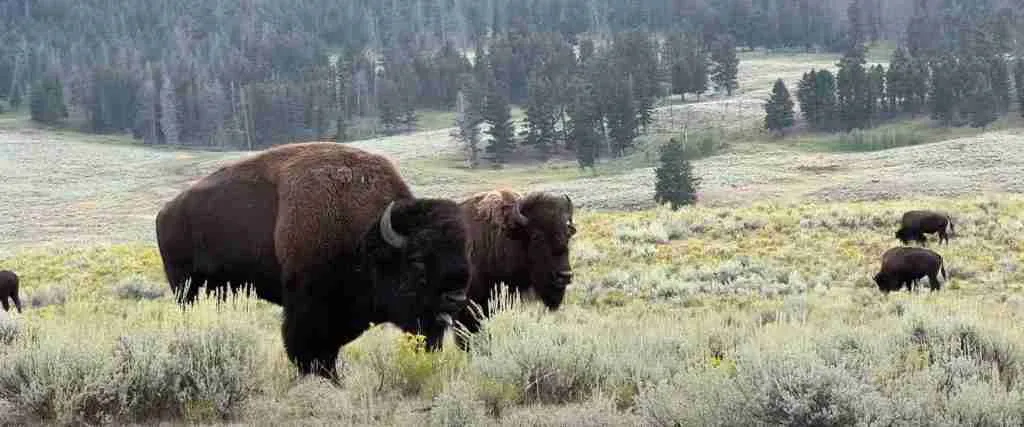
3 days
Park Yellowstone National Park 3-Day Discovery Tour
- ✓ Comprehensive Park Yellowstone National Park experience
- ✓ Expert local guides included
- ✓ All accommodation included
- ✓ Transportation provided
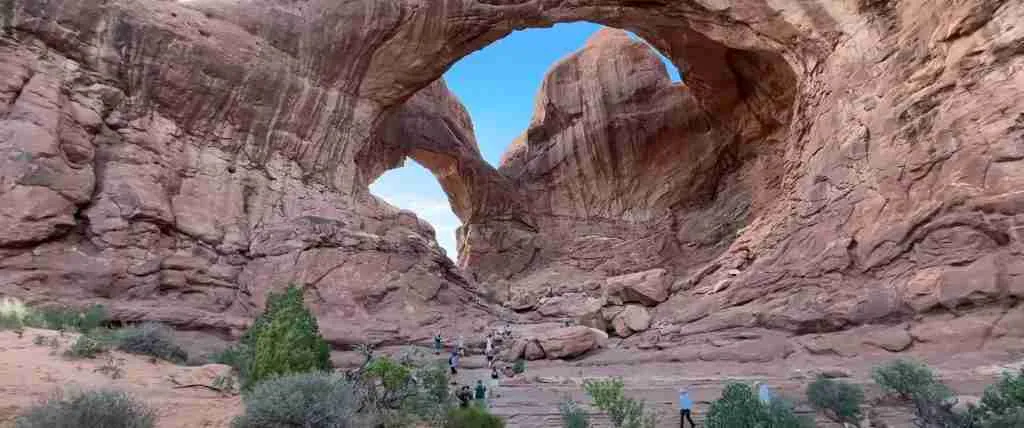
5 days
Park Yellowstone National Park 5-Day Highlights Experience
- ✓ Comprehensive Park Yellowstone National Park experience
- ✓ Expert local guides included
- ✓ All accommodation included
- ✓ Transportation provided
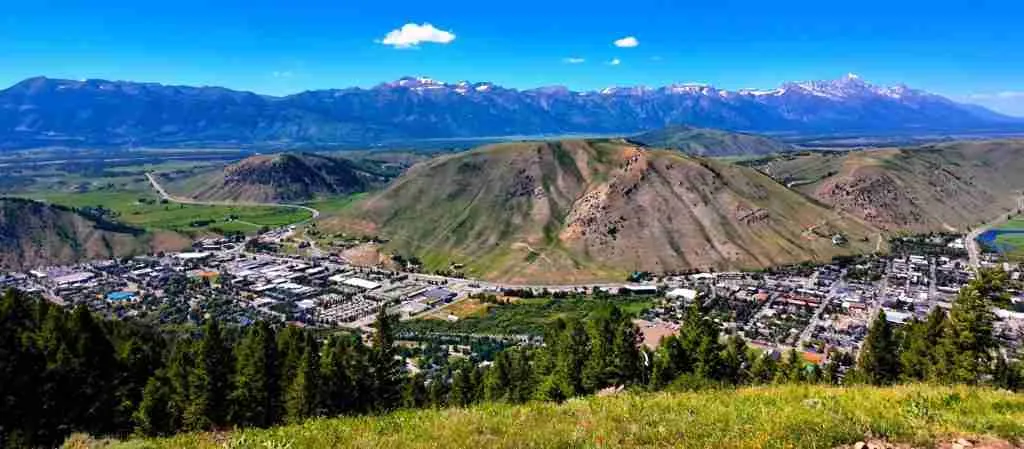
7 days
Park Yellowstone National Park 7-Day Cultural Journey
- ✓ Comprehensive Park Yellowstone National Park experience
- ✓ Expert local guides included
- ✓ All accommodation included
- ✓ Transportation provided
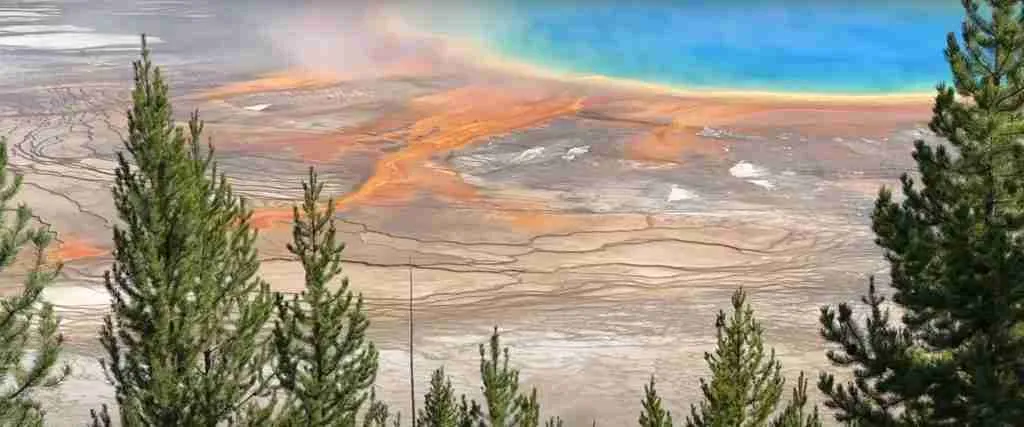
10 days
Park Yellowstone National Park 10-Day Complete Adventure
- ✓ Comprehensive Park Yellowstone National Park experience
- ✓ Expert local guides included
- ✓ All accommodation included
- ✓ Transportation provided
Multi-day tour packages powered by TourRadar. Prices and availability subject to change.
Essential Planning Information 2026
Park Entrance Fees and Passes
Yellowstone entrance fees cost $35 per vehicle for seven-day access, $30 per motorcycle for seven days, or $20 per person for those entering on foot, bicycle, or as part of a bus tour. The vehicle pass covers all passengers regardless of number, making it the most economical option for families or groups. Check nps.gov/yell for current official rates as pricing may vary.
The America the Beautiful Annual Pass provides access to Yellowstone and all other national parks for $80 annually. This pass breaks even after visiting three national parks within twelve months. Senior passes (age 62+) cost $80 for lifetime access or $20 annually. Military members and dependents, fourth graders, and volunteers receive free passes. Veterans with permanent disabilities receive lifetime free access. Purchasing entrance passes ahead online or at first park entry streamlines arrival at entrance stations.
Seasonal Price Variations
Accommodation costs fluctuate dramatically by season, with summer rates 40-60% higher than shoulder periods. Gateway town hotels in West Yellowstone charge $300-500 per night during July and August, dropping to $180-280 in May and September, and further decreasing to $120-200 during April and October. Inside-park lodges follow similar patterns, with Old Faithful Inn rooms costing $250-400 in summer versus $200-300 during shoulder season operations.
These seasonal variations extend beyond accommodation to tours and services. Guided wildlife tours command $125-175 per person during peak season, decreasing to $95-135 in May and September. Rental car rates increase 30-40% during summer months. Dining costs remain relatively stable year-round at established restaurants, though seasonal cafes and food trucks operating only during summer may charge premium prices. Strategic visit timing during shoulder seasons delivers identical experiences at substantially reduced costs across all categories.
Hidden Costs to Anticipate
Beyond obvious expenses, several hidden costs impact final trip budgets. Fuel consumption increases significantly due to Yellowstone’s vast size and slow-speed limit requirements. Driving the complete Grand Loop Road consumes 8-10 gallons, costing $35-45 at current fuel prices. Wildlife jams and construction delays during 2026 increase fuel usage further. Gateway towns charge higher fuel prices than surrounding areas, with West Yellowstone typically $0.30-0.50 more per gallon than Idaho Falls or Bozeman.
Cell phone service remains limited or non-existent throughout most of the park, creating potential roaming charges for visitors with plans not covering rural areas. Parking in gateway towns may require fees, particularly in Jackson where public lots charge $2-5 per hour and hotel parking adds $20-35 daily at some properties. Laundry facilities at campgrounds and lodges cost $3-5 per wash and dry cycle. Propane refills for RV travelers cost $3-4 per gallon at limited park locations. These seemingly small expenses accumulate quickly over extended visits.
Accommodation Cost Breakdown 2026
Inside-Park Lodging Options
Inside-park accommodations provide unmatched convenience but command premium pricing. Old Faithful Inn rooms cost $250-400 per night during summer season, with the highest rates for rooms with geyser views. Lake Yellowstone Hotel charges $225-375 per night for standard to premium rooms. Canyon Lodge operates at $200-325 per night. These properties require reservations 6-12 months in advance, selling out within hours of booking windows opening for popular dates.
More economical inside-park options include Roosevelt Lodge cabins at $150-200 per night and Mammoth Hot Springs Hotel at $180-250 per night. Grant Village offers standard hotel rooms for $200-275 per night. All inside-park lodging includes the benefit of immediate access to attractions without daily driving, allowing visitors to maximize time experiencing the park. Rooms lack televisions and air conditioning in most properties, reflecting the rustic national park experience. Some facilities include private bathrooms while others utilize shared facilities at lower price points.
Gateway Town Hotel Costs
West Yellowstone maintains the largest concentration of accommodation options, with 50+ properties ranging from budget motels to upscale hotels. Summer rates span $300-500 per night for mid-range properties, $200-300 for budget motels, and $500-800 for premium hotels. The town sits at the West Entrance, providing the shortest drive to Old Faithful area. Properties book 3-6 months ahead for peak summer dates.
Gardiner, located at the North Entrance, offers similar pricing structures with slightly lower rates overall. Mid-range hotels cost $250-400 per night in summer, budget motels run $180-280, and premium options reach $450-650. The location provides year-round access and serves as the primary winter gateway. Cooke City and Silver Gate maintain smaller accommodation selections at the Northeast Entrance, with limited options commanding $200-350 per night during summer. Jackson accommodation costs significantly more due to its resort town status, with standard hotels starting at $350 and commonly exceeding $600 per night during peak season.
Camping Costs and Options
Inside-park campgrounds charge $35-60 per night depending on facilities and location. Bridge Bay, Madison, and Canyon campgrounds cost $50-60 per night with flush toilets, potable water, and dump stations. Fishing Bridge RV Park, the only full-hookup facility, costs $85-95 per night for RVs. More primitive campgrounds like Slough Creek and Pebble Creek charge $35-40 per night with vault toilets and limited facilities.
First Come, First Served campgrounds in surrounding national forests provide budget alternatives at $15-25 per night. These facilities offer basic amenities including vault toilets and fire rings but lack potable water at most locations. Private campgrounds near gateway towns cost $40-75 per night with full hookups, showers, and laundry facilities. KOA properties charge $60-95 per night with additional amenities including WiFi, pools, and camp stores. Backcountry camping requires free permits obtained through the park’s advance reservation system, with no fees charged for backcountry sites.
Alternative Accommodation Strategies
Vacation rentals through platforms like VRBO and Airbnb provide cost-effective options for groups and families. Entire homes near gateway towns rent for $250-500 per night accommodating 6-8 people, reducing per-person costs significantly compared to hotel rooms. These properties include full kitchens, allowing meal preparation and further cost savings. Book 4-6 months ahead for summer availability as inventory remains limited compared to hotel options.
Staying in communities farther from park entrances reduces accommodation costs substantially while requiring longer daily drives. Idaho Falls properties cost $120-200 per night, located 110 miles from the West Entrance. Bozeman hotels run $150-250 per night, situated 90 miles from the North Entrance. Cody offers rooms for $140-220 per night, 53 miles from the East Entrance. These locations make sense for visitors with flexible schedules willing to trade drive time for significant cost savings. Each option provides full amenities including grocery stores for meal preparation supplies.
Food and Dining Expenses 2026
Restaurant Dining Costs
Inside-park dining facilities charge premium prices reflecting their remote locations. The Old Faithful Inn dining room serves breakfast for $15-25 per person, lunch $18-28, and dinner $28-45. Lake Yellowstone Hotel dining room follows similar pricing. Cafeterias at Canyon, Old Faithful, and other locations offer more economical options with breakfast $10-15, lunch $12-18, and dinner $15-22. Grab-and-go options at general stores provide sandwiches, salads, and snacks for $8-15.
Gateway town restaurants offer broader selections and sometimes lower prices. West Yellowstone breakfast spots charge $12-20 per person, lunch venues run $15-25, and dinner restaurants cost $25-40 per entree. Chains like McDonald’s and Subway provide budget alternatives at standard national pricing. Gardiner maintains similar pricing structures with several quality restaurants. Jackson dining costs significantly more, with dinner entrees commonly reaching $40-65 at popular establishments. Budget an average of $60-90 per person daily for restaurant meals, or $150-225 for a family of four eating all meals out.
Grocery Shopping and Meal Preparation
Self-catering dramatically reduces food costs while providing greater flexibility. Gateway town grocery stores including Albertsons in West Yellowstone and Food Roundup in Gardiner offer full selections for meal preparation. Weekly grocery costs for a family of four average $200-300 compared to $600-900 for restaurant meals. Breakfast supplies including cereal, milk, bread, and eggs run $40-60 for the week. Sandwich fixings for trail lunches cost $50-75. Dinner ingredients for simple meals total $100-150.
Inside-park general stores stock limited grocery selections at elevated prices, typically 20-30% higher than gateway towns. Purchase supplies before entering the park when possible. Coolers maintain perishables for several days, with ice available at general stores and campgrounds for $3-5 per bag. Many campgrounds and hotel rooms lack refrigeration, requiring careful meal planning. Picnic areas throughout the park provide tables and sometimes grills for outdoor meal preparation. This strategy reduces food costs to $15-25 per person daily compared to $60-90 for restaurant dining.
Strategic Dining Balance
Combining self-catered meals with occasional restaurant dining optimizes both cost and experience. Preparing breakfast and lunch while dining out for dinner reduces daily food costs to $35-50 per person while allowing visitors to sample local restaurants and relax after full days exploring. This approach particularly benefits families, cutting food budgets nearly in half while maintaining dining variety.
Pack substantial snacks for day trips to avoid expensive general store purchases. Trail mix, granola bars, fruit, and sandwiches provide energy throughout long hiking days. Reusable water bottles eliminate bottled water costs, with potable water available at most developed areas. Coffee thermoses save $5-7 per person daily compared to purchasing coffee at park facilities or restaurants. These small adjustments accumulate to significant savings over multi-day visits.
Transportation and Vehicle Costs 2026
Getting to Yellowstone
Flying into regional airports and renting vehicles provides fastest access but increases costs. Bozeman Yellowstone International Airport serves as the busiest gateway, with rental cars costing $65-95 per day during summer, dropping to $45-75 in shoulder seasons. Jackson Hole Airport offers closer proximity to southern entrances with rental rates of $75-110 daily. Idaho Falls and Billings airports provide more economical options with rentals at $50-80 per day but require longer drives to park entrances.
Driving personal vehicles eliminates rental costs but requires fuel budget planning. From Denver to Yellowstone’s South Entrance spans 550 miles consuming approximately 22 gallons, costing $95-110 in fuel. From Salt Lake City to West Entrance covers 320 miles requiring 13 gallons and $55-70. From Seattle to North Entrance totals 850 miles using 34 gallons and costing $150-175. These calculations use average fuel economy of 25 MPG and current price projections. Add return journey costs for complete trip budgeting.
In-Park Transportation Costs
Private vehicles provide the most flexible and economical transportation within Yellowstone once entrance fees are paid. The Grand Loop Road circuit spans 142 miles, requiring approximately 6 gallons of fuel costing $25-32 to complete. Daily driving between attractions and lodging typically consumes 3-5 gallons, adding $13-22 to daily budgets. Slow speed limits and wildlife jams increase fuel consumption compared to highway driving.
Commercial tours eliminate driving stress but add significant costs. Full-day guided tours range $125-200 per person, including transportation and guide services. Half-day tours cost $75-125 per person. Wildlife watching tours in Lamar Valley run $150-225 per person for sunrise departures. Private tours command premium pricing at $600-1,200 per group for full days. These options make sense for visitors without vehicles or those seeking expert interpretation, but significantly increase per-person costs compared to self-guided exploration.
Alternative Transportation Options
Free shuttles operate in some park areas during peak summer season, though service remains limited compared to other national parks. The Canyon area operates a shuttle system connecting lodging with rim viewpoints, eliminating parking challenges at busy overlooks. Old Faithful area shuttles connect parking areas with the inn and geyser basin during peak periods. These services reduce fuel consumption and parking frustration when available.
Bicycle touring provides an economical and healthy transportation alternative for experienced cyclists. The relatively flat terrain between Madison and Old Faithful attracts touring cyclists. Rentals in gateway towns cost $40-65 per day for road or hybrid bikes. Note that services and facilities spread over significant distances, requiring fitness and preparation for multi-hour rides between developed areas. Strong headwinds and afternoon thunderstorms present challenges requiring weather monitoring and flexibility.
Activities and Experience Costs 2026
Free Park Activities
The majority of Yellowstone experiences require no additional costs beyond park entry. Viewing Old Faithful eruptions, walking boardwalks around thermal basins, watching wildlife, hiking trails, and visiting overlooks cost nothing extra. Ranger-led programs including guided walks, evening campfire talks, and educational presentations operate throughout summer at no charge. Junior Ranger programs engage children without fees.
Visitor centers provide free exhibits, films, and information services. The Albright Visitor Center at Mammoth displays historical artifacts and wildlife exhibits. Canyon Visitor Center features geology exhibits explaining the Yellowstone supervolcano. Museum collections showcase natural and cultural history without admission charges. Self-guided trails with interpretive signs educate visitors about thermal features, wildlife ecology, and park history at no cost. Photography from overlooks and along boardwalks requires only camera equipment.
Paid Activity Options
Guided activities provide enhanced experiences through expert interpretation. Wildlife watching tours focusing on wolves, bears, and bison cost $150-225 per person for sunrise or evening departures with professional naturalist guides. Photography tours teaching compositional techniques and ideal locations run $175-250 per person for half-day sessions. Fishing guides charge $400-600 for two people for full-day trips including equipment, instruction, and transportation.
Horseback riding through authorized concessioners costs $55-85 per person for one-hour rides, $85-125 for two-hour rides. Winter activities including snowshoe rentals run $15-25 per day, cross-country ski rentals cost $20-35 daily. Snowcoach tours to Old Faithful from gateway towns charge $300-400 per person round-trip. These guided experiences add significant costs but provide unique perspectives and access to expert knowledge unavailable through self-guided exploration.
Equipment and Gear
Visitors owning outdoor recreation equipment reduce costs compared to renting or purchasing on-site. Quality binoculars enhance wildlife viewing experiences significantly, with adequate models starting at $150-250. Spotting scopes provide superior wildlife observation but cost $400-1,200 for quality optics. Telephoto camera lenses suitable for wildlife photography range $500-3,000. Bear spray, required for backcountry hiking, costs $45-65 per canister with rental options at $10-15 daily from outdoor shops in gateway towns.
Hiking gear including day packs, trekking poles, and hydration systems improves trail experiences. Quality day packs cost $80-150, while trekking poles run $60-120 per pair. Visitors without appropriate gear find general stores stocking basic outdoor equipment at premium prices, typically 20-40% higher than purchasing before arrival. Gateway town outdoor retailers offer broader selections at more competitive pricing. Many items purchased for Yellowstone trips serve multiple uses beyond this single vacation, justifying initial investments.
Money-Saving Strategies 2026
Advance Planning Benefits
Early booking secures lower accommodation rates and ensures availability during peak season. Hotels often offer 10-20% discounts for reservations made 90+ days in advance. Inside-park lodges release dates 13 months ahead, with savvy travelers booking immediately upon availability. Cancellation policies typically allow changes up to 48 hours before arrival, providing flexibility while maintaining advance booking discounts.
Flexibility in travel dates allows strategic selection of lower-cost periods. Visiting during the final week of August rather than mid-July reduces accommodation costs 25-35% while maintaining excellent weather and full accessibility. Midweek travel (Tuesday-Thursday) costs less than weekends at many properties. Avoiding holiday weekends like Memorial Day, Independence Day, and Labor Day eliminates premium pricing and reduces crowding significantly.
Membership and Discount Programs
AAA membership provides 10-15% discounts at many gateway town hotels, quickly recovering annual membership costs. AARP membership delivers similar discounts for travelers age 50+. Military and government employees receive discounted rates at numerous properties. Loyalty programs with hotel chains accumulate points toward free nights, with several chain properties operating in gateway towns including Best Western, Holiday Inn, and Hampton Inn.
National Parks passes reduce entry costs for visitors planning multiple park trips. The America the Beautiful Annual Pass at $80 provides access to all national parks and federal recreation lands for twelve months, breaking even after three park visits. Senior passes offer exceptional value at $80 lifetime or $20 annually for age 62+ visitors. Fourth grade students receive free passes through the Every Kid Outdoors program, providing free family access for the entire year.
Budget-Friendly Itinerary Design
Concentrating accommodations in single gateway towns reduces fuel costs compared to moving between multiple locations. Basing from West Yellowstone allows access to Old Faithful, Madison, and Norris areas within 30-45 minutes. Staying in Gardiner provides quick access to Mammoth, Tower, and Lamar Valley. This strategy eliminates packing and unpacking while reducing driving between lodging locations.
Prioritizing free activities maximizes value from park entry fees. Wildlife watching costs nothing beyond fuel and time investment, yet delivers memorable experiences. Geyser viewing requires no additional fees. Hiking scenic trails from easy boardwalks to challenging mountain ascents costs nothing. Photography throughout the park uses only camera equipment. Ranger programs provide educational content without charges. These activities create a full Yellowstone experience without straining budgets.
Seasonal Optimization
Shoulder season visits in May and September deliver 30-50% cost savings across accommodation, tours, and services while maintaining excellent experiences. Weather remains pleasant with comfortable temperatures. Wildlife viewing often improves compared to crowded summer months. Most roads and facilities operate fully during September, while May offers increasing accessibility as seasonal openings progress.
Winter visits present unique budget considerations. Accommodation costs decrease but specialized transportation requirements add expenses. Snowcoach tours to Old Faithful cost $300-400 per person, making winter visits more expensive per activity than summer self-guided touring. However, the extraordinary winter landscape and wildlife viewing opportunities justify costs for dedicated winter enthusiasts. Camping eliminates accommodation costs but requires four-season equipment and cold-weather expertise.
Sample Budget Scenarios 2026
Ultra-Budget Camping Trip: $400-600 Total
Duration: 4 days, 3 nights
Travelers: Couple
Accommodation: First Come, First Served national forest campground ($75 total)
Food: Self-catered all meals with pre-trip grocery shopping ($120)
Transportation: Personal vehicle, 600 miles round-trip from Salt Lake City ($130 fuel)
Park Entry: Vehicle pass ($35)
Activities: Free ranger programs, wildlife watching, geyser viewing, hiking ($0)
Miscellaneous: Ice, propane, sundries ($40)
Total: $400
Budget Motel Trip: $1,200-1,600 Total
Duration: 5 days, 4 nights
Travelers: Couple
Accommodation: West Yellowstone budget motel, May shoulder season ($800 total)
Food: Breakfast and lunch self-catered, dinner out ($350)
Transportation: Rental car from Bozeman Airport ($280)
Park Entry: Vehicle pass ($35)
Activities: One guided wildlife tour ($300), otherwise free activities
Miscellaneous: Souvenirs, snacks ($135)
Total: $1,600
Mid-Range Family Trip: $3,200-4,000 Total
Duration: 6 days, 5 nights
Travelers: Family of four
Accommodation: West Yellowstone mid-range hotel, late August ($1,500 total)
Food: Mix of restaurant meals and self-catered ($800)
Transportation: Personal vehicle, 1,200 miles round-trip from Denver ($250 fuel)
Park Entry: Vehicle pass ($35)
Activities: One guided tour for family ($600), horseback riding ($320), free activities
Miscellaneous: Souvenirs, park memorabilia, sundries ($295)
Total: $3,800
Luxury Inside-Park Experience: $5,500-7,000 Total
Duration: 6 days, 5 nights
Travelers: Couple
Accommodation: Old Faithful Inn and Lake Yellowstone Hotel, summer ($1,800 total)
Food: Primarily dining room meals with some cafeteria lunches ($900)
Transportation: Rental car from Jackson Airport ($550)
Park Entry: America the Beautiful Annual Pass ($80)
Activities: Private photography tour ($500), guided fishing ($600), multiple ranger programs (free)
Miscellaneous: Wildlife books, quality souvenirs, snacks ($370)
Total: $4,800
FAQ: Yellowstone Budget Guide 2026
What is the cheapest month to visit Yellowstone?
April and October deliver the lowest accommodation costs at 40-60% below peak summer rates, with gateway town hotels ranging $120-200 per night compared to $300-500 in July. However, these months present weather challenges and limited facility operations. May and September offer better balance with moderate pricing 25-35% below summer peaks while maintaining pleasant weather and nearly full park accessibility.
How much should I budget for a Yellowstone trip?
Budget $150-200 per person daily for economical trips using campgrounds or budget motels, self-catered meals, and free activities. Mid-range travelers average $300-400 per person daily with hotel accommodation, restaurant dining, and guided activities. Luxury visitors spending $500+ daily stay at inside-park lodges, dine at full-service restaurants, and book private tours. A typical family of four budgets $2,500-4,000 for a week-long visit at mid-range spending levels.
Are there any free campgrounds near Yellowstone?
Dispersed camping on surrounding national forest and BLM lands provides free options, though these sites lack facilities including water, toilets, and fire rings. Developed national forest campgrounds charge $15-25 per night, significantly less than inside-park facilities at $35-60 per night. Popular free dispersed sites fill early during summer, requiring arrival by early afternoon for site selection. Check with Caribou-Targhee, Gallatin, Shoshone, and Bridger-Teton National Forests for specific locations and regulations.
Do I need reservations for Yellowstone in 2026?
Inside-park lodging requires reservations 6-12 months in advance, selling out quickly for peak summer dates. Popular campgrounds like Bridge Bay and Madison fill months ahead. Gateway town hotels book 3-6 months early for July and August. Some national forest campgrounds and all dispersed sites operate First Come, First Served, providing options without advance reservations though availability becomes limited during peak season. Park entry requires no advance reservation; visitors pay upon arrival at entrance stations.
Is Yellowstone expensive compared to other national parks?
Yellowstone costs align with major national park destinations like Grand Canyon, Yosemite, and Glacier. The $35 vehicle entrance fee matches most other parks. Inside-park lodging at $200-400 per night mirrors pricing at comparable historic national park properties. Gateway town accommodation costs reflect limited nearby alternatives and high summer demand. Overall trip costs depend primarily on accommodation and dining choices rather than activities, as most park experiences require no additional fees beyond entry.
Can I visit Yellowstone on a $1,000 budget?
A couple camping and cooking their own meals completes a 5-day Yellowstone visit for under $1,000 including transportation fuel from regional cities. This budget accommodates campground fees ($100-150), groceries ($150-200), fuel ($200-300), park entry ($35), and miscellaneous expenses ($115-215). Solo travelers on similar budgets extend trips to 7-8 days. Families of four find $1,000 insufficient for comfortable visits unless camping and preparing all meals, as accommodation and food for four people consume budgets rapidly.
What costs should I include in my Yellowstone budget?
Comprehensive budgets include park entry ($35 per vehicle), accommodation (highly variable $20-500 per night), food ($15-90 per person daily), transportation fuel (approximately $0.05 per mile driven), optional guided activities ($75-225 per person), equipment rentals if needed ($10-50 daily), souvenirs and memorabilia, bear spray for backcountry hiking ($45-65), and 15-20% contingency for unexpected expenses. Many visitors underestimate fuel costs due to park’s vast size and slow speed limits requiring extended driving between attractions.
Are there discounts for Yellowstone entrance?
The America the Beautiful Annual Pass at $80 provides year-long access to all national parks, making sense for visitors planning 3+ park trips within twelve months. Senior passes for age 62+ cost $80 lifetime or $20 annually. Active military members and dependents receive free entry with ID. Fourth graders through the Every Kid Outdoors program get free passes providing family access for the entire year. Veterans with permanent disabilities receive lifetime free passes. No general seasonal or promotional discounts reduce the $35 base vehicle entry fee.
Should I buy travel insurance for my Yellowstone trip?
Travel insurance makes sense for expensive trips booked far in advance, particularly inside-park lodging paid months before arrival. Policies typically cost 5-7% of total trip cost and cover cancellations due to illness, injury, or family emergencies. Without insurance, inside-park lodges enforce strict cancellation policies. Gateway town hotels generally allow free cancellation 24-48 hours before arrival. Consider insurance for trips costing $3,000+ or when traveling during unpredictable shoulder seasons when weather might prevent access.
How much does it cost to eat in Yellowstone?
Inside-park dining room meals cost $15-25 for breakfast, $18-28 for lunch, and $28-45 for dinner per person. Cafeterias offer more economical options at $10-22 per meal. Gateway town restaurants charge $12-40 per meal depending on establishment type. Self-catered meals from gateway town grocery stores cost $8-15 per person per meal including preparation supplies. Budget $60-90 daily per person for restaurant dining or $15-25 daily for grocery-based meal preparation.