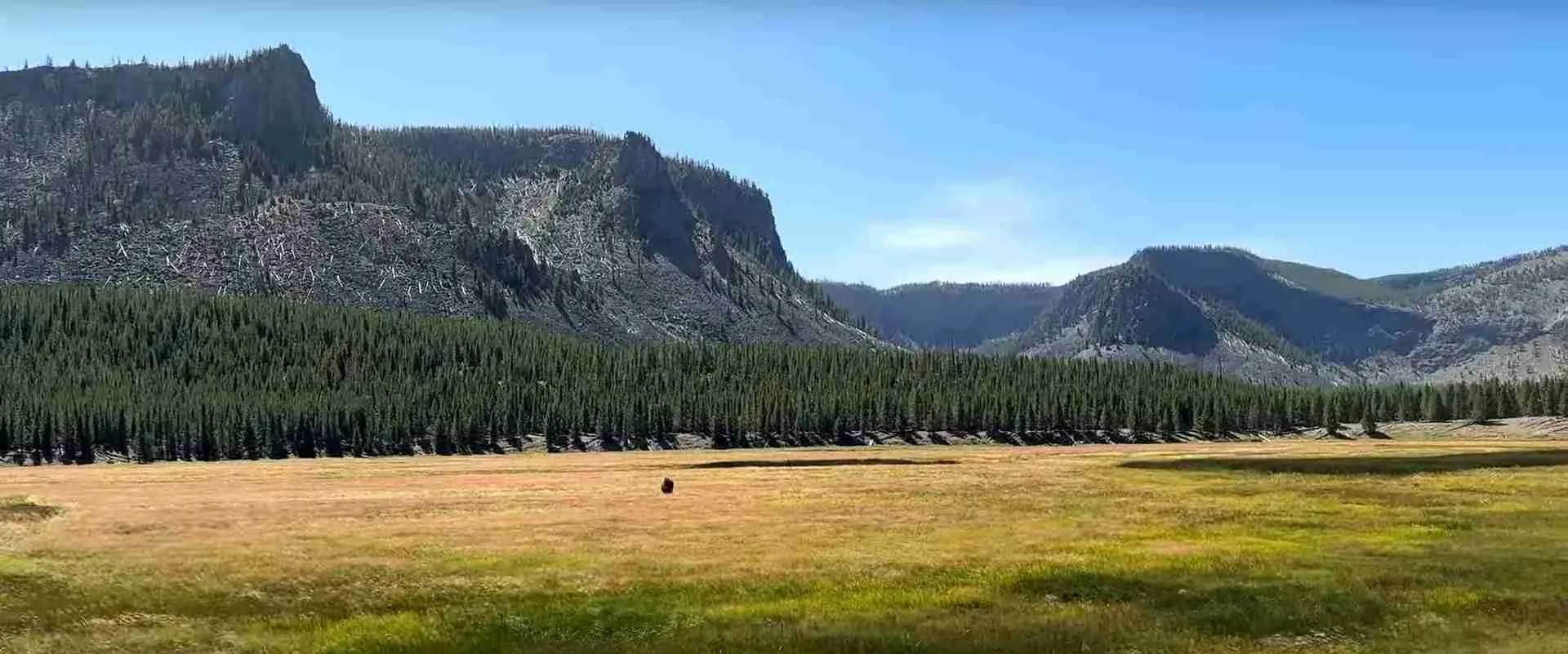
Best Time Visit Yellowstone 2026: Seasonal Planning Guide
Yellowstone National Park operates as a year-round destination, but your experience varies dramatically based on when you visit. Each season brings distinct advantages and challenges that directly impact your trip quality, costs, and accessibility. Understanding these seasonal patterns helps you align your visit with your priorities, whether you seek solitude in nature, optimal wildlife viewing, comfortable weather, or budget-friendly options.
Key Takeaways
- Peak summer season (June-August) offers warmest weather and full accessibility but brings maximum crowds and premium pricing across all services
- Shoulder seasons (May and September) provide the best balance of pleasant weather, manageable crowds, and moderate pricing with 90% of park facilities open
- Winter access (December-March) transforms Yellowstone into a snow-covered wonderland with unique wildlife viewing opportunities and dramatically reduced visitor numbers
- Spring (April-May) delivers exceptional wildlife watching during baby season and lowest accommodation prices, though weather remains unpredictable and some roads stay closed
- Fall colors (mid-September to mid-October) create spectacular photography opportunities with golden aspens and active wildlife preparing for winter
- Strategic timing around holiday weekends saves significant money and reduces wait times at popular attractions throughout 2026
Introduction: Planning Your Yellowstone 2026 Visit
The park receives approximately 4.5 million visitors annually, with 80% arriving during the three-month summer window. This concentration creates significant challenges during peak season, including traffic congestion at major attractions, fully booked accommodations months in advance, and wait times exceeding two hours at popular geysers. Strategic timing allows you to avoid these issues while maximizing your experience.
The 2026 season brings several considerations unique to next year. Road reconstruction projects affect the Grand Loop Road sections, particularly between Madison and Norris. Spring opening dates follow typical patterns but remain subject to snow conditions through late May. The park’s 150th anniversary legacy continues to influence visitor numbers, particularly during summer months when awareness remains elevated from recent celebrations.
People Also Ask About Yellowstone 2026 Timing
What is the absolute best month to visit Yellowstone in 2026?
September emerges as the optimal month for visiting Yellowstone in 2026, offering the strongest combination of favorable conditions across all categories. Weather remains pleasant with daytime temperatures ranging 60-75°F, significantly warmer than spring but without summer’s intense heat. Visitor numbers drop by 40% compared to peak summer, reducing wait times at major attractions from 90+ minutes to 20-30 minutes. Wildlife activity increases as animals prepare for winter, creating exceptional viewing opportunities particularly at dawn and dusk.
September accommodation rates decrease 25-35% from summer peaks, with rooms in Gardiner and West Yellowstone available for $180-280 per night compared to $350-500 in July. All park roads remain open through mid-September, providing complete access to attractions. Early fall colors begin emerging in aspen groves, adding visual interest to photography without obscuring mountain views. The month avoids both spring’s unpredictable weather and winter’s access restrictions while delivering warm days, cool nights perfect for camping, and significantly improved wildlife viewing compared to crowded summer months.
Should I avoid Yellowstone during summer 2026?
Summer visitation creates legitimate challenges, but avoiding June through August entirely means missing several unique advantages that other seasons cannot replicate. The park reaches full operational capacity during summer, with every visitor center, ranger program, and trail accessible. Weather stability peaks during these months, with less than 15% chance of day-long rain and comfortable temperatures for extended hiking. Wildflower displays reach their zenith in July, transforming meadows into colorful landscapes unavailable during other seasons.
Strategic planning mitigates summer crowds effectively. Arrive at major attractions before 9 AM or after 5 PM to avoid peak congestion. Focus midday hours on lesser-known areas like the Bechler region or Lamar Valley’s eastern sections. Book accommodations 6-8 months ahead to secure reasonable rates and preferred locations. Consider visiting during the final week of August when families return home for school, reducing visitor numbers by 20-25% compared to mid-summer while maintaining full access and stable weather patterns.
When does Yellowstone have the fewest crowds in 2026?
January through March delivers the smallest crowds, with daily visitor numbers dropping to just 3,000-5,000 compared to 30,000+ during summer peaks. Winter access requires snowcoaches or snowmobiles, creating a natural visitor limitation that preserves the wilderness experience. Only the North Entrance near Gardiner remains open to wheeled vehicles, further concentrating the already-minimal winter visitors into specific areas and leaving vast sections of the park virtually empty.
November and April represent shoulder months with similarly low visitation. November sees fewer than 50,000 total visitors parkwide as most facilities close for winter. April visitation remains light as the park transitions toward spring opening, though weather unpredictability and limited facility operations keep numbers manageable. These months require flexibility and preparation for changing conditions but reward visitors with authentic wilderness experiences and wildlife viewing opportunities without human interference. Expect to encounter fewer than 20 vehicles daily on most park roads during these periods, compared to continuous traffic during summer months.
What weather should I expect in Yellowstone during 2026?
Yellowstone’s elevation creates distinct weather patterns that differ significantly from surrounding lowland areas. The park sits at 6,000-11,000 feet above sea level, resulting in temperatures 10-20°F cooler than nearby cities and afternoon thunderstorms developing rapidly throughout summer months. Snow falls every month of the year at higher elevations, with Dunraven Pass typically receiving snowfall even in July.
Summer 2026 temperatures range 70-85°F during midday, dropping to 40-50°F at night. Afternoon thunderstorms develop on 40% of summer days, usually between 2-5 PM. Spring and fall bring more variable conditions, with temperature swings of 30-40°F between morning and afternoon common. Winter temperatures range 0-25°F during the day, with overnight lows dropping to -20°F or colder during arctic air masses. Pack layers for every season, including rain gear and warm clothing even during summer visits, as weather changes rapidly and significantly throughout each day.
Extended multi-day tours – 5+ days
Featured Park Yellowstone National Park Multi-Day Tour Packages
3 days
Park Yellowstone National Park 3-Day Discovery Tour
- ✓ Comprehensive Park Yellowstone National Park experience
- ✓ Expert local guides included
- ✓ All accommodation included
- ✓ Transportation provided
5 days
Park Yellowstone National Park 5-Day Highlights Experience
- ✓ Comprehensive Park Yellowstone National Park experience
- ✓ Expert local guides included
- ✓ All accommodation included
- ✓ Transportation provided

7 days
Park Yellowstone National Park 7-Day Cultural Journey
- ✓ Comprehensive Park Yellowstone National Park experience
- ✓ Expert local guides included
- ✓ All accommodation included
- ✓ Transportation provided

10 days
Park Yellowstone National Park 10-Day Complete Adventure
- ✓ Comprehensive Park Yellowstone National Park experience
- ✓ Expert local guides included
- ✓ All accommodation included
- ✓ Transportation provided
Multi-day tour packages powered by TourRadar. Prices and availability subject to change.
Spring in Yellowstone: April – May 2026
Weather Patterns and Road Access
Spring arrives slowly in Yellowstone, with significant snow remaining through April and into May. The park begins opening roads progressively, starting with lower elevation routes. The road from Mammoth to Cooke City opens around mid-April, weather permitting. The West Entrance to Madison Junction road opens in mid-April, followed by the South and East Entrances in early May. The Dunraven Pass section over Mount Washburn typically opens in late May, completing the Grand Loop Road circuit.
Daytime temperatures climb from 40-55°F in April to 50-65°F by late May. Nighttime temperatures drop below freezing throughout both months, with snow showers occurring frequently even during afternoon. Rain transitions to snow above 7,500 feet elevation. Morning temperatures in April average 20-30°F, requiring winter clothing layers. Mud season peaks in late April and early May as snowmelt creates challenging trail conditions in lower elevation areas.
Wildlife Viewing Advantages
Spring delivers exceptional wildlife watching opportunities as animals emerge from winter ranges and birth their young. Bear activity increases dramatically from mid-April through May as grizzlies and black bears exit hibernation. Bison calves arrive from mid-April through May, creating easily observable nursery herds in Lamar Valley and Hayden Valley. Elk calving occurs in late May and early June, with cow elk seeking secluded areas near Mammoth Hot Springs and along the Madison River.
Wolf watching reaches annual peaks during spring months. Packs remain visible in Lamar Valley during morning hours, often hunting newborn elk and bison calves. Eagles, osprey, and other raptors return to nesting sites in April, with great gray owls particularly active in Madison Canyon area. Grizzly bears concentrate in Hayden Valley, Pelican Valley, and along Yellowstone Lake’s north shore, feeding on spawning cutthroat trout and winter-killed carcasses.
Crowd Levels and Pricing
Spring represents Yellowstone’s quietest season after winter, with April seeing roughly 40,000 visitors parkwide and May reaching 250,000. These numbers represent just 10-15% of summer traffic, creating peaceful experiences at major attractions. Parking lots at Old Faithful rarely fill completely during spring. Boardwalks around thermal features accommodate visitors easily without crowding or extended wait times.
Accommodation pricing reaches annual lows during April and early May. Hotels in gateway towns cost $120-200 per night, representing 40-50% savings compared to summer peaks. Many seasonal lodges and campgrounds remain closed until mid-May, limiting options but ensuring those operating facilities maintain reasonable rates. Book West Yellowstone or Gardiner properties for best availability and pricing. Inside-park lodging at Mammoth Hot Springs Hotel opens in late April, offering early season access to central locations.
Spring Activity Recommendations
Focus spring activities on wildlife viewing and thermal feature photography. Early morning hours from 6-9 AM provide optimal wildlife watching conditions as animals feed actively after cold nights. Visit Lamar Valley for wolves, bears, and bison. Check Hayden Valley in late May for grizzly activity along Trout Creek and Alum Creek.
Thermal features create dramatic steam effects in cold spring air. Old Faithful, Grand Prismatic Spring, and Norris Geyser Basin produce impressive photo opportunities during morning hours when temperature differentials maximize visible steam. Bring telephoto lenses for wildlife photography and wide-angle lenses for geothermal landscapes. Mud season limits backcountry hiking, so focus on paved boardwalks and established trails near thermal areas.
Summer Peak Season: June – August 2026
Weather and Accessibility
Summer brings Yellowstone’s most stable weather patterns and complete park accessibility. All roads open by early June, providing access to every major attraction. Daytime temperatures range 70-85°F at lower elevations, dropping to 60-75°F in mountain areas. Overnight lows settle into comfortable 40-50°F range. Afternoon thunderstorms develop on approximately 40% of summer days, usually between 2-5 PM, bringing brief heavy rain, lightning, and occasional hail.
July represents the warmest month, with occasional periods reaching 90°F in lower elevation areas like Mammoth Hot Springs and the Lamar Valley. August temperatures moderate slightly but remain consistently warm and pleasant for hiking. Creek and river levels drop throughout summer as snowmelt diminishes, improving trail conditions and water crossings. Wildflowers peak in July, with lupine, Indian paintbrush, and balsamroot creating colorful displays across meadows and mountain slopes.
Crowd Management Strategies
Summer brings intense crowding that requires strategic planning to navigate effectively. July sees daily visitor counts exceeding 30,000, creating parking challenges at major attractions and wait times of 90+ minutes at popular features. Old Faithful parking lots fill by 10 AM during peak weeks. Grand Prismatic Spring boardwalks experience continuous heavy traffic from 9 AM through 6 PM.
Avoid crowds by arriving at popular attractions before 9 AM or after 5 PM. Most visitors concentrate activities between 10 AM and 4 PM, creating windows of relative quiet during early morning and evening hours. Focus midday visits on less-trafficked areas like the Bechler region, Pelican Valley, or eastern Lamar Valley sections. Consider exploring during dinner hours (5-7 PM) when many visitors return to accommodations, creating lighter traffic at major attractions.
Alternative strategies include visiting popular sites on weekdays rather than weekends, when day-trippers from surrounding areas increase traffic significantly. The final week of August sees notable crowd reductions as families return home for school year beginning. This week offers full access and stable weather with 20-25% fewer visitors than mid-summer peaks.
Summer Pricing and Reservations
Summer represents peak pricing season across all services. Inside-park lodges require reservations 6-12 months in advance, with popular properties like Old Faithful Inn and Lake Yellowstone Hotel selling out within hours of booking windows opening. Rooms at these properties cost $200-400 per night for standard accommodations. Gateway town hotels command $300-500 per night during July, with limited availability requiring advance booking.
Campground reservations open in mid-March for summer dates, selling out quickly for July and August sites. Inside-park campgrounds cost $35-60 per night. Backcountry permits for popular hiking areas like the Black Canyon of the Yellowstone and Heart Lake require advance reservations through the online system opening in April. Day-use parking at trailheads fills early, particularly for Mount Washburn, Avalanche Peak, and Storm Point trails.
Summer Activity Highlights
Summer provides access to Yellowstone’s complete range of activities. Hiking trails reach into high-elevation areas closed during other seasons. The Mount Washburn trail offers spectacular views across the Yellowstone caldera. Avalanche Peak provides challenging climbs to alpine environments. Heart Lake and Shoshone Lake permit multi-day backcountry trips through remote wilderness.
Ranger programs operate daily throughout summer, with guided walks, evening programs, and educational presentations at visitor centers. Junior Ranger programs engage children with age-appropriate activities and wildlife education. Fishing peaks in June and July as streams clear from snowmelt and trout feed actively. Yellowstone Lake and the Madison River provide excellent fly-fishing opportunities for cutthroat and brown trout.
Fall Colors Season: September – October 2026
Optimal Timing for Fall Colors
Fall foliage in Yellowstone follows elevation-dependent patterns, starting at higher elevations in late August and progressing to lower areas through October. Aspen groves reach peak color during mid-September, creating golden hillsides throughout the park. The Lamar Valley, Blacktail Plateau, and areas around Mount Washburn display spectacular autumn colors. Cottonwoods along rivers turn bright yellow in late September.
Peak fall color viewing occurs during September 15-30 in most years, though elevation and weather variations create different timing across park areas. Higher elevation aspens near Dunraven Pass and Sylvan Pass color first, usually by September 10. Lower elevation areas around Mammoth Hot Springs and the Lamar Valley peak around September 25. October brings brown and russet tones as leaves drop and frost arrives frequently.
Weather Transitions
September weather remains pleasant with daytime temperatures ranging 60-75°F and overnight lows dropping to 30-40°F. Snow showers occur occasionally at higher elevations but rarely accumulate significantly. October brings increasing winter influence, with daytime temperatures falling to 45-60°F and nighttime lows regularly dropping below freezing. First significant snowfall typically arrives in early October at high elevations, with accumulating snow possible parkwide by mid-October.
The transition from summer to winter creates variable conditions requiring flexible planning. Morning frost covers landscapes regularly in October, creating photographic opportunities as sun hits frozen vegetation. Afternoon temperatures warm sufficiently for comfortable hiking. Pack layers for significant temperature swings throughout the day. Rain transitions to snow above 8,000 feet by late September, with snow possible at any elevation by October.
Wildlife Activity and Viewing
Fall brings increased wildlife activity as animals prepare for winter. Elk rut peaks from mid-September through early October, with bull elk bugling throughout the park. Mammoth Hot Springs area, Madison Junction, and Gibbon Meadows host large elk concentrations during rut. Bull elk become aggressive and vocal, creating spectacular viewing and photography opportunities while requiring cautious observation from safe distances.
Bear activity increases as grizzlies and black bears feed intensively before hibernation. Bears focus on whitebark pine nuts at higher elevations in September, descending to lower areas in October. Bison migrate from summer ranges to winter areas, creating large herds moving through Hayden Valley and along the Firehole River. Wolves maintain high activity levels hunting elk and bison, with Lamar Valley providing consistent viewing opportunities during morning hours.
Crowd Levels and Pricing
September delivers significantly reduced crowds compared to summer, with visitor numbers dropping 40% after Labor Day weekend. Parking becomes readily available at major attractions. Wait times at popular features decrease from summer’s 60-90 minutes to 15-30 minutes. October sees further reductions as facilities begin closing for winter season and weather becomes less predictable.
Accommodation prices decrease notably during September, dropping 25-35% from peak summer rates. Gateway town hotels cost $180-280 per night for standard rooms. Inside-park lodges begin closing in late September, with most facilities shutting down by mid-October. Book West Yellowstone or Gardiner for late September and October visits, ensuring property availability as some seasonal businesses close after Labor Day.
Fall Hiking and Photography
Fall provides excellent hiking conditions with comfortable temperatures, fewer crowds, and spectacular scenery. Trails remain accessible until first significant snowfall, typically in early October. The Mount Washburn trail offers stunning fall color views across aspen-covered hillsides. Storm Point trail around Yellowstone Lake provides wildlife watching opportunities with autumn colors reflecting in lake waters.
Photography benefits from fall’s dramatic lighting and colorful landscapes. Morning frost creates textured foregrounds for landscape compositions. Elk bugling scenes combine wildlife action with autumn settings. Lower sun angles during fall months create warm light lasting longer than summer’s brief golden hours. Steam from thermal features increases in cooling air, producing more dramatic images at Old Faithful and Grand Prismatic Spring.
Winter Wonderland: November – March 2026
Winter Access and Transportation
Winter transforms Yellowstone into a snow-covered wilderness accessible only through specialized transportation. The North Entrance near Gardiner remains open to wheeled vehicles year-round, providing access to Mammoth Hot Springs and the road to Cooke City. All other park roads close to wheeled vehicles from early November through mid-April, requiring snowcoaches or snowmobiles for interior access.
Snowcoach tours operate from West Yellowstone, Mammoth Hot Springs, and Flagg Ranch, transporting visitors to Old Faithful and Canyon areas. These heated vehicles accommodate 6-12 passengers and traverse snow-covered roads at moderate speeds. Snowmobile access requires guided tours with approved operators, following designated routes through the park. Both options cost $300-400 per person for full-day trips from gateway towns to Old Faithful area.
Winter Weather and Conditions
Winter brings extreme cold and heavy snowfall to Yellowstone. Daytime temperatures range 0-25°F from December through February, with overnight lows frequently dropping to -20°F or colder during arctic air masses. The park receives 150-400 inches of snow annually depending on elevation, with higher areas accumulating significantly more snowpack than lower valleys. January represents the coldest month, with sustained periods below zero common.
Thermal features create dramatic contrasts against snow and cold air. Geysers produce massive steam clouds visible for miles. Bison gather around hot springs for warmth, creating iconic winter wildlife scenes. Trees and vegetation frost heavily overnight, forming hoar frost crystals that sparkle in winter sunlight. Wind chill significantly impacts perceived temperature, requiring complete winter clothing systems for any outdoor activity.
Winter Wildlife Viewing
Winter provides unique wildlife viewing opportunities unavailable during other seasons. Bison concentrate near thermal features in Lamar Valley, Hayden Valley, and Upper Geyser Basin, using geothermal heat to survive extreme cold. Wolves hunt actively, with pack activity easily visible against snow-covered landscapes. The Lamar Valley offers consistent wolf watching throughout winter months, particularly during morning hours.
Elk winter in lower elevation areas near Mammoth Hot Springs and along the Gardiner River. Bull elk retain antlers through winter, creating impressive photographic subjects. Bighorn sheep descend to lower slopes near the North Entrance, often visible along the road between Mammoth and Gardiner. Coyotes hunt small mammals in meadows, their movements easily tracked in snow. Trumpeter swans overwinter on ice-free sections of the Madison and Firehole Rivers.
Winter Activities and Lodging
Winter activities focus on snowshoeing, cross-country skiing, and wildlife viewing. The Mammoth Hot Springs area maintains groomed trails for Nordic skiing and snowshoeing. Old Faithful Snow Lodge offers ski rentals and trail access from its location at Upper Geyser Basin. Guided naturalist programs operate throughout winter, focusing on wildlife ecology and winter survival adaptations.
Winter lodging options are limited but provide unique experiences. Old Faithful Snow Lodge operates December through March, offering the only interior accommodation during winter months. Rooms cost $200-300 per night, requiring advance reservations. Mammoth Hot Springs Hotel operates late December through early March, providing access to the north section. Gardiner maintains several year-round hotels as the primary winter gateway, with rooms costing $150-250 per night during winter season.
2026 Special Considerations and Events
Road Construction and Closures
The 2026 season includes ongoing road rehabilitation projects affecting travel times and access. The Grand Loop Road section between Madison and Norris undergoes reconstruction, creating delays of 20-45 minutes during peak traffic periods. Construction occurs primarily during summer months when visitor numbers reach maximum levels. Alternative routes through Canyon or via the south loop add travel time but avoid construction delays.
Plan extra time for travel between park areas during summer 2026. The normal 30-minute drive from Madison to Norris may require up to 75 minutes with construction delays. Morning hours before 9 AM and evening hours after 5 PM see reduced construction activity and lighter traffic. Check current road conditions through the park website or visitor centers before departure to adjust itineraries based on daily construction schedules.
Seasonal Opening Predictions
Spring 2026 road openings follow typical weather-dependent patterns. The West Entrance to Madison road typically opens in mid-April, around April 15-20. The South and East Entrances usually open in early May, approximately May 1-7. The Dunraven Pass section over Mount Washburn opens last, typically in late May around May 25-30. These dates vary based on snowpack depth and spring weather conditions.
Monitor opening announcements through the official park website starting in late March. Roads open progressively as plowing crews clear winter snow accumulation. Spring storms can delay openings by several days beyond predicted dates. The North Entrance near Gardiner remains open year-round, providing reliable access regardless of spring conditions. Inside-park accommodations open concurrently with road access, with Old Faithful area lodges beginning operations after the West Entrance road opens.
Holiday Period Planning
Major holiday weekends bring increased visitation and higher prices throughout 2026. Memorial Day weekend (May 23-26) marks traditional summer season beginning, with visitor numbers jumping 50% compared to previous weeks. Independence Day (July 4) creates peak summer crowds with extended wait times at all major attractions. Labor Day weekend (August 30-September 1) represents summer’s end, with heavy traffic followed by immediate crowd reductions after the holiday.
Avoid holiday weekends when possible to reduce costs and improve experience quality. Book accommodations 8-12 months ahead for holiday periods as properties sell out completely. Consider visiting the week immediately after major holidays when crowds dissipate but weather and access remain favorable. Thanksgiving and Christmas periods see minimal visitation as winter access limitations and cold weather discourage casual tourists, though dedicated winter visitors appreciate the solitude.
Month-by-Month 2026 Breakdown
January 2026
Weather: Average high 25°F, low -5°F. Heavy snow and extreme cold. Crowds: Minimal, 3,000-4,000 daily visitors. Access: North Entrance only for vehicles; snowcoach/snowmobile required for interior. Highlights: Peak winter wildlife viewing, thermal feature contrasts, complete solitude. Accommodation Costs: Gardiner $120-180/night, Old Faithful Snow Lodge $250-300/night.
February 2026
Weather: Average high 30°F, low 5°F. Continued cold with increasing daylight. Crowds: Minimal, 4,000-5,000 daily visitors. Access: North Entrance for vehicles; snowcoach/snowmobile for interior. Highlights: Wolf watching peak, bison near thermal areas, cross-country skiing. Accommodation Costs: Gardiner $120-180/night, Old Faithful Snow Lodge $250-300/night.
March 2026
Weather: Average high 38°F, low 15°F. Warming trend begins but snow continues. Crowds: Low, 8,000-10,000 daily visitors. Access: North Entrance for vehicles; snowcoach access through mid-March. Highlights: Late winter wildlife activity, extended daylight hours. Accommodation Costs: Gardiner $130-200/night.
April 2026
Weather: Average high 48°F, low 25°F. Variable spring conditions with frequent snow. Crowds: Low, 40,000 monthly visitors. Access: North Entrance and West Entrance (mid-April); most interior roads closed. Highlights: Bear emergence, lowest accommodation prices, mud season. Accommodation Costs: Gateway towns $120-200/night, lowest annual rates.
May 2026
Weather: Average high 60°F, low 35°F. Spring weather improving but unpredictable. Crowds: Moderate, 250,000 monthly visitors. Access: Most roads open by mid-May; Dunraven Pass opens late May. Highlights: Wildlife babies, wildflowers emerging, spring bird migration. Accommodation Costs: Gateway towns $150-250/night, inside-park opening late May.
June 2026
Weather: Average high 70°F, low 40°F. Pleasant with afternoon thunderstorms developing. Crowds: Heavy, 900,000 monthly visitors. Access: Complete park access. Highlights: Wildflowers peak early June, all facilities open, extended daylight. Accommodation Costs: Gateway towns $250-400/night, inside-park $200-350/night.
July 2026
Weather: Average high 80°F, low 45°F. Warmest month with regular afternoon storms. Crowds: Maximum, 1,000,000+ monthly visitors. Access: Complete park access. Highlights: Warmest weather, peak wildflowers, all activities available. Accommodation Costs: Gateway towns $300-500/night, inside-park $250-400/night. Peak pricing.
August 2026
Weather: Average high 78°F, low 43°F. Warm with increasing variability late month. Crowds: Heavy early month, decreasing after Labor Day. Access: Complete park access. Highlights: Stable weather, late August crowd reduction, wildlife activity increasing. Accommodation Costs: Gateway towns $250-400/night early month, dropping to $200-300/night late month.
September 2026
Weather: Average high 68°F, low 35°F. Pleasant days, cool nights, fall colors emerging. Crowds: Moderate, 350,000 monthly visitors. Access: Complete access until late September facility closures begin. Highlights: Elk rut, fall colors peak mid-month, reduced crowds, comfortable weather. Accommodation Costs: Gateway towns $180-280/night, inside-park closing late month.
October 2026
Weather: Average high 55°F, low 25°F. Cooling temperatures, first significant snow. Crowds: Low, 120,000 monthly visitors. Access: Roads begin closing mid-October; North Entrance remains open. Highlights: Late fall colors, increased wildlife movement, solitude returns. Accommodation Costs: Gateway towns $150-250/night, many seasonal closures.
November 2026
Weather: Average high 38°F, low 15°F. Winter arrives with accumulating snow. Crowds: Minimal, 50,000 monthly visitors. Access: North Entrance only for vehicles. Highlights: Early winter wildlife, thermal feature steam, transition to winter season. Accommodation Costs: Gardiner $120-180/night.
December 2026
Weather: Average high 28°F, low 5°F. Full winter conditions established. Crowds: Minimal, 25,000 monthly visitors. Access: North Entrance for vehicles; snowcoach season begins mid-December. Highlights: Winter solitude, Old Faithful Snow Lodge opens, holiday season programs. Accommodation Costs: Gardiner $130-200/night, Old Faithful Snow Lodge $250-300/night.
FAQ: Best Time Visit Yellowstone 2026
What is the least crowded time to visit Yellowstone in 2026?
January through March delivers minimal crowds with just 3,000-5,000 daily visitors compared to 30,000+ during summer. November and April also see light visitation, though April begins increasing as spring approaches. Winter requires specialized access via snowcoach or snowmobile, naturally limiting visitor numbers while providing extraordinary wildlife viewing and thermal feature experiences.
When does Yellowstone get snow in 2026?
Snow falls every month at higher elevations, but significant accumulation begins in October at all elevations. First major winter storm typically arrives in early October. Roads close to wheeled vehicles in early November as snowpack accumulates. Spring snow continues through May, with Dunraven Pass often closed until late May due to deep snowpack. Pack for cold weather and snow possibility regardless of visit month.
Is September better than June for visiting Yellowstone?
September offers superior overall experience for most visitors, combining pleasant weather, significantly reduced crowds (40% fewer than summer), and increased wildlife activity during fall preparations. June provides complete access and longer days but brings peak crowding and higher prices. September accommodation rates drop 25-35% below summer peaks while maintaining comfortable 60-75°F temperatures and complete road access through mid-month.
Can I visit Yellowstone in winter 2026?
Winter visits provide unique experiences but require specialized planning. The North Entrance near Gardiner remains open year-round to wheeled vehicles. Access to interior areas requires snowcoach tours ($300-400 per person) or guided snowmobile trips from West Yellowstone, Mammoth, or Flagg Ranch. Old Faithful Snow Lodge operates December-March, offering interior accommodation. Winter delivers exceptional wildlife viewing, dramatic thermal features, and complete solitude but demands proper cold weather preparation.
What are Yellowstone’s busiest days in 2026?
July weekends, particularly around Independence Day (July 4), represent peak crowding with 35,000+ daily visitors. Memorial Day weekend (May 23-26) and Labor Day weekend (August 30-September 1) also see heavy traffic. Weekdays in July and August remain busy but slightly less congested than weekends. Avoid these periods when possible, or visit major attractions before 9 AM or after 5 PM to minimize wait times and parking challenges.
When do Yellowstone’s wildflowers bloom?
Wildflower season follows elevation-dependent patterns from May through August. Lower elevation areas near Mammoth bloom in late May with arrowleaf balsamroot. Mid-elevation meadows peak in June-July with lupine and Indian paintbrush dominating displays. High-elevation areas bloom in July-August. Peak viewing occurs during late June and early July across most of the park, coinciding with peak summer visitation.
What’s the warmest time to visit Yellowstone?
July delivers the warmest weather with daytime temperatures reaching 80-85°F at lower elevations and 70-75°F in mountain areas. Late July through early August consistently provides the most comfortable temperatures for extended hiking and outdoor activities. Overnight lows remain mild at 45-50°F. Higher elevations stay cooler year-round, with Mount Washburn and Dunraven Pass areas rarely exceeding 70°F even during peak summer.
Should I book Yellowstone accommodations in advance for 2026?
Summer visits (June-August) require booking 6-12 months ahead, with popular inside-park lodges selling out within hours of reservation windows opening. September and May need 3-6 months advance booking. Gateway town hotels fill completely during peak season. Winter accommodation at Old Faithful Snow Lodge requires 4-6 months advance reservation. April and October offer more booking flexibility with 4-8 weeks advance typically sufficient.
Does Yellowstone experience fall colors in 2026?
Fall colors peak during mid-September through early October, with aspen groves turning brilliant gold throughout the park. The Lamar Valley, Blacktail Plateau, and Mount Washburn areas display spectacular autumn colors. Timing varies by elevation and annual weather patterns, but September 15-30 typically represents peak viewing. Early October brings russet tones as leaves drop and frost arrives regularly.
What months have the best weather in Yellowstone?
Late June through early September provides the most stable and pleasant weather, with daytime temperatures ranging 65-80°F and low precipitation. July offers warmest conditions but more afternoon thunderstorms. September combines comfortable temperatures, reduced storm activity, and spectacular fall colors. May and October bring more variable conditions with temperature swings of 30-40°F daily but offer uncrowded experiences during pleasant weather windows.