
Yellowknife Travel Guide 2026: Gateway to the Northern Lights
Yellowknife stands directly beneath the auroral oval in Canada’s Northwest Territories, offering the world’s most consistent Northern Lights viewing with aurora activity visible up to 240 nights annually. The capital city combines extreme Arctic experiences—from winter temperatures plunging to -40°C to summer midnight sun—with modern infrastructure, Indigenous cultural heritage, and wilderness access where frozen Great Slave Lake stretches beyond the horizon.
Key Takeaways About Visiting Yellowknife in 2026
- Northern Lights Success Rate 2026: Spend three nights between November and April and achieve 98% probability of witnessing aurora displays, with prime viewing between 10 PM and 2 AM when geomagnetic activity peaks beneath the auroral oval’s center.
- Budget Planning 2026: Expect CAD $260-305 ($190-223) per person daily for mid-range comfort, assuming two sharing hotel accommodation. Hotel CAD $90 per person (two sharing CAD $180 rooms), meals CAD $60-80, Northern Lights tour CAD $100-120 per night, local transport CAD $10-15. Optional daytime activities add CAD $50-150 depending on choices.
- Optimal Visiting Seasons 2026: Mid-November through early April delivers longest darkness and clearest skies for aurora viewing at -20°C to -40°C. Late August through October offers milder temperatures around 0°C to -10°C with autumn colors and frozen lake reflections for Northern Lights photography.
- Essential Arctic Preparation: Winter clothing rental services provide complete extreme-cold gear packages (parka, snow pants, boots, mitts) for CAD $25-35 ($18-26) daily, delivered directly to hotels. Standard travel clothing proves dangerously inadequate below -25°C with windchill factors.
- Cultural and Wilderness Access: Yellowknife serves as the gateway to both Indigenous Dene cultural experiences and vast subarctic wilderness including Great Slave Lake, the tenth-largest lake worldwide, plus ice road networks connecting remote communities during winter months.
- Getting There 2026: Direct flights from Calgary, Edmonton, and Vancouver operate year-round, with expanded summer routes adding Ottawa and Toronto connections. Yellowknife Airport (YZF) sits 10 minutes from downtown with complimentary hotel shuttle services eliminating ground transportation costs.
People Also Ask About Yellowknife 2026
How Much Does Yellowknife Cost Per Day in 2026?
Mid-range travelers spend CAD $260-305 ($190-223) per person daily assuming two sharing hotel accommodation and nightly aurora tours. Hotel CAD $90 per person (two sharing CAD $180 rooms), meals CAD $60-80, Northern Lights tour CAD $100-120 per night, local transport CAD $10-15. Budget travelers manage on CAD $160-220 ($117-161) daily staying in hostel dormitories at CAD $40 per bed, eating at casual restaurants for CAD $35-50, using public transport for CAD $5-8, and joining group aurora tours at CAD $80-100 per night. Luxury visitors invest CAD $400-575+ ($292-420+) daily for boutique hotels at CAD $150-250 per person sharing, fine dining experiences at CAD $100-150, private aurora tours with professional photography at CAD $120-150, and premium daytime activities.
What’s the Best Time to See Northern Lights in Yellowknife 2026?
Mid-November through early April provides optimal Northern Lights viewing with longest darkness periods and clearest winter skies, though temperatures plunge to -20°C to -40°C. Late August through October serves as shoulder season offering milder conditions around 0°C to -10°C plus opportunities for aurora reflections on unfrozen lakes before ice forms. Solar Cycle 25 reaches maximum intensity in 2026, producing more frequent and vibrant displays visible even during marginal conditions. Viewing window runs 10 PM to 2 AM nightly, peaking around local midnight when geomagnetic activity typically intensifies beneath the auroral oval.
Do I Need Special Winter Clothing for Yellowknife in 2026?
Winter visitors absolutely require extreme-cold rated gear for temperatures reaching -40°C before windchill factors. Local rental companies provide complete Arctic clothing packages including expedition-grade parkas rated to -50°C, insulated snow pants, winter boots rated to -40°C, and heavy mitts for CAD $25-35 ($18-26) daily, delivered directly to hotels. Standard winter coats from southern regions prove dangerously inadequate below -25°C. Aurora tours supply additional gear including heated teepees, warming shelters, and hot beverages, but personal extreme-cold clothing remains essential for outdoor viewing periods lasting 3-5 hours nightly.
Can I See Northern Lights Without Taking a Tour in Yellowknife 2026?
Downtown Yellowknife offers free Northern Lights viewing from Frame Lake Trail and surrounding parks when aurora activity occurs, though city light pollution reduces visibility compared to darkness beyond urban boundaries. Tour operators transport guests 15-30 kilometers outside city limits where complete darkness, 360-degree horizon views, and expert guidance on aurora forecasting significantly improve both viewing quality and photography opportunities. Tours provide heated shelters, hot beverages, winter gear, and chase strategies tracking aurora movements to strongest display locations, justifying CAD $80-150 ($58-110) nightly costs for visitors traveling specifically for Northern Lights experiences.
Extended multi-day tours – 5+ days
Featured Yellowknife Multi-Day Tour Packages
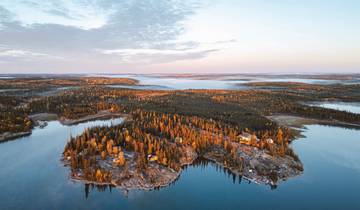
8 days
Portugal's Douro Valley – In the World Heritage Site from Bragança to Porto 8 Days
- ✓ Comprehensive Yellowknife tour
- ✓ Expert local guides included
- ✓ All accommodation arranged
- ✓ Transportation provided
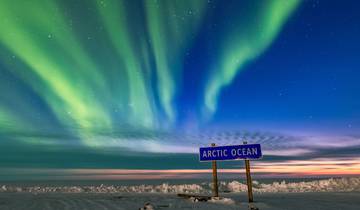
7 days
7-Day Yellowknife Northern Lights & Canadian Rockies Winter Tour: Yelloknife to Calgary
- ✓ Comprehensive Yellowknife tour
- ✓ Expert local guides included
- ✓ All accommodation arranged
- ✓ Transportation provided
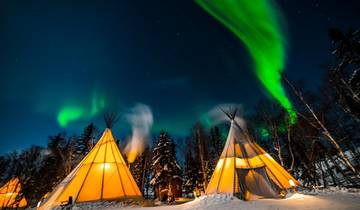
4 days
Yellowknife and the Northern Lights
- ✓ Comprehensive Yellowknife tour
- ✓ Expert local guides included
- ✓ All accommodation arranged
- ✓ Transportation provided
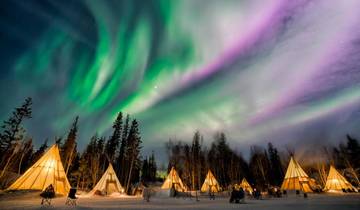
3 days
Explore The Magical Auroras Of Yellowknife – 3 days
- ✓ Comprehensive Yellowknife tour
- ✓ Expert local guides included
- ✓ All accommodation arranged
- ✓ Transportation provided
Multi-day tour packages powered by TourRadar. Prices and availability subject to change.
Introduction to Yellowknife: Canada’s Aurora Capital in 2026
Yellowknife occupies a unique position 62 degrees north latitude, placing Canada’s Northwest Territories capital directly beneath the auroral oval’s center where solar particles interact most intensely with Earth’s magnetic field. This geographic advantage combined with subarctic continental climate producing clear, dry air and minimal precipitation creates the world’s most reliable Northern Lights viewing destination. The aurora appears on average 240 nights annually from late August through late April, with winter months delivering near-nightly displays when darkness extends 18 hours daily.
The city serves dual identities as both frontier capital managing vast northern territories and intimate community of 20,000 residents where everyone navigates winter by first name basis. Founded during 1930s gold rush discoveries, Yellowknife evolved from mining camp to territorial seat while retaining authentic northern character. Old Town’s houseboats frozen into Back Bay ice, Bush Pilot’s Monument overlooking Great Slave Lake, and Indigenous Dene cultural centers presenting thousands of years of northern heritage create distinctly northern urban experience unavailable anywhere south of 60th parallel.
Infrastructure matches modern expectations despite extreme environment. International airport receives daily flights from major Canadian hubs. Downtown concentrates hotels, restaurants representing dozen cuisines, and shopping along Franklin Avenue’s two-kilometer commercial strip. Yet wilderness begins immediately beyond city limits. Great Slave Lake, Canada’s deepest and North America’s fifth-largest, freezes solid January through April creating temporary ice roads connecting remote communities. Ingraham Trail extends 70 kilometers into boreal forest passing waterfalls, hiking trails, and pristine lakes where aurora viewing occurs in absolute darkness.
Seasonal extremes define Yellowknife’s character more profoundly than any southern Canadian destination. Winter temperatures average -26°C but regularly plunge to -40°C before windchill, creating conditions where exposed skin freezes in minutes and vehicles require engine block heaters for overnight parking. Summer reverses to 24-hour daylight and temperatures reaching +25°C, though midnight sun eliminates aurora viewing from May through mid-August. These extremes foster resilient community culture celebrating winter through festivals, ice road trucking, and outdoor activities that would seem improbable elsewhere.
Indigenous heritage permeates Yellowknife despite modern development. The region represents traditional territory of Yellowknives Dene First Nation, whose ancestors inhabited these lands for 10,000 years following glacial retreat. Place names, cultural centers, and aurora viewing traditions connect contemporary visitors to deep Indigenous knowledge systems. Northern Lights hold spiritual significance in Dene cosmology as dancing spirits of ancestors, adding cultural dimension to what tourists often perceive as purely scientific phenomenon. Tour operators increasingly integrate Indigenous storytelling, traditional foods like bannock and fish, and Dene language education into aurora viewing experiences.
Yellowknife functions as transportation hub and supply center for Canada’s vast Arctic territories. Bush planes depart daily for diamond mines, remote Indigenous communities, and research stations across Northwest Territories and Nunavut. This logistical role means the city offers amenities and services unusual for its size, including equipped hospitals, advanced telecommunications, and diverse restaurants serving workers rotating through from southern provinces. The economy balances government administration, diamond mining support, tourism, and Indigenous traditional activities creating multicultural community where southern professionals work alongside families maintaining centuries-old northern lifestyles.
Tourism infrastructure has matured considerably over recent decades while maintaining authentic northern character. Tour operators range from Indigenous-owned cultural experiences to photography-specialized aurora tours using professional camera equipment. Accommodations span hostel dormitories to boutique properties overlooking Great Slave Lake. Dining evolved from basic frontier fare to innovative northern cuisine featuring Arctic char, bison, and foraged ingredients. Yet Yellowknife avoids over-tourism problems plaguing more accessible destinations, as Arctic location and extreme climate naturally limit visitor numbers to those genuinely committed to northern experiences.
Best Time to Visit Yellowknife in 2026
Yellowknife operates on two distinct tourism seasons defined entirely by Northern Lights visibility and daylight cycles. Winter season from mid-November through early April delivers the aurora viewing experience most visitors seek, with darkness extending 18 hours daily and crystal-clear skies resulting from temperatures so cold that clouds cannot form below -32°C. Shoulder season from late August through October offers milder conditions with autumn colors, unfrozen lakes reflecting aurora displays, and temperatures allowing extended outdoor viewing without extreme-cold gear requirements.
December through February represents peak winter aurora season when darkness runs from 4 PM to 11 AM and temperatures average -26°C but regularly drop to -40°C. These months provide maximum viewing opportunities with near-nightly aurora displays, though extreme cold demands proper Arctic clothing and limits outdoor exposure to 30-minute intervals before requiring warming breaks. Hotels reach capacity during Christmas and New Year weeks when international visitors combine holidays with Northern Lights pursuits. January typically offers coldest temperatures but also clearest skies with minimal cloud cover, while February starts showing marginal daylight increase though darkness remains sufficient for aurora viewing through 2 AM.
March marks transition period combining reliable aurora viewing with improving weather conditions. Temperatures moderate slightly to -15°C to -25°C range, daylight increases noticeably though darkness still extends from 7 PM to 7 AM, and spring equinox geomagnetic activity often produces particularly intense aurora displays. Ice road season peaks in March when frozen highways reach maximum thickness allowing heaviest truck traffic to remote communities, creating unique tourism opportunities including ice road drives and winter festivals. Hotels maintain high occupancy but slightly lower than peak winter months, offering better availability and occasionally reduced rates.
April represents late winter with temperatures approaching -5°C to -10°C, creating comfortable outdoor conditions compared to deep winter extremes. Darkness runs from 9 PM to 5 AM, still providing adequate aurora viewing windows though sunrise approaches midnight viewing hours. Great Slave Lake remains frozen solid through April allowing ice fishing, snowmobile excursions, and winter activities while improved weather makes outdoor experiences more accessible to visitors unaccustomed to extreme cold. Tour operators continue full programming through April, with many visitors preferring this month’s balance between aurora access and bearable temperatures.
Late August through October constitutes shoulder season when darkness returns following summer’s midnight sun. Aurora viewing becomes possible from 11 PM onward as twilight fades, with September offering best conditions when darkness extends from 10 PM to 6 AM and temperatures hover around 0°C. This season attracts photography enthusiasts seeking aurora reflections on unfrozen lakes, yellow tamarack foliage contrasting green aurora displays, and comfortable outdoor temperatures allowing hours of viewing without extreme-cold gear. Fewer tourists visit shoulder season despite excellent aurora probability, resulting in lower accommodation prices and more intimate tour group experiences.
May through mid-August sees minimal tourism as midnight sun eliminates aurora viewing entirely. Daylight extends 20+ hours from late May through July, creating conditions where 2 AM resembles afternoon brightness. While summer offers hiking, fishing, paddling on Great Slave Lake, and exploration of Ingraham Trail’s waterfalls and swimming holes, visitors specifically seeking Northern Lights should avoid this period entirely. Hotels reduce rates significantly during summer, restaurants maintain limited hours, and tour operators shift programming toward wilderness experiences rather than aurora viewing.
Solar Cycle 25 reaches maximum intensity in 2026, increasing aurora frequency and brightness compared to solar minimum years. This natural 11-year cycle means 2026 represents optimal year for Northern Lights viewing globally, with increased geomagnetic storms producing aurora displays visible even during marginal viewing conditions. Yellowknife’s location beneath auroral oval ensures the city benefits maximally from solar maximum, with forecasters predicting particularly impressive displays during March and September equinox periods when Earth’s magnetic field orientation favors intense aurora activity.
Planning Your Aurora Viewing Strategy for 2026
Northern Lights viewing success in Yellowknife depends primarily on three-night minimum stays allowing multiple viewing opportunities across varying aurora activity levels. Statistical data demonstrates 98% probability of witnessing aurora displays during three consecutive nights between November and April, as individual night viewing probability averages 75% when accounting for cloud cover and geomagnetic activity fluctuations. Single-night visits risk cloudy weather or low aurora activity preventing displays despite clear forecasts, making extended stays essential for travelers investing significant time and expense reaching Yellowknife.
Aurora viewing occurs between 10 PM and 2 AM with peak activity typically concentrated around local midnight when geomagnetic disturbances intensify. Tour operators schedule departures between 9 PM and 10 PM depending on season, allowing time for transportation to viewing locations 15-30 kilometers outside city limits where complete darkness and 360-degree horizons maximize display visibility. Tours run 3-5 hours including transportation, multiple viewing periods interspersed with warming breaks in heated shelters, and hot beverages with traditional snacks like bannock bread and fish chowder.
Cloud cover represents the primary viewing obstacle in Yellowknife despite the city’s position beneath auroral oval. While aurora activity occurs overhead nightly during winter months, clouds block visibility approximately 25% of winter nights and 40% of shoulder season nights. Tour operators monitor multiple weather forecasts, satellite cloud imagery, and real-time reports from viewing locations to optimize tour routing toward clear-sky areas within reasonable driving distance. This “aurora hunting” strategy involves traveling to wherever skies remain clearest rather than establishing fixed viewing locations, significantly improving success rates compared to stationary approaches.
Geomagnetic activity levels fluctuate based on solar wind speed, density, and magnetic field orientation affecting Earth. Forecasters measure this activity using Kp index scaled 0-9, with Kp 0-2 producing faint aurora visible only under ideal darkness, Kp 3-4 generating moderate displays easily visible in dark-sky locations, and Kp 5+ creating bright aurora featuring multiple colors, rapid movement, and visibility even from urban areas with light pollution. Yellowknife’s extreme northern latitude means aurora appears overhead even during low Kp index periods, while southern aurora viewing locations require Kp 5+ for any visibility. Tour operators check forecasts before departure and communicate expected activity levels to guests, though predictions remain approximate 24-48 hours in advance.
Photography equipment requirements vary dramatically based on visitor goals. Smartphone cameras capture aurora displays during bright Kp 4+ activity using night mode settings and 3-5 second exposures, producing satisfactory memory documentation without specialized equipment. Dedicated cameras with manual exposure control, wide-angle lenses, and tripod mounting produce professional-quality images showing aurora colors, star fields, and foreground landscapes. Tour operators increasingly provide photography assistance including tripod use, camera settings guidance, and professional photographer services capturing images of guests positioned against aurora displays for CAD $30-50 ($22-37) additional fees.
Color perception differs significantly between human eyes and camera sensors during aurora viewing. Human eyes rely primarily on rod cells in low-light conditions, which detect brightness but show reduced color sensitivity compared to cone cells activated in bright environments. Consequently, faint aurora appears greenish-white to most observers with colors intensifying to vivid green, pink, and occasionally red only during strongest displays. Camera sensors accumulate light during multi-second exposures, revealing colors more vibrantly than real-time human perception. This technical reality means aurora photographs often appear more colorful than what viewers witnessed directly, though the displays remain genuinely present rather than artificially enhanced.
Moon phases significantly influence viewing experiences despite minimal effect on aurora activity itself. Full moon periods produce bright landscape illumination enabling silhouette photography against aurora displays but also reducing contrast making faint aurora less visible. New moon phases create darkest skies where even moderate aurora displays appear brilliant against star fields. Most tour operators prefer half-moon periods balancing adequate foreground illumination for photography with sufficient darkness preserving aurora visibility. Moon rise and set times shift throughout night, with transitional periods offering unique opportunities experiencing both moonlit and starlit viewing conditions during single tour.
Indigenous perspectives add cultural depth to aurora viewing experiences beyond pure scientific observation. Dene peoples traditionally interpreted Northern Lights as dancing spirits of ancestors, respected but approached cautiously as powerful forces requiring proper protocols. Some Indigenous guides share traditional stories explaining aurora origins, discuss cultural significance in northern cosmology, and demonstrate traditional activities like drumming or storytelling beneath displays. These cultural components transform aurora viewing from passive observation into meaningful engagement with Indigenous knowledge systems preserved through millennia of northern habitation.
Accommodation Options in Yellowknife for 2026
Yellowknife offers approximately 500 hotel rooms across ten properties ranging from economy motels to boutique hotels, with additional capacity in bed-and-breakfasts, guesthouse rentals, and hostel dormitories. Accommodation prices reflect northern location, transportation costs, and seasonal demand fluctuations, with winter aurora season commanding premium rates while summer sees significant discounts. All hotels concentrate within downtown core or along Franklin Avenue commercial strip, placing guests within walking distance of restaurants, shops, and Old Town historic district though winter temperatures often make taxi transport preferable to outdoor walking.
Mid-range hotels constitute most accommodation inventory, offering modern rooms with standard amenities including WiFi, television, coffee makers, and small refrigerators. The Explorer Hotel anchors downtown with 187 rooms, on-site restaurant Traders Grill serving northern-inspired cuisine, fitness center, business facilities, and complimentary airport shuttle service. Rooms cost CAD $180-280 ($132-205) nightly during winter aurora season depending on room type and booking timing. Chateau Nova Yellowknife provides 48 rooms with similar amenities plus Beacon Café restaurant and Polaris Lounge bar, charging CAD $180-260 ($132-190) nightly. Both properties arrange winter clothing rentals delivered directly to rooms and coordinate with aurora tour operators for seamless pickup logistics.
Economy options include Super 8 by Wyndham Yellowknife offering basic rooms at CAD $150-200 ($110-146) nightly with complimentary breakfast, parking including engine block heater outlets essential for winter vehicle operation, and proximity to shopping plaza with grocery store and fast-food restaurants. Quality Inn & Suites Yellowknife provides comparable pricing at CAD $155-195 ($113-142) with suite configurations featuring separate living areas beneficial for families or groups sharing accommodations. Nova Inn Yellowknife rounds out economy tier with rooms at CAD $145-185 ($106-135), emphasizing no-frills accommodation prioritizing affordability over amenities.
Budget travelers find limited options in Yellowknife compared to larger cities, as extreme climate and transportation costs prevent budget hotel chains from operating economically. Capital Suites offers basic rooms functioning essentially as motel accommodations at CAD $125-165 ($91-121) nightly, while several bed-and-breakfast operations provide rooms at CAD $110-150 ($80-110) with shared bathroom facilities and breakfast included. Hostel dormitory beds remain rare with only 2-3 properties offering shared accommodations at CAD $45-65 ($33-48) per bed, filling completely during peak winter aurora season requiring advance booking.
Vacation rental properties listed through platforms like Airbnb provide apartment and house rentals particularly advantageous for groups or families. Downtown apartments accommodating 4-6 guests rent for CAD $200-350 ($146-256) nightly, offering full kitchens reducing meal costs through grocery shopping rather than restaurant dining exclusively. Entire houses in residential neighborhoods cost CAD $250-450 ($183-329) nightly sleeping 6-8 people, though locations outside walkable downtown core require rental vehicles or taxi transportation. Winter rental properties emphasize heated garage parking and exterior electrical outlets for vehicle engine block heaters preventing engine freezing in -40°C overnight temperatures.
Booking strategies significantly impact accommodation costs in Yellowknife’s limited inventory market. Reservations made 3-6 months ahead during winter aurora season secure best rates and property selection before capacity constraints drive prices upward. Last-minute bookings during December through March frequently encounter full occupancy requiring expensive alternatives or disappointing trip cancellations. Shoulder season in late August through October offers more flexibility with bookings possible 4-6 weeks ahead at moderate rates. Summer sees abundant availability with discounted rates reflecting reduced tourism demand when midnight sun eliminates aurora viewing.
Location considerations within Yellowknife remain minimal given the compact downtown core spanning roughly two kilometers. All hotels locate within reasonable walking distance (weather permitting) of restaurants, shops, and Frame Lake Trail though winter temperatures make walking impractical for distances exceeding 5-10 minutes. Taxi services operate 24 hours with fares typically under CAD $15 ($11) for any downtown trip. Aurora tour operators provide hotel pickup regardless of property location, eliminating location concerns for Northern Lights viewing access. Old Town historic district sits approximately three kilometers from downtown core, accessible via 10-minute taxi ride or 30-minute walk during comfortable weather months.
Amenities prioritization should emphasize practical northern considerations over luxury features. Heated underground or surface parking with electrical outlets proves essential for visitors arriving with rental vehicles, as overnight parking without engine block heaters risks engine damage in extreme cold. Restaurants operating within hotels provide significant convenience during -30°C to -40°C winter periods when walking to external restaurants becomes unpleasant despite short distances. Airport shuttle services save CAD $15-20 ($11-15) taxi costs while accommodating flight delays common during winter weather. On-site winter clothing rental coordination simplifies essential gear acquisition compared to separately locating rental shops.
Northern Lights Tour Operators in Yellowknife 2026
Yellowknife supports approximately 15 specialized Northern Lights tour operators ranging from family-operated cultural experiences to professional photography-focused services, each offering distinct approaches to aurora viewing beyond basic transportation to dark-sky locations. Tour selection depends primarily on group size preferences, cultural experience priorities, photography assistance requirements, and budget considerations, with nightly costs spanning CAD $80-200 ($58-146) depending on operator, group size, and included services.
Aurora Village operates the largest facility 25 kilometers outside Yellowknife featuring traditional Indigenous teepees heated with wood stoves, creating authentic northern setting for aurora viewing. Tours accommodate 60-80 guests nightly with multiple teepees allowing small-group experiences within larger operation. Cost runs CAD $110-140 ($80-102) per person including round-trip transportation, heated teepee access, hot beverages with traditional bannock bread, and viewing duration from 10 PM to 2 AM. Indigenous guides share Dene cultural stories about Northern Lights significance, traditional drumming performances, and northern lifestyle explanations throughout evening. The facility provides outdoor viewing decks, photography platforms, and warming breaks scheduled every 30 minutes during extreme-cold nights.
North Star Adventures emphasizes Indigenous cultural immersion as 100% Indigenous-owned operation founded by local guide Joe. Tours limit group sizes to 10-15 guests creating intimate experiences with extensive cultural education beyond aurora viewing alone. Nightly cost reaches CAD $120-150 ($88-110) including transportation to various viewing locations selected based on real-time cloud cover analysis, cultural storytelling sessions, traditional food samples, and professional photography assistance capturing guests against aurora displays. The operation maintains flexibility driving to wherever skies remain clearest rather than fixed-location viewing, significantly improving success rates during partially cloudy conditions.
Yellowknife Tours offers package-based approach combining accommodations, meals, aurora viewing, and daytime activities into 3-4 day comprehensive experiences. Three-night packages including hotel, two dinners, three aurora tours, city tour, and dog sledding excursion cost approximately CAD $950-1,200 ($695-877) per person before flights, providing turnkey aurora vacation requiring no separate planning. This operator specializes in international visitors preferring all-inclusive simplicity over à-la-carte component selection, with multilingual guides accommodating Asian visitors who constitute significant portion of Yellowknife’s aurora tourism market.
Beck’s Kennels combines Northern Lights viewing with dog sledding experiences, operating both as daytime dog sledding tour provider and evening aurora viewing service. Two-hour evening dog sled excursions departing at dusk transition into stationary aurora viewing as darkness deepens, costing CAD $150-180 ($110-132) per person. The experience emphasizes outdoor winter adventure over cultural education, attracting active travelers seeking physical engagement with northern environment. Dog sledding requires moderate fitness levels managing sled steering and assisting dogs up inclines, making this option less suitable for visitors with mobility limitations or children under 12 years.
Bucket List Tour operates intimate viewing experiences limited to 6-8 guests at private property 30 kilometers from city lights. Owner Tracy Therrie hosts guests in cozy cabin featuring animal furs, local art, and wood-burning stove creating warm base between outdoor viewing periods. Cost reaches CAD $140-170 ($102-124) per person with midnight fish chowder and bannock meal included. The small-group approach allows extensive interaction with guide, customized photography assistance, and flexibility adjusting viewing strategies based on guest interests. Property offers 360-degree horizons enabling viewing regardless of aurora direction, significant advantage over facilities with obstructed views.
Professional photography tours cater specifically to serious photographers seeking optimal image capture rather than casual viewing experiences. These specialized services provide tripod rentals, camera settings guidance, composition advice, and location selection based on foreground interest rather than pure darkness alone. Costs run CAD $150-200 ($110-146) per person with significantly smaller group sizes often limited to 4-6 guests allowing individualized photography instruction. Some operators include professional photographer services capturing images of guests positioned against displays for additional CAD $30-50 ($22-37) fees, while others emphasize teaching guests to capture their own images successfully.
Tour booking strategies affect both cost and availability during peak winter aurora season. Direct booking through operator websites typically offers best rates compared to third-party platforms charging commission markups. Reservations made 2-3 months ahead during December through March ensure availability before popular operators sell out, while last-minute bookings frequently encounter full tours requiring either expensive alternatives or cancelled viewing opportunities. Package deals combining multiple nights of aurora tours sometimes offer per-night discounts compared to single-tour bookings, though packages reduce flexibility if weather forecasts suggest poor viewing conditions on specific nights.
Free viewing alternatives exist for budget-conscious travelers willing to sacrifice guided expertise and heated shelters. Frame Lake Trail in downtown Yellowknife provides aurora viewing access when displays occur, though city light pollution reduces visibility compared to rural locations. Ingraham Trail approximately 15 kilometers outside city offers multiple pullouts where self-guided viewing occurs, though winter driving on ice-covered roads requires winter tire experience and vehicle winter preparation. Most visitors ultimately conclude that CAD $100-150 ($73-110) nightly tour costs justify significant improvement in viewing quality, safety, and success probability compared to self-guided attempts.
Daytime Activities and Attractions in Yellowknife 2026
Yellowknife’s daytime activities divide sharply between winter and shoulder season offerings, as extreme cold and limited daylight during December through March concentrate experiences on indoor cultural attractions and specialized cold-weather adventures, while milder autumn temperatures and extended daylight enable hiking, water activities, and wilderness exploration. Visitors typically balance aurora viewing’s late-night schedule with morning sleep recovery and afternoon activities beginning around 1 PM when winter daylight emerges.
Prince of Wales Northern Heritage Centre serves as Northwest Territories’ primary museum presenting 10,000 years of northern Indigenous history, geology, natural history, and territorial development. Exhibits include traditional Dene artifacts, Inuit cultural displays, mining history documenting gold and diamond discoveries, and contemporary northern art galleries featuring Indigenous and non-Indigenous artists exploring Arctic themes. Admission remains free for all visitors, with facility open Tuesday through Sunday 10:30 AM to 5 PM. Budget 2-3 hours for comprehensive visit exploring permanent galleries plus rotating exhibitions highlighting specific aspects of northern heritage. The museum shop offers authentic Indigenous crafts including beadwork, carvings, and traditional clothing items at prices reflecting artist compensation rather than tourist markup.
Old Town Yellowknife preserves the city’s founding character with historic buildings, houseboats frozen into Back Bay ice, and walking trails connecting heritage sites. Bush Pilot’s Monument crowns the hill overlooking Great Slave Lake, commemorating northern aviation pioneers who opened Arctic territories to development through float plane and ski-equipped aircraft services. Walking tour encompasses approximately 3 kilometers visiting Wildcat Café operating since 1937, Community Greenhouse growing fresh produce despite Arctic climate, and galleries including Down to Earth Gallery featuring northern artists. Winter visits require full Arctic clothing as exposed hilltop locations experience severe windchill, while summer allows comfortable exploration with photo opportunities overlooking frozen or open lake depending on season.
Dog sledding experiences operate daily during winter months on frozen lakes and forest trails surrounding Yellowknife. Half-day excursions lasting 2-3 hours include mushing instruction, solo or tandem sled driving, and typically 15-25 kilometer routes through boreal forest landscape. Costs run CAD $150-220 ($110-161) per person with morning or afternoon departure times avoiding aurora viewing schedule conflicts. Several operators including Beck’s Kennels and Yellowknife Dog Derby Association offer varying experience levels from beginner-friendly tandem sleds where guides control dog teams to advanced programs allowing solo mushing under supervision. Physical requirements remain moderate though participants assist dogs up steep inclines and maintain balance during turns, making experiences unsuitable for guests with significant mobility limitations.
Ice fishing on Great Slave Lake attracts participants from complete novices to serious anglers targeting lake trout, northern pike, and Arctic grayling through holes drilled in meter-thick ice. Guided half-day trips costing CAD $130-180 ($95-132) per person provide heated ice fishing shacks eliminating exposure to extreme cold, equipment including augers for hole drilling and jigging rods, and fish cleaning services for successful catches. Great Slave Lake reaches depths exceeding 600 meters, creating unique fishing conditions where lake trout grow to trophy sizes rare in shallower northern lakes. Tours operate December through April when ice thickness exceeds safety minimums, with March and April offering best fish activity as spring approaches.
Snowmobiling tours explore ice roads and frozen lake expanses impossible to access during summer open-water months. Two-hour guided tours costing CAD $140-190 ($102-139) per person include snowmobile operation instruction, safety equipment, and routes covering 30-50 kilometers across Great Slave Lake’s frozen surface. The experience emphasizes speed and winter landscape exploration over destination-focused travel, with stops at ice road truck routes connecting remote communities and viewpoints overlooking endless frozen horizons. No prior snowmobile experience required though participants must meet age minimums typically 16 years with valid driver’s license, as snowmobiles operate at highway speeds requiring mature judgment and quick reflexes.
Ingraham Trail extends 70 kilometers east from Yellowknife into wilderness areas featuring waterfalls, lakes, hiking trails, and camping areas accessible during ice-free months from June through September. Cameron Falls at kilometer 48 offers short 1.5-kilometer hiking trail to multi-tiered waterfall, while Hidden Lake at kilometer 55 provides backcountry camping and paddling access. Winter transforms the trail into ice road with frozen waterfalls attracting ice climbing enthusiasts and photography subjects. Self-guided exploration requires rental vehicle at CAD $80-120 ($58-88) daily plus fuel costs, while guided day trips combining multiple Ingraham Trail highlights cost CAD $100-150 ($73-110) per person including transportation and guide interpretation.
Legislative Assembly Building tours explain Northwest Territories’ unique consensus government system operating without political parties, where 19 elected members select Premier and Cabinet ministers through majority vote rather than partisan affiliation. Free tours operate weekdays at 10:30 AM and 1:30 PM year-round when Assembly remains in session, showcasing circular chamber design reflecting Indigenous talking circle traditions and displaying northern art collection throughout building. The facility’s architecture incorporates Indigenous design elements including wooden posts carved with territorial animal symbols and natural lighting maximizing scarce winter daylight. Tours last approximately 45 minutes including question periods where guides explain territorial governance structures differing significantly from provincial parliamentary systems.
Great Slave Lake boat tours operate during ice-free summer months from late June through September, exploring the lake’s 28,568 square kilometer surface including visits to offshore islands, historic sites, and Indigenous communities accessible only by water. Half-day tours costing CAD $100-140 ($73-102) per person depart from Old Town’s Joliffe Island dock, while full-day excursions extending to outer reaches cost CAD $200-280 ($146-205) including lunch and extended exploration time. The lake’s immense scale—Canada’s second-largest and deepest—creates ocean-like conditions where shorelines disappear over horizons and wave action mirrors marine environments despite freshwater status. Summer visitors prioritizing wilderness experiences over aurora viewing find boat tours provide perspective on northern landscapes impossible to grasp from shore-bound positions.
Dining and Food Costs in Yellowknife 2026
Yellowknife’s dining scene reflects northern location through elevated prices compared to southern Canadian cities, limited variety concentrated in roughly 70 restaurants serving population of 20,000, and emphasis on northern ingredients including Arctic char, bison, lake whitefish, and wild berries foraged from surrounding boreal forest. Restaurant costs average 15-25% higher than Calgary or Vancouver equivalents due to freight transportation adding CAD $0.50-$1.00 ($0.37-$0.73) per kilogram for all food shipments traveling 1,500 kilometers from Edmonton supply hub.
Budget dining options concentrate on fast-food chains including Subway, Tim Hortons, and A&W serving familiar menu items at northern-inflated prices where combo meals cost CAD $12-16 ($9-12) compared to CAD $10-13 ($7-10) in southern cities. Local casual restaurants including Red Apple Restaurant and Taste of Saigon offer substantial meals at CAD $15-25 ($11-18) for entrées including northern Chinese dishes, Vietnamese pho, and Western comfort food adapted to northern palates. Pizza and donair shops provide quick meals at CAD $12-18 ($9-13) for personal-size servings, while breakfast-focused diners serve full morning meals at CAD $12-18 ($9-13) including eggs, bacon, toast, and coffee.
Mid-range dining encompasses most Yellowknife restaurants targeting both residents and tourists seeking quality meals without fine-dining formality. Bullock’s Bistro specializes in fresh Great Slave Lake fish including Arctic char, lake trout, and whitefish prepared grilled, pan-fried, or in famous fish-and-chips format. Meals cost CAD $25-40 ($18-29) with Arctic char entrées commanding premium prices reflecting wild-caught freshness unavailable elsewhere. Reservations prove essential as the intimate restaurant accommodates only 30-40 diners in converted gold-rush-era building with food preparation visible from dining counter. The Kilt & Castle Pub offers European and Indian fusion cuisine at CAD $20-35 ($15-26) per entrée in casual atmosphere popular with both tourists and locals.
Hotel restaurants provide convenient dining avoiding outdoor travel during extreme cold periods. Explorer Hotel’s Traders Grill serves northern-inspired cuisine including bison steaks, Arctic char, and Canadian classics at CAD $28-48 ($20-35) per entrée. Breakfast buffets at CAD $18-22 ($13-16) deliver substantial morning meals before afternoon activities. Chateau Nova’s Beacon Café offers similar pricing at CAD $25-45 ($18-33) for dinner entrées with more casual bistro atmosphere. These hotel restaurants emphasize reliability over culinary innovation, satisfying guests seeking familiar preparations rather than adventurous northern cuisine experimentation.
Fine dining remains limited with only 2-3 restaurants qualifying for upscale designation. The Woodyard Brewhouse & Eatery combines craft brewery operation with elevated dining menu featuring local ingredients including bison, lake fish, and seasonal foraged items at CAD $35-55 ($26-40) per entrée. The restaurant’s focus on northern ingredients and scratch preparation elevates typical pub food into thoughtful cuisine showcasing regional products. Wine and cocktail selections emphasize Canadian producers with beer selection highlighting on-site brewery’s flagship and seasonal offerings. Full three-course meals with beverages reach CAD $75-100 ($55-73) per person before gratuities.
Grocery shopping at Yellowknife Co-op or Extra Foods provides significant cost savings for visitors staying in accommodations with kitchen facilities. Grocery prices run approximately 25-40% higher than southern Canadian cities due to transportation costs and limited competition in small market. Fresh produce quality varies seasonally with best selection during summer truck delivery months and limited choices during winter when shipments reduce frequency. Basic grocery basket including bread, milk, eggs, fresh vegetables, and protein costs CAD $60-80 ($44-58) serving 2-3 days of simple meal preparation. Northern products including caribou and musk ox occasionally appear in specialty meat sections at premium prices CAD $40-60 ($29-44) per kilogram.
Coffee shops serve essential social function in Yellowknife’s winter months when outdoor gathering spaces remain inaccessible. Independent cafés including Javaroma Gourmet Coffee and THEBEANERY Café offer espresso drinks at CAD $5-7 ($4-5), pastries at CAD $4-6 ($3-4), and light lunch options at CAD $8-12 ($6-9). Tim Hortons maintains two Yellowknife locations serving Canadian coffee chain standards at slightly elevated northern prices. Coffee shops function as community gathering spaces where locals spend hours socializing, working remotely, and escaping residential isolation common during extreme-cold periods limiting outdoor activity.
Alcohol costs reflect Northwest Territories’ regulated pricing system with government liquor stores setting minimum prices eliminating price competition between retailers. Beer costs CAD $3.50-5.00 ($2.56-3.66) per bottle, wine starts CAD $15-20 ($11-15) per bottle for basic selections, and spirits range CAD $35-60 ($26-44) per 750ml bottle depending on brand and quality. Restaurant markups follow standard 200-300% over retail pricing making cocktails CAD $12-18 ($9-13) and wine by glass CAD $10-15 ($7-11). Bars operate relatively limited hours compared to major cities, with many closing by 1 AM even on weekends as late-night clientele remains small in compact community.
Transportation in Yellowknife 2026
Yellowknife operates as compact city where most destinations locate within 2-5 kilometers of downtown core, making local transportation straightforward despite extreme weather occasionally complicating movement. The city maintains public bus system, three taxi companies operating 24-hour service, and winter-prepared rental vehicle agencies, while most hotels offer complimentary airport shuttle eliminating arrival transportation costs. Northern Lights tour operators provide hotel pickup as standard service, eliminating need for independent transportation to viewing locations outside city limits.
Yellowknife Transit operates fixed-route bus service covering residential neighborhoods, downtown commercial district, and major facilities including hospital and schools. Adult fare costs CAD $2 ($1.46) per ride paid with exact change only, as buses do not accept bills or provide change. Bus frequency runs 30-60 minutes depending on route and time of day, with reduced evening service ending by 7 PM on most routes. Winter operations continue throughout extreme cold periods though occasional service disruptions occur during storms or temperatures below -45°C when mechanical failures increase. Visitors staying downtown rarely require bus service given walkable distances to restaurants and attractions, though route maps available at hotels show connections to outlying areas including grocery stores and shopping plazas.
Taxi services dominate local transportation with three companies—City Cab, Yellowknife Cab, and Aurora Taxi—operating dispatch systems and street hail availability. Fares follow meter system charging base rate plus distance-based increments totaling approximately CAD $1.10 ($0.80) per kilometer, with most downtown trips costing CAD $8-15 ($6-11) including minimal wait time. Airport transportation runs CAD $15-20 ($11-15) for downtown hotels located 10 kilometers from Yellowknife Airport. Taxis accept cash, debit, and credit cards though some drivers prefer cash for faster transactions. During extreme cold periods or late-night aurora viewing returns, taxi availability can strain system requiring 10-20 minute wait times, making phone dispatch booking preferable to street hailing.
Rental vehicles provide greatest flexibility exploring Ingraham Trail, accessing Dettah Indigenous community across frozen Yellowknife Bay ice road, and conducting self-guided aurora viewing attempts outside city limits. Standard rental rates run CAD $80-120 ($58-88) daily for compact to mid-size vehicles, with winter surcharges adding CAD $15-20 ($11-15) daily for winter tire installation required November through April. Rental agencies including Budget, Enterprise, and National maintain Yellowknife Airport locations plus downtown offices, requiring valid driver’s license and major credit card for security deposit. Winter driving demands experience with ice-covered roads, black ice formation, and vehicle preparation including emergency supplies, as remote locations risk stranding if mechanical failures occur in -40°C temperatures.
Walking remains viable during mild weather periods though winter temperatures severely limit practical walking distances. Downtown core spans approximately 2 kilometers along Franklin Avenue with hotels, restaurants, and shops concentrated in this corridor. Frame Lake Trail offers 7-kilometer paved loop around Frame Lake suitable for winter walking when dressed appropriately, providing exercise and casual aurora viewing opportunities when displays occur. However, temperatures below -25°C combined with windchill make walking uncomfortable beyond 5-10 minutes, with exposed skin risking frostbite during extended outdoor exposure. Most visitors ultimately rely on taxi transportation during winter months despite short distances, as CAD $8-12 ($6-9) taxi fares prove worthwhile avoiding outdoor cold exposure.
Airport transportation requires advance planning despite close proximity to downtown core. Most hotels offer complimentary shuttle service for guests booking directly through hotel rather than third-party platforms, with scheduled shuttle runs coordinating with major flight arrivals and departures. Taxi service provides alternative at CAD $15-20 ($11-15) with reasonable wait times during normal operating hours. Rental vehicle return occurs at airport location with after-hours drop-off available though most agencies recommend planning returns during business hours for final inspection and paperwork completion. Winter flight delays occur frequently due to weather conditions, making flexible transportation arrangements essential as scheduled arrival times prove unreliable during storm systems.
Ice road networks extend winter transportation options beyond normal road system, with Dettah ice road opening December through April providing shortcut across Yellowknife Bay to Dettah Indigenous community. The 6.5-kilometer ice road reduces driving distance from 27-kilometer overland route to quick 10-minute crossing, opening cultural tourism opportunities and alternative aurora viewing locations. Ice thickness monitoring ensures safety before public opening, with maximum load limits posted and enforced throughout season. Ice roads to more remote communities including Detah winter road and Ingraham Trail extensions allow adventurous travelers to experience unique northern transportation systems though rental vehicle insurance policies often exclude ice road coverage requiring specific authorization.
Budget Planning for Yellowknife in 2026
Yellowknife’s costs reflect northern location, limited competition in small market, and transportation expenses adding 15-35% premiums above southern Canadian cities across all categories from accommodations through dining and activities. Budget travelers face particular challenges as hostel capacity remains minimal and discount hotel chains operate limited properties, while mid-range travelers find reasonable value despite elevated absolute costs. Successful budget planning requires realistic expectations acknowledging northern cost premiums while identifying strategic savings opportunities through accommodation choices, meal planning, and activity prioritization.
Budget daily costs for economical travelers span CAD $165-225 ($120-164) per person assuming hostel dormitory accommodation, casual restaurant dining, public transportation, and nightly aurora viewing tours. Hostel bed costs CAD $45-65 per night though availability remains scarce requiring advance booking. Meals combining casual restaurants for dinner at CAD $15-22, fast-food or café lunch at CAD $10-15, and coffee shop breakfast at CAD $8-12 total CAD $35-50 daily. Public bus transportation at CAD $2 per ride plus occasional taxi for CAD $10-15 when buses prove impractical adds CAD $5-10. Aurora viewing tour costs CAD $80-100 per night. Budget travelers prioritize free activities including Prince of Wales Northern Heritage Centre, Frame Lake Trail walking, Old Town exploration, and Legislative Assembly tours avoiding paid adventure activities like dog sledding and ice fishing.
Mid-range daily costs averaging CAD $260-305 ($190-223) per person accommodate comfortable northern travel without budget constraints limiting choices. Hotel accommodation costs CAD $90 per person assuming two sharing CAD $180 rooms in standard downtown properties. Meal costs reach CAD $60-80 including hotel breakfast or café at CAD $12-15, casual restaurant lunch at CAD $15-25, and mid-range restaurant dinner at CAD $25-40. Northern Lights tour costs CAD $100-120 nightly. Local transportation averaging CAD $10-15 daily covers taxi rides avoiding extreme cold walking. Optional daytime activities like museum visits or moderate excursions add CAD $50-100 when included, though many mid-range travelers alternate activity days with rest and independent exploration. Mid-range budgets allow meal flexibility, comfortable accommodations with private bathrooms and amenities, and selective participation in signature northern activities without financial stress.
Comfortable daily costs spanning CAD $365-445 ($267-325) per person provide enhanced northern experience through upgraded accommodations, quality dining emphasizing northern cuisine, and premium aurora viewing. Hotel accommodation reaches CAD $115 per person sharing CAD $230 rooms in top-tier properties like Explorer Hotel offering superior locations, on-site restaurants, and enhanced amenities. Meal budget increases to CAD $80-120 incorporating hotel restaurant breakfast at CAD $18-22, quality lunch at CAD $25-35, and dinner at better restaurants featuring northern ingredients at CAD $35-55. Northern Lights tour upgrades to smaller group or specialty experiences cost CAD $120-150 nightly. Local transportation CAD $15-20 daily. Adventure activities including dog sledding at CAD $150, ice fishing at CAD $130, or guided excursions at CAD $100-140 add CAD $65-95 per day when included every other day, bringing total comfortable costs to CAD $430-540 with regular activities. Comfortable budgets eliminate cost concerns for spontaneous restaurant choices, taxi transportation regardless of distance, and participation in multiple signature northern experiences.
Luxury daily costs ranging CAD $450-650+ ($329-475+) per person access premium accommodations, fine dining experiences, private tour arrangements, and comprehensive activity programming during Yellowknife stays. Boutique hotel rooms cost CAD $150-250 per person sharing premium properties potentially including unique locations like houseboat accommodations frozen into Back Bay or luxury properties with aurora viewing from rooms. Dining emphasizes finest restaurants at CAD $50-80 per meal plus wine selections, reaching CAD $120-180+ daily across three upscale dining experiences. Private aurora viewing tours accommodating 2-4 guests exclusively cost CAD $100-150 per person when shared by couples or small groups. Professional photography services add CAD $50-100 daily when amortized across multi-night stays, or CAD $200-300 for dedicated aurora photography sessions. Premium daytime activities including private dog sledding, helicopter tours, or exclusive cultural experiences add CAD $150-300+ when included. Luxury travelers often book comprehensive packages through specialized tour operators coordinating all logistics, meals, activities, and accommodations into seamless experiences commanding premium pricing justified by convenience and quality assurance.
Trip-total costs for typical three-night Yellowknife aurora viewing visits vary dramatically by budget tier and advance planning efficiency. Budget travelers spending CAD $495-675 ($361-493) total per person cover hostel accommodation three nights at CAD $135-195, meals three days at CAD $105-150, three aurora tours at CAD $240-300, local transportation CAD $15-30. Mid-range travelers spending CAD $780-1,095 ($569-799) per person allocate hotel three nights at CAD $270-330, meals CAD $180-240, three aurora tours CAD $300-360, activities CAD $0-120 depending on choices, and transportation CAD $30-45. These totals exclude flights from home cities to Yellowknife, which vary extensively based on origin point and booking timing but typically add CAD $400-800 ($292-584) from major Canadian cities or CAD $600-1,200 ($438-877) from United States.
Money-saving strategies address specific cost categories without sacrificing essential northern experiences. Accommodation savings come through advance booking 3-6 months ahead securing best rates before winter aurora season sells out, or choosing shoulder season late August through October when hotels reduce prices 15-25% despite excellent aurora viewing probability. Meal costs reduce through grocery shopping for breakfast and lunch preparations in accommodations with kitchens, reserving restaurant dining for evening meals only. Some tour operators offer multi-night aurora viewing discounts reducing per-night costs 10-15% compared to single-night bookings. Free activities including Prince of Wales Northern Heritage Centre, Legislative Assembly tours, Old Town walking, and Frame Lake Trail exploration provide cultural content without admission fees. However, extreme cold gear rental remains non-negotiable expense at CAD $25-35 ($18-26) daily, as personal winter clothing from southern regions proves inadequately rated for -40°C conditions.
Practical Travel Information for Yellowknife 2026
Yellowknife operates as territorial capital with modern infrastructure despite extreme northern location, though visitors require specific preparations addressing Arctic climate, remote geography, and unique regional considerations differing fundamentally from southern Canadian travel. Advance planning around clothing requirements, health precautions, and activity bookings proves essential, as last-minute solutions often prove unavailable or prohibitively expensive in limited northern market.
Extreme cold gear rental services operate through several specialized companies delivering complete Arctic clothing packages directly to hotels. Packages include expedition-grade parka rated to -50°C, insulated snow pants, winter boots rated to -40°C, heavy mitts or gloves, and sometimes face coverings for extreme windchill conditions. Rental costs run CAD $25-35 ($18-26) daily or CAD $75-100 ($55-73) for three-day minimum rentals, with advance booking ensuring proper sizing and availability during peak winter aurora season. Some tour operators include basic gear in tour costs while others require separate rental arrangements, making pre-trip confirmation essential avoiding surprise costs or inadequate clothing. Personal winter clothing from southern regions—even Canadian winter coats rated to -20°C—proves dangerously inadequate at -40°C ambient temperatures before windchill factors.
Travel insurance carries heightened importance for Yellowknife visits given flight cancellation frequency during winter storms, extreme cold health risks including frostbite and hypothermia, and evacuation costs should medical emergencies arise requiring transport to southern medical facilities for specialized treatment. Comprehensive policies covering trip interruption, medical evacuation, and winter sports activities typically cost 4-7% of total trip value, with higher rates reflecting increased risk factors. Emergency medical evacuation from Yellowknife to Edmonton or Calgary hospitals can exceed CAD $50,000 ($36,500) for air ambulance transport, making adequate coverage essential for international visitors lacking Canadian health insurance. Policies should specifically cover winter activities including dog sledding, snowmobiling, and aurora viewing tours if riders participate in activities beyond stationary observation.
Currency exchange in Yellowknife remains limited with only Scotiabank downtown branch offering exchange services during business hours, typically providing less favorable rates than pre-exchanging currency in major airports or cities before traveling north. ATMs operate at bank branches, convenience stores, and some hotels dispensing Canadian dollars with standard international ATM fees CAD $3-5 ($2.19-3.66) per transaction plus home bank foreign transaction fees. Most businesses accept major credit cards including Visa and Mastercard, with increasing contactless payment adoption though cash remains preferred by some taxi drivers and small restaurants. American visitors should notify credit card issuers of Canadian travel plans avoiding fraud holds blocking cards when northern transactions trigger security algorithms designed to detect unusual geographic patterns.
Cell phone coverage in Yellowknife operates on networks including Bell, Telus, and Rogers with 4G LTE service throughout city core and residential areas. Coverage extends along Highway 3 to Yellowknife but drops completely in wilderness areas beyond maintained road corridors, making satellite communication devices essential for remote excursions. United States visitors with major carriers including Verizon, AT&T, and T-Mobile receive roaming coverage at international roaming rates unless prepaid Canadian SIM cards purchased for unlocked phones. Hotel WiFi functions reliably for data-intensive activities avoiding cellular roaming charges. Emergency numbers follow Canadian standard with 911 providing ambulance, police, and fire dispatch throughout Northwest Territories.
Health considerations address primarily cold-weather risks including frostbite affecting exposed skin in minutes at -40°C, hypothermia from inadequate clothing or extended outdoor exposure, and dehydration from extremely dry Arctic air. Yellowknife maintains Stanton Territorial Hospital providing emergency and acute care with medical imaging, laboratory services, and specialist consultations, though complex cases requiring specialized treatment transfer to Edmonton or Calgary facilities via medevac aircraft. Pharmacies including Shoppers Drug Mart and Yellowknife Co-op Pharmacy stock standard medications, though travelers should carry prescription medications in original containers with sufficient supply accounting for potential flight delays or trip extensions. Travel medical insurance remains essential for visitors from outside Canada as territorial health insurance covers only Canadian residents, with medical costs for uninsured patients reaching hundreds or thousands of dollars for emergency department visits.
Tipping conventions follow Canadian standards with 15-20% gratuity expected for restaurant table service, hotel housekeeping at CAD $3-5 ($2.19-3.66) per night, and taxi drivers at 10-15% of fare. Tour guides including aurora viewing leaders, dog sled operators, and daytime activity guides typically receive CAD $10-20 ($7-15) per person for satisfactory service, with higher amounts for exceptional experiences or small-group private tours. Some tour operators include gratuity suggestions in booking confirmations, while others leave tipping discretionary. Hotel shuttle drivers do not customarily receive tips as shuttle service typically includes in accommodation costs, though CAD $2-5 ($1.46-3.66) remains appropriate for drivers providing exceptional assistance with luggage or travel information.
Shopping opportunities remain limited compared to southern Canadian cities, with Yellowknife Centre Mall housing most retail concentrated under single roof including clothing, electronics, sporting goods, and grocery store. Indigenous crafts including beadwork, carvings, and traditional clothing appear in galleries along Franklin Avenue and in Prince of Wales Northern Heritage Centre gift shop, with prices reflecting authentic artist compensation rather than imported tourist souvenirs. Northern-themed apparel including buffalo plaid flannel, mukluks, and Indigenous-designed t-shirts serve as popular souvenirs. Grocery stores stock limited variety emphasizing shelf-stable items over fresh produce, with prices 25-40% above southern Canadian equivalents due to freight transportation costs.
Seasonal considerations profoundly impact Yellowknife experiences beyond simple weather variations. Winter aurora season requires advance bookings 3-6 months ahead for December through March visits as accommodation capacity sells completely during peak weeks around Christmas, New Year, and March break. Shoulder season late August through October offers better availability with bookings possible 6-8 weeks ahead, while summer sees abundant vacancy with discounted rates reflecting minimal tourism demand when midnight sun eliminates aurora viewing. Flight costs fluctuate seasonally with winter aurora season commanding premium fares CAD $600-900 ($438-657) round-trip from Calgary or Edmonton, while summer reduces fares to CAD $400-600 ($292-438) on same routes.
Getting to and From Yellowknife in 2026
Yellowknife Airport (YZF) serves as the sole air gateway to Northwest Territories’ capital, receiving approximately 300 flights weekly from southern Canadian hubs during peak winter season and maintaining year-round service despite extreme Arctic climate. Direct flights from Calgary, Edmonton, and Vancouver operate daily with multiple frequency increases during winter aurora season, while summer adds seasonal routes including Ottawa and Toronto connections serving government workers and tourists exploring midnight sun period.
Air Canada operates the most extensive Yellowknife schedule with multiple daily departures from Calgary (2 hours 20 minutes), Edmonton (1 hour 50 minutes), and Vancouver (3 hours 15 minutes) using 737 and A320 aircraft. Economy-class round-trip fares during winter aurora season typically range CAD $600-900 ($438-657) from Prairie cities or CAD $800-1,200 ($584-877) from Vancouver, with prices escalating during Christmas and New Year weeks when demand peaks. Booking 2-3 months ahead secures lowest available fares before seasonal demand pricing takes effect. Summer fares drop 20-30% to CAD $400-700 ($292-511) reflecting reduced tourism traffic when midnight sun eliminates aurora viewing though increases wilderness activity tourism.
WestJet provides competitive service from Calgary and Edmonton with similar scheduling to Air Canada, operating 737 equipment on routes averaging 3-4 daily flights depending on season. Pricing remains comparable to Air Canada though occasional seat sales offer discounts 15-25% below standard fares, making fare comparison worthwhile when booking flexibility exists around specific travel dates. WestJet Rewards program members accumulate points toward future travel, providing value for frequent northern travelers or those combining Yellowknife visits with other Canadian destinations.
Canadian North serves as regional carrier emphasizing Northwest Territories and Nunavut connections, operating Yellowknife routes from Edmonton and Ottawa using 737 aircraft. The airline targets business travelers and government workers requiring flexible scheduling and baggage allowances accommodating work equipment, though leisure travelers benefit from competitive pricing especially during seat sales. Canadian North’s network extends throughout Arctic territories making the carrier essential for travelers continuing to remote communities beyond Yellowknife, with connections to Cambridge Bay, Iqaluit, and other northern destinations unavailable through major carriers.
Flight reliability remains significant concern during winter months when storms, extreme cold affecting aircraft systems, and reduced daylight complicate northern operations. Delays and cancellations occur regularly December through March, with some flights experiencing delays exceeding 4-6 hours and occasional multi-day disruptions during severe weather systems. Airlines typically rebook passengers on next available flights though winter capacity constraints mean delays sometimes extend 24-48 hours. Travel insurance covering trip interruption proves essential, as accommodation costs during unexpected delays quickly exceed insurance premiums. Booking morning flights when available provides best reliability as afternoon and evening departures accumulate cascading delays from disrupted morning schedules.
Baggage allowances follow standard Canadian domestic policies with economy passengers allowed one checked bag at 23 kilograms plus carry-on bag and personal item. Winter travelers requiring extreme cold gear should confirm baggage allowances accommodate bulky parkas and winter boots, though most visitors rent Arctic clothing in Yellowknife rather than transporting from southern regions. Overweight and additional bag fees run CAD $50-100 ($37-73) per bag depending on weight and airline, making rental gear often more economical than transporting personal winter equipment. Sporting equipment including skis, snowboards, or photography gear typically qualifies for special handling with associated fees CAD $50-75 ($37-55) per item.
Airport transportation remains straightforward despite 10-kilometer distance from downtown core. Most hotels offer complimentary shuttle service for guests booking directly, with scheduled runs coordinating with major flight arrival and departure times. Advance notification when booking ensures shuttle availability avoiding last-minute logistics scrambling. Taxis wait at designated stand outside arrivals area charging approximately CAD $15-20 ($11-15) for downtown hotels, with trip duration running 12-15 minutes absent traffic delays rare in small city. Rental vehicle agencies including Budget, Enterprise, and National maintain airport counters operating during major flight times, requiring valid driver’s license and credit card with advance reservation strongly recommended during peak winter season when vehicle availability tightens.
Alternative overland access exists via Highway 3 from Alberta through Enterprise and Hay River, covering 1,503 kilometers from Edmonton requiring approximately 16-18 hours driving time excluding stops and fuel. This route attracts road-trip enthusiasts, RV travelers, and those transporting extensive equipment impractical for air travel, though winter driving demands significant cold-weather experience and vehicle preparation including winter tires, emergency supplies, and satellite communication devices given remote highway sections. The Dempster Highway extending north from Dawson City, Yukon theoretically provides alternate access though summer-only operation, extreme remoteness, and requirement for specialized 4WD vehicles makes this route impractical for typical visitors. Most travelers find air travel’s time efficiency and weather-controlled environment outweigh potential cost savings of overland driving given gasoline costs, accommodation during multi-day drives, and vehicle wear from gravel highway sections.
Frequently Asked Questions About Yellowknife Travel 2026
What is the cheapest month to visit Yellowknife for Northern Lights in 2026?
Late August and September offer most affordable Northern Lights viewing combining shoulder season hotel rates running 15-25% below peak winter pricing, reduced flight costs down 20-30% from December-March fares, and excellent aurora probability as darkness returns following summer midnight sun. Hotels averaging CAD $140-180 ($102-132) nightly during shoulder season versus CAD $180-280 ($132-205) in peak winter, while flights from Calgary or Edmonton cost CAD $400-600 ($292-438) round-trip compared to CAD $600-900 ($438-657) during December-March. Temperatures remain comfortable around 0°C to -10°C eliminating extreme cold gear rental expenses at CAD $25-35 ($18-26) daily, and unfrozen lakes create spectacular aurora reflection photography opportunities impossible during winter ice cover. October continues shoulder season advantages though increased cloud cover reduces viewing success rates compared to September’s typically clear autumn conditions.
How many days should I spend in Yellowknife to see Northern Lights?
Three nights provides optimal duration achieving 98% probability of witnessing aurora displays when visiting between November and April, as individual night viewing success averages 75% accounting for cloud cover and geomagnetic activity fluctuations. Four or five nights improve probability to near-certainty while allowing daytime activities including dog sledding, ice fishing, and cultural attractions without exhausting schedules dominated by late-night aurora viewing from 10 PM to 2 AM. Two-night stays risk missing displays if either night encounters cloud cover or low aurora activity despite generally favorable conditions. Statistical reality demonstrates that Northern Lights viewing depends heavily on multiple-night exposure increasing probability of catching peak displays, making three nights the practical minimum for travelers investing significant expense reaching Yellowknife specifically for aurora experiences.
Can I visit Yellowknife in summer if I don’t care about Northern Lights?
Summer visits from June through mid-August offer distinct northern experiences including midnight sun phenomenon where 24-hour daylight enables extended outdoor activities, comfortable temperatures reaching +20°C to +25°C, ice-free Great Slave Lake allowing boat tours and water sports, hiking Ingraham Trail’s waterfalls and wilderness areas, and Indigenous cultural events concentrated during warmer months. Hotel rates drop 30-50% below winter aurora season creating budget opportunities, restaurants maintain full summer hours, and warm weather permits comfortable exploration without extreme cold gear requirements. However, aurora viewing becomes completely impossible during midnight sun period from late May through mid-August when sky never achieves darkness necessary for aurora visibility, making summer appropriate only for visitors prioritizing wilderness activities, cultural experiences, or business travel rather than Northern Lights viewing.
Do hotels in Yellowknife have Northern Lights wake-up calls?
Standard hotels do not provide Northern Lights wake-up call services as aurora viewing occurs during scheduled tour departures rather than spontaneous displays warranting middle-night awakening. Specialized aurora lodges and viewing facilities operating outside city limits sometimes offer wake-up calls when displays intensify during guest sleep periods, though most operators maintain continuous viewing schedules from 10 PM to 2 AM eliminating need for sleep-interruption systems. Visitors can monitor aurora forecasts and activity through smartphone apps including Aurora Forecast and My Aurora Forecast providing real-time geomagnetic activity alerts, though practical viewing requires transportation to dark-sky locations outside urban light pollution making independent attempts less successful than organized tours with guides tracking cloud cover and optimal viewing positions.
What should I pack for Yellowknife winter trip besides regular clothes?
Winter visitors require extreme cold accessories beyond standard clothing layers, though full Arctic outerwear typically rents locally rather than packing from southern regions. Essential personal items include quality thermal underwear rated for active winter sports, warm wool or synthetic socks in multiple pairs, neck gaiters or balaclavas protecting face from windchill, sunglasses preventing snow blindness from intense reflection, lip balm preventing chapping in extremely dry air, and small battery-powered hand warmers keeping fingers functional during photography. Camera users need extra batteries as cold drains charge rapidly, plus lens cloths preventing condensation when moving between -40°C outdoor and +20°C indoor environments. Medications should exceed trip duration by 3-5 days accounting for flight delays, and travel insurance documentation proving medical evacuation coverage remains essential. Local rental companies provide expedition-grade parkas, snow pants, winter boots, and heavy mitts at CAD $25-35 ($18-26) daily, delivering directly to hotels and eliminating need to transport bulky Arctic gear through southern airports.
Are there ATMs in Yellowknife and do they accept foreign cards?
Yellowknife maintains approximately 10 ATMs concentrated in downtown core at bank branches, grocery stores, Yellowknife Centre Mall, and major hotels, accepting international debit and credit cards displaying Visa, Mastercard, Plus, or Cirrus network logos. Withdrawal fees run CAD $3-5 ($2.19-3.66) per transaction from machines outside your banking network, plus home bank international transaction fees typically 1-3% of withdrawal amount. Daily withdrawal limits usually cap at CAD $500-1,000 ($365-730) depending on your bank’s policies, making multiple transactions necessary for larger cash needs. Credit cards see widespread acceptance at restaurants, hotels, shops, and tour operators, though some taxi drivers and small businesses prefer cash creating need for modest Canadian currency holdings. Currency exchange services exist only at Scotiabank downtown branch during business hours with rates less favorable than pre-exchanging in major airports before reaching Yellowknife.
Can I drive myself to Northern Lights viewing spots around Yellowknife?
Self-guided aurora viewing remains possible using rental vehicles accessing Ingraham Trail viewing locations 15-30 kilometers outside city limits, though guided tour success rates significantly exceed independent attempts given guide expertise tracking cloud cover, geomagnetic forecasts, and optimal viewing directions. Ingraham Trail offers multiple pullouts at Cameron Falls, Hidden Lake, and Prosperous Lake providing dark-sky access, while ice road to Dettah crosses Yellowknife Bay creating alternative viewing location. However, winter driving on ice-covered roads demands cold-weather experience, winter tire requirements, and vehicle preparation including emergency supplies given risks stranding in -40°C temperatures if mechanical failures occur. Rental vehicle insurance often excludes ice road coverage requiring specific authorization, and lack of heated shelter during 2-4 hour viewing periods makes extreme cold exposure dangerous without proper Arctic gear. Most visitors conclude CAD $100-120 ($73-88) nightly tour costs justify heated shelters, expert guidance, and significantly improved success probability compared to self-guided attempts saving moderate costs while accepting reduced viewing quality and increased physical discomfort.
What percentage of Yellowknife visitors actually see Northern Lights?
Approximately 95% of visitors spending three or more nights in Yellowknife between November and April witness aurora displays, as favorable statistics combining 75% individual night viewing probability with multiple-night exposure creates near-certainty of success across extended stays. Single-night visits achieve roughly 75% success rate during peak winter season though shoulder months see reduced probability around 60-65% due to increased cloud cover during autumn and spring transition periods. These statistics assume participation in guided aurora tours traveling outside city limits to dark-sky locations and actively monitoring cloud cover to optimize viewing conditions, as independent viewing attempts from downtown Yellowknife experience lower success rates due to light pollution reducing visibility of faint displays. Extremely rare circumstances combining consecutive nights of complete cloud cover with low geomagnetic activity account for 2-5% of visitors missing aurora entirely despite multiple-night stays, though such conditions occur infrequently during winter’s typically clear, dry atmospheric conditions.
Is Yellowknife suitable for families with young children during winter?
Families with children ages 8-12 find Yellowknife winter visits manageable combining daytime family-friendly activities with evening aurora viewing, though late viewing hours from 10 PM to 2 AM challenge young children’s sleep schedules and extreme cold requires constant supervision preventing frostbite risks. Dog sledding experiences welcome children meeting minimum age requirements typically 8-10 years, ice fishing in heated shacks provides comfortable family activity, and Prince of Wales Northern Heritage Centre engages children through Indigenous cultural exhibits and natural history displays. However, infants and toddlers face significant challenges given inability to maintain body temperature regulation during extended cold exposure, difficulty finding age-appropriate winter gear in child sizes, and impracticality of late-night aurora viewing for children requiring consistent sleep schedules. Most tour operators set minimum age requirements of 8-10 years for winter activities, and family aurora viewing tours often end by midnight rather than continuing through 2 AM recognizing children’s sleep needs.
What happens if weather prevents Northern Lights viewing all three nights?
Complete cloud cover blocking aurora viewing across three consecutive winter nights occurs rarely during December through March when Yellowknife averages 75-80% clear-sky probability, though autumn and spring shoulder seasons see increased cloud cover reducing multi-night success rates. Most tour operators do not provide refunds for cloudy weather given aurora viewing’s nature-dependent reality clearly communicated in booking terms, though some offer discounted additional nights or future visit credits when weather prevents viewing across purchased tour package. Trip cancellation insurance covering weather-related disappointments rarely covers Northern Lights viewing specifically as policies exclude predictable natural phenomena beyond operator control. Visitors concerned about weather risks should book four or five nights rather than minimum three-night stays, providing buffer nights if initial attempts encounter clouds, or schedule trips during peak winter months when clear-sky probability reaches maximum levels compared to shoulder season’s more variable conditions.