
Würzburg Budget Guide 2026: Complete Cost Breakdown
Key Takeaways:
- Daily costs range €85-140 per person excluding accommodation, with budget travelers spending €85-110 and mid-range visitors €110-140
- Würzburg Residence admission costs €9 for adults in 2026, making it one of Bavaria’s most affordable UNESCO World Heritage sites
- Accommodation ranges €50-80 for budget options, €90-140 for mid-range hotels, and €160-250 for luxury properties
- Public transportation costs €2.90 per single ride, with day passes at €5.70 providing unlimited travel throughout the city
- Franconian wine experiences range €8-15 for casual tastings to €40-80 for guided vineyard tours with multiple wine samples
- Advance booking saves 15-25% on accommodation and provides access to early-bird tour discounts during peak summer season
Introduction: Planning Your Würzburg Budget for 2026
Würzburg combines UNESCO World Heritage magnificence with remarkable affordability, making it one of Germany’s most budget-friendly cultural destinations. The city’s compact layout concentrates major attractions within walking distance, eliminating expensive transportation costs while the Würzburg Residence offers world-class baroque splendor at just €9 admission. Understanding Würzburg’s cost structure enables travelers to experience Franconian wine culture, baroque architecture, and river valley beauty without the premium prices of Munich or Heidelberg.
This comprehensive budget guide provides detailed cost breakdowns across all spending categories for 2026 visits. Budget-conscious travelers discover strategies to explore Würzburg for €85-110 daily, while mid-range visitors enjoy enhanced dining and wine experiences for €110-140 per day. The guide includes verified pricing for the Würzburg Residence, Marienberg Fortress, wine tastings, transportation options, and seasonal accommodation rates. Mathematical precision ensures accurate daily cost calculations, while confident booking strategies maximize value throughout the planning process.
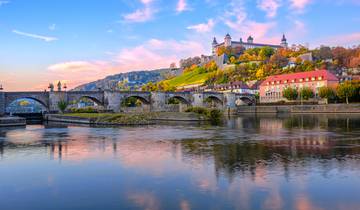
Würzburg’s appeal extends beyond affordability to authentic Franconian experiences unavailable in larger German cities. The Old Main Bridge provides free sunset views over vine-covered hillsides, historic wine taverns offer traditional meals at modest prices, and the surrounding Franconian wine region enables budget-friendly vineyard explorations. Strategic planning transforms limited budgets into comprehensive Bavarian cultural immersion, combining UNESCO heritage with local wine traditions and baroque architectural masterpieces.
People Also Ask About Würzburg Budget 2026
How much does it cost to visit Würzburg in 2026?
Daily costs in Würzburg range €85-140 per person excluding accommodation. Budget travelers spend €85-110 covering Würzburg Residence admission €9, budget lunch €10-15, dinner €18-25, local transportation €5.70 day pass, snacks and drinks €8-12, and wine tasting €15-20. Mid-range visitors allocate €110-140 daily for the same admission, upgraded dining €15-20 lunch and €28-40 dinner, wine experiences €25-35, museum visits €6-8, and occasional taxis €8-12. Accommodation adds €50-80 for hostels and budget hotels, €90-140 for mid-range properties, or €160-250 for luxury hotels. Weekend visits in summer cost 20-30% more than weekday visits in shoulder seasons.
Is Würzburg expensive compared to other German cities in 2026?
Würzburg costs 30-40% less than Munich and 20-25% less than Heidelberg for comparable experiences. The Würzburg Residence admission costs €9 versus €15-20 for Munich palaces, while mid-range hotel rooms average €90-140 compared to €140-200 in Bavaria’s larger cities. Restaurant meals cost €18-40 in Würzburg versus €25-55 in Munich, and wine experiences range €15-35 compared to €30-60 in tourist-heavy destinations. Public transportation provides better value with €5.70 day passes versus €8.80 in Munich. The compact city center eliminates taxi expenses common in sprawling urban areas, while authentic Franconian wine taverns offer traditional meals at prices 25-35% below Munich’s beer halls.
What is the cheapest way to experience Würzburg’s UNESCO sites in 2026?
The budget-optimized approach combines free attractions with strategic paid experiences. Walk the Old Main Bridge and fortress hillside paths without admission costs, exploring Würzburg’s landscape and architecture. Visit the Würzburg Residence €9 for world-class baroque interiors, skipping the €5 audio guide by downloading free information beforehand. Explore St. Kilian’s Cathedral free during visiting hours, admiring gothic and baroque elements. Purchase the Würzburg Welcome Card €12 for 72 hours, providing unlimited public transport and museum discounts. Dine at university district restaurants offering complete meals €12-18, then sample Franconian wine at bridge vendors €3-5 per glass. Total daily cost reaches €50-65 per person excluding accommodation, experiencing UNESCO heritage and wine culture authentically.
How much should I budget for wine experiences in Würzburg 2026?
Franconian wine experiences range from budget-friendly to premium options across multiple categories. Casual bridge wine vendors charge €3-5 per glass, traditional wine taverns €4-8 per glass with complimentary pretzels, and wine bars €6-12 for premium selections. Guided cellar tours cost €15-25 including 3-4 wine samples, vineyard walking tours with tastings €30-45, and premium experiences €50-80 for multiple estates with food pairings. Budget €15-25 daily for casual wine exploration, €30-40 for structured tasting experiences, or €50-70 for comprehensive vineyard tours. The annual Wine Festival in May offers tastings €2-4 per sample across 100+ producers, enabling extensive exploration for €20-30 total. Wine purchases from local vineyards cost €8-15 per bottle versus €12-20 in city wine shops.
Extended multi-day tours – 5+ days
Featured Bavaria Wurzburg Multi-Day Tour Packages
7 days
Main: Stroll from Würzburg to Aschaffenburg (7 days)
- ✓ Comprehensive Bavaria Wurzburg tour
- ✓ Expert local guides included
- ✓ All accommodation arranged
- ✓ Transportation provided
5 days
Mainfranken – Around Würzburg 5 Days
- ✓ Comprehensive Bavaria Wurzburg tour
- ✓ Expert local guides included
- ✓ All accommodation arranged
- ✓ Transportation provided

5 days
Main: The Short Route From Würzburg to Aschaffenburg 5 Days
- ✓ Comprehensive Bavaria Wurzburg tour
- ✓ Expert local guides included
- ✓ All accommodation arranged
- ✓ Transportation provided
6 days
Main Cycle Tour 6 Days From Würzburg to Aschaffenburg 6 Days
- ✓ Comprehensive Bavaria Wurzburg tour
- ✓ Expert local guides included
- ✓ All accommodation arranged
- ✓ Transportation provided
Multi-day tour packages powered by TourRadar. Prices and availability subject to change.
Understanding Würzburg Costs in 2026
Würzburg’s cost structure reflects its position as a mid-sized Franconian city balancing university affordability with tourist infrastructure. The city benefits from regional wine industry competition, keeping dining and wine prices reasonable compared to destinations dependent on imported beverages. Accommodation costs follow German patterns with budget options concentrated near the university district, mid-range hotels along the Main River, and luxury properties within walking distance of the Würzburg Residence. Transportation expenses remain minimal due to the compact central district where major attractions cluster within 2 kilometers.
The UNESCO World Heritage designation elevates Würzburg’s cultural profile without inflating prices to Munich or Heidelberg levels. The Würzburg Residence maintains accessible €9 admission, while Marienberg Fortress offers free courtyard access and affordable €5 museum entry. Church admissions remain free following German traditions, providing valuable architectural experiences without cost barriers. The surrounding Franconian wine region enables budget-friendly excursions to vineyard towns reachable by regional trains €8-15 return, expanding experiences beyond the city center.
Seasonal pricing variations affect accommodation and wine experiences most significantly. Summer months June-September see hotel rates increase 25-35% above shoulder season pricing, while the December Christmas market period adds 30-40% premiums to weekend accommodation. Wine harvest season September-October brings vineyard tour price increases of 15-20%, though harvest festival tastings offer exceptional value. Winter months January-March provide lowest accommodation rates €40-100 for quality mid-range hotels, though reduced restaurant hours and limited vineyard access affect overall experiences. Strategic timing balances costs with activity availability for optimal value.
Essential Planning Information 2026
Würzburg operates on the euro currency with widespread card acceptance at hotels, restaurants, and major attractions, though traditional wine taverns and market vendors prefer cash. ATMs cluster around the Marktplatz and train station, dispensing euros in €20-50 denominations with typical €3-5 foreign transaction fees for international cards. Currency exchange services operate at the Hauptbahnhof with rates 2-3% less favorable than ATM withdrawals. Budget €50-100 daily cash for wine tastings, market purchases, and traditional tavern meals where card minimums apply.
The Würzburg Welcome Card costs €12 for 72 hours, providing unlimited public transportation and 10-20% discounts at participating museums, tours, and restaurants. The card benefits travelers staying three days visiting multiple attractions, breaking even after two museum visits and six public transport rides. Purchase at the tourist information center near the Würzburg Residence or train station, with digital options available through the city tourism app. The card proves most valuable during inclement weather requiring frequent public transport and when exploring attractions beyond walking distance.
Booking timelines significantly impact costs across accommodation and experiences. Reserve mid-range hotels 60-90 days advance for standard rates €90-140, compared to last-minute bookings reaching €140-180 during popular summer weekends. Wine tour operators offer early bird discounts 15-20% below walk-in rates when booked 30+ days advance. The Würzburg Residence requires no advance booking except for specialized guided tours, though summer weekends see 30-45 minute entry waits. Restaurant reservations become essential Friday-Saturday evenings May-October, particularly for river-view establishments and traditional wine taverns serving Franconian specialties.
Accommodation Budget Strategies 2026
Würzburg accommodation divides into distinct districts with corresponding price ranges. The Altstadt central district offers proximity to the Würzburg Residence and Old Main Bridge with mid-range hotels €110-160 and luxury properties €180-280 per night. The university district southeast of center provides budget hostels €25-40 per bed and economy hotels €60-90 double occupancy, trading central location for affordability. The train station area features business hotels €90-130 convenient for rail arrivals but lacking historic atmosphere. Main River properties command premium rates €140-220 for river views and baroque architecture, justifying costs through location prestige and atmospheric dining.
Budget accommodation centers on hostels and guesthouses offering essential amenities without luxury services. Babelfish Hostel charges €28-38 per bed in shared dormitories, including breakfast, WiFi, and communal kitchen access, located 15 minutes walk from the Residence. Pension-style guesthouses €55-75 double occupancy provide private rooms with shared bathrooms, concentrated in residential neighborhoods 10-20 minutes from central attractions. Budget hotels €70-95 offer en-suite bathrooms and limited breakfast options, particularly along the Zellerstrasse and around Sanderstrasse. These properties save 40-50% versus mid-range alternatives while maintaining cleanliness standards and public transport access.
Mid-range hotels balance location, comfort, and value for visitors prioritizing convenience and amenities. Hotel Rebstock €110-145 occupies historic wine merchant buildings with modern renovations, positioned steps from the Residence and Old Main Bridge. Maritim Hotel €120-160 provides river views and comprehensive breakfast buffets, located between the train station and Altstadt. Boutique properties €125-170 like Hotel Würzburger Hof offer individually decorated rooms in baroque buildings, combining atmosphere with central positioning. These hotels include breakfast, WiFi, and often parking €12-18 daily, representing optimal value for 2-3 night stays when booked 60+ days advance.
Luxury accommodations cater to travelers seeking premium experiences and historic settings. Hotel Schloss Steinburg €220-320 occupies a hillside castle offering panoramic vineyard views, gourmet dining, and spa facilities, located 4 kilometers from city center. The Residence-adjacent Greifensteiner Hof €180-250 provides elegant rooms in a baroque mansion with courtyard breakfast service. These properties justify premium pricing through exceptional locations, personalized service, and atmospheric dining spaces unavailable in standard hotels. Luxury visitors allocate €200-350 daily including accommodation, upgraded dining, private wine tours, and premium experiences beyond budget and mid-range categories.
Seasonal Accommodation Pricing 2026
Spring months March-May see mid-range hotels €90-130, reflecting moderate demand before peak tourist season. The April Wine Festival increases weekend rates 15-20%, though weekday availability remains abundant. May combines pleasant weather with pre-summer pricing, offering optimal value for visitors flexible with timing. Budget properties maintain consistent €55-85 rates, while luxury hotels charge €160-240 before summer premiums apply.
Summer season June-September brings peak accommodation costs with mid-range hotels €130-180 and luxury properties €240-350. Weekend rates increase 25-35% above weekday pricing, particularly during the July Africa Festival and August Mozart Festival. Budget hostels reach maximum occupancy, requiring 30+ day advance booking for dormitory beds. River-view properties command 30-40% premiums over city-view alternatives, while air-conditioned rooms add €10-20 daily surcharges at properties without universal climate control. August offers slight rate decreases as German summer vacations conclude, providing late-summer value opportunities.
Fall months September-October balance pleasant weather with decreasing crowds and moderate pricing. Wine harvest season maintains summer-level rates at vineyard properties while city hotels decrease to €100-140 mid-range and €180-260 luxury categories. October’s cooler temperatures and reduced tourist numbers create shoulder season opportunities, with mid-week visits particularly affordable. The December Christmas market period December 1-23 brings dramatic rate increases matching or exceeding summer peaks, with mid-range hotels €140-200 and luxury properties €260-380 during market weekends.
Winter months January-February offer lowest annual rates with mid-range hotels €70-110 and luxury properties €140-200. Cultural attractions maintain full operating hours, while reduced restaurant schedules and limited vineyard access affect overall experiences. Savvy travelers leverage winter pricing for Residence visits and cultural immersion, accepting seasonal limitations for 40-50% accommodation savings. March transitions toward spring rates as Easter approaches, with gradual increases beginning mid-month as tour operators resume full schedules.
Dining and Food Budget 2026
Würzburg dining spans budget bakeries and university cafeterias to refined Franconian restaurants and Michelin-recommended establishments. Traditional wine taverns dominate the authentic dining scene, serving regional specialties €14-28 in atmospheric centuries-old buildings. Modern restaurants along the Main River offer international cuisine €18-35, while upscale establishments near the Residence charge €35-65 for elaborate tasting menus. University district eateries provide student-friendly prices €8-15 for complete meals, representing exceptional value for budget travelers comfortable with cafeteria-style service.
Breakfast options range from bakery pastries €2-4 to comprehensive hotel buffets €12-18 included in mid-range accommodation rates. Independent breakfast cafes charge €8-14 for continental spreads including bread, cheese, cold cuts, and coffee. Budget travelers purchase supplies from Lidl or Rewe supermarkets €5-8 for bread, cheese, yogurt, and fruit, preparing meals in hostel kitchens or hotel rooms. University district bakeries offer exceptional value with fresh pretzels €1.20, sandwiches €3-5, and coffee €2-3, providing quick breakfast solutions near budget accommodations.
Lunch represents the primary savings opportunity in Franconian dining culture. Daily lunch specials at traditional restaurants cost €9-14 for soup, main course, and side dish, offering identical quality to evening service at 30-40% lower prices. University cafeterias serve students and public visitors complete meals €6-9, including salads, entrees, and desserts in self-service format. Bakery chains provide sandwiches €4-7 and pizza slices €3-5, enabling quick affordable lunches when exploring attractions. Market food stalls around the Marktplatz offer bratwurst €4-6, crepes €3-5, and seasonal specialties, combining convenience with budget-friendly pricing and outdoor dining atmosphere.
Dinner costs vary dramatically between casual wine taverns and upscale restaurants. Traditional establishments serve Franconian standards like schäufele (pork shoulder) €14-19, sauerbraten €16-22, and seasonal game dishes €18-26, accompanied by local wine €4-8 per glass. Modern restaurants charge €22-38 for creative interpretations of regional cuisine, while Michelin-recommended venues require €45-75 per person for multi-course dining. Budget travelers dine at Bürgerspital wine tavern €15-24 for authentic experiences, mid-range visitors explore riverside restaurants €20-35, and luxury diners reserve at Reisers am Stein €50-85 for refined Franconian gastronomy.
Wine and Beverage Costs 2026
Franconian wine defines Würzburg’s beverage culture with distinctive Bocksbeutel bottles and Silvaner grape varieties. Wine tavern prices range €4-8 per 200ml glass or €18-32 per bottle, representing 30-40% savings versus Munich beer hall equivalents. Bridge wine vendors charge €3-5 per glass for casual outdoor drinking, while wine bars in the Altstadt charge €6-12 for premium selections with cheese plates €8-14. Vineyard cellar visits cost €15-25 including guided tours and 3-4 wine tastings, often concluding with bottle purchase opportunities €10-18 each.
Beer remains available though less emphasized than wine, with local Würzburger Hofbräu costs €4-6 for 500ml in traditional beer gardens. German non-alcoholic beverages include mineral water €2-3, apple spritzers €3-4, and coffee €2-4 at cafes. Supermarket beverage purchases save 50-60% versus restaurant prices, with wine bottles €5-12, beer six-packs €4-7, and water bottles €0.50-1 per liter. Budget travelers allocate €8-15 daily for beverages, mid-range visitors €15-25 including multiple wine glasses, and enthusiasts €30-50 for structured tastings and premium selections.
Coffee culture centers on traditional cafes charging €2-4 for espresso-based drinks and €6-9 for cake combinations. University district chains offer Americanos €2-3 and cappuccinos €3-4, while historic cafes near the Residence charge €4-6 for identical beverages in atmospheric settings. Morning coffee runs cost €3-6 including pastry, while afternoon cafe visits reach €8-14 for coffee and cake. Budget-conscious travelers purchase supermarket coffee €3-5 for instant varieties or prepare drinks in hostel facilities, saving €10-20 daily versus cafe purchases.
Transportation Costs 2026
Würzburg’s compact layout makes walking the primary transportation method for central attraction visits. The Würzburg Residence, Old Main Bridge, St. Kilian’s Cathedral, and Marktplatz cluster within 1.5 kilometers, enabling complete sightseeing without public transport costs. Comfortable walking shoes eliminate transportation expenses while providing flexibility to explore side streets, riverside paths, and hillside viewpoints. Budget travelers walk 5-8 kilometers daily, experiencing authentic neighborhoods and discovering budget dining options beyond tourist centers.
Public transportation serves the university district, outlying neighborhoods, and Marienberg Fortress access. Single tickets cost €2.90 for two-hour validity covering unlimited transfers within the city network. Day passes €5.70 provide better value for 3+ journeys, while weekly passes €21 benefit extended stays. Buses run every 10-20 minutes on major routes, with reduced frequency evenings and Sundays. The Festung Marienberg bus line 9 operates every 30 minutes, climbing the hillside to fortress entrances and eliminating steep uphill walks. Transportation costs remain minimal with most visitors spending €0-12 weekly on occasional bus use supplementing primary walking exploration.
Taxi services provide convenience for late evenings, luggage transport, and hillside fortress access. Base fares start €4 with per-kilometer charges €2-3, resulting in €8-12 trips between the train station and Altstadt hotels. Fortress taxis cost €12-15 from central locations, saving 25-30 minutes versus bus alternatives and enabling sunset visits without post-dark descents. Uber operates in Würzburg with comparable pricing to traditional taxis. Budget travelers avoid taxis through advance planning and public transport use, while mid-range visitors allocate €15-30 weekly for occasional convenient transfers.
Regional train connections enable wine country excursions and day trips to surrounding Franconian destinations. Trains to Rothenburg ob der Tauber cost €15-22 return depending on routing, with journey times 90-120 minutes. Volkach wine village access costs €8-12 return with 30-minute travel time, enabling vineyard explorations and traditional wine tavern visits. The Bayern-Ticket day pass €30 for one person or €40 for 2-5 people traveling together provides unlimited regional train travel across Bavaria, justifying costs for multi-destination day trips. Budget one regional excursion €15-30 per trip for wine country exploration beyond Würzburg’s immediate surroundings.
Arrival Transportation from Major Cities 2026
Train connections from Frankfurt reach Würzburg in 70-90 minutes with fares €25-45 depending on advance booking and train type. ICE high-speed trains charge premium fares €35-45 for fastest 70-minute journeys, while regional trains cost €25-30 with 90-minute travel times and multiple stops. Munich trains require 2-2.5 hours with fares €35-55, while Nuremberg connections take 60-75 minutes costing €20-35. Advance booking 14-30 days prior saves 30-40% versus walk-up tickets, with Sparpreis specials occasionally offering €19-25 long-distance fares for flexible travelers.
Frankfurt Airport provides the primary international gateway with direct trains to Würzburg departing hourly. The journey costs €35-50 for 90-110 minutes depending on connection type, with some routes requiring one change at Frankfurt Hauptbahnhof. Airport-Würzburg direct services save transfer hassles worth the slight premium over multi-connection alternatives. Munich Airport connections require travel to Munich Hauptbahnhof followed by Würzburg trains, totaling 3-3.5 hours and €50-75 depending on booking timing and train selections.
Car rental from Frankfurt Airport costs €35-60 daily for compact vehicles, with the 120-kilometer drive taking 90-120 minutes via the A3 autobahn. Parking in Würzburg central district costs €2-3 per hour or €15-25 daily in public garages, while hotels charge €12-20 overnight parking fees. Car rental proves cost-effective for groups visiting multiple wine villages but adds unnecessary expense for city-focused visits given excellent train connections and compact walkable layout. Budget travelers always choose train travel €25-45 over rental car expenses exceeding €80-120 daily including fuel and parking.
Attraction Admission Costs 2026
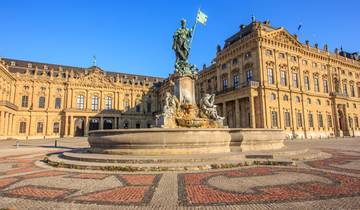
The Würzburg Residence admission costs €9 for adults in 2026, providing access to baroque state rooms, palace chapel, and Court Gardens. Check residenz-wuerzburg.de for current official rates as pricing may vary. Audio guides cost €5 additional, though comprehensive room descriptions in multiple languages reduce necessity for most visitors. Guided tours €5 supplement run weekends and holidays, offering deeper historical context than self-guided exploration. Photography remains permitted without flash in most rooms, eliminating reproduction costs for memory preservation. The admission price represents exceptional value for world-class UNESCO World Heritage interiors comparable to Versailles or Schönbrunn charging significantly higher fees.
Marienberg Fortress Museum costs €5 for adults, covering Mainfränkisches Museum art collections and fortress historical exhibits. Courtyard and rampart access remains free, providing panoramic city views without admission costs. The Prince’s Building Museum €4 displays regional history, while combined tickets €8 cover both museums with slight savings. Fortress grounds offer free picnic areas, vineyard views, and architectural exploration, enabling budget visitors to experience hillside atmosphere without museum entry expenses.
St. Kilian’s Cathedral maintains free admission following German church traditions, providing access to gothic and baroque architectural elements, religious artworks, and atmospheric interior spaces. Donation boxes suggest €2-3 contributions for building maintenance, though amounts remain voluntary. Dom Museum €4 displays cathedral treasures and medieval artworks in adjacent buildings, operating limited hours requiring advance schedule verification. Church tower climbs cost €3 for panoramic views over the city center and surrounding wine country, representing worthwhile investment for photography enthusiasts and viewpoint seekers.
Specialty museums charge modest fees focusing on specific interests. The Kulturspeicher Museum €6 displays modern and contemporary art in converted riverside warehouses, with special exhibitions adding €2-4 surcharges. The Jewish Community Museum €5 covers regional Jewish history in atmospheric historic spaces. University botanical gardens maintain free admission with suggested €2 donations, providing peaceful green spaces and seasonal flower displays. Combined museum visit budgets range €15-25 depending on interests, with free church and garden access supplementing paid cultural experiences.
Wine Experience Costs 2026
Structured wine experiences range from budget bridge tastings to comprehensive vineyard tours. Old Main Bridge wine vendors charge €3-5 per glass for casual outdoor drinking, enabling affordable exploration of Franconian varieties in iconic settings. Traditional wine tavern tastings cost €15-20 for flight selections of 4-5 wines with pretzel accompaniments, providing educational introductions to regional winemaking. Wine bar premium tastings €25-35 feature rare vintages and limited production bottles with expert sommelier guidance and cheese pairings.
Vineyard cellar tours €18-28 include winemaking facility visits, barrel room access, and 4-5 wine samples, typically lasting 90 minutes with weekend reservations required during peak season. Walking vineyard tours €30-45 combine hillside hikes through vine rows with tastings at estate properties, operating May-October weather permitting. Comprehensive wine experiences €50-80 visit multiple vineyards with lunch inclusions, private transportation, and extensive tasting selections, justifying premium costs through convenience and breadth of exposure to Franconian wine culture.
Wine purchases at vineyard cellars cost €8-15 per bottle for estate productions, representing 30-40% savings versus city wine shop equivalents. Minimum purchase requirements vary by producer, with most accepting single bottle sales while offering case discounts for 6+ bottle purchases. Budget wine enthusiasts allocate €20-40 for vineyard purchases, mid-range visitors €50-80, and collectors €100-150 for premium selections and rare vintages unavailable through standard retail channels.
Sample Budget Breakdowns 2026
Daily Budget: Ultra-Budget Traveler (€65-85 per person)
Ultra-budget exploration combines hostel accommodation, self-prepared meals, free attractions, and minimal transportation costs. Accommodation €28-35 in shared hostel dormitory with breakfast included, WiFi access, and kitchen facilities for meal preparation. Supermarket supplies €12-18 cover bread, cheese, yogurt, fruit, and beverages for self-prepared breakfast supplements and evening meals. Lunch €9-12 at university cafeteria provides hot meals, salads, and desserts at student prices.
Würzburg Residence admission €9 represents the primary paid cultural experience, supplemented by free cathedral visits, Old Main Bridge walks, and fortress grounds exploration. Public transport day pass €5.70 enables fortress bus access and university district connections. Wine sampling €5-8 at bridge vendors provides authentic Franconian tasting without tavern premiums. Snacks and coffee €6-10 cover afternoon refreshments and morning coffee shop visits.
Accommodation €28-35, supermarket supplies €12-18, university lunch €9-12, Residence admission €9, public transport €5.70, wine sampling €5-8, coffee and snacks €6-10. Total day cost: €75-100 per person (excluding hostel accommodation already included in the €28-35 total).
This ultra-budget approach enables extended Würzburg stays on backpacker budgets, experiencing UNESCO heritage and wine culture authentically while maintaining €65-85 all-inclusive daily costs. The strategy requires flexibility accepting hostel accommodations, self-service dining, and walking-based exploration, suitable for budget-conscious students and long-term travelers prioritizing duration over luxury.
Daily Budget: Standard Budget Traveler (€85-110 per person)
Standard budget travel balances affordability with comfort through budget hotel accommodation, restaurant dining, paid attractions, and occasional wine experiences. Würzburg Residence admission €9 provides world-class baroque interiors, while Marienberg Fortress Museum €5 covers regional art and history exhibits. Public transport day pass €5.70 eliminates walking fatigue during fortress and university district explorations.
Breakfast €8-12 at independent cafes includes continental spreads with coffee, providing leisurely starts without rushed hostel kitchen competition. Lunch €12-16 combines market food stalls or lunch specials at traditional restaurants, experiencing authentic Franconian cuisine at moderate prices. Dinner €18-25 at wine taverns covers regional specialties like schäufele or sauerbraten with house wine, balancing quality with budget consciousness. Wine tasting €15-20 enables structured exploration of Franconian varieties through tavern flights or bridge vendor sampling.
Würzburg Residence €9, Marienberg Museum €5, public transport €5.70, breakfast €8-12, lunch €12-16, dinner €18-25, wine tasting €15-20, snacks and beverages €8-12. Total day cost: €81-110 per person (excluding accommodation).
Standard budget travelers allocate €85-110 daily excluding accommodation €60-90 for budget hotel double occupancy, experiencing comprehensive Würzburg cultural offerings without luxury premiums. This approach suits value-conscious travelers expecting comfortable lodging, restaurant meals, and authentic wine experiences within moderate spending limits. The strategy enables 3-4 day visits for €350-550 total per person including budget accommodation.
Daily Budget: Mid-Range Traveler (€110-140 per person)
Mid-range travel emphasizes comfort, convenience, and enhanced experiences through superior dining, guided tours, and atmospheric wine tastings. Würzburg Residence admission €9 plus audio guide €5 provides comprehensive baroque palace understanding. Marienberg Fortress Museum €5 supplements core cultural experiences. Guided wine cellar tour €20-25 offers expert-led vineyard exploration with 4-5 wine samples and winemaking education.
Breakfast €12-18 hotel buffet includes comprehensive selections with hot options, cold cuts, cheeses, and quality coffee service. Lunch €15-22 at riverside restaurants provides elevated casual dining with wine pairings and atmospheric settings. Dinner €28-40 at traditional wine taverns or modern Franconian restaurants covers multi-course meals with regional specialties and premium wine selections. Additional wine experiences €10-15 enable afternoon tastings, wine bar visits, or vineyard purchases.
Occasional taxis €8-15 supplement walking for convenience transfers, late evening returns, or fortress access during inclement weather. Museum visits €6-8 add cultural depth through modern art, Jewish history, or specialty collections. Coffee and snacks €8-12 maintain energy through afternoon cafe visits and morning bakery stops.
Residence admission and audio guide €14, Marienberg Museum €5, wine cellar tour €20-25, breakfast €12-18, lunch €15-22, dinner €28-40, additional wine €10-15, museums €6-8, transport and taxis €12-20, coffee and snacks €8-12. Total day cost: €130-177 per person (excluding accommodation).
Mid-range visitors budget €110-140 daily excluding accommodation €110-160 for comfortable central hotels, experiencing Würzburg through guided expertise, superior dining, and comprehensive wine culture immersion. The approach suits travelers prioritizing quality over economy, accepting higher costs for convenience, atmosphere, and expert-guided experiences. Three-day visits total €480-720 per person including mid-range accommodation.
Three-Day Sample Itinerary Budget 2026
Day 1: Würzburg Residence and Old Town
Accommodation €110-140 per night for mid-range hotel double occupancy central location. Breakfast €12-18 hotel buffet with comprehensive selections. Würzburg Residence admission €9 plus audio guide €5 for baroque state rooms and Court Gardens. Lunch €15-22 at Marktplatz restaurant with Franconian specialties. Cathedral visit free with €2 suggested donation. Coffee and cake €8-12 at historic cafe. Dinner €28-40 at traditional wine tavern with regional wine pairing. Wine tasting €10-15 at Old Main Bridge vendors or wine bar. Total day cost: €99-163 per person (excluding accommodation).
Day 2: Marienberg Fortress and Wine Experience
Breakfast €12-18 at hotel or independent cafe. Bus to fortress €2.90 or day pass €5.70 for return journey. Marienberg Fortress Museum €5 for art collections and historical exhibits. Free fortress grounds exploration and panoramic views. Lunch €15-22 at fortress restaurant or return to central restaurants. Guided wine cellar tour €20-25 with transportation €8-12 taxi to vineyard estates. Wine purchases €20-40 at cellar shop for bottles to enjoy later. Dinner €28-40 at riverside restaurant with enhanced wine selections. Evening walk free along Main River paths. Total day cost: €111-165 per person (excluding accommodation).
Day 3: Cultural Museums and Wine Village
Breakfast €12-18 hotel service or cafe. Regional train to Volkach wine village €8-12 return for authentic Franconian atmosphere. Museum visit €6-8 for modern art or Jewish history before departure. Village exploration free with riverside walks and church visits. Lunch €15-22 at Volkach wine tavern with local specialties. Vineyard walk and tasting €15-20 at village estate. Return to Würzburg afternoon. Final dinner €28-40 at selected restaurant highlighting trip favorites. Souvenir wine purchases €15-30 for travel companions. Total day cost: €99-150 per person (excluding accommodation).
Three-Day Total Budget:
Daily costs Day 1 €99-163, Day 2 €111-165, Day 3 €99-150, totaling €309-478 per person. Accommodation €110-140 per night for three nights equals €330-420. Combined three-day Würzburg experience totals €639-898 per person for comprehensive UNESCO heritage exploration, wine culture immersion, and Franconian gastronomy through mid-range comfort standards. Budget travelers reduce costs to €450-600 through hostel accommodation and modified dining, while luxury visitors extend to €1,200-1,600 with premium hotels, Michelin dining, and extensive wine experiences.
Money-Saving Strategies 2026
Advance accommodation booking 60-90 days prior saves 20-30% versus last-minute rates, particularly during summer peak season and December Christmas market period. Mid-week visits cost 15-25% less than weekend stays at mid-range and luxury hotels, while shoulder season months April-May and September-October offer optimal weather-to-price ratios. Booking.com and HRS frequently feature Würzburg properties in promotional campaigns offering additional 10-15% discounts for flexible date selections.
The Würzburg Welcome Card €12 for 72 hours provides unlimited public transport plus museum discounts, breaking even after two museum visits and six bus rides. The card proves most valuable for fortress access, university district accommodations, and multi-museum itineraries. Purchase at tourist information centers or online through the city tourism website, activating upon first use for maximum flexibility. Combined with free cathedral visits and Court Garden access, the card enables comprehensive sightseeing for minimal additional costs beyond accommodation and dining.
Lunch special strategies exploit Franconian dining traditions favoring substantial midday meals. Traditional restaurants offer identical quality to evening service at 30-40% reduced lunch pricing, with daily specials €9-14 for multi-course meals. University district dining halls serve public visitors alongside students, providing complete meals €6-9 in self-service format. Market food stalls enable even greater savings with bratwurst €4-6 and seasonal specialties €3-5, combining budget prices with authentic atmosphere and outdoor dining flexibility.
Wine experience optimization balances cost and quality through strategic selections. Old Main Bridge vendors charge €3-5 per glass for casual tasting, providing authentic Franconian wine culture without tavern premiums. Vineyard cellar visits €18-28 include guided tours and 4-5 samples, representing better value than restaurant wine flights charging similar amounts for fewer wines and no educational context. Direct vineyard purchases save 30-40% versus city wine shops, enabling bottle acquisition for €8-15 versus €12-20 retail equivalents. The May Wine Festival offers extensive sampling opportunities €2-4 per taste across 100+ producers, enabling comprehensive exploration for €20-30 total investment.
Free Attractions and Experiences 2026
The Old Main Bridge provides Würzburg’s most iconic free experience, offering panoramic views of the fortress, river valley, and surrounding vineyards without admission costs. Evening visits capture golden hour light across baroque architecture, while afternoon hours see wine vendors, street musicians, and local residents creating vibrant atmosphere. The bridge statues depict saints and historical figures, providing free outdoor sculpture gallery experiences equivalent to museum collections charging admission elsewhere.
St. Kilian’s Cathedral offers free access to gothic and baroque architectural fusion, religious artworks, and atmospheric interior spaces rivaling paid attractions. The cathedral treasury and museum charge modest fees, but the main sanctuary provides comprehensive experiences without costs. Multiple daily masses maintain active religious function, offering visitors insights into contemporary Catholic traditions within historic settings. Cathedral square markets operate seasonally, providing free entertainment through food vendors, craft displays, and cultural performances.
Court Gardens surrounding the Würzburg Residence maintain free admission with formal baroque layouts, seasonal plantings, and sculpture collections comparable to paid palace gardens elsewhere in Europe. The gardens operate sunrise to sunset year-round, enabling budget travelers to experience UNESCO World Heritage landscaping without ticket costs. Spring tulip displays and summer rose gardens provide peak visual experiences, while winter visits offer architectural skeleton beauty and peaceful atmosphere without tourist crowds.
Hillside vineyard walks offer free exploration of Franconian wine culture through marked trails ascending from the Old Main Bridge to Marienberg Fortress. The paths traverse active vineyards, provide panoramic city views, and enable seasonal observation of viticultural practices without guided tour expenses. Spring months showcase vine flowering, summer displays fruit development, and fall features harvest activities and autumn foliage. The walks require moderate fitness for steep sections but reward effort with authentic wine country immersion unavailable through vehicle-based tours.
Seasonal festivals provide free or low-cost cultural experiences throughout the year. The Africa Festival in May offers world music and cultural performances with €5-8 daily admission covering unlimited concert access. The Wine Festival end of May enables extensive tasting for €2-4 per sample across 100+ producers, representing exceptional value for comprehensive wine exposure. Christmas markets December 1-23 provide free atmospheric experiences with €3-6 mulled wine and €4-8 food specialties optional. Street festivals and neighborhood celebrations occur regularly April-October, offering free entertainment, local food opportunities, and authentic cultural immersion.
Booking and Reservations 2026
Accommodation booking timelines dramatically affect costs and selection availability. Reserve mid-range and luxury hotels 60-90 days advance for optimal rates €90-160 mid-range or €180-280 luxury, compared to last-minute bookings reaching €140-220 and €280-400 respectively during peak season. Budget hostels accept bookings 30-60 days prior with flexible cancellation policies, though summer weekends require earlier reservations to secure dormitory beds. Booking.com, HRS, and hotel direct websites compete for reservations with comparable pricing, though loyalty program members access additional 5-10% discounts through direct bookings.
Restaurant reservations become essential Friday-Saturday evenings May-October, particularly for riverside establishments and traditional wine taverns serving Franconian specialties. Reserve 3-7 days advance for weekend dinner through phone contact or OpenTable integration where available. Weekday dining and lunch services rarely require reservations except for groups 6+ people. High-end establishments accepting reservations 14-30 days prior for weekend tasting menus, with weeknight availability remaining abundant even during peak tourist season.
Wine experience bookings vary by type and season. Casual bridge wine sampling requires no reservations, operating weather-permitting April-October. Wine tavern flights accept walk-in customers except Friday-Saturday peak hours May-September when 24-hour advance notice proves prudent. Guided cellar tours require 3-7 day advance booking during summer weekends, with weekday availability often accommodating same-day requests. Comprehensive vineyard experiences book 14-30 days prior for peak season weekends, ensuring transportation coordination and lunch reservations at partner restaurants.
The Würzburg Residence operates first-come first-served admission without advance booking requirements except for specialized guided tours. Summer weekends see 30-45 minute entry waits 11 AM-2 PM, making early morning 9-10 AM or late afternoon 4-5 PM visits strategic for crowd avoidance. Audio guide availability remains consistent throughout operating hours, though groups 15+ benefit from advance guide reservations ensuring sufficient equipment. Gardens access continues until dusk regardless of palace closing times, enabling sunset visits without admission pressure.
Official Booking Resources 2026
The Würzburg Residence official website residenz-wuerzburg.de provides current admission prices, opening hours, and specialized tour schedules. The site offers downloadable visitor guides, accessibility information, and detailed palace history for pre-visit research. Audio guide descriptions and room explanations appear in multiple languages, enabling advance study reducing onsite guide necessity for budget-conscious visitors. Special exhibition announcements and temporary closure notices appear prominently, preventing wasted visits during maintenance periods.
Würzburg tourism official portal wuerzburg.de aggregates accommodation options, restaurant listings, wine experience providers, and cultural event calendars. The site sells Würzburg Welcome Cards online with digital delivery, eliminating in-person purchase requirements. Interactive maps show attraction locations, public transport routes, and walking distances for pre-trip planning. The tourism portal publishes seasonal guides highlighting monthly events, weather expectations, and crowd pattern predictions enabling optimal visit timing decisions.
Regional wine association websites list member vineyards, cellar tour options, and tasting room hours across Franconian wine country. The Franken Wine Association franken-wein.de provides comprehensive producer directory with contact information, specialties, and visitor policies. Individual vineyard websites detail tour offerings, pricing structures, and advance booking requirements, enabling direct contact eliminating third-party booking fees. The sites frequently feature harvest calendars, festival schedules, and seasonal wine release announcements for enthusiasts planning around specific viticultural events.
Planning Your 2026 Visit
Optimal Würzburg timing balances weather, crowds, and costs through strategic seasonal selection. May-June provides ideal conditions with moderate temperatures 15-25°C, extended daylight hours, and spring vineyard beauty before peak summer tourist influx. September-early October offers harvest season atmosphere, comfortable temperatures, and reduced crowds as German summer vacations conclude. These shoulder seasons maintain full attraction hours and restaurant operations while avoiding July-August heat and crowds or winter service reductions.
Weekend versus weekday timing significantly impacts accommodation costs and crowd levels. Friday-Sunday visits increase mid-range hotel rates 20-30% while filling restaurants, wine taverns, and fortress areas with domestic German tourists. Tuesday-Thursday visits provide optimal value with standard hotel rates, abundant restaurant seating, and minimal attraction wait times. Three-night stays spanning Wednesday-Saturday balance weekday affordability with weekend atmosphere, enabling both cost optimization and vibrant evening experiences.
Festival timing creates unique experiences justifying premium costs for cultural enthusiasts. The May Wine Festival showcases 100+ Franconian producers with €2-4 tastings enabling comprehensive regional wine exposure. The July Africa Festival brings world music and cultural performances to city parks with modest €5-8 daily admission. December Christmas markets transform the city center into winter wonderland with atmospheric evening experiences, though accommodation premiums 30-40% above standard rates affect budget calculations. Festival visits require 60-90 day advance hotel bookings and flexible daily budgets accommodating special event costs.
Duration Recommendations for Different Budgets 2026
Budget travelers maximize value through extended 4-5 day visits, spreading one-time transportation costs across multiple days while leveraging free attractions and affordable dining options. The extended duration enables comprehensive free cathedral and garden exploration, vineyard walking expeditions, neighborhood wandering, and multiple wine sampling sessions without rushed schedules. Daily costs €65-85 accumulate to €325-510 five-day totals including budget accommodation, experiencing Würzburg thoroughly at backpacker prices.
Mid-range visitors optimize experiences through focused 2-3 day itineraries concentrating on core UNESCO attractions, guided wine tours, and quality dining. The condensed timeframe justifies premium mid-range accommodation €110-160 nightly while maintaining overall budgets €500-900 for complete Würzburg experiences. Two days covers Residence visits, fortress exploration, wine cellar tours, and traditional dining, while three days adds regional wine village excursions and additional cultural museum visits.
Luxury travelers craft refined 3-4 day programs combining Michelin dining, comprehensive wine experiences, and premium accommodations €200-350 nightly. The extended luxury visit enables private vineyard tours, multiple fine dining reservations, spa experiences at hillside properties, and thorough cultural immersion without rushed schedules. Four-day luxury itineraries total €1,400-2,200 per person, delivering comprehensive Franconian wine country exploration with white-glove service and exceptional culinary experiences throughout.
2026 Updates and Current Information
The Würzburg Residence continues restoration work on minor palace apartments, maintaining public access to primary state rooms and Court Gardens. The restoration enhances long-term preservation while occasionally requiring temporary room closures announced on the official website. Garden restoration projects proceed during winter months November-March, minimizing visitor impact during peak tourism season. UNESCO funding supports ongoing conservation ensuring baroque splendor preservation for future generations while maintaining current accessibility.
Wine tourism infrastructure expands throughout Franconian wine country with new cellar tour offerings and tasting room facilities. Several vineyards introduce appointment-based visits replacing previous walk-in policies, requiring advance booking verification through vineyard websites or tourism office resources. Enhanced English language tours accommodate international visitors increasing in Würzburg’s tourism mix, with many estates now offering tours in multiple languages beyond traditional German-only operations.
Public transportation introduces contactless payment options supplementing traditional ticket purchases, enabling credit card tap-and-go boarding on buses. The day pass remains optimal value for multiple journeys, though single ride contactless payments provide convenience for occasional users. The city tourism app integrates public transport planning, ticket purchases, and Welcome Card activation, streamlining visitor logistics through consolidated digital platform.
Accommodation developments see historic building conversions creating additional boutique hotel inventory in the Altstadt district. The new properties expand mid-range options €110-160 category, reducing summer booking pressure and providing enhanced character alternatives to standard chain hotels. Several properties introduce sustainable practices including solar panels, water conservation systems, and local product sourcing, appealing to environmentally conscious travelers willing to support green initiatives.
Restaurant scene evolution introduces modern Franconian cuisine interpreting traditional dishes through contemporary techniques and presentations. The new establishments charge €25-45 per person for innovative dining while maintaining regional ingredient focus and wine pairing emphasis. Traditional wine taverns continue authentic operations, ensuring budget-friendly classic Franconian dining remains available alongside upscale contemporary alternatives. The diverse dining landscape accommodates all budget levels from €10 student cafeterias to €80 tasting menus.
Frequently Asked Questions
What is the cheapest month to visit Würzburg in 2026?
January-February offer lowest accommodation rates with mid-range hotels €70-110 compared to €130-180 summer peaks. Winter visits trade reduced restaurant hours and limited vineyard access for 40-50% accommodation savings and minimal tourist crowds. March transitions toward spring pricing as Easter approaches, making February the optimal budget month for travelers accepting seasonal limitations. Cultural attractions maintain full hours, and the Würzburg Residence operates year-round, enabling comprehensive UNESCO heritage experiences despite winter conditions.
Do I need to book Würzburg Residence tickets in advance for 2026?
The Würzburg Residence operates first-come first-served admission without advance booking requirements for general entry. Summer weekends see 30-45 minute waits during peak hours 11 AM-2 PM, making early morning 9-10 AM or late afternoon 4-5 PM visits strategic. Specialized guided tours require advance reservations through the official website, though audio guides remain available throughout operating hours. Budget travelers visit during off-peak hours avoiding both admission waits and booking fees while experiencing identical baroque interiors.
How much should I budget daily for wine experiences in Würzburg 2026?
Budget wine exploration costs €15-25 daily covering Old Main Bridge casual sampling €5-10 and wine tavern flight tastings €15-20. Mid-range wine enthusiasts allocate €30-40 for guided cellar tours €20-25 plus additional tavern experiences. Premium wine programs €50-80 include vineyard walking tours with lunch and multiple estate visits. Weekly wine budgets range €75-150 for budget sampling, €150-250 for structured educational experiences, or €300-500 for comprehensive vineyard immersion with extensive bottle purchases.
Is Würzburg more expensive than Munich in 2026?
Würzburg costs 30-40% less than Munich across accommodation, dining, and experiences. Mid-range hotels average €110-160 versus Munich’s €180-250, while restaurant meals cost €18-40 compared to Munich’s €28-60. Wine experiences prove particularly affordable with €15-35 comprehensive tastings versus Munich’s €35-70 beer hall equivalents. Transportation costs less with €5.70 day passes versus Munich’s €8.80, while the compact layout eliminates taxi expenses common in sprawling Munich. Overall daily budgets run €110-140 in Würzburg versus €160-220 Munich for comparable quality experiences.
Can I visit Würzburg on a budget in 2026?
Budget Würzburg visits cost €65-85 daily combining hostel accommodation €28-35, self-prepared meals €15-25, Würzburg Residence admission €9, free cathedral and garden access, minimal public transport €6, and affordable wine sampling €8-15. The compact layout enables walking-based exploration, while university district dining and supermarket purchases minimize food costs. Free attractions including Old Main Bridge, Court Gardens, and cathedral visits provide substantial cultural experiences, making Würzburg one of Germany’s most budget-friendly UNESCO destinations.
What free things can I do in Würzburg in 2026?
Free Würzburg experiences include Old Main Bridge walks with panoramic views, St. Kilian’s Cathedral architectural exploration, Court Gardens baroque landscaping, hillside vineyard trails, fortress exterior and courtyard access, seasonal festival atmospheres, riverside paths, and neighborhood wandering. These activities provide comprehensive cultural immersion, UNESCO heritage appreciation, and wine country context without admission costs. Budget entire days exploring free attractions, supplementing with occasional paid museum visits and affordable dining for complete Würzburg experiences requiring minimal cash expenditure.
How much does a 3-day Würzburg trip cost in 2026?
Three-day Würzburg visits cost €450-600 for budget travelers combining hostel accommodation €85-105, self-catered meals and cafeteria dining €75-120, essential admissions €25-40, and minimal transport €15-25. Mid-range trips total €750-1,100 including comfortable hotels €330-480, restaurant dining €180-300, guided wine tours €60-90, and comprehensive cultural experiences €90-150. Luxury visits reach €1,400-2,200 with premium hotels €600-900, Michelin dining €300-500, extensive wine programs €200-350, and enhanced experiences €200-350. Costs scale proportionally with accommodation and dining selections determining overall expenditure.
Are credit cards widely accepted in Würzburg in 2026?
Hotels, major restaurants, and the Würzburg Residence accept credit cards universally with Visa and Mastercard preferred over American Express. Traditional wine taverns and market vendors often require cash, as do small bakeries and neighborhood restaurants. ATMs cluster around Marktplatz and the train station, dispensing euros with typical €3-5 foreign transaction fees. Budget €50-100 daily cash for wine tastings, market purchases, and traditional dining where card minimums €10-15 apply or cards face reluctance. Contactless payments expand across businesses, though cash remains king in authentic Franconian establishments.
What’s the best way to save money on accommodation in Würzburg 2026?
Book 60-90 days advance for 20-30% savings versus last-minute rates, particularly during summer peak season. Choose Tuesday-Thursday arrival dates avoiding Friday-Sunday premium pricing 20-30% above weekday rates. Select shoulder season visits April-May or September-October when mid-range hotels charge €90-130 versus €130-180 summer peaks. Consider university district budget hotels €60-90 trading central location for affordability, or hostel dormitories €28-38 maximizing savings for backpacker budgets. Booking.com frequent sales and HRS promotional campaigns offer additional 10-15% discounts for flexible date selections.
How much should I tip in Würzburg restaurants and wine taverns in 2026?
German tipping customs suggest 5-10% for satisfactory service, rounding bills to convenient amounts rather than calculating exact percentages. For €38 restaurant bills, leave €40-42 total including tip. Wine tavern table service expects similar 5-10% gratuities, while casual bar service accepts rounding €17 bills to €18-19. Hotel porters receive €1-2 per bag, taxi drivers 5-10% fare additions. Free walking tours suggest €10-15 per person tips depending on quality and duration. Budget €20-40 weekly for tipping across all service interactions, maintaining German expectations without American 15-20% standards.