
Romantic Road from Würzburg Guide 2026: Complete Route Planning
Key Takeaways:
- The Romantic Road stretches 460 kilometers from Würzburg to Füssen, connecting 29 historic towns through Bavaria and Baden-Württemberg
- Complete route exploration costs €850-1,200 per person for 7 days in 2026, excluding accommodation which ranges €90-180 per night
- May-June and September-October 2026 offer optimal conditions with mild weather, blooming landscapes, and fewer crowds than peak summer
- Public transportation via Deutsche Bahn covers the entire route with regional trains connecting all major stops, while the Romantic Road Coach offers direct service April-October
- Advance booking 3-4 months ahead secures better accommodation rates and guarantees access to popular attractions like Neuschwanstein Castle
- Self-drive options provide maximum flexibility with car rentals starting €45-65 per day, though parking challenges exist in historic town centers
Introduction: Planning Your Romantic Road Journey in 2026
The Romantic Road stands as Germany’s most celebrated scenic route, weaving through the heart of Bavaria and northern Baden-Württemberg along a path that connects medieval walled towns, Renaissance cities, baroque palaces, and fairy-tale castles. This 460-kilometer journey from the wine-producing region of Würzburg to the Alpine foothills of Füssen creates an unparalleled cultural corridor through southern Germany’s most picturesque landscapes.
Established as a formal tourist route in 1950, the Romantic Road (Romantische Straße) connects 29 historic towns and cities, each preserving centuries of architectural heritage within remarkably intact medieval centers. The route passes through the Franconian wine country, crosses the agricultural plains of Central Bavaria, skirts the edge of the Swabian Alps, and culminates in the dramatic Alpine scenery surrounding King Ludwig II’s legendary castles.
Planning your 2026 Romantic Road journey requires understanding the route’s geographic diversity, seasonal characteristics, transportation infrastructure, and accommodation landscape. The experience differs dramatically between self-drive exploration offering complete freedom to linger in smaller villages, organized coach tours providing worry-free logistics, and public transportation combining affordability with environmental responsibility. This comprehensive guide provides the detailed planning information necessary to design your ideal Romantic Road adventure for 2026, covering costs, timing, transportation strategies, accommodation options, and complete itinerary frameworks for journeys ranging from quick 3-day highlights to thorough 10-day explorations.
Whether you’re drawn to Rothenburg ob der Tauber’s perfectly preserved medieval walls, Würzburg’s baroque Residenz palace, the Renaissance grandeur of Augsburg, or the romantic allure of Neuschwanstein Castle, the Romantic Road delivers concentrated doses of German history, culture, and architectural magnificence. The route’s enduring popularity stems from its ability to transport visitors into a Germany of timbered houses, cobblestone streets, church spires, and countryside vistas that seem lifted from centuries past.
People Also Ask About Romantic Road Germany 2026
How much does it cost to travel the Romantic Road in 2026?
A complete 7-day Romantic Road journey costs €850-1,200 per person in 2026, excluding accommodation. This includes attractions €180-250 covering castle entries, museum tickets, and palace tours, dining €280-420 for three meals daily with regional Franconian and Bavarian specialties, local transportation €120-180 for town buses and short taxi rides, and activities €150-220 for wine tastings, guided tours, and special experiences. Check official attraction websites for current rates as pricing may vary throughout the season.
Accommodation adds €90-180 per night depending on your comfort preferences. Budget guesthouses and hostels in smaller towns charge €45-70 for double occupancy, mid-range hotels with traditional Bavarian character cost €80-140 per night, while luxury historic properties and castle hotels command €150-280 nightly. Transportation costs vary dramatically by method: rental cars run €45-65 per day plus fuel €80-120 for the complete route, the Romantic Road Coach costs €135 for the full Würzburg-Füssen journey, regional trains total €95-140 for the complete route with various day passes available, and organized tours range €890-1,850 for all-inclusive 5-7 day packages.
When is the best time to visit the Romantic Road in 2026?
May-June and September-October 2026 represent optimal visiting periods for the Romantic Road, offering the ideal combination of pleasant weather, manageable crowds, and vibrant landscapes. Late spring brings blooming orchards, green rolling hills, and comfortable temperatures of 15-22°C, perfect for walking medieval town centers and exploring outdoor attractions. Early autumn delivers stunning foliage colors transforming the route into a painter’s palette of reds, golds, and oranges, harvest festivals celebrating wine and agricultural traditions, and crisp, clear days ideal for photography with temperatures of 12-20°C.
July-August attracts peak crowds and highest accommodation prices, though longer daylight hours extend sightseeing time and open-air festivals animate town squares. December transforms the route into a winter wonderland with celebrated Christmas markets in Rothenburg ob der Tauber, Nördlingen, and other towns, though some attractions operate on reduced schedules and Alpine areas face potential road closures. April and November offer excellent value with lower prices and smaller crowds, though weather variability requires flexible planning.
How long do you need to explore the Romantic Road in 2026?
Seven days allows comprehensive exploration of the Romantic Road’s major highlights with time to experience each destination’s unique character rather than rushing between stops. This timeframe accommodates visits to 8-12 towns including extended stays in premier destinations like Rothenburg ob der Tauber (overnight), Würzburg (full day), Dinkelsbühl (half day), Augsburg (full day), and Füssen (2 nights for Neuschwanstein and Hohenschwangau castles), plus leisurely exploration of 4-6 smaller towns revealing the route’s authentic charm.
Quick 3-4 day itineraries hit the absolute highlights (Würzburg, Rothenburg, Neuschwanstein) but require strategic town selection and efficient transportation. Extended 10-14 day journeys allow deep immersion including all 29 official Romantic Road towns, side trips to nearby attractions like Bamberg or the Wieskirche, participation in local festivals or events, wine country exploration in Franconia, and hiking excursions in the Alpine foothills. Your ideal duration depends on travel pace preferences, specific interests (architecture, wine, hiking, photography), and whether you’re incorporating the Romantic Road into a broader German or European itinerary.
Do you need a car to travel the Romantic Road in 2026?
A car provides maximum flexibility for Romantic Road exploration but public transportation offers viable alternatives for budget-conscious travelers or those preferring not to drive. Self-drive advantages include freedom to stop in tiny villages between major towns, flexible departure times allowing early morning or evening photography, luggage convenience eliminating bag-carrying between trains, and access to countryside viewpoints and wine estates difficult to reach otherwise. Rental cars cost €45-65 per day with automatic transmissions €10-15 more, fuel totaling €80-120 for the complete route, and parking €5-15 daily in town centers though many guesthouses offer free parking.
Public transportation via Deutsche Bahn regional trains connects all major Romantic Road towns with journey times of 30-90 minutes between stops and Bavaria Tickets (€27 for single travelers, €39-59 for groups up to 5) providing unlimited regional train travel. The Romantic Road Coach operates April-October with daily Frankfurt-Würzburg-Füssen service at €135 for the complete journey, allowing hop-on/hop-off exploration. Organized tours eliminate transportation logistics entirely, though you sacrifice independent schedule control. Many travelers combine methods: renting cars for 3-4 days exploring smaller southern sections while using trains for efficient transfers between major cities.
Extended multi-day tours – 5+ days
Featured Bavaria Wurzburg Multi-Day Tour Packages
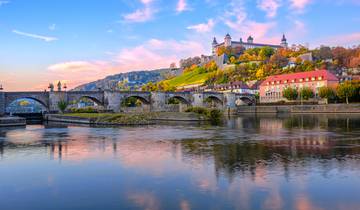
7 days
Main: Stroll from Würzburg to Aschaffenburg (7 days)
- ✓ Comprehensive Bavaria Wurzburg tour
- ✓ Expert local guides included
- ✓ All accommodation arranged
- ✓ Transportation provided
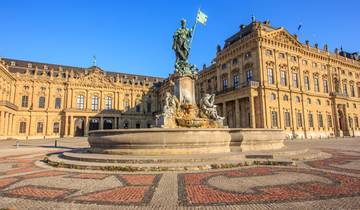
5 days
Mainfranken – Around Würzburg 5 Days
- ✓ Comprehensive Bavaria Wurzburg tour
- ✓ Expert local guides included
- ✓ All accommodation arranged
- ✓ Transportation provided

5 days
Main: The Short Route From Würzburg to Aschaffenburg 5 Days
- ✓ Comprehensive Bavaria Wurzburg tour
- ✓ Expert local guides included
- ✓ All accommodation arranged
- ✓ Transportation provided
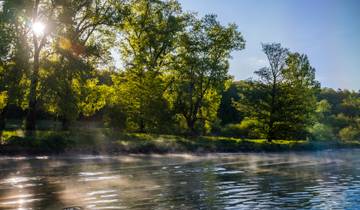
6 days
Main Cycle Tour 6 Days From Würzburg to Aschaffenburg 6 Days
- ✓ Comprehensive Bavaria Wurzburg tour
- ✓ Expert local guides included
- ✓ All accommodation arranged
- ✓ Transportation provided
Multi-day tour packages powered by TourRadar. Prices and availability subject to change.
Essential Planning Information for 2026
Route Geography and Town Selection for 2026
The Romantic Road’s 460-kilometer north-south trajectory crosses distinct geographic and cultural zones, each offering different landscape character and architectural styles. Understanding these regional differences helps you allocate time appropriately and set realistic expectations for your 2026 journey.
The northern section from Würzburg through Tauberbischofsheim to Weikersheim traverses Franconian wine country characterized by river valleys, vineyard-covered hillsides, baroque architecture, and strong wine culture. This region’s towns combine Renaissance palaces with wine estates, and the Tauber River valley provides some of the route’s most scenic stretches. Würzburg anchors this section with its UNESCO-listed Residenz palace, fortress Marienberg overlooking the city, and position as Bavaria’s wine capital.
The central section from Rothenburg ob der Tauber through Dinkelsbühl to Nördlingen represents the route’s medieval heart, where completely preserved town walls, watchtowers, cobblestone lanes, and timbered houses create the fairy-tale atmosphere the Romantic Road promises. This agricultural plain region shows less dramatic landscape variation but concentrates Germany’s best-preserved medieval urban fabric. Rothenburg ob der Tauber functions as the route’s most famous destination and requires overnight stays to experience its evening ambiance after day-trippers depart.
The southern section from Donauwörth through Augsburg to Füssen transitions from Renaissance grandeur through baroque splendor to Alpine drama. Augsburg brings Roman history, Renaissance wealth from banking families, and significant size as Bavaria’s third-largest city. The final stretch from Landsberg am Lech to Füssen introduces Alpine foothills with increasingly dramatic mountain views culminating in the postcard-perfect setting of King Ludwig II’s castles against snowcapped peaks.
Strategic town selection for limited-time visitors should prioritize Würzburg (UNESCO palace, wine culture), Rothenburg ob der Tauber (ultimate medieval town), Dinkelsbühl (authentic medieval experience without Rothenburg’s crowds), Nördlingen (unique crater town with wall walk), Augsburg (Renaissance and Roman history), and Füssen with Neuschwanstein and Hohenschwangau castles. These six destinations capture the route’s full architectural and cultural spectrum while remaining achievable in 5-7 days.
Accommodation Strategy and Booking Timeline for 2026
Accommodation along the Romantic Road ranges from budget guesthouses to luxury castle hotels, with availability and pricing heavily influenced by seasonal demand and advance booking timing. The 2026 season presents particular challenges as post-pandemic European tourism continues strong growth, making early reservations essential for preferred properties and optimal rates.
Budget accommodations €45-70 per night include family-run guesthouses (Gasthöfe) with traditional Bavarian character, youth hostels in larger towns like Würzburg and Augsburg, and private room rentals through platforms offering local interaction. These properties concentrate in smaller towns where lower overhead allows better value, though amenities stay basic with shared bathrooms common and breakfast sometimes extra. Advance booking 4-6 weeks secures good availability except during local festivals when entire towns fill completely.
Mid-range hotels €80-140 nightly provide the sweet spot for most Romantic Road travelers, combining historic building character with modern amenities including private bathrooms, WiFi, and typically excellent breakfast buffets featuring regional products. These properties occupy converted merchants’ houses, renovated monastery buildings, and traditional inns that enhance the medieval atmosphere. Properties in this category fill 2-3 months ahead during May-September peak season, making spring booking advisable for summer travel and summer booking necessary for autumn visits.
Luxury accommodations €150-280 per night include castle hotels offering authentic aristocratic atmosphere, historic properties like Würzburg’s Schönborn Palace hotel, and modern boutique hotels in renovated heritage buildings. These establishments provide exceptional locations, often within town walls or overlooking valleys, plus amenities like fine dining restaurants, spa facilities, and concierge services. Advance booking 4-6 months ahead secures rooms during peak season, with some properties releasing early-bird rates 6-9 months before arrival.
Booking strategy for 2026 should follow these timelines: December 2025-January 2026 for summer travel securing best rates and widest selection, April-May 2026 for autumn travel, and September-October 2026 for Christmas market visits. Consider staying 2 nights in Rothenburg ob der Tauber to experience evening ambiance, basing in Füssen 2-3 nights for castle exploration and possible hiking, and using Würzburg as a northern base for 2 nights covering the wine region. Smaller towns between major destinations offer better value and authentic experiences but limited dining options may require dinner at your hotel.
Best Time to Visit the Romantic Road in 2026
Seasonal Analysis for 2026 Planning
Each season transforms the Romantic Road’s character, offering distinct advantages and challenges for your 2026 visit. Understanding seasonal patterns helps align your trip with personal priorities whether focused on weather conditions, crowd management, cultural events, or budget considerations.
Spring (April-May 2026) brings awakening landscapes with fruit trees blooming throughout the route, asparagus season celebrated in Franconian restaurants, and comfortable temperatures of 10-18°C perfect for walking medieval towns. Crowds remain manageable except Easter weekend when German tourists fill popular destinations. Accommodation prices stay moderate at 70-80% of peak summer rates, while some outdoor attractions maintain reduced spring hours. Late April through May offers excellent photography conditions with dramatic cloud formations, vibrant green countryside, and longer daylight extending into evening.
Early Summer (June 2026) represents the optimal visiting window with perfect weather conditions (18-24°C), fully bloomed landscapes, all attractions operating summer hours, and manageable crowds before peak July-August influx. This period captures long daylight hours extending to 9 PM, numerous local festivals and wine celebrations, and outdoor dining becoming pleasant throughout the route. Book accommodations by February-March for June visits as Germans and international visitors increasingly target this sweet spot.
High Summer (July-August 2026) delivers guaranteed warm weather (22-28°C) and maximum daylight but brings peak crowds transforming Rothenburg ob der Tauber into a tourist parade and pushing accommodation prices to annual highs. Major towns host open-air festivals, beer gardens overflow with conviviality, and extended museum hours accommodate sightseeing intensity. Early morning starts (before 9 AM) and evening visits (after 6 PM) help avoid midday crowds while capturing beautiful light for photography. Despite crowds, summer’s reliable weather and vibrant atmosphere attract families constrained to school vacation periods.
Early Autumn (September-October 2026) rivals early summer as the route’s finest visiting period with harvest season bringing wine festivals to Franconian towns, stunning foliage transforming landscapes into gold, red, and orange palettes, and comfortable temperatures of 12-20°C. Crowds diminish noticeably after mid-September as European summer vacations end, while services and attractions maintain full operations through October. Wine harvest celebrations offer unique cultural experiences, and Oktoberfest proximity in Munich (September 21-October 6, 2026) can combine with Romantic Road exploration though Munich accommodation becomes impossible during the festival.
Late Autumn-Winter (November-February 2026-2027) appeals to Christmas market enthusiasts and budget travelers accepting weather uncertainty. Rothenburg’s Reiterlesmarkt and Nördlingen’s Christmas markets rank among Germany’s most atmospheric, transforming medieval squares into winter wonderlands during Advent weekends. Accommodation costs drop to 50-60% of summer rates, and towns reveal authentic character without tourist crowds. However, shorter daylight (sunset by 4:30 PM in December), reduced attraction hours, potential Alpine road closures, and cold temperatures (0-8°C) require flexibility and warm clothing. Some smaller town restaurants close for winter holidays making dinner options limited.
Weather Patterns and Crowd Predictions for 2026
Bavaria’s continental climate produces distinct seasons with significant temperature variation throughout the year, while the route’s north-south orientation creates microclimates particularly noticeable in the Alpine foothills near Füssen. Understanding these patterns helps pack appropriately and set realistic daily planning expectations for 2026.
Spring weather (April-May 2026) brings high variability with sunny days interspersed with rainy periods, morning temperatures of 5-10°C warming to afternoon highs of 15-20°C, and occasional late-season cold snaps requiring layered clothing. Rainfall averages 50-60mm monthly across April-May with about 12-14 rainy days per month, typically as passing showers rather than all-day rain. Pack rain jackets, layered clothing for temperature swings, and comfortable walking shoes managing cobblestone streets in wet conditions.
Summer conditions (June-August 2026) deliver warm, generally stable weather with afternoon thunderstorms the primary precipitation pattern. Temperatures range from morning lows of 12-15°C to afternoon highs of 24-28°C, occasionally reaching 30-32°C during heat waves when medieval stone buildings retain warmth making midday sightseeing uncomfortable. June sees about 80mm rainfall across 13-15 days, while July-August average 70-90mm with dramatic but brief afternoon storms clearing quickly. Light clothing, sun protection, water bottles, and evening layers for temperature drops prove essential.
Autumn weather (September-October 2026) provides extended pleasant conditions through September with temperatures gradually cooling through October. September maintains summer-like conditions (18-23°C daytime) with reduced rainfall (50-60mm), while October brings crisp mornings (6-10°C) and comfortable afternoons (12-18°C). Rainfall increases slightly in October (55-65mm) but sunny stretches dominate. This combination of comfortable temperatures, stable weather, and beautiful foliage creates ideal touring conditions requiring only moderate layers and rain preparedness.
Crowd analysis for 2026 predicts highest congestion July-August particularly at Rothenburg ob der Tauber, Neuschwanstein Castle, and Würzburg’s Residenz. These attractions see visitor numbers peak 10 AM-4 PM with Neuschwanstein selling out weeks ahead for summer slots. June and September offer 30-40% fewer visitors than July-August while maintaining excellent weather and full services. May attracts German tourists during spring break weeks but sees lighter international crowds. April and October deliver 50-60% fewer visitors than peak summer creating pleasant, authentic experiences. December Christmas market weekends match summer crowd levels in Rothenburg but other periods remain quiet. January-March see minimal tourism with many smaller town services closed.
Transportation Guide for 2026
Self-Drive Options and Rental Strategy for 2026
Driving the Romantic Road provides maximum flexibility and access to countryside viewpoints, village detours, and wine estates between major towns. The route follows well-marked brown “Romantische Straße” signs, though navigation apps improve efficiency for side trips and parking location.
Rental car costs in 2026 start at €45-65 per day for economy vehicles (VW Golf, Skoda Octavia) from major companies like Sixt, Europcar, and Hertz based in Würzburg or Munich airports. Automatic transmissions add €10-15 daily though manual gearboxes remain standard in Germany. Weekly rentals (7 days) typically cost €280-420, providing better daily rates than short-term rentals. Book 2-3 months ahead for summer travel securing preferred vehicle types and avoiding late-booking premiums of 30-50%.
Fuel costs total €80-120 for the complete 460-kilometer route depending on vehicle efficiency and detour exploration. German fuel prices average €1.75-1.95 per liter in 2026, with small cars consuming about 50-60 liters for the route. Plan fuel stops in larger towns where stations cluster, as rural stretches particularly between Dinkelsbühl and Nördlingen offer limited services. Most rental agreements include unlimited mileage, but verify this for longer journeys extending beyond the immediate Romantic Road corridor.
Parking challenges concentrate in historic town centers where medieval layouts preclude modern vehicle access. Most towns maintain peripheral parking lots €5-12 daily with town centers car-free zones. Rothenburg ob der Tauber offers multiple lots outside walls at €7-10 daily, while Würzburg’s city parking runs €12-18 in central garages. Smaller villages typically provide free parking in designated areas. Your accommodation choice dramatically affects parking convenience: properties outside walls usually offer free parking, while in-wall hotels may charge €8-15 nightly or direct you to public lots.
GPS navigation proves essential despite route signage, particularly for locating specific hotels, finding parking areas, and managing detours. Download offline maps before departure as rural mobile coverage shows gaps. The official Romantic Road route prioritizes scenic rural roads over autobahn efficiency, adding travel time but maximizing countryside beauty. Direct autobahn routing Würzburg-Füssen takes 3 hours; scenic route exploration requires 2-3 days minimum allowing proper town visits.
Public Transportation and Coach Options for 2026
Deutsche Bahn regional trains connect all major Romantic Road towns, though service frequency and routing patterns require advance schedule research. The route lacks a dedicated rail line, instead utilizing multiple regional train networks (Main-Franken Bahn, Regio-Bahn Augsburg, Außerfern Bahn) necessitating careful connection planning.
Key rail connections in 2026 operate as follows: Würzburg-Rothenburg requires transfer at Steinach with 2.5 hour total journey on hourly service, Rothenburg-Dinkelsbühl-Nördlingen needs bus connection from Dombühl station, Nördlingen-Donauwörth-Augsburg runs hourly with 1.5 hour journey, Augsburg-Landsberg-Füssen operates every 2 hours requiring 2-2.5 hours including connections. Regional day passes provide excellent value: Bayern-Ticket (€27 single, €39 for 2, €51 for 3-5 people) covers unlimited regional trains Monday-Friday after 9 AM and weekends/holidays all day across Bavaria including Würzburg-Füssen route.
The Romantic Road Coach (Romantische Straße Bus) operated by Deutsche Touring runs April-October 2026 with daily Frankfurt-Würzburg-Rothenburg-Dinkelsbühl-Nördlingen-Augsburg-Füssen service. Complete Frankfurt-Füssen journey costs €135, while shorter segments run €35-75 depending on distance. The bus allows hop-on/hop-off travel over multiple days with tickets valid for stops along the route, though seat reservations €4 per segment help guarantee space during peak summer months. Departures leave Würzburg at 8:30 AM arriving Füssen at 7:30 PM with stops allowing 30-45 minutes exploration in major towns, suitable for overview tours but insufficient for thorough visits.
Bus schedules for 2026 operate daily April 1-October 31 with specific town timings: Würzburg departure 8:30 AM, Rothenburg 10:45 AM-11:30 AM, Dinkelsbühl 12:15-12:45 PM, Nördlingen 1:30-2:15 PM, Donauwörth 2:45-3:00 PM, Augsburg 3:45-4:15 PM, Landsberg 5:00-5:15 PM, Füssen arrival 7:30 PM. Northbound service mirrors these times. Purchase tickets online through romantic-road.com or onboard with credit cards, though advance booking guarantees seats during July-August peak demand.
Public transport advantages include lower costs (€95-140 for complete route via train vs €45-65 daily for rental cars), environmental benefits reducing carbon footprint, freedom from driving stress and parking challenges, and opportunities to enjoy wine without designated driver concerns. Disadvantages encompass reduced flexibility for small village exploration, luggage management between stations, schedule dependency limiting spontaneous stops, and potential connection challenges during delays. Most travelers find public transport viable for major town visits while missing the countryside immersion self-drive provides.
Accommodation Strategies for 2026
Budget Accommodation Options
Budget-conscious travelers find excellent value along the Romantic Road through strategic accommodation selection in smaller towns and family-run guesthouses where prices stay 30-40% below major destinations. These properties often deliver authentic Bavarian hospitality and traditional architecture at costs allowing extended route exploration.
Guesthouses and Gasthöfe (traditional inns) €45-70 per night dominate smaller Romantic Road towns, offering double rooms with private or shared bathrooms, typically including substantial German breakfast buffets featuring local breads, cold cuts, cheeses, and sometimes eggs. These family-run establishments occupy historic buildings with thick walls, creaking floors, and period furniture creating authentic atmosphere modern hotels cannot match. Notable examples include Gasthof Goldene Krone in Weikersheim (€55-68), Pension Elke in Dinkelsbühl (€48-62), and Landgasthof Rössle in Steingaden (€52-70).
Youth hostels operate in major towns including Würzburg (€28-35 for dorm beds, €68-82 for private rooms), Rothenburg ob der Tauber (€32-38 dorms, €75-88 private rooms), Nördlingen (€26-34 dorms, €62-76 private rooms), and Augsburg (€30-36 dorms, €70-85 private rooms). These facilities cater to all ages (despite “youth” designation) and provide excellent bases for major destination exploration, though locations often sit outside historic centers requiring 10-15 minute walks. Modern hostels include private bathrooms, quality breakfast options, and common areas facilitating traveler interaction.
Private rooms through platforms like Airbnb and Booking.com offer middle ground between hotels and hostels at €50-85 nightly for entire apartments or private rooms with local families. These accommodations concentrate in residential areas outside tourist zones, sometimes requiring drives or bus rides to town centers, but provide kitchen access reducing dining costs significantly. Booking these properties 6-8 weeks ahead secures best selection and rates, while last-minute bookings may find limited availability during peak summer months.
Budget strategy should prioritize midweek stays (Monday-Thursday) offering 15-25% lower rates than weekend pricing, avoiding major festivals and events that inflate accommodation costs dramatically, choosing properties in smaller towns (Weikersheim, Feuchtwangen, Landsberg) over tourist magnets (Rothenburg, Füssen), and booking breakfast-included options to reduce dining costs €8-15 per person daily.
Mid-Range and Luxury Hotel Selection for 2026
Mid-range hotels €80-140 nightly represent the majority choice for Romantic Road travelers, balancing historic character, convenient locations, and modern amenities. These properties occupy converted merchants’ houses, monastery buildings, and traditional coaching inns, often family-operated for multiple generations with detailed knowledge of local attractions and dining recommendations.
Rothenburg ob der Tauber’s mid-range options include Hotel Eisenhut (€105-148) occupying four medieval patrician houses with period furnishings, Hotel Reichsküchenmeister (€95-135) combining historical ambiance with central location steps from Market Square, and Hotel Rappen (€88-128) offering traditional Franconian hospitality within town walls. These properties maintain historical character through preserved timber ceilings, stone archways, and antique furniture while updating bathrooms and installing WiFi and modern heating systems.
Würzburg’s mid-range landscape includes Hotel Rebstock (€98-145) housed in a Renaissance wine merchant palace with vaulted cellars, Hotel Strauss (€85-125) providing Art Nouveau elegance near the Residenz, and Hotel Alter Kranen (€92-138) overlooking the Main River with historic crane landmark views. Properties in this category typically feature on-site restaurants serving regional Franconian cuisine, small fitness areas or wellness facilities, and parking options either on-site or through nearby garage arrangements.
Luxury accommodations €150-280 nightly elevate the Romantic Road experience through exceptional locations, fine dining restaurants, spa facilities, and impeccable service standards. Würzburg’s Hotel Greifensteiner (€165-245) occupies a baroque building with Michelin-recommended restaurant, while Füssen’s Hotel Hirsch (€175-265) combines 500 years of hospitality tradition with modern luxury and Neuschwanstein Castle proximity. Schloss Hohenstein near Coburg (€185-295) offers authentic castle living with towers, courtyards, and antique-furnished chambers.
Booking luxury properties 4-6 months ahead for summer 2026 travel secures preferred room categories and sometimes early-bird rates discounted 10-15%. Many luxury hotels include extensive breakfast spreads, afternoon tea or coffee service, complimentary wellness facility access, and concierge assistance with tour bookings and restaurant reservations adding significant value beyond base room rates.
Money-Saving Strategies for 2026
Advance Booking Benefits and Seasonal Optimization
Strategic advance booking delivers substantial savings across accommodation, transportation, and attractions along the Romantic Road. Understanding booking windows and pricing patterns helps optimize 2026 travel budgets without sacrificing experience quality.
Accommodation early booking 3-6 months ahead typically saves 15-25% compared to last-minute rates, particularly for summer peak season. Hotels release rooms at introductory rates encouraging early commitments, then progressively increase prices as departure dates approach and availability tightens. Book May-September travel by January-March 2026 for maximum savings, particularly for premium properties in Rothenburg ob der Tauber and Füssen where demand consistently exceeds supply. Conversely, booking spring and autumn shoulder seasons only 4-8 weeks ahead often secures better rates as hotels fear empty rooms and discount to attract bookings.
Transportation advance purchase provides limited savings for regional trains using day passes, as Bayern-Tickets maintain fixed €27-59 pricing regardless of booking timing. However, rental car reservations 2-3 months ahead lock favorable rates before summer demand drives prices upward 30-50%. The Romantic Road Coach offers no advance purchase discounts, but early booking guarantees seats during peak July-August when buses sometimes sell out, particularly for Rothenburg and Füssen segments.
Major attractions increasingly adopt dynamic pricing similar to airlines, with Neuschwanstein Castle tickets currently priced uniformly but potentially introducing demand-based pricing in future. Book castle tickets exactly 2 days before visit (earliest possible) to guarantee preferred tour times rather than accepting less convenient slots. Würzburg Residenz, Rothenburg museums, and other major sites maintain fixed admission costs regardless of booking timing.
Seasonal optimization dramatically affects total costs: April-May shoulder season reduces accommodation costs 20-30% versus July-August peaks while maintaining excellent weather and lighter crowds. September-October offers similar savings with arguably superior autumn foliage aesthetics. Winter visits (excluding Christmas market weeks) slash costs 40-50% but accept weather uncertainty and reduced attraction hours. Christmas market weeks (late November-December) see prices spike matching summer levels particularly in Rothenburg ob der Tauber.
Budget Optimization and Cost-Cutting Techniques
Reducing Romantic Road costs without compromising essential experiences requires strategic choices across dining, transportation, accommodation, and activity selection. The route’s concentration of affordable attractions and reasonable dining costs facilitates budget-friendly exploration impossible in major European cities.
Dining optimization starts with hotel breakfast inclusion (typically €8-15 if added separately) providing substantial morning fuel for sightseeing through midday. Pack picnic lunches purchasing bread, cheese, cold cuts, and fruit from local bakeries and supermarkets (€6-10 vs €15-25 restaurant lunches). Reserve restaurant visits for dinner experiencing regional specialties at establishments frequented by locals rather than tourist-oriented venues charging premium prices for identical food. Bakeries offer excellent value for quick meals with pretzels €1.50-2.50, sandwiches €3.50-5.50, and coffee €2-3.50.
Free attractions along the route include Rothenburg ob der Tauber’s wall walk, Würzburg’s Alte Mainbrücke bridge and riverside promenades, Dinkelsbühl’s town walls and historic center exploration, Nördlingen’s wall walk and Daniel tower climbing (€5), and countless small town medieval centers preserving authentic character without entrance fees. Many churches including Augsburg’s cathedral, Würzburg’s St. Kilian Cathedral, and numerous baroque pilgrimage churches welcome visitors without admission charges, containing remarkable art and architecture.
Transportation savings come through Bayern-Ticket group pricing (€27 for single travelers, €39 for two, €51 for three-five people) making train travel increasingly economical for groups. Couples and families achieve better value than solo travelers, with five-person maximum capacity allowing €10.20 per person unlimited regional train travel. Self-drive groups split rental and fuel costs making cars economical for 3-4 passengers, while solo travelers favor trains or the Romantic Road Coach to avoid full car rental expenses.
Activity selection balancing paid attractions with free exploration optimizes budgets: allocate resources to Neuschwanstein Castle (€30.75 crown access), Würzburg Residenz (€14), and perhaps one Rothenburg museum (€8-12), while freely exploring medieval streets, town walls, churches, and countryside viewpoints. Photography costs nothing and captures memories equivalent to museum visits. Join free walking tours often available in major towns (tip-based), providing historical context and local insights without fixed costs.
Sample 2026 Romantic Road Itineraries
Classic 7-Day Complete Route Itinerary
This comprehensive week-long journey covers the Romantic Road’s essential highlights with appropriate time allocation for thorough exploration rather than rushed touring. The itinerary balances major destinations with smaller town discovery and includes realistic daily costs following the Day Cost Summary Protocol.
Day 1: Arrival in Würzburg – Wine Country Introduction
Arrive Würzburg via Frankfurt Airport (2 hours by train) or Munich Airport (2.5 hours by train), settling into accommodation before exploring Bavaria’s wine capital. Visit the UNESCO-listed Residenz palace with spectacular baroque interiors and Tiepolo ceiling frescoes, walk across the Alte Mainbrücke bridge photographing the fortress Marienberg towering above the Main River, and explore the Marktplatz and Neumünster church. Evening wine tasting at one of the traditional wine estates along the river introduces Franconian Silvaner and Müller-Thurgau varieties.
Residenz entry €14, fortress museum €7.50, wine tasting €15-25, lunch €18-28, dinner €35-45, local bus day ticket €6. Total day cost: €95.50-125.50 per person (excluding accommodation €85-130).
Day 2: Würzburg to Rothenburg ob der Tauber via Tauber Valley
Depart Würzburg exploring Weikersheim’s Renaissance palace with magnificent baroque gardens and Creglingen’s Herrgottskirche housing Tilman Riemenschneider’s stunning Assumption altarpiece before arriving Rothenburg ob der Tauber for overnight. Check into accommodation within town walls, walk the complete wall circuit photographing tower perspectives, visit the Medieval Crime Museum, and explore Market Square and St. Jakob’s Church. Dinner at traditional Franconian restaurant sampling local specialties.
Weikersheim palace €8.50, Creglingen church €3 donation, Rothenburg Crime Museum €9, wall walk free, lunch €15-22, dinner €32-42, snacks €8. Total day cost: €75.50-84.50 per person (excluding accommodation €95-145).
Day 3: Full Day in Rothenburg ob der Tauber
Dedicate the full day to Rothenburg’s medieval atmosphere, exploring before 10 AM and after 5 PM when day-trippers depart leaving authentic ambiance. Visit the Town Hall tower climbing for 360-degree views, tour the Christmas Museum year-round, walk the Burggarten gardens overlooking Tauber valley, explore craftsmen’s houses and hidden courtyards, and attend the Night Watchman tour (8 PM, April-December). Shop for Rothenburg’s famous Schneeballen pastries and Christmas ornaments.
Town Hall tower €4, Christmas Museum €6, Night Watchman tour €10, lunch €18-26, dinner €35-45, snacks and souvenirs €15-20. Total day cost: €88-111 per person (excluding accommodation €95-145).
Day 4: Rothenburg to Nördlingen via Dinkelsbühl
Travel to Dinkelsbühl exploring the completely preserved medieval town walls and tower fortifications, visiting St. Georg’s Minster, and walking cobblestone streets lined with colorful half-timbered houses. Continue to Nördlingen, the unique town built in a meteorite crater, walking the complete town wall circuit and climbing the Daniel tower for crater rim views. Explore the Ries Crater Museum explaining the meteorite impact 15 million years ago.
Dinkelsbühl church free (€2 donation suggested), Nördlingen Daniel tower €5, Ries Museum €7, lunch €16-24, dinner €30-40, snacks €10. Total day cost: €70-88 per person (excluding accommodation €75-110).
Day 5: Nördlingen to Augsburg – Roman and Renaissance
Drive or take train to Augsburg, Bavaria’s third-largest city combining Roman foundations with Renaissance grandeur from the Fugger banking family. Visit the Fuggerei, the world’s oldest social housing complex still operating today, tour the cathedral and St. Ulrich’s Basilica, explore the Maximilianstraße lined with Renaissance palaces, and visit the Town Hall with Golden Hall. Evening stroll along the canal district where water management systems earned UNESCO recognition.
Fuggerei entry €8, cathedral free (€4 donation suggested), Town Hall €4, lunch €20-28, dinner €38-48, local transport €7. Total day cost: €81-99 per person (excluding accommodation €80-125).
Day 6: Augsburg to Füssen – Alpine Approach
Travel through Landsberg am Lech with colorful riverside historic center to Füssen, gateway to King Ludwig II’s castles. Settle into Füssen accommodation before exploring the town’s medieval center, Hohes Schloss castle, and St. Mang’s Monastery. Walk to the Lech waterfall and plan next day’s castle visits with advance ticket confirmation. Evening in Füssen’s historic center dining at traditional Bavarian restaurant.
Hohes Schloss €7.50, St. Mang €6, lunch €18-25, dinner €35-45, local bus €4. Total day cost: €70.50-87.50 per person (excluding accommodation €90-150).
Day 7: Neuschwanstein and Hohenschwangau Castles
Visit King Ludwig II’s legendary Neuschwanstein Castle taking the 35-minute guided tour through lavish interior rooms, cross to Hohenschwangau Castle where Ludwig spent his childhood, and hike to Marienbrücke bridge for the iconic castle view. Optional afternoon activities include Tegelberg cable car for Alpine hiking or relaxation in Füssen before departure. Those continuing journeys might travel to Munich (2 hours) or return to Frankfurt/Munich airports.
Neuschwanstein ticket €30.75, Hohenschwangau €26, shuttle bus €3 up/€2 down, cable car (optional) €24 round-trip, lunch €20-28, dinner €32-42, snacks €12. Total day cost: €125.75-136.75 per person base, €149.75-160.75 with cable car (excluding accommodation €90-150).
7-Day Itinerary Total Costs Summary:
Attractions and activities €171.25-195.25, dining €455-592 (21 meals over 7 days), local transportation €20-35, miscellaneous €45-65. Complete 7-day costs: €691.25-887.25 per person excluding accommodation. Accommodation adds €610-955 for 7 nights mid-range (€87-136 average nightly). Full trip total: €1,301.25-1,842.25 per person for comprehensive 7-day Romantic Road exploration.
Extended 10-Day In-Depth Exploration
For travelers seeking complete Romantic Road immersion including smaller towns, side trips, and deeper cultural engagement, this 10-day itinerary incorporates all 29 official route towns plus nearby attractions enriching the overall experience.
Days 1-2: Würzburg and Franconian Wine Country
Expand Würzburg exploration with two full days covering the Residenz palace thoroughly, visiting the fortress Marienberg museum, taking a wine estate tour with tasting, exploring the university district and botanical gardens, and enjoying evening concerts or cultural events. Day trip to Ochsenfurt exploring the medieval center and wine culture, or visit Veitshöchheim baroque palace gardens (April-October).
Days 3-4: Tauber Valley Towns and Rothenburg Extended
Thoroughly explore Tauberbischofsheim, Lauda-Königshofen, Bad Mergentheim (Deutschorden Museum), Weikersheim, Röttingen, and Creglingen before settling in Rothenburg for extended two-night exploration. This allows participation in the Night Watchman tour, visiting all museums at relaxed pace, shopping without rush, and experiencing the town’s evening and early morning atmospheres when day tourists absent.
Days 5-6: Central Medieval Towns Circuit
Visit Schillingsfürst with baroque palace, spend extended time in Feuchtwangen with festival square and Kreuzgangspiele summer theater, explore Dinkelsbühl comprehensively including tower climbs and museum visits, continue through Wallerstein to Nördlingen for overnight allowing evening and morning wall walks, complete Daniel tower climb, and thorough Ries Museum exploration.
Days 7-8: Donau-Ries Region and Augsburg Deep Dive
Explore Harburg with impressive medieval castle, visit Donauwörth combining Baroque Street with Danube River setting, stop at Rain am Lech, and arrive Augsburg for extended two-night stay. Deep exploration includes Fuggerei social housing, all major churches, Town Hall, Schaezler Palace art museum, canal district UNESCO water management, and possible side trip to Friedberg castle town or nearby Ottobeuren baroque monastery.
Days 9-10: Lech Valley and Castle District
Visit Landsberg am Lech exploring colorful historic center and riverside walks, stop at Hohenfurch, tour the baroque Wieskirche pilgrimage church (UNESCO site), explore Steingaden, Rottenbuch, and Wildsteig villages before arriving Füssen for two-night finale. Extended time allows both major castles, possible third-castle addition (Falkenstein ruins hiking), Tegelberg activities, and Füssen town thorough exploration including evening entertainment.
10-Day Extended Itinerary Total Costs:
Attractions €285-340, dining €720-940 (30 meals), transportation €95-160 depending on method, miscellaneous €85-120. Complete costs: €1,185-1,560 per person excluding accommodation. Accommodation adds €850-1,400 for 10 nights. Full extended trip: €2,035-2,960 per person for comprehensive Romantic Road mastery.
Booking and Reservations for 2026
Official Booking Channels and Reservation Systems
Securing advance reservations for major Romantic Road attractions, accommodation, and transportation eliminates uncertainty and guarantees access during peak summer 2026 season when demand exceeds capacity at popular sites.
Neuschwanstein Castle requires advance tickets booked through Hohenschwangau Ticket Center online at hohenschwangau.de or by phone (+49-8362-930830). Tickets become available exactly 2 days before visit date at 8 AM, selling out within hours for summer slots. Book the earliest possible tour time (9-10 AM) to beat crowds and capture optimal photography light. Crown Reserve tickets (€30.75) include throne room and other upper chambers closed on standard tours, providing added value for castle enthusiasts. Reserve both Neuschwanstein and Hohenschwangau together for combination ticket savings.
Würzburg Residenz accepts walk-in visitors but audio guide reservations through residenz-wuerzburg.de ensure availability for preferred languages. The palace rarely reaches capacity except during major events, but booking German-language guided tours 1-2 weeks ahead guarantees spots for deeper historical context. The fortress Marienberg museum accepts walk-in visitors without advance booking necessary.
Romantic Road Coach tickets purchase through romantic-road.com or deutsche-touring.com with advance booking recommended for July-August securing guaranteed seats. The full-route ticket costs €135 with segment tickets €35-75 allowing flexible exploration. Reservations cost €4 per segment ensuring specific departure times rather than stand-by status during peak periods. Purchase tickets 2-4 weeks ahead for summer travel, while shoulder season allows last-minute booking.
Deutsche Bahn regional trains require no advance reservations as Bayern-Tickets and regional day passes purchase at stations or through DB Navigator app for identical pricing. However, buying tickets online or via app before travel saves ticket machine queuing time. Download tickets to smartphones for convenient access without paper printouts.
Accommodation booking through property direct websites often secures best rates and allows special requests (quiet rooms, high floors, parking needs) communicated directly. Third-party platforms like Booking.com and HRS provide comparison shopping and sometimes exclusive package deals, though direct booking increasingly matches or beats these rates. Use comparison sites for research then book direct when prices equal. Many family-run guesthouses lack sophisticated online booking, requiring email or phone reservations, but respond reliably to English-language requests.
Tour Operator Recommendations and Package Options
Organized tours eliminate planning complexity and transportation logistics while providing expert guides, though sacrificing independent schedule flexibility and spontaneous exploration opportunities. Several reputable operators offer Romantic Road packages for 2026.
Romantic Road Coach operates the most authentic route experience with its historic connection to the official Romantic Road designation. The hop-on/hop-off flexibility allows customized exploration with €135 full-route tickets valid for multiple days. Book through romantic-road.com with buses operating daily April 1-October 31, departing Frankfurt and Würzburg mornings, arriving Füssen evenings. The service provides overview tours ideal for limited-time travelers accepting brief town stops rather than in-depth visits.
Multi-day escorted tours package transportation, accommodation, entrance fees, most meals, and expert guides into comprehensive experiences. Road Scholar (roadscholar.org) offers 9-day Romantic Road programs €2,350-2,850 per person including accommodations, ground transportation, most meals, entrance fees, and educational programming. These tours target mature travelers (age 50+) seeking cultural depth without logistics stress, though groups of 25-35 people limit spontaneity.
Rick Steves’ Germany tours (ricksteves.com) incorporate Romantic Road highlights into broader German itineraries with 14-day programs €4,200-4,800 including quality accommodations, transportation, guides, entrance fees, and many meals. Maximum group size of 28 balances social interaction with manageability, while Rick Steves’ educational approach provides historical and cultural context enriching experiences beyond basic sightseeing.
Tauck Tours (tauck.com) delivers luxury all-inclusive Romantic Road programs €5,800-7,200 per person featuring 4-star+ hotels, all meals, entrance fees, expert guides, and exclusive after-hours access to select attractions. Small groups (typically 24-40 participants) travel in premium coaches with ample luggage space and comfortable seating. The higher cost reflects luxury accommodations, fine dining, and white-glove service eliminating all planning and logistics concerns.
Custom private tours through companies like Bavaria Tours (bavaria-tours.com) create personalized itineraries €350-550 per day for guide services plus accommodation, meals, and entrance fees charged separately. This option suits families, small groups, or travelers with specific interests requiring flexible scheduling and specialized expertise. Guides fluent in multiple languages accommodate diverse group compositions.
Planning Your 2026 Romantic Road Visit
Packing and Preparation Essentials for 2026
Successful Romantic Road exploration requires thoughtful packing accounting for varied activities from medieval town walks to castle tours to countryside drives, weather variability across seasons, and Bavaria’s traditional sensibilities regarding dress codes in churches and upscale restaurants.
Footwear proves critical for comfortable exploration of cobblestone streets, uneven medieval walkways, castle stairs, and town wall ramparts. Pack quality walking shoes with ankle support and broken-in comfort for 8-12 kilometer daily walking distances. Cobblestones challenge thin-soled shoes and high heels, while castle tours involve extensive stair climbing. Consider packing light hiking shoes if planning countryside walks or Tegelberg cable car Alpine activities near Füssen.
Layered clothing accommodates temperature variations throughout days and seasonal weather shifts. Spring and autumn require base layers, mid-weight jackets, and rain protection for temperatures ranging 8-20°C. Summer travelers pack light shirts and pants but include evening layers as temperatures drop after sunset, plus sun protection for midday exposure. Medieval churches maintain cool interior temperatures year-round making light jackets advisable even summer days. Winter visits demand serious cold-weather gear with temperatures frequently below 5°C and potential snow.
Rain gear proves essential regardless of season as Bavarian weather produces sudden showers even during generally sunny periods. Compact rain jackets, umbrellas, or ponchos protect against precipitation without occupying significant luggage space. Waterproof shoe spray treatment applied before travel helps manage wet cobblestones and puddles.
Photography equipment recommendations include camera or smartphone for capturing architectural details and landscape beauty, portable charger or spare batteries as photo-intensive days drain power quickly, small tripod for low-light church interiors and evening shots, and polarizing filter reducing reflections on palace windows and enhancing sky contrast. The Romantic Road’s photographic opportunities justify dedicated camera equipment for serious photographers.
Documentation requirements for 2026 include valid passport for non-EU visitors, EU identification card for EU citizens, drivers license (international driving permit recommended for non-EU licenses though not strictly required), health insurance cards or travel insurance documentation, and accommodation confirmations particularly for smaller guesthouses without sophisticated check-in systems. Download important documents to smartphone backup ensuring access if physical copies lost.
Power adapters for European outlets (Type C and F, 230V) prove essential for device charging. Multi-device chargers reduce adapter needs, while portable power banks maintain smartphone functionality during full-day excursions away from accommodation. Many historic properties feature limited electrical outlets requiring charging coordination.
Cultural Etiquette and Local Customs for 2026 Travel
Understanding Bavarian cultural norms and expectations enhances interactions with locals, improves service quality, and demonstrates respect for the traditions sustaining the Romantic Road’s authentic character. Germans generally appreciate visitors making efforts to honor local customs even when language barriers exist.
Greetings follow formal patterns with “Guten Tag” (Good day) or “Grüß Gott” (traditional Bavarian greeting) appropriate for shopkeepers, restaurant staff, and service providers. Address people formally using “Sie” (formal you) rather than “du” (informal you) unless invited to use familiar forms. Handshakes remain common for business contexts, though tourism settings accept friendly nods or verbal greetings. Always greet shopkeepers upon entering stores and bid farewell when leaving.
Restaurant etiquette differs from North American practices in several respects. Wait to be seated in formal restaurants rather than choosing tables independently. Servers provide service efficiently but don’t hover or check frequently, requiring flagging attention for additional orders or the bill. Tipping involves rounding up bills or adding 5-10% for excellent service, stated when paying rather than left on tables. Say “Zusammen” (together) for single bills or “Getrennt” (separate) for split checks. Water costs money in restaurants, with free tap water rare; order sparkling (mit Kohlensäure) or still (ohne Kohlensäure) bottled water.
Church visiting requires respectful behavior including quiet voices, modest dress covering shoulders and knees, photography restrictions observation when posted, remaining outside restricted areas marked for worship or clergy, and refraining from eating or drinking inside sacred spaces. Many churches request small donations (€2-4) for maintenance even when entrance technically free. Remove hats upon entering churches regardless of gender.
Shopping hours operate more restrictively than many countries expect. Stores typically open Monday-Friday 9 AM-6:30 PM, Saturday 9 AM-4 PM, and close completely Sundays except in major tourist areas where limited Sunday hours exist. Plan shopping accordingly as finding open stores Sunday in smaller Romantic Road towns proves difficult. Grocery shopping requires bags brought from accommodation or purchased in-store as free plastic bags disappeared.
Quiet hours (Ruhezeit) typically run 10 PM-6 AM and Sunday afternoons when noise restrictions prevent loud activities respecting neighbors’ rest. This particularly affects hotel guests regarding hallway conversations, television volume, and entering/leaving accommodations during early morning or late night hours. Germans value punctuality, making timely arrival for tour departures, restaurant reservations, and scheduled appointments important for maintaining good impressions.
Frequently Asked Questions About Romantic Road Travel 2026
How difficult is the Romantic Road for first-time European travelers?
The Romantic Road serves as an excellent introduction to European travel, offering manageable scale, well-developed tourist infrastructure, English-language support in major destinations, and concentrated cultural experiences within limited geographic area. The route’s 460-kilometer length allows comprehensive exploration in 5-7 days versus months-long European grand tours, while smaller towns provide less overwhelming environments than major cities.
First-timer advantages include abundant English signage in tourist areas, widespread English-speaking staff in hotels and restaurants, straightforward transportation via well-organized trains and buses, and fellow international tourists providing community among travelers. The route’s concentration of must-see attractions within short distances eliminates complex multi-country logistics while delivering concentrated doses of medieval architecture, baroque palaces, and Alpine scenery.
Challenges for first-timers include navigating train systems unfamiliar to those accustomed to car-dependent travel, adjusting to different dining customs regarding water, tipping, and service styles, managing cobblestone streets with luggage between accommodations, and communicating in small villages where English speakers prove rarer. These challenges remain manageable with basic preparation and patience.
Can you visit the Romantic Road with young children?
Families successfully explore the Romantic Road with children, though age considerations affect experience quality and itinerary design. Children ages 8-16 typically enjoy castle visits, medieval walls, and fortress towers providing adventure and imagination fuel, while very young children (under 5) may find extensive walking, museum visits, and historical content less engaging requiring significant parent creativity maintaining interest.
Child-friendly highlights include Neuschwanstein Castle inspiring fairy-tale wonder, Rothenburg’s Medieval Crime Museum with torture devices fascinating older children, Nördlingen’s town wall complete circuit creating adventure walks, Würzburg’s fortress offering exploration opportunities, and smaller town walls with battlements letting children imagine medieval scenarios. Many attractions offer family tickets reducing per-person costs, while children under 6-18 receive reduced or free entry at most sites.
Family challenges include extensive walking on cobblestones difficult for strollers (though infant carriers work well), limited playground facilities in historic centers, restaurant dining expectations requiring well-behaved seated children rather than American tolerance for noise, and museum fatigue from consecutive cultural attractions. Balance historical visits with outdoor activities like riverside walks, playground breaks, and gelato rewards maintaining enthusiasm through full days.
What language skills do you need for the Romantic Road?
English suffices for basic Romantic Road navigation and tourist interactions, though German language efforts earn appreciation and improve service quality. Major destinations (Würzburg, Rothenburg, Augsburg, Füssen) maintain strong English-speaking capabilities among hotel staff, restaurant servers, museum docents, and information center workers catering to international tourism.
Useful German phrases include “Guten Tag” (hello), “Danke” (thank you), “Bitte” (please/you’re welcome), “Entschuldigung” (excuse me), “Sprechen Sie Englisch?” (Do you speak English?), “Die Rechnung, bitte” (The bill, please), and numbers for prices and quantities. Learning basic courtesy phrases demonstrates respect even when switching to English for complex communication. Download Google Translate app with offline German pack enabling camera translation of menus and signs.
Smaller villages present greater language challenges with older residents and family-run guesthouses sometimes offering limited English. However, Germans’ generally strong English education means finding English speakers nearby, and tourism contexts create expectation of accommodation for language barriers. Restaurant menus increasingly provide English translations in tourist areas, while picture-based ordering works when language fails.
How accessible is the Romantic Road for mobility-limited travelers?
Accessibility along the Romantic Road presents significant challenges due to medieval infrastructure predating modern accessibility standards. Cobblestone streets, steep staircases, narrow doorways, and historical preservation priorities limiting modifications create obstacles for wheelchair users and those with limited mobility.
Accessible options do exist with increasing frequency. Modern hotel chains and recently renovated properties provide elevator access and adapted rooms, while historic properties vary dramatically with some offering ground-floor rooms but lacking elevators. Major attractions like Würzburg’s Residenz provide elevator access to piano nobile (main floor) though upper levels require stairs. Neuschwanstein Castle operates shuttle buses reducing uphill walking though castle interior tours involve stairs without alternatives.
Self-drive travel provides advantage for mobility-limited visitors allowing door-to-door transportation eliminating train platform navigation and luggage carrying. Many towns maintain peripheral parking lots accessible by car with relatively flat walks into historic centers, though cobblestones remain challenging for wheelchairs requiring assistance. Contact accommodations directly regarding accessibility features as online booking platforms provide incomplete information. Consider organized tours offering adapted vehicles and accessibility-aware itineraries.
What are the best photo opportunities along the Romantic Road?
The Romantic Road delivers countless photography opportunities from iconic castle views to medieval streetscapes to countryside panoramas. Prime locations include Neuschwanstein Castle from Marienbrücke bridge capturing the famous postcard view with Alpine backdrop (visit early morning 7-9 AM for best light and fewer people), Rothenburg’s Plönlein corner showcasing half-timbered houses and cobblestone convergence (golden hour evening light ideal), and Würzburg’s Alte Mainbrücke with fortress Marienberg towering above the Main River (sunset produces stunning reflections).
Additional photography highlights include Dinkelsbühl’s colorful facades along Weinmarkt (midday light emphasizes colors), Nördlingen’s aerial crater views from Daniel tower (clear days reveal complete crater rim), Augsburg’s Fuggerei social housing with flower-adorned windows (spring through autumn), medieval town walls offering elevated perspectives (Rothenburg, Nördlingen, Dinkelsbühl all provide accessible ramparts), and countryside drives between towns capturing rolling agricultural landscapes and distant village spires.
Photography tips include visiting major destinations early morning or evening when day-tour crowds diminish and golden hour light enhances architecture, utilizing wide-angle lenses for town square compositions and narrow street perspectives, packing polarizing filters reducing window reflections on palace tours and enhancing sky contrast, shooting RAW format preserving editing flexibility for tricky lighting in dark church interiors, and exploring back streets away from main tourist corridors finding authentic scenes tourists miss.
How does the Romantic Road compare to other German scenic routes?
Germany maintains numerous thematic scenic routes including the Castle Road, Fairy Tale Road, German Wine Route, and Alpine Road, each offering distinct character and attractions. The Romantic Road remains Germany’s most famous and internationally recognized route, balancing medieval town preservation, baroque palace grandeur, wine country, and Alpine scenery in concentrated form.
The Castle Road (Burgenstraße) from Mannheim to Prague emphasizes fortress architecture with over 70 castles and palaces but spreads attractions across 780 kilometers requiring longer timeframes and less convenient public transportation. The Fairy Tale Road (Deutsche Märchenstraße) follows Brothers Grimm heritage from Hanau to Bremen (600 kilometers) attracting families but offering less architectural density than the Romantic Road’s concentrated medieval towns.
The German Wine Route (Deutsche Weinstraße) through Rhineland-Palatinate focuses exclusively on viticulture and wine culture with continuous vineyards and wine festivals but limited medieval architecture. The Alpine Road (Deutsche Alpenstraße) delivers dramatic mountain scenery across Bavaria’s southern border but requires vehicle access and provides different character than the Romantic Road’s cultural-historical focus.
The Romantic Road’s advantages include concentrated must-see attractions within manageable distance, excellent public transportation connections, diverse architectural styles from medieval to baroque to Alpine, strong tourism infrastructure with abundant accommodation and dining, and international name recognition ensuring well-developed English-language services. These factors make it Germany’s premier scenic route for first-time visitors and those seeking comprehensive German cultural immersion in limited timeframes.
2026 Updates and Current Information
Recent Infrastructure and Service Changes
The Romantic Road tourism infrastructure continues evolving with several significant developments affecting 2026 travel planning. Deutsche Bahn implemented regional train schedule improvements December 2025 increasing frequency on key connections including Würzburg-Rothenburg and Augsburg-Füssen routes, reducing wait times between connections and improving day-trip viability from major hub cities.
Würzburg Residenz completed courtyard fountain restoration October 2025, reopening the elaborate baroque water features closed since 2020 renovation work. The fountain plays daily 10 AM-5 PM April-October providing enhanced photography opportunities and completing the Residenz palace experience. The UNESCO World Heritage site also introduced new audio guide technology with 3D visualizations showing wartime damage and restoration work.
Neuschwanstein Castle continues capacity management with timed-entry tickets remaining essential for access. The Bavarian Palace Administration announced 2026 crown access tour expansion adding 200 daily slots April-September while maintaining conservation standards protecting fragile interiors. Book exactly 2 days before visit (earliest possible) as expanded capacity still sells out quickly during peak summer months.
Rothenburg ob der Tauber launched comprehensive signage improvements January 2026 with new wayfinding markers, historical information panels in English/German, and QR codes linking to detailed attraction information. The town also expanded pedestrian zones restricting vehicle access further within walls, improving walking experience but requiring attention to designated parking areas outside walls with clear shuttle connections to central districts.
Augsburg introduced expanded museum hours at major attractions starting March 2026 with summer evening hours extending to 8 PM Thursdays-Saturdays at the Schaezler Palace and Maximilianmuseum, accommodating day-trippers from Munich and allowing visit combinations previously time-restricted. The city also improved cycling infrastructure connecting train station to historic center supporting sustainable transportation.
Upcoming Events and Festivals for 2026
The Romantic Road’s festival calendar enhances cultural experiences throughout 2026, with several events worth timing visits around or adjusting itineraries to experience authentic Bavarian celebrations.
Würzburg’s Mozart Festival (May 22-June 14, 2026) transforms the Residenz palace into concert venue with chamber music performances, orchestral concerts, and opera productions in baroque halls. Single concert tickets run €35-95 depending on performance and seating, while festival passes €250-420 provide access to multiple events. Book through mozartfest-wuerzburg.de starting February 2026.
Rothenburg’s Meistertrunk Festival (Whitsun weekend: May 22-25, 2026) celebrates the legendary 1631 story of Mayor Nusch drinking 3.25 liters of wine saving the town from destruction. The four-day festival features historical parades in period costume, reenactments in Market Square, traditional music and dancing, and extended beer garden hours. Accommodation books months ahead for this popular event increasing prices 40-60% above standard rates.
Dinkelsbühl’s Kinderzeche Festival (July 10-19, 2026) commemorates children saving the town during Thirty Years’ War with ten days of parades, historical performances, traditional costumes, and street celebrations. This UNESCO-recognized intangible cultural heritage event transforms the entire medieval town attracting visitors from across Germany. Day visits work well as accommodation capacity limits overnight options during peak festival days.
Augsburg’s Peace Festival (August 8, 2026) celebrates religious tolerance with the unique local holiday dating to 1650. The city hosts open-air concerts, fireworks over the historic center, extended museum hours, and special exhibitions marking this UNESCO-recognized celebration. Unlike other German cities, Augsburg makes this public holiday allowing enhanced visitor experiences with locals off work enjoying festivities.
Wine harvest festivals throughout Franconian sections (September-October 2026) celebrate grape harvests with wine tastings, traditional music, crowned wine queens, and harvest parades in towns including Würzburg, Tauberbischofsheim, and surrounding wine villages. These local festivals provide authentic experiences with limited English but welcoming atmospheres encouraging visitor participation. Check local tourism offices for specific dates as schedules vary by harvest timing.
Christmas markets transform the Romantic Road late November-December 2026 with Rothenburg’s Reiterlesmarkt (November 27-December 23) and Nördlingen’s Christmas market (November 26-December 22) ranking among Germany’s most atmospheric. Medieval settings enhance holiday ambiance though cold weather requires appropriate clothing and advance accommodation booking as availability tightens dramatically during Advent weeks.
Conclusion: Crafting Your Perfect Romantic Road Journey
The Romantic Road delivers concentrated German cultural heritage through its 460-kilometer corridor of medieval towns, baroque palaces, wine country, and Alpine scenery. Successful 2026 exploration requires understanding seasonal variations, transportation options, accommodation strategies, and cost management while maintaining flexibility adapting to weather, personal interests, and discovery of unexpected treasures along the route.
Planning priorities should emphasize advance booking for peak season travel (May-September) securing accommodation and Neuschwanstein Castle tickets, selecting appropriate route duration balancing comprehensive coverage with comfortable pacing, choosing transportation methods aligned with budget and flexibility preferences, and maintaining realistic daily schedules allowing spontaneous exploration rather than rigid itineraries forcing rushed experiences.
The route rewards varied approaches from efficient 3-day highlights tours hitting Würzburg-Rothenburg-Neuschwanstein to leisurely 10-day explorations discovering smaller villages and regional specialties. Neither approach proves superior as personal travel styles, available time, and specific interests determine ideal itineraries. First-time European travelers benefit from organized tours eliminating logistics complexity, while experienced travelers might prefer self-drive freedom or public transportation economy.
Beyond planning mechanics, the Romantic Road’s enduring appeal stems from its authentic preservation of medieval and baroque Germany accessible to modern travelers. Walking Rothenburg’s walls at sunset, touring Würzburg’s baroque Residenz, viewing Neuschwanstein against Alpine peaks, and discovering quiet villages between major destinations creates memories extending far beyond efficient sightseeing checklists. Allow time for unplanned stops, lingering in appealing cafés, conversing with locals, and experiencing the route’s atmosphere rather than merely photographing its famous views.
Your perfect Romantic Road journey awaits in 2026, whether seeking fairy-tale castles inspiring wonder, medieval architecture revealing centuries past, wine country introducing Franconian viticulture, or countryside landscapes capturing rural Germany’s timeless beauty. With proper planning, realistic budgeting, and openness to discovery, this legendary route delivers the quintessential German cultural experience connecting visitors with heritage, history, and hospitality defining Bavaria’s enduring appeal.