
Whittier Travel Guide 2026: Ultimate Planning Resource
Whittier stands as Alaska’s most unique coastal gateway, a harbor town of just 270 residents accessible only through North America’s longest combined vehicle-railroad tunnel. This former secret military installation transforms each summer into a bustling departure point for Prince William Sound adventures, offering glacier cruises, kayaking expeditions, and access to some of Alaska’s most spectacular wilderness just 60 miles southeast of Anchorage.
Key Takeaways for Planning Your Whittier Visit 2026
- Gateway Access 2026: The Anton Anderson Memorial Tunnel operates on a strict alternating schedule with one-way traffic every 30 minutes. The $13 roundtrip toll includes return passage, and vehicles must arrive at least 10 minutes before scheduled openings to ensure passage through this 2.5-mile engineering marvel.
- Glacier Cruise Planning 2026: The 26 Glacier Cruise covers 140 miles through Prince William Sound viewing 26 named glaciers in 5.25 hours, while the shorter Glacier Quest explores Blackstone Bay in 3.75 hours. Both cruises include complimentary hot meals and operate with a no-seasickness guarantee on calm protected waters.
- Budget Planning 2026: Day visitors from Anchorage spend $155-245 per person including tunnel toll, glacier cruise, and meals, while overnight stays add $95-400 for accommodation. The compact town concentrates all restaurants and services within walking distance of the harbor, eliminating local transportation costs.
- Seasonal Operations 2026: Whittier’s tourism season runs May through September, with peak crowds in June-August when cruise ships dock regularly. May and September offer quieter experiences with lower prices and excellent wildlife viewing as salmon runs attract whales and bears.
- Weather Preparation 2026: Whittier receives over 200 inches of annual precipitation, earning its reputation as one of Alaska’s wettest locations. Pack waterproof layers year-round, as cloud cover and rain can occur even on sunny forecast days due to the town’s position surrounded by 3,500-foot peaks.
- Unique Town Character 2026: Most of Whittier’s permanent residents live in the 14-story Begich Towers, a converted World War II military barracks containing apartments, the post office, and city offices. This concentrated living arrangement creates one of America’s most unusual community structures.
People Also Ask About Whittier Travel 2026
Is Whittier Alaska Worth Visiting in 2026?
Whittier offers exceptional value for Alaska glacier and wildlife viewing in 2026, providing access to Prince William Sound’s protected waters where 26 named tidewater glaciers reach the sea. The town serves as the closest glacier cruise departure point to Anchorage, eliminating the longer drives to Seward or other ports. Day cruises guarantee glacier viewing with professional narration, complimentary meals, and the unique no-seasickness guarantee unavailable elsewhere in Alaska. The Anton Anderson Memorial Tunnel journey itself qualifies as an attraction, traveling 2.5 miles through solid granite in complete darkness for two minutes before emerging into a fjord-lined coastal valley. Whittier’s compact size allows visitors to experience restaurants, shops, and waterfront within a concentrated area, maximizing time on the water rather than navigating sprawling tourist districts. The town’s quirky military history and the Begich Towers residence arrangement add cultural interest beyond natural attractions. May and early September provide excellent wildlife opportunities when tourist crowds thin but services remain fully operational, making Whittier worthwhile for visitors seeking glacier access without Seward’s distances or crowds.
How Much Does a Day Trip to Whittier Cost in 2026?
A day trip from Anchorage to Whittier costs $155-245 per person in 2026 depending on cruise selection and dining choices. The Anton Anderson Memorial Tunnel toll runs $13 roundtrip for standard vehicles. The Glacier Quest cruise costs $169 for adults and $99 for children ages 2-11, while the longer 26 Glacier Cruise runs $246 per person for cruise-only access. Meals in Whittier range $15-25 for lunch at casual restaurants and $25-45 for dinner at waterfront establishments. A typical day trip budget includes tunnel toll, one glacier cruise, lunch, and optional snacks totaling approximately $195-270 per person when driving from Anchorage. Visitors choosing the Alaska Railroad’s Glacier Discovery train or motorcoach packages pay higher combined transportation and cruise rates but eliminate driving and parking logistics. Parking in Whittier costs $5-10 in pay lots near the marina. Budget-conscious visitors reduce costs by packing lunch, selecting the shorter Glacier Quest cruise, and traveling outside peak July-August periods when some restaurants offer early-season specials.
What’s the Best Time to Visit Whittier in 2026?
Late May through early June and early September represent the optimal windows for Whittier visits in 2026, balancing weather, wildlife activity, and manageable crowds. May offers extended daylight approaching 19 hours, active glacier calving from spring warming, and migratory bird arrivals creating spectacular wildlife viewing opportunities. Early June continues excellent conditions before cruise ship peak season intensifies in mid-June. September provides the year’s best chances for humpback whale sightings as they feed heavily before migration, plus fall colors appear on surrounding mountains and hotel rates drop 25-40% from summer peaks. July and August guarantee full service operations with daily cruise departures and all restaurants open, but also bring the heaviest cruise ship crowds, highest accommodation prices, and increased rain frequency. Weather patterns remain unpredictable year-round due to Whittier’s microclimate, but May and September statistically receive slightly less precipitation than summer months while maintaining comfortable temperatures in the 45-60°F range. Shoulder season visitors sacrifice nothing in glacier viewing quality while gaining quieter cruises, better wildlife photography opportunities without crowds, and significantly lower costs for accommodation and some tours.
How Do You Get to Whittier Alaska in 2026?
Travelers reach Whittier through three primary methods in 2026, all requiring passage through the Anton Anderson Memorial Tunnel. Driving from Anchorage takes 90 minutes via the Seward Highway south to mile 79, then east on Portage Glacier Road for 12 miles to the tunnel entrance. The tunnel operates on a published schedule with westbound traffic departing Whittier on the hour from 6 AM to 11 PM, and eastbound traffic departing the Portage side on the half-hour from 5:30 AM to 10:30 PM. The Alaska Railroad’s Glacier Discovery train departs Anchorage at 9:45 AM daily from mid-May through mid-September, arriving in Whittier at 12:15 PM after a scenic journey along Turnagain Arm with guaranteed seats and large viewing windows. Motorcoach services from Phillips Cruises and other operators provide roundtrip transportation from downtown Anchorage hotels or Girdwood, coordinating schedules with specific cruise departures. The Alaska Marine Highway ferry system connects Whittier to Valdez, Cordova, and other Prince William Sound communities for travelers exploring the region by water. Rental cars from Anchorage work well for independent travelers wanting flexibility, while train or motorcoach options eliminate parking concerns and tunnel schedule coordination. Winter access runs year-round but operates on reduced tunnel schedules from October through April.
Extended multi-day tours – 5+ days
Featured Anchorage Multi-Day Tour Packages

3 days
Anchorage 3-Day Discovery Tour
- ✓ Comprehensive Anchorage experience
- ✓ Expert local guides included
- ✓ All accommodation included
- ✓ Transportation provided
5 days
Anchorage 5-Day Highlights Experience
- ✓ Comprehensive Anchorage experience
- ✓ Expert local guides included
- ✓ All accommodation included
- ✓ Transportation provided

7 days
Anchorage 7-Day Cultural Journey
- ✓ Comprehensive Anchorage experience
- ✓ Expert local guides included
- ✓ All accommodation included
- ✓ Transportation provided

10 days
Anchorage 10-Day Complete Adventure
- ✓ Comprehensive Anchorage experience
- ✓ Expert local guides included
- ✓ All accommodation included
- ✓ Transportation provided
Multi-day tour packages powered by TourRadar. Prices and availability subject to change.
Introduction to Whittier Alaska in 2026
Whittier occupies one of Alaska’s most dramatic and unusual settings, a narrow strip of land wedged between towering Chugach Mountain peaks and the deep waters of Passage Canal at the head of Prince William Sound. This community of approximately 270 permanent residents lives almost entirely within the Begich Towers, a massive 14-story concrete structure originally built as military barracks during World War II. The town’s isolation ended in 2000 when the Anton Anderson Memorial Tunnel opened to vehicle traffic, transforming what was previously Alaska’s most inaccessible community into a popular day-trip destination and major cruise ship port.
The physical geography creates Whittier’s defining characteristics. Surrounded by peaks reaching 3,500 feet that funnel moisture from Prince William Sound, the town receives over 200 inches of annual precipitation, making it one of North America’s wettest locations. Cloud cover persists most days, creating dramatic atmospheric conditions as fog rolls through the mountain passes and waterfalls cascade down vertical rock faces directly into the harbor. This same geography that brings constant precipitation also provides shelter from Gulf of Alaska storms, creating the calm protected waters that make Prince William Sound ideal for glacier cruising and kayaking.
Whittier’s military origins shape its modern identity. The U.S. Army selected this remote location in 1941 specifically because the surrounding mountains and frequent cloud cover would hide the strategic port from Japanese reconnaissance during World War II. Engineers blasted the first tunnel through Maynard Mountain in 1943, creating a supply line to interior Alaska military bases. The massive Begich Towers and the now-abandoned Buckner Building housed thousands of soldiers, with the Buckner Building ranking as Alaska’s largest building when completed in 1953. Today these concrete monoliths dominate the tiny downtown, their brutalist architecture standing in stark contrast to the pristine wilderness surrounding them.
The 2000 tunnel conversion fundamentally changed Whittier’s economic foundation. What had been a quiet port town suddenly became Anchorage’s closest access point to Prince William Sound, attracting day-trippers, cruise ship passengers, and recreational boaters. The Anton Anderson Memorial Tunnel itself became an attraction, its 2.5-mile length making it North America’s longest combined vehicle-railroad tunnel. The single-lane design requires computerized traffic control systems alternating vehicles and trains every 30 minutes, creating a unique transportation experience where automobiles drive on the same rails used by Alaska Railroad locomotives.
In 2026, Whittier functions as Alaska’s primary western gateway to Prince William Sound, hosting major cruise line embarkation and disembarkation while serving independent travelers seeking glacier tours, sea kayaking, fishing charters, and wildlife viewing. The compact town concentrates all services within a quarter-mile radius of the harbor, allowing visitors to walk from the tunnel exit to cruise departure points, restaurants, and shops without needing local transportation. This efficiency, combined with proximity to Anchorage and unparalleled glacier access, positions Whittier as an essential component of many Alaska itineraries despite its quirky character and frequently wet weather.
Understanding Whittier’s Unique Geography and Climate 2026
Whittier sits at the terminus of Passage Canal, a narrow 12-mile fjord extending northwest from Prince William Sound proper. The town occupies a small triangular plot of relatively flat land where Whittier Creek empties into the canal, surrounded on three sides by near-vertical mountain walls rising 3,000-3,500 feet. Portage Pass to the west provides the only land route in or out, requiring the Anton Anderson Memorial Tunnel bored directly through Maynard Mountain’s granite core. To the north, east, and south, these mountains drop precipitously into deep water with no beaches or coastal plains, creating one of Alaska’s most confined townsite settings.
This geographic enclosure creates a precipitation trap. Moist air flowing northeast from the Gulf of Alaska through Prince William Sound funnels into Passage Canal, rises against the mountain barrier, cools, and deposits moisture as rain or snow. Whittier averages 197 inches of precipitation annually, with November through January bringing the heaviest accumulations. Summer months receive 4-6 inches monthly on average, but daily weather varies dramatically. Sunshine might prevail for hours before clouds suddenly descend from the peaks, bringing heavy rain within minutes. Visitors planning 2026 trips should prepare for wet conditions regardless of season, packing quality rain gear and waterproof bags for cameras and electronics.
Temperatures remain remarkably moderate for Alaska despite the northern latitude. Summer highs average 55-62°F from June through August, while winter temperatures typically stay above 20°F even in January and February. The maritime influence moderates extremes in both directions, preventing the bitter cold of interior Alaska while limiting summer warmth. This narrow temperature range means spring and fall weather closely resembles summer conditions, with May and September offering similar experiences to peak season months. The primary seasonal difference comes from daylight duration rather than temperature, with June’s near-midnight sunsets providing dramatically different lighting than September’s more conventional 7 PM darkness.
Wind patterns follow predictable daily cycles during summer months. Morning calm often prevails in Passage Canal as cold air drains down from glaciers and snowfields overnight. Afternoon winds increase as solar heating creates pressure differentials, though Prince William Sound’s island barriers protect Whittier from the strongest Gulf of Alaska storms. This afternoon wind pattern affects cruise scheduling, with most glacier tours departing between 11 AM and 1 PM to maximize calm morning waters for passenger comfort while completing fjord exploration before evening weather changes.
The surrounding landscape displays dramatic evidence of glacial activity. Whittier Glacier clings to peaks directly above town, its snout visible from the harbor when clouds lift. Billings Glacier dominates views up Passage Canal to the southeast. Hanging glaciers perch on dozens of peaks within sight, their blue-white ice contrasting against dark granite walls. These glaciers continuously shape the terrain through slow grinding movement and periodic catastrophic events. The 1964 Good Friday Earthquake, centered 75 miles east, triggered massive submarine landslides in Passage Canal that generated local tsunamis destroying Whittier’s original waterfront structures. Modern buildings sit on higher ground or reinforced pilings designed to withstand similar seismic events.
Wildlife adapts to Whittier’s challenging climate through specialized behaviors. Harbor seals haul out on ice chunks calved from nearby glaciers, using the unstable platforms as protection from orca whales. Sea otters maintain the densest fur in the animal kingdom, trapping air bubbles for insulation against 42°F water temperatures. Black bears feed along shorelines during low tides, flipping rocks to access crabs and mollusks before retreating to forested slopes. Bald eagles nest in old-growth Sitka spruce trees, their white heads visible scanning the harbor for salmon or discarded fish from commercial operations.
Understanding these geographic and climatic patterns helps travelers set appropriate expectations for 2026 visits. Whittier will not provide reliably sunny weather or expansive warm beaches. It offers instead a working Alaska harbor town where wilderness begins at the city limits, where massive tidewater glaciers remain accessible within short boat rides, and where weather drama adds intensity to an already spectacular landscape. Visitors arriving prepared for rain, cool temperatures, and sudden weather changes experience Whittier at its authentic best rather than feeling disappointed by conditions that define this unique location’s character.
Planning Your Transportation to Whittier 2026
All surface access to Whittier requires passage through the Anton Anderson Memorial Tunnel, making tunnel operations central to any 2026 visit planning. This engineering marvel operates as a single-lane passage shared by vehicles and Alaska Railroad trains, requiring computerized traffic control systems that alternate direction every 30 minutes. Westbound traffic from Whittier travels on the hour from 6 AM to 11 PM during summer season, while eastbound traffic from Portage travels on the half-hour from 5:30 AM to 10:30 PM. Winter schedules reduce hours and eliminate some openings, so checking current schedules at the Alaska Department of Transportation website remains essential before any Whittier trip.
Driving from Anchorage to Whittier follows a scenic 60-mile route requiring approximately 90 minutes under normal conditions. Take the Seward Highway south from Anchorage along Turnagain Arm’s dramatic coastline, watching for Dall sheep on cliffsides and beluga whales in the mudflats during summer months. At mile 79, approximately 5 miles past Girdwood, turn left onto Portage Glacier Road at signs for Whittier and Portage Glacier. This 12-mile road parallels Portage Creek through a glacially-carved valley with hanging glaciers visible on surrounding peaks. The Begich Boggs Visitor Center at Portage Lake offers exhibits about local glaciers and provides the first views of Portage Glacier across the milky turquoise water.
The tunnel toll costs $13 for standard passenger vehicles, collected at a staffed booth on the Portage side before entering. This roundtrip fee includes return passage, so visitors pay only when heading toward Whittier. Vehicles pulling trailers pay $22, RVs and small buses $38, and large buses $137. Payment accepts cash, checks, Visa, and MasterCard. Seasonal passes provide unlimited access for frequent users. The toll booth area includes parking for vehicles waiting for the next opening, restrooms, and posted tunnel schedules. Arriving at least 10 minutes before scheduled openings ensures placement in the queue, as the tunnel gates close precisely on schedule and late arrivals must wait 30 minutes for the next opening.
Inside the tunnel, vehicles travel on concrete panels laid between railroad tracks, creating a surreal driving experience. The 2.5-mile passage takes approximately 6-7 minutes at the posted 25 mph speed limit. Complete darkness prevails for the middle portion despite overhead lighting, as the tunnel makes a slight curve preventing visibility from one end to the other. Jet turbine ventilation systems clear vehicle exhaust between openings, creating audible rushing air during passage. The one-lane width leaves no margin for error, making careful speed control and lane discipline essential. Emergency phones and turnouts appear at intervals, though the computerized traffic control system prevents opposing traffic from entering simultaneously.
The Alaska Railroad’s Glacier Discovery train provides an alternative to driving, departing Anchorage at 9:45 AM daily from mid-May through mid-September. This narrated journey follows the same Turnagain Arm route as the highway but offers large windows, reserved seating, and the freedom to move between cars for photography. The train stops at Girdwood at 10:55 AM before entering the tunnel and arriving Whittier at 12:15 PM. Return service departs Whittier at 6:45 PM, arriving Anchorage at 9:15 PM. This schedule coordinates well with the 26 Glacier Cruise departure time of 12 PM. Combined rail-cruise packages simplify logistics and eliminate parking concerns, though they cost more than separate bookings and restrict schedule flexibility.
Motorcoach services from Phillips Cruises and other operators pick up passengers at Anchorage hotels or the Alyeska Resort in Girdwood, providing roundtrip transportation coordinated with specific cruise departures. The typical Anchorage motorcoach departs at 9 AM from downtown hotels, arrives Whittier at 10:45 AM for an 11 AM or 12 PM cruise, then returns passengers to Anchorage by 7:30-8 PM. Girdwood pickups run approximately 75 minutes later throughout the schedule. These services eliminate all driving stress and parking logistics while adding $50-75 per person to total trip costs compared to self-driving.
Parking in Whittier concentrates in pay lots near the harbor and Begich Towers. The main lots charge $5-10 for all-day parking, accepting cash or cards at automated pay stations. Spaces fill quickly on peak summer days when multiple cruise ships dock, so arrivals before 10 AM secure parking most reliably. Street parking exists along Whittier Street and other downtown roads, though posted restrictions and limited spaces make pay lots more practical. RVs and vehicles with trailers use designated areas near the boat launch, paying the same rates as cars. Overnight parking receives permission at certain lots for travelers staying in Whittier hotels, though confirming arrangements with accommodation providers prevents confusion.
Winter access to Whittier operates year-round but follows reduced tunnel schedules with fewer openings and shortened operating hours. October through April schedules typically run 7 AM to 8 PM with openings every hour rather than every 30 minutes. Heavy snow can temporarily close the tunnel for avalanche control or clearing operations, making weather monitoring essential for winter travel. The tunnel’s heated roadway and powerful ventilation prevent ice buildup inside, but approaches can become treacherous during snowstorms. Winter visitors should carry emergency supplies, tire chains, and confirm tunnel status before departure.
The Alaska Marine Highway ferry system connects Whittier to other Prince William Sound communities including Valdez and Cordova, plus sailing routes extending to Juneau and Southeast Alaska during summer months. The ferry terminal sits adjacent to the cruise ship docks at the harbor’s north end. Ferry schedules vary seasonally and change annually, requiring advance confirmation on the Alaska Marine Highway website. This option works best for travelers incorporating Whittier into broader Alaska coastal exploration rather than single-day visits.
For 2026 planning, the key transportation decision involves weighing independence against convenience. Self-driving provides maximum flexibility for tunnel timing, stops at Portage Glacier viewpoints, and freedom to extend Whittier visits beyond structured tour schedules. The Alaska Railroad and motorcoach options eliminate driving stress and parking logistics while adding cost and reducing schedule control. Most day visitors from Anchorage find self-driving optimal for budget and flexibility, while those preferring organized logistics or staying overnight in Whittier favor train or motorcoach packages that handle all transportation details.
Glacier Cruises and Marine Tours 2026
Prince William Sound contains the world’s highest concentration of tidewater glaciers, with dozens of these rivers of ice reaching saltwater within Whittier’s accessible cruising radius. Two primary cruise companies dominate the market in 2026, offering different routes and durations to match varying schedules and interests. Both operations guarantee glacier viewing and provide professional narration about geology, wildlife, and local history while including complimentary hot meals in cruise prices.
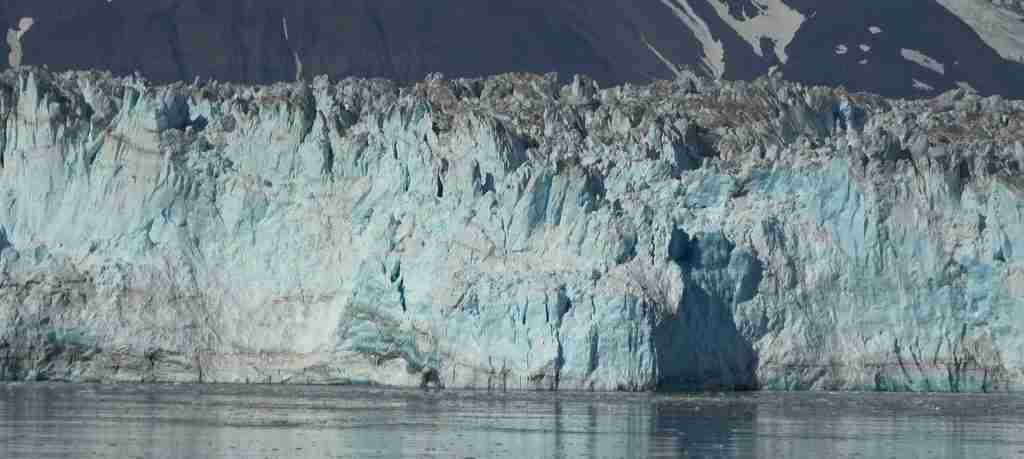
Phillips Cruises operates the signature 26 Glacier Cruise, Whittier’s longest and most comprehensive glacier viewing tour. This 5.25-hour journey covers approximately 140 miles round-trip, departing at 12 PM daily from May through September. The route explores College Fjord, where glaciers named after Ivy League colleges descend from the Chugach Mountains, and Harriman Fjord, home to Surprise Glacier and other dramatic ice faces. The cruise approaches within safe viewing distance of multiple tidewater glaciers, allowing passengers to witness calving events when chunks of ice break from glacier faces and crash into the sea. The $246 per person price includes reserved indoor seating, access to outdoor viewing decks, a hot meal featuring Alaskan salmon chowder, and professional narration throughout the journey.
The Glacier Quest cruise provides a shorter 3.75-hour alternative focusing on Blackstone Bay’s concentrated glacier cluster. Departing at 1 PM daily, this tour visits 10 glaciers including Blackstone and Beloit tidewater glaciers plus multiple hanging glaciers perched on surrounding peaks. The cruise costs $169 for adults and $99 for children ages 2-11, making it more budget-friendly than the longer voyage while still delivering excellent glacier viewing and wildlife opportunities. The included hot meal and indoor/outdoor seating arrangements match the 26 Glacier Cruise standards. This option works well for travelers with limited time or those combining Whittier visits with other same-day activities.
Both cruises operate on high-speed catamarans designed for stability and passenger comfort. The vessels feature climate-controlled cabins with large windows, spacious outdoor decks with railings for photography, full-service bars, and clean restroom facilities. The catamaran design provides exceptional stability in Prince William Sound’s typically calm protected waters, leading Phillips Cruises to offer an unprecedented no-seasickness guarantee. Passengers experiencing seasickness receive full refunds, though the company reports extremely rare claims due to the protected routes and vessel stability. USB charging ports at indoor tables allow phone and camera recharging during the voyage.
Wildlife viewing accompanies glacier exploration on both cruises. Harbor seals haul out on icebergs calved from glaciers, their spotted bodies visible against white ice. Sea otters float in rafts of 50-300 individuals, their synchronized diving creating memorable photography opportunities. Bald eagles perch on cliff edges and Sitka spruce snags, scanning waters for salmon. Humpback whales appear most frequently in May and September when feeding heavily on herring and krill concentrations. Orca whales patrol the sound year-round, their distinctive black-and-white markings and 6-foot dorsal fins visible from considerable distances. Dall’s porpoise race alongside vessels at speeds exceeding 30 mph, their small size and energetic behavior contrasting with the whales’ power and grace.
Captain’s narration provides context for the spectacular scenery passing by. Explanations cover glacier formation and movement mechanics, tidewater glacier dynamics that create calving events, the role of glaciers in shaping Prince William Sound’s fjords, and historical information about early explorers who named many visible features. Wildlife behavior interpretations help passengers understand seal and sea otter survival strategies, whale feeding patterns, and bird nesting colonies. Military history segments describe Whittier’s World War II origins and the tunnel construction that connected this remote outpost to interior Alaska. The narration balances educational content with entertainment, delivered by captains who have navigated these waters for years or decades.
Smaller boat operators offer specialized tours catering to specific interests. Sea kayaking companies lead guided paddles ranging from 3-hour introductory trips to multi-day expeditions camping in Prince William Sound’s remote coves. These human-powered journeys provide intimate wildlife encounters and glacier approaches impossible on larger vessels, though they require moderate physical fitness and tolerance for wet conditions. Fishing charters target halibut and salmon in productive grounds near Whittier, with half-day and full-day options providing all gear and fish processing services. Water taxis transport kayakers, backpackers, and campers to trailheads and U.S. Forest Service cabins scattered throughout the sound, enabling wilderness access beyond Whittier’s road system limits.
Jet ski tours represent the newest addition to Whittier’s marine tour offerings, combining speed with glacier viewing on 2-3 hour guided excursions. These tours appeal to adventure seekers wanting faster-paced experiences than traditional cruises provide, though wave action and wind exposure make them less comfortable than catamaran cruises. Participants must be at least 16 years old to operate jet skis and wear provided wetsuits and safety gear regardless of weather conditions.
Booking strategies for 2026 should account for seasonal demand patterns. June through August represents peak season when advance reservations become essential, particularly for the 26 Glacier Cruise and popular departure times. May and September offer easier booking with lower prices and smaller crowds while maintaining excellent wildlife viewing opportunities. Most cruise operators allow online booking through their websites or through Alaska tour packagers. Walk-up same-day bookings remain possible during shoulder seasons but risk sold-out departures during peak periods. Combination packages bundling cruises with Alaska Railroad transportation or motorcoach services often cost less than booking components separately while simplifying logistics.
Weather cancellations occur rarely due to Prince William Sound’s protected waters, but fog can reduce visibility and limit photography opportunities. Cruise companies operate unless conditions create genuine safety concerns, which happens infrequently given the sheltered routes and capable vessels. Passengers should prepare for cool temperatures and potential precipitation regardless of Anchorage weather, as Whittier’s microclimate operates independently. Layered clothing, waterproof outer shells, gloves, and warm hats ensure comfort during outdoor deck time even on days that seem pleasant at the dock.
Accommodation Options in Whittier 2026
Whittier’s accommodation inventory remains surprisingly limited given its status as a major cruise port and day-trip destination. The small town contains only a handful of hotels and rental properties, with most overnight visitors staying in nearby Girdwood or Anchorage instead. This limited supply creates high demand during peak season, requiring advance reservations for anyone planning to overnight in Whittier rather than day-tripping from larger communities.
The Inn at Whittier serves as the town’s premier accommodation, occupying a waterfront location with panoramic views of Passage Canal and surrounding mountains. After several years of flood-related closures and renovations, the property reopened its restaurant in summer 2025, though overnight guest rooms remained closed for continued repairs as of late 2025. Checking the Inn’s current status before planning 2026 stays remains essential, as the reopening of guest rooms would significantly expand Whittier’s overnight capacity. When fully operational, the Inn has historically offered the town’s most upscale lodging with harbor-view rooms, proximity to cruise docks and restaurants, and on-site dining eliminating the need to venture out in poor weather.
Glacier View Condo Suites provides short-term rental apartments in a residential building near the harbor. These units feature full kitchens, separate bedrooms, living areas, and amenities suited for multi-night stays or families wanting more space than hotel rooms provide. Prices range $150-280 per night depending on unit size and season, with minimum stay requirements sometimes applying during peak periods. The self-catering option reduces dining costs for budget-conscious travelers, though limited grocery options in Whittier mean stocking up in Anchorage or Girdwood before arrival makes practical sense.
The Anchor Inn operates both a small hotel and vacation rental apartments, representing Whittier’s most established lodging option for visitors. Located slightly inland from the main harbor area, the property attracts fewer day-tripper crowds than waterfront locations. Rooms run $95-185 per night with basic amenities including WiFi and parking. Check-in occurs at the Anchor Inn restaurant, with guests then directed to their accommodations across the street or in nearby buildings. The arrangement works smoothly once understood but can confuse first-time visitors expecting traditional hotel lobby check-in procedures.
Begich Towers, the massive residential complex housing most of Whittier’s permanent population, contains a handful of short-term rental units listed on vacation rental platforms. These apartments place visitors in the heart of Whittier’s unique living arrangement, with the building containing not just residences but also the post office, small grocery store, and various municipal offices. Staying in Begich Towers provides authentic immersion in Whittier’s unusual community structure, though the concrete Soviet-style architecture and institutional hallways create an atmosphere unlike conventional Alaska lodging. Prices range $110-220 per night, with units varying widely in condition and amenities based on individual owner maintenance standards.
Nearby Girdwood, located 30 miles north of Whittier and 40 miles south of Anchorage, offers significantly more accommodation variety and capacity. The Alyeska Resort dominates Girdwood lodging with full-service hotel rooms, condos, multiple restaurants, spa facilities, and the Alyeska Aerial Tramway providing mountaintop access. Summer rates run $280-450 per night for hotel rooms and $350-650 for condo units sleeping 4-6 people. Numerous smaller lodges, bed-and-breakfasts, and vacation rentals throughout Girdwood provide alternatives at $130-300 per night. Staying in Girdwood adds a 45-minute drive to reach Whittier but provides evening dining and lodging options far exceeding what Whittier itself offers.
Anchorage contains Alaska’s largest accommodation inventory with hundreds of hotels spanning all price points and service levels. Budget chains near the airport charge $95-140 per night, mid-range downtown hotels run $180-280, and upscale properties reach $300-500 for peak season rates. The 90-minute drive from Anchorage to Whittier represents the primary trade-off, though many visitors appreciate returning to Anchorage’s restaurant variety and evening entertainment options rather than facing Whittier’s limited choices. Anchorage also serves as the practical base for multi-day Alaska itineraries incorporating Whittier as one component rather than the sole destination.
RV camping and vehicle-based sleeping provides the most budget-friendly overnight option in Whittier. The city maintains a basic camping area near the harbor charging $10-15 per night for RVs and $5-10 for tent camping. Facilities include parking spaces but minimal amenities beyond basic restrooms. The location puts campers within walking distance of restaurants and cruise docks while avoiding accommodation costs entirely. However, Whittier’s frequent precipitation makes tent camping challenging, and the exposed parking lot setting lacks the scenic charm of Alaska’s established campgrounds. Most RV travelers find this option acceptable for one night while preferring established Forest Service or commercial campgrounds for longer stays.
Booking strategies for 2026 Whittier accommodation require early action during peak summer months. The limited inventory sells out weeks or months in advance for June, July, and August dates, particularly during cruise ship changeover days when hundreds of passengers disembark or embark simultaneously. May and September offer better availability and rates discounted 25-40% from peak season levels. Last-minute bookings during peak season almost always require staying in Girdwood or Anchorage rather than Whittier itself. Travelers with flexible schedules maximize value by visiting during shoulder seasons when accommodation pressure eases considerably.
Winter overnight stays in Whittier appeal primarily to ice fishing enthusiasts, aurora photographers, and travelers seeking extreme solitude. Most accommodations close or operate with reduced hours from October through April, and services become extremely limited. The few properties accepting winter guests often require advance communication to confirm availability and arrange check-in procedures. Winter rates drop 40-60% from summer levels, but the lack of services and severe weather risks make off-season Whittier stays suitable only for experienced Alaska winter travelers with appropriate gear and self-sufficiency.
Dining and Restaurants in Whittier 2026
Whittier’s restaurant scene concentrates on fresh seafood pulled directly from Prince William Sound, served in casual establishments that prioritize quality ingredients over elaborate presentations. The compact downtown contains approximately eight restaurants operating during summer season, with half closing or reducing hours significantly during winter months. Most venues operate as counter-service or casual sit-down establishments rather than fine dining, reflecting the working harbor town’s practical character and the predominance of day-trippers seeking quick meals between activities.
Swiftwater Seafood Café stands as Whittier’s longest-operating restaurant, having served fish and chips since 1997. The Varlamos family runs this casual favorite, offering halibut and rockfish lightly battered and fried to order, served with generous portions of fries. The halibut fish and chips cost $22-28 depending on portion size, while rockfish runs slightly cheaper at $18-24. House-made clam chowder and seafood chowder provide warming options for cool days, priced at $12-14 per bowl. The restaurant features a covered outdoor deck overlooking the harbor and mountains, plus indoor seating decorated with railroad tunnel construction photos, marine memorabilia, and local artwork. The extensive beer selection includes 30 domestic, import, and Alaskan craft options. Burgers and chicken strips accommodate non-seafood eaters at $15-18. Swiftwater’s reputation for quality, portion size, and reasonable prices makes it consistently busy during summer season, with waits of 20-40 minutes common during peak lunch hours.
Wild Catch Café offers gourmet burgers and artisan sandwiches alongside seafood specialties, operating seasonally from April through October. The menu emphasizes locally-sourced ingredients and creative preparations beyond standard tourist offerings. Grilled halibut sandwiches run $24-28, while specialty burgers range $16-22. The café pours organic espresso and coffee, stocks local microbrews, and provides box lunches for $18-25 for travelers heading out on charters or kayaking trips. Limited indoor seating encourages takeout or outdoor deck dining when weather permits. The atmosphere skews slightly more upscale than other Whittier restaurants while maintaining the casual Alaska vibe.
The Inn at Whittier’s restaurant reopened in summer 2025 after several years of flood-related closures, immediately establishing itself as the town’s most upscale dining option. The waterfront location provides spectacular views of Passage Canal through large windows. The menu features fresh seafood including smoked salmon chowder, shrimp cocktail, and grilled salmon, plus non-seafood choices like burgers, salads, and nachos. Entrees range $25-45, with lunch options running $18-28. Operating hours cover lunch and dinner from 11:30 AM to 10 PM during peak season. The Inn represents the best choice for visitors seeking table service and a more refined atmosphere than Whittier’s counter-service establishments typically provide.
Varly’s Ice Cream and Pizza Parlor satisfies cravings for these Alaska favorites in a small seasonal shop near the harbor. The funky flatbread pizzas feature creative topping combinations, priced $14-22 for sizes serving 1-2 people. Ice cream includes standard and specialty flavors served in cones or cups at $6-9. The extremely limited indoor space means most customers take orders to go, eating while walking the harbor or sitting on nearby benches. The shop appears to operate under the same ownership as the Inn at Whittier based on shared social media pages, though hours and operations vary seasonally. Checking current status before planning a visit prevents disappointment.
The Anchor Inn restaurant serves its small hotel’s guests plus local residents in a no-frills dining room slightly removed from the main tourist area. The menu covers American classics including burgers, sandwiches, breakfast items, and dinner entrees ranging $16-32. The local patronage creates a different atmosphere than harbor-front tourist spots, with conversations focusing on fishing conditions, weather patterns, and town events rather than cruise itineraries and glaciers. Visitors seeking authentic small-town Alaska experiences appreciate the Anchor Inn’s lack of tourist polish, while those wanting waterfront views and refined service prefer establishments closer to the harbor.
Lazy Otter Café operates from a small building near the harbor shops, serving coffee, espresso drinks, fresh-baked pastries, sandwiches, soups, and ice cream. This represents the primary breakfast option in Whittier beyond the Inn’s limited breakfast hours, with pastries and coffee available from early morning. Cinnamon rolls and other baked goods cost $5-8, espresso drinks $5-7, and sandwiches $12-16. The tiny interior contains only a couple seats, but the harbor-view outdoor seating works well on decent weather days. Box lunches for $18-22 provide take-along options for boat charters and hiking trips.
907 Bagel began operating breakfast service in summer 2025 using the Inn at Whittier’s kitchen facilities, filling a morning meal gap that had existed for years. Bagels and bagel breakfast sandwiches range $8-14, with coffee and espresso drinks completing the morning menu. The arrangement provides early breakfast options before most other restaurants open, though confirming current operating status before relying on 907 Bagel for morning meals makes sense given the relatively new operation.
China Sea restaurant offers the only Asian cuisine option in Whittier, serving Chinese dishes with an Alaska twist. Local seafood features prominently on the menu, with grilled halibut standing out as a specialty. Mongolian beef and kung pao chicken provide alternatives for non-seafood eaters. Entrees range $18-32, with combination plates and family-style ordering available. The restaurant occupies a small space with basic décor, focusing culinary energy on food quality rather than atmosphere.
Limited grocery shopping exists at a small store in Begich Towers carrying basic staples, snacks, and limited fresh items at prices elevated 30-50% above Anchorage supermarket rates due to transport costs and limited competition. Travelers planning to self-cater in vacation rentals should shop in Anchorage or Girdwood before reaching Whittier, as the selection and prices at the local store work best for supplementing meals rather than providing complete provisions. The nearest full-service grocery stores operate in Girdwood and along the Seward Highway north toward Anchorage.
Seasonal operations dominate Whittier’s dining scene, with most restaurants operating May through September when visitor traffic justifies staffing and inventory. October through April sees significant closures and reduced hours at remaining establishments. Winter visitors should confirm restaurant operations before arrival to avoid finding closed kitchens. The Anchor Inn typically maintains year-round food service with reduced menus and hours, serving the small local population and occasional winter travelers.
Meal planning for 2026 Whittier visits should budget $15-25 per person for lunch at casual restaurants and $25-45 for dinner at table-service establishments. Adding drinks, appetizers, or desserts increases costs accordingly. Coffee and pastry breakfasts run $10-15, while full breakfast sandwiches or plates reach $12-18. These prices align with general Alaska restaurant pricing rather than representing unusual tourist markups, though limited competition prevents the budget options available in larger Alaska communities. Visitors seeking value find lunch from Swiftwater or Wild Catch delivering substantial portions for reasonable prices, while those prioritizing experience and atmosphere justify the Inn at Whittier’s higher costs for better views and service.
Activities and Attractions Beyond Cruises 2026
While glacier cruises dominate most Whittier itineraries, the town and surrounding area offer additional activities ranging from easy harbor walks to challenging mountain hikes. These alternatives appeal to visitors staying overnight, those seeking variety beyond boat tours, or travelers who have previously experienced the primary cruise offerings and want to explore different aspects of Prince William Sound’s wilderness.
The Portage Pass Trail provides Whittier’s premier hiking experience, climbing 750 feet over 2 miles to reach views of Portage Glacier and Portage Lake. The trailhead begins just outside the tunnel on Whittier’s side, accessible by walking or driving a short distance from downtown. The path follows the historic route used by indigenous peoples for centuries before tunnel construction, serving as the original overland passage between Prince William Sound and Turnagain Arm. Moderate switchbacks lead through low brush and wildflower meadows, emerging at the rocky pass offering expansive vistas. On clear days, hikers see Portage Glacier’s face several miles distant across Portage Lake’s milky turquoise water. The round trip takes 3-4 hours for moderately fit hikers, with the trail surface consisting of maintained dirt and rock requiring sturdy footwear but presenting no technical challenges. Snow lingers on upper portions into June, and weather changes rapidly, making this hike suitable primarily for prepared hikers carrying layers and rain protection.
Horsetail Falls Trail follows Blackstone Road away from central Whittier, climbing gently for 1.5 miles to reach multiple waterfall viewpoints. This easier hike suits families and casual walkers, with minimal elevation gain and well-maintained tread. The route passes through hemlock and spruce forest with periodic openings revealing Whittier Creek valley and distant peaks. Horsetail Falls themselves cascade several hundred feet down granite faces, creating impressive displays during snowmelt season in May and June. The round trip takes 2-3 hours at a relaxed pace. More experienced hikers continue beyond the maintained trail to scramble up Blackstone Ridge, though this extension requires route-finding skills and tolerance for steep loose terrain.
Kayaking in Passage Canal and nearby waters provides human-powered access to shorelines and wildlife viewing opportunities impossible from cruise ships. Several outfitters offer guided trips ranging from 3-hour introductory paddles to multi-day expeditions. Beginners typically start with a 3-hour tour exploring Passage Canal near Whittier, learning basic paddling techniques while viewing harbor seals, sea otters, and coastal bird life. These short trips cost $95-125 per person including all gear and guides. Full-day trips venture farther into Prince William Sound, visiting remote coves and approaching tidewater glaciers from sea level for $185-245 per person. Multi-day expeditions camp on remote beaches, providing immersive wilderness experiences for $450-750 per person for 2-3 day trips including meals, camping gear, and guides. All kayaking requires moderate physical fitness and tolerance for potentially wet, cold conditions regardless of weather forecasts.
The Prince William Sound Museum occupies a small building near the harbor, displaying exhibits about Whittier’s military history, the indigenous Sugpiaq people who originally inhabited the region, and the construction of the Anton Anderson Memorial Tunnel. The collection includes photographs, artifacts, and interpretive displays explaining how this isolated location transformed from seasonal indigenous hunting grounds to secret military port to modern cruise destination. Admission costs $5-8 per person, with the visit taking 30-60 minutes depending on interest level. The museum operates primarily during summer season, with limited winter hours or closures.
Fishing charters target halibut and salmon in productive waters near Whittier, with numerous operators offering half-day and full-day trips. Halibut season runs May through September, with the largest fish typically caught in May and June before they disperse to deeper water. Salmon runs vary by species, with king salmon arriving in May-June, sockeye in July, and silver salmon in August-September. Half-day charters cost $225-300 per person for 4-6 hours on the water, while full-day trips run $350-450 for 8-10 hours. All gear, bait, and fish processing services come included. Charter operators fillet and vacuum-pack caught fish for travelers to transport home, or arrange frozen shipping for out-of-state visitors. Fishing licenses and king salmon stamps add $45-65 to costs for out-of-state anglers, purchased online or from local vendors.
The abandoned Buckner Building stands as Whittier’s most visible landmark, a massive concrete structure built in 1953 as the largest building in Alaska. This military barracks once housed thousands of soldiers in a self-contained city under one roof, including barracks, mess halls, a theater, bowling alley, and medical facilities. The 1964 earthquake damaged the building severely, and the military abandoned it shortly after. Modern safety concerns prevent public entry, but the exterior remains visible throughout Whittier and particularly from the harbor, its deteriorating concrete and broken windows creating an eerie Cold War relic dominating the skyline. Photographers find the Buckner Building’s industrial decay compelling against Whittier’s wild natural setting.
Begich Towers functions as both active residential housing and a Whittier attraction, with most of the town’s 270 residents living in this converted military building. The 14-story structure contains apartments, the post office, a small convenience store, and city offices all under one roof. The original military design allowed residents to work, shop, and access government services without leaving the building during winter storms and cold. Modern residents maintain this arrangement by choice rather than necessity, creating one of America’s most unusual community structures. Visitors cannot tour occupied residential floors, but the ground-level public spaces and exterior provide glimpses of this unique Alaska living situation.
Photography opportunities abound throughout Whittier for those willing to brave wet weather with protected cameras. The harbor area provides foreground interest with fishing boats, docks, and mountains creating classic Alaska scenes. Early morning and evening light when cruise ship crowds thin dramatically improves composition possibilities. Waterfalls cascade directly into Passage Canal during rainy periods, visible from numerous vantage points along the waterfront. Wildlife photography focuses on harbor seals, sea otters near the harbor entrance, and bald eagles perching on waterfront pilings. The tunnel entrance from Whittier’s side creates dramatic industrial compositions framing mountain scenery. Serious photographers find better glacier photography from cruise ships than from shore, as the boats approach tidewater ice faces far closer than land-based vantage points allow.
Walking Whittier’s compact downtown takes 30-45 minutes to cover all public areas, with the entire town measuring roughly one-quarter mile along the waterfront. The small size means visitors experience everything Whittier offers without extensive time commitments or transportation needs. This concentrated layout serves day-trippers well, allowing cruise passengers or drive-in visitors to explore restaurants, shops, and sights without the sprawl encountered in larger Alaska ports. The trade-off comes in limited variety and quick exhaustion of novel experiences, making Whittier fundamentally a gateway to Prince William Sound rather than a destination offering multi-day exploration opportunities independent of marine activities.
Day Trip Itinerary from Anchorage 2026
A well-planned day trip from Anchorage to Whittier maximizes glacier viewing and town exploration while managing tunnel schedules and cruise timing. This optimized itinerary assumes driving from Anchorage with flexible departure times, though the framework adapts easily for Alaska Railroad or motorcoach packages with fixed schedules.
Depart Anchorage by 7:30 AM to reach the tunnel for the 9 AM or 9:30 AM eastbound opening. This early start avoids tunnel crowds that build during late morning as day-trippers and cruise passengers converge. The 90-minute drive along Turnagain Arm provides wildlife viewing opportunities, with Dall sheep visible on cliffsides and beluga whales occasionally appearing in the tidal mudflats during summer months. Stop briefly at Beluga Point pullout (mile 110) for photos of Turnagain Arm’s dramatic coastline and mountain backdrop. Continue to the Portage Glacier Road turnoff at mile 79, following signs for Whittier.
Arrive at Begich Boggs Visitor Center at Portage Lake around 8:30 AM for a 20-minute stop. This Forest Service facility offers exhibits about glaciers, ice worms in glass displays, and panoramic windows overlooking Portage Lake. Portage Glacier itself has retreated beyond direct visibility from the visitor center, but the surrounding peaks and waterfalls create impressive scenery. Free admission makes this a worthwhile brief stop enriching the day’s glacier education. Restrooms here provide the last facilities before Whittier.
Reach the tunnel staging area by 8:50 AM, allowing time to pay the $13 toll and join the queue for the 9 AM or 9:30 AM eastbound opening. The tunnel transit takes 6-7 minutes of surreal darkness before emerging into Whittier’s mountain-ringed valley. Drive directly to the main harbor parking lots, securing a space before crowds arrive. Park and walk to Swiftwater Seafood Café or Lazy Otter for coffee and pastries, fueling up before the morning cruise.
The 26 Glacier Cruise departs at 12 PM, but arriving by 11 AM allows time for check-in, boarding, and securing preferred seating. Use the hour before departure to explore Whittier’s compact downtown, browsing shops selling local artwork, Alaska souvenirs, and practical items like rain ponchos for unprepared visitors. The Prince William Sound Museum opens by 10 AM for those wanting historical context before the cruise. Walk the harbor area photographing fishing boats, mountains, and the Buckner Building’s imposing bulk dominating the skyline.
Board the 26 Glacier Cruise by 11:30 AM, claiming seats with optimal views. The 5.25-hour journey departs at noon, cruising through Passage Canal before entering the glacier-filled fjords of College Fjord and Harriman Fjord. The complimentary hot meal includes Alaskan salmon chowder, served shortly after departure. Spend time on outdoor decks when weather permits, moving inside when temperatures or precipitation become uncomfortable. The catamaran design allows free movement between indoor and outdoor spaces throughout the cruise. Bring binoculars for distant wildlife viewing, though many sightings occur close enough for naked-eye observation. The no-seasickness guarantee reflects the protected waters’ calm conditions, making this cruise suitable even for those prone to motion sickness on open ocean vessels.
Return to Whittier harbor at 5:15 PM, disembarking with 90 minutes before the tunnel schedule requires departure. Walk to Wild Catch Café or the Inn at Whittier for dinner, choosing between quick casual service or more relaxed table service depending on appetite and energy levels. Halibut fish and chips or gourmet burgers provide satisfying meals after hours on the water. Budget $25-35 per person for dinner including drinks. The late afternoon timing means fewer crowds at restaurants than midday when cruise ships dock.
Depart Whittier for the 7 PM westbound tunnel opening, joining the queue by 6:50 PM. The return drive to Anchorage follows the same scenic route in evening light, reaching the city by 8:30 PM. This timing allows stopping at Girdwood for late dinner or drinks if desired, though most day-trippers prefer returning directly to Anchorage accommodations after a full day of glaciers, wildlife, and waterfront exploration.
This itinerary costs approximately $195-245 per person including tunnel toll, 26 Glacier Cruise, breakfast pastry and coffee, and dinner. Gasoline for the 120-mile roundtrip adds $15-20 for most vehicles. The schedule provides substantial glacier viewing, adequate town exploration, and dining at quality restaurants without rushing between activities or arriving late for tunnel openings. Modifications easily accommodate the shorter Glacier Quest cruise for $75 savings per person, or add the Portage Pass Trail hike before or after the cruise for active travelers wanting exercise beyond boat-based exploration.
Multi-Day Whittier Area Itinerary 2026
Visitors staying overnight in Whittier or basing in Girdwood access deeper Prince William Sound exploration and more relaxed pacing than day-trippers manage. A 2-3 day itinerary combines marine tours with hiking, kayaking, and thorough town exploration while eliminating the pressure of fitting everything into a single compressed day.
Day 1: Arrival and Town Exploration
Arrive Whittier in early afternoon via the 12:30 PM or 1 PM tunnel opening, avoiding morning rush. Check into accommodation, whether in Whittier itself or Girdwood 30 miles north. Spend the afternoon walking Whittier’s compact downtown thoroughly, visiting the Prince William Sound Museum for military history exhibits, browsing shops for local artwork and souvenirs, and photographing the harbor from multiple angles. The Horsetail Falls Trail provides an easy 2-3 hour hike offering waterfall views and forest walking without the commitment of Portage Pass. Return by 5 PM for early dinner at Swiftwater or the Inn at Whittier, then watch evening light transform the mountains surrounding Passage Canal. The uncrowded late afternoon and evening hours reveal Whittier’s working harbor character more authentically than midday cruise ship chaos allows.
Day 2: Full-Day Glacier Cruise
The 26 Glacier Cruise represents the day’s centerpiece, departing at noon and returning at 5:15 PM. Spend the morning at leisure, sleeping in after the previous day’s travel, enjoying a relaxed breakfast at 907 Bagel or the Inn’s restaurant, and preparing photography gear for optimal glacier documentation. Board by 11:30 AM for the 5.25-hour voyage through College Fjord and Harriman Fjord. The extended time on the water allows thorough exploration of 26 named glaciers plus numerous unnamed ice flows. Wildlife viewing peaks during early morning and late afternoon periods that day-trippers often miss due to tunnel schedule constraints. The captain’s professional narration provides context for the spectacular scenery while the complimentary meal eliminates concerns about packing lunch. After returning, enjoy dinner at a different restaurant than Day 1, sampling Wild Catch Café’s gourmet burgers or China Sea’s grilled halibut. Evening time allows walking the quiet harbor as fishing boats return and the day-tripper crowds depart.
Day 3: Kayaking and Departure
Book a morning kayak tour exploring Passage Canal and nearby coves, departing between 8-9 AM for a 3-4 hour paddle. This human-powered perspective reveals shoreline details, wildlife encounters, and glacier approaches impossible from larger cruise vessels. Harbor seals, sea otters, and coastal bird life appear at close range as guides share ecology and behavior information. Return by early afternoon for lunch at Varly’s or Lazy Otter before departing through the tunnel. Optional extensions include the Portage Pass Trail hike if weather cooperates and energy levels remain high, or simply relaxing before the return drive. Depart Whittier by 3 PM, stopping at the Begich Boggs Visitor Center for more thorough exploration than Day 1’s brief visit allowed, then continue to Anchorage arriving by 5 PM.
This 3-day framework costs approximately $520-780 per person including two nights Whittier accommodation, all meals, the 26 Glacier Cruise, kayak tour, and tunnel toll. Staying in Girdwood reduces accommodation costs by $50-100 nightly while adding 45 minutes driving each direction. The additional days provide thorough Prince William Sound exploration from multiple perspectives while eliminating the rushed feeling inherent in day-trip schedules. Wildlife viewing improves dramatically with more time on the water across different times of day. The relaxed pacing suits photographers, families with children, and travelers preferring immersive experiences over checklist tourism.
Seasonal Considerations and Best Times to Visit 2026
Whittier’s tourism season concentrates heavily into May through September, with operations largely ceasing outside these months due to reduced visitor numbers and challenging winter weather. Within the operating season, subtle differences in conditions, crowds, and wildlife activity create distinct advantages for different travel periods.
May brings the season’s opening with cruise operators beginning operations between May 1-15 depending on winter weather and vessel maintenance schedules. Early May sees minimal cruise ship traffic and low visitor numbers, creating an intimate atmosphere with uncrowded boats and restaurants. Daylight extends to 18-19 hours by mid-May, providing ample time for multiple activities daily. Glacier calving increases as spring temperatures accelerate ice movement, creating frequent calving events when chunks break from glacier faces and crash into the sea. Migratory birds arrive in massive numbers, with kittiwake colonies establishing nests on cliff faces and auklets appearing by thousands. Humpback whales begin filtering into Prince William Sound feeding grounds, though peak whale numbers arrive later. Weather remains variable with cool temperatures averaging 45-55°F and frequent precipitation, but conditions rarely prevent cruise operations. Hotel rates stay 30-40% below peak season levels, and advance reservations prove unnecessary except for Memorial Day weekend.
June transitions toward peak season as daylight approaches its summer solstice maximum of nearly 20 hours. Cruise ship calls increase dramatically in mid-June, bringing thousands of passengers through Whittier weekly. Wildlife activity peaks with whale numbers building, seal pups appearing on icebergs, and salmon runs beginning. Wildflowers bloom across alpine meadows visible from trails and cruise routes. Weather warms slightly to 50-60°F average temperatures, though rain remains frequent. This represents the ideal month for visitors wanting maximum daylight, active wildlife, and blooming landscapes while accepting increasing crowds and rising prices. Booking 4-6 weeks ahead secures preferred cruise times and Whittier accommodation, though Girdwood and Anchorage hotels maintain better availability.
July and August constitute Whittier’s absolute peak season with maximum cruise ship traffic, highest visitor numbers, and most expensive accommodation rates. Every restaurant, shop, and tour operator runs full schedules with extended hours. The 26 Glacier Cruise often sells out days or weeks in advance, requiring early booking for popular departure times. Weather reaches its warmest with temperatures occasionally breaking 65°F, though 55-60°F remains more typical. Precipitation continues frequently, maintaining Whittier’s characteristically wet climate regardless of Anchorage sunshine. Salmon runs reach peak intensity in late July and August, attracting concentrations of whales, seals, and bears feeding on the abundant fish. The midnight sun gradually yields to more conventional darkness, with true night returning in late August. Families traveling during school vacation periods fill hotels and tours, creating the year’s most congested atmosphere. Visitors prioritizing solitude should avoid these months, while those wanting guaranteed full services and maximum operating hours accept the crowds as an inevitable trade-off.
September brings the shoulder season’s return with cruise operations continuing through mid-month before tapering sharply. Early September maintains excellent weather, wildlife, and glacier viewing comparable to summer months while crowds diminish noticeably after Labor Day. Hotel rates drop 25-35% from peak season, and cruise reservations become available with shorter lead times. Whale activity reaches its annual peak as humpbacks feed heavily before migration, creating September’s best whale-watching opportunities. Silver salmon runs continue strong into mid-September, attracting fishing enthusiasts and providing food for marine mammals and birds. Daylight shortens to 14-15 hours by month’s end, still providing ample time for full activity schedules. Fall colors appear on deciduous plants and berry bushes, adding gold and red tones to the predominantly green landscape. The tunnel operates summer hours through September, maintaining easy access. This month represents optimal value for experienced travelers willing to accept slightly higher weather risks in exchange for lower costs and smaller crowds.
October through April sees Whittier essentially close for tourism with cruise operators suspending service, most restaurants shuttering, and accommodation options limited to one or two properties maintaining skeleton operations. The tunnel reduces operating hours with fewer openings per day and earlier closing times around 6-8 PM depending on month. Winter storms bring heavy snow to surrounding peaks and frequent rain or snow in town. The small permanent population continues its routines largely independent of tourist considerations. A handful of ice fishing enthusiasts, aurora photographers, and extreme solitude seekers visit during winter months, but this represents tiny numbers compared to summer traffic. Winter visitors require complete self-sufficiency including food supplies, cold-weather gear, and contingency plans for weather delays preventing tunnel passage or activity completion. The lack of services and severe weather make off-season Whittier inappropriate for casual visitors or those lacking extensive Alaska winter experience.
Weather preparation applies to all seasons given Whittier’s reputation as one of Alaska’s wettest locations. Pack waterproof outer layers, rain pants, waterproof bags for electronics, and backup clothing regardless of forecast. The microclimate surrounding Whittier operates independently of Anchorage weather, with rain frequently occurring in Whittier while Anchorage enjoys sunshine 60 miles away. Even sunny Whittier mornings can transform into rainy afternoons within minutes as clouds descend from surrounding peaks. Temperatures rarely reach uncomfortable extremes in either direction, with summer highs seldom exceeding 65°F and winter lows rarely dropping below 15°F, but the combination of cool temperatures and moisture creates uncomfortable conditions for unprepared visitors.
Wildlife Viewing Opportunities 2026
Prince William Sound supports extraordinary wildlife diversity, with marine mammals, seabirds, and occasional terrestrial animals visible from Whittier-based cruises, kayak tours, and shoreline observations. Understanding seasonal patterns and species behaviors enhances viewing opportunities while setting appropriate expectations for what sightings seem likely versus merely possible.
Harbor seals represent the most commonly observed marine mammal, appearing on virtually every glacier cruise and frequently visible from Whittier’s harbor. These spotted seals haul out on icebergs calved from tidewater glaciers, using the unstable platforms as protection from orca predation. Mother seals with pups appear most frequently in May and June when maternity colonies form on ice floes. The seals’ spotted coats provide camouflage against ice and water, making stationary animals surprisingly difficult to spot despite their 200-300 pound size. Viewing distances vary from 50 feet to several hundred yards depending on ice distribution and seal tolerance levels. Cruise ship approaches respect marine mammal protection regulations maintaining minimum distances, though binoculars allow detailed observations of behavior including nursing, resting, and slipping into water when feeling threatened.
Sea otters float in rafts sometimes exceeding 300 individuals, their dark brown fur and characteristic back-floating posture creating distinctive profiles visible from considerable distances. These smallest marine mammals maintain body temperature through the densest fur in the animal kingdom rather than blubber insulation. The constant grooming visible during observations maintains fur’s insulating air layer essential for survival in 42°F water. Otters wrap themselves in kelp while resting to prevent drifting with currents, creating scenes of dozens of kelp-wrapped otters floating together. Feeding behaviors include diving for crabs, sea urchins, and mollusks, then returning to the surface to crack shells on rocks placed on their chests. The playful appearance and engaging behaviors make sea otters visitor favorites, though their conservation status as recovering populations deserves respect through maintained viewing distances.
Humpback whales appear most reliably in May and September when feeding concentrations build in Prince William Sound. These 40-foot baleen whales filter-feed on herring, krill, and small fish, with feeding behavior including dramatic breaching, tail slapping, and bubble-net feeding where groups of whales cooperate to concentrate prey. Sightings occur unpredictably throughout summer months but increase dramatically during spring and fall migration periods. The distinctive humpback profile includes a small dorsal fin, knobby head, and extremely long pectoral fins reaching one-third of body length. Whale exhalations create visible blows rising 15-20 feet above the water surface, alerting observers to whale presence before the animals surface fully. Cruise captains alter routes when whales appear, approaching cautiously to legal minimum distances while providing optimal viewing angles. Patient observation often rewards viewers with multiple surfacings, tail flukes lifted high before dives, and occasional breaches when whales launch their entire bodies from the water.
Orca whales patrol Prince William Sound year-round, though sightings occur less frequently than humpback encounters due to orcas’ wider ranging behavior. Two distinct orca populations inhabit Alaska waters: residents feeding primarily on salmon, and transients hunting marine mammals including seals and sea lions. The dramatic black-and-white coloring and 6-foot dorsal fins make orcas unmistakable when they surface. Pod structure becomes apparent during prolonged sightings, with family groups maintaining close contact and coordinated swimming patterns. Orca encounters generate tremendous excitement aboard cruise vessels, with captains stopping engines and drifting to extend viewing opportunities when whales remain nearby.
Steller sea lions haul out on rocky outcrops and islands throughout Prince William Sound, their massive size and lion-like roars distinguishing them from harbor seals. Bulls can exceed 2,000 pounds, dwarfing the smaller females and creating dramatic size disparities visible in mixed groups. Sea lion colonies produce extraordinary noise audible from considerable distances, with roaring, barking, and splashing creating wildlife soundtrack moments. The animals’ agility despite their bulk becomes apparent watching them maneuver on slippery rocks or swim with surprising speed when entering water.
Dall’s porpoise represent Prince William Sound’s smallest cetaceans, recognizable by their black-and-white coloring pattern and extremely fast swimming. These energetic animals often approach vessels, riding bow waves at speeds exceeding 30 mph. The black bodies with white lateral patches create distinctive markings visible as porpoises roll at the surface. Group sizes vary from pairs to pods of 15-20 individuals. Unlike whales that surface slowly and predictably, Dall’s porpoise create explosive splashes when surfacing at high speed, making photography challenging but observation entertaining.
Bald eagles perch on shoreline trees, cliff edges, and harbor pilings throughout Whittier and Prince William Sound. Alaska supports the world’s largest bald eagle population, making sightings virtually guaranteed during any Whittier visit. Adult eagles display the characteristic white head and tail, while juveniles show mottled brown plumage before developing adult coloration around age four or five. Eagles hunt salmon in streams, scavenge on beaches, and occasionally rob fish from smaller seabirds. The combination of excellent fishing and abundant perch sites creates ideal eagle habitat around Whittier.
Black-legged kittiwakes nest by thousands on cliff faces throughout Prince William Sound, their colonies creating white walls of birds covering vertical rock. These small gulls display gray backs, white bodies, and entirely black legs distinguishing them from other gull species. The continuous calling at nesting colonies produces remarkable noise levels audible from cruise ships hundreds of yards away. Kittiwakes feed on small fish caught by surface dipping, often visible as massive flocks working over feeding areas. Cruise routes typically include close approaches to major kittiwake colonies, providing opportunities to observe nesting behavior and chick-rearing activities during summer months.
Mountain goats appear occasionally on steep slopes visible from cruise routes, their white coats standing out against dark rock faces. These sure-footed animals inhabit terrain too steep and rocky for most predators, trading safety for difficult living conditions. Spotting goats requires careful scanning of cliff faces at considerable distances, as the animals blend surprisingly well against snow patches and light-colored rock despite their white coloration. Binoculars or telephoto lenses prove essential for meaningful goat observation.
Black bears feed along shorelines during low tides, flipping rocks to access crabs, barnacles, and other invertebrates. These opportunistic omnivores also eat salmon when runs provide fish, graze on sedges and berries, and scavenge marine mammals and seabirds. Shore-feeding bears appear irregularly along cruise routes, with sightings depending on tide timing, food availability, and individual bear movement patterns. The thrill of spotting a bear from a boat combines exciting wildlife observation with complete safety, as the water barrier eliminates any encounter risks present during land-based bear viewing.
Photography gear for wildlife viewing should include telephoto lenses or powerful zoom capabilities for distant subjects. While some sightings occur at close range, many animals maintain considerable distance requiring magnification for detailed documentation. Calm protected waters allow hand-holding longer lenses that would require stabilization support on rougher seas. Bringing multiple camera bodies or versatile zoom lenses covers both wide scenic shots and tight wildlife compositions without missing fleeting opportunities during lens changes. Waterproof protection remains essential given Whittier’s climate, with rain covers or waterproof housings protecting expensive gear from frequent precipitation.
Photography Guide for Whittier 2026
Whittier and Prince William Sound offer exceptional photography opportunities combining glacial landscapes, wildlife subjects, and unique human elements like the Begich Towers and tunnel. Success requires understanding lighting conditions, protecting gear from moisture, and positioning strategically for optimal compositions.
Glacier photography aboard cruise ships benefits from the protected calm waters allowing sharp handheld images even with telephoto lenses. The boats approach tidewater glaciers to safe minimum distances providing frame-filling compositions of blue ice, crevasses, and dramatic calving faces. Shoot from outdoor decks when possible for unobstructed views, though large windows on indoor decks work during poor weather or when outside temperatures become uncomfortable. Polarizing filters reduce water reflections and enhance blue tones in glacial ice, though remember to remove them when shooting through windows as polarizers create color casts and patterns when used with polarized glass. Calving events happen unpredictedly, requiring camera readiness and fast shutter speeds of 1/500 second or faster to freeze ice chunks crashing into the sea. Continuous shooting modes capture action sequences showing progression from ice detachment through water impact and splash.
Wildlife photography demands preparation for subjects appearing suddenly and briefly. Keep camera ready with appropriate settings rather than stored in bags, as the seconds required to retrieve and activate equipment often result in missed opportunities. For whales and marine mammals, use shutter speeds of 1/1000 second minimum to freeze motion, with apertures providing adequate depth of field for subjects that may surface closer or farther than anticipated. Telephoto focal lengths of 200-400mm work well for most Prince William Sound wildlife, offering frame-filling compositions without the extreme reach required in many wildlife situations. The calm water and stable catamaran platforms allow hand-holding telephoto lenses successfully, though monopods or stabilized lenses improve results particularly during extended observation periods.
Morning and evening light provides the most dramatic landscape photography opportunities, with low-angle sun creating texture and dimension on mountain faces and glaciers. Summer’s extended daylight hours mean sunrise before 5 AM and sunset after 10 PM in June, with civil twilight persisting even later. These extreme light times suit dedicated photographers willing to work during hours when most tourists sleep or dine, but present challenges for visitors wanting conventional schedules. Midday light during summer months comes from nearly overhead angles creating flat even illumination suitable for wildlife documentation but less interesting for landscapes. Overcast conditions prevail frequently in Whittier, producing soft diffused light that works well for forest photography and reduces harsh shadows on wildlife subjects.
Waterfall photography benefits from Whittier’s abundant precipitation keeping dozens of waterfalls flowing throughout summer. Use longer exposures of 1/4 to 2 seconds to blur water movement creating smooth silky effects, requiring tripods or solid hand-bracing against stable surfaces. Neutral density filters allow longer exposures even in bright conditions by reducing light reaching the sensor. Composition should include context showing waterfalls’ relationships to surrounding cliffs and mountains rather than tight crops isolating water alone.
The Begich Towers and abandoned Buckner Building provide striking architectural subjects representing Whittier’s unique military heritage. The massive concrete structures dominate the small town, creating interesting scale relationships in compositions including boats, people, or vehicles for size reference. Deteriorating conditions on the Buckner Building add texture and visual interest absent from better-maintained structures. Morning light hits the buildings’ east faces while evening illumination favors western exposures. Including these structures in harbor scenes grounds images in Whittier’s specific identity rather than creating generic Alaska coastal photography.
Harbor photography captures Whittier’s working character through fishing boats, cruise ships, and commercial activity. Early morning before cruise passengers arrive provides uncrowded compositions, while late afternoon brings fishing boats returning to dock. Reflections in calm harbor water double visual interest during ideal conditions, though wind frequently disrupts mirror-smooth surfaces. Wide-angle lenses capture complete harbor scenes showing the relationship between boats, docks, mountains, and town structures.
Weather protection constitutes the most critical technical consideration for Whittier photography. Rain occurs frequently and unpredictably, capable of soaking unprotected gear within minutes. Waterproof camera covers, rain sleeves, or dedicated underwater housings protect expensive bodies and lenses from moisture damage. Keep multiple microfiber cloths accessible for wiping water from lens fronts, as a single droplet in the wrong position ruins otherwise perfect compositions. Store cameras in waterproof bags between shooting sessions rather than leaving them exposed on cruise ship decks or during town exploration. Silica gel packets in camera bags absorb humidity preventing internal condensation that damages electronics.
Backup equipment and memory cards prove essential for serious photographers given Whittier’s isolation from camera stores and repair services. Bringing a second camera body prevents a single failure from ending all photography for a trip. Multiple memory cards distributed between camera bag compartments prevent total data loss if one card fails or a bag goes overboard during boat-based shooting. Laptop computers or portable storage devices allow backing up images daily, protecting against card failure or loss.
Drone photography regulations restrict operations in many areas around Whittier due to cruise ship traffic, marine mammal presence, and nesting bird colonies. The compact town and busy harbor airspace create collision risks, while disturbing marine mammals or nesting birds violates federal protection laws. Photographers planning drone work should research current regulations, obtain required permits, and fly only in clearly legal locations away from wildlife and maritime traffic. The dramatic aerial perspectives possible from drones can create spectacular imagery when operated legally and ethically.
Family Travel and Visiting with Children 2026
Whittier accommodates families with children effectively despite lacking dedicated kid-focused attractions, with the glacier cruises, wildlife viewing, and compact walkable town creating accessible experiences for most age ranges. Planning considerations focus on managing the 90-minute drive from Anchorage, keeping children engaged during boat tours, and working within limited restaurant options.
The Anton Anderson Memorial Tunnel itself qualifies as an attraction for children, with the 2.5-mile passage through complete darkness creating memorable excitement. The shared rail-vehicle tunnel concept fascinates kids interested in trains or engineering, while the surrounding mountains and waterfalls visible immediately after tunnel exit grab attention. Build anticipation during the drive by explaining the tunnel’s unique features and World War II history in age-appropriate terms. The waiting period before tunnel openings provides rest stop opportunities at the staging area’s restrooms and parking lot.
Glacier cruises work well for school-age children and teenagers capable of sitting through 3-5 hour boat trips with intermittent activity. The shorter Glacier Quest cruise provides a better option than the 26 Glacier Cruise for families with younger children or those uncertain about attention span limits. The indoor climate-controlled cabins allow retreating from weather, while outdoor decks provide freedom to move around when energy levels demand physical activity. The complimentary hot meal included on both cruises eliminates packing lunch logistics and provides a mid-cruise event breaking up the time. Bring activities like books, tablets with downloaded content, or travel games for periods when scenery alone fails to hold attention, though many children find the wildlife sightings and glacier viewing sufficiently engaging without supplementary entertainment.
Wildlife viewing generates genuine excitement across age ranges, with harbor seals, sea otters, and whales providing natural entertainment requiring no parental prompting. Bring child-appropriate binoculars allowing independent wildlife spotting, creating active engagement rather than passive observation. Explain animal behaviors and adaptations in simple terms building educational value into entertainment. The no-seasickness guarantee on Phillips Cruises eliminates major concerns about children getting sick during boat tours, though families with children prone to motion sickness might still pack preventive medications as a precaution.
Restaurant options in Whittier include child-friendly choices beyond seafood. Swiftwater Seafood Café serves burgers and chicken strips appealing to kids who won’t eat fish. Varly’s Pizza provides familiar food in an casual atmosphere. Most Whittier restaurants operate counter-service or casual styles eliminating concerns about children disturbing other diners in formal settings. The compact distances between restaurants and activities mean walking everywhere rather than dealing with car seat logistics.
The Horsetail Falls Trail offers the most family-appropriate hiking option with gentle grades, maintained tread, and 1.5-mile distance manageable for most children over age five or six. The waterfall destination provides clear goals helping motivate reluctant young hikers. Pack snacks and drinks creating rest breaks doubling as trail picnics. The Portage Pass Trail presents too much elevation gain and distance for most younger children, though fit teenagers handle it successfully.
Begich Towers fascinates children with its unusual “everyone lives in one building” concept. While tours of residential floors aren’t available, explaining the structure’s military history and current use creates an human geography lesson more interesting than many museum exhibits. The massive abandoned Buckner Building visible throughout town generates questions about why buildings get abandoned and what happened to all the soldiers who lived there.
Accommodation considerations for families include space requirements and cooking facilities. Glacier View Condo Suites and other short-term rentals provide separate bedrooms and full kitchens allowing meal preparation, particularly valuable for breakfast reducing restaurant expenses and accommodating picky eaters. Hotels like the Inn at Whittier or Anchor Inn offer traditional room configurations suiting families comfortable eating all meals at restaurants. Staying in Girdwood rather than Whittier itself provides more accommodation variety and recreational options like the Alyeska Resort’s pool and tram, though adding 45 minutes driving each direction to Whittier activities.
Budget considerations for family trips multiply per-person costs across multiple children. The Glacier Quest cruise’s lower pricing at $169 adult and $99 child versus the 26 Glacier Cruise’s $246 represents significant savings for families of four or five. Packing snacks and picnic components from Anchorage grocery stores before reaching Whittier reduces expensive restaurant meals. The free activities like harbor walking, museum visits, and town exploration add value without adding costs. Calculate complete family expenses before committing to ensure budget alignment, as a family of four faces $675-900 just for glacier cruise tickets before adding meals, accommodation, and transportation.
Safety reminders include supervising children carefully around harbor docks and boats, as railings vary in height and water access remains unrestricted. The cold water temperatures make falling in extremely dangerous even for strong swimmers. Keep children within sight on cruise ship outdoor decks, as railings designed for adult heights may not prevent small children from slipping through. The frequent rain makes surfaces slippery increasing fall risks, so appropriate footwear with good traction prevents accidents.
Practical Tips and Essential Information 2026
Successful Whittier visits require understanding practical details about facilities, services, and local conditions that affect daily logistics. These seemingly minor considerations significantly impact trip enjoyment and prevent frustrating surprises.
Cell phone service in Whittier operates reliably near town through GCI and AT&T networks, though coverage disappears quickly when heading into Prince William Sound on cruises or kayak trips. Plan for hours without connectivity during marine activities. Download maps, confirmation emails, and essential information before leaving areas with reliable service. The tunnel’s underground passage blocks all cell signals during the 6-7 minute transit.
Banking services exist minimally in Whittier with no bank branches or widespread ATMs. Bring sufficient cash from Anchorage for tips, small purchases, and establishments preferring cash payments. Most restaurants and tour operators accept credit cards, but the tunnel toll booth accepts cash, checks, Visa, and Mastercard. Having mixed payment options prevents problems if card readers malfunction or merchant preferences limit payment methods.
Restroom facilities in Whittier concentrate near the harbor and in Begich Towers public areas. Restaurants typically restrict restrooms to paying customers during peak season when cruise ship passengers create heavy traffic. The tunnel staging areas on both Portage and Whittier sides provide public restrooms, making pre-tunnel and post-tunnel stops practical before extended periods without facilities. Cruise ships maintain multiple restroom facilities accessible throughout voyages.
Grocery shopping beyond basic snacks requires driving to Girdwood or Anchorage, as Whittier’s small convenience store stocks limited selections at elevated prices. Travelers planning self-catered meals in vacation rentals should shop before arriving in Whittier. The store works well for forgotten items or supplementing meals rather than as primary provisioning source.
Medical services in Whittier remain extremely limited with no hospital, clinic, or pharmacy. The nearest medical facilities operate in Anchorage 60 miles away, requiring 90-minute drives for any medical attention beyond basic first aid. Bring prescription medications with extras covering potential delays. Over-the-counter medications for common ailments like headaches, allergies, or upset stomachs should travel in personal supplies rather than expecting purchase options in Whittier. Serious medical emergencies require helicopter evacuation to Anchorage hospitals, with costs potentially reaching thousands of dollars without appropriate insurance coverage.
Wildlife safety remains relevant even in a developed town, as black bears occasionally visit Whittier attracted by garbage or fish processing operations. Never approach bears regardless of how calm they appear. Move away calmly if encountering bears in town or on trails, increasing distance rather than closing for photos. Food storage in vehicles or accommodations should use hard-sided containers rather than leaving items accessible to bears. While attacks remain extremely rare, respecting wildlife prevents problem situations developing.
Tipping practices in Whittier follow standard Alaska tourism norms with 15-20% gratuities expected at table-service restaurants and for tour guides. Cruise ship crew members traditionally receive tips, though practices vary by operator with some including gratuities in ticket prices while others leave tipping discretionary. Check specific cruise company policies to avoid under or over-tipping. Water taxi and charter fishing operations typically receive 10-15% tips for good service.
Parking enforcement in Whittier occurs regularly during peak season with tickets issued for violations like blocking fire lanes, overstaying time limits, or parking in private lots without authorization. Pay attention to posted signs and pay required fees at automated stations rather than assuming free parking exists. The compact town makes walking from legitimate parking areas easy, eliminating temptation to park illegally close to destinations.
Alcohol regulations permit purchasing and consuming alcohol in Whittier’s restaurants and bars, with beer, wine, and spirits available. However, public alcohol consumption outside licensed establishments violates local ordinances. Cruise ships operate bars selling drinks throughout voyages. Purchasing alcohol for accommodation consumption requires finding the limited liquor store options or bringing supplies from Anchorage where selection and prices prove better.
Pet policies vary by business with some restaurants allowing dogs on outdoor patios while others prohibit all animals except service dogs. Cruise ships generally do not permit pets on board. Hotels and vacation rentals have individual pet policies requiring advance confirmation before bringing animals. The lack of veterinary services in Whittier means any pet medical emergencies require driving to Anchorage for care.
Environmental responsibility includes packing out all trash, staying on maintained trails to prevent erosion and vegetation damage, and maintaining appropriate distances from wildlife. Marine environments prove particularly fragile with fuel spills, littering, and irresponsible waste disposal creating lasting damage. Using designated restrooms rather than polluting shorelines or wilderness areas protects water quality and public health. The pristine condition of Prince William Sound requires all visitors practicing leave-no-trace ethics.
Accessibility considerations for travelers with mobility limitations find Whittier’s compact layout advantageous, with short walking distances between parking, restaurants, and cruise docks. The cruise catamarans include wheelchair-accessible boarding ramps and facilities, though advance notification helps crews prepare appropriate assistance. Some vacation rentals and hotels offer accessible rooms, but the limited inventory requires advance booking to secure appropriate accommodation. The trails around Whittier present significant challenges for wheelchairs or walkers with rough terrain and elevation changes.
Budget Planning and Cost Management 2026
Planning realistic budgets for Whittier visits prevents financial surprises while allowing travelers to maximize experiences within personal spending limits. Costs vary dramatically based on choices regarding cruises, accommodation, dining, and activities.
Transportation expenses begin with the $13 tunnel toll covering roundtrip passage. Driving from Anchorage requires approximately 120 miles roundtrip consuming $15-20 in gasoline for most vehicles. Parking in Whittier adds $5-10 for all-day rates. These combined transportation costs total $33-43 per vehicle regardless of passenger count, making carpooling or family travel more economical on per-person basis. Alaska Railroad roundtrip tickets from Anchorage run approximately $70-90 per person depending on package options, while motorcoach services charge similar rates. Self-driving provides the most economical transportation for groups of two or more.
Glacier cruise selection represents the largest variable expense. The Glacier Quest cruise costs $169 for adults and $99 for children ages 2-11, providing 3.75 hours of glacier viewing. The 26 Glacier Cruise runs $246 per person for 5.25 hours accessing more distant glaciers. Combination packages bundling Alaska Railroad or motorcoach transportation with cruises add $75-125 above cruise-only prices. Budget-conscious travelers choosing Glacier Quest over the longer cruise save $77 per person while still experiencing spectacular glacier scenery and wildlife. Families of four save $300 with this choice.
Dining costs scale based on meal choices and restaurant selection. Budget meals at Swiftwater or Varly’s run $15-22 per person, mid-range options at Wild Catch or China Sea cost $20-30, and upscale dining at the Inn at Whittier reaches $30-45 per person. A typical day visitor eats lunch and possibly dinner in Whittier spending $30-50 total on food. Packing snacks or picnic components from Anchorage grocery stores reduces these costs, though limited refrigeration in vehicles during summer weather restricts perishable food options.
Sample budget breakdowns for different traveler profiles demonstrate realistic total costs:
Budget Day Trip (Single Traveler): Tunnel toll $6.50 share, gas $8 share, parking $7.50 share in group of four, Glacier Quest cruise $169, lunch $20, snacks $8. Total approximately $220 per person.
Standard Day Trip (Single Traveler): Tunnel toll $13 solo, gas $18, parking $10, 26 Glacier Cruise $246, lunch $24, dinner $32. Total approximately $345 per person.
Budget Family Day Trip (Two Adults, Two Children): Tunnel toll $13, gas $18, parking $10, four Glacier Quest tickets at $169 plus $99 totaling $536, lunch for four $65, snacks $15. Total approximately $655 for the family.
Standard Family Day Trip: Tunnel toll $13, gas $18, parking $10, four 26 Glacier Cruise tickets $984, lunch $75, dinner $95. Total approximately $1,195 for the family.
Overnight Solo Traveler: Add Whittier accommodation $150-280 for mid-range options, second day lunch $24, dinner $32, possible kayak tour $120. Total 2-day trip $560-900 depending on accommodation selection.
Overnight Family: Add two-bedroom vacation rental $220-350, additional meals for four $140-200, potential second activity $80-150. Total 2-day trip $1,230-1,790 depending on choices.
Cost-saving strategies include visiting during May or September when some operators offer early or late-season discounts, though posted cruise prices remain consistent year-round. Grouping multiple people in vehicles reduces per-person transportation costs significantly. Packing breakfast and snacks eliminates some restaurant meals. Choosing the shorter Glacier Quest cruise over the 26 Glacier Cruise saves substantially while delivering excellent glacier viewing. Staying in Girdwood rather than Whittier cuts accommodation costs by $50-100 nightly despite adding driving time. Booking combination packages sometimes costs less than separate component purchases, though comparing bundled versus a la carte prices prevents assuming packages always deliver savings.
Splurge categories where spending extra delivers meaningful value include choosing the 26 Glacier Cruise for its extended route accessing more glaciers and wildlife habitat, upgrading to overnight stays allowing multi-day exploration versus rushed day trips, and adding specialized activities like kayaking providing unique perspectives impossible from cruise ships alone. Photography enthusiasts justify extra hours on the water for increased wildlife opportunities and varied lighting conditions.
Hidden costs frequently overlooked include tunnel toll for roundtrip passage, parking fees, tips for cruise crew and restaurant staff, potential seasickness medication though cruises guarantee against problems, and snacks or drinks not included in cruise meals. Gifts, souvenirs, and shopping add variable amounts based on personal spending patterns. These seemingly small items accumulate to $40-80 per person across a full day when properly accounted.
Frequently Asked Questions About Whittier Travel 2026
Can You Visit Whittier Without Taking a Cruise in 2026?
Visitors can absolutely experience Whittier without booking glacier cruises, though the marine tours represent the primary attraction bringing most tourists to this small port town. Walking Whittier’s compact downtown, exploring the Prince William Sound Museum, dining at waterfront restaurants, hiking the Horsetail Falls or Portage Pass trails, and photographing the dramatic mountain scenery provide satisfying activities independent of boat tours. The tunnel transit itself qualifies as an attraction worth experiencing. However, the town’s limited size means thorough land-based exploration takes only 2-4 hours, making the full day-trip from Anchorage difficult to justify without the glacier cruise component. Visitors staying overnight in Whittier or basing in Girdwood find land-based activities supplementing marine tours rather than replacing them. The exceptional glacier and wildlife viewing accessible via cruises remains Whittier’s defining experience, with land-based alternatives serving best as additions rather than substitutes.
Is the Drive from Anchorage to Whittier Difficult in 2026?
The Anchorage to Whittier drive follows well-maintained paved highways presenting no significant technical challenges for drivers comfortable with two-lane roads and basic mountain driving. The Seward Highway along Turnagain Arm features dramatic cliffsides and steep drop-offs, but wide shoulders and guardrails provide protection when present. Portage Glacier Road runs through relatively flat valley terrain with gentle curves and good sight distances. The Anton Anderson Memorial Tunnel requires attention to speed limits and lane discipline but operates under controlled conditions preventing opposing traffic and providing emergency facilities. Winter driving increases difficulty substantially with potential ice, snow, and reduced visibility requiring winter tire experience and appropriate vehicle equipment. Summer driving proves straightforward for anyone who has navigated mountain highways elsewhere. The primary challenge comes from managing tunnel schedules requiring timely arrival at 30-minute intervals rather than driving whenever desired. First-time Alaska visitors sometimes find the scenery distracting from driving tasks, so allowing generous travel time prevents rushing between photo stops and tunnel openings.
What Should I Pack for a Whittier Day Trip in 2026?
Essential packing for Whittier day trips should include waterproof rain jacket and pants regardless of weather forecasts, as precipitation occurs frequently and unpredictably. Layer clothing for temperature flexibility including fleece or insulating mid-layer, long pants rather than shorts, and warm hat and gloves even in summer. Waterproof bags protect cameras, phones, and electronics from rain during harbor exploration and potential boat spray. Comfortable walking shoes with good traction handle wet surfaces safely. Sunglasses and sunscreen remain necessary despite frequent clouds as UV exposure occurs during breaks in weather. Binoculars enhance wildlife viewing during cruises. Snacks and water bottles supplement cruise meals and provide options during tunnel waits. Camera equipment appropriate for wildlife and landscape photography with adequate battery life and memory cards. Motion sickness medication if prone to seasickness despite cruise guarantees. Cash for parking meters and small purchases at establishments preferring cash payments. Confirmation emails or tickets for cruise reservations though most operators now use digital check-in systems. Personal medications including preventive items like pain relievers or allergy medicine. The compact town and boat-based activities mean traveling light works better than overpacking, but weather protection remains non-negotiable given Whittier’s wet climate.
Can You See the Northern Lights from Whittier in 2026?
Aurora viewing from Whittier remains possible but improbable due to the town’s southern latitude and persistent cloud cover. The northern lights appear most reliably above the Arctic Circle or in interior Alaska communities like Fairbanks where clear dark skies prevail. Whittier sits near 61 degrees north latitude, placing it at the southern edge of regular aurora activity zones. Strong geomagnetic storms occasionally push aurora displays far enough south to reach Prince William Sound, but these events occur unpredictably and infrequently. Even when auroras reach Whittier’s latitude, the frequent cloud cover blocks viewing more often than not. The light pollution from Anchorage 60 miles away creates sky glow reducing visibility of faint aurora displays. Winter’s darker skies provide better viewing windows than summer’s extended daylight, but winter also brings Whittier’s worst weather and most persistent clouds. Travelers prioritizing northern lights photography should plan trips to interior Alaska or Arctic communities rather than southern coastal locations like Whittier. The midnight sun during June provides its own spectacle of continuous daylight compensating for aurora absence, while September’s darker skies offer the best combination of aurora possibility and reasonable weather for Whittier visits.
How Long Should I Plan to Spend in Whittier in 2026?
Most visitors find one full day or overnight visit sufficient to experience Whittier’s primary attractions including glacier cruising, town exploration, and either hiking or kayaking. The compact size and focused activities lend themselves to concentrated visits rather than extended multi-day stays. Day-trippers from Anchorage should allocate 10-12 hours total including 90-minute drives each direction, 3-5 hour glacier cruise, and 2-3 hours for meals and town walking. This timing allows departing Anchorage by 7:30-8 AM and returning by 7:30-8:30 PM. Overnight visitors gain flexibility for early morning or evening activities, taking both longer and shorter cruises during a single visit, adding kayaking or extensive hiking, and experiencing Whittier’s quiet character after day-trippers depart. Two nights and three days represents the maximum most travelers find valuable unless incorporating Prince William Sound camping, extensive kayak expeditions, or using Whittier as a base for broader regional exploration. The limited accommodation options, restricted dining variety, and focused activity set mean extended Whittier stays work best for visitors with specific interests like fishing, kayaking, or photography rather than general sightseeing.
What is the Weather Really Like in Whittier in 2026?
Whittier’s weather deserves its reputation as challenging, with precipitation occurring on average 240 days per year making it one of North America’s wettest locations. Summer months receive 4-6 inches of rain monthly, distributed across frequent rainy periods rather than concentrated storms. Visitors should expect rain during any visit regardless of forecast, as weather changes rapidly when clouds descend from surrounding peaks. Temperature extremes remain moderate with summer highs averaging 55-62°F and rarely exceeding 65°F even during heat waves affecting Anchorage. Cool temperatures persist through shoulder seasons with May and September averaging 45-55°F. Wind patterns remain generally calm in Passage Canal due to mountain protection, though afternoon breezes increase during summer months. Cloud cover prevails most days creating atmospheric conditions ranging from low fog to high overcast. Truly sunny clear days occur 20-40 times annually concentrated in spring and early summer. The persistent moisture and cool temperatures mean visitors from warmer climates often find Whittier colder and wetter than expected despite “mild” statistics. Successful weather management requires accepting rain as normal rather than unfortunate, dressing in waterproof layers, and appreciating the dramatic storm-driven atmosphere as part of Whittier’s character rather than fighting against it.
Are There Hotels Actually in Whittier for 2026 or Should I Stay in Anchorage?
Whittier contains limited accommodation options including the Inn at Whittier, Anchor Inn, Glacier View Condo Suites, and short-term rental units in Begich Towers and other buildings. However, inventory remains extremely restricted compared to Anchorage with only 15-20 total accommodation units available in peak season. This limited supply sells out weeks or months ahead during June, July, and August, requiring advance booking for anyone committed to overnight Whittier stays. Last-minute travelers during peak season almost always find Whittier fully booked, necessitating stays in Girdwood 30 miles away or Anchorage. Staying in Whittier itself provides evening and early morning access to the quiet harbor atmosphere after day-trippers depart, eliminates the 90-minute drive each direction, and allows flexible timing for activities without tunnel schedule constraints. Anchorage offers far more accommodation variety, dining options, and evening entertainment but requires the return drive limiting time in Whittier and imposing tunnel schedule restrictions. Girdwood splits the difference with 30-mile proximity to Whittier, significantly more accommodation choices than Whittier itself, and recreational options at Alyeska Resort. The decision depends on priorities: choose Whittier for intimate access to the port town’s unique character, Anchorage for maximum amenities and urban conveniences, or Girdwood for balanced proximity and resort facilities.
Can I Do Whittier as a Day Trip from Seward in 2026?
Driving between Seward and Whittier for day trips proves impractical due to distance and route configuration. The highway route requires driving approximately 90 miles from Seward to the Seward Highway intersection with Portage Glacier Road, then 12 miles to Whittier for 102 miles one-way. The drive takes 2-2.5 hours each direction consuming 4-5 hours of roundtrip travel time. No direct coastal route connects the two ports despite their both accessing Prince William Sound, as the Kenai Mountains separate them requiring travel north to the highway connection. This extended drive time leaves insufficient hours for meaningful Whittier exploration or glacier cruises when attempting day trips. Travelers basing in Seward find excellent glacier and wildlife viewing through local Kenai Fjords tours from Seward itself, making the long drive to Whittier redundant. Visitors wanting to experience both ports should plan separate days for each, either staying overnight in both locations or returning to Anchorage between visits. The Alaska Railroad does not provide direct Seward-Whittier service, requiring connections through Anchorage adding further time. Attempting Seward-Whittier day trips sacrifices hours to driving while gaining little additional glacier viewing beyond what Seward already offers through its own excellent tour operators.
What Happens if Weather Cancels My Cruise in Whittier in 2026?
Weather cancellations occur extremely rarely for Whittier glacier cruises due to Prince William Sound’s protected waters and stable vessel designs. Cruise operators maintain rigorous safety standards but operate in nearly all weather conditions that day-trippers would consider poor, including rain, wind, and limited visibility. The protected fjords and barrier islands shelter routes from Gulf of Alaska storms making seas manageable even when exterior conditions seem severe. Complete cancellations typically happen only during exceptional circumstances like hurricane-force winds, extremely dense fog preventing navigation, or mechanical failures unrelated to weather. Cruise companies maintain refund policies for weather cancellations, though specifics vary by operator with some offering reschedule options while others provide full refunds. Travelers booking through package deals combining transportation and cruises should clarify cancellation policies with both the cruise operator and transportation provider, as refunds may not extend uniformly across all components. The best protection involves purchasing travel insurance covering trip cancellation and weather-related disruptions, though reading policy exclusions prevents assuming coverage that may not exist. Most visitors find worrying about weather cancellations unnecessary given the excellent operational record cruise companies maintain year-round in Prince William Sound’s protected waters.
Is Whittier Better Than Seward for Glacier Viewing in 2026?
Both Whittier and Seward provide exceptional glacier and wildlife viewing through different marine environments, making “better” depend on specific interests rather than objective superiority. Whittier accesses Prince William Sound’s tidewater glaciers through protected fjords where 26 named glaciers descend to sea level within cruise range. The calmer waters and concentrated glacier clusters allow extended viewing of ice faces from close distances with excellent calving event opportunities. Seward provides access to Kenai Fjords National Park where glaciers flow from the Harding Icefield, creating different geological settings and glacier types. The Gulf of Alaska waters near Seward can experience rougher conditions than Prince William Sound’s protected channels, though modern stabilized vessels handle seas well. Wildlife differs slightly between locations with both offering excellent whale, seal, and seabird viewing but different species compositions. Whittier sits 60 miles from Anchorage versus Seward’s 125 miles, making Whittier more accessible for day trips from Alaska’s largest city. Seward functions as a more developed tourist town with better accommodation variety, dining options, and land-based activities independent of marine tours. Visitors prioritizing pure glacier concentration and calm water conditions favor Whittier, while those wanting a more complete destination town with extensive land activities choose Seward. Many Alaska itineraries include both locations on different days, recognizing each provides distinct valuable experiences rather than redundant glacier viewing.