
Homer Best Tours & Walking Routes 2026: Complete Travel Guide
Homer, Alaska serves as the premier gateway to Kachemak Bay’s wilderness and stands among North America’s most spectacular destinations for coastal brown bear viewing, glacier hiking, and marine wildlife exploration. This coastal town at the end of the Sterling Highway offers adventure experiences ranging from accessible boardwalk strolls along the famous Homer Spit to floatplane expeditions into remote Katmai National Park, where brown bears fish for salmon mere feet from viewing platforms.
Key Takeaways for Homer Tours and Walking Routes 2026
- Bear Viewing Tours 2026: Floatplane and wheeled-plane bear viewing tours to Katmai and Lake Clark National Parks range $1,285-1,600 per person in 2026, offering 3-4 hours of ground time with coastal brown bears in their natural habitat, departing daily from Homer during the mid-June through mid-September season.
- Kachemak Bay State Park Access 2026: Water taxi services provide essential transportation across Kachemak Bay to 80+ miles of wilderness trails in Alaska’s first state park, with round-trip fares varying by destination and operators including Mako’s Water Taxi, 49 North Adventures, and Ashore Water Taxi offering daily scheduled and on-demand service.
- Walking Route Diversity: Homer’s trail network ranges from the fully accessible 4.3-mile paved Homer Spit Trail to challenging alpine routes like Grace Ridge Summit with 3,576 feet of elevation gain, accommodating all fitness levels from wheelchair users to experienced mountaineers.
- Kayaking and Hiking Combinations 2026: Combined kayaking and glacier hiking tours cost $229 per person for 7-8 hour experiences departing daily via boat to Kachemak Bay State Park, providing access to three distinct ecosystems and Grewingk Glacier Lake with minimal processing fees.
- Wildlife Tour Accessibility 2026: Marine wildlife tours departing from Homer Spit explore Kachemak Bay’s abundant sea life including sea otters, humpback whales, puffins, and orcas, with multi-hour excursions providing naturalist-guided interpretation of the local ecosystem and coastal geology.
- Seasonal Planning Priority: Mid-June through mid-September represents peak season for all Homer outdoor activities, with bear viewing optimal during salmon runs in July and September, while shoulder months offer reduced crowds and lower prices with weather-dependent tour availability.
People Also Ask About Homer Tours and Walking Routes 2026
How much do bear viewing tours from Homer cost in 2026?
Bear viewing tours from Homer cost $1,285-1,600 per person for day trips to Katmai or Lake Clark National Parks in 2026. These prices include round-trip floatplane or wheeled-plane transportation, 3-4 hours of ground time viewing coastal brown bears, pilot-guide services, and all necessary safety equipment. Brooks Falls tours offering self-guided viewing at the iconic falls typically fall at the higher end of the range at around $1,285-1,300 per person, while guided coastal bear viewing experiences with naturalist guides range $1,400-1,600. Tours depart daily from Homer Airport or Beluga Lake between 7:00-9:00 AM depending on tides and weather, with some operators offering afternoon departures. Children must be at least 7 years old for most bear viewing tours, and maximum weight restrictions of 270 pounds per person apply for small aircraft safety. Check official operator websites for current rates as pricing may vary based on fuel costs and seasonal demand.
What are the best walking trails accessible from Homer in 2026?
The best walking trails from Homer in 2026 include the 4.3-mile paved Homer Spit Trail for accessible waterfront walking, the Beluga Slough Trail’s 1.2-mile wetlands loop for bird watching, and the Diamond Creek Trail’s 4.2-mile forest-to-beach route for moderate hikers. Across Kachemak Bay via water taxi, Grewingk Glacier Lake Trail offers an easy 3-mile hike through old-growth forest to a stunning glacial lake, while Grace Ridge Summit provides a challenging 8.7-mile trek with over 3,000 feet of elevation gain and panoramic views of Kachemak Bay. The Carl E. Wynn Nature Center features five miles of interpretive trails through coastal bluffs and wildflower meadows with naturalist-guided options. For experienced hikers, China Poot Lake Trail presents a 5.4-mile moderate loop through boreal forest with excellent fishing opportunities. All Kachemak Bay State Park trails require water taxi transportation from Homer Harbor, adding approximately $75-120 round-trip per person to hiking costs.
When is the best time to visit Homer for tours and hiking in 2026?
The best time to visit Homer for tours and hiking is mid-June through mid-September 2026, when all tour operators maintain daily schedules and trails are snow-free with optimal weather. July and early September represent peak bear viewing seasons during salmon runs, with the highest probability of multiple bear sightings at Brooks Falls and coastal locations. Late June and August offer excellent hiking conditions in Kachemak Bay State Park with wildflowers blooming through July. May and late September provide shoulder season advantages including lower tour prices, reduced crowds, and excellent bird watching during spring and fall migrations, though weather becomes more variable and some tours operate on reduced schedules. Winter visitors can enjoy cross-country skiing at the Wynn Nature Center and Nordic ski trails, but most water taxis, kayaking tours, and bear viewing flights cease operations from October through April. Daily temperatures range 45-65°F in summer months with approximately 18 hours of daylight in June, gradually decreasing to 15 hours by September.
Do I need to book Homer tours in advance for 2026?
Yes, advance booking is essential for Homer tours in 2026, particularly for bear viewing flights which fill 2-6 weeks ahead during peak July and August dates. Water taxi services to popular Kachemak Bay State Park trailheads accommodate walk-up reservations but advance booking ensures preferred departure times and guarantees space, especially for groups larger than four people. Kayaking and hiking combination tours accept same-day bookings when weather permits, but making reservations 3-7 days ahead provides scheduling priority and flexibility. Bear viewing tours have strict weight and age requirements that must be confirmed at booking, and some operators offer early-booking discounts when reservations are made before March 31st. Wildlife tours and Seldovia day trips typically maintain availability even during peak season, though weekend dates in July fill earlier than weekdays. Booking at least 48 hours ahead allows operators to communicate weather updates and make necessary adjustments to departure times based on tides and marine conditions.
Extended multi-day tours – 5+ days
Featured Alaska Multi-Day Tour Packages
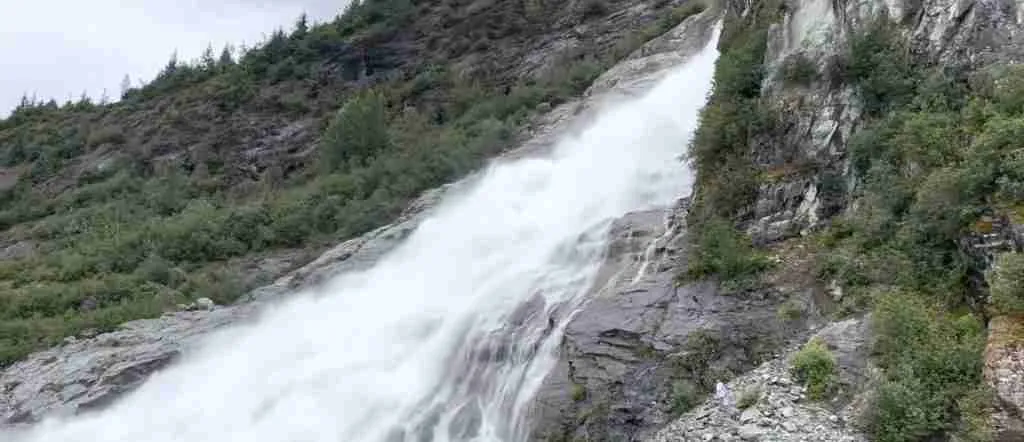
3 days
Alaska 3-Day Discovery Tour
- ✓ Comprehensive Alaska experience
- ✓ Expert local guides included
- ✓ All accommodation included
- ✓ Transportation provided
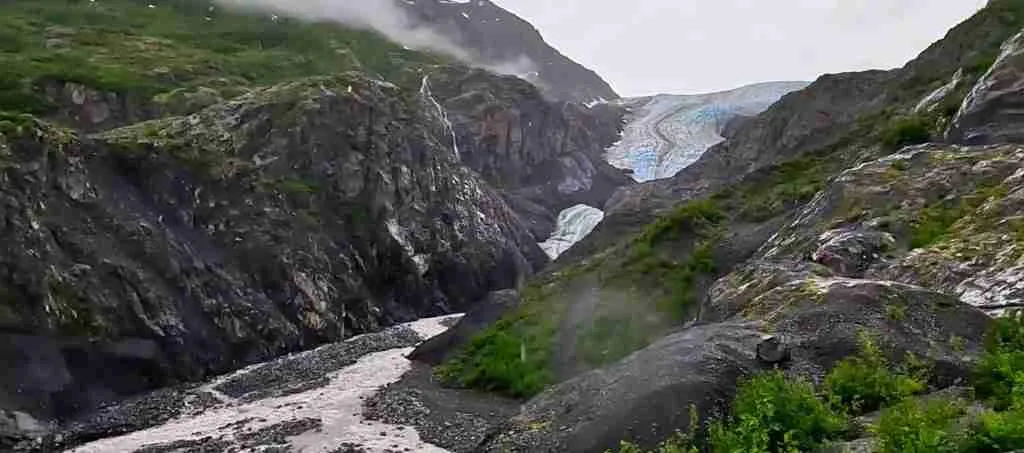
5 days
Alaska 5-Day Highlights Experience
- ✓ Comprehensive Alaska experience
- ✓ Expert local guides included
- ✓ All accommodation included
- ✓ Transportation provided
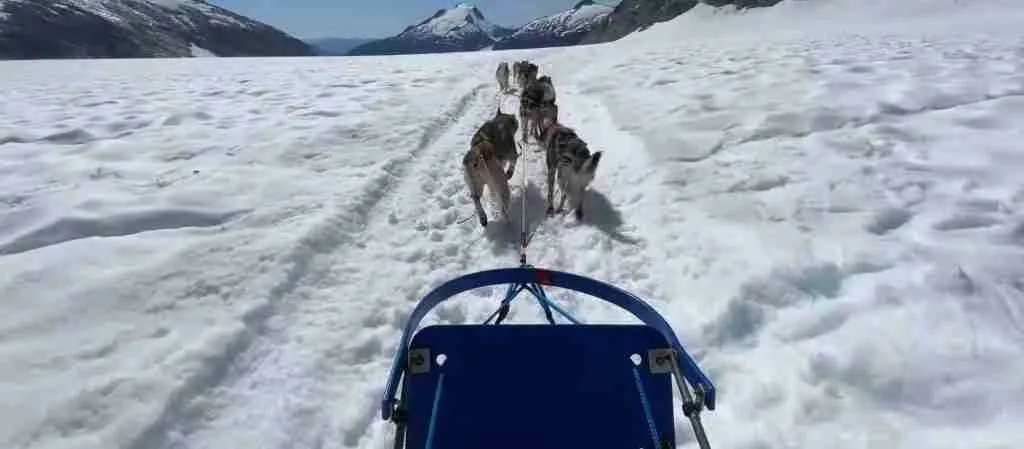
7 days
Alaska 7-Day Cultural Journey
- ✓ Comprehensive Alaska experience
- ✓ Expert local guides included
- ✓ All accommodation included
- ✓ Transportation provided
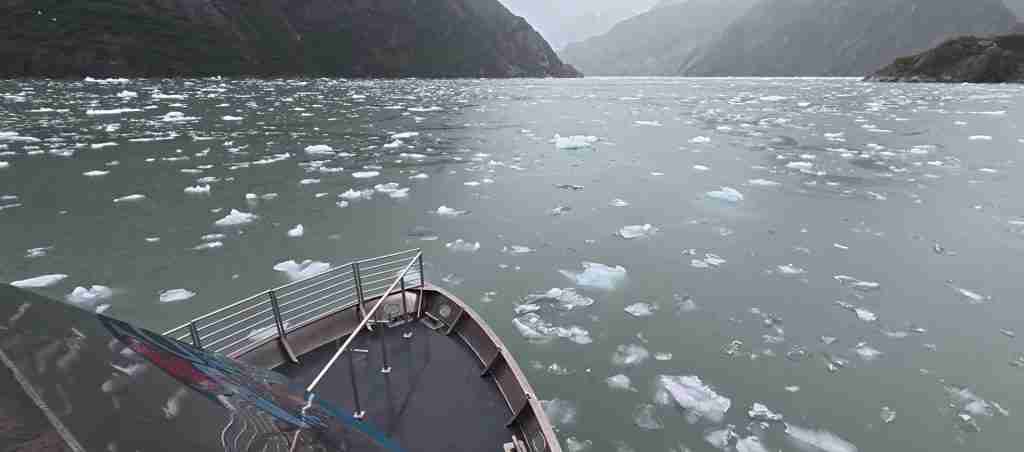
10 days
Alaska 10-Day Complete Adventure
- ✓ Comprehensive Alaska experience
- ✓ Expert local guides included
- ✓ All accommodation included
- ✓ Transportation provided
Multi-day tour packages powered by TourRadar. Prices and availability subject to change.
Introduction to Homer Tours and Walking Routes 2026
Homer occupies a singular position in Alaska’s tourism landscape, combining small-town accessibility with genuine wilderness proximity. Located at Mile 179.5 of the Sterling Highway on the southwestern Kenai Peninsula, this coastal community of approximately 6,000 residents has evolved from a fishing and homesteading settlement into one of Alaska’s premier adventure destinations while maintaining its authentic character. The town’s defining geographic feature, the Homer Spit—a 4.5-mile narrow landform extending into Kachemak Bay—serves as the operational hub for hundreds of charter boats, tour operators, and water taxis that connect visitors with experiences impossible to access by road.
Kachemak Bay itself functions as Homer’s greatest asset, a marine ecosystem so rich and diverse it earned designation as Alaska’s first critical habitat area. The bay’s protected waters separate Homer from Kachemak Bay State Park’s 400,000 acres of glaciated wilderness across the inlet, creating what locals accurately describe as a “roadless park” accessible only by boat or floatplane. This geographical separation has preserved landscapes unchanged since the last ice age—ancient Sitka spruce forests, active tidewater glaciers, and coastal meadows where brown bears graze on sedge grass while eagles patrol from overhead perches. The bay’s extreme tidal range of up to 28 feet generates nutrient-rich waters supporting an abundance of marine life from microscopic plankton to humpback whales, creating wildlife viewing opportunities that consistently rank among North America’s finest.
Homer’s 2026 tour industry reflects three decades of sustainable tourism development, with established operators maintaining impeccable safety records while sharing naturalist-level expertise. The bear viewing sector has matured from adventurous pioneer flights in the 1980s to today’s professionally regulated operations employing certified guides, adhering to strict park service protocols, and utilizing aircraft specifically modified for Alaska backcountry operations. Water taxi services have similarly evolved, transitioning from fishing boats offering occasional passenger transport to dedicated fleets of custom-built vessels designed expressly for passenger comfort and safety in Kachemak Bay’s challenging marine environment. This professionalization ensures visitors experience Alaska’s wilderness under expert guidance while minimizing environmental impact on sensitive ecosystems.
The walking route network available from Homer demonstrates remarkable diversity. Within town limits, accessible paved trails accommodate mobility-restricted visitors and families with young children, while maintained forest paths provide moderate exercise with wildlife viewing potential. Across the bay, Kachemak Bay State Park’s 80+ miles of trails range from gentle valley walks to demanding alpine ascents requiring technical route-finding skills. This spectrum of options allows visitors to calibrate their hiking experiences to personal fitness levels, available time, and desired challenge, whether that means a two-hour nature walk or a multi-day backpacking expedition into true wilderness. The 2026 season promises optimal trail conditions from mid-June through September, with wildflower displays peaking in July and fall colors emerging by late August.
Planning Homer tours for 2026 requires understanding seasonal patterns, operational logistics, and realistic cost expectations. Unlike urban destinations where attractions remain open year-round with predictable pricing, Homer’s wilderness-based tourism operates within natural constraints. Weather patterns, tides, salmon runs, and bear behavior all influence tour availability and success rates. Summer’s long daylight hours enable extended tour days, while shoulder season’s reduced hours limit activity windows but offer advantages in pricing and crowd levels. The town’s compact size and concentrated tour operations along the Spit simplify logistics, yet the remote locations most tours access demand proper equipment, realistic physical preparation, and flexibility when weather forces schedule adjustments. This guide provides the detailed planning information necessary to maximize both experience quality and budget efficiency during your 2026 Homer visit.
Bear Viewing Tours from Homer 2026
Homer functions as Alaska’s primary departure point for bear viewing expeditions to Katmai and Lake Clark National Parks, two protected wilderness areas that together support the highest concentrations of coastal brown bears anywhere on Earth. These tours represent the most sought-after wildlife experiences available in Alaska, combining scenic flights over volcanic landscapes with opportunities to observe brown bears catching salmon, digging for clams, nursing cubs, and exhibiting natural behaviors undisturbed by human presence. The 2026 season continues Homer’s three-decade tradition of professionally guided bear viewing, with established operators maintaining perfect safety records while providing naturalist-level interpretation of bear ecology and behavior.
Katmai National Park Bear Viewing 2026
Katmai National Park encompasses 4 million acres of preserved wilderness on the Alaska Peninsula, hosting an estimated 2,200 brown bears—the world’s highest protected population density. Tours departing Homer access two distinct bear viewing locations within Katmai: Brooks Falls and coastal beach areas. Brooks Falls tours transport visitors via floatplane to Brooks Camp, where the iconic falls attract concentrations of bears during salmon runs. After a mandatory 20-minute safety briefing from National Park Service rangers (humorously called “Bear School”), visitors walk 1.5 miles on maintained gravel trails and elevated boardwalks to viewing platforms positioned 10-15 feet above the falls. During peak July salmon runs, 10-15 bears simultaneously fish at the falls, creating the dramatic scenes featured in countless wildlife documentaries. The Brooks Falls platform accommodates 40 visitors at a time, with waiting periods of 15-45 minutes common during peak hours from 10:00 AM to 2:00 PM.
Coastal bear viewing sites along Katmai’s eastern shoreline provide different experiences emphasizing guided interpretation and smaller groups. Tour operators land wheeled aircraft directly on beach flats during low tide, then guide small groups (typically 6 passengers maximum) on walks through coastal meadows and tidal zones where bears feed on abundant sedge grass, razor clams, and spawning salmon in creek mouths. These guided experiences allow closer photographic opportunities than Brooks Falls platforms permit, with guides maintaining safe distances while positioning groups for optimal viewing as bears move naturally through their coastal habitat. Guides identify individual bears, explain feeding behaviors, interpret social interactions between animals, and share ecological context about salmon cycles, tidal influences, and seasonal bear patterns.
Katmai bear viewing tours in 2026 cost $1,285-1,300 per person for Brooks Falls day trips and $1,400-1,600 for guided coastal experiences. Check official operator websites for current rates as fuel costs and park fees may affect final pricing. Both options include round-trip flights from Homer (approximately 45-75 minutes each direction), 3-4 hours on the ground, and all required safety equipment including bear spray and emergency communications. Tours depart daily from mid-June through mid-September weather permitting, with morning departures between 7:00-9:00 AM standard. Weight restrictions of 270 pounds maximum per passenger apply for aircraft safety, and children must be at least 7 years old to participate. Visitors should prepare for 2-5 miles of walking on uneven terrain while wearing provided hip waders or rubber boots.
Lake Clark National Park Bear Viewing 2026
Lake Clark National Park provides equally spectacular bear viewing in a less-visited setting than Katmai, offering advantages for photographers seeking uncrowded conditions. The park’s 4 million acres stretch from Cook Inlet’s coastline inland to glaciated peaks of the Alaska and Aleutian Ranges, encompassing diverse habitat from coastal salmon streams to alpine tundra. Homer-based tours access Lake Clark’s coastline along Chinitna Bay and surrounding areas, where bears concentrate during multiple salmon runs from June through September. Unlike Katmai’s designated platforms, Lake Clark viewing occurs from natural positions along beaches and meadows, with certified guides managing small groups and maintaining regulatory distance requirements from bears.
Lake Clark tours emphasize photographic opportunities and intimate wildlife observation. With typical group sizes of 4-6 passengers, guides position visitors for optimal lighting and composition while bears feed, socialize, and rest within photographable range. The absence of viewing platforms and large crowds creates a wilderness immersion impossible at Brooks Falls, though this requires trusting expert guides to manage bear encounters safely. Tour operators specializing in Lake Clark often employ guides with wildlife biology backgrounds or decades of Alaska guiding experience, providing interpretation that transforms sightings into educational experiences about bear ecology, coastal ecosystem dynamics, and conservation challenges.
Lake Clark bear viewing tours cost $1,400-1,600 per person in 2026, reflecting smaller group sizes and specialized guiding. Check operator websites for current official rates. Prices include round-trip floatplane or wheeled-plane transportation from Homer (approximately 60-90 minutes flying time each direction), 3-4 hours of guided bear viewing, naturalist interpretation, safety equipment, and often complimentary photography coaching. Tours operate daily June through September with weather-dependent scheduling, and some operators offer afternoon departures in addition to standard morning flights. Physical requirements match Katmai tours: ability to walk 2-5 miles on soft sand, gravel beaches, and through meadow grass while wearing rubber boots, with 270-pound maximum weight limits and 7-year minimum age requirements for passenger safety.
Choosing Between Katmai and Lake Clark in 2026
Selecting between Katmai and Lake Clark depends on personal priorities. Brooks Falls in Katmai guarantees platform-based viewing with high bear concentrations during peak season, making it the safest choice for visitors who want assured bear sightings regardless of guide expertise or weather variables. The iconic setting provides recognizable backdrops for photographs, and the National Park Service infrastructure ensures accessibility for visitors with moderate mobility. However, platform viewing means sharing space with up to 40 other visitors, waiting in queues during busy periods, and photographing from fixed positions without compositional flexibility.
Lake Clark and Katmai coastal tours offer wilderness immersion and smaller groups but demand more flexible expectations. Weather strongly influences these tours since beach landings require specific tidal and wind conditions, and bear locations vary daily based on salmon availability and individual animal movements. Visitors seeking world-class photography, intimate wildlife experiences, and tolerance for weather-related adjustments find coastal tours superior to platform viewing. Those prioritizing guaranteed bear encounters, predictable schedules, and accessible viewing positions should book Brooks Falls tours.
July and early September represent peak bear viewing periods across both parks, coinciding with major salmon runs when bears concentrate at productive fishing locations. Mid-June and late August provide excellent viewing with reduced visitor numbers, while late September extends the season for photographers interested in fall colors and bears in prime pre-hibernation condition. All bear viewing tours depend on weather since Alaska’s coastal conditions can ground flights or prevent beach landings, so building schedule flexibility into trip planning proves essential for visitors determined to complete a bear viewing flight.
Marine Wildlife Tours in Kachemak Bay 2026
Kachemak Bay’s protected waters support one of the North Pacific’s most diverse marine ecosystems, creating wildlife viewing opportunities accessible via tours departing directly from Homer Spit. These multi-hour excursions explore the bay’s channels, islands, and kelp forests while naturalist guides interpret the complex relationships between tides, currents, marine mammals, seabirds, and seasonal prey species. Unlike bear viewing tours requiring expensive flights to remote locations, marine wildlife experiences depart from Homer Harbor multiple times daily at more accessible price points, making them ideal for families, visitors with limited budgets, or anyone fascinated by coastal ecology.
Kachemak Bay Wildlife Viewing Experiences 2026
Marine wildlife tours range from 3-hour condensed experiences to full-day explorations, with itineraries customized to tidal conditions and seasonal wildlife patterns. Standard tours depart Homer Harbor on stable tour boats accommodating 20-80 passengers with heated enclosed cabins, outdoor viewing decks, and restroom facilities. Captains navigate to productive wildlife areas while crew members provide naturalist interpretation using spotting scopes, marine mammal identification guides, and real-time commentary about observed behaviors. The tour route typically includes Gull Island seabird rookery, kelp forests where sea otters feed and rest, passages where harbor seals haul out on rocks, and deeper waters where humpback whales forage during summer months.
Sea otters represent the most reliably observed marine mammals, with Kachemak Bay supporting a recovered population of several thousand animals. Tours encounter rafts of 10-50 otters floating on their backs while grooming, feeding on crabs and urchins, or resting wrapped in kelp strands. Naturalists explain otter biology including their dense fur (up to 1 million hairs per square inch), use of tools to crack shellfish, and social behaviors. Harbor seals appear throughout the bay, hauling onto rocks and ice floes during low tides, while Steller sea lions occasionally surface near deeper channels. Dall’s porpoises and harbor porpoises patrol the bay’s entrance, their dorsal fins cutting through surface waters as they hunt schooling fish.
Humpback whales migrate into Kachemak Bay during summer months, attracted by abundant herring and other forage fish. Whale sightings occur on approximately 60-70% of summer tours, with June and August representing peak months for reliable encounters. Tours maintain regulatory 100-yard minimum distances from whales, though curious juveniles sometimes approach vessels on their own initiative. Naturalists identify individual whales by tail fluke patterns, explain bubble-net feeding behaviors when observed, and interpret breaching, tail-slapping, and other surface activities. Orca sightings occur occasionally but unpredictably, typically involving transient pods hunting seals rather than resident fish-eating populations.
Gull Island Seabird Viewing 2026
Gull Island, a small rocky outcrop in Kachemak Bay’s outer waters, hosts Alaska’s most accessible seabird rookery with approximately 10,000 nesting birds representing multiple species. Tours circle the island slowly, allowing extended observation and photography of birds on nesting ledges, feeding in surrounding waters, and flying between colony and foraging areas. The colony’s diversity includes tufted and horned puffins, black-legged kittiwakes, common and thick-billed murres, red-faced cormorants, and several gull species. Peak nesting activity occurs June through early August, when adult birds shuttle constantly between nests and feeding grounds to provision growing chicks.
Puffins attract particular attention with their colorful breeding plumage and comical swimming behavior. Guides distinguish between tufted puffins (larger, with yellow head plumes) and horned puffins (smaller, with “horns” above eyes) while explaining their adaptations for diving pursuit of small fish. Murres nest on narrow ledges in dense colonies, their pointed eggs evolved to roll in circles rather than off cliffs. Cormorants construct larger nests of seaweed and marine debris, often visible through binoculars as chicks stretch and exercise developing wings. The surrounding waters attract pelagic species including fulmars, shearwaters, and occasionally rare albatrosses during migration periods.
Photography from tour boats requires telephoto lenses in the 200-400mm range for frame-filling bird portraits, while wider lenses capture colony context and flying birds against scenic backgrounds. The boats’ stability and close approaches (maintaining legal distances from shore) enable sharp images even for photographers using basic equipment. Naturalists help identify species, point out behavioral events worth photographing, and explain ecological roles of seabird colonies in marine nutrient cycling and food web dynamics.
Seldovia Day Trip Tours 2026
Seldovia, a historic coastal village 15 miles across Kachemak Bay from Homer, offers cultural and historical experiences accessible via day-trip boat tours. This community of 250 residents maintains traditional Alaska Native and Russian heritage alongside active fishing operations, providing visitors with glimpses of authentic coastal Alaska unchanged by mass tourism development. Tours departing Homer combine scenic boat transit through Kachemak Bay with several hours of independent exploration in Seldovia, where visitors walk historic boardwalks, visit cultural sites, sample local restaurants, and browse small galleries featuring Alaska Native art.
The Seldovia journey begins with a 2-3 hour boat cruise across Kachemak Bay, following routes that showcase the bay’s marine life, coastal geology, and mountain scenery. Operators like Rainbow Tours utilize 65-75 foot vessels with indoor and outdoor seating, narrated interpretation, and occasional detours to investigate wildlife sightings. The crossing provides opportunities to see sea otters, seals, eagles, and occasionally whales or orcas, while guides explain Seldovia’s history as a major fishing port and transportation hub before road construction isolated the community.
Several hours in Seldovia allow time to explore on foot, with highlights including the historic boardwalk dating to the early 1900s, Russian Orthodox church reflecting the area’s heritage, Seldovia Village Tribe’s cultural center, and waterfront restaurants serving local seafood. The town’s compact size enables thorough exploration in 3-4 hours, though some visitors extend stays for hiking trails accessible from the village or sea kayaking in protected waters. Return boat service to Homer completes the day trip, typically arriving early evening. Some tours offer optional return via Smokey Bay Air floatplane for aerial perspectives of Kachemak Bay’s glaciers and coastline.
Kayaking and Hiking Combination Tours 2026
Combination kayaking and hiking tours leverage Homer’s unique geography, using boat transportation across Kachemak Bay to access protected paddling waters and glacier hiking trails impossible to reach by road. These full-day adventures provide diverse experiences encompassing marine ecosystems, coastal forests, and active glaciers while requiring minimal previous kayaking experience. The 2026 season continues a successful tour model developed over three decades, combining professional guiding with small group sizes to deliver safe, educational, and physically engaging outdoor experiences.
Grewingk Glacier Kayaking and Hiking Tour 2026
The signature combination tour departs Homer via tour boat for a 30-minute cruise to Kachemak Bay State Park, where participants transfer to tandem sea kayaks for 2-3 hours of paddling through protected waters. The kayaking route explores the marine environment along Grewingk Glacier’s outwash, navigating through kelp forests where sea otters feed, passing rocky shorelines where seals rest, and approaching ice chunks calved from the glacier terminus. Guides demonstrate proper paddling techniques for beginners, interpret marine life and coastal ecology, and manage the group’s pace to ensure all participants remain comfortable and engaged.
After beaching kayaks, the group transitions to hiking, following maintained trails through three distinct ecosystems. The route begins in coastal salt marshes where grasses thrive in tidal influence, climbs through old-growth Sitka spruce and cottonwood forest (some trees exceeding 400 years old), and emerges onto glacial moraines where hardy pioneer plants colonize recently exposed terrain. The trail culminates at Grewingk Glacier Lake, a turquoise glacial lake dotted with icebergs and backed by the active glacier. Visitors observe glacier calving, examine ice formations on the lakeshore, and learn about glacial retreat patterns documented since the 1950s. The return hike follows the Saddle Trail, a switchback route through forested terrain offering different perspectives and potential wildlife encounters including black bears, moose, and eagles.
These combination tours cost $229 per person for 7-8 hour experiences in 2026, with a $10 processing fee per group. Check official operator websites for current rates as seasonal factors may affect pricing. Prices include round-trip boat transportation from Homer, all kayaking equipment (tandem kayaks, paddles, spray skirts, life vests), experienced guide services, and hiking leadership. Tours operate daily during summer months with 8:00 AM and 11:00 AM departure options, returning to Homer approximately 3:30 PM or 6:00 PM respectively. Minimum group size of two participants required, with single travelers needing to contact operators directly for potential placement with other bookings. Maximum group sizes of 12 ensure personalized attention and manageable logistics on water and trail.
Equipment and Physical Requirements 2026
Combination tours provide all specialized equipment, eliminating need for personal gear investment. Operators supply tandem kayaks specifically chosen for stability and ease of paddling by inexperienced users, commercial-grade paddles, properly fitted life vests meeting Coast Guard requirements, and spray skirts to keep water out of cockpits. No previous kayaking experience required, though participants should feel comfortable on water and able to swim. Guides teach basic paddling strokes during initial launch, then provide ongoing coaching throughout the paddle. Tandem kayaks mean stronger paddlers can compensate for weaker partners, making these tours accessible for families with teenagers or couples with different fitness levels.
The hiking portion requires moderate fitness with ability to walk 3-5 miles on uneven terrain including roots, rocks, and muddy sections. Total elevation gain remains modest at approximately 200-300 feet, but trail surfaces demand attention and proper footwear. Operators recommend waterproof hiking boots or sturdy trail runners with ankle support, long pants to protect against brush and insects, and layered clothing to accommodate temperature variations between beach, forest, and glacier environments. Rain gear proves essential regardless of forecast since Kachemak Bay’s weather changes rapidly and forest trails remain damp even during dry periods.
Physical demands fall in the moderate category, more challenging than casual walks but manageable for regular walkers and recreational exercisers. The kayaking segment provides breaks from paddling while guides share information or the group observes wildlife, and the pace accommodates the slowest paddler to maintain group cohesion. Hiking proceeds at similarly moderate pace with frequent stops for interpretation, photography, and rest. Participants should expect 6-7 hours of active time (paddling or hiking) out of the total 7-8 hour tour duration, with remaining time allocated to boat transit, equipment distribution, and lunch breaks. Tours operate in most weather conditions short of dangerous winds or lightning, so mental preparation for potentially wet, cool conditions proves as important as physical fitness.
Wildlife and Educational Components 2026
Combination tours emphasize educational interpretation alongside adventure activity, with guides providing ongoing natural history throughout the day. Marine biology discussions during kayaking cover sea otter ecology (including their role as keystone predators controlling sea urchin populations), seal behavior and breeding patterns, intertidal zone organisms visible in kelp forests, and relationships between tides, currents, and marine mammal distribution. Guides identify seabirds by species, explain their diving adaptations and nesting requirements, and interpret their seasonal presence in Kachemak Bay waters.
Forest hiking segments feature plant identification including edible berries (salmon berries, blueberries, nagoonberries), medicinal plants used by Dena’ina people indigenous to the region, and ecological relationships between Sitka spruce, hemlock, cottonwood, and understory species. Guides explain old-growth forest characteristics, tree age estimation techniques, and succession patterns following glacial retreat. The massive cottonwood trees encountered near the coast—some exceeding 6 feet in diameter—provide opportunities to discuss tree longevity and growth rates in Alaska’s cool maritime climate.
Glaciology interpretation at Grewingk Glacier Lake covers ice formation processes, glacial flow mechanics, retreat patterns documented over decades, and climate change impacts visible in terminal moraine positions and photographic comparisons. Guides explain why glacial lakes appear turquoise (suspended rock flour reflects blue light wavelengths), how icebergs form through calving events, and what different ice colors reveal about age and air bubble content. Wildlife encounters vary daily but may include black bears (observed from safe distances with bear safety protocols emphasized), moose browsing in wetlands, bald eagles perched or soaring, and various small mammals including ground squirrels and voles.
Getting to Kachemak Bay State Park 2026: Water Taxi Services
Kachemak Bay State Park’s 400,000 acres remain inaccessible by road, making water taxi services essential transportation for independent hikers, kayakers, and wilderness campers. Multiple operators based at Homer Harbor provide scheduled and on-demand service to dozens of drop-off points across the bay, operating custom-built vessels designed specifically for Alaska’s challenging marine conditions. These services function as combination transportation and wildlife tours, with crossing times ranging 20-90 minutes depending on destination and nearly certain wildlife sightings during transit.
Water Taxi Operators and Fleet Characteristics 2026
Four primary water taxi operators serve Kachemak Bay State Park from Homer: Mako’s Water Taxi (operating since 1996), 49 North Adventures, Ashore Water Taxi, and Kachemak Bay Adventures (formerly St. Augustine’s Kayak & Tours). These established companies collectively operate approximately a dozen vessels ranging from 24-foot landing craft to 65-foot passenger boats, all custom-built in Alaska to handle Kachemak Bay’s extreme tides, cold waters, and occasional rough conditions. Vessels feature enclosed heated cabins, outdoor viewing decks, wide bow ramps for safe beach landings, VHF marine radios, life rafts, emergency position-indicating beacons, and full complement of Coast Guard-required safety equipment.
Fleet design prioritizes passenger comfort and versatile landing capabilities. The extreme tidal range (up to 28 feet) means beach conditions change dramatically between drop-off and pickup times, requiring bow ramps that enable safe passenger transfer across varying beach configurations. Enclosed cabins provide shelter during rain and wind while large windows enable wildlife observation and photography during crossings. Wheelchair accessibility via front-loading ramps ensures persons with mobility limitations can access many park locations, though terrain beyond beach landing sites varies from wheelchair-accessible to extremely challenging.
Captains hold U.S. Coast Guard certifications and possess intimate knowledge of Kachemak Bay’s channels, tide patterns, weather behavior, and wildlife locations. Many operators have navigated these waters for 20-40 years, maintaining perfect safety records while responding to hundreds of challenging marine situations. This experience proves critical during weather shifts, emergency situations, or when sea conditions deteriorate during scheduled pickup times. The professional crew’s presence transforms what could be stressful logistics into smooth operations where visitors focus on hiking and exploration while captains manage complex marine variables.
Popular Destinations and Route Pricing 2026
Water taxi services organize pricing by destination zones based on distance and crossing time from Homer Harbor. Grewingk Glacier Spit represents the closest and most popular destination, requiring 20-30 minute crossings to access the Grewingk Glacier Lake Trail and Saddle Trail network. This location receives the highest visitation due to short boat times, well-maintained trails, spectacular glacier views, and suitability for day hikers with limited time. Round-trip water taxi service to Grewingk Glacier Spit typically costs $75-90 per person with advance reservations, though rates vary by operator and should be confirmed through official websites.
Halibut Cove Lagoon and surrounding areas require 45-60 minute crossings, accessing trails including the Coalition Loop and routes into more remote regions of the state park. These destinations attract hikers seeking solitude and wilderness experiences beyond Grewingk’s popularity. Kayak Beach provides launch points for multi-day sea kayaking expeditions and access to Grace Ridge Trail, one of the park’s most challenging routes. Water taxi fares to these more distant locations range higher than Grewingk, with round-trip costs in the $100-120 per person range depending on specific drop points and scheduling.
Most water taxi services operate on scheduled daily departures to popular destinations, with morning drop-offs around 9:00-10:00 AM and afternoon pickups around 4:00-5:00 PM accommodating standard day-hiking timeframes. Operators also provide custom scheduling for overnight camping trips, photographers needing specific lighting conditions, or groups with unique timing requirements. Communication via VHF marine radio enables flexibility if hikers finish earlier than expected or encounter delays, with captains typically able to adjust pickup times within reasonable windows based on tidal requirements and other scheduled runs.
Planning Water Taxi Logistics 2026
Successful water taxi usage requires advance planning despite operators’ flexibility. Reservations should be made 2-7 days ahead during peak summer months (late June through August), ensuring space availability and allowing operators to coordinate multiple parties traveling to same destinations on efficient shared runs. Early booking proves especially important for weekends, Grewingk Glacier trips during July, and any travel during major Homer events or cruise ship port days when demand spikes. Spontaneous same-day bookings often succeed on weekdays or shoulder season, but calling ahead prevents disappointment.
Tide tables influence scheduling since beach landings require adequate water depth at both drop-off and pickup times. Operators factor tides into trip planning automatically, but visitors should understand that departure times may shift by 30-60 minutes from initially discussed times to optimize tidal windows. Extreme low tides occasionally prevent access to certain beaches, requiring alternate drop points or schedule adjustments. Similarly, high winds can suspend operations when seas exceed safe thresholds for passenger comfort and landing safety. Weather-related cancellations typically result in full refunds or rescheduling options, but building schedule flexibility into Homer visits prevents disappointment when marine conditions prove unfavorable.
Gear requirements depend on planned activities but should include rain gear, warm layers, food, and water for any crossing regardless of weather forecast. Water taxis accommodate backpacks, coolers, kayaks, and other equipment, but advance notice helps captains plan loading sequences and weight distribution. Most operators provide mesh bags for gear storage on outdoor decks, protecting items from spray while keeping cabin spaces clear for passengers. Groups with large gear loads (kayaks, inflatable boats, camping equipment for multi-day trips) should specify equipment when booking to ensure adequate vessel capacity.
Homer Accessible Walking Routes: In-Town Trails 2026
Homer’s in-town trail network provides accessible walking experiences requiring no special equipment, water taxi transport, or wilderness expertise. These routes range from fully paved wheelchair-accessible paths to moderately challenging forest trails, all accessible via personal vehicle or walking from downtown accommodations. The combination of coastal scenery, forest environments, wetland habitats, and mountain backdrops creates surprising diversity within a compact geographic area.
Homer Spit Trail: Accessible Coastal Walking 2026
The Homer Spit Trail extends 4.3 miles along the eastern edge of Homer Spit from the base near Pioneer Avenue to Land’s End at the tip. This paved multi-use path accommodates wheelchairs, strollers, bicycles, runners, and pedestrians, offering the area’s only fully accessible extended walking route with zero elevation gain. The trail surface consists of smooth asphalt in generally excellent condition, with few cracks or significant deterioration even after decades of use and exposure to harsh marine weather. Width varies from 8-12 feet, allowing comfortable two-way traffic and safe passing.
The route provides continuous views across Kachemak Bay to the Kenai Mountains, with the Grewingk Glacier visible on clear days as a white river descending between peaks. Walking north to south (toward Land’s End), the trail passes the Nick Dudiak Fishing Lagoon (locally called “the fishing hole”), a stocked salmon lagoon where visitors fish for kings, silvers, and pinks during summer runs. The Homer Boat Harbor marks the halfway point, with hundreds of commercial fishing vessels and charter boats creating photogenic foreground subjects against mountain backgrounds. The final mile traverses the commercial district with boardwalk shops, restaurants, and tour operator facilities.
Exposure to wind and sun characterizes the Spit Trail experience, as the narrow landform offers no tree cover or shelter along most of its length. Summer visitors should bring sun protection, water, and windbreakers even on seemingly calm days, as afternoon winds frequently develop speeds of 15-25 mph. Coastal breezes keep temperatures 5-10 degrees cooler than in town, requiring layers for comfort. Conversely, this exposure creates exceptional conditions for observing marine wildlife: sea otters often visible in nearshore kelp beds, seals hauled onto nearby rocks, eagles perched on pilings or soaring overhead, and various seabirds feeding in tidal currents along the Spit’s edges.
Beluga Slough Trail and Wetlands Observation 2026
The Beluga Slough Trail provides a 1.2-mile loop through coastal wetlands immediately adjacent to downtown Homer, accessible from either Ben Walters Park off Beluga Lake or from a trailhead near McDonald’s restaurant on Lake Street. The route features combination boardwalk and gravel path surfaces, navigating through sedge grass meadows, willow thickets, and riparian zones supporting abundant birdlife and occasional moose sightings. An elevated observation platform at the trail’s midpoint provides sweeping views over the slough to Beluga Lake and distant mountains.
This trail functions primarily as a birding destination, with species diversity reflecting the slough’s ecological richness. Sandhill cranes stage in the wetlands during spring and fall migrations, their distinctive rattling calls audible across the area. Waterfowl including mallards, teal, northern pintails, and various diving ducks nest in the area or use it during migration. Shorebirds probe mudflats during low tides, with sandpipers, yellowlegs, and dowitchers common. The observation deck offers ideal positioning for spotting skulking species like Virginia rails or sora in dense vegetation, while providing comfortable elevated seating for extended observation sessions.
Trail conditions require realistic expectations. Sections can be muddy, rooty, and slippery when boardwalks are wet, making sturdy footwear essential despite the short distance and minimal elevation change. Moose inhabit the area year-round and should be given wide berth (minimum 50 yards distance) if encountered, with visitors backing away slowly if a moose appears agitated or blocks the trail. Mosquitoes can be intense during calm warm weather from June through August, making insect repellent advisable for comfort. The trail remains accessible year-round, though winter snow and ice create challenging footing without traction devices.
Carl E. Wynn Nature Center Trails 2026
The Wynn Nature Center encompasses 140 acres of protected habitat along coastal bluffs 1.5 miles from downtown Homer, featuring five miles of maintained interpretive trails through diverse environments. This former homestead preserves wildflower meadows, coastal forest patches, and bluff-edge viewpoints while providing both self-guided exploration and naturalist-led programs. The center charges a $7 entry fee supporting habitat restoration, trail maintenance, and educational programming. Facilities include a visitor center with natural history exhibits, restroom facilities, and parking for 20-30 vehicles.
Trail options range from easy 0.5-mile loops suitable for young children and mobility-restricted visitors to more challenging routes exceeding 2 miles with moderate elevation changes. The Overlook Trail provides the center’s signature experience, climbing gently through meadows to bluff-edge viewpoints overlooking Kachemak Bay with interpretive signage explaining coastal ecology, geology, and human history. Wildflower displays peak in July when meadows explode with lupine, fireweed, chocolate lilies, and dozens of other species creating photogenic swaths of color. The Forest Loop explores darker hemlock and spruce forest environments, providing contrast to open meadows and demonstrating succession patterns as forests gradually colonize former pastures.
Guided nature walks led by trained naturalists operate daily during summer months, typically departing at 10:00 AM and 2:00 PM for 90-minute interpretive hikes. These programs emphasize natural history education covering topics from plant adaptations to bird identification to invertebrate ecology. Guides carry field guides, spotting scopes, and hand lenses for examining specimens, transforming casual walks into learning experiences appropriate for all ages. The center also hosts specialized programs including bird banding demonstrations, native plant walks focusing on edible and medicinal species, and sunset photography workshops coordinated with optimal evening light conditions.
Diamond Creek Trail to Beach Access 2026
Diamond Creek Trail descends 2.1 miles from trailhead to beach level, traversing through lush forest and meadow environments before emerging at Cook Inlet’s cobble beaches. This out-and-back route (4.2 miles round-trip) attracts hikers seeking moderate exercise with substantial elevation change (695 feet) and beachcombing opportunities along tidal zones. The upper half features crushed rock surface with switchback descents through alder and spruce forest, while lower sections near the beach traverse steeper terrain including areas of slick blue clay requiring careful footing.
The forest environment provides cool shade and abundant undergrowth including berry species that ripen in late summer. Thimbleberries, salmon berries, and high bush blueberries attract bears during August and September, making noise and awareness essential safety practices. The trail’s popularity means regular foot traffic that typically alerts bears to human presence, but solo hikers should carry bear spray and make noise on blind corners. Moose also frequent the area year-round, particularly in willow thickets near streams. The steep final descent to beach level challenges knees and stability, making trekking poles helpful for many users.
Beach access at low tide reveals extensive tidal zones with abundant marine life in pools and under rocks. Sea stars, anemones, hermit crabs, shore crabs, limpets, and various mollusk species populate these areas, providing hands-on exploration opportunities for families and educational groups. Beachcombing yields shells, glass fishing floats occasionally, driftwood sculpted by waves and weather, and occasional fossil fragments eroded from coastal cliffs. The beach extends approximately 15 miles in either direction at low tide, though most visitors explore short distances before reascending the trail. Tide awareness proves critical since rising water can trap beachcombers against cliffs, making tide table consultation mandatory before descending.
Kachemak Bay State Park Advanced Hiking Routes 2026
Kachemak Bay State Park’s backcountry trail network provides challenging hiking experiences for experienced outdoor enthusiasts equipped with wilderness skills, proper gear, and realistic fitness assessments. These routes demand more than casual hiking ability, requiring navigation skills, bear safety knowledge, stream crossing techniques, and self-sufficiency in environments hours from assistance. The rewards match the demands: pristine wilderness, spectacular alpine scenery, genuine solitude, and wildlife encounters in settings resembling Alaska before development.
Grewingk Glacier Lake Trail: Most Popular Route 2026
The Grewingk Glacier Lake Trail represents Kachemak Bay State Park’s most visited route despite requiring water taxi access, attracting several thousand hikers annually during the May-September season. This 3-mile one-way trail (6 miles round-trip) provides relatively easy hiking with minimal elevation gain, broad well-maintained tread, and a dramatic destination at Grewingk Glacier Lake. Water taxi drop-off at Glacier Spit places hikers directly at the trailhead, eliminating approach logistics and allowing completion in 4-6 hours including extended time at the lake.
The trail begins in coastal environments dominated by cottonwood trees, some exceeding 400 years old and 6 feet in diameter. These giants provide shade and create cathedral-like atmospheres as morning light filters through canopy gaps. The route gradually climbs through mixed Sitka spruce and cottonwood forest, crossing streams on bridges and occasionally traversing boggy sections on boardwalks. Forest understory includes devil’s club (easily identified by massive spiny leaves), ferns, moss-covered nurse logs, and seasonal berries. The final mile transitions to glacial moraine environments with pioneer vegetation colonizing terrain exposed within the past century as the glacier retreated.
Grewingk Glacier Lake occupies a valley carved by the glacier, which now terminates approximately 0.5 miles up-valley from the lake. The turquoise water results from suspended glacial flour (fine rock particles ground by ice) reflecting blue light wavelengths. Icebergs calved from the glacier drift across the lake’s surface, ranging from basketball-sized chunks to house-sized masses. Visitors observe active calving during quiet moments, hearing cracks and crashes as ice falls from the terminus into the lake. The beach provides comfortable spots for lunch, photography, and exploration, though water temperature remains near freezing year-round.
Return options include retracing the incoming route or following the Saddle Trail, a 1-mile connector climbing over a forested ridge before descending to rejoin the main trail. The Saddle route adds approximately 400 feet of elevation gain but provides varied scenery and potential solitude away from the more heavily used main trail. The complete loop totals approximately 7 miles, manageable in 5-7 hours with breaks for wildlife observation, photography, and lakeside rest.
Grace Ridge Summit: Challenging Alpine Experience 2026
Grace Ridge Summit trail presents one of Kachemak Bay State Park’s most demanding routes, climbing 3,576 feet over 8.7 miles from beach level to alpine ridge crest with panoramic 360-degree views. This extremely challenging hike requires excellent fitness, proper mountaineering-style boots, trekking poles, and full-day commitment (10-14 hours round-trip). The trail begins at Kayak Beach following water taxi drop-off, immediately ascending through dense old-growth Sitka spruce forest on steep grades that maintain intensity for the first 3 miles.
The lower forest section tests endurance and knee strength on grades frequently exceeding 20%, with root and rock obstacles requiring careful foot placement. The trail occasionally traverses wet areas and small streams, with mud common after rain. Devil’s club, salmonberry, and alder create dense understory limiting views until elevation gains exceed 1,500 feet and forest begins transitioning to alpine scrub. Moose frequent lower elevations while black bears utilize berry patches in season, making noise and awareness standard safety practices.
Emergence above treeline around 2,500 feet elevation transforms the experience from claustrophobic forest slog to open alpine hiking with expanding views. The upper trail follows ridgelines through alpine meadows that explode with wildflowers in July—lupine, paintbrush, mountain avens, forget-me-nots creating vibrant displays against rocky backdrops. Blueberry patches in August attract bears preparing for hibernation, requiring hikers to make noise and scan ahead continuously. The ridge crest provides stunning views south across Kachemak Bay to the Kenai Mountains, north to Cook Inlet and distant volcanoes, and east toward the Harding Icefield.
Weather changes rapidly at altitude, with clouds, wind, and rain developing quickly even when valley conditions remain clear. Temperatures drop approximately 3-4 degrees Fahrenheit per 1,000 feet elevation gain, meaning summit conditions can be 30+ degrees colder than beach level with significant wind chill. Proper layering, wind protection, and rain gear prove essential regardless of valley forecast. Late-season hiking (August-September) encounters increasing snow patches and freeze-thaw ice on shaded trail sections, requiring microspikes or instep crampons for safe passage. Mountain goats inhabit the highest elevations and occasionally graze on ridges, providing rare wildlife observation opportunities for successful summiteers.
China Poot Lake Trail: Moderate Loop Option 2026
China Poot Lake Trail offers a 5.4-mile loop combining forest hiking, ridge walking, and lakeside exploration at moderate difficulty levels between easy valley trails and extreme alpine routes. The trail begins at China Poot Bay (water taxi required), climbing approximately 950 feet through switchbacks to reach a ridgeline before descending to China Poot Lake. The complete circuit requires 4-6 hours depending on pace and break frequency, making it achievable for day hikers with solid fitness but not requiring the extreme commitment of Grace Ridge.
The initial climb through dense coastal forest provides workout intensity while maintaining sustainable grades, with switchbacks engineered to minimize erosion on steep slopes. The ridge section opens views across Kachemak Bay while traversing through mix of forest patches and meadow openings. Blueberry fields in late summer create feeding opportunities for black bears, which hikers encounter occasionally—sightings that emphasize carrying bear spray and maintaining awareness. The ridge also serves as natural migration route for mountain goats moving between feeding areas, creating potential for wildlife observation.
China Poot Lake provides the trail’s destination, a clear water body surrounded by forest and offering excellent fishing for Dolly Varden. The lake’s clarity allows observation of fish swimming near shore, unlike glacially-fed lakes where suspended sediment obscures visibility. Anglers successfully fish from shore or wade shallow areas, with single-hook artificial lures standard practice. The lakeside environment creates comfortable lunch spots with log seating and beach access. The return loop follows different terrain than the ascent, maintaining interest through varied ecosystems and viewpoints.
Trail connections from China Poot Lake Trail enable extensions into deeper wilderness for overnight backpackers or strong day hikers seeking additional mileage. The Poot Peak Trail branches upward toward the park’s highest summit, while routes toward Wosnesenski River drainage access remote valley systems rarely visited. These extensions transform moderate day hikes into serious wilderness expeditions requiring map and compass skills, as trails become less maintained and marked infrequently. Most day visitors complete the basic loop and return via water taxi pickup at China Poot Bay, satisfied with moderate challenge and scenic rewards without venturing into true backcountry environments.
Wildlife Safety and Trail Etiquette 2026
Hiking in Kachemak Bay State Park and surrounding Homer areas means sharing habitat with large mammals including black bears, moose, and occasionally mountain goats. Successful wilderness experiences require understanding animal behavior, practicing appropriate safety protocols, and maintaining respectful distance that prioritizes wildlife welfare alongside human safety. The following guidelines represent consensus best practices from Alaska wildlife management agencies, experienced guides, and scientific research.
Bear Safety Protocols for Homer Area Trails 2026
Black bears inhabit all forested and alpine environments around Homer and Kachemak Bay State Park, with population densities varying seasonally based on food availability. Spring (May-June) finds bears focusing on fresh vegetation, beach foraging for clams and carrion, and hunting newborn moose calves. Summer (July-August) transitions to berry consumption supplemented by salmon in streams. Fall (August-September) intensifies feeding as bears enter hyperphagia (extreme eating) preparing for hibernation, consuming up to 20,000 calories daily from berries, salmon, and other foods. Understanding these seasonal patterns helps predict where encounters likely occur and when bears may be most food-focused and potentially defensive.
Making noise prevents most bear encounters by alerting animals to human presence far enough ahead for them to avoid contact. Talking in normal conversational volumes suffices on open terrain where visibility extends hundreds of yards, but dense forest, stream noise, or wind require louder vocalization. Periodic calls of “Hey bear!” or similar phrases work effectively, particularly before blind corners, when approaching thick brush, or during noisy stream crossings. Bear bells provide minimal benefit as their tinkling doesn’t carry far and may not register as human sounds to bears. Hiking groups naturally make more noise than solo travelers, explaining statistical patterns showing solo hikers experience higher encounter rates than groups.
Carrying bear spray provides proven defensive tools for the rare situations where bears approach despite precautions. Counter Assault and UDAP brands in 9-ounce or larger containers offer sufficient capacity and range (25-30 feet) for effective deployment. Spray should ride in quick-access holster on hip belt or chest strap, not buried in pack. Users should practice drawing spray smoothly and understand deployment involves aiming slightly downward to create barrier of capsaicin mist between bear and hiker, deployed when bear closes within 20-30 feet if it continues approaching. Spray works effectively on charging bears but should never be used prophylactically or applied to gear, as residual capsaicin can actually attract bears.
Moose Encounter Management 2026
Moose present different hazards than bears despite their herbivorous diet and generally placid appearance. Adult moose stand 5-6.5 feet at the shoulder and weigh 800-1,200 pounds (females) or 1,000-1,600 pounds (males), possessing tremendous strength and potentially aggressive temperaments when defensive. Cow moose with calves (May-July) rank among Alaska’s most dangerous animals, attacking perceived threats to offspring with devastating strikes from front hooves capable of killing wolves, bears, and humans. Bull moose during rut (September-October) may display aggression toward any perceived territorial intrusion, particularly if humans position themselves between bulls and receptive cows.
Appropriate moose response involves recognizing warning signs and creating distance before animals feel threatened. Agitated moose display specific behaviors: ears laid back flat against head, hair raised along spine and shoulders, licking lips repeatedly, and pawing ground with front hooves. Any of these signals demands immediate retreat, backing away slowly while keeping the moose in sight, never running which triggers chase instincts. Minimum safe distance equals 50 yards (half a football field) for calm moose, increasing to 100+ yards for cows with calves or bulls in rut. If moose charges, running makes sense since moose typically execute short bluff charges rather than sustained pursuit—seek shelter behind trees, boulders, or vehicles if available.
Trail encounters requiring passage near moose demand patience and judgment. If moose blocks trail and appears calm (feeding, resting, not displaying warning signs), hikers can sometimes detour widely (minimum 100 yards) around animal. This works in open terrain but proves impossible in dense forest or steep slopes where off-trail navigation creates different hazards. In these situations, retreat and wait often succeeds as moose eventually move off, unblocking trail. Never attempt to scare moose off trail by approaching, yelling, or throwing objects—this escalates threat perception and may trigger defensive charges. If moose appears agitated or has calves, retreat to different trail or abandon hike rather than force passage.
Leave No Trace Principles Application 2026
Kachemak Bay State Park’s pristine conditions reflect decades of visitor compliance with Leave No Trace outdoor ethics, wilderness preservation philosophy now standard across public lands. These seven principles guide low-impact recreation minimizing human effects on natural environments. Plan Ahead and Prepare involves researching conditions, packing appropriate gear, and understanding regulations—preparation preventing emergencies and reducing need for resource-damaging improvisation. Travel and Camp on Durable Surfaces means staying on established trails rather than cutting switchbacks or creating social trails, and using designated camping areas rather than creating new sites in pristine locations.
Dispose of Waste Properly addresses all trash, human waste, and food scraps. Pack out everything packed in including orange peels, apple cores, and nut shells which don’t belong in Alaska ecosystems and take years decomposing. Human waste requires special attention: urinate at least 200 feet from water sources on rocks or bare soil that won’t be damaged. Solid waste demands cat-hole disposal 6-8 inches deep and 200+ feet from water, trails, and campsites, with toilet paper either packed out in sealed bags or buried (though pack-out remains preferable). Leave What You Find preserves natural and cultural artifacts—take photographs rather than flowers, leave antlers and bones for ecosystem nutrient cycling, and never disturb historical artifacts from homestead sites or indigenous use areas.
Minimize Campfire Impact recognizes fires damage wilderness environments and leave lasting scars. Backpacking stoves provide cooking capability without fire impacts. If fires occur (check current regulations as some areas prohibit them entirely), use established fire rings only, keep fires small, burn completely to ash, and ensure total extinction with water. Respect Wildlife maintains healthy animal behaviors by observing from distance, never feeding animals (fatal practice that habituates them to humans and leads to management removals), and storing food properly to prevent wildlife access. Be Considerate of Other Visitors involves yielding trail to uphill hikers, keeping noise moderate to preserve wilderness atmosphere, and controlling pets (prohibited in many areas) to prevent wildlife harassment.
Seasonal Planning Guide for Homer Tours 2026
Homer’s tourism season demonstrates pronounced seasonal patterns driven by weather, wildlife migrations, fish runs, and operational schedules. Understanding these patterns enables strategic trip planning that matches personal priorities with optimal conditions, whether that means peak wildlife viewing, budget considerations, or crowd avoidance. The 2026 season follows historical patterns with mid-summer peak and increasingly popular shoulder seasons.
Peak Summer Season: June 15 – August 31, 2026
Peak summer represents Homer’s busiest period when all tour operators maintain full daily schedules, trails are snow-free with optimal conditions, and daylight extends 16-19 hours enabling dawn-to-dusk activity. This season commands premium pricing but delivers maximum reliability for weather-dependent activities like bear viewing flights and kayaking tours. Late June through mid-July captures the first salmon runs attracting bears to Brooks Falls in highest concentrations, while late August and early September provides second salmon run peak with added advantage of fall colors beginning to emerge.
Weather during peak summer averages 55-65°F daytime temperatures with overnight lows 45-50°F, though significant variability occurs. Homer’s maritime climate produces frequent cloudy periods, light rain, and wind regardless of season—”rain” should be reframed as standard condition rather than unfortunate exception. Afternoon winds develop regularly, commonly reaching 15-25 mph and occasionally exceeding 30 mph. These winds can ground bear viewing flights, create challenging kayaking conditions, and make coastal trails unpleasant. Morning activities generally experience calmer conditions than afternoons, favoring early tour departures.
Crowd levels peak during July and August when tour boats fill to capacity, water taxis schedule multiple runs to popular destinations like Grewingk Glacier, and trails see highest use. This crowding rarely creates problems on water or most trails, but Brooks Falls viewing platforms may require 30-60 minute waits during midday peak periods. Accommodations in Homer become scarce during peak weeks, requiring reservations months in advance and commanding highest seasonal rates. Campgrounds fill nightly, and last-minute visitors sometimes struggle finding any available lodging within 30 miles of town.
Shoulder Seasons: May 15 – June 14 and September 1-30, 2026
Shoulder season Homer offers compelling advantages for flexible travelers comfortable with weather uncertainties. Late May and early June provide increasingly reliable tour operations as operators complete spring preparations and begin daily schedules, though some specialized tours may still operate on reduced frequency. September maintains full operations through mid-month before gradual transition to off-season schedules, with many tours continuing through September 30th. Weather becomes more variable than peak summer, with increased rain probability, stronger winds, and cooler temperatures averaging 45-55°F daytime and 35-45°F overnight.
Wildlife viewing changes character during shoulder seasons but remains excellent. Late May and early June feature spring bird migrations with shorebirds staging in massive numbers around Kachemak Bay—the annual Kachemak Bay Shorebird Festival celebrates these migrations with guided tours, workshops, and naturalist programs. Bear viewing begins in June as bears emerge from dens and move to coastal areas, though salmon runs haven’t yet concentrated animals at falls and rivers. September bear viewing captures animals in hyperphagia (extreme feeding mode) preparing for hibernation, often less wary than July bears focused on salmon. Marine mammals including whales maintain presence through both shoulder seasons.
Pricing advantages emerge clearly during shoulder seasons. Tour operators reduce rates 15-25% from peak summer pricing to attract visitors during lower-demand periods. Accommodations show even greater flexibility with rates dropping 25-40% and last-minute availability common. The reduced visitor numbers mean smaller tour groups, less competition for wildlife viewing positions, and genuine solitude on backcountry trails. Hikers encounter fewer than 10 other parties daily on popular routes like Grewingk Glacier during September, compared to 50+ daily users in July. This solitude enhances wildlife observation opportunities and creates wilderness experiences impossible during crowded peak months.
Off-Season Considerations: October – April 2026-2027
Off-season Homer transitions to local rhythms when tourism infrastructure largely shuts down. Most tour operators cease bear viewing flights, wildlife tours, and water taxi service by early October, with only year-round fishing charters and occasional specialty operators maintaining limited schedules. Snow accumulation varies dramatically by winter but typically renders trails impassable without snowshoes or skis from November through April. The Wynn Nature Center maintains winter cross-country ski trails groomed for both classic and skate skiing, while Homer Nordic Ski Club manages additional trail networks for winter recreation.
Winter visitors discover different Homer character: working fishing community during off-season rather than tourism hub. Accommodations reduce rates to 40-60% below summer peak, restaurants and galleries catering to locals offer authentic experiences without tourist crowds, and genuine Alaska winter provides its own rewards including northern lights displays, winter bald eagle concentrations, and sea otter observations in nearshore waters. Outdoor activities shift to winter sports: cross-country skiing, snowshoeing, fat-tire biking on groomed trails, and ice fishing on frozen lakes.
Year-round tour operations include halibut fishing charters (December-March provides excellent winter halibut fishing), occasional winter wildlife photography tours when weather permits boat operations, and specialized aurora viewing experiences. However, visitors planning off-season Homer trips should expect primarily self-guided activities, limited dining and service options, and weather that frequently prevents outdoor plans. The off-season rewards those seeking genuine Alaska winter experiences rather than structured tour programs, offering authentic glimpses of coastal Alaska beyond its tourism season.
Budget Planning for Homer Tours 2026
Homer tour costs vary substantially based on activity type, seasonal timing, and group size, with daily expenses ranging from budget-conscious independent exploration to premium guided wilderness experiences. Understanding realistic cost structures enables effective trip planning that matches available budget with desired experiences. The following breakdown provides comprehensive cost guidance for planning a Homer tour-focused visit in 2026.
Major Tour Category Costs 2026
Bear viewing flights represent the highest single-activity cost at $1,285-1,600 per person for day trips to Katmai or Lake Clark National Parks. These prices remain consistent across operators with minimal variation, reflecting standardized operational costs for aircraft fuel, insurance, guide salaries, and park fees. Brooks Falls self-guided tours typically cost $1,285-1,300, while guided coastal bear viewing experiences range $1,400-1,600. Check official operator websites for current rates. No discounts exist for children as weight restrictions and operational costs apply equally regardless of age. Some operators offer early-booking discounts requiring reservations before March 31st, potentially saving $50-100 per person on 2026 summer bookings.
Kayaking and hiking combination tours cost $229 per person for full-day experiences including boat transport, kayak equipment, and guide services. A $10 processing fee applies per group regardless of size. These tours accommodate participants aged 7+ and require minimum two-person bookings, with single travelers potentially placed with other bookings on space-available basis. Marine wildlife tours exploring Kachemak Bay cost $75-150 per person depending on duration and route, with 3-hour condensed tours at lower range and 6-8 hour extended expeditions commanding higher prices. Seldovia day trips combining boat cruise and town exploration range $75-100 per person for boat-only service, with optional return floatplane upgrades adding $150-200 to total cost.
Water taxi services enabling independent hiking in Kachemak Bay State Park charge by destination zone. Round-trip service to Grewingk Glacier Spit costs $75-90 per person, while more distant locations like Halibut Cove or Kayak Beach range $100-120 round-trip. These prices assume advance booking and shared rides with other passengers traveling to same destinations. Private water taxi charters cost $400-800 depending on destination and vessel size, making sense only for groups of 6+ seeking guaranteed departure times and custom scheduling.
Sample One-Day Budget Scenarios 2026
A budget-focused day in Homer prioritizing free and low-cost activities: Homer Spit Trail walking (free), Beluga Slough Trail birding (free), lunch from grocery store ($15), dinner at mid-range restaurant ($30-45), basic motel accommodation ($120-180). Day cost excluding accommodation totals approximately $45-60 per person. This approach delivers authentic Homer experiences—spectacular scenery, wildlife observation, coastal atmosphere—without premium tour costs, ideal for visitors allocating budget to other Alaska destinations or extending trip duration through lower daily expenses.
A moderate-cost day combining paid and free activities: morning 3-hour marine wildlife tour ($90-120), afternoon Grewingk Glacier hiking with water taxi service ($80-95), packed lunch ($15), dinner at waterfront restaurant ($40-55), mid-range hotel ($180-250). Day cost excluding accommodation ranges approximately $225-285 per person. This balanced approach accesses premier natural attractions via professional tours while maintaining reasonable total costs through self-guided components and moderate dining choices.
A premium experience day featuring top-tier activities: full-day bear viewing flight to Katmai ($1,285-1,300), hotel dinner ($50-75), upscale hotel accommodation ($250-400). Check operator websites for current official rates. Day cost excluding accommodation totals approximately $1,335-1,375 per person. This investment delivers bucket-list wildlife experiences impossible to replicate elsewhere, with professional pilots, naturalist guides, and access to protected wilderness supporting world’s highest bear densities. Visitors planning single-activity days around bear flights maximize value by building free or low-cost activities into other days, balancing budget across entire trip rather than sustaining premium daily expenses.
Multi-Day Trip Budget Planning 2026
A three-day Homer visit balancing budget and experience: Day 1 includes arrival, Homer Spit exploration (free), Beluga Slough birding (free), Wynn Nature Center trails ($7). Day 2 features full-day kayaking and hiking combination tour ($239 including processing fee), town dining and exploration. Day 3 includes morning marine wildlife tour ($90-120) and departure. Daily meal costs average $60-85 per person (breakfast $15-20, lunch $20-25, dinner $35-45). Accommodation for two nights at mid-range hotel costs $360-500 total ($180-250 per night). The three-day trip totals approximately $755-950 per person excluding accommodation, or approximately $1,115-1,450 including hotel costs. This represents achievable pricing for memorable Homer experiences accessing both guided tours and independent exploration.
A five-day premium Homer experience: Day 1 arrival and town exploration (free activities). Day 2 full-day bear viewing flight ($1,285-1,300), town dinner. Day 3 kayaking and hiking combination tour ($239), waterfront dining. Day 4 Seldovia day trip with floatplane return ($225-275), fresh seafood dinner. Day 5 morning water taxi to Grewingk Glacier for independent hiking ($80-95), afternoon departure. Daily meals average $75-100 per person. Accommodation for four nights at quality hotel costs $900-1,400 total. The five-day trip totals approximately $2,605-3,010 per person excluding accommodation, or approximately $3,505-4,410 including upscale lodging. This premium approach delivers diverse wilderness experiences, professional guiding across multiple environments, and comprehensive Homer area exploration.
Budget optimization strategies include: booking bear flights during shoulder seasons (May or September) for potential 15-20% rate reductions, combining water taxi costs with other hikers traveling to same destination through advance coordination, preparing own meals for some days from local grocery stores, camping at Homer Spit Campground ($20-30 per night) rather than hotels, and selecting free activities (trail walking, beach exploration, wildlife observation from shore) for half of trip days. These approaches reduce total costs by 30-50% while preserving access to premier experiences like bear viewing and Kachemak Bay wilderness.
Frequently Asked Questions About Homer Tours and Walking Routes
What is the best bear viewing tour from Homer in 2026?
The best bear viewing tour depends on personal priorities. Brooks Falls tours in Katmai National Park provide the most iconic experience with platform-based viewing where 10-15 bears simultaneously fish for salmon at the famous waterfall, guaranteeing bear sightings during peak season (July and early September) and offering recognizable photographic settings. These self-guided experiences cost $1,285-1,300 per person with 4 hours at Brooks Camp after mandatory ranger safety briefing. Guided coastal bear viewing tours to Lake Clark National Park or Katmai coastal areas offer more intimate experiences with smaller groups (4-6 passengers maximum), closer photographic opportunities, and expert naturalist interpretation, costing $1,400-1,600 per person. Check official operator websites for current rates. Coastal tours provide superior photography and wilderness immersion but carry higher weather-dependency since beach landings require specific tidal and wind conditions. First-time bear viewers often prefer Brooks Falls for reliability and iconic setting, while photographers and return visitors favor guided coastal experiences for unique perspectives and reduced crowds.
Can beginners do the Grewingk Glacier Lake hike without a guide in 2026?
Yes, beginners with basic hiking fitness can successfully complete the Grewingk Glacier Lake Trail independently without guide services. The 6-mile round-trip route features well-maintained tread, clear trail marking, minimal elevation gain (approximately 200-300 feet), and straightforward navigation requiring no technical skills. Water taxi service from Homer drops hikers directly at Glacier Spit trailhead and provides scheduled pickup times, eliminating navigation to trailhead. The main trail to the glacier lake remains distinct throughout with few confusing junctions, and the destination is unmistakable—the turquoise glacial lake with icebergs. Beginners should pack the Ten Essentials (map, compass, first aid, emergency shelter, fire starter, sun protection, knife, food, water, rain gear), carry bear spray, make noise while hiking to avoid surprising wildlife, inform someone of hiking plans and expected return time, and build extra time into schedule since inexperienced hikers typically require 5-7 hours for the complete trip versus 4-5 hours for fit experienced hikers. Solo hiking increases risk, so beginners are advised to hike with partners or join organized groups for safety.
How far in advance should I book Homer tours for July 2026?
Bear viewing flights require the longest advance booking windows, with July dates filling 6-10 weeks ahead during peak season. Visitors planning Homer trips around bear viewing should book flights immediately upon finalizing travel dates, ideally 3-4 months before desired tour dates. Some operators offer early-booking discounts for reservations confirmed before March 31st. Water taxi services to popular destinations like Grewingk Glacier should be reserved 1-2 weeks ahead for July weekend dates, with weekday bookings often available 3-5 days out. Kayaking and hiking combination tours typically maintain availability with 3-7 day advance reservations even during peak season, though specific time slot preferences may require longer booking windows. Marine wildlife tours usually accommodate bookings 2-5 days ahead, with last-minute same-day space sometimes available on weekdays. Accommodation represents the critical constraint—Homer hotels fill completely during peak July weeks, requiring reservations 2-4 months ahead for guaranteed availability at preferred properties. Visitors with inflexible July travel dates should prioritize accommodation booking first, then secure bear viewing flights, then arrange other activities in descending order of importance.
Are Homer trails and tours suitable for families with children in 2026?
Yes, multiple Homer trails and tours accommodate families with children, though appropriate options depend on children’s ages and experience levels. The paved Homer Spit Trail works perfectly for stroller-pushing parents with infants and toddlers, offering 4.3 miles of flat accessible walking with marine wildlife observation. The Wynn Nature Center’s shorter interpretive loops suit families with elementary-age children, combining easy walking with educational programs and wildlife spotting opportunities. Beluga Slough Trail’s 1.2-mile loop provides excellent birding for patient young naturalists comfortable with muddy trail conditions. For families with teenagers or fit pre-teens, the Grewingk Glacier Lake Trail delivers achievable wilderness hiking with spectacular glacier views, though the 6-mile distance and 4-6 hour duration exceeds capacity for most children under 10. Marine wildlife tours welcome all ages and provide engaging experiences observing sea otters, seals, and seabirds, though 3+ hour boat rides challenge very young children’s attention spans—operators recommend age 6+ for optimal enjoyment. Bear viewing flights require minimum age 7 years old with most operators, and the long day (8+ hours), physical demands (2-5 miles walking in waders), and wilderness conditions make these tours most appropriate for teenagers and adults. Kayaking and hiking combinations officially accept children 7+ but the 7-8 hour duration and physical requirements mean realistic minimum age of 10-12 for most children to genuinely enjoy rather than merely survive the experience.
What should I wear for Homer hiking and kayaking tours in 2026?
Layered synthetic or wool clothing provides essential flexibility for Homer’s variable weather conditions. Base layer should be moisture-wicking synthetic fabric or merino wool—avoid cotton which retains moisture and loses insulating value when wet. Mid-layer fleece or synthetic insulated jacket provides warmth during cool periods, wind protection, and easy temperature regulation through addition or removal. Outer layer must be waterproof-breathable rain jacket and rain pants, as precipitation can occur any day regardless of morning forecast. Sturdy waterproof hiking boots with ankle support work best for trails, though trail runners suffice for maintained routes like Homer Spit in dry conditions. Long synthetic or wool pants protect against brush, insects, and wet vegetation better than shorts, though convertible zip-off pants enable shorts option during warm calm periods. Avoid jeans entirely—denim absorbs water, dries slowly, and provides poor insulation when wet. Gloves and warm hat should always accompany hikers even during summer, as temperatures at Grewingk Glacier or on ridges drop substantially below town values. For kayaking tours, operators provide life vests and spray skirts, but participants supply their own clothing—expect to get wet from spray and possibly rain, making waterproof jacket and pants mandatory. Most kayaking tours provide hip waders or rubber boots for stream crossings during hiking portions. Sun protection including hat with brim, sunglasses, and sunscreen proves essential despite cool temperatures, as reflection off water and snow intensifies UV exposure. Bear spray should ride in quick-access holster on hip belt rather than buried in pack.
Can I see whales from Homer tours in 2026?
Yes, humpback whales appear regularly in Kachemak Bay during summer months, with sighting probability of 60-70% on marine wildlife tours between June and August. These whales migrate to Alaska from Hawaiian breeding grounds to feed on abundant herring, capelin, and other forage fish concentrated by tidal currents and upwelling. Tours operating in outer bay waters near the entrance and along the north shore encounter whales most frequently, though sightings remain unpredictable and no tour guarantees whale encounters. Whale behavior ranges from simple surfacing and diving sequences to dramatic breaching, tail slapping, and cooperative bubble-net feeding when groups coordinate to trap fish schools. Orca sightings occur occasionally but less predictably than humpbacks, typically involving transient pods hunting marine mammals rather than resident fish-eating populations. Gray whales migrate through the area during spring (April-May) and occasionally linger into June, while minke whales appear sporadically throughout summer. Regulations require vessels maintain 100-yard minimum distance from whales, though curious juveniles sometimes approach boats on their own initiative. The best whale-watching periods coincide with peak summer visitation (late June through August), while shoulder season trips (May and September) encounter whales less frequently. Tour operators with naturalist guides provide the most educational whale experiences, explaining species identification, feeding behaviors, migration patterns, and conservation status while maintaining appropriate viewing distances that prioritize animal welfare.
Do I need bear spray for Homer area hiking in 2026?
Yes, carry bear spray on all trails in Kachemak Bay State Park and most Homer-area wilderness routes where black bears inhabit forested and alpine environments year-round. Bear spray containing capsaicin (derived from hot peppers) provides proven non-lethal defense against charging bears, with research studies demonstrating 90%+ effectiveness in preventing injury during close encounters. Purchase EPA-registered bear spray from manufacturers like Counter Assault or UDAP in 9-ounce or larger containers offering sufficient capacity and 25-30 foot range for defensive use. Carry spray in quick-access holster mounted on hip belt or chest strap—NOT buried in backpack where retrieval takes critical seconds. Before hiking, practice drawing spray smoothly and removing safety clip to build muscle memory for high-stress situations. Deploy spray when bears close within 20-30 feet if they continue approaching despite verbal warnings and defensive posturing, aiming slightly downward to create barrier of capsaicin mist between bear and hiker. Never use bear spray prophylactically (spraying gear, trails, or tents) as residual capsaicin can actually attract bears investigating the smell. Firearms require permits, create legal complications, demand expert marksmanship under stress, and result in dead bears—bear spray provides superior defense without lethal outcomes. Most trail users never deploy spray, as making noise while hiking, staying alert, and proper food storage prevent the vast majority of potential encounters. However, the minimal weight and cost of carrying spray provides essential insurance against rare situations where prevention fails and bears approach within defensive range.
What is the weather like in Homer during summer 2026?
Homer’s summer weather (June-August 2026) averages 55-65°F daytime highs with overnight lows 45-50°F, though significant day-to-day variability occurs within these ranges. The maritime climate produces frequent cloudy periods, light rain, and wind as standard conditions rather than exceptional weather—visitors should reframe expectations to consider rain normal and sun a pleasant surprise. Precipitation falls approximately 15-20 days per month during summer as light drizzle, brief showers, or occasional sustained rain, with total monthly accumulation around 2-3 inches. Truly sunny clear days occur perhaps 5-8 days per month, while partial sun (broken clouds with periods of sunshine) represents the most common condition. Morning weather often starts calm and partly cloudy before afternoon wind development, with breezes commonly reaching 15-25 mph and occasionally exceeding 30 mph. These winds can ground bear viewing flights, create challenging kayaking conditions, and make coastal trails unpleasant, favoring morning tour schedules. Ocean water temperatures remain 45-50°F year-round, preventing swimming but supporting rich marine ecosystems. Hypothermia risk exists whenever air temperatures fall below 60°F and rain or wind occurs, making proper layering and waterproof outer shells essential regardless of morning forecast. June provides the longest daylight (18-19 hours from sunrise to sunset) enabling extended activity days, while August sees gradual decline to 15-16 hours. Mosquitoes and biting insects can be intense during calm warm periods, particularly in forested and wetland areas, with insect repellent providing relief. Overall, Homer summer weather demands flexible expectations, appropriate rain gear, and understanding that “good weather” means calm winds and temperatures above 60°F rather than blue skies and warm sun.
How physically fit do I need to be for Homer hiking tours in 2026?
Required fitness levels vary dramatically based on chosen routes. The paved Homer Spit Trail demands minimal fitness with wheelchair accessibility and zero elevation gain, suitable for anyone capable of walking 30-60 minutes at gentle pace. Grewingk Glacier Lake Trail requires moderate fitness—ability to hike 6 miles over 4-6 hours on uneven terrain with light backpack, equivalent to sustained walking at 1.5-2 mph including short breaks. Most regular walkers or recreational exercisers complete this route successfully, though sedentary individuals or those with knee problems may struggle with trail length and surface irregularities. China Poot Lake Trail demands similar fitness but adds 950 feet elevation gain requiring cardiovascular capacity for sustained uphill hiking—comparable to climbing 75-90 flights of stairs spread over 2 miles. Grace Ridge Summit represents extreme challenge requiring excellent fitness: 8.7 miles with 3,576 feet elevation gain equals 280+ floors of stairs at sustained effort over 6-8 hours ascending plus 4-6 hours descending. This route demands regular exercise habits including hill training, strong knees capable of handling extended descents, and mental toughness to persist through difficult terrain. Combination kayaking and hiking tours require moderate fitness with upper body strength for 2-3 hours paddling plus leg endurance for 3-4 miles hiking, though tandem kayaks reduce demands on weaker paddlers and moderate hiking pace accommodates group’s slowest members. Honest fitness assessment prevents choosing routes exceeding capacity, which creates safety issues and ruins experiences for entire groups. Most visitors find moderate routes like Grewingk Glacier Lake achievable with proper pacing, while extreme routes like Grace Ridge should only be attempted by experienced mountain hikers with strong fitness demonstrated on comparable terrain.
Are there guided hiking options in Kachemak Bay State Park for 2026?
Yes, several operators offer guided day-hiking experiences in Kachemak Bay State Park combining professional naturalist interpretation with safe wilderness access. The Wynn Nature Center provides daily guided walks on its maintained trail system (included with $7 admission), though these shorter nature walks emphasize plant identification and local ecology rather than extended wilderness hiking. Combination kayaking and hiking tours like those operated by Kachemak Bay Adventures ($229 per person) include guided hiking to Grewingk Glacier Lake with interpretation covering forest ecology, glaciology, and wildlife behavior—check official operator websites for current rates. Some water taxi operators including 49 North Adventures and True North Kayak Adventures offer guided hiking add-ons to standard transportation service, providing professional guides who lead groups on routes like China Poot Lake Trail or Coalition Loop while sharing natural history expertise. Multi-day backpacking guide services exist for serious wilderness travelers seeking extended trips into remote park areas, though these specialized offerings require custom arrangements and substantial expense ($400-800+ per person per day). Most visitors to Kachemak Bay State Park hike independently using water taxi transportation and topographic maps, as the well-maintained trails to major destinations like Grewingk Glacier require minimal navigation skills. However, guided options provide value through wildlife identification expertise, enhanced safety in bear country with trained guides, interpretation transforming hikes into educational experiences, and access to local ecological knowledge impossible to gain from guidebooks alone.