Whittier Best Tours & Walking Routes 2026: Complete Travel Guide
Whittier stands as Alaska’s gateway to Prince William Sound, a remote coastal town accessible through North America’s longest combined highway-rail tunnel where glacier tours, sea kayaking adventures, and temperate rainforest trails converge in one of the state’s most dramatic landscapes. This comprehensive planning guide delivers verified 2026 tour pricing, tunnel schedules, hiking route details, and booking strategies for maximizing your visit to this unique port community.
Key Takeaways for Planning Whittier Tours 2026
- Glacier Cruises 2026: Phillips Cruises operates the premier 26 Glacier Cruise ($318 adult, $169 Glacier Quest alternative) from May through early October with guaranteed seasickness-free catamarans exploring College Fjord and Blackstone Bay’s tidewater glaciers.
- Tunnel Access Requirements 2026: The Anton Anderson Memorial Tunnel operates on strict hourly schedules with $13 round-trip tolls, requiring arrival 10-15 minutes before scheduled openings and coordinating tunnel times with tour departures.
- Trail Highlights: Portage Pass Trail provides the most dramatic alpine views in 3.5 hours round-trip, while Horsetail Falls Trail and Emerald Cove Trail offer easier family-friendly options through Whittier’s temperate rainforest ecosystem.
- Booking Strategy 2026: Reserve glacier cruises 2-4 weeks ahead for summer peak dates, coordinate tunnel entry times with tour schedules, and allow 90 minutes driving time from Anchorage plus tunnel wait periods.
- Small-Group Alternatives: Lazy Otter Charters and Alaska Sea Kayakers provide intimate glacier encounters with flexible routes, while jet ski tours offer adrenaline-focused glacier viewing for adventure seekers.
- Budget Planning 2026: Expect approximately $350-420 per person for premium glacier cruise experiences including tunnel tolls and meals, with budget kayak tours starting around $135 and self-guided hiking remaining free beyond tunnel access.
People Also Ask About Whittier Tours 2026
What is the best glacier tour from Whittier in 2026?
The Phillips 26 Glacier Cruise represents the premier glacier tour from Whittier in 2026, priced at $318 for adults (check official site for current rates) and operating May 2 through October 5. This 5.25-hour catamaran journey covers 140 miles through Prince William Sound, navigating College Fjord and Harriman Fjord to view 26 named glaciers including massive tidewater glaciers where ice calves directly into the ocean. A U.S. Forest Service ranger provides expert narration throughout the cruise, explaining glacial geology, Native Alaska history, and the 1899 Harriman Expedition that first charted these waters. The experience includes a complimentary hot meal featuring wild Alaska salmon chowder, reserved seating in climate-controlled cabins, and Phillips’ industry-exclusive no-seasickness guarantee backed by stable catamaran design and the naturally protected waters of Prince William Sound. Wildlife encounters frequently include sea otters, harbor seals, Steller sea lions, orca and humpback whales, black bears on shorelines, mountain goats on cliffs, and thousands of nesting kittiwakes at bird rookeries.
How much does the Whittier tunnel cost in 2026?
The Anton Anderson Memorial Tunnel charges $13 round-trip toll for standard 2-axle vehicles entering Whittier in 2026. This fee covers both directions, with payment collected only at the eastbound toll booth before entering the tunnel toward Whittier. The return trip from Whittier requires no additional payment. Larger vehicles pay per-axle rates: motorcycles $13, recreational vehicles and trailers calculate based on total axle count with rates increasing for commercial vehicles. The tunnel accepts cash payment only at the manned toll booth, though Alaska DOT now offers online prepayment through the YODEL system for advance trip planning. The $13 toll provides access through the 2.5-mile tunnel, the longest highway tunnel in North America and the only land route connecting Whittier to the road system. Seasonal passes are available for frequent travelers during summer and winter periods.
What are the best hiking trails in Whittier for 2026?
Portage Pass Trail ranks as Whittier’s premier hiking route in 2026, climbing 800 feet over 1.8 miles one-way to a dramatic mountain pass overlooking Portage Glacier and Portage Lake with sweeping Prince William Sound vistas. This moderately challenging trail requires 3-3.5 hours round-trip and rewards hikers with alpine tundra landscapes, glacier views, and mountain panoramas accessible from the trailhead just beyond the tunnel’s Whittier-side portal. Horsetail Falls Trail offers an easier 2.8-mile round-trip alternative with boardwalks traversing temperate rainforest to elevated viewpoints of Passage Canal and surrounding waterfalls, suitable for families and completed in 1.5-2 hours. Emerald Cove Trail provides the gentlest option at 2.9 miles round-trip along relatively flat coastal terrain to a scenic lagoon filled with starfish and fed by tidal waters, requiring approximately 90 minutes total. Whittier Creek Trail serves as the shortest option at 0.75 miles one-way, following the creek from the railroad crossing to a waterfall through lush moss-covered forest right in town, perfect for brief nature walks between cruise ship arrivals or tour departures.
Do I need to book Whittier glacier tours in advance for 2026?
Advance booking is strongly recommended for Whittier glacier tours during the 2026 summer season from June through August when cruise ships and independent travelers create peak demand. Phillips 26 Glacier Cruise typically sells out 2-4 weeks ahead for July and August departures, particularly for the premium 12:00 PM departure that coordinates best with Anchorage drive times and tunnel schedules. Memorial Day weekend, Independence Day week, and Labor Day weekend require even earlier booking, often filling 4-6 weeks in advance. Booking directly through Phillips’ website or calling their reservation line ensures lowest pricing and flexible cancellation policies allowing full refunds up to 15 days before departure and 75% refunds between 14 days and 72 hours prior. May and September shoulder season dates offer more last-minute availability with occasional same-day bookings possible, though advance reservation still recommended for guaranteed seating. Small-group operators like Lazy Otter Charters book quickly with limited daily capacity, requiring 1-2 weeks advance notice during summer. Kayak tours through Alaska Sea Kayakers accept walk-ups for day trips if space permits, but overnight camping expeditions to Blackstone Bay or Harriman Fjord require 2-4 weeks advance booking for permit coordination and equipment preparation.
Extended multi-day tours – 5+ days
Featured Anchorage Multi-Day Tour Packages
3 days
Anchorage 3-Day Discovery Tour
- ✓ Comprehensive Anchorage experience
- ✓ Expert local guides included
- ✓ All accommodation included
- ✓ Transportation provided

5 days
Anchorage 5-Day Highlights Experience
- ✓ Comprehensive Anchorage experience
- ✓ Expert local guides included
- ✓ All accommodation included
- ✓ Transportation provided
7 days
Anchorage 7-Day Cultural Journey
- ✓ Comprehensive Anchorage experience
- ✓ Expert local guides included
- ✓ All accommodation included
- ✓ Transportation provided
10 days
Anchorage 10-Day Complete Adventure
- ✓ Comprehensive Anchorage experience
- ✓ Expert local guides included
- ✓ All accommodation included
- ✓ Transportation provided
Multi-day tour packages powered by TourRadar. Prices and availability subject to change.
Introduction to Whittier Alaska Tours and Trails 2026
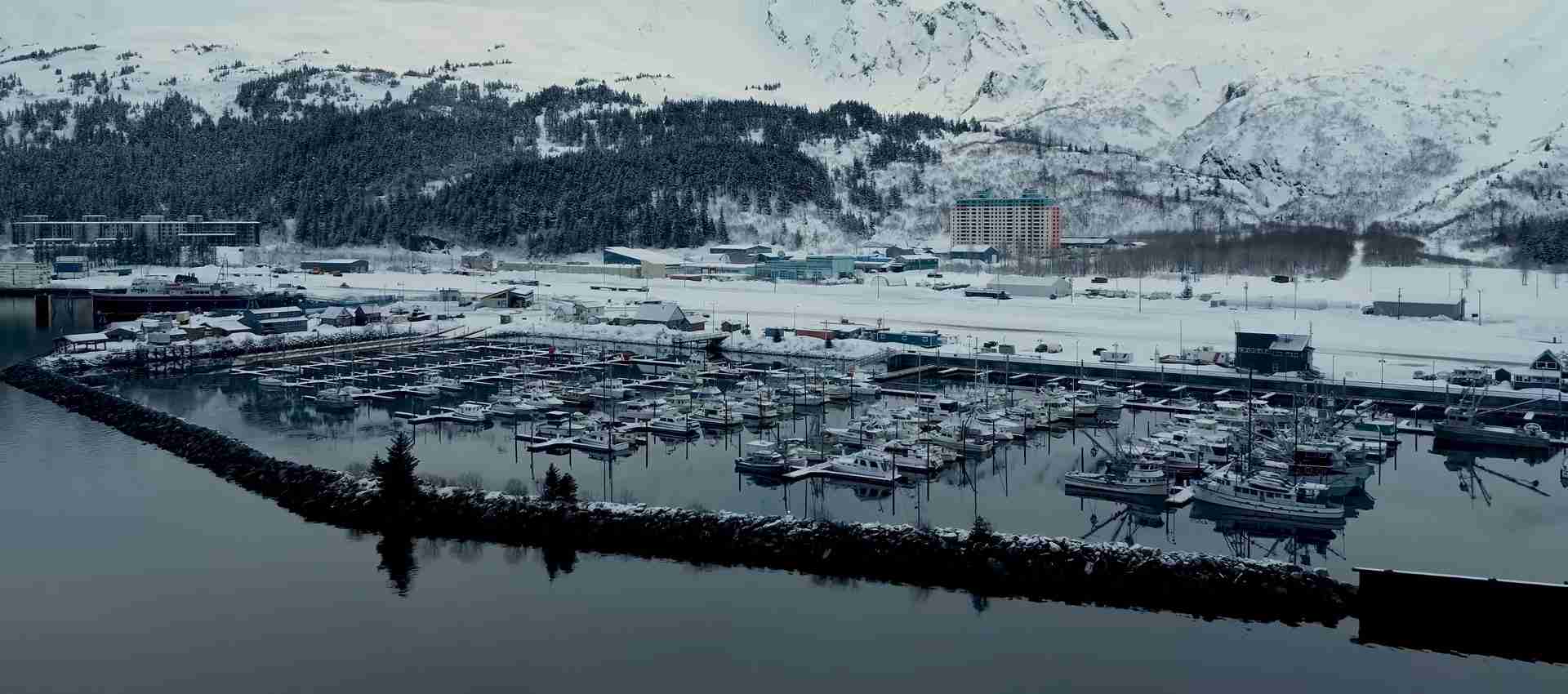
Whittier occupies one of Alaska’s most isolated yet accessible positions, a community of approximately 200 year-round residents clustered at the head of Passage Canal where the Chugach Mountains plunge directly into Prince William Sound’s protected waters. The town’s unique character stems from its unusual access route through the Anton Anderson Memorial Tunnel, a 2.5-mile single-lane passage shared by vehicles and Alaska Railroad trains that creates a bottleneck effect concentrating visitor experiences into defined time windows. This geographic isolation, combined with Whittier’s role as a major cruise ship port and departure point for glacier tours, creates a destination where tour planning, tunnel coordination, and time management become essential components of the visitor experience.
The 2026 season brings established tour operators back to full capacity following several years of operational refinement. Phillips Cruises & Tours continues its 65-year legacy of glacier cruising with two signature routes through Prince William Sound, while smaller operators including Lazy Otter Charters, Alaska Sea Kayakers, and newer ventures like Glacier Jet Ski Adventures expand options for intimate wildlife encounters and adventure-focused experiences. On land, Whittier’s trail system showcases the Chugach National Forest’s temperate rainforest ecosystem, offering hiking routes from casual 30-minute strolls to challenging alpine ascents that rival any coastal mountain scenery in Alaska.
Prince William Sound’s 3,500 miles of shoreline and 150+ glaciers create an environment where glacier viewing becomes not just possible but inevitable. The sound’s protected waters, shielded from Gulf of Alaska swells by a series of barrier islands, provide calm cruising conditions year-round while maintaining the dramatic scenery of ice-filled fjords, cascading waterfalls, and wildlife-rich coastlines. This natural amphitheater effect concentrates glaciers, wildlife, and scenic elements into relatively compact tour routes, allowing half-day excursions to deliver experiences that might require multi-day expeditions in less concentrated regions.
Understanding Whittier’s tour landscape requires grasping the interplay between tunnel schedules, tour departure times, and seasonal weather patterns. The tunnel operates on strict hourly windows, opening toward Whittier at 30 minutes past each hour and departing Whittier on the hour, creating natural staging periods that influence when tours can realistically depart and return. Summer months from June through August bring 18+ hours of daylight but also peak cruise ship traffic and higher tour demand. May and September shoulder seasons offer excellent wildlife viewing with fewer crowds but more variable weather. Understanding these rhythms transforms tour planning from frustrating coordination puzzle to strategic advantage.
Anton Anderson Memorial Tunnel Access Guide 2026
The Anton Anderson Memorial Tunnel stands as North America’s longest combined highway-rail tunnel at 13,300 feet (2.5 miles), connecting Whittier to the Seward Highway and representing the only land route into this isolated port community. Originally constructed during World War II as a railroad-only supply line, the tunnel underwent conversion to dual-use bimodal operation between 1998 and 2000, allowing vehicles to drive directly over the railroad tracks in a single lane that must accommodate bidirectional traffic plus scheduled Alaska Railroad trains.
Tunnel Schedule and Operating Hours 2026
The tunnel operates on fixed hourly schedules coordinating vehicle and train traffic. Vehicles traveling toward Whittier (eastbound) depart from the Bear Valley portal at 30 minutes past each hour: 5:30 AM, 6:30 AM, 7:30 AM, continuing through 10:30 PM during summer season (approximately May through September). Return traffic from Whittier (westbound) departs on the hour: 6:00 AM, 7:00 AM, 8:00 AM, through 11:00 PM. Winter schedules reduce operating hours with last eastbound departure typically at 6:30 PM and final westbound at 7:00 PM, though exact winter schedules vary and should be verified through the Alaska DOT Whittier Tunnel website before travel.
Alaska Railroad trains receive priority access and can interrupt vehicle schedules, creating occasional delays when freight or passenger trains require tunnel passage. The Glacier Discovery tourist train operates daily during summer, typically utilizing tunnel windows around mid-morning eastbound and early evening westbound. Vehicle traffic must wait during train passages, adding 15-30 minutes to transit times when train conflicts occur.
Toll Costs and Payment Methods 2026
Toll collection occurs only at the eastbound toll booth before entering the tunnel toward Whittier. The $13 round-trip fee for standard 2-axle passenger vehicles covers both directions. Payment is collected via cash only at the manned toll booth, though Alaska DOT recently introduced the YODEL online payment system allowing advance ticket purchase through smartphone app or website. Prepaid tickets reduce toll booth transaction time but still require showing proof of payment to tunnel operators.
Vehicle classifications determine toll rates: Class A (2-axle passenger vehicles including motorcycles) $13, Class B (3-axle vehicles and 2-axle vehicles with trailers) prices increase proportionally, Class C (buses and commercial vehicles) reach $137 with school bus rebates available. Seasonal passes are offered for Class A and B vehicles during summer (May 1-September 30) and winter (October 1-April 30) periods, providing unlimited trips for frequent travelers or Whittier residents commuting to Anchorage.
Strategic Timing for Tour Coordination
Coordinating tunnel entry with tour departures requires understanding the 90-minute driving time from Anchorage plus tunnel wait periods. For the Phillips 26 Glacier Cruise departing Whittier at 12:00 PM, the recommended 10:30 AM tunnel entry allows arrival with comfortable margin for parking, check-in, and pre-boarding exploration. Departing Anchorage at 9:00 AM provides the necessary buffer including potential traffic through Girdwood and the Portage Valley corridor.
The Glacier Quest Cruise’s 1:00 PM departure pairs with the 11:30 AM tunnel opening, requiring Anchorage departure around 10:00 AM. Afternoon cruise ship passengers arriving in Whittier need to coordinate return tunnel times with their ship’s departure, allowing at minimum 30 minutes between docking at the Cliffside Marina and joining the tunnel queue.
Missing a tunnel window creates minimum 60-minute delays, as the next opportunity won’t arrive until the following hour. Summer peak periods (late June through mid-August) can see tunnel queues extending 20-30 vehicles deep, though traffic generally flows efficiently once the tunnel opens. Arriving 10-15 minutes before the scheduled opening ensures position near the front of the queue without excessive wait time.
Tunnel Driving Experience and Safety Considerations
The tunnel interior features concrete roadway over the railroad tracks, jet turbine ventilation systems creating noticeable air movement, and lighting at approximately 100-foot intervals. Temperature inside remains constant around 40-45°F year-round regardless of outside conditions, with humidity creating occasional fog effects near the portals. The drive through takes approximately 6.5 minutes at the posted 25 mph speed limit, with some sections feeling narrow due to the single-lane design and concrete walls.
Ventilation fans activate between traffic cycles, clearing exhaust and maintaining air quality. The distinctive whooshing sound from these systems can be heard from vehicles waiting at the portal. Emergency call boxes are positioned every 500 feet, and video monitoring covers the entire tunnel length. Vehicles experiencing mechanical problems inside the tunnel should activate hazard lights and use call boxes to alert operators.
RVs, trailers, and oversized vehicles must verify clearance requirements before entering. The tunnel accommodates vehicles up to 14 feet tall and 10 feet wide, with length generally unrestricted though very long combinations may require special timing. Bicycles and pedestrians are prohibited except during the annual Walk to Whittier event in June when the tunnel closes to vehicles for several hours allowing foot traffic.
Phillips Cruises Glacier Tours 2026: The 26 Glacier Cruise
Phillips Cruises & Tours has operated glacier cruises in Prince William Sound since the 1950s, establishing the 26 Glacier Cruise as Alaska’s premier half-day glacier viewing experience departing from Whittier. The 2026 season runs from May 2 through October 5 with daily departures at 12:00 PM, returning to Whittier at 5:15 PM for a total duration of 5 hours 15 minutes. Adult tickets cost $318 plus taxes and fees (check official site for current rates), with children ages 2-11 at $204 plus taxes and fees.
Route and Glacier Coverage
The cruise departs Cliffside Marina traveling down Passage Canal past Whittier Glacier and Billings Glacier before crossing Port Wells to enter Esther Passage. This protected waterway provides prime wildlife viewing opportunities as the vessel approaches College Fjord, named during the 1899 Harriman Expedition after East Coast Ivy League universities. College Fjord features a spectacular collection of tidewater glaciers including Harvard Glacier, Yale Glacier, Vassar Glacier, Wellesley Glacier, Smith Glacier, Bryn Mawr Glacier, Holyoke Glacier, and Barnard Glacier, plus several smaller alpine glaciers clinging to mountain faces.
The catamaran approaches within 1/4 mile of active tidewater glaciers, close enough to hear the creaking and groaning of moving ice and witness calving events where house-sized chunks of ice break from the glacier face and crash into the sea. Harvard Glacier stretches approximately 1 mile wide at its terminus and extends 18 miles back into the Chugach Mountains, creating a wall of ice that rises 200+ feet above sea level with an additional 200+ feet below water.
After College Fjord, the route proceeds to Harriman Fjord for additional glacier viewing including Surprise Glacier, Cascade Glacier, and others before visiting the kittiwake rookery in Passage Canal. This cliff-nesting seabird colony hosts 10,000+ birds during summer breeding season, creating a remarkable wildlife spectacle as birds swirl around the nesting ledges.
Vessel Features and Onboard Experience
Phillips operates high-speed catamarans including the M/V Klondike Express and M/V Chugach Express, modern vessels purpose-built for Alaska glacier cruising. The catamaran design provides exceptional stability in Prince William Sound’s naturally calm waters, minimizing roll and pitch that causes seasickness on traditional hulls. Phillips backs this design advantage with an industry-exclusive no-seasickness guarantee, offering full refunds to any passenger who becomes ill during the cruise.
Each vessel features three decks with both indoor climate-controlled seating areas and outdoor viewing platforms. Interior spaces include restaurant-style booth seating at tables equipped with USB charging ports, floor-to-ceiling windows providing panoramic views, and full galley facilities for meal preparation. Outdoor decks allow unobstructed photography and fresh air access while maintaining safety railings and non-slip surfaces.
The cruise includes a complimentary hot meal served mid-cruise, typically featuring wild Alaska salmon chowder, oyster crackers, vegetable salad, cheese stick, fruit, and dessert. Vegetarian chili and children’s meals are available when requested at least 48 hours before departure. A full-service bar operates throughout the cruise offering Alaska craft beers on tap, wine selection, specialty cocktails including the signature Glacier Ice Margarita, and non-alcoholic beverages. Coffee, hot tea, and ice water remain available at self-serve stations.
Expert Narration and Educational Components
Every 26 Glacier Cruise includes a U.S. Forest Service ranger who provides continuous narration covering glacier formation and dynamics, Prince William Sound geology, Alaska Native history in the region, the 1899 Harriman Expedition, and Chugach National Forest ecology. The ranger also conducts a formal National Forest interpretive program and offers a commemorative stamp for Junior Ranger books. The vessel’s captain supplements ranger narration with real-time route decisions based on wildlife sightings, ice conditions, and optimal glacier viewing positions.
The educational experience transforms the cruise from simple sightseeing into comprehensive understanding of glacial processes. Rangers explain the difference between alpine glaciers (terminating on land), valley glaciers (flowing down mountain valleys), and tidewater glaciers (calving directly into the sea), pointing out examples of each type along the route. The visible blue color in glacial ice results from compressed snow squeezing out air bubbles, allowing light to pass through the ice where blue wavelengths are reflected while other colors are absorbed.
Wildlife Viewing Expectations 2026
Wildlife encounters on the 26 Glacier Cruise vary by season and daily conditions but frequently include sea otters floating on their backs cracking shellfish, harbor seals hauled out on ice floes or swimming near glaciers, Steller sea lions at rocky haul-outs, and Dall’s porpoises riding the catamaran’s bow wake. Humpback whales appear regularly during summer months feeding on herring and krill, while orca whales (killer whales) patrol the sound hunting salmon and seals.
Black bears occasionally appear on shorelines during salmon runs (July-September), identifiable through binoculars as they fish in coastal streams. Mountain goats traverse seemingly impossible cliff faces, their white coats visible against dark rock. Bald eagles perch in shoreline spruce trees or soar overhead, while thousands of kittiwakes create remarkable aerial displays at the Passage Canal rookery.
The vessel maintains respectful distances from wildlife in compliance with marine mammal protection regulations, approaching no closer than 100 yards to whales and seals, though curious animals often approach the boat on their own. Binoculars enhance wildlife viewing and are available for rent onboard, though the catamaran’s close approaches to shore make them unnecessary for many sightings.
Transportation Packages and Self-Drive Options 2026
Phillips offers several transportation combinations for reaching Whittier. Self-drive packages assume visitors drive their own vehicles, pay the $13 tunnel toll independently, find parking in Whittier (several free lots available near the harbor), and walk to the Cliffside Marina for check-in. This option provides maximum flexibility for exploring Whittier before or after the cruise.
Coach packages include round-trip motorcoach service from Anchorage’s Hotel Captain Cook (departure 9:00 AM, return 7:30 PM) or Girdwood’s Alyeska Resort (departure 10:30 AM, return 6:30 PM). Coach pricing includes the cruise, transportation, and tunnel tolls as a single package currently listed at $318 plus taxes for adults when combined with the cruise, effectively making the coach service cost-neutral compared to self-driving when accounting for fuel and tunnel tolls.
Rail packages utilize the Alaska Railroad’s Glacier Discovery train from Anchorage (departure 9:45 AM) or Girdwood (departure 10:55 AM), combining scenic railroad travel through Turnagain Arm and the Portage Valley with the glacier cruise. The return journey operates via coach from Whittier to Anchorage (arrival 9:15 PM), creating a combination package that maximizes scenic travel experiences. Rail packages price higher than coach-only options due to premium railroad fares.
Phillips Cruises: Glacier Quest Cruise Alternative 2026
The Glacier Quest Cruise operates as Phillips’ shorter, more affordable option for families and visitors with limited time, running May 16 through September 13, 2026 with 1:00 PM departure and 4:45 PM return (3 hours 45 minutes total). Adult tickets cost $169 plus taxes and fees (check official site for current rates), with children ages 2-11 at $99 plus taxes and fees.
Route Differences and Glacier Selection
The Glacier Quest focuses exclusively on Blackstone Bay, eliminating the College Fjord portion of the 26 Glacier Cruise to reduce time and distance. The route travels down Passage Canal viewing Whittier Glacier and Billings Glacier before entering Blackstone Bay, a dramatic deep-water fjord carved by glaciers and flanked by mountains rising directly from sea level to 5,000+ foot peaks.
Blackstone Bay features two active tidewater glaciers plus numerous alpine and valley glaciers visible on surrounding mountain faces. The cruise approaches Blackstone Glacier and provides views of several named alpine glaciers including Tebenkof Glacier, Ripon Glacier, Lawrence Glacier, Marquette Glacier, Beloit Glacier, Northland Glacier, and Concordia Glacier. While the total glacier count (approximately 10 named glaciers) is lower than the 26 Glacier Cruise, the concentration in Blackstone Bay creates an amphitheater effect with ice surrounding the vessel from multiple directions.
Waterfalls cascading from hanging glaciers perched on mountain ledges create a distinctive feature of Blackstone Bay, with meltwater tumbling hundreds of feet over dark gray shale cliffs. The narrow fjord concentrates wildlife sightings, with seals frequently hauled out on ice floes calved from the glaciers.
Family-Friendly Advantages
The shorter duration suits families with young children who might struggle with the 5+ hour commitment of the full 26 Glacier Cruise. The 3:45 timing eliminates the mid-afternoon energy dip that affects children, and the reduced fare ($99 for children versus $204) makes family budgets more manageable. A family of four (two adults, two children) pays approximately $540 plus taxes on the Glacier Quest versus roughly $1,045 plus taxes on the 26 Glacier Cruise, a savings of approximately $500 per family.
The cruise still includes the complimentary hot meal with children’s menu options, ranger narration covering glacier science appropriate for younger audiences, and wildlife viewing opportunities equal to the longer cruise. The vessel offers identical amenities including climate-controlled indoor seating, outdoor viewing decks, and onboard bathrooms.
Coordination with Cruise Ships and Limited Time Visitors
The 1:00 PM departure and 4:45 PM return window aligns well with cruise ship schedules in Whittier. Passengers disembarking from 7-day Alaska cruises arriving in early morning can complete the Glacier Quest and still depart Whittier via the 6:00 PM or later tunnel windows for Anchorage connections. Similarly, passengers embarking on cruises departing late afternoon can take the Glacier Quest as a pre-cruise excursion.
Independent travelers on tight schedules can drive from Anchorage, take the 11:30 AM tunnel to Whittier, complete the Glacier Quest, and return through the 6:00 PM tunnel, creating a day trip under 12 hours total. This compressed timeline allows combining the glacier cruise with evening activities in Anchorage or Girdwood.
Small-Group Charter Glacier Tours 2026
Alternative tour operators in Whittier provide intimate glacier experiences with smaller group sizes, flexible routing, and specialized approaches to wildlife viewing and photography.
Lazy Otter Charters: Personalized Glacier Encounters
Lazy Otter Charters operates smaller vessels accommodating 6-20 passengers depending on boat selection, creating personal experiences where captains can adjust routes based on group interests and real-time wildlife activity. The intimate capacity allows approaching shore more closely than large catamarans, accessing narrow passages and shallow areas where seals haul out and otters feed.
Tours typically run 3-6 hours depending on package selection, with pricing varying by group size and duration. Half-day excursions explore Blackstone Bay or Passage Canal areas, while full-day charters can reach more remote sections of Prince William Sound including Harriman Fjord or Decision Point. The flexible scheduling allows early morning departures for optimal lighting or afternoon tours catching different wildlife activity patterns.
Captain expertise represents a key differentiator for Lazy Otter. Most captains are year-round Whittier or Prince William Sound residents with decades of local knowledge, understanding seasonal wildlife patterns, optimal glacier viewing angles for different light conditions, and the historical context of the region beyond standard narration scripts. This local perspective creates opportunities for unscripted encounters and destination flexibility impossible with fixed-route large vessel operations.
Alaska Sea Kayakers: Glacier Paddling Expeditions
Alaska Sea Kayakers offers the most intimate glacier experience available from Whittier, placing visitors directly at water level in single or double kayaks for self-powered exploration. Day trips to Blackstone Bay or Harriman Fjord range from $135-175 per person including kayak, paddle, spray skirt, life jacket, and dry bags, with guided instruction for beginners and support from experienced kayak guides.
The typical day trip departs Whittier Harbor via water taxi, transported to a put-in location in Blackstone Bay or another destination to maximize paddling time near glaciers. After kayak orientation and safety briefing, groups paddle among ice floes, approach tidewater glacier faces (maintaining safe distances from calving zones), and explore coastlines inaccessible to motor vessels. The quiet approach allows exceptional wildlife encounters, with seals often surfacing within arm’s reach of kayaks and otters investigating paddlers with curiosity.
Multi-day camping expeditions extend the kayak experience to overnight trips lasting 2-5 days, exploring more remote sections of Prince William Sound while camping on beaches or designated camping areas. These expeditions require moderate paddling fitness and camping experience but need no previous kayaking skills, as guides provide comprehensive instruction. Overnight trips include all camping gear, food, kayak equipment, and guide services, with pricing approximately $450-550 per person per day depending on group size and itinerary complexity.
Blackstone Bay represents the premier kayaking destination from Whittier, combining accessible glacier viewing with protected waters and designated camping beaches. The bay’s narrow fjord creates sheltered conditions even during wind events that affect outer Prince William Sound. Advanced kayakers can rent equipment without guides for self-supported trips, though Alaska Sea Kayakers requires demonstrated proficiency and detailed trip plans for rental-only arrangements.
Glacier Jet Ski Adventures: Adrenaline-Focused Glacier Viewing
Glacier Jet Ski Adventures brings a unique approach to Prince William Sound exploration, providing heated wetsuits and modern personal watercraft for high-speed glacier access. No previous jet ski experience is required, with guides providing operation instruction and leading groups on routes through Passage Canal and into glacier-adjacent waters.
The jet ski format allows covering significantly more distance than kayaks while maintaining an intimate connection to the water environment. The vehicles’ shallow draft permits close approach to shorelines and ice floes. Tours typically run 2-3 hours with pricing approximately $200-250 per person including all equipment, wetsuits, life jackets, and guide services.
The heated wetsuit technology represents a crucial innovation making jet skiing practical in Alaska’s cold waters. Prince William Sound maintains surface temperatures around 45-55°F during summer, cold enough to cause hypothermia in traditional swimming attire within minutes. The heated suits keep participants comfortable throughout the tour even when spray from the watercraft creates continuous water exposure.
Weather and sea conditions restrict jet ski operations more than enclosed boat tours. Wind, rain, and rough water can force cancellations, and the tour operates only during summer season from May through September when daylight hours and warmer temperatures create optimal conditions. Participants should expect wet conditions despite heated suits and come prepared with dry clothes for after the tour.
Whittier Hiking Trails 2026: Comprehensive Trail Guide
Whittier’s trail system showcases the Chugach National Forest’s temperate rainforest ecosystem, offering hiking opportunities from casual waterfront strolls to challenging alpine ascents with glacier views rivaling any coastal mountain scenery in Alaska.
Portage Pass Trail: Premier Alpine Hiking Experience
Portage Pass Trail stands as Whittier’s signature hiking route, climbing from near sea level at the tunnel’s eastern portal to 750-foot Portage Pass in 1.8 miles one-way. The trail gains 800 vertical feet over its length, creating a moderately challenging ascent that most hikers with basic fitness complete in 60-90 minutes uphill and 45-60 minutes returning, for total round-trip time of 2-3 hours including summit time.
The trailhead sits just east of the Anton Anderson Memorial Tunnel on the Whittier side, with parking available in a dedicated lot immediately adjacent to the tunnel portal. Hikers departing from town can walk approximately 1.5 miles along the road to reach the trailhead, adding 30-45 minutes each direction, though most visitors drive to the trailhead parking.
The trail surface varies from wide gravel path in the lower sections to rocky, root-exposed terrain near the pass. The first mile climbs through spruce-hemlock forest with limited views, gradually transitioning to alpine tundra as elevation increases. At approximately 1.3 miles, the forest opens to meadows filled with wildflowers during July and August, including lupine, fireweed, and mountain avens creating brilliant purple and pink displays against the gray-green tundra.
The pass itself provides dramatic 360-degree views. Looking east toward Whittier, Passage Canal stretches into Prince William Sound with the town visible far below and glaciers visible on surrounding peaks. Looking west, Portage Glacier fills the valley below, its blue ice contrasting with Portage Lake’s milky turquoise water. The Chugach Mountains extend in all directions, snow-covered peaks creating an alpine panorama unique in Alaska for its accessibility from a trailhead requiring no wilderness approach.
Ambitious hikers can descend the western side of the pass to Portage Lake, though this creates a point-to-point route requiring vehicle shuttle or long road walk back to Whittier. The descent to Portage Lake adds approximately 1 mile and 750 feet of descent, creating a 4.6-mile point-to-point route total. Most hikers ascend to the pass and return via the same route.
Weather conditions change rapidly on Portage Pass due to its exposed position and proximity to Prince William Sound’s maritime climate. Morning sun can give way to afternoon rain and fog within hours. Hikers should carry rain gear, warm layers including hat and gloves even in summer, and windproof jacket regardless of valley conditions. The pass frequently experiences 15-25 mph winds even on calm days at sea level.
Wildlife encounters on Portage Pass include black bears during berry season (July-September), mountain goats on higher slopes visible through binoculars, hoary marmots whose piercing whistles serve as alarm calls, and Arctic ground squirrels common in the alpine zone. Bear awareness is essential, with recommendations to hike in groups of 3+, make noise in areas of limited visibility, and carry bear spray. The trail’s popularity creates regular foot traffic that typically deters bears, though early morning and evening hikers should exercise particular caution.
Horsetail Falls Trail: Boardwalk Through Temperate Rainforest
Horsetail Falls Trail offers an easier alternative to Portage Pass, utilizing boardwalks and maintained gravel paths to climb gradually through temperate rainforest to viewpoints overlooking Passage Canal and Whittier Harbor. The trail extends 2.8 miles round-trip with approximately 400 feet elevation gain spread over gentle switchbacks, creating an accessible route suitable for families with children and hikers preferring moderate exertion.
The trailhead begins at Whittier’s harbor area near the cruise ship dock, accessible by walking from any downtown location in 5-10 minutes. The trail immediately enters dense forest dominated by Sitka spruce and western hemlock, with understory vegetation including devil’s club (a thorny shrub with large maple-like leaves), salmonberry, blueberry, and extensive moss coverage creating the classic Pacific Northwest rainforest aesthetic.
Boardwalk sections span the wettest areas, keeping hikers above standing water and protecting fragile vegetation from trail erosion. These boardwalks feature split-log construction with chicken wire stapled to surfaces providing traction in wet conditions. During rain (frequent in Whittier), the boardwalks become slippery despite traction improvements, making hiking poles helpful for stability.
The trail’s name derives from seasonal waterfalls visible from upper viewpoints, fed by snowmelt and glacier runoff from Blackstone Ridge above Whittier. These falls flow strongest during May-June spring melt and after heavy rain events, diminishing to trickles by late August in dry years. The falls themselves are distant, viewed from overlooks approximately 0.5 miles away, rather than destination features reached by the trail.
The primary reward comes from overlook platforms positioned at approximately 1.2 miles and 1.4 miles from the trailhead. These platforms provide elevated views of Passage Canal extending into Prince William Sound, cruise ships docked at Whittier’s terminals, the town’s clustered buildings including the distinctive Begich Towers, and mountain peaks surrounding the valley. On clear days, glaciers are visible on distant peaks across the sound.
The trail continues beyond the main overlooks to terminate at approximately 2 miles, though vegetation increasingly obscures views and the trail becomes less maintained. Most hikers turn around at the second overlook platform, creating a 2.8-mile round-trip requiring 1.5-2 hours total including viewing time.
Bear encounters occur less frequently on Horsetail Falls Trail than Portage Pass due to heavy forest cover limiting berry availability and the trail’s proximity to town. However, black bears do use the corridor, particularly during salmon runs when fish-bearing streams near the harbor attract bears. Standard bear awareness practices apply including making noise, hiking in groups, and carrying bear spray.
Emerald Cove Trail: Coastal Lagoon Access Route
Emerald Cove Trail provides Whittier’s easiest hiking option, following relatively flat coastal terrain for 2.9 miles round-trip to a scenic lagoon fed by tidal waters and filled with marine life. The trail gains only 100-150 feet elevation over its length, making it accessible to families with young children, casual walkers, and visitors seeking brief nature exposure between tour activities.
The trailhead begins at the Head of the Bay area approximately 1 mile north of downtown Whittier, reachable by walking along the harbor road or driving to small parking area adjacent to the trail entrance. The trail immediately enters coastal forest following the shoreline of Passage Canal through mixed spruce-hemlock stands with understory salmonberry and elderberry.
The first 1.3 miles traverse forest on maintained trail with some muddy sections during wet weather and roots creating minor obstacles. At approximately 1.3 miles, the trail reaches the cove itself, opening to a lagoon approximately 400 yards across and filled with starfish, sea cucumbers, and other intertidal life visible during low tide. The lagoon connects to Passage Canal through a narrow channel that floods during high tide and drains partially at low tide, creating tide pool conditions perfect for marine observation.
Families with children particularly enjoy Emerald Cove for its tide pool exploration opportunities. The exposed lagoon bottom during low tide reveals giant purple and orange starfish (sea stars) clustered on rocks, green sea urchins, purple sea cucumbers, and small fish trapped in remaining pools. Children can observe this marine life from the shoreline without entering the water, though some families bring rubber boots for shallow wading.
The trail continues beyond the cove for approximately 0.2 miles to a second viewpoint before terminating at private property boundary. Total round-trip distance reaches 2.9 miles requiring approximately 90 minutes including time for lagoon exploration at low tide or 60 minutes at a steady walking pace without stops.
Tide timing significantly affects the Emerald Cove experience. High tide covers the lagoon entirely with 8-12 feet of water, eliminating tide pool viewing and reducing the destination to simply a forested cove. Low tide exposes maximum intertidal area providing optimal viewing. Tide tables are posted at the Whittier Harbor and available online for precise timing. Optimal visit timing targets low tide +/- 2 hours, providing exposed lagoon bottom while avoiding the incoming tide that can rise quickly.
Whittier Creek Trail: In-Town Nature Walk
Whittier Creek Trail serves as the community’s shortest nature walk, extending 0.75 miles one-way from the Alaska Railroad tracks near downtown to a waterfall on Whittier Creek. The trail gains minimal elevation (approximately 50 feet) over gentle terrain, creating a 1.5-mile round-trip walk requiring only 30-45 minutes total.
The trailhead begins at the railroad crossing on Whittier Street near the harbor, marked by signs directing hikers toward the creek. The trail follows the creek upstream through dense temperate rainforest featuring remarkable moss coverage that drapes trees and coats rocks in thick green layers. This moss-dominated landscape exemplifies Alaska’s coastal rainforest ecosystem, receiving 200+ inches of precipitation annually creating perpetually moist conditions ideal for bryophyte growth.
The creek itself provides constant auditory backdrop, rushing over rocks and creating small rapids visible from the trail. During salmon runs (primarily pink salmon in late July-August), fish are visible in the creek struggling upstream to spawning grounds. This salmon presence occasionally attracts black bears to the creek, though the trail’s proximity to town and regular foot traffic typically keeps bears away during daylight hours.
The waterfall at trail’s end drops approximately 15-20 feet over a rock face, creating a modest but photogenic cascade especially during spring runoff and after heavy rain. The waterfall area features a small clearing allowing viewing from multiple angles, though no formal viewpoint platform exists. The force of the waterfall varies dramatically by season, ranging from thundering flow in May-June to gentle trickle by September in dry years.
This trail’s main advantage lies in its accessibility for cruise ship passengers, tour participants with limited time, or families seeking brief outdoor exposure. The trail can be walked between tour departure and arrival times, during cruise ship port calls, or as an evening activity after returning from day tours. The loop can be combined with walking exploration of downtown Whittier for a comprehensive town and nature orientation requiring 60-90 minutes total.
Whittier Self-Guided Walking Routes 2026
Beyond established trails, Whittier offers several walking routes through the town itself and along the harbor that provide scenic access and historical interpretation without requiring hiking gear or significant time commitment.
Harbor Boardwalk and Marina District
Whittier Harbor features a continuous boardwalk extending approximately 0.8 miles along the waterfront from the cruise ship terminal to the small boat harbor at the north end of town. This entirely accessible paved and boardwalk route provides views of Prince William Sound, docked fishing vessels and tour boats, the Alaska Marine Highway ferry terminal, and surrounding mountains.
The boardwalk passes the Cliffside Marina where Phillips Cruises catamarans dock, several smaller tour operators’ facilities, and the harbor master’s office. Interpretive signs along the route explain Whittier’s World War II military history, the 1964 earthquake that devastated the town, and Prince William Sound’s ecology and glacier formation.
The harbor area includes several businesses accessible from the boardwalk: Lazy Otter Cafe serves espresso and breakfast items plus light lunch, China Sea restaurant offers Chinese cuisine, Varly’s Swiftwater Seafood Cafe specializes in fish and chips and halibut, and the Whittier Fudge Company sells handmade chocolates and fudge. These establishments provide rest stops and refreshment during boardwalk walks.
Historic Whittier Military Sites Walking Tour
Whittier’s unique character stems from its World War II origins as a secret military port, with several historical structures remaining from that era. A self-guided walking tour connects these sites in a 1.2-mile loop requiring approximately 45 minutes plus viewing time.
The Begich Towers dominates Whittier’s skyline, a 14-story concrete building constructed in 1956 to house military personnel and their families. The building now serves as the primary residential structure in Whittier, housing approximately 75% of the town’s year-round population in condominiums. The first floor contains the town’s grocery store, medical clinic, and other essential services, allowing residents to access all necessities without leaving the building during winter. Visitors can enter the building’s public areas and first-floor businesses, though residential floors require resident access.
The Buckner Building stands as a massive concrete ruin across from Begich Towers, an abandoned military barracks nicknamed “the city under one roof” when constructed in 1953. This 6-story structure once contained housing, hospital, theater, bowling alley, and other facilities for 1,000+ personnel. The building was abandoned in 1966 when the military departed Whittier and has deteriorated into an eerie shell. Visitors cannot enter the Buckner Building due to structural hazards, but exterior viewing reveals the massive scale and deteriorating condition.
The Prince William Sound Museum occupies a small space in the Anchor Inn building, focusing on Whittier’s military history and the construction of the Anton Anderson Memorial Tunnel. The museum displays photographs, artifacts, and interpretive exhibits explaining how the military carved the tunnel through Maynard Mountain and developed Whittier as a critical supply port. Entry is free with donations welcomed, and summer hours extend from 9 AM to 7 PM daily.
The 1964 Earthquake Memorial sits in Whittier’s Triangle business district, a plaque mounted on a 13-ton boulder within a rose garden commemorating the 13 Whittier residents killed when a tsunami generated by the 9.2 magnitude Good Friday earthquake struck the town. The memorial provides context for understanding Whittier’s vulnerability to seismic events and tsunami risk.
Shotgun Cove Road and Head of the Bay
Shotgun Cove Road extends approximately 2.5 miles north from downtown Whittier along the coastline, providing a walking or cycling route with spectacular Prince William Sound views. The road passes through undeveloped forest interspersed with residential properties, ending at the Head of the Bay where Passage Canal meets the shoreline.
This route serves primarily as a scenic walk rather than a destination-oriented hike, with the journey providing the experience through constantly changing views of the sound, mountains, and glaciers visible on distant peaks. The road gains minimal elevation, remaining mostly flat and entirely accessible by bicycle or even wheelchair in dry conditions.
The Head of the Bay area at the road’s terminus features a small beach, picnic area, and fire ring suitable for evening bonfires (with proper fire safety precautions and local regulation compliance). This area is popular with RV campers who park overnight, though facilities are primitive with no water or bathrooms. The beach provides access to the water’s edge and views down Passage Canal toward Prince William Sound.
Seasonal Considerations for Whittier Tours and Trails 2026
Understanding seasonal variations in weather, wildlife, daylight, and tour operations allows strategic timing for optimal Whittier experiences throughout the 2026 visitor season.
May Shoulder Season: Extended Daylight and Emerging Wildlife
May marks the beginning of Whittier’s tour season with glacier cruises commencing May 2 and gradually ramping to full daily schedules by mid-month. The month offers exceptional value with lower demand creating last-minute booking availability and occasional early-season discounts, though weather remains highly variable with significant rain, cool temperatures (highs 45-55°F), and occasional late-season snow at higher elevations.
Daylight extends dramatically during May, increasing from approximately 17 hours at month’s beginning to nearly 19 hours by Memorial Day. This extended daylight allows afternoon tours to conclude in brilliant evening light perfect for photography. Marine wildlife viewing intensifies as humpback whales return to Prince William Sound feeding grounds, sea lions congregate at haul-outs for breeding season, and migratory seabirds arrive at nesting colonies.
Trail conditions in May vary significantly by elevation. Portage Pass Trail typically remains snow-covered above treeline through mid-May, requiring microspikes or traction devices for safe passage. Lower trails including Horsetail Falls, Emerald Cove, and Whittier Creek become accessible as snow melts, though muddy sections persist. The tradeoff for challenging conditions comes in the form of spectacular waterfall flow from snowmelt, green-up beginning in the forest, and absolute solitude on trails compared to summer crowds.
June Peak Experience: Optimal Wildlife and Weather Balance
June represents Whittier’s sweet spot for balancing favorable weather, exceptional wildlife viewing, and manageable crowds. The month typically delivers the best statistical weather of Alaska’s summer with fewer rainy days than May or July-August, though “best weather” remains relative in a location averaging 200+ inches annual precipitation. Temperatures reach comfortable ranges with daytime highs 55-65°F and extended twilight creating almost 24-hour daylight by month’s end.
Wildlife activity peaks during June as all species reach maximum visibility. Humpback whales feed actively throughout Prince William Sound, orca pods hunt salmon and seals, sea otters float among kelp beds with newborn pups, harbor seals haul out on ice floes with recently born pups, and black bears emerge from dens searching for early vegetation before salmon runs begin. The kittiwake rookery reaches maximum activity with thousands of birds nesting, courting, and feeding chicks.
Wildflowers begin blooming on alpine trails during late June, transforming tundra meadows on Portage Pass into colorful displays of lupine, fireweed, mountain avens, and forget-me-nots. All trails achieve snow-free status by mid-June, creating optimal hiking conditions without winter hazards.
Booking pressure increases during June, particularly around the summer solstice (June 20-21) when extreme daylight attracts photographers and outdoor enthusiasts. The annual Walk to Whittier event typically occurs in mid-June, closing the Anton Anderson Memorial Tunnel to vehicles for several hours while hundreds of pedestrians walk through the tunnel, the only time non-motorized access is permitted.
July-August Peak Season: Maximum Services and Highest Demand
July and August constitute Whittier’s peak tourist season with all tour operators running maximum daily schedules, cruise ships arriving regularly at both terminals, and Alaska Railroad passenger trains adding to the influx. The combination creates the busiest conditions of the year with glacier cruises frequently selling out days or weeks in advance and tunnel traffic experiencing the longest wait times.
Weather during peak summer follows variable patterns with periods of extended sunshine alternating with multi-day rain events. Temperatures reach annual maximums with occasional days reaching 65-70°F, though 55-60°F represents typical range. The rain shadow effect that protects parts of Alaska from precipitation functions less effectively in Whittier’s position directly exposed to Prince William Sound’s maritime influences, keeping rain probability elevated even during summer.
Wildlife viewing during July-August shifts focus to salmon-dependent species as pink salmon runs begin in late July, peaking through August. This influx attracts black bears to streams and shorelines, harbor seals to river mouths, and eagles to fishing areas. Humpback whales continue feeding throughout the sound, though some individuals begin migrating south by late August. Sea otter pups born in May-June become more independent and playful, creating entertaining viewing opportunities.
Trail conditions reach optimal status during July-August with dry weather periods hardening previously muddy sections and alpine zones achieving maximum flower bloom. Berries ripen on hillsides during August, providing food for bears and creating increased bear activity near trails. Mosquitoes and other biting insects emerge during warm periods, particularly near water and in forested areas, though Whittier’s coastal position and frequent winds keep insect pressure lower than interior Alaska.
September Shoulder Season: Fall Colors and Reduced Crowds
September transitions Whittier into fall patterns with glacier cruises continuing through early October but passenger volume declining after Labor Day. This reduction creates excellent last-minute booking availability and allows more intimate tour experiences with partially filled vessels. Weather becomes increasingly unstable with more frequent rain systems and cooling temperatures (highs 50-55°F), though exceptional clear periods still occur providing spectacular photography opportunities.
Fall colors emerge during September as deciduous shrubs including blueberry, salmonberry, and mountain ash turn brilliant red, orange, and yellow. These colors create dramatic contrast against the dark green spruce-hemlock forest and the white glaciers. The alpine tundra on Portage Pass shifts to deep red and gold as dwarf vegetation prepares for winter.
Wildlife activity changes significantly during September as salmon runs peak and then decline, concentrating bear activity around remaining spawning streams. Humpback whales begin migrating south toward Hawaiian or Mexican wintering grounds, though significant numbers remain feeding into September. Eagles gather at salmon streams, creating congregations of 20-30+ birds in prime fishing locations.
Trail conditions remain generally excellent through early September before deteriorating as fall storms arrive. Snow returns to Portage Pass above treeline by late September in most years, and decreasing daylight (down to approximately 13.5 hours by month’s end) limits afternoon hiking windows. The reduced visitation creates remarkable solitude on trails compared to summer crowds, often allowing hikers to have entire routes to themselves.
Whittier Tour Planning Logistics 2026
Successful Whittier tour experiences require understanding the logistical framework of tunnel schedules, parking, check-in procedures, and time management strategies that transform complex coordination into smooth execution.
Parking Solutions and Harbor Access
Whittier provides several free public parking areas serving tour participants and trail users. The primary lot sits adjacent to the Cliffside Marina where Phillips Cruises departs, offering approximately 100 spaces on gravel surface. This lot fills during peak summer afternoons, particularly when multiple cruise ships are in port and tour departures coincide. Overflow parking extends along the harbor road and in designated areas near the cruise ship terminals.
RV and trailer parking requires special attention due to limited space for oversized vehicles. A designated RV lot near the Head of the Bay provides parking for vehicles up to 40 feet length, though this area sits approximately 1.5 miles from the main harbor requiring walking or shuttle service to reach tour departure points. Some tour operators including Phillips Cruises allow oversized vehicles to drop passengers at the marina before relocating to remote parking, though this requires coordination and potentially missing group check-in.
Parking is free in all Whittier lots with no time limits, allowing vehicles to remain for full-day tours or multi-day camping excursions. Vehicle security has not been identified as significant concern, though standard precautions of locking doors and securing valuables out of sight apply.
Tour Check-In Procedures and Timing Requirements
Phillips Cruises requires passengers to check in at their ticket office in the Cliffside Marina at least 15 minutes before cruise departure. The check-in process involves presenting confirmation numbers or tickets, receiving boarding passes, selecting meal preferences (salmon chowder or vegetarian chili), and receiving boarding instructions. Groups and families are assigned table seating at check-in, with window tables allocated on first-come basis creating incentive for early arrival.
The 15-minute minimum frequently proves insufficient during peak periods when lines form at the check-in counter. Arriving 30-45 minutes before departure provides buffer for check-in plus time to explore Whittier Harbor, visit local shops, or use bathrooms before the 5+ hour cruise. The extra time also allows photographing the harbor area and mountains while waiting for boarding to commence.
Boarding typically begins 10-15 minutes before departure with passengers walking down the dock to the catamaran. Staff direct passengers to their assigned deck and table seating. Early boarding secures prime outdoor deck positions for departure, when photographers crowd the rails capturing images of Whittier and Passage Canal as the vessel pulls away from the dock.
Combining Tours and Trails in Single-Day Itineraries
Ambitious visitors can combine glacier tours with hiking by understanding timing relationships and making strategic choices. The most realistic combination pairs the Glacier Quest Cruise (1:00 PM departure, 4:45 PM return) with morning hiking on Portage Pass Trail or Horsetail Falls Trail.
A sample itinerary: Depart Anchorage 7:30 AM, drive to Whittier arriving via 9:30 AM tunnel, hike Portage Pass Trail 10:00 AM-12:30 PM (2.5 hours including summit time), drive to Cliffside Marina 12:40 PM, check in for Glacier Quest 12:45 PM, board cruise 12:50 PM, cruise 1:00 PM-4:45 PM, drive to tunnel 5:00 PM, depart via 6:00 PM tunnel opening, arrive Anchorage 7:30 PM. This 12-hour day combines significant glacier viewing with premium hiking in a single trip.
Alternatively, afternoon hiking following morning glacier tours works with the 26 Glacier Cruise: Take 10:30 AM tunnel to Whittier, cruise 12:00 PM-5:15 PM, hike Emerald Cove or Whittier Creek Trail 5:30 PM-7:00 PM (utilizing summer’s extended daylight), depart via 8:00 PM or 9:00 PM tunnel. This sequence prioritizes the glacier cruise while adding trail experience as a secondary element.
Weather Contingency Planning and Flexibility
Whittier’s notorious weather creates situations where planned tours or hikes may face cancellation or modification. Tour operators rarely cancel glacier cruises due to rain alone, as Prince William Sound’s protected waters remain navigable in most conditions. However, high winds (30+ mph sustained) can force route modifications or postponements, particularly affecting smaller operators like kayak tours and jet ski operations.
Hiking in rain transforms trail experiences significantly. Boardwalk sections on Horsetail Falls become slippery, views from Portage Pass disappear in clouds, and Emerald Cove’s tide pools fill with rain-disturbed sediment reducing visibility. The decision to hike in rain becomes personal preference balancing waterproof gear effectiveness against the reduced scenic payoff.
Building flexibility into Whittier itineraries allows adapting to weather. Visitors with multi-day Anchorage or Girdwood stays can monitor weather forecasts and shift Whittier day trips to optimal weather windows. The tunnel’s hourly schedule provides sufficient departure options to move plans by several hours without completely reorganizing the day. Tours booked with flexible cancellation policies (Phillips allows free cancellation 15+ days before departure) can be rescheduled if weather forecasts predict severe conditions.
Budget Planning for Whittier Tours 2026
Comprehensive budget planning for Whittier tours requires accounting for multiple cost categories beyond base tour prices, including tunnel tolls, parking, meals, and transportation expenses that accumulate across the day.
Premium Glacier Cruise Budget Scenario
A couple taking the Phillips 26 Glacier Cruise via self-drive from Anchorage faces these costs: 26 Glacier Cruise tickets $636 for two adults ($318 each, check official site for current rates), tunnel toll $13 round-trip, fuel approximately $15-20 for 120-mile round-trip Anchorage-Whittier-Anchorage, parking free. The cruise includes a complimentary hot meal eliminating lunch costs, though bar purchases for alcoholic beverages and specialty drinks would add $15-30 if desired. Total day cost approximately $665-700 per couple excluding alcohol and gift shop purchases.
Adding coach transportation from Anchorage instead of self-driving shifts the budget: Combined cruise-coach package approximately $318 per person (effectively making coach service cost-neutral compared to self-drive when accounting for fuel and tunnel tolls), eliminating parking concerns and tunnel coordination stress. Total approximately $636 per couple, slightly lower than self-drive when bar purchases remain modest.
Budget-Conscious Glacier Viewing Strategy
Cost-conscious travelers can access Whittier glacier viewing through the Glacier Quest Cruise at significantly reduced rates. A couple pays approximately $340 for two adults ($169 each, check official site for current rates) plus $13 tunnel toll and $15-20 fuel, totaling approximately $370-375 per couple. The shorter 3.75-hour cruise still includes the complimentary meal and views of 10+ glaciers in Blackstone Bay. This represents approximately 45% savings versus the 26 Glacier Cruise.
Kayak day trips through Alaska Sea Kayakers provide the budget minimum for motorized glacier access, ranging $135-175 per person including all equipment and guide services. A couple pays approximately $270-350 plus $13 tunnel toll and $15-20 fuel, totaling $300-385 per couple. This self-powered option sacrifices the comfort and glacier-viewing range of boat tours but maximizes intimate wildlife encounters and budget efficiency.
Free and Low-Cost Whittier Experiences
Visitors can experience Whittier without tour costs by focusing on hiking and self-guided exploration. Tunnel toll $13 plus fuel $15-20 represents the only mandatory expenses for Anchorage-based visitors. All hiking trails require no fees or permits beyond Chugach National Forest regulations (camping permits required for overnight trips). A day combining Portage Pass Trail hiking, harbor boardwalk walking, and town exploration costs only $30-35 total for transportation, creating an extremely budget-friendly Alaska glacier region experience.
Picnic supplies from Anchorage eliminate meal costs, as Whittier’s limited restaurant options charge premium prices reflecting the isolated location and cruise ship clientele. The Begich Towers first-floor grocery store stocks basic supplies though at elevated prices compared to Anchorage supermarkets. Bringing food from Anchorage proves more economical for day visitors.
Multi-Day Whittier Adventure Budget
Extended Whittier visits incorporating overnight camping expeditions shift budget calculations. A couple booking a 3-day/2-night kayak camping trip through Alaska Sea Kayakers faces approximately $900-1,100 per person ($1,800-2,200 per couple) including all meals, camping equipment, kayaks, and guide services. Adding tunnel toll $13, fuel $15-20, and incidental expenses, total trip costs reach approximately $1,850-2,250 per couple for this multi-day wilderness experience.
Alternative overnight camping at the Head of the Bay using personal vehicles costs only tunnel toll and fuel, as the informal camping area charges no fees. This option suits RV travelers or tent campers with their own equipment seeking budget overnight glacier region access. Combining free camping with day tours or hiking creates multi-day Whittier experiences for approximately $400-700 per couple including one glacier cruise day.
Whittier Wildlife Viewing Guide 2026
Prince William Sound’s remarkable wildlife concentrations stem from productive marine ecosystems, protected waters, and diverse habitats ranging from deep ocean fjords to intertidal zones and coastal forests.
Marine Mammals: Sea Otters to Humpback Whales
Sea otters represent Whittier’s most frequently encountered marine mammals, floating on their backs among kelp beds while cracking shellfish against rocks balanced on their chests. These smallest marine mammals rely on dense fur rather than blubber for insulation, requiring constant grooming to maintain fur effectiveness. Otter populations in Prince William Sound number several thousand individuals, rebounded from near-extinction following 19th-century fur hunting that reduced populations to dozens of survivors. Tour boats encounter otters in nearshore areas where they dive 30-100 feet to harvest sea urchins, clams, and crabs from the seafloor.
Harbor seals haul out on ice floes calved from tidewater glaciers, resting and nursing pups in relative safety from orca predation. These seals reach 200-300 pounds at maturity, feeding on herring, salmon, and other fish abundant in Prince William Sound. Pupping season during May-June creates exceptional viewing as newborn seals, covered in white lanugo fur initially, accompany mothers on ice floes and learn swimming skills in glacier-adjacent waters.
Steller sea lions, North America’s largest pinnipeds reaching 2,000+ pounds for adult males, congregate at rocky haul-outs throughout the sound. These massive animals create remarkable noise with roaring territorial displays and aggressive interactions during breeding season. Tour boats approach haul-outs maintaining legal 100-yard distances, though binoculars bring these animals into clear view showing their distinctive golden-brown color and thick-necked appearance.
Humpback whales migrate to Prince William Sound each summer to feed on herring, krill, and other prey concentrated in the productive waters. These 40-ton giants create spectacular surface behaviors including breaching (leaping entirely out of water), tail slapping, and bubble-net feeding where groups of whales create bubbles to concentrate fish before lunging through the ball with mouths agape. Whale encounters vary by season with May-June arrival period and September departure creating peak activity, though whales remain present throughout summer. Federal regulations require 100-yard minimum distance from whales, though whales occasionally approach tour vessels on their own.
Dall’s porpoises, the fastest marine mammals reaching 35 mph speeds, ride bow waves created by tour boats, surfacing repeatedly alongside vessels in acrobatic displays. These black-and-white colored porpoises resemble miniature orcas, creating identification challenges for inexperienced observers until their smaller size (150-200 pounds versus 8,000+ pounds for orcas) and hyperactive behavior become apparent.
Terrestrial Wildlife: Bears, Mountain Goats, and Forest Species
Black bears appear along Prince William Sound shorelines during salmon runs (late July-September), fishing in streams draining into the sound and feeding on spawning fish. These bears reach 200-400 pounds typically, smaller than interior Alaska grizzlies but equally impressive when encountered from tour boats. Bears occasionally swim between islands in the sound, their heads visible above water as they paddle surprising distances. Shoreline viewing from vessels provides safe bear observation impossible in terrestrial encounters.
Mountain goats traverse seemingly impossible cliff faces on peaks surrounding Whittier and Prince William Sound, their white coats contrasting dramatically against dark rock. These sure-footed climbers occupy terrain too steep for predators, finding security on ledges and faces where their specialized hooves grip rock surfaces. Binoculars or spotting scopes bring distant goats into view, revealing their shaggy winter coats during spring and sleeker summer pelage. Kids (young goats) born in May-June accompany mothers on cliff faces, demonstrating remarkable climbing ability within days of birth.
Hoary marmots, large alpine rodents weighing 10-15 pounds, inhabit rocky areas on Portage Pass Trail and other high-elevation routes. Their piercing whistles serve as alarm calls warning colony members of approaching predators (or hikers). These social animals live in burrow systems under boulder fields, emerging during summer to feed on alpine vegetation and fatten for 7-8 month winter hibernation.
Seabirds and Raptors: Kittiwakes to Eagles
Black-legged kittiwakes nest in colonies exceeding 10,000 pairs on cliff faces in Passage Canal near Whittier. These small gulls, identifiable by completely black wing tips and yellow bills, create remarkable aerial displays during breeding season as thousands of birds swirl around nesting ledges. The colony’s location adjacent to tour routes provides guaranteed seabird viewing, with ranger narration explaining kittiwake behavior, nesting ecology, and the guano-whitened cliffs indicating decades of colony occupation.
Bald eagles perch in shoreline spruce trees and soar overhead throughout Prince William Sound, their white heads and tails distinctive even at distance. Alaska hosts approximately half of North America’s 100,000+ bald eagles, with concentrations in coastal regions where salmon provide primary food sources. Eagles gather at salmon streams during late summer runs, creating congregations of 20-30+ birds in prime fishing locations.
Tufted puffins, black seabirds with colorful beaks and distinctive facial tufts during breeding season, nest in burrows on offshore islands visible during glacier cruises. These alcids spend most of their lives at sea, coming ashore only to nest during summer months. Puffins carry multiple small fish crosswise in their beaks, delivering meals to chicks in underground burrows.
Photography Tips for Whittier Glacier Tours 2026
Capturing high-quality photographs during glacier tours and hiking requires understanding the unique lighting conditions, weather challenges, and equipment considerations specific to Alaska’s coastal environment.
Glacier Photography from Tour Boats
Photographing glaciers from moving catamarans requires fast shutter speeds (1/500 second minimum, 1/1000+ preferred) to freeze both vessel motion and glacier detail. The brilliant blue color in glacial ice photographs best in bright overcast light that eliminates harsh shadows while maintaining color saturation. Direct sunlight creates challenging contrast between illuminated ice faces and shadowed crevasses, often exceeding camera sensor dynamic range.
Wide-angle lenses (16-35mm on full-frame sensors) capture the massive scale of tidewater glaciers and surrounding fjord landscapes, showing the relationship between ice, mountains, and water. Telephoto lenses (70-200mm or 100-400mm) allow isolating glacier details including seracs (ice towers), crevasses, and blue ice formations, plus wildlife photography when marine mammals appear at distance.
Calving events create spectacular photographic opportunities but require anticipation and continuous shooting. Glaciers groan and crack for several seconds before major calving occurs, providing audio cues to begin shooting. Burst mode at 5-10 frames per second captures the sequence of ice breaking away and crashing into the water. Video mode serves as excellent backup for calving documentation, capturing motion and sound impossible in still photography.
Protecting cameras from salt spray and rain requires weatherproof camera bodies or rain covers, with lens hoods blocking spray from front elements. The Phillips catamarans’ indoor viewing areas allow photography through large windows, sacrificing some image quality to reflections but protecting equipment from wet conditions. Outdoor deck photography during rain requires dedicated weather protection or accepting equipment exposure risks.
Hiking Trail Photography Techniques
Portage Pass Trail photography peaks during mid-morning and late afternoon when angular sunlight illuminates the mountain landscape. The pass itself faces west, creating challenges for morning photography with backlighting but exceptional conditions during afternoon when sun illuminates the eastern face of peaks around Portage Glacier. Summer’s extended daylight allows hiking to coincide with optimal light regardless of tour schedule constraints.
Wide-angle lenses excel on Portage Pass, capturing the sweeping vista of Passage Canal, Prince William Sound, Portage Glacier, and surrounding peaks in single frames. Foreground elements including alpine wildflowers, tundra vegetation, or hikers provide scale showing the landscape’s grandeur. Polarizing filters enhance sky contrast and reduce glare from water surfaces visible from the pass.
Weather challenges on exposed alpine trails include rapid light changes as clouds pass overhead, creating dynamic conditions where scenes transform within minutes. Photographers should embrace these conditions rather than waiting for perfect weather, as the interplay between clouds, mountains, and glaciers creates more dramatic images than static blue sky scenes.
Wildlife Photography Ethics and Techniques
Photographing wildlife from tour vessels provides ethical advantages over terrestrial wildlife photography, maintaining legal distances automatically while vessels maneuver for viewing. Telephoto lenses (200mm minimum, 400-600mm optimal) bring distant marine mammals into frame-filling compositions while respecting approach regulations.
Fast shutter speeds (1/1000+ second) freeze wildlife motion, critical for active species including breaching whales, swimming otters, and flying seabirds. Continuous autofocus modes track moving subjects as they swim or fly through the frame. High ISO settings (800-3200) maintain shutter speed even in overcast conditions common during Whittier tours.
Anticipating wildlife behavior improves photographic success dramatically. Sea otters repeatedly dive and surface in predictable patterns, allowing photographers to pre-focus on likely surfacing locations. Whales surface to breathe several times before diving, with exhalations creating visible spouts signaling their location. Eagles perched in trees eventually take flight, rewarding patient photographers who watch for pre-flight behaviors including head turns and wing adjustments.
Safety Considerations for Whittier Tours and Trails 2026
Safety in Whittier’s marine and mountain environments requires understanding bear awareness, hypothermia risks, trail hazards, and marine emergency procedures.
Bear Safety on Whittier Trails
Black bears inhabit forests surrounding Whittier and utilize the same trails as hikers, particularly during berry season (July-September) when ripe salmonberries and blueberries attract bears to feeding areas. Bear encounters occur most frequently on Portage Pass Trail above treeline where berry-rich tundra provides prime feeding habitat and sight distances allow bears to see approaching hikers.
Effective bear avoidance strategies include hiking in groups of three or more people (statistically reducing encounter risk dramatically), making noise continuously in areas of limited visibility including dense forest and around trail corners, and carrying EPA-approved bear spray in accessible holster or pocket. Bear bells provide minimal effectiveness compared to human voices, conversation, or periodic loud calls.
If encountering a bear, recommended response depends on bear behavior. Bears feeding or moving through an area typically prefer avoiding humans and will leave if given escape routes. Slowly backing away while speaking in calm tones allows the bear to retreat. Never run from bears, as this triggers predatory chase response. If a bear approaches aggressively, deploying bear spray when the animal reaches 30-40 feet creates a deterrent cloud blocking further advance. Bear spray proves more effective than firearms for bear defense based on extensive Alaska Department of Fish and Game studies.
Cold Water and Hypothermia Risks
Prince William Sound’s water temperature remains 40-50°F year-round, cold enough to cause hypothermia in 30-60 minutes for unprotected swimmers and fatal within hours without rescue. The glacier tour catamarans maintain heated cabins and provide life jackets for all passengers, with crew trained in cold water rescue procedures and vessels equipped with emergency recovery equipment.
Kayakers face elevated hypothermia risk due to potential capsize and wet exposure. Alaska Sea Kayakers provides wetsuits or drysuits depending on season and conditions, plus safety instruction covering self-rescue techniques and assisted rescue procedures. Kayak groups remain together allowing mutual assistance if capsizes occur, and guides carry emergency communication devices for Coast Guard contact if necessary.
Symptoms of hypothermia include shivering, confusion, slurred speech, and loss of coordination. Immediate treatment involves removing wet clothing, insulating the victim with dry layers, and providing warm (not hot) beverages if the person can swallow safely. Severe hypothermia requires emergency medical treatment.
Trail Hazards and Alpine Safety
Portage Pass Trail’s exposed alpine section creates weather hazards including sudden temperature drops, high winds, and visibility-reducing fog that can disorient hikers unfamiliar with the route. The trail above treeline follows cairns (rock piles) marking the route across tundra where the path becomes indistinct. Fog can obscure these markers, creating navigation challenges for inexperienced alpine travelers.
Proper equipment for Portage Pass includes warm layers (fleece or synthetic insulation plus windproof jacket), rain gear regardless of weather forecast, hat and gloves even in summer, and navigation tools (map, compass, or GPS device plus smartphone with downloaded offline maps as backup). The pass sits only 3 miles from sea level, allowing rapid retreat if weather deteriorates, though descending in whiteout fog requires careful navigation.
Lower trails including Horsetail Falls and Emerald Cove present minimal alpine hazards but feature slippery boardwalks when wet, requiring careful footing. Roots and rocks create trip hazards on natural trail sections. The greatest danger on these trails involves inattentiveness while viewing scenery, leading to trips and falls.
Frequently Asked Questions About Whittier Tours 2026
Can I visit Whittier without taking a tour?
Visitors can absolutely experience Whittier without booking tours by driving through the Anton Anderson Memorial Tunnel, exploring the town’s harbor area, hiking the free trail system, and enjoying Prince William Sound views from shore. The tunnel toll $13 and fuel costs represent the only expenses for self-guided Whittier exploration. Free activities include walking the harbor boardwalk, hiking Portage Pass Trail or other routes, visiting the Prince William Sound Museum, exploring historic sites including Begich Towers and the Buckner Building exterior, and enjoying beach access at the Head of the Bay. Many visitors combine self-guided town exploration with restaurant meals at China Sea or Varly’s Swiftwater Seafood Cafe for a complete Whittier day trip without tour expenses.
What should I wear for a glacier cruise in Whittier during summer?
Glacier cruise attire should include multiple layers accommodating temperature variations between heated indoor cabins (65-70°F) and outdoor viewing decks (45-55°F plus wind chill). The base layer should be long pants and long-sleeve shirt in synthetic or wool fabrics that retain warmth when damp. Mid-layers including fleece jacket or vest provide insulation, topped by windproof and waterproof rain jacket with hood. Hat, gloves, and scarf add comfort during extended outdoor viewing even in summer, as wind on the water creates chill. Footwear should be closed-toe with non-slip soles for safe movement on potentially wet decks. Avoid cotton clothing that loses insulation value when wet. Sunglasses and sunscreen remain essential despite cool temperatures, as reflected light from water and ice increases UV exposure. Many passengers bring small backpacks or bags for storing layers as they move between indoor and outdoor areas throughout the cruise.
Are Whittier glacier tours suitable for young children?
Glacier tours from Whittier accommodate children well with several family-friendly considerations. The Glacier Quest Cruise’s shorter 3.75-hour duration suits younger children better than the 5+ hour 26 Glacier Cruise, reducing the challenge of keeping children entertained during extended boat rides. The Phillips catamarans feature climate-controlled indoor seating, bathrooms, and the complimentary meal service that helps occupy children during the cruise. Outdoor decks allow children to move around and watch for wildlife rather than remaining seated continuously. Children ages 2-11 receive discounted pricing on both Phillips cruises. Infants under age 2 ride free. The calm waters of Prince William Sound minimize seasickness concerns that affect children on rough ocean crossings. Parents should bring activities including books, tablets with downloaded content, coloring supplies, and snacks to supplement the provided meal. Life jackets are provided for all ages. Most families find the wildlife viewing, glacier calving events, and ranger narration engage children’s attention, particularly if parents prepare children with age-appropriate education about glaciers and Alaska wildlife before the trip.
How far in advance should I book Whittier tours for peak summer dates?
Peak summer dates during July and August, particularly around Independence Day and the final two weeks of July, require booking 3-4 weeks in advance for guaranteed availability on preferred tour times. The Phillips 26 Glacier Cruise fills earliest due to its popularity and reputation. The Glacier Quest Cruise maintains slightly more availability but still sells out 1-2 weeks ahead during peak periods. Weekends attract higher demand than midweek dates. Cruise ship schedules affect Whittier tour availability significantly, as large ship arrivals (1,000-3,000 passengers) consume tour capacity when ship excursions book multiple vessels. Checking cruise ship arrival schedules allows identifying dates with lighter demand. Shoulder season dates in May, early June, and September provide more last-minute flexibility with tours sometimes available for same-day or next-day booking. Small-group operators including Lazy Otter Charters and Alaska Sea Kayakers book quickly year-round due to limited capacity, requiring 2-4 weeks advance notice even during slower periods. Kayak camping expeditions to Blackstone Bay or Harriman Fjord require minimum 4-6 weeks booking lead time for permit acquisition and equipment preparation.
Can I drive an RV through the Whittier tunnel?
RVs and trailers can drive through the Anton Anderson Memorial Tunnel if they meet size restrictions: maximum 14 feet height, 10 feet width, with length generally unrestricted though combinations exceeding 60 feet total may require special coordination. Toll costs increase based on axle count, with 3-axle RVs paying higher rates than standard 2-axle passenger vehicles. Large RVs should verify tunnel schedule allows sufficient transit time, as the single-lane design means delayed entry if the RV enters slowly. Most Class A, B, and C motorhomes fit within restrictions without issues. Large fifth-wheel trailers and travel trailers towed behind trucks need verification of combined height and length. RV parking in Whittier presents challenges due to limited space for large vehicles. The designated RV lot at Head of the Bay accommodates overnight parking but sits 1.5 miles from tour departure points. Some tour operators allow RVs to drop passengers at check-in before relocating to distant parking. The tunnel does not allow RVs to drive through with passengers in trailers or towed units; all occupants must ride in the towing vehicle during tunnel transit.
What wildlife am I most likely to see on a Whittier glacier cruise?
Sea otters appear on virtually every glacier cruise, floating among kelp beds and feeding on shellfish throughout Prince William Sound. Harbor seals rank as the second most frequent sighting, hauled out on ice floes near glaciers or swimming in glacier-adjacent waters. Bald eagles perch in shoreline trees and soar overhead on most cruises. The black-legged kittiwake colony in Passage Canal provides guaranteed seabird viewing with 10,000+ birds visible during summer. Beyond these highly probable sightings, humpback whales appear on approximately 50-70% of cruises during peak summer season (June-August), with sighting probability increasing during May and September migration periods. Dall’s porpoises appear approximately 30-50% of cruises, often riding bow waves when present. Steller sea lions at haul-outs appear on 40-60% of cruises depending on route. Black bears on shorelines appear less frequently, perhaps 10-20% of cruises, with sightings concentrated during salmon runs (late July-September). Orca whales represent the rarest sighting despite their Prince William Sound presence, appearing on perhaps 5-15% of cruises as they hunt throughout the sound following unpredictable patterns. Mountain goats on distant cliffs appear occasionally during good visibility periods. All percentages represent statistical estimates based on typical conditions, with actual sightings varying daily based on animal behavior, weather, and routing decisions.
Is the Portage Pass Trail difficult for average hikers?
Portage Pass Trail rates as moderate difficulty, accessible to average-fitness hikers without mountaineering skills or technical equipment. The 800-foot elevation gain over 1.8 miles creates steady climbing but at gradual-enough grade that most people complete the ascent without excessive difficulty. The trail surface ranges from wide gravel path to rocky, root-exposed sections requiring attention to footing but no scrambling or hand-use. The out-and-back route allows turning around at any point if the climb proves too challenging. Most hikers in reasonable health complete the round-trip in 2.5-3.5 hours including summit time. The greatest challenges include weather exposure above treeline where wind and potential rain/fog affect comfort, and the psychological impact of the exposed alpine environment for hikers accustomed only to forest trails. The trail receives heavy summer traffic creating a well-beaten path that’s difficult to lose even in marginal weather. Families with children ages 8-10 and older regularly complete this hike, though younger children might struggle with the distance and elevation. Seniors in good health walk this trail successfully by taking a slow, steady pace. The dramatic views from the pass reward the effort, making this one of Alaska’s best bang-for-the-effort hiking experiences.
What’s the best time of day for Whittier tours to avoid crowds?
The Phillips 26 Glacier Cruise operates only one departure time (12:00 PM) daily, eliminating options for crowd avoidance through different scheduling. The Glacier Quest Cruise similarly runs single departure (1:00 PM). However, crowd density varies based on cruise ship schedules and tour booking levels. Midweek dates (Tuesday-Thursday) generally experience lighter demand than weekends, as most independent travelers arrive Friday-Monday. Checking cruise ship arrival schedules allows avoiding days when large ships disembark 1,000-3,000 passengers creating peak demand. Early season (May, early June) and late season (September) provide lighter crowds simply due to lower overall visitation. For small-group tours and kayaking, requesting earliest available departure times (typically 8:00-9:00 AM) reduces likelihood of encountering other groups on the water. Trail hiking benefits significantly from early morning starts, with Portage Pass Trail experiencing lightest traffic before 10:00 AM when most day-trippers from Anchorage haven’t arrived yet. Afternoon and evening hiking (possible during summer’s extended daylight) creates solitude as most hikers descend by 4:00-5:00 PM. The tunnel schedule influences crowd patterns, with tunnel openings at 10:30 AM and 11:30 AM bringing peak arrival waves to Whittier.
Can I see the Northern Lights from Whittier?
Northern Lights (aurora borealis) viewing from Whittier remains possible but challenging due to latitude, light pollution, and seasonal constraints. Whittier sits at approximately 60.7°N latitude, near the southern edge of the auroral oval where northern lights appear regularly. However, aurora viewing requires dark skies, which Whittier lacks during summer tourist season when daylight extends nearly 24 hours. The viewing window occurs primarily during winter months (October-March) when darkness returns. Even during winter, Whittier’s position in a narrow valley surrounded by mountains limits sky visibility, and the town’s lights create light pollution affecting aurora photography. Coastal weather brings frequent cloud cover obscuring the sky. Visitors specifically seeking aurora viewing would find better conditions in Anchorage (60 miles away with more open sky), Girdwood, or interior Alaska destinations like Fairbanks where auroral activity occurs more frequently at higher geomagnetic latitudes. Whittier’s summer tourist season and aurora viewing season exist in opposite periods, making it nearly impossible for typical visitors to experience both glacier tours and northern lights during a single trip.
Are there restaurants in Whittier or should I bring food?
Whittier offers several restaurant options, though selection remains limited compared to larger towns. China Sea serves Chinese cuisine with seafood specialties including kung pao halibut, operating approximately 11:00 AM-11:00 PM daily during summer. Varly’s Swiftwater Seafood Cafe specializes in fish and chips, halibut, and salmon, plus their notable rhubarb crisp dessert, operating 11:30 AM-9:00 PM with extended hours on weekends. The Inn at Whittier provides upscale dining with Prince William Sound views, though reservations recommended for window seating. Lazy Otter Cafe serves breakfast items, espresso, sandwiches, and ice cream, perfect for casual meals. The Whittier Fudge Company offers handmade chocolates and fudge but not full meals. The Begich Towers first-floor grocery store stocks basic supplies including sandwich ingredients, snacks, and beverages. Prices at all establishments reflect Whittier’s isolated location and cruise ship clientele, running 20-40% higher than comparable meals in Anchorage. Many budget-conscious visitors bring picnic supplies from Anchorage, enjoying meals at harbor picnic areas or trailheads. The Phillips glacier cruises include complimentary hot meals eliminating lunch needs for tour participants. Bringing snacks, water bottles, and backup food ensures options if restaurants experience waits or closures during busy periods.