
Whistler Travel Tips 2026: Essential Planning & Practical Advice
Canada’s premier mountain resort combines world-class skiing, stunning coastal scenery, and year-round outdoor adventure just two hours north of Vancouver. Whether you’re planning a winter ski trip, summer mountain biking expedition, or shoulder season escape, smart planning transforms a good Whistler visit into an extraordinary one. This guide delivers the insider knowledge, money-saving strategies, and practical advice you need to maximize your 2026 Whistler experience while avoiding common pitfalls that catch unprepared visitors.
Key Takeaways
- Book Lift Access Early for Maximum Savings 2026: Advance lift ticket purchases save up to 65% over window prices. Booking one month ahead reduces costs from $305 CAD ($220 USD) to $205 CAD ($148 USD) for off-peak days, with similar discounts on peak and holiday dates. Season passes pay for themselves after just a few days on the mountain.
- Transportation Strategy Saves Time and Money 2026: Shuttle services from Vancouver cost $32-44 CAD ($23-32 USD) round-trip versus $150+ for rental cars plus parking fees of $24-43 CAD daily at Whistler hotels. Epic Rides and YVR Skylynx operate frequent direct routes taking under two hours, eliminating winter driving stress on the Sea-to-Sky Highway.
- Accommodation Timing Determines Your Budget 2026: Whistler hotel prices fluctuate dramatically by season and booking window. May and October-November offer the lowest rates from $112 CAD ($81 USD) nightly, while December-February peak season sees prices from $200-400 CAD ($144-288 USD). Booking one month in advance typically yields better rates than last-minute reservations.
- Free Local Transit Covers Key Routes 2026: Three Whistler shuttle routes operate completely free year-round, while other routes cost just $2.50 CAD ($2 USD) per ride. Understanding the free routes saves transportation costs once you arrive, particularly for families making multiple daily trips between accommodations and mountain bases.
- Seasonal Planning Maximizes Value and Experience 2026: The 2025-26 ski season runs November 22, 2025 through May 19, 2026, with distinct pricing and crowd patterns. Christmas holidays and February weekends draw peak crowds and prices, while January midweeks and spring skiing from March onward offer excellent conditions with fewer crowds and lower costs.
- Smart Pass Selection Matches Your Visit Duration 2026: Single-day visitors save most with advance lift tickets, 2-5 day visitors benefit from Whistler Blackcomb Day Passes, and anyone skiing 6+ days should compare season pass costs. Epic Pass at $1,051 USD ($1,460 CAD) includes access to 40+ resorts worldwide, while Whistler-only season passes cost $1,605 CAD ($1,155 USD).
People Also Ask About Whistler Travel 2026
What’s the Best Way to Get to Whistler from Vancouver in 2026?
Direct shuttle buses provide the most economical and stress-free transportation from Vancouver to Whistler in 2026. YVR Skylynx charges $32 CAD ($23 USD) one-way from Vancouver Airport to Whistler or $30 CAD ($22 USD) round-trip from downtown Vancouver, with multiple daily departures and 1 hour 45 minute travel time. Epic Rides offers similar pricing at $34 CAD ($25 USD) one-way, $44 CAD ($32 USD) round-trip, with no additional fees for luggage, skis, snowboards, or bikes. Both services provide direct non-stop routes on comfortable coaches with WiFi, onboard washrooms, and reliable schedules year-round.
Driving yourself costs approximately $17-25 CAD ($12-18 USD) in fuel but requires winter driving experience on the Sea-to-Sky Highway, which can be challenging in snow conditions. Hotel parking in Whistler adds $24-43 CAD ($17-31 USD) per night, and rental car daily rates typically exceed shuttle costs significantly. The shuttle option eliminates driving stress, allows you to enjoy mountain scenery as a passenger, and avoids parking hassles in the village. Most shuttles depart from Vancouver Airport, downtown Vancouver hotels, or convenient pickup points with luggage storage included.
How Much Do Whistler Lift Tickets Cost in 2026?
Whistler Blackcomb lift ticket prices in 2026 operate on dynamic pricing that rewards advance planning. Same-day window purchases cost $305 CAD ($220 USD) on off-peak days, $329 CAD ($237 USD) on peak days, and $351 CAD ($253 USD) on holiday dates. Booking one month in advance reduces these prices to $205 CAD ($148 USD) off-peak, $239 CAD ($172 USD) peak, and $255 CAD ($184 USD) holidays, representing savings of approximately $100 CAD ($72 USD) per day. Check the official Whistler Blackcomb website for current rates as pricing varies by date and booking window.
Multi-day visitors achieve even greater savings with Whistler Blackcomb Day Passes, which offer up to 65% savings over window prices when purchased before the season. These passes allow you to select 1-10 days of skiing and choose whether to include restricted holiday dates, with days usable anytime during the season without consecutive requirements. Season passes cost $1,605 CAD ($1,155 USD) for unlimited unrestricted access to Whistler Blackcomb throughout the November-May season, paying for themselves after approximately 8-10 days on the mountain at advance-purchase rates.
When is the Cheapest Time to Visit Whistler in 2026?
May and October through November represent the most budget-friendly periods to visit Whistler in 2026. Hotel rates during these shoulder seasons drop to $112-180 CAD ($81-130 USD) nightly compared to peak winter rates of $250-400 CAD ($180-288 USD). May offers spring skiing conditions through mid-month plus access to summer activities like hiking and mountain biking as trails open, while October and November provide autumn mountain scenery and significantly reduced accommodation costs before winter season begins.
Within the ski season running November 22, 2025 through May 19, 2026, January midweek periods and late March through April deliver the best value-to-quality ratio. These windows avoid the Christmas-New Year holiday crush and February school vacation peaks while maintaining excellent snow conditions. Lift ticket prices remain lower on non-holiday dates, restaurants operate with shorter waits, and lift lines stay manageable. Spring skiing from mid-March forward combines reliable snow coverage, longer daylight hours, warmer temperatures, and reduced crowds, making it an ideal time for budget-conscious visitors seeking great conditions without peak-season costs.
Do I Need a Car in Whistler in 2026?
You do not need a car in Whistler in 2026 if staying within Whistler Village or nearby neighborhoods. The village operates as a pedestrian-only zone where everything from hotels to restaurants to gondola bases sits within comfortable walking distance. Free local shuttle buses on routes 4, 5, and 8 connect major areas including Whistler Village, Creekside, and various hotel zones throughout the day. Additional routes covering the broader Whistler area cost just $2.50 CAD ($2 USD) per ride, making car-free travel highly practical and economical.
A rental car becomes valuable only if you plan extensive day trips to attractions like Joffre Lakes Provincial Park, Squamish, or Pemberton, or if your accommodation sits in remote locations not served by free shuttles. However, hotel parking fees of $24-43 CAD ($17-31 USD) per night plus rental costs typically exceed the expense of occasional taxis or ride-sharing services for day trip excursions. Most visitors find the shuttle-from-Vancouver plus walking-and-free-transit combination provides complete mobility without the expense and hassle of a rental car.
Extended multi-day tours – 5+ days
Featured Whistler Multi-Day Tour Packages
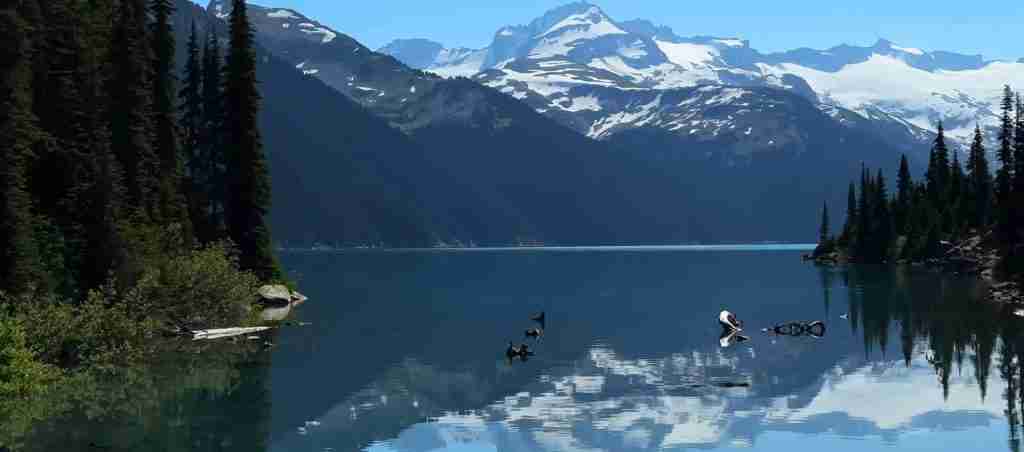
3 days
Whistler 3-Day Discovery Tour
- ✓ Comprehensive Whistler experience
- ✓ Expert local guides included
- ✓ All accommodation included
- ✓ Transportation provided
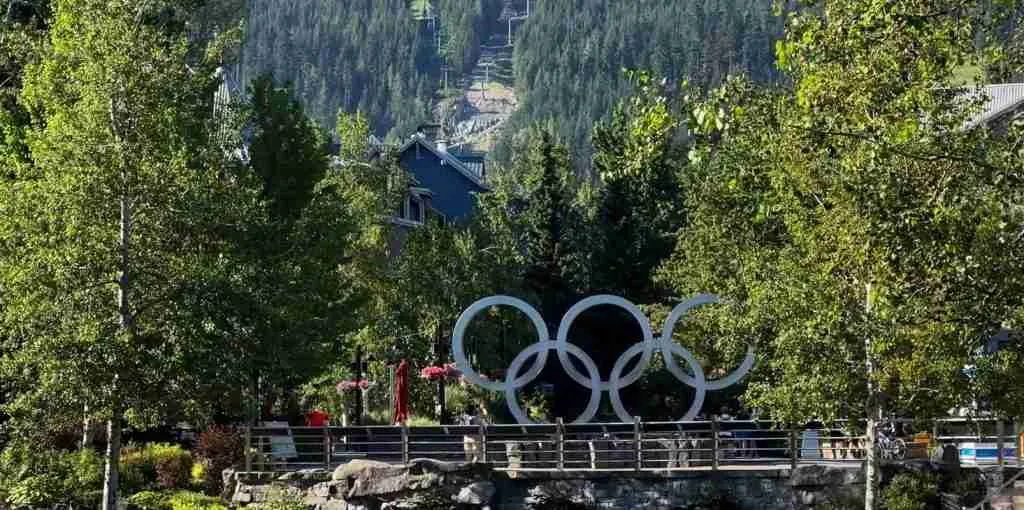
5 days
Whistler 5-Day Highlights Experience
- ✓ Comprehensive Whistler experience
- ✓ Expert local guides included
- ✓ All accommodation included
- ✓ Transportation provided
7 days
Whistler 7-Day Cultural Journey
- ✓ Comprehensive Whistler experience
- ✓ Expert local guides included
- ✓ All accommodation included
- ✓ Transportation provided
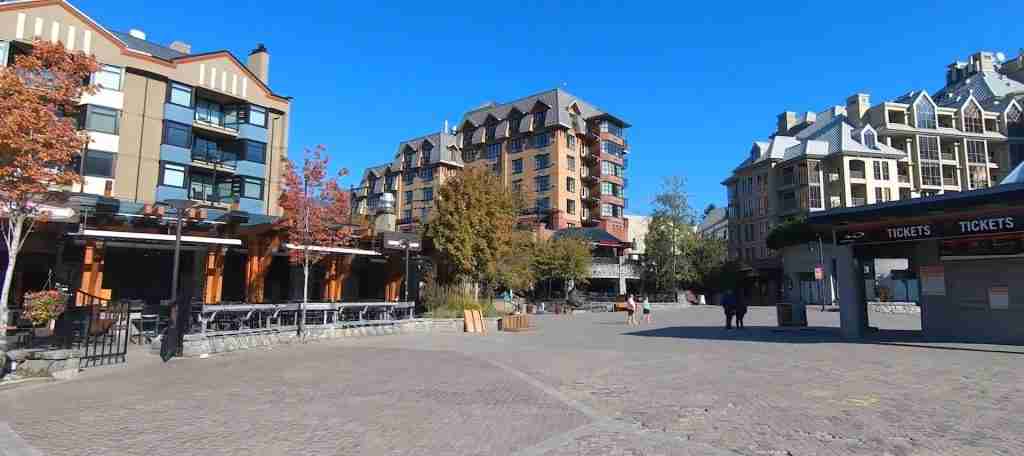
10 days
Whistler 10-Day Complete Adventure
- ✓ Comprehensive Whistler experience
- ✓ Expert local guides included
- ✓ All accommodation included
- ✓ Transportation provided
Multi-day tour packages powered by TourRadar. Prices and availability subject to change.
Introduction
Whistler stands as North America’s largest ski resort, spanning two mountains connected by the world-record Peak 2 Peak Gondola and offering 8,171 acres of skiable terrain across 200+ marked runs. Located 120 kilometers north of Vancouver along the spectacular Sea-to-Sky Highway, this former 2010 Winter Olympics venue attracts over two million visitors annually drawn by legendary powder snow, world-class mountain biking, and a pedestrian village that rivals European alpine resorts for charm and sophistication. The combination of accessible proximity to Vancouver, extensive on-mountain infrastructure, and genuine Coast Mountain wilderness creates a destination where Olympic-caliber athletes train alongside families experiencing their first ski vacation.
Success in Whistler depends heavily on advance planning and insider knowledge. The resort’s popularity means that spontaneous visitors often face sold-out lift tickets on peak dates, hotel rates double or triple without advance booking, and prime restaurant reservations disappear weeks ahead. Dynamic pricing systems reward early decisions while penalizing last-minute planning, sometimes to the tune of hundreds of dollars per day. Weather patterns shift quickly in these coastal mountains, creating both incredible powder days and challenging conditions that require appropriate gear and realistic expectations. Understanding when to visit, how to book efficiently, and which money-saving strategies actually work transforms an expensive mountain vacation into an accessible adventure.
This comprehensive guide delivers practical travel tips refined through years of visitor experience and local insight. You’ll learn exactly how Whistler’s dynamic lift ticket pricing works and when to book for maximum savings, discover the most reliable transportation options from Vancouver with specific costs and schedules, understand accommodation strategies that save hundreds of dollars per night, and identify free activities that showcase Whistler’s natural beauty without touching your budget. Whether you’re planning a weekend ski getaway, week-long family vacation, or extended stay taking advantage of the 160-170 day season, these tips ensure you invest your money where it matters most while avoiding the common mistakes that drain budgets without enhancing experiences.
The 2025-26 winter season brings several important changes including expanded advance-booking discounts on lift tickets, continued evolution of the parking reservation system, and updated COVID-policy adjustments affecting capacity and reservations. Understanding these changes alongside timeless Whistler fundamentals positions you to make smart decisions from the moment you book through your final run down the mountain. From navigating the village’s pedestrian layout to choosing between Epic Pass and day tickets, from selecting the right neighborhood for your accommodation to packing appropriate gear for coastal mountain weather, this guide addresses the questions that determine whether your Whistler trip exceeds expectations or delivers expensive disappointment.
Understanding Whistler’s Unique Geography and Layout 2026
Whistler comprises two distinct mountains—Whistler Mountain and Blackcomb Mountain—connected at their peaks by the Peak 2 Peak Gondola. The village sits at 675 meters elevation in the valley between these mountains, with Whistler Mountain rising to 2,182 meters and Blackcomb reaching 2,284 meters. This base-to-peak vertical drop of approximately 1,500-1,600 meters ranks among the largest in North America, providing extensive terrain variety from gentle valley runs to expert alpine bowls. The Peak 2 Peak spans 4.4 kilometers between the two mountain tops, holding world records for longest unsupported span and highest lift of its kind, allowing skiers and riders to access both mountains without returning to the base village.
The resort area divides into several distinct neighborhoods that affect your accommodation decisions and daily movement patterns. Whistler Village forms the pedestrian-only core where most hotels, restaurants, shops, and nightlife concentrate, sitting equidistant from both mountain gondola bases with 5-minute walks in either direction. Village North extends the pedestrian zone northward with additional hotels and restaurants in a slightly quieter setting. Upper Village sits at Blackcomb Mountain’s base, offering ski-in/ski-out access and a more residential atmosphere connected to Whistler Village by a 10-minute walk through landscaped pathways. Creekside, 5 kilometers south of the main village, provides an alternative base area with its own gondola access to Whistler Mountain, typically offering lower accommodation prices and a more local feel but requiring shuttle or vehicle to reach village amenities.
Function Junction, Whistler’s light industrial and commercial area located between the highway and village, houses equipment rental shops, grocery stores, local services, and some budget accommodations. While less glamorous than the village, staying here can save significant money if you have a vehicle or don’t mind the free bus ride. The Benchlands, Alpine Meadows, and White Gold neighborhoods sprawl across the mountainsides with a mix of condos and townhomes, many offering stunning views and full kitchen facilities but requiring shuttle or vehicle for village access. Understanding these geographic divisions helps you choose accommodations that match your priorities—whether that’s stumbling distance to après-ski bars, ski-in/ski-out convenience, budget savings, or spacious family-friendly layouts with cooking facilities.
The valley’s north-south orientation and coastal mountain location create unique weather patterns that distinguish Whistler from interior resorts. Moisture-laden Pacific storms dump enormous quantities of snow—averaging 11.7 meters annually—but also bring warmer temperatures and occasional rain at village elevations, particularly in early and late season. The top third of both mountains operates well above the freezing line throughout winter, preserving powder conditions even when valleys experience mixed precipitation. Morning clouds often blanket the village while alpine zones bask in sunshine, a pattern locals call “high pressure inversion” that rewards those who ride early gondolas. This geography explains why Whistler offers such an exceptionally long season from mid-November through mid-May, with reliable upper-mountain conditions even when lower runs face variable snow quality.
Lift Ticket and Pass Strategy for 2026
Whistler Blackcomb operates a sophisticated dynamic pricing system for lift tickets in 2026 that rewards advance planning with savings of up to 65% compared to walk-up window prices. Same-day lift ticket purchases at the window cost $305 CAD ($220 USD) on regular off-peak days, $329 CAD ($237 USD) on peak days, and $351 CAD ($253 USD) on holiday restricted dates. These prices represent the absolute maximum you should pay—purchasing tickets even seven days in advance typically saves $30-50 CAD, while booking one month ahead reduces costs to $205 CAD ($148 USD) off-peak, $239 CAD ($172 USD) peak, and $255 CAD ($184 USD) holidays. The system operates similarly to airline pricing where early bookers receive the best rates and last-minute purchases cost substantially more.
The new 2025-26 advance-booking discount extends even further for visitors planning one month ahead. Under this model introduced for the current season, tickets purchased four weeks before your ski date cost as little as $205 CAD on non-holiday dates, representing a $100 CAD savings compared to window prices. Peak dates including Christmas-New Year holidays December 26-31, Martin Luther King Jr. weekend January 17, and Presidents Day weekend February 14-15 carry premium pricing even with advance booking, but the gap between advance and walk-up rates remains substantial. Smart visitors monitor the Whistler Blackcomb website for their specific travel dates as soon as their plans firm up, booking tickets immediately to lock in the lowest available pricing tier.
For visitors planning 2-10 days of skiing during the 2025-26 season, Whistler Blackcomb Day Passes provide significantly better value than purchasing individual daily lift tickets. These passes allow you to select the exact number of days you plan to ski and whether to include access during restricted holiday periods, with costs decreasing per day as you add more days. A restricted 5-day pass (excluding holiday dates) typically costs approximately $450-550 CAD versus $1,000+ CAD if buying five individual advance tickets, while a 10-day restricted pass drops per-day costs to approximately $90-100 CAD. The key advantages include flexibility to use days throughout the entire season without consecutive requirements and guaranteed access on your chosen dates without the risk of sold-out tickets on popular days.
Season pass options make financial sense for anyone planning 8 or more days on Whistler Blackcomb during the 2025-26 season running November 22, 2025 through May 19, 2026. The Whistler Blackcomb unlimited season pass costs $1,605 CAD ($1,155 USD) and includes no blackout dates, unlimited access throughout the 160-170 day season, 20% off food and beverage, up to 20% off rentals and retail, $50 off select lessons, and six 25% off “Bring a Friend” lift tickets. At advance-purchase lift ticket rates of $205-255 CAD per day, the pass pays for itself after 8-10 ski days. The Epic Pass, priced at $1,051 USD ($1,460 CAD), provides unlimited unrestricted access to Whistler Blackcomb plus 40+ additional resorts across North America, Europe, Japan, and Australia, making it the superior choice for visitors planning multi-resort trips during the season.
BC residents and Washington State residents qualify for special EDGE Card pricing offering deep discounts starting at $85 CAD per day. These location-restricted products require proof of residency but deliver the best per-day rates available, particularly valuable for locals planning regular weekend trips. The 5-day and 10-day EDGE Cards purchased before December 2025 include an exceptional bonus: unlimited early-season access from opening day November 22 through December 12, essentially providing free skiing during the mountain’s first three weeks. For families, children aged 12 and under receive 50% discounts on most pass products, while teens aged 13-18 qualify for youth pricing typically 20-30% below adult rates.
The critical booking deadlines for maximum savings require attention to specific calendar dates. Season passes and multi-day passes are available only until early December 2025, with prices increasing in tiers as the deadline approaches. Day passes purchased for individual dates far in advance lock in the best one-day rates, but this strategy requires committing to specific ski dates months ahead. Epic Pass sales for the 2025-26 season follow Vail Resorts’ tiered pricing structure where passes purchased in spring cost significantly less than fall purchases, with the best Epic Pass prices typically available March through May. Understanding these deadline structures allows you to plan purchases strategically, booking early when savings are greatest while maintaining flexibility where pricing differences remain small.
Getting to Whistler: Transportation Options and Costs 2026
Vancouver International Airport serves as the primary gateway for most Whistler visitors, located 136 kilometers and approximately 2.5 hours from the resort. Multiple shuttle bus companies operate frequent direct service from YVR to Whistler with competitive pricing and comfortable coaches. YVR Skylynx charges $32 CAD ($23 USD) one-way or $42 CAD ($30 USD) round-trip from the airport, with multiple daily departures throughout the day and evening. Epic Rides offers similar service at $34 CAD ($25 USD) one-way and $44 CAD ($32 USD) round-trip, with both companies providing direct non-stop service taking approximately 1 hour 45 minutes under normal traffic conditions. These shuttles include free WiFi, onboard washrooms, luggage storage, and allowances for ski and snowboard equipment at no additional charge.
Shuttle service from downtown Vancouver typically costs slightly less than airport routes. Epic Rides charges $34 CAD one-way from Vancouver city center to Whistler, while YVR Skylynx offers downtown-to-Whistler round-trip tickets for $30 CAD. Multiple pickup locations throughout downtown Vancouver including major hotels provide convenient access points without requiring transit to the airport. The total door-to-door time from downtown runs approximately 2-2.5 hours depending on pickup location and traffic conditions. For visitors flying into Vancouver and staying downtown for a night or two before heading to the mountains, this routing saves the expense of airport-to-downtown transit while providing the same comfortable, direct shuttle experience.
Driving yourself from Vancouver requires confidence on mountain highways and experience with winter driving conditions. The Sea-to-Sky Highway climbs from sea level to 675 meters through dramatic coastal mountain scenery, offering spectacular views but also narrow sections, steep grades, and challenging winter conditions. Fuel costs for the 240-kilometer round trip total approximately $17-25 CAD ($12-18 USD) in a fuel-efficient vehicle. However, hotel parking in Whistler adds $24-43 CAD ($17-31 USD) per night depending on property, and rental car costs typically run $40-70 CAD ($29-50 USD) per day in winter. The all-in cost of driving yourself usually exceeds shuttle costs significantly unless splitting expenses among 3-4 people, and eliminates the ability to relax and enjoy the scenery as a passenger.
Winter driving on the Sea-to-Sky requires proper preparation and equipment. BC law mandates winter tires or chains on mountain highways from October through March, with rental companies charging extra fees for winter-equipped vehicles. The highway experiences regular closures during heavy snowstorms, with delays of 1-4 hours common and occasional multi-hour shutdowns. Shuttle companies possess the expertise, equipment, and experience to navigate these conditions safely, and typically continue operating even during weather events that would challenge inexperienced drivers. The stress-free arrival provided by professional shuttle service proves particularly valuable for visitors unfamiliar with winter mountain driving or arriving after long flights.
Private transfer services and shared-ride options provide middle-ground alternatives between shuttle buses and rental cars. Companies like Whistler Shuttle offer premium door-to-door service in vans or SUVs for groups of 2-8 people, with costs typically ranging from $200-400 CAD depending on group size and vehicle type. These services eliminate the wait times and multiple stops of shared shuttles while maintaining the no-driving-required convenience. For families with significant luggage, ski equipment, and young children, the direct private transfer often justifies the additional cost through time savings and convenience. Ride-sharing services including the local Whistler app Whistle! operate from Vancouver to Whistler but typically cost more than shuttle buses with longer wait times and less reliable availability during peak periods.
For the small number of visitors arriving from Seattle or other US locations, the drive spans approximately 5-7 hours depending on border wait times at the Peace Arch crossing. US visitors should secure proper auto insurance coverage for Canada, carry required documentation, and understand that BC winter tire requirements apply to all vehicles on mountain highways. The long drive combined with border crossing complexities makes flying to Vancouver and shuttling to Whistler the more practical choice for most US visitors unless planning an extended road trip throughout British Columbia. Canadian visitors driving from Calgary, Alberta, face an 8-10 hour journey through the Rocky Mountains on the Trans-Canada Highway, a spectacular but demanding winter drive best spread over two days with an overnight stop.
Accommodation Strategy and Neighborhood Selection 2026
Whistler accommodation prices fluctuate dramatically by season, day of week, and booking window, with strategic timing saving hundreds of dollars per night. Peak winter season spanning Christmas holidays through February sees hotel rates from $250-400 CAD ($180-288 USD) per night for mid-range properties, while luxury ski-in/ski-out hotels and resorts reach $400-700 CAD ($288-504 USD). The absolute cheapest periods occur in May and October-November shoulder seasons when rates drop to $112-180 CAD ($81-130 USD) for comfortable accommodations. Booking approximately one month in advance typically yields rates 20-35% lower than last-minute reservations, with Tuesday check-ins offering slightly better pricing than Friday-Saturday arrivals when demand peaks.
Whistler Village accommodations command premium prices justified by unmatched convenience—you can walk to gondolas, restaurants, grocery stores, equipment rentals, and nightlife within 5-10 minutes from any village hotel. Properties like the Hilton Whistler Resort & Spa, Pan Pacific Whistler Village Centre, and Summit Lodge Boutique Hotel offer the full resort experience with pools, hot tubs, ski storage, and immediate village access. Expect to pay $200-350 CAD ($144-252 USD) per night in mid-winter for these conveniences. The pedestrian-only layout means you’ll never need a vehicle once you arrive, and stumbling-distance access to bars and restaurants appeals to visitors prioritizing nightlife and dining variety.
Upper Village properties including the Fairmont Chateau Whistler and Pan Pacific Whistler Mountainside provide true ski-in/ski-out access at Blackcomb’s base, eliminating the 5-minute walk from Whistler Village accommodations to the gondola. These premium properties cost $300-600 CAD ($216-432 USD) nightly but deliver the ultimate ski convenience—store your gear at the hotel, walk out the door in your boots, and access the mountain immediately. The Upper Village offers a more sedate atmosphere than the bustling Whistler Village core, with families and serious skiers appreciating the quieter environment and immediate mountain access. The 10-minute walk to Whistler Village’s restaurant and nightlife concentration represents the main tradeoff, manageable for most visitors but potentially inconvenient for those wanting quick access to après-ski bars.
Creekside accommodations located 5 kilometers south of Whistler Village offer the best value proposition for budget-conscious visitors with modest sacrifice in convenience. Hotels like the Legends and Nita Lake Lodge charge $150-250 CAD ($108-180 USD) per night for quality rooms, with Creekside’s own gondola providing direct access to Whistler Mountain. The neighborhood hosts a small selection of restaurants and bars sufficient for quiet evenings, while free shuttle buses connect to Whistler Village in approximately 10 minutes for visitors seeking more dining variety or nightlife. This setup works best for visitors with vehicles or those comfortable with shuttle schedules, and appeals particularly to families prioritizing space and value over immediate village proximity.
Condo and vacation rental options throughout Whistler’s residential neighborhoods provide the most space and best kitchen facilities for families or groups. Platforms like VRBO and Airbnb offer everything from studio units to 5-bedroom chalets, with prices ranging from $150-500+ CAD ($108-360+ USD) per night depending on size, location, and amenities. Full kitchens enable significant food cost savings compared to restaurant dining for every meal, while multiple bedrooms and living spaces give families room to spread out. The tradeoff involves locations typically requiring shuttle or vehicle for village access, and you’ll miss the pools, hot tubs, and daily housekeeping standard at hotels. However, for week-long stays or groups of 4-6 people, the cost-per-person calculation often strongly favors vacation rentals over hotel rooms.
Function Junction area accommodations deliver the absolute lowest room rates—sometimes as low as $85-120 CAD ($61-86 USD) per night—but require acceptance of industrial-area aesthetics and mandatory shuttle rides to reach the village and gondolas. Properties here serve primarily budget travelers, workers, and locals, lacking the resort atmosphere of village accommodations. The 10-15 minute free shuttle ride runs frequently during day and early evening hours but has limited late-night service, meaning your spontaneous midnight restaurant run isn’t happening. This option makes sense for budget-focused visitors spending maximum time on the mountain rather than in their room, particularly those with vehicles providing flexibility beyond shuttle schedules.
Booking strategies for 2026 accommodations should account for major holidays and event dates that compress availability and inflate prices. The Christmas-New Year period December 21-January 2 typically books 6-9 months in advance with rates doubling normal winter levels. February school vacation weeks vary by Canadian province and US state but generally span mid-February, creating another demand spike. March spring break weeks particularly March 10-25 see elevated demand, though typically less severe than December and February. Smart planners either book 3-6 months ahead for these periods to secure reasonable rates and preferred properties, or deliberately avoid these weeks entirely in favor of January or April skiing when availability improves and prices drop 30-50%.
Local Transportation Within Whistler 2026
Whistler operates an excellent free local transit system with three routes serving major areas at no charge year-round. Route 4 runs between Whistler Village and Marketplace connecting the village core with grocery stores and services. Route 5 connects Whistler Village to Creekside village including stops at Nita Lake Lodge and other south-valley accommodations. Route 8 serves the Village and Upper Village areas with frequent service during peak hours. These free routes operate from approximately 6:30 AM through 2:00 AM in winter, providing extensive coverage of the most-visited areas without cost. Service frequency ranges from 10 minutes during peak periods to 20-30 minutes during off-hours, with posted schedules at all bus stops.
Additional paid routes covering residential neighborhoods, Alpine, Emerald, and other outlying areas cost just $2.50 CAD ($2 USD) per ride with no transfers or passes required—you simply pay cash to the driver upon boarding. These routes operate less frequently than the free services but connect virtually every Whistler neighborhood to the village, making car-free travel feasible even for visitors staying in budget accommodations on the valley outskirts. For families making 4-6 bus trips daily, the $2.50 per-person cost adds up, but remains far cheaper than rental car expenses and eliminates parking challenges at crowded village and base area lots.
Taxis operate throughout Whistler with metered fares starting around $5 CAD for pickup plus distance charges. Typical fares from Creekside to Whistler Village run $10-15 CAD, while trips from Function Junction or outlying neighborhoods to village can reach $15-25 CAD. Whistler Taxi provides reliable service with vehicles circling the village during busy periods and phone dispatch available for pickups at accommodations. The local ride-sharing app Whistle! offers an alternative to traditional taxis with similar pricing, though vehicle availability can be limited during peak hours when many drivers are off the mountain. Neither taxis nor ride-shares prove economical for multiple daily trips, but they provide valuable backup for late nights, heavy gear transport, or times when bus schedules don’t align with your needs.
The pedestrian-only Whistler Village layout makes walking the primary transportation mode within the core resort area. Every hotel, restaurant, shop, and both gondola bases sit within a compact zone spanning roughly 500 meters north-south and 400 meters east-west. You can walk from the farthest village hotel to either gondola base in under 10 minutes, even on snow-packed winter sidewalks. Heated village pathways remain snow-free year-round, and the network of pedestrian strolls connecting village areas keeps you off vehicle roads entirely. This walkability represents one of Whistler’s greatest advantages over sprawling North American ski towns where you need wheels to reach anything.
Bike rentals during summer months provide another efficient transportation option with numerous rental shops in the village offering cruiser bikes from $20-40 CAD ($14-29 USD) per day. The Valley Trail paved pathway system spans over 40 kilometers connecting all Whistler neighborhoods, lakes, and parks car-free. Cycling from Whistler Village to Lost Lake takes 10 minutes, to Creekside 15 minutes, covering distances that would require 20-30 minutes walking or waiting for buses. Winter visitors generally skip bikes given snow-covered paths and focus on the free shuttle system, but spring and fall shoulder seasons when trails are clear see local bike use increase significantly.
Parking in Whistler presents challenges that reinforce the wisdom of arriving via shuttle and using transit-walking once in resort. Whistler Village parking lots charge $3-4 CAD ($2-3 USD) per hour or $12-15 CAD ($9-11 USD) daily, with peak winter dates seeing lots fill by 9 AM. Hotel parking adds $24-43 CAD ($17-31 USD) per night as mentioned earlier. The mountain base parking lots have implemented a reservation system during peak periods requiring advance booking, with limited day-of availability. These parking costs and complications punish visitors who rent cars unnecessarily while rewarding those who embrace the shuttle-transit model. The rare situations warranting a rental car in Whistler—extended day trips to Joffre Lakes, Squamish, Pemberton—occur infrequently enough that paying for a single Uber or taxi typically costs less than daily rental and parking fees.
Weather Patterns and What to Pack for 2026
Whistler’s coastal mountain location creates unique weather patterns distinct from interior British Columbia resorts. Pacific moisture streams dump enormous snowfall averaging 11.7 meters annually at mountain elevations, but temperatures remain relatively mild compared to inland regions. Village elevations experience regular freeze-thaw cycles with December-January temperatures averaging -1 to +3 Celsius, and February-March ranging 0 to +5 Celsius. Rain occasionally falls in the village during early winter December-January and becomes increasingly common in spring March-April, while upper mountain elevations almost always receive snow. This marine climate means powder days deliver heavy “Sierra cement” snow rather than the champagne powder of Colorado or interior Canada, but the sheer snow volume compensates for density.
Layering systems prove essential for Whistler’s variable mountain weather. Start with quality moisture-wicking base layers both top and bottom, add an insulating mid-layer like fleece or down, and finish with a waterproof-breathable outer shell jacket and pants. The waterproof outer layer requires true technical performance rated at minimum 10,000mm water column—cheaper recreational rain jackets fail quickly under heavy wet snow conditions common here. Ski gloves should include waterproof outer shells or liners since wet gloves create miserable days. Neck gaiters or balaclavas protect against wind on alpine bowls and cold lift rides, while quality goggles with spare lenses become essential given frequent flat-light conditions and sudden weather changes.
Morning weather assessments before heading to the gondola help optimize your day. Check the Whistler Blackcomb snow report and webcams on the official website or mobile app showing real-time conditions at base, mid-mountain, and summit elevations. Clouds blanket the village most mornings while alpine zones bask in sunshine—if base webcams show grey but summit cams show blue sky, head up early and ski high. Storm days delivering fresh powder often start with rain in the village but produce 10-30 centimeters of new snow on upper runs. Temperature inversions cause freezing rain at mid-mountain while village and summit enjoy good conditions, so monitor weather reports carefully and adjust your mountain zone based on current precipitation levels.
Clothing for off-mountain time should account for village’s pedestrian layout requiring outdoor walking between hotels, restaurants, and shops. Winter temperatures typically range -5 to +5 Celsius with occasional dips to -15 Celsius during cold snaps. A warm winter jacket, comfortable waterproof boots rated for snow conditions, warm hat, and insulated gloves suit most people for village activities. The pedestrian strolls include heated sections but you’ll still spend 5-15 minutes outdoors moving between locations. Heated village pathways mean you don’t need extreme cold weather gear, but inadequate clothing makes après-ski bar hopping uncomfortable. Casual warm layers work for indoor restaurant dining since most Whistler venues embrace ski-town atmosphere over formal dress codes.
Spring skiing conditions from mid-March through May require different preparation than midwinter visits. Morning temperatures often start below freezing creating firm “corduroy” groomed conditions, while afternoon sun softens snow into spring “corn” texture. Dress in lighter layers than midwinter since afternoon temperatures can reach +10 to +15 Celsius with strong sun exposure. Sunscreen becomes critical—high-altitude UV combined with reflective snow causes severe burns on exposed skin within 30-45 minutes. Sunglasses or goggles with high-UV protection prevent snow blindness, while goggle ventilation helps avoid fogging in warmer conditions. Spring storms can still deliver significant snowfall and cold temperatures, so pack winter gear even for April-May visits alongside lighter spring clothing.
Summer visitors June through September need completely different wardrobes emphasizing layering for variable mountain weather. Valley temperatures range +15 to +25 Celsius but mountain tops remain much cooler, sometimes dropping to +5 Celsius with wind. Hiking or biking excursions require moisture-wicking clothing, waterproof jackets for sudden storms, and sun protection including hats and sunscreen. Trail conditions remain muddy through June as snowpack melts, so waterproof hiking boots prove essential. The Peak 2 Peak Gondola summer rides to alpine elevations experience dramatic temperature drops of 10-15 degrees from village, catching unprepared tourists in t-shirts shivering at the top—always carry a warm layer for summit excursions regardless of valley temperatures.
Dining and Food Cost Management 2026
Whistler dining prices reflect the resort’s premium positioning and remote mountain location. Casual restaurant meals range $20-35 CAD ($14-25 USD) per person for lunch, $35-60 CAD ($25-43 USD) for dinner before alcohol. Mid-range restaurants serving quality international cuisine charge $50-80 CAD ($36-58 USD) per person for dinner with drinks, while upscale establishments like Araxi and Il Caminetto easily reach $100-150 CAD ($72-108 USD) per person with wine. On-mountain dining at mid-station restaurants and summit lodges costs $18-28 CAD ($13-20 USD) for basic cafeteria meals, with table-service mountain restaurants matching village prices. These costs accumulate quickly—a family of four easily spends $150-250 CAD ($108-180 USD) per restaurant meal.
Strategic grocery shopping dramatically reduces food expenses for visitors with kitchen access in condos or hotel suites with kitchenettes. The Nesters Market and Marketplace IGA in Whistler Village stock full grocery selections at prices roughly 10-15% above Vancouver levels but far below restaurant costs. Preparing your own breakfasts saves $15-20 CAD per person daily, packing lunches for the mountain eliminates $20-25 CAD per person, and cooking simple dinners 3-4 nights per week cuts overall food costs by 50-60%. A week’s groceries for two people cooking most meals runs $150-200 CAD ($108-144 USD) versus $700-1,000 CAD ($504-720 USD) for all restaurant dining.
Smart restaurant selection focuses on establishments offering good value rather than premium prices. Splitz Grill serves excellent gourmet burgers and craft beers in a relaxed atmosphere for $18-25 CAD ($13-18 USD) per person. El Furniture Warehouse offers unique concept pricing where all menu items cost $6.95 CAD ($5 USD), though drink prices reflect normal restaurant levels. Peaked Pies delivers Australian-style meat and vegetable pies perfect for quick lunches at $8-12 CAD ($6-9 USD). Auntie Em’s Kitchen provides hearty breakfasts with generous portions for $15-22 CAD ($11-16 USD). These value-oriented choices let you enjoy restaurant dining without premium costs, saving your dining budget for 1-2 splurge meals at high-end venues.
Food trucks and quick-service options scattered through the village and base areas offer the most economical restaurant meals. Numerous trucks serve tacos, Asian cuisine, and sandwiches for $10-15 CAD ($7-11 USD) per meal, while coffee shops provide breakfast sandwiches and pastries for $8-12 CAD ($6-9 USD). The Whistler Olympic Plaza often hosts food trucks during winter, providing quick accessible meals without table-service premiums. These options suit lunch breaks when you want fuel quickly without extended sit-down meals, letting you maximize time on the mountain rather than in restaurants.
On-mountain dining strategy depends on whether you’re skiing all day or taking breaks. Packing lunches in a backpack eliminates the $20-30 CAD per person cost of mountain restaurants while giving you flexibility to eat anywhere on the mountain rather than descending to base areas or crowding into mid-station cafeterias. A simple backpack lunch—sandwiches, granola bars, fruit, water—costs $5-8 CAD to prepare and weighs negligibly in a small pack. Alternatively, strategic breaks returning to village for lunch let you access cheaper food truck options and avoid on-mountain premium pricing, though you sacrifice 60-90 minutes of potential ski time including the descent, lunch, and return gondola ride.
Alcohol significantly inflates dining costs with bar drinks running $9-14 CAD ($6-10 USD), glasses of wine $12-18 CAD ($9-13 USD), and craft beers $8-11 CAD ($6-8 USD) throughout the village. A simple dinner for two with appetizer, entrees, and two drinks each easily reaches $120-160 CAD ($86-115 USD) at mid-range restaurants once alcohol enters the equation. Purchasing wine, beer, or spirits at the BC liquor store and consuming in your accommodation before heading to restaurants for dinner only cuts costs by 60-70% compared to restaurant alcohol prices. Alternatively, seeking establishments with happy hour specials typically 3-6 PM delivering 25-40% discounts on drinks and select menu items lets you enjoy restaurant atmosphere at reduced costs.
Free and Low-Cost Activities in Whistler 2026
The Valley Trail system provides 40+ kilometers of paved multi-use pathways connecting Whistler Village to Lost Lake, Green Lake, Alpha Lake, and all residential neighborhoods completely free. These trails showcase Whistler’s natural beauty through old-growth forests, along lakes and rivers, and past mountain viewpoints without any admission fees. Lost Lake circuit spans approximately 5 kilometers of easy walking or cycling through forest with lake views, while the longer Valley Trail segments extending to Creekside or Green Lake offer half-day outdoor excursions. Summer brings cyclists and walkers, winter sees trails used by cross-country skiers and snowshoers, with some sections maintained year-round for winter walking.
Whistler Olympic Plaza in the heart of the village hosts free concerts, festivals, and events throughout the year. Summer evening concert series brings live music performances weekly, while winter sees free outdoor movie screenings and community gatherings. The plaza itself provides public space with seating, fire features, and mountain views open to everyone. Checking the Tourism Whistler events calendar reveals numerous free cultural events, art exhibitions, and community gatherings scheduled throughout your visit dates. These activities provide entertainment and local cultural exposure without admission costs, particularly valuable for families seeking evening activities beyond expensive restaurants and bars.
The Squamish Lil’wat Cultural Centre offers free admission on certain days and discounted rates year-round for this significant indigenous cultural institution. Located in Upper Village near Blackcomb base, the centre showcases the culture, art, and history of the Squamish and Lil’wat Nations through galleries, demonstrations, and educational programs. Regular admission costs $18 CAD ($13 USD) for adults, making the free-admission special days valuable for budget travelers interested in the region’s indigenous heritage. Even paid admission represents excellent value compared to lift tickets or dining costs, delivering 1-2 hours of engaging cultural education.
Summer hiking trails accessible via Whistler Village gondolas charge only for the gondola ride rather than trail access itself. During summer operations, single upload tickets cost approximately $60 CAD ($43 USD) for adults, providing access to dozens of alpine hiking trails spanning beginner-friendly interpretive walks to challenging summit routes. The gondola eliminates 1,200+ meters of elevation gain, letting you hike alpine terrain rather than slogging up access trails. Multi-use passes covering 2-3 days of summer gondola access reduce per-day costs to $35-45 CAD while letting you explore different trail systems on Whistler and Blackcomb mountains. This cost compares favorably to guided hiking tours charging $100-150 CAD per person.
Winter snowshoeing on Valley Trail segments and around Lost Lake provides free or extremely low-cost winter activities. Snowshoe rentals cost $15-25 CAD ($11-18 USD) per day from village outdoor shops, with trails maintained through Whistler’s residential areas and forest zones. Lost Lake Park features marked snowshoe trails plus ice skating on the frozen lake surface during cold periods. Cross-country skiing operates similarly with equipment rentals typically $20-30 CAD ($14-22 USD) daily and trails accessible without additional fees. These Nordic activities deliver mountain winter experiences at 5-10% of downhill skiing costs, appealing to visitors seeking outdoor activity without the expense or intensity of alpine skiing.
Free outdoor ice skating at Whistler Olympic Plaza runs throughout winter with skate rentals available for $5-8 CAD ($4-6 USD). The refrigerated outdoor rink operates daily with public skating hours and occasional special events including hockey nights and figure skating demonstrations. Families can easily spend 1-2 hours skating for the cost of rental only, providing quality winter activity accessible to all skill levels. The plaza’s central location makes this an ideal evening activity between dinner and bedtime, letting children burn energy without expensive entertainment costs.
Peak Season vs Off-Peak Strategy for 2026
The 2025-26 Whistler winter season operates November 22, 2025 through May 19, 2026, with dramatic variations in crowds, prices, and conditions throughout this span. Peak periods include Christmas-New Year holidays December 21-January 2, Martin Luther King Jr. weekend in mid-January, February school vacation weeks varying by region but generally spanning mid-February, and Presidents Day weekend February 14-17. These dates see maximum crowds with 20-45 minute lift line waits on popular chairs, village restaurants fully booked days in advance, and accommodation prices doubling off-peak rates. However, peak periods also deliver guaranteed snow coverage, full mountain operations including all alpine terrain, and vibrant village atmosphere with maximum energy.
January midweek periods from approximately January 5-14 and January 20-31 represent the season’s best value-to-quality ratio. Snowfall and base depths reach excellent levels following December’s early-season accumulation, temperatures remain genuinely cold preserving snow quality, and lift lines disappear with single-digit minute waits on most chairs. Accommodation prices drop 30-50% below December-February peaks while restaurants operate with walk-in availability and shorter waits. The tradeoff involves slightly less vibrant village atmosphere compared to peak weekends when every restaurant and bar pulses with energy, but this matters little to visitors prioritizing skiing over nightlife. Families with school-age children obviously face constraints around these dates, but remote workers, retirees, and flexible travelers find January midweeks deliver Whistler’s best overall experience per dollar invested.
March spring skiing from mid-March through April combines reliable snow coverage with improved weather, longer days, and reduced crowds. The snowpack reaches maximum depth in March following the full winter’s accumulation, with upper-mountain conditions remaining excellent even as village elevations soften. Temperatures climb to -2 to +5 Celsius during the day creating pleasant skiing conditions, while morning corduroy runs and afternoon sun-softened snow provide diverse skiing throughout single days. Easter weekend and spring break weeks still see elevated crowds and pricing, but non-holiday March-April dates offer quiet mountains with short lift lines. The village atmosphere shifts slightly as ski season winds down, with some seasonal businesses closing early, but major restaurants and services operate through April.
Late season from late April through mid-May closing delivers the absolute lowest prices on accommodations and often spectacular spring conditions. Hotels drop rates to $100-150 CAD ($72-108 USD) nightly trying to fill rooms as demand wanes, while advanced lift ticket purchases cost minimums for the season. The mountain typically operates limited terrain focusing on main bowls and groomed runs as peripheral trails close due to insufficient coverage, but upper elevations maintain 200+ centimeters base depth and excellent conditions. Warm sunny days, minimal crowds, and a relaxed end-of-season party atmosphere appeal to visitors who understand they’re trading full terrain access for outstanding value. Check snow conditions carefully before booking late April-May dates since early season closures occasionally occur, though recent seasons have seen full operations through mid-May.
Summer shoulder seasons in May before summer operations begin and September-October after summer closures offer the lowest possible accommodation prices but limited activities. May sees spring hiking possible on lower trails as snow recedes, with valley trails and lakes fully accessible but mountain hiking still blocked by snowpack. Summer mountain biking parks and alpine hiking trails operate approximately mid-June through early September, with July-August representing peak summer season commanding higher prices. September and October bring autumn colors to alpine meadows, pleasant hiking weather, and dramatically reduced crowds, though many seasonal businesses operate limited hours or close entirely. These shoulder periods suit visitors interested primarily in valley hiking, cycling, and lake activities rather than paying for mountain access via gondolas.
Strategic date selection around major holidays can save substantial costs with minor flexibility. Arriving December 20 versus December 21 often captures significantly lower accommodation rates since the premium holiday pricing kicks in on the 21st. Similarly, departing January 3 instead of January 2 drops your costs to regular winter rates. School vacation weeks vary by Canadian province and American state—if you can ski when Ontario schools are in session but British Columbia schools on break versus the reverse, you’ll find different crowd levels and pricing. Monitoring specific travel dates against holiday calendars for major population centers lets you identify slightly off-peak periods with better values.
Equipment Rental vs Bringing Your Own Gear 2026
Ski and snowboard rental shops saturate Whistler Village with dozens of operations competing on price and equipment quality. Budget rental packages including skis or snowboard, boots, and poles cost $40-60 CAD ($29-43 USD) per day for standard equipment, with multi-day rentals reducing daily costs to $30-40 CAD. Performance packages featuring current-season equipment and premium brands run $60-80 CAD ($43-58 USD) daily, while demo and race-level packages reach $90-110 CAD ($65-79 USD). These prices represent full-day rates—afternoon-only rentals typically cost 30-40% less if you’re not skiing full days. The convenience of renting eliminates the hassle of transporting bulky equipment on flights or in vehicles while ensuring properly maintained gear.
Booking rentals online before arrival saves 10-20% compared to walk-in rates and guarantees equipment availability during peak periods. Major rental chains including Summit Sport, Showcase Snowboards, and Evolution run multiple village locations with online reservation systems. Selecting and paying online lets you skip lines and proceed directly to equipment pickup, saving valuable time on your first morning. Advanced booking also gives you time to verify rental packages match your ability level—beginners waste money on performance packages they can’t exploit, while advanced skiers suffer with basic packages inadequate for their skills. Most rental shops include free overnight storage, allowing you to drop skis at the shop rather than hauling them to hotels between ski days.
Bringing your own equipment makes financial sense for trips lasting 8+ days at Whistler or including multiple resorts in one trip. Airline ski bag fees typically run $50-150 CAD ($36-108 USD) per direction depending on carrier and fare class, for total round-trip costs of $100-300 CAD. At rental rates of $30-50 CAD daily, trips shorter than 6-7 days cost less via rentals once factoring airline fees and hassle. However, week-long or longer stays flip the calculation—10 days of rentals at $40 CAD costs $400 CAD versus $150 CAD in airline fees for your own skis. Additionally, familiarity with your equipment and confidence in its maintenance and adjustment improves performance and comfort, particularly for advanced skiers specific about binding DIN settings and boot customization.
Helmet rental costs $10-15 CAD ($7-11 USD) daily, making owned helmets economical for anyone planning 3+ days of skiing across multiple trips. Modern helmets include MIPS protection, adjustable ventilation, and audio system compatibility—features rental helmets often lack. Safety-conscious visitors should strongly consider owning properly fitted helmets rather than relying on rental units that may not fit optimally or include latest protection technology. Goggles represent another item better owned than rented since fit varies dramatically between face shapes and models, and you’ll want spare lenses for different light conditions rather than making do with single-lens rental options.
Clothing rental including jackets and pants costs $30-50 CAD ($22-36 USD) per day, a service primarily used by first-time skiers testing the sport before investing in gear or visitors from warm climates lacking winter clothing. Most experienced visitors should bring their own ski clothing from home, as 3-4 days of clothing rentals equal the cost of purchasing adequate gear that you’ll use for many seasons. However, one-time visitors or those trying skiing before committing to the sport find clothing rental services eliminate the $300-600 investment in jacket-pants-gloves purchases. The quality of rental outerwear varies significantly—premium rental shops provide current-season technical gear, while budget operations offer well-worn equipment barely meeting waterproof standards.
Special equipment including avalanche safety gear for backcountry skiing requires rental for most visitors given the specialized training and infrequent use. Full avalanche packages including beacon, probe, and shovel rent for $25-35 CAD ($18-25 USD) daily from mountain shops, with mandatory training courses often bundled. Fat skis and splitboards for powder days cost $10-20 CAD above standard rental rates, while specialty items like touring setups and race equipment require premium demo packages. These niche rentals make sense since most visitors ski them 1-2 days per trip rather than justifying ownership. However, visitors planning extensive backcountry or specialty skiing should consider bringing owned equipment properly fitted and familiar versus adapting to rental gear in challenging terrain.
Booking Lessons and Mountain Safety 2026
Whistler Blackcomb Ski School operates extensive lesson programs from first-timer packages through expert coaching across both mountains. Group lessons cost $125-175 CAD ($90-126 USD) for 2-hour sessions, $225-275 CAD ($162-198 USD) for full-day instruction, with multi-day packages reducing per-day costs. Private lessons start at $450-600 CAD ($324-432 USD) for 2-hour sessions with one instructor serving 1-5 students, making them expensive for individuals but reasonable for families splitting costs. Booking lessons online before arrival saves approximately $50 CAD per person compared to walk-up rates and guarantees instructor availability during peak periods when popular lesson times sell out. Lessons run in English primarily with French, German, Spanish, and Japanese available by request.
First-time skiers and snowboarders benefit enormously from professional instruction eliminating dangerous habits and accelerating learning curves. Never-ever packages bundling lift ticket, equipment rental, and lesson cost $200-250 CAD ($144-180 USD), providing everything needed for your first day including access to beginner learning zones with magic carpet lifts. These packages deliver significantly better value and experience than attempting to learn independently with YouTube videos and borrowed equipment. Most students progress from first turns to linking turns down green runs within a single lesson, positioning them to ski independently on subsequent days rather than struggling through the learning curve alone.
Intermediate and advanced skiers gain technique refinement, terrain expansion, and confidence building from lessons targeting specific skills. Programs focusing on powder skiing, steep terrain, moguls, tree skiing, or park features help experienced skiers break through plateaus and access terrain previously intimidating. The cost justification becomes clearer when lesson benefits multiply across remaining vacation days and future ski trips—spending $150 CAD on a morning powder clinic that teaches techniques you’ll use for years represents excellent investment. Whistler’s enormous terrain offers something new even to visitors skiing here repeatedly, making targeted instruction valuable for maximizing that exploration.
Mountain safety awareness proves critical at Whistler given the resort’s alpine extent and challenging terrain. Marked runs include significant avalanche terrain, cliff bands, and tree skiing where even advanced skiers can find themselves in hazardous situations. Always ski with partners rather than alone, carry cell phones in waterproof cases though coverage remains spotty at elevations, and inform someone of your plans when exploring unfamiliar zones. Respect all terrain closure signs—these protect you from avalanche hazards, exposed cliffs, and ungroomed hazards rather than arbitrary restrictions. The Whistler Blackcomb Mountain Safety Team patrols daily, but their response times to remote terrain can exceed 30-60 minutes, so prevention through careful terrain selection beats hoping for rescue after accidents.
Weather changes demand preparedness with extra layers, emergency supplies, and route flexibility. Coastal mountains experience sudden storms bringing heavy snow, high winds, and near-zero visibility within minutes. Carrying a small backpack with spare gloves, neck gaiter, energy bars, and water prevents misery when storms arrive mid-day. Download the Whistler Blackcomb app showing real-time lift status, trail closures, and weather alerts. When whiteout conditions hit, descending to lower elevations where visibility improves keeps you safe—pushing through alpine bowls in zero visibility creates genuine danger from cliffs, tree wells, and disorientation. The embarrassment of cutting your ski day short beats the alternative of Mountain Safety recovering you from preventable accidents.
Tree well hazards kill multiple skiers annually across British Columbia including occasional incidents at Whistler. Deep snow accumulation around tree trunks creates cavities that collapse when skiers fall into them, trapping victims upside down in loose snow unable to self-rescue. Skiing trees with partners, maintaining visual contact, stopping to regroup regularly, and avoiding areas directly beside tree trunks reduces risk substantially. If you ski trees alone and fall into a well, your survival chances decline dramatically, so this represents one terrain type where the “never ski alone” rule matters most. Whistler’s legendary tree skiing between groomed runs provides incredible powder skiing and storm-day refuge, but demands respect and awareness rather than casual cruising.
Après-Ski, Nightlife, and Evening Activities 2026
Whistler’s après-ski scene rivals major European resorts with numerous establishments within walking distance of gondola bases. The Garibaldi Lift Company (GLC) at the base of Whistler Mountain operates as the traditional après hub, packing by 3:30 PM with skiers fresh off the mountain drinking beer and socializing. GLC offers outdoor patio seating with mountain views, live music most winter weekends, and a raucous party atmosphere. Beers cost $8-10 CAD ($6-7 USD), with happy hour specials sometimes reducing prices further. The crowd typically peaks 3:30-6:00 PM before dispersing to hotel rooms and dinner reservations, making this the prime window for après-ski socializing.
Merlin’s Bar and Grill at Blackcomb base serves similar après function for Upper Village guests and Blackcomb skiers. The outdoor patio fills with picnic tables surrounded by snow banks where skiers in boots and helmets drink pitchers of beer and replay their day’s adventures. Merlin’s maintains a slightly more mellow vibe than GLC’s sometimes-aggressive party scene, appealing to families and visitors seeking celebratory drinks without nightclub energy levels. Multiple other restaurants including Dubh Linn Gate Irish Pub and Longhorn Saloon fill après roles throughout the village, giving you options when primary spots become too crowded or if specific music or atmosphere preferences guide your choices.
Evening dining transforms from casual après to more refined restaurant experiences as visitors shower and change. Reservations become essential at popular restaurants during peak weeks, with prime Friday-Saturday 7-9 PM slots booking days in advance. OpenTable and direct restaurant websites allow online reservations, but calling restaurants directly sometimes yields tables when online systems show full. Araxi and Il Caminetto represent Whistler’s fine dining pinnacle serving contemporary cuisine in elegant settings with $90-150 CAD ($65-108 USD) per person price tags. Mid-range options like Pasta Lupino, Basalt Wine Bar, and Sushi Village deliver excellent food in more casual settings for $45-75 CAD ($32-54 USD) per person. Budget-conscious diners find quality meals at Splitz Grill, Peaked Pies, and Hunter Gather Bar with $20-35 CAD ($14-25 USD) costs before alcohol.
Late-night bars and nightclubs concentrate in village core within easy stumbling distance from most accommodations. Garfinkel’s operates as Whistler’s dance club with DJ music, packed dance floor, and party atmosphere continuing past 2 AM most winter nights. Maxx Fish serves as another late-night destination with live music and DJs depending on the night. Buffalo Bills runs as a casual bar with pool tables and sports on multiple screens, appealing to visitors wanting drinks and conversation rather than nightclub intensity. Cover charges at dance venues typically run $10-15 CAD ($7-11 USD) on weekends with earlier free entry 8-10 PM before crowds arrive. Drink prices at nightclubs increase to $10-14 CAD ($7-10 USD) for basic cocktails and $9-12 CAD ($6-9 USD) for beers.
Non-drinking evening activities include cinema, cultural performances, and spa treatments. The Village 8 Cinemas show current releases with evening showtimes, tickets costing $16-18 CAD ($12-13 USD). The Scandinave Spa provides Scandinavian-style thermal experiences alternating between hot saunas, cold plunge pools, and relaxation areas in outdoor forest setting. Evening sessions cost $75-95 CAD ($54-68 USD) with advance reservations required during peak periods. The experience delivers genuine relaxation and recovery for tired ski muscles, operating in silent atmosphere where conversation is discouraged and phones banned. The 2-3 hour recommended visit provides complete sensory reset versus the stimulation of bars and restaurants.
Family-friendly evening options keep children entertained beyond hotel rooms. The free outdoor skating at Olympic Plaza mentioned earlier operates with evening hours including rink lighting. Movie nights in hotel rooms with snacks from grocery stores provide inexpensive entertainment versus expensive restaurant dinners. The Whistler Public Library operates community space with books, WiFi, and quiet areas suitable for evening downtime. Game rooms in some hotels offer foosball, ping pong, and board games. The reality for most families involves exhausted children falling asleep by 8-9 PM after full skiing days, making elaborate evening entertainment unnecessary. Parents can then enjoy quiet adult time in hotel rooms, balcony hot tubs, or brief trips to nearby bars while children sleep.
Summer Activities and Shoulder Season Options 2026
Whistler transforms into a summer outdoor recreation paradise from June through September, though most visitors associate the resort exclusively with winter skiing. The Whistler Mountain Bike Park operates as the world’s premier lift-serviced mountain biking destination with over 80 trails spanning beginner flow trails to expert technical descents. Daily lift tickets cost approximately $79 CAD ($57 USD) for adults, with multi-day passes reducing per-day costs. Bike rentals including full-suspension downhill bikes range from $80-150 CAD ($58-108 USD) daily depending on equipment level. The park attracts mountain biking enthusiasts globally, creating a vibrant summer scene rivaling winter ski culture with bike shops, coaching programs, and dedicated bike events throughout summer.
Alpine hiking via gondola access opens magnificent high-elevation trails without requiring 1,200+ meter climbs from the valley. The Peak 2 Peak Gondola summer operations starting mid-June cost approximately $64 CAD ($46 USD) for adults with single-upload tickets, providing access to trail networks on both Whistler and Blackcomb mountains. Popular routes include the relatively easy High Note Trail offering spectacular alpine views with minimal elevation change, the more challenging Harmony Lake circuit climbing to pristine alpine lake, and the demanding Whistler Summit hike ascending to the mountain’s 2,182-meter peak. These trails showcase alpine meadows, glacial views, marmot and pika wildlife, and expansive Coast Mountain panoramas impossible to access without lifts or multi-day backpacking trips.
Valley activities including lake swimming, stand-up paddleboarding, and riverside trails operate free or at minimal cost throughout summer. Lost Lake features sandy beaches, designated swimming areas, and rental facilities for kayaks and paddleboards at $20-30 CAD ($14-22 USD) per hour. The River of Golden Dreams connects Alta Lake to Green Lake via 4-kilometer meandering waterway perfect for kayaking and canoeing, with rentals available at both lakes. The Valley Trail system provides dozens of kilometers of paved cycling paths connecting all major lakes, parks, and viewpoints—renting cruiser bikes for $20-30 CAD ($14-22 USD) daily lets you explore the entire valley car-free. These activities deliver outdoor recreation without the cost of lift tickets or guided tours, particularly appealing to families seeking variety beyond mountain-focused activities.
Golf courses including Whistler Golf Club, Nicklaus North, and Fairmont Chateau Whistler Golf Course provide world-class golfing with mountain backdrops. Green fees range from $100-250 CAD ($72-180 USD) depending on course and time, with twilight rates offering significant discounts for afternoon tee times. The courses maintain exceptional conditions despite short mountain growing seasons, with dramatic elevation changes and strategic water features adding challenge beyond typical resort golf. Golf serves primarily adult visitors rather than families given the cost and time commitment, but represents Whistler’s major non-skiing summer sport worthy of dedicated trips for enthusiastic golfers.
Ziplining, whitewater rafting, and ATV tours provide adrenaline-focused activities through local adventure companies. Ziptour operates extensive zipline courses through old-growth forest canopy with prices around $140-180 CAD ($101-130 USD) per person for 2-3 hour experiences. Rafting trips on the Elaho or Cheakamus Rivers range from gentle family floats to Class III-IV whitewater rapids, costing $90-170 CAD ($65-122 USD) depending on trip difficulty and duration. These guided activities appeal to visitors seeking adventure beyond self-guided hiking and biking, though costs add up quickly for families booking multiple activities. Many operators offer combination packages bundling ziplining with rafting or ATV tours at modest discounts compared to booking separately.
September and October shoulder seasons combine summer activity options with autumn colors, reduced crowds, and significantly lower accommodation prices. While official mountain operations close in early September, valley hiking, cycling, and lake activities remain fully accessible. Autumn brings yellow and gold colors to alpine larch trees visible on accessible hiking trails, creating spectacular photography opportunities. Hotel rates drop to $90-140 CAD ($65-101 USD) per night as demand plummets after summer peak. The tradeoff involves some businesses operating limited hours or closing entirely, but major restaurants and services continue operating. This window suits visitors interested in outdoor recreation without paying premium summer rates, willing to accept reduced restaurant variety and some shuttered seasonal businesses.
Day Trips and Regional Exploration from Whistler 2026
Joffre Lakes Provincial Park provides British Columbia’s most spectacular accessible alpine lake scenery located approximately 1 hour north of Whistler. The 10-kilometer round-trip hike climbs 370 meters through three progressively dramatic glacial lakes culminating at Upper Joffre Lake with its signature turquoise water and massive Matier Glacier backdrop. The trail attracts heavy use during summer weekends, with parking reservations mandatory through BC Parks reservation system. Most visitors complete the hike in 4-5 hours, making it feasible as a half-day excursion from Whistler with early start. Winter snowshoe access to the lower lakes provides alternative when summer parking proves impossible to secure.
Squamish, located halfway between Vancouver and Whistler at the head of Howe Sound, operates as an outdoor recreation hub famous for rock climbing, mountain biking, and wind sports. The Sea-to-Sky Gondola ascends 885 meters providing spectacular views of Howe Sound and surrounding peaks for $60 CAD ($43 USD) adults. The summit features viewing platforms, hiking trails, suspension bridges, and mountain-top dining, making the gondola suitable for all fitness levels including families with young children. Squamish’s location 45 minutes from Whistler allows half-day or full-day visits, with options to combine gondola sightseeing with downtown Squamish dining and brewery visits.
Brandywine Falls Provincial Park sits 15 minutes south of Whistler along Highway 99, offering easy roadside access to a dramatic 70-meter waterfall. The short 1-kilometer trail from parking to viewpoint takes just 15-20 minutes, making this an ideal stop during drives between Vancouver and Whistler rather than a dedicated destination. The falls thunder year-round fed by snowmelt and glacial sources, with spray creating rainbow effects during sunny conditions. Combining Brandywine with a Squamish visit creates a full day-trip itinerary showcasing Sea-to-Sky corridor highlights without requiring overnight stays.
Pemberton village sits 30 minutes north of Whistler in a broad agricultural valley producing excellent local food and wine. The Pemberton Wine Trail includes small wineries and cideries offering tastings in farm settings with mountain views. Farmers markets during summer provide fresh produce, artisan bread, and local crafts. The more remote location and small-town atmosphere appeal to visitors seeking escape from Whistler’s resort commercialization, though Pemberton lacks the accommodation variety and restaurant density of Whistler itself. Day trips combining Joffre Lakes hiking with Pemberton wine tasting and farm-to-table dining create memorable experiences showcasing the broader region beyond Whistler resort boundaries.
Garibaldi Lake Provincial Park offers challenging full-day hikes to stunning alpine lake destinations, though the trailhead sits 40 minutes south of Whistler requiring vehicle access. The most popular route to Garibaldi Lake gains 850 meters over 9 kilometers one-way, with most hikers requiring 3-4 hours up and 2-3 hours down. The turquoise glacial lake backed by the Black Tusk volcanic formation delivers British Columbia’s signature alpine scenery, though the demanding trail length and elevation gain exceeds casual day-hiker capabilities. Overnight camping at Garibaldi Lake requires reservations through BC Parks, with the campground providing base for multi-day exploration including Black Tusk summit attempt and Panorama Ridge viewpoint.
Renting a car for regional day trips makes sense when planning 2-3 excursions from Whistler to destinations requiring vehicle access. Daily rental rates of $45-70 CAD ($32-50 USD) spread across a full day visiting Joffre Lakes, Squamish, and Brandywine Falls costs less per person than guided tour alternatives charging $120-180 CAD ($86-130 USD) per person. However, single day trips barely justify rental hassle and costs—taking a Whistler taxi for $40-60 CAD to closer destinations like Brandywine or organizing a small group to split rental costs makes more sense than independent rentals for lone travelers. The calculation shifts for visitors planning 4-5 days of regional exploration where rental cars provide flexibility and cumulative savings over tour operators.
Frequently Asked Questions About Visiting Whistler 2026
Is Whistler Worth Visiting in 2026 if I’m a Beginner Skier?
Whistler absolutely welcomes beginning skiers with extensive beginner terrain, comprehensive lesson programs, and infrastructure designed to support learning. Both mountains feature large beginner zones at base elevations with gentle slopes serviced by magic carpet lifts and slow-moving chairlifts. The ski school operates dedicated never-ever packages costing $200-250 CAD ($144-180 USD) including equipment, lessons, and lift access to beginner areas, providing everything needed for your first day without overwhelming novices with advanced terrain and fast lifts. Approximately 20% of Whistler’s marked runs rate as beginner green circles, with these runs distributed across both mountains rather than concentrated in tiny learning zones.
The village’s pedestrian layout and extensive amenities support beginners who might ski half-days while partners or family members spend full days on advanced terrain. You can easily split up in the morning, with beginners taking lessons and practicing on gentle runs while advanced skiers explore steeps and powder, then reunite for lunch or afternoon sessions. The sheer size of the resort means beginners won’t exhaust all green runs in 2-3 days like at smaller mountains—Whistler provides genuine progression opportunities over week-long visits. However, beginners should understand that Whistler caters primarily to intermediate and advanced skiers, with beginner terrain representing the minority of the mountain’s offerings. If your entire group consists of first-time or novice skiers, smaller less expensive resorts might provide better value and less intimidation.
How Many Days Should I Plan for a Whistler Trip in 2026?
Plan a minimum of 3-4 ski days to justify the travel time and expense of reaching Whistler, with 5-7 days providing ideal duration to explore both mountains thoroughly without rushing. The resort’s enormous size means you can ski different terrain zones daily for an entire week without repeating runs except by choice. Three-day trips work for Vancouver residents making quick weekend escapes or visitors combining Whistler with Vancouver tourism, but feel rushed for those traveling from distant locations. Four to five days let you explore Whistler Mountain one day, Blackcomb Mountain another, try different terrain zones based on weather and conditions, and include a rest or alternative activity day without sacrificing skiing time.
Week-long trips suit visitors interested in supplementing skiing with other activities including spa days, shopping, day trips to Joffre Lakes or Squamish, or simply relaxing without maximizing every dollar of lift ticket investment. The longer duration reduces daily pressure while allowing you to wait out storm days or take full advantage of exceptional powder days by skiing both mornings and afternoons. Season pass holders obviously benefit from longer stays given their unlimited access, while day-ticket buyers face economic pressure to ski every possible day given the $200+ CAD daily lift costs. Budget considerations typically limit most visitors to 4-6 days given accommodation, dining, and lift ticket cumulative expenses approaching $1,500-3,000 CAD ($1,080-2,160 USD) per person for that duration.
Do I Need Travel Insurance for a Whistler Trip in 2026?
Travel insurance provides valuable protection against trip cancellation, medical emergencies, and evacuation costs that can otherwise ruin vacations financially. Winter sports carry inherent injury risks with potential for broken bones, torn ligaments, and head injuries requiring emergency room treatment or even helicopter evacuation from remote mountain areas. Canadian healthcare operates under provincial systems where international visitors face full private-pay rates for medical services—a helicopter rescue from Whistler backcountry easily costs $5,000-10,000 CAD ($3,600-7,200 USD), while emergency room treatment and overnight observation might total $2,000-4,000 CAD. Standard travel insurance policies costing $40-80 CAD ($29-58 USD) for week-long trips cover these scenarios.
Trip cancellation coverage protects against losing deposits and prepaid costs if you cannot travel due to illness, family emergencies, or other covered reasons. Whistler’s dynamic pricing system and advance booking requirements mean you’ll likely purchase lift tickets, accommodation, and transportation 30-90 days before travel, exposing you to potential loss if circumstances prevent your trip. Insurance typically reimburses 100% of prepaid non-refundable costs for covered cancellation reasons including illness, injury, death of family member, job loss, and other specific triggers outlined in policy terms. The peace of mind justifies the 2-3% of trip cost that insurance typically represents, particularly for expensive ski vacations where total prepaid costs might exceed $2,000-5,000 CAD per person.
Can I Visit Whistler Without Skiing in 2026?
Non-skiers find numerous activities making Whistler worthwhile destinations beyond winter sports, though the resort caters primarily to skiers during winter months. The Peak 2 Peak Gondola operates for sightseeing providing spectacular alpine views without skiing required, with summer hiking and winter mountaintop observation platforms accessible to all fitness levels. The village itself offers shopping, galleries, museums including the Squamish Lil’wat Cultural Centre, spa services, and extensive dining from casual to fine cuisine. The Scandinave Spa operates year-round providing Scandinavian thermal experiences in forest setting, while winter activities including snowshoeing, cross-country skiing, ice skating, and snowmobile tours accommodate non-downhill-skiers.
However, winter visits where you don’t ski feel economically inefficient given Whistler’s premium accommodation prices and resort-town cost structures exist primarily to serve skiers. You’ll pay $200-400 CAD ($144-288 USD) nightly for hotel rooms in a mountain town where the primary attraction doesn’t interest you, and restaurants prices that assume clientele recently spent $200+ on lift tickets. Summer and shoulder seasons make far more sense for non-skiing Whistler visits when accommodation costs drop 40-60%, outdoor activities like hiking and biking operate fully, and the destination’s natural beauty remains spectacular without requiring participation in expensive winter sports. Consider whether other Canadian mountain destinations like Banff or Jasper might provide better non-skiing mountain experiences at potentially lower costs if skiing isn’t your focus.
What’s the WiFi and Cell Phone Coverage Like in Whistler 2026?
Cell phone coverage in Whistler Village and base areas operates reliably on all major Canadian carriers including Rogers, Bell, and Telus, with reasonable connectivity throughout residential neighborhoods as well. US visitors with AT&T, Verizon, and T-Mobile typically receive roaming coverage at significant premium costs—verify your carrier’s Canada roaming rates and consider purchasing temporary roaming packages before travel to avoid bill shock. Coverage becomes spotty once ascending mountains via gondolas and lifts, with mid-station and summit areas showing one or two bars at best and frequent dead zones. This limited mountain coverage complicates meeting up with separated groups and delays emergency communications if injuries occur in remote zones, though Mountain Safety patrols carry satellite communications for genuine emergencies.
Most hotels and accommodations provide WiFi at no additional charge with speeds sufficient for basic web browsing, email, and streaming video. Some properties distinguish between free basic WiFi and premium high-speed packages costing $10-20 CAD ($7-14 USD) daily, though this practice has declined as guests increasingly demand complimentary connectivity as standard amenity. Public WiFi operates in village outdoor areas including Whistler Olympic Plaza and some pedestrian strolls, though connection reliability varies and these networks suit light use rather than heavy data activities. The village Starbucks and various coffee shops provide reliable WiFi alternative if your hotel connection proves inadequate. Remote workers requiring guaranteed high-speed connections for video conferencing should verify accommodation WiFi capabilities before booking or plan to work from co-working spaces in Function Junction offering dedicated business-grade connectivity.
Are There Grocery Stores in Whistler for Self-Catering in 2026?
Whistler features two full-service grocery stores providing everything needed for self-catering. Nesters Market sits in Whistler Village within walking distance of most hotels, offering standard grocery selection including produce, meat, dairy, frozen foods, and prepared meals in compact urban-grocery format. The Marketplace IGA located in village core provides larger selection and slightly better prices, though both stores charge approximately 10-15% premiums over Vancouver grocery prices due to mountain location and higher operating costs. Both stores operate long hours including weekends, with Nesters Market staying open until 11 PM daily for last-minute purchases and forgotten items.
Smart shoppers visit grocery stores immediately upon Whistler arrival to stock basics including breakfast foods, snacks, beverages, and ingredients for simple dinners if accommodations include kitchens. A week’s worth of breakfast supplies—cereal, milk, bread, coffee, eggs, fruit—costs $40-60 CAD ($29-43 USD) for two people versus $20-30 CAD per person daily at restaurants. Sandwich materials for packed lunches run $30-50 CAD for the week compared to $18-25 CAD per person for mountain cafeteria meals. Beer and wine from grocery stores cost 40-60% less than restaurant drink prices, allowing BYOB to hotel rooms before dinner or drinks on balconies without bar premiums. These savings add up quickly—a family of four spending $150 CAD on week’s groceries versus $1,200+ CAD on all restaurant meals demonstrates self-catering’s economic power.
Should I Book Restaurants in Advance for My 2026 Whistler Visit?
Restaurant reservations prove essential at popular establishments during peak winter periods including Christmas holidays, February weekends, and holiday long weekends. Prime dining times of 6-9 PM on Fridays and Saturdays book days or even weeks in advance at high-demand restaurants like Araxi, Il Caminetto, and Bearfoot Bistro. Making reservations immediately after confirming your Whistler travel dates ensures you secure preferred restaurants rather than settling for whatever remains available or facing long walk-in waits. OpenTable provides online booking for many Whistler restaurants, while others require phone reservations directly with the establishment. Booking 2-4 weeks ahead typically suffices for most restaurants outside absolute peak dates, with more flexibility possible if dining early 5-6 PM or late 9-10 PM when demand drops.
Mid-week non-holiday periods see dramatically lighter reservation pressure with many restaurants accepting walk-ins throughout the evening or requiring just 1-2 days advance booking. January midweek and March-April dates outside spring break weeks operate at 60-70% capacity rather than sold-out conditions. Budget and casual restaurants including Splitz Grill, Peaked Pies, and Hunter Gather Bar almost never require reservations given their counter-service or casual-seating models. However, the peace of mind provided by confirmed reservations at your preferred restaurants justifies the minimal effort required to book ahead, particularly when traveling with families or groups where spontaneous dining proves difficult. The alternative—walking the village trying restaurant after restaurant hoping for tables—wastes vacation time and risks settling for inferior dining out of necessity rather than choice.
What Should I Do if I Get Injured Skiing in Whistler in 2026?
Whistler Mountain Safety patrols both mountains daily with professional ski patrollers trained in emergency medical response and mountain rescue. If you witness an injury or require help yourself, notify any ski patrol member immediately or contact patrol via emergency phones located at most lift stations. The patrol will dispatch responders who assess injuries, provide first aid, and arrange evacuation if necessary. Minor injuries may receive on-mountain treatment and release, while serious trauma results in sled transport to base medical facilities. Whistler Health Care Centre located in village provides emergency room services 24/7 staffed by emergency physicians, though serious injuries requiring surgery or intensive care necessitate transfer to Squamish or Vancouver hospitals.
International visitors should present travel insurance information immediately if requiring medical treatment, as Canadian healthcare does not cover foreign nationals except in emergency stabilization scenarios. Expect to provide credit card guarantees for treatment costs upfront, with insurance reimbursement processed after the fact. Keep detailed records including medical reports, treatment receipts, and patrol incident reports for insurance claims. Helicopter evacuations from backcountry areas cost $5,000-15,000 CAD ($3,600-10,800 USD) and require immediate payment or valid insurance authorization. The importance of adequate travel insurance covering winter sports cannot be overstated—skiing inherently involves collision and fall risks that medical systems treat frequently, and full-price private healthcare in Canada quickly generates enormous bills that ruin trips financially beyond the immediate injury trauma.
How Do I Stay Connected With Friends on the Mountain in 2026?
Modern smartphone apps provide the best tools for mountain coordination despite spotty cell coverage. WhatsApp and similar messaging apps attempt message delivery whenever signal becomes available, letting you send meetup instructions that will eventually reach separated friends. The official Whistler Blackcomb app shows real-time trail maps, lift status, and weather updates accessible offline once downloaded, though its coordination features require connectivity. Apple’s Find My Friends and Google Maps location sharing help locate separated parties assuming periodic cell signal allows position updates. However, these technology solutions work imperfectly given mountain’s unreliable coverage, necessitating old-school pre-arrangement strategies.
Establish specific meetup times and locations before separating rather than relying on real-time communication. “Meet at Merlin’s Bar at 3:30 PM” provides clear fallback when texts fail to deliver. Designate a primary and backup location in case crowds or circumstances prevent using the first choice. Agree on decision-making protocols—if someone doesn’t appear at planned meetup, will you wait 15 minutes then proceed to backup location, or assume plans changed? These simple pre-coordination conversations eliminate most separation anxiety and confusion that technology-dependent approaches suffer when coverage fails. Teaching children specific protocols including “if we get separated, go to the base of the gondola and wait at ski patrol station” provides safety backup when family groups disperse.
What Makes Whistler Different From Colorado or Utah Ski Resorts in 2026?
Whistler’s coastal mountain location creates dramatically different snow characteristics and weather patterns compared to interior western US resorts. While Colorado and Utah receive lighter, drier snow averaging 6-8% water content creating legendary powder, Whistler’s maritime snow carries 10-15% water creating heavier “Sierra cement” conditions. This wet snow provides excellent base building and stability but doesn’t deliver the floating champagne powder experience of drier climates. However, Whistler receives dramatically more total snowfall—11.7 meters annually versus 7-9 meters at most Colorado resorts—with the sheer volume compensating for density. Storm cycles drop 30-60 centimeter overnight accumulations common in Whistler compared to 15-30 centimeters typical of Colorado systems.
The resort’s physical scale exceeds Colorado destinations dramatically, with Whistler-Blackcomb’s 8,171 acres and 1,530-meter vertical drop dwarfing Vail’s 5,317 acres and 1,070-meter vertical. Two distinct mountains connected via Peak 2 Peak gondola provide terrain variety impossible at single-peak resorts. Whistler operates 160-170 days annually from mid-November through mid-May, longer than most US resorts closing in mid-April. The pedestrian village design concentrates hotels, restaurants, and nightlife within compact walkable zone unlike sprawling Colorado resort towns requiring vehicle transport between base areas and accommodations. These physical differences create destination experiences where Whistler’s size, terrain, and village integration excel, while Colorado resorts offer drier powder, higher base elevations, and typically sunnier weather. Both destination styles provide world-class skiing with distinct characteristics rather than one being objectively superior to the other.