Whistler Day Trip from Vancouver 2026: Sea-to-Sky Guide
The 121-kilometer Sea-to-Sky Highway connecting Vancouver to Whistler ranks among North America’s most spectacular coastal mountain drives, climbing from sea level to alpine peaks while passing thundering waterfalls, glacier-fed lakes, and dramatic granite cliffs. A single day from Vancouver delivers access to world-record gondola systems, championship hiking trails, and alpine experiences that require dedicated planning to maximize the brief mountain window. This guide provides verified 2026 transportation costs, attraction pricing, and timing strategies that turn the two-hour drive into a seamlessly executed mountain adventure.
Key Takeaways
- Transportation Options 2026: Drive the Sea-to-Sky Highway in 1.5-2 hours under normal conditions, or take direct shuttle buses from downtown Vancouver starting at CA$30 ($22) round-trip with Epic Rides and YVR Skylynx offering multiple daily departures.
- Cost Planning 2026: Budget CA$245-290 ($177-209) per person for a comprehensive day trip including round-trip transportation CA$30-50 ($22-36), Whistler gondola tickets CA$99 ($72), Sea-to-Sky Gondola CA$77 ($56), meals CA$40-60 ($29-43), and parking CA$10 ($7) if driving.
- Timing Strategy: Depart Vancouver by 7:30 AM to reach Whistler by 9:30-10:00 AM, allowing 5-6 hours in Whistler Village before beginning the return journey by 4:00-4:30 PM to avoid heavy weekend traffic on the Sea-to-Sky Highway.
- Must-Experience Attractions 2026: The Peak 2 Peak Gondola connects Whistler and Blackcomb Mountains across a 4.4-kilometer span 436 meters above the valley floor, delivering access to 50+ kilometers of hiking trails, suspension bridges, and panoramic viewpoints included in the CA$99 ($72) summer alpine ticket.
- Sea-to-Sky Stops: Shannon Falls Provincial Park (10-minute stop), Britannia Mine Museum (1-2 hours), and Sea-to-Sky Gondola in Squamish (2-3 hours) create natural breaking points on the route, with the gondola located halfway between Vancouver and Whistler at kilometer 67.
- Seasonal Considerations 2026: Summer months June through September offer optimal weather with 14+ hours of daylight and fully operational mountain facilities, while winter requires snow tires or chains October through March and reduces activity options but delivers potential skiing access.
People Also Ask About Whistler Day Trips 2026
Is One Day Enough for Whistler from Vancouver in 2026?
One day provides sufficient time for a focused Whistler experience combining either mountain activities or village exploration, though not both comprehensively. The 121-kilometer drive consumes approximately four hours round-trip under normal traffic conditions, leaving 6-8 hours in Whistler itself depending on departure and return timing. A single-day visit works best for visitors targeting specific activities rather than comprehensive resort exploration.
Summer visitors can ride the Whistler Village Gondola to the Roundhouse Lodge, cross the Peak 2 Peak to Blackcomb Mountain, complete a moderate alpine hike, and return to the village with time for lunch and brief exploration. Winter day-trippers skiing or snowboarding typically arrive when lifts open at 8:30 AM and ski until 2:00-3:00 PM before heading back, capturing 5-6 hours of mountain time. The compressed timeline eliminates the relaxed pace that multi-day visitors enjoy but delivers authentic Whistler experiences for those with limited schedules.
Weekend traffic significantly impacts one-day feasibility. Friday afternoons and Sunday evenings create heavy congestion on the Sea-to-Sky Highway, potentially extending the two-hour drive to three hours or more. Weekday visits or very early weekend departures maximize available mountain time while minimizing highway delays.
How Much Does Transportation from Vancouver to Whistler Cost in 2026?
Round-trip shuttle buses between downtown Vancouver and Whistler cost CA$30-60 ($22-43) in 2026 depending on the operator and service level. Epic Rides offers direct non-stop service at CA$30 ($22) round-trip from downtown Vancouver’s Burrard Station, while YVR Skylynx charges CA$30 ($22) round-trip from downtown or CA$99 ($72) round-trip from Vancouver International Airport. Check official operator websites for current rates as seasonal pricing varies.
Driving costs depend on vehicle efficiency and gas prices. A typical sedan consuming 8 liters per 100 kilometers covers the 242-kilometer round-trip using approximately 19 liters of fuel. At 2026 Greater Vancouver gas prices averaging CA$1.85-2.00 per liter, fuel costs total CA$35-38 ($25-28). Add CA$10 ($7) for Whistler Day Lot parking to reach CA$45-48 ($33-35) total driving costs for a vehicle with two occupants, or CA$23-24 ($17-18) per person.
Rental cars add CA$60-120 ($43-87) daily depending on vehicle class and booking timing, making rental vehicles practical only when splitting costs among three or four passengers. Car sharing services like Evo and Modo charge approximately CA$80-140 ($58-101) for an 8-10 hour Whistler day trip including fuel and insurance, falling between shuttle and traditional rental pricing.
What Time Should I Leave Vancouver for a Whistler Day Trip in 2026?
Depart Vancouver between 7:00-7:30 AM for optimal day-trip timing that avoids morning traffic congestion and maximizes Whistler mountain hours. This schedule puts you on the Sea-to-Sky Highway before peak commuter traffic builds and delivers arrival in Whistler Village between 9:30-10:00 AM, coordinating with gondola opening times and capturing the best morning mountain weather before afternoon clouds develop.
Early departure provides buffer time for Sea-to-Sky Highway stops. Shannon Falls requires only 15-20 minutes for the short walk to the viewpoint, while the Sea-to-Sky Gondola in Squamish deserves 2-3 hours for the full alpine experience. Leaving Vancouver at 7:00 AM allows a 90-minute Sea-to-Sky Gondola visit with arrival in Whistler by 11:00 AM, still capturing substantial mountain time.
Return timing depends on weekend versus weekday travel. Weekday returns can wait until 5:00-6:00 PM without significant traffic concerns, while weekend visitors should target 4:00-4:30 PM departures from Whistler to avoid the Sunday evening southbound rush that begins around 3:00 PM. The earlier return schedule still provides 5-6 hours in Whistler when combined with the 7:30 AM Vancouver departure.
Can I Visit Both Sea-to-Sky Gondola and Whistler in One Day 2026?
Combining both gondola experiences in a single day from Vancouver requires disciplined timing and eliminates extended hiking or village exploration time at either destination. The Sea-to-Sky Gondola sits 54 kilometers from Vancouver and 67 kilometers from Whistler, creating a natural midpoint stop that adds 2-3 hours to the overall trip when included.
The optimized schedule departs Vancouver at 6:30-7:00 AM, reaches the Sea-to-Sky Gondola by 7:45 AM when it opens, spends 90-120 minutes on the summit including the suspension bridge and short viewing trails, continues to Whistler by 10:30-11:00 AM for 3-4 hours of Whistler Village Gondola and Peak 2 Peak riding with one moderate hike, then begins the return journey by 3:30-4:00 PM. This compressed timeline delivers both experiences but limits depth at each location.
Most visitors choose between the two rather than combining them. The Sea-to-Sky Gondola in Squamish offers a more intimate alpine experience with shorter crowds and easier summit access, while Whistler provides higher elevation terrain, more extensive trail networks, and the unique Peak 2 Peak crossing between two mountain peaks. Budget-conscious travelers note that visiting both requires CA$176 ($127) in gondola tickets alone before transportation and meals.
Extended multi-day tours – 5+ days
Featured Whistler Multi-Day Tour Packages
3 days
Whistler 3-Day Discovery Tour
- ✓ Comprehensive Whistler experience
- ✓ Expert local guides included
- ✓ All accommodation included
- ✓ Transportation provided
5 days
Whistler 5-Day Highlights Experience
- ✓ Comprehensive Whistler experience
- ✓ Expert local guides included
- ✓ All accommodation included
- ✓ Transportation provided
7 days
Whistler 7-Day Cultural Journey
- ✓ Comprehensive Whistler experience
- ✓ Expert local guides included
- ✓ All accommodation included
- ✓ Transportation provided

10 days
Whistler 10-Day Complete Adventure
- ✓ Comprehensive Whistler experience
- ✓ Expert local guides included
- ✓ All accommodation included
- ✓ Transportation provided
Multi-day tour packages powered by TourRadar. Prices and availability subject to change.
Introduction
The Sea-to-Sky Highway earned its name through 121 kilometers of continuous visual drama, climbing from Vancouver’s urban waterfront through temperate rainforest canyons to Whistler’s alpine peaks while tracking the granite walls and turquoise waters of Howe Sound. This designated scenic highway connects British Columbia’s largest city to North America’s premier mountain resort in under two hours under normal conditions, though weekend traffic and winter weather regularly extend that timeline. The route itself constitutes half the day trip’s appeal, with pullouts, provincial parks, and attraction stops punctuating the drive at strategic intervals.
Whistler transformed from a remote logging community to the 2010 Winter Olympics host venue through decades of infrastructure investment that created year-round mountain access unmatched in western North America. The resort operates the world’s largest ski area by skiable terrain during winter months, then converts to hiking and mountain biking operations through summer and fall. The Peak 2 Peak Gondola, connecting Whistler and Blackcomb Mountains since 2008, holds Guinness World Records for both the longest unsupported cable span and the highest gondola of its kind above ground at 436 meters.
Day-trippers face strategic choices that determine trip success or frustration. Transportation method affects flexibility and cost, with driving providing freedom to stop anywhere along the Sea-to-Sky corridor while shuttle buses eliminate parking concerns and winter tire requirements. Timing decisions balance highway traffic patterns against Whistler activity schedules and weather windows. Activity selection requires honest assessment of fitness levels, available hours, and weather conditions, as alpine experiences demand preparation that casual visitors often underestimate.
This guide addresses the practical execution challenges that separate successful Whistler day trips from disappointing experiences that feel rushed, expensive, or poorly sequenced. Weather patterns, traffic flows, operational schedules, and timing buffers all factor into day-trip planning that maximizes the brief mountain window. The information reflects 2026 pricing structures and operational realities, providing current data for visitors planning their Sea-to-Sky Highway adventure from Vancouver to Whistler and back within a single day.
Understanding the Sea-to-Sky Highway Route 2026
The Sea-to-Sky Highway follows Highway 99 North for 121 kilometers from downtown Vancouver to Whistler Village, climbing from sea level at Horseshoe Bay to 650 meters elevation at Whistler over approximately 90 minutes of driving under ideal conditions. The route divides into three distinct sections with different characteristics, traffic patterns, and attraction densities that inform stop selection and timing strategies.
The Vancouver-to-Horseshoe Bay section covers the first 20 kilometers through West Vancouver along Marine Drive and the Upper Levels Highway, consuming 25-35 minutes depending on urban traffic. This stretch passes through residential areas with limited points of interest for tourists, functioning primarily as the gateway to the actual Sea-to-Sky corridor. Weekend congestion concentrates here during summer months when ferry traffic to Vancouver Island compounds with Whistler-bound vehicles, making early morning departures essential for avoiding delays.
The Horseshoe Bay-to-Squamish segment delivers the highway’s most dramatic scenery across 47 kilometers of coastal mountain terrain hugging Howe Sound’s eastern shore. This section features numerous pullouts for photography, short walking trails to viewpoints, and provincial parks protecting waterfalls and old-growth forest. The road winds through steep terrain with limited passing opportunities, creating bottlenecks behind slower vehicles that add 10-20 minutes to the theoretical 35-minute drive time. Construction projects periodically reduce traffic to single-lane alternating flow, particularly during summer maintenance seasons.
The Squamish-to-Whistler portion covers the final 54 kilometers through the Cheakamus River valley and Garibaldi Provincial Park boundaries, transitioning from coastal influence to interior mountain climate. The highway straightens somewhat through this section, allowing higher sustained speeds and easier passing, though winter conditions require chains or winter tires as snowfall increases with elevation. Traffic flow depends heavily on weekend versus weekday timing, with Friday evenings and Sunday afternoons creating solid traffic streams that extend the normal 40-minute drive to 60-75 minutes.
Major Stops Between Vancouver and Whistler 2026
Shannon Falls Provincial Park sits 58 kilometers from Vancouver and 63 kilometers from Whistler, marking the transition point where the Sea-to-Sky Highway begins its inland climb away from Howe Sound. The 335-meter waterfall ranks as British Columbia’s third-tallest, visible from the highway but requiring a short 200-meter walk through old-growth forest to reach the viewing platform at the base. The entire stop consumes 15-20 minutes including parking and walking time, making it ideal for a quick leg-stretch without significant schedule impact.
The park provides paved parking for approximately 100 vehicles with accessible facilities including washrooms and picnic tables. Peak visitation occurs between 11:00 AM and 3:00 PM on summer weekends when parking fills completely and overflow vehicles line the highway shoulder. Early morning or late afternoon visits avoid crowds while capturing softer light for photography. The waterfall flows year-round with peak volume during May and June snowmelt, while winter freezing creates dramatic ice formations when temperatures drop below minus ten degrees Celsius.
Britannia Mine Museum occupies the site of Canada’s former largest copper producer, located 49 kilometers from Vancouver at the south end of Howe Sound. The facility operates as a national historic site offering underground mine tours, mineral processing demonstrations, and mining history exhibits requiring 90-120 minutes for comprehensive exploration. Admission costs CA$38 ($28) for adults and CA$24 ($17) for youth ages 13-17 in 2026, with underground tours departing on fixed schedules requiring advance booking during peak summer months.
The Sea-to-Sky Gondola in Squamish represents the corridor’s most developed attraction, featuring a 10-minute cable car ride ascending 885 meters to a summit lodge, suspension bridge, and hiking trail network. Located 54 kilometers from Vancouver and 67 kilometers from Whistler, it functions as the natural midpoint stop for travelers wanting alpine experiences without driving all the way to Whistler. The gondola operates year-round with admission costing CA$77 ($56) for adults and CA$43 ($31) for youth ages 13-18 in 2026, with additional parking fees of CA$10 ($7) for full-day visits. Summit facilities include a cafe, viewing platforms, and the 100-meter Sky Pilot Suspension Bridge spanning a granite canyon.
Transportation Options Vancouver to Whistler 2026
Three primary transportation methods serve the Vancouver-Whistler corridor in 2026, each offering distinct advantages for different traveler profiles and priorities. Driving provides maximum flexibility for Sea-to-Sky Highway stops and schedule control, shuttle buses eliminate parking costs and winter tire requirements while offering stress-free travel, and private transfers deliver door-to-door convenience at premium pricing. The choice affects both day-trip logistics and total costs significantly.
Driving Your Own Vehicle or Rental Car 2026
Personal vehicles or rental cars deliver complete schedule flexibility and the ability to stop anywhere along the Sea-to-Sky corridor without constraint. The 242-kilometer round-trip consumes 18-20 liters of fuel in a typical sedan, costing CA$35-40 ($25-29) at 2026 Vancouver gas prices. Whistler parking adds CA$5-10 ($4-7) depending on lot selection and time of day, bringing total driving costs to CA$40-50 ($29-36) for two people, or CA$20-25 ($14-18) per person.
Rental vehicles add CA$60-120 ($43-87) daily depending on vehicle class, booking timing, and included insurance coverage. Compact sedans start around CA$60-75 ($43-54) daily through advance booking, while SUVs with all-wheel drive reach CA$100-120 ($72-87). Winter rentals between November and March automatically include winter tires required by British Columbia law on mountain highways, while summer rentals use all-season tires adequate for dry conditions. Book at least two weeks ahead during July and August when tourist demand pushes daily rates 30-50% higher than shoulder season pricing.
The mandatory winter tire requirement affects vehicle choice from October 1 through March 31 on the Sea-to-Sky Highway. All vehicles must display either the M+S symbol or the three-peaked mountain snowflake designation, with police conducting roadside checks and issuing CA$121 ($88) tickets for non-compliance. Winter conditions also increase drive time unpredictably, with heavy snowfall potentially extending the two-hour journey to three or four hours. Check DriveBC road reports before departure during winter months and carry emergency supplies including blankets, food, water, and a charged phone.
Shuttle Bus Services from Vancouver 2026
Direct shuttle buses operate multiple daily departures between downtown Vancouver and Whistler Village, eliminating driving stress, parking costs, and winter tire requirements for fixed-schedule transportation. Three major operators serve the route in 2026 with varying price points and service levels. Epic Rides offers the most economical option at CA$30 ($22) round-trip from downtown Vancouver’s Burrard Station to Whistler Gateway Loop, providing direct non-stop service in approximately 1 hour and 45 minutes.
YVR Skylynx operates routes from both Vancouver International Airport and downtown Vancouver, charging CA$99 ($72) round-trip from the airport or CA$30 ($22) round-trip from the downtown Hyatt Regency pickup location. The service includes multiple daily departures, onboard wifi, and washroom facilities, though airport departures require coordination with flight arrival times. Whistler Shuttle provides door-to-door service to specific accommodations at higher pricing, typically CA$80-120 ($58-87) round-trip depending on pickup location and seasonal demand.
Shuttle buses limit Sea-to-Sky Highway stop flexibility significantly. Most operators run direct routes without mid-journey stops at attractions like Shannon Falls or the Sea-to-Sky Gondola, making them best suited for visitors focused exclusively on Whistler itself rather than corridor exploration. Fixed departure schedules also constrain mountain time, with typical return buses leaving Whistler between 4:00 PM and 6:00 PM. Book at least 48 hours in advance during summer peak season and be aware that cancellation policies vary by operator, with some charging full fare for cancellations within 24 hours of departure.
Private Transfers and Ride-Share Options 2026
Private transfer services deliver door-to-door transportation between any Vancouver location and Whistler accommodations, charging CA$300-450 ($217-325) each way for sedans carrying up to three passengers. Luxury SUVs and vans accommodating 4-7 passengers range from CA$400-600 ($290-434) each way. These services provide maximum convenience and schedule flexibility but cost substantially more than shuttle buses or driving, making them practical primarily for groups of four or more splitting costs.
Ride-sharing services including Uber and Lyft operate between Vancouver and Whistler but charge premium rates for the 121-kilometer journey. Expect costs of CA$200-350 ($145-253) each way depending on vehicle class, time of day, and demand surge pricing. The total round-trip expense of CA$400-700 ($290-506) exceeds even private transfer pricing in most cases, making traditional ride-sharing impractical for Whistler day trips unless splitting among multiple passengers.
Car-sharing services Evo and Modo offer another alternative for Vancouver residents with active memberships. Hourly rates plus per-kilometer charges total approximately CA$80-140 ($58-101) for an 8-10 hour Whistler day trip including fuel and insurance. These services work only for members with existing accounts and require returning vehicles to designated Vancouver zones, limiting their utility for tourists. Modo permits longer-distance trips without geographic restrictions, while Evo limits vehicles to its designated operating area requiring advance planning to avoid zone violation fees.
Whistler Village Gondola and Peak 2 Peak Experience 2026
The Whistler Blackcomb alpine gondola system operates year-round providing access to mountain-top facilities, hiking trails, and the record-breaking Peak 2 Peak cable car connection between Whistler and Blackcomb Mountains. Summer operations run from mid-June through late September under the “360 Experience” brand, while winter sightseeing operates separately from ski operations during December through April. Day-trippers can ride from Whistler Village to alpine elevations above 2,000 meters, cross between two mountain peaks, and access 50+ kilometers of hiking terrain all included in a single ticket.
The Whistler Village Gondola departs from the base of Whistler Mountain in the village center, climbing 1,157 vertical meters over approximately 25 minutes to reach the Roundhouse Lodge at 1,850 meters elevation. From there, the Peak Express chairlift continues to Whistler Peak at 2,182 meters, delivering an additional 332 vertical meters in 6-7 minutes. The Roundhouse serves as the central hub for alpine activities, featuring a cafeteria, washrooms, large outdoor viewing deck, and trail access points. The Peak 2 Peak Gondola departs from just above the Roundhouse, spanning 4.4 kilometers to Rendezvous Lodge on Blackcomb Mountain in approximately 11 minutes.
Summer 360 Experience tickets cost CA$99 ($72) for adults ages 19-64, CA$89 ($64) for teens ages 13-18, and CA$50 ($36) for children ages 7-12 in 2026. Children six and under ride free when accompanied by a paying adult. Tickets include unlimited rides on all open gondolas and chairlifts, access to all hiking trails, the Cloudraker Skybridge suspension bridge, Ravens Eye viewing platforms, and the Peak 2 Peak crossing. Purchase tickets online in advance for slightly discounted rates and guaranteed access during peak summer weekends when capacity limits may create waiting times.
Alpine Hiking Options from the Gondola System 2026
The alpine trail network accessible via the gondola system ranges from 15-minute flat viewing walks to 6-8 hour challenging ridge traverses requiring advanced hiking experience and fitness. Day-trippers with limited mountain time should select trails matching both their abilities and available hours, remembering that the last gondola down departs at 5:00-5:30 PM depending on season and any delay means a very long walk down the mountain access roads.
The Roundhouse viewing loop requires only 15-20 minutes of easy walking on paved and gravel paths circling the lodge building, offering 360-degree mountain panoramas without any elevation gain or technical challenges. This option suits visitors with mobility limitations, families with young children, or anyone wanting alpine views without hiking commitment. The Ravens Eye viewing platforms near Whistler Peak provide similar easy access to dramatic overlooks after the Peak Express chairlift ride, with short 5-10 minute walks from the lift unloading area.
Moderate trails accessible from the Roundhouse include the Harmony Lake Loop requiring 45-60 minutes and 50 meters elevation gain through alpine meadows to a small glacial lake, and the Pika’s Traverse road walking 2.3 kilometers with gradual grade to reach the Peak Chair base. These trails suit average fitness levels and can be completed within 2-3 hours including photography stops and lunch at the lodge. Most visitors combine one of these hikes with the Peak 2 Peak crossing and return to Whistler Village by mid-afternoon.
Advanced hikes including the High Note Trail and Musical Bumps Traverse require 4-6 hours and substantial fitness. The High Note Trail covers 10 kilometers with 485 meters elevation gain traversing exposed alpine ridges and requiring sure footing on loose rock sections. The Musical Bumps extends this to 21 kilometers crossing four named peaks with 1,300 meters cumulative elevation gain, recommended only for experienced alpine hikers comfortable with route-finding and changing weather. Day-trippers should not attempt these longer routes without departing Vancouver by 6:30 AM and accepting compressed time for other activities.
Peak 2 Peak Gondola Technical Details and Experience
The Peak 2 Peak Gondola holds Guinness World Records for the longest unsupported cable car span at 3.024 kilometers and the highest lift of its kind at 436 meters above the valley floor. The system moves 28 gondola cabins continuously in each direction, with standard red cabins featuring wraparound windows and two special glass-bottom silver cabins offering transparent floor panels for additional perspective. Wait times for the glass-bottom cabins average 15-30 minutes longer than standard cabins during peak periods, though views differ minimally given the extensive windows in both cabin types.
The 11-minute crossing delivers continuously changing perspectives on the Fitzsimmons Creek valley, surrounding peaks, and forests below. Look down to spot the Whistler Creekside ski runs and Fitzsimmons Express chairlift running through the valley, while north-facing views encompass glaciers on Black Tusk and the Spearhead Range. The cabins hold up to 28 passengers though most ride with 15-20 for comfortable viewing and photography. Staff at both terminals manage loading to balance cabin weights and ensure smooth operation.
The gondola operates continuously during published hours with brief stops only for loading mobility-impaired passengers. Once aboard, passengers stand or sit on perimeter benches with multiple orientations available for photography. The constant movement and rotating perspectives mean ideal photo opportunities pass quickly, so have cameras ready and settings adjusted before boarding. Cloudy conditions often produce dramatic visual effects with the gondola suspended in cloud layers above visible valley floors, creating memorable photography even without clear skies.
Sea-to-Sky Gondola in Squamish 2026
The Sea-to-Sky Gondola in Squamish operates as a standalone alpine attraction located 54 kilometers north of Vancouver and 67 kilometers south of Whistler, positioned as the geographic midpoint of the Sea-to-Sky corridor. The 10-minute cable car ride ascends 885 meters from the highway-level base station to a summit complex at 885 meters elevation, delivering views across Howe Sound, the Stawamus Chief granite monolith, and surrounding Coast Mountains. The facility functions as an alternative or complement to Whistler for day-trippers seeking alpine experiences with shorter travel times from Vancouver.
Summit facilities include the Summit Lodge with cafe and bar service, a viewing deck with interpretive displays, the 100-meter Sky Pilot Suspension Bridge spanning a granite canyon, and approximately 10 kilometers of walking and hiking trails ranging from easy 20-minute loops to challenging 3-4 hour ridge traverses. The compact summit area concentrates activities within easy walking distance of the gondola terminal, unlike Whistler’s sprawling multi-mountain system requiring additional lift rides and longer approaches to trail access points.
Tickets cost CA$77 ($56) for adults ages 19-64, CA$67 ($48) for seniors 65 and older, CA$43 ($31) for youth ages 13-18, and CA$29 ($21) for children ages 6-12 in 2026. Children five and under ride free with a paying adult. Purchase tickets online for CA$73 ($53) adult pricing, saving CA$4 versus walk-up rates. Parking costs CA$10 ($7) for full-day visits in the base area lot, which fills by 11:00 AM on summer weekends. The gondola operates year-round with seasonal hour variations, typically opening at 9:00 AM and closing between 5:00 PM and 8:00 PM depending on season and daylight.
Summit Activities and Trail Options 2026
The Sky Pilot Suspension Bridge extends 100 meters across a granite canyon immediately adjacent to the gondola terminal, requiring only 5 minutes of walking from the summit station to access. The bridge spans 30 meters above the canyon floor, swaying noticeably with foot traffic and wind but engineered for complete safety with load capacities far exceeding normal visitor traffic. Walk slowly to minimize swaying and stop at the midpoint for optimal photography of the granite walls and evergreen forest below.
Easy summit trails include the Chief Overlook Viewing Platform Loop requiring 15 minutes of flat walking to a cantilevered platform overlooking the Stawamus Chief’s granite face, and the Panorama Trail circling the summit lodge in 20-25 minutes on gravel paths with minimal elevation change. These trails suit all fitness levels and provide the primary summit experience for visitors spending 60-90 minutes at the top. Combine both loops with the suspension bridge and lunch at the lodge for a 2-2.5 hour total visit including gondola riding time.
Moderate to challenging trails extend from the summit into the surrounding alpine zone. The Spirit Trail climbs through old-growth forest to Wonderland Lake in 45-60 minutes with 200 meters elevation gain, while the Al’s Habrich Trail continues to the summit of Habrich Ridge in 2.5-3 hours with 650 meters additional climbing. These trails require proper hiking footwear, water, and weather-appropriate clothing, and should be attempted only by visitors with sufficient time before the last gondola down at closing time. Missing the final descent means a very long walk down the service road or calling for emergency assistance.
Comparing Sea-to-Sky Gondola Versus Whistler Gondola 2026
Day-trippers must often choose between dedicating time to the Sea-to-Sky Gondola in Squamish or continuing to Whistler for the Peak 2 Peak experience, as visiting both comprehensively requires extremely early departure and compressed time at each location. The two attractions offer different strengths and visitor experiences despite superficial similarities as gondola-accessed alpine destinations.
The Sea-to-Sky Gondola delivers more intimate and focused alpine experiences with all activities concentrated within 20 minutes of walking from the summit station. The suspension bridge, viewing platforms, and primary trails require only 90-120 minutes for thorough exploration, making it ideal for visitors wanting alpine environments without extensive hiking or multi-hour mountain commitments. The lower elevation compared to Whistler means warmer summit temperatures and less dramatic alpine terrain, though Howe Sound coastal views provide unique perspectives unavailable from Whistler’s interior mountain location.
Whistler’s gondola system accesses significantly higher elevations with true alpine environments above treeline, extensive trail networks totaling 50+ kilometers, and the unique Peak 2 Peak crossing connecting two separate mountain peaks. The larger scale requires more time investment, with meaningful exploration needing 4-5 hours minimum to ride both mountains, complete one substantial hike, and experience the Peak 2 Peak. The higher elevation delivers more dramatic mountain scenery and genuine alpine environments with glacial features, permanent snowfields, and true alpine tundra vegetation.
Cost comparison favors the Sea-to-Sky Gondola at CA$77 ($56) versus Whistler’s CA$99 ($72), though the savings diminish when accounting for the CA$10 ($7) parking fee absent at most Whistler Day Lots. The 67-kilometer shorter round-trip distance to Squamish saves approximately 40 minutes driving time and CA$10-12 ($7-9) in fuel costs, making the total cost and time savings approximately CA$25 ($18) and one hour respectively. Budget-conscious day-trippers or those with limited schedules should seriously consider the Sea-to-Sky Gondola as their primary alpine destination rather than treating it as a Whistler stop-along.
Whistler Village Activities Beyond Gondola Access 2026
Whistler Village itself offers numerous activities accessible without gondola tickets, providing alternatives for visitors on tighter budgets or seeking ground-level experiences rather than alpine adventures. The pedestrian-only Village Stroll spans approximately one kilometer lined with shops, restaurants, galleries, and outdoor patios creating a European alpine resort atmosphere without vehicle traffic. Free village exploration provides enjoyable time-filling between main activities or for non-hiking members of mixed-ability groups.
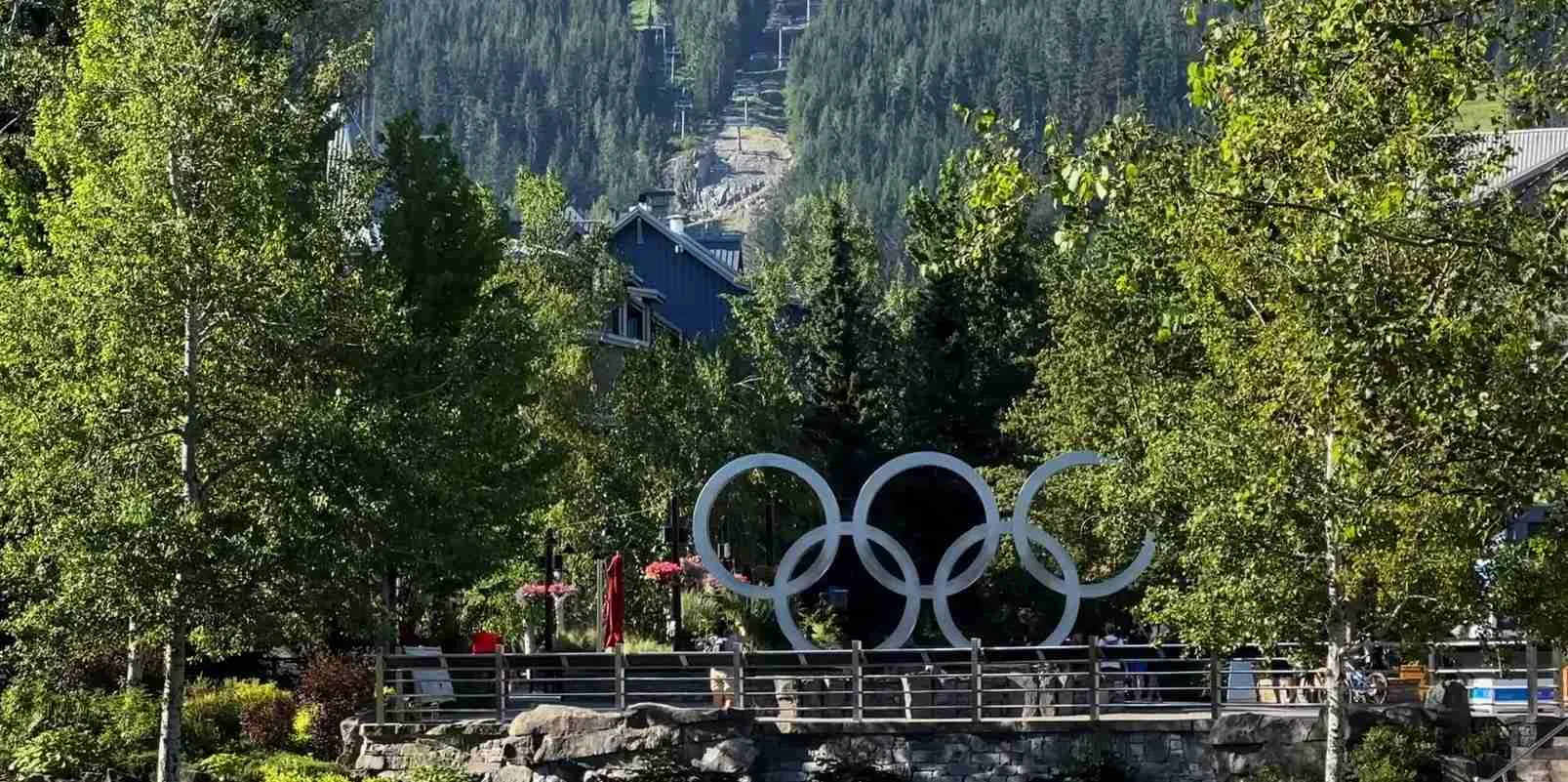
The Whistler Olympic Plaza commemorates the 2010 Winter Olympics with interpretive displays, photo opportunities at the Olympic rings, and the Olympic cauldron relocated from BC Place Stadium in Vancouver. The plaza hosts free outdoor concerts and events during summer months, typically Friday through Sunday afternoons. Admission remains free year-round with the plaza located centrally in the village adjacent to the conference center and main shopping district.
Lost Lake Park provides easily accessible hiking and walking trails just 2 kilometers from Whistler Village center, reached via flat paved pathway in 20-25 minutes of walking. The 5-kilometer loop around Lost Lake requires 60-90 minutes at casual pace through mixed forest with multiple beach access points for swimming during July and August when water temperatures reach 18-20 degrees Celsius. The trail sees heavy local use but remains substantially less crowded than village-center areas, offering peaceful forest atmosphere within walking distance of resort facilities.
Whistler Dining Options 2026
Whistler dining spans extreme price ranges from CA$12 ($9) counter-service sandwiches to CA$80+ ($58+) fine dining entrees, with most casual restaurants landing in the CA$25-40 ($18-29) per person range for lunch including one beverage. Budget-conscious visitors can find reasonable meal options with advance planning and willingness to walk slightly beyond the central village core where tourist pricing concentrates.
Quick lunch options include Peaked Pies offering meat and vegetarian pies for CA$12-15 ($9-11), Elements Urban Tapas with shareables and bowls averaging CA$18-24 ($13-17), and Moguls Coffee House serving sandwiches and wraps for CA$14-18 ($10-13). These establishments provide faster service and lower prices than sit-down restaurants while maintaining quality standards adequate for fueling mountain activities. Expect 20-30 minute total times including ordering and eating.
Mid-range sit-down restaurants charge CA$28-45 ($20-33) per person for lunch entrees before beverages and gratuities. The Longhorn Saloon offers burgers and comfort food in a casual atmosphere, while The Mexican Corner provides street tacos and bowls at moderate pricing. Reservations rarely required for weekday lunches but strongly recommended for weekend peak times between 12:30-2:00 PM when wait times reach 30-45 minutes at popular locations. Most restaurants accept online reservations through OpenTable or direct booking systems.
Day Trip Costs and Budget Planning 2026
Comprehensive Whistler day trip costs from Vancouver vary substantially based on transportation choices, selected activities, and dining decisions. The following budget tiers reflect realistic per-person expenses for single-day visits incorporating round-trip transportation, primary activities, meals, and incidental costs.
Budget Day Trip: CA$135-145 ($97-104) Per Person
Budget-focused visitors minimize costs through shuttle bus transportation, limited paid activities, and modest meals while still experiencing core Whistler highlights. Round-trip shuttle bus CA$30 ($22), Sea-to-Sky Gondola CA$77 ($56), simple lunch CA$18-25 ($13-18), snacks and beverages CA$8-12 ($6-9). Total: approximately CA$135-145 ($97-104) per person.
This tier delivers authentic alpine experiences while controlling costs through strategic choices. Taking the shuttle bus saves CA$15-20 ($11-14) per person versus driving when factoring fuel and parking. Choosing the Sea-to-Sky Gondola over Whistler saves CA$22 ($16) in tickets while still providing summit views and suspension bridge access. Packing breakfast from Vancouver and limiting restaurant meals to one simple lunch keeps food costs manageable. Free Whistler Village exploration, Lost Lake walking, and Olympic Plaza visits fill remaining time without admission charges.
Standard Day Trip: CA$240-255 ($173-184) Per Person
Standard budget visitors drive for flexibility, include both primary gondola attractions, and eat restaurant meals while maintaining reasonable cost control. Round-trip driving costs including fuel and parking CA$25 ($18) per person assuming two in vehicle, Whistler gondola 360 Experience ticket CA$99 ($72), Sea-to-Sky Gondola in Squamish CA$77 ($56), lunch in Whistler CA$28-35 ($20-25), coffee and snacks CA$12-18 ($9-13). Total: approximately CA$240-255 ($173-184) per person.
This budget level accommodates both major gondola experiences plus full restaurant meals without significant compromise on activities or comfort. The driving decision trades shuttle convenience for schedule flexibility and the ability to stop at Shannon Falls or other Sea-to-Sky attractions without time constraints. Including both gondola systems requires early departure and disciplined timing but delivers comprehensive mountain experiences combining coastal and interior alpine environments. Most first-time visitors pursuing complete day-trip itineraries fall into this spending range.
Premium Day Trip: CA$500-575 ($360-414) Per Person
Premium visitors prioritize convenience and comprehensive experiences through private transportation, multiple activities, and quality dining without budget constraints. Private transfer service CA$150-180 ($109-130) per person assuming two passengers, Whistler gondola ticket CA$99 ($72), Sea-to-Sky Gondola ticket CA$77 ($56), Britannia Mine Museum admission CA$38 ($28), sit-down lunch CA$45-60 ($33-43), dinner before returning to Vancouver CA$65-85 ($47-62), beverages and snacks CA$25-35 ($18-25). Total: approximately CA$500-575 ($360-414) per person.
This tier eliminates logistics stress through door-to-door transportation while maximizing activity variety. Private transfers allow customized departure times and mid-journey stops without shuttle schedule constraints. Including three major attractions fills the day comprehensively though requires highly efficient timing and early departure to complete all elements without rushing. Most visitors find this level captures the full range of Sea-to-Sky corridor highlights within a single day from Vancouver.
Optimal Day Trip Itinerary Vancouver to Whistler 2026
The following detailed timeline demonstrates realistic pacing for a comprehensive but achievable Whistler day trip from Vancouver incorporating the Sea-to-Sky Gondola stop and full Whistler mountain experience. Times assume weekend travel with moderate traffic and average-paced activities, with buffer periods built in for delays.
6:45 AM: Depart downtown Vancouver via Sea-to-Sky Highway. Early departure avoids urban congestion and positions arrival at each destination during optimal morning hours before peak crowds develop. Fuel the vehicle the night before to avoid morning gas station stops that consume buffer time.
7:50 AM: Arrive Sea-to-Sky Gondola base station in Squamish. Purchase tickets at the automated kiosks or with mobile passes, avoiding ticket counter lines. Walk directly to gondola loading area for immediate boarding on the first or second cabin after arrival. The 10-minute ascent reaches the summit by 8:05 AM.
8:05-9:35 AM: Explore Sea-to-Sky Gondola summit. Walk the Sky Pilot Suspension Bridge, complete the Chief Overlook viewing platform trail, and enjoy coffee at the Summit Lodge cafe. This 90-minute allocation allows thorough exploration of primary summit attractions without rushing while maintaining schedule for Whistler arrival during prime morning hours.
9:40 AM: Depart Sea-to-Sky Gondola heading north toward Whistler. The 67-kilometer drive consumes approximately 50 minutes under normal weekend traffic conditions with light to moderate vehicle density.
10:30 AM: Arrive Whistler Day Lot 1 or 2 for closest parking to gondola base. These lots fill by 11:00 AM on summer weekends, making the 10:30 arrival essential for securing convenient spots. Walk 5-7 minutes to Whistler Village Gondola base station.
10:45 AM: Board Whistler Village Gondola for ascent to Roundhouse Lodge. The 25-minute ride reaches the lodge by 11:10 AM, coordinating with lunch timing at the summit rather than village restaurants during their peak crowding period.
11:10 AM-12:10 PM: Hike Harmony Lake Loop or alternative moderate trail from Roundhouse Lodge. This one-hour allocation accommodates the round-trip walk plus photography stops and wildlife watching opportunities. Return to the Roundhouse by 12:10 PM for lunch before afternoon activities.
12:10-1:00 PM: Lunch at Roundhouse Lodge cafeteria. The lodge offers pizza, burgers, sandwiches, and salads at CA$18-28 ($13-20) per entree with indoor and outdoor seating providing mountain views. Eating at altitude saves village restaurant time and delivers better views than valley-level dining.
1:00-2:15 PM: Ride Peak 2 Peak Gondola to Blackcomb Mountain, explore Rendezvous Lodge area, and complete short alpine walking loop before returning via Peak 2 Peak to Whistler side. This 75-minute segment captures the signature Peak 2 Peak experience while allowing time for both mountain tops without extensive additional hiking.
2:15-3:00 PM: Ride Peak Express chairlift to Whistler Peak summit, walk to Ravens Eye viewing platforms, and photograph the panoramic mountain views before descending back to Roundhouse Lodge. This optional extension adds the highest elevation experience but can be skipped if the day feels rushed or weather deteriorates.
3:00 PM: Begin descent on Whistler Village Gondola back to base. The 25-minute ride reaches the village by 3:25 PM, allowing time for brief village exploration before beginning the return drive.
3:30-4:00 PM: Walk the Village Stroll, browse shops, or grab coffee for the drive. This 30-minute buffer allows restroom stops, souvenir shopping, or simply relaxing before the two-hour return journey. Limiting village time to 30 minutes keeps the schedule moving toward the critical 4:00 PM departure target.
4:00 PM: Depart Whistler for Vancouver return journey. This departure time stays ahead of the 4:30-5:30 PM peak exodus when southbound traffic intensifies significantly. Every 15 minutes of delayed departure adds potential congestion through Squamish and North Vancouver bottlenecks.
6:00-6:30 PM: Arrive downtown Vancouver accounting for moderate weekend traffic. Southbound congestion typically peaks between 4:30-6:30 PM on Sundays with lighter but still present traffic on Saturdays. The two-hour return journey can extend to 2.5 hours during heavy periods, making the 4:00 PM Whistler departure essential for avoiding the worst delays.
Alternative Express Itinerary for Maximum Mountain Time
Visitors prioritizing mountain activities over Sea-to-Sky stops can eliminate the Squamish gondola and arrive in Whistler earlier for extended hiking time. This compressed version departs Vancouver at 7:30 AM and drives directly to Whistler, arriving by 9:30 AM when the gondola opens. Five uninterrupted hours on Whistler and Blackcomb Mountains allow completion of longer trails including the High Note Trail or Musical Bumps route, with return descent beginning at 2:30-3:00 PM and arrival back in Vancouver by 5:30-6:00 PM.
This schedule suits experienced hikers wanting maximum trail time rather than multiple gondola experiences. The elimination of the Squamish stop saves CA$77 ($56) per person in gondola tickets and approximately 90 minutes of total trip time, both of which reallocate to additional Whistler mountain hours. The tradeoff accepts less geographic variety and fewer distinct experiences in favor of depth rather than breadth, working best for visitors who have previously visited Whistler and want to tackle more ambitious alpine objectives.
Seasonal Considerations and Best Times for Whistler Day Trips 2026
Whistler day trip conditions vary dramatically by season, affecting activity availability, weather reliability, traffic patterns, and pricing structures. Understanding seasonal differences helps visitors select optimal timing for their preferences and constraints while avoiding periods when conditions work against successful single-day visits.
Summer Season: June through September 2026
Summer delivers peak Whistler day trip conditions with maximum daylight hours, fully operational gondola systems, accessible hiking trails, and warm temperatures supporting comfortable outdoor activity. Sunrise occurs around 5:00 AM in June extending to 5:45 AM by September, while sunset moves from 9:15 PM in June to 7:45 PM in September. These long days accommodate early departures and extended mountain time without darkness concerns during driving hours.
Weather patterns show morning clarity degrading to afternoon cloud development and occasional thunderstorms, making early arrival critical for optimal photography and views. Alpine temperatures range from 12-18 degrees Celsius during midday dropping to 5-10 degrees near ridgelines and in shade, requiring layered clothing despite warm valley conditions. Precipitation occurs 8-12 days per month typically as brief afternoon showers rather than all-day rain, though the Coast Mountains create localized weather that can differ substantially between valley and summit locations.
Weekend traffic reaches annual peak levels during July and August when Vancouver residents combine with international tourists creating heavy vehicle density on the Sea-to-Sky Highway. Expect 2.5-3 hour drive times from Vancouver to Whistler on Friday evenings and Sunday afternoons versus the off-peak 1.5-2 hour baseline. Gondola wait times extend 30-45 minutes on peak summer weekends compared to immediate loading during weekday mornings, favoring Tuesday through Thursday visits when possible.
Winter Season: December through March 2026
Winter transforms Whistler into ski resort operations with limited sightseeing gondola access during the season. Dedicated winter sightseeing tickets provide non-skiing access to alpine areas at reduced prices of CA$63 ($46) for adults, though not all lifts operate for sightseeing purposes. Most winter day-trippers visit for skiing or snowboarding rather than hiking, with the alpine environment buried under 3-5 meters of snow eliminating summer trail access.
Highway conditions require winter tires or chains from October 1 through March 31, with active enforcement and CA$121 ($88) fines for non-compliance. Heavy snowfall days create hazardous driving conditions extending the two-hour journey to three or four hours while requiring chains even on vehicles with winter tires. Check DriveBC.ca road reports before departure and be prepared to delay or cancel trips during active winter storms. Shuttle buses continue operating through winter with professional drivers and properly equipped vehicles, making them safer alternatives for visitors without winter driving experience.
Daylight hours limit activity windows substantially, with sunrise at 8:00 AM and sunset at 4:30 PM during December shortening to 7:30 AM sunrise and 5:15 PM sunset by March. The compressed daylight requires earlier departures to maximize mountain time while building in generous buffers for potential weather-related highway delays. Most winter day-trippers target 8:00 AM ski lift opening and depart Whistler by 3:00 PM to complete the return drive during daylight hours.
Shoulder Seasons: April-May and October-November 2026
Spring and fall shoulder seasons deliver the most variable conditions with substantial advantages and disadvantages compared to peak summer or winter periods. Weather unpredictability increases significantly with potential for snow, rain, sunshine, or fog within single days or across same-week variations. April and May see gradual snow melt opening alpine trails progressively through the months, while October and November bring first winter storms that can close high-elevation routes unexpectedly.
Pricing advantages favor shoulder season visits with gondola tickets discounted 10-15% and substantially lower traffic volumes compared to summer peaks. Weekday visits during these months often allow immediate gondola boarding and available parking at any hour without the capacity pressures that define July and August. The tradeoff accepts higher weather risk and potential for conditions that limit or eliminate planned activities.
Late May and early October represent optimal shoulder season windows balancing weather reliability with crowd avoidance. Late May combines spring wildflower blooms with increasingly stable weather patterns as the summer high-pressure zone establishes over British Columbia. Early October delivers fall colors at lower elevations with generally dry conditions before November’s storm season begins. Both periods see significantly reduced visitor numbers while maintaining reasonable activity conditions for prepared travelers accepting some weather uncertainty.
Practical Planning Tips for Whistler Day Trips 2026
Successful Whistler day trips depend on numerous small decisions and preparations that collectively determine whether the experience feels smoothly executed or frustratingly rushed. The following practical considerations address common planning oversights and execution challenges that affect trip quality.
Weather Monitoring and Contingency Planning
Mountain weather differs substantially from Vancouver conditions, with Whistler experiencing its own localized patterns influenced by the Coast Mountains’ elevation and inland position. Check weather forecasts from multiple sources including Environment Canada, Mountain-Forecast.com, and Whistler Blackcomb’s website, comparing predictions for valley, mid-mountain, and summit elevations separately. Temperature differences of 10-15 degrees Celsius between Whistler Village and alpine summits require layered clothing even when valley conditions feel warm.
Cloud cover particularly impacts gondola ride value, as summit visibility drops to near zero during heavy cloud days eliminating the primary reason for purchasing alpine access tickets. Morning weather often differs substantially from afternoon conditions, with clear early hours degrading to afternoon cloud buildup representing the typical summer pattern. This weather timing favors early arrivals and morning-focused itineraries that complete primary activities before midday cloud development.
Develop contingency plans for weather that eliminates planned alpine activities. The Squamish Adventure Centre, Britannia Mine Museum, Shannon Falls, and Brandywine Falls all provide weather-protected or rain-compatible alternatives when clouds close alpine summits. Having researched backup options before departure prevents wasted time on-the-fly searching for alternatives while dealing with disappointment over cancelled plans.
Food and Beverage Strategy
Restaurant prices in Whistler Village run 25-40% higher than equivalent Vancouver establishments, making food costs a significant budget consideration for day-trippers. Pack snacks, water bottles, and potentially full meals from Vancouver grocery stores to control costs while ensuring adequate nutrition for active days. A packed lunch saves CA$25-35 ($18-25) per person versus village restaurant meals while providing flexibility to eat at optimal times rather than conforming to restaurant availability and wait times.
Summit lodge cafeterias offer better value than village sit-down restaurants, typically charging CA$18-25 ($13-18) for substantial entrees in casual self-service format without tipping expectations. Eating at altitude during the midday lull saves village time while providing superior views compared to valley dining. The Roundhouse on Whistler Mountain and Rendezvous Lodge on Blackcomb both operate full-service cafeterias with indoor and outdoor seating.
Hydration requirements increase substantially at elevation during summer months when dry alpine air and higher UV exposure accelerate fluid loss. Carry at least one liter of water per person for moderate 2-3 hour alpine visits, doubling to two liters for extended hiking days. Summit lodges provide water bottle refill stations free of charge, making reusable bottles more practical than purchasing bottled water at inflated alpine cafe prices.
Photography Equipment and Timing
Whistler day trips offer exceptional photography opportunities requiring minimal specialized equipment beyond smartphones for casual shooters, though serious photographers benefit from considering specific gear and timing strategies. Wide-angle lenses or smartphone ultra-wide modes capture the expansive mountain panoramas that define Peak 2 Peak and summit viewpoints, while standard focal lengths work better for compressing distant peaks and creating layered compositions.
Light quality changes substantially through the day, with soft morning light providing optimal conditions for mountain photography before harsh midday sun creates strong shadows and washed-out highlights. The best alpine light occurs between 8:00-10:00 AM and again after 4:00 PM, favoring itineraries that reach summit areas during these windows rather than midday periods. Clouds often enhance rather than diminish mountain photography by creating dramatic lighting and adding visual interest to otherwise empty skies.
The Peak 2 Peak gondola presents specific photography challenges with glass reflections, cabin movement, and rapidly changing angles all affecting image quality. Clean the exterior window surfaces with a cloth before boarding if possible, shooting at steep angles to minimize reflections. The moving platform makes handheld shooting essential as tripods cannot provide stable mounting in the swaying cabin environment. Continuous shooting modes capture multiple frames allowing selection of the sharpest image from sequences.
Frequently Asked Questions About Whistler Day Trips 2026
Do I Need a Car to Visit Whistler from Vancouver in 2026?
Rental or personal vehicles provide maximum flexibility for Sea-to-Sky Highway stops and schedule control but remain optional rather than required for Whistler day trips. Direct shuttle buses operate multiple daily departures between downtown Vancouver and Whistler Village from companies including Epic Rides starting at CA$30 ($22) round-trip, delivering comfortable transportation without parking costs or winter tire requirements. The shuttle option works best for visitors focused exclusively on Whistler Village and mountain activities rather than exploring intermediate stops along the Sea-to-Sky corridor.
Driving delivers its greatest advantages for travelers wanting to stop at Shannon Falls, Britannia Mine Museum, or the Sea-to-Sky Gondola in Squamish during the same day as visiting Whistler. Shuttles run direct routes without mid-journey stops, making them unsuitable for multi-stop itineraries combining several attractions. The choice depends primarily on whether Sea-to-Sky corridor exploration matters versus focused Whistler-only visits.
What Should I Wear for a Whistler Day Trip in Summer 2026?
Alpine temperatures range 10-15 degrees Celsius cooler than Whistler Village and 15-20 degrees cooler than Vancouver, requiring layered clothing even during warm summer weather at sea level. Start with a base layer suitable for 20-25 degree village temperatures, add an insulating mid-layer for 12-15 degree alpine conditions, and carry a wind-resistant outer shell for ridgeline exposure and changing weather. This three-layer system allows adjustment as conditions vary through the day and between valley and summit elevations.
Footwear choices depend on planned activities. Paved viewing areas and short summit walks require only comfortable walking shoes or running shoes with good tread, while longer alpine hikes demand proper hiking boots with ankle support and aggressive tread patterns. Trails above treeline cross loose rock, snow patches, and occasionally muddy sections that quickly defeat inadequate footwear. Many visitors underestimate trail difficulty and arrive wearing sandals or casual shoes unsuitable for mountain terrain, limiting activity options after reaching the summit.
Can I Ski or Snowboard on a Whistler Day Trip in 2026?
Winter day trips from Vancouver allow 5-6 hours of skiing or snowboarding when departing by 6:30-7:00 AM and arriving when lifts open at 8:30 AM. Lift tickets for winter skiing cost substantially more than summer sightseeing tickets, ranging from CA$145-185 ($105-134) for adults depending on advance purchase timing and seasonal demand. Rental equipment adds CA$65-95 ($47-69) for skis or snowboard with boots, making total costs CA$210-280 ($152-203) per person before transportation and meals.
The compressed timeline requires efficient execution with pre-purchased lift tickets, advance rental reservations, and immediate lift access upon arrival. Most winter day-trippers ski until 2:00-3:00 PM before beginning the return journey, leaving comfortable buffers for potential highway delays during winter storms. The limited ski time makes day trips most practical for local Vancouver residents rather than tourists who benefit more from overnight stays that capture full days on the mountain.
Are There Free Things to Do in Whistler in 2026?
Whistler offers numerous free activities allowing budget-conscious visitors to experience the resort without gondola or attraction admission costs. The Village Stroll pedestrian pathway provides free access to shops, galleries, public art, and the Olympic Plaza with its relocated Olympic cauldron from the 2010 Winter Games. Lost Lake Park sits 2 kilometers from the village center with free trail access circling the lake in 60-90 minutes, including beach areas for swimming during summer months.
Valley Trail system provides over 40 kilometers of paved multi-use pathways connecting Whistler neighborhoods, parks, and natural areas without admission charges. The paths accommodate walking, jogging, and cycling through forest and meadow environments with mountain views and wildlife watching opportunities. Shannon Falls Provincial Park along the Sea-to-Sky Highway charges no admission for the short walk to viewing platforms at British Columbia’s third-tallest waterfall, making it an ideal free stop during the drive.
How Crowded is Whistler on Weekends Versus Weekdays in 2026?
Weekend visitor volumes during summer peak season create gondola wait times of 30-45 minutes compared to immediate weekday loading, while parking lots fill by 10:00-11:00 AM versus remaining partially available until afternoon on weekdays. The difference affects day-trip quality substantially, with weekday visits delivering smoother logistics and more relaxed pacing throughout all activities. Village restaurants show similar patterns with 20-30 minute weekend lunch waits versus immediate weekday seating.
Highway traffic follows predictable weekend patterns with Friday evening northbound congestion and Sunday afternoon southbound backups adding 30-60 minutes to normal drive times. These traffic surges concentrate between 3:00-7:00 PM, making departure timing critical for avoiding the worst delays. Weekday traffic flows more consistently without the massed exodus patterns that define weekend travel.
Can I Bring My Dog to Whistler and on the Gondola 2026?
Dogs accompany visitors on most Whistler trails and throughout the village on leash, though gondola systems prohibit pets except certified service animals. This restriction eliminates alpine access for dogs, limiting them to valley-level trails including Lost Lake, Valley Trail system, and numerous hiking routes accessible directly from village neighborhoods or nearby trailheads. The policy applies to all gondola and chairlift systems including the Whistler Village Gondola, Peak 2 Peak, and summer chairlifts.
The Sea-to-Sky Gondola in Squamish follows similar no-pet policies except for service animals. Dog owners planning day trips must either leave pets in Vancouver or confine activities to valley-level experiences that exclude gondola access. Some Whistler hiking trails including areas within Garibaldi Provincial Park prohibit dogs entirely to protect wildlife, requiring trail-specific research before selecting routes.
What Time Does the Last Gondola Down Leave Whistler in 2026?
Summer season final gondola descents typically depart between 5:00-5:30 PM depending on month and published schedules, with specific timing varying as daylight hours change through the season. Missing the final descent requires a very long walk down service roads or calling for emergency assistance, making punctual returns essential for summit visitors. Alpine hiking requires calculating turnaround times that ensure arrival back at the Roundhouse Lodge with comfortable buffers before the final gondola departure.
Whistler Blackcomb publishes detailed daily operating schedules on their website including first and last lift times for each gondola and chairlift, with summer hours typically running from 9:00-9:30 AM opening until 5:00-5:30 PM closing. Winter schedules differ substantially with ski operations running 8:30 AM to 3:00 PM and sightseeing access following separate timing. Check current schedules before planning activities that depend on specific lift operating hours.
Is Whistler Worth Visiting in Summer or Better in Winter 2026?
Summer and winter deliver fundamentally different Whistler experiences rather than better or worse alternatives, with choice depending on visitor preferences for activities and environments. Summer provides accessible hiking, alpine wildflowers, comfortable temperatures, and fully operational sightseeing gondola systems without skiing requirements. Winter transforms the resort into world-class ski terrain with 3-5 meters of snow covering the landscape and eliminating most hiking trail access for non-skiers.
Day-trippers benefit more from summer visits unless specifically targeting skiing or snowboarding activities. The longer summer daylight, reliable weather patterns, and walking-accessible alpine terrain work better for compressed single-day schedules than winter’s limited light and specialized equipment requirements. Multi-day visitors pursuing winter sports obviously prioritize winter timing, while summer attracts hikers, sightseers, and mountain bikers seeking non-skiing mountain experiences.
How Far in Advance Should I Book Whistler Day Trip Components 2026?
Shuttle bus reservations require booking at least 48-72 hours in advance during peak summer season to secure seats on preferred departure times, with some routes filling completely on popular weekend dates. Epic Rides, YVR Skylynx, and Whistler Shuttle all accept online bookings allowing immediate confirmation and avoiding sold-out situations. Gondola tickets can be purchased same-day at ticket windows though online advance purchase saves 5-10% versus walk-up rates and guarantees access during peak periods when capacity limits may create waits.
Rental cars need booking 2-3 weeks ahead during July and August when demand pushes daily rates 30-50% higher than shoulder season pricing and availability tightens for economy and mid-size categories. Last-minute weekend rentals often face CA$120-150 ($87-108) daily rates versus CA$60-80 ($43-58) for advance weekday bookings. Restaurant reservations matter only for upscale dining venues, as casual lunch spots operate first-come-first-served with reasonable wait times except during the 12:30-2:00 PM weekend peak.
What Happens if Weather Closes the Gondola During My Visit 2026?
Gondola systems close during high winds typically exceeding 70-80 kilometers per hour, heavy lightning storms, or mechanical issues requiring maintenance shutdowns. Summer closures occur infrequently but remain possible during unstable weather periods when thunderstorms develop over the mountains. The Whistler Blackcomb website and phone information line provide real-time operational status, while resort staff at base areas communicate current conditions and expected reopening times during temporary closures.
Gondola tickets purchased online typically allow refunds or date changes when weather closes operations, though policies vary by purchase channel and timing. Walk-up tickets generally receive full refunds when purchased but not used due to weather closures. The situation becomes more complex when closures occur mid-visit after gondola ascent, as descending passengers receive rides down when conditions permit but may face extended summit waits during prolonged wind or storm events. Base lodge facilities remain open during closures providing weather-protected waiting areas, though day-trippers facing multi-hour closure periods often need to pursue alternative activities.