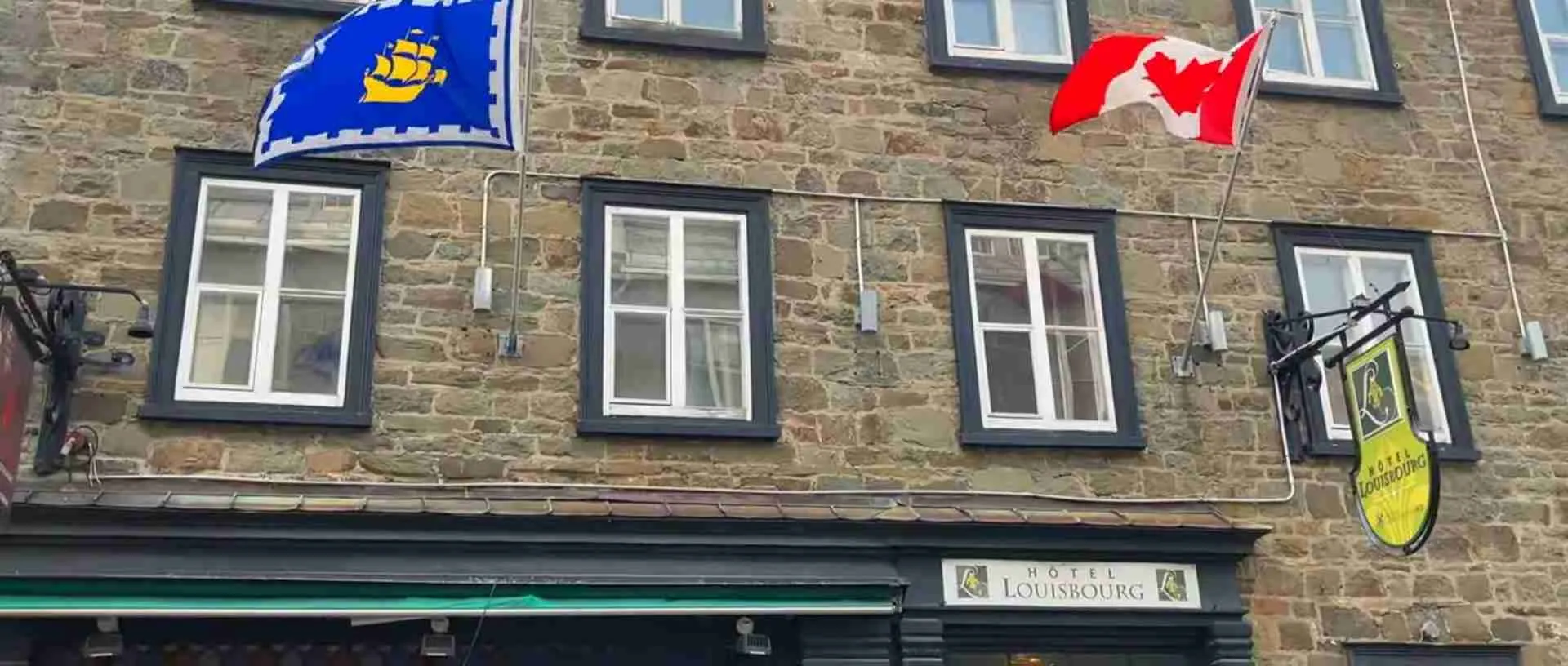
Where to Stay Near Quebec City 2026: Complete Accommodation Guide
This comprehensive 2026 accommodation guide analyzes Quebec City’s lodging options across budget levels from CAD $80 hostels through CAD $650 luxury suites, examining neighborhood characteristics, seasonal pricing patterns, booking strategies, and value propositions for different traveler priorities. Whether seeking authentic heritage atmosphere, family-friendly space, budget efficiency, or luxury indulgence, strategic accommodation selection dramatically enhances Quebec City UNESCO heritage experiences while managing costs effectively.
Key Takeaways
- Old Quebec hotels range CAD $250-450 per night in summer 2026, dropping to CAD $150-280 in winter, with advance booking 2-3 months ahead saving 25-35% compared to last-minute rates
- Saint-Roch and Saint-Jean-Baptiste neighborhoods offer budget alternatives at CAD $120-200 nightly while maintaining 15-20 minute walks to UNESCO sites
- Château Frontenac iconic location commands premium pricing at CAD $450-650 per night in 2026 (check fairmont.com for current official rates as pricing may vary), justified primarily for special occasions and luxury travelers
- Vacation rentals in Old Quebec cost CAD $180-350 nightly for complete apartments, providing kitchen access and living space advantages for families and extended stays
- Winter Carnival weeks (February) and Summer Festival season (July) create demand spikes requiring 4-6 month advance bookings and accepting premium rates of 40-60% above shoulder season pricing
- Free cancellation policies prove essential for Quebec City bookings given weather unpredictability that can disrupt winter travel plans with minimal advance warning
Introduction to Quebec City Accommodation Planning 2026
Quebec City’s accommodation landscape divides sharply between the UNESCO World Heritage district’s premium-priced heritage properties and value-focused options in neighboring districts requiring brief walks or transit rides. The fortified Old Quebec concentrates the city’s most atmospheric lodging within 17th-19th century buildings featuring exposed stone walls, original timber beams, and period architectural details that immerse guests in living history. These heritage accommodations command significant premiums for location and ambiance, while functionally equivalent modern hotels in adjacent neighborhoods deliver comfort at 30-50% lower rates.
Understanding Quebec City’s neighborhood geography proves essential for accommodation selection, as the compact urban core makes “walking distance” highly relative. Properties advertising “Old Quebec location” span from ideal positions steps from Château Frontenac to peripheral locations requiring 15-20 minute walks uphill to reach UNESCO sites. The city’s dramatic 98-meter elevation change between Upper and Lower Town creates distinct sub-districts with different accessibility advantages, view qualities, and proximity to specific attractions.
People Also Ask About Quebec City Accommodation 2026
How much does accommodation cost in Quebec City in 2026?
Accommodation costs in Quebec City vary dramatically by season, location, and property type. Within Old Quebec, mid-range hotels cost CAD $250-350 per night during summer peak season (June-August), dropping to CAD $150-250 in winter and shoulder seasons. Budget hotels in adjacent neighborhoods range CAD $120-180 in summer or CAD $80-140 in winter. Luxury properties within the UNESCO zone, particularly Château Frontenac, command CAD $450-650 nightly in 2026 (check fairmont.com for current official rates as pricing may vary). Vacation rentals offer middle-ground options at CAD $180-350 for complete apartments accommodating 2-4 people. Hostels provide dormitory beds from CAD $35-50 or private rooms at CAD $80-120. Budget minimum CAD $150-200 nightly for comfortable 3-star lodging within walking distance of heritage attractions, or CAD $300-400 for 4-star comfort in prime Old Quebec locations.
What is the best neighborhood to stay in Quebec City for 2026 visitors?
Old Quebec Upper Town delivers optimal first-time visitor experiences with immediate access to Château Frontenac, Citadelle fortifications, Plains of Abraham, and atmospheric heritage streets. This premium location eliminates transportation logistics while maximizing immersion in UNESCO ambiance. Saint-Roch offers budget-conscious alternatives with excellent dining, craft breweries, contemporary culture, and just 15-20 minute walks to Old Quebec. Saint-Jean-Baptiste provides middle-ground positioning between budget and premium, featuring local residential character, authentic restaurants, and 10-15 minute walks to heritage sites. Lower Town suits visitors prioritizing waterfront atmosphere, Old Port proximity, and Petit Champlain quarter access. Families and extended-stay visitors often prefer Sainte-Foy suburbs for larger vacation rental spaces and parking convenience despite requiring 15-20 minute drives or public transit rides to UNESCO sites.
Should I stay inside or outside the Old Quebec walls in 2026?
Stay inside Old Quebec walls if maximizing atmospheric immersion, minimizing walking distances to UNESCO sites, and prioritizing convenience over cost savings justify premium rates of CAD $250-450 nightly. The fortified district’s pedestrian-scaled streets, heritage architecture, and concentrated attractions deliver unique experiences impossible to replicate from external neighborhoods. Stay outside the walls if budget constraints matter significantly, requiring lodging at CAD $120-200 nightly, or if you value larger room sizes, modern amenities, easier parking access, and authentic local neighborhood character over tourist-district atmosphere. The compact city core makes “outside the walls” less disadvantageous than it sounds, as quality options in Saint-Roch, Saint-Jean-Baptiste, and Montcalm neighborhoods maintain 10-20 minute walks to major sites.
When should I book Quebec City hotels for 2026 visits?
Book 2-3 months ahead for summer visits (June-August) to secure optimal property choices and early-booking discounts of 20-30% compared to last-minute rates. Winter Carnival weeks (typically late January through mid-February) require 4-6 month advance bookings as this festival attracts international visitors filling accommodation capacity across price ranges. New France Festival (August), Summer Festival (July), and Canadian holiday weekends (Victoria Day, Canada Day, Labour Day) demand similar advance planning. Spring (April-May) and fall (September-November) shoulder seasons offer more flexibility with 4-6 week advance bookings securing good availability. Deep winter months (December, January, March) provide last-minute booking opportunities as reduced tourist demand creates competitive pricing, though severe weather creates cancellation risks requiring free cancellation policies.
Extended multi-day tours – 5+ days
Featured Quebec City Multi-Day Tour Packages

3 days
Quebec City 3-Day Discovery Tour
- ✓ Comprehensive Quebec City experience
- ✓ Expert local guides included
- ✓ All accommodation included
- ✓ Transportation provided

5 days
Quebec City 5-Day Highlights Experience
- ✓ Comprehensive Quebec City experience
- ✓ Expert local guides included
- ✓ All accommodation included
- ✓ Transportation provided

7 days
Quebec City 7-Day Cultural Journey
- ✓ Comprehensive Quebec City experience
- ✓ Expert local guides included
- ✓ All accommodation included
- ✓ Transportation provided
10 days
Quebec City 10-Day Complete Adventure
- ✓ Comprehensive Quebec City experience
- ✓ Expert local guides included
- ✓ All accommodation included
- ✓ Transportation provided
Multi-day tour packages powered by TourRadar. Prices and availability subject to change.
Understanding Quebec City Accommodation Geography 2026
Old Quebec Upper Town Location Analysis
Upper Town occupies the elevated promontory surrounding Château Frontenac, encompassing the area’s most concentrated heritage attractions within fortification walls. Properties in this zone deliver unparalleled convenience for UNESCO site exploration, with most major landmarks accessible via 5-15 minute walks on relatively flat terrain. The neighborhood’s cobblestone lanes, historic squares, and 18th-century architecture create immersive atmospheric experiences extending beyond specific attractions into the overall ambiance of daily heritage district life.
Premium positioning comes with corresponding costs, as Upper Town hotels command Quebec City’s highest rates. Budget CAD $250-450 per night in summer for 3-4 star properties or CAD $450-650 for luxury accommodations like Château Frontenac (check fairmont.com for current rates). These properties occupy heritage buildings with inevitable compromises including smaller room sizes, irregular layouts following original construction patterns, limited elevator access requiring stair-climbing to reach some rooms, and street noise from tourist activity extending into late evening hours during summer.
Key advantages include immediate access to Château Frontenac, Dufferin Terrace boardwalk, funicular to Lower Town, Citadelle fortifications, Parliament Buildings, Plains of Abraham, and dense concentrations of restaurants, cafés, and shops. Guests staying in Upper Town minimize need for public transit or taxis, as walking serves virtually all heritage exploration requirements. This location proves ideal for visitors maximizing limited time in Quebec City, those uncomfortable navigating unfamiliar transit systems, and travelers seeking atmospheric immersion over budget optimization.
Old Quebec Lower Town Positioning
Lower Town spreads along the St. Lawrence River waterfront between the base of Cap Diamant cliffs and the water’s edge, encompassing Petit Champlain quarter (North America’s oldest commercial street), Place Royale (city founding site), Old Port area, and antique district. This zone offers distinct character from Upper Town with narrower, more intimate streets, lower building heights creating better natural light, waterfront views, and proximity to ferry terminal and cruise ship dock.
Accommodation options in Lower Town prove more limited than Upper Town with approximately 60% fewer hotel rooms, creating competitive demand for the available inventory. Pricing matches or slightly undercuts Upper Town at CAD $220-400 per night for quality properties in summer. The area’s smaller scale delivers quieter evening atmosphere once day-visitors depart, while maintaining easy access via funicular or stairs to Upper Town attractions.
Lower Town suits travelers prioritizing boutique hotel experiences, waterfront proximity, access to Museum of Civilization, and authentic neighborhood character with fewer obvious tourist operations. The location requires funicular (CAD $4 one-way) or stair-climbing for frequent transitions to Upper Town, adding minor inconvenience and daily costs totaling CAD $8-16 for guests making multiple daily trips between zones. Properties along rue Petit Champlain and near Place Royale deliver optimal Lower Town positioning, while those toward the Old Port require additional 10-15 minute walks to reach UNESCO heritage concentration.
Saint-Roch Neighborhood Value Positioning
Saint-Roch lies immediately north of Old Quebec beyond the fortification walls, forming Quebec City’s contemporary cultural district with art galleries, craft breweries, farm-to-table restaurants, independent boutiques, and residential loft conversions. This rapidly revitalizing neighborhood delivers authentic local character versus tourist-focused Old Quebec atmosphere, with accommodation costs of CAD $120-200 per night representing 30-40% savings compared to comparable quality inside the walls.
The 15-20 minute walks from Saint-Roch hotels to Château Frontenac prove manageable for healthy adults, following safe, well-lit streets through mixed commercial-residential areas. Public transit access via multiple RTC bus routes provides alternatives during winter cold snaps or when carrying shopping bags. Saint-Roch’s dining scene rivals Old Quebec for quality while offering better value and fewer tourists, with innovative chefs operating casual bistros and upscale restaurants frequented by locals.
This neighborhood attracts budget-conscious travelers, younger visitors seeking contemporary culture over heritage tourism, and food-focused explorers wanting authentic Quebec cuisine beyond tourist-trap menus. Saint-Roch accommodation skews toward modern boutique hotels in converted industrial buildings rather than heritage properties, delivering amenities including full kitchenettes, larger rooms, modern bathrooms, and easier street parking compared to Old Quebec’s constrained historic structures.
Saint-Jean-Baptiste District Character
Saint-Jean-Baptiste sprawls west of Old Quebec along Grande Allée and surrounding residential streets, forming a primarily residential neighborhood with local services, corner cafés, ethnic restaurants, and small parks. This area provides middle-ground positioning between Saint-Roch’s distance and Old Quebec’s premium pricing, with hotels and B&Bs at CAD $150-250 nightly and 10-15 minute walks to Plains of Abraham or Parliament Buildings serving as gateway points to UNESCO sites.
The neighborhood maintains authentic residential character with locals outnumbering tourists 10-to-1, creating opportunities to observe daily Quebec City life beyond heritage district performance. Grocery stores, bakeries, pharmacies, and practical services cluster along rue Saint-Jean and adjacent streets, proving valuable for extended stays or travelers seeking breakfast and snack options beyond hotel dining.
Saint-Jean-Baptiste suits mid-range budget travelers seeking comfort without premium location costs, visitors on extended stays (5+ nights) preferring residential quiet over tourist district activity, and those interested in local neighborhood exploration beyond concentrated heritage attractions. Evening walks along tree-lined residential streets provide peaceful transitions between daytime heritage touring and quiet accommodation, though the area offers minimal evening entertainment compared to Old Quebec’s concentrated nightlife.
Accommodation Options by Budget Level 2026
Budget Accommodation (CAD $80-150 per night)
Quebec City’s budget accommodation sector focuses primarily on hostels, basic motels in outlying areas, and occasional vacation rental deals during off-peak periods. Auberge Internationale de Québec operates as the premier hostel option with dormitory beds from CAD $35-50 and private rooms at CAD $80-120, positioning just outside Old Quebec walls with 10-minute walks to major sites. The hostel provides kitchen facilities, common spaces for social interaction, and organized activities connecting budget travelers.
Budget chain hotels including Super 8, Comfort Inn, and Travelodge concentrate along Boulevard Laurier and Autoroute 40 corridors 5-8 km from Old Quebec, charging CAD $90-140 per night with free parking and basic amenities. These properties require 15-20 minute drives or 25-35 minute public transit rides to reach UNESCO sites, making them suitable primarily for travelers with rental cars or those comfortable navigating RTC bus systems. Room quality varies significantly among properties, with recent renovation status determining comfort levels – verify room photos and recent guest reviews before booking.
Budget vacation rentals occasionally surface in Saint-Roch and Saint-Jean-Baptiste at CAD $110-150 nightly during winter and shoulder seasons, offering entire apartments with kitchen facilities for the price of basic hotel rooms. These rentals suit extended stays (4+ nights) where kitchen access enables grocery shopping and meal preparation, reducing overall trip costs through decreased restaurant dependence. Search Airbnb, VRBO, and Booking.com simultaneously to identify best availability and pricing.
Budget travelers should target winter months (January-March excluding Carnival weeks) when demand drops and hotels compete aggressively for guests with rates 40-50% below summer peaks. Tuesday-Thursday departures and stays offer better pricing than weekend bookings during all seasons. Accept accommodations requiring 15-25 minute walks or transit rides to UNESCO sites, as this location trade-off delivers the most significant per-night savings.
Mid-Range Accommodation (CAD $150-300 per night)
Mid-range accommodation in Quebec City delivers optimal value propositions combining comfort, location accessibility, and reasonable pricing. This segment includes 3-star hotels in Old Quebec periphery, boutique properties in Saint-Roch and Saint-Jean-Baptiste, historic bed-and-breakfasts throughout heritage areas, and vacation rentals with quality furnishings and prime locations. Summer rates run CAD $200-300, dropping to CAD $150-220 in winter and shoulder seasons.
Hotel Manoir Victoria (Old Quebec border) charges CAD $220-300 in summer for comfortable rooms with heritage building character, modern bathrooms, and 5-minute walks to Château Frontenac. Le Monastère des Augustines (Upper Town) offers unique accommodations in a restored monastery at CAD $240-320 with meditation rooms, heritage museum, and spa services creating distinctive Quebec City experiences. Hotel71 (Old Port/Lower Town) delivers contemporary design at CAD $210-290 with river views and Museum of Civilization proximity.
Bed-and-breakfast accommodations proliferate throughout Old Quebec and adjacent neighborhoods at CAD $160-250 per night including full breakfasts. These properties typically occupy 19th-century townhouses with 3-8 guest rooms, shared common spaces, and personal attention from owner-operators. B&B stays suit travelers valuing conversation with knowledgeable locals, substantial breakfasts eliminating morning meal costs, and intimate property scales versus anonymous large hotels. Advance booking proves essential as popular B&Bs fill months ahead during summer peak season.
Mid-range vacation rentals deliver excellent value for small groups and families, with 1-bedroom apartments at CAD $180-240 or 2-bedroom units at CAD $250-350 providing living spaces, full kitchens, and often washers-dryers enabling light laundry during extended stays. These rentals concentrate in Saint-Roch, Saint-Jean-Baptiste, and Lower Town residential pockets, offering authentic neighborhood experiences versus hotel anonymity.
Upscale Accommodation (CAD $300-450 per night)
Upscale accommodation in Quebec City occupies the 4-star hotel tier combining prime Old Quebec locations, superior amenities, professional service standards, and room quality approaching luxury without top-tier pricing. This segment delivers optimal balance for travelers seeking genuine comfort and convenience while avoiding ultra-premium luxury hotel rates. Summer pricing runs CAD $300-450, with winter rates of CAD $220-350 offering exceptional value during low-demand periods.
Auberge Saint-Antoine (Lower Town) commands CAD $320-450 as Quebec City’s top-rated boutique hotel with archaeological museum, waterfront location, antique-furnished rooms, and Michelin-recognized Chez Muffy restaurant. This property attracts affluent travelers seeking distinctive character over chain hotel predictability. Hotel Le Germain Québec (near Old Quebec) delivers contemporary luxury at CAD $300-400 with modern design, excellent service, and 10-minute walks to major sites.
Fairmont Le Château Frontenac’s standard rooms enter the upscale category at CAD $350-450 before ascending into luxury tier for premium rooms and suites (check fairmont.com for current official rates as pricing may vary). These entry-level Fairmont rooms provide iconic hotel access without top-floor views or premium locations within the property’s 611-room inventory. Guests gain Château Frontenac’s legendary service, central positioning, and status cachet while managing costs somewhat below true luxury levels.
Upscale vacation rentals target executives and affluent travelers with designer furnishings, premium locations, and enhanced amenities including concierge services, dedicated parking, and in-unit luxury features. These properties charge CAD $350-500 nightly, positioning as alternatives to upscale hotels for those preferring apartment-style living spaces, private kitchens, and residential character over hotel service structures.
Luxury Accommodation (CAD $450-650+ per night)
Luxury accommodation in Quebec City centers primarily on Fairmont Le Château Frontenac’s premium rooms and suites, with limited competition from boutique hotels and high-end vacation properties. Château Frontenac’s luxury tiers include river-view rooms at CAD $500-600, junior suites at CAD $550-700, and premier suites reaching CAD $800-1,200 in peak summer season (check fairmont.com for current rates). These accommodations deliver iconic positioning, impeccable service, and status associated with Canada’s most photographed hotel.
Justification for Château Frontenac premium pricing stems from unique positioning as North America’s most recognizable castle hotel, unmatched location at Old Quebec’s geographical and cultural center, and history hosting international leaders, celebrities, and royalty since 1893. However, luxury travelers should recognize that room sizes and decor vary significantly across the property’s 611 rooms, with many dating to various renovation cycles over 130+ years. Request specific room categories, verify exact amenities, and confirm view directions when booking to avoid disappointment with outdated sections or rooms facing interior courtyards versus river panoramas.
Auberge Saint-Antoine’s elite suites offer luxury alternatives at CAD $550-750 with distinctive archaeological elements, river views, and boutique-scale personal attention. Le Germain Québec’s penthouses deliver contemporary luxury at similar pricing with modern design aesthetic contrasting Château Frontenac’s traditional character. These properties suit travelers seeking luxury quality without mass-market hotel scales or preferring boutique character over iconic brand recognition.
Luxury vacation rentals targeting high-net-worth travelers occupy heritage buildings throughout Upper Town at CAD $600-1,000 nightly, providing private accommodations with 2-3 bedrooms, dedicated staff services, premium locations, and exclusive amenities. These properties appeal to celebrity travelers seeking privacy, families wanting luxury space beyond hotel room constraints, and extended-stay guests (7+ nights) where nightly luxury hotel costs become prohibitively expensive totaling CAD $4,000-8,000+ per week.
Booking Strategies for 2026 Quebec City Stays
Optimal Booking Windows for Best Rates
Quebec City hotel pricing follows seasonal demand curves with specific booking windows delivering optimal rates for different visit periods. Summer high season (June-August) benefits from 2-3 month advance bookings when early-bird rates save 20-30% compared to last-minute availability. Properties release summer inventory 4-6 months ahead with initial rates, then adjust pricing upward as availability tightens 6-8 weeks before arrival. Book by early April for June visits, mid-May for July trips, or early June for August stays to capture best summer pricing.
Winter Carnival period (late January through mid-February 2026) requires 4-6 month advance commitment as this international festival fills accommodation across all price ranges. Some properties implement minimum-stay requirements of 2-3 nights during peak Carnival dates. Book by September 2025 for February 2026 Carnival visits to secure preferred properties before inventory constraints force acceptance of secondary choices or premium rates.
Shoulder seasons (April-May and September-November) offer more booking flexibility with 4-6 week advance reservations securing good availability and competitive rates. These periods deliver excellent value as hotels compete for guests during moderate-demand windows. Some properties drop rates 25-35% below summer peaks while weather remains pleasant for outdoor heritage exploration. Last-minute deals sometimes surface 1-2 weeks before arrival as hotels seek to fill remaining inventory.
Deep winter months (December, January excluding Carnival, March) present opportunities for last-minute bookings and spontaneous trips, as Quebec City actively promotes winter tourism beyond Carnival with competitive accommodation pricing. Hotels reduce rates 40-50% below summer peaks, creating value opportunities for cold-weather-tolerant travelers. However, severe winter weather creates flight cancellation and road closure risks, making free cancellation policies essential for last-minute winter bookings.
Direct Booking versus Third-Party Platforms
Direct hotel bookings through property websites often provide best rate guarantees, loyalty program points, free amenities (WiFi, breakfast, parking), and flexibility for special requests including adjoining rooms, specific floors, or accessibility accommodations. Many Quebec City hotels match or undercut third-party platform rates by 5-10% when booking direct, while providing better cancellation terms and upgrade priority for loyalty members. Call hotels directly to inquire about package deals, multi-night discounts, or off-season promotions not always visible on booking platforms.
Third-party platforms including Booking.com, Expedia, and Hotels.com aggregate inventory enabling efficient comparison shopping across properties, neighborhoods, and price points. These platforms excel for initial research phase, allowing side-by-side analysis of amenities, locations, and guest reviews. However, the platforms typically charge hotels 15-25% commission, which properties sometimes offset by restricting best rooms, eliminating free amenities for platform bookings, or providing inferior customer service for third-party reservations versus direct bookings.
Vacation rental platforms (Airbnb, VRBO) dominate the short-term apartment rental market with Quebec City inventory of 800+ available properties. These platforms provide the only practical access to vacation rental inventory, as few properties maintain direct booking systems. Read reviews carefully focusing on recent feedback, verify exact locations using mapping features, and understand cancellation policies that vary by individual property rather than platform-wide standards.
Leverage price comparison sites including Trivago, Kayak, and Google Hotels for initial research identifying competitive rates across platforms, then visit hotel direct websites and call properties to verify if better rates or packages exist for direct bookings. This hybrid approach maximizes efficiency of platform comparison while capturing direct booking advantages.
Cancellation Policies and Travel Insurance Considerations
Free cancellation policies prove essential for Quebec City bookings given weather unpredictability particularly during winter months when storms can disrupt flights, close roads, and create dangerous travel conditions with minimal advance warning. Book accommodations offering free cancellation until 24-72 hours before arrival, accepting slightly higher room rates (typically 5-10% premium) versus non-refundable rates that risk losing entire deposits if travel plans change.
Non-refundable rates deliver savings of CAD $30-60 per night on mid-range accommodations or CAD $80-120 on luxury properties, creating temptation for budget-conscious travelers. Accept non-refundable rates only when trip dates remain absolutely certain, travel during stable weather seasons (June-September), and purchased comprehensive travel insurance covering cancellation, interruption, and delay scenarios. Many traveler insurance plans provide “cancel for any reason” coverage at 75-80% refund levels, mitigating non-refundable rate risks.
Hotel cancellation policies vary significantly by property and booking type. Chain hotels typically offer free cancellation until 24-48 hours before arrival for standard bookings. Boutique hotels and B&Bs often implement stricter policies requiring 5-7 days notice for refunds, or forfeiting first night charges for late cancellations. Vacation rentals commonly enforce 30-60 day cancellation deadlines for full refunds, with graduated penalties imposing 50% charges for 15-30 day notice or complete forfeiture for cancellations within 14 days of arrival.
Travel insurance becomes particularly valuable for Quebec City winter visits when weather disruption probabilities increase significantly. Policies cost approximately 5-8% of total trip value, covering accommodation deposits, transportation costs, and additional expenses incurred from travel delays or cancellations due to weather, illness, or other covered circumstances. Purchase insurance within 10-14 days of initial trip deposits to access pre-existing condition waivers and maximum coverage benefits.
Seasonal Accommodation Considerations 2026
Summer Season Booking (June-August)
Summer represents Quebec City’s peak tourism season with highest demand, premium pricing, and tightest availability across all accommodation types. The season’s appeal combines warm weather (20-25°C), extended daylight hours (6 AM to 9 PM), major festivals including Festival d’été de Québec (July) and New France Festival (August), and optimal conditions for outdoor heritage exploration. Summer accommodation requires advance planning with 2-3 month booking windows essential for securing preferred properties and avoiding premium last-minute rates.
Summer pricing reaches seasonal peaks with Old Quebec hotels at CAD $250-450 per night, vacation rentals at CAD $200-400, and even budget options climbing to CAD $120-180 as demand pressures affect all segments. Festival dates create additional demand spikes with some properties implementing 2-3 night minimum stays and increasing rates 20-30% above standard summer pricing. Verify if your intended dates overlap festivals and accept premium rates or adjust schedule to avoid peak-of-peak pricing.
Air conditioning becomes important during summer as Quebec City humidity combines with 25-30°C temperatures creating uncomfortable sleeping conditions in non-air-conditioned heritage buildings. Many Old Quebec properties in historic structures lack central air conditioning, instead providing window units or fans insufficient for truly comfortable summer sleeping. Verify AC availability explicitly when booking heritage accommodations, particularly in July-August when overnight temperatures remain elevated.
Noise considerations intensify during summer as outdoor dining patios, street performers, and late-evening tourist activity extend into 11 PM-midnight throughout Old Quebec. Request rooms facing interior courtyards or quiet side streets if noise sensitivity affects sleep quality, accepting trade-offs including reduced natural light and eliminated views. Properties on major tourist thoroughfares (rue Saint-Louis, rue Saint-Jean, Grande Allée) experience highest noise levels extending latest into evenings.
Winter Carnival Period (Late January-Mid February)
Quebec Winter Carnival transforms the city into an international winter festival destination, creating accommodation demand rivaling summer peak season despite extreme cold weather. This 17-day celebration typically spans late January through mid-February, attracting 300,000+ visitors for snow sculptures, ice canoe racing, night parades, and winter sports events. Carnival period requires 4-6 month advance booking securing accommodation before availability tightens, with premium rates approaching or matching summer levels at CAD $250-400 for mid-range properties.
Carnival accommodation priorities shift from summer considerations, with heated room reliability, proximity to indoor passages and underground connections, and access to warming stations becoming essential given temperatures of -15 to -25°C plus wind chill. Properties along Grande Allée near Parliament Buildings position optimally for parade viewing, while Lower Town hotels suit visitors prioritizing ice canoe racing and waterfront events. Upper Town remains central for overall access but offers fewer direct Carnival event sightlines compared to Grande Allée corridor.
Some hotels implement minimum 2-3 night stay requirements during peak Carnival dates (typically the second weekend of the festival), restricting flexibility for short visits. Bundle accommodation with Carnival event tickets and restaurant reservations for comprehensive planning, as popular events sell out weeks in advance while desirable dining spots require reservations during this exceptionally busy period.
Budget travelers should consider visiting during Carnival’s first or final few days when rates sometimes drop 15-20% below peak-weekend pricing while maintaining access to major events and activities. Wednesday-Thursday departures encounter lower demand than Friday arrivals, creating opportunities for modest savings even during Carnival period.
Shoulder Season Value Windows (April-May, September-November)
Shoulder seasons deliver Quebec City’s optimal value propositions combining pleasant weather, reduced tourist crowds, competitive accommodation pricing, and comfortable exploration conditions. Spring (April-May) brings warming temperatures from 5-18°C, blooming flowers in Parliament and Plains of Abraham parks, and sidewalk patio season beginnings. Fall (September-November) offers stunning foliage colors, harvest festivals, and comfortable walking temperatures of 8-18°C before winter cold arrives.
Shoulder season accommodation pricing drops 25-35% below summer peaks with Old Quebec hotels at CAD $180-300, vacation rentals at CAD $140-280, and budget options from CAD $90-140. These reduced rates apply to equivalent properties charging premium summer prices, creating opportunities for upgraded comfort within constant budgets or maintaining target comfort levels while reducing accommodation expenses significantly. Booking flexibility increases with good availability 4-6 weeks ahead versus 2-3 months required for summer.
Spring considerations include unpredictable weather with potential late-season snowfall through mid-April and muddy conditions from snowmelt extending into early May. Pack layers and rain gear accepting variable conditions, while enjoying largely tourist-free heritage sites and restaurants where locals outnumber visitors. Fall offers more stable weather until November when winter transitions begin, though earlier sunset times (5-6 PM) limit evening outdoor activities compared to summer’s extended daylight.
Shoulder seasons suit budget-conscious travelers seeking value, photographers targeting unique seasonal light and colors, food-focused visitors enjoying harvest cuisine and less-crowded restaurants, and anyone preferring authentic experiences over peak-season tourist atmosphere. Accept trade-offs including reduced outdoor dining options, occasional closed attractions with winter preparation or spring maintenance, and variable weather requiring adaptable planning.
Deep Winter Months (December, January, March)
Deep winter outside Carnival period presents Quebec City’s most challenging visiting conditions yet offers dramatic accommodation value with rates 40-50% below summer peaks. Old Quebec hotels drop to CAD $150-250, vacation rentals to CAD $110-200, and budget options to CAD $80-120, creating opportunities for upgraded comfort or extended stays at prices impossible during warmer months. Last-minute booking opportunities surface 1-2 weeks before arrival as hotels actively seek to fill rooms during low-demand periods.
Winter accommodation priorities emphasize heating reliability, indoor parking access eliminating need for outdoor scraping and engine-warming, proximity to Metro or bus stops minimizing outdoor exposure, and properties with ski equipment storage if combining Quebec City heritage touring with nearby Mont-Sainte-Anne or Stoneham skiing. Request rooms away from heating system mechanical areas in older buildings where radiator pipes create noise disruptions throughout night.
Severe weather creates genuine cancellation risks during deep winter, with 4-6 winter storms annually producing 25-40 cm snowfall amounts that temporarily close airports, delay trains, and make roads dangerous. Free cancellation policies prove essential for winter bookings, accepting 5-10% nightly rate premiums over non-refundable rates to maintain flexibility if weather forces itinerary changes. Travel insurance covering weather-related cancellation provides additional protection for longer trips with higher total costs at risk.
Winter visitors should embrace the cold-weather experience rather than fighting against it, viewing snow-covered fortifications, frozen St. Lawrence River ice formations, and animated indoor spaces as distinctive seasonal advantages versus attempting to replicate summer touring patterns in hostile conditions. The dramatic winter light, absence of crowds, and authentic cold-weather Quebec culture create memorable experiences for properly prepared travelers.
Accommodation for Specific Traveler Types 2026
Family-Friendly Accommodation Options
Families visiting Quebec City benefit from vacation rental accommodations providing living room space, full kitchens, multiple bedrooms, and laundry facilities unavailable in equivalent hotel room configurations. Two-bedroom apartments sleeping 4-6 people cost CAD $250-400 per night, delivering better space and value than booking multiple hotel rooms totaling CAD $400-600 nightly. Kitchen access reduces meal costs by 30-40% through breakfast and lunch preparation, while living areas enable evening relaxation without confining entire families to single hotel rooms after children’s bedtimes.
Family-friendly hotels providing connecting rooms, sofa beds, and child-oriented amenities include Hôtel Palace Royal (indoor pool, large rooms, Old Quebec edge location), Hilton Quebec (connecting rooms, indoor water park access, parking), and Delta Hotels by Marriott Quebec (family suites, indoor pool, suburban location with easier parking). These properties charge CAD $200-350 in summer including family-focused amenities justifying premiums over budget options lacking these facilities.
Location considerations for families balance heritage site proximity against practical needs including parking access, nearby grocery stores, pharmacy availability, and spaces for children’s energy release during downtime between attractions. Saint-Jean-Baptiste and Montcalm neighborhoods deliver these practical advantages while maintaining 15-20 minute walks to UNESCO sites, creating functional bases for family exploration schedules requiring more logistics than adult-only couples or solo travelers.
Book ground-floor or elevator-access accommodations to simplify stroller or wheeled luggage transport, as many heritage buildings in Old Quebec lack elevators or feature narrow stairs challenging for equipment hauling. Request cribs or pack-and-plays when booking (usually free but subject to availability), and verify if properties provide high chairs, bottle warmers, or other infant-care items potentially eliminating need for travelers to transport these bulky articles.
Solo Traveler Accommodation Strategies
Solo travelers face accommodation challenges in Quebec City due to lack of single-occupancy pricing at most hotels charging double-occupancy rates regardless of guest numbers. This pricing structure forces solo travelers to absorb full room costs CAD $150-400 per night without shared expense benefits couples enjoy. Strategic approaches minimize solo premium impacts while maintaining comfort and location advantages.
Hostels deliver optimal solo value with dormitory beds from CAD $35-50 eliminating solo premium entirely, while providing social environments connecting travelers through organized activities, common spaces, and shared meal preparations. Auberge Internationale de Québec offers private rooms at CAD $80-120 for solo travelers preferring privacy over dormitory settings, splitting the difference between hostel social value and hotel privacy.
Small B&Bs sometimes offer legitimate single rooms with reduced rates CAD $110-180 versus full double occupancy charges, particularly during off-season periods when owners seek to fill capacity. Call B&Bs directly inquiring about single-traveler rates, as these deals rarely appear on booking platforms that don’t accommodate nuanced pricing structures beyond standard room rates. Mature solo travelers often appreciate B&B social dynamics providing conversation with hosts and fellow guests without hostel dormitory trade-offs.
Shoulder season and winter visits enable solo travelers to negotiate better rates as hotels face lower demand and greater willingness to discount single-occupancy bookings. Last-minute deals 3-7 days before arrival sometimes produce 20-30% discounts for solo travelers booking directly with properties trying to fill remaining inventory. This approach requires schedule flexibility and comfort with late accommodation arrangements.
Accessibility-Focused Accommodation
Quebec City’s heritage architecture creates genuine accessibility challenges as 17th-19th century construction predates modern mobility standards. However, various accommodation options address needs for travelers using wheelchairs, walkers, or experiencing other mobility limitations through modern adaptations and purpose-built accessible features.
Chain hotels in modern districts (Hilton Quebec, Delta Hotels, Marriott properties) provide ADA/Canadian accessibility standards with roll-in showers, widened doorways, lowered fixtures, visual alarms, and elevator access. These properties concentrate outside Old Quebec walls in Sainte-Foy, Montcalm, and near Parliament areas at rates of CAD $180-300 nightly. While these locations require 10-20 minute drives or public transit rides to UNESCO sites, accessibility features prove superior to heritage buildings’ constrained spaces.
Fairmont Le Château Frontenac offers limited accessible rooms meeting modern standards within the heritage structure, providing optimal location with accessibility accommodations at luxury pricing CAD $450-650 nightly (check fairmont.com for current rates and specific accessible room availability). These rooms require advance reservation as inventory remains limited with high demand from accessibility-focused travelers seeking premium Old Quebec positioning. The property’s grand public spaces, restaurants, and common areas maintain wheelchair accessibility enabling guests to enjoy Château Frontenac experience even if staying in accessible rooms lacking heritage architectural character of standard accommodations.
Vacation rentals vary dramatically in accessibility with some properties advertising wheelchair access while offering minimal actual accommodation like narrow bathroom doorways or shower-over-tub configurations preventing roll-in access. Communicate directly with property owners via messaging systems verifying specific accessibility features, requesting photos of bathrooms and entrance thresholds, and confirming details including parking proximity to entrance, elevator availability, and room configuration before booking. Many vacation rental listings oversell accessibility without meeting travelers’ actual needs.
Extended Stay Accommodations (7+ Nights)
Extended stays of 7+ nights benefit significantly from vacation rental accommodations providing kitchen facilities, laundry access, living spaces, and weekly rate discounts often reducing per-night costs by 15-25% compared to short-term bookings. Monthly rentals (while rare for tourists) sometimes surface during off-season at CAD $2,000-3,500 for quality Old Quebec or Saint-Roch apartments, dramatically undercutting weekly hotel totals of CAD $1,400-2,800 for equivalent nightly rates.
Extended stay hotels (limited in Quebec City but available along Boulevard Laurier) offer studio or one-bedroom suites with kitchenettes starting CAD $140-180 per night, with weekly rates reducing averages to CAD $120-150 nightly for 7+ day commitments. These properties suit business travelers or digital nomads establishing temporary Quebec City bases while exploring the region over extended periods. The suburban locations require rental cars or transit use but provide practical amenities including free parking, grocery store proximity, and workspace configurations.
Negotiate directly with B&Bs and small hotels for extended stay discounts when booking 10-14+ nights, as owners often reduce rates 20-30% to secure lengthy bookings providing revenue certainty versus uncertain daily occupancy. These negotiations work best during shoulder seasons and winter when demand remains moderate and properties actively seek extended guests to stabilize income streams. Present yourself as low-maintenance, respectful guests to improve negotiation outcomes.
Extended stays enable thorough neighborhood exploration beyond tourist-focused Old Quebec, creating opportunities to discover authentic local culture, establish regular café and restaurant routines, shop weekly farmers markets, and integrate into daily Quebec City rhythms impossible during brief visits. Budget at least 14 nights to justify extended stay arrangements, as 7-10 night stays often provide insufficient duration for deep local integration despite enabling some accommodation cost reductions.
Money-Saving Accommodation Strategies for 2026
Package Deals and Bundled Offers
Package deals bundling accommodation with transportation, attraction tickets, dining credits, or activities sometimes reduce total costs by 15-25% compared to booking components separately. VIA Rail offers “Quebec City Getaway” packages combining train fare, hotel accommodation, and attraction tickets at total prices CAD $350-550 per person (double occupancy) for 2-night stays, representing savings of CAD $80-120 versus independent bookings of equivalent components. These packages suit visitors arriving from Montreal, Ottawa, or Toronto via train rather than flying directly to Quebec City.
Hotel packages during off-season include romance packages (2-night stay, champagne, dinner reservation, late checkout), winter getaway packages (accommodation, breakfast, parking), and culture packages (tickets to major attractions, museum passes). These bundled offers typically save CAD $50-100 compared to purchasing accommodation and extras separately, while simplifying planning through single-booking convenience. Review package inclusions carefully verifying that included elements match your interests versus accepting unwanted items simply because they’re packaged.
Quebec City Tourism sometimes promotes seasonal campaigns offering hotel booking credits, dining vouchers, or attraction passes when booking multi-night stays through official channels. Monitor quebecregion.com for current promotions typically launching 2-3 months before target season, enabling advance planning that captures promotional benefits. Winter promotion campaigns prove particularly valuable as Quebec City actively markets cold-weather visits outside peak Carnival period.
Loyalty Program Optimization
Major hotel chain loyalty programs (Marriott Bonvoy, Hilton Honors, IHG Rewards) provide value for Quebec City stays through points redemption, status benefits, free breakfast, room upgrades, and late checkout. Chain hotels in Quebec City participate fully in these programs, making them attractive options for loyalty members despite positioning outside Old Quebec heritage core. A 3-night Marriott property stay might cost CAD $600 cash or 60,000 points, potentially delivering exceptional value if points were accumulated through business travel or credit card sign-up bonuses.
Elite status benefits including free breakfast for two (valued CAD $30-40 daily), space-available upgrades to larger rooms or suites, late checkout enabling extra sightseeing time, and guaranteed room availability during sold-out periods provide intangible value exceeding point redemption calculations alone. Status-seeking travelers might intentionally concentrate Quebec City bookings with preferred chains building annual status qualification thresholds, accepting slight rate premiums over competitors to maintain loyalty program progress.
Boutique hotels and B&Bs typically lack formal loyalty programs but may offer return-visit discounts of 10-15% for guests who previously stayed and book directly for subsequent visits. Establish relationships with preferred properties during initial stays, provide positive reviews and feedback, and inquire about return-guest benefits when planning future Quebec City visits. Small property owners appreciate loyal repeat guests and often reward that loyalty with favorable rates or special amenities.
Alternative Accommodation Options
House-sitting platforms including TrustedHousesitters connect travelers with Quebec City homeowners seeking responsible caretakers during owner absences, offering free accommodation in exchange for pet care, plant watering, and property security. Annual membership costs CAD $150-200 enabling unlimited house-sits, potentially eliminating accommodation costs entirely for flexible travelers comfortable with pet care responsibilities and specific date constraints matching owner travel schedules. Quebec City opportunities surface primarily during summer months when residents travel for extended vacations.
Home exchange networks (HomeExchange, LoveHomeSwap) facilitate temporary residence swaps where travelers exchange homes with Quebec City residents simultaneously visiting the traveler’s origin city. This arrangement provides free accommodation, authentic residential living, and often vehicle access through dual car exchanges. The system suits homeowners willing to reciprocate by hosting exchange partners in their residence, creating equal value trade-offs eliminating accommodation costs for both parties. Quebec City exchange opportunities concentrate among homeowners in desirable neighborhoods eager to explore other North American or international destinations.
Couchsurfing connects travelers with local hosts offering free guest room or couch accommodation, emphasizing cultural exchange and social connection over pure accommodation transaction. This option suits budget travelers comfortable with informal arrangements, social interaction requirements, and uncertainty regarding exact sleeping conditions until arrival. Quebec City’s Couchsurfing community includes hundreds of active hosts, though availability fluctuates based on host schedules and current guest commitments. Create detailed Couchsurfing profiles, request accommodations well in advance, and maintain realistic expectations about comfort levels and privacy versus traditional paid lodging.
FAQ – Quebec City Accommodation 2026
What is the difference between Upper Town and Lower Town accommodations?
Upper Town occupies the elevated promontory around Château Frontenac with immediate access to Citadelle, Parliament, Plains of Abraham, and densest concentration of restaurants and shops. Accommodations here cost CAD $250-450 per night with premium pricing for convenience and atmospheric heritage surroundings. Lower Town spreads along the waterfront with Petit Champlain quarter, Place Royale, and Old Port proximity. Lower Town rates match or slightly undercut Upper Town at CAD $220-400 with distinct character including quieter evening atmosphere, narrower streets, and better natural light from lower building heights. Choose Upper Town for maximum convenience to top attractions, Lower Town for boutique character and waterfront proximity. The funicular or stairs connect both areas in 2-5 minutes, making location differences less significant than pricing might suggest.
Should I book a hotel or vacation rental in Quebec City?
Choose hotels for: daily housekeeping, 24-hour reception, short stays (1-3 nights), business travel requiring predictable standards, and preference for hotel service structure. Hotels deliver convenience, reliability, and simplified logistics at rates CAD $150-450 per night depending on quality and location. Choose vacation rentals for: kitchen facilities reducing meal costs, family stays requiring multiple bedrooms, extended visits (5+ nights) where apartment living proves more comfortable, and groups splitting accommodation costs making per-person expenses competitive with hostels. Vacation rentals cost CAD $180-400 for quality properties but require managing key pickup, potential cleaning responsibilities, and self-service approach versus hotel staff assistance. Solo travelers typically favor hotels or hostels, while families often prefer vacation rentals.
Is it safe to stay outside Old Quebec walls?
Yes, neighborhoods surrounding Old Quebec including Saint-Roch, Saint-Jean-Baptiste, and Montcalm maintain excellent safety records with crime rates among lowest in North America. Quebec City ranks as one of Canada’s safest cities with minimal violent crime and generally respectful social atmosphere. Standard urban precautions apply: stay aware of surroundings during late evening hours, avoid displaying expensive electronics conspicuously, secure valuables in accommodations, and trust instincts if situations feel uncomfortable. Walking between nearby neighborhoods and Old Quebec proves safe at all hours, with well-lit streets and regular pedestrian traffic even during evenings. Solo female travelers consistently rate Quebec City as comfortable, welcoming destinations based on actual experience reports.
What amenities should I prioritize when booking Quebec City accommodation?
Prioritize air conditioning for June-August visits when temperatures reach 25-30°C and humidity makes non-air-conditioned rooms uncomfortable. Many heritage buildings lack central AC, relying on window units or fans insufficient for quality sleep. Parking access matters for travelers with rental cars, as Old Quebec parking costs CAD $30-45 daily at commercial lots while hotel parking adds CAD $35-50 nightly to accommodation expenses. Free cancellation policies prove essential given Quebec City’s weather unpredictability, particularly for winter visits when storms create genuine travel disruption risks. WiFi quality matters for travelers requiring reliable connectivity for work, communication, or streaming entertainment, with older heritage buildings sometimes offering weak signals versus modern properties with enhanced infrastructure. Elevator access helps in multi-story heritage buildings lacking modern conveniences, particularly for travelers with mobility limitations or heavy luggage.
How far in advance should I book Quebec City accommodation for major festivals?
Book 4-6 months ahead for Winter Carnival (late January-mid February), Summer Festival (July), and New France Festival (August) when international visitors fill accommodation across all price ranges. Popular properties sell out completely by 2-3 months before festivals, forcing late bookers toward secondary choices, higher prices, or accommodations outside the immediate heritage district requiring transit commutes. Canadian holiday long weekends including Victoria Day (May), Canada Day (July 1), and Labour Day (September) also create demand spikes requiring 6-8 week advance bookings. Regular summer season (non-festival dates) permits 2-3 month booking windows securing good choices and early-bird rates, while shoulder seasons offer flexibility with 4-6 week advance reservations providing comprehensive availability.
Can I find budget accommodation inside Old Quebec walls?
Budget accommodation inside Old Quebec walls remains extremely limited with Auberge Internationale de Québec hostel (CAD $80-120 for private rooms) representing the primary option. Most Old Quebec properties charge CAD $200+ per night during summer reflecting premium location value, heritage building maintenance costs, and strong demand. Budget travelers typically stay outside the walls in Saint-Roch or Saint-Jean-Baptiste at CAD $120-180 nightly while maintaining 15-20 minute walks to UNESCO sites. Occasional vacation rental deals surface during winter and shoulder seasons at CAD $110-150 nightly, providing apartment space for hotel room prices. Accept location trade-offs for budget optimization, or visit during deep winter when even Old Quebec properties sometimes drop to CAD $150-200 per night creating brief opportunities for affordable heritage district stays.
What is included in Quebec City B&B rates?
Quebec City bed-and-breakfast rates typically include full breakfast for all guests, distinguishing them from hotels where breakfast costs extra CAD $15-25 per person daily. B&B breakfasts feature homemade items including fresh bread, local jams, Quebec cheeses, crepes, eggs, fruit, and regional specialties, providing substantial morning meals that often eliminate need for lunch purchases until mid-afternoon. Additional B&B inclusions sometimes encompass afternoon tea and cookies, evening wine service, local tourism advice from owner-operators, and intimate common spaces encouraging guest interaction. WiFi, parking, and basic toiletries typically include, while air conditioning availability varies by property with heritage buildings often lacking modern climate control. B&B stays emphasize personal service, local knowledge, and social atmosphere over hotel anonymity and standardized offerings.
Are Quebec City hotels pet-friendly for 2026 visitors?
Selected Quebec City hotels accommodate pets with varying policies, restrictions, and additional fees. Fairmont Le Château Frontenac welcomes pets under 25 pounds with pet amenity packages and no additional fees (verify current policy when booking). Hotel Manoir Victoria permits dogs under 40 pounds for CAD $50 per stay cleaning fees. Hilton Quebec allows pets with CAD $35-50 daily charges. Many boutique hotels and B&Bs prohibit pets due to small property scales, allergy concerns for subsequent guests, and heritage building constraints. Vacation rentals show mixed policies with approximately 30-40% permitting pets, often charging CAD $50-100 cleaning supplements. Always verify current pet policies when booking as regulations change and properties enforce size restrictions, breed limitations (pit bulls commonly prohibited), and supervision requirements preventing leaving pets unattended in rooms. Bring vaccination records, leashes, and cleanup supplies for outdoor walks through heritage districts.
What is the best accommodation option for Winter Carnival visits?
Grande Allée corridor hotels provide optimal Winter Carnival positioning with direct access to parade routes, night parade viewing from property windows or patios, and proximity to Plains of Abraham activities. Properties including Hôtel Palace Royal and nearby hotels charge premium Carnival rates CAD $300-450 per night but justify costs through location convenience and event access. Upper Town positions well for overall access to both Carnival events and UNESCO heritage attractions, enabling integrated festival and cultural itineraries. Budget travelers might consider suburban properties with free parking, heated indoor corridors, and public transit access at CAD $120-180 nightly, accepting 20-30 minute commutes to reach Carnival events via bus or occasional taxis. Book any Carnival accommodation 4-6 months ahead regardless of price range, as capacity constraints affect all segments during this exceptionally busy period. Prioritize properties with heating reliability, as extreme cold temperatures of -20 to -30°C make functional climate control essential for comfort and safety.