
Getting to Quebec City 2026: Complete Transportation Guide
This comprehensive 2026 transportation guide provides detailed analysis of arrival options from international gateways, regional connections from Montreal and Toronto, local transit systems within Quebec City, and specialized transportation for winter conditions. Whether you’re planning budget-conscious public transit routing or premium direct transfers, understanding Quebec City’s transportation ecosystem ensures efficient navigation of this remarkable UNESCO World Heritage destination.
Key Takeaways
- Jean Lesage International Airport (YQB) sits 16 km from Old Quebec, with direct shuttle service costing CAD $35-40 one-way or CAD $16-18 via public transit in 2026
- VIA Rail trains from Montreal run 4-6 times daily with fares ranging CAD $45-120 depending on booking timing and class selection (check viarail.ca for current official rates as pricing may vary)
- Local transit within Quebec City costs CAD $3.75 per ride or CAD $10.25 for unlimited day passes, making budget exploration highly accessible
- Walking remains the optimal method for Old Quebec exploration, with most UNESCO heritage sites concentrated within a compact 1.2 km radius
- Winter visitors (December-March) should budget additional time for weather delays and allocate CAD $25-40 daily for heated taxi transfers during severe cold snaps
- Advance booking for trains and airport shuttles saves 25-40% compared to same-day purchases, with optimal booking windows opening 2-3 months ahead
Introduction to Quebec City Transportation Planning 2026
Quebec City’s transportation infrastructure combines modern efficiency with historical preservation challenges, creating unique access considerations for UNESCO World Heritage visitors in 2026. The fortified Old Quebec sits atop Cap Diamant, meaning visitors navigate both horizontal distances and significant elevation changes between Upper Town and Lower Town districts. Understanding Quebec City’s multi-modal transportation system proves essential for maximizing your heritage exploration while managing both time and budget effectively.
The city’s compact UNESCO zone concentrates within walkable distances, yet strategic use of public transit, funicular railways, and seasonal ferry services enhances access to peripheral attractions like Montmorency Falls and Île d’Orléans. Quebec City’s transportation planning differs fundamentally from other North American destinations due to its European-style density, pedestrian-prioritized streets, and climate extremes that dramatically affect mobility options between seasons.
People Also Ask About Quebec City Transportation 2026
How much does transportation cost in Quebec City in 2026?
Local public transit costs CAD $3.75 per single ride or CAD $10.25 for unlimited day passes in 2026. The funicular connecting Upper and Lower Town operates at CAD $4 one-way or CAD $7 round-trip. Airport shuttles to Old Quebec range CAD $35-40 per person, while shared shuttle services cost CAD $25-30. Taxis from the airport run CAD $35-45 depending on exact destination and time of day. VIA Rail trains from Montreal cost CAD $45-120 depending on advance booking and class selection (check viarail.ca for current official rates). Budget travelers using only public transit and walking typically spend CAD $10-15 daily on local transportation, while those incorporating taxis and premium services allocate CAD $40-60 daily.
What is the best way to get around Quebec City in 2026?
Walking dominates as the optimal transportation method within Old Quebec’s UNESCO zone, where most heritage attractions cluster within 15-20 minute walking distances. The compact historic district measures just 1.2 km across, making pedestrian exploration both practical and immersive. For routes between Upper Town and Lower Town, the Old Quebec Funicular provides quick elevation changes in 90 seconds. Public transit buses serve outlying attractions like Montmorency Falls, Île d’Orléans access points, and shopping districts beyond the walls. Winter visitors often supplement walking with strategic taxi use during extreme cold or after snowfall, while summer visitors maximize walking and public transit combinations. The seasonal ferry crossing to Lévis offers unique perspectives of the historic skyline and provides practical transportation alternatives.
Do you need a car to visit Quebec City in 2026?
Cars prove unnecessary and often disadvantageous for Quebec City UNESCO heritage exploration. Old Quebec’s narrow streets, limited parking, steep hills, and one-way maze configurations frustrate drivers unfamiliar with the layout. Parking in the historic district costs CAD $4-6 per hour or CAD $25-35 daily at commercial lots, with most hotels charging additional CAD $30-45 nightly parking fees. Public transit, walking, and occasional taxis provide comprehensive access to all UNESCO sites and major attractions at significantly lower cost and complexity. Rental cars become valuable only for independent day trips to Charlevoix, Tadoussac whale-watching departure points, or rural Île d’Orléans exploration requiring flexible scheduling beyond ferry and bus timetables.
How do you get from Montreal to Quebec City in 2026?
VIA Rail trains provide the most comfortable Montreal-Quebec City connection, departing from Montreal’s Gare Centrale 4-6 times daily with journey times of 3 hours 15 minutes. Economy fares range CAD $45-75 when booked 2-3 weeks ahead, while business class costs CAD $85-120 with meal service and larger seats (check viarail.ca for current rates). Orléans Express buses operate hourly departures from Montreal’s main terminal with 3-hour journey times and fares of CAD $40-55. Rideshare services through platforms like Poparide connect drivers and passengers for CAD $25-35 per seat, though departure flexibility varies with driver schedules. Private car rental for the 250 km journey costs CAD $60-80 daily plus fuel of approximately CAD $30-40, offering route flexibility for stops at attractions like Trois-Rivières.
Extended multi-day tours – 5+ days
Featured Quebec City Multi-Day Tour Packages
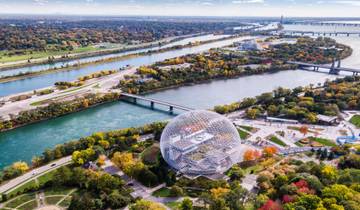
4 days
Montreal to Quebec Canadian Discovery – 4 days
- ✓ Comprehensive Quebec City tour
- ✓ Expert local guides included
- ✓ All accommodation arranged
- ✓ Transportation provided
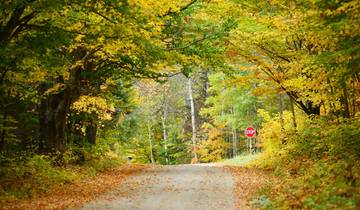
7 days
Essential East Coast (5 destinations)
- ✓ Comprehensive Quebec City tour
- ✓ Expert local guides included
- ✓ All accommodation arranged
- ✓ Transportation provided
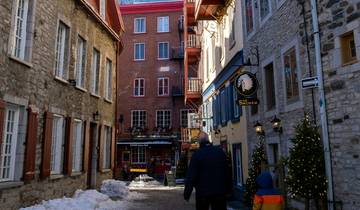
7 days
Christmas Markets of Montreal and Quebec City (2026)
- ✓ Comprehensive Quebec City tour
- ✓ Expert local guides included
- ✓ All accommodation arranged
- ✓ Transportation provided
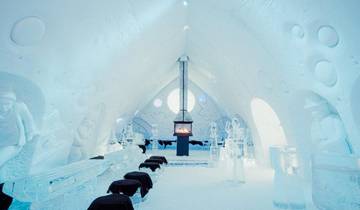
7 days
Quebec Winter Getaway: Montreal, Quebec City & Hôtel de Glace
- ✓ Comprehensive Quebec City tour
- ✓ Expert local guides included
- ✓ All accommodation arranged
- ✓ Transportation provided
Multi-day tour packages powered by TourRadar. Prices and availability subject to change.
Essential Transportation Planning for 2026 Visits
Understanding Quebec City’s Transportation Geography
Quebec City’s unique topography fundamentally shapes transportation planning, as the UNESCO World Heritage site occupies a dramatic promontory where the St. Lawrence River narrows to just 1 km wide. The fortified Upper Town sits 98 meters above the Lower Town, connected by the historic Breakneck Stairs (Escalier Casse-Cou), modern stairways, and the mechanized funicular. This elevation difference creates distinct transportation zones requiring different mobility strategies.
Upper Town encompasses Place d’Armes, the Château Frontenac, Citadelle fortifications, and Plains of Abraham, forming the primary tourist concentration. Lower Town spreads along the waterfront with Petit Champlain quarter, Place Royale, the Old Port, and contemporary attractions like the Museum of Civilization. Beyond the UNESCO core, significant attractions scatter across greater Quebec City: Montmorency Falls sits 12 km northeast, Wendake First Nations reserve lies 10 km north, and Île d’Orléans begins 6 km east across the bridge.
Jean Lesage International Airport occupies a site 16 km west of Old Quebec along Autoroute 40, creating the primary arrival gateway for distant travelers. The VIA Rail station (Gare du Palais) positions strategically at the Lower Town edge, just 800 meters from Place Royale and 1.2 km from Château Frontenac. Bus terminals for Orléans Express and other inter-city services operate from the same Gare du Palais complex, centralizing long-distance arrivals at one accessible hub.
Quebec City’s street grid evolved organically over 400 years rather than through planned development, resulting in curved lanes following defensive fortification patterns, sudden dead ends at cliff edges, and one-way systems frustrating GPS-dependent navigation. This medieval urban pattern advantages pedestrians who can navigate stairs and narrow passages that vehicles cannot access, while disadvantaging drivers who must take circuitous routes for destinations appearing close on maps.
Climate Impacts on Transportation Planning 2026
Quebec City experiences Canada’s most dramatic seasonal temperature swings among major tourist destinations, with summer peaks of 25-30°C contrasting against winter lows of -15 to -25°C (before wind chill). These extremes directly impact transportation choices, costs, and schedule reliability throughout the year.
Winter months (December through March) bring frequent snowfall averaging 315 cm annually, creating several transportation complications. Snow clearing prioritizes major arteries first, leaving pedestrian sidewalks in Old Quebec slippery and hazardous for 12-36 hours after storms. The Breakneck Stairs and other historic stairways between Upper and Lower Town often close temporarily after heavy snowfall or during ice accumulation. Bus schedules experience 15-30 minute delays during active snowfall, while the funicular maintains reliable operation as an enclosed system.
Severe cold snaps (occurring 10-15 days per winter) discourage outdoor walking beyond 10-15 minute segments, increasing reliance on heated taxi transfers for comfort and safety. Budget CAD $25-40 daily for taxi use during extreme cold periods rather than relying solely on walking. The seasonal ferry to Lévis suspends operations late December through early April when ice conditions make St. Lawrence River crossings dangerous.
Summer benefits from long daylight (6 AM to 9 PM in June-July) that extends practical walking hours and reduces need for evening taxis. However, major festivals in July (Festival d’été de Québec) and August (New France Festival) create temporary street closures and transit route modifications that require checking RTC service alerts. Cruise ship arrivals (2-4 ships weekly, May through October) concentrate 3,000-8,000 additional visitors in Lower Town and funicular queues, adding 15-30 minute waits during 10 AM to 4 PM peak hours.
Arriving at Quebec City in 2026
Jean Lesage International Airport (YQB) Access Strategies
Quebec City’s Jean Lesage International Airport handles 1.8 million passengers annually through a compact, easily navigable terminal where customs processing and baggage claim typically complete within 45-60 minutes for international arrivals. The airport sits 16 km west of Old Quebec, with four primary transportation methods connecting travelers to the UNESCO heritage district.
Airport shuttle services provide door-to-door transportation to Quebec City hotels, operating approximately every 30-45 minutes during peak hours (6 AM to 11 PM). Services charge CAD $35-40 per person one-way or CAD $65-70 round-trip when booked in advance online (check operator websites for current official rates as pricing may vary). Shuttle journey times run 25-35 minutes to most Old Quebec hotels, with potential delays during rush hour (7:30-9 AM, 4-6 PM weekdays) that can extend travel to 45-55 minutes. Book online 2-3 days ahead to guarantee space on preferred departure times, particularly during summer peak season and winter holiday periods when walk-up availability becomes limited.
Public transit via RTC (Réseau de transport de la Capitale) offers the most economical airport connection through Route 80 buses that depart from the terminal every 30-60 minutes depending on time of day. Standard fare costs CAD $3.75 using exact change or payment card at boarding, with no advance reservations required. The journey to Old Quebec takes 45-60 minutes with stops throughout the city before reaching terminals near the UNESCO district. Route 80 operates from 5:30 AM to 11:45 PM weekdays, with reduced service weekends and holidays. This option suits budget travelers without excessive luggage who can manage bus boarding stairs and standing during crowded periods.
Taxis queue continuously at the airport ground transportation area, offering the fastest transfers at CAD $35-45 to Old Quebec destinations. Fixed-rate fares apply to major destinations, eliminating meter uncertainty. Journey times run 20-30 minutes in normal traffic, expanding to 35-45 minutes during weekday rush hours. Taxis accommodate up to four passengers with luggage, making them cost-competitive for small groups when split costs approach or undercut shuttle per-person rates. Uber and Lyft operate from designated pickup zones accessed via smartphone apps, with typical fares of CAD $32-42 depending on real-time demand pricing.
Rental cars from airport locations (Budget, Enterprise, Hertz, National, Avis) cost CAD $60-90 daily for economy vehicles in 2026, with mandatory additional insurance, fuel, and parking expenses. Reserve in advance during summer and winter carnival periods when availability tightens and rates increase 25-35%. The airport-to-Old Quebec route via Autoroute 40 East and Autoroute 440 takes 20-25 minutes in clear conditions, but first-time drivers often miss exits or struggle with Quebec City’s one-way downtown streets, adding 10-20 minutes to maiden journeys.
VIA Rail Train Service from Montreal and Toronto 2026
VIA Rail operates Canada’s primary passenger rail network, with Quebec City’s Gare du Palais serving as the eastern terminus for trains from Montreal, Ottawa, and Toronto. The historic station building from 1915 features Château-style architecture that previews Old Quebec’s aesthetic while offering modern amenities including luggage storage, tourist information counters, and taxi stands.
Montreal-Quebec City trains depart 4-6 times daily with journey times of 3 hours 15 minutes covering the 250 km route. Economy class fares range CAD $45-75 when booked 2-4 weeks ahead, while last-minute walk-up fares reach CAD $90-110 (check viarail.ca for current official rates as pricing may vary). Business class upgrades cost CAD $85-120 with benefits including larger seats, complimentary meals, priority boarding, and access to business lounges at major stations. Escape class (economy plus) provides middle-ground options at CAD $65-90 with some business-class amenities.
Toronto-Quebec City direct trains operate once daily with 10-hour overnight journey times, costing CAD $140-220 in economy or CAD $250-350 in business class depending on booking timing. This route suits travelers seeking to maximize daytime sightseeing hours by traveling overnight, though the extended duration makes flying Toronto-Quebec City more practical for time-sensitive itineraries.
VIA Rail’s advance booking discounts become available 12 weeks before departure dates, offering the deepest discounts for flexible travelers who can book early and commit to specific departure times. Escape fares (VIA’s discount brand) sacrifice change flexibility but deliver significant savings. Standard fares allow date changes for CAD $25-50 fees, while business class offers free changes up to departure time. Book Tuesday-Thursday departures for lowest fares, as weekend trains command premium pricing during peak summer months.
Gare du Palais positions ideally for Quebec City exploration, sitting just 800 meters (10-minute walk) from Place Royale in Lower Town and 1.5 km (20-minute walk uphill) from Château Frontenac in Upper Town. Taxis queue at the station exit for transfers to hotels at CAD $12-18, while RTC buses serve routes throughout the city from stops directly outside the terminal.
Inter-City Bus Services 2026
Orléans Express operates as Quebec’s primary inter-city bus network, providing connections between Montreal and Quebec City with 8-12 daily departures. Journey times run 3 hours for express services or 3.5-4 hours for routes making intermediate stops at Trois-Rivières and other communities. One-way fares range CAD $40-55 for advance purchases or CAD $60-75 as walk-up tickets (prices subject to variation, check orleansexpress.com for official rates).
Buses depart Montreal from the central bus terminal at Gare d’autocars de Montréal (connected to Berri-UQAM metro station) and arrive at Quebec City’s Gare du Palais, sharing facilities with VIA Rail. Modern coaches feature WiFi, power outlets, reclining seats, and onboard restrooms. Advance online booking opens 4-6 weeks before travel dates and guarantees seats during peak periods when buses fill completely. Student and senior discounts of 15-25% apply with proper identification.
Regional services connect Quebec City to surrounding communities including Charlevoix (CAD $25-35, 2 hours), Sainte-Anne-de-Beaupré (CAD $8-12, 45 minutes), and Mont-Sainte-Anne ski resort (CAD $12-18, winter season only). These routes operate from both Gare du Palais and outlying terminals, with schedules varying dramatically between summer, winter, and shoulder seasons. Verify current timetables on operator websites rather than relying on printed schedules or third-party aggregators.
Driving to Quebec City – Route Planning 2026
Quebec City positions at the intersection of Autoroute 20 (Trans-Canada Highway southern route) and Autoroute 40 (northern route), making road access straightforward from all directions. Montreal lies 250 km southwest via Autoroute 20 or Autoroute 40, with journey times of 2.5-3 hours in normal traffic. Toronto sits 800 km southwest, requiring 8-9 hours via Highway 401 through Ontario and Autoroute 20 through Quebec. Maritime provinces connect via Autoroute 20 eastbound, with Fredericton 450 km distant and Halifax 900 km.
Winter driving requires genuine winter tires (mandated by Quebec law December 1 through March 15) and preparedness for sudden weather changes that can reduce highway speeds to 60-80 km/h. Keep extra warm clothing, blankets, snacks, water, and phone chargers in vehicles during November through April journeys, as weather-related traffic disruptions occur 15-25 days per winter. Quebec’s autoroutes maintain high winter clearing standards, but conditions deteriorate rapidly during active snowfall and temperatures below -20°C.
Upon reaching Quebec City, follow signs for “Vieux-Québec” (Old Quebec) to reach the UNESCO heritage district. Autoroute 40 travelers exit at Boulevard Laurier (exit 312) and follow signs through the modern city to the historic core. Autoroute 20 approaches from the south across the Pierre Laporte Bridge with dramatic views of Château Frontenac before exits direct travelers toward Lower Town or Upper Town destinations. First-time drivers should use GPS navigation while noting that many streets within fortified walls prohibit vehicle entry, requiring parking and walking transitions.
Local Transportation Within Quebec City 2026
Public Transit System (RTC) Operations and Strategies
Réseau de transport de la Capitale (RTC) operates Quebec City’s comprehensive bus network with 95 routes serving the urban area and immediate suburbs. Base fare costs CAD $3.75 per single ride payable with exact cash at boarding (no change provided) or via the Nomade mobile app and payment cards accepted at validators. Day passes cost CAD $10.25 for unlimited rides within 24 hours from first validation, offering value for visitors making 3+ trips daily.
Route maps, schedules, and real-time tracking integrate through the Nomade mobile app (iOS and Android), which also processes fare payments via credit card or mobile wallet. The app displays bus positions and arrival predictions with typical accuracy of 2-5 minutes, helping minimize outdoor waiting during winter months. Paper schedules and maps remain available at RTC information offices, though the mobile app provides more current information including service disruptions and temporary route modifications.
Key routes for UNESCO heritage visitors include Route 11 (connecting Gare du Palais to Plains of Abraham and modern shopping districts), Route 800 (express service between suburbs and downtown), and seasonal Route 50 (summer service to Montmorency Falls). Most routes operate from 5:30-6 AM through midnight on weekdays, with reduced evening and weekend frequencies. Late-night service becomes sparse after 10 PM, particularly on Sundays when some routes cease operation by 8-9 PM.
Bus stops within Old Quebec concentrate along major streets outside the fortification walls, as narrow internal lanes cannot accommodate bus widths. This means most heritage attractions require 5-10 minute walks from the nearest bus stop. Shelters at major stops provide wind protection during winter, though many smaller stops offer only pole markers where waiting in extreme cold becomes impractical. Plan indoor waiting strategies such as departing from cafés or museums at targeted bus times rather than standing exposed during severe weather.
Old Quebec Funicular (Funiculaire du Vieux-Québec)
The funicular railway connecting Upper Town (Dufferin Terrace near Château Frontenac) to Lower Town (Petit Champlain quarter) operates as Quebec City’s signature local transportation experience. The cable-driven cars transport passengers through 64 vertical meters of elevation change in 90-second journeys, eliminating stair-climbing between the city’s two main heritage zones.
One-way trips cost CAD $4 per person or CAD $7 for round-trip tickets valid same day. Children under 6 ride free with paying adults. Purchase tickets at automated kiosks at both Upper and Lower terminals accepting credit cards (no cash). The system operates daily from 7:30 AM to 11 PM (extended to midnight Friday-Saturday in summer), with continuous departures every 2-3 minutes during busy periods or every 10-15 minutes during early morning and late evening off-peak hours.
Summer queues (particularly during cruise ship days) reach 30-45 minutes during 10 AM to 4 PM peak times. Early morning (before 9 AM) and evening (after 6 PM) departures typically offer walk-on service with minimal waiting. Winter operations continue year-round with enclosed, heated cars, making the funicular essential for comfort during extreme cold when outdoor stair alternatives become unpleasant. The adjacent Breakneck Stairs provide free walking alternatives for budget travelers and fitness-focused visitors.
Each cable car accommodates 32 passengers in standing configurations during busy periods or seated comfort during quiet times. The glass-enclosed cars provide views across the St. Lawrence River and Lower Town rooftops during ascent and descent. Staff monitor boarding to prevent overcrowding and enforce safety requirements including securing loose items before departure.
Taxi Services and Ride-Sharing Options 2026
Traditional taxi companies including Taxi Coop and Taxi Québec operate throughout the city with metered fares starting at CAD $3.75 base charge plus CAD $1.85 per kilometer. Short trips within Old Quebec typically run CAD $12-18, while longer journeys to Montmorency Falls cost CAD $35-45 one-way. Taxis queue at designated stands throughout the heritage district including Château Frontenac entrance, Place d’Armes, and Gare du Palais. Phone dispatch (418-525-8123 for Taxi Coop) offers pickup service typically arriving within 10-15 minutes during normal hours or 20-30 minutes during peak demand periods.
Credit card payments function in all licensed taxis through portable terminals, though drivers appreciate tips of 15% for standard service or 18-20% for exceptional assistance with luggage, navigation, or schedule coordination. Winter taxi demand spikes during extreme cold and after snowfall, creating potential 30-45 minute wait times when calling for pickup rather than queuing at established stands.
Uber operates throughout Quebec City with standard UberX service typically priced 10-20% lower than traditional taxis for equivalent journeys. The app estimates fares before confirming rides, eliminating meter uncertainty. Pickup locations in Old Quebec sometimes require short walks to accessible streets where vehicles can legally stop, as narrow heritage district lanes prohibit ride-share pickups directly at many historic sites. Available vehicle supply fluctuates significantly, with abundant options during summer days and winter evenings but limited choices during early mornings (5-7 AM) and late nights (after midnight).
Lyft entered the Quebec City market with limited driver availability compared to Montreal, making real-time wait times of 10-20 minutes common rather than the 3-7 minute response typical in larger markets. Check both Uber and Lyft apps simultaneously when seeking fastest pickup, as driver overlap between platforms remains limited in Quebec City’s market.
Cycling Infrastructure and Bike Rentals 2026
Quebec City’s cycling infrastructure divides between protected cycle tracks in modern districts and shared roadways in the historic core where narrow streets preclude dedicated bike lanes. Approximately 180 km of cycling paths network throughout greater Quebec City, with particularly scenic routes along the St. Lawrence River waterfront and through Battlefields Park (Plains of Abraham).
Summer cycling (May through October) offers practical mobility for confident urban cyclists comfortable navigating mixed traffic and steep hills. Winter cycling requires specialized equipment and extreme cold tolerance, with conditions suitable only for experienced winter cyclists. The city maintains approximately 45 km of winter cycling paths, but cold temperatures, ice accumulation, and darkness deter most recreational cycling November through March.
Bike rental shops concentrate in Lower Town near the Old Port, charging CAD $35-45 per day for standard city bikes or CAD $55-75 for electric-assist models that ease Quebec City’s challenging hills. Helmet rental includes in most packages (mandatory for riders under 18). Multi-day rentals offer discounts of 15-25%, with weekly rates of CAD $175-225 providing value for extended stays.
BIXI bike-share operates seasonally from April through November with 50+ stations throughout Quebec City and Lévis. Single rides cost CAD $3.25 for 45-minute periods, while 24-hour access passes run CAD $6.50 with unlimited 45-minute trips (rides exceeding 45 minutes incur additional per-minute charges). BIXI suits short-distance urban mobility for those making multiple stops, while full-day rentals from traditional shops prove more economical for all-day cycling excursions.
Quebec City’s topography challenges casual cyclists unaccustomed to steep climbs. The elevation difference between Lower Town and Upper Town reaches 98 meters over short horizontal distances, creating gradients of 8-12% on many connecting streets. Electric-assist bikes reduce the physical demand significantly, making them worthwhile investments for less-fit riders planning multiple ascents and descents daily.
Specialized Transportation for 2026 Attractions
Montmorency Falls Transportation Options
Montmorency Falls Park sits 12 km northeast of Old Quebec, requiring dedicated transportation planning as the attraction lies beyond practical walking distance. The 83-meter waterfall exceeds Niagara’s height, making it Quebec City’s most visited natural attraction outside the UNESCO heritage core.
RTC Route 50 provides seasonal bus service (late May through early October) departing from various Old Quebec stops with journey times of 30-40 minutes and standard CAD $3.75 fares. Service operates hourly during midday (10 AM to 4 PM) with limited morning and evening departures. Off-season visitors (October through May) must use taxis, ride-shares, or rental cars as public transit suspends this route.
Taxi trips from Old Quebec to Montmorency Falls cost CAD $35-45 one-way with journey times of 15-20 minutes via Autoroute 440. Budget CAD $70-90 for round-trip taxi transportation, or negotiate wait-and-return arrangements where drivers stay on-site for 60-90 minutes then return you to Old Quebec for total fares of CAD $80-100. This option suits small groups splitting costs and travelers visiting during winter when bus service doesn’t operate.
Organized tours including Montmorency Falls range CAD $65-85 per person with hotel pickup/dropoff, guide narration, and 2-3 hours at the falls. These tours often combine Montmorency with other attractions including Sainte-Anne-de-Beaupré Basilica or Île d’Orléans, providing comprehensive half-day excursions. Tour packages include admission to Montmorency Falls Park (CAD $16 adults, CAD $8 children when purchased separately), making the all-inclusive tour pricing competitive against independent visits requiring paid transportation and separate admission.
Driving independently offers maximum flexibility with free parking at Montmorency Falls upper access point or CAD $12-15 lower lot parking near cable car base station. The 20-minute drive via Autoroute 440 eastbound provides straightforward navigation suitable for confident drivers. Combine Montmorency with Île d’Orléans bridge access just 5 km further east for efficient day-trip routing.
Île d’Orléans Access Strategies 2026
Île d’Orléans (Island of Orleans) stretches 35 km long in the St. Lawrence River just 6 km east of Quebec City, designated as a Historic District for its preserved 18th-century architecture and agricultural landscape. The island requires bridge access via Autoroute 440 to Route 368, which circles the island perimeter connecting six small parishes with artisan shops, farms, and riverside viewpoints.
No public transit serves Île d’Orléans, making transportation planning essential. Rental cars offer complete independence for CAD $60-90 daily plus fuel costs of approximately CAD $15-20 for typical island circuits. The 67 km Chemin Royal loop requires 2-3 hours minimum for driving without stops or 4-6 hours when incorporating visits to strawberry farms, vineyards, chocolate shops, and historic churches.
Organized Île d’Orléans tours operate daily May through October with prices ranging CAD $75-110 per person including hotel pickup, guide services, and stops at 4-6 island attractions. These tours solve the transportation challenge while providing cultural and agricultural context many independent visitors miss. Winter tours operate less frequently with 2-3 weekly departures during December through March.
Cycling Île d’Orléans attracts confident cyclists capable of completing the 67 km circuit with numerous hills. Bicycle rentals on the island itself remain limited, making advance rental in Quebec City essential. The Route Verte cycling network includes Île d’Orléans as a challenging but scenic segment, with modest services for food, water, and repair needs scattered among the six parishes. Plan 5-7 hours for recreational cycling with photo stops and refreshment breaks.
Taxis from Quebec City to Île d’Orléans cost CAD $45-60 to reach the nearest island parish (Saint-Pierre), with additional charges of CAD $1.85 per kilometer for on-island routing. Negotiating round-trip with waiting time for a 4-hour island visit typically totals CAD $180-250, pricing this option beyond most solo travelers’ practical budgets but potentially cost-competitive for groups of 3-4 splitting expenses.
Quebec-Lévis Ferry Service
The Quebec-Lévis ferry operates as both practical transportation and unique tourist experience, crossing the St. Lawrence River between Old Quebec and Lévis in 12-minute journeys. The crossing provides exceptional photographic angles of Château Frontenac, Citadelle fortifications, and the UNESCO heritage skyline visible from water level.
Ferry service runs year-round (April through December) with departures every 30-60 minutes depending on time of day and season. Reduced winter schedule (January through March) operates limited departures or suspends completely when ice conditions threaten navigation safety. Passenger fares cost CAD $3.95 adults, CAD $3.10 seniors, and free for children under 12 when accompanied by paying adults. Vehicle transport (if needed) adds CAD $8.85 per standard car.
Departures from Quebec City leave from the Old Port ferry terminal at 10 rue des Traversiers, accessible via 5-10 minute walks from Place Royale and Lower Town attractions. Lévis terminal positions at 1 Place du Commerce, with connections to Lévis bus routes serving various neighborhoods across the south shore. Most visitors take the ferry purely for the scenic crossing and photographic opportunities, returning on the next departure rather than exploring Lévis destinations.
Sunset crossings (timing varies with season) provide particularly atmospheric experiences with warm light illuminating the fortifications and Château Frontenac’s copper roof. Evening departures (operating until 9-10 PM during summer, ending by 6-7 PM in winter) offer views of the illuminated Old Quebec skyline against darkening skies. Budget 45-60 minutes for round-trip ferry experiences including brief time at Lévis terminal between departure and return.
Day Trip Transportation to Charlevoix Region
The Charlevoix region extends 80-150 km northeast of Quebec City along the St. Lawrence River, designated as a UNESCO World Biosphere Reserve for its diverse ecosystems and cultural landscapes. Day trips to Charlevoix targets include Baie-Saint-Paul (artistic community), La Malbaie (resort destination), and Parc national des Grands-Jardins (mountain hiking).
Inter-city buses via Charlevoix Express operate 2-3 daily departures from Quebec City to Baie-Saint-Paul (2 hours, CAD $25-35) with continuing service to La Malbaie (3 hours total, CAD $35-45). Bus schedules accommodate day trips with morning departures and early evening returns, though flexibility suffers from limited frequency. Verify current timetables months ahead as seasonal schedule changes significantly reduce winter service.
Driving Route 138 coastline through Charlevoix requires 90 minutes to reach Baie-Saint-Paul or 2.5 hours to La Malbaie in clear conditions. Rental cars cost CAD $60-90 daily plus fuel expenses of approximately CAD $30-40 for round-trip journeys. Winter driving demands genuine winter tires and comfort with challenging conditions including snow, ice, and reduced visibility during squalls blowing off the St. Lawrence. The coastal route delivers stunning river and mountain views when weather cooperates.
Organized day tours to Charlevoix operate May through October with prices ranging CAD $135-185 per person including transportation, guide services, and visits to multiple communities with free time for gallery browsing, boutique shopping, and scenic viewpoint stops. These tours eliminate driving stress and parking challenges while providing regional context and history many independent visitors miss.
Walking and Pedestrian Navigation 2026
Old Quebec Walking Districts and Routes
Old Quebec’s UNESCO World Heritage status derives partly from its exceptional walkability, with North America’s only remaining fortified city walls creating a compact 1.2 km-diameter heritage zone containing 200+ significant historic buildings. Walking serves as the primary and most rewarding transportation method for heritage exploration, providing intimate access to architectural details, street-level cultural experiences, and spontaneous discoveries impossible from vehicles.
Upper Town encompasses Château Frontenac, Place d’Armes, Citadelle fortifications, Latin Quarter, Grande Allée, and Plains of Abraham, forming an area requiring 45-60 minutes to cross end-to-end at typical tourist pace including photo stops. The fortification walls stretch 4.6 km in perimeter, with accessible sections offering elevated viewpoints across the St. Lawrence River and surrounding landscapes. Walking the complete wall circuit requires 90-120 minutes with stairs, ramps, and uneven surfaces challenging those with mobility limitations.
Lower Town concentrates along the waterfront with Petit Champlain quarter (North America’s oldest commercial street), Place Royale (1608 founding site), Old Port area, and antique district. This zone measures approximately 800 meters across, allowing comprehensive exploration in 60-90 minutes of casual walking. The area’s flat terrain contrasts sharply with Upper Town’s hills, making Lower Town accessible for visitors avoiding stair-climbing.
Stairways and slopes connecting Upper and Lower Town include the historic Breakneck Stairs (60 steps with steep pitch), Côte de la Montagne street route (gentler grade but longer distance), and multiple stairways through parks and private passages. The funicular provides elevator-like elevation changes, but confident walkers find the stairs manageable and atmospheric. Budget extra time for stair-climbing as the 98-meter elevation change surprises visitors accustomed to flat urban environments.
Walking distances from Château Frontenac to major attractions measure: Citadelle 1.2 km (20 minutes uphill), Plains of Abraham 1.5 km (25 minutes), Parliament Building 1.8 km (30 minutes), Place Royale (Lower Town) 1.3 km (25 minutes including funicular or stairs), Museum of Civilization 1.6 km (30 minutes via Lower Town), and Gare du Palais 1.8 km (35 minutes). These distances assume moderate pace with time for traffic crossings and wayfinding.
Seasonal Walking Considerations
Summer walking (June through August) benefits from warm temperatures averaging 20-25°C and extended daylight hours permitting exploration from 6 AM through 9 PM. Comfortable walking shoes with good arch support become essential as cobblestone streets, uneven sidewalks, and frequent stairs challenge feet over multi-hour walking sessions. Hydration proves important during humid summer days with temperatures occasionally exceeding 28-30°C.
Fall walking (September through November) delivers arguably the best conditions with cooler temperatures of 10-18°C, stunning foliage colors, reduced tourist crowds, and generally stable weather before winter arrives. Precipitation increases in October-November, making waterproof shoes or boots valuable as stone streets become slippery when wet. Daylight hours decrease rapidly after October with sunset by 5-6 PM, requiring headlamp or flashlight for evening walks through dimly lit heritage streets.
Winter walking (December through March) demands specialized preparation as temperatures of -15 to -25°C (before wind chill) create genuine cold exposure risks. Insulated winter boots with aggressive tread patterns become essential for managing ice and compacted snow on sidewalks and stairs. Dress in layers with windproof outer shells as Quebec City’s position on Cap Diamant creates fierce winds reducing effective temperatures by 10-15 degrees. Limit individual outdoor walking sessions to 15-20 minutes with indoor warm-up stops at museums, shops, or cafés between segments. The Breakneck Stairs often close during winter due to ice accumulation, making funicular use essential rather than optional.
Spring walking (April through May) involves transitional conditions with temperatures rising from 0-5°C in early April to 10-18°C by late May. Snowmelt creates wet conditions with puddles and mud requiring waterproof footwear. Salt residue from winter snow removal leaves white stains on shoes and boots. Spring brings longer daylight and warming temperatures but also higher precipitation frequency, making packable rain jacket essential gear. Tourist crowds remain modest in April-May, allowing peaceful heritage exploration before summer peaks.
Budget Transportation Strategies for 2026
Minimizing Transportation Costs
Budget-focused travelers can reduce Quebec City transportation expenses to CAD $10-25 daily through strategic planning and walking maximization. This approach requires fitness tolerance for 8-12 km daily walking, cold weather resilience during winter visits, and time flexibility as walking and public transit consume more hours than taxis or rental cars.
Arriving via inter-city bus from Montreal costs CAD $40-55 compared to train fares of CAD $90-110 for last-minute bookings, saving CAD $45-60 on arrival transportation. Upon reaching Gare du Palais, walk 1.5 km to accommodations in or near Old Quebec rather than taking CAD $12-18 taxi transfers. This 20-25 minute walk with wheeled luggage on sidewalks proves manageable for most travelers outside severe winter conditions.
Within Quebec City, purchase RTC day passes at CAD $10.25 on any day requiring 3+ bus trips, as this undercuts paying CAD $3.75 per individual ride. Otherwise, walk whenever distances stay under 2 km and weather cooperates. Walking from Château Frontenac to Parliament, Citadelle, or Plains of Abraham saves CAD $7.50 round-trip bus fares while providing better heritage immersion than glimpses through bus windows.
Avoid taxis except when weather conditions make walking unsafe (severe cold, heavy snow, ice storms) or when splitting costs among 3-4 travelers brings per-person expenses competitive with public transit. Calculate taxi value propositions: CAD $16 taxi for 4 people equals CAD $4 per person versus CAD $3.75 each for bus fares, making taxi worthwhile for its speed and convenience at minimal premium.
Skip rental cars entirely unless planning day trips to Île d’Orléans, Charlevoix, or other rural destinations inaccessible by public transit. Rental costs of CAD $60-90 daily plus parking fees of CAD $30-45 at hotels and attractions total CAD $90-135 daily expense justified only when accessing attractions beyond bus and walking reach.
Free and Low-Cost Transportation Options
Walking represents Quebec City’s ultimate free transportation, with the compact UNESCO zone enabling access to most major attractions at zero cost beyond comfortable shoe wear. The fortification walls circuit provides free elevated walkways with river views and historical markers, delivering educational experiences while transporting between Upper Town locations.
The Quebec-Lévis ferry at CAD $3.95 per crossing offers the city’s best-value tourist experience, combining practical transportation with exceptional UNESCO skyline photography opportunities. Round-trip ferry excursions cost just CAD $7.90 for two crossings plus time enjoying Château Frontenac views from the river. This activity delivers value vastly exceeding its minimal cost.
Free summer concerts, festivals, and cultural events cluster around Place d’Armes, Plains of Abraham, and Old Port areas throughout June-August, providing entertainment that naturally incorporates walking exploration between venues. These events require no transportation costs beyond reaching Old Quebec initially, as walking serves all venues comfortably.
The Breakneck Stairs (Escalier Casse-Cou) connecting Upper and Lower Town operate free year-round as the no-cost alternative to the CAD $4 funicular. These historic stairs deliver authentic heritage character and photographic charm while saving CAD $8 per person daily for travelers making 2-3 Upper-Lower Town transitions. The stairs prove manageable for most healthy adults, though the steep pitch and 60 steps challenge elderly visitors or those with knee problems.
Free walking tour maps from the Quebec City Tourist Information Centre (12 rue Sainte-Anne, across from Château Frontenac) outline self-guided heritage walking routes with historical notes and architectural highlights. These printed guides eliminate need for paid app subscriptions or hired walking tour guides while delivering comprehensive neighborhood orientation and education.
Luxury and Premium Transportation for 2026
Private Transfer Services and Premium Options
Luxury travelers seeking maximum comfort and time efficiency can elevate Quebec City transportation through premium services priced 2-4 times above standard options. These services deliver convenience, privacy, and elevated experiences justifying higher costs for visitors prioritizing comfort over economy.
Private airport transfers via luxury sedan services cost CAD $120-180 for exclusive vehicles accommodating 1-3 passengers with luggage. These services provide meet-and-greet at airport arrivals, flight tracking for delay adjustments, and direct delivery to hotel entrances without shared-shuttle stops. Premium SUVs for 4-6 passengers with enhanced luggage capacity cost CAD $180-250. Book these services 2-3 weeks ahead through hotel concierges or specialized transportation companies operating in Quebec City.
Chauffeur services for multi-day stays operate at CAD $100-140 per hour with 4-hour minimum bookings (CAD $400-560 total). These services provide on-demand availability for day trips, shopping excursions, restaurant transfers, and flexible sightseeing without pre-scheduled returns. The private drivers often provide insider knowledge of lesser-known restaurants, viewpoints, and cultural experiences beyond typical tourist recommendations.
Helicopter tours departing from Quebec City airport offer ultimate luxury transportation to Charlevoix, Montmorency Falls, or even Saguenay Fjord, with pricing starting at CAD $450-600 per person for 45-60 minute experiences or CAD $1,800-2,500 for private charter accommodating 3-5 passengers. These flights transform typical 2-3 hour driving excursions into 20-30 minute aerial transfers while adding breathtaking landscape perspectives impossible from ground level.
Private boat charters on the St. Lawrence River provide exclusive transportation to Île d’Orléans, Lévis, or downriver destinations with pricing of CAD $800-1,500 for 3-4 hour excursions accommodating 6-10 passengers. These charters combine transportation with sightseeing, photography opportunities, and often include gourmet catering options. Summer season (June-September) offers the most reliable weather for river transport.
Accessible Transportation Resources
Quebec City’s heritage architecture creates genuine accessibility challenges as 17th-18th century construction predates modern mobility standards. However, various resources address transportation needs for visitors using wheelchairs, walkers, or experiencing other mobility limitations.
Accessible taxis equipped with wheelchair ramps or lifts operate through Transport Adapté de Québec (418-687-2641), requiring advance reservation 24-48 hours before needed service. Standard taxi fares apply with no premium charges for accessible vehicles. Service availability remains limited with only 15-20 equipped vehicles serving greater Quebec City, making early booking essential during peak tourist seasons.
The Old Quebec Funicular provides wheelchair access at both Upper Town and Lower Town terminals with level boarding from platforms. The cars accommodate wheelchairs and mobility scooters during all operating hours. This accessibility makes the funicular essential for wheelchair users navigating between Old Quebec’s two main levels, as stairway alternatives prove impossible for wheeled mobility devices.
RTC buses feature low-floor designs with ramp deployment at all stops, making the public transit system largely wheelchair accessible. However, winter snow accumulation at bus stops sometimes blocks ramp deployment, requiring alternative stops or transportation methods. The Nomade app indicates which buses have active wheelchair accessibility features, helping users plan routes around temporary equipment failures or blocked stops.
Rental companies offer hand-controlled vehicles for drivers with lower-body mobility limitations at premium rates of CAD $25-40 daily above standard vehicle prices. Reserve these specialized vehicles 2-4 weeks ahead as inventory remains limited with only 3-5 available across all Quebec City rental locations. National and Hertz maintain the largest accessible vehicle fleets.
Sample Transportation Cost Scenarios 2026
Budget Traveler – 3 Days in Quebec City
Arrival via Orléans Express bus from Montreal CAD $45, public transit from Gare du Palais to accommodation CAD $3.75, daily RTC day pass Day 1 CAD $10.25, walking all destinations Day 2 CAD $0, RTC day pass Day 3 for outlying attractions CAD $10.25, Quebec-Lévis ferry round-trip CAD $7.90, return bus to Montreal CAD $45. Total transportation cost: CAD $122.15 for 3-day visit, averaging CAD $40.72 per day.
This budget approach requires 8-12 km daily walking, fitness tolerance for stairs and hills, and time flexibility as walking and public transit consume more hours than faster options. Significant savings result from eliminating taxis, rental cars, and paid tours while maintaining comprehensive access to UNESCO heritage sites and major attractions through walking and strategic bus use.
Mid-Range Traveler – 4 Days in Quebec City
Arrival via VIA Rail train from Montreal CAD $65 (advance booking), taxi from Gare du Palais to hotel CAD $14, RTC day pass Day 1 CAD $10.25, organized Montmorency Falls and Île d’Orléans tour Day 2 CAD $95, walking and funicular Day 3 CAD $7 (funicular round-trip), taxi to restaurant and return Day 3 CAD $32 total, RTC bus to Plains of Abraham Day 4 CAD $3.75, return train to Montreal CAD $65. Total transportation cost: CAD $292 for 4-day visit, averaging CAD $73 per day.
This mid-range approach balances budget consciousness with convenience, using taxis selectively for weather protection and time savings while relying on walking for core Old Quebec exploration. The organized day tour eliminates rental car expenses while providing comprehensive access to attractions beyond practical public transit reach.
Luxury Traveler – 5 Days in Quebec City
Private airport transfer arrival CAD $150, private half-day tour Day 1 CAD $400 (chauffeur service), fine dining taxis Day 1 CAD $45, organized Charlevoix luxury tour Day 2 CAD $185, taxis for all evening restaurant transfers Days 2-4 CAD $120 total, funicular for convenience rather than stairs CAD $28 total (4 round-trips), private Île d’Orléans photography tour Day 4 CAD $350, private airport transfer departure CAD $150. Total transportation cost: CAD $1,428 for 5-day visit, averaging CAD $285.60 per day.
This luxury approach prioritizes time efficiency, comfort, and exclusive experiences. Private transportation eliminates wait times, weather exposure, and logistics stress. The higher costs reflect premium services delivering convenience and personalized attention that independent travelers using public options cannot access.
Transportation Apps and Digital Resources 2026
Essential Mobile Applications
Nomade (RTC official app) – Free download for iOS and Android provides comprehensive Quebec City public transit functionality including route planning, real-time bus tracking, fare payment, and service alerts. The app’s payment integration eliminates need for exact cash at boarding and enables seamless day pass purchases. GPS-based notifications alert riders when approaching target stops, preventing missed exits during unfamiliar routes.
Google Maps – While not Quebec-City-specific, Google Maps integration with RTC schedules provides reliable trip planning combining walking, bus, and ferry options. Real-time traffic updates help drivers avoid congestion, while offline map downloads ensure navigation continuity when cellular data becomes unavailable in certain historic building interiors or parking structures.
Quebec City Tourist App – Official tourism app (Québec Original) offers multilingual information on attractions, events, and practical visitor services. While not primarily transportation-focused, the app includes walking tour routes, parking locations, and taxi stand positions useful for orientation in unfamiliar neighborhoods.
Uber and Lyft apps – Both ride-sharing platforms operate in Quebec City with varying vehicle availability. Install both apps and compare prices and wait times before each ride request, as significant differences occur based on real-time driver positions and demand pricing algorithms.
Booking Platforms and Advance Reservations
VIA Rail website and mobile app (viarail.ca) – Official platform for Canadian train bookings opens reservations 12 weeks before departure dates, enabling access to the deepest early-booking discounts. The app stores tickets digitally, eliminating paper printout requirements while providing real-time departure updates and platform assignments.
Orléans Express website (orleansexpress.com) – Official inter-city bus booking platform guarantees seats during peak periods when walk-up availability becomes uncertain. Online bookings often receive 10-15% discounts compared to terminal ticket counter purchases, particularly for advance commitments.
Tour operator websites – Companies including Gray Line Quebec City, Tours Voir Québec, and others enable online booking for day trips and guided excursions. Early booking (2-4 weeks ahead) secures preferred departure times and sometimes triggers early-bird pricing of 15-20% below last-minute rates. Read cancellation policies carefully as many tours impose 48-72 hour cancellation deadlines for full refunds.
Transportation Safety and Practical Considerations 2026
Winter Transportation Safety Protocols
Quebec City’s extreme winter conditions create genuine safety considerations beyond typical urban travel challenges. Temperatures of -20 to -30°C with wind chill can cause frostbite in exposed skin within 10-30 minutes, making indoor warm-up stops essential during extended outdoor exposure. Carry emergency items including phone chargers, snacks, water, and extra warm layers when undertaking any winter transportation requiring outdoor waiting or walking.
Black ice forms frequently on sidewalks, stairs, and streets during freeze-thaw cycles, creating slip hazards invisible to untrained eyes. Walk cautiously near building edges where ice accumulation persists longest, test footing before committing weight to steps, and use handrails wherever available. Injuries from falls on ice remain Quebec City’s most common winter tourist mishap.
Public transit stops lack enclosed shelters at many locations, exposing waiting riders to wind and cold. Use the Nomade app to time arrivals closely with bus schedules rather than standing exposed for 10-15 minute waits. When cold becomes dangerous, wait inside nearby businesses and monitor bus positions via real-time tracking for last-minute boarding.
Taxi and ride-share availability decreases during extreme weather as drivers reduce hours or stay home. Budget 30-45 minute wait times for rides during severe conditions, and consider walking short distances (5-10 minutes) to reach taxi stands with queued vehicles rather than calling for pickup service with uncertain arrival times.
Navigation Tips and Wayfinding Strategies
Old Quebec’s organic medieval street pattern challenges GPS-dependent navigation as curved lanes, sudden elevation changes, and limited sight lines create disorientation for first-time visitors. Carry paper maps from tourist information offices as backup for smartphone navigation, particularly when battery conservation becomes necessary during long walking days.
Street signs in Old Quebec mount high on building corners rather than at ground level on posts, requiring upward scanning to identify intersections. Many historic lanes lack signs entirely, relying on landmark buildings for orientation. Learn key reference points including Château Frontenac (visible from most Upper Town locations), St. Lawrence River direction (always north), and Citadelle star fort (southwest corner of Upper Town) for mental orientation.
French language dominates all signage, announcements, and information displays. Learn essential transportation vocabulary including “sortie” (exit), “arrêt” (stop), “départ” (departure), “arrivée” (arrival), and cardinal directions “nord” (north), “sud” (south), “est” (east), “ouest” (west) for improved comprehension of transit information and street signs.
Emergency services in Quebec City respond to 911 calls (same as throughout Canada and USA). Specify your location using nearest street intersection and visible landmarks, as GPS coordinates sometimes fail in Old Quebec’s narrow canyons between tall stone buildings that block satellite signals.
2026 Transportation Updates and Current Information
Seasonal Service Changes
RTC Route 50 to Montmorency Falls operates seasonally from late May through early October, suspending service outside summer tourist season. Visitors arriving outside these months must use taxis, ride-shares, or rental cars for Montmorency Falls access. Verify exact start and end dates on rtcquebec.ca as weather-dependent adjustments can shift schedules by 1-2 weeks year to year.
Quebec-Lévis ferry transitions to winter schedule in January with reduced departures and potential service suspensions when ice conditions threaten safe navigation. Some winter weeks see no ferry service, eliminating this transportation and tourist activity option. Monitor traversiers.com for current status when planning winter visits.
Bus routes to Île d’Orléans remain non-existent year-round, making this attraction accessible only via rental car, organized tour, or taxi. No seasonal public transit pilot programs appear scheduled for 2026 implementation, maintaining the current transportation-dependent access situation.
Construction and Infrastructure Projects
Quebec City’s ongoing infrastructure renewal includes various road, tunnel, and transit projects that may affect specific routes and schedules during 2026. Check quebec.ca and rtcquebec.ca for current construction advisories before departure, particularly if planning driving arrivals or rental car use for day trips. Construction-related delays typically add 15-30 minutes to trip times in affected corridors.
The Louis-Hippolyte-La Fontaine Tunnel connecting Quebec City’s north and south shore areas operates with lane reductions during ongoing 2024-2027 renovation work. This affects routes to Lévis and destinations southeast of Quebec City, requiring additional time for transit through work zones.
Official Information Resources
Quebec City Tourist Information Centre at 12 rue Sainte-Anne (facing Château Frontenac) provides free maps, transportation schedules, and current updates on service disruptions or changes. Staff speak English and French with seasonal availability of Spanish, German, and Mandarin assistance June through September.
RTC customer service: 418-627-2511 or rtcquebec.ca for public transit information, schedules, and real-time service updates. Limited English service available, though automated information operates in French only.
VIA Rail customer service: 1-888-842-7245 or viarail.ca for train bookings, schedule changes, and cancellation policies. Bilingual English-French service operates daily.
Quebec Tourism official site: quebecregion.com/en for comprehensive destination information including transportation updates, seasonal service schedules, and current attraction accessibility.
FAQ – Quebec City Transportation 2026
Can you walk everywhere in Quebec City?
You can walk between all major UNESCO heritage sites within Old Quebec, as the fortified district measures just 1.2 km across. Château Frontenac, Citadelle, Plains of Abraham, Place Royale, and Petit Champlain quarter all lie within comfortable walking distances of 15-25 minutes. However, attractions beyond Old Quebec including Montmorency Falls (12 km), Île d’Orléans (6 km), and Wendake (10 km) require public transit, taxis, or rental cars. The 98-meter elevation difference between Upper and Lower Town involves stair-climbing or funicular use, challenging some visitors’ mobility tolerance.
How much should I budget for taxis in Quebec City?
Budget CAD $12-18 for short trips within Old Quebec, CAD $35-45 for airport transfers, and CAD $35-45 for Montmorency Falls excursions. Travelers using taxis selectively for weather protection and evening restaurant transfers typically spend CAD $25-40 daily, while those relying primarily on taxis for convenience allocate CAD $60-90 daily. Taxi demand spikes during extreme winter cold and after heavy snowfall, creating potential 30-45 minute wait times for phone dispatch rather than the typical 10-15 minute response during normal conditions.
Is public transit reliable in Quebec City during winter?
RTC buses maintain regular winter operations with service disruptions of 15-30 minute delays occurring during active snowfall periods approximately 10-15 days per winter. The system prioritizes major routes first, leaving some peripheral services suspended temporarily during severe storms. Real-time tracking via the Nomade app provides accurate arrival predictions that account for weather delays. The Old Quebec Funicular operates reliably year-round as an enclosed, heated system unaffected by surface weather conditions. Overall reliability remains strong, though travelers with tight schedules should add buffer time during winter weather events.
Do I need winter tires on rental cars?
Quebec law mandates winter tires on all vehicles December 1 through March 15, meaning all rental cars automatically include winter tires during this period at no additional charge. Summer tire use becomes illegal during these months with fines of CAD $200-300 plus potential liability issues if accidents occur. Rental companies automatically equip fleets with winter tires before the legal deadline, eliminating renter responsibility for tire selection or swapping. Ice scraper and snow brush tools typically store in rental car trunks for clearing windshields before departures.
Can I use Uber or Lyft in Quebec City?
Both Uber and Lyft operate in Quebec City with moderate vehicle availability. Uber maintains larger driver network with typical wait times of 5-12 minutes during normal hours, while Lyft offers more limited service with 10-20 minute waits common. Early morning (5-7 AM) and late night (after midnight) sees dramatically reduced availability for both platforms, making traditional taxi phone dispatch more reliable during these hours. Pricing typically runs 10-20% below taxi meters for equivalent trips, with surge pricing occasionally eliminating this advantage during peak demand periods including winter storms, major festivals, and weekend evenings.
What’s the cheapest way to get from Montreal to Quebec City?
Orléans Express buses provide the cheapest Montreal-Quebec City transportation at CAD $40-55 for 3-hour journeys when booked 1-2 weeks ahead. Rideshare platforms like Poparide connect passengers with drivers for CAD $25-35 per seat, though departure flexibility varies with driver schedules and availability. VIA Rail Escape fares sometimes drop to CAD $45-50 when booked 6-12 weeks ahead during off-peak travel days (typically Tuesday-Thursday), approaching bus prices while offering superior comfort. Last-minute walk-up bus tickets of CAD $60-75 still undercut last-minute train fares of CAD $90-110.
Is it worth renting a car in Quebec City?
Skip rental cars if your itinerary focuses on Old Quebec UNESCO sites and nearby attractions accessible by public transit (Montmorency Falls, Sainte-Anne-de-Beaupré). Rental costs of CAD $60-90 daily plus parking fees of CAD $30-45 at hotels and attractions total CAD $90-135 daily without justification for compact heritage district exploration. Rental cars prove worthwhile for day trips to Île d’Orléans (requiring flexible schedule beyond tour departures), Charlevoix region (limited bus service), Tadoussac whale-watching (250 km distant), or multi-day explorations beyond Quebec City. Consider renting for specific day-trip days rather than entire visit durations.
How does the funicular work and when should I use it?
The Old Quebec Funicular connects Upper Town (Dufferin Terrace near Château Frontenac) to Lower Town (Petit Champlain quarter) via cable-driven cars ascending 64 meters in 90 seconds. One-way tickets cost CAD $4 or CAD $7 round-trip, purchased at automated kiosks accepting credit cards. The funicular operates 7:30 AM to 11 PM daily (extended to midnight Friday-Saturday in summer). Use the funicular for quick elevation changes when time matters, during winter cold when outdoor stair-climbing becomes unpleasant, when carrying luggage between Upper and Lower Town, or when physical limitations make 60-step stair-climbing challenging. Budget travelers and fitness-focused visitors often prefer the free Breakneck Stairs adjacent to the funicular.
What transportation do I need for Montmorency Falls?
Reach Montmorency Falls via RTC Route 50 seasonal bus (late May-early October, CAD $3.75, 30-40 minutes), taxi or ride-share (CAD $35-45 one-way, 15-20 minutes), organized tours (CAD $65-85 including admission), or rental car (20-minute drive via Autoroute 440). The seasonal bus suits summer budget travelers making single-destination trips, while taxis prove worthwhile for groups of 3-4 splitting costs. Organized tours deliver value when combining Montmorency with other attractions like Sainte-Anne-de-Beaupré or Île d’Orléans in half-day itineraries. Winter visitors (October-May) must use taxis, tours, or rental cars as public transit suspends this route outside tourist season.
Are there accessible transportation options for wheelchair users?
The Old Quebec Funicular provides full wheelchair accessibility at both terminals with level boarding, making it essential for wheelchair users navigating between Upper and Lower Town. RTC buses feature low-floor designs with ramps at all stops, though winter snow accumulation occasionally blocks ramp deployment at specific locations. Transport Adapté de Québec operates accessible taxis with ramps and lifts (418-687-2641, reserve 24-48 hours ahead) at standard taxi fares. Rental companies offer hand-controlled vehicles at premium rates of CAD $25-40 daily above standard prices, requiring 2-4 week advance reservations due to limited inventory. Quebec City’s historic architecture presents genuine accessibility challenges as 17th-18th century construction predates modern mobility standards.