Where to Stay Near Dolomites 2026: Complete Accommodation Guide
Accommodation choices in the Dolomites range from basic mountain refuges to five-star luxury resorts, enabling experiences matching any budget, travel style, or comfort preference. The region developed sophisticated tourism infrastructure over 150 years, creating diverse lodging options across all valleys. Mountain refuges preserve authentic alpine traditions offering simple accommodations at remote high-altitude locations. Valley towns feature comprehensive hotel selections from budget guesthouses to upscale properties. Apartments provide self-catering flexibility for families and extended stays. This variety enables strategic planning balancing location, amenities, cost, and experience quality.
Key Takeaways
- Mountain refuges deliver authentic alpine experiences at €45-65 per person for half-board (dormitory bed, breakfast, dinner) with 4-6 month advance booking required for summer weekends
- Three-star hotels balance comfort and value at €90-140 nightly during shoulder season, rising to €120-180 in peak periods, with breakfast and wellness facilities included
- Val Gardena, Cortina, and Alta Badia represent premium resort areas commanding 30-50% higher rates than lesser-known valleys like Val di Funes or Agordino for equivalent quality
- Apartments enable self-catering at €70-120 nightly with weekly rentals reducing costs 15-25%, ideal for families splitting expenses across multiple travelers
- Over 85% of South Tyrol accommodations include the Guest Pass providing unlimited regional bus and train travel, delivering €20-40 daily value beyond room rates
- Book peak season (late July-August, Christmas-New Year) 3-4 months ahead for best selection, while shoulder season allows 4-6 week booking timelines with excellent availability
Introduction: Understanding Dolomites Accommodation
Geographic location significantly impacts accommodation costs and characteristics. Famous resort towns including Cortina d’Ampezzo, Ortisei, and Selva di Val Gardena command premium pricing reflecting established reputations, extensive amenities, and international clientele. Three-star hotels in these premier locations cost €120-180 nightly during peak season. Lesser-known valleys including Val di Funes, Val di Non, or Agordino offer equivalent quality accommodations at €80-120 nightly—30-40% savings while maintaining spectacular mountain access. Strategic valley selection optimizes budgets without compromising scenery or activity options.
Seasonal timing dramatically affects both pricing and availability. Peak summer (late July-August) and winter holidays (Christmas through New Year) command 40-70% premiums over shoulder seasons with booking lead times extending to 3-6 months for preferred properties. Shoulder seasons (June, September, January excluding holidays, March) deliver 25-45% savings with 4-6 week booking timelines adequate for good selection. Understanding these patterns enables strategic planning maximizing value through optimal timing and location choices within the vast Dolomites accommodation landscape.
People Also Ask About Dolomites Accommodation
Where is the best place to stay in the Dolomites?
The optimal base depends on priorities and planned activities. Cortina d’Ampezzo provides the most comprehensive services, upscale dining, luxury shopping, and international atmosphere while commanding premium pricing at €120-220 nightly for mid-range hotels. The town offers excellent hiking access in summer and quality skiing in winter, though at higher costs than alternatives. Val Gardena (Ortisei, Selva, Santa Cristina) balances services, activities, and relative value with extensive skiing, hiking access, and good restaurant selections at €90-160 nightly for three-star properties.
Alta Badia (Corvara, La Villa, San Cassiano) delivers refined experiences with Michelin-starred dining, sophisticated hotels, and excellent skiing/hiking at moderate premiums over Val Gardena. Budget-conscious travelers find exceptional value in Val di Funes, Val Pusteria, or villages around Belluno where €70-110 nightly secures quality three-star accommodations while maintaining 30-45 minute drives to premier destinations. Active hikers consider mountain refuge stays eliminating valley commuting while providing sunrise/sunset access to high-altitude locations at €45-65 per person half-board.
How far in advance should I book Dolomites accommodation?
Peak season (late July-August for summer, December 20-January 6 for winter) requires booking 3-4 months ahead for good selection at preferred properties. Popular hotels in Cortina, Ortisei, and Alta Badia fill 4-5 months before peak dates with only less-desirable rooms or premium properties remaining closer to arrival. Mountain refuges along Alta Via trails need 4-6 month advance reservations for summer weekends as limited bed capacity fills rapidly. February school holiday weeks and Easter periods require 2-3 month advance booking for family-focused accommodations.
Shoulder season (June, September, January excluding holidays, March) allows more flexibility with 4-6 week booking timelines adequate for excellent selection. Properties maintain excess capacity enabling late bookings without significant premiums or limited availability. Last-minute travelers (1-2 weeks ahead) find reasonable options during shoulder periods though sacrifice choice flexibility. Off-season (April-May, October-November) enables week-ahead booking with substantial availability, though many properties close for maintenance limiting selections despite easy booking.
Can you stay in mountain refuges in the Dolomites?
Mountain refuges (rifugios) welcome overnight guests providing authentic alpine accommodations at high-altitude locations. These facilities offer dormitory beds in rooms sleeping 6-20 people, with some refuges providing limited private rooms at premium rates. Half-board accommodation including dormitory bed, breakfast, and dinner costs €45-65 per person depending on refuge location and facilities. Private rooms when available run €50-70 per person with half-board. Refuges provide mattresses, pillows, and blankets—guests bring sleep sheets or rent them for €3-5. Facilities include shared bathrooms (sometimes limited hot water), dining areas, and basic amenities without luxury touches.
Popular refuges along Alta Via 1 and Alta Via 2 trails require 4-6 month advance reservations for summer season (June-September). Contact refuges directly via email (preferred) or phone confirming dates, number of guests, and dietary requirements. Rifugio Lagazuoi, Rifugio Nuvolau, and Rifugio Locatelli fill early requiring March-April bookings for July-August stays. Less-frequented refuges maintain better availability accepting bookings 6-8 weeks ahead. Refuge stays suit hikers prioritizing mountain immersion, sunrise/sunset photography, and authentic alpine experiences while accepting communal accommodations and basic facilities.
Are apartments cheaper than hotels in the Dolomites?
Apartments cost more per unit than hotel rooms but deliver better per-person value for families or groups. One-bedroom apartments accommodating 2-4 people cost €70-120 nightly during shoulder season, rising to €100-160 in peak periods. Compare to hotel rooms at €90-140 (shoulder) or €120-180 (peak) for double occupancy. However, apartments accommodate additional people (children, friends) in living room sofa beds or second bedrooms without proportional rate increases. Four people splitting a €140 apartment pay €35 per person versus €80-120 per person at hotels—substantial per-person savings.
Apartments enable self-catering reducing meal costs by €30-50 daily per person compared to restaurant dining. Weekly apartment rental (€500-800) with self-prepared meals (€120-160 groceries per person) totals €620-960 per person weekly. Hotel stays with restaurant meals cost €850-1,400 per person weekly (€100-180 accommodation plus €50-70 daily meals). The apartment approach saves €230-440 per person weekly—35-40% reduction. Weekly rentals reduce nightly rates 15-25% compared to short stays, compounding savings. Families and groups achieve dramatic cost reductions through apartment selection while couples or solo travelers find hotels more economical and convenient.
Extended multi-day tours – 5+ days
Featured The Dolomites Multi-Day Tour Packages
3 days
The Dolomites 3-Day Discovery Tour
- ✓ Comprehensive The Dolomites experience
- ✓ Expert local guides included
- ✓ All accommodation included
- ✓ Transportation provided
5 days
The Dolomites 5-Day Highlights Experience
- ✓ Comprehensive The Dolomites experience
- ✓ Expert local guides included
- ✓ All accommodation included
- ✓ Transportation provided
7 days
The Dolomites 7-Day Cultural Journey
- ✓ Comprehensive The Dolomites experience
- ✓ Expert local guides included
- ✓ All accommodation included
- ✓ Transportation provided
10 days
The Dolomites 10-Day Complete Adventure
- ✓ Comprehensive The Dolomites experience
- ✓ Expert local guides included
- ✓ All accommodation included
- ✓ Transportation provided
Multi-day tour packages powered by TourRadar. Prices and availability subject to change.
Mountain Refuge Accommodations
Refuge Types and Facilities
Dolomite mountain refuges range from basic huts to modern facilities with varied comfort levels. Traditional rifugios feature stone or wood construction, dormitory-style sleeping quarters, wood-heated dining rooms, and minimal amenities. These authentic refuges maintain historic character prioritizing function over luxury. Rifugio Auronzo near Tre Cime di Lavaredo represents this traditional style with basic facilities at a spectacular 2,320-meter location. Modern refuges built or renovated recently offer improved facilities including better insulation, consistent hot water, upgraded dining areas, and sometimes private rooms with en-suite bathrooms.
Refuge altitude determines accessibility and character. Low-altitude refuges (1,800-2,200 meters) receive supply truck access enabling fresh food and comfortable amenities. These refuges often operate as restaurants with accommodation as secondary functions. Mid-altitude refuges (2,200-2,700 meters) rely on cable car or helicopter resupply creating more rustic conditions with limited fresh ingredients and basic facilities. High-altitude refuges (above 2,700 meters) face extreme supply challenges, operating summer-only with very basic provisions. The altitude-amenity relationship helps set expectations: higher refuges deliver more authentic experiences with more basic facilities.
Refuge services include half-board meals as the standard accommodation package. Dinner consists of multi-course meals featuring polenta, pasta, soups, and meat dishes reflecting mountain cuisine traditions. Breakfast includes bread, jam, cheese, cold cuts, coffee, and tea. Packed lunches cost additional €10-12 when requested evening before. Refuges lack electricity in sleeping quarters though charging stations often appear in dining areas. WiFi remains unavailable at most refuges due to connectivity challenges at remote locations. These service limitations form part of the refuge experience, disconnecting from modern conveniences while embracing mountain simplicity.
Popular Refuges and Booking
Rifugio Lagazuoi at 2,752 meters on Lagazuoi peak offers spectacular 360-degree views and historical WWI tunnels. Half-board costs €55-65 per person in dormitories with 60 beds total. The refuge operates June through September accessing via cable car from Passo Falzarego. Book 4-6 months ahead for weekend stays as this popular location fills rapidly. The combination of dramatic views, accessible cable car access, and historical significance makes Lagazuoi one of the Dolomites’ most sought-after refuge experiences.
Rifugio Nuvolau perches at 2,575 meters with stunning views toward Cortina and the Cristallo massif. The refuge provides 40 dormitory beds at €50-60 per person half-board, plus limited private rooms at €65-75 per person. Access requires 90-minute hiking from Passo Giau or via ferrata routes from Cinque Torri. The accessible location combined with exceptional sunrise views attracts photographers and hikers. Book 4-5 months ahead for July-August weekends.
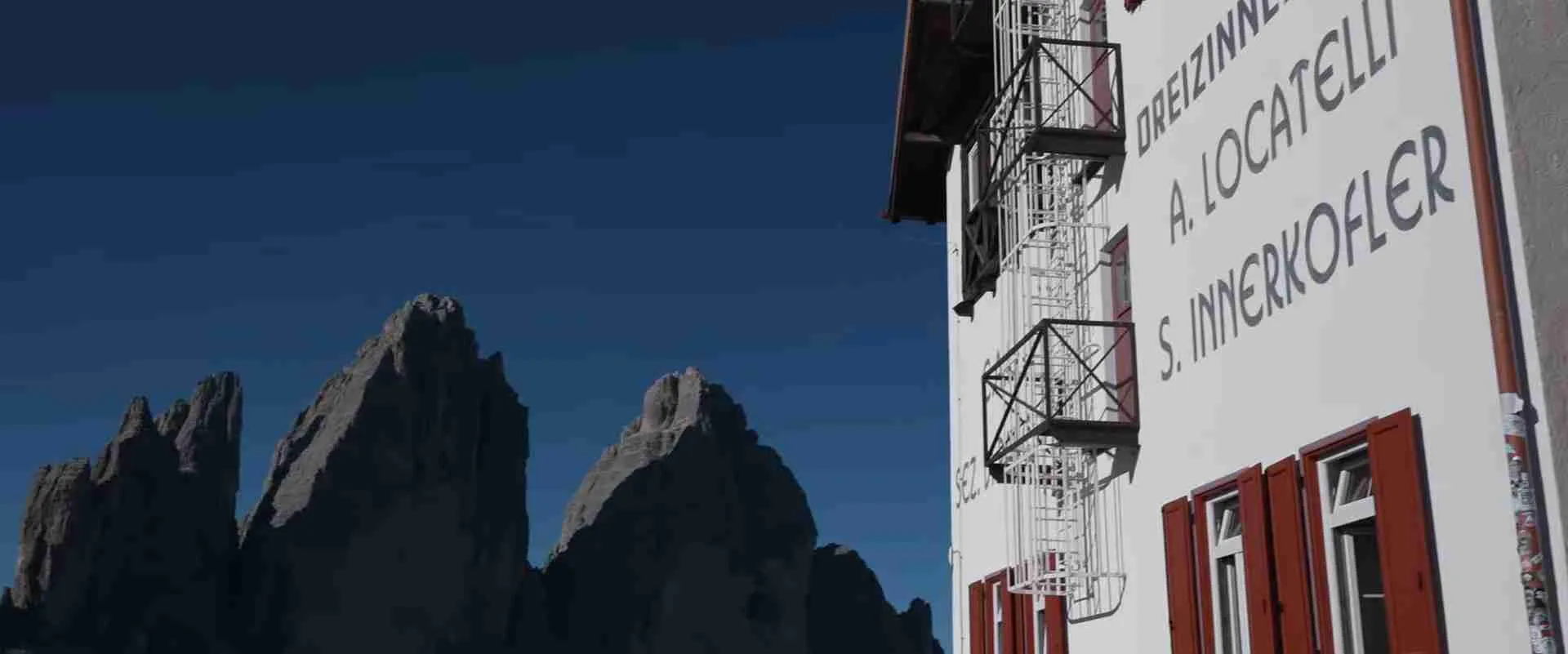
Rifugio Locatelli (Drei Zinnen Hütte) sits beneath Tre Cime di Lavaredo at 2,405 meters offering front-row views of the iconic three peaks. Half-board accommodation costs €55-65 per person in dormitories sleeping 6-10 people. The refuge operates June-September with 100+ beds, yet demand exceeds capacity requiring 5-6 month advance booking for summer. Access via 90-minute hike from Rifugio Auronzo or longer routes from val di Sesto. The unmatched Tre Cime views justify early booking efforts.
Refuge Etiquette and Expectations
Refuge stays follow unwritten etiquette rules ensuring comfortable communal experiences. Remove boots in sleeping areas, using provided slippers or socks. Pack boots in plastic bags preventing odors affecting dormitory roommates. Minimize noise after 10:00 PM as early-rising hikers need sleep. Use headlamps minimally in dormitories—red light modes reduce disturbance. Wake quietly without unnecessary conversation or noise. These considerate behaviors maintain pleasant atmospheres in close-quarters dormitory settings.
Bring personal sleep sheets meeting refuge requirements. Disposable paper sheets work adequately though cloth sleep sack liners provide better comfort for multi-night stays. Most refuges rent sheets for €3-5 if you forget yours. Pack small toiletry bags with essentials as bathrooms offer minimal counter space. Bring headlamp for nighttime bathroom visits and early departures. Earplugs help sleep despite snoring dormitory neighbors—consider essential gear for light sleepers. Small padlocks secure valuables in provided lockers though refuges maintain good security with fellow hikers respecting property.
Refuge meals serve at fixed times with dinner at 7:00-8:00 PM and breakfast at 7:00-8:00 AM. Arrive punctually as seating remains limited with communal tables. The menu offers no choices—eat what the refuge prepares. Dietary restrictions (vegetarian, allergies) require advance notification during booking enabling refuges to prepare appropriate alternatives. Table wine or beer costs €4-6 per drink. Carry cash as credit cards often don’t work at remote refuges lacking reliable connectivity. The communal dining creates social experiences where solo hikers meet others, sharing trail information and mountain stories.
Budget Hotels and Guesthouses
Two-Star Hotels and Pensioni
Two-star hotels and family-run guesthouses (pensioni) provide budget-friendly private accommodations at €50-80 nightly for double rooms during shoulder season, rising to €60-100 in peak periods. These properties offer private bathrooms, breakfast inclusion, WiFi, and basic furnishings without luxury amenities. Rooms feature simple décor, functional furniture, and clean facilities prioritizing practicality over style. Some properties occupy converted farmhouses or traditional buildings adding character despite modest appointments.
Hotel Montana near Cortina charges €60-90 nightly for double rooms with private bathrooms and breakfast. The property occupies a converted house with 20 simple rooms providing budget access to expensive Cortina. The location 1.5 kilometers from town center requires bus use or walking but reduces costs significantly. Free parking benefits drivers. Pension Ladinia in Corvara runs €55-70 nightly offering similar basic comfort in Alta Badia’s heart. These budget properties attract young travelers, hikers, and cost-conscious visitors accepting simple accommodations for savings.
Family-run guesthouses deliver personal service and local knowledge compensating for limited amenities. Owners provide trail recommendations, weather insights, and restaurant suggestions from decades of valley experience. Some properties offer home-cooked dinners (€15-25 per person) featuring traditional recipes using local ingredients. These authentic touches create memorable experiences beyond generic hotel stays. However, limited English sometimes challenges communication requiring patience and gestures. The personal atmosphere and local authenticity attract travelers seeking genuine cultural experiences alongside budget accommodation.
Bed and Breakfasts
Bed and breakfasts (B&Bs) provide intimate lodging in private homes or small converted buildings. Hosts rent 3-8 rooms maintaining personal atmospheres with owner interaction. Rooms cost €60-90 nightly for doubles including breakfast, competing with two-star hotels while delivering more character and personal attention. Some B&Bs occupy historic buildings, restored farmhouses, or architecturally interesting structures adding uniqueness. Breakfast often features homemade cakes, local jams, and regional specialties prepared by hosts.
B&Bs cluster in less-touristed villages and valleys where large hotels never developed. Val di Funes, Agordino, and upper Val Pusteria host numerous B&Bs offering authentic local experiences. These locations require 20-40 minute drives to famous destinations like Tre Cime or Seceda, though the tranquil settings and lower costs compensate for slightly increased travel. B&Bs suit travelers seeking personal connections, quiet locations, and authentic local hospitality over generic hotel experiences. However, limited facilities, language barriers, and minimal services require independent, flexible travelers comfortable managing needs without full-service hotel support.
Youth Hostels and Budget Chains
Youth hostels appear in select Dolomite locations offering dormitory and private room options. Ostello Olimpico in Cortina provides dormitory beds at €25-35 per person, private rooms at €60-80 nightly. The hostel includes kitchen access enabling self-catering, common rooms facilitating social interaction, and organized activities. Age restrictions don’t apply despite “youth” designation—all ages welcome. Hostels attract budget travelers, solo hikers, and young visitors seeking social atmospheres and minimal costs. Limited locations (primarily Cortina, Bolzano, and a few other towns) constrain hostel options across the broader Dolomites.
Budget hotel chains including Ibis and B&B Hotels operate in gateway cities (Bolzano, Belluno, Bressanone) rather than mountain valleys. These properties deliver consistent international standards at €70-100 nightly with modern rooms, standard amenities, and predictable quality. However, the gateway city locations require 30-60 minute drives to mountain trails, making these options better for arrival/departure nights or budget travelers willing to commute daily to mountains. The tradeoff exchanges mountain locations for lower costs and standardized quality familiar to international travelers.
Mid-Range Hotels
Three-Star Hotel Options
Three-star hotels represent the Dolomites’ largest accommodation category, balancing comfort and value at €90-140 nightly during shoulder season, rising to €120-180 in peak periods. These properties feature comfortable rooms with modern bathrooms, breakfast buffets, wellness facilities including saunas and indoor pools, on-site restaurants, helpful staff, and mountain-view locations. Rooms include private bathrooms, flat-screen TVs, WiFi, safes, and balconies at better properties. Breakfast buffets offer breads, meats, cheeses, cereals, eggs, and hot drinks with quality exceeding budget hotel continental breakfasts.
Hotel Menardi near Cortina charges €110-145 nightly offering traditional mountain character in a converted 17th-century farm. The 51 rooms feature wood furnishings, modern bathrooms, and mountain views. Amenities include a restaurant serving traditional Ladin cuisine, wellness area with sauna and steam room, free parking, and shuttle service to ski lifts. The quiet location 1 kilometer from town center provides relaxed atmosphere while maintaining reasonable proximity to Cortina’s shops and restaurants. The property attracts couples and mature travelers seeking authentic character over trendy modern design.
Hotel Garni Aritz in Selva di Val Gardena runs €95-130 nightly with modern amenities and ski-in/ski-out winter access. The three-star property offers 35 contemporary rooms, buffet breakfast, wellness area with sauna, free parking, and central valley location. The straightforward modern style appeals to active travelers prioritizing function and location over luxury. Hotel Columbia in Cortina provides similar mid-range value at €100-150 nightly combining central location (200 meters from Corso Italia) with good amenities. These properties deliver excellent value for travelers seeking comfort without luxury pricing, representing the sweet spot for most Dolomites visitors.
Four-Star Hotel Upgrades
Four-star hotels elevate experiences at €140-220 nightly with enhanced rooms, larger wellness centers, better restaurants, comprehensive services, and refined atmospheres. Rooms feature superior furnishings, premium bedding, larger bathrooms with quality products, and thoughtful design details. Wellness centers span 500-1,000 square meters including multiple saunas, steam rooms, relaxation areas, and treatment rooms offering massage and spa services. Restaurants serve refined regional cuisine with extensive wine lists and professional service.
Park Hotel Faloria in Cortina costs €140-200 nightly providing panoramic valley views from its hillside perch. The four-star property features 88 rooms, indoor pool, comprehensive wellness center, restaurant, and free parking. The location 800 meters from town center enables walking or quick shuttle access. Rooms overlook either valley or surrounding peaks with south-facing rooms capturing exceptional mountain panoramas. The hotel targets families and groups with multi-room suites and activity planning assistance.
Hotel Diamant in San Cassiano charges €170-220 nightly combining traditional Ladin architecture with contemporary luxury. The property includes 40 rooms with wood-paneled interiors, large wellness area, gourmet restaurant, and ski access. The quiet Alta Badia location maintains proximity to slopes while avoiding crowds. Four-star properties deliver substantially better experiences than three-star hotels through larger rooms, better facilities, enhanced service, and refined touches justifying 40-60% price premiums for travelers prioritizing elevated comfort levels.
Luxury Accommodations
Five-Star Hotels and Resorts
Five-star properties deliver ultimate luxury at €250-550 nightly depending on property and season. Cristallo Resort & Spa in Cortina charges €350-500 nightly for rooms in the historic belle époque palace dating to 1901. The 74 rooms feature elegant period furnishings blended with modern amenities, spacious layouts, and luxury finishes. The 2,000-square-meter spa includes indoor and outdoor pools, saunas, steam rooms, treatment rooms, and fitness center. Two restaurants include the Michelin-starred Gazebo serving innovative Italian cuisine. Comprehensive concierge services arrange activities, reservations, and personalized experiences.
Rosa Alpina Hotel & Spa in San Cassiano runs €350-480 nightly providing ultimate mountain luxury. The property features 56 rooms and suites with natural materials including local stone and wood creating sophisticated alpine ambiance. The wellness center spans 1,500 square meters with pools, saunas, and extensive treatment menus. The property houses three restaurants including St. Hubertus (three Michelin stars) delivering exceptional dining. Additional amenities include ski storage with boot warmers, private wine cellar, and bespoke mountain experiences including private guides.
Five-star properties include services justifying premium pricing: daily housekeeping with turndown service, premium bath products, in-room amenities including espresso machines and stocked minibars, afternoon tea or aperitivo, personalized concierge assistance, preferential restaurant reservations, and exclusive mountain experiences. The combination of exceptional accommodations, comprehensive facilities, refined dining, and high-touch service creates memorable stays for special occasions or travelers prioritizing ultimate comfort over cost considerations. However, the natural mountain scenery and hiking trails remain identical to budget travelers’ experiences—luxury premiums buy comfort and service rather than superior landscapes.
Boutique Hotels and Design Properties
Boutique hotels emphasize design, intimate scale, and personalized experiences at €180-350 nightly. These properties feature 15-30 rooms with individual character, contemporary or traditional design statements, and owner involvement creating distinctive atmospheres. Hotel de Len in Cortina provides intimate luxury with just 14 suites at €280-420 nightly. Each suite features unique design incorporating antiques, local artwork, and modern amenities. The property includes a lounge serving light meals and wines, wellness area, and personalized service. The quiet location maintains easy town center access while providing peaceful retreat.
Design-forward properties appeal to aesthetically-minded travelers seeking distinctive spaces over conventional hotel uniformity. However, the emphasis on style sometimes prioritizes form over function with design elements occasionally hindering practicality. Boutique properties suit couples, design enthusiasts, and travelers valuing unique spaces and personal attention over extensive facilities. The limited room counts enable personalized service matching five-star hotels while maintaining more intimate, less corporate atmospheres. Boutique pricing sits between four-star and five-star levels, reflecting enhanced design and personalization without full luxury resort facilities.
Apartments and Vacation Rentals
Apartment Types and Booking
Apartments range from studio units to multi-bedroom properties accommodating 2-8 people. Studio apartments with kitchenette and sleeping/living area cost €70-100 nightly during shoulder season, rising to €90-130 in peak periods. One-bedroom apartments separating sleeping and living spaces run €90-140 (shoulder) or €120-180 (peak). Multi-bedroom properties accommodating families or groups cost €150-300+ nightly depending on size, location, and quality. Weekly rentals reduce nightly rates 15-25% compared to short stays, with many properties requiring 7-night minimum bookings during peak season.
Apartments include full kitchens with stove, oven, refrigerator, and cooking equipment enabling complete meal preparation. This self-catering capability saves €30-50 daily per person versus restaurant dining. Living areas provide space for relaxing beyond hotel room constraints. Multiple bathrooms in larger units ease morning routines for families or groups. Private balconies or terraces common at mountain apartments provide outdoor space with valley views. However, apartments lack hotel services including daily housekeeping, breakfast service, and reception assistance. Guests manage trash removal, basic cleaning, and self-sufficiency.
Book apartments through multiple channels. Booking.com and Airbnb list extensive Dolomites inventory with filters for price, location, and amenities. Local agencies including Dolomiti Casa specialize in regional apartments with on-the-ground support and property knowledge. Direct property websites sometimes offer 5-10% savings versus platform commissions, though platforms provide user reviews, secure payment processing, and dispute resolution adding value. Compare across platforms finding best combinations of price, location, and reviews. Verify WiFi, parking, and Guest Pass inclusion when comparing properties as these amenities significantly affect practical value.
Apartment vs. Hotel Considerations
Apartments excel for families and extended stays through cost savings, space, and flexibility. Self-catering capability dramatically reduces meal costs enabling €30-50 daily per-person savings versus restaurants. Multiple rooms provide children’s sleeping areas separate from adults. Kitchens enable flexible meal timing matching children’s needs without restaurant schedule constraints. Washing machines at some properties reduce luggage requirements for longer trips. These advantages make apartments near-essential for families with young children seeking economical multi-week stays.
Hotels provide services, convenience, and social opportunities absent at apartments. Daily housekeeping maintains rooms without guest effort. Breakfast service simplifies mornings. Reception staff provide local information, activity booking assistance, and problem-solving support. On-site restaurants eliminate meal planning and shopping. Wellness facilities including pools and saunas enhance mountain experiences. Hotel common areas facilitate meeting fellow travelers. These services justify hotel premiums for travelers prioritizing convenience over cost savings, particularly during shorter stays when self-catering savings prove minimal.
Strategic combinations optimize both approaches: apartment stays enabling economical extended visits with occasional hotel nights adding variety and pampering. Week-long apartment rentals with one spa hotel night balances budget management with luxury experiences. Families staying apartments while parents enjoy anniversary hotel nights combines practical family lodging with romantic interludes. These flexible strategies adapt accommodation choices to specific trip phases rather than single-approach rigidity.
Camping and Alternative Lodging
Campgrounds and Facilities
Organized campgrounds throughout the Dolomites provide tent camping and camper van sites at €15-30 nightly for two people with tent and car. Sites include electrical hookups (sometimes requiring €3-5 surcharge), access to bathrooms with hot showers, dishwashing facilities, and often WiFi. Better campgrounds feature restaurants, small shops, playgrounds, and sometimes pools. Camping Sass Dlacia in Corvara charges €25 nightly for two adults with tent and car, providing good facilities and mountain views. Camping Olympia in Cortina costs €28-35 nightly with superior facilities including modern bathrooms and mountain panoramas.
Campgrounds operate seasonally, primarily June through September with some extending May-October. Winter camping proves extremely limited with most campgrounds closed. Reserve popular campgrounds 4-6 weeks ahead for July-August as capacity fills during peak season. Shoulder season allows arrival without reservations accepting available sites. Campground locations cluster in valley towns providing access to hiking trails, restaurants, and shops within walking distance or short drives. The outdoor camping experience connects visitors with nature while maintaining access to civilized amenities creating balance between wilderness immersion and practical convenience.
Wild Camping and Bivouacs
Wild camping (camping outside designated campgrounds) faces legal restrictions throughout the Dolomites. Italian law prohibits camping on public lands within UNESCO World Heritage areas and nature parks. Enforcement varies though rangers patrol popular areas issuing fines of €100-300 for violations. The regulations protect fragile alpine environments from impacts including waste, soil compaction, and vegetation damage. Respect these rules camping only at designated sites avoiding environmental damage and legal complications.
Bivouac shelters (bivaccos) appear at high altitudes providing emergency shelter for mountaineers. These small huts accommodate 4-12 people with mattresses or sleeping platforms but no services, staffing, or fees. Bivouacs serve as emergency shelters rather than planned accommodations. Use only when weather, darkness, or emergencies prevent reaching refuges. Leave bivouacs clean and undamaged maintaining them for future emergency needs. The minimal facilities (just shelter and sleeping platforms) suit mountaineers caught by weather rather than comfortable planned stays.
Valley Selection and Location Strategy
Premium Resort Areas
Cortina d’Ampezzo commands the highest accommodation costs with three-star hotels at €120-180 nightly (peak season) compared to €90-140 in alternative valleys. The prestigious reputation, comprehensive services, luxury shopping, and international atmosphere justify premiums for travelers prioritizing glamour and extensive amenities. However, equivalent mountain access and scenery exist throughout the Dolomites at significantly lower costs. Cortina suits luxury travelers, those seeking upscale dining and shopping, and visitors prioritizing established resort prestige over budget considerations.
Val Gardena (Ortisei, Selva, Santa Cristina) provides more moderate pricing than Cortina while maintaining excellent facilities. Three-star hotels cost €100-160 nightly delivering good value for quality accommodations. The valley offers extensive skiing, comprehensive hiking access, good restaurant selections, and authentic Ladin culture. Val Gardena suits mainstream travelers seeking balance between services and value without Cortina’s luxury focus. Alta Badia (Corvara, La Villa, San Cassiano) sits between Val Gardena and Cortina for pricing and positioning, offering refined experiences with Michelin-starred dining at modest premiums over Val Gardena.
Value-Focused Valleys
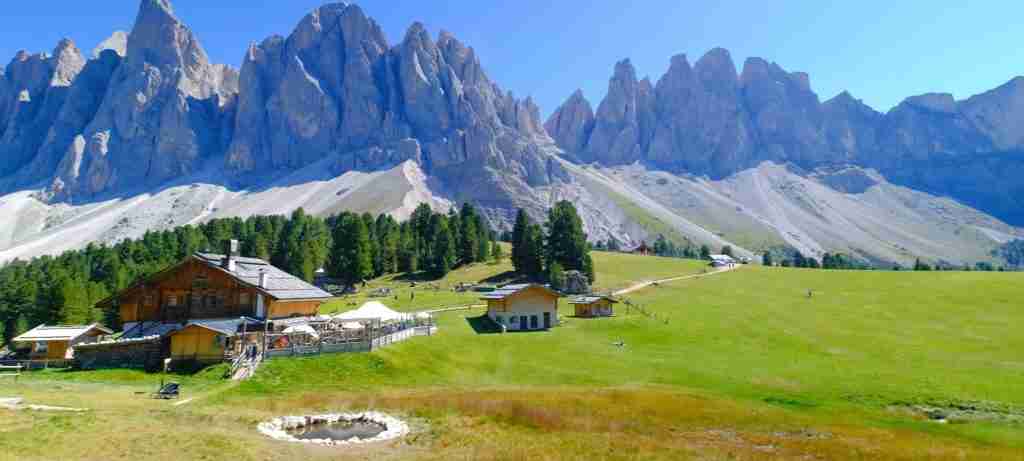
Val di Funes delivers spectacular scenery (the iconic Odle Group viewpoints) at budget-friendly rates. Three-star hotels cost €70-110 nightly—30-40% below Cortina for equivalent quality. The quiet valley maintains authentic character with limited commercial development. However, the remote location requires 40-60 minute drives to famous destinations including Tre Cime, Cortina, or Alta Via trailheads. Val di Funes suits budget-focused travelers, photography enthusiasts (Odle sunrise/sunset shots), and those seeking tranquility over comprehensive services.
Agordino (Agordo, Alleghe, Selva di Cadore) provides similar value at €70-110 nightly for three-star properties. The area sees fewer international tourists maintaining authentic Italian mountain character. Access to Civetta, Pelmo, and Marmolada provides world-class hiking at budget rates. Val Pusteria (Brunico, Dobbiaco, San Candido) extends east from Val Gardena offering good value at €80-120 nightly with excellent hiking and winter sports. These lesser-known valleys deliver 30-50% accommodation savings enabling longer stays, better rooms, or activity splurges within equivalent budgets.
Booking Strategies and Timing
Peak Season Booking
Book peak season (late July-August, Christmas-New Year) 3-4 months ahead securing preferred properties and room types before sellouts. Popular hotels in Cortina, Ortisei, and Alta Badia fill 4-5 months before peak dates. Three-star properties maintain better availability though best rooms (mountain views, larger sizes) book first. Budget properties sell out completely during August requiring very early booking for any availability. Monitor favorite properties starting 4-5 months before desired dates booking immediately when optimal dates become available.
Flexibility enhances booking success. Preferred properties full for Saturday arrivals often have availability for Sunday or midweek starts. Extending stays by one night sometimes secures rooms when shorter bookings show full. Calling properties directly inquiries about cancellations or unlisted availability—small hotels sometimes hold rooms outside booking platforms. Package offerings combining multiple nights with activities occasionally free rooms during otherwise full periods. Strategic flexibility overcomes apparent sellouts securing preferred properties despite heavy demand.
Last-Minute and Shoulder Season
Shoulder season (June, September, January excluding holidays, March) allows 4-6 week booking with excellent availability. Properties maintain excess capacity enabling later bookings without premiums or limited choices. However, early booking still provides better room selection (south-facing, upper floors, recently renovated) before optimal rooms fill. Balance booking timing against weather forecast monitoring: book accommodation 6 weeks out, monitor forecasts refining daily plans 1-2 weeks before arrival based on predicted conditions.
Last-minute travelers (1-2 weeks ahead) find reasonable shoulder season options though sacrificing choice flexibility. Booking platforms show remaining inventory with occasional deals from properties struggling to fill capacity. However, procrastination costs opportunities at favorite properties and risks settling for less-preferred locations or facilities. Extremely last-minute (within 1 week) booking works only during slow periods (early June, late September, January) when significant availability remains. Peak season last-minute booking finds only expensive luxury properties or poorly-located budget options—avoid this approach booking well ahead for peak dates.
FAQ Section: Accommodation Questions
What is the Guest Pass and how does it work?
The South Tyrol Guest Pass provides unlimited regional transportation included automatically with accommodations in South Tyrol (Alto Adige). Over 85% of properties (hotels, guesthouses, apartments, camping) participate. The pass activates upon check-in remaining valid throughout stays plus arrival and departure days. Coverage includes all SAD regional buses, Trenitalia regional trains between Brenner and Trento, and seasonal mountain shuttles. The pass saves €20-40 daily compared to purchasing individual tickets. Present the pass when boarding buses or trains for validator scanning. The pass works exclusively in South Tyrol covering Val Gardena, Alta Badia, Val Pusteria, and Val di Funes—it does not extend to Veneto (Cortina) or Trentino regions.
Do I need to speak Italian to stay in Dolomites hotels?
English suffices at most Dolomites accommodations particularly in tourist areas. Hotels in Cortina, Val Gardena, and Alta Badia employ English-speaking staff at reception handling check-in, questions, and assistance. Restaurant staff understand English for menu explanations and orders. German represents another common language in South Tyrol with many residents speaking Ladin, German, and Italian plus English. Smaller guesthouses and budget properties sometimes have limited English requiring patience and gestures though communication succeeds through goodwill and effort. Learning basic Italian phrases (buongiorno, grazie, per favore) shows respect though remains unnecessary for functional stays. English-language services dominate tourist infrastructure enabling comfortable visits without Italian fluency.
Can I bring my dog to Dolomites accommodations?
Many Dolomites accommodations welcome dogs, though policies vary significantly by property. Pet-friendly hotels charge €10-25 nightly per dog covering cleaning and potential damages. Some properties limit dog size (under 10 kilograms common threshold) or breed (restrictions on “aggressive” breeds). Book directly confirming pet policies rather than assuming acceptance—some properties completely prohibit animals. Mountain refuges generally prohibit dogs in sleeping quarters though accept them in outdoor areas and sometimes dining rooms. Trails welcome leashed dogs with owners responsible for waste removal. Public buses accept small dogs in carriers free, larger dogs on leashes for €1-2 tickets. Plan carefully verifying accommodation and transportation policies before traveling with dogs to the Dolomites.
What does “half-board” mean at mountain refuges?
Half-board (mezza pensione) includes accommodation, breakfast, and dinner at refuges. The package typically costs €45-65 per person providing dormitory bed, morning meal (bread, jam, cheese, cold cuts, coffee, tea), and evening meal (multi-course dinner featuring soup, pasta or polenta, meat entrée, dessert). Drinks cost extra at €4-6 for beer or wine. Packed lunches (€10-12) require advance request evening before. Half-board represents standard refuge accommodation with room-only options rare due to supply logistics requiring meal service. The fixed meal times (breakfast 7:00-8:00 AM, dinner 7:00-8:00 PM) accommodate early-rising hikers and sunset return schedules. Special diets (vegetarian, allergies) require advance notification during booking enabling refuges to prepare appropriate alternatives.
Are Dolomites hotels family-friendly?
Most Dolomites hotels welcome families with children offering family rooms, kid menus, and sometimes children’s activity programs. Family rooms accommodate 3-4 people at lower rates than separate rooms. Children under 6-8 often stay free when using existing beds, ages 8-14 receive 30-50% discounts on additional beds. Hotel breakfasts include child-friendly options (cereals, yogurt, pastries) alongside adult offerings. Some properties provide high chairs, cribs, and bottle warmers by request. However, dedicated kids’ clubs and entertainment remain uncommon outside luxury resorts. Families find excellent value in apartments where kitchens enable flexible meal timing and washing machines reduce luggage. Mountain refuges accommodate families though dormitory sleeping and early schedules challenge young children. Overall, the Dolomites welcome families with appropriate facility selection ensuring age-appropriate experiences.
How do I handle payment at accommodations?
Credit cards work at most hotels, apartments, and established properties for final payment. However, smaller guesthouses, B&Bs, and mountain refuges sometimes accept cash only. Confirm payment methods when booking to avoid surprises at checkout. Mountain refuges particularly require cash due to limited connectivity preventing card processing at remote locations. Carry €200-300 cash for refuge stays, incidentals, and contingencies. Tourist taxes (tassa di soggiorno) add €1-3 per person nightly, paid at checkout. Some properties require deposits (10-30% of total) for reservations made directly, refundable upon arrival or deducted from final bills. Cancellation policies vary from flexible (free cancellation until 24-48 hours before arrival) to strict (non-refundable upon booking). Read cancellation terms carefully before confirming reservations avoiding unexpected charges if plans change.
What’s the difference between a hotel garni and a regular hotel?
Hotel garni designates properties providing rooms and breakfast without on-site restaurant or bar services. These hotels focus on accommodation quality, breakfast buffets, and sometimes wellness facilities (pools, saunas) while outsourcing meal services. Guests explore valley restaurants for lunch and dinner rather than dining at hotels. Garni hotels suit active travelers spending days hiking or skiing, eating lunch at mountain refuges, and seeking dinner variety at local restaurants. The streamlined operations enable competitive pricing versus full-service hotels. However, convenience suffers for guests preferring all-inclusive hotel dining. Many three-star and four-star properties in the Dolomites operate as garni hotels, reflecting the destination’s focus on outdoor activities rather than hotel-based leisure.
Can I store ski equipment at hotels?
Hotels in ski areas provide ski storage rooms with boot warmers and equipment racks. These heated rooms enable overnight boot drying ensuring warm, dry boots for morning skiing. Locking systems secure valuable ski equipment preventing theft. Storage rooms sometimes include benches for boot fitting and shelves for helmets and accessories. Budget properties offer basic storage without heating or security. Luxury hotels provide valet ski service handling equipment storage, overnight maintenance, and morning delivery. Apartments rarely include ski storage requiring guests to store equipment in units or building common areas. Ski storage proves essential for comfortable multi-day skiing—verify availability when booking winter accommodations, particularly at apartments or budget properties where facilities may be limited or absent.
Should I book accommodation directly or through platforms?
Both approaches offer advantages requiring situation-based decisions. Direct booking sometimes provides 5-10% discounts as properties avoid platform commission costs. Properties may offer room upgrades, late checkouts, or other perks for direct bookings. Small family-run establishments appreciate direct bookings building personal relationships. However, booking platforms provide user reviews enabling informed property selection, secure payment processing protecting against fraud, standardized cancellation policies, and dispute resolution if problems arise. The platform convenience and protection justify small price premiums for many travelers particularly when booking unfamiliar properties. Compare direct property websites and platform listings choosing optimal combinations of price, protection, and convenience for specific bookings. Use platforms for unfamiliar properties where reviews prove valuable, direct booking for known properties where relationships and small savings add value.
What should I do if I need to cancel my accommodation?
Cancellation policies vary significantly by property and booking method. Flexible policies allow free cancellation until 24-48 hours before arrival. Moderate policies charge one night if canceling within 7 days of arrival. Strict policies make reservations non-refundable or charge 50-100% for any cancellation. Read policies carefully before booking particularly for peak-season stays. If cancellation becomes necessary, contact properties immediately—some show flexibility for genuine emergencies (illness, family issues) even with strict policies. Travel insurance covering trip cancellation reimburses non-refundable accommodation costs justifying the modest premium. Force majeure events (natural disasters, pandemics) sometimes enable penalty-free cancellations though policies vary. Document reasons for cancellation and communicate clearly with properties maximizing chances for understanding and flexibility even when policies suggest otherwise.