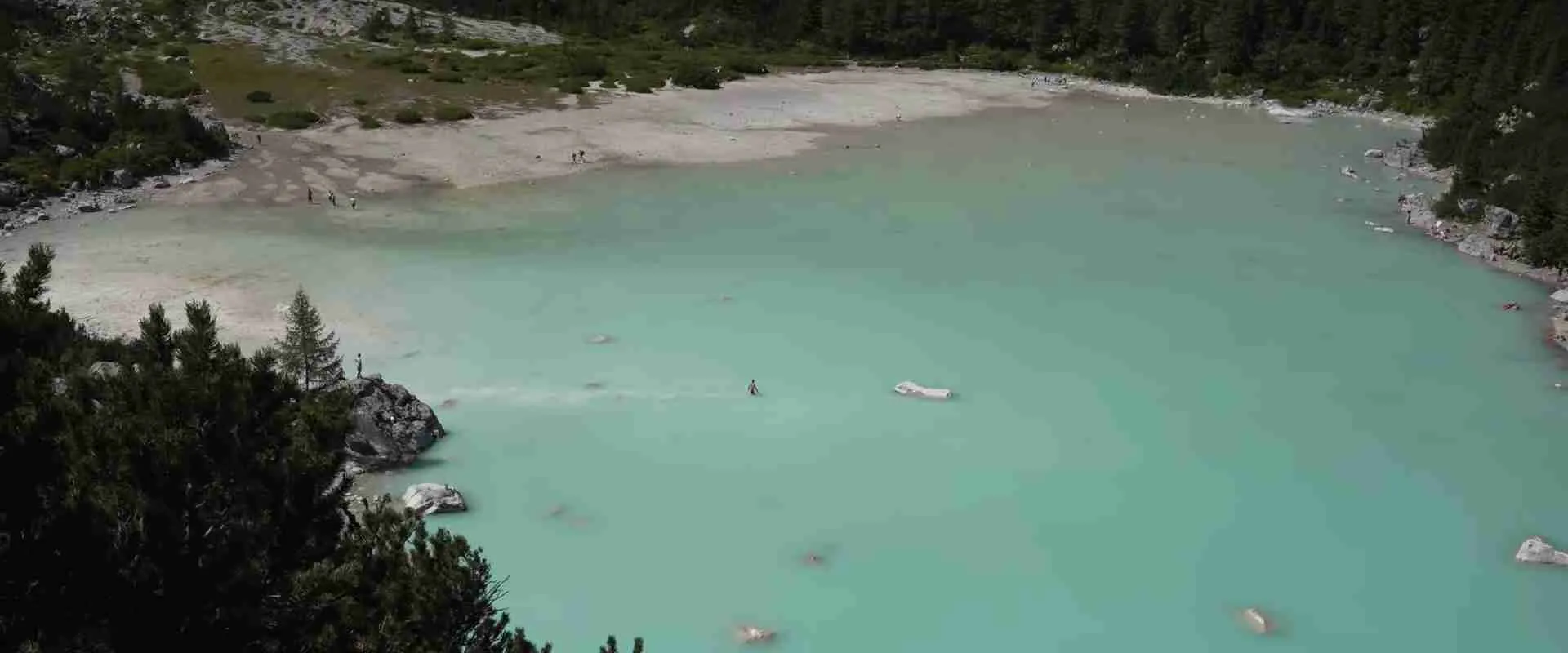
Dolomites Travel Guide 2026: Ultimate Planning Resource
The Dolomites stand as one of Europe’s most spectacular mountain ranges, stretching across northeastern Italy through the regions of Veneto, Trentino-Alto Adige, and Friuli-Venezia Giulia. This UNESCO World Heritage site encompasses 142,000 hectares of dramatic limestone peaks, vertical walls rising 1,500 meters, and nineteen summits exceeding 3,000 meters elevation. Planning a 2026 visit to the Dolomites requires understanding seasonal patterns, accommodation strategies, transportation logistics, and activity options across this vast alpine landscape.
Key Takeaways
- Peak season (July-August and December-March) requires booking 3-4 months ahead for optimal accommodation and activity availability
- Budget €80-150 per day for mid-range travelers including accommodation, meals, and activities
- Bolzano and Innsbruck airports provide main access points, with shuttle services costing €25-45 per person to major resort towns
- Multi-day hiking passes (€40-60) and ski passes (€55-75 daily) offer significant savings compared to single-entry options
- Shoulder seasons (May-June and September-October) deliver 30-40% lower costs with excellent weather and reduced crowds
- Public transportation through the South Tyrol Guest Pass provides unlimited regional travel at no additional cost when staying in participating accommodations
Introduction: Planning Your 2026 Dolomites Adventure
The mountain range divides into nine distinct systems, each offering unique characteristics and experiences. The Brenta Dolomites provide technical climbing routes and via ferratas. The Sella Group creates a massive limestone plateau perfect for high-altitude trekking. The Marmolada glacier reaches 3,343 meters as the highest peak in the entire range. Tre Cime di Lavaredo presents three iconic spires that define Dolomite photography. Understanding these geographical divisions helps optimize your 2026 itinerary based on interests and fitness levels.
The 2026 season brings enhanced infrastructure following recent investments in sustainable tourism. New electric shuttle services connect remote trailheads. Expanded bike path networks link valley towns. Upgraded mountain refuges offer improved facilities while maintaining traditional alpine character. These developments make the Dolomites increasingly accessible while protecting the pristine environment that earned UNESCO recognition in 2009.
People Also Ask About Dolomites 2026
How much does a trip to the Dolomites cost in 2026?
A week-long Dolomites trip costs €1,200-2,800 per person depending on travel style and season. Budget travelers spend €80-120 daily staying in mountain huts and guesthouses, cooking some meals, using public transportation, and choosing free hiking over paid activities. Mid-range visitors allocate €150-220 daily for three-star hotels, restaurant meals, car rentals, and guided activities like via ferrata tours or ski lessons. Luxury travelers budget €300-500 daily for four-star resorts, fine dining, private guides, and premium experiences.
Specific costs break down as follows: accommodation ranges €40-80 nightly for budget options, €90-160 for mid-range hotels, and €200-400 for luxury resorts in peak season. Meals cost €8-15 for lunch at mountain refuges, €25-40 for restaurant dinners, and €3-5 for coffee and pastries. Activities include €40-60 for multi-day hiking area passes, €55-75 for daily ski passes in winter, €80-120 for guided via ferrata tours, and €60-90 for cable car day passes. Transportation adds €25-45 for airport shuttles, €30-50 daily for car rentals, or free public transit with the South Tyrol Guest Pass.
Do you need advance bookings for the Dolomites in 2026?
Advance bookings prove essential for peak season visits in July-August and December-March. Book accommodation 3-4 months ahead for popular resort towns like Cortina d’Ampezzo, Ortisei, and Corvara. Reserve guided activities, via ferrata tours, and ski school lessons 2-3 months before arrival. Secure rental cars 6-8 weeks early for summer travel when demand peaks. Popular mountain refuges along the Alta Via trails require reservations 4-6 months ahead, especially for weekend stays.
Shoulder season travelers (May-June and September-October) find more flexibility, with 4-6 week advance bookings sufficient for most accommodations and activities. Winter sports enthusiasts should book Christmas and New Year periods 5-6 months early, while January-February offers more last-minute availability. Cable car tickets rarely need advance purchase except for the Marmolada glacier cable car on peak summer weekends. Restaurant reservations help for fine dining establishments in Cortina and Bolzano but remain unnecessary for casual mountain refuge dining.
When is the best time to visit the Dolomites in 2026?
The Dolomites deliver exceptional experiences year-round, with optimal timing depending on preferred activities. Summer hiking season (June-September) offers warm temperatures of 20-25°C in valleys and 10-15°C at altitude, with July-August providing the most stable weather but highest crowds. Shoulder seasons (May-June and September-October) present ideal conditions with fewer visitors, blooming alpine meadows in spring, and golden larch forests in autumn, though some high-altitude trails remain snow-covered until mid-June.
Winter sports season (December-March) transforms the Dolomites into premier skiing terrain, with optimal conditions January-February when snow depth reaches maximum levels. December offers festive Christmas markets and fresh powder, while March brings longer days and spring skiing conditions. April-May sees hotels closed for maintenance and trails too muddy for comfortable hiking, making this the least favorable period. Late September through early October provides the sweet spot for photographers seeking autumn colors with minimal tourist presence and stable weather patterns.
What’s the easiest way to get around the Dolomites in 2026?
Car rental provides maximum flexibility for exploring the Dolomites, with rental costs of €30-50 daily for compact vehicles suitable for mountain roads. Major routes like the Great Dolomite Road (SS48) and Gardena Pass connect key valleys and resort towns. Parking costs €5-12 daily in town centers, while trailhead parking remains free or charges €2-5 per day. Narrow mountain passes require confident driving skills, though major roads stay well-maintained and clearly marked.
Public transportation offers viable alternatives through the South Tyrol Guest Pass, which provides unlimited regional bus and train travel when staying at participating accommodations. Regional buses connect valley towns every 30-60 minutes during summer, with reduced winter service. The Cortina Express bus links Venice and Cortina d’Ampezzo in 2.5 hours for €15-20 one-way. Seasonal shuttle services operate between trailheads and towns during peak summer months. Guided tour packages eliminate transportation logistics entirely, with full-day tours costing €80-120 per person including transport, guide, and sometimes meals.
Extended multi-day tours – 5+ days
Featured The Dolomites Multi-Day Tour Packages
3 days
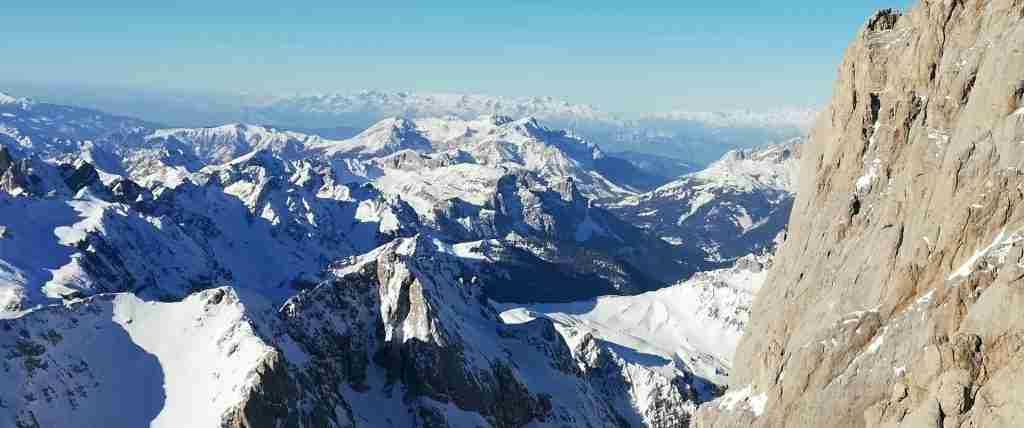
The Dolomites 3-Day Discovery Tour
- ✓ Comprehensive The Dolomites experience
- ✓ Expert local guides included
- ✓ All accommodation included
- ✓ Transportation provided
5 days
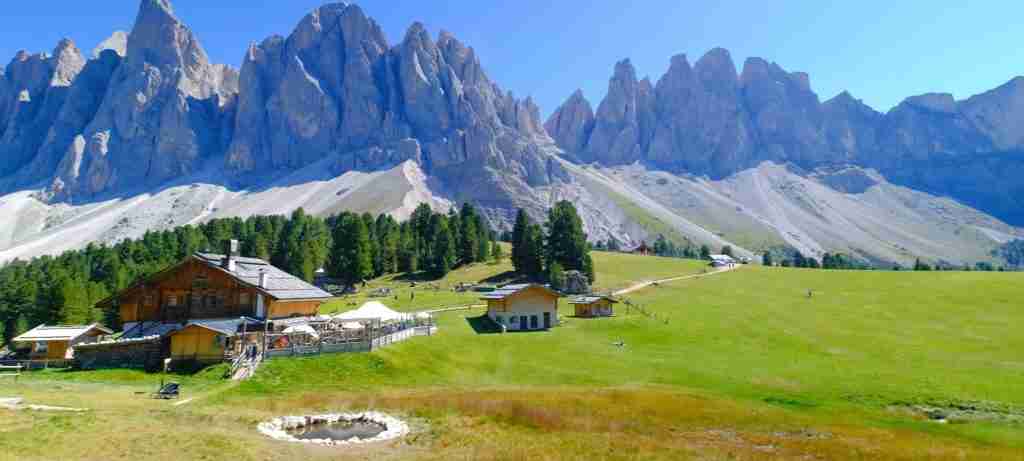
The Dolomites 5-Day Highlights Experience
- ✓ Comprehensive The Dolomites experience
- ✓ Expert local guides included
- ✓ All accommodation included
- ✓ Transportation provided

7 days
The Dolomites 7-Day Cultural Journey
- ✓ Comprehensive The Dolomites experience
- ✓ Expert local guides included
- ✓ All accommodation included
- ✓ Transportation provided
10 days
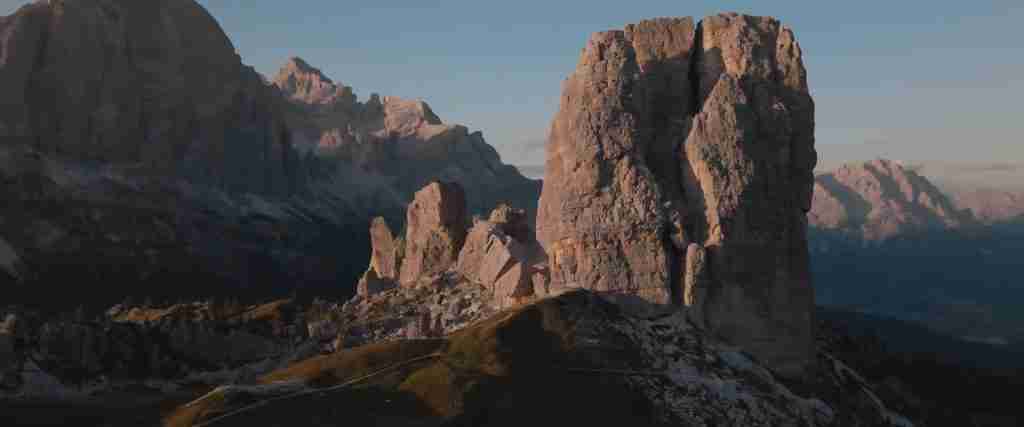
The Dolomites 10-Day Complete Adventure
- ✓ Comprehensive The Dolomites experience
- ✓ Expert local guides included
- ✓ All accommodation included
- ✓ Transportation provided
Multi-day tour packages powered by TourRadar. Prices and availability subject to change.
Essential Planning Information 2026
Current Costs and Pricing Breakdown
Understanding 2026 Dolomites costs helps create realistic budgets and identify savings opportunities. Entry to the mountain region itself costs nothing, but specific areas, activities, and services carry distinct fees. The Dolomiti Superski pass costs €368 for six consecutive days in winter season, covering 12 valleys and 1,200 kilometers of slopes (check dolomitisuperski.com for current official rates as pricing may vary by season and advance purchase timing). Individual resort day passes range €55-75 depending on area size and facilities.
Summer activity costs center on cable cars and guided experiences. The Sass Pordoi cable car charges €25 round-trip for adults to access the 2,950-meter viewpoint. The Marmolada glacier lift costs €35-40 for the complete ascent to 3,265 meters. Multi-area passes like the Dolomiti SuperSummer card provide 3 consecutive days of unlimited cable car access for €115 adults, €81 children. Guided via ferrata tours cost €80-120 per person for half-day experiences including equipment rental. Private mountain guides charge €250-350 daily for technical climbing or customized hiking adventures.
Equipment rentals add to activity budgets. Ski and snowboard packages cost €25-35 daily for standard equipment, €40-50 for high-performance gear. Summer mountain bike rentals run €30-45 per day for quality trail bikes, €55-75 for e-bikes. Via ferrata equipment (harness, helmet, lanyards) rents for €15-20 daily from mountain sport shops. Climbing gear packages cost €30-40 daily. Many accommodations offer guest discounts at affiliated rental shops, reducing costs by 10-15%.
Transportation Options and Schedules
Reaching the Dolomites requires planning arrival through regional airports and ground transportation. Venice Marco Polo Airport serves as the primary gateway, located 160 kilometers from Cortina d’Ampezzo. The Cortina Express bus operates daily April through October, departing Venice at 8:30 AM, 12:30 PM, and 4:30 PM with return services from Cortina at 8:30 AM, 1:00 PM, and 4:30 PM. Journey time runs 2.5-3 hours with tickets costing €18-22 one-way. Innsbruck Airport in Austria provides northern access, situated 110 kilometers from the Sella Group with shuttle services costing €30-40 per person.
Bolzano Airport offers the closest access point to the western Dolomites, though limited to seasonal flights from select European cities. The airport sits 40 kilometers from Val Gardena with bus connections taking 60-75 minutes for €8-12 per person. Verona Airport serves the southern access route, located 180 kilometers from Cortina with direct bus services requiring 3-3.5 hours travel time. Treviso Airport provides budget airline access with connections to Cortina taking 2-2.5 hours via regional buses.
Internal transportation between valleys relies on regional bus networks. The South Tyrol regional system connects Val Gardena, Val Badia, and Alta Badia with hourly services during peak summer and winter seasons. Single journey tickets cost €2-5 depending on distance, while day passes run €10-15 for unlimited regional travel. The Dolomiti Bus network covers the Veneto region including Cortina, with similar pricing structures. Free ski bus services operate during winter season connecting accommodations to lift stations in most resort areas.
Best Time to Visit 2026
Seasonal Analysis for 2026
Summer season (June-September) reigns as the most popular period for Dolomites visits, with hiking, climbing, and photography attracting visitors worldwide. June offers blooming alpine meadows with wildflowers at peak color, though higher elevation trails remain snow-covered until mid-month. Daytime temperatures reach 20-25°C in valleys and 10-15°C at 2,500-meter elevation. Rainfall occurs 10-12 days monthly, usually as afternoon thunderstorms that clear by evening. This period provides excellent value with accommodation prices 20-30% below July-August rates.
July and August deliver the most stable weather patterns with minimal precipitation and maximum daylight hours extending until 9:00 PM. All high-altitude trails become accessible, mountain refuges operate full services, and cable cars run extended schedules from 8:00 AM to 6:00 PM. These months attract peak crowds, particularly at iconic locations like Tre Cime di Lavaredo and Seceda. Accommodation prices reach annual maximums, and popular trails see 300-500 hikers daily on weekends. Weekday visits prove significantly less crowded while maintaining excellent weather.
September through early October presents ideal conditions for experienced mountain visitors. Autumn transforms larch forests to golden yellow, creating spectacular photography opportunities. Temperatures drop to 15-20°C in valleys and 5-10°C at altitude, requiring warmer layering. Precipitation decreases compared to summer months. Crowds diminish by 60-70% after September 15th when schools resume. Accommodation prices fall 30-40% below summer peaks. Cable cars maintain full operations through September, with some closing October 1st-15th depending on snowfall. This shoulder season delivers the best value proposition across all metrics.
Weather Patterns and Crowd Predictions
Winter season (December-March) transforms the Dolomites into world-class skiing terrain. December brings festive atmosphere with Christmas markets in Bolzano, Bressanone, and valley towns. Snowfall establishes base depths of 60-100 centimeters by month’s end. Temperatures range -5°C to 5°C in valleys, dropping to -15°C to -5°C at altitude. Holiday periods (December 20-January 6) see maximum crowds and prices, with accommodation costing 40-50% more than regular winter rates. Booking 5-6 months ahead proves essential for this peak period.
January and February deliver optimal skiing conditions with snow depth reaching 150-200 centimeters at mid-mountain elevations. Clear, sunny days alternate with snowfall events every 4-7 days. Crowds decrease after Epiphany (January 6), with weekdays offering virtually empty slopes outside Italian school holidays (typically one week in February). Accommodation prices drop 20-30% compared to holiday periods, making this excellent value for skiing-focused visits. Temperatures stabilize at -8°C to 2°C in valleys, requiring appropriate cold-weather gear for all activities.
March brings spring skiing conditions with longer days, warming temperatures of -2°C to 8°C, and consolidated snow perfect for intermediate skiers. Easter holidays (dates vary annually) create a second winter peak period requiring advance bookings. The Marmolada glacier maintains skiing through late March, while lower elevation resorts begin closing after March 15th-20th. This shoulder winter period offers 25-35% savings on accommodation compared to peak winter, with excellent snow coverage on north-facing slopes and more relaxed atmosphere than high season.
Accommodation Strategies 2026
Budget Accommodation Options
Mountain refuges (rifugios) provide the most authentic and economical Dolomites accommodation experience. These alpine huts offer dormitory beds for €25-40 per person nightly including breakfast, with half-board (dinner included) adding €20-30 per person. Facilities range from basic bunk rooms with shared bathrooms to modern refuges with private rooms and hot showers. Popular refuges along Alta Via 1 and Alta Via 2 trails include Rifugio Lagazuoi (€38 half-board), Rifugio Nuvolau (€35 half-board), and Rifugio Locatelli (€40 half-board). Advance reservations prove essential 4-6 months before summer visits.
Valley town guesthouses and bed-and-breakfasts cost €50-80 per room nightly for budget-conscious travelers seeking private accommodation. These family-run properties cluster in villages like Selva di Val Gardena, Colfosco, and San Cassiano. Amenities include private bathrooms, WiFi, breakfast buffets, and often free parking. Many include the South Tyrol Guest Pass providing unlimited regional bus transportation. Properties like Garni Anita in Ortisei (€60-75 nightly) and Pension Ladinia in Corvara (€55-70 nightly) deliver excellent value with mountain views and convenient locations.
Camping and camper van options offer maximum budget flexibility at €15-30 per night for two people. Organized campgrounds provide facilities including hot showers, electrical hookups, and WiFi. Camping Sass Dlacia in Corvara charges €25 nightly for two adults with tent and car. Camping Olympia in Cortina d’Ampezzo costs €28-35 nightly with superior facilities and mountain views. Free wild camping remains prohibited throughout the Dolomites to protect the fragile alpine environment. Designated camper van parking areas in towns like Arabba and Canazei charge €10-15 nightly without services.
Mid-Range and Luxury Options
Three-star hotels in resort towns provide comfortable mid-range accommodation at €90-160 per room nightly depending on season. These properties offer private bathrooms, restaurants, wellness facilities with saunas and pools, and often ski storage or bike rentals. Hotel Col Alto in Corvara (€110-145 nightly) features spa facilities, mountain-view rooms, and half-board meal options. Hotel Garni Aritz in Selva di Val Gardena (€95-130 nightly) provides modern amenities, buffet breakfast, and free parking with direct access to ski slopes.
Four-star properties elevate comfort with enhanced services at €150-250 per room nightly. These hotels feature gourmet restaurants, extensive wellness centers with multiple saunas and treatment rooms, concierge services, and premium room amenities. Hotel La Perla in Corvara (€180-240 nightly) offers refined elegance with Michelin-starred dining. Hotel Diamant in San Cassiano (€170-220 nightly) combines traditional Ladin architecture with contemporary luxury including indoor and outdoor pools.
Luxury accommodations command €250-500 per room nightly for five-star experiences. Rosa Alpina Hotel & Spa in San Cassiano (€350-480 nightly) provides ultimate mountain luxury with two Michelin-starred restaurants, 1,500-square-meter spa, sommelier services, and bespoke mountain experiences. Cristallo Resort & Spa in Cortina (€300-450 nightly) features belle époque grandeur, Olympic-size pool, Michelin-starred cuisine, and personalized concierge services. These properties include comprehensive breakfast, wellness access, and premium amenities justifying higher rates for special occasion travel.
Transportation Guide 2026
Public Transport Options and Costs
Regional bus networks provide comprehensive public transportation throughout the Dolomites at economical rates. The South Tyrol regional system serves Val Gardena, Val Badia, and Alta Badia with buses departing every 30-60 minutes during peak seasons and every 90-120 minutes off-peak. Single journey tickets cost €2.00 for short distances (under 5 kilometers), €3.50 for medium distances (5-15 kilometers), and €5.00 for longer routes within the region. Day passes cost €10 for unlimited regional travel, €15 for extended multi-valley access.
The South Tyrol Guest Pass revolutionizes budget-friendly Dolomites exploration by providing unlimited regional bus and train travel at no additional cost when staying at participating accommodations. Over 85% of hotels, guesthouses, and apartments in South Tyrol participate in this program, making it the default option for most visitors. The pass activates upon check-in and remains valid throughout your stay plus arrival and departure days. Coverage includes all SAD (South Tyrol) buses, Trenitalia regional trains between Brenner and Trento, and seasonal mountain shuttle services. This benefit alone saves €20-40 daily compared to purchasing individual tickets.
The Cortina Express and Dolomiti Bus networks serve the Veneto region with similar pricing structures. Cortina to Belluno costs €8-10 one-way, while Cortina to Tre Cime di Lavaredo summer shuttles charge €5 round-trip. The Pieve di Cadore to Cortina route runs hourly during peak season for €4-6 per journey. Multi-day passes cost €25 for three consecutive days of unlimited travel within the Veneto Dolomites region. Winter ski bus services connect accommodations to lift stations free of charge in most resort areas including Cortina, Arabba, and the Sella Ronda circuit.
Private Transport and Alternatives
Car rentals provide maximum flexibility for Dolomites exploration at €30-50 daily for compact vehicles suitable for mountain driving. Major rental agencies operate from Venice, Verona, Bolzano, and Innsbruck airports. Automatic transmissions cost €10-15 more daily than manual vehicles. Full insurance coverage adds €15-25 daily but eliminates concerns about mountain road damage. Booking 6-8 weeks ahead secures best rates and vehicle availability during peak summer season.
Fuel costs average €1.75-1.85 per liter for unleaded gasoline in 2026, with stations clustered in valley towns rather than mountain passes. Budget €80-120 weekly for moderate driving covering 500-700 kilometers exploring multiple valleys and scenic routes. Toll roads remain minimal in the Dolomites region, though the A22 Brenner Autostrada charges €8-12 from Bolzano to Verona depending on vehicle category. Parking costs €5-12 daily in resort town centers, with free or low-cost parking (€2-5 daily) at trailheads and cable car stations.
E-bike rentals offer sustainable mountain transportation at €30-45 daily for quality electric mountain bikes. These bikes include 400-500 watt-hour batteries providing 50-80 kilometers range depending on terrain and assistance level. Numerous cycling paths connect valleys, including the 45-kilometer Val Pusteria cycle path and the 80-kilometer Cortina-Dobbiaco route. Bike-friendly hotels provide secure storage, charging stations, and often rental discounts. Multi-day rentals reduce costs to €25-35 daily for week-long bookings. Some paths include cable car access, with bikes allowed on specific lifts for €8-12 per segment.
Money-Saving Strategies 2026
Advance Booking Benefits
Early booking delivers substantial savings across accommodation, activities, and transportation. Reserve accommodation 3-4 months ahead for 15-25% lower rates compared to last-minute bookings during peak summer and winter seasons. Many properties offer “early bird” specials with discounts of €10-20 nightly for reservations confirmed by specific deadlines, typically March 31st for summer travel and September 30th for winter season. Some family-run guesthouses provide even deeper discounts of 20-30% for direct bookings made 4-6 months ahead, bypassing booking platform commissions.
Activity reservations benefit from advance planning through guaranteed availability and sometimes reduced rates. Book guided via ferrata tours 6-8 weeks ahead to ensure desired dates during peak season. Some mountain guide services offer 10% discounts for bookings confirmed by April 15th for summer activities. Ski school lessons cost 15-20% less when purchased as multi-day packages reserved before December 1st compared to daily walk-up rates. Cable car season passes deliver maximum value at €150-200 for unlimited summer access versus €25-30 per daily ride.
Transportation savings accumulate through strategic booking. Reserve rental cars 8-10 weeks before summer travel for 20-30% lower rates than last-minute bookings. The Cortina Express bus offers 15% savings on round-trip tickets purchased online versus on-board purchases. Multi-day ski passes cost 20-25% less per day compared to single-day tickets, with the 6-day Dolomiti Superski pass at €368 averaging €61 daily versus €65-75 for single days. Winter accommodation packages including ski passes save additional 10-15% compared to booking components separately.
Seasonal Optimization Tips
Shoulder season travel (May-June and September-October) delivers the strongest value proposition with 30-40% savings on accommodation compared to peak summer while maintaining excellent weather and activity access. September particularly shines with autumn colors, stable weather, minimal crowds, and hotel rates 35-45% below August prices. Book September visits for €90-130 nightly mid-range hotel rates versus €140-200 in July-August. Cable cars operate full schedules through September, and most mountain refuges remain open until September 15th-20th.
Winter travel outside school holiday periods (late January through mid-February) offers exceptional skiing value. Accommodation costs drop 25-35% compared to Christmas and February school breaks. Lift lines disappear midweek with nearly empty slopes except at major resorts. Multi-day ski passes purchased for these quiet weeks cost the same as peak periods but deliver far superior experiences. Many hotels offer “ski weeks” packages during January including 7 nights accommodation, 6-day ski pass, and half-board meals for €650-950 per person depending on property category.
Free and low-cost activities maximize budget efficiency regardless of season. Hiking costs nothing beyond transportation to trailheads. The 70-kilometer Giro delle Tre Cime trail circles the Sesto Dolomites entirely free. Photography locations like Seceda, Val di Funes, and Lago di Braies require only parking fees of €2-5 daily. Village festivals and markets throughout summer provide free cultural experiences. Winter sport alternatives like snowshoeing cost €20-30 for daily equipment rental versus €55-75 for ski passes, while accessing similar terrain and views.
Sample Itineraries 2026
Day Trip Itinerary with Costs
A comprehensive day trip exploring the Sella Group covers dramatic scenery, cable car access, and mountain dining within manageable timelines and budgets. Begin at 8:00 AM in Ortisei or Selva di Val Gardena with breakfast at your accommodation (included in hotel rate or €8-12 at a café). Drive or take the bus (€3-5 per person or free with Guest Pass) to the Dantercepies cable car station. Purchase the Val Gardena lift ticket for €32 providing access to multiple cable cars and chairlifts throughout the day.
Ascend Dantercepies lift to 2,300 meters by 9:00 AM and hike the scenic ridge trail toward Seceda (1.5 hours, 4 kilometers, easy terrain). The iconic Seceda peaks provide spectacular photo opportunities with views across the entire Dolomites. Continue to Rifugio Firenze for mid-morning coffee (€3-5) while enjoying the panorama. Descend via Seceda cable car and traverse to Col Raiser lift accessing Rifugio Brogles for lunch (€15-22 for pasta or polenta dishes, €8-12 for soup and sandwich alternatives).
Afternoon options include hiking the Passo Gardena trail (2 hours, moderate difficulty) or taking connecting lifts to explore additional viewpoints. Descend by 4:00 PM, returning to your base by 5:00 PM. Evening shopping in Ortisei provides opportunity to browse local woodcarvings and mountain sport shops. Dinner at a traditional restaurant costs €25-35 per person for multi-course meals including wine. Total daily costs: €32 lifts + €45-70 meals = €77-102 per person, with the Guest Pass eliminating transportation expenses and reducing totals to €77-102 per person for a full day of mountain exploration.
Extended Visit Planning
A week-long Dolomites adventure optimizes diverse experiences across multiple valleys. Day 1-2 bases in Cortina d’Ampezzo exploring Tre Cime di Lavaredo via Rifugio Auronzo road (€30 toll per car or €5 bus fare per person). The 5-kilometer loop trail circles these iconic peaks in 2.5-3 hours at easy grade. Book accommodation at Hotel Menardi (€100-140 nightly) or Rifugio Auronzo (€38 half-board) for sunset and sunrise photography opportunities.
Day 3-4 relocates to Val Gardena via Passo Pordoi and Sella Pass (2-hour scenic drive). Explore the Puez-Odle Natural Park with day hikes from Seceda or multi-day Alta Via 2 sections sleeping at mountain refuges. Cable car day pass costs €45 for unlimited access. Base at Ortisei or Selva selecting from numerous mid-range hotels (€110-160 nightly). Evening explores valley towns shopping for Ladin handicrafts and sampling local cuisine at rifugios and restaurants.
Day 5-7 adventures through Val Badia and Alta Badia discovering hidden valleys and challenging via ferrata routes. Book a guided via ferrata tour (€90-110 per person) for safe introduction to these thrilling protected climbing routes. The Sella Ronda circuit provides spectacular day-long hiking or mountain biking covering 26 kilometers connecting four passes. Base in Corvara or San Cassiano at properties like Hotel Sassongher (€130-180 nightly). Final day returns via Passo Campolongo and Arabba, stopping at Lago di Fedaia for Marmolada glacier views. Weekly costs total €1,400-2,000 per person including accommodation, meals, activities, and transportation.
Booking and Reservations 2026
Official Booking Channels
The official Dolomiti.org portal serves as the comprehensive planning resource providing accommodation listings, activity information, and regional tourism details. The website offers direct booking links to individual properties while providing unbiased information across all valleys and resort areas. Accommodation categories include hotels, apartments, mountain refuges, and campgrounds with detailed filters for amenities, price ranges, and locations. The site provides real-time availability during peak season and contacts for properties without online booking systems.
Regional tourism boards operate dedicated booking platforms for their areas. Val Gardena’s valgardena.it provides complete information for the valley including lift tickets, ski schools, and accommodation with online reservation capabilities. Cortina Tourism’s cortinacadore.com offers similar comprehensive services for the Ampezzo region. Alta Badia’s altabadia.org features English-language booking tools and package options combining accommodation with lift passes. These official channels provide accurate pricing, availability, and direct property contact eliminating third-party booking fees.
Mountain refuge reservations require direct contact with individual properties. The Rifugi Dolomiti database at rifugidolomiti.it catalogs refuges across the entire range with contact information, facilities descriptions, pricing, and GPS coordinates. Most refuges prefer email reservations at info@[rifugio-name].it addresses, responding within 24-48 hours. Phone reservations work for Italian and German speakers at published numbers. Book refuges 4-6 months ahead for peak summer season, particularly for weekend stays and popular locations along the Alta Via trails.
Tour Operator Recommendations
International tour operators specializing in Dolomites adventures provide comprehensive packages including accommodation, activities, guides, and some meals. Dolomite Mountains (dolomite-mountains.com) offers guided hiking tours ranging €1,200-2,400 per person for week-long adventures with experienced English-speaking guides, mountain refuge accommodation, and luggage transfers. Tours follow the Alta Via trails with daily hiking distances of 10-15 kilometers and 600-900 meter elevation gains. Group sizes remain small at 8-12 participants maximizing personalized attention.
Collett’s Mountain Holidays (colletts.co.uk) provides upscale Dolomites packages at €2,200-3,800 per person including four-star hotel accommodation, daily guided walks with certified mountain guides, full meal plans, and transportation within the Dolomites. Self-guided options cost €1,600-2,800 offering more flexibility with detailed route notes, GPS tracks, accommodation pre-booked, and luggage transfers while allowing independent pacing. Both formats include comprehensive pre-trip information packets and 24-hour local support contacts.
Local guide services offer customized private experiences. Cortina Guide Alpine (guidecortina.com) provides certified mountain guides for via ferrata introductions (€280-350 for 1-4 people), technical climbing instruction, and custom trekking itineraries. Sass Guides (sass-guides.com) based in Val Gardena specializes in multi-day traverses, peak ascents, and photography tours with rates of €300-380 daily for private guide services. These local operators deliver maximum flexibility for experienced mountain travelers seeking specific objectives and personalized pacing away from group tour schedules.
Planning Your 2026 Visit
Successful Dolomites adventures begin with clear objective setting and realistic fitness assessment. Hiking trails range from easy valley walks suitable for families to demanding alpine routes requiring mountaineering skills. The Tre Cime di Lavaredo loop provides accessible introduction at easy grade covering 5 kilometers with minimal elevation gain. Alta Via 1 challenges experienced hikers with 10-15 daily kilometers and 600-1,000 meter climbs. Via ferratas demand good fitness, comfort with heights, and willingness to use fixed protection systems. Assess your capabilities honestly and select itineraries matching your experience level.
Equipment requirements vary significantly by activity and season. Summer hiking demands quality footwear with ankle support and vibram soles for rocky terrain. Layers including base layers, insulating mid-layers, and waterproof shells protect against mountain weather changes. Trekking poles reduce knee impact on descents and improve stability. Winter sports require appropriate ski clothing, quality sunglasses, and high-SPF sunscreen for intense alpine sun reflecting off snow. Via ferratas need climbing helmets, harnesses, and via ferrata lanyards either purchased before arrival or rented locally for €15-20 daily.
Physical preparation enhances enjoyment and safety. Begin training 8-12 weeks before your trip with regular hiking or stair climbing building to 90-120 minutes carrying 5-8 kilogram packs. Increase elevation gain gradually preparing legs for sustained climbing. Cardiovascular conditioning through running, cycling, or swimming improves endurance for long mountain days. Altitude acclimatization matters less in the Dolomites compared to higher ranges, as most accessible areas remain below 3,000 meters where altitude effects remain minimal for healthy individuals. Gradual ascent patterns building from valley walks to high passes over 2-3 days prevents altitude discomfort.
2026 Updates & Current Information
The Dolomites region continues infrastructure improvements balancing increased accessibility with environmental protection. The 2026 season introduces expanded electric shuttle services reducing private vehicle traffic at popular trailheads. Tre Cime di Lavaredo implements a reservation system for the Rifugio Auronzo access road during peak summer weekends (July-August) limiting daily vehicle entries to 300 cars. The €30 toll remains unchanged, with online reservations opening 30 days before desired dates ensuring access for planning visitors while managing environmental impact.
Sustainable tourism initiatives gain prominence throughout the region. The South Tyrol Guest Pass program expands to include additional mountain shuttle routes and seasonal connections between valleys. New cycling infrastructure connects Val Gardena to Alta Badia through a dedicated bike path bypassing the Gardena Pass road. Hotel sustainability certifications increase with 40% of South Tyrol properties now holding environmental certifications requiring energy efficiency, waste reduction, and local sourcing commitments. These developments align with UNESCO World Heritage protection standards while improving visitor experiences.
Weather monitoring and safety systems receive ongoing upgrades. Real-time trail condition updates appear on regional tourism websites and mobile apps providing current information on snow coverage, trail maintenance, and temporary closures. Emergency communication infrastructure expands with additional emergency phones at key locations and improved cellular coverage on major hiking routes. Mountain rescue services maintain 24-hour availability throughout peak seasons with helicopter rescue response times averaging 15-25 minutes for serious incidents. Visitors should carry fully charged phones, download offline maps, and inform accommodation staff of hiking plans before departure.
FAQ Section: Planning Questions
What fitness level do you need for Dolomites hiking?
Most Dolomites trails cater to moderate fitness levels with ability to walk 5-8 hours and manage 500-800 meter elevation gains. Popular routes like Alpe di Siusi, Seceda viewpoints, and Tre Cime loop require no technical skills, just steady walking ability. Challenging routes like Alta Via 1 demand good fitness for 10-15 kilometer daily distances with 800-1,200 meter climbs carrying 8-12 kilogram packs. Via ferratas need comfort with heights and moderate upper body strength for cable sections. Train 8-12 weeks beforehand with regular hiking building endurance and leg strength.
Do you need a car in the Dolomites?
Cars provide maximum flexibility but remain optional with excellent public transportation alternatives. The South Tyrol Guest Pass offers unlimited regional bus travel when staying at participating accommodations, covering 85% of properties. Buses connect major valleys every 30-60 minutes during peak season. Seasonal shuttles serve popular trailheads. Cars benefit visitors planning multiple valleys daily, traveling with extensive gear, or seeking remote locations. Rental costs of €30-50 daily plus fuel add €200-350 weekly versus free public transportation with the Guest Pass.
Can you visit the Dolomites without speaking Italian?
English works well throughout the Dolomites tourist areas. South Tyrol maintains German as the primary language with Italian secondary and English widely spoken in hotels, restaurants, and tourist offices. Val Gardena locals speak Ladin, German, Italian, and typically English. Cortina and major resort towns cater extensively to international visitors with English menus, signage, and services. Mountain refuges employ multilingual staff during peak season. Learning basic Italian phrases (buongiorno, grazie, per favore) shows respect though communication succeeds without fluency. Maps and trail signs use universal symbols plus Italian and German text.
What should you pack for a Dolomites trip?
Summer packing centers on layering systems and weather protection. Include quality hiking boots with ankle support, moisture-wicking base layers, insulating mid-layers, waterproof jacket and pants, sun hat, warm hat for altitude, sunglasses with UV protection, high-SPF sunscreen, trekking poles, daypack (25-35 liters), water bottles or hydration system, headlamp, first aid kit, and trail snacks. Add camera equipment for photography-focused trips. Winter demands ski clothing, insulated jacket, thermal layers, waterproof ski pants, warm gloves, neck warmer, helmet (or rent locally), and quality goggles. Both seasons benefit from reusable water bottles, as potable water fountains appear frequently along trails and in villages.
Are the Dolomites suitable for families with children?
The Dolomites welcome families with children through numerous easy trails, cable car access, and family-friendly accommodations. Alpe di Siusi offers extensive plateau walking with minimal elevation change perfect for children 5+. Tre Cime loop provides spectacular scenery on easy terrain suitable for kids 8+ with hiking experience. Cable cars eliminate challenging climbs while providing mountain access. Many hotels feature kids’ clubs, playgrounds, and family rooms. Mountain refuges welcome families with simplified menus and dormitory rooms. Winter resorts offer ski schools accepting children from age 4. Plan shorter hiking distances (3-5 kilometers) with interesting features like mountain lakes or refuges providing motivation for younger hikers.
What permits or documentation do you need?
No special permits required for standard Dolomites hiking and mountain activities. EU citizens need standard identification (national ID card or passport). Non-EU visitors require valid passports with appropriate Italian/Schengen visa based on nationality. Travel insurance proves highly recommended covering mountain rescue (helicopter evacuation costs €3,000-8,000 without insurance). International driving permits required for non-EU license holders planning car rentals. Via ferrata participants should carry equipment rental contracts if using rental gear. Winter sports enthusiasts benefit from ski insurance covering accidents and equipment. Mountain refuge stays require personal identification for registration. No entrance fees or permits needed for trails or natural areas except private access roads like Tre Cime di Lavaredo toll road.
How do you handle altitude in the Dolomites?
Altitude effects remain minimal in the Dolomites as most accessible areas stay below 3,000 meters where altitude sickness rarely occurs in healthy individuals. The highest accessible point at Marmolada glacier reaches 3,343 meters, while most hiking occurs at 1,800-2,800 meters. Acclimatize gradually by starting with valley walks and lower altitude trails before attempting high passes. Stay well-hydrated drinking 3-4 liters daily at altitude. Ascending and sleeping at moderate elevations prevents altitude discomfort. Individuals with heart conditions or respiratory issues should consult physicians before high-altitude activities. Cable cars enable rapid altitude gain, so spend time at intermediate elevations before hiking higher. Descend immediately if experiencing persistent headache, nausea, or unusual fatigue.
What’s included in mountain refuge stays?
Mountain refuge half-board packages include dormitory bed, breakfast, and dinner at €35-45 per person nightly. Dormitory rooms provide mattresses, pillows, and blankets sleeping 6-20 people in shared quarters. Bring your own sleep sheet or rent one for €3-5. Bathrooms remain shared with cold or minimally heated water. Dinner consists of multi-course meals featuring polenta, pasta, soups, and local specialties with wine or beer available for purchase. Breakfast includes bread, jam, cheese, cold cuts, coffee, and tea. Packed lunches cost additional €10-12. Private rooms when available cost €50-70 per person with half-board. Refuges provide no WiFi or electricity in rooms, though charging stations often available in dining areas. Facilities include potable water, hot meals, basic first aid, and emergency communication equipment.
How far ahead should you book mountain refuges?
Book popular refuges 4-6 months ahead for peak summer season (July-August), especially for weekend stays and refuges along Alta Via routes. Rifugio Lagazuoi, Rifugio Nuvolau, and Rifugio Locatelli fill early requiring reservations by March-April for summer visits. Midweek stays in June and September offer more availability with 6-8 week advance bookings often sufficient. Shoulder season (May and October) provides flexibility with 3-4 week bookings. Contact refuges directly via email (preferred) or phone confirming dates, number of guests, half-board or bed-only, and special dietary needs. Refuges typically respond within 24-48 hours. Cancellation policies vary, with most requiring 7-day notice for full refunds. Credit card deposits of 30-50% secure reservations at some properties.
What emergency services exist in the Dolomites?
The Dolomites maintain comprehensive emergency services throughout the mountain range. Dial 118 for medical emergencies activating rapid response including helicopter rescue when needed. Mountain rescue (Soccorso Alpino) operates 24-hour coverage during peak seasons with average helicopter response times of 15-25 minutes for serious incidents. Emergency phones appear at major trail junctions and mountain refuges. Cellular coverage reaches most valleys and popular routes, though signal disappears in remote areas. Inform accommodation staff of hiking plans including route, expected return time, and party size. Carry fully charged phones, offline maps, basic first aid supplies, emergency blanket, and whistle. Mountain rescue services remain free for genuine emergencies, though helicopter evacuation costs €3,000-8,000 get billed to individuals without proper insurance. Purchase mountain sports insurance covering rescue and evacuation before your trip.