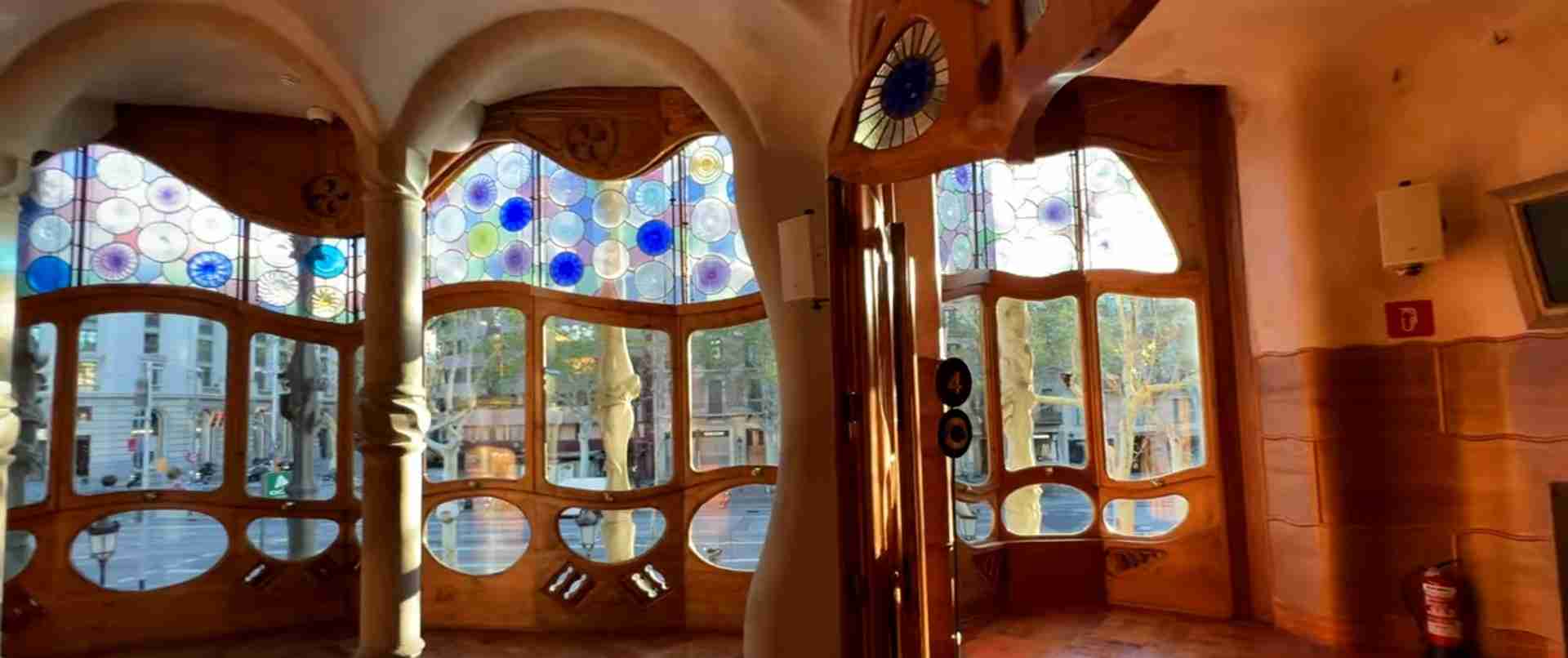
Where to Stay Near Barcelona 2026: Complete Neighborhood & Accommodation Guide
Key Takeaways
- Neighborhood Selection: Eixample offers proximity to Sagrada Familia and Casa Milà, Gothic Quarter provides medieval atmosphere near historic sites, and Gràcia delivers authentic local experience near Park Güell
- 2026 Pricing Structure: Budget options €60-90 per night, mid-range €120-180, luxury €250-400, with significant seasonal variations between summer peaks and winter lows
- Booking Strategy: Reserve 3-4 months ahead for summer visits, 6-8 weeks for spring/fall, with flexible cancellation policies essential for optimal planning
- UNESCO Proximity: Accommodations within 15-minute walk of major Gaudí sites command 20-30% premium but eliminate transportation time and costs
- Alternative Options: Apartment rentals offer 30-40% savings for groups and families, while authentic neighborhoods like Sant Antoni provide excellent value with easy metro access
- Transportation Access: Prioritize accommodations near metro stations for efficient access to UNESCO heritage sites across the city’s extensive public transport network
Understanding Barcelona Accommodation Landscape in 2026
Barcelona’s accommodation ecosystem combines historic charm with modern convenience, offering travelers exceptional variety across distinct neighborhoods. The city’s UNESCO World Heritage sites—seven Gaudí masterpieces including Sagrada Familia, Park Güell, Casa Milà, and Casa Batlló—influence accommodation decisions significantly, with proximity to these architectural treasures commanding premium pricing but delivering substantial time savings.
The 2026 accommodation market reflects Barcelona’s position as Spain’s second-largest city and premier cultural destination. Hotels range from €60 per night for budget hostels to €400+ for luxury properties near Passeig de Gràcia. Apartment rentals provide increasingly popular alternatives, offering kitchen facilities and authentic neighborhood experiences at competitive rates. The city’s efficient metro system means accommodations don’t require immediate UNESCO site proximity—properties 2-3 metro stops away deliver excellent value while maintaining convenient access.
Seasonal patterns shape Barcelona’s accommodation pricing dramatically. Summer months (June-August) command peak rates with hotels €250-400 for mid-range properties, while winter (December-February) offers the same accommodations at €120-200. Spring and fall shoulder seasons strike optimal balances between weather, crowds, and pricing. Understanding these patterns enables strategic booking that maximizes both experience quality and budget efficiency.
The accommodation landscape divides into distinct geographic zones, each offering unique advantages. The central Eixample district positions travelers within walking distance of multiple UNESCO sites, the atmospheric Gothic Quarter provides medieval ambiance steps from the waterfront, and authentic neighborhoods like Gràcia and Sant Antoni deliver local culture with excellent metro connections. Selecting the right neighborhood profoundly impacts your Barcelona experience, affecting daily logistics, cultural immersion, and overall enjoyment.
People Also Ask About Barcelona Accommodation 2026
What is the best neighborhood to stay in Barcelona for visiting UNESCO sites in 2026?
Eixample delivers optimal positioning for UNESCO heritage visits, placing travelers within 10-15 minute walks of Sagrada Familia, Casa Milà, Casa Batlló, Casa Vicens, and Palau Güell. The neighborhood’s grid layout simplifies navigation, while Passeig de Gràcia provides luxury shopping, exceptional dining, and architectural spectacles along every block. Metro stations every few blocks ensure quick access to Park Güell and other sites.
Gothic Quarter offers compelling alternatives for travelers prioritizing atmospheric medieval streets over pure UNESCO proximity. Properties here position visitors 15-20 minutes from Gaudí sites via metro but deliver immediate access to Barcelona Cathedral, Roman ruins, and waterfront attractions. The neighborhood’s narrow lanes, hidden plazas, and authentic tapas bars create immersive experiences that complement UNESCO site visits with genuine local culture.
How much does accommodation cost near Barcelona’s UNESCO sites in 2026?
Accommodations within 500 meters of major UNESCO sites cost €180-280 per night for mid-range hotels in summer 2026, €120-180 in shoulder seasons, and €90-140 in winter. Check booking platforms for current rates as pricing varies by specific dates and availability. Properties 1-2 kilometers away—still easily accessible via metro—offer 25-35% lower rates while maintaining convenient access to all heritage sites.
Budget travelers find hostel beds €25-40 per night and budget hotels €60-90 in neighborhoods like Sant Antoni or Poble Sec, both offering excellent metro connections to UNESCO sites. Luxury properties along Passeig de Gràcia command €300-500 nightly, positioning guests in modernista architectural showpieces with views of Casa Milà and Casa Batlló. Apartment rentals provide middle-ground options at €100-160 per night for entire units sleeping 4-6 people.
Should I book Barcelona accommodation in advance for 2026 visits?
Summer visits (June-August) require booking 3-4 months ahead for optimal selection and pricing, with properties near UNESCO sites filling earliest. Spring and fall shoulder seasons allow 6-8 weeks advance booking while maintaining good availability. Winter travelers find abundant options with 3-4 weeks notice, though Christmas and New Year periods require earlier reservations.
Advance booking delivers multiple strategic advantages beyond mere availability. Properties offer best rates 60-90 days out, with prices increasing 15-25% as dates approach. Early reservation secures preferred neighborhoods and specific properties that match your requirements precisely. Flexible cancellation policies—standard on most 2026 bookings—eliminate risk while locking favorable rates. Last-minute bookings often force compromises on location, quality, or budget that diminish overall experience.
Are apartments better than hotels for Barcelona UNESCO visits in 2026?
Apartments excel for groups, families, and stays exceeding 4-5 nights, offering 30-40% cost savings compared to multiple hotel rooms. Kitchen facilities enable breakfast preparation and snack storage, reducing daily meal expenses €15-25 per person. Apartments provide authentic neighborhood experiences in residential buildings where locals actually live, creating cultural immersion that complements UNESCO site visits with genuine Barcelona lifestyle exposure.
Hotels deliver advantages for shorter stays and travelers prioritizing convenience over cost. Daily housekeeping, front desk services, and luggage storage simplify logistics. Hotel breakfasts—when included—eliminate morning planning, while concierge services assist with tickets, tours, and reservations. Central hotel locations often position travelers closer to multiple UNESCO sites than residential apartment neighborhoods, reducing daily transportation time and complexity.
Extended multi-day tours – 5+ days
Featured Barcelona Multi-Day Tour Packages
2 days
Montserrat, Girona and Costa Brava in 2 days from Barcelona
- ✓ Comprehensive Barcelona tour
- ✓ Expert local guides included
- ✓ All accommodation arranged
- ✓ Transportation provided

5 days
Best of Catalonia, Self-drive
- ✓ Comprehensive Barcelona tour
- ✓ Expert local guides included
- ✓ All accommodation arranged
- ✓ Transportation provided

7 days
Lisbon, Madrid and Barcelona
- ✓ Comprehensive Barcelona tour
- ✓ Expert local guides included
- ✓ All accommodation arranged
- ✓ Transportation provided
5 days
Trip to Barcelona in 5 Days
- ✓ Comprehensive Barcelona tour
- ✓ Expert local guides included
- ✓ All accommodation arranged
- ✓ Transportation provided
Multi-day tour packages powered by TourRadar. Prices and availability subject to change.
Best Neighborhoods for UNESCO Site Access in 2026
Eixample District: Prime UNESCO Heritage Positioning
Eixample’s geometric grid centers Barcelona’s UNESCO concentration, positioning accommodations within comfortable walking distance of five major Gaudí masterpieces. The neighborhood divides into Dreta (right) and Esquerra (left) sections, with Dreta offering closer proximity to Sagrada Familia, Casa Milà, and Casa Batlló. This strategic location eliminates transportation between sites, enabling efficient multi-site days that maximize heritage exposure while minimizing logistical complexity.
Accommodation options span the full spectrum from budget to luxury. Mid-range hotels along Carrer de Balmes and Carrer d’Enric Granados cost €140-200 per night in summer 2026, offering modern amenities, English-speaking staff, and breakfast options. Luxury properties on Passeig de Gràcia occupy modernista buildings themselves, creating meta-experiences where accommodations become part of Barcelona’s architectural heritage story. Budget travelers find hostels and basic hotels near Plaça de Catalunya at €70-110 nightly.
The neighborhood’s advantages extend beyond UNESCO proximity. Excellent restaurants line every street, from Michelin-starred establishments to authentic local spots serving menú del día lunches €12-16. Shopping ranges from luxury brands on Passeig de Gràcia to unique boutiques on side streets. The area’s safety, cleanliness, and walkability create comfortable environments for all traveler types. Metro stations every 3-4 blocks provide quick connections to Park Güell, Gothic Quarter, and waterfront attractions.
Drawbacks include tourist concentration and corresponding higher prices. Streets like Passeig de Gràcia see constant foot traffic, creating bustling atmospheres some travelers find overwhelming. Restaurants cater partially to tourists, with English menus common but authenticity occasionally compromised. The neighborhood’s grid layout, while navigationally simple, lacks the atmospheric charm of Gothic Quarter’s medieval lanes. Budget-conscious travelers find better value in adjacent neighborhoods while maintaining easy access via short metro rides.
Gothic Quarter: Atmospheric Medieval Barcelona
Gothic Quarter delivers Barcelona’s most atmospheric accommodation experience, placing travelers in medieval lanes where Roman ruins emerge from café walls and Gothic cathedrals anchor hidden plazas. Properties here prioritize character over UNESCO proximity—most Gaudí sites require 10-15 minute metro rides—but the neighborhood itself constitutes a living heritage experience. Narrow cobblestone streets, centuries-old buildings, and authentic tapas bars create immersive environments that complement UNESCO site visits with genuine historical ambiance.
Accommodation types emphasize boutique hotels and converted historic buildings. Properties occupy centuries-old structures with exposed stone walls, arched doorways, and rooftop terraces overlooking cathedral spires. Rates run €120-180 per night for mid-range options with breakfast included, €180-280 for luxury boutiques with pools and spas. Budget travelers find limited options due to the neighborhood’s historic preservation status, though several hostels near Plaça Reial offer beds €30-45 nightly.
The neighborhood excels for travelers prioritizing atmosphere over pure convenience. Morning coffees in Plaça Sant Jaume, evening strolls along Via Laietana, and late dinners in tucked-away taverns create experiences impossible in modern districts. The Gothic Quarter’s central position provides easy walking access to waterfront, Ramblas, and Born neighborhoods. Four metro lines serve the area, connecting efficiently to all UNESCO sites. Markets like Mercat de la Boqueria and Mercat de Santa Caterina supply fresh produce and authentic prepared foods.
Challenges include noise from nightlife concentration, especially near Plaça Reial and lower Ramblas. Medieval streets accommodate taxis and service vehicles poorly, complicating luggage transport to hotels. Some properties lack elevators due to historic building constraints—confirm stair accessibility if mobility concerns exist. Tourist crowds peak during summer afternoons, though early mornings and evenings reveal the neighborhood’s authentic character as locals reclaim their streets.
Gràcia: Authentic Local Experience Near Park Güell
Gràcia maintains Barcelona’s most authentic neighborhood character, where locals outnumber tourists and Catalan remains the primary street language. The former independent village retains distinct identity despite 1897 incorporation into Barcelona proper. Properties here position travelers 15-20 minutes from central UNESCO sites via metro but offer immediate access to Park Güell—15-minute uphill walk or quick bus ride to the entrance plaza.
Accommodation options emphasize apartments and small hotels integrated into residential blocks. Entire apartments rent €90-140 per night for 2-bedroom units sleeping 4-6 people, offering exceptional value compared to equivalent central hotels. Small boutique hotels cost €100-150 nightly with breakfast, often operated by local families who provide personalized recommendations unavailable from chain properties. The neighborhood’s residential nature means accommodations sit above cafés, bakeries, and markets where locals conduct daily life.
Gràcia’s advantages multiply for travelers seeking cultural immersion beyond UNESCO sites. The neighborhood’s plazas—Plaça del Sol, Plaça de la Virreina, Plaça de la Vila de Gràcia—host local festivals, outdoor dining, and community gatherings. Restaurants serve authentic Catalan cuisine at prices 20-30% below tourist districts, with menú del día lunches €10-14 including wine. The area’s artistic heritage manifests in independent boutiques, galleries, and theaters. Metro access via Fontana, Lesseps, and Diagonal stations connects efficiently to all major attractions.
Drawbacks include distance from central attractions and limited English in some establishments. The neighborhood’s authentic character means fewer tourist services—finding English-speaking staff requires effort. Streets wind irregularly unlike Eixample’s grid, occasionally complicating navigation for newcomers. The uphill walk to Park Güell challenges some visitors, though buses provide alternatives. Evening entertainment concentrates in central districts, requiring late metro rides back to accommodations.
Sant Antoni: Value Alternative with Excellent Connectivity
Sant Antoni delivers exceptional accommodation value while maintaining easy access to all UNESCO sites. This traditionally working-class neighborhood gentrifies rapidly, attracting creative professionals, young families, and travelers seeking authentic experiences at moderate costs. The area sits adjacent to Eixample, sharing the same grid layout but offering 25-35% lower accommodation rates. Metro stations at Sant Antoni and Poble Sec connect directly to Sagrada Familia, Passeig de Gràcia, and other heritage locations.
Properties range from modern apartment rentals to renovated small hotels. Two-bedroom apartments cost €80-120 per night, providing full kitchens, washing machines, and comfortable living spaces. Mid-range hotels run €100-140 nightly with breakfast, offering modern amenities in recently renovated buildings. The neighborhood’s residential focus means accommodations integrate into local life—your building neighbors include Barcelona families, not tourist groups.
Sant Antoni’s central advantage lies in balancing authenticity with convenience. The neighborhood maintains genuine local character with excellent restaurant scenes—especially around Carrer del Parlament—serving traditional Catalan cuisine at honest prices. Sunday morning visits to Sant Antoni Market reveal how Barcelona actually feeds itself, with locals selecting produce, meats, and fish for weekly meals. The area’s bars and cafés cater primarily to residents, creating opportunities for cultural exchange impossible in tourist districts.
Transportation access rivals more expensive neighborhoods. Three metro lines serve Sant Antoni station, connecting to all city zones efficiently. The neighborhood’s edge-of-center position means 15-20 minute metro rides to UNESCO sites—slightly longer than Eixample but dramatically shorter than beach neighborhoods or Montjuïc. Walking distance to Gothic Quarter and Ramblas creates flexibility for evening activities. Bus routes supplement metro coverage, providing redundant transportation options.
Accommodation Types and 2026 Pricing Strategies
Mid-Range Hotels: Optimal Balance for 2026 UNESCO Visits
Mid-range hotels strike optimal balances between cost, comfort, and convenience for Barcelona UNESCO visits. Properties in this category cost €120-180 per night in Eixample during summer 2026, €90-140 in shoulder seasons, and €70-110 in winter. Check booking platforms for current rates as pricing varies by specific dates and availability. These establishments deliver comfortable rooms, daily housekeeping, English-speaking staff, and often breakfast buffets that simplify morning routines before full UNESCO site days.
Typical mid-range properties occupy 3-4 star hotels in renovated buildings, offering 15-25 square meter rooms with modern bathrooms, air conditioning, flat-screen TVs, and strong WiFi. Many include small safes for valuables, work desks for digital nomads, and blackout curtains for quality sleep after intensive sightseeing days. Common areas provide lounges for planning, concierge services for ticketing assistance, and sometimes small fitness facilities or rooftop terraces with city views including Sagrada Familia spires.
Location within the mid-range category significantly impacts value. Properties on Eixample’s main avenues like Passeig de Gràcia or Gran Via command premium rates €160-220 nightly but position travelers steps from UNESCO sites. Hotels on quieter side streets like Carrer d’Enric Granados or Carrer de Balmes cost €120-160 while maintaining easy walking access to heritage attractions. Properties in Gothic Quarter or Gràcia offer atmospheric alternatives at similar price points, trading immediate UNESCO proximity for neighborhood character and authenticity.
Booking strategies maximize mid-range value. Reserve 60-90 days ahead for optimal rates, with prices increasing 15-25% closer to arrival dates. Compare prices across booking platforms—hotels.com, booking.com, and official hotel websites sometimes offer different rates for identical rooms. Request upper floors for Sagrada Familia views when booking Eixample properties. Join hotel loyalty programs even for single stays—complimentary upgrades and late checkouts enhance experiences without cost increases. Free cancellation policies provide flexibility for adjusting plans as 2026 trip dates approach.
Luxury Properties: Premium Experiences Near UNESCO Heritage
Luxury hotels along Passeig de Gràcia deliver extraordinary experiences in architectural masterpieces themselves. Properties like Hotel Casa Fuster—occupying a protected modernista building—cost €300-450 per night in 2026, positioning guests in living heritage while providing views of Casa Milà, Casa Batlló, and surrounding Gaudí creations. These establishments emphasize design, service, and exclusivity, offering experiences that extend Barcelona’s UNESCO heritage directly into accommodation choices.
Amenities at luxury tier exceed standard hotel expectations dramatically. Rooftop pools and terraces provide Sagrada Familia sunset views, Michelin-starred restaurants serve modern Catalan cuisine, and spas offer treatments after intensive walking days. Rooms span 30-50 square meters with premium bedding, rainfall showers, Nespresso machines, and often terraces overlooking architectural landmarks. Concierge teams arrange skip-the-line UNESCO site tickets, private Gaudí tours with architecture professors, and reservations at Barcelona’s most exclusive restaurants.
Luxury properties cluster in specific zones with distinct characters. Passeig de Gràcia concentrates the highest-end options in modernista buildings, creating meta-experiences where accommodations embody the architectural movements travelers visit during days. Gothic Quarter luxury emphasizes converted palaces and historic mansions, offering medieval atmospheres in 5-star comfort. Waterfront luxury hotels provide Mediterranean views and beach access but require transportation to UNESCO sites—prioritize based whether heritage access or seaside relaxation takes precedence.
The luxury tier justifies costs through cumulative benefits beyond mere comfort. Strategic locations eliminate transportation time between multiple UNESCO sites, adding 60-90 minutes of productive sightseeing daily. Superior service resolves logistical challenges efficiently—concierges arrange tickets, reservations, and tours that solo travelers spend hours coordinating. Premium amenities like pools and spas provide recovery between intensive days, while excellent restaurants eliminate evening planning stress. For travelers prioritizing heritage immersion over budget consciousness, luxury properties enhance Barcelona experiences substantially.
Apartment Rentals: Space and Value for Groups in 2026
Apartment rentals deliver exceptional value for groups, families, and stays exceeding 4-5 nights. Two-bedroom units sleeping 4-6 people cost €100-160 per night in central neighborhoods during summer 2026, €80-120 in shoulder seasons, providing full kitchens, living rooms, and often washing machines. Entire apartments typically cost less than two hotel rooms while offering quadruple the space, making them economic and practical choices for families visiting UNESCO sites together.
Location options span all Barcelona neighborhoods with varying proximity to UNESCO heritage. Eixample apartments position families 10-15 minute walks from Sagrada Familia and Casa Milà, simplifying logistics for groups with young children or elderly members. Gràcia rentals offer authentic neighborhood experiences near Park Güell at 20-30% lower rates than central districts. Gothic Quarter apartments provide medieval atmosphere but often occupy buildings without elevators—verify stair accessibility for families with strollers or luggage challenges.
Kitchen facilities reduce daily meal costs substantially, especially for families. Breakfast preparation saves €8-12 per person versus hotel breakfasts or café meals. Evening dinners at “home” after intensive UNESCO days cost €25-40 for entire families versus €80-120 at restaurants. Local markets—Mercat de Sant Antoni, Mercat de la Llibertat in Gràcia, Mercat de la Boqueria—supply fresh produce, cheeses, cured meats, and prepared foods at authentic prices. Kitchen access also accommodates dietary restrictions easier than restaurants.
Apartment rental logistics require more self-sufficiency than hotels. Key pickup from property managers needs coordination, sometimes involving specific meeting times. No daily housekeeping means travelers manage their own spaces—acceptable tradeoff for most families given cost savings. Communication occurs primarily via messaging platforms rather than in-person front desks. Thoroughly read apartment descriptions for amenities confirmation—air conditioning, WiFi speed, and washing machines significantly impact comfort during extended stays.
Budget Accommodations: Hostels and Economy Hotels for 2026
Budget travelers find Barcelona remarkably accessible through strategic accommodation choices. Hostel beds cost €25-40 per night in central neighborhoods, while private rooms in budget hotels run €60-90 nightly. These properties concentrate in Sant Antoni, Poble Sec, and outer Eixample areas—all offering excellent metro access to UNESCO sites while maintaining costs far below luxury districts. Budget accommodations enable extended Barcelona stays for travelers prioritizing heritage experiences over accommodation luxury.
Hostel options range from party-focused properties near beach neighborhoods to design-conscious establishments emphasizing community and culture. Modern hostels provide pod-style beds with privacy curtains, personal outlets, and reading lights in shared dorms sleeping 6-10 people. Common areas feature equipped kitchens for meal preparation, social lounges for meeting fellow travelers, and sometimes rooftop terraces with city views. Many hostels organize walking tours, tapas crawls, and group activities that help solo travelers connect while exploring UNESCO heritage together.
Budget hotels deliver private accommodation at hostel-adjacent prices. Properties offer basic but clean rooms with private bathrooms, air conditioning, and WiFi—fundamental amenities for comfortable Barcelona stays. Locations in Sant Antoni or Poble Sec position travelers 3-4 metro stops from central UNESCO sites, requiring 15-20 minute journeys but delivering substantial nightly savings. These neighborhoods maintain authentic character with excellent local restaurants and bars, creating experiences beyond typical tourist circuits.
Strategic budget traveling requires planning but enables remarkable experiences. Book budget accommodations 4-6 weeks ahead for best availability—prime properties fill quickly during summer months. Prioritize locations near metro stations for efficient UNESCO site access, with Línies 2, 3, and 5 providing best connectivity to Gaudí masterpieces. Prepare breakfasts and some meals using hostel or apartment kitchens, reducing daily food costs €15-25 per person. These savings fund longer stays, additional tours, and special experiences like Sagrada Familia sunrise visits or Palau de la Música concerts.
Strategic Booking and Planning for 2026 Visits
Seasonal Pricing Patterns and Optimal Booking Windows in 2026
Barcelona accommodation pricing follows predictable seasonal patterns that strategic travelers exploit for significant savings. Summer peak season (June-August) commands highest rates with mid-range hotels €160-220 nightly in central neighborhoods. Spring (April-May) and fall (September-October) deliver optimal balances at €120-180, offering excellent weather and manageable crowds while maintaining reasonable costs. Winter (November-March) drops dramatically to €80-140 for identical properties, though cooler temperatures and shorter days affect some outdoor heritage experiences.
Booking windows substantially impact pricing beyond seasonal variations. Hotels release inventory 12-18 months ahead with early-bird rates 20-30% below peak prices. The sweet spot for booking occurs 60-90 days before arrival, when properties finalize pricing but maintain good availability. Prices increase progressively as dates approach, with 2-4 weeks out seeing 15-25% premiums. Last-minute bookings (under 1 week) sometimes find deals on unsold inventory but risk limited availability and forced compromises on location or quality.
Major events dramatically affect Barcelona accommodation availability and pricing. Mobile World Congress (late February) fills business hotels completely, with rates doubling and leisure properties absorbing overflow. Primavera Sound music festival (early June) impacts entire neighborhoods near Parc del Fòrum, with prices up 30-50% across the city. Sonar electronic music festival (mid-June) creates similar patterns. Check Barcelona event calendars when planning 2026 visits—avoiding these periods maintains normal pricing and availability while preserving UNESCO heritage focus.
Advanced booking strategies maximize value across all budget levels. Set price alerts on booking platforms to monitor rate fluctuations for preferred properties. Compare prices across multiple platforms—booking.com, hotels.com, airbnb, and official hotel websites often differ for identical accommodations. Prioritize flexible cancellation policies that allow adjusting plans as 2026 details firm up. Consider slightly peripheral neighborhoods like Sant Antoni or Poble Sec that deliver 25-35% savings while maintaining easy metro access to all UNESCO sites.
Proximity vs Value: Optimizing Location for 2026 UNESCO Visits
The proximity-value calculation determines optimal accommodation strategies for Barcelona UNESCO visits. Properties within 500 meters of major Gaudí sites command 25-35% premiums over equivalent hotels 1-2 kilometers away. This premium translates to €40-70 additional nightly cost during summer 2026. Evaluating whether immediate proximity justifies this expense depends on individual priorities, mobility considerations, and overall budget constraints.
Immediate proximity delivers tangible benefits that extend beyond mere convenience. Morning visits to Sagrada Familia begin with 5-minute walks from nearby hotels, enabling arrival at 9 AM opening times before tour groups arrive. Mid-day breaks return to accommodations easily for rest or meal preparation in apartments, particularly valuable for families with young children or travelers managing Barcelona’s summer heat. Evening strolls naturally incorporate Casa Milà’s illuminated facade or Passeig de Gràcia’s architectural concentration, creating casual heritage exposure that supplements formal UNESCO site visits.
Value-oriented alternatives sacrifice immediate proximity for significant savings while maintaining practical access. Properties in Sant Antoni, Gràcia, or Poble Sec cost €90-140 versus €140-220 in Eixample for equivalent quality. Barcelona’s metro system connects these neighborhoods to UNESCO sites in 15-20 minutes with €2.40 single rides or €11.35 for 10-journey T-Casual cards. Daily transportation costs €5-10 per person—dramatically less than nightly accommodation premiums for central locations. These savings fund extended stays, additional tours, or upgraded dining experiences.
Optimal strategies often blend proximity with value through strategic planning. Book accommodations near less-visited UNESCO sites like Park Güell or Palau Güell, enjoying immediate access to these treasures while maintaining easy metro connections to Sagrada Familia and Casa Milà. Select neighborhoods with multiple metro lines like Sant Antoni or Diagonal, providing redundant transportation options if one line experiences delays. Prioritize properties within 300 meters of metro stations, enabling quick access without excessive walking after intensive sightseeing days.
2026 Booking Platforms and Direct Reservation Strategies
Multiple booking platforms serve Barcelona accommodations, each offering distinct advantages for 2026 planning. Booking.com provides the largest inventory with comprehensive reviews, flexible cancellation policies, and Genius loyalty benefits including 10-15% discounts for frequent users. Airbnb dominates apartment rentals with verified listings and host communication tools that clarify arrival logistics and neighborhood details. Hotels.com rewards every tenth night free through its loyalty program, valuable for extended Barcelona stays or frequent travelers. Official hotel websites sometimes match platform prices while offering additional perks like complimentary breakfast or room upgrades.
Price comparison across platforms reveals occasional significant variations for identical properties. The same mid-range hotel might cost €140 on booking.com, €152 on hotels.com, and €135 on the hotel’s official website during identical dates. Invest 15-20 minutes comparing prices across 3-4 platforms before finalizing bookings—€10-20 nightly savings compound quickly across week-long stays. Set price alerts for preferred properties, receiving notifications when rates drop below target thresholds.
Direct booking with hotels sometimes secures advantages unavailable through platforms. Properties offer room upgrade opportunities for direct bookers, occasionally providing Sagrada Familia views or larger spaces at no additional cost. Flexibility with requests—early check-in, late checkout, specific room locations—increases when hotels control the entire transaction. Direct communication ensures special requirements like connecting rooms for families or accessible accommodations receive proper attention. Join hotel loyalty programs even for single stays, accumulating points toward future visits while accessing member-exclusive rates.
Apartment rental platforms require additional verification beyond hotel bookings. Read reviews carefully, prioritizing recent feedback about neighborhood safety, noise levels, and host responsiveness. Verify exact locations using mapping tools—some listings advertise “near Sagrada Familia” while actually sitting 20-minute walks away. Confirm arrival procedures explicitly, asking hosts about key pickup timing, building access codes, and emergency contact information. Message hosts with specific questions about amenities, transportation access, and local services before committing to bookings.
Neighborhood Logistics and Transportation Access 2026
Metro Connectivity and UNESCO Site Access Planning
Barcelona’s metro system provides exceptional connectivity between accommodations and UNESCO heritage sites, operating 5 AM-midnight weekdays and 5 AM-2 AM weekends (24 hours Saturday nights). Eight color-coded lines intersect throughout the city, with three lines—L2 (Purple), L3 (Green), and L5 (Blue)—delivering direct access to most Gaudí masterpieces. Understanding metro geography enables strategic accommodation selection that balances cost with convenient heritage access.
Key metro stations for UNESCO visits include Sagrada Familia (L2, L5) serving the basilica, Diagonal (L3, L5) for Casa Milà, Passeig de Gràcia (L2, L3, L4) near Casa Batlló, and Lesseps (L3) for Park Güell access. Accommodations within 300 meters of these stations enable efficient morning departures and easy returns after intensive sightseeing days. Properties near major interchange stations like Plaça de Catalunya or Diagonal provide maximum flexibility with multiple line options for reaching various heritage sites.
Metro pricing in 2026 uses zone-based systems, with all UNESCO sites falling within Zone 1. Single journeys cost €2.40, while T-Casual cards provide 10 journeys for €11.35—substantial savings for tourists making multiple daily trips. Purchase cards at metro station machines or authorized tobacco shops. Cards work across metro, bus, and tram networks, providing integrated transportation that connects accommodations to heritage sites efficiently regardless of neighborhood selection.
Strategic metro usage maximizes daily UNESCO site visits. Morning departures before 9 AM avoid rush hour crowds, securing seats and comfortable journeys to opening-time arrivals at heritage attractions. Midday returns to accommodations for breaks utilize less-crowded metro cars in 15-20 minute journeys. Evening returns after sunset heritage photography sessions find metro trains less crowded than peak tourist hours. The system’s reliability and frequency—trains every 2-4 minutes during peak hours—enables spontaneous itinerary adjustments without transportation anxiety.
Walking Distances and Mobility Considerations for 2026 Heritage Visits
Walking distances between Barcelona accommodations and UNESCO sites vary dramatically by neighborhood selection. Eixample properties position travelers 500 meters to 1.5 kilometers from major Gaudí masterpieces—achievable walks of 7-20 minutes at average paces. Gothic Quarter accommodations sit 1.5-2 kilometers from Sagrada Familia, converting to 20-25 minute walks or quick metro rides. Gràcia properties near Park Güell trade proximity to this UNESCO site for 2-3 kilometer distances to central heritage attractions, necessitating metro usage for efficient visiting.
Barcelona’s topography influences walking ease significantly. Central neighborhoods like Eixample, Gothic Quarter, and Sant Antoni occupy relatively flat terrain, enabling comfortable walks between accommodations and heritage sites. Gràcia and Park Güell involve substantial uphill approaches—the park entrance sits 80 vertical meters above Lesseps metro station, creating challenging climbs in summer heat. Montjuïc accommodations near Palau Nacional require steep ascents to reach the palace complex. Evaluate mobility considerations when selecting neighborhoods, particularly for families with young children, elderly travelers, or those managing physical limitations.
Walking between multiple UNESCO sites in single days requires strategic planning. Sagrada Familia to Casa Milà spans 2.2 kilometers (25-30 minute walk), while Casa Milà to Casa Batlló covers just 800 meters (10 minutes). Park Güell to Sagrada Familia involves 3.5 kilometers with elevation changes, better achieved via metro in 15 minutes. Plan multi-site days around geographic clusters rather than exhaustive coverage, maintaining comfortable paces that preserve energy for meaningful engagement with each heritage location.
Accommodation selection should balance walking ambitions with practical realities. Travelers who enjoy urban hiking and possess good mobility benefit from Eixample locations that enable walking among clustered UNESCO sites. Those preferring minimal walking between attractions find properties within 200-300 meters of metro stations optimal, using public transport for efficient point-to-point movements. Families with young children prioritize accommodations with easy returns for midday breaks, while solo travelers might accept longer distances for budget savings or authentic neighborhood experiences.
Alternative Transportation Options: Buses, Taxis, and Bikes in 2026
Barcelona’s bus network supplements metro coverage with 80+ routes serving the entire city. Several lines provide direct UNESCO site connections, including V19 (vertical lines) connecting Eixample to waterfront, and H6 (horizontal) linking Gothic Quarter to Gràcia. Buses cost the same €2.40 per ride or use T-Casual cards, offering alternatives when metro lines don’t provide optimal routes. Routes 19, 50, and 116 serve Park Güell from various city neighborhoods, avoiding the steep uphill walks from metro stations.
Taxis and ride-sharing services provide door-to-door convenience at premium costs. Taxis cost €10-15 from Plaça de Catalunya to Sagrada Familia, €15-20 to Park Güell, with metered rates regulated citywide. Uber and Cabify operate in Barcelona with pricing similar to traditional taxis. These options suit early morning visits for sunrise photography, late evening returns after Palau de la Música concerts, or situations when public transport doesn’t align with schedules. Book taxis via FreeNow app for reliable service and English-language communication.
Bicycle rentals and Barcelona’s Bicing bike-share system offer active transportation alternatives. Tourist bike rentals cost €15-25 daily from shops throughout the city, providing independence for exploring at personal paces. The distance from Eixample accommodations to Sagrada Familia covers 2-3 kilometers—comfortable 10-15 minute bike rides on dedicated lanes. However, Barcelona’s bike infrastructure concentrates in newer districts, with medieval Gothic Quarter streets challenging for cycling. Steep approaches to Park Güell and Montjuïc make these destinations difficult for recreational cyclists.
Hop-on-hop-off tourist buses provide UNESCO site circuits but represent inefficient use of time for heritage-focused travelers. These services cost €30-35 for day passes, stopping at major Gaudí works but requiring waits of 15-30 minutes between buses. The metro moves travelers between identical sites in 10-15 minutes at €2.40 per journey, delivering far superior time and cost efficiency. Reserve hop-on-hop-off buses for visitors with significant mobility limitations who benefit from door-to-door service with minimal walking.
Accommodation Amenities for UNESCO Heritage Travelers 2026
Essential Facilities for Comfortable Barcelona Heritage Stays
Air conditioning constitutes Barcelona’s most critical accommodation amenity for summer UNESCO visits. July and August temperatures reach 30-32°C (86-90°F) with high humidity, making quality sleep impossible in properties lacking cooling systems. All modern hotels include air conditioning, but apartment rentals require explicit verification—some older buildings provide fans only. Review specifications carefully when booking summer 2026 stays, prioritizing air-conditioned properties that enable proper rest between intensive heritage sightseeing days.
Reliable high-speed WiFi supports modern travel planning and documentation. Travelers need connectivity for managing mobile UNESCO site tickets, researching daily itineraries, communicating with tour operators, and sharing experiences with home networks. Most hotels provide complimentary WiFi in rooms and common areas, while apartments typically include home internet connections. Test speeds upon arrival using simple streaming tests—inadequate connectivity requires host resolution or property changes in extreme cases. Backup mobile data plans provide insurance against accommodation WiFi failures.
Luggage storage facilities simplify check-in and checkout logistics around UNESCO visit schedules. Many hotels store bags before official check-in times (standard 3 PM) and after checkout (11 AM-12 PM), enabling full-day touring on arrival and departure dates. This service proves particularly valuable for travelers combining Barcelona with other Spanish destinations, maximizing final morning hours for last visits to Sagrada Familia or Casa Batlló before afternoon departure trains. Apartments typically lack dedicated storage, requiring coordination with hosts for early arrival or late departure bag holding.
Laundry facilities become essential for stays exceeding 4-5 days. Hotels offer laundry services at premium prices (€15-25 per load), while many apartments include washing machines that reduce costs to detergent expenses only. Neighborhoods feature coin laundromats charging €5-8 per wash and dry cycle—acceptable alternatives for hotels lacking facilities. Access to laundry enables packing lighter and rewearing clothing, particularly valuable for travelers combining Barcelona with extended European itineraries.
Location-Specific Features: Views, Terraces, and Architectural Elements
Sagrada Familia views from accommodation balconies or terraces enhance Barcelona UNESCO experiences significantly. Properties along Carrer de Mallorca, Carrer de Provença, and Carrer de Marina within 500 meters of the basilica offer direct sightlines to Gaudí’s masterwork, particularly from upper floors. Sunset views of the Passion Facade illuminated golden-orange create memorable evening moments, while sunrise light transforms the Glory Facade into transcendent art. Request high-floor rooms facing the basilica when booking—these specific rooms command 10-15% premiums but deliver extraordinary value for photography enthusiasts.
Rooftop terraces provide Barcelona overview perspectives that contextualize UNESCO site visits within broader urban landscapes. Many mid-range and luxury hotels feature rooftop pools, lounges, or breakfast areas with 360-degree city views including Sagrada Familia, Torre Glòries, Montjuïc, and the Mediterranean. These spaces serve multiple functions—morning coffee planning sessions before heritage site openings, midday break refuges during summer heat, evening wine sessions while processing day’s cultural experiences. Prioritize properties advertising rooftop facilities when comparing similar-priced options.
Historic building character adds meta-heritage dimensions to Barcelona accommodations. Properties in Gothic Quarter medieval structures, modernista apartment buildings in Eixample, or converted palaces throughout the city become extensions of UNESCO experiences themselves. Original tile work, exposed stone walls, ornate plaster ceilings, and traditional Catalan vaulted ceilings create atmospheric environments that deepen appreciation for Barcelona’s architectural legacy. These features often appear in boutique hotels and upscale apartments rather than modern chain properties.
Outdoor space—balconies, terraces, or patios—particularly benefits families and longer stays. Private outdoor areas enable morning coffee, evening wind-down, and fresh air access without leaving accommodations. For families, outdoor space provides children supervised play areas while adults plan next day’s UNESCO itineraries. Properties with outdoor space typically command 10-20% premiums over equivalent indoor-only accommodations, though the enhanced quality of life justifies costs for stays exceeding 3-4 nights.
Budget Optimization Strategies for 2026 Barcelona Stays
Accommodation Cost Reduction Techniques
Shoulder season visits during April-May or September-October deliver optimal budget-comfort balances for Barcelona UNESCO experiences. Mid-range hotels cost €120-160 during these periods versus €180-240 in summer, creating €60-80 nightly savings while maintaining excellent weather for heritage site touring. Spring offers comfortable temperatures 18-22°C (64-72°F), blooming jacaranda trees lining streets, and fewer crowds at major attractions. Fall provides similar advantages with harvest season wine country day trip options from Barcelona base.
Peripheral neighborhood selection maintains easy UNESCO access while reducing accommodation costs 25-35%. Properties in Sant Antoni, Poble Sec, or Sants deliver modern comfortable rooms €90-140 nightly versus €140-220 in Eixample for equivalent quality. These neighborhoods offer authentic local experiences with excellent restaurants and markets, while metro stations provide 15-20 minute connections to all heritage sites. The slight additional transportation time becomes negligible compared to substantial nightly savings across week-long stays.
Apartment rentals for groups and families provide dramatic per-person cost reductions. A two-bedroom Eixample apartment sleeping four costs €140-180 nightly (€35-45 per person), while equivalent hotel accommodation requires two rooms at €280-360 total (€70-90 per person). Kitchen facilities enable breakfast and some meal preparation, saving additional €15-25 per person daily. For families of four on 7-night stays, apartments save €900-1500 total compared to hotels—substantial funds better allocated to guided UNESCO tours, special experiences, or extended itineraries.
Flexible cancellation policies enable ongoing price monitoring and rebooking at better rates as 2026 dates approach. Book preferred properties when rates appear favorable, then set price alerts for continued monitoring. If prices drop, cancel original bookings (within cancellation windows) and rebook at lower rates—some travelers save €20-40 per night through active price management. This strategy requires minimal effort while delivering meaningful savings that fund additional UNESCO experiences or extend Barcelona stays.
Value-Added Inclusions and Package Optimization
Breakfast inclusion significantly impacts daily budgets and morning convenience. Hotels offering complimentary breakfast save €10-15 per person compared to café meals, adding €70-105 savings for couples on week-long visits. Beyond cost savings, hotel breakfasts eliminate morning planning stress, enabling quick departures for early UNESCO site arrivals before crowds. Evaluate total package costs when comparing properties—a hotel €20 more per night with breakfast included often delivers better overall value than cheaper properties without meals.
Some properties bundle UNESCO site tickets or tour vouchers into accommodation packages. Hotels partner with tour operators offering combo deals—3 nights accommodation plus Sagrada Familia skip-the-line tickets and Casa Milà audio guides cost less than booking separately. These packages deliver convenience through integrated planning and often include property-specific perks like breakfast upgrades or late checkouts. Compare bundled pricing against separate bookings to verify genuine savings, as some “packages” simply rebundle components at standard rates.
Loyalty programs across hotel chains accumulate points toward future visits while providing immediate benefits. Marriott Bonvoy, IHG Rewards, and Accor Live Limitless programs deliver member rates 10-15% below standard pricing, free WiFi (avoiding potential surcharges), and late checkout options. Even single Barcelona stays justify program enrollment when properties participate in major chains. Points earned during Barcelona UNESCO visits contribute toward future European trips, creating cascading value beyond immediate stays.
Local tourism cards sometimes bundle accommodation discounts with transportation and attraction access. Barcelona Card includes unlimited public transport plus discounts at partner hotels, though careful calculation determines whether combined value exceeds separate purchase costs. Hola Barcelona transportation cards (€24 for 72 hours of unlimited metro/bus) pair well with hotel bookings, eliminating per-journey payment hassles while encouraging spontaneous UNESCO site visits and neighborhood exploration across the entire city.
Family and Group Accommodation Considerations 2026
Family-Friendly Properties Near Barcelona UNESCO Sites
Family accommodations prioritize space, flexibility, and neighborhood safety for Barcelona UNESCO visits with children. Apartment rentals provide optimal solutions, offering separate bedrooms for privacy, living rooms for family time, and kitchens for managing meal schedules around young children’s needs. Two-bedroom units in Eixample sleeping families of four cost €120-180 nightly—comparable to single hotel rooms but with quadruple the space. Kitchen facilities prove particularly valuable for preparing breakfast before early UNESCO site visits and evening dinners when children tire after full touring days.
Hotel family rooms and connecting accommodations suit families preferring full-service conveniences. Many Barcelona hotels offer family rooms with double beds plus sofa beds or rollaway cots, accommodating 2 adults and 2 children in single units. These rooms cost €160-240 nightly in central neighborhoods, including housekeeping, breakfast options, and front desk services that simplify logistics for parents managing multiple children. Request connecting rooms when booking if family rooms aren’t available—some properties guarantee adjacency while others merely note preferences.
Neighborhood selection for families balances UNESCO proximity with parks, playgrounds, and child-appropriate activities. Eixample provides easy heritage site access plus numerous small plazas with play equipment for afternoon breaks between cultural visits. Gràcia offers extensive green spaces including Park Güell itself, Plaça del Sol for evening play, and neighborhood atmosphere where children observe authentic Barcelona family life. Gothic Quarter’s medieval streets create adventurous exploration environments, though cobblestones challenge strollers and uneven surfaces require attention with young children.
Essential family amenities include elevators (many historic buildings lack them—verify before booking), proximity to pharmacies for unexpected needs, nearby supermarkets for snacks and supplies, and laundry facilities for extended stays. Properties within 300 meters of metro stations enable efficient returns when children need breaks or naps between UNESCO visits. Book ground-floor or low-floor apartments if considering properties without elevators—managing luggage and tired children up multiple flights proves exhausting and diminishes overall Barcelona experience quality.
Group Accommodation Strategies for Shared UNESCO Experiences
Large group accommodations for friends or extended families traveling together require strategic approaches balancing togetherness with privacy. Large apartments sleeping 6-8 people cost €200-300 nightly in central Barcelona, providing shared living spaces for group activities while maintaining private bedrooms. These configurations work excellently for shared meal preparation, evening planning sessions reviewing UNESCO site visits, and cost splitting that reduces per-person expenses dramatically compared to multiple hotel rooms.
Multi-room apartment bookings or adjacent properties suit groups preferring some separation while maintaining proximity. Book two 2-bedroom apartments in the same building, providing independent units for different family groups while enabling easy gathering for shared activities. This approach costs €180-300 total for both units, less than equivalent hotel rooms while delivering vastly more space. Coordinate booking with property managers to secure same-building or same-floor units that facilitate group coordination.
Boutique hotels and guesthouses sometimes offer entire property rentals for large groups. Small 8-12 room properties in Gothic Quarter or Gràcia rent entirely to single groups, providing private use of all facilities including communal spaces, kitchens, and terraces. These arrangements cost €1,200-2,000 nightly for whole properties but deliver exceptional per-person value for groups of 15-20 people—roughly €60-100 per person including substantial shared spaces unavailable in standard accommodations.
Hostel private room blocks serve budget-conscious groups willing to sacrifice some luxury for significant savings. Modern hostels offer multiple private rooms bookable together, with shared common areas, kitchens, and social spaces that facilitate group bonding. Total costs run €400-600 nightly for 4-5 private rooms sleeping 12-15 people—extraordinary value at €30-50 per person. These properties typically cluster in Sant Antoni, Poble Sec, or Gràcia with excellent metro access to all UNESCO sites, maintaining heritage visit convenience despite budget accommodation choices.
2026 Practical Booking Implementation
Step-by-Step Reservation Process for Optimal Results
Begin Barcelona accommodation planning 90-120 days before intended 2026 visits, when hotels release inventory and establish base pricing. Research neighborhoods using mapping tools to understand geographic relationships between accommodation areas and UNESCO heritage sites. Identify 3-4 priority properties in preferred neighborhoods, comparing location advantages, amenities, and pricing across budget targets. This initial research phase establishes clear criteria for final decisions without overwhelming choice paralysis.
Use multiple booking platforms to compare pricing for identical properties during your specific dates. Check booking.com, hotels.com, airbnb, and official hotel websites—prices sometimes vary €10-30 nightly for the same accommodation. Read recent reviews carefully, filtering for feedback about location accuracy, cleanliness, noise levels, and staff responsiveness. Pay particular attention to reviews mentioning Sagrada Familia access, metro proximity, or neighborhood safety—factors directly impacting UNESCO visit quality.
Prioritize flexible cancellation policies that allow plan adjustments as 2026 details crystallize. Most properties offer free cancellation until 3-7 days before arrival, though some require payment upon booking. The slight additional cost for flexible bookings (when present) provides insurance worth paying—unexpected events, itinerary changes, or better deals emerging as dates approach justify maintaining booking flexibility. Confirm cancellation terms explicitly before finalizing reservations, noting deadlines and any potential fees.
Complete bookings with comprehensive confirmation documentation. Save booking confirmations, property addresses with specific arrival instructions, and contact information for hosts or hotel front desks. Add accommodation details to digital calendars or travel planning apps, including check-in times, metro directions from arrival airports/stations, and any special requests noted during booking. Message hosts with questions about early check-in possibilities, luggage storage, or specific room requests—establishing communication before arrival prevents last-minute surprises.
Pre-Arrival Coordination and Arrival Day Planning
Contact accommodations 7-10 days before Barcelona arrival to reconfirm reservations and communicate expected arrival times. Hotels appreciate advance notice of late arrivals (after 6 PM) to maintain room availability, while apartment hosts need specific timing for key handover meetings. Request early check-in possibilities if arriving on morning flights—some properties accommodate without charges, enabling immediate room access for refreshing before UNESCO site visits begin.
Plan arrival transportation from airport or train station to accommodate specific routes. Barcelona Airport sits 14 kilometers southwest of the city center, with Aerobus express shuttles connecting to Plaça de Catalunya (€5.90, 35 minutes), metro Line 9 serving various city districts (€5.15, 45-60 minutes), and taxis costing €30-40 for central accommodations. Sants Estació train station links via metro to all neighborhoods, enabling efficient connections when arriving from other Spanish cities. Verify exact accommodation addresses and nearest metro stations before departure to eliminate confusion when navigating unfamiliar city with luggage.
Arrange grocery shopping for apartment rentals upon arrival or the following morning. Carrefour Express, Mercadona, and Caprabo supermarket chains operate throughout Barcelona with convenient hours and reasonable pricing. Purchase breakfast supplies (coffee, milk, bread, fruit), snacks for UNESCO site visits, and basics like water bottles for hydration during summer touring. Initial shopping investments of €30-50 provide several days of breakfast and snacks, delivering substantial savings compared to daily café meals.
Download essential apps before arriving in Barcelona: Google Maps for navigation, TMB App for metro routes and schedules, and booking platform apps for accessing reservation confirmations offline. Save offline maps of your accommodation neighborhood and routes to major UNESCO sites, maintaining navigation capability without data connections. Confirm your phone plan includes European data coverage or purchase local SIM cards upon arrival—reliable connectivity proves essential for coordinating apartment key pickups and navigating between properties and heritage attractions.
Sample 2026 Accommodation Strategies by Traveler Type
Budget-Conscious Solo Traveler Approach
Solo travelers prioritizing UNESCO heritage experiences over accommodation luxury find excellent value in Barcelona’s hostel network. Book modern hostels in Sant Antoni or Poble Sec offering private pod-style dorm beds €28-38 nightly with secure lockers, personal outlets, and reading lights. These properties position travelers 15-20 minutes from Sagrada Familia via metro while maintaining easy walking access to authentic neighborhood restaurants and bars. Seven-night stays cost €196-266 for accommodation—dramatically less than mid-range hotels while enabling extended visits and comprehensive UNESCO site coverage.
Enhance budget strategies through strategic meal planning and transportation optimization. Prepare daily breakfasts using hostel kitchens (€3-5 versus €10-15 at cafés), purchase €11.35 T-Casual metro cards for 10 journeys covering all UNESCO site visits, and target menú del día lunches at neighborhood restaurants €12-16 for three courses including wine. Evening dinners alternate between self-prepared meals and authentic local spots in Sant Antoni or Poble Sec where prices remain 20-30% below tourist districts. Total daily costs run €50-70 including accommodation, meals, and transportation—enabling meaningful Barcelona experiences on backpacker budgets.
Mid-Range Couple Heritage-Focused Strategy
Couples emphasizing UNESCO heritage immersion select mid-range Eixample hotels positioning them within walking distance of multiple Gaudí masterpieces. Book properties on side streets like Carrer d’Enric Granados or Carrer de Balmes offering €140-180 nightly rates with breakfast included, comfortable rooms, and rooftop terraces overlooking Sagrada Familia. These strategic locations enable morning walks to heritage sites before crowds arrive, midday returns for siesta breaks during summer heat, and evening strolls incorporating Casa Milà and Casa Batlló illuminated facades. Seven-night stays cost €980-1260 for accommodation with breakfast, balancing comfort with comprehensive heritage access.
Optimize mid-range budgets through advance booking discounts, included breakfast utilization, and strategic dinner selections. Reserve hotels 60-90 days ahead for 15-20% savings versus last-minute pricing, maximize breakfast buffets to fuel full UNESCO touring days, and target authentic Catalan restaurants in Gràcia or Sant Antoni for dinners €30-50 per couple versus €60-90 in tourist zones. Purchase Sagrada Familia and Park Güell tickets directly through official websites for best pricing, book free walking tours for neighborhood orientation, and allocate savings toward special experiences like Palau de la Música concerts or private Gaudí architecture tours.
Family Comfort and Convenience Optimization
Families prioritize space, flexibility, and convenient UNESCO access through strategic apartment selections. Book two-bedroom Eixample apartments sleeping four at €140-200 nightly, providing separate bedrooms for parents and children, living rooms for evening family time, and full kitchens enabling breakfast preparation and snack management. These properties position families 10-15 minute walks from Sagrada Familia and Casa Milà, simplifying logistics for groups with young children while eliminating transportation complexity during intensive touring days. Seven-night stays cost €980-1400 while delivering space and flexibility impossible in equivalent hotel accommodations.
Enhance family experiences through neighborhood amenities and strategic activity pacing. Select apartments near parks and playgrounds for afternoon breaks between UNESCO visits—Plaça de Sagrada Familia, gardens surrounding Hospital de Sant Pau, and various small plazas throughout Eixample provide child-appropriate spaces. Alternate intensive heritage days (Sagrada Familia, Park Güell) with relaxed neighborhood exploration days, maintaining reasonable paces that preserve children’s enthusiasm throughout week-long stays. Prepare simple breakfasts and pack lunches for UNESCO site visits, reducing daily meal costs while accommodating children’s selective eating preferences.
Luxury Heritage Experience Maximization
Travelers prioritizing ultimate Barcelona UNESCO experiences select luxury Passeig de Gràcia properties occupying historic modernista buildings themselves. Book 5-star hotels at €350-500 nightly, positioning guests in architectural masterpieces while providing Sagrada Familia views, rooftop pools, Michelin-starred restaurants, and concierge services arranging skip-the-line heritage tickets and private architecture expert tours. These strategic accommodations transform heritage visits from mere tourism into comprehensive cultural immersion where even sleeping quarters embody Gaudí-era design philosophies. Seven-night stays cost €2450-3500 for accommodation—substantial investments justified by extraordinary location, service, and heritage integration.
Maximize luxury value through integrated experiences and comprehensive planning services. Utilize concierge teams to arrange sunrise Sagrada Familia private tours before general opening, book exclusive after-hours Casa Batlló visits with architecture historians, and secure reservations at Barcelona’s most acclaimed restaurants requiring advance planning. Take full advantage of hotel amenities—rooftop pools for afternoon recovery between intensive touring, spa treatments for rejuvenation, and in-room dining for occasional evening relaxation. The comprehensive luxury approach delivers seamless Barcelona experiences where every detail enhances UNESCO heritage appreciation while eliminating logistical stress.
Frequently Asked Questions
What neighborhood provides the best value for Barcelona UNESCO visits in 2026?
Sant Antoni delivers optimal value-access balance, offering mid-range hotels and apartments €90-140 nightly—25-35% less than equivalent Eixample properties—while maintaining 15-20 minute metro connections to all UNESCO sites. The neighborhood combines authentic local character with excellent restaurants and markets, providing genuine Barcelona experiences that complement heritage visits. Three metro lines serve Sant Antoni station, ensuring reliable transportation to Sagrada Familia, Park Güell, and other Gaudí masterpieces throughout your stay.
Do I need to book Barcelona accommodation far in advance for summer 2026?
Summer visits (June-August) require booking 3-4 months ahead for optimal selection and pricing, with properties near UNESCO sites filling earliest. Properties within walking distance of Sagrada Familia and Casa Milà sell out 90-120 days before peak summer dates, forcing later bookers into peripheral neighborhoods or compromised quality. Spring and fall allow 6-8 weeks advance booking while maintaining good availability across all neighborhoods and accommodation types.
Are apartments or hotels better for UNESCO heritage visits?
Apartments excel for groups of 3+ people and stays exceeding 4-5 nights, offering 30-40% cost savings compared to multiple hotel rooms while providing kitchen facilities that reduce daily meal expenses €15-25 per person. Hotels deliver advantages for shorter stays and solo travelers, providing daily housekeeping, concierge services for UNESCO ticket arrangements, and often closer proximity to heritage sites. Evaluate based on group size, stay duration, and priorities regarding convenience versus cost and space.
How much should I budget for Barcelona accommodation in 2026?
Budget €60-90 nightly for hostel beds or basic hotels in peripheral neighborhoods with metro access. Mid-range travelers allocate €120-180 for comfortable Eixample hotels or spacious apartments with kitchen facilities. Luxury seekers budget €250-400 for premium Passeig de Gràcia properties in historic modernista buildings. Multiply by planned night count and add 15-20% buffer for seasonal price variations and booking timing differences.
Which Barcelona neighborhood has the quietest accommodations?
Gràcia provides Barcelona’s quietest accommodation environment, maintaining residential character where families and professionals live rather than party-focused tourism. Properties here offer peaceful evening and night experiences after intensive UNESCO heritage days. The neighborhood sits slightly removed from central Barcelona nightlife concentrations while maintaining 15-20 minute metro access to all major attractions. Request properties away from Plaça del Sol if seeking maximum quiet, as this plaza hosts evening social gatherings.
Can I walk between Barcelona UNESCO sites from central accommodations?
Eixample accommodations enable walking among clustered central UNESCO sites—Sagrada Familia, Casa Milà, Casa Batlló, Casa Vicens, and Palau Güell sit within 2 kilometers, creating 10-25 minute walks between properties. Park Güell requires metro access from central neighborhoods due to 3.5 kilometer distance and significant elevation gain. Gothic Quarter properties sit 1.5-2 kilometers from most Gaudí sites, necessitating 20-25 minute walks or quick metro rides for efficient daily touring.
Do Barcelona hotels include breakfast in 2026 rates?
Mid-range and luxury hotels frequently include breakfast in quoted rates, though verify explicitly during booking to avoid surprise charges €10-15 per person daily. Budget hotels and hostels typically exclude breakfast, though many provide equipped kitchens for self-preparation. When comparing property pricing, calculate total costs including breakfast provisions—properties €20 more per night with meals included often deliver better overall value than cheaper accommodations requiring separate breakfast purchases.
What accommodation amenities matter most for Barcelona summers?
Air conditioning constitutes the single most critical amenity for Barcelona summer stays, with July-August temperatures reaching 30-32°C (86-90°F) and high humidity making quality sleep impossible without cooling. Strong WiFi supports mobile UNESCO ticket management and daily itinerary planning. Elevator access proves essential for properties above ground floors, while laundry facilities benefit stays exceeding 4-5 nights. Verify all amenities explicitly when booking apartments, as older buildings sometimes lack modern conveniences standard in hotels.
How close should accommodations be to metro stations?
Properties within 300 meters of metro stations optimize daily UNESCO site access, enabling quick departures for morning heritage visits and easy returns after intensive touring. Barcelona’s metro density means most neighborhoods maintain this proximity standard, though verify specific distances using mapping tools during booking. Stations serving multiple lines—Passeig de Gràcia, Diagonal, Plaça de Catalunya—provide maximum flexibility when occasional service disruptions affect single lines. Prioritize neighborhoods with redundant metro access options.
Are Sagrada Familia views worth premium accommodation costs?
Direct Sagrada Familia views from accommodation balconies or terraces command 10-15% premiums (€15-30 nightly) over equivalent properties without sightlines. These views deliver extraordinary value for photography enthusiasts and heritage-focused travelers who appreciate the basilica’s evolving appearance throughout daily light changes. Sunset and sunrise views from private spaces create memorable experiences that complement formal UNESCO site visits. Request specific high-floor rooms facing the basilica when booking properties within 500 meters to maximize view quality.