
Best Barcelona Tours 2026: Insider Tips
Key Takeaways
- Skip-the-Line Value: Guided UNESCO tours cost €45-75 but eliminate 60-90 minute wait times at Sagrada Familia and Park Güell, transforming peak season visits from frustrating queues to seamless experiences
- Expert Enhancement: Architecture specialist tours reveal construction techniques, symbolic meanings, and historical context invisible to independent visitors, multiplying UNESCO site appreciation dramatically
- 2026 Pricing Structure: Standard Sagrada Familia tours €55-65, Park Güell combinations €60-75, full-day Gaudi experiences €95-125, with early morning and sunset options commanding 10-15% premiums
- Booking Timeline: Reserve UNESCO heritage tours 30-45 days ahead for summer visits, 15-25 days for shoulder seasons, securing optimal time slots and preferred languages while avoiding sold-out disappointments
- Small Group Advantages: Tours limited to 10-15 participants cost €10-20 more than large groups but deliver personalized attention, easier question access, and superior audio quality in architectural spaces
- Combination Efficiency: Multi-site tours visiting 3-4 UNESCO locations in single days cost €90-120 versus €120-160 for equivalent separate visits, saving money while optimizing limited Barcelona time
Understanding Barcelona’s UNESCO Tour Landscape in 2026
Barcelona’s UNESCO World Heritage tours concentrate on seven Gaudí masterpieces that define the city’s architectural identity—Sagrada Familia, Park Güell, Casa Milà, Casa Batlló, Casa Vicens, Palau Güell, and Colonia Güell Crypt. These sites receive over 12 million annual visitors collectively, creating demand that transforms guided tours from luxury enhancements into practical necessities. Skip-the-line access alone justifies tour investments during peak seasons, while expert architectural insights multiply appreciation of Gaudí’s genius exponentially beyond what independent visits provide.
The 2026 tour market divides into distinct categories serving different traveler priorities. Standard group tours accommodate 25-30 participants with multilingual guides, costing €45-65 for 2-3 hour experiences. Small group tours limit participants to 10-15 people, delivering personalized attention at €65-85. Private tours provide ultimate flexibility and customization for €200-350 per group. Specialized experiences—sunrise Sagrada Familia visits, photography-focused tours, architecture expert seminars—command premium pricing but create extraordinary memories for heritage enthusiasts.
Tour timing profoundly impacts both experience quality and pricing. Early morning slots (8-9 AM) avoid crowds and capture optimal lighting for photography, particularly valuable at Sagrada Familia where sunrise illuminates stained glass spectacularly. Midday tours (11 AM-2 PM) face maximum crowds but offer widest availability and language options. Late afternoon and sunset slots deliver dramatic lighting changes, especially at Park Güell where Mediterranean sunset views create unforgettable backdrops to Gaudí’s mosaic masterpieces.
Understanding tour inclusions prevents booking disappointments and ensures value optimization. Entry tickets form the baseline—verify whether tour prices include actual admission or cover only guide services. Skip-the-line access constitutes critical differentiation during high seasons, eliminating 60-90 minute waits that devastate daily itineraries. Transportation between multiple-site tours varies dramatically—some include private coaches while others use public metro, affecting both convenience and total experience time. Audio equipment quality matters in architectural spaces where guides explain intricate details impossible to hear in crowded environments.
People Also Ask About Barcelona Tours 2026
What is the best Sagrada Familia tour in 2026?
Small group tours limited to 10-15 participants with architecture specialist guides deliver optimal Sagrada Familia experiences, costing €65-75 including skip-the-line admission. Check viator.com and getyourguide.com for current tour availability and official pricing. These tours provide 90-minute explorations covering Gaudí’s design philosophy, construction techniques spanning 140+ years, symbolic religious meanings embedded throughout, and tower access for panoramic Barcelona views. Early morning slots (8:30-9 AM) capture spectacular stained glass illumination before crowds arrive.
Sunrise tours represent premium alternatives for photography enthusiasts and heritage devotees willing to pay €85-95 premiums. These exclusive experiences begin 30 minutes before general opening, providing photographers unobstructed compositions and all visitors peaceful contemplation of Gaudí’s masterwork. The dramatic morning light transformation through stained glass creates transcendent moments impossible during crowded midday visits. Limited to 8-12 participants, sunrise tours deliver intimate encounters with Barcelona’s most iconic UNESCO treasure.
Do I need a guided tour for Park Güell in 2026?
Guided tours substantially enhance Park Güell appreciation through historical context, architectural analysis, and access strategies independent visitors miss. While the park’s colorful mosaics and serpentine benches photograph beautifully without guides, understanding Gaudí’s integration of natural forms with architectural innovation requires expert explanation. Tours cost €35-45 for 90-minute experiences including monumental zone admission, revealing the park’s origins as failed luxury housing development, Gaudí’s innovative structural solutions, and symbolic meanings throughout mosaic decorations.
Independent visits work well for travelers on tight budgets comfortable navigating without context, though advance timed-entry tickets remain mandatory regardless of tour participation. The monumental zone’s limited capacity (400 visitors per 30-minute slot) requires reservations weeks ahead during summer. Self-guided visitors save €20-30 versus tours but miss insights about load-bearing columns disguised as trees, drainage systems integrated into architectural elements, and the park’s relationship to Catalan modernisme movement. Photography-focused travelers particularly benefit from tours identifying optimal shooting locations and times.
How much do Barcelona UNESCO tours cost in 2026?
Standard Sagrada Familia tours cost €55-65 for 90-minute experiences including skip-the-line admission and architecture specialist guides. Check official booking platforms for current pricing as rates vary by season and availability. Park Güell tours run €35-45 for 90 minutes with monumental zone access. Combination tours visiting both sites cost €85-95, offering slight savings versus separate bookings. Full-day Gaudí experiences covering 4-5 UNESCO sites cost €110-135, providing comprehensive heritage immersion with transportation included.
Premium specialized tours command higher pricing reflecting exclusive access and expert guidance. Private architecture tours with university professors cost €300-400 for 3-4 hours serving up to 6 people—extraordinary value when split among couples or small groups. After-hours Casa Batlló visits cost €85-95 versus standard €35 admission, delivering crowd-free exploration with enhanced audio-visual presentations. Photography workshops at UNESCO sites run €120-150 for 3-hour sessions teaching composition, lighting, and technical skills while capturing Gaudí’s masterworks.
Should I book Barcelona tours in advance for 2026?
Summer visits (June-August) require booking UNESCO tours 30-45 days ahead for optimal time slot selection and preferred language availability. Sagrada Familia early morning and sunset tours sell out 6-8 weeks before dates during peak season, forcing last-minute bookers into midday crowds or unavailability. Spring and fall shoulder seasons allow 15-25 days advance booking while maintaining good tour selection across times and languages. Winter provides 1-2 weeks flexibility, though Christmas and New Year periods need earlier reservations.
Advance booking delivers multiple strategic advantages beyond mere availability. Tours offer best pricing 45-60 days out, with rates sometimes increasing 10-15% as dates approach and popular slots fill. Early reservation secures morning or sunset times that dramatically enhance UNESCO site experiences through optimal lighting and reduced crowds. Confirmed tours anchor daily itineraries, enabling efficient planning of surrounding activities, dining reservations, and transportation logistics. Flexible cancellation policies—standard on most 2026 bookings—eliminate risk while securing preferred dates and times.
What’s included in Barcelona architecture tours in 2026?
Comprehensive Gaudí architecture tours include skip-the-line entry to 3-4 UNESCO sites, expert guides with architecture or art history backgrounds, small group sizes (10-15 participants), high-quality audio equipment for clear explanations in crowded spaces, and often transportation between locations. Tours cost €95-125 for full-day experiences lasting 5-6 hours. The inclusions eliminate logistical stress—no separate ticket purchases, no navigation between sites, no waiting in entry lines—enabling focus purely on architectural appreciation and cultural learning.
Premium tours add exclusive elements justifying higher pricing. Private rooftop access at Casa Milà reveals structural innovations invisible from standard tours. Extended time in Sagrada Familia’s towers provides detailed explanations of sculptural programs and construction techniques. Priority positioning inside sites ensures unobstructed photography opportunities. Some tours include traditional Catalan lunches at historic restaurants, integrating culinary experiences with architectural exploration. Verify specific inclusions when comparing tours—seemingly similar pricing sometimes masks significant experience differences in group size, time allocation, or site access depth.
Extended multi-day tours – 5+ days
Featured Barcelona Multi-Day Tour Packages

5 days
Best of Catalonia, Self-drive
- ✓ Comprehensive Barcelona tour
- ✓ Expert local guides included
- ✓ All accommodation arranged
- ✓ Transportation provided

7 days
Lisbon, Madrid and Barcelona
- ✓ Comprehensive Barcelona tour
- ✓ Expert local guides included
- ✓ All accommodation arranged
- ✓ Transportation provided
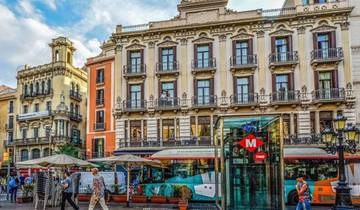
5 days
Trip to Barcelona in 5 Days
- ✓ Comprehensive Barcelona tour
- ✓ Expert local guides included
- ✓ All accommodation arranged
- ✓ Transportation provided
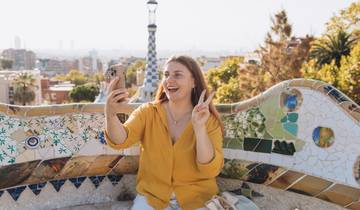
4 days
Barcelona: Historical Center and Local Architecture
- ✓ Booking needs min. 2 travelers
Multi-day tour packages powered by TourRadar. Prices and availability subject to change.
Essential Sagrada Familia Tours for 2026 UNESCO Visits
Standard Small Group Sagrada Familia Tours in 2026
Small group Sagrada Familia tours deliver optimal balances between cost, quality, and personal attention for most travelers. These experiences limit participants to 10-15 people, costing €65-75 including basilica admission and 90-minute guided exploration. Check booking platforms like viator.com, getyourguide.com, and tours.barcelona for current availability and pricing as rates vary by specific dates and seasons. Guides possess architecture or art history expertise, explaining Gaudí’s design philosophy, construction techniques spanning 140+ years, and religious symbolism embedded throughout the structure.
Tours begin with exterior facades analysis—the Nativity Facade’s organic sculptural forms representing Christ’s birth, the Passion Facade’s stark angular geometry depicting crucifixion, and the unfinished Glory Facade’s planned main entrance. Guides explain how Gaudí incorporated natural forms—trees, shells, mountains—into sacred architecture, creating structures that honor both God and nature simultaneously. The exterior exploration establishes context before entering, preparing visitors to appreciate the interior’s revolutionary spatial concepts and light manipulation.
Interior tours focus on Gaudí’s forest-like column system where branching supports eliminate traditional buttresses while creating organic atmospheres. Guides explain geometric innovations—hyperbolic paraboloid vaults, helical columns, and honeycomb structures—that achieve both engineering efficiency and aesthetic beauty. The stained glass discussion reveals Gaudí’s color theories, with warm eastern light representing birth and resurrection while cool western tones suggest evening and contemplation. Most tours include tower access via elevator, providing panoramic Barcelona views and close examination of sculptural details impossible to appreciate from ground level.
Optimal timing for standard tours depends on lighting priorities and crowd tolerance. Morning slots (9-10:30 AM) capture excellent eastern light illuminating warm-toned stained glass while avoiding peak midday crowds. Afternoon tours (2-3:30 PM) face maximum visitor concentration but showcase western light’s cool transformation of interior spaces. Late afternoon slots (4:30-6 PM) balance decent crowd levels with dramatic pre-sunset lighting, though winter visits risk insufficient daylight. Book morning tours for photography focus, late afternoon for lighting variety, and avoid 11 AM-2 PM if crowd avoidance matters significantly.
Sunrise and Early Access Sagrada Familia Experiences 2026
Sunrise Sagrada Familia tours represent Barcelona’s premier UNESCO heritage experience for serious photographers and architecture enthusiasts. These exclusive visits begin 30-45 minutes before general 9 AM opening, costing €85-95 for 2-hour experiences limited to 8-12 participants. The premium pricing delivers transformative value through crowd-free access enabling unobstructed photography, peaceful contemplation of Gaudí’s masterwork, and dramatic lighting changes as sunrise illuminates eastern stained glass progressively. The experience creates emotional connections impossible during crowded standard visits.
Early morning light effects transform Sagrada Familia’s interior dramatically. Sunrise colors—oranges, pinks, yellows—stream through eastern stained glass, projecting vibrant patterns across white columns and vaults. The forest-like interior glows with warm tones, creating almost mystical atmospheres that embody Gaudí’s vision of sacred space. As morning progresses, light intensity increases while colors shift, demonstrating the basilica’s dynamic character across daily cycles. Photography opportunities multiply without crowds blocking sightlines—wide-angle compositions, detail macro shots, and human-scale context images all succeed without visitor interference.
Sunrise tours include extended tower access with minimal other visitors, enabling comprehensive photography of Barcelona cityscapes, detailed facade sculptural examination, and understanding construction progress firsthand. Guides provide in-depth architectural analysis impossible to deliver thoroughly during crowded standard tours, discussing Gaudí’s mathematical genius, structural innovations, and symbolic programs with time for detailed questions. The intimate group size facilitates genuine dialogue rather than lecture-style presentations, accommodating individual interests whether engineering-focused, artistic appreciation, or religious significance.
Booking sunrise experiences requires significant advance planning—6-8 weeks minimum during summer months when these limited-availability tours sell out completely. Prices remain fixed €85-95 across most operators, reflecting controlled exclusivity and premium experience delivery. Verify exact start times when booking, as “sunrise” varies seasonally—June tours begin 7:30 AM while December starts 8:15 AM. These early commitments require disciplined sleep schedules the previous night but deliver Barcelona’s most profound UNESCO heritage encounter for travelers prioritizing architectural understanding and photographic excellence.
Combined Sagrada Familia and Tower Access Tours 2026
Tower access transforms standard Sagrada Familia visits from ground-level appreciation to comprehensive three-dimensional understanding of Gaudí’s architectural innovation. Combined basilica and tower tours cost €70-80 for 2-hour experiences including skip-the-line admission, guided interior exploration, and elevator access to either Nativity or Passion Facade towers. Towers reach 50-60 meters height, providing spectacular Barcelona panoramas while revealing construction details, sculptural programs, and structural systems invisible from below.
Nativity Facade towers showcase Gaudí’s organic architectural language through close examination of naturalistic sculptures depicting Christ’s birth, childhood, and early life. Narrow spiral staircases descend from tower viewing platforms, passing intricate stone carvings of fruit, flowers, and birds that embody Gaudí’s nature-inspired design philosophy. The descent provides intimate encounters with craftsmanship that appears as mere texture from ground level, revealing painstaking detail in every carved element. Photography opportunities multiply through shooting down into facade sculptures and across to adjacent towers.
Passion Facade towers contrast dramatically with angular geometric forms representing Christ’s suffering and crucifixion. The stark sculptural style—created by Josep Maria Subirachs rather than Gaudí—provokes ongoing architectural debates guides explain during ascents. Tower perspectives reveal how sculptural groups interact across the facade, creating narrative sequences invisible from single ground viewpoints. The western orientation provides stunning Mediterranean sunset views during late afternoon tours, with light transforming Barcelona’s urban landscape into golden panoramas stretching to Montjuïc and beyond.
Tower tours require moderate physical capability for narrow spiral stair descents despite elevator ascents. Claustrophobia consideration matters—stairwells are tight with limited passing room for other visitors. Photography equipment should be secured carefully as narrow passages and crowds create dropping risks for loose cameras. Select Nativity towers for Gaudí’s original sculptural vision and organic aesthetics, Passion towers for sunset views and modern architectural contrast. Most travelers choose Nativity towers when selecting single options, though comprehensive understanding benefits from experiencing both on separate visits.
Park Güell Tours and Gaudi Nature Integration 2026
Essential Park Güell Guided Experiences in 2026
Park Güell guided tours reveal Gaudí’s nature-architecture synthesis through expert analysis of structural innovations, symbolic meanings, and historical context impossible to appreciate independently. Standard 90-minute tours cost €35-45 including monumental zone timed-entry admission, with guides explaining the park’s origins as failed luxury housing development, Gaudí’s integration of natural and built forms, and mosaic techniques creating the iconic serpentine bench and colorful decorative elements throughout.
Tours begin at the park’s grand entrance stairway, where the famous mosaic dragon fountain demonstrates Gaudí’s symbolic program. Guides explain the dragon’s multiple interpretations—guardian of underground waters, mythological python from Greek legend, alchemical salamander representing elemental transformation. The stairway’s hydraulic engineering becomes visible through guide explanations, revealing how drainage channels integrate decoratively and functionally. Architectural photography tips help visitors capture optimal compositions of the dragon against terraced backgrounds.
The hypostyle hall’s 86 columns demonstrate Gaudí’s structural genius through guides’ technical explanations. Doric-inspired columns aren’t merely decorative—they channel rainwater from the plaza above through ingenious drainage systems while supporting tremendous loads. The hall’s acoustic properties create extraordinary sound effects guides demonstrate through strategic positioning. Ceiling medallions reveal collaborative artistry between Gaudí and Josep Maria Jujol, with each unique mosaic telling symbolic stories. Understanding these engineering and artistic layers transforms the hall from pretty space into masterwork of integrated design.
The serpentine bench’s 110-meter length creates the plaza’s distinctive undulating perimeter, its form derived from human body seated impressions Gaudí captured using workers as models. Guides explain Jujol’s trencadís mosaic technique—breaking ceramic pieces and reassembling them into abstract patterns—and the bench’s ergonomic genius providing comfortable seating across its entire length despite no two sections being identical. The plaza’s Mediterranean sunset views receive special attention during afternoon tours, with guides positioning groups for optimal photography as light transforms mosaic colors and Barcelona cityscape backgrounds.
Photography-Focused Park Güell Tours 2026
Specialized photography tours at Park Güell teach composition, lighting, and technical skills while capturing Gaudí’s mosaic masterwork. These 2-hour experiences cost €55-70 including monumental zone admission and instruction from professional photographers familiar with optimal shooting locations, times, and techniques. Tours accommodate 6-10 participants maximum, ensuring personalized attention for various skill levels from smartphone photographers to advanced DSLR users seeking Gaudí-specific guidance.
Instructors begin with compositional strategies for the entrance area’s complex three-dimensional spaces. Wide-angle perspectives capturing entire staircases with dragon fountains as foreground anchors, detail shots of mosaic work revealing Gaudí’s color theories, and human-scale images showing architectural proportions all receive specific technical guidance. Lighting analysis helps photographers understand how morning eastern light illuminates entrance facades differently than afternoon western angles, enabling optimal timing decisions for various shots.
Hypostyle hall photography lessons focus on architectural space representation and low-light techniques. The hall’s dim interior challenges cameras but creates atmospheric opportunities through column silhouettes, ceiling detail captures, and shadow-play compositions. Instructors demonstrate exposure compensation strategies, HDR bracketing for high-contrast scenes, and perspective control preventing convergence distortion in columns. The acoustic properties receive documentation guidance, with suggestions for capturing other visitors’ reactions to echo demonstrations that convey the space’s experiential qualities beyond mere visual documentation.
Serpentine bench sessions concentrate on abstract compositions, texture details, and incorporating Barcelona cityscape backgrounds effectively. Instructors teach trencadís mosaic documentation—macro details revealing individual ceramic pieces, wider patterns showing color transitions, environmental shots contextualizing bench within plaza space. Sunset timing workshops explain golden hour optimization, graduated filter usage for balancing bright skies with shadowed foregrounds, and composition strategies incorporating both architectural elements and Mediterranean horizon. Participants leave with Gaudí-specific skills applicable to other Barcelona UNESCO sites throughout their visits.
Combined Sagrada Familia and Park Güell Day Tours 2026
Combination tours linking Barcelona’s two most-visited UNESCO sites deliver time and cost efficiency for travelers with limited Barcelona days. These 5-6 hour experiences cost €85-95 including skip-the-line admission to both locations, expert architectural guides, small group sizes (12-18 participants), and transportation between sites via private coach. Check tour operators for current pricing and availability as rates vary seasonally. The comprehensive approach eliminates logistical stress while providing connected narrative explaining Gaudí’s architectural evolution across different project types.
Morning departures begin with Sagrada Familia at opening time (9 AM), capitalizing on optimal eastern light and minimal crowds. Tours spend 90-120 minutes exploring both exterior facades and interior spaces, with guides establishing Gaudí’s design philosophy and religious symbolism that inform his broader architectural approach. The basilica visit creates foundation for understanding how Gaudí applied similar natural-form principles across secular projects like Park Güell, demonstrating consistency in his architecture-nature integration philosophy.
Transportation to Park Güell via private coach occupies 20-30 minutes, during which guides provide historical context about Gaudí’s career, patronage relationships, and Barcelona’s modernisme movement. The travel time serves pedagogical purposes, connecting morning and afternoon experiences through thematic discussions impossible when visiting sites separately. Coaches drop participants at park entrances, eliminating uphill walking challenges from metro stations—particularly valuable during summer heat or for travelers with mobility considerations.
Park Güell exploration occupies 90-120 minutes during optimal lighting windows (typically late morning/early afternoon depending on season). Guides build on Sagrada Familia’s natural form concepts, showing how Park Güell manifests similar ideas in landscape architecture. The serpentine bench’s mosaic techniques connect to discussions of Sagrada Familia’s decorative programs, while structural columns in the hypostyle hall relate to basilica engineering innovations. This connected narrative multiplies appreciation dramatically versus experiencing sites independently without thematic framework.
Comprehensive Multi-Site Gaudi Architecture Tours 2026
Full-Day UNESCO Heritage Architecture Experiences in 2026
Comprehensive Gaudí tours visiting 4-5 UNESCO sites deliver maximum heritage immersion in single days, costing €110-135 for 7-8 hour experiences including skip-the-line admission to all locations, expert architecture guides, small groups (15-20 participants), private transportation, and often traditional Catalan lunches. Check specialized tour operators like Barcelona Architecture Walks and Gaudi Experience Tours for current offerings and pricing. These intensive experiences suit serious architecture enthusiasts and time-limited travelers seeking comprehensive understanding of Gaudí’s complete artistic development.
Typical itineraries begin with Casa Batlló at opening time (9 AM), exploring Gaudí’s organic renovation of existing bourgeois apartment block into maritime-inspired masterpiece. The “house of bones” facade, skeletal architectural references, and innovative light wells receive detailed analysis during 60-minute guided visits. Skip-the-line access proves particularly valuable here, as Casa Batlló experiences 90+ minute waits during peak summer hours. Audio-visual enhancements—projections, immersive displays—supplement guide explanations, creating multisensory encounters with Gaudí’s vision.
Casa Milà follows immediately, its wavelike stone facade and innovative iron-free structure contrasting with Casa Batlló’s colorful exuberance. Tours spend 60-75 minutes exploring apartments, attics revealing construction techniques, and legendary rooftop with warrior-like chimneys and panoramic Barcelona views. Guides connect Casa Milà’s structural innovations to Sagrada Familia’s contemporary development, showing how Gaudí simultaneously advanced engineering and aesthetics across multiple projects. The UNESCO designation criteria receive special attention, explaining why these works merit World Heritage status.
Lunch breaks typically occur in Eixample restaurants serving traditional Catalan cuisine, providing cultural immersion and energy restoration for afternoon heritage sites. Many tours include set menus featuring local specialties—escalivada roasted vegetables, butifarra sausages, crema catalana desserts—paired with regional wines. The shared meal facilitates group bonding and informal question-answer sessions with guides discussing broader Barcelona architectural context, Gaudí’s personal life, or modernisme movement social dimensions beyond formal tour content.
Afternoon visits continue with Sagrada Familia (90-120 minutes), Park Güell (60-90 minutes), or combinations including lesser-visited sites like Casa Vicens or Palau Güell depending on specific tour programs. The chronological progression through Gaudí’s career—from early works to late masterpieces—creates narrative arcs showing artistic maturation and increasing nature-architecture integration. Transportation between sites via private coach eliminates transit stress and schedule pressure, enabling relaxed progression through packed daily itineraries. Tours conclude 5-6 PM, leaving evenings free for independent exploration, dining, or rest after intensive cultural immersion.
Specialized Architecture Expert Seminars 2026
University-level architecture seminars led by Barcelona academics deliver ultimate Gaudí understanding for serious heritage enthusiasts willing to invest time and resources. These intensive half-day or full-day experiences cost €150-200 per person for small groups (6-10 participants) or €300-400 for private arrangements. Professors from Barcelona’s ETSAB architecture school or art history departments provide depth impossible in standard tours, discussing structural engineering mathematics, historical preservation challenges, and Gaudí’s position within broader European modernism movements.
Seminar content emphasizes technical architectural analysis over general tourism information. Discussions explore hyperbolic paraboloid geometry enabling Sagrada Familia’s column-and-vault systems, mathematical optimization of catenary arches distributing loads efficiently, and biomimicry principles Gaudí intuited decades before formal scientific recognition. Participants examine construction drawings, historic photographs, and engineering calculations revealing design processes invisible in completed buildings. The academic rigor suits architecture students, practicing architects, and intellectually curious travelers seeking comprehensive technical understanding.
Case study methodologies compare Gaudí’s approaches across projects, analyzing how solutions evolved from early works like Casa Vicens through mature masterpieces like Casa Milà. Seminars investigate patronage relationships—how Eusebi Güell’s unlimited budgets enabled Park Güell experimentation versus budget constraints affecting other projects. Contemporary preservation debates receive attention, discussing controversies around Sagrada Familia’s posthumous completion, modern interventions at Casa Batlló, and UNESCO heritage management balancing tourism access with conservation imperatives.
These specialized experiences require advance coordination directly with tour operators or universities, as they don’t operate on fixed schedules like standard tours. Booking timelines extend to 60-90 days minimum, with pricing negotiable based on group size, duration, and specific content requests. Participants should possess foundational architecture knowledge to benefit maximally—familiarity with architectural terminology, modernisme movement basics, and Gaudí’s biography enables engaging with advanced content productively. The investment delivers unmatched intellectual depth for serious heritage scholars and architecture professionals researching Barcelona’s UNESCO treasures.
Gothic Quarter and Historical Barcelona Tours 2026
Essential Gothic Quarter Walking Tours in 2026
Gothic Quarter walking tours complement UNESCO Gaudí sites with medieval Barcelona context, exploring Roman ruins, Gothic cathedral, and atmospheric lanes where city history manifests tangibly. These 2-3 hour experiences cost €25-35 per person including expert local guides who explain Barcelona’s evolution from Roman Barcino through medieval expansion to modern metropolis. While not focusing on Gaudí’s UNESCO sites, Gothic tours provide historical foundation for understanding the city Gaudí transformed architecturally.
Tours begin at Plaça de Catalunya before descending into Gothic Quarter’s medieval core via Portal de l’Àngel pedestrian street. Guides provide Barcelona historical overview during this transition, establishing chronological framework for understanding architectural layers visitors encounter. First stops typically include Roman wall remnants visible along Via Laietana and Plaça Nova, where 2000-year-old stones contrast starkly with surrounding medieval and modern construction. Understanding Roman city layout illuminates Barcelona’s subsequent growth patterns.
Barcelona Cathedral receives 30-40 minutes coverage, with guides explaining Gothic architectural features—pointed arches, flying buttresses, ribbed vaults—that contrast dramatically with Gaudí’s organic modernisme. The cathedral’s 14th-century construction represents architectural approaches Gaudí revolutionized centuries later. Cloister exploration reveals quiet courtyards with resident geese, while rooftop access (separate €3 charge) provides views across Gothic Quarter’s terracotta roofscape. Cathedral visits contextualize Sagrada Familia as continuation and transformation of Barcelona’s sacred architecture tradition.
Atmospheric neighborhood wandering follows narrow medieval lanes—Carrer del Bisbe, Plaça Sant Jaume, Call (Jewish Quarter)—where guides share stories of medieval trade guilds, Jewish community history, and architectural details revealing centuries of urban evolution. Hidden squares like Plaça del Rei and Plaça Sant Felip Neri offer respite from crowded main streets while showcasing authentic medieval atmosphere. Tours conclude at Plaça Reial or near waterfront, positioning participants for continued independent exploration or returning to hotels via nearby metro stations. The experience grounds UNESCO Gaudí visits within broader Barcelona historical narrative essential for comprehensive city understanding.
Customized Private Barcelona Heritage Tours 2026
Private tours deliver ultimate flexibility for families, couples, or small groups seeking personalized Barcelona heritage experiences. These customized arrangements cost €200-350 for 3-4 hour experiences serving up to 6 people, with pricing varying based on included sites, transportation needs, and guide specialization. Check operators like Context Travel, Barcelona Guide Bureau, and local architect guides for current availability and custom itinerary design. Private formats accommodate specific interests, pacing preferences, and schedule constraints impossible in fixed group tours.
Customization possibilities span site selection, depth of coverage, and thematic focus. Architecture enthusiasts design itineraries concentrating on structural innovations and engineering achievements across Gaudí’s projects. Families with children incorporate interactive elements, shorter site visits, and playground breaks maintaining engagement across age ranges. Photography-focused tours optimize lighting and positioning while avoiding largest crowd periods. The flexibility enables adjusting plans during tours themselves—extending time at particularly engaging sites, skipping locations that don’t resonate, or adding spontaneous discoveries.
Private guide quality varies dramatically, with best options possessing architecture degrees, art history specializations, or decades of Barcelona guiding experience. Premium guides cost €250-350 for half-day experiences but deliver vastly superior insights than budget alternatives. Verify guide credentials explicitly when booking—licensed official guides, university professors offering private tours, or specialized architecture educators provide depth unavailable from general tourism guides. Language capabilities matter for non-English speakers, with quality guides fluent in Spanish, French, German, Italian, or other languages beyond basic English proficiency.
Transportation arrangements significantly impact private tour pricing and logistics. Walking-only tours within Eixample’s Gaudí concentration cost €200-250 with no vehicle expenses. Private car or van services add €100-150 enabling efficient movement between dispersed sites like Park Güell, Sagrada Familia, and Colonia Güell. Some families prefer mixing private cars for site-to-site transport with public metro for authentic Barcelona experiences and cost savings. Discuss transportation preferences during initial booking conversations, ensuring arrangements match group mobility capabilities and schedule efficiency requirements.
Specialized Thematic Tours for 2026 UNESCO Visits
Food and Architecture Combination Experiences 2026
Food and architecture fusion tours integrate Barcelona’s UNESCO heritage with culinary traditions, delivering comprehensive cultural experiences beyond pure architectural focus. These 4-5 hour adventures cost €95-120 including guided heritage site visits, tapas tastings at traditional establishments, and market explorations revealing Catalan ingredient sourcing and food culture. Check tour operators like Devour Barcelona and Context Travel for current offerings combining architectural education with gastronomic discovery.
Typical itineraries begin with morning architecture segment visiting Casa Batlló or Casa Milà, establishing Gaudí’s design philosophy and modernisme context during 60-90 minute guided explorations. Skip-the-line admission proves particularly valuable for these combination tours operating on tight schedules with restaurant reservations. Guides trained in both architecture and culinary arts explain connections between Barcelona’s artistic innovation and gastronomic creativity during Gaudí’s era, when modernisme movement influenced all cultural expressions including cuisine.
Food experiences follow at traditional markets like Mercat de la Boqueria or Mercat de Sant Antoni, where guides explain Catalan ingredient fundamentals—escalivada vegetables, butifarra sausages, fuet cured meats, artisan cheeses from Pyrenees regions. Market visits reveal how Barcelona feeds itself, contrasting with heritage sites showing how the city houses its cultural identity. Many tours include market purchases for ingredients featured in subsequent restaurant tastings, creating farm-to-table connections across experience segments.
Tapas portions at 2-3 authentic establishments provide substantial lunch alternatives to formal sit-down meals. Traditional bars in Gràcia or Sant Antoni serve pa amb tomàquet (bread with tomato), patatas bravas, jamón ibérico, and local wines paired with continued architectural discussions. Guides select establishments occupying historic buildings—sometimes modernista-era properties contemporary with Gaudí’s works—creating immersive environments where food, architecture, and atmosphere integrate holistically. Tours conclude mid-afternoon, enabling independent heritage site visits or rest before evening activities across Barcelona.
Bike Tours Connecting UNESCO Heritage Sites 2026
Bicycle tours provide active alternatives to walking experiences, efficiently connecting Barcelona’s UNESCO sites while incorporating broader neighborhood exploration. These 3-4 hour adventures cost €45-60 including bike rentals, helmets, guides, and occasional stop refreshments. Check operators like Barcelona Bike Tours and Steel Donkey for current route options spanning relaxed flat terrain or more challenging routes incorporating Park Güell’s hillside approaches. Bike formats suit active travelers comfortable cycling in urban environments with mixed traffic conditions.
Routes typically begin in Eixample near Plaça de Catalunya, cycling along Passeig de Gràcia past Casa Batlló and Casa Milà with brief photo stops explaining exterior facades and historical context. The 5-kilometer journey to Sagrada Familia follows bike lanes through modernisme neighborhoods, with guides narrating Barcelona’s architectural evolution during comfortable riding paces. Sagrada Familia receives 20-30 minute stops for exterior exploration and photography—bike tours don’t include interior visits due to timing and logistics constraints, though guides arrange meeting times for participants desiring later independent interior visits.
Park Güell segments present route variations based on tour difficulty levels. Relaxed options stop at park periphery with walking approaches to monumental zones, while challenging routes incorporate uphill cycling to main entrances testing fitness but delivering accomplishment and avoiding crowded metro ascents. Park visits mirror standard walking tour content—serpentine bench, hypostyle hall, entrance dragons—compressed into 30-45 minutes before cycling returns via different neighborhoods showcasing non-UNESCO Barcelona character equally valuable for cultural understanding.
Bike tours excel for travelers prioritizing broad Barcelona overview over deep UNESCO site immersion, and those seeking active experiences contrasting with multiple-hour museum visits. The format covers more geographic distance than walking tours, incorporating waterfront, Gothic Quarter, Born neighborhood, and various Eixample districts in single experiences. However, architectural depth suffers from timing constraints and cycling logistics—serious Gaudí enthusiasts should combine bike overviews with dedicated walking tours at priority UNESCO sites. Safety considerations include traffic navigation, helmet requirements, and moderate physical fitness for 12-15 kilometer routes with occasional hills.
Booking Strategies and Optimization for 2026 Tours
Advanced Booking Timelines for 2026 UNESCO Tours
Summer UNESCO tours (June-August) require booking 30-45 days ahead for optimal time slot selection, preferred languages, and small group availability. Sagrada Familia sunrise tours and specialized architecture seminars sell out 6-8 weeks before dates during peak season, forcing later bookers into standard midday alternatives or complete unavailability. Spring (April-May) and fall (September-October) allow 15-25 days advance booking while maintaining good selection across tour types, times, and operators. Winter provides 7-14 days flexibility, though Christmas holidays need earlier reservations.
Booking windows substantially impact both availability and occasionally pricing. Tours release inventory 90-120 days ahead, with early-bird discounts of 10-15% sometimes offered for bookings 60+ days out. The sweet spot balances advance planning with itinerary certainty—30-45 days enables securing preferred tours without excessive early commitment. Last-minute booking (under 1 week) risks sold-out tours at priority sites and times, forcing compromises on experience quality that diminish overall Barcelona UNESCO visits. Price increases rarely occur close to dates, but availability disappears entirely during high seasons.
Major Barcelona events dramatically affect tour availability and occasionally pricing. Mobile World Congress (late February) fills business-focused tours and some general heritage experiences. Primavera Sound music festival (early June) and Sonar (mid-June) create tourist surges booking standard UNESCO tours as daytime activities between concerts. Sant Jordi festival (April 23) and La Mercè festival (September 24) impact availability around specific dates. Check Barcelona event calendars when planning 2026 visits, booking tours well before events or accepting potential crowd impacts if visit timing coincides unavoidably.
Flexible cancellation policies mitigate advance booking risks, with most tours offering free cancellation 24-72 hours before scheduled dates. This flexibility enables securing desired tours while maintaining plan adjustment capability as travel details firm up. Read cancellation terms carefully—some budget operators restrict refunds or charge penalties, while premium services often permit cancellations up to 24 hours prior. The slight premium for flexible bookings delivers peace of mind worth modest cost increases, particularly for travelers coordinating multiple European destinations where schedule changes occur frequently.
Price Comparison Strategies Across 2026 Booking Platforms
Multiple booking platforms serve Barcelona tours with varying pricing, inclusions, and cancellation policies. Viator and GetYourGuide dominate the market with extensive inventory, comprehensive reviews, and flexible booking terms. TourScanner aggregates offerings across platforms, enabling direct price comparisons for identical tours. Direct operator websites sometimes offer 5-10% lower pricing than aggregator platforms but may lack the review volume and refund guarantees third-party platforms provide. Invest 20-30 minutes comparing platforms for significant tours—€10-20 savings compound across multiple bookings during extended Barcelona visits.
Tour pricing includes various components worth verifying explicitly during comparison. Entry tickets form the baseline—some tour prices bundle admission while others charge guides separately requiring independent ticket purchases. Skip-the-line access carries premium value during high seasons but may not matter during winter low-demand periods. Transportation between multiple-site tours varies from included private coaches to public metro—verify arrangements match convenience priorities. Audio equipment quality impacts experience significantly in crowded architectural spaces, though most modern tours provide adequate systems.
Review analysis reveals experience quality beyond mere pricing. Recent reviews (within 3-6 months) provide current insight into guide quality, group sizes, timing accuracy, and overall satisfaction. Filter for reviews mentioning specific interests—architecture depth, photography opportunities, family-friendliness—matching your priorities. Red flags include complaints about rushed timing, oversized groups exceeding stated limits, or guides lacking specialized knowledge. Highly-rated tours (4.5+ stars with 200+ reviews) generally deliver quality experiences justifying slightly higher pricing versus budget alternatives with uncertain quality.
Package deals combining multiple tours or tours with accommodation sometimes offer genuine savings versus separate bookings. Hotels partner with tour operators creating combo packages—3 nights lodging plus Sagrada Familia and Park Güell tours cost less than booking independently. However, verify packages include desired tour quality levels rather than merely bundling budget options. Calculate total costs explicitly—some “packages” simply rebundle components at standard prices without actual savings. Genuine deals deliver 10-20% discounts on combined bookings while maintaining quality standards across all components.
Group Size Optimization and Tour Quality Considerations
Tour group size profoundly impacts experience quality, with dramatic differences between large group tours (25-30 participants), small groups (10-15), and private arrangements (2-8 people). Large group tours cost €45-55 for standard Sagrada Familia experiences, delivering basic information at budget prices but suffering from impersonal atmospheres, difficulty hearing guides in crowded spaces, and limited question opportunities. These tours suit extremely budget-conscious travelers accepting quality compromises for cost savings, or those wanting basic information without deep architectural engagement.
Small group tours (10-15 participants) deliver optimal value-quality balances for most travelers, costing €65-85 for equivalent Sagrada Familia experiences. The €15-25 premium versus large groups pays dividends through superior audio quality, easier visual access around guides, and comfortable question-asking environments. Guides adapt pacing and content to group interests more readily than large-tour rigid structures. Personal connections form between participants and guides, enabling informal conversation beyond formal tour content. Most serious heritage travelers find small group premiums worthwhile investments multiplying UNESCO site appreciation substantially.
Private tours cost €200-350 for 3-4 hours serving up to 6 people—expensive for solo travelers or couples but excellent value when costs split among 4-6 participants. The format enables complete customization of itineraries, pacing, and content depth. Families with children adjust spontaneously to energy levels and interests. Photography enthusiasts spend extended time at optimal shooting locations. Architecture scholars engage in technical discussions impossible in group settings. Calculate per-person costs when evaluating private options—a family of four pays €50-88 each for private Casa Milà tours versus €70-85 for small group tickets, delivering superior experiences at comparable or lower per-person pricing.
Verify actual group sizes before booking, as advertised “small group” doesn’t guarantee specific limits. Tour descriptions stating “small group limited to 15” provide concrete commitment, while vague “intimate group” language permits 20-30 participants. Review complaints often mention group sizes exceeding reasonable expectations—check recent feedback specifically about participant numbers. Premium operators enforce strict size limits maintaining experience quality, while budget alternatives maximize revenue by overcrowding tours. The extra €10-20 for size-controlled premium tours delivers disproportionate quality improvements through better guide interaction and comfortable social environments.
Specialized UNESCO Tours for Unique Interests 2026
Photography Workshop Tours at Barcelona Heritage Sites 2026
Professional photography workshops transform Barcelona UNESCO visits into skill-building experiences teaching composition, lighting, and technical mastery while documenting Gaudí’s masterworks. These 3-4 hour specialized tours cost €85-120 including site admission, instruction from working architectural photographers, and small groups (6-10 participants) ensuring personalized attention. Check operators like Barcelona Photography Tours and Photo Tours Barcelona for current workshop schedules and specific site focuses ranging from Sagrada Familia to multi-site comprehensive experiences.
Workshops begin with technical fundamentals adapted to architectural photography challenges—exposure strategies for high-contrast situations, perspective control preventing convergence distortion in vertical compositions, and wide-angle lens usage capturing complete structures in confined spaces. Instructors demonstrate camera settings optimization for both interior dim lighting and bright exterior facades, teaching manual exposure, ISO selection, and aperture-shutter speed balances. Smartphone photographers receive parallel instruction on native camera app capabilities and third-party applications enhancing mobile photography potential.
Compositional training emphasizes architectural representation going beyond typical tourist snapshots. Instructors teach rule of thirds application to facade symmetry, leading lines drawing viewer attention through complex spaces, and human-scale elements providing size context for massive structures. Detail photography segments focus on mosaic work, sculptural programs, and decorative elements revealing Gaudí’s craftsmanship. Environmental compositions integrating architecture with surroundings—urban contexts, sky elements, vegetation—create holistic representations beyond isolated building documentation.
Post-processing instruction covers both on-location adjustments and later editing strategies. Instructors demonstrate histograms reading for optimal exposure verification, HDR bracketing for extreme dynamic range scenes, and basic mobile editing for immediate social media sharing. Later editing discussions address perspective correction, selective color adjustments emphasizing architectural features, and series development for cohesive portfolio presentation. Participants leave with Gaudí-specific techniques applicable to broader architectural photography while possessing immediately shareable Barcelona UNESCO documentation demonstrating visible skill improvements from workshop beginning to conclusion.
Academic Architecture History Seminars 2026
University-level architecture history seminars provide intellectually rigorous Barcelona UNESCO heritage education for serious students and architecture professionals. These half-day or full-day intensive experiences cost €120-180 per person for small seminars (8-12 participants) or €250-350 for private university professor sessions. Check Barcelona’s ETSAB architecture school, UPF art history department, or specialized providers like Context Travel for current academic offerings combining site visits with scholarly analysis impossible in standard tourism contexts.
Seminar content emphasizes theoretical frameworks, historical contexts, and comparative analysis versus descriptive information standard tours provide. Discussions position Gaudí within broader European modernism movements, analyzing relationships to Art Nouveau, organic architecture, and structural rationalism. Case studies compare Barcelona’s modernisme with parallel developments in Vienna (Secession), Glasgow (Mackintosh), and Brussels (Horta), revealing both Catalonia’s unique character and shared international artistic currents. Primary source analysis examines Gaudí’s writings, contemporary criticism, and historical documentation revealing period understanding versus modern interpretations.
Technical architectural education forms substantial seminar components. Structural engineering analysis explains hyperbolic paraboloid geometry, catenary arch optimization, and biomimicry principles in rigorous mathematical terms. Material science discussions address Gaudí’s trencadís mosaic techniques, iron-free masonry innovations, and experimental construction methodologies. Preservation theory examines contemporary debates about completing unfinished works, balancing historical integrity with modern interventions, and UNESCO World Heritage management philosophies applied to living versus static monuments.
Seminars suit architecture students seeking academic credit (arrangements possible with home universities), practicing architects researching Gaudí’s construction methodologies, and intellectually curious travelers desiring comprehensive theoretical understanding beyond surface-level appreciation. Participants should possess foundational architecture knowledge—familiarity with structural systems, historical styles, and technical terminology enables productive engagement with advanced content. The investment delivers unmatched scholarly depth for serious heritage students, though general tourists find standard expert tours more accessible and entertaining without sacrificing essential understanding of Barcelona’s UNESCO architectural treasures.
Family-Oriented and Accessible Tours for 2026
Family-Friendly UNESCO Heritage Tours in 2026
Family-specific tours adapt Barcelona’s UNESCO heritage for children, incorporating interactive elements, shorter durations, and age-appropriate explanations maintaining engagement across generation spans. These 2-hour experiences cost €55-75 for families (2 adults + 2 children under 12), with guides trained in educational entertainment balancing cultural learning with fun. Check operators like Barcelona Family Tours and Kids-Friendly Barcelona for current family-focused offerings at Sagrada Familia, Park Güell, and Casa Batlló.
Guides employ interactive teaching strategies transforming passive listening into active participation. Scavenger hunt elements challenge children finding specific architectural details, symbols, or decorative elements guides describe. Drawing activities encourage kids sketching favorite facades, mosaics, or sculptural elements, creating tangible souvenirs beyond photographs. Storytelling approaches frame architectural information as narratives—Gaudí’s life journey, building construction challenges, symbolic meanings embedded throughout designs—engaging children’s imaginations while conveying substantial educational content parents appreciate.
Tour pacing accommodates children’s shorter attention spans and physical limitations. Sites receive 30-45 minute coverage versus standard 90-minute adult tours, focusing on most visually striking elements rather than comprehensive architectural analysis. Frequent movement between locations, outdoor-indoor transitions, and hands-on moments maintain engagement. Strategic break inclusions—gelato stops, playground visits near Park Güell, snack breaks—provide physical and mental rest preventing the meltdowns lengthy cultural activities risk. Flexible scheduling allows adjusting pacing based on observed energy levels, extending engaging moments while abbreviating less interesting segments.
Family tours emphasize photography opportunities positioning children as active participants rather than passive observers. Guides teach kids basic composition principles, encouraging them photographing architectural details from their unique perspectives. Parent-child team challenges create fun competitions documenting tour highlights. The approach creates lasting memories beyond mere site attendance, with children feeling genuine contributions to family’s cultural experiences. Reviews from families highlight how these specialized tours transform potentially tedious obligations into genuine enjoyment maintaining positive attitudes toward Barcelona’s remaining UNESCO site visits throughout extended stays.
Accessible Tours for Mobility-Limited Visitors 2026
Accessible tours accommodate mobility-limited travelers through wheelchair-compatible routes, elevator access prioritization, and pacing suitable for reduced walking capabilities. These specialized 2-3 hour experiences cost €65-85 per person including accessible transportation when required, with guides trained in disability-conscious tour leadership. Check operators advertising explicit accessibility commitments, verifying specific accommodation details before booking to ensure arrangements match individual mobility requirements ranging from minor limitations to complete wheelchair dependence.
Sagrada Familia accessibility remains relatively good with ramp entrances, elevator tower access, and wheelchair-navigable interior spaces. Accessible tours optimize routing avoiding stairs and narrow passages, ensuring comprehensive basilica experience despite mobility constraints. Guides position wheelchair users strategically for optimal sightlines during explanations, preventing crowded viewing obstruction. Tower access via elevator delivers partial vertical experience, though narrow spiral stair descents remain inaccessible—guides explain this limitation upfront enabling informed expectations about tour scope.
Park Güell presents greater accessibility challenges due to hillside terrain, steps, and uneven surfaces throughout the monumental zone. Accessible tours focus on periphery areas with paved paths and limited elevation changes, providing park overview and partial Gaudí mosaic experience. Alternative arrangements include private vehicle access to upper park areas, reducing walking distances substantially. Guides manage expectations honestly about accessibility limitations while maximizing possible experiences within physical constraints—sometimes partial access to beloved sites beats complete avoidance due to perceived difficulties.
Casa Milà and Casa Batlló both feature elevators enabling access to upper floors and rooftops, though some apartment spaces and rooftop sections involve stairs limiting wheelchair user access. Accessible tours emphasize reachable areas while guides describe inaccessible spaces through verbal explanations and photographs compensating for physical access limitations. Transportation between sites uses accessible vehicles when tours include private transport, or guides assist arranging accessible taxis when public transport proves unsuitable. The specialized attention justifies premium pricing while enabling mobility-limited travelers experiencing Barcelona’s UNESCO heritage fully rather than missing these world-class architectural treasures entirely due to accessibility concerns.
Frequently Asked Questions
Do Barcelona tours include skip-the-line access at UNESCO sites in 2026?
Most guided tours include skip-the-line admission to UNESCO heritage sites as standard, eliminating 60-90 minute wait times during peak summer seasons. Verify this inclusion explicitly when booking—tour descriptions should state “skip-the-line” or “priority access” confirming this benefit. Budget tours occasionally exclude admission entirely, requiring participants purchasing separate tickets and waiting in standard lines despite tour participation. The skip-the-line value alone often justifies guided tour premiums versus independent visits during high tourist seasons.
What languages are Barcelona UNESCO tours available in for 2026?
English and Spanish tours operate most frequently with departures throughout each day. French, German, Italian, and Portuguese tours run 1-3 times daily depending on season, with summer offering widest language selection. Less common languages like Japanese, Chinese, or Russian operate on limited schedules requiring advance verification. Most tour platforms filter by language during booking, showing only tours operating in selected languages. Small group tours sometimes restrict language options compared to large group tours with broader language offerings and more frequent departures.
Can I book same-day Barcelona tours in 2026?
Winter and shoulder seasons (November-March, April-May, September-October) often permit same-day bookings for standard tours, though optimal time slots and small group options may be unavailable. Summer peak season (June-August) requires advance booking, with same-day availability limited to undesirable midday time slots or sold out completely at priority UNESCO sites. Specialized experiences—sunrise tours, photography workshops, private arrangements—always require advance planning regardless of season. Book preferred tours weeks ahead to guarantee availability and optimal timing even during lower-demand periods.
Are Barcelona UNESCO tours worth the cost versus independent visits in 2026?
Tours deliver substantial value through skip-the-line access (saving 60-90 minutes), expert architectural insights multiplying appreciation dramatically, and logistical efficiency connecting multiple sites seamlessly. Independent visitors save €30-50 per site but invest significantly more time in planning, ticket purchasing, waiting in lines, and navigating between locations without interpretive context. First-time Barcelona visitors and serious architecture enthusiasts find tours worthwhile investments, while repeat visitors might explore independently having established baseline understanding from previous guided experiences.
What’s the best time of day for Sagrada Familia tours in 2026?
Early morning tours (8:30-9:30 AM) deliver optimal experiences through minimal crowds, spectacular eastern stained glass illumination, and comfortable temperatures during summer months. Sunrise specialty tours beginning 30-45 minutes before opening provide ultimate experiences for photography and peaceful contemplation. Late afternoon slots (4-5 PM) offer decent crowd levels with western light transformation creating different atmospheric effects. Avoid midday tours (11 AM-2 PM) when crowds peak and harsh overhead lighting diminishes stained glass effects significantly.
Do Barcelona tours accommodate children and families in 2026?
Family-specific tours adapt content and pacing for children, incorporating interactive elements, shorter durations (90-120 minutes), and age-appropriate explanations. Standard adult tours accommodate families but may challenge young children with 2-3 hour durations and technical architectural content. Most tours welcome children with reduced or free pricing for ages under 12, though verify age policies explicitly as some operators exclude very young children from certain specialized experiences. Private tours deliver maximum family flexibility, adapting spontaneously to children’s energy levels and interests throughout.
How far in advance should I book Park Güell tours for 2026?
Summer visits require booking 15-25 days ahead for standard tours, with small group and photography workshop options selling out 30-40 days before peak dates. The park’s timed-entry capacity limits (400 visitors per 30-minute slot) create availability constraints even for tour operators with advance allocation. Shoulder seasons allow 7-14 days booking windows, while winter provides greater flexibility with 3-7 days notice sufficient. Combination tours including Park Güell plus other UNESCO sites need longer advance planning due to multiple site coordination complexities.
What should I bring on Barcelona UNESCO heritage tours in 2026?
Comfortable walking shoes prove essential for 2-3 hour tours covering uneven surfaces and occasional stairs. Water bottles maintain hydration, particularly during summer tours when temperatures reach 30°C (86°F). Sunscreen, hats, and sunglasses protect against Mediterranean sun during outdoor segments at Park Güell and Sagrada Familia exteriors. Cameras or smartphones capture architectural documentation—most tours welcome photography except in restricted areas guides identify. Small daypacks carry these essentials plus light snacks for energy maintenance during extended multi-site tours.
Can Barcelona tours be customized for specific architectural interests in 2026?
Private tours enable complete customization focusing on specific interests—structural engineering, decorative arts, historical preservation, religious symbolism—impossible in fixed group tours. Discuss interests explicitly when booking private arrangements, ensuring guides possess relevant expertise beyond general tourism knowledge. Some operators offer semi-private small group tours (4-6 people) on specific themes like modernisme decorative techniques or Gaudí’s engineering innovations, delivering specialized content at lower per-person costs than fully private arrangements. Standard group tours follow fixed curricula balancing diverse participant interests without deep specialization.
Do UNESCO tours include transportation between Barcelona heritage sites?
Full-day multi-site tours typically include private coach transportation between locations as standard, eliminating navigation stress and maximizing time efficiency. Half-day tours focusing on clustered Eixample sites (Casa Batlló, Casa Milà, Sagrada Familia) often use walking between locations given short distances of 1-2 kilometers. Tours including Park Güell almost always provide transportation given the site’s distance from central UNESCO locations and challenging uphill approaches from metro stations. Verify transportation inclusions explicitly during booking, as arrangements vary substantially across operators and tour types.