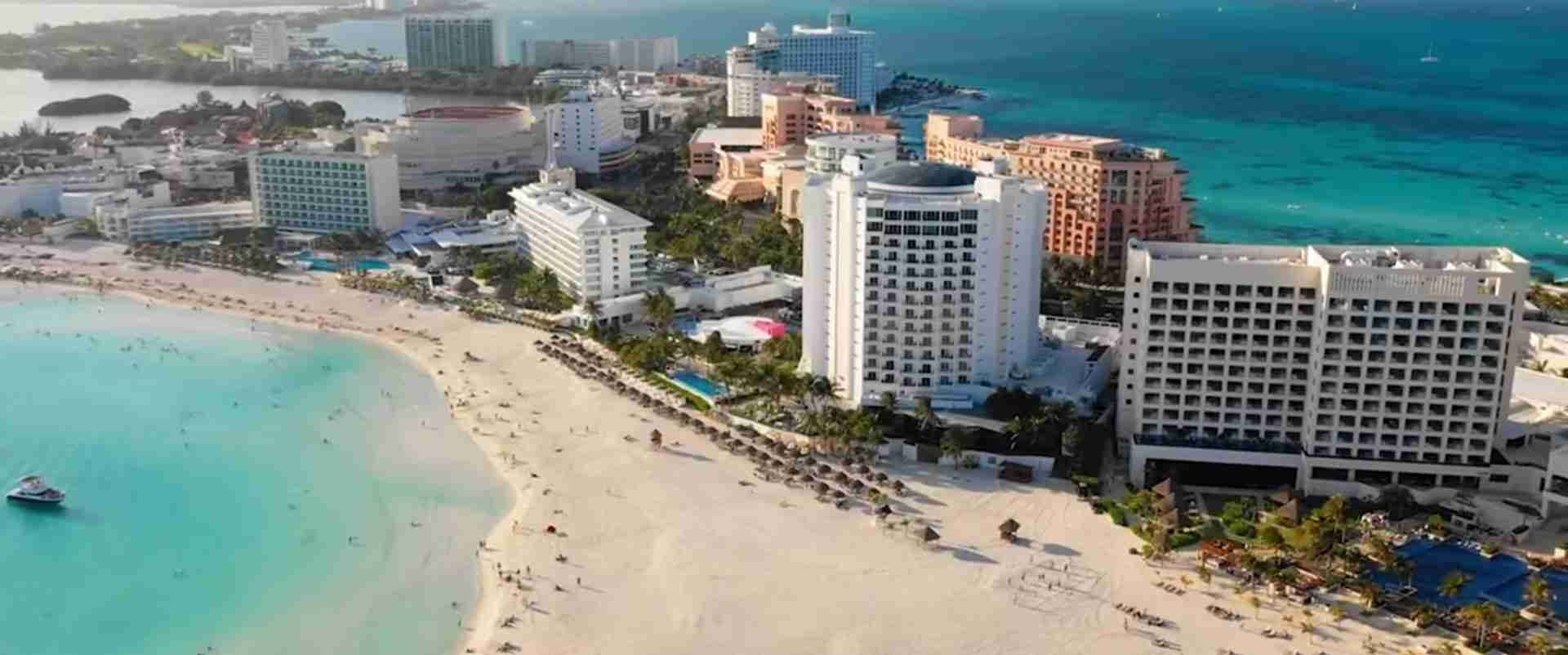
Where to Stay Cancún & Riviera Maya 2026: Complete Accommodation Guide
This comprehensive guide navigates every accommodation decision: understanding each destination’s distinct characteristics and typical costs, identifying optimal neighborhoods matching your priorities, comparing accommodation types from hostels through all-inclusive resorts, implementing booking strategies maximizing value, and avoiding common pitfalls that increase costs or reduce satisfaction. Whether you’re a solo backpacker budgeting $30 daily, a couple seeking romantic boutique hotels at $150-200 nightly, a family requiring all-inclusive predictability, or luxury travelers pursuing exclusive experiences, this guide provides essential information for informed accommodation decisions.
Key Takeaways
- Accommodation Cost Ranges 2026: Budget options $20-60 nightly in hostels and downtown hotels, mid-range $80-180 in boutique hotels and 3-4 star properties, luxury $200-600+ in all-inclusive resorts and beachfront boutiques
- Best Value Neighborhoods 2026: Cancún downtown for budget access to attractions, Playa del Carmen center for walkable convenience, Tulum Pueblo for affordable beach destination base, Aldea Zama for mid-range modern comfort
- Booking Strategy for 2026: Book 3-6 months ahead for high season (December-April), secure best rates 60-90 days early for shoulder season, consider all-inclusive for families and convenience-seekers to control costs
- Neighborhood Selection 2026: Hotel Zone Cancún for resort experience, Playa del Carmen for social atmosphere and dining variety, Tulum beachfront for boutique luxury, or Tulum Pueblo for budget-conscious beach access
Planning Your Cancún & Riviera Maya Accommodation in 2026
Selecting optimal accommodation in the Cancún-Riviera Maya corridor determines both your daily experience and overall trip budget, with location choices dramatically affecting convenience, atmosphere, costs, and access to beaches, dining, nightlife, and attractions. The region spans 130 kilometers of Caribbean coastline offering accommodation spectrum from $20 nightly hostel dorms to $1,000+ boutique hotel suites, with each major destination—Cancún, Playa del Carmen, and Tulum—presenting distinct characteristics, price ranges, and traveler demographics.
The 2026 accommodation landscape reflects continued post-pandemic tourism growth with average hotel rates approximately 15-20% higher than 2023 prices, driven by sustained high demand (Cancún hotel occupancy averaging 74% year-round), Mexican peso strength increasing operational costs for international-owned properties, and infrastructure improvements raising service standards. However, strategic booking timing, neighborhood selection, and accommodation type choices enable travelers to secure excellent value across all budget categories from backpacker hostels to ultra-luxury resorts.
People Also Ask About Cancún & Riviera Maya Accommodation 2026
How much does accommodation cost in Cancún and Riviera Maya in 2026?
Accommodation costs vary dramatically by destination, location within destination, property type, and season in 2026. Cancún offers widest price range: budget hostels and downtown hotels $20-60 nightly, mid-range Hotel Zone properties $100-180, luxury all-inclusive resorts $200-600+, with average costs around $118-140 nightly in 2026 (check booking platforms for current official rates as pricing varies by season and availability). Peak season (December-April) commands 30-60% premiums over low season (May-November excluding July-August).
Playa del Carmen presents similar ranges with slight variations: budget downtown accommodations $30-80, mid-range hotels and small resorts $90-160, luxury beachfront properties $180-400+, averaging $100-140 nightly for quality mid-range options. Tulum typically costs 20-40% more than Playa del Carmen for comparable accommodation quality, with budget Pueblo hotels $40-80, mid-range Aldea Zama properties $120-200, luxury Zona Hotelera beachfront hotels $250-600+, reflecting Tulum’s boutique positioning and limited beachfront supply driving premium pricing.
Should I stay in Cancún, Playa del Carmen, or Tulum in 2026?
Destination selection depends on travel priorities, budget, desired atmosphere, and planned activities. Cancún suits travelers seeking all-inclusive resort convenience, extensive nightlife, shopping infrastructure, easy airport access (20-30 minutes), abundant tour operators, and family-friendly mega-resorts with kids clubs and water parks. The Hotel Zone offers resort-centric experiences while downtown Cancún provides budget options and local culture at significantly lower costs.
Playa del Carmen serves travelers wanting central Riviera Maya location enabling day trips both north to Cancún/Isla Mujeres and south to Tulum/Coba, vibrant pedestrian zone (5th Avenue) with dining and nightlife variety, mix of accommodation types from hostels to boutique hotels, social backpacker/digital nomad scene, and moderate pricing between Cancún and Tulum ranges. The compact downtown enables walking to most restaurants and beaches versus Cancún’s sprawling geography requiring frequent transportation.
Tulum attracts travelers prioritizing boutique hotel atmosphere, boho-chic aesthetic, yoga/wellness focus, direct archaeological site access, natural cenotes proximity, quieter less-commercialized environment, and Instagram-worthy beachfront dining/lodging. Tulum requires accepting higher costs (20-40% above Playa del Carmen), bicycle-dependent transportation, less nightlife variety, and beach/town separation requiring transportation between accommodation areas. Choose Tulum if boutique atmosphere justifies premium pricing and limited convenience compared to Cancún/Playa del Carmen alternatives.
What is the best neighborhood to stay in Cancún in 2026?
Cancún divides into two distinct areas with dramatically different characteristics and pricing. The Hotel Zone (Zona Hotelera) occupies a 23-kilometer barrier island featuring all-inclusive resorts, tourist-focused restaurants/bars, shopping malls, nightclubs, and white-sand Caribbean beaches with calm turquoise waters. Hotel Zone suits travelers wanting resort-based vacations, beach proximity, nightlife access, convenience over authenticity, and budgets supporting $100-400+ nightly accommodations. The zone’s southern end (Punta Cancún near Kilometer 9-12) concentrates most nightlife and shopping, while northern sections offer quieter beach experiences.
Downtown Cancún (El Centro) sits on the mainland 4 kilometers west of the Hotel Zone, offering authentic Mexican atmosphere, local restaurants at fraction of Hotel Zone prices, budget accommodations $20-80 nightly, grocery stores for self-catering, and residents conducting daily life beyond tourism. Downtown suits budget travelers, those seeking cultural immersion, travelers spending days on tours/excursions needing only sleeping accommodation, and anyone prioritizing value over beach convenience. Frequent buses ($0.80-1.20) connect downtown to Hotel Zone beaches and attractions within 15-25 minutes, making beach access feasible from budget downtown bases.
Are all-inclusive resorts worth it in 2026?
All-inclusive resorts deliver value and convenience for specific traveler profiles while limiting experiences and potentially increasing total costs for others. All-inclusives excel for families with children (kids clubs, varied dining eliminating mealtime arguments, pools/activities onsite, predictable costs), groups with varied dietary needs accommodated by multiple restaurants, travelers uncomfortable navigating Spanish or local customs, and anyone prioritizing relaxation over exploration with minimal offsite excursions.
Calculate all-inclusive value by comparing total package cost (accommodation + all meals + drinks + activities) against alternative scenario costs (mid-range hotel + restaurant meals + bars + organized activities). All-inclusive packages typically cost $150-400 per person nightly in 2026 for quality properties. Compare this to independent travel: $50-100 hotel, $50-80 meals/drinks, $30-50 activities = $130-230 daily. All-inclusives save money primarily for heavy drinkers and families where multiple children’s meal costs accumulate, but cost more for light eaters, non-drinkers, travelers eating at inexpensive local restaurants, and explorers spending minimal time at their accommodation.
All-inclusive limitations include restricted culinary exploration (resort restaurants serve tourist-focused international menus versus authentic regional cuisine), reduced cultural immersion (resort bubbles limit Mexican interaction), location constraints (most resorts sit outside town centers requiring taxis for local atmosphere), and psychological pressure to “maximize value” by staying onsite versus exploring surrounding areas. Choose all-inclusives if convenience and predictable costs outweigh cultural exploration and dining variety, otherwise independent hotels provide greater flexibility and often better local experiences.
Extended multi-day tours – 5+ days
Featured Cancun Multi-Day Tour Packages

3 days
Cancun 3-Day Discovery Tour
- ✓ Comprehensive Cancun experience
- ✓ Expert local guides included
- ✓ All accommodation included
- ✓ Transportation provided
5 days
Cancun 5-Day Highlights Experience
- ✓ Comprehensive Cancun experience
- ✓ Expert local guides included
- ✓ All accommodation included
- ✓ Transportation provided
7 days
Cancun 7-Day Cultural Journey
- ✓ Comprehensive Cancun experience
- ✓ Expert local guides included
- ✓ All accommodation included
- ✓ Transportation provided

10 days
Cancun 10-Day Complete Adventure
- ✓ Comprehensive Cancun experience
- ✓ Expert local guides included
- ✓ All accommodation included
- ✓ Transportation provided
Multi-day tour packages powered by TourRadar. Prices and availability subject to change.
Essential Planning Information 2026
Current Accommodation Costs and Availability
The 2026 accommodation market reflects post-pandemic normalization with strong sustained demand maintaining elevated pricing across all categories. Average rates increased 15-20% from 2023 levels, driven by Mexican peso strength against US dollar/Euro raising operational costs for international chains, continued high occupancy rates (averaging 74% in Cancún year-round, 65-70% in Playa del Carmen, 60-65% in Tulum), and infrastructure improvements raising service standards and corresponding pricing.
Budget Accommodation Tier ($20-60 nightly): This category includes hostel dorms ($15-30 bed), basic private rooms in hostels/budget hotels ($40-60), and simple downtown accommodations prioritizing functionality over amenities. Budget properties concentrate in downtown Cancún, central Playa del Carmen (blocks from 5th Avenue), and Tulum Pueblo, offering clean beds, basic private bathrooms (sometimes shared), WiFi, and occasionally breakfast. Quality varies dramatically within this category from backpacker party hostels to clean family-run guesthouses, making reviews essential for vetting properties.
Budget accommodations enable travelers to allocate more funds to activities, dining, and excursions rather than sleeping spaces where minimal time is spent. The category suits solo backpackers, budget-conscious couples, young travelers prioritizing social hostel atmospheres, and anyone comfortable with basic amenities focusing budgets on experiences over accommodation luxury. Availability remains strong year-round for budget options, though best properties book early during Christmas and Easter weeks.
Mid-Range Accommodation Tier ($80-180 nightly): This broad category encompasses 3-4 star hotels, boutique properties, smaller resorts, comfortable Airbnbs, and condos with amenities like pools, restaurants, air conditioning, comfortable beds, and reasonable locations. Mid-range properties offer sweet spot balancing comfort, amenities, location, and value, representing optimal choice for most travelers seeking reliable pleasant accommodations without extreme budget constraints or luxury requirements.
Cancún mid-range properties ($90-160) concentrate in Hotel Zone offering smaller resort experiences, downtown boutique hotels providing comfort at accessible prices, and commercial district accommodations near restaurants and nightlife. Playa del Carmen mid-range ($80-140) clusters within 2-10 blocks of 5th Avenue, mixing international brands (Holiday Inn, Hampton Inn) with boutique Mexican properties. Tulum mid-range ($100-180) locates primarily in Aldea Zama and better Pueblo hotels, delivering modern amenities, pools, and style at 20-40% below Zona Hotelera beachfront pricing.
Luxury Accommodation Tier ($200-600+ nightly): Luxury properties include 5-star all-inclusive mega-resorts, boutique beachfront hotels, exclusive adults-only properties, and ultra-luxury eco-lodges delivering exceptional service, prime locations, sophisticated design, comprehensive amenities, and memorable experiences. This category serves travelers prioritizing supreme comfort, seeking special occasion/honeymoon properties, or valuing time efficiency and convenience justifying premium pricing.
Cancún luxury ($200-500+) dominates the Hotel Zone with international brands (Ritz-Carlton, Hyatt Ziva, Le Blanc) offering comprehensive all-inclusive experiences, adults-only serenity, and family mega-resorts with extensive kids programming. Playa del Carmen luxury ($180-400+) mixes boutique properties emphasizing design and intimacy with larger resorts in nearby Playacar. Tulum luxury ($250-600+) concentrates in Zona Hotelera beachfront properties delivering Instagram-worthy bohemian-chic aesthetics, wellness programming, exceptional gastronomy, and exclusive tranquil atmospheres commanding region-leading nightly rates.
Seasonal Pricing and Booking Windows
Accommodation costs fluctuate 30-60% between peak and low seasons, with optimal booking timing varying by travel dates and property type. Peak season (mid-December through April) brings highest rates and strongest demand, particularly Christmas-New Year (premium pricing, minimum stays), Semana Santa Easter week (Mexican domestic travel surge), February-March spring break (North American student/family travel), and general winter months (snowbird escapees). Book peak season accommodations 3-6 months ahead securing best availability and pre-surge pricing.
Shoulder season (May-June, November) offers ideal balance of favorable weather, reduced crowds, and discounted rates 15-30% below peak pricing. Hurricane season (officially June-November, peak risk August-October) brings lowest rates and emptiest beaches but weather uncertainty affecting some days. Shoulder and low season enable booking flexibility with quality properties available 30-60 days ahead, last-minute deals occasionally appearing 1-2 weeks pre-arrival.
All-inclusive resorts implement dynamic pricing adjusting daily rates based on projected demand, often offering superior deals 60-90 days ahead versus last-minute bookings when occupancy projections firm. Boutique hotels and independent properties maintain more stable pricing with advance booking incentives (free nights with minimum stays, upgrades, spa credits) rewarding early commitments. Monitor rates across booking periods identifying sweet spot timing when promotional pricing intersects with certainty about travel plans.
Cancún Accommodation Options 2026
Hotel Zone Resort Experience
Cancún’s Hotel Zone concentrates the Riviera Maya’s highest concentration of all-inclusive mega-resorts, delivering comprehensive vacation experiences with beaches, pools, dining variety, entertainment programming, and abundant activities within secured resort complexes. These properties suit families prioritizing kids clubs and family programming, groups wanting variety for diverse interests, travelers seeking convenience over exploration, and anyone uncomfortable navigating Mexican environment independently.
All-inclusive mega-resorts ($180-450 per night for double occupancy in 2026, check resort websites for current rates) typically feature: 5-10+ restaurants spanning international cuisines, multiple bars including swim-up pool bars and beach service, several pools with varying atmospheres (quiet adults, lively activities, kids water parks), nightly entertainment shows, non-motorized water sports (kayaking, paddle boarding, snorkeling), fitness centers and sports facilities, spa services (separate charges), kids clubs for various age groups, and teen lounges. Top properties include Moon Palace, Hyatt Ziva/Zilara, Grand Fiesta Americana, Secrets resorts (adults-only), and Riu properties delivering reliable quality.
Smaller boutique hotels ($120-300) dot the Hotel Zone offering hotel services without all-inclusive dining, appealing to travelers wanting prime beach locations while maintaining flexibility dining at area’s diverse restaurants. These properties provide hotel amenities (pools, beach access, room service) at lower rates than all-inclusives, suitable for couples and small groups planning to eat out exploring Cancún’s culinary scene. The southern Hotel Zone near Punta Cancún concentrates boutique options alongside mega-resorts.
Downtown Cancún Budget Base
Downtown Cancún (El Centro) serves budget travelers, backpackers, and anyone prioritizing authentic Mexican experience and value over beachfront convenience. Accommodations range $20-80 nightly in 2026, including hostel dorms ($15-30 per bed), budget hotels with private rooms ($35-60), and comfortable mid-range properties ($60-100) delivering quality at fraction of Hotel Zone costs. Downtown provides cultural immersion with local markets, authentic taquerías, grocery stores enabling self-catering, and Mexican families conducting daily life.
The downtown accommodation advantage lies in dramatic cost savings—a $50 downtown hotel provides comparable room quality to $150 Hotel Zone properties minus beachfront location. Frequent buses ($0.80-1.20, every 5-15 minutes) connect downtown to Hotel Zone beaches within 20-30 minutes, making beach access feasible while maintaining budget accommodation costs. Downtown suits travelers spending days on tours and excursions requiring only sleeping accommodation, budget-conscious couples maximizing activity funds, solo travelers seeking hostel social scenes, and anyone valuing authentic cultural exposure.
Downtown disadvantages include distance from beaches requiring daily transportation, limited English in local establishments (Google Translate essential), basic accommodation amenities (air conditioning and hot water standard, but pools and restaurants rare), and neighborhood vetting required to identify safe comfortable areas. Focus accommodations near Avenida Tulum, Avenida Yaxchilán, or Parque Las Palapas—the downtown core’s safest most convenient locations with easy bus access to Hotel Zone.
Cancún Accommodation Selection Criteria
Choose Cancún Hotel Zone when: seeking all-inclusive resort experiences, traveling with children requiring kids programming, prioritizing beach access and water sports, wanting comprehensive onsite entertainment, valuing convenience over cultural authenticity, operating with $150+ daily accommodation budgets, or desiring mega-resort scale and variety. Hotel Zone accommodations minimize need for Spanish language skills, provide familiar international hotel standards, and enable complete vacations without leaving resort properties.
Choose downtown Cancún when: operating on tight budgets maximizing daily costs, seeking authentic Mexican cultural experiences, spending days on tours/excursions needing only sleeping accommodation, comfortable using basic public transportation, traveling solo seeking hostel social atmospheres, or prioritizing local food exploration over resort dining. Downtown accommodations require accepting 20-30 minute beach commutes, basic hotel amenities, and Spanish language challenges in exchange for dramatic cost savings and cultural immersion.
Playa del Carmen Accommodation Options 2026
Downtown Playa Social Hub
Playa del Carmen’s compact downtown core extending 10 blocks either side of pedestrian 5th Avenue (Quinta Avenida) concentrates diverse accommodation options from party hostels to boutique hotels within walking distance of beaches, restaurants, bars, shops, and ADO bus terminal enabling day trips throughout the Riviera Maya. This central location delivers optimal balance of convenience, entertainment access, walkability, and reasonable costs compared to Cancún Hotel Zone or Tulum beachfront premium pricing.
Downtown Playa accommodations range $30-180 nightly in 2026, including budget hostels ($25-45 bed), economical hotels 2-5 blocks from beach ($50-90), comfortable mid-range properties near 5th Avenue ($90-140), and boutique hotels ($140-220) delivering stylish intimate experiences. The area’s walkability eliminates transportation costs—everything sits within 5-20 minute walks including multiple beach access points, hundreds of restaurants spanning budgets, lively nightlife, shopping from souvenir stalls to international brands, and practical services (grocery stores, pharmacies, banks).
Playa del Carmen suits social travelers enjoying pedestrian energy and meeting fellow tourists, food enthusiasts exploring diverse restaurants nightly, budget-to-mid-range travelers maximizing value, digital nomads appreciating central location and social scenes, couples wanting romantic atmosphere without isolation, and anyone prioritizing convenience and variety. The downtown scene skews younger and more social than Cancún’s resort demographic or Tulum’s wellness-focused travelers, with hostels fostering backpacker communities and numerous bars drawing international crowds.
Playacar Residential Resort Area
Playacar occupies a gated residential development south of downtown Playa del Carmen, featuring larger resort properties, vacation rentals in residential neighborhoods, golf course access, quieter beaches than downtown’s crowded strips, and family-friendly atmosphere. Playacar accommodations ($120-350 nightly) include all-inclusive resorts, boutique hotels in residential settings, and vacation rental homes/condos appealing to families and groups wanting space and facilities beyond standard hotel rooms.
Playacar delivers proximity to downtown Playa (5-15 minutes walking or quick taxi rides) while escaping pedestrian congestion and nightlife noise affecting downtown accommodations. The area suits families with children wanting residential quiet plus beach/pool access, groups renting homes with kitchens and multiple bedrooms, golfers accessing courses, and travelers seeking resort amenities at lower rates than comparable Cancún Hotel Zone properties. Several established resort brands operate Playacar properties including Sandos, Riu, and Hilton.
Playa del Carmen Accommodation Selection Criteria
Choose downtown Playa del Carmen when: seeking central walkable location, wanting diverse dining options beyond resort restaurants, operating on budget-to-mid-range budgets ($30-150 nightly), enjoying social pedestrian energy, planning day trips from ADO terminal, traveling solo or as couple, valuing convenience and variety, or preferring boutique hotel intimacy over mega-resort scale. Downtown Playa maximizes flexibility and local interaction while maintaining comfort and easy beach access.
Choose Playacar when: traveling with families preferring residential quiet over downtown energy, wanting all-inclusive convenience at lower costs than Cancún, seeking vacation rental space for groups, accessing golf courses, desiring proximity to downtown without immersion in 5th Avenue crowds, or preferring resort-style properties in calmer settings. Playacar bridges Cancún’s resort scale and downtown Playa’s urban energy with family-oriented middle ground.
Tulum Accommodation Options 2026
Zona Hotelera Beachfront Boutiques
Tulum’s Zona Hotelera (Beach Zone) stretches 10 kilometers along pristine Caribbean coastline south of archaeological ruins, featuring boutique eco-hotels, boho-chic beachfront properties, and exclusive adults-only resorts delivering Instagram-worthy aesthetics, wellness programming, exceptional gastronomy, and premium pricing reflecting limited beachfront supply and international demand for Tulum’s unique bohemian-luxury positioning.
Zona Hotelera accommodations ($180-600+ nightly in 2026, check property websites for current rates) emphasize environmental integration with palapa-roof structures, natural materials, open-air designs, solar power, rainwater collection, and minimal plastic policies. Properties range from intimate 10-20 room boutiques to larger 50-100 room resorts, nearly all featuring direct beach access, beach clubs with dining/lounging, pools integrating with natural landscape, yoga decks and wellness programming, and restaurants showcasing farm-to-table gastronomy. Notable properties include Azulik (adults-only treehouse concept), Be Tulum (modern luxury), Nomade (wellness focus), and numerous boutique options.
Tulum Zona Hotelera suits romantic couples seeking unique boutique experiences, wellness travelers embracing yoga and spiritual programming, Instagram-focused visitors pursuing photogenic settings, and travelers prioritizing exclusive serene atmospheres over convenience and value. Significant disadvantages include premium pricing (double comparable Playa del Carmen rates), limited amenities compared to all-inclusive resorts (most operate as room-only or breakfast-included boutiques), distance from Tulum town (3-4 kilometers requiring bicycles or taxis for restaurants and services), and unpaved beach road creating dusty conditions.
Tulum Pueblo Town Base
Tulum Pueblo (downtown Tulum) provides budget-to-mid-range accommodation base for beach destination access without Zona Hotelera premium pricing. Accommodations range $35-140 nightly including hostels ($30-50 bed), budget hotels ($50-80), comfortable mid-range properties ($80-120), and stylish boutique hotels ($120-180). Pueblo concentrates practical services (ADO bus terminal, grocery stores, banks, pharmacies, budget restaurants), authentic Mexican atmosphere, and backpacker social scenes contrasting dramatically with beachfront exclusivity.
Pueblo location requires accepting 3-4 kilometer separation from beaches via bicycle (most hotels provide free bikes), taxi ($8-15), or occasionally walking (45-60 minutes on dusty road). This separation deters some travelers but enables beach destination access at fraction of beachfront costs—$80 Pueblo hotel plus $15 daily taxi equals $95 daily versus $300+ Zona Hotelera nightly. Pueblo suits budget travelers, backpackers seeking hostel social scenes, digital nomads balancing work and beach lifestyle, and anyone comfortable with bicycles or taxis for beach access.
Aldea Zama Modern Middle Ground
Aldea Zama occupies planned development midway between Pueblo and beach zone, offering modern condos, boutique hotels, and apartment rentals ($100-200 nightly) with contemporary amenities, pools, restaurants, and relative proximity to both downtown services and beaches (approximately 2 kilometers each direction). Aldea Zama appeals to travelers wanting modern comfortable accommodations, digital nomads seeking apartment-style spaces with kitchens, families desiring pools and space, and mid-range budgets seeking value between Pueblo basics and Zona Hotelera premiums.
The neighborhood delivers peaceful residential atmosphere, reliable amenities (air conditioning, hot water, WiFi, pools), and increasingly walkable infrastructure with restaurants and cafes opening within development. Bicycles access both Pueblo and beach zones within 10-15 minutes, though distances still require occasional taxis for groceries or night outings. Aldea Zama represents smart choice for longer stays (1+ weeks) where apartment-style space and modern comfort justify pricing above basic Pueblo hotels while avoiding Zona Hotelera premium rates.
Tulum Accommodation Selection Criteria
Choose Tulum Zona Hotelera when: seeking exclusive boutique experiences, prioritizing direct beach access and Instagram aesthetics, celebrating special occasions/honeymoons, embracing wellness and yoga programming, operating luxury budgets ($200-600+ nightly), wanting beachfront dining and lounging, or valuing unique design and atmosphere over practical convenience. Zona Hotelera delivers memorable distinctive experiences justifying premium pricing for travelers prioritizing uniqueness over value.
Choose Tulum Pueblo when: operating budget constraints, seeking backpacker social scenes, comfortable with bicycles or taxis for beach access, wanting authentic Mexican atmosphere and budget dining, staying longer periods where daily beach taxis remain economical, traveling solo or as budget-conscious couple, or prioritizing experiences over accommodation luxury. Pueblo enables Tulum beach destination access at fraction of beachfront costs.
Choose Aldea Zama when: seeking modern comfortable accommodations without Zona Hotelera premium, staying medium-term (3+ days) justifying apartment amenities, operating mid-range budgets ($100-180 nightly), wanting pools and contemporary facilities, traveling with children requiring space and comfort, or needing work-friendly environments for digital nomad lifestyle. Aldea Zama delivers best balance of comfort, amenities, and value in Tulum’s accommodation landscape.
Accommodation Types and Booking Strategies 2026
All-Inclusive Resort Packages
All-inclusive resorts dominate Cancún Hotel Zone and appear throughout the Riviera Maya, delivering comprehensive vacation packages bundling accommodation, unlimited meals at multiple restaurants, unlimited drinks including alcohol, non-motorized water sports, entertainment programming, and various activities into single upfront pricing. These properties work best for families with children (kids clubs, varied dining, activities), groups with diverse preferences, and travelers prioritizing convenience and predictable costs over exploration and cultural immersion.
Calculate all-inclusive value by comparing package costs against independent travel expenses. Quality all-inclusive properties cost $150-400 per person nightly in double occupancy ($300-800 per couple) in 2026, varying by resort quality, season, and inclusions. Compare this against independent scenario: $80-120 mid-range hotel + $50-80 daily meals/drinks + $20-40 activities = $150-240 per couple. All-inclusives save money primarily for heavy drinkers (premium cocktails at resorts cost $12-18 each, adding $50-100+ daily for drinking couples), families where multiple children’s meals accumulate (kids meals $8-15 each), and those taking advantage of included activities and entertainment.
All-inclusive disadvantages include limited culinary exploration (resort restaurants serve international tourist menus rather than authentic regional cuisine), reduced cultural immersion (resort bubbles minimize Mexican interaction), psychological pressure to maximize value by staying onsite (diminishing exploration incentives), and total costs potentially exceeding independent travel for light eaters/drinkers. Choose all-inclusives when convenience, predictability, and family programming outweigh cultural authenticity and dining variety, otherwise independent hotels provide greater flexibility and often superior local experiences.
Boutique Hotels and Design Properties
Boutique hotels emphasize intimate scale (typically 10-50 rooms), distinctive design aesthetics, personalized service, unique character, and often locally-owned operations contrasting with international chain standardization. Boutique properties concentrate in Playa del Carmen downtown, Tulum Zona Hotelera, and increasingly Aldea Zama, appealing to couples seeking romantic atmospheres, design-conscious travelers, those valuing uniqueness over scale, and anyone wanting personalized service impossible in mega-resorts.
Boutique hotels typically cost $100-300 nightly in 2026 for quality properties, delivering thoughtful design, curated experiences, and memorable character. Advantages include distinctive environments impossible in chain hotels, personalized service from small dedicated teams, integration with local neighborhoods (downtown properties walk to restaurants rather than isolated resort compounds), and Instagram-worthy aesthetics appealing to visual documentation desires. Disadvantages include limited amenities compared to resorts (small pools or no pools, limited dining requiring going out for most meals), sometimes inconsistent service in very small operations, and occasionally inflated pricing trading on design without justifying costs through amenities or service quality.
Hostels and Budget Accommodations
Hostels serve budget travelers, backpackers, solo adventurers, and social travelers seeking community atmosphere and rock-bottom costs. Hostel dorm beds cost $15-35 nightly in 2026, while private hostel rooms range $40-70, dramatically undercutting hotel rates. Quality hostels provide clean comfortable beds, secure lockers, shared kitchens enabling self-catering, common areas fostering social interaction, organized activities (pub crawls, beach outings, tours), and vibrant international traveler communities.
Hostels concentrate in downtown Cancún (near Parque Las Palapas), central Playa del Carmen (within 5 blocks of 5th Avenue), and Tulum Pueblo, appealing primarily to travelers under 35 though age limits no longer apply at most properties. Choose hostels when: operating minimal budgets, traveling solo seeking social connections, prioritizing activity funds over accommodation luxury, comfortable with shared spaces and occasional noise, or embracing backpacker culture. Private hostel rooms deliver hotel convenience at hostel prices, suitable for budget couples wanting privacy without sacrificing costs.
Vacation Rentals and Airbnb
Vacation rentals through Airbnb, Vrbo, and local agencies offer apartments, condos, houses, and villas providing space, kitchens, multiple bedrooms, and residential experiences contrasting with hotel accommodations. Rentals work best for groups (4+ people sharing costs), families wanting space and cooking facilities, longer stays (1+ weeks) where apartment living feels less transitory, and travelers seeking residential neighborhoods over tourist zones.
Rental costs vary enormously from $50 studios to $500+ luxury villas nightly, typically delivering better space-per-dollar than hotels for groups. A $150 two-bedroom apartment houses 4 people ($37 per person) versus $100+ hotel rooms for each couple ($200+ total). Additional advantages include kitchen facilities enabling self-catering (breakfast coffee/food, picnic lunches, occasional dinners significantly reducing meal costs), washer/dryers for longer stays, living space beyond bedroom confines, and residential neighborhood insights. Disadvantages include cleaning responsibilities or cleaning fees, no daily housekeeping, sometimes inconsistent property quality versus photos, and isolation from hotel services and social scenes.
Smart Booking Strategies for 2026
Advance Booking Windows and Timing
Book accommodations 3-6 months ahead for peak season travel (mid-December through April) securing best availability at pre-surge pricing, particularly essential during Christmas-New Year, Semana Santa Easter week, and February-March spring break when properties sell out and implement minimum stays. Early booking locks favorable rates before demand-driven price increases, guarantees availability at preferred properties, enables payment plans at some properties, and allows leisurely research rather than rushed last-minute compromises.
Shoulder season (May-June, November) and low season (September-October) enable flexible booking 30-60 days ahead with good availability and occasionally superior rates compared to advance bookings. Some properties offer last-minute deals 1-2 weeks before arrival when occupancy projections show empty rooms, though this gambling approach risks limited availability or higher rates if demand stays strong. Monitor rates across booking windows identifying optimal timing when property offers promotional incentives (free night promotions, upgrades, resort credits) intersecting with certainty about travel plans.
All-inclusive resorts implement sophisticated dynamic pricing adjusting rates daily based on demand projections, typically offering best deals 60-90 days ahead when promotional pricing attracts bookings before demand firms. Independent hotels and boutiques maintain more stable pricing with advance booking incentives rewarding commitments. Compare rates across platforms (direct hotel websites, Booking.com, Expedia, hotel wholesalers like CheapCaribbean) as pricing sometimes varies significantly with different intermediaries offering exclusive deals or direct booking benefits.
Price Comparison and Booking Platforms
Compare accommodation options across multiple booking platforms before finalizing reservations, as rates vary significantly between channels. Major booking sites (Booking.com, Expedia, Hotels.com) aggregate inventory with user reviews, flexible cancellation policies, and loyalty programs earning credits. Hotel direct websites sometimes offer lowest rates through “best rate guarantees” plus perks (room upgrades, resort credits, free breakfast) unavailable through third-party bookers. All-inclusive specialists (CheapCaribbean, Apple Vacations, Costco Travel) package flights and hotels with sometimes better total costs than booking components separately.
Read recent reviews (past 6 months) on TripAdvisor, Google, and booking platforms identifying consistent patterns (excellent staff, great food, beach erosion, noise problems, cleanliness issues). Weight recent reviews heavily over older reviews as properties change management, complete renovations, or decline in maintenance. Scrutinize photos comparing official property photos against recent guest photos identifying accurate representations versus outdated or misleading marketing images. Verify exact property locations using Google Maps—some “beachfront” properties sit across busy roads from beaches, while “downtown” locations may require 10-15 minute walks to central areas.
Cancellation Policies and Flexibility
Prioritize flexible cancellation policies enabling free cancellation 1-7 days before arrival, providing insurance against changed plans, better deals emerging, weather concerns, or personal circumstances. Flexible policies typically cost 5-10% more than non-refundable rates but deliver valuable flexibility outweighing modest surcharges. Non-refundable rates make sense only when travel certainty is absolute and savings justify losing full payments if plans change.
Purchase travel insurance covering trip cancellation, interruption, and medical emergencies when booking expensive properties or all-inclusive packages, particularly for travel during hurricane season (June-November). Standard travel insurance costs 5-10% of trip value, covering cancellation for illness, family emergencies, weather disruptions, and various other covered reasons. Review policy details carefully understanding coverage limitations, exclusions, and claim procedures. Some credit cards include travel insurance benefits covering rental cars and trip cancellation when booking with that card—verify coverage details before purchasing redundant commercial insurance.
Communication and Pre-Arrival Arrangements
Contact properties 1-2 weeks before arrival confirming reservations, special requests, airport transfer arrangements, early check-in possibilities if arriving morning flights, and any questions about property amenities or neighborhood. Email communication creates documentation trails useful if confirmation disputes arise, while WhatsApp contact enables quick real-time responses for time-sensitive questions. Provide accurate arrival information (flight numbers, approximate arrival times at property) enabling properties to prepare for arrival and coordinate any pre-arranged services.
Request specific preferences during booking or follow-up communications: high floor rooms (better views, less noise), particular bed configurations (king versus two doubles), quiet locations away from elevators or pool areas, connecting rooms for families, or accessibility needs requiring ground floor or elevator access. Properties accommodate reasonable requests when available, though guarantees rarely exist. State preferences clearly but understand limitations—busy periods restrict accommodation abilities and some properties lack inventory flexibility.
Money-Saving Accommodation Strategies 2026
Location Trade-Offs and Value Areas
Strategic location choices deliver equivalent accommodation quality at 30-60% savings by accepting minor convenience compromises. Stay downtown Cancún versus Hotel Zone saving $50-150 nightly while maintaining beach access via $1 frequent buses. Choose Tulum Pueblo over Zona Hotelera beachfront saving $100-400 nightly while accessing beaches via $10 taxis or free hotel bicycles. Select Playa del Carmen blocks 5-10 off 5th Avenue saving $30-80 nightly with 5-10 minute additional walks to pedestrian zone.
Balance savings against convenience based on your priorities and physical abilities. Younger active travelers comfortable with 10-20 minute walks or bicycle rides find location trade-offs negligible, while families with small children, elderly travelers, or those with mobility limitations may find premium convenience worth extra costs. Calculate actual convenience value: saving $80 nightly staying downtown Cancún costs $2.40 daily for round-trip buses to Hotel Zone—the remaining $77.60 savings funds tours, dining, and activities delivering greater value than beachfront convenience.
Extended Stay Discounts and Weekly Rates
Properties offer weekly and monthly discounts for extended stays, typically discounting 10-20% for week-long bookings, 20-30% for two-week stays, and 30-50% for month-long stays. These discounts make extended Riviera Maya stays surprisingly economical, particularly in Playa del Carmen and Tulum where digital nomad populations established extended-stay markets. Negotiate directly with properties (via email or WhatsApp) for stays exceeding one week, as booking platforms sometimes don’t display full extended-stay discounts.
Extended stays enable apartment-style vacation rentals with kitchens reducing meal costs through occasional self-catering, weekly cleaning services versus daily housekeeping reducing costs, and immersive neighborhood experiences impossible during brief visits. Consider 10-14 day stays even if initially planning one week—the incremental costs (often just 30-50% more than week-long rates due to discounts) deliver double the experiences, eliminate rushed itineraries, enable rest days, and justify longer flights from distant origins.
Package Deals and Bundle Savings
Package deals bundling flights and hotels through wholesalers (CheapCaribbean, Costco Travel, Apple Vacations) often deliver better total costs than booking components separately, particularly for all-inclusive resorts where wholesalers negotiate bulk rates. Compare package costs against independent bookings (finding flight prices on Google Flights/Kayak, then adding hotel costs) calculating actual savings. Packages typically save $200-500 per couple for week-long trips, with greatest savings during shoulder season when wholesalers stimulate demand through aggressive pricing.
Travel credit cards offering point redemptions for hotels enable free or heavily discounted accommodations when accumulating points through signup bonuses and regular spending. Marriott, Hilton, Hyatt, and IHG properties populate the Riviera Maya, accepting points for room-night redemptions. Strategic credit card use books luxury accommodations at fraction of cash costs—Hyatt points typically value 1.5-2 cents each, meaning 25,000 points redeems $375-500 room nights. Bank transfer partner programs enable accumulating hotel points through credit card spending, opening free luxury accommodation possibilities for point-savvy travelers.
Off-Season Travel and Shoulder Season Windows
Travel during May-June or September-November shoulder seasons capturing 20-40% savings versus peak winter months while enjoying favorable weather and reduced crowds. May particularly delivers optimal conditions: dry season weather continues, humidity remains manageable, crowds thin dramatically after spring break, and rates drop significantly. September-November brings hurricane season weather uncertainty (occasional rainy days, possible tropical storms) but delivers lowest rates and emptiest beaches for travelers accepting weather variability.
Avoid Mexican holiday periods (Semana Santa Easter week, Christmas-New Year, Independence Day September 15-16) when domestic tourism spikes driving prices up and availability down. International travelers visiting during Mexican holidays experience crowded conditions and premium pricing better avoided by scheduling visits during non-holiday periods. Monitor Mexican school calendar timing travel around academic schedules minimizing domestic travel competition.
Neighborhood Selection Guide 2026
Beach Access Versus Town Center Balance
Prioritize direct beach access when: spending majority of time swimming and sunbathing, traveling with young children requiring easy bathroom/snack access, seeking resort experiences with beach activities, embracing laid-back beach lifestyle, or operating budgets supporting beachfront premium pricing. Beachfront accommodations eliminate daily beach commutes, enable spontaneous ocean dips, support comfortable day-long beach sessions with easy room returns, and maximize beach time versus time spent in transportation.
Prioritize town center locations when: planning extensive restaurant/bar exploration, seeking walkable access to services and shopping, operating budget constraints making beachfront costs prohibitive, spending days on tours and excursions, valuing cultural immersion over beach time, or comfortable with brief beach commutes. Town center bases cost 30-60% less than comparable beachfront properties while delivering superior restaurant access, local culture exposure, and practical service proximity (grocery stores, pharmacies, banks, laundry services).
Quiet Relaxation Versus Social Energy
Seek quieter locations when: prioritizing relaxation and stress reduction, escaping daily routine noise and stimulation, honeymooning or celebrating anniversaries, working remotely requiring concentration, traveling with young children needing consistent sleep schedules, or recovering from busy life periods. Quieter properties locate in resort complexes away from public areas, adults-only properties excluding children, smaller boutique hotels versus large mega-resorts, and properties distanced from 5th Avenue Playa del Carmen or Hotel Zone nightlife zones.
Embrace social energy when: traveling solo seeking social connections, enjoying vibrant atmosphere and people-watching, wanting nightlife proximity eliminating taxi expenses, appreciating restaurant variety within walking distance, or thriving in urban energy. Social properties locate near 5th Avenue Playa del Carmen, Hotel Zone nightlife clusters, or party-oriented hostels and hotels catering to younger demographics. Balance personal energy preferences with accommodation selections—extroverts recharge through social interaction while introverts require quiet retreat spaces.
Family-Friendly Versus Adults-Only Properties
Family-friendly properties provide kids clubs, children’s pools with slides and water features, family suites with separate bedrooms, early dining accommodating children’s schedules, extensive entertainment programming, and tolerant atmospheres embracing childhood noise and energy. Family resorts concentrate in Cancún Hotel Zone (Moon Palace, Nickelodeon Hotels, Barcelo Maya complex), northern Riviera Maya (Grand Bahia Principe properties), and occasionally Playa del Carmen. These properties enable stress-free family vacations with dedicated children’s activities, but sacrifice adult serenity and sophisticated dining atmospheres.
Adults-only properties exclude guests under 16-18 years old (age varies by property), delivering serene pool atmospheres without cannon-ball splashing, sophisticated dining experiences, romantic ambiance, later entertainment schedules, and child-free environments preferred by couples and adult travelers. Adults-only properties proliferate in Cancún Hotel Zone (Le Blanc, Hyatt Zilara, Secrets resorts), Playa del Carmen area (Valentin Imperial Maya, Platinum Yucatan Princess), and Tulum Zona Hotelera (most boutique properties). These properties suit honeymoons, anniversary celebrations, couples retreats, and anyone prioritizing peaceful adult atmospheres.
Planning Your 2026 Stay
Pre-Arrival Accommodation Checklist
Complete accommodation arrangements 14-30 days before departure ensuring smooth arrival and optimal experience. Confirm reservations via email verifying arrival/departure dates, room type, rate, included amenities, cancellation policy, and any special requests (high floor, quiet location, specific bed configuration). Print confirmation documents carrying physical copies as backup when electronic devices malfunction, including confirmation numbers, property contact information, addresses, and emergency phone numbers.
Arrange airport transportation coordinating with accommodation when properties offer transfer services, or book independent transfers providing property address details. Calculate arrival timing planning realistic check-in schedules—most properties enforce 3:00-4:00 PM check-in times, with earlier arrivals possible depending on availability. Contact properties if arriving early morning inquiring about luggage storage enabling beach/restaurant visits before official check-in. Communicate estimated arrival times enabling properties to prepare rooms and anticipate arrivals.
Research neighborhood surroundings using Google Maps Street View previewing actual street conditions, identifying nearby restaurants/grocery stores/ATMs, understanding walking distances to beaches and attractions, and noting any accessibility challenges (steep hills, uneven sidewalks, poorly lit areas). Download offline maps for property neighborhoods ensuring navigation abilities when WiFi is unavailable. Identify nearest ATMs, grocery stores, and pharmacies for first-day essentials, particularly when arriving late afternoon with limited immediate exploration time.
Check-In Procedures and First-Day Orientation
Arrive at properties with passports for all guests (required for foreign nationals registering in Mexican accommodations), credit card for incidentals or security deposits (even at all-inclusives), confirmation numbers or booking documentation, and patience during check-in procedures taking 10-30 minutes at busy properties. Review included amenities, meal schedules at all-inclusives, pool/beach hours, WiFi passwords, and safety deposit box procedures. Request property maps at large resorts identifying restaurants, pools, beaches, and facilities.
Inspect rooms immediately upon entry checking: air conditioning functionality, hot water availability, clean bedding and towels, working toilet and shower, secure locks on doors and windows, functional safe if present, adequate lighting, and overall cleanliness. Report problems immediately to front desk requesting room changes when issues are serious (broken air conditioning, cleanliness problems, excessive noise) rather than accepting substandard conditions. Properties accommodate reasonable change requests when availability permits, but delayed complaints reduce likelihood of resolution.
Orient to neighborhood during first afternoon exploring immediate surroundings, locating nearest beach access, identifying grocery stores and ATMs, noting restaurant concentrations, and getting comfortable with the area. Ask property staff for restaurant recommendations, safety considerations, transportation options, and insider tips. Establish daily routines (breakfast timing, beach/pool preferences, evening plans) creating comfortable familiar patterns supporting relaxation and stress reduction.
Managing Accommodation Costs During Stay
Control accommodation-adjacent costs managing resort charges, minibar temptations, and service fees accumulating unexpectedly. Review all-inclusive terms understanding what’s included versus additional charges—spa services, premium liquor brands, specialty restaurants, water sports with motors, and room service often cost extra even at all-inclusives. Decline time-share presentations despite free gifts or discounted tours—these high-pressure sales presentations consume 90-120 minutes delivering minimal value relative to vacation time costs.
Tip appropriate amounts for services: $1-2 per bag for bellmen, $2-5 daily for housekeeping (left on pillow or table with note), 10-15% for restaurant staff at non-all-inclusives (all-inclusives include service charges but additional tips appreciated for exceptional service), $1-2 for bar drinks, and $5-10 for concierge assistance booking tours or restaurants. US dollars are widely accepted and preferred by service staff, though peso tips work equally well. Avoid over-tipping creating unrealistic expectations while ensuring staff receive fair compensation for good service.
Extend stays strategically when falling in love with properties or destinations, negotiating direct with properties for additional nights often securing better rates than original bookings. Many travelers arrive intending week-long stays but extend to 10-14 days when experiencing destination appeal, with direct property negotiations delivering 10-20% discounts on added nights. Flexibility with departure dates and open-ended return flights enable spontaneous extensions maximizing enjoyment without premature departures from paradise.
2026 Updates & Current Information
Accommodation Market Trends Affecting 2026
The Riviera Maya accommodation market continues evolving with several significant trends shaping 2026 options and pricing. Boutique hotel proliferation particularly in Tulum and Playa del Carmen expands mid-range stylish options as independent developers compete with chain brands, delivering design-focused properties at $100-200 nightly filling gaps between budget basics and luxury extremes. This trend benefits travelers seeking character and uniqueness without extreme pricing, though glutted markets may trigger corrections if occupancy rates decline.
Sustainable eco-tourism accommodations gain prominence as environmental consciousness influences property development and operations, particularly in Tulum where eco-certifications and sustainability claims factor into marketing messaging. Properties implement solar power, rainwater collection, plastic elimination, local sourcing, and environmental education programs appealing to eco-conscious travelers. Verify actual practices beyond marketing claims—some “eco-hotels” greenwash minimal efforts while others demonstrate genuine environmental commitments through third-party certifications and transparent operations.
Digital nomad infrastructure expands as remote work normalizes, with properties offering co-working spaces, strong reliable WiFi (critical for video calls), dedicated work desks, longer-term stay discounts, and community programming connecting remote workers. Playa del Carmen and Tulum particularly cater to this demographic with month-long stays, apartment-style accommodations, and social events. Monthly rates of $1,200-2,500 deliver comfortable work-friendly accommodations enabling extended Caribbean remote work periods.
Hurricane Season Considerations
Hurricane season officially runs June 1-November 30 with peak risk August-October, bringing lowest accommodation rates but weather uncertainty affecting some days. Most years experience zero or minimal direct impacts to the Riviera Maya, but occasional major storms (most recently Hurricane Wilma 2005, Hurricane Dean 2007, Hurricane Beryl 2024) cause evacuations, property damage, and trip disruptions. Monitor weather forecasts during hurricane season bookings, maintain flexible cancellation policies, purchase travel insurance covering weather-related cancellations, and understand that forecasts provide 5-7 days maximum advance warning of potential threats.
Properties prepare for hurricane season through storm shutters, emergency supplies, generator backups, and evacuation procedures, with larger resorts and hotels operating most reliable systems. Government authorities order evacuations when major storms threaten, requiring temporary relocation to shelters or departing the area entirely. Travel insurance covers accommodation costs when official evacuations occur, though coverage details vary by policy. September-October deliver lowest prices and best deals accepting weather uncertainties, while November reduces hurricane risk while maintaining shoulder season pricing advantages.
Emerging Destinations and Alternative Options
Puerto Morelos between Cancún and Playa del Carmen emerges as quieter alternative destination offering charm without crowds at mid-range pricing. This fishing village turned resort town features smaller boutique hotels ($80-180 nightly), authentic local atmosphere, excellent snorkeling at nearby reef, and proximity to both Cancún airport (20 minutes) and major attractions. Puerto Morelos suits travelers seeking tranquility, couples wanting romantic small-town atmosphere, and anyone desiring Mexican authenticity missing from heavily touristed destinations.
Akumal south of Playa del Carmen specializes in eco-tourism with sea turtle snorkeling, cenote access, and low-key beach atmosphere attracting families and nature enthusiasts. Accommodations range from budget hostels to all-inclusive resorts, with emphasis on mid-range condos and vacation rentals. Isla Mujeres off Cancún’s coast provides island atmosphere, smaller scale, golf cart transportation, and relaxed Caribbean vibe contrasting with mainland energy. Day-trip accessibility (20-minute ferries from Cancún) makes Isla Mujeres viable base for travelers wanting island tranquility with mainland excursion access.
Frequently Asked Questions About Cancún Accommodation 2026
How far in advance should I book accommodation in 2026?
Book 3-6 months ahead for peak season travel (mid-December through April), particularly essential during Christmas-New Year when properties sell out and implement minimum 5-7 night stays, and during Semana Santa Easter week when Mexican domestic travel spikes. Book 60-90 days ahead for shoulder season (May-June, November) balancing advance planning with promotional pricing often appearing at this booking window. Low season (September-October) allows flexible 30-45 day advance booking with occasionally better rates than early bookings as properties offer last-minute promotions filling occupancy. All-inclusive resorts typically offer best deals 60-90 days out when demand projections firm but haven’t yet triggered surge pricing.
Are Cancún accommodations safe in 2026?
Cancún, Playa del Carmen, and Tulum accommodate millions of tourists annually with incident rates far lower than sensationalized media coverage suggests. Major resorts and hotels implement professional security including controlled access, 24-hour security personnel, surveillance systems, and safe deposit boxes for valuables. Tourist zones receive intensive police presence and security attention since tourism drives regional economy. Exercise normal travel precautions: use hotel safes for passports/valuables, avoid deserted areas late night, remain aware of surroundings, secure room doors/windows, and follow hotel staff safety advice. Downtown areas require additional awareness versus resort compounds but remain generally safe for tourists practicing reasonable precautions.
Do I need to speak Spanish to stay in Riviera Maya hotels?
English is widely spoken at tourist-oriented accommodations including all hotels in Cancún Hotel Zone, major Playa del Carmen properties, and most Tulum Zona Hotelera boutique hotels. Front desk staff, concierges, restaurant servers, and activity coordinators typically speak functional-to-fluent English in properties catering to international tourists. Budget accommodations in downtown areas may have limited English, though Google Translate smartphone app overcomes most communication barriers. Basic Spanish phrases (por favor, gracias, buenos días) demonstrate respect and enhance interactions, but extensive Spanish skills aren’t required for comfortable Riviera Maya stays at tourist-focused properties.
What’s included in all-inclusive resort packages?
Standard all-inclusive packages include: accommodation, unlimited meals at multiple restaurants (buffets and à la carte with reservations), unlimited alcoholic and non-alcoholic beverages (domestic brands included, premium brands sometimes extra charge), non-motorized water sports (kayaking, paddle boarding, snorkeling), pool and beach access with lounge chairs, daily entertainment programming and evening shows, fitness centers, and basic activities. Additional charges typically apply for: spa services, premium liquor brands, specialty restaurants (some properties), motorized water sports (jet skiing, parasailing), scuba diving, off-property excursions, room service (varies by property), and in-room minibar premium items. Review specific property inclusions during booking as packages vary significantly between resorts and even room categories within same resort.
Can I drink tap water at Riviera Maya hotels?
Never drink tap water in Mexico including Riviera Maya regardless of accommodation type. All hotels provide bottled water in rooms (complimentary at better properties, purchasable at budget properties), ice in restaurants and bars uses purified water, and resort restaurants serve safe beverages and ice. Bring reusable water bottles requesting room refills from large dispensers at many properties, reducing plastic waste while maintaining hydration. Brush teeth with bottled water, avoid ice in drinks outside reputable establishments, and skip raw vegetables at questionable venues where washing water quality is uncertain. Following these precautions eliminates waterborne illness risks that affect some travelers ignoring water safety protocols.
How do hotel star ratings work in Mexico?
Mexican hotel star ratings lack standardized certification systems, with properties self-assigning ratings without independent verification. Star ratings provide rough guidelines: 3-star properties offer basic comfort and amenities (air conditioning, private bathrooms, WiFi), 4-star properties provide elevated comfort and services (pools, restaurants, concierge), 5-star properties deliver luxury amenities and comprehensive services. However, rating variations occur—some 4-star properties exceed 5-star expectations while others barely meet 3-star standards. Read recent guest reviews on TripAdvisor, Google, and booking platforms providing more reliable quality indicators than star ratings, with review consistency across platforms suggesting accurate property representations.
Should I book directly with hotels or use booking platforms?
Compare prices across channels before booking since rates and benefits vary. Hotel direct websites sometimes offer lowest rates through “best rate guarantees” matching any lower third-party rate found, plus direct booking perks like room upgrades, late checkout, resort credits, or free breakfast unavailable through intermediaries. Booking platforms (Booking.com, Expedia) provide user reviews, flexible cancellation policies, loyalty programs earning credits, and one-stop comparison shopping. All-inclusive specialists (CheapCaribbean, Costco Travel) bundle flights and hotels sometimes delivering better total packages than separate bookings. Check all channels, compare total costs including taxes and fees, verify cancellation terms, and book wherever offers best value and convenient terms for your specific circumstances.
What are realistic daily budgets for Riviera Maya stays?
Budget travelers staying hostels or basic downtown accommodations, eating primarily at local restaurants, using public transportation, and selecting free/low-cost activities spend $40-80 daily including $20-40 accommodation, $15-25 meals, $5-10 transportation, and $10-20 activities. Mid-range travelers in comfortable hotels, dining at varied restaurants mixing local and tourist spots, taking occasional taxis and tours, spend $120-220 daily including $80-120 accommodation, $50-80 meals, $15-30 transportation, and $30-50 activities. Luxury travelers in upscale resorts or all-inclusives, dining primarily at higher-end restaurants, using private transportation, and booking premium tours spend $250-500+ daily including $150-300 accommodation, $80-150 meals (when not all-inclusive), $30-50 transportation, and $50-100 activities. These ranges exclude international flights but include all in-destination expenses.
Do accommodation prices include taxes in quoted rates?
Mexican hotels charge 16% IVA (Value Added Tax) plus 3% lodging tax totaling 19% additional charges beyond quoted room rates. Some booking platforms show prices including taxes while others display pre-tax rates with taxes added during checkout, creating confusion when comparing costs across websites. Always verify whether displayed rates include taxes before comparing prices, clicking through to final booking page showing total charges including all taxes and fees. Resort fees and mandatory tips sometimes apply at all-inclusive properties, adding further charges beyond room rates and taxes. Budget an additional 20-25% beyond quoted room rates covering taxes and miscellaneous charges for accurate total accommodation cost projections.
Can I negotiate accommodation prices in 2026?
Direct negotiation works best for extended stays (1+ weeks), low season bookings when occupancy projections show empty rooms, and last-minute bookings 1-2 weeks before arrival. Contact properties directly via email or WhatsApp explaining desired dates, length of stay, and requesting best available rates, emphasizing loyalty (if returning guest) or positive reviews (if influential traveler). Properties cannot always negotiate especially during peak season when demand exceeds supply, but off-season periods often enable 10-20% discounts through direct negotiation versus posted rates. Boutique hotels and vacation rentals negotiate more readily than chain properties bound by corporate pricing policies. Worst case properties decline negotiations but appreciate inquiry, occasionally offering free upgrades or amenity perks even when unable to reduce rates.