
Cancún & Riviera Maya Budget Guide 2026: Complete Cost Breakdown
Key Takeaways
- Cancún and Riviera Maya accommodations for 2026 range from $40-80 per night for budget hostels and guesthouses, $120-220 for mid-range hotels, and $350-800+ for luxury all-inclusive resorts, with strategic booking 2-3 months ahead securing best rates
- Daily food costs span $25-40 for budget travelers eating street food and local restaurants, $50-75 for mid-range dining mixing casual and upscale venues, and $100-150+ for luxury dining at resort restaurants and fine establishments
- Transportation in 2026 includes $16-22 airport shuttle services, $1.50-2 colectivo rides, $15-25 ADO bus tickets between major destinations, and $60-120 private transfers, with strategic public transport use dramatically reducing costs
- Archaeological site admissions cost $80-90 for Chichén Itzá, $50-60 for Tulum, $45-55 for Cobá in 2026, while cenote entries range $5-15 for basic sites to $25-35 for developed facilities with amenities (check official websites for current rates)
- Budget travelers spend $60-100 per day, mid-range travelers $120-200 daily, and luxury visitors $300-500+ per day in 2026, with advance planning and strategic timing reducing costs by 30-40% compared to last-minute bookings
- Peak season (December-April) commands 40-60% price premiums over shoulder seasons (May, November), while summer months (June-August) offer moderate pricing with good weather despite rainy afternoons and hurricane monitoring requirements
Understanding Cancún & Riviera Maya Costs in 2026
Planning a Caribbean Mexico vacation to Cancún and the Riviera Maya in 2026 requires understanding diverse cost structures spanning accommodations from budget hostels to luxury all-inclusive resorts, dining options from street tacos to gourmet restaurants, transportation choices from colectivo vans to private transfers, and attraction admissions from free beaches to premium archaeological sites. The region accommodates virtually any budget level while maintaining access to world-class beaches, ancient Mayan ruins, and vibrant Mexican culture.
Total trip costs vary dramatically based on travel style, accommodation choices, dining preferences, activity selections, and seasonal timing. Budget-conscious travelers spending $60-100 per day experience authentic Mexico through street food, public transportation, basic accommodations, and free or low-cost attractions. Mid-range travelers allocating $120-200 daily enjoy comfortable hotels, restaurant dining mixing casual and upscale venues, occasional tours, and comprehensive site visits. Luxury travelers spending $300-500+ per day access all-inclusive resorts, fine dining, private transportation, and premium tours with personalized service.
Currency considerations affect budgeting strategies. Mexico uses the Mexican Peso (MXN), with exchange rates fluctuating between approximately 16-20 pesos per US dollar historically. Most tourist businesses accept US dollars but provide change in pesos at less favorable exchange rates. ATM withdrawals offer competitive rates with small fees ($3-6 per transaction). Credit cards work widely in established businesses but incur foreign transaction fees unless using cards waiving these charges. Carrying some cash proves essential for street vendors, small restaurants, and colectivo transportation.
Seasonal pricing patterns create significant cost variations throughout 2026. Peak season from December through April commands premium rates with 40-60% price increases over low season for accommodations and tours. Shoulder seasons in May and November balance reasonable weather with moderate pricing. Summer months June through August offer good value despite afternoon rain probability, while September and October present lowest prices during hurricane season requiring flexible planning and travel insurance coverage.
Advance planning generates substantial savings. Booking flights 2-3 months ahead typically secures rates 20-30% below last-minute prices. Hotel reservations made similarly in advance offer better availability and pricing, particularly for mid-range and budget options that fill quickly during peak periods. Tour bookings benefit from early-bird discounts of 10-15% when reserved weeks ahead. Archaeological site tickets purchased online avoid lengthy entrance lines though most sites don’t require advance booking.
All-inclusive resort considerations present distinct budgeting dynamics. Upfront costs appear higher ($200-500+ per night double occupancy) but include accommodations, meals, drinks, and basic activities, potentially offering value compared to à la carte spending at similar-quality hotels when factoring dining and beverage costs. However, all-inclusive stays limit cultural immersion and local business support, restrict dining variety to resort restaurants, and often incur additional charges for premium restaurants, activities, and excursions beyond property boundaries.
People Also Ask About Cancún & Riviera Maya Budget 2026
How much does a trip to Cancún cost in 2026?
Complete trip costs depend on duration, travel style, and seasonal timing. A 7-day budget trip for one person costs approximately $800-1,200 total including flights $250-450, accommodations $280-560, food $175-280, transportation $50-100, and activities $100-200. Mid-range 7-day trips run $2,000-3,000 per person with flights $350-550, hotels $840-1,540, dining $350-525, transport $150-250, and activities $300-500. Luxury 7-day experiences cost $4,500-7,000+ per person including flights $500-800, resorts $2,450-5,600, dining $700-1,050, private transport $400-600, and premium activities $500-1,000.
Is Cancún expensive compared to other Caribbean destinations?
Cancún and Riviera Maya offer better value than most Caribbean island destinations. Daily costs run 30-50% lower than Bahamas, Cayman Islands, or US Virgin Islands for comparable quality accommodations and dining. Mexico’s favorable exchange rate, competitive tourism infrastructure, and diverse budget options from street food to luxury dining create flexibility unavailable in smaller island economies dependent on imports. The region provides Caribbean beach quality with mainland accessibility and Mexican cultural richness at moderate prices.
What’s the cheapest time to visit Cancún in 2026?
September and October offer lowest prices coinciding with hurricane season, with accommodations and tours discounted 40-60% compared to peak winter months. May and November provide excellent shoulder season value balancing good weather probability with moderate pricing. June through August present reasonable summer pricing despite afternoon rain likelihood. Avoid December through March peak season and especially Christmas, New Year’s, and Spring Break weeks commanding maximum rates and suffering overcrowding.
How much money should I budget per day in Cancún for 2026?
Budget travelers allocate $60-100 per day covering hostel accommodations $30-50, street food and local restaurants $20-30, public transportation $5-10, and basic activities $10-20. Mid-range travelers budget $120-200 daily for hotel rooms $80-140, restaurant dining $40-60, mixed transportation $15-25, and tours/activities $30-50. Luxury travelers spend $300-500+ per day including resort accommodations $200-350, fine dining $80-120, private transport $30-60, and premium experiences $50-100. These ranges exclude flights and major excursions like diving certifications.
Extended multi-day tours – 5+ days
Featured Cancun Multi-Day Tour Packages

3 days
Cancun 3-Day Discovery Tour
- ✓ Comprehensive Cancun experience
- ✓ Expert local guides included
- ✓ All accommodation included
- ✓ Transportation provided

5 days
Cancun 5-Day Highlights Experience
- ✓ Comprehensive Cancun experience
- ✓ Expert local guides included
- ✓ All accommodation included
- ✓ Transportation provided

7 days
Cancun 7-Day Cultural Journey
- ✓ Comprehensive Cancun experience
- ✓ Expert local guides included
- ✓ All accommodation included
- ✓ Transportation provided
10 days
Cancun 10-Day Complete Adventure
- ✓ Comprehensive Cancun experience
- ✓ Expert local guides included
- ✓ All accommodation included
- ✓ Transportation provided
Multi-day tour packages powered by TourRadar. Prices and availability subject to change.
Essential Planning Information 2026
Current Costs and Pricing Overview for 2026
Understanding specific costs for Cancún and Riviera Maya in 2026 enables accurate budget planning and appropriate financial preparation. Major expense categories include flights, accommodations, dining, transportation, attractions, activities, and miscellaneous costs like travel insurance, tips, and souvenirs.
Round-trip flights from major US cities to Cancún International Airport (CUN) range $250-800 depending on departure city, booking timing, and seasonal demand. East Coast flights (New York, Boston, Miami) cost $250-450, Midwest departures (Chicago, Dallas) run $300-550, and West Coast origins (Los Angeles, San Francisco, Seattle) range $400-800 in 2026 (check airline websites and booking platforms for current rates). Booking 6-12 weeks ahead typically secures best pricing. Non-stop flights cost premium over connections. Budget airlines like Spirit, Frontier, and Southwest offer lower base fares but charge for baggage, seat selection, and other services.
Cancún accommodations span dramatic price ranges. Hotel Zone budget hotels cost $80-140 per night with basic amenities and beach proximity. Downtown Cancún budget options run $40-80 nightly sacrificing beach access for authentic local atmosphere. Mid-range hotels in Hotel Zone charge $150-250 with pools, restaurants, and direct beach access. Playa del Carmen mid-range hotels cost $120-220 near Quinta Avenida pedestrian street. Luxury resorts throughout the region command $350-800+ nightly for all-inclusive packages with premium dining, activities, and service. Vacation rentals provide alternatives: studios $60-120, 2-bedroom units $140-220, luxury villas $300-600+ nightly.
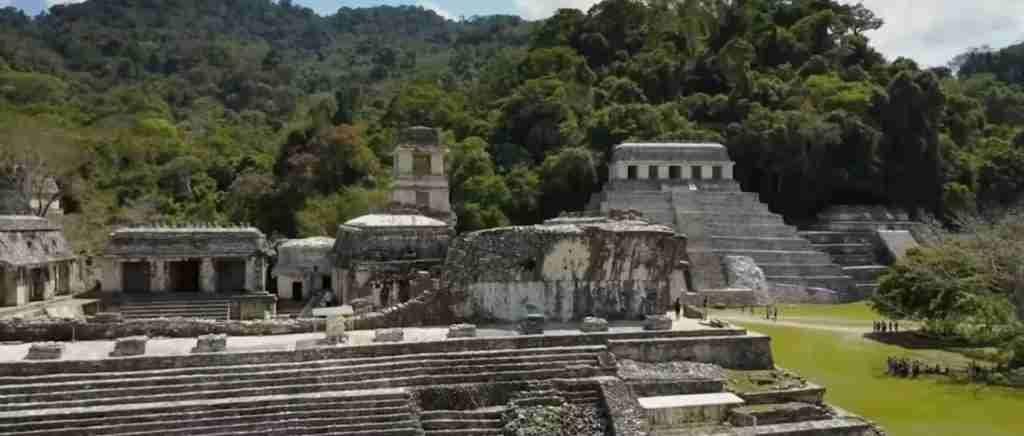
Archaeological site admissions represent significant cultural experience costs. Chichén Itzá entrance fees cost $80-90 per person combining federal and state charges. Tulum archaeological zone charges $50-60 admission. Cobá ruins cost $45-55 for entry. Ek Balam admission runs $35-45. These prices include basic site access but exclude guides, which add $40-60 for private tours or $10-15 per person for group tours. Check official INAH (National Institute of Anthropology and History) websites for current pricing as rates may vary.
Cenote entrance fees vary by facility development and amenities. Basic cenotes charge $5-10 admission for swimming access with minimal facilities. Moderately developed cenotes with changing rooms, lockers, and life jackets cost $12-18 entry. Premium cenotes featuring restaurants, professional photography services, and enhanced safety equipment charge $25-35 admission. Cenote parks with multiple swimming holes and zip lines run $40-60 for comprehensive access including activities. Always verify current pricing through official cenote websites or tour operators.
Water activities and tours create additional budget considerations. Snorkeling tours to reefs or cenotes cost $45-75 per person including equipment and transportation. Scuba diving experiences run $80-120 for two-tank reef dives, while cenote diving costs $120-180 due to specialized requirements. Whale shark tours (seasonal June-September) charge $120-180 per person. Isla Mujeres catamaran trips cost $80-120 including lunch and open bar. Jet ski rentals run $60-90 per 30 minutes. Parasailing experiences cost $70-90 per person for 12-15 minute flights.
Money-Saving Strategies for 2026
Strategic planning and informed choices reduce Cancún and Riviera Maya costs by 30-50% without sacrificing experience quality. Budget optimization involves timing decisions, accommodation selection, dining strategies, transportation choices, and activity prioritization.
Shoulder season travel (May and November) provides optimal balance between weather quality and pricing. Accommodations cost 25-40% less than peak winter months while maintaining reasonable weather probability. May marks dry season end with occasional afternoon storms. November transitions into dry season with pleasant temperatures and minimal rain. Both months feature thinner crowds at archaeological sites and beaches. Tour operators offer better availability and sometimes discounted rates for smaller group sizes.
Downtown Cancún accommodations save 40-60% compared to Hotel Zone properties while offering authentic Mexican atmosphere. Areas like Parque de las Palapas feature local restaurants, markets, and genuine community feel absent from tourist zones. The R1 and R2 bus routes connect downtown to Hotel Zone beaches for $1.50-2 per ride, enabling beach access while maintaining budget accommodations. Downtown supermarkets and street food provide economical dining options.
Public transportation dramatically reduces costs compared to taxis and private transfers. ADO bus service connects Cancún, Playa del Carmen, Tulum, and other Riviera Maya destinations for $15-25 depending on distance. Colectivo vans run fixed routes along Highway 307 charging $1.50-5 based on distance, departing when full rather than scheduled times. Local buses within Cancún cost $1.50-2 per ride covering Hotel Zone and downtown. These options require more time and flexibility than private transport but generate significant savings.
Street food and local restaurants deliver authentic Mexican cuisine at fraction of tourist restaurant prices. Tacos cost $1-2 each at street stands versus $4-6 at tourist venues. Comida corrida (daily lunch specials) at local restaurants run $5-8 for complete meals including soup, main course, rice, beans, and drink. Tortas (Mexican sandwiches) cost $3-5. Mercado 28 food court in Cancún offers budget meals in local market atmosphere. Downtown Playa del Carmen side streets feature economical restaurants away from Quinta Avenida premium pricing.
Free and low-cost activities balance budget with experiences. Public beaches throughout the region offer swimming, sunbathing, and people-watching without charges. Parque de las Palapas in Cancún hosts evening entertainment, food vendors, and local atmosphere without entrance fees. Sunday concerts at various plazas provide cultural experiences. Playa del Carmen’s Quinta Avenida pedestrian street offers free people-watching and window shopping. Self-guided exploration of Playa del Carmen, Puerto Morelos, and other towns costs nothing beyond transportation.
Supermarket purchases rather than restaurant dining for some meals reduces food costs 50-70%. Walmart, Chedraui, and Soriana supermarkets stock familiar brands plus local products. Breakfast items like fruit, yogurt, and bread cost $8-12 for multiple servings. Sandwich fixings, snacks, and beverages purchased at supermarkets support picnic lunches or in-room meals. Many hotels include mini-refrigerators or provide them upon request, enabling food storage.
Group tours reduce per-person costs through shared transportation and guide expenses. Joining established tour groups costs $40-80 per person for full-day archaeological site visits versus $200-300 for private tours accommodating couples or small families. Shared snorkeling excursions run $45-65 per person versus $300-400 for private boat charters. Group tours also facilitate meeting fellow travelers and create social atmosphere some visitors prefer over isolated private experiences.
Advance booking discounts apply to various services. Hotels offer early-bird rates 10-20% below standard pricing when booked 60-90 days ahead. Tours frequently discount 10-15% for advance online reservations versus walk-up prices. Rental cars booked weeks ahead cost less than last-minute arrangements. Flight prices typically decrease 20-35% when booked 6-12 weeks before departure compared to final week purchases.
Accommodation Costs and Options for 2026
Lodging represents the largest single expense category for most Cancún and Riviera Maya visitors, with options spanning hostel dormitories to luxury beachfront resorts. Strategic accommodation selection balances budget constraints with desired amenities, location preferences, and travel style.
Budget Accommodations $30-80 per Night
Hostel dormitories provide most economical sleeping arrangements at $18-35 per bed in 8-12 person rooms. Private rooms in hostels cost $40-65 nightly, offering budget pricing with ensuite bathrooms and more privacy than dorms. Hostel amenities typically include shared kitchens enabling meal preparation savings, common areas facilitating traveler interaction, lockers for valuables, and sometimes pools or bars. Popular hostel districts include downtown Cancún near Parque de las Palapas, Playa del Carmen between Quinta Avenida and Highway 307, and Tulum town center.
Budget guesthouses and small hotels charge $50-80 per night for basic double rooms with private bathrooms, air conditioning, and minimal amenities. These properties lack pools, restaurants, and extensive grounds but provide clean comfortable lodging in convenient locations. Downtown Cancún offers numerous options within walking distance of local restaurants and markets. Playa del Carmen budget hotels on side streets off Quinta Avenida provide beach proximity without beachfront premiums. Puerto Morelos budget accommodations offer quiet village atmosphere away from commercial zones.
Vacation rental studios found through platforms like Airbnb and VRBO cost $50-90 nightly, providing full kitchens enabling significant food cost savings. Studio rentals suit extended stays and couples comfortable with less daily service than hotels provide. Location factors heavily affect pricing: downtown units cost less than beachfront properties, while shoulder season availability expands with better rates than peak periods.
Mid-Range Accommodations $100-250 per Night
Mid-range hotels balance comfort and value, offering amenities like pools, on-site restaurants, beach or near-beach locations, and professional service. Cancún Hotel Zone properties in this range cost $150-250 nightly for oceanview rooms with direct beach access, multiple pools, restaurants, and bars. Playa del Carmen hotels near Quinta Avenida run $120-200 for similar amenities with Caribbean Sea proximity. Tulum hotel prices range $140-220 reflecting the destination’s boutique atmosphere and environmental consciousness.
All-inclusive mid-range resorts provide comprehensive packages including accommodations, unlimited meals at multiple restaurants, alcoholic and non-alcoholic beverages, and basic activities. Rates run $180-300 per night double occupancy, effectively including $80-120 worth of food and drinks compared to à la carte spending. Value calculation depends on consumption patterns: heavy eaters and drinkers maximize all-inclusive benefits while light diners may find better value paying individually for meals.
Vacation rental 1-2 bedroom apartments and condos cost $100-180 nightly, providing full kitchens, living spaces, and sometimes multiple bathrooms beneficial for families or small groups. Beachfront units command premiums over properties blocks from beach. Condo complexes often include pools, security, and common areas. Splitting costs among multiple travelers makes vacation rentals economically attractive compared to multiple hotel rooms.
Luxury Accommodations $300-800+ per Night
Luxury all-inclusive resorts dominate Cancún Hotel Zone and Riviera Maya coastline, offering comprehensive vacation experiences with top-tier service. Properties like Excellence Playa Mujeres, Secrets The Vine Cancún, and Grand Velas Riviera Maya charge $350-650 nightly double occupancy including gourmet dining at multiple specialty restaurants, premium liquor, daily activities, nightly entertainment, spa access, and concierge services. Adults-only properties provide tranquil sophisticated atmosphere while family resorts feature kids clubs, water parks, and family-oriented activities.
Boutique luxury hotels in Tulum and Playa del Carmen offer exclusive experiences emphasizing design, personalized service, and cultural authenticity. Rates run $400-800+ nightly for beachfront suites with private pools, butler service, farm-to-table dining, and curated local experiences. These properties attract travelers seeking intimate settings and distinctive character over large resort scale.
Luxury vacation villas accommodate groups or families seeking private compounds with multiple bedrooms, pools, staff, and high-end amenities. Properties cost $500-2,000+ nightly depending on size, location, and amenities. Villa rentals prove economical for groups when dividing costs among 6-12 people, providing per-person rates competitive with luxury hotels while offering far more space and privacy.
Daily Food and Dining Costs in 2026
Dining expenses range dramatically based on venue choices spanning street food stands to gourmet restaurants. The region offers authentic Mexican cuisine alongside international options accommodating diverse palates and budgets.
Budget Dining $20-40 Per Day
Street food provides most economical and often most authentic dining experiences. Taco stands charge $1-2 per taco with options like al pastor (marinated pork), carnitas (braised pork), pescado (fish), or camarón (shrimp). Ordering 3-4 tacos plus agua fresca beverage costs $5-8 for filling meals. Torta (Mexican sandwich) vendors charge $3-5 for substantial sandwiches on crusty rolls. Elote (grilled corn) costs $2-3 as popular street snack.
Local restaurants called fondas or cocinas económicas serve comida corrida (fixed-price lunches) including soup, main course, rice, beans, tortillas, and beverage for $5-9. These establishments cater to working Mexicans rather than tourists, offering authentic flavors and generous portions. Dinner at similar venues costs $8-14 for main courses. Mercado 28 food court in Cancún concentrates budget dining options in convenient central location.
Supermarket meals purchased at Walmart, Chedraui, or Soriana reduce costs further. Breakfast supplies (fruit, yogurt, cereal, bread) cost $10-15 for multiple days. Sandwich fixings, chips, and drinks support lunch preparation. Prepared foods sections offer rotisserie chicken, salads, and other ready-to-eat items at supermarket pricing versus restaurant markups. Budget-conscious travelers eating primarily supermarket and street food spend $20-30 daily.
Mid-Range Dining $40-75 Per Day
Casual restaurants throughout tourist zones serve Mexican and international cuisine at moderate prices. Breakfast at cafés costs $8-15 for items like chilaquiles, huevos rancheros, or pancakes with coffee. Lunch at beachfront palapas runs $12-20 for fish tacos, ceviche, or grilled seafood with beer or cocktail. Dinner at sit-down restaurants costs $20-35 per person for appetizer, main course, and beverages including tip.
Chain restaurants like Señor Frog’s, Carlos’n Charlie’s, and Hard Rock Café charge $15-25 for main courses with 2-for-1 drink specials during happy hours. Italian, Asian, and steakhouse options throughout Playa del Carmen and Cancún cost $18-30 for entrées. Quinta Avenida restaurant pricing runs 20-30% higher than parallel streets one block inland, rewarding explorers who venture off main tourist corridors.
Mixing budget and mid-range options optimizes value: street food breakfast $5-8, casual lunch $12-18, nicer dinner $25-40 averages $42-66 daily per person. This approach maintains reasonable spending while enabling upscale dining experiences without constant budget calculations. Resort day passes ($40-80) at all-inclusive properties provide unlimited food and drinks representing potential value compared to multiple restaurant meals.
Luxury Dining $80-150+ Per Day
Fine dining establishments in Cancún, Playa del Carmen, and Tulum offer gourmet Mexican cuisine, international specialties, and cutting-edge culinary concepts. Dinner at restaurants like Lorenzillo’s, Porfirio’s, or Harry’s costs $45-75 per person for appetizers, main courses, and drinks before tip. Tulum beach club restaurants charge $35-60 for seafood-focused menus in stunning beachfront settings. Wine pairings and premium cocktails add substantially to bills.
Luxury resort restaurants provide upscale dining without leaving property. Specialty restaurants within all-inclusives sometimes charge supplements ($15-40 per person) beyond standard package for premium menus, wine pairings, or private settings. Non-inclusive resort restaurants cater to discerning diners with pricing matching quality: $50-90 per person for multi-course dinners with wine.
Private chef experiences and dinner cruises represent ultimate splurges. In-villa private chef services cost $80-150 per person for multi-course meals with personalized menus. Sunset dinner cruises run $100-180 per person including open bar, gourmet meals, and entertainment. These experiences combine dining with unique activities justifying premium pricing.
Transportation Costs for 2026
Moving between destinations and exploring the region requires strategic transportation choices balancing cost, convenience, and time efficiency. Public options provide economical alternatives to taxis and private services.
Airport Transportation
Cancún International Airport lies 15 kilometers from Hotel Zone and 55 kilometers from Playa del Carmen. Shared airport shuttles cost $16-22 per person to Hotel Zone hotels or $22-32 to Playa del Carmen, operating on fixed schedules with multiple hotel stops extending travel time. Private transfers charge $60-80 for sedan service to Hotel Zone or $90-120 to Playa del Carmen, offering direct non-stop transport ideal for groups splitting costs or travelers prioritizing convenience.
ADO bus service connects airport to downtown Cancún ($4-6), Playa del Carmen ($12-16), and Tulum ($18-24) with departures approximately hourly. Buses feature air conditioning, luggage storage, and comfortable seats but require navigating airport terminal to bus station and potentially walking from bus stations to final accommodations. Taxis from airport charge fixed zone rates starting $30 to Hotel Zone and increasing based on destination distance.
Local Transportation in Cancún
R1 and R2 public buses run Hotel Zone connecting all hotels, beaches, and attractions to downtown for $1.50-2 per ride paid in exact change to driver. Buses operate frequent schedules (every 5-10 minutes during peak times) from early morning through late evening. Downtown local buses cost $1.50 within city limits. These options work perfectly for budget travelers comfortable with some Spanish language skills and navigating bus routes.
Taxis in Cancún lack meters, requiring fare negotiation before entering vehicle. Hotel Zone trips cost $8-15 depending on distance. Hotel Zone to downtown runs $15-20. Airport taxi zone rates create fixed pricing preventing negotiation. Uber operates in Cancún offering app-based pricing and cashless payment, though sometimes restricted at hotels preferring official taxi services. Taxi rides split among multiple passengers prove economical.
Intercity Transportation
ADO bus network connects all major Riviera Maya destinations with comfortable air-conditioned coaches. Cancún to Playa del Carmen costs $8-12 for 45-60 minute journey. Playa del Carmen to Tulum runs $6-10 for 45 minute ride. Cancún to Tulum costs $12-18 covering 130 kilometers in 2 hours. Advance booking online secures preferred departure times and potentially small discounts. Terminal locations require reaching by taxi or local transport from hotels.
Colectivo vans provide budget alternative to ADO buses, charging approximately half the price for same routes but with less comfort and no guaranteed seating. Vans depart when full rather than scheduled times, sometimes requiring waits. Colectivos run continuously along Highway 307 between Cancún and Tulum, picking up and dropping passengers at any point along route for distance-based fares ($2-8). Baggage space limits make colectivos better suited for day trips than airport transfers with luggage.
Rental cars provide ultimate flexibility exploring cenotes, archaeological sites, and beaches away from bus routes. Compact cars cost $25-45 per day, mid-size vehicles $35-60 daily, and SUVs $50-80 per day with advance booking securing better rates than walk-up rentals. Insurance adds significantly to costs: Mexican liability insurance runs $18-30 daily and proves mandatory despite coverage through credit cards or home policies. Gasoline costs approximately $1.10-1.30 per liter ($4.20-4.90 per gallon). Tolls on Highway 180D to Chichén Itzá total $18-25. Rental cars suit groups splitting costs or travelers prioritizing independence over budget optimization.
Activities and Attractions Budget for 2026
Beyond beaches and hotel facilities, the region offers archaeological sites, adventure activities, water sports, and cultural experiences requiring budget allocation for admission fees, tours, and equipment rentals.
Archaeological Sites and Cultural Attractions
Major Mayan ruins require entrance fees plus typically guide services for complete understanding. Chichén Itzá costs $80-90 admission plus $50-80 for private guides or $12-18 per person for group guide services. The site lies 200 kilometers from Cancún requiring either rental car ($25-45 plus fuel), ADO bus ($22-32 round-trip), or organized tours ($70-110 per person including transportation, guide, and sometimes lunch).
Tulum archaeological zone charges $50-60 entry with guides $40-60 private or $10-15 per person shared. The site’s beachfront location combines ruins visits with beach time. Transportation from Cancún costs $12-18 by ADO bus or $90-120 private transfer. Playa del Carmen lies only 45 minutes away making Tulum easy day trip destination.
Cobá ruins admission runs $45-55 with optional bicycle rentals $3-5 enabling quicker site exploration given distances between structures. Guides cost similar to other sites. Ek Balam charges $35-45 entry with fewer crowds than major sites. Smaller ruins like San Miguelito in Cancún or El Rey near Hotel Zone cost $5-8 admission, providing budget-friendly alternatives.
Cenote Experiences
Cenote entry fees vary dramatically by facility development and location. Basic jungle cenotes charge $5-10 for swimming access with minimal infrastructure. Popular cenotes like Gran Cenote near Tulum cost $15-20 with lockers, changing rooms, and snorkel rental included. Premium cenotes featuring restaurants, professional photos, and enhanced safety equipment charge $25-35. Cenote parks with multiple swimming areas and activities run $40-60 for day access.
Transportation to cenotes requires rental car, tours, or taxi services as public transportation rarely reaches remote locations. Rental cars enable cenote-hopping visiting multiple sites in one day. Organized cenote tours cost $45-75 per person including transportation from hotels, entrance fees, and guide services. Colectivos reach some popular cenotes along Highway 307 for $2-5 from Playa del Carmen or Tulum.
Water Activities and Tours
Reef snorkeling tours departing Cancún or Playa del Carmen cost $45-75 per person including boat transportation, equipment, and guide services. Isla Mujeres snorkeling excursions run $60-90 combining reef visits with island beach time and lunch. Cozumel snorkeling or diving day trips cost $80-120 from Playa del Carmen including ferry transport, equipment, and guide.
Scuba diving experiences for certified divers run $80-120 for two-tank reef dives with all equipment included. Cenote diving requires additional certification and costs $120-180 due to specialized nature and smaller group sizes. Discover Scuba introductory dives cost $100-140 enabling non-certified individuals to experience diving with intensive instruction and close supervision. Multi-dive packages reduce per-dive costs.
Whale shark tours operate June through September charging $120-180 per person for full-day excursions including boat transport, snorkeling with whale sharks, equipment, lunch, and drinks. These encounters with world’s largest fish create unforgettable experiences justifying premium pricing. Tours depart from Cancún, Isla Mujeres, and Holbox.
Adventure activities like zip-lining cost $45-75 for cenote zipline tours. ATVs rent for $60-100 per vehicle for 2-hour jungle tours. Jet ski rentals charge $60-90 per 30 minutes. Parasailing costs $70-90 per person for 12-15 minute flights. Kiteboarding lessons run $120-180 for 2-hour introduction sessions.
Sample 2026 Budget Itineraries with Daily Costs
7-Day Budget Itinerary: $60-100 Per Day
Day 1 – Arrival Cancún: Accommodation downtown hostel $25, airport ADO bus $6, street food dinner $8, local groceries $12. Total day cost: $51 per person (excluding accommodation from day rate calculation: groceries $12, bus $6, dinner $8, entertainment $0 = $26).
Day 2 – Cancún Free Activities: Accommodation $25, Playa Delfines public beach free, R1 bus to beach $4 round-trip, street food tacos lunch $6, supermarket sandwich dinner $5, beach beers $8. Total day cost: $23 per person (excluding accommodation).
Day 3 – Playa del Carmen Day Trip: Accommodation $25, ADO bus round-trip $16, street lunch $7, Quinta Avenida window shopping free, colectivo to nearby beach $4 round-trip, dinner at local restaurant $12. Total day cost: $39 per person (excluding accommodation).
Day 4 – Tulum Ruins: Accommodation $25, colectivo to Tulum $8 round-trip, Tulum ruins entry $55, street tacos $6, beach access free, snacks $5. Total day cost: $74 per person (excluding accommodation).
Day 5 – Cenote Visit: Accommodation $25, colectivo transport $6 round-trip, Gran Cenote entry $18, packed lunch from supermarket $6, street dinner $8. Total day cost: $38 per person (excluding accommodation).
Day 6 – Isla Mujeres: Accommodation $25, ferry round-trip $14, bicycle rental $8, beach time free, fish tacos lunch $10, supermarket snacks $5. Total day cost: $37 per person (excluding accommodation).
Day 7 – Departure: Accommodation $25, ADO bus to airport $6, airport food $12. Total day cost: $18 per person (excluding accommodation).
Weekly Total: Accommodation $175, daily expenses $255, flights $350 average = $780 total budget trip excluding souvenirs and tips. Daily average $96 including accommodation, $36 excluding accommodation.
7-Day Mid-Range Itinerary: $120-200 Per Day
Day 1 – Arrival Playa del Carmen: Accommodation mid-range hotel $140, private airport transfer $45 per person, welcome dinner restaurant $35, drinks $18. Total day cost: $98 per person (excluding accommodation).
Day 2 – Beach and Fifth Avenue: Accommodation $140, breakfast café $15, beach club day pass $35, lunch at beach $25, Quinta Avenida dinner $40, cocktails $20. Total day cost: $135 per person (excluding accommodation).
Day 3 – Tulum Archaeological Site: Accommodation $140, organized tour including transport $85, lunch included in tour, cenote visit included, dinner in Tulum town $35, drinks $15. Total day cost: $135 per person (excluding accommodation).
Day 4 – Cozumel Day Trip: Accommodation $140, ferry and snorkel tour $95, lunch at beach club $28, dinner back in Playa $38, evening drinks $18. Total day cost: $179 per person (excluding accommodation).
Day 5 – Cenote Tour: Accommodation $140, cenote tour package visiting three cenotes $75, lunch included, spa massage $65, nice dinner $45, cocktails $22. Total day cost: $207 per person (excluding accommodation).
Day 6 – Chichén Itzá: Accommodation $140, guided tour including transport $95, lunch included in tour, return evening relaxation, casual dinner $30, drinks $15. Total day cost: $140 per person (excluding accommodation).
Day 7 – Departure: Accommodation $140, breakfast $18, private transfer to airport $45, airport shopping $35. Total day cost: $98 per person (excluding accommodation).
Weekly Total: Accommodation $980, daily expenses $992, flights $450 average = $2,422 total mid-range trip. Daily average $346 including accommodation, $142 excluding accommodation.
7-Day Luxury Itinerary: $300-500+ Per Day
Day 1 – Arrival Luxury Resort: All-inclusive accommodation $425 per night double occupancy $212.50 per person, private transfer with meet-and-greet $75 per person, welcome spa treatment $120, premium dinner wine pairing $35 supplement. Total day cost: $230 per person (excluding accommodation).
Day 2 – Resort Relaxation: Accommodation $212.50, all meals and drinks included, beach activities included, premium restaurant supplement $35, spa package $180, evening show included. Total day cost: $215 per person (excluding accommodation).
Day 3 – Private Tulum Tour: Accommodation $212.50, private guide and driver $250 per person, gourmet lunch at boutique hotel $65, cenote visit $30, resort return dinner included. Total day cost: $345 per person (excluding accommodation).
Day 4 – Cozumel Private Charter: Accommodation $212.50, private boat and guide $300 per person, lunch at exclusive beach club $75, premium dinner supplement $40, couples massage $220. Total day cost: $635 per person (excluding accommodation).
Day 5 – Cenote Diving Experience: Accommodation $212.50, private cenote dive tour $220, gourmet picnic lunch $45, resort spa afternoon $150, wine pairing dinner $50 supplement. Total day cost: $465 per person (excluding accommodation).
Day 6 – Chichén Itzá VIP: Accommodation $212.50, private early access tour $280, luxury lunch at Hacienda $85, optional helicopter return $350, resort evening included. Total day cost: $715 per person (excluding accommodation).
Day 7 – Departure: Accommodation $212.50, breakfast included, private luxury transfer $95, airport VIP lounge $75, shopping $120. Total day cost: $290 per person (excluding accommodation).
Weekly Total: Accommodation $1,487.50, daily experiences $2,895, flights $650 average = $5,032.50 total luxury trip. Daily average $719 including accommodation, $414 excluding accommodation.
Seasonal Pricing Variations Throughout 2026
Understanding how prices fluctuate across seasons enables strategic timing that balances weather quality, crowd levels, and costs. The Cancún and Riviera Maya region experiences dramatic pricing variations correlating with demand patterns.
Peak Season: December-April
High season from December through April attracts maximum visitors escaping Northern winter, creating premium pricing across accommodations, tours, and even some dining establishments. Hotel rates increase 40-60% compared to low season, with beachfront properties commanding highest premiums. Christmas through New Year’s week represents absolute peak with rates doubling or tripling compared to low season. Spring Break weeks in March see college students flooding Cancún raising Hotel Zone prices while families avoid the party atmosphere.
Weather during peak season offers optimal conditions: minimal rainfall, pleasant temperatures (75-85°F), calm seas, and consistent sunshine. These reliable conditions justify premium pricing for many travelers prioritizing weather certainty over budget optimization. Archaeological sites, beaches, and popular cenotes experience maximum crowds requiring patience and strategic timing to avoid overwhelming tourist density.
Advance booking proves essential during peak season as desirable accommodations and tours sell out weeks or months ahead. Flight prices also increase with demand, particularly from cold-weather regions during holiday periods. Budget travelers struggle finding affordable options during peak season, with hostels and budget hotels filling quickly. Mid-range and luxury properties maintain availability longer but at premium rates.
Shoulder Seasons: May and November
May and November represent optimal balance points offering reasonable weather probability with significantly reduced pricing. Hotels drop rates 25-40% compared to peak season while maintaining service quality. Tours become more readily available without advance booking requirements. Fewer crowds at archaeological sites enable better photography and more peaceful exploration.
May weather remains generally favorable with occasional afternoon thunderstorms marking transition from dry to rainy season. Morning hours typically feature clear skies ideal for activities. Temperatures climb into upper 80s with increasing humidity. November transitions from hurricane season into dry season, offering improving weather throughout the month. Both shoulder months provide excellent value for flexible travelers comfortable with minor weather uncertainties.
Restaurants outside all-inclusive resorts appreciate shoulder season business, sometimes offering promotions or discounts. Tour operators run smaller groups or occasionally offer reduced rates filling capacity. Rental cars and transportation services cost standard rates as pricing remains relatively stable outside peak winter months. These subtle savings compound across week-long trips creating meaningful budget reductions.
Summer Season: June-August
Summer months provide moderate pricing despite technically falling within rainy season. Accommodations cost 20-35% less than peak winter rates while remaining above absolute low season pricing. Family travel during school vacations maintains reasonable demand preventing prices from dropping to September-October lows. Many properties offer summer promotions attracting international visitors and Mexican domestic travelers.
Weather during summer features hot temperatures (85-95°F), high humidity, and afternoon thunderstorms developing regularly. Mornings typically start clear enabling beach time and activities before storms arrive mid-afternoon. Brief intense rain usually clears within 1-2 hours with evenings often pleasant. Hurricane season begins June 1st requiring monitoring weather forecasts, though direct impacts remain relatively rare with most storms passing elsewhere.
Summer travel suits flexible schedules and travelers from hot climates already adapted to heat and humidity. Budget-conscious families appreciate moderate pricing during school vacation periods. Tours operate normally with good availability. Beach conditions generally remain excellent with warm water temperatures ideal for extended swimming and snorkeling sessions.
Hurricane Season Low Period: September-October
September and October represent absolute lowest pricing reflecting hurricane season peak and minimal visitor demand. Accommodations discount 50-70% compared to peak season with hotels offering aggressive promotions filling rooms. Tours, restaurants, and activities reduce prices or offer special packages. Rental cars become readily available at standard rates as vehicle demand drops significantly.
Hurricane risk peaks during these months requiring flexible planning and comprehensive travel insurance including storm coverage. While direct hurricane impacts remain statistically unlikely for any specific trip, the possibility necessitates monitoring forecasts and maintaining cancellation flexibility. Many travelers accept this uncertainty exchanging weather risk for dramatic cost savings and near-empty beaches and archaeological sites.
Weather between storms features typical rainy season patterns: afternoon thunderstorms, high humidity, and warm temperatures. Storm-free periods offer excellent conditions with fewer crowds than any other time. Seaweed (sargassum) accumulation sometimes affects beaches during summer and fall, varying by location and current patterns. South-facing beaches generally experience less seaweed than east-facing shorelines.
Money Management and Financial Planning for 2026
Effective money management enhances travel experiences while preventing overspending, currency problems, or financial emergencies. Strategic planning before and during trips ensures smooth financial operations.
Currency Exchange and Banking
Mexican Peso (MXN) serves as official currency with exchange rates fluctuating between 16-20 pesos per US dollar historically. ATM withdrawals provide best exchange rates, typically within 1-2% of official rates. ATM fees include machine charges ($3-6 per transaction) plus potential home bank foreign ATM fees ($3-5). Withdrawing larger amounts ($200-400) minimizes per-dollar fee impact, though carrying excessive cash creates security risks.
Credit cards work widely in hotels, restaurants, and tour operators, with Visa and Mastercard accepted more universally than American Express or Discover. Cards charge foreign transaction fees (typically 3%) unless using specific travel cards waiving these charges. Cards also provide better fraud protection than cash and enable spending tracking through statements. Always pay in pesos rather than dollars when offered dynamic currency conversion, as merchant exchange rates prove significantly worse than card network rates.
Cash remains essential for street food, local markets, colectivo transportation, tips, and small businesses lacking card terminals. Changing $200-300 into pesos covers typical weekly cash needs while minimizing lost funds if theft occurs. Distributing cash across multiple locations (hotel safe, daypacks, hidden pockets) reduces loss risk from pickpocketing or robbery.
Tipping Customs and Expectations
Mexican tipping culture expects gratuities for various services. Restaurant servers receive 10-15% tips for adequate service and 18-20% for exceptional attention, calculated on pre-tax totals. All-inclusive resort staff appreciate tips despite service charges: $2-5 daily for room cleaning, $2-3 per drink at bars, $5-10 for concierge assistance, and $20-40 per week for butler service at luxury properties.
Tour guides receive $5-10 per person for group tours and $20-40 for private guides depending on service quality and tour duration. Drivers on tour buses get $2-3 per person. Spa staff receive 15-20% gratuities for services. Taxi drivers don’t expect tips but rounding up fares ($23 to $25) shows appreciation. Porter services warrant $1-2 per bag.
Travel Insurance Considerations
Travel insurance provides financial protection against trip cancellations, medical emergencies, and various travel disruptions. Comprehensive policies cost 4-8% of total trip cost ($80-160 for $2,000 trip, $150-300 for $5,000 trip) covering trip cancellation/interruption, emergency medical care, medical evacuation, baggage loss, and travel delays.
Hurricane season travel particularly benefits from cancel-for-any-reason coverage allowing trip cancellation up to 48 hours before departure for 50-75% reimbursement, protecting against storm threats even when official warnings haven’t been issued. Medical coverage proves essential as US health insurance often doesn’t cover international incidents and Mexican medical care requires payment arrangements before treatment. Evacuation coverage transports severely ill or injured travelers to appropriate medical facilities costing thousands without insurance.
Budget Tracking and Spending Control
Maintaining spending awareness prevents budget overruns and financial stress. Smartphone apps like Trail Wallet, TravelSpend, or Splitwise track expenses by category enabling real-time budget monitoring. Recording all spending immediately after purchases maintains accurate records despite small transaction volumes. Reviewing daily totals helps identify spending patterns and enables mid-trip adjustments.
Setting daily spending targets before trips creates budgeting framework. Allocating fixed amounts for accommodations, meals, activities, and miscellaneous expenses prevents overspending in any single category. Building 15-20% contingency buffers accommodates unexpected costs or spontaneous opportunities without derailing overall budgets. Prioritizing experiences over souvenirs ensures memories receive funding priority versus material purchases.
FAQ: Cancún & Riviera Maya Budget 2026
Is Cancún budget-friendly for backpackers in 2026?
Cancún and Riviera Maya accommodate backpacker budgets through hostel dormitories $18-35 per night, street food meals $5-10, public transportation $1.50-8 for intercity travel, and free beaches providing entertainment. Budget travelers spend $60-100 daily including accommodations covering basic comfort while accessing Caribbean beaches, Mayan ruins, and cenotes. Downtown Cancún and Playa del Carmen side streets offer significantly better value than tourist zones, with authentic Mexican atmosphere enhancing cultural experiences.
How much should I budget for a week in Tulum in 2026?
Tulum costs run slightly higher than Cancún or Playa del Carmen due to boutique atmosphere and environmental positioning. Budget travelers allocate $700-1,000 weekly including accommodations $300-400, meals $175-250, transportation $50-75, and activities $150-250. Mid-range visitors budget $1,800-2,800 weekly for hotels $800-1,200, dining $400-600, transport $150-250, and tours/activities $450-750. Luxury experiences cost $4,000-8,000+ weekly for upscale hotels/villas $2,100-4,200, fine dining $700-1,400, private transport $400-600, and premium activities $800-1,800.
Are all-inclusive resorts worth the cost in 2026?
All-inclusive value depends on consumption patterns and preferences. Resorts cost $180-500+ nightly double occupancy including unlimited food, drinks, and basic activities. Heavy eaters and drinkers maximize value potentially consuming $100-150 worth of food and beverages daily, making all-inclusive economical versus à la carte spending. However, all-inclusive stays limit cultural immersion, restrict dining variety to resort restaurants, and often charge supplements for premium dining, tours, and activities beyond property. Independent travelers preferring local restaurants, exploring multiple destinations, and light alcohol consumption often find better value booking hotels separately from meals.
Can I visit Cancún and Riviera Maya on $50 per day in 2026?
$50 daily proves extremely challenging though technically possible with aggressive budget optimization. This requires hostel dormitory accommodations $18-25, exclusively street food and supermarket meals $15-20, public transportation only $3-5, and limiting paid activities $5-10 for occasional cenote visits while relying primarily on free beaches and self-guided exploration. Most budget travelers find $70-100 daily provides more comfortable experience with occasional restaurant meals, mid-range activities, and private room accommodations while maintaining backpacker affordability.
What hidden costs should I expect in Cancún for 2026?
Beyond obvious expenses, budget for mandatory gratuities at all-inclusive resorts $10-15 daily per person for quality service, marine park fees $3-5 when visiting protected reef areas, lockers and equipment rentals $5-15 at beaches and cenotes, bottled water as tap water isn’t potable $10-15 weekly, sunscreen and toiletries at premium tourist area prices $20-40, currency exchange losses when paying in dollars versus pesos 5-10% on transaction value, and tips for guides, drivers, and service staff $30-60 weekly. These “small” costs accumulate to $100-200+ weekly, making 15-20% contingency budgets prudent.
How do costs compare between Cancún Hotel Zone and downtown in 2026?
Downtown Cancún costs run 40-70% below Hotel Zone for comparable quality. Hotels downtown charge $40-80 versus $100-200 in Hotel Zone. Restaurant meals cost $5-12 downtown versus $15-30 at beachfront venues. Street food remains accessible downtown while rare in Hotel Zone. However, downtown sacrifices beach access requiring $1.50-2 bus rides reaching Hotel Zone beaches. Downtown suits budget travelers prioritizing authentic atmosphere and local prices, while Hotel Zone appeals to visitors wanting walking beach access and resort amenities despite premium costs.
What’s the cheapest way to visit Chichén Itzá in 2026?
Independent visit using ADO bus from Cancún costs $44-64 round-trip: ADO bus round-trip $22-32, entrance fee $80-90, optional group guide $12-18, food and water $10-15. Departure requires early morning (6-7 AM) reaching site by 9-10 AM before maximum crowds and heat. Tours cost $70-110 per person including transportation, guide, entrance, and sometimes lunch, providing value through hassle-free experience but less flexibility. Private tours run $200-300 enabling customized timing and private guide attention. Budget-conscious independent travelers save 40-60% compared to tours but sacrifice convenience and guided interpretation.
Are there ways to visit cenotes cheaply in 2026?
Budget cenote experiences focus on basic sites away from tourist circuits. Small jungle cenotes charge $5-10 admission versus $15-35 for developed facilities. Renting bicycles or motorcycles in Tulum enables reaching multiple remote cenotes for $8-25 daily versus $45-75 for organized tours. Colectivos transport to accessible cenotes along Highway 307 for $2-5. Gran Cenote near Tulum costs $18-20 entry reachable by bicycle from town. Some cenotes within Cobá archaeological site charge only ruins entry without additional fees. Groups splitting rental car costs visit multiple cenotes economically, though solo travelers benefit from tour packages including transportation and guide services.
How much spending money should I bring for a week beyond accommodation and flights in 2026?
Beyond pre-paid accommodations and flights, budget travelers need $300-500 weekly covering meals $150-250, local transportation $40-70, activities and admissions $100-150, and tips/miscellaneous $50-80. Mid-range travelers allocate $600-1,000 for dining $300-450, transportation $100-150, tours and attractions $200-350, and miscellaneous $100-150. Luxury travelers carry $1,500-3,000+ weekly for fine dining $600-1,000, private transport $200-400, premium activities $500-1,200, and shopping/extras $200-500. These ranges assume typical spending without extraordinary purchases and represent guideline amounts adjustable based on specific preferences and activities planned.
Do prices increase significantly during Spring Break 2026?
Spring Break weeks in March create dramatic price spikes particularly in Cancún Hotel Zone where properties double or triple normal rates due to college student demand. Mid-March through early April sees maximum pricing with hotels, nightclubs, and beach clubs charging premium rates. Families and adult travelers often avoid Spring Break chaos seeking peaceful experiences at Playa del Carmen, Tulum, or waiting until late April when spring breakers depart. Budget travelers find Spring Break nearly impossible without advance booking 4-6 months ahead, as affordable accommodations sell out entirely. Those flexible with timing save 40-60% visiting in May versus March while enjoying similar weather without party atmosphere.